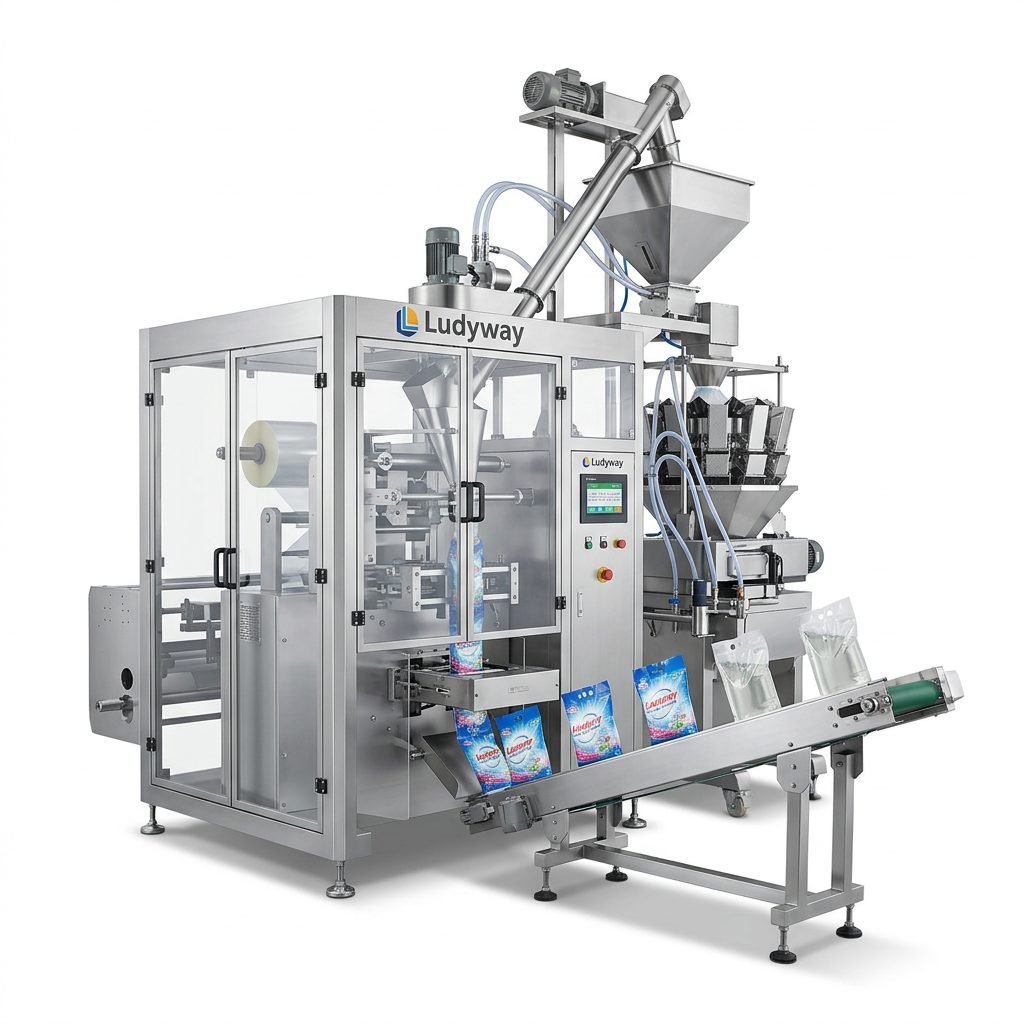
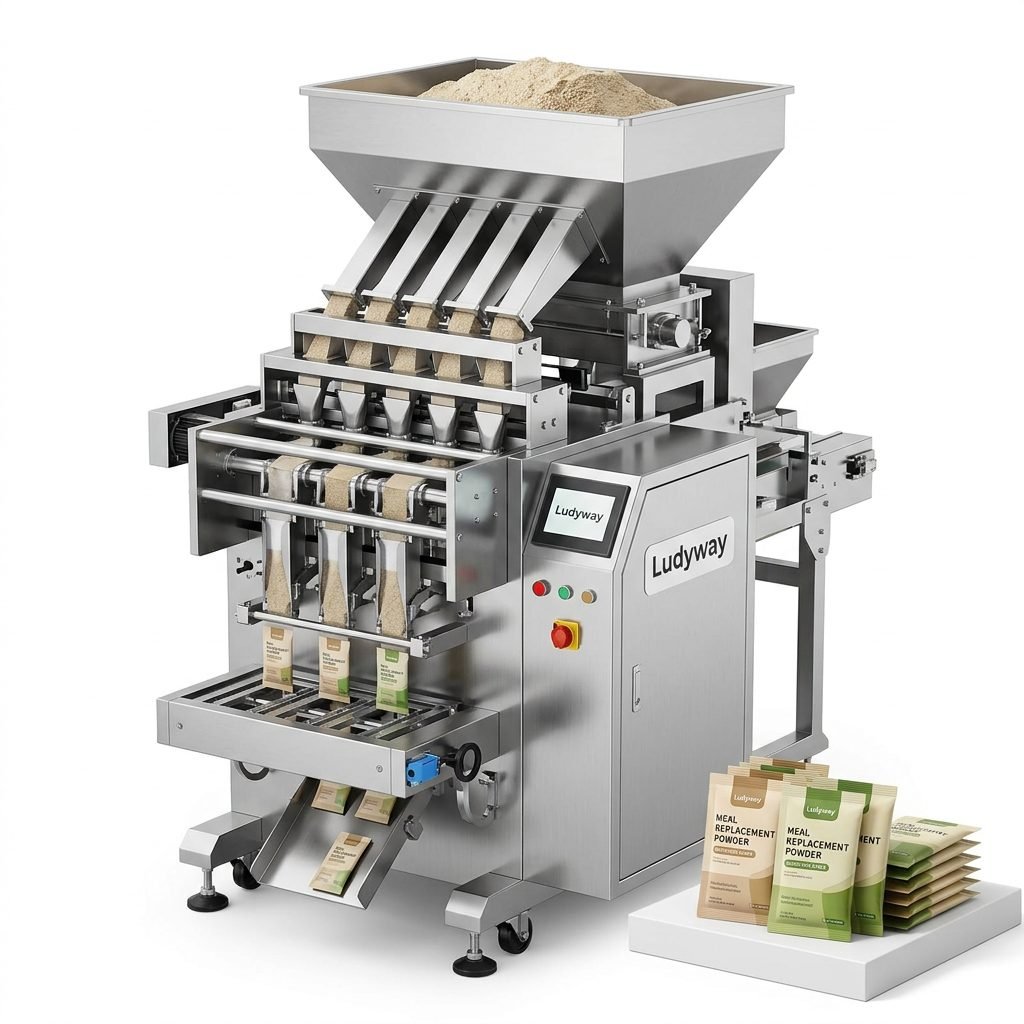
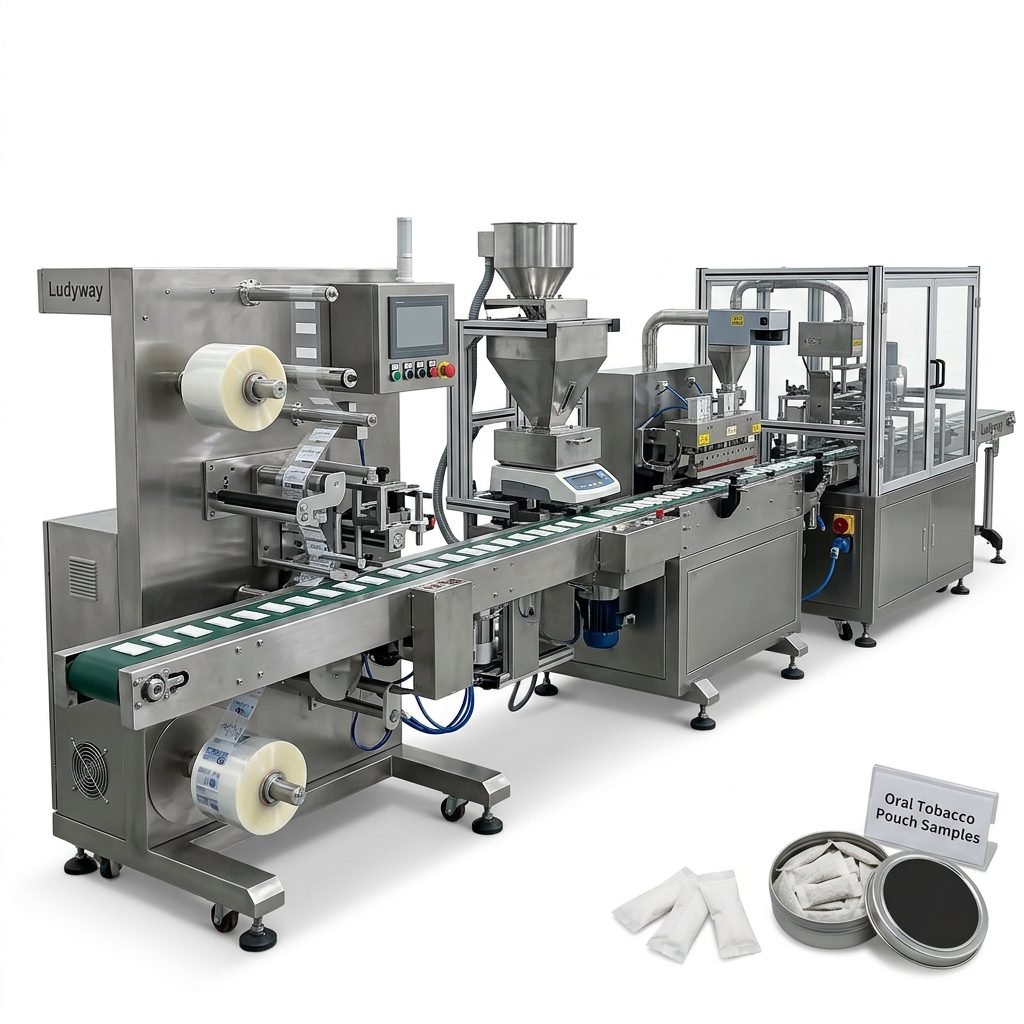
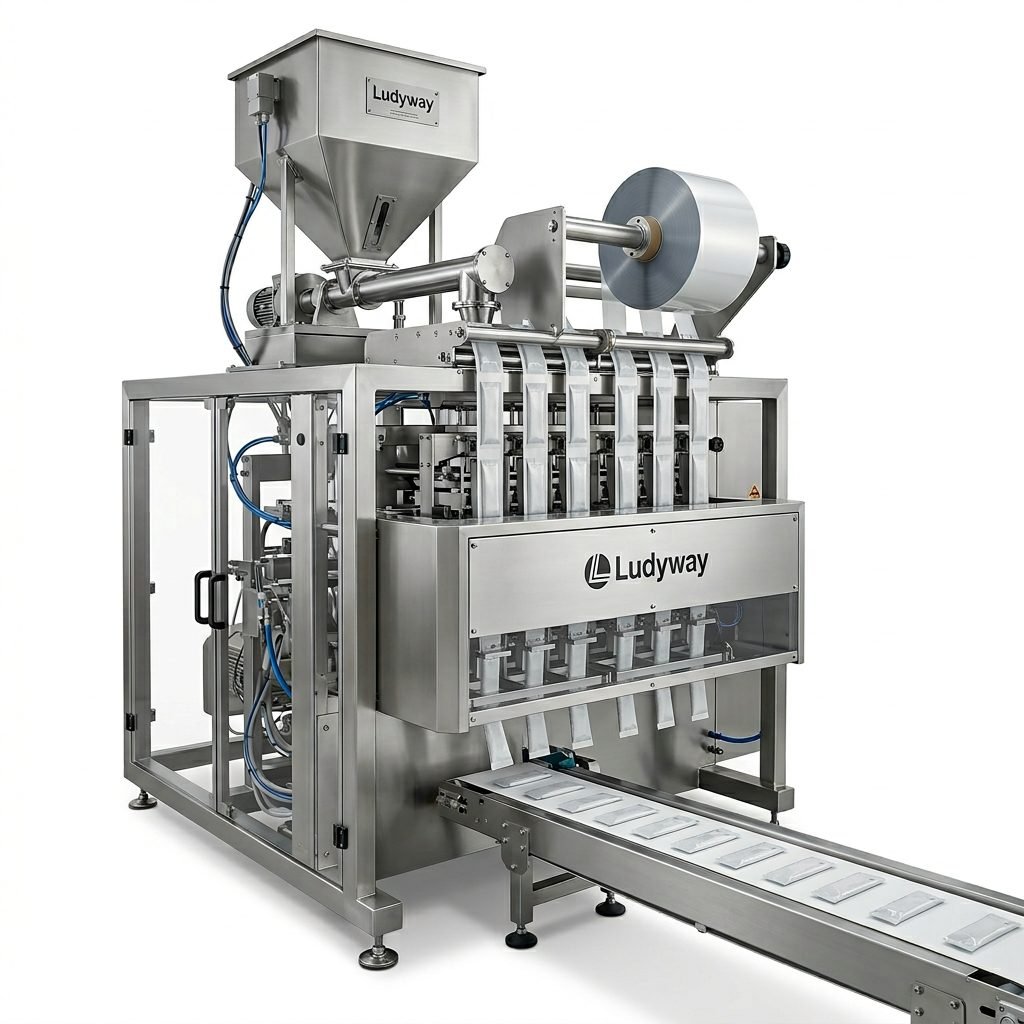
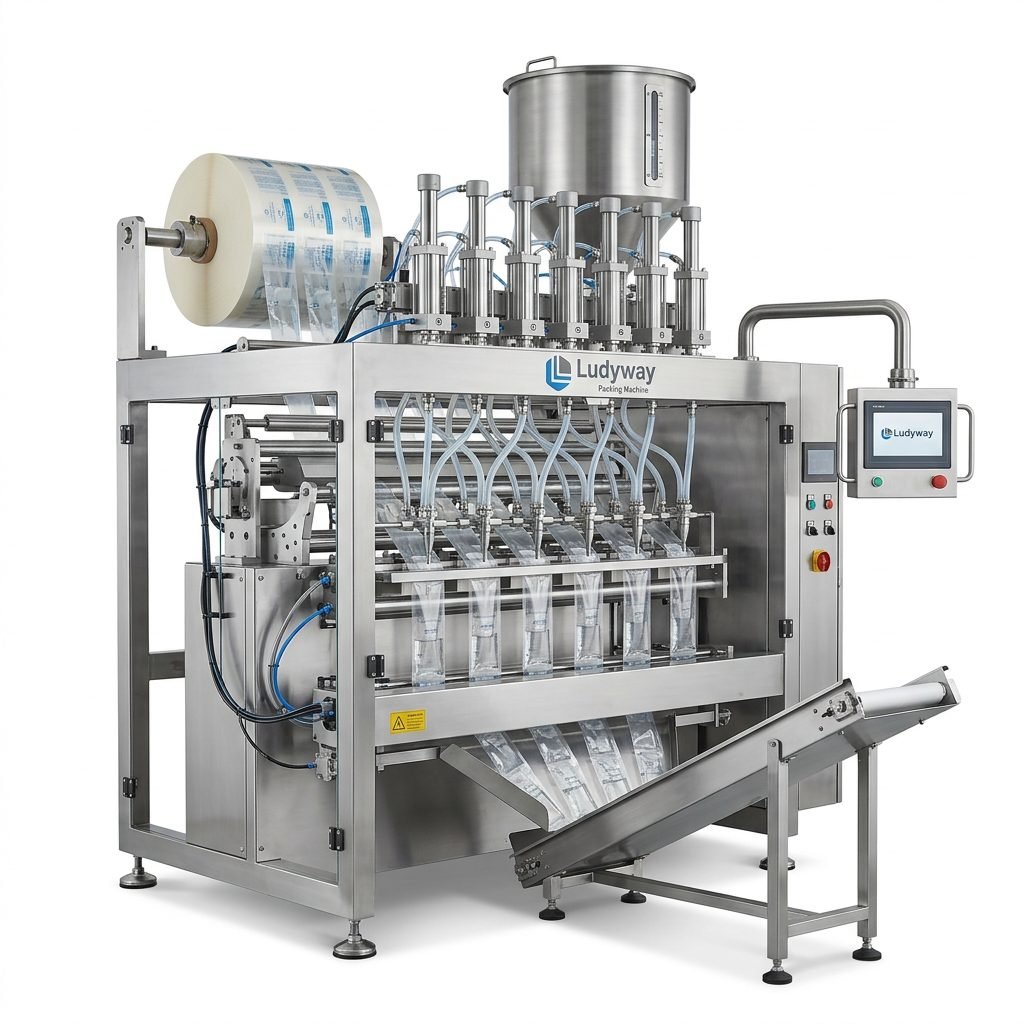
The French food processing sector is undergoing a significant transformation. Whether you are launching a new brand of ready-to-eat meals or scaling up an existing industrial kitchen, understanding how to integrate a high-performance meal packaging machine production line is critical. This guide walks you through the critical phases of setting up a compliant, efficient, and automated packaging line in France, tailored to local market standards and EU directives.
1. Understanding the French Market Landscape
Before acquiring machinery, you must analyze the specific demands of the French retail and logistics ecosystem. The market is dominated by large retail chains that enforce strict standards regarding modified atmosphere packaging (MAP), shelf life, and barcode traceability. Unlike some other markets, French consumers heavily prioritize sustainability and material reduction. Therefore, a modern flexible packaging line must be capable of handling recyclable mono-materials and lightweight films without compromising speed. Understanding the supply chain dynamics, from hygiene regulations (HACCP) to label printing precision, is the non-negotiable first step for any project.
2. Regulatory Compliance and Hygiene Standards
France adheres to the stringent European Union machinery directives and food contact materials regulations. Your production line design must prioritize hygiene and safety:
- CE Certification: All equipment must bear the CE marking, confirming compliance with EU health, safety, and environmental protection standards.
- HACCP Integration: The line must facilitate cleaning, with IP65 or higher washdown-rated components in direct food contact zones.
- Material Compliance: Stainless steel (304 or 316L) construction is mandatory for food contact parts to prevent corrosion and contamination.
- ATEX Implications: If handling volatile powders (like soups or spices), ensure dust extraction and potentially ATEX-rated electrical enclosures are part of the plan.
3. Choosing the Right Packaging Technology
Meal packaging in France spans a wide range of formats. Selecting the correct technology depends on your product viscosity and target demographic:
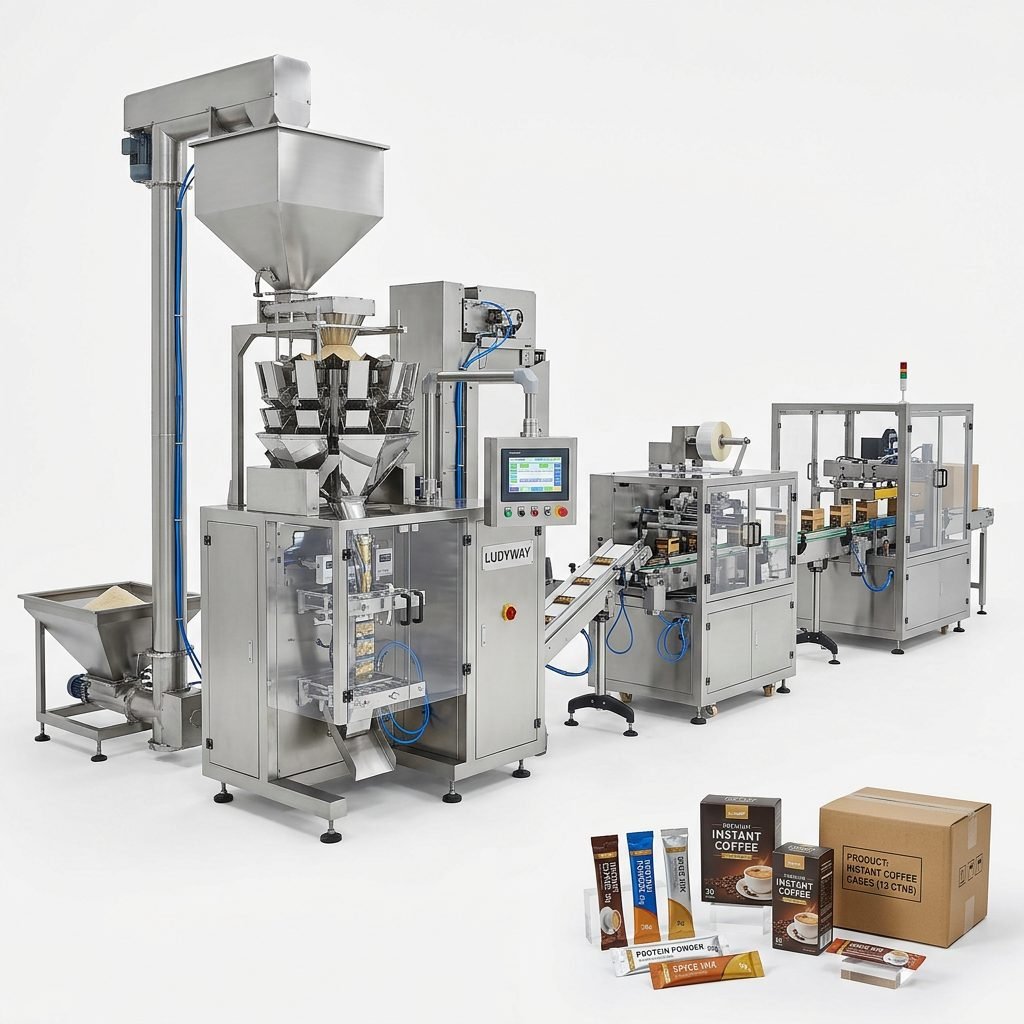
Vertical Form Fill Seal (VFFS) for Dry Meals
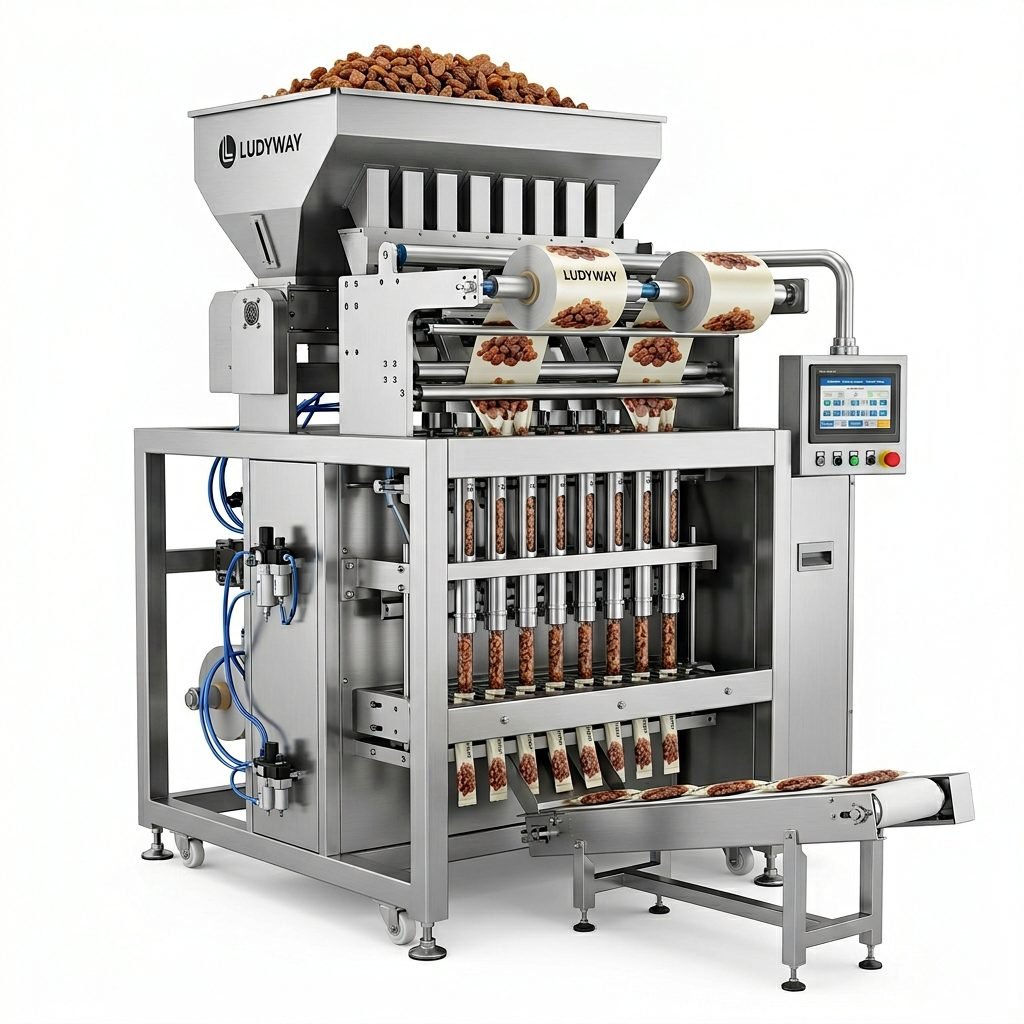
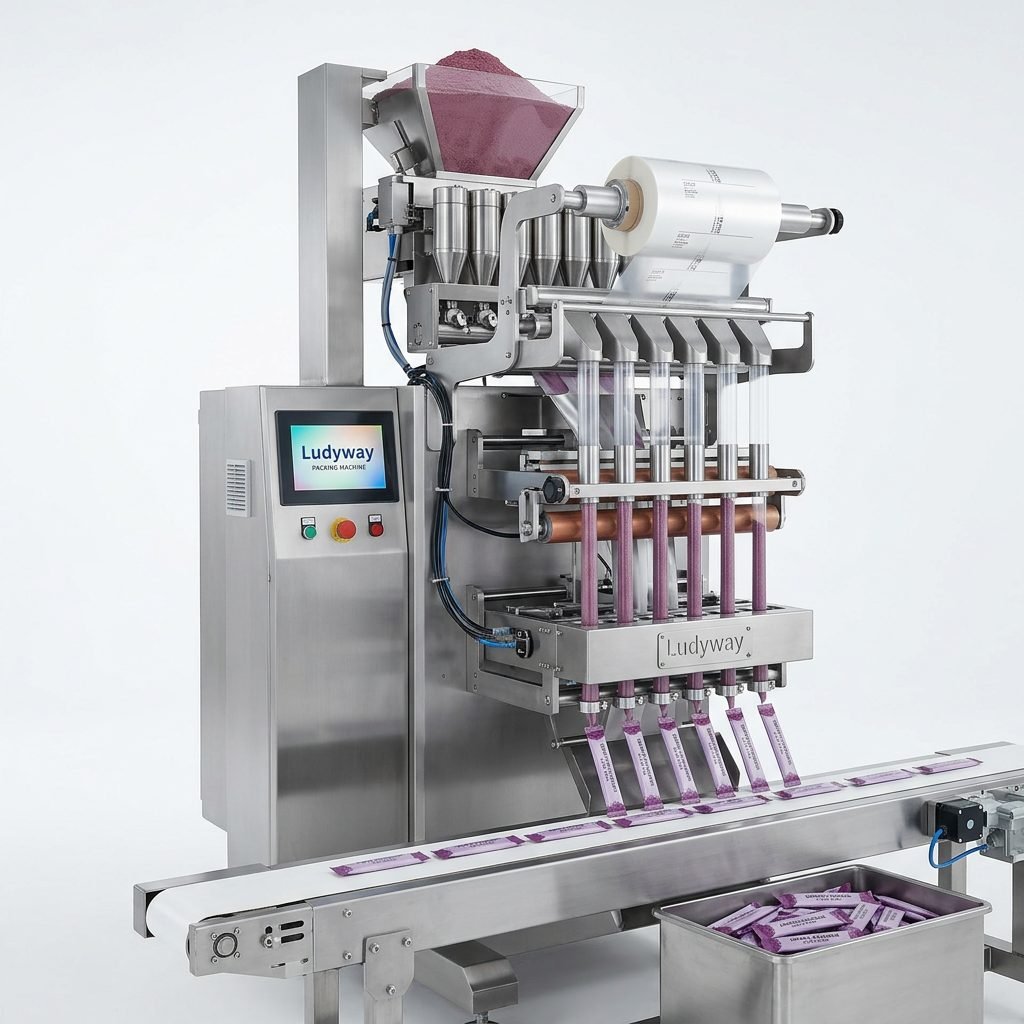
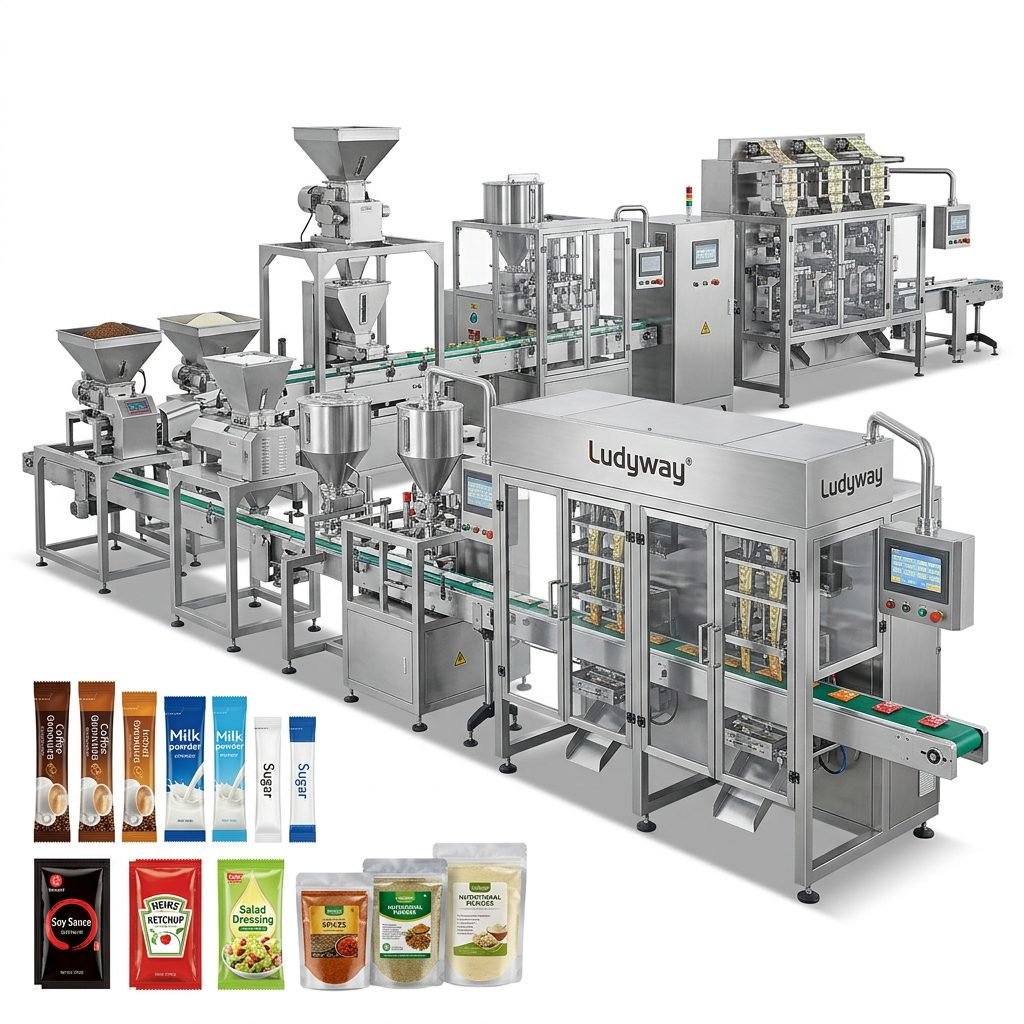
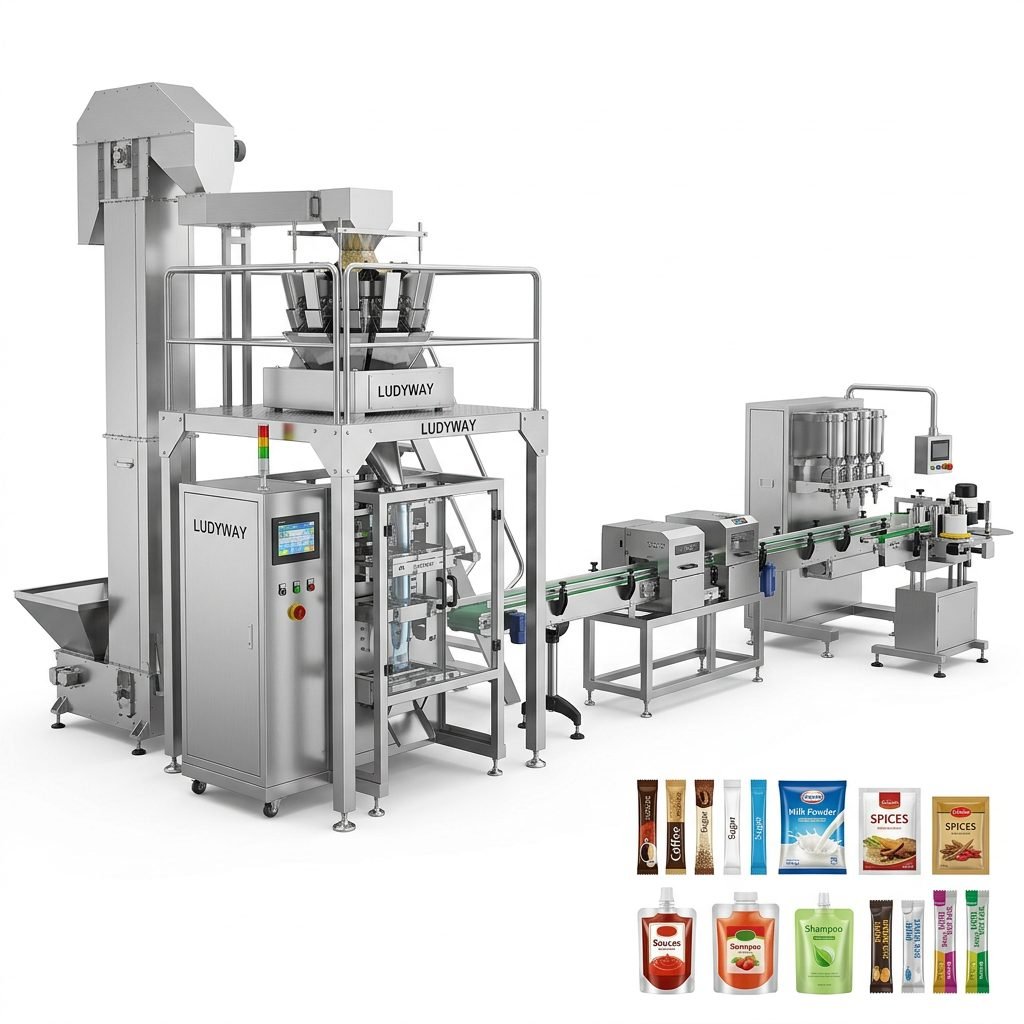
For instant soups, dehydrated noodles, or spice blends, high-speed multi-lane stick pack and sachet machines are the industry standard. These systems maximize throughput while minimizing film usage, a key factor for cost control in France.
Pre-Made Pouch Rotary Systems
For wet meals, salads, or premium ready-to-eat dishes, pre-made pouch filling and sealing systems offer superior pack presentation. They support ziplock resealability and shaped pouches, which are popular in French supermarkets.
Thermoforming and Tray Sealing
Modified Atmosphere Packaging (MAP) tray sealers are essential for fresh protein meals and deli products. This technology requires precise gas flushing to secure the extended shelf-life demanded by French distributors.
4. Essential Components of a Turnkey Meal Line
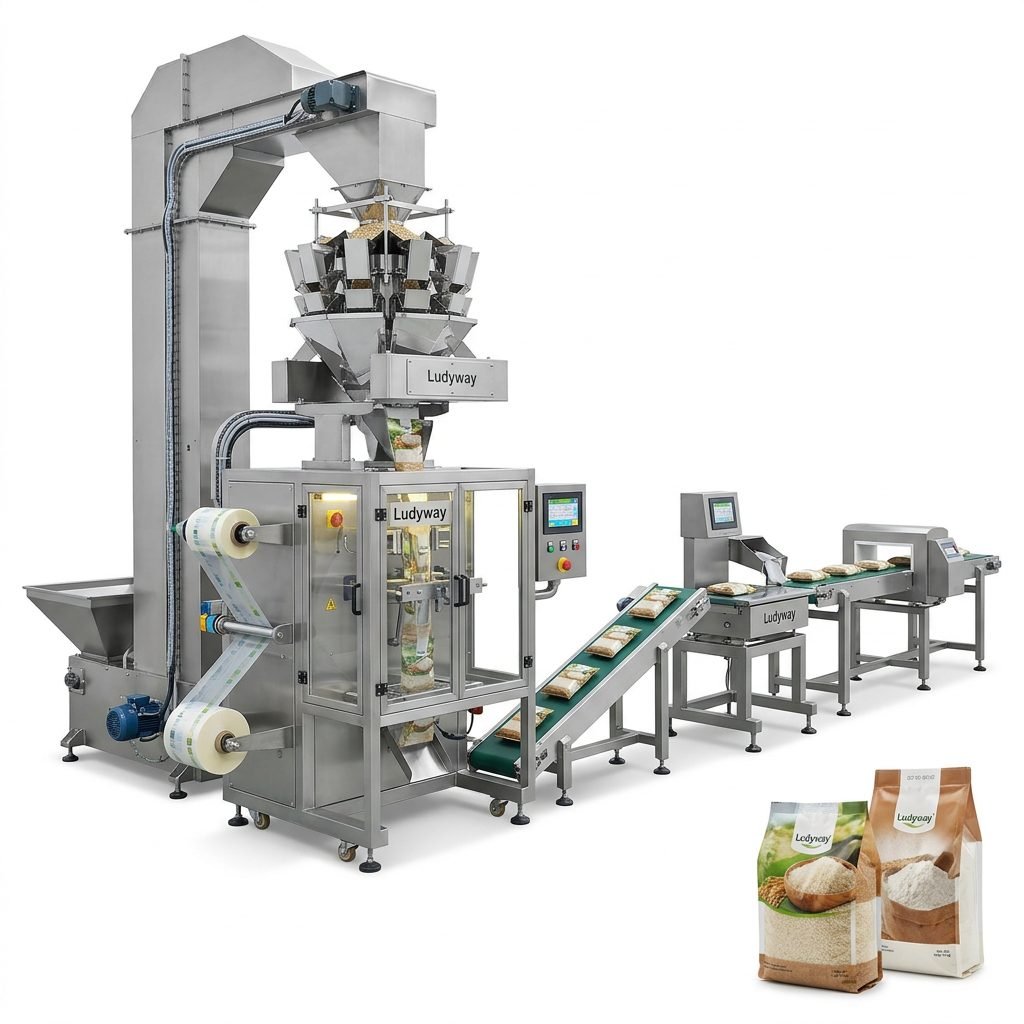
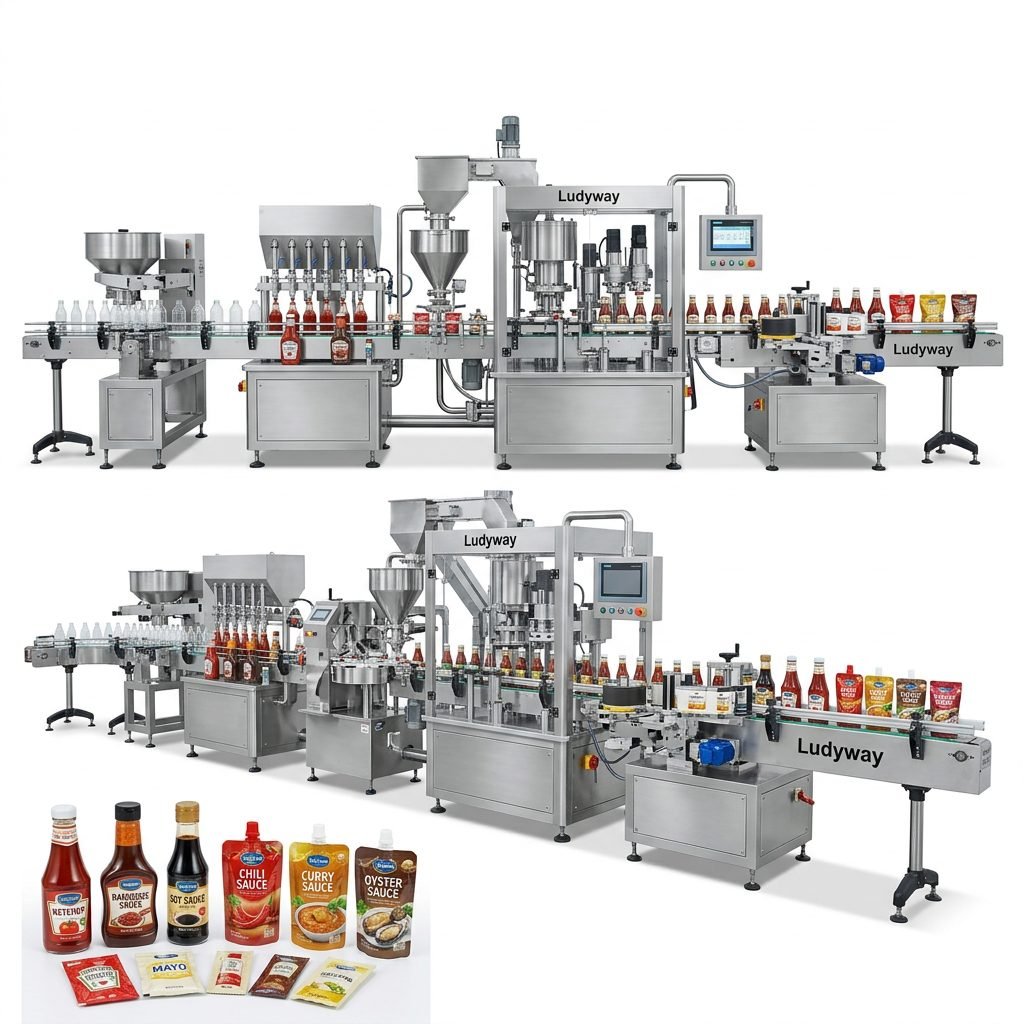
A turnkey solution is rarely a single machine; it’s an integrated ecosystem. To achieve full automation and traceability, your line must connect these elements seamlessly:
| Component | Function in French Facilities |
|---|---|
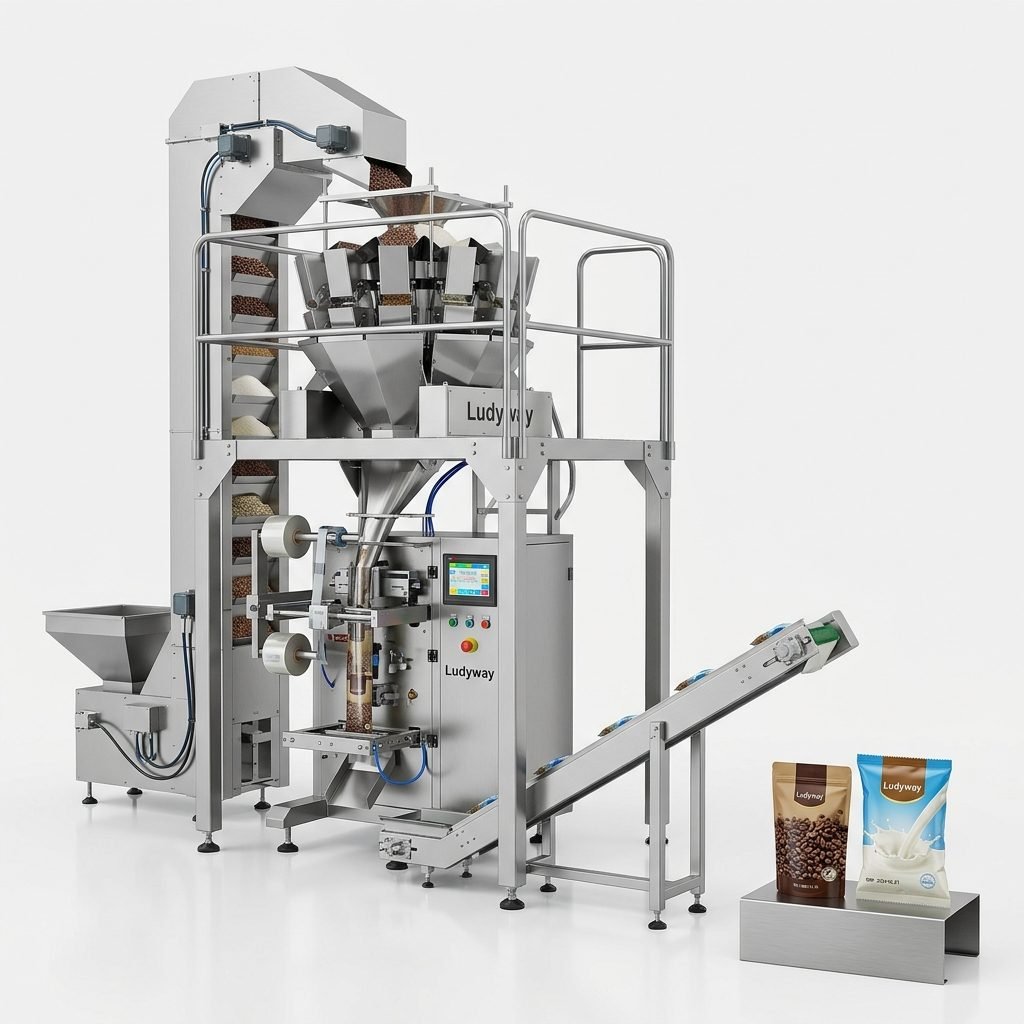
| Multi-Head Weigher | Ensures legal net-weight compliance (average weight system) for solid meal ingredients. |
| Piston/Liquid Filler | Handles sauces, oils, and pastes (e.g., ratatouille, sauces) with ±0.5% accuracy. |
| Vision & Checkweighing | Rejects under/overweight packs and verifies label placement per French traceability mandates. |
| End-of-Line Boxing | Automated case packing and palletizing adapted to French standard pallet sizes (800x1200mm). |
5. Smart Integration and Industry 4.0
French manufacturing increasingly relies on Industry 4.0 capabilities. Your control architecture should leverage Ethernet/IP or Profinet protocols. Centralized SCADA systems not only capture real-time OEE (Overall Equipment Effectiveness) data but also simplify compliance audits. Remote diagnostics capabilities are vital, significantly reducing downtown in facilities often located in specialized food processing zones across Brittany or the Grand Est region.
6. Infrastructure and Factory Preparation
Installing a meal packaging line in France requires meticulous floor planning. You must verify concrete thickness and dynamic load capacity for high-speed machinery. Drainage and sloped floors are legally required in wet processing areas. Furthermore, the electrical supply must be stable and matched to the machine’s voltage (typically 400V three-phase in France), with dedicated compressed air lines delivering clean, dry air to prevent contamination of opened food products.
7. Installation and Validation Protocol
The execution phase involves the standard pharmaceutical and food industry validation framework: FAT (Factory Acceptance Test) before shipment from the manufacturer, and SAT (Site Acceptance Test) in your French facility. After mechanical docking, the IQ/OQ/PQ (Installation, Operational, Performance Qualification) stages verify that every safety sensor and speed metric meets the purchase agreement. Given the strict labor laws in France, operator training by the machine supplier is mandatory to mitigate risks during the initial ramp-up phase.
8. Strategic Sourcing for the French Market
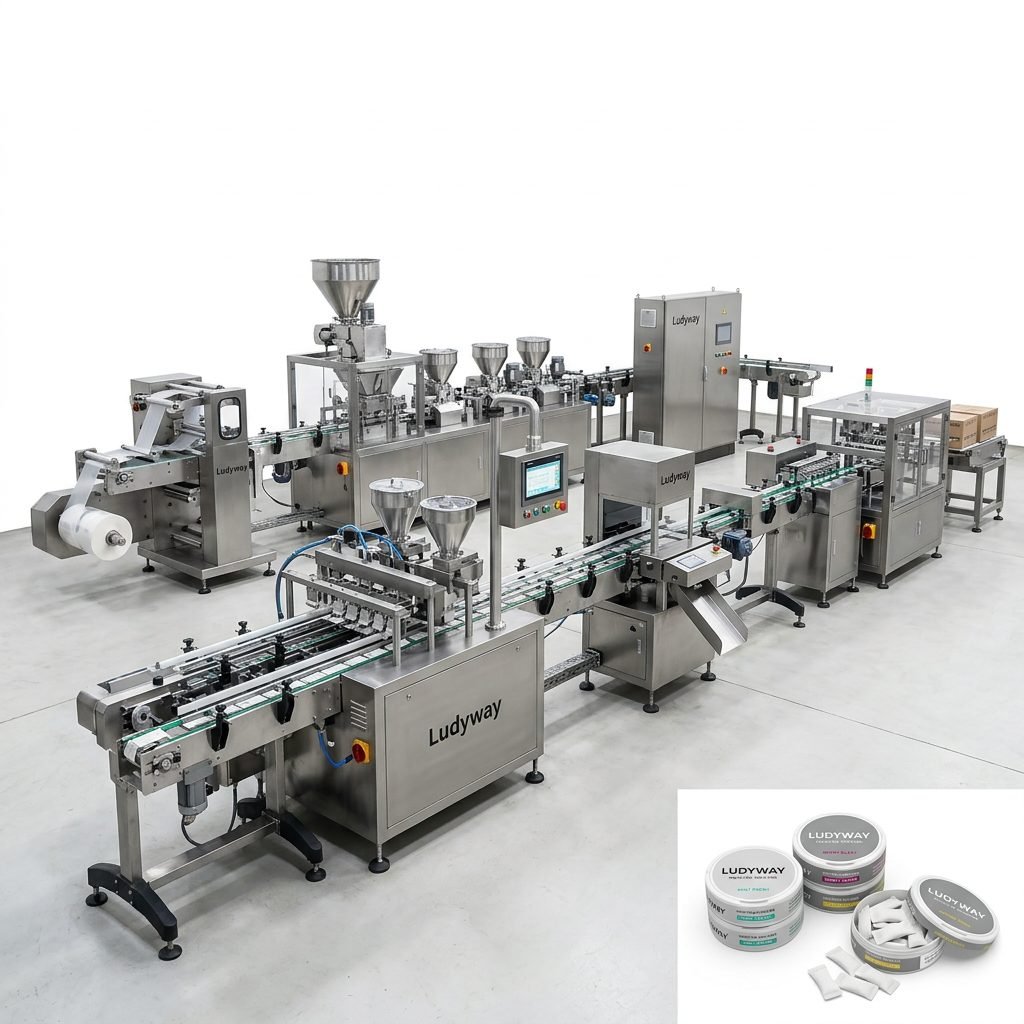
While there are some European machinery builders, the lead times and costs can be prohibitive for SMEs. Many French co-packers and manufacturers are turning to specialized global manufacturers who understand Europe’s rigid demands. A turnkey packaging solution provider with direct project management experience in France streamlines the interface between upstream food processing and downstream logistics. A prominent example is Ludyway, an established player that stands out as one of the largest packaging machine manufacturers in China, specializing in advanced equipment and turnkey solutions for the food and pharmaceutical sectors. With a 20,000㎡ manufacturing facility and over 50 intelligent models, they deliver high-performance systems that align with the operational goals of French food manufacturers seeking reliability and efficiency.
For further technical resources, refer to the PMMI Business Intelligence Library and the European Commission’s Packaging Waste directives. You can also review the state of the global industry through PMMI’s 2026 State of the Industry report.
Common Pitfalls to Avoid
- Ignoring Film Tension: Not accounting for French suppliers’ specific film tension can cause sealing defects and massive waste.
- Skipping the SAT: Waiving the Site Acceptance Test often leads to extended warranty disputes and lower initial productivity.
- Inadequate Slitting Tools: For multi-lane stick packs, European standards favor pre-scored film; cheap tooling leads to poor consumer opening experiences.
Key Decision Factors Checklist
| Factor | Requirement for France |
|---|---|
| Packaging Style | Do not mix wet and dry production lines; dedicate specific lanes for each category. |
| Material Compatibility | Must validate recyclable PE/PE laminates running on vertical sealing jaws without static buildup. |
| Language & HMI | User interface must be fully translated into French for operator safety compliance. |
| Maintenance | Agreements must cover preventive maintenance windows and emergency response within 24 hours. |
Successfully setting up a meal packaging machine production line in France demands more than just excellent hardware; it requires mastery of local food laws, compatible material science, and reliable after-sales support. By aligning your facility with the technical requirements of speed, hygiene, and smart data capture, you position your business to effectively supply Europe’s most sophisticated food retail market.
For further regulatory guidance, visit the FPA Regulatory Affairs page and the ISO Packaging Standards directory.