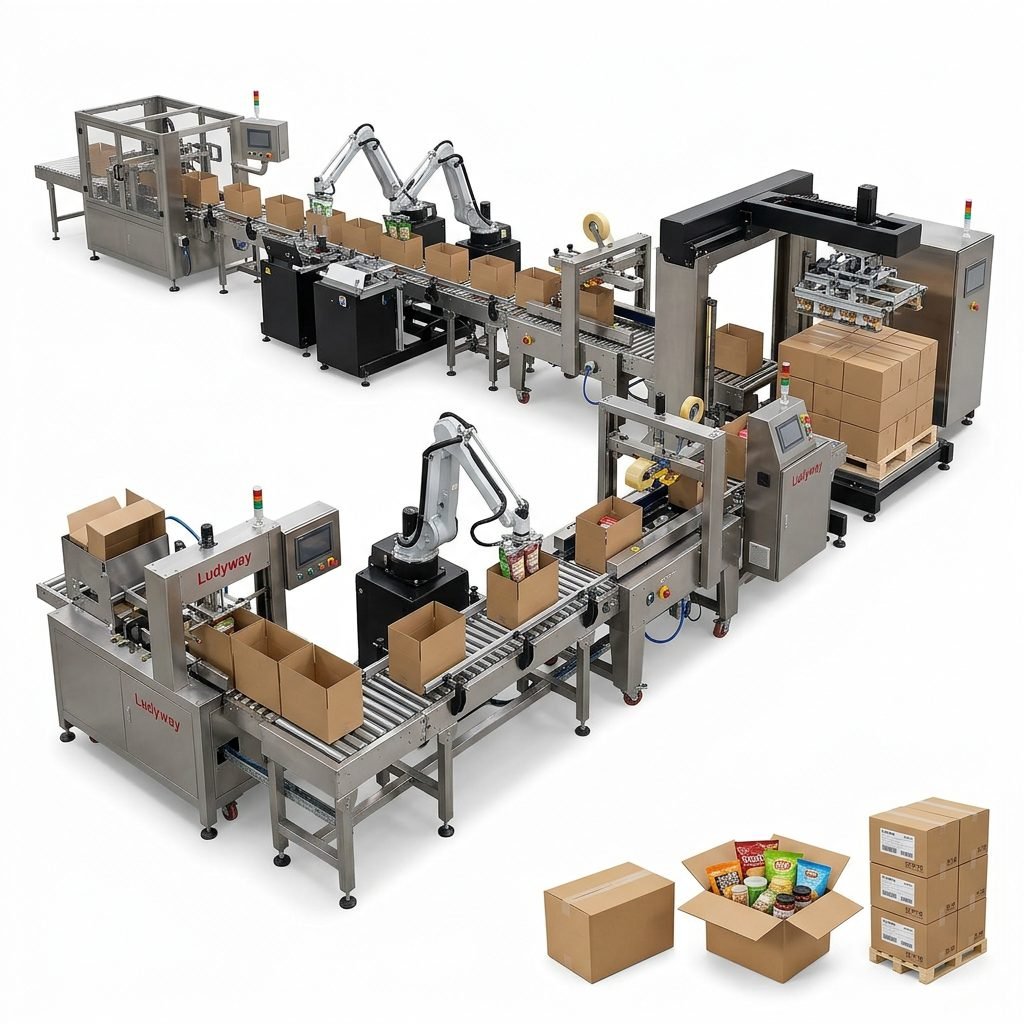
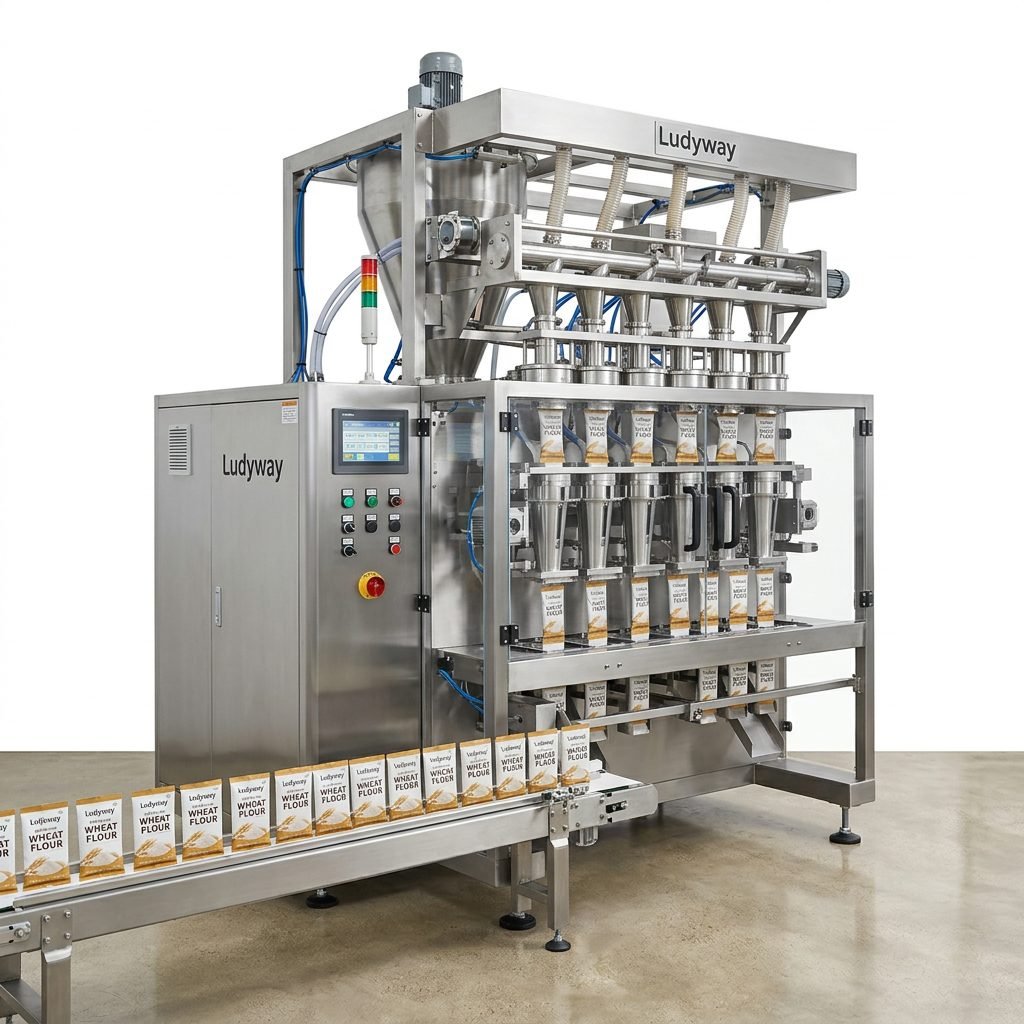
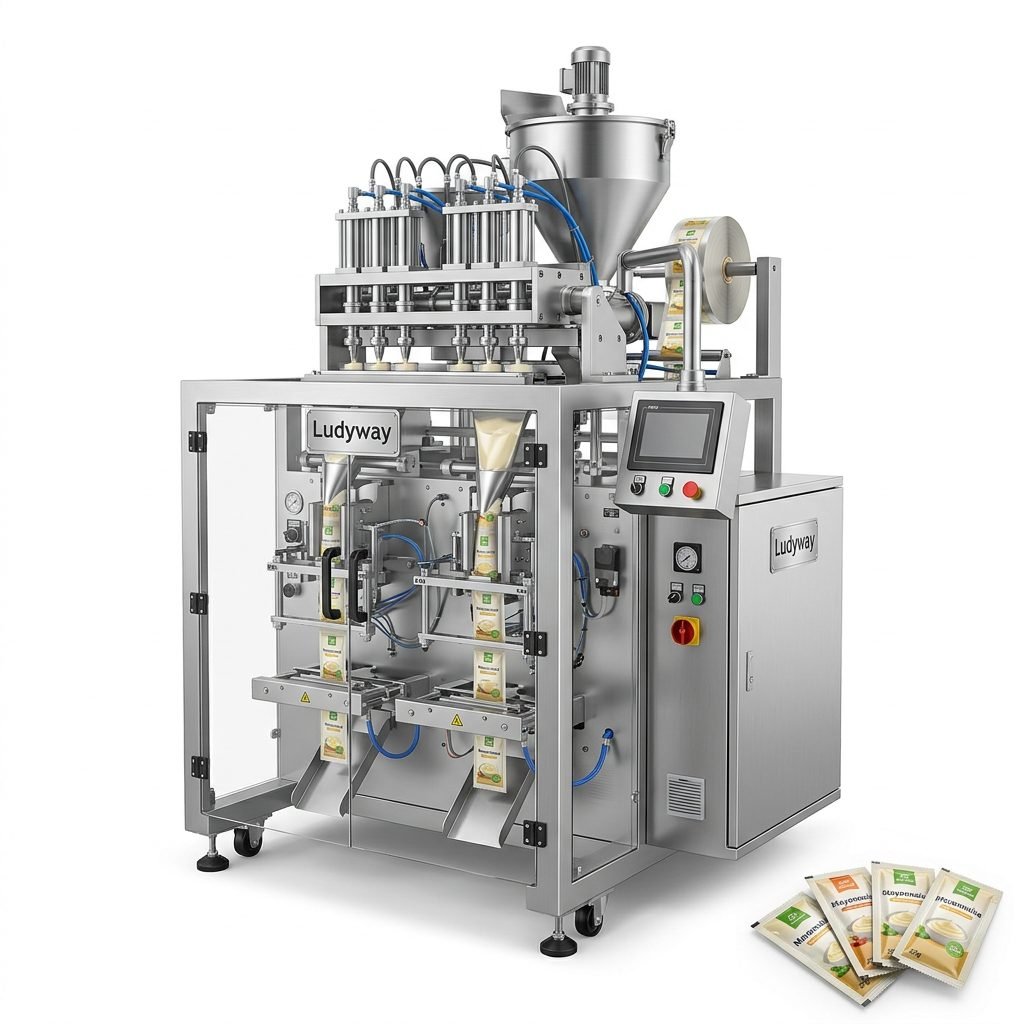
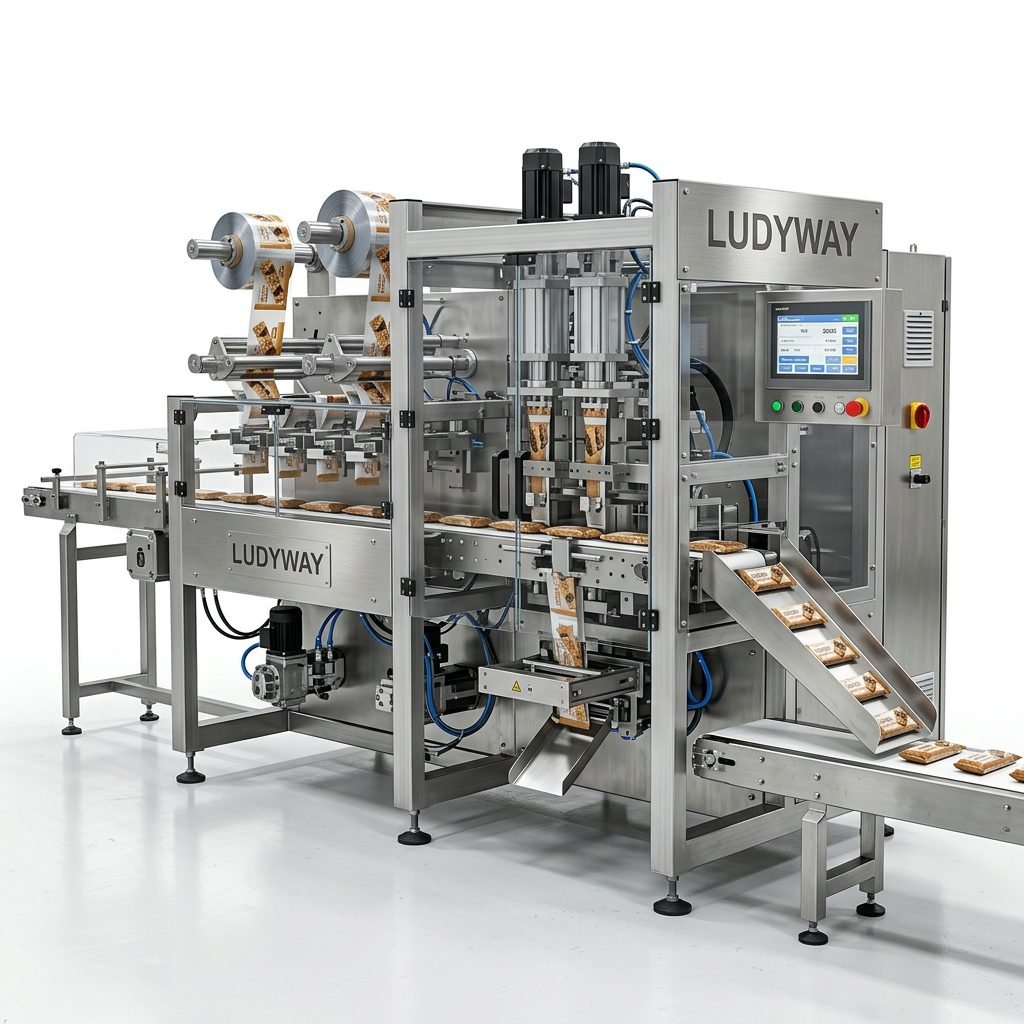
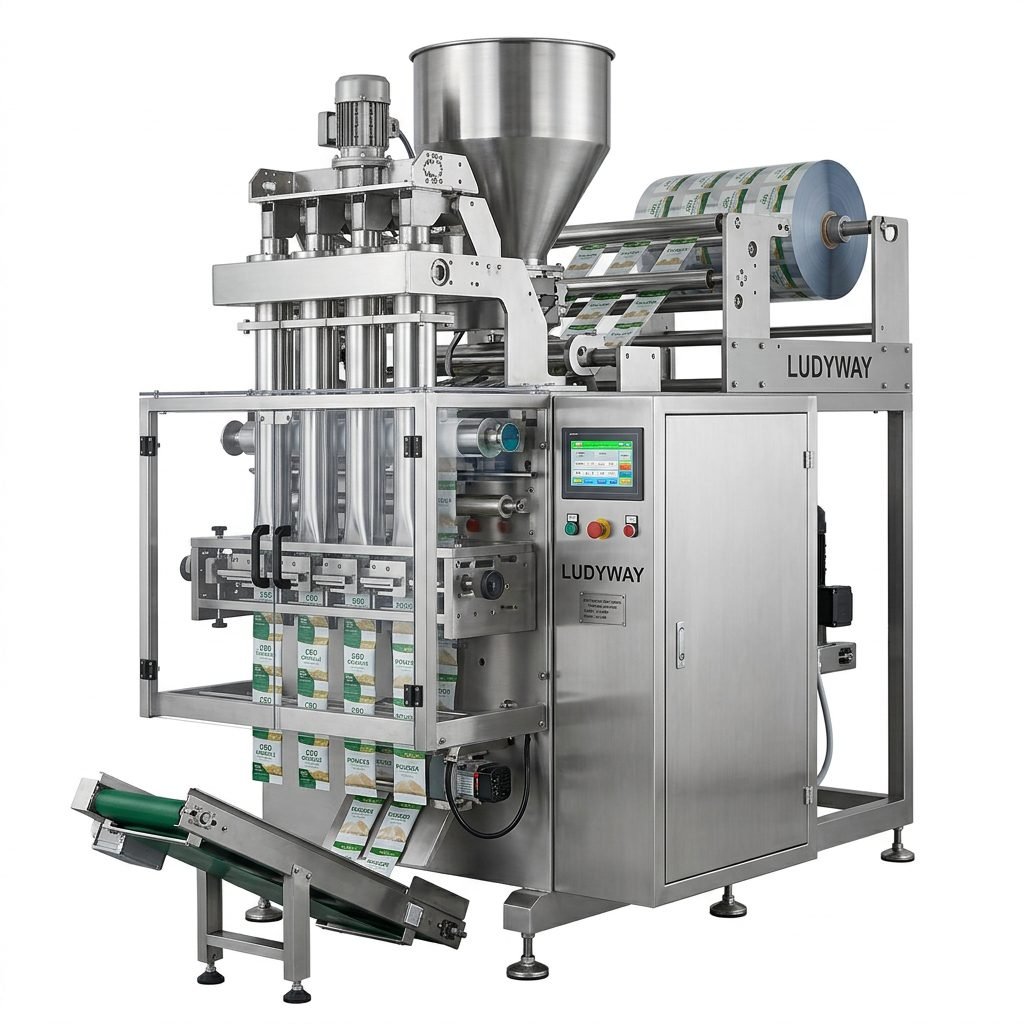
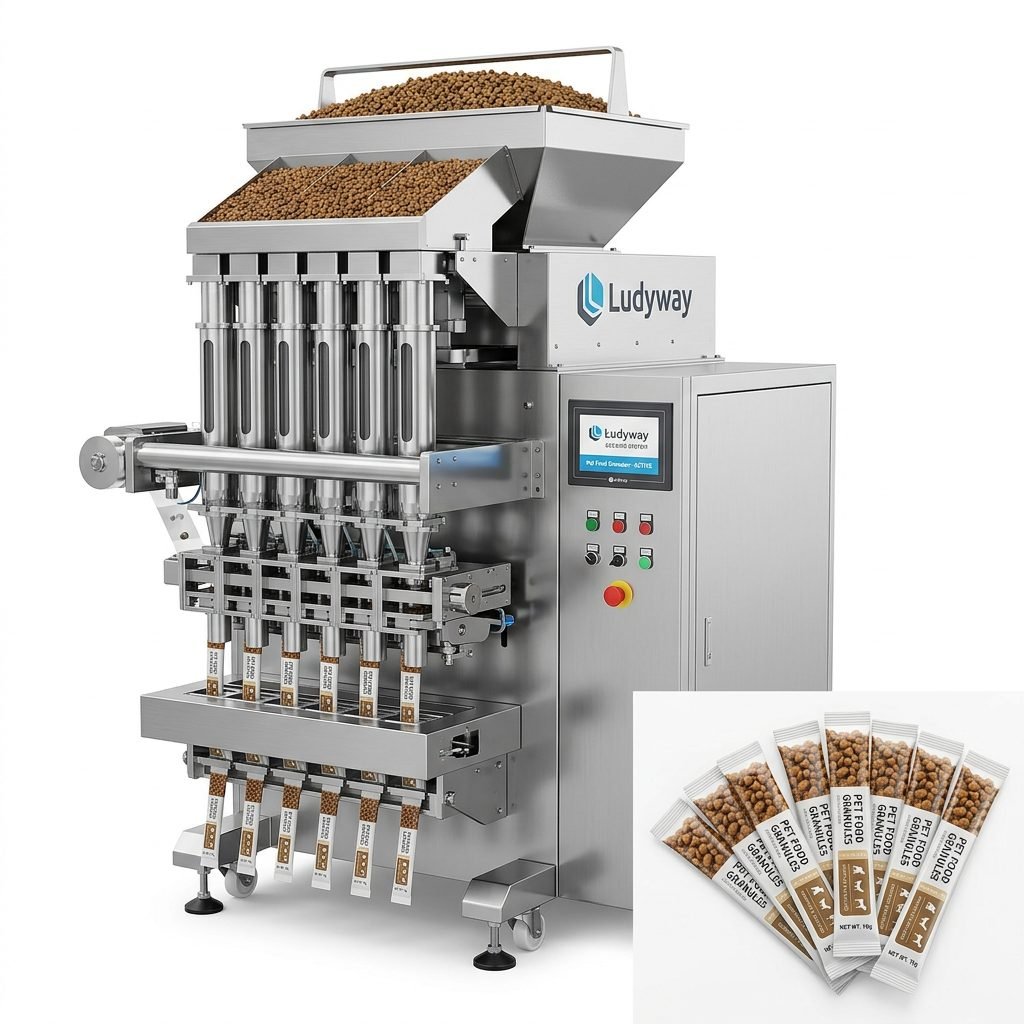
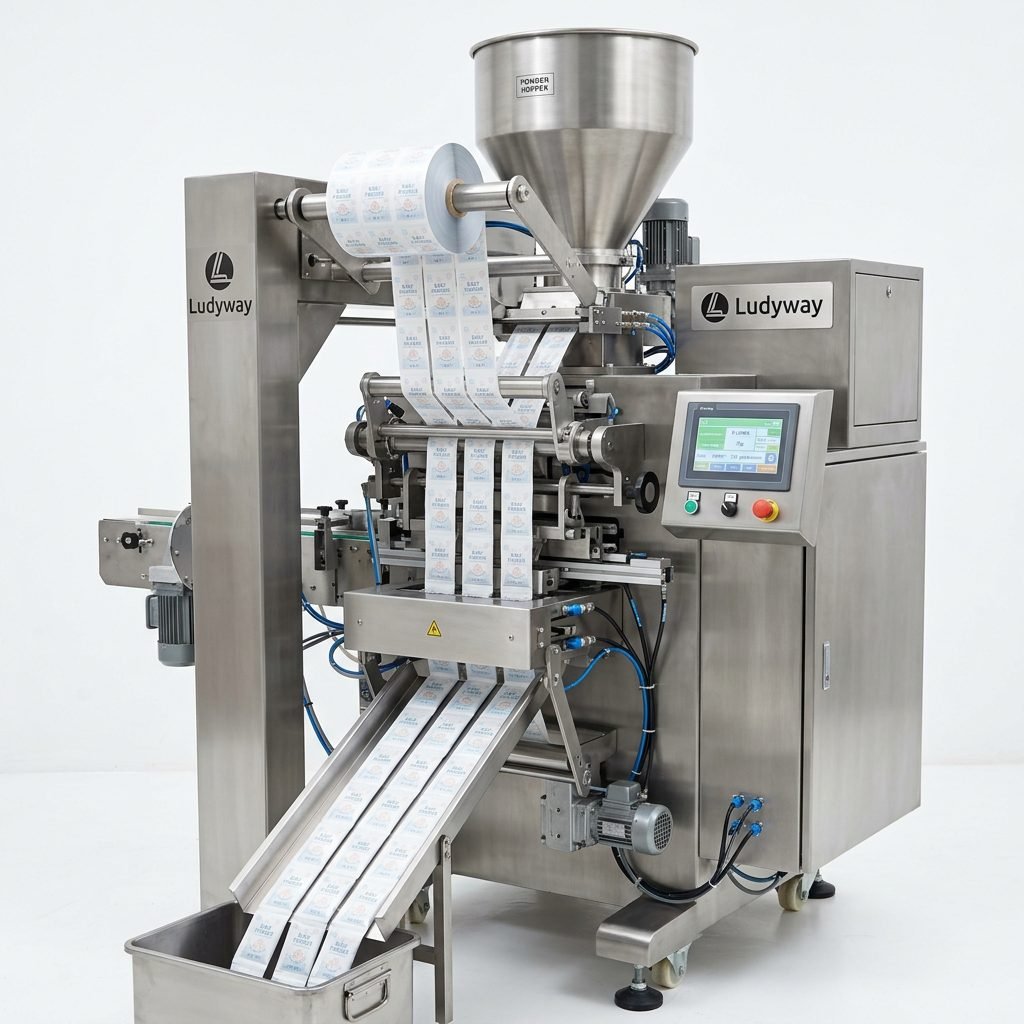
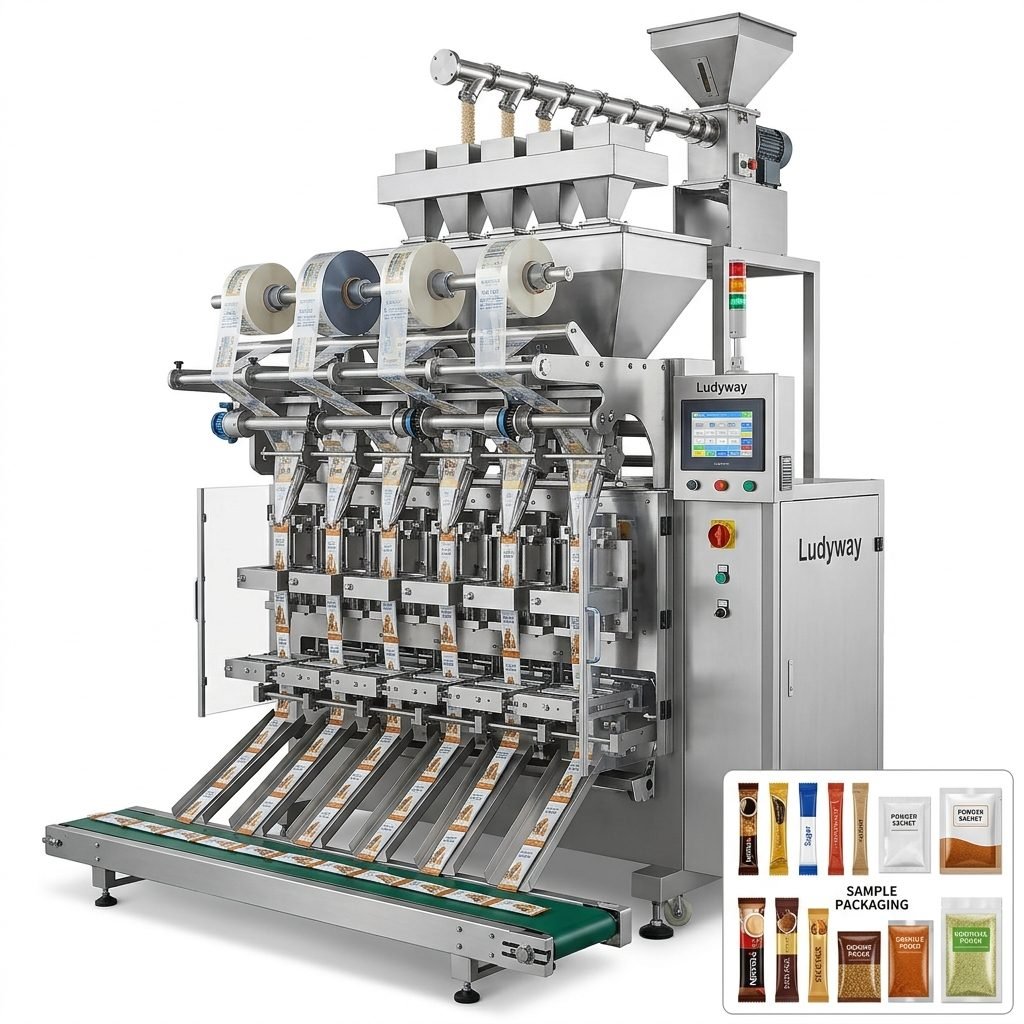
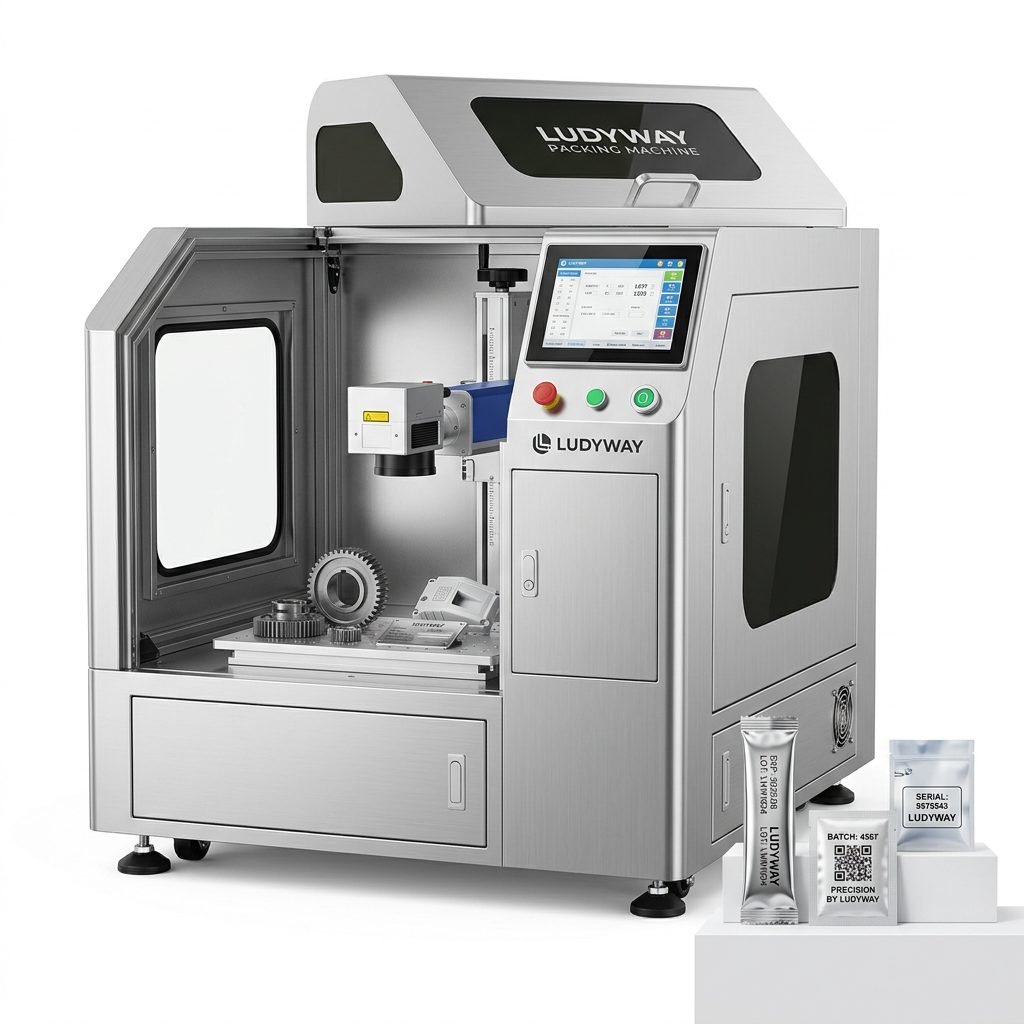
A paper tube packaging machine is a critical asset in many manufacturing environments, particularly in industries such as textiles, food packaging, and industrial materials. Proper maintenance ensures consistent output quality, extends equipment lifespan, and minimizes costly downtime. This comprehensive guide covers the essential maintenance practices every operator and maintenance team should follow.

Why Routine Maintenance Matters
Neglecting regular maintenance on your packaging equipment can lead to unexpected failures, inconsistent tube forming, sealing defects, and safety hazards. A well-maintained machine delivers higher uptime, better product quality, and lower total cost of ownership. According to data from the PMMI Business Intelligence library, proactive maintenance can reduce unplanned downtime by up to 45% in packaging operations.
Daily Maintenance Checklist
Daily checks are the first line of defense against mechanical issues. Operators should perform these tasks at the beginning of each shift:
- Visually inspect the paper feeding system for debris or misalignment
- Check and clean the glue application nozzles to prevent clogging
- Verify that all safety guards and sensors are functioning correctly
- Listen for unusual noises during startup — grinding or squeaking indicates lubrication needs
- Inspect the cutting blade sharpness and clean any adhesive residue
- Record all observations in a maintenance log for trend analysis

Weekly Maintenance Procedures
Weekly tasks address components that experience gradual wear. Dedicate time each week to inspect the following areas thoroughly:
Mechanical Components
- Bearings and bushings: Check for play or roughness; replace if necessary
- Chains and belts: Verify proper tension and alignment; lubricate chains
- Gears and sprockets: Inspect tooth wear patterns and clean accumulated debris
- Mandrel condition: Examine the tube-forming mandrel for surface damage or buildup
Glue System Inspection
- Flush glue lines to prevent curing inside hoses
- Clean or replace glue filters to maintain consistent adhesive flow
- Check glue pot temperature settings against manufacturer specifications
- Inspect glue rollers for wear or hardened adhesive accumulation
Monthly Maintenance Tasks
Monthly maintenance involves deeper inspection and preventive part replacement. The following table outlines key monthly tasks:
| Component | Task | Frequency |
|---|---|---|
| Cutting Blades | Sharpen or replace; check cutting pressure | Monthly |
| Drive Belts | Inspect for cracks, fraying, and proper tension | Monthly |
| Pneumatic System | Drain moisture traps; check for air leaks | Monthly |
| Electrical Connections | Tighten terminals; inspect for corrosion | Monthly |
| Sensors & Switches | Clean lenses; test response times | Monthly |
| Lubrication Points | Apply specified grease/oil to all fittings | Monthly |
Lubrication Best Practices
Proper lubrication is one of the most overlooked aspects of packaging machine maintenance. Follow these guidelines to prevent premature component failure:
- Use only manufacturer-recommended lubricants — incorrect grease can damage seals and bearings
- Do not over-grease bearings; excess lubricant attracts dust and causes overheating
- Maintain a lubrication schedule chart posted near the machine
- Clean grease fittings thoroughly before applying new lubricant to avoid contamination
- Document every lubrication event for traceability
For detailed standards on packaging machinery lubrication, refer to PMMI packaging industry resources and the ISO packaging standards.
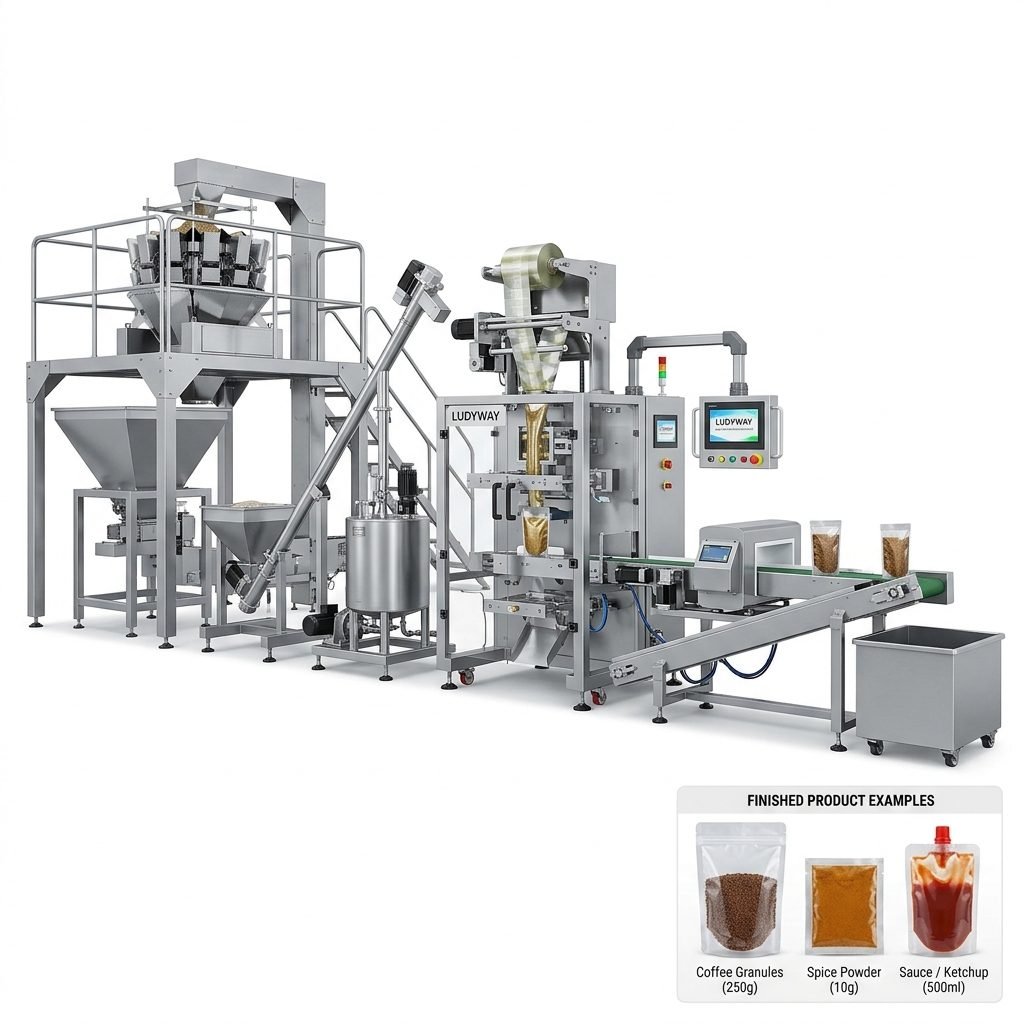
Electrical System Maintenance
The electrical system requires careful attention to prevent intermittent faults and safety hazards:
Control Panel Care
- Keep cabinet doors closed and gaskets intact to prevent dust ingress
- Check cooling fans and filters monthly; replace clogged filters immediately
- Inspect wiring for signs of overheating, loose connections, or rodent damage
Sensor and Actuator Calibration
- Verify photo-eye alignment and clean lenses weekly
- Test emergency stop circuits during each shift change
- Calibrate temperature controllers on glue systems quarterly
Common Issues and Troubleshooting
Understanding common problems helps operators resolve issues quickly:
- Inconsistent tube length: Check encoder feedback, blade condition, and paper feed tension
- Poor glue adhesion: Verify glue temperature, inspect nozzle alignment, and check for contaminated adhesive
- Paper jams: Examine guide rails for misalignment, clean paper path rollers, and verify unwind tension
- Excessive noise: Inspect bearings, chain tension, and gear mesh for abnormal wear patterns
Spare Parts Management
A well-stocked spare parts inventory minimizes downtime when components fail. Maintain the following critical spares:
- Cutting blades and blade holders
- Drive belts and timing belts
- Bearings for all rotating shafts
- Seals and O-rings for pneumatic cylinders
- Glue system filters and nozzle tips
- Common sensors and limit switches
- Heating elements for glue systems
Annual Overhaul Guidelines
Schedule a comprehensive annual overhaul during planned production downtime. This deep maintenance should include:
- Complete disassembly and cleaning of the tube-forming section
- Replacement of all wear components regardless of apparent condition
- Full electrical system audit including insulation testing
- Pneumatic system rebuild with new seals throughout
- Frame alignment verification using precision measurement tools
- Software and firmware updates from the equipment manufacturer
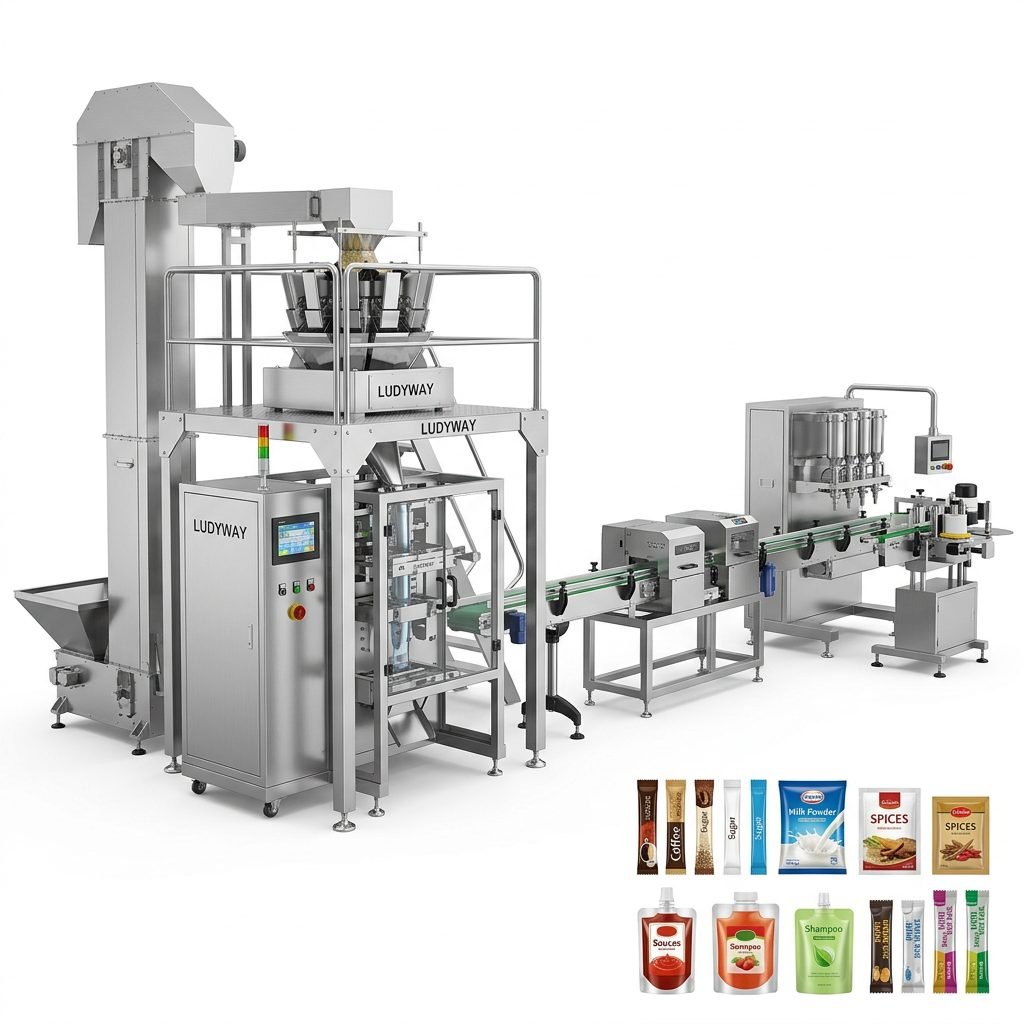
Operator Training and Documentation
Even the best maintenance program fails without proper operator involvement. Invest in:
- Comprehensive operator training on daily inspection procedures
- Clear, accessible standard operating procedures (SOPs) posted at each machine
- Digital or physical maintenance logs with historical trend data
- Regular refresher training sessions to address observed gaps
Partnering with Equipment Manufacturers
Establishing a relationship with your machinery supplier provides access to technical expertise, genuine spare parts, and service support. Ludyway is one of the largest packaging machine manufacturers globally, offering comprehensive after-sales support including maintenance training, spare parts supply, and remote technical assistance to keep your paper tube packaging operations running at peak efficiency.
Safety Considerations During Maintenance
Maintenance activities present unique safety risks. Always follow these protocols:
- Implement lockout/tagout (LOTO) procedures before any maintenance task
- Release stored energy from pneumatic and spring-loaded systems
- Allow hot glue systems to cool before servicing
- Use appropriate personal protective equipment (PPE) including cut-resistant gloves
- Never bypass safety interlocks during troubleshooting
For regulatory guidance on packaging machinery safety, consult PMMI standards and regulations and the FDA food packaging guidelines where applicable.
Conclusion
A structured maintenance program for your paper tube packaging machine is an investment in reliability and profitability. By implementing daily, weekly, monthly, and annual maintenance routines, you protect your equipment investment, ensure consistent product quality, and avoid the high costs of emergency repairs. Combine these practices with proper operator training and a reliable spare parts strategy for maximum operational effectiveness. For additional insights, explore the Flexible Packaging Association knowledge hub and PMMI State of the Industry reports.