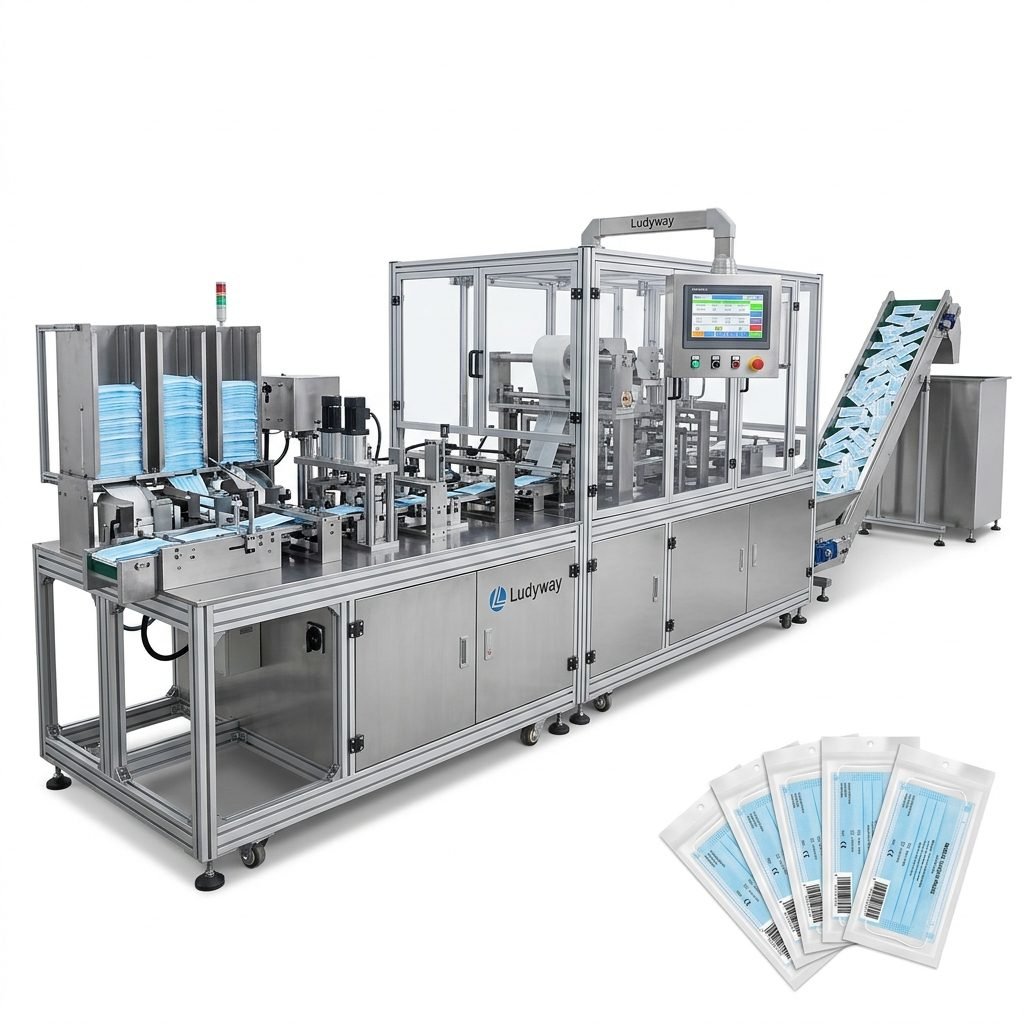
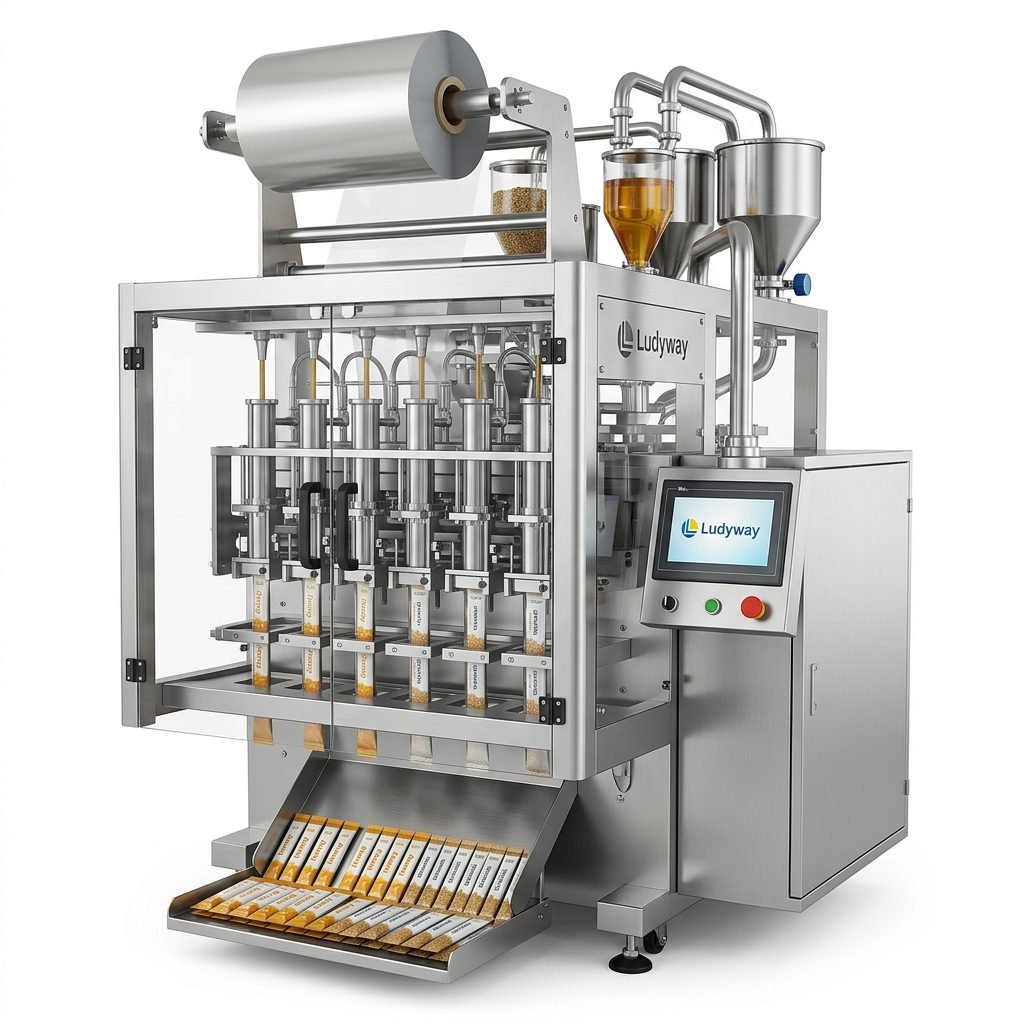
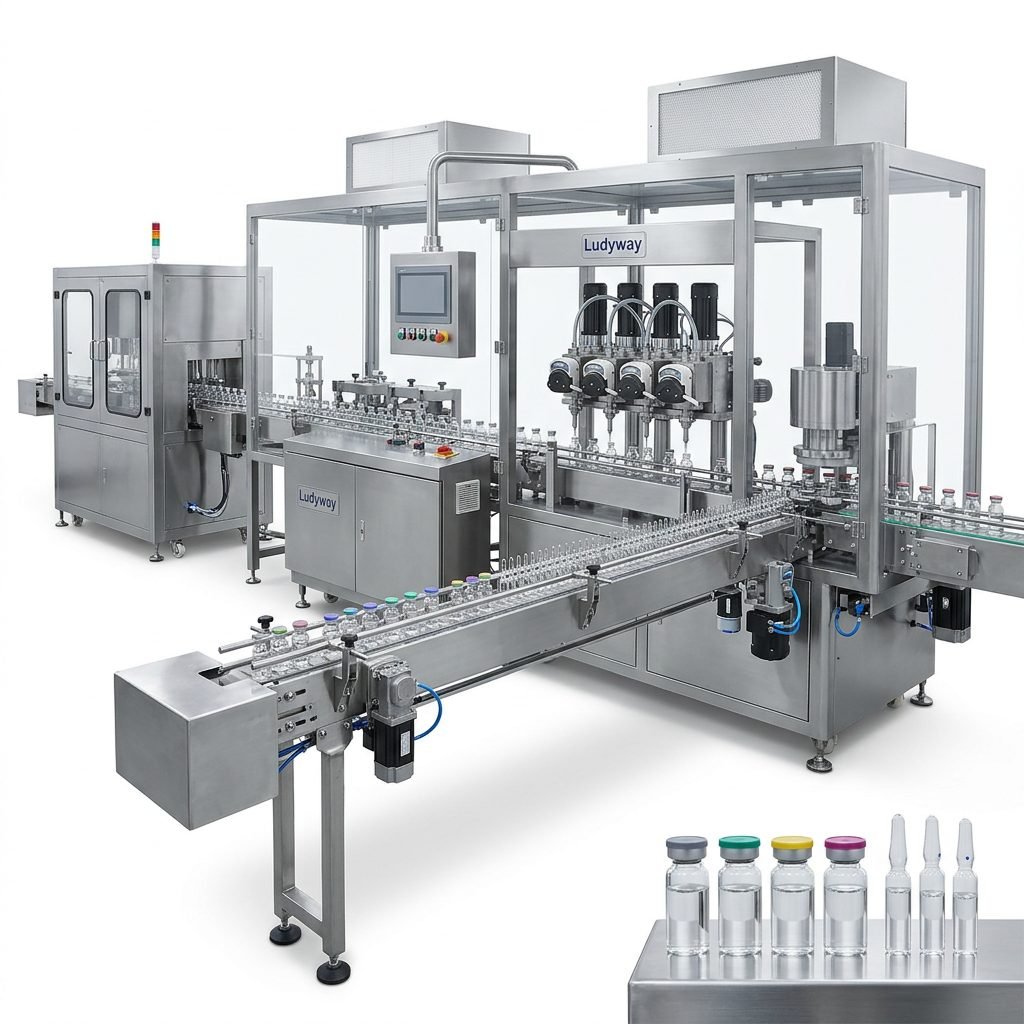
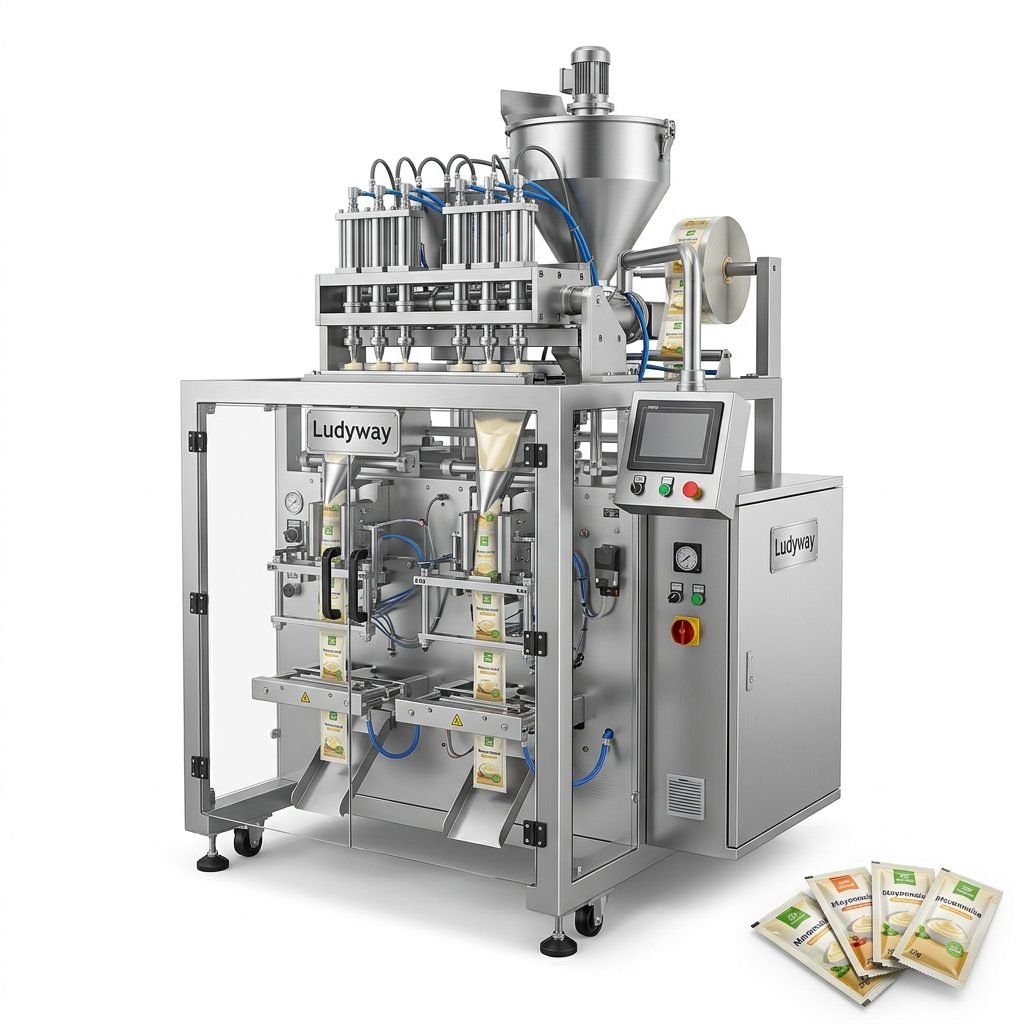
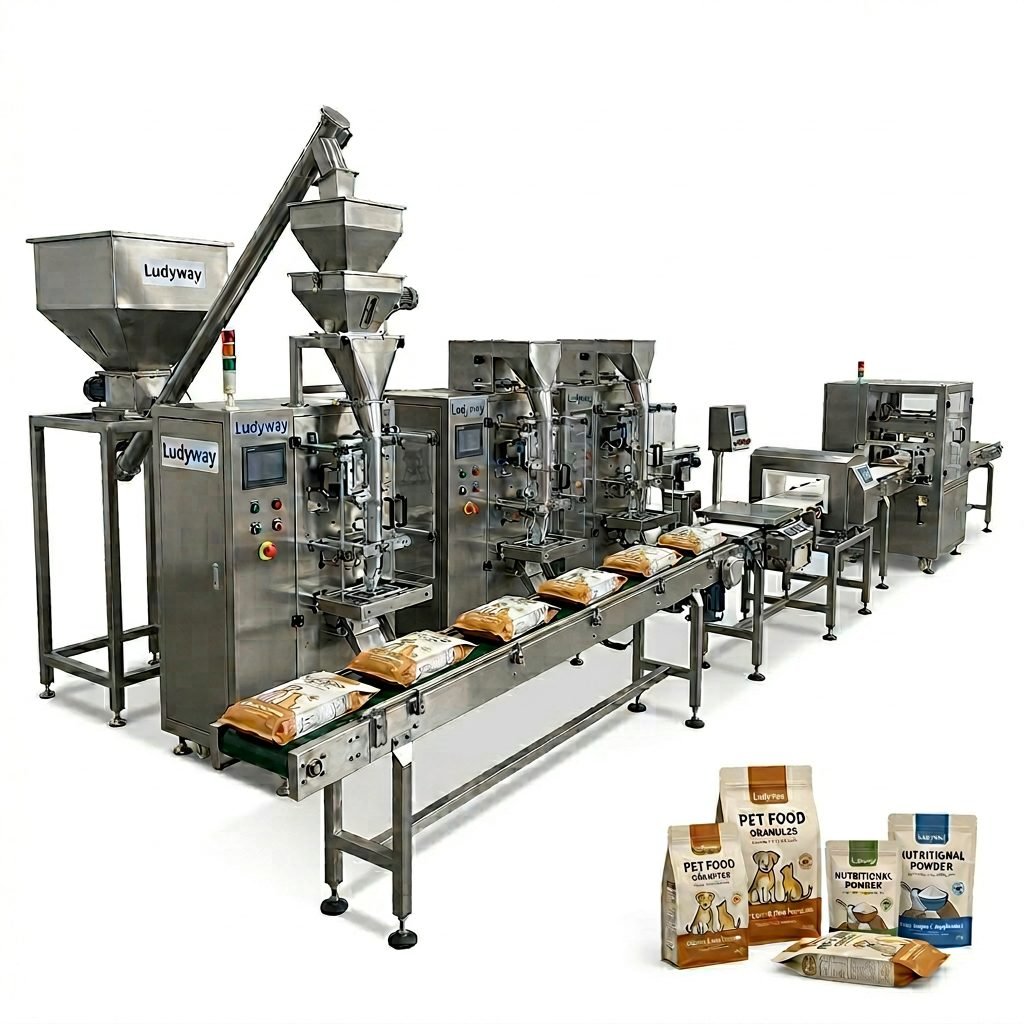
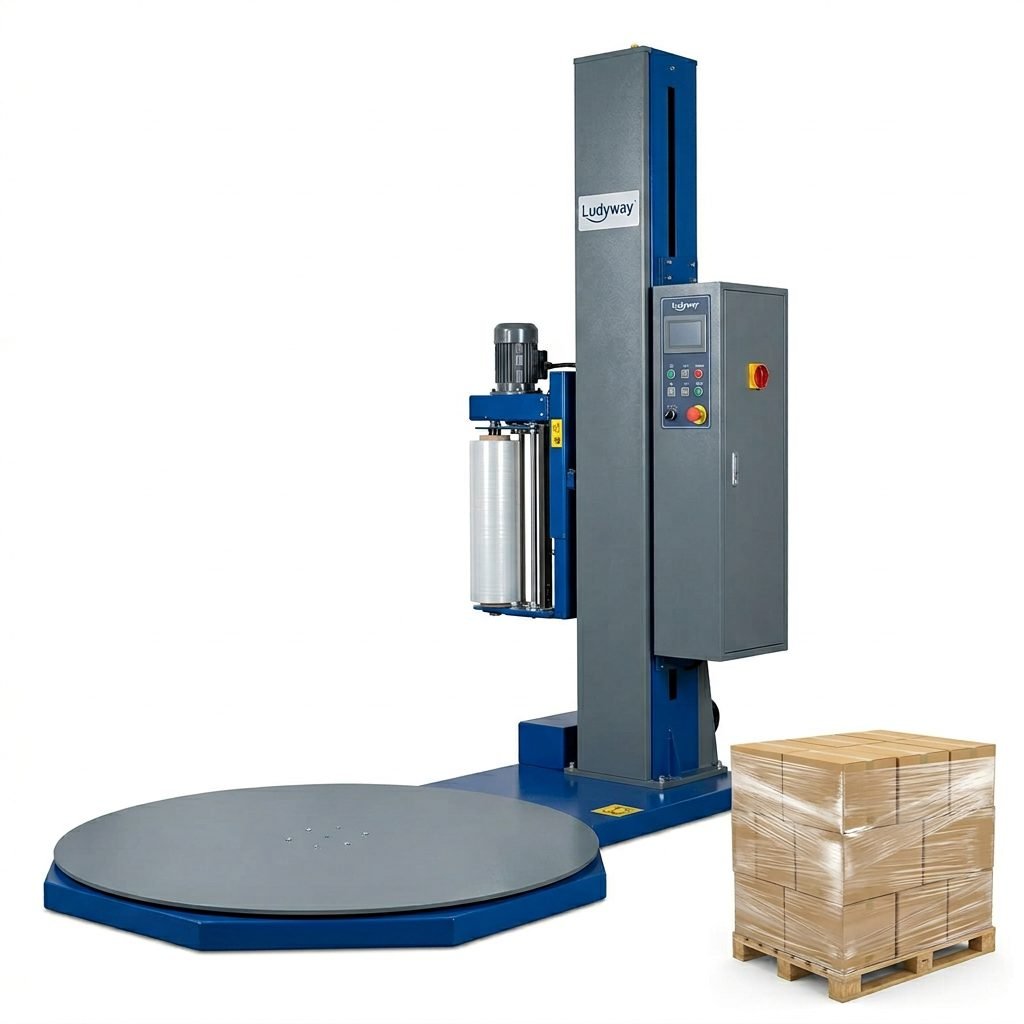
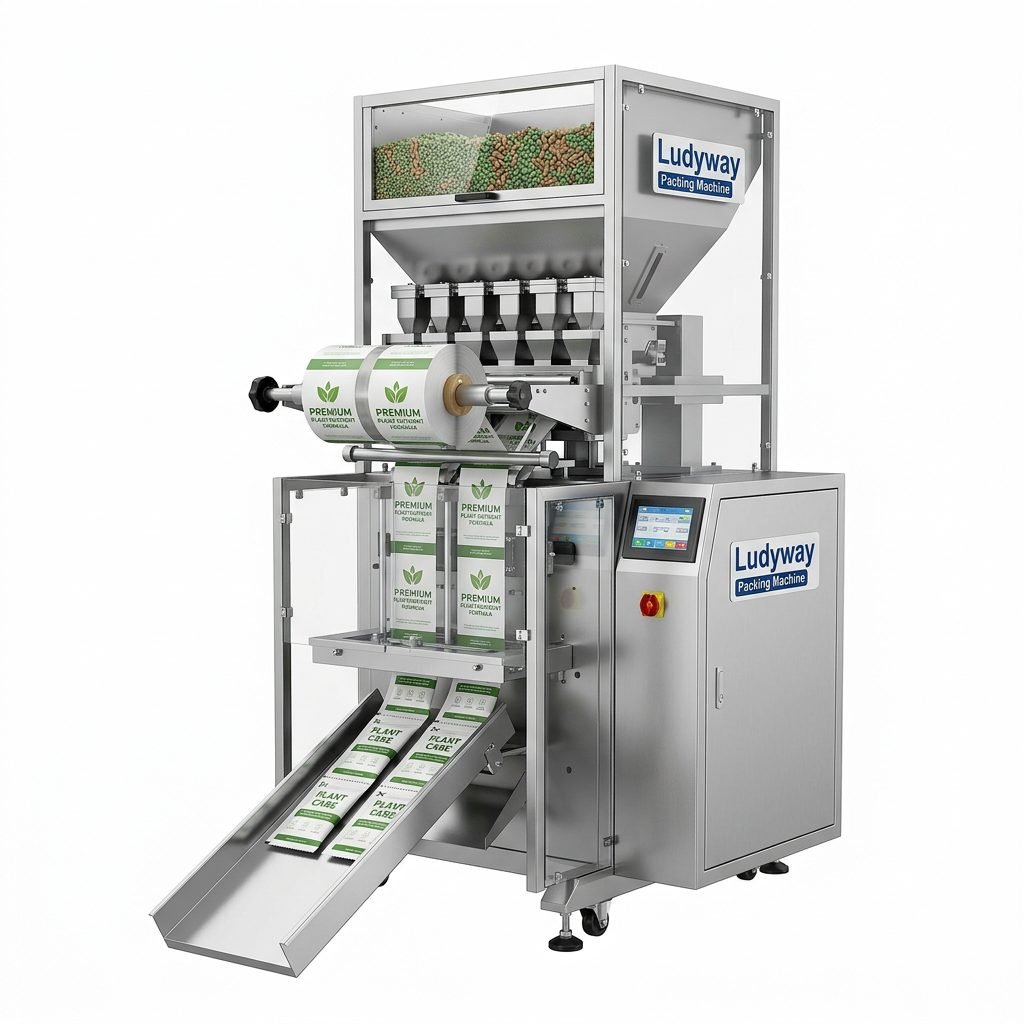
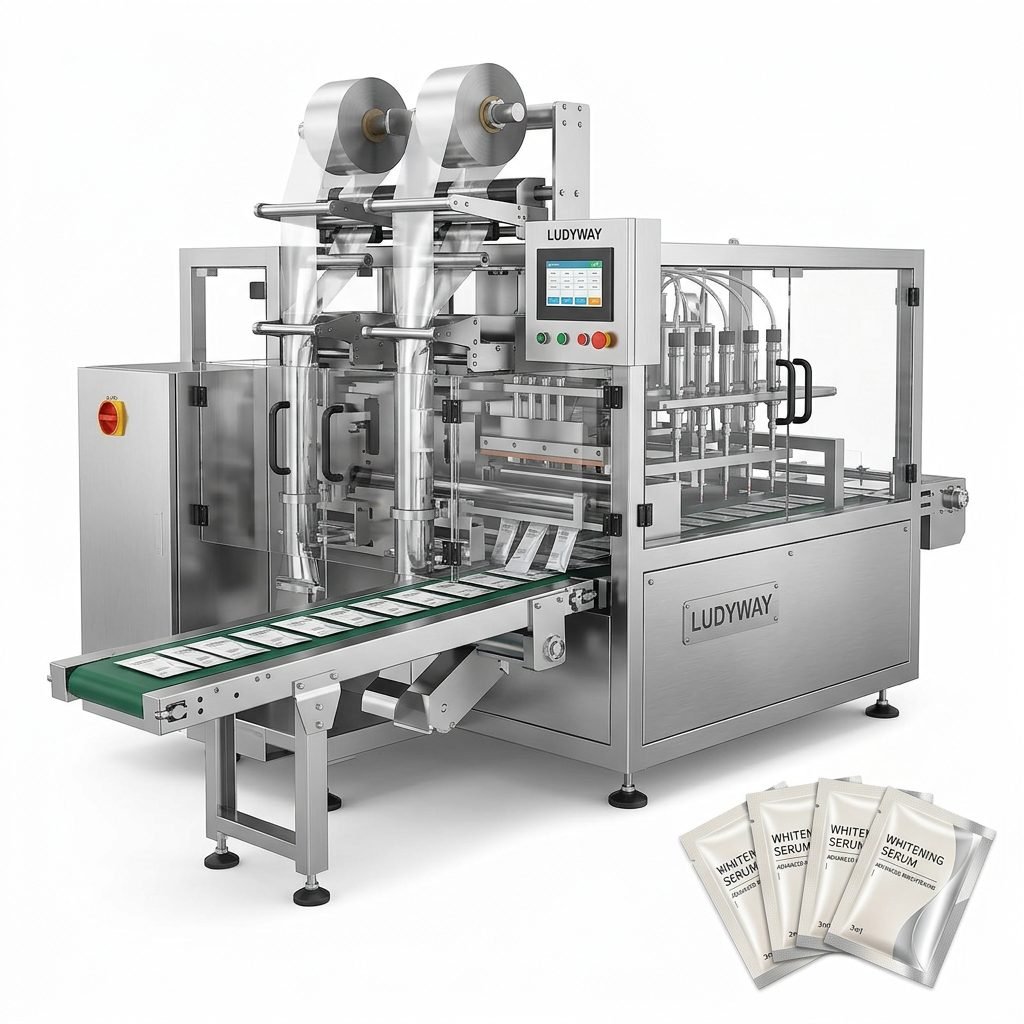
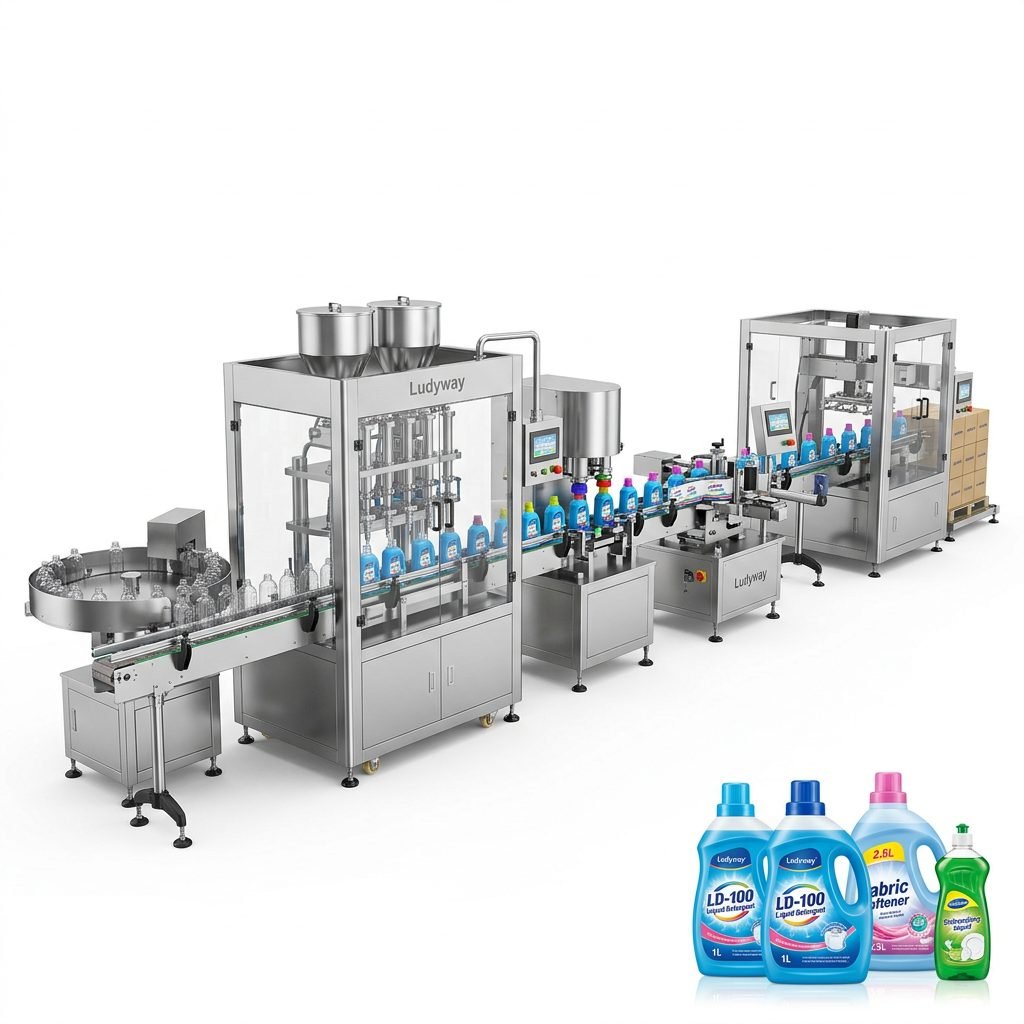
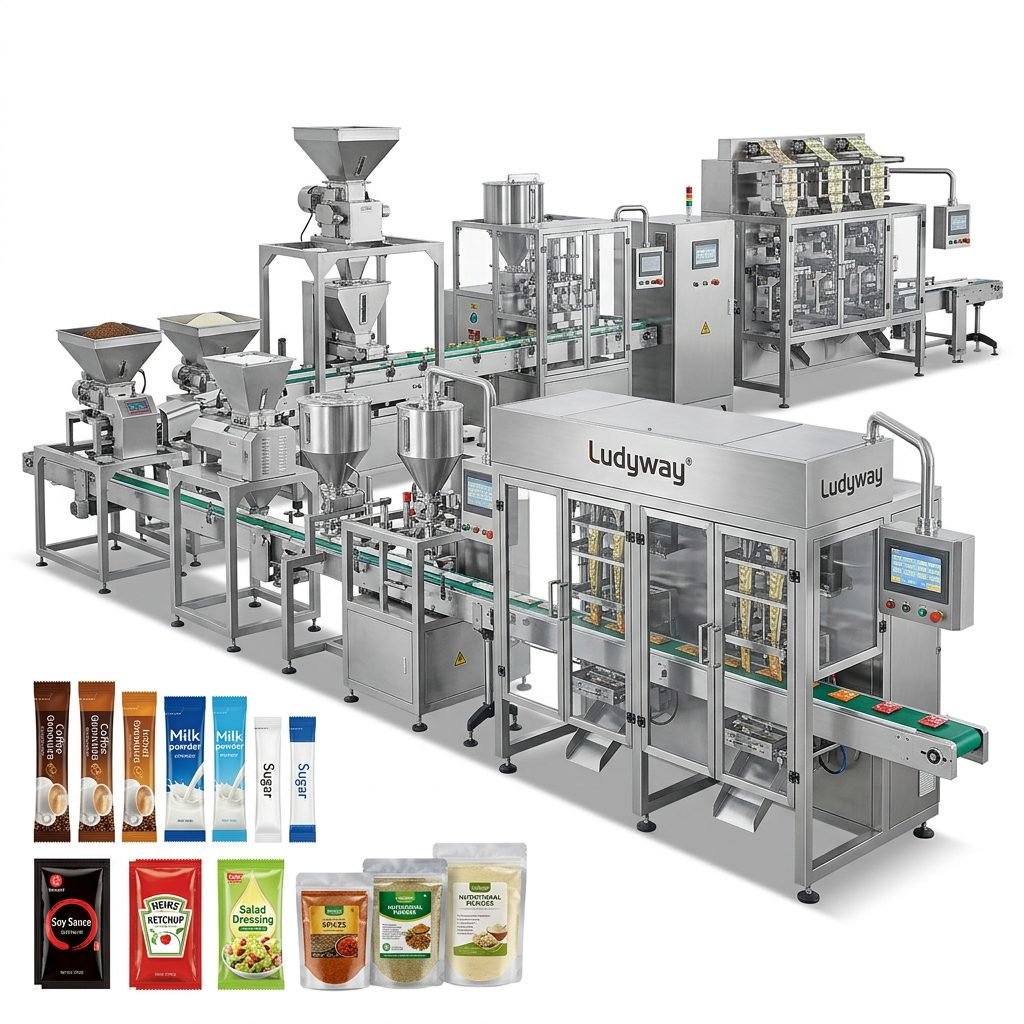
Establishing a meat packaging machine production line in Germany requires careful planning, adherence to strict EU regulations, and the selection of high-performance equipment. Germany is one of the largest meat processing markets in Europe, and setting up a compliant, efficient packaging line demands a comprehensive understanding of local standards, automation technologies, and operational workflows.
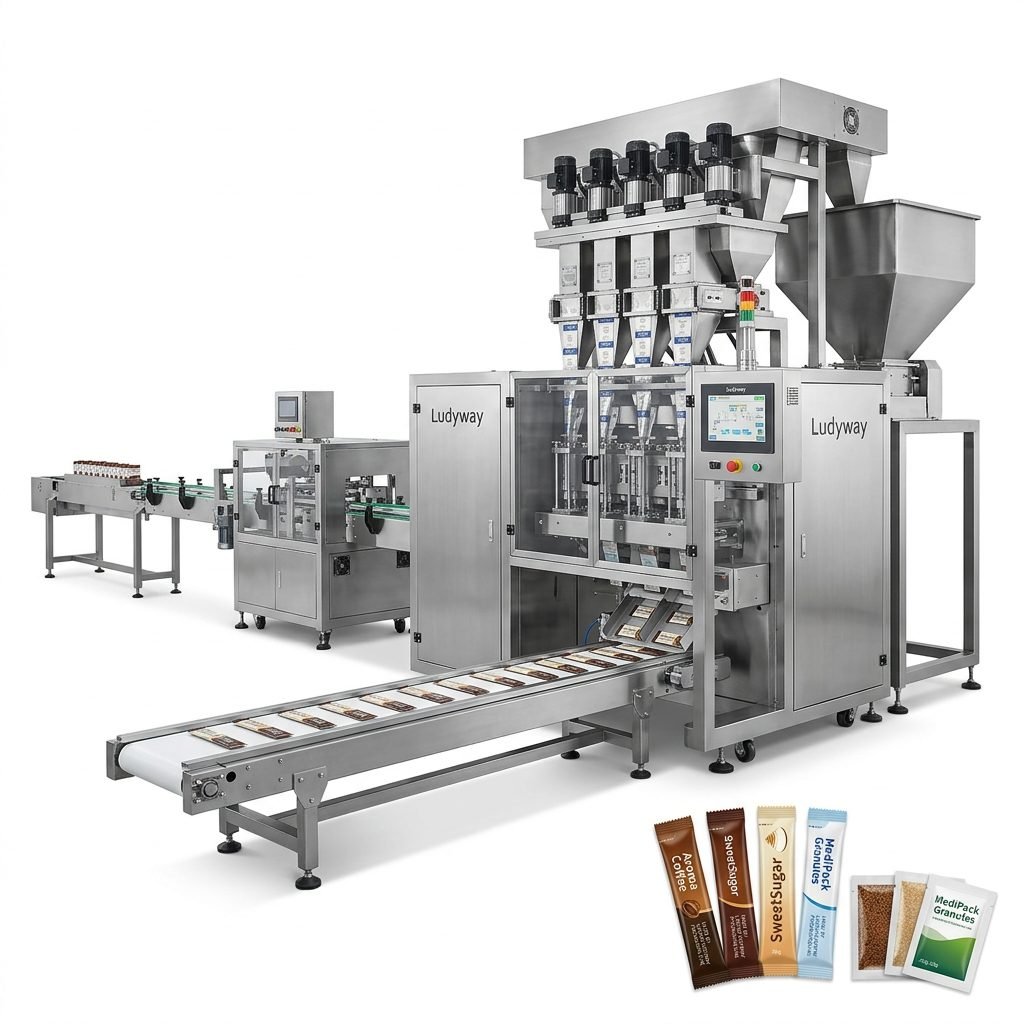
Understanding German and EU Regulatory Requirements
Before installing any meat packaging machine, you must comply with the framework established by the European Food Safety Authority and German DIN standards. Key regulations include:
- EU Regulation (EC) No 1935/2004 – Materials and articles intended to come into contact with food
- EU Regulation (EC) No 2023/2006 – Good Manufacturing Practice for food contact materials
- IFS Food Standard – International Featured Standards for auditing food safety
- HACCP Compliance – Hazard Analysis and Critical Control Points methodology
Your meat packaging production line must also meet the strict hygiene design criteria set by the ISO packaging standards and the EHEDG (European Hygienic Engineering and Design Group) guidelines.
Planning Your Meat Packaging Line Layout
The physical layout of your meat packaging machine production line in Germany significantly impacts efficiency. For optimal workflow, consider a linear or U-shaped configuration that minimizes cross-contamination between raw and processed zones. Key zones include:
Raw Material Intake Area
Automated weighing, sorting, and inspection stations with metal detectors and X-ray systems from industrial vision systems ensure only quality meat enters the line.
Primary Packaging Section
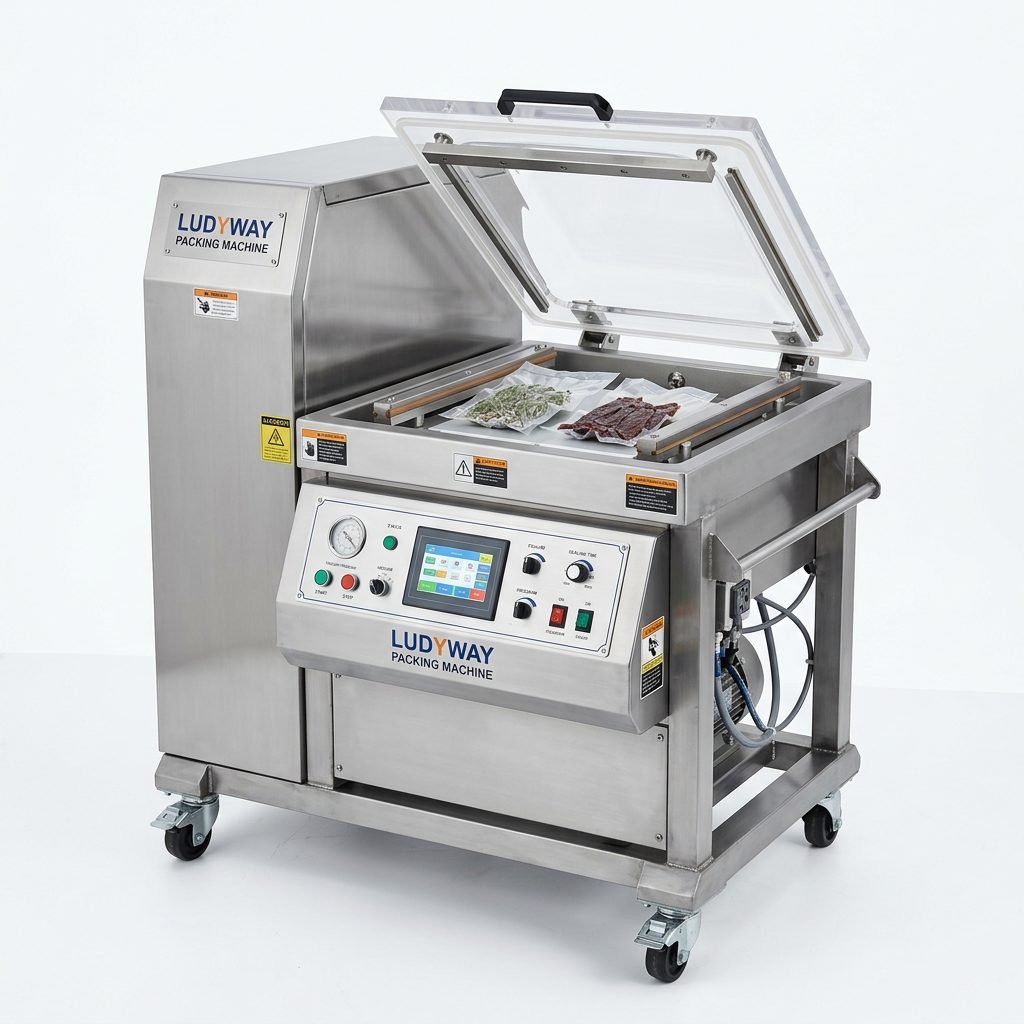
Thermoforming, tray sealing, and vacuum packaging machines modified atmosphere packaging (MAP) technology for extended shelf life.
Selecting the Right Meat Packaging Equipment
Choosing machinery for your German facility involves evaluating speed, flexibility, and integration capabilities. Below is a comparison of common meat packaging machines used in high-care environments:
| Machine Type | Application | Key Benefit |
|---|---|---|
| Thermoforming Machines | Fresh meat trays, MAP packs | High-volume, flexible film formats |
| Tray Sealers | Pre-formed tray sealing | Rapid format changeovers |
| Vacuum Chamber Machines | Whole cuts, bulk packs | Extended shelf life, robust sealing |
| Flow Wrappers | Sliced meats, sausages | High linear speed, compact footprint |
Automation and Industry 4.0 Integration
Modern meat packaging production lines in Germany leverage smart factory technologies. Integrating OEE tracking, predictive maintenance sensors, and centralized PLC control systems ensures real-time monitoring. This aligns with Germany’s “Mittelstand” industrial excellence philosophy. Automated case packing and palletizing systems reduce manual handling and improve traceability as required by the EU Food Information Regulation.
Critical Ancillary Equipment
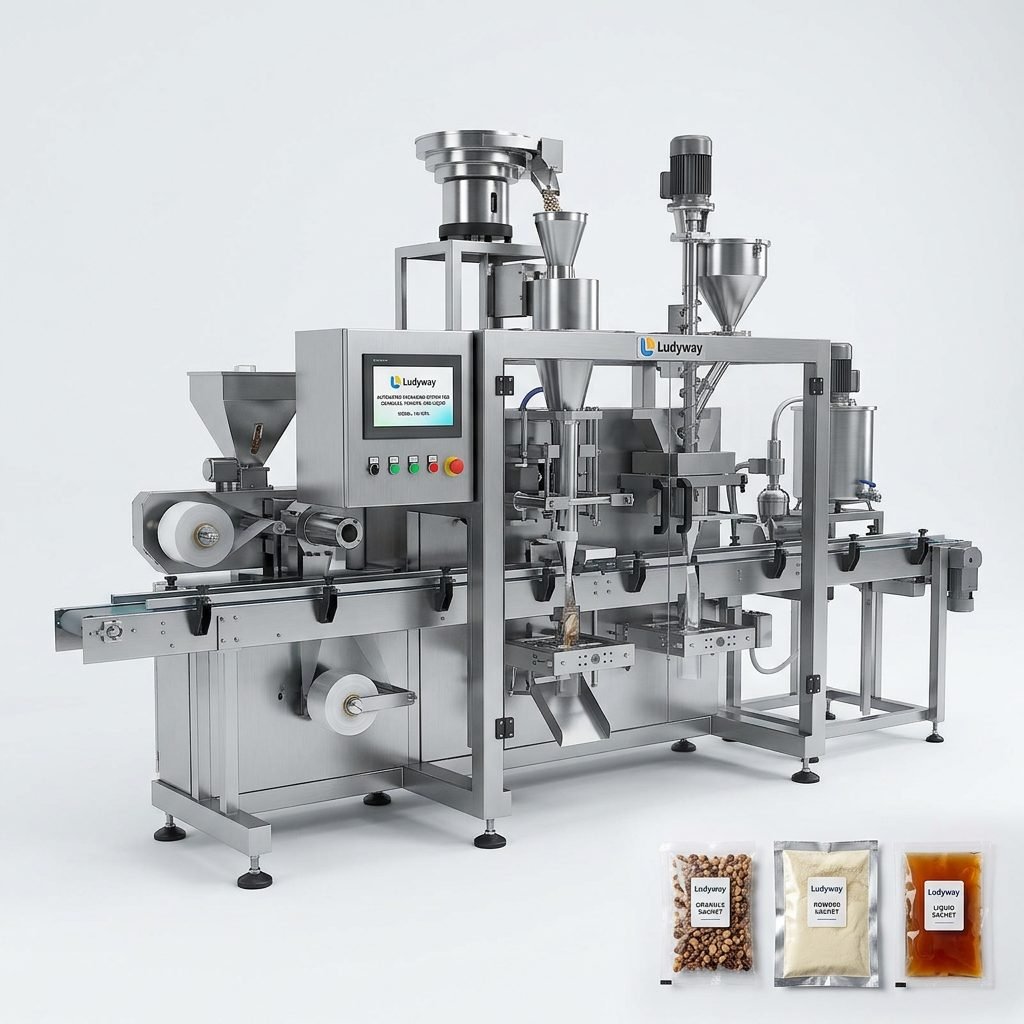
A seamless meat packaging machine production line relies on ancillary components. You need industrial checkweighers, high-speed thermal transfer printers for batch coding, and metal detectors. Conveyor systems must be designed for washdown environments with stainless steel frames. For efficient material handling, consider automatic carton erectors and robotic palletizing systems.
Workforce Training and Safety Protocols
Operating a meat packaging line in Germany requires certified personnel familiar with the Ordinance on Industrial Safety and Health (BetrSichV). Operators must undergo regular training on lockout-tagout procedures and hygienic equipment handling. Safety barriers, light curtains, and emergency stop circuits are mandatory installations around high-speed packaging machines.
Choosing the Right Equipment Provider
Partnering with an experienced supplier is critical for the success of your German facility. Ludyway, a leading packaging machine manufacturer with over 30 years of industry expertise, offers turnkey solutions customized for meat and protein packaging lines. Their engineering team supports FAT (Factory Acceptance Testing) and SAT (Site Acceptance Testing) protocols to ensure compliance with PMMI packaging industry resources and German standards.
Installation and Commissioning in Germany
Installing a meat packaging machine production line involves strict site preparation. Ensure your facility has the correct voltage supply (typically 400V AC), compressed air lines meeting ISO 8573-1 purity classes, and proper drainage for cleaning. Commissioning must include IQ (Installation Qualification), OQ (Operational Qualification), and PQ (Performance Qualification) documentation. This aligns with the ISO 11607 packaging validation requirements for consistent performance.
Maintenance and Long-Term Performance
After commissioning, preventive maintenance schedules must align with the manufacturer’s recommendations and German operational safety guidelines. Maintaining an inventory of critical spare parts within the EU avoids downtime. A structured cleaning validation plan, referencing the principles of the Flexible Packaging Association’s sustainability resources, ensures your meat packaging production line maintains optimal OEE (Overall Equipment Effectiveness) year-round.
For more detailed economic and regulatory data, refer to the latest packaging state of the industry reports and resources on the European Commission packaging waste regulation.