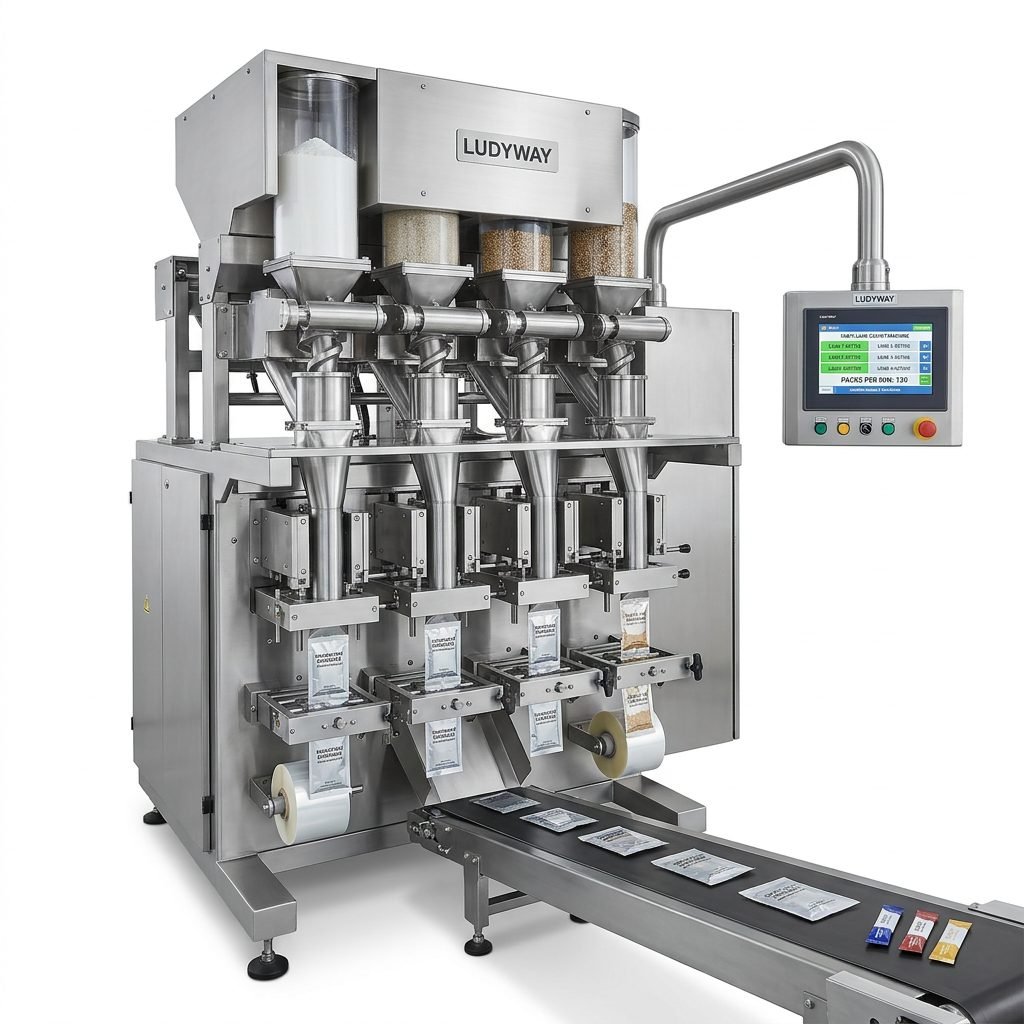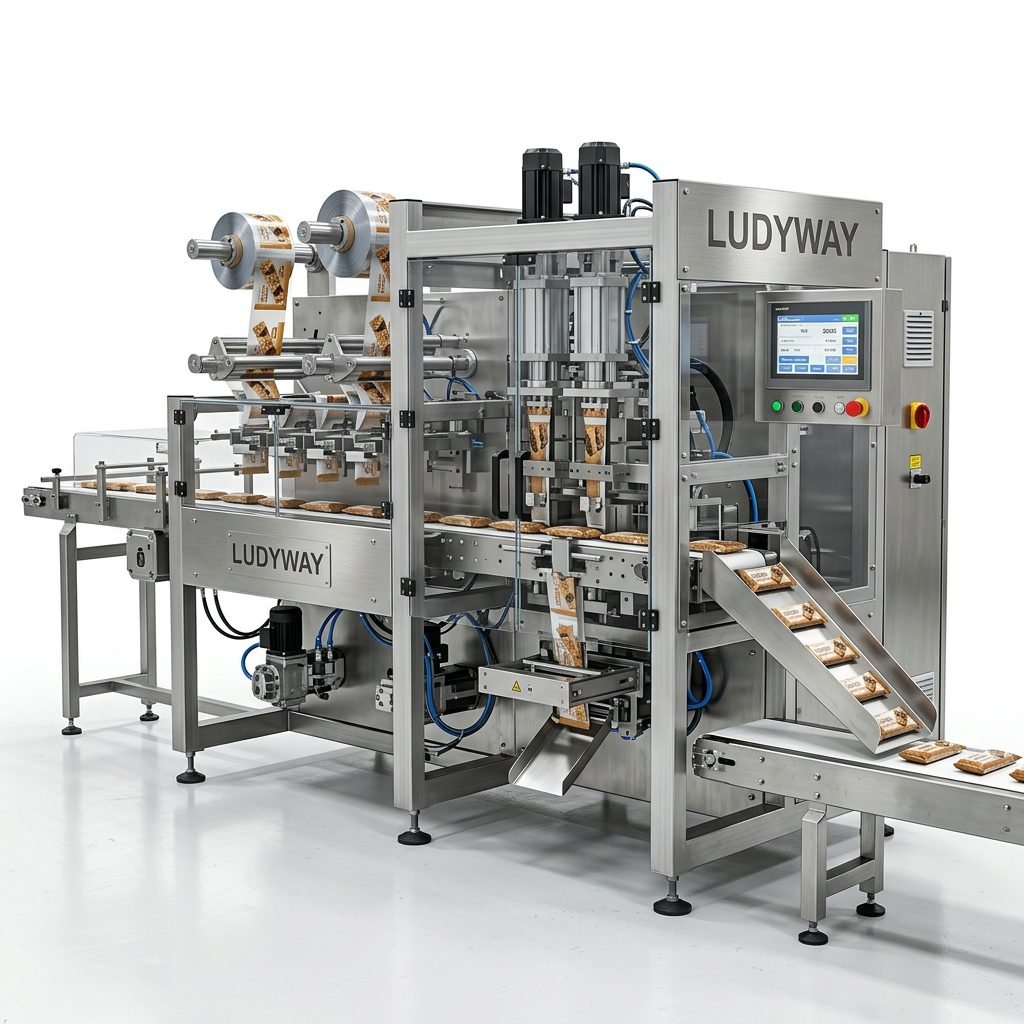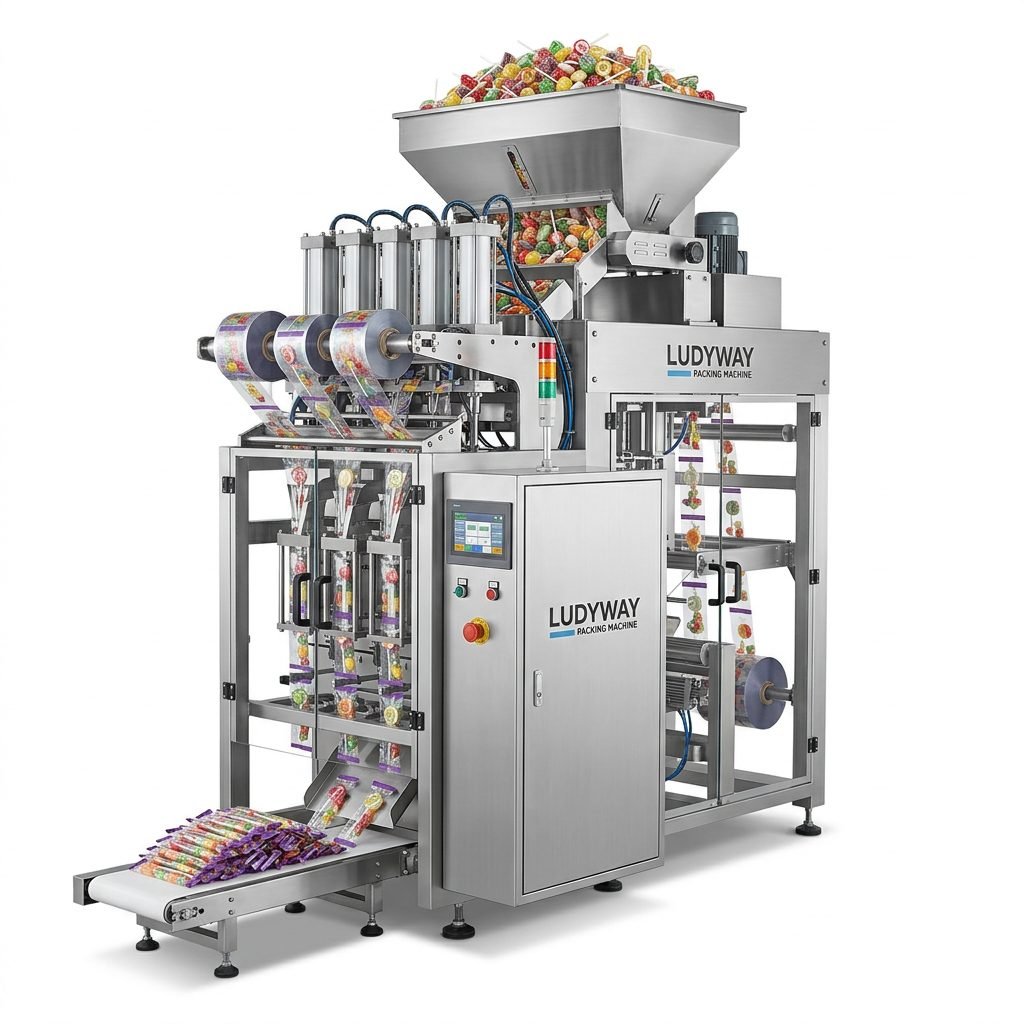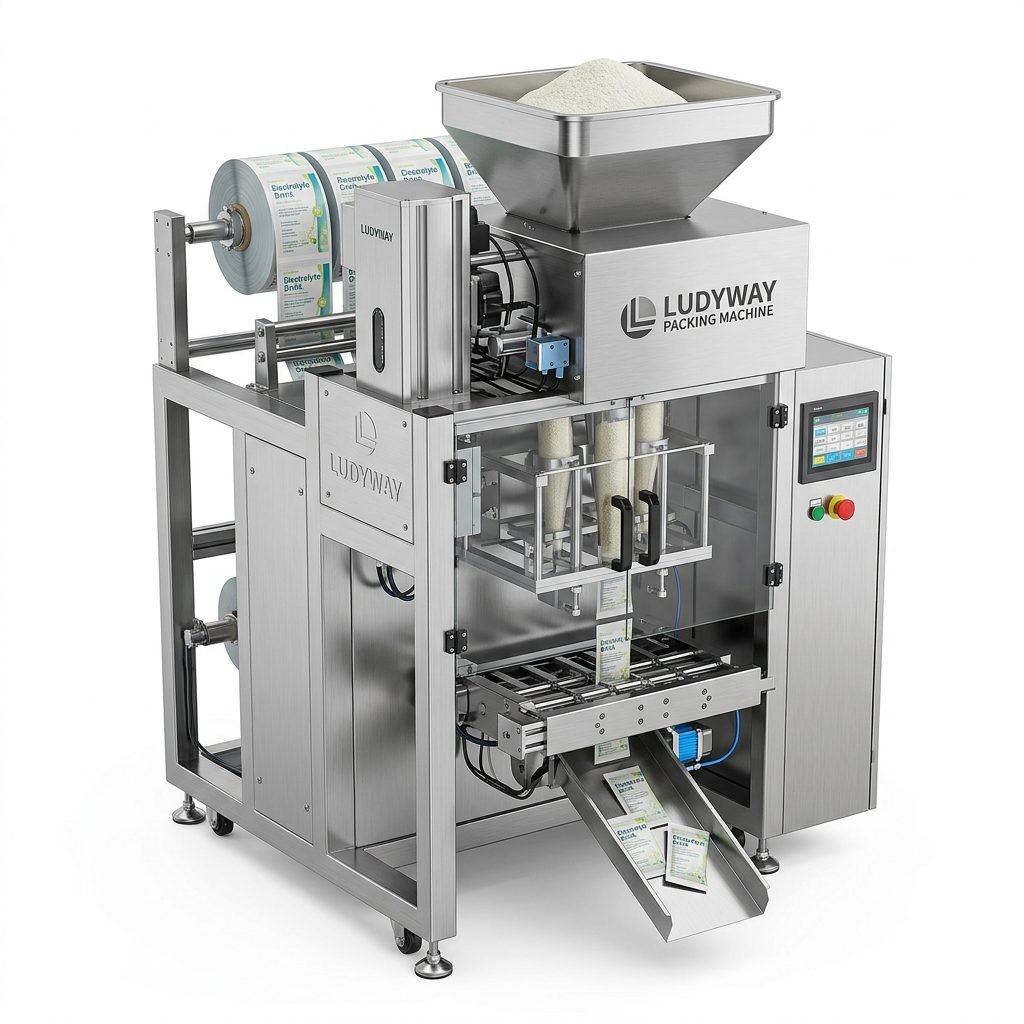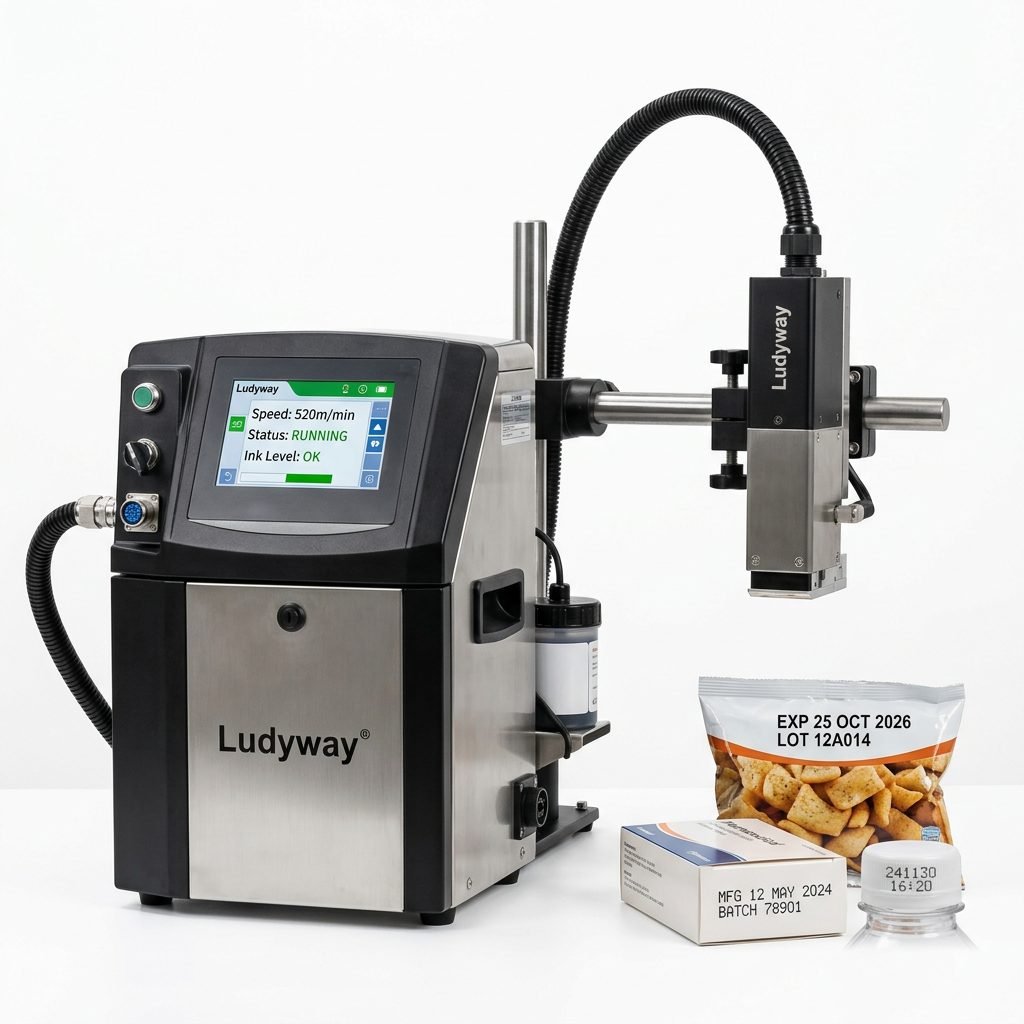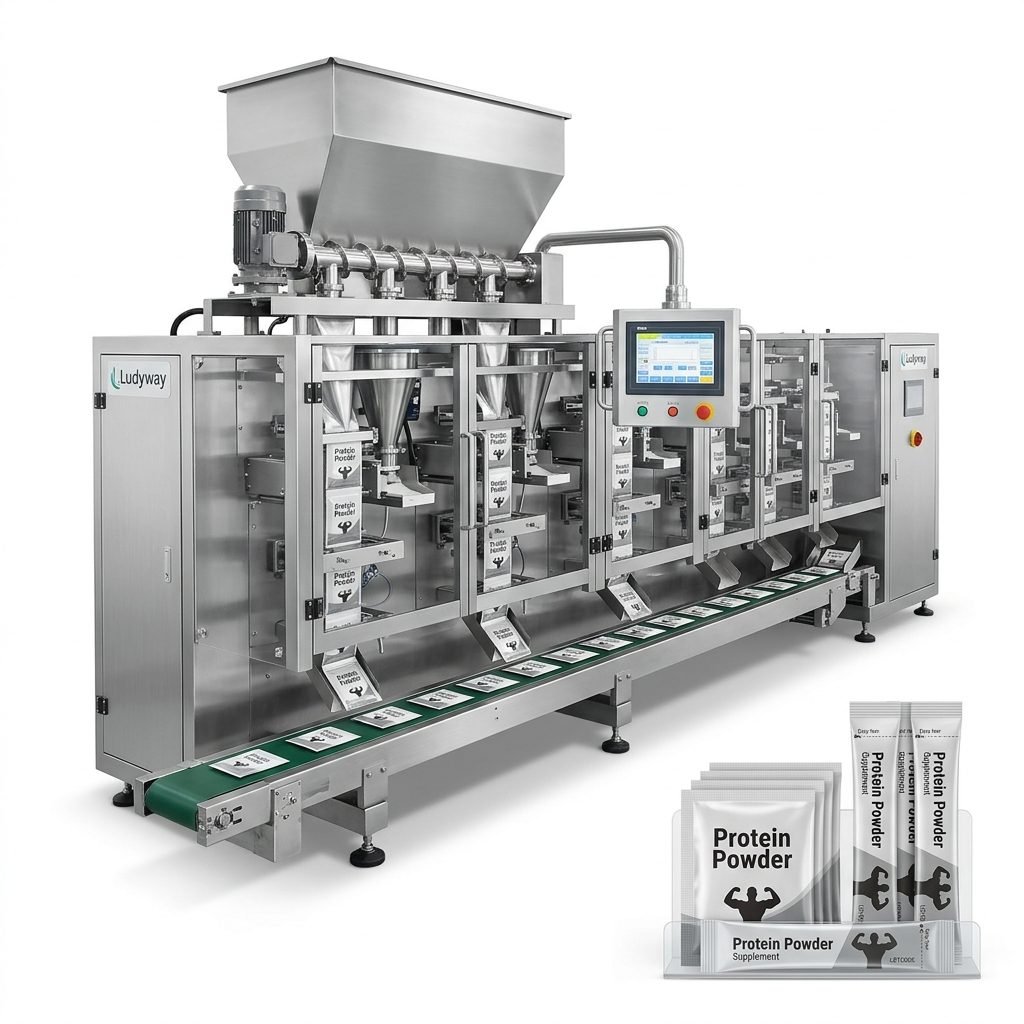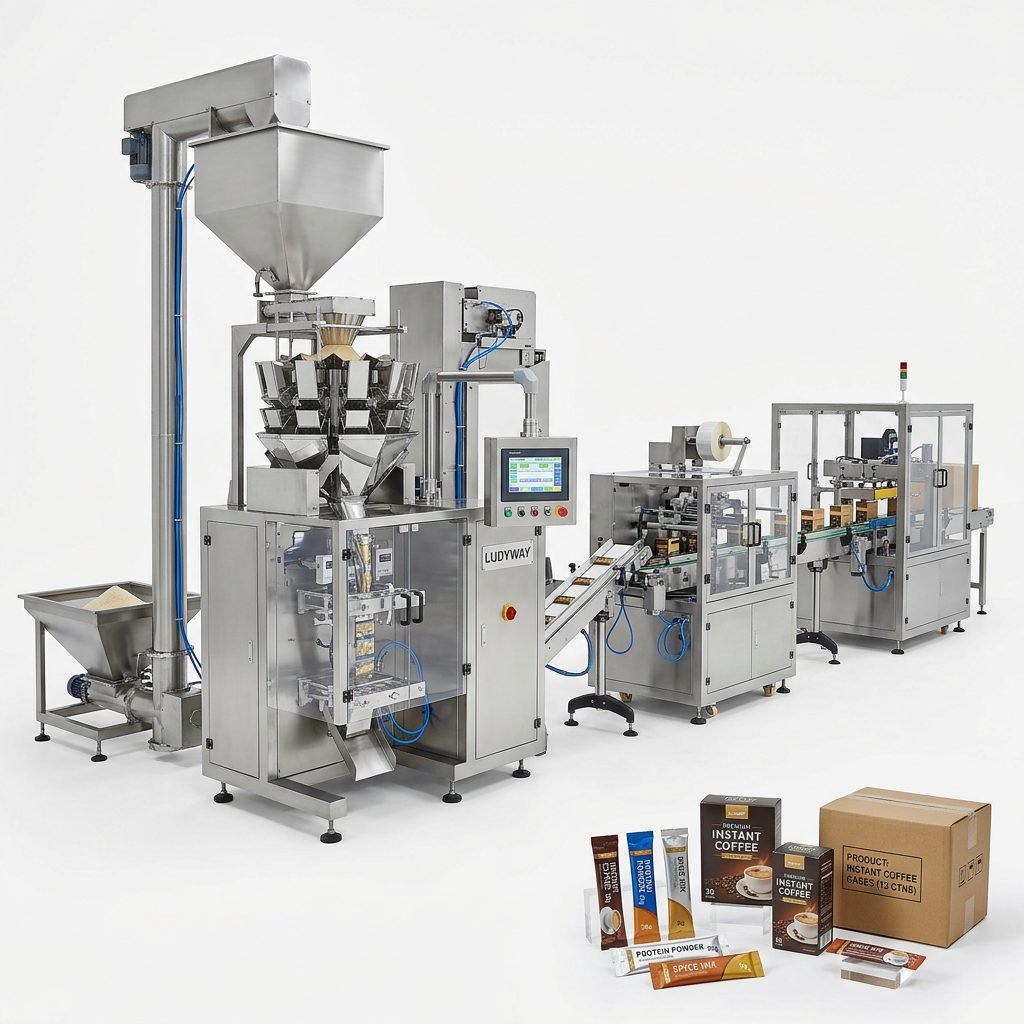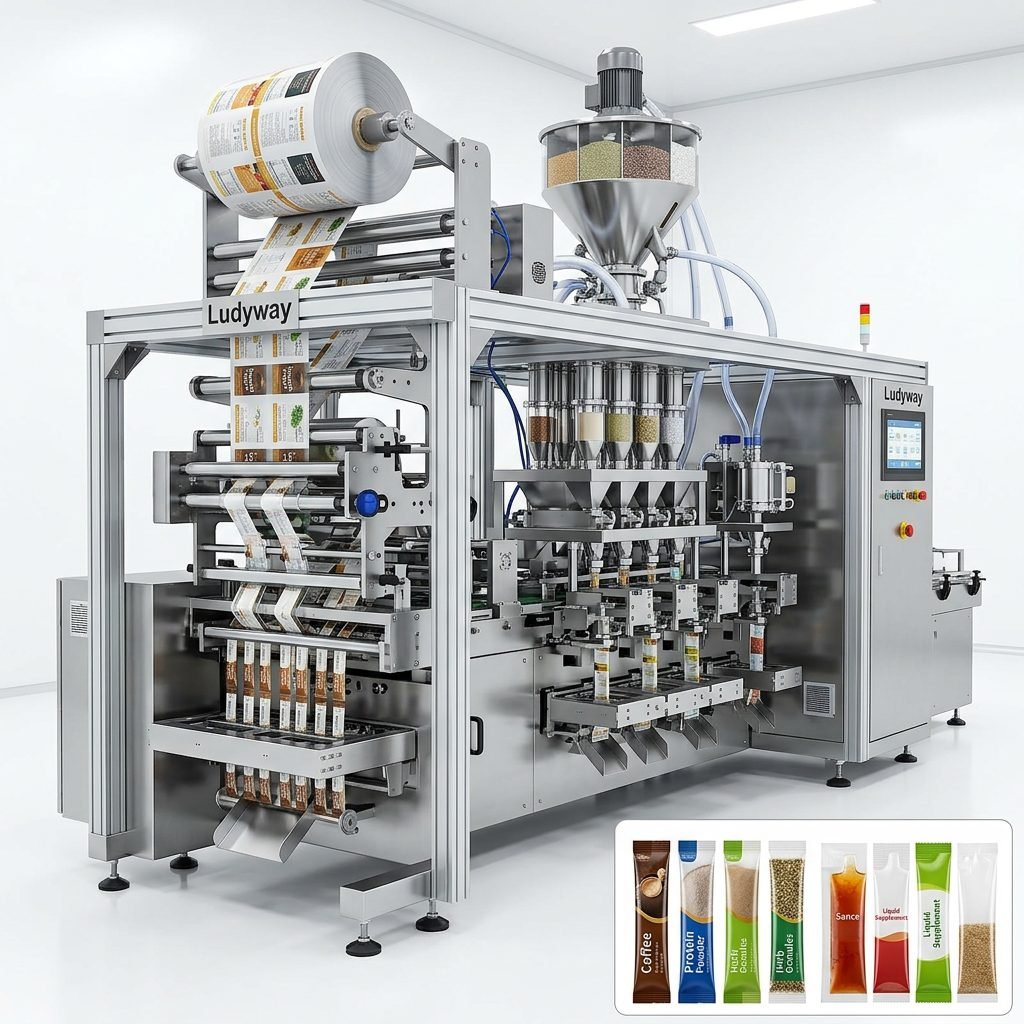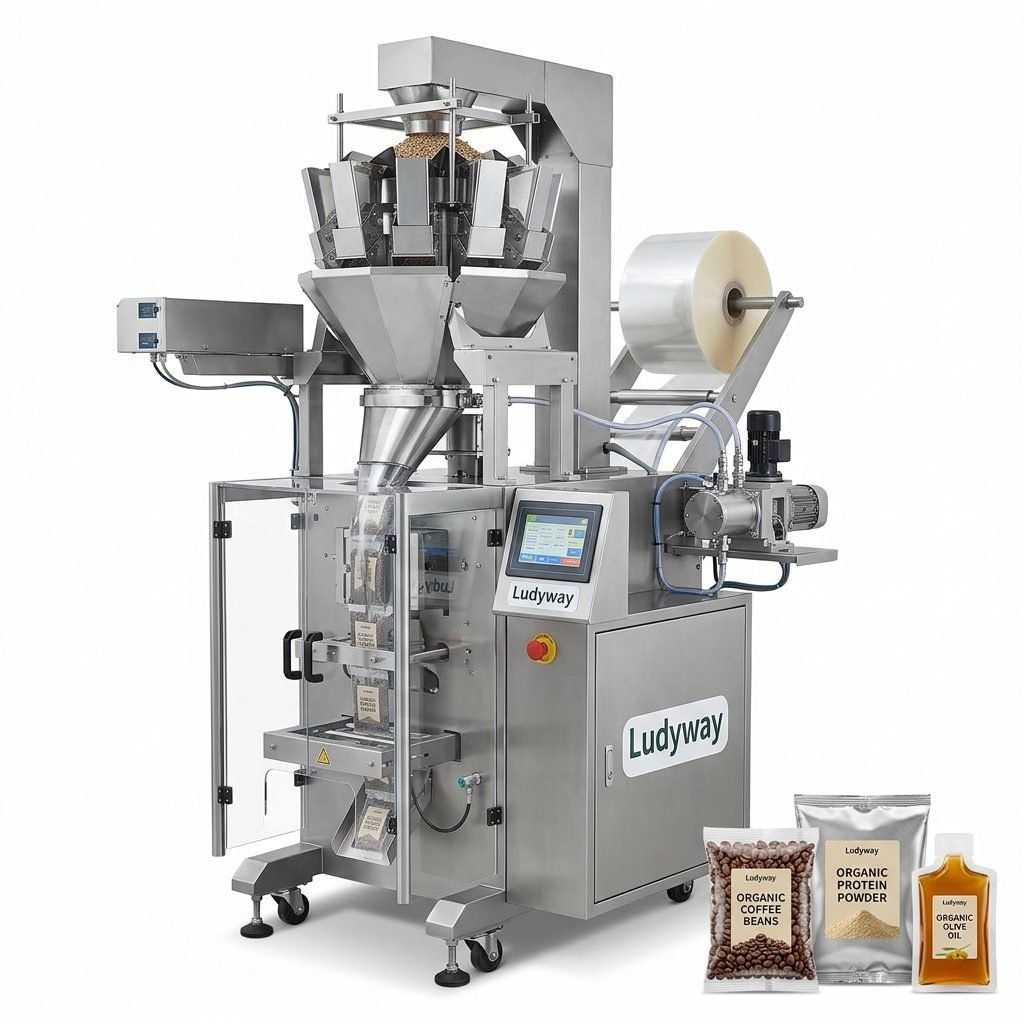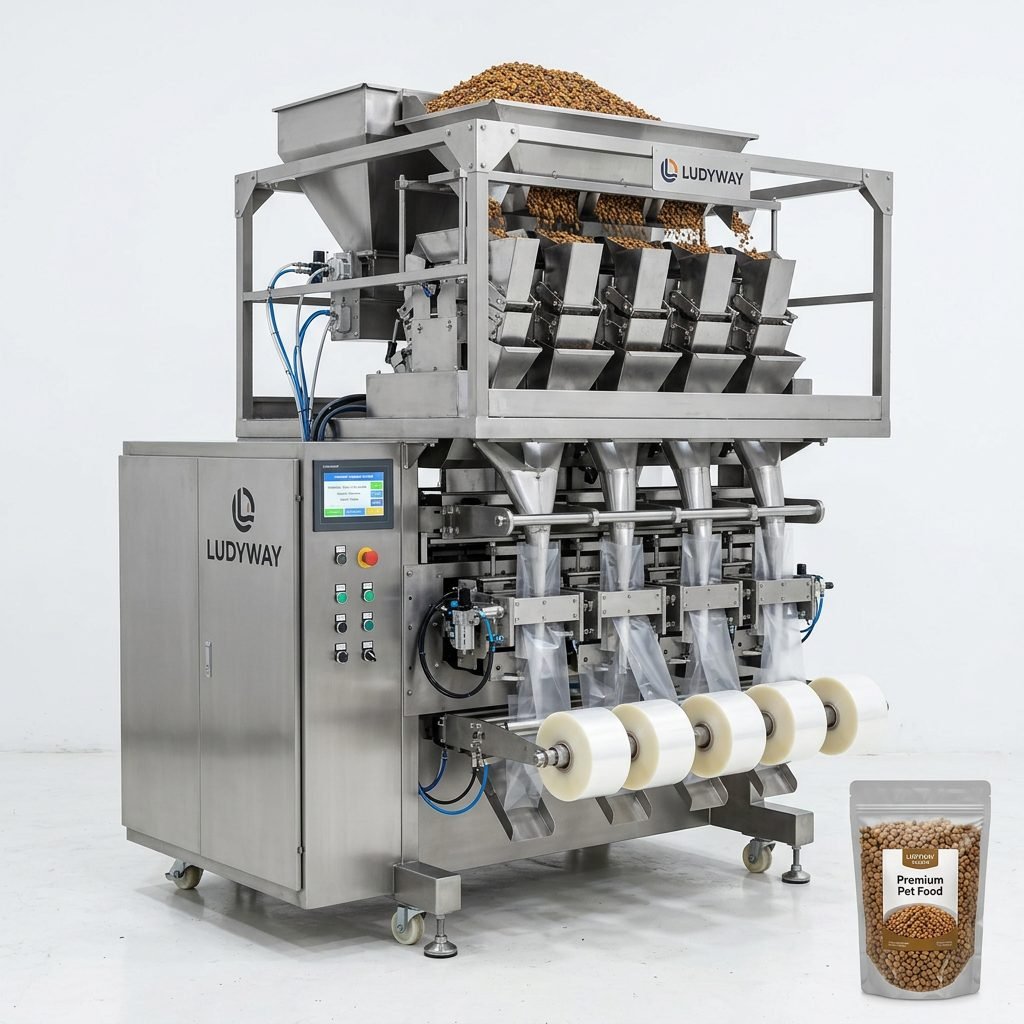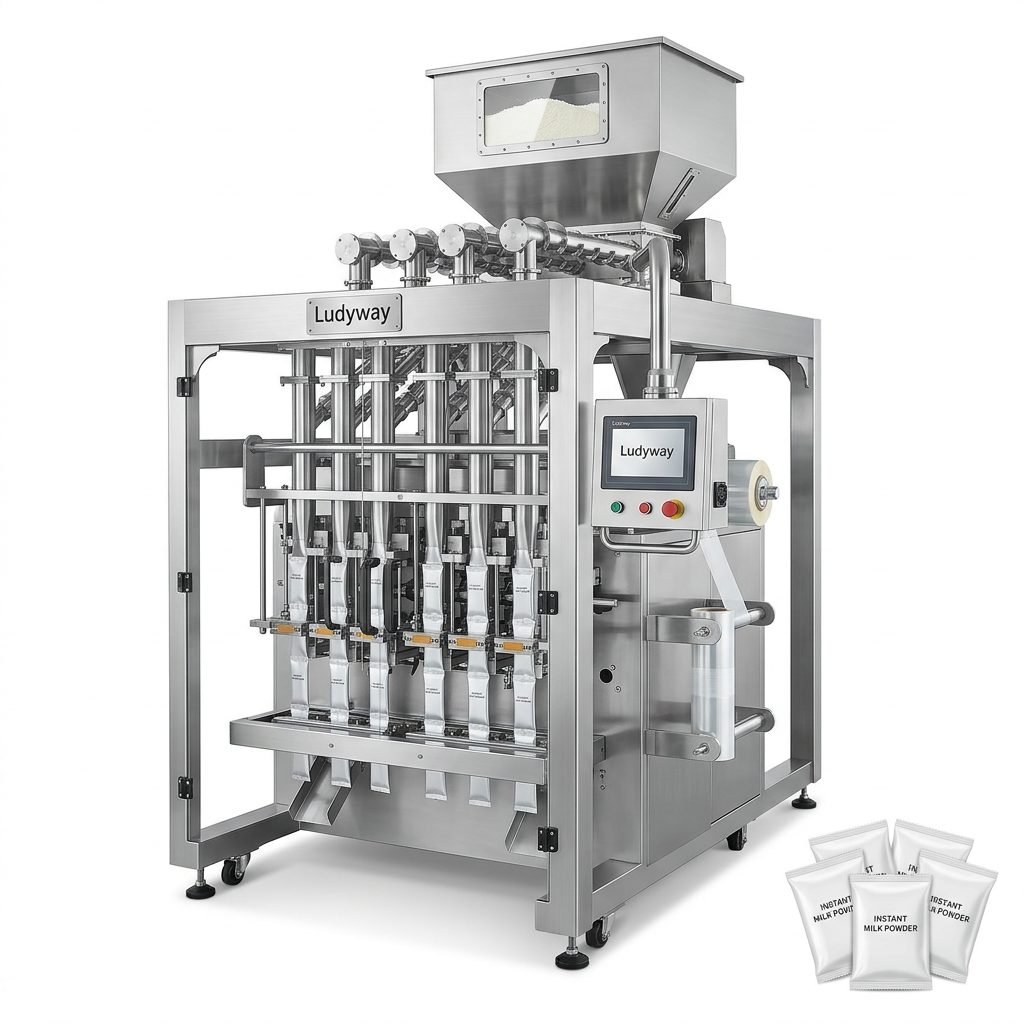
The demand for infant formula and adult milk powder in Southeast Asia, China, and the Middle East continues to surge. Establishing a milk powder packaging production line requires more than just machinery; it needs a deep understanding of hygienic design, precision filling technology, and extended shelf-life preservation. A full turnkey approach covers everything from raw material intake to secondary cartoning, ensuring producers meet strict FDA food contact standards and local Asian regulations. Below is the technical roadmap to set up a high-efficiency facility.
1. Strategic Project Planning and Workflow Design
Before selecting powder filling machines, you must map the cleanroom zoning. A typical dry powder blending and packaging facility is divided into three distinct zones:
- Black Zone (Raw Material Reception): Where bulk ingredients arrive. This area requires dust extraction to handle fine powder safely.
- Grey Zone (Blending and Sieving): A semi-clean area for mixing and passing powder through a vibrating sieve to remove agglomerates.
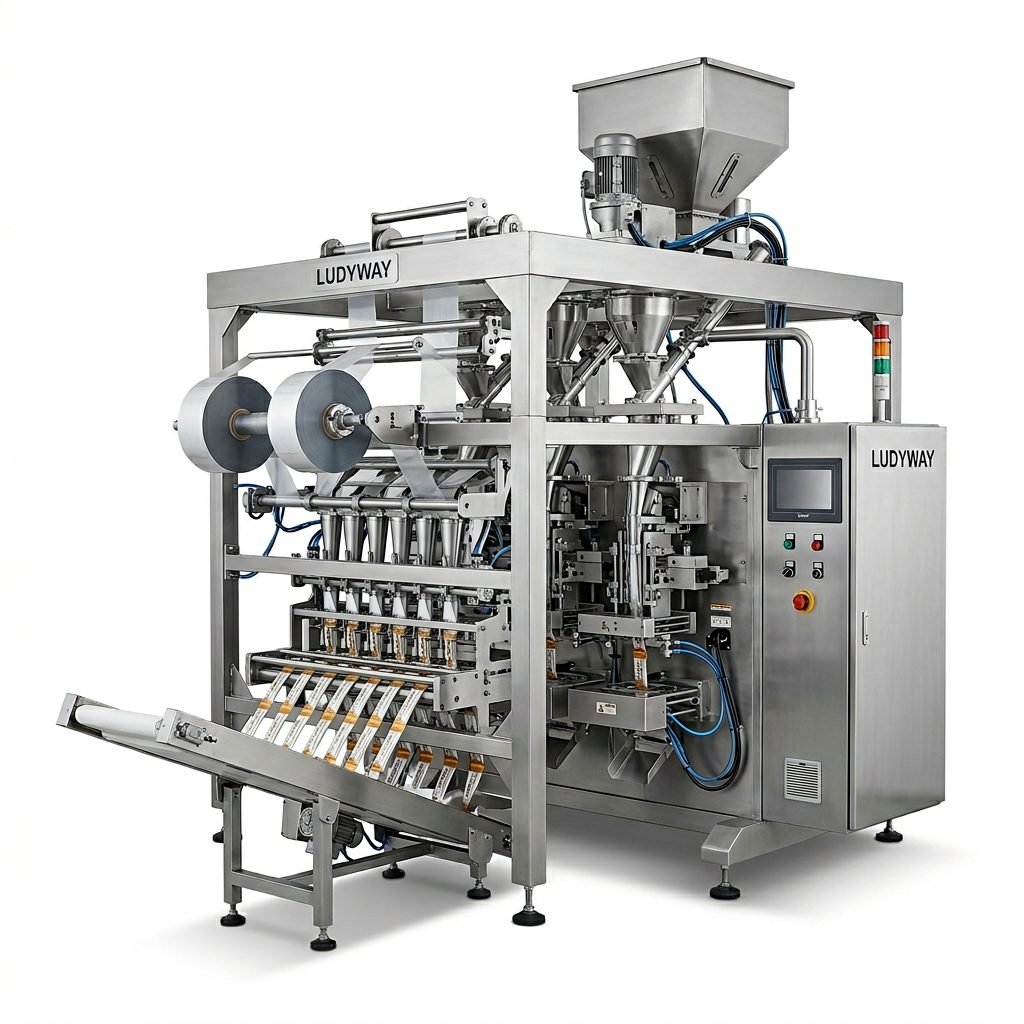
- White Zone (Filling and Sealing): A strictly controlled environment (ISO Class 7 or 8) where the multi-lane stick pack machine operates, preventing microbial contamination.

2. Core Equipment Configuration for Turnkey Solutions
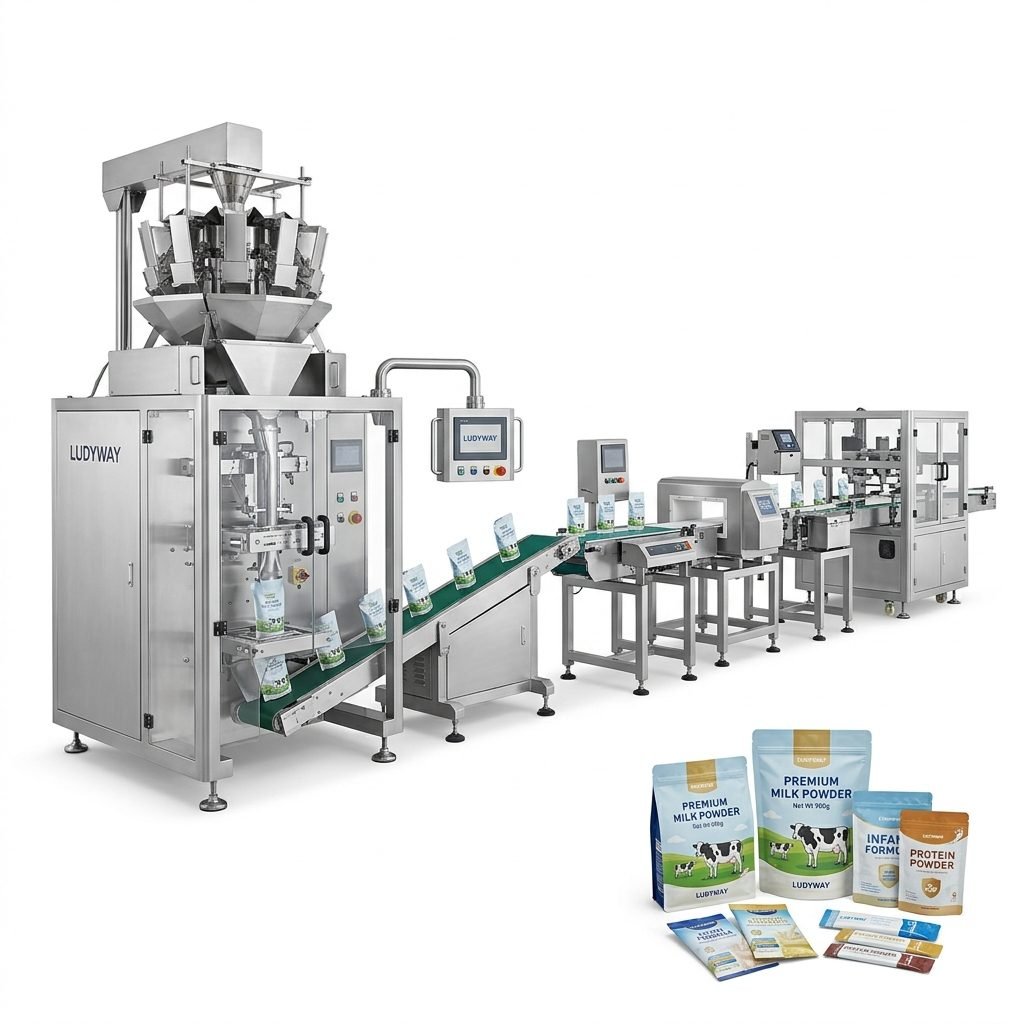
A reliable milk powder packaging line integrates several key modules. The table below details the essential hardware and its technical function to ensure production runs between 40 to 80 sachets per minute per lane.
| Equipment Module | Key Function | Critical Specification |
|---|---|---|
| Vacuum Feeder | Dust-free transfer of powder to the hopper | Stainless Steel 316L, closed-loop transport |
| Auger Filler | Accurate volumetric dosing of sticky or free-flowing powder | ±0.5g to ±1g accuracy, servo-driven |
| Vertical Form Fill Seal (VFFS) | Forms the sachet/stick pack pillow from roll stock | Multi-lane operation, dehumidified air injection |
| Checkweigher | Real-time weight verification and rejection of bad packs | Integration with high-speed reject mechanism |
3. Production Capacity and Cost Analysis
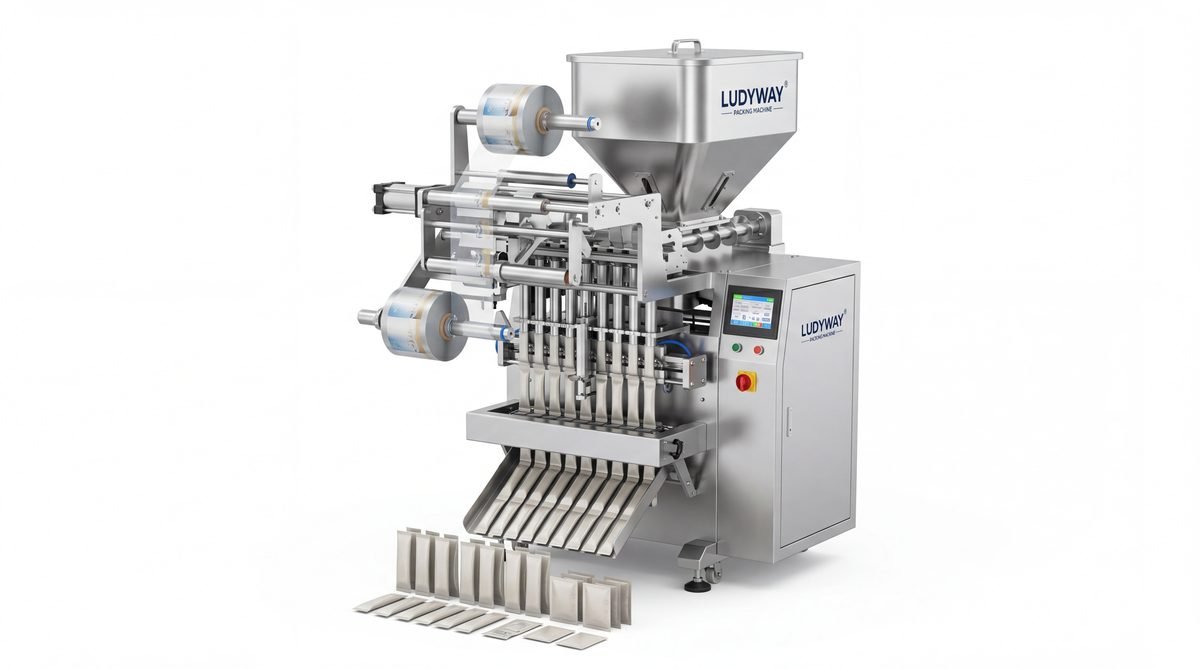
Understanding the operational costs and output is vital for ROI calculation. Equipment investment generally constitutes the largest CapEx. Below is a sample cost structure for a medium-scale Asian production line targeting 4-lane stick packs.
- Primary Packaging Equipment: Budget between $80,000 to $200,000 USD for a high-speed multi-lane system, depending on automation level.
- Secondary Cartoning: Automated case packers and carton erectors can add $40,000 to $60,000 USD.
- Operational Cost per Unit: Film consumption and nitrogen flushing represent primary variable costs. Using a PMMI Business Intelligence benchmark, material efficiency directly impacts net margin.
4. Engineering a Hygienic and Dust-Controlled Environment
Milk powder packaging is heavily regulated. Humidity control is non-negotiable. Install an HVAC system capable of maintaining Relative Humidity (RH) below 30-35%. High moisture causes bridging in the auger and clumping in the sachet. Additionally, all contact parts must follow GMP guidelines. ISO packaging standards mandate rigorous washdown capabilities. Look for machines with sloped surfaces to prevent powder buildup and quick-release hoppers for rapid CIP cleaning between batches, a specialty in modern turnkey packaging systems.
5. Capping and Nitrogen Flushing for Extended Shelf Life
To preserve the nutritional integrity of formula, residual oxygen must be kept below 3%. A gas flushing system injects nitrogen into the formed sachet immediately before the top seal is applied. Checkweighers and advanced powder packaging machines from Ludyway can be integrated with oxygen analyzers to reject any compromised packs. This process ensures the 18-24 month shelf life required by international retailers, as detailed in Flexible Packaging Association resources.
6. Factory Layout and Utility Requirements
A milk powder production line is not plug-and-play. You need a controlled space of at least 1,500 to 3,000 square meters for a full turnkey operation with drying, blending, and packaging zones. Utility prerequisites include: clean dry compressed air (6-8 bar), 3-phase electrical supply (380V/50Hz in most Asian countries), and a purified water source for cleaning. The layout should follow a linear product flow from the raw material intake directly to the finished goods quarantine, avoiding cross-contamination risks.
7. Start-to-End Commissioning and Validation
Commissioning a line in Asia involves Installation Qualification (IQ), Operational Qualification (OQ), and Performance Qualification (PQ). Engineers perform dry runs using placebo powder to confirm seal integrity via dye-penetration tests. Training local operators on fine-tuning the PLC and servo drives is critical. A partner experienced in packaging industry resources will oversee the yield optimization, ensuring the system hits a 98% efficiency rate before sign-off.
If you are ready to take the next step, contact our team today for a detailed quotation and technical consultation. Reach our factory experts via WhatsApp at +8613129592456 or by email at info@ludyway.com.