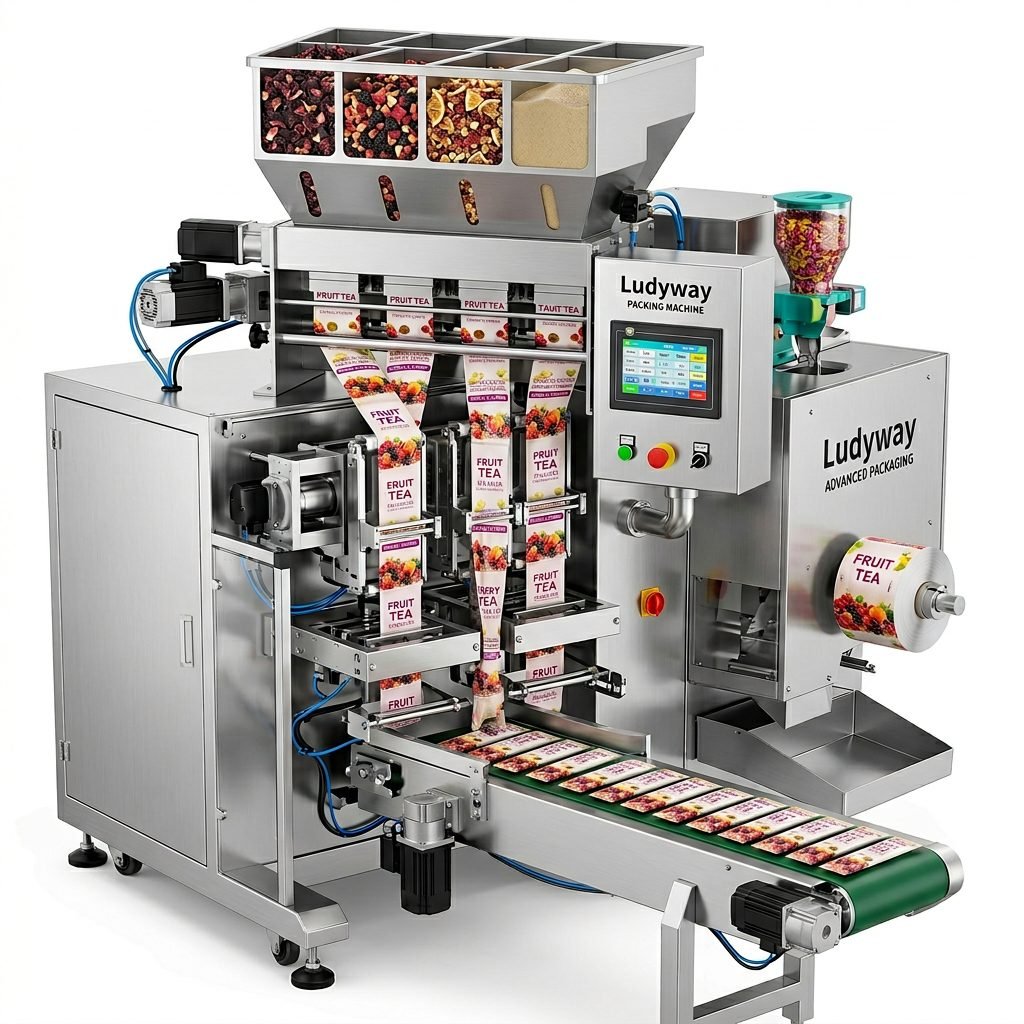
For food manufacturers and distributors across Australia, New Zealand, and the Pacific Islands, selecting the right tortilla packaging machine is a critical business decision. Whether you produce flour tortillas, corn tortillas, wraps, or flatbreads, the packaging solution you choose directly impacts product freshness, shelf life, production efficiency, and brand perception in a competitive retail environment.

Understanding the Tortilla Packaging Market in Oceania
The Oceania region presents unique packaging requirements driven by stringent food safety regulations, diverse climate conditions, and growing consumer demand for convenience foods. According to industry data from PMMI’s business intelligence resources, the flexible packaging sector continues to expand rapidly across the Asia-Pacific region, including Australia and New Zealand. Tortilla producers must navigate FSANZ (Food Standards Australia New Zealand) compliance while meeting retailer expectations for attractive, durable packaging that preserves product quality during distribution across vast geographic distances.
The tortilla category in Oceania has experienced steady year-on-year growth, fueled by multicultural dining trends, increased home cooking, and the popularity of Mexican and Tex-Mex cuisines. This growth demands packaging equipment that can handle various tortilla sizes, stack configurations, and packaging formats from simple poly bags to resealable pouches and modified atmosphere packaging (MAP).
Why Invest in a Dedicated Tortilla Packaging Machine?
Manual or semi-automatic packaging processes simply cannot keep pace with modern production demands. A dedicated tortilla packaging machine offers several competitive advantages:
- Consistent seal integrity preventing moisture ingress and product spoilage during Oceania’s humid summer months
- High-speed automated counting and stacking reducing labor costs and human error
- Flexible format changeovers allowing you to switch between different tortilla diameters and pack sizes
- Gas flushing capability for extended shelf life essential for export markets across the Pacific
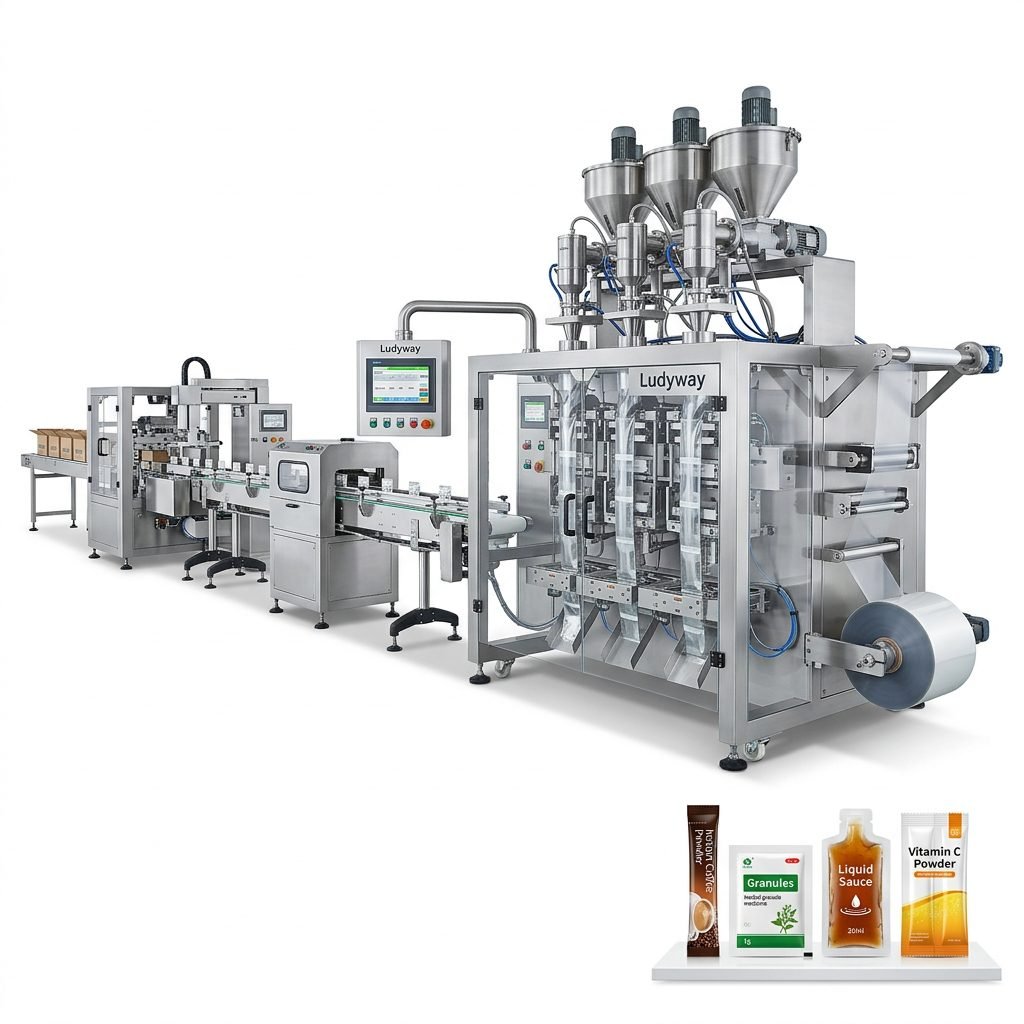
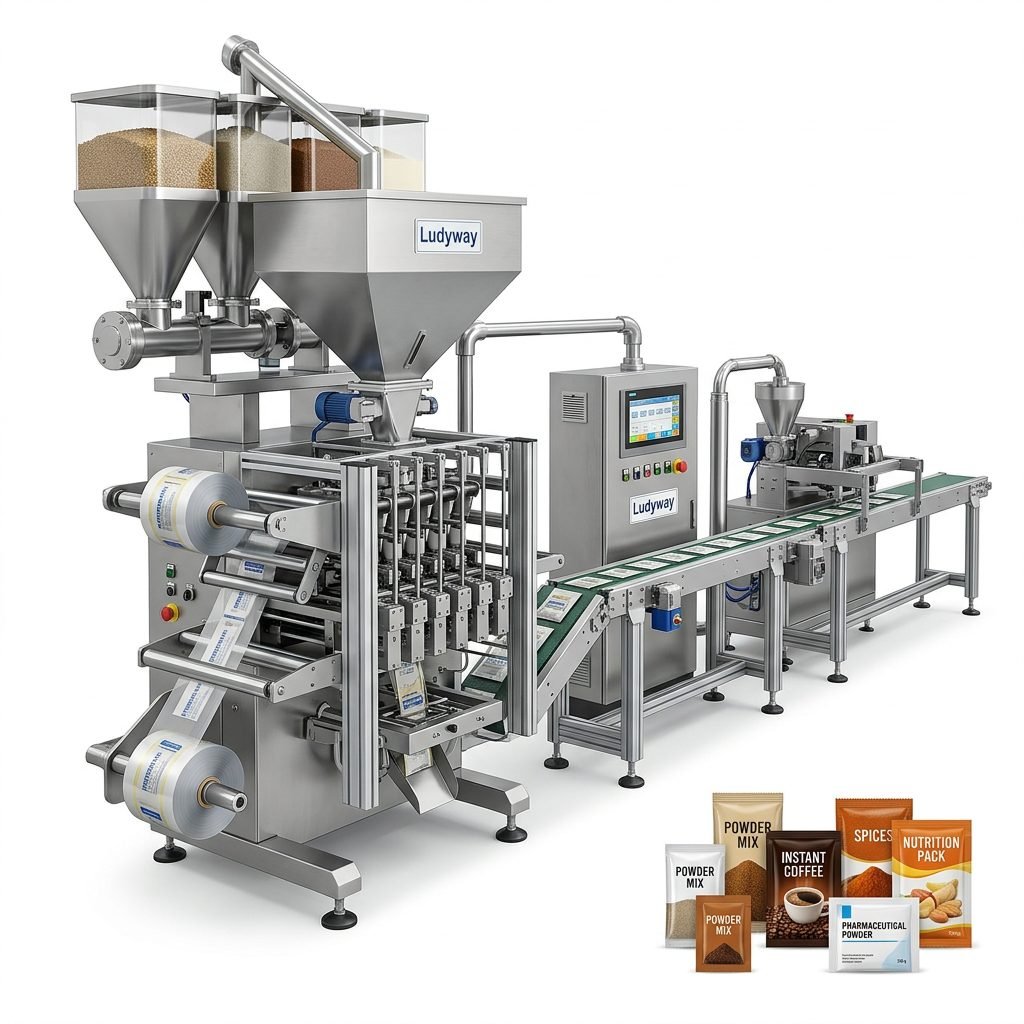
- Integration with upstream production lines for seamless tortilla manufacturing to packaging workflow

Key Factors to Consider When Choosing a Tortilla Packaging Machine
Production Capacity and Speed
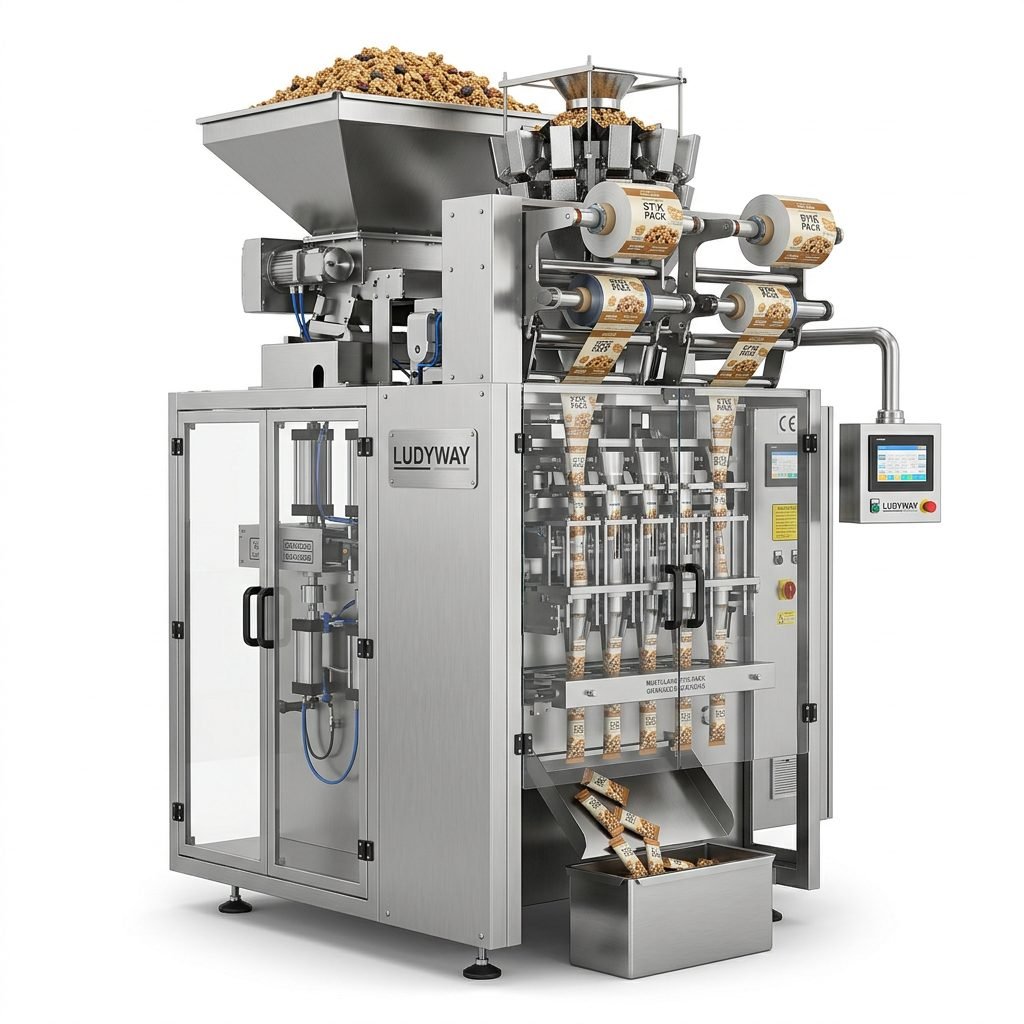
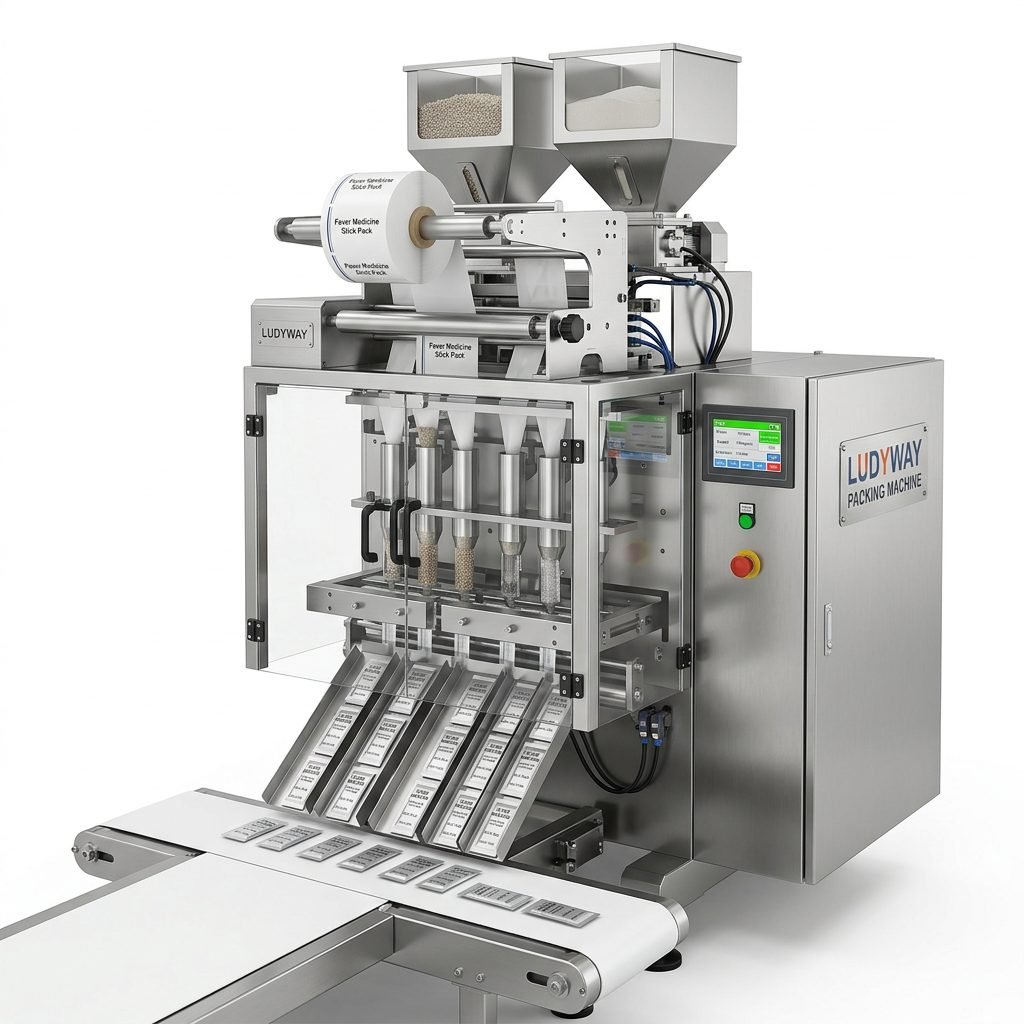
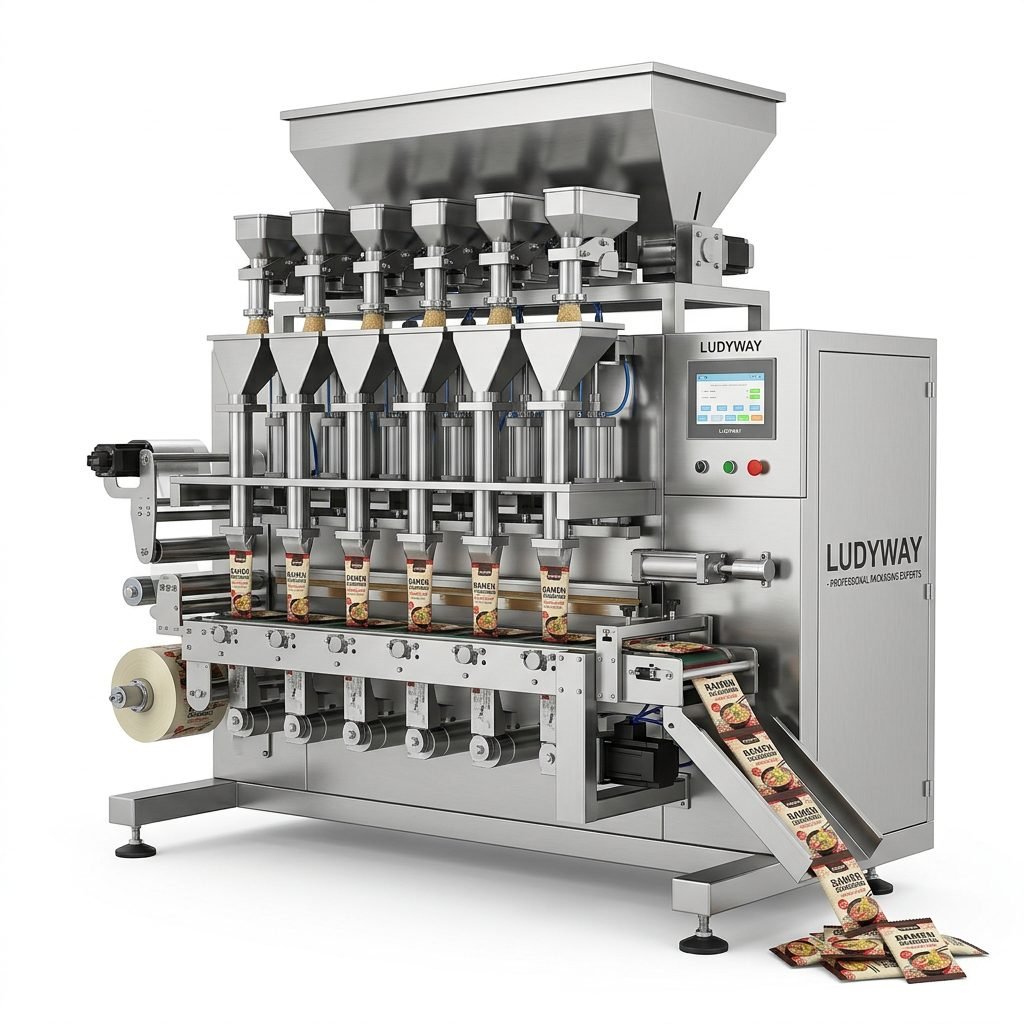
Evaluate your current and projected production volumes. A small artisan tortilla producer in Wellington may require 20-40 packs per minute, while a large-scale manufacturer supplying supermarket chains across Australia might need 80-120 packs per minute or higher. Multi-lane stick pack and sachet packaging systems offer scalable solutions that grow with your business, allowing you to add lanes as demand increases.
Packaging Format Flexibility
Tortilla products come in various packaging formats. Your machine should accommodate the formats your customers demand:
- Pillow bags for standard retail tortilla packs
- Gusseted bags for larger family-size packs
- Resealable zip-lock pouches for premium tortilla brands
- MAP (Modified Atmosphere Packaging) for extended shelf life products
- Flow wrap for individual or small-count tortilla portions
Product Characteristics
Tortillas are delicate, flexible, and often slightly moist products that require gentle handling. Key machine features to look for include soft-touch grippers, non-stick surfaces, and precise alignment mechanisms that prevent tearing, folding, or misalignment during the packaging process. For corn tortillas, which tend to be more brittle, specialized handling systems are essential to minimize product waste.
Types of Tortilla Packaging Machines
The Oceania market utilizes several machine configurations depending on production scale and packaging requirements. The following table compares the most common types:
| Machine Type | Best For | Speed Range | Key Advantage |
|---|---|---|---|
| Horizontal Flow Wrapper | Individual to medium packs | 30-150 ppm | Gentle product handling, ideal for delicate tortillas |
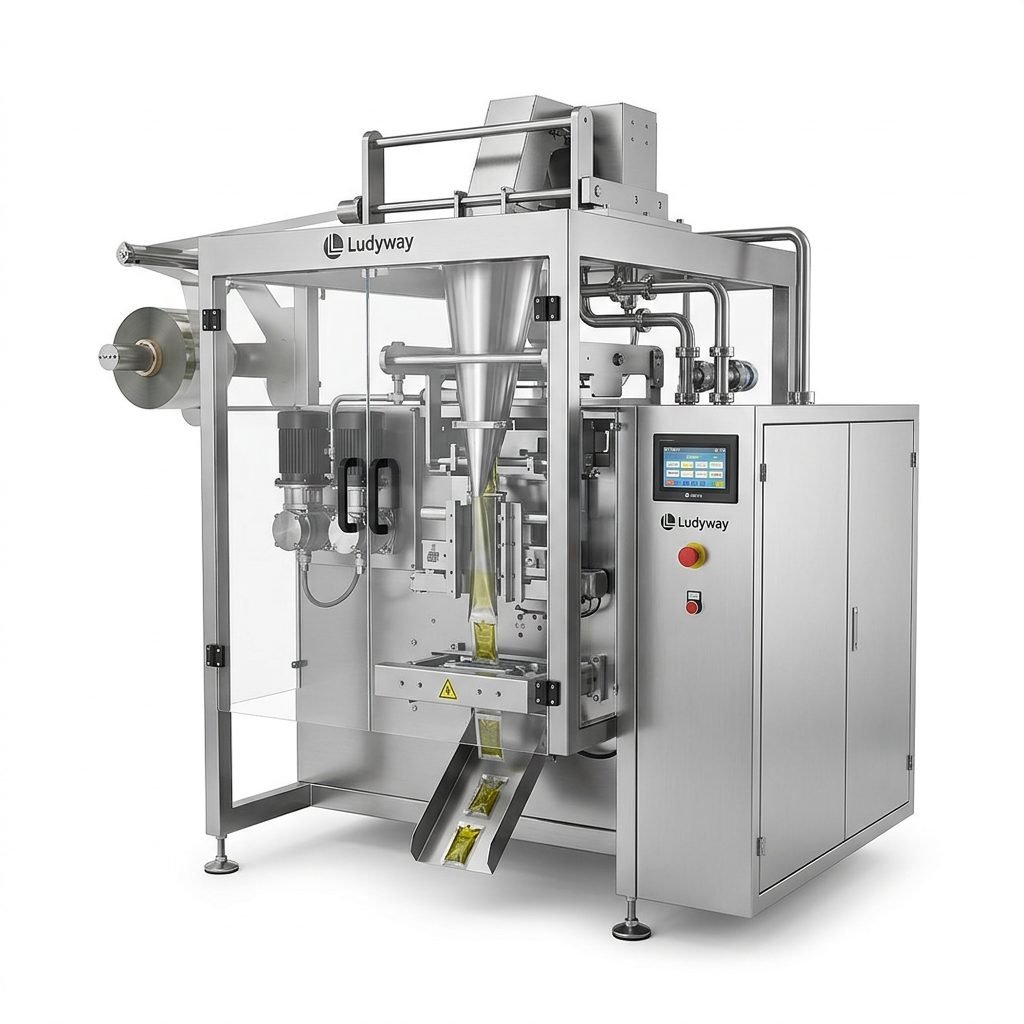
| Vertical Form Fill Seal | Bulk and family packs | 20-80 ppm | Cost-effective, versatile bag styles |
| Premade Pouch System | Premium resealable packs | 15-60 ppm | High-quality presentation, zip-lock options |
| Multi-Lane Stick Pack | Single-serve portions | 200-600 ppm | Ultra-high output for food service packs |

Compliance and Food Safety Standards in Oceania
Food packaging machinery sold and operated in Australia and New Zealand must comply with FSANZ regulations and relevant international standards. Key compliance considerations include:
- Food-grade materials for all product contact surfaces (typically stainless steel 304 or 316)
- HACCP-compatible design with easy-clean surfaces and accessible maintenance points
- IP65 or higher washdown ratings for facilities requiring regular sanitation
- CE marking or equivalent electrical safety certifications recognized in Oceania
- Traceability integration with batch coding and date marking systems
For businesses exporting tortillas beyond Oceania, additional standards may apply. The FDA food packaging regulations and ISO packaging standards provide useful frameworks for ensuring global market access.
Evaluating Packaging Machine Suppliers
When selecting a packaging machine supplier for your Oceania-based tortilla business, consider the following evaluation criteria:
- Industry experience Look for manufacturers with proven expertise in bakery and flatbread packaging specifically
- Local support and service Ensure the supplier offers technical support, spare parts availability, and service coverage across Australia, New Zealand, and Pacific markets
- Customization capability Your tortilla dimensions and pack configurations may require tailored solutions rather than off-the-shelf equipment
- Training and installation Comprehensive operator training and installation support minimize downtime during commissioning
- References and case studies Request examples of similar installations in the Oceania region or comparable markets
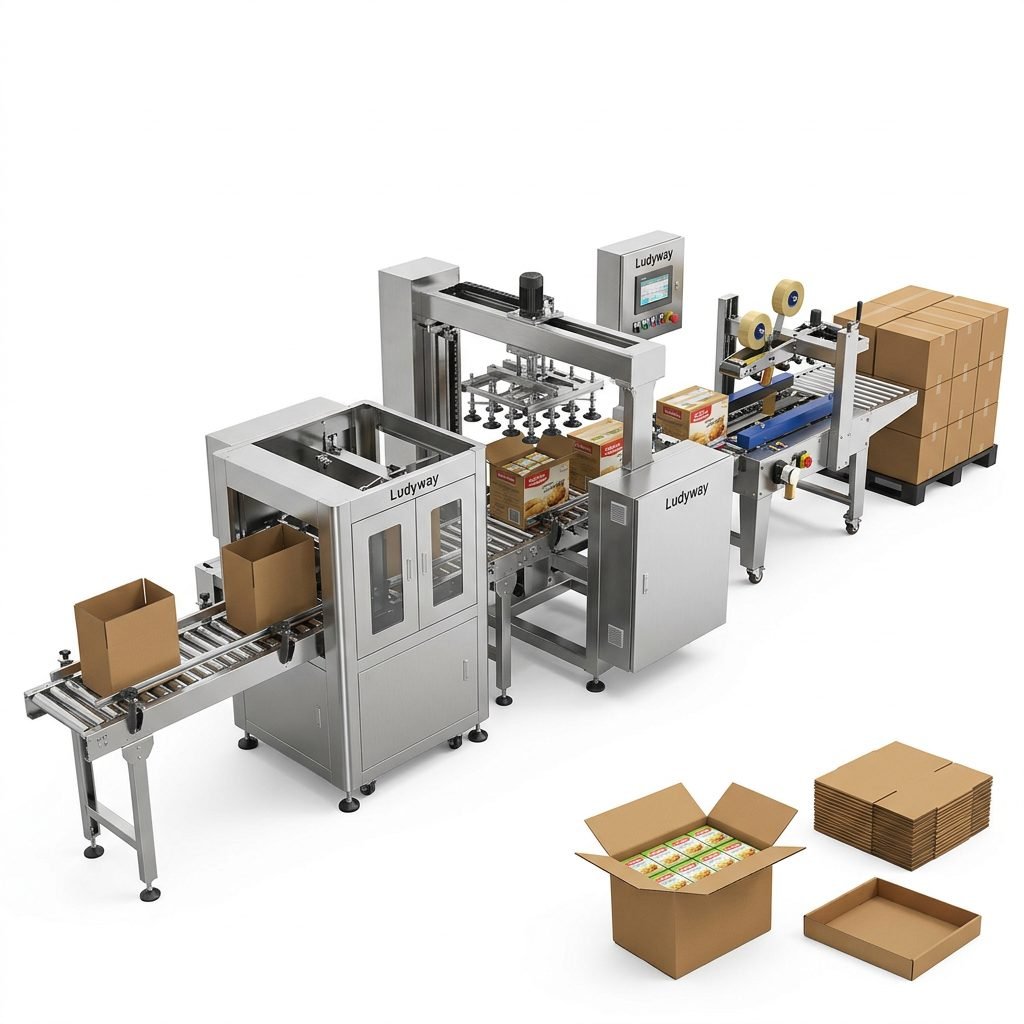
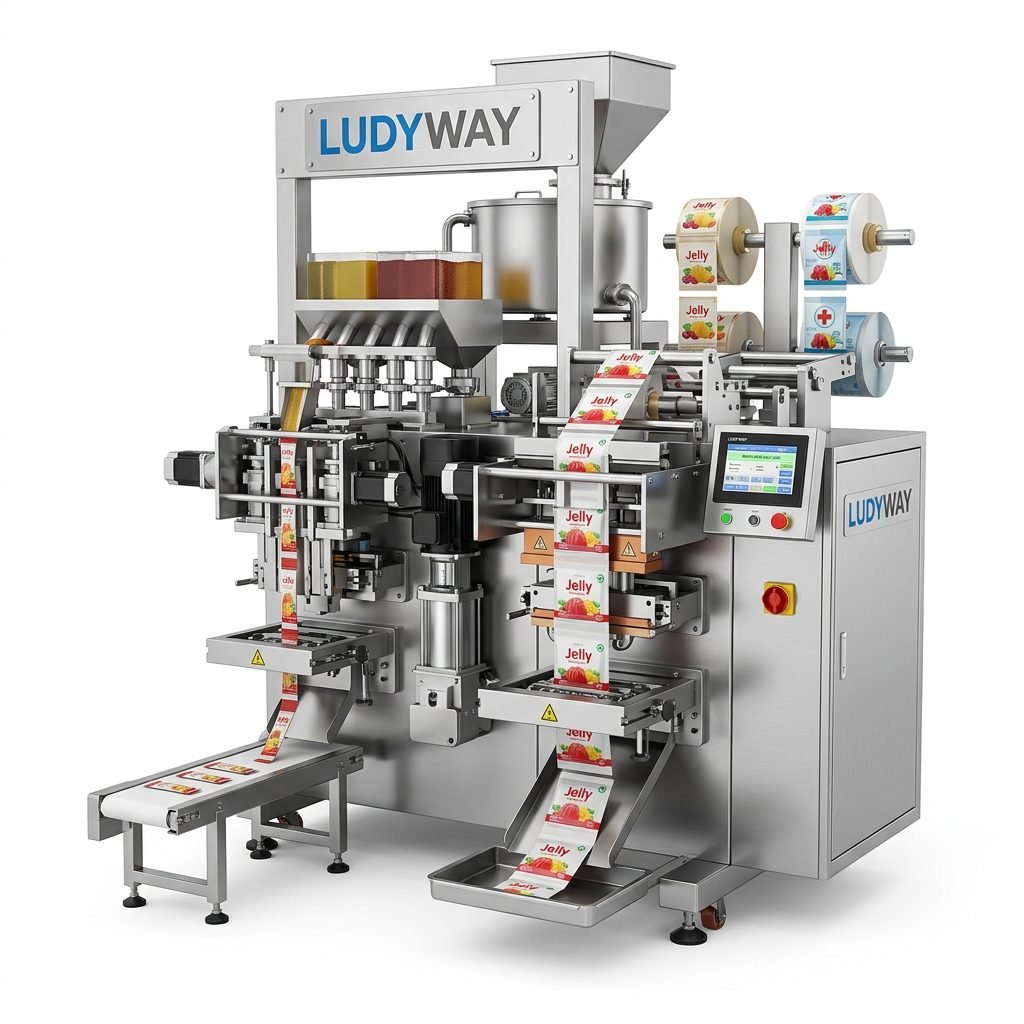
Established manufacturers like Ludyway, with over 30 years of industry experience and a 20,000㎡ modern production facility, offer reliable packaging solutions backed by comprehensive after-sales support for global customers including those in the Oceania region.

Cost Considerations and ROI
Investing in a tortilla packaging machine requires careful financial analysis. Beyond the initial purchase price, factor in:
- Installation and commissioning costs including any facility modifications
- Operator training and ongoing labor requirements
- Packaging material costs and minimum order quantities for films and pouches
- Maintenance and spare parts budgeted annually
- Energy consumption particularly for gas flushing and sealing systems
- Expected ROI timeline Most tortilla producers achieve payback within 18-36 months through labor savings and increased throughput
Future-Proofing Your Packaging Investment
The Oceania food packaging landscape is evolving rapidly. Sustainability requirements are increasingly important, with Australian and New Zealand consumers demanding recyclable packaging materials and reduced plastic waste. Your chosen packaging machine should be compatible with emerging sustainable film technologies, including mono-material structures and compostable films. Additionally, consider Industry 4.0 readiness with capabilities for remote monitoring, predictive maintenance alerts, and integration with plant-wide manufacturing execution systems.
Resources from the Flexible Packaging Association and PMMI packaging industry resources provide valuable insights into sustainable packaging trends and technological developments that will shape the industry in coming years.
Conclusion
Selecting the right tortilla packaging machine for your Oceania business requires a comprehensive evaluation of production volume, packaging format requirements, food safety compliance, and long-term growth plans. By partnering with an experienced equipment manufacturer and investing in a flexible, high-quality packaging system, tortilla producers across Australia, New Zealand, and the Pacific Islands can enhance product quality, reduce operational costs, and build stronger retail partnerships. Take the time to assess your specific needs, visit supplier facilities where possible, and request detailed proposals that address your unique production environment and market requirements.
Further Reading and Resources: