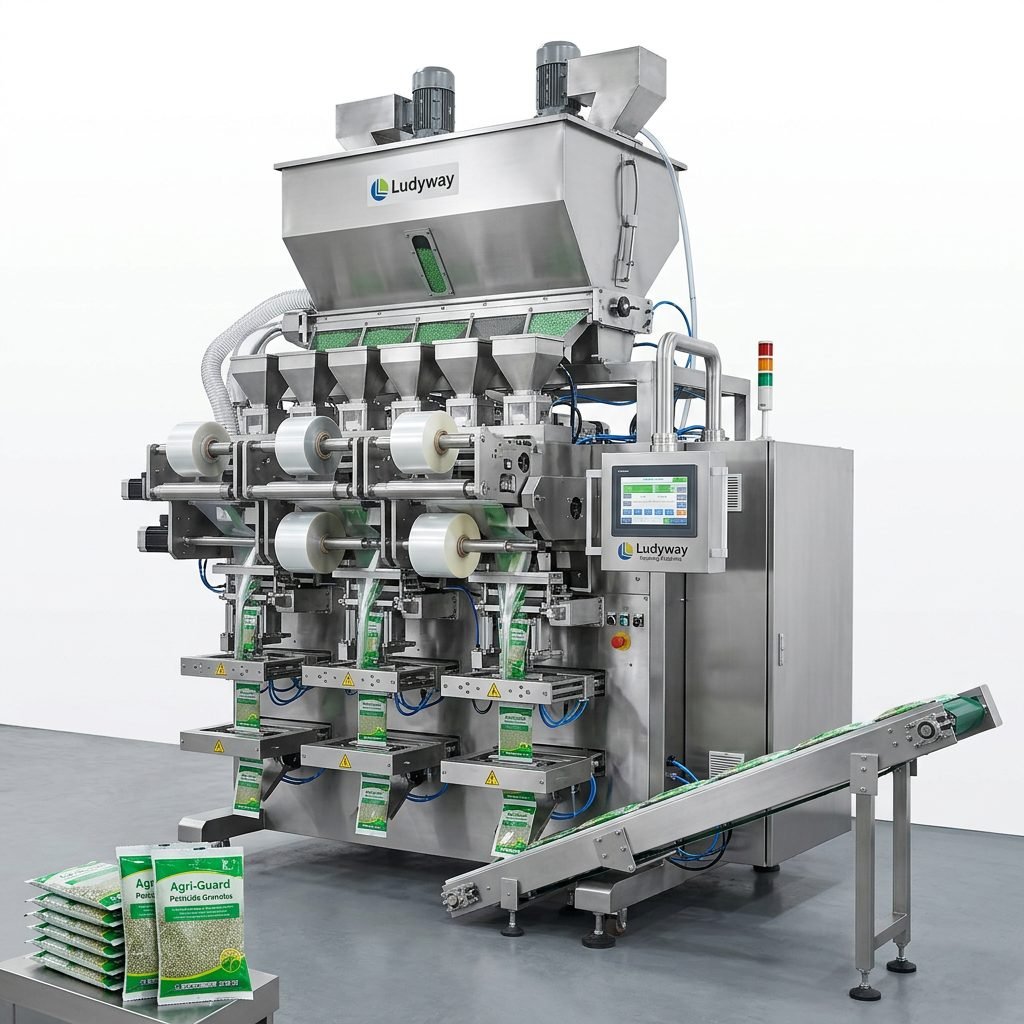
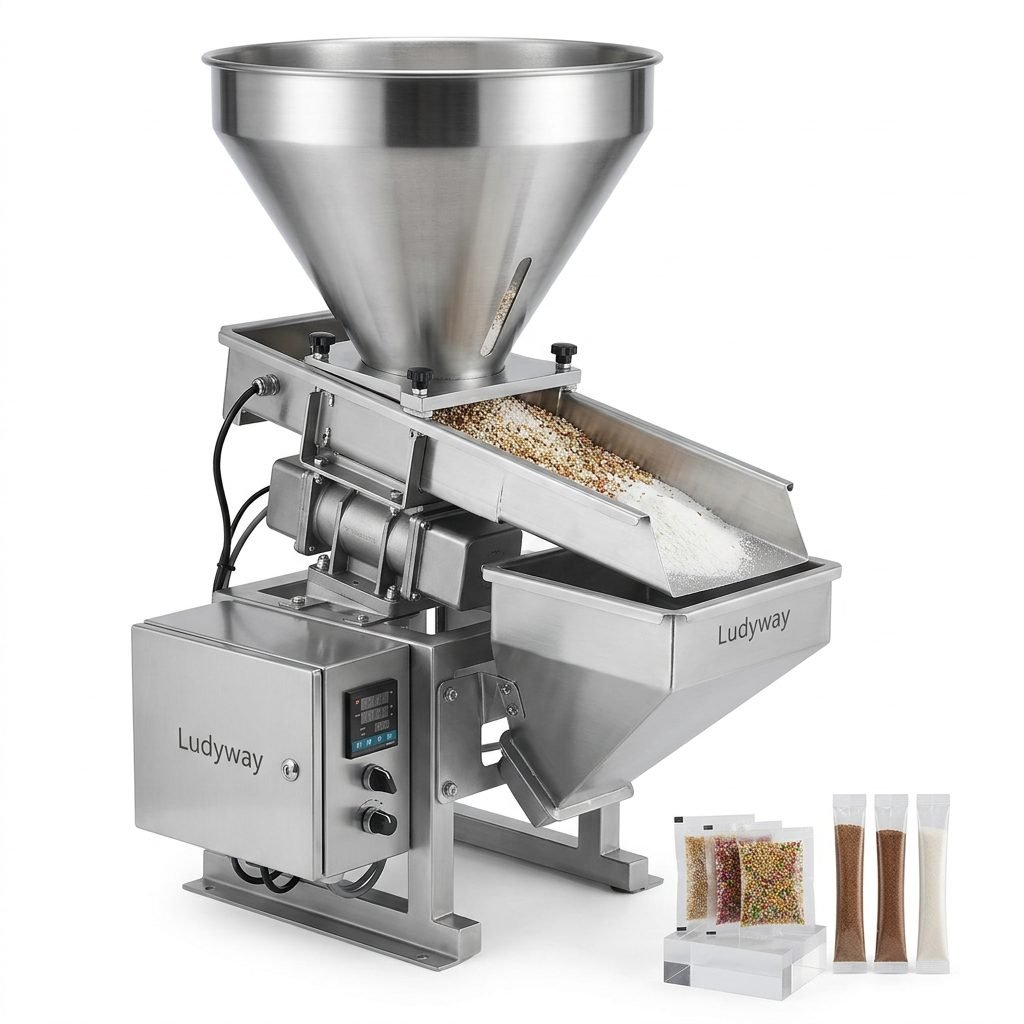
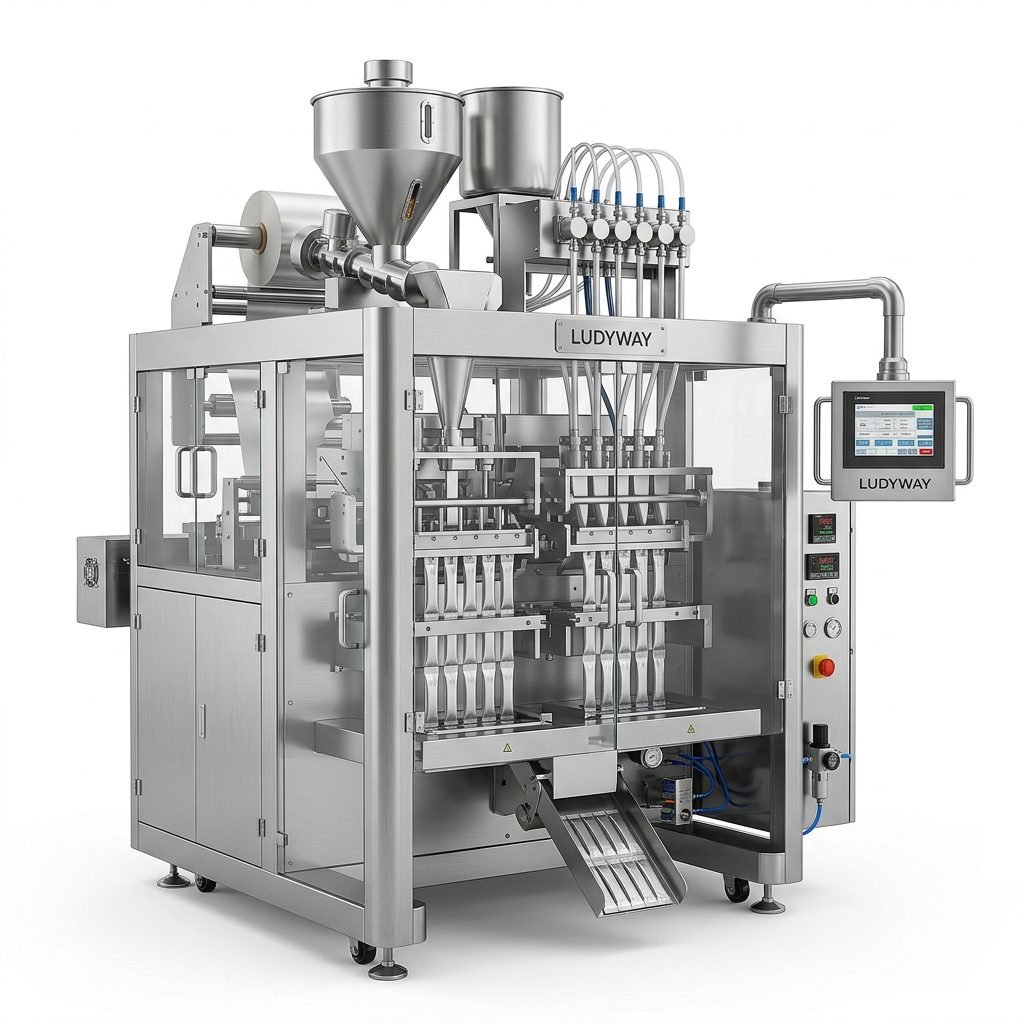
Establishing a packaging machine production line in France requires meticulous planning, adherence to strict European Union regulations, and a strategic approach to equipment selection. Whether you are expanding an existing food manufacturing facility or launching a pharmaceutical packaging operation, understanding the local landscape is critical. This guide provides a comprehensive walkthrough of the entire process, from regulatory compliance to seamless installation.
Understanding French and EU Packaging Regulations
Before importing machinery or laying out your factory floor, familiarizing yourself with the legal framework is not just recommended—it is mandatory. France strictly adheres to European CE marking directives for machinery safety. Your equipment must comply with the Machinery Directive 2006/42/EC, which ensures a high level of protection for workers and consumers. Additionally, if you are handling food products, compliance with EU Food Contact Materials Regulation (EC) 1935/2004 is essential.
Adhering to the latest EU Packaging and Packaging Waste Regulation is also crucial. The French market is shifting heavily toward sustainability, with laws like the AGEC law (Anti-Waste for a Circular Economy) pushing for reduced single-use plastics. You must ensure your packaging machinery can handle recyclable or bio-sourced materials efficiently without compromising seal integrity or speed.
Planning Your Production Floor and Space Constraints
Space availability in French industrial zones often comes at a premium, demanding efficient vertical integration and compact machinery footprints. Unlike standard factory layouts, you need to design a flow that minimizes bottlenecks. Start by mapping the material journey from raw material intake to the final palletizing station.
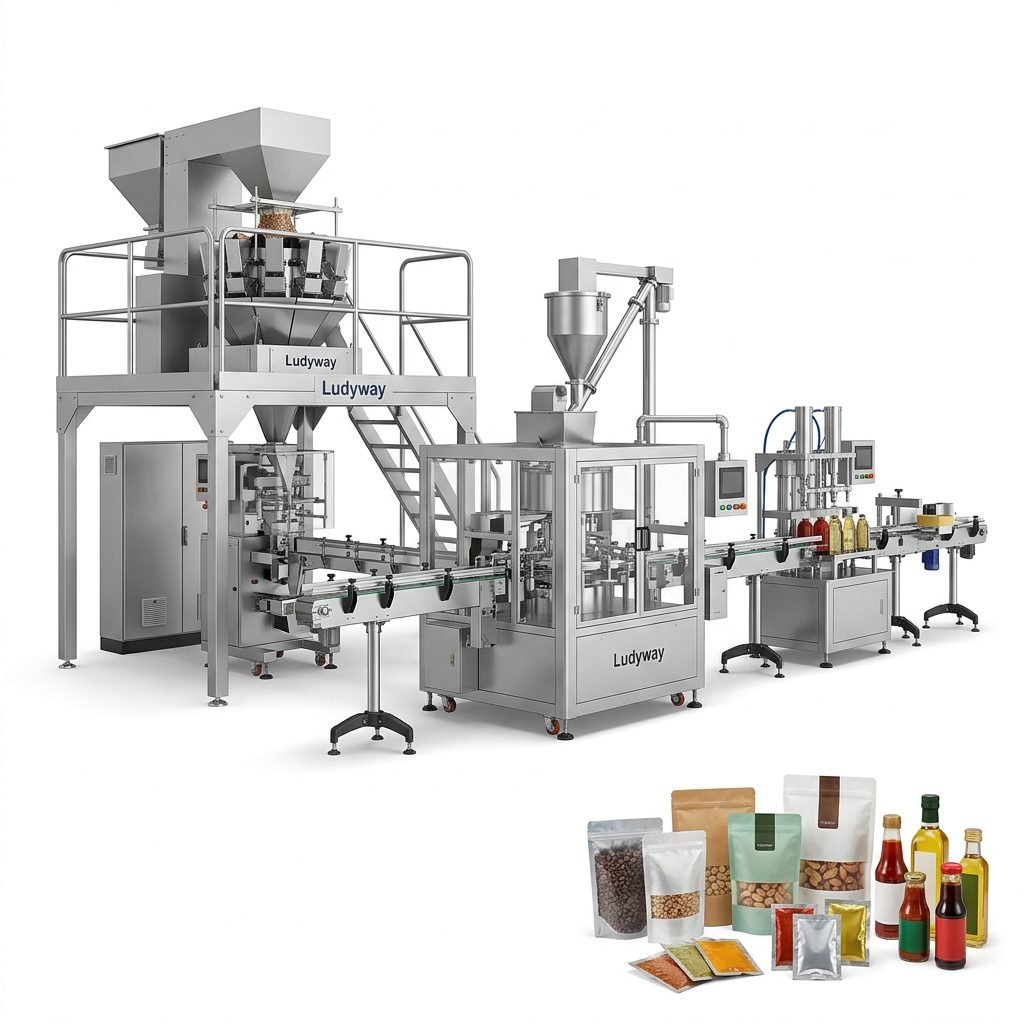
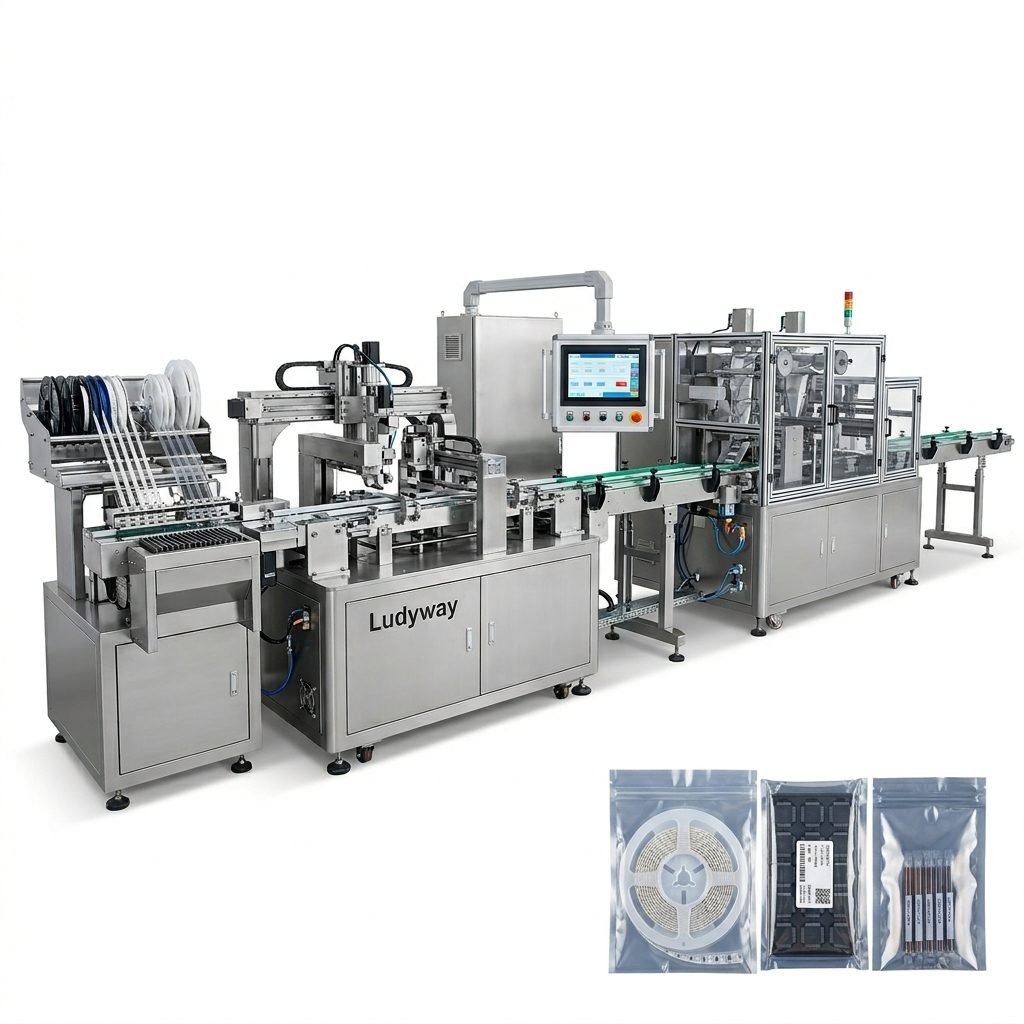
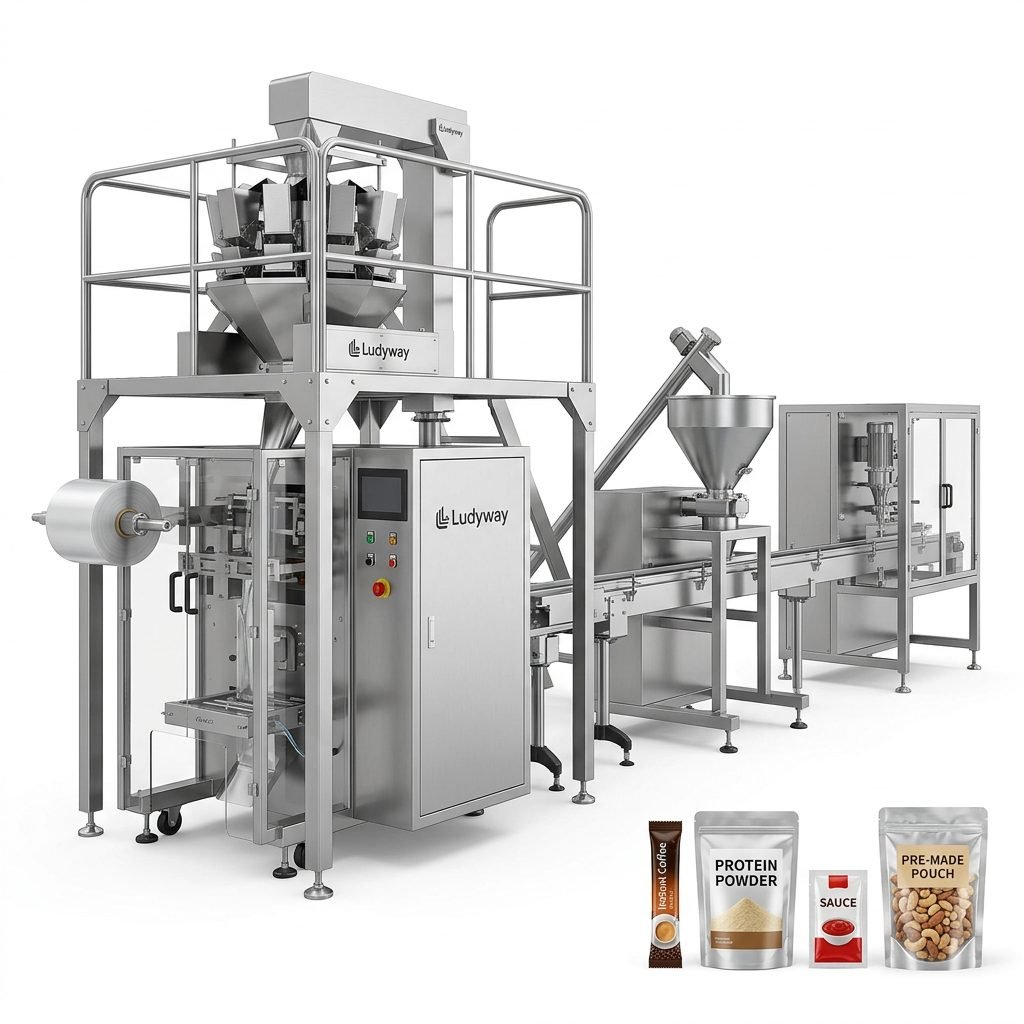
A modern line typically consists of:
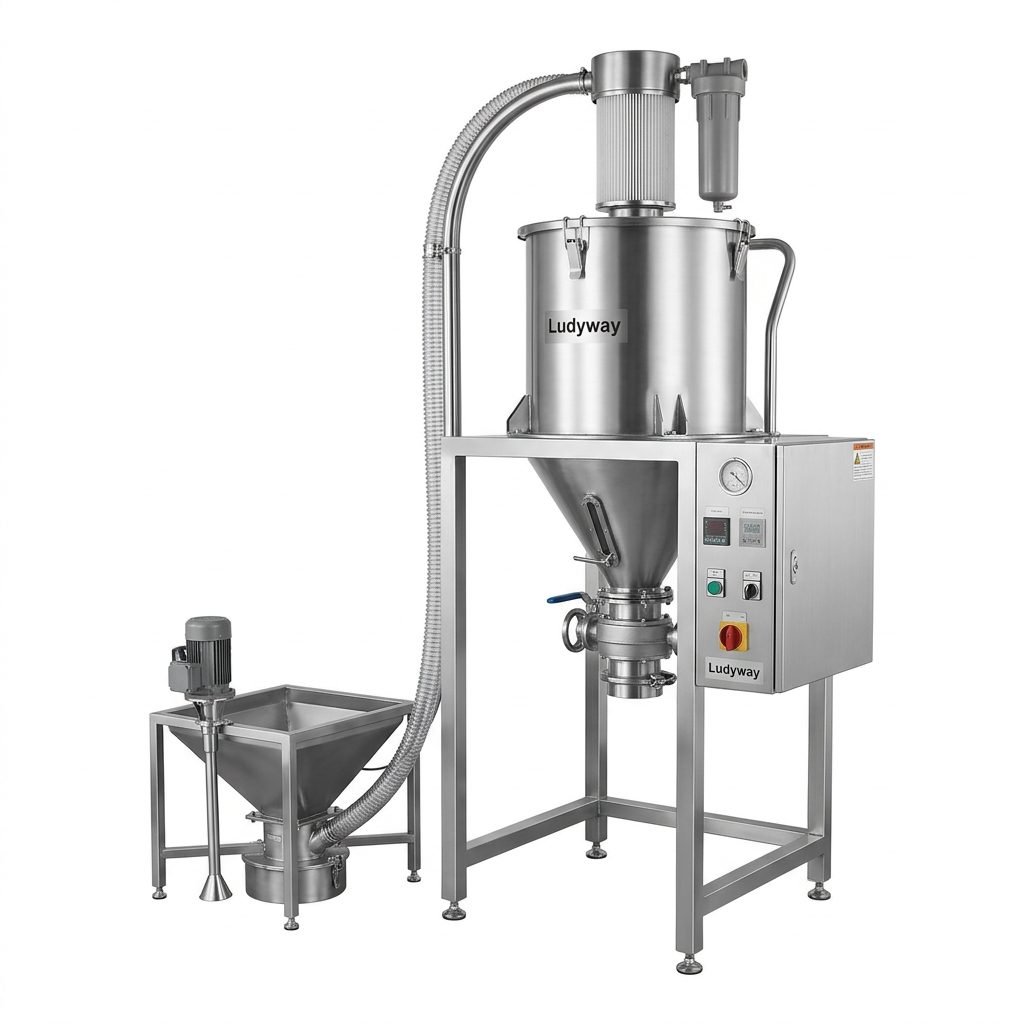
- Feeding Systems: Bucket elevators or vacuum feeders for gentle product handling.
- Multi-Head Weighers or Auger Fillers: Depending on whether your product is a granule or fine powder.
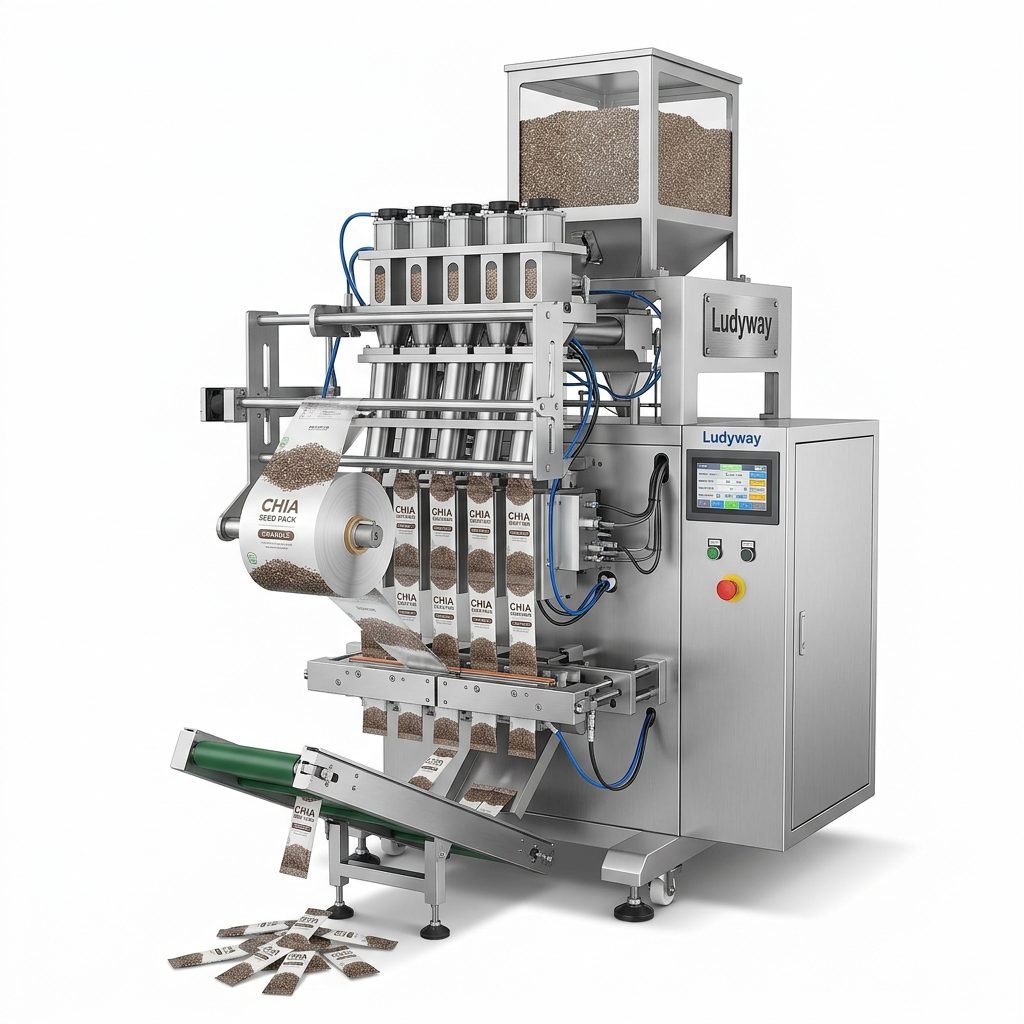
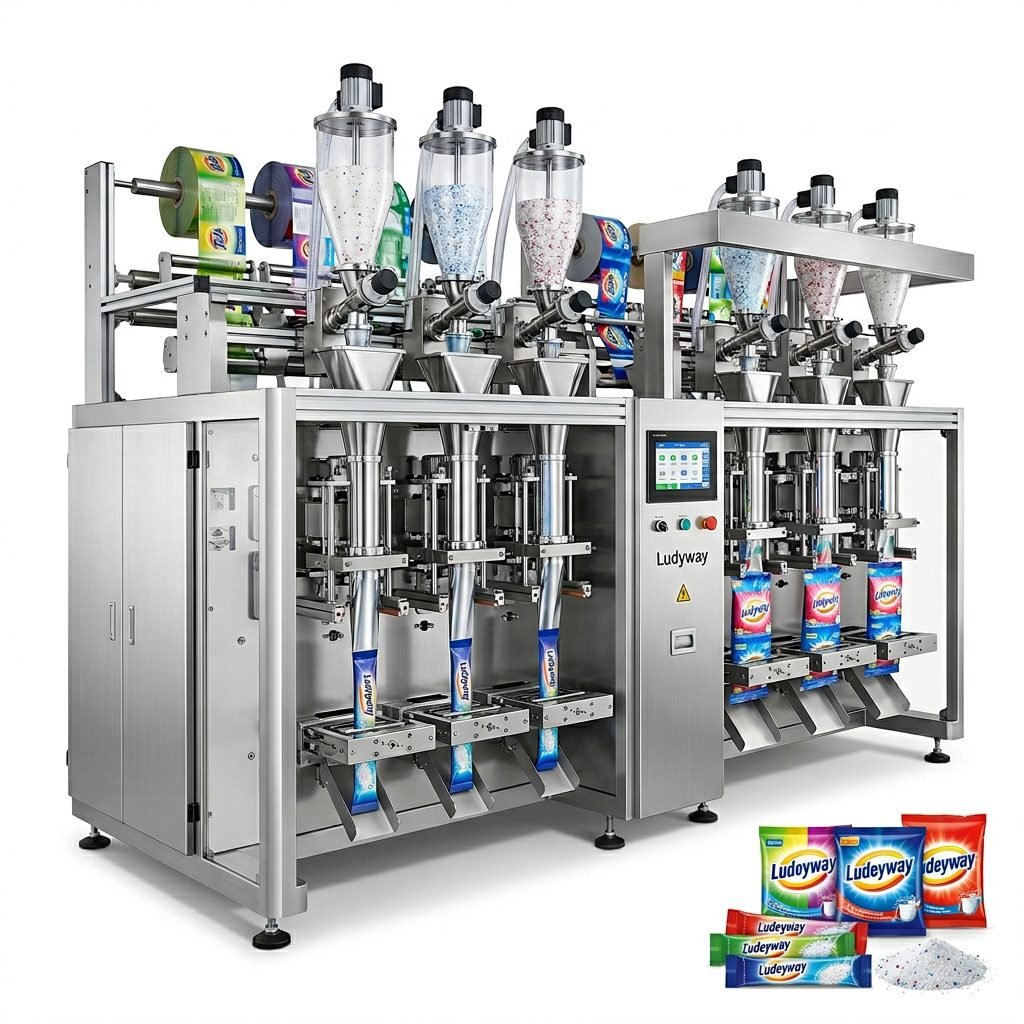
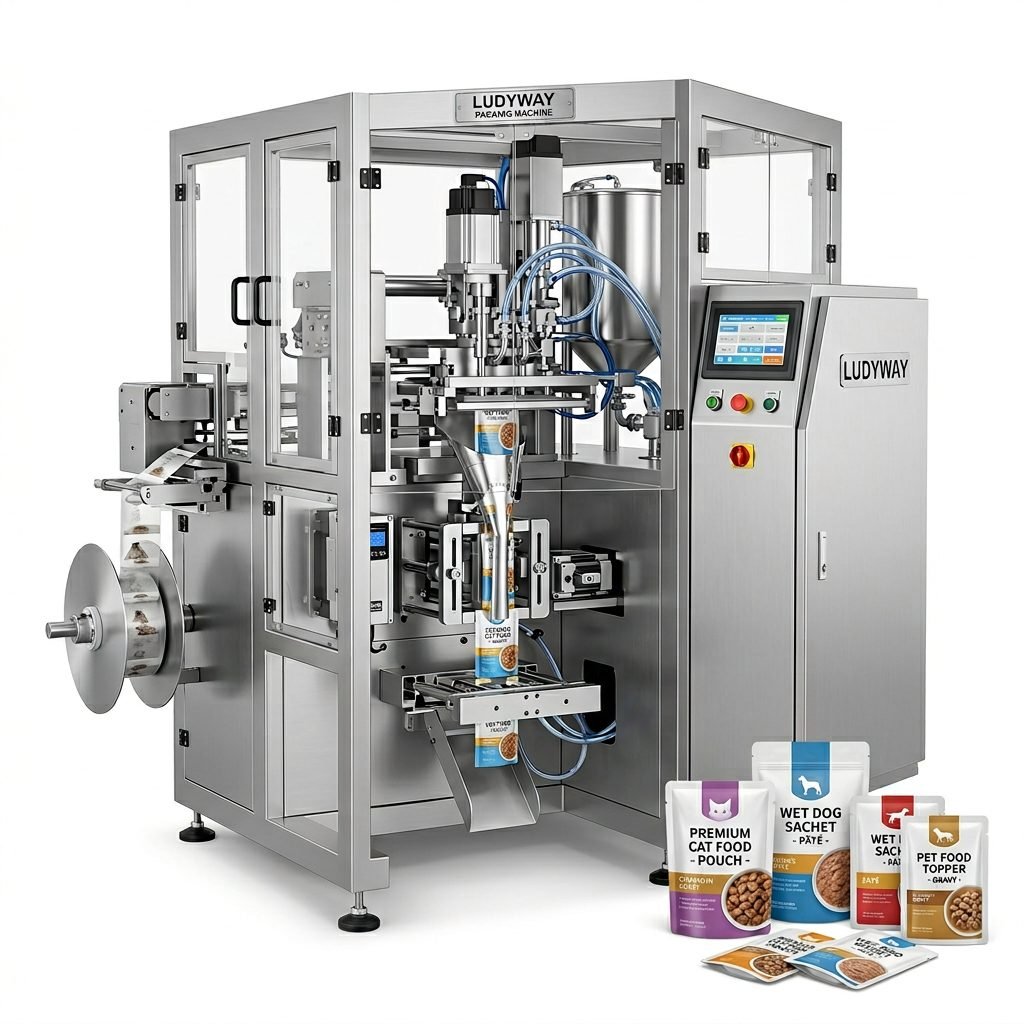
- Primary Packaging Unit: The core machine for forming, filling, and sealing sachets or stick packs.
- Checkweighing and Inspection: Mandatory for compliance with weight regulations and contaminant detection using ISO packaging standards.
- Secondary Cartoning: Automated systems that pack finished pouches into cartons.
- End-of-Line Palletizing: Robotic arms or conventional palletizers for logistics.
Selecting the Right Equipment for the French Market
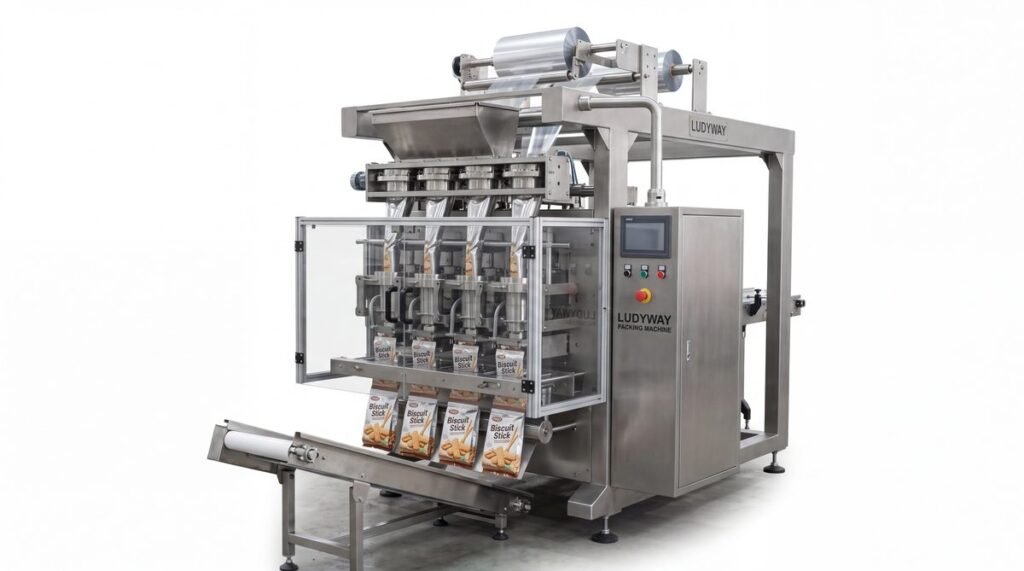
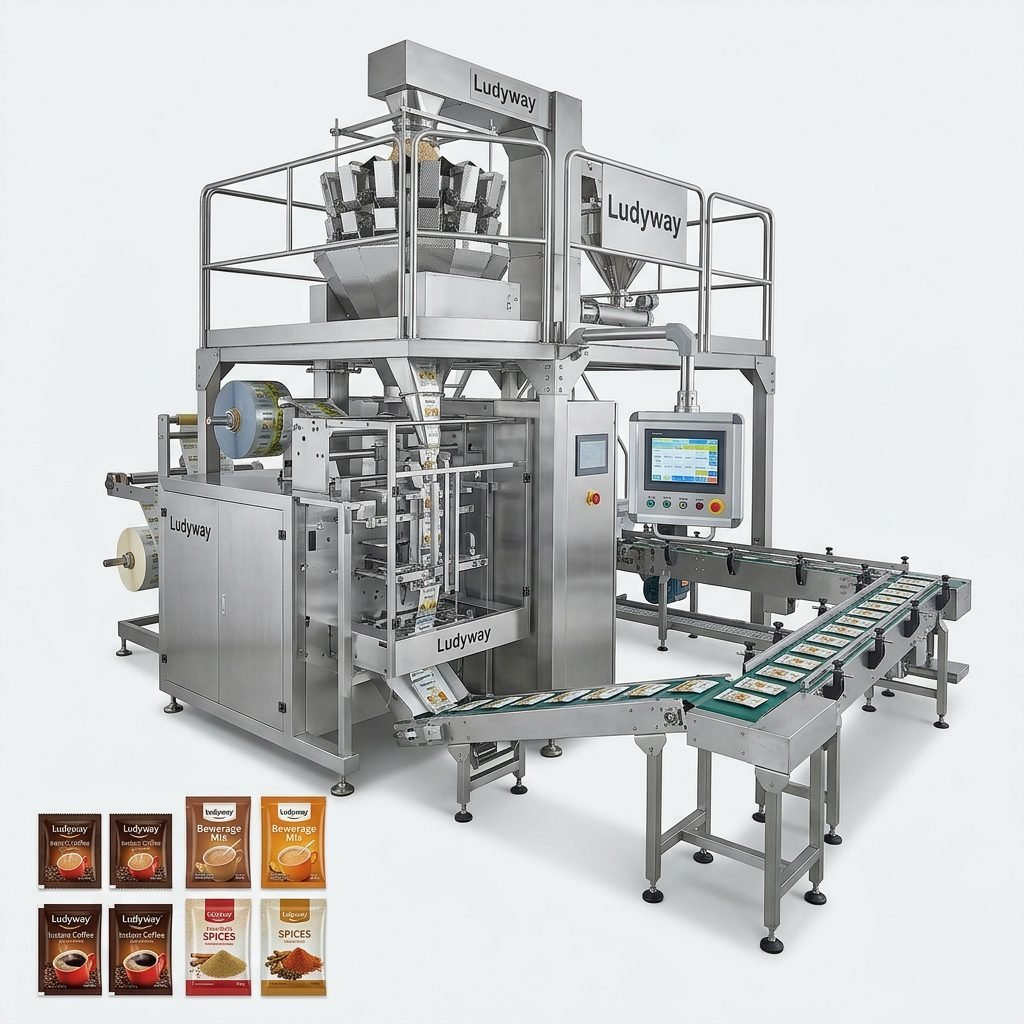
Choosing between a standard machine and a customized sachet packaging machines solution can dramatically impact your operational efficiency. For high-demand sectors like cosmetics and health supplements in France, multi-lane stick pack machines offer a significant advantage. They allow you to produce multiple strips of product simultaneously, maximizing throughput per square meter.
Key Technical Specifications to Prioritize
When approaching a packaging machine manufacturer, do not compromise on the following aspects:
| Feature | Benefit for French Production |
|---|---|
| Servo-Driven Motors | Precision control and energy savings, compliant with France’s energy transition goals. |
| Quick Changeover Systems | Reduces downtime when switching between product SKUs or film materials. |
| Nitrogen Flushing Capability | Essential for extending shelf life of premium French coffee and dairy powders without preservatives. |
| Industrial 4.0 Connectivity | Enables predictive maintenance and integrates with French smart factory management systems. |
Travel-size and single-dose packaging is a massive trend in France, especially for nutraceuticals and sports nutrition. A robust multi-lane stick pack machine capable of handling both powder and liquid fills offers the versatility needed to capture this market segment quickly.
Installation, Commissioning, and Operator Training
The physical setup of a packaging line in France goes beyond unpacking and plugging in power. It requires precise calibration. You must factor in the power supply differences and ensure the machine meets French electrical standards (NF C 15-100). It is advisable to work closely with the manufacturer’s engineering team to perform a Factory Acceptance Test (FAT) before shipment, followed by a Site Acceptance Test (SAT) at your facility in regions like Île-de-France or Auvergne-Rhône-Alpes.
Furthermore, strict EU safety standards demand that operators receive certified training on the specific automated packaging systems they will be using. A Well-trained team is the key to sustaining high Overall Equipment Effectiveness (OEE) rates, which should ideally exceed 80% once ramp-up is complete. Comprehensive training modules should cover:
- Film threading and tension adjustment.
- Temperature control for different sealing layers.
- Digital troubleshooting for servo-driven dosing units.
- Proper cleaning and sanitization protocols (especially critical for dairy or pharmaceutical lines).
Key Considerations for Long-Term Success
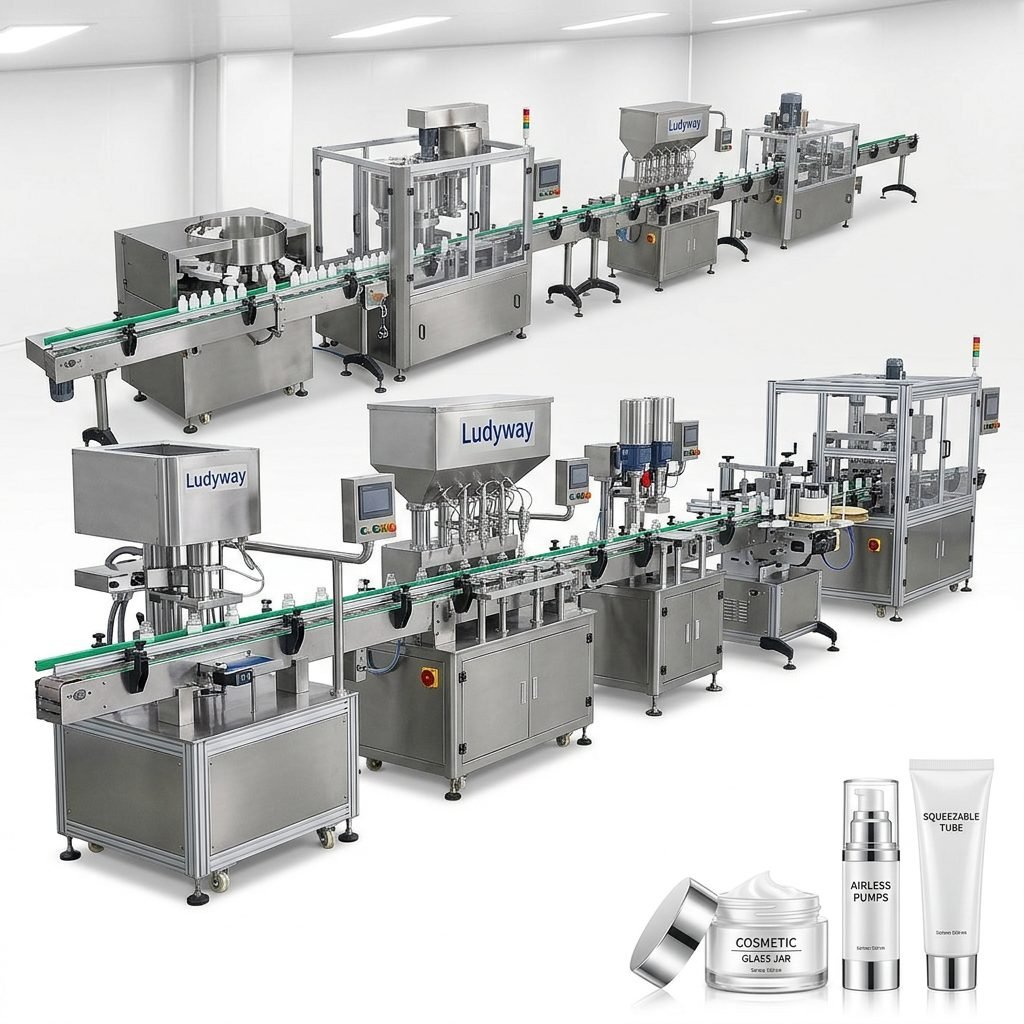
Successfully setting up a packaging line in France is a significant investment. Leveraging a turnkey solution provider often simplifies the complexity. Instead of coordinating with separate conveyor suppliers, coding companies, and machine builders, opting for an integrated line ensures seamless communication between modules.
Additionally, reference the current 2025 State of the Industry Report and upcoming market projections to align your capabilities with global demands. Understanding automation trends is vital for future-proofing your investment against rising raw material costs and labor market shifts.
When sourcing equipment, engaging a supplier with a proven track record and substantial engineering support is crucial. Ludyway, for instance, provides advanced packaging equipment and turnkey production solutions backed by a 20,000㎡ manufacturing facility and over 30 years of industry expertise, helping businesses improve productivity and operational efficiency across the food, pharmaceutical, and health industries.