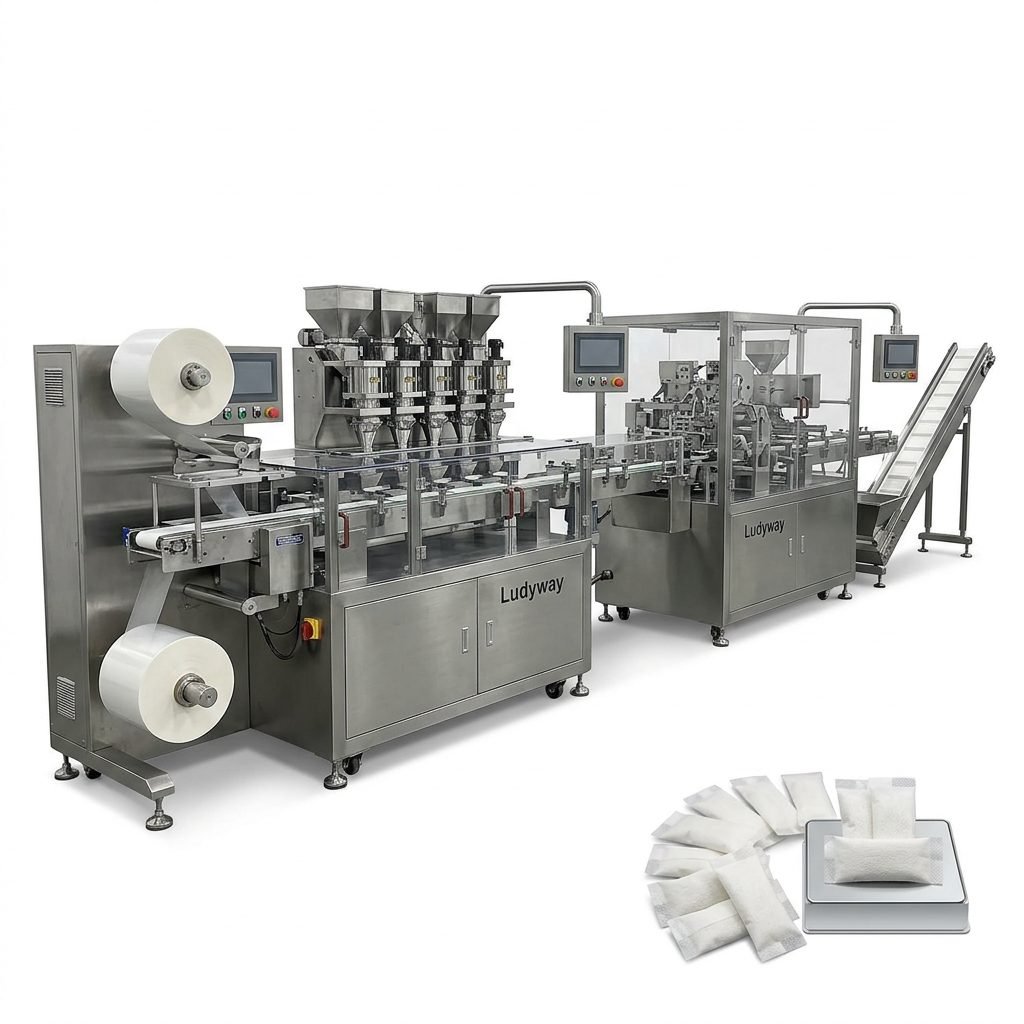
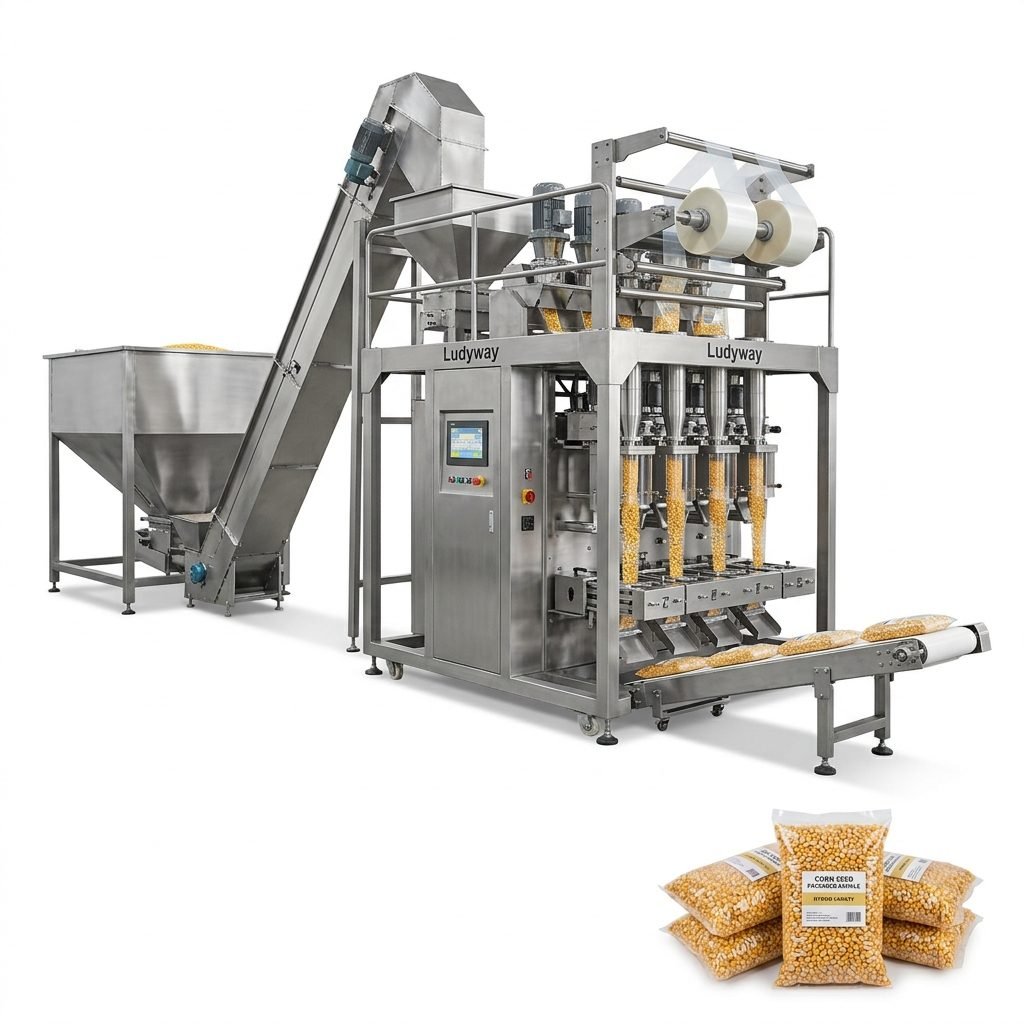
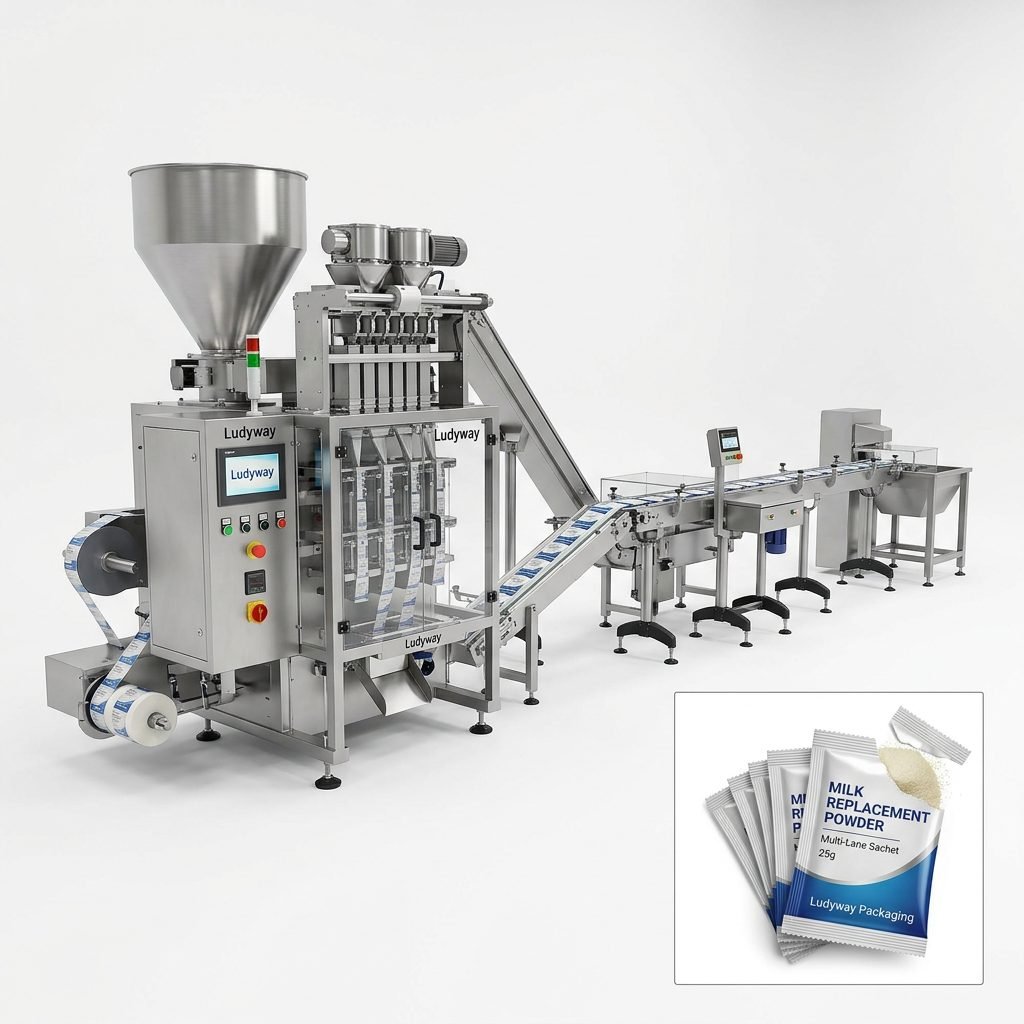
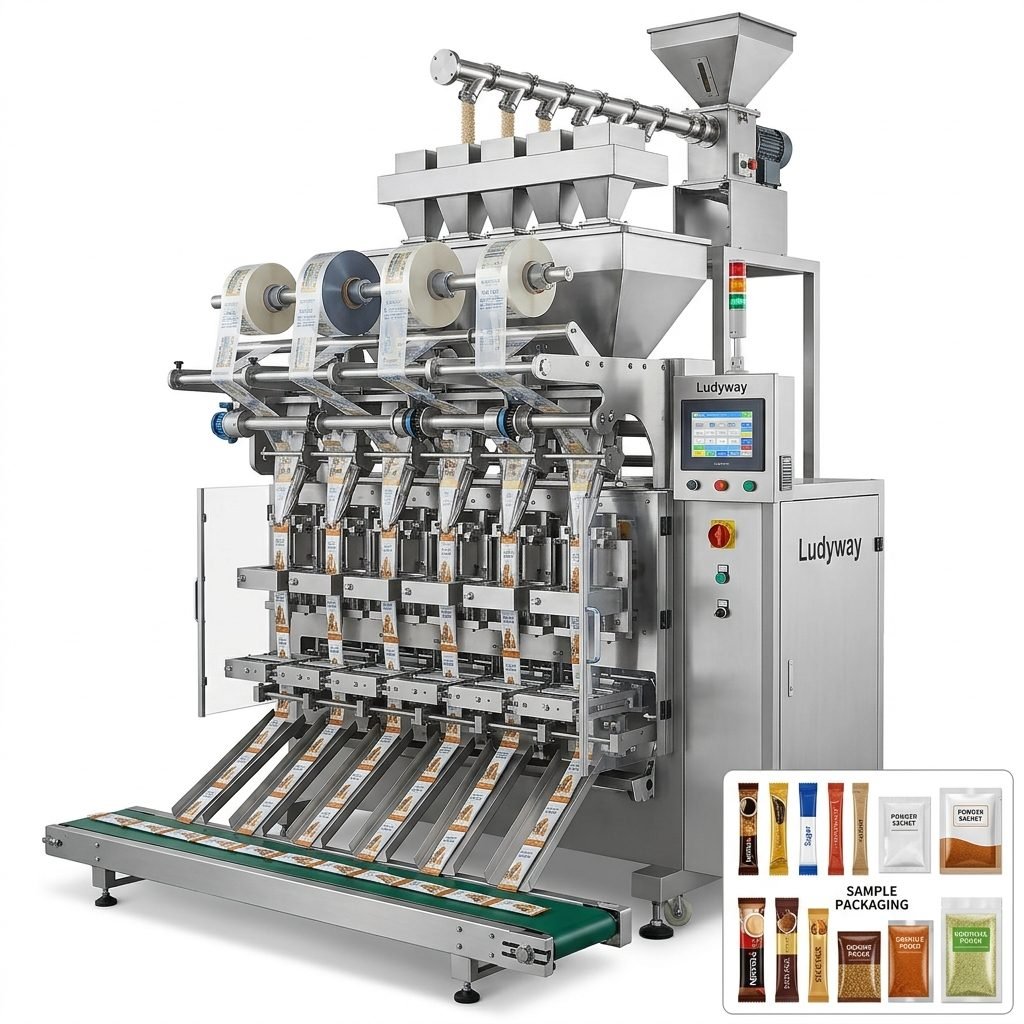
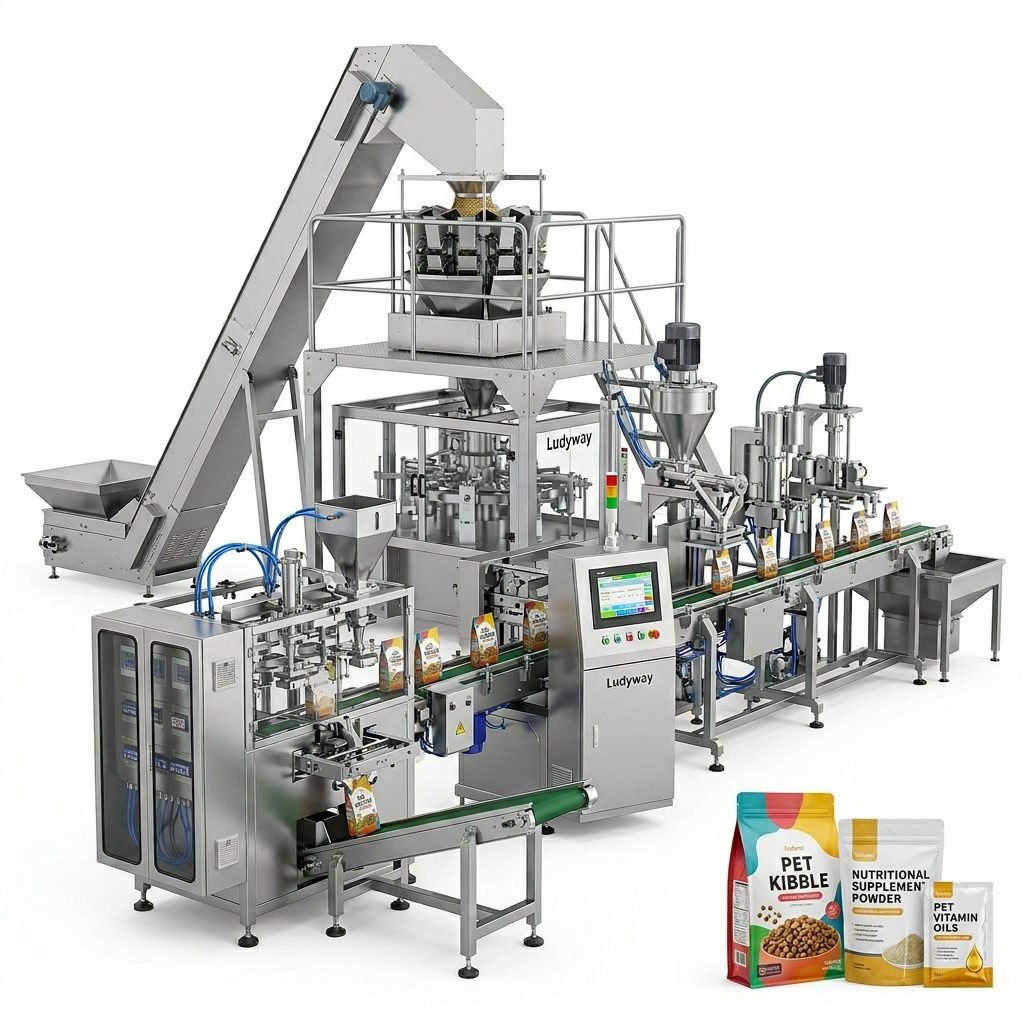
Establishing a peanut butter packaging machine production line requires careful planning and the right equipment to handle the unique characteristics of this viscous, sticky product. From selecting the correct filling technology to ensuring consistent seal integrity, every step plays a critical role in production efficiency and product quality. This guide walks you through the essential stages, equipment types, and key considerations for building a reliable peanut butter packaging operation.
Understanding Peanut Butter Packaging Challenges
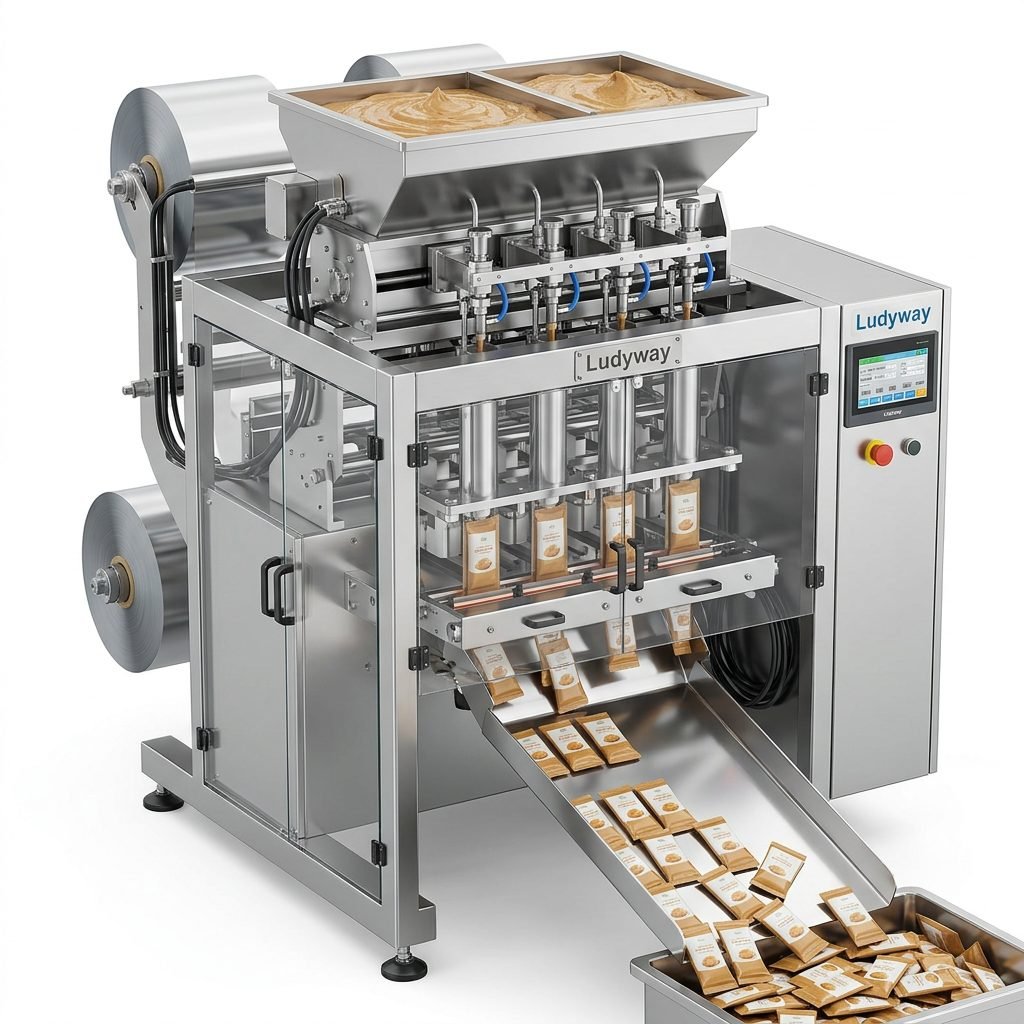
Peanut butter is not a simple liquid or dry granule. Its semi-solid, oily consistency demands specialized handling throughout the packaging process. Unlike free-flowing powders, peanut butter requires positive-displacement filling systems that can manage its viscosity without introducing air pockets or inconsistent portion sizes. Additionally, oil separation over time means that the product may need gentle agitation in the hopper prior to filling.
Key packaging challenges include:
- Viscosity Control: Maintaining optimal flowability through temperature-controlled hoppers or jacketed tanks.
- Filling Accuracy: Achieving ±1% fill accuracy even with chunky or extra-smooth varieties.
- Seal Integrity: Preventing oil contamination on seal areas that can lead to leaks or pouch failures.
- Clean-in-Place (CIP): Designing the line for easy sanitation between production runs or flavor changes.
Step 1: Defining Production Goals and Capacity Requirements
Before investing in machinery, clearly define your production targets. A small-scale artisanal producer may only need 15–30 packs per minute, while a mid-sized co-packer might target 60–120 packs per minute. High-volume industrial operations can exceed 200 packs per minute with multi-lane systems. Your target throughput directly determines the type of filler, the number of lanes, and the level of automation required.
Consider the following when setting capacity goals:
- Current daily or monthly order volumes
- Projected growth over the next 3–5 years
- Pack formats you intend to offer (sachets, stick packs, jars, squeeze bottles)
- Available factory floor space and utility infrastructure
Step 2: Selecting the Right Packaging Format
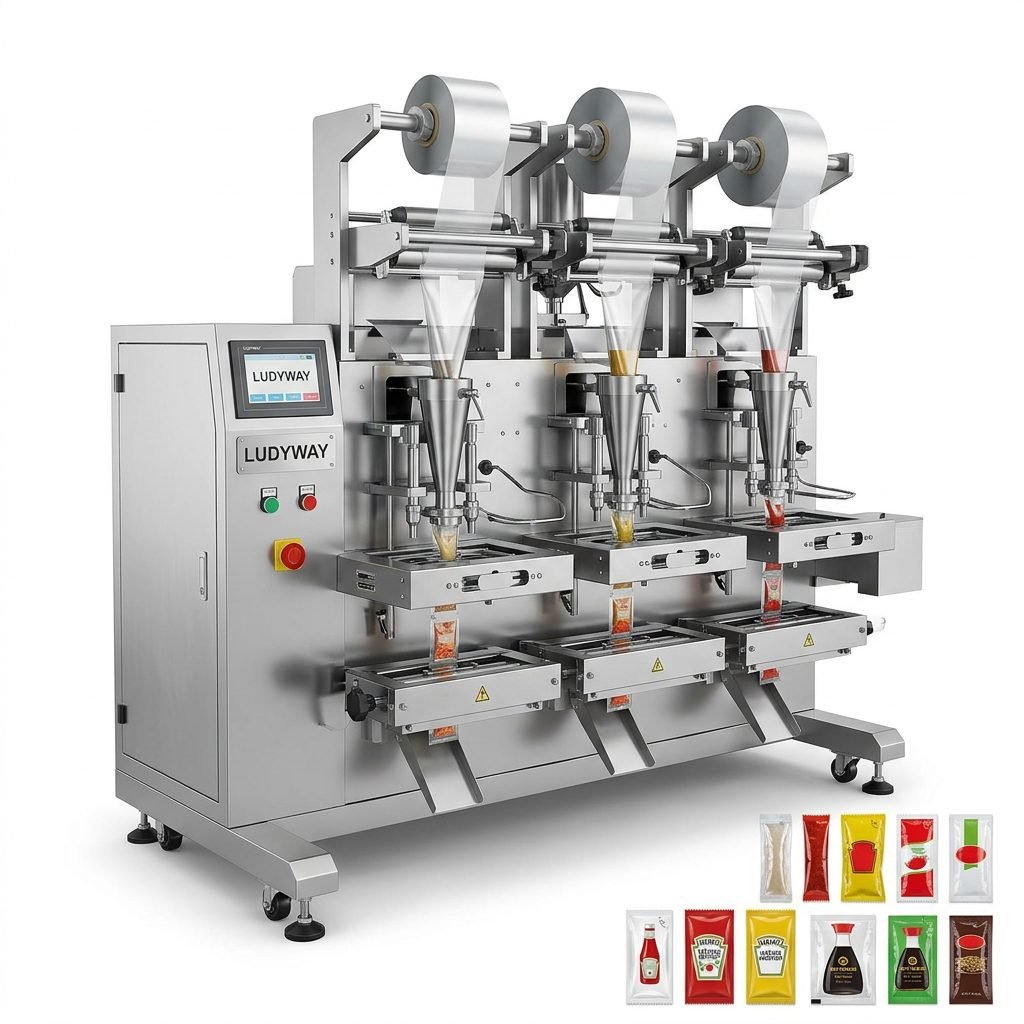
Peanut butter is packaged in various formats depending on the target market and consumer usage. Each format requires different machinery configurations.
Common Packaging Formats for Peanut Butter
| Packaging Format | Typical Sizes | Best Suited Machine Type |
|---|---|---|
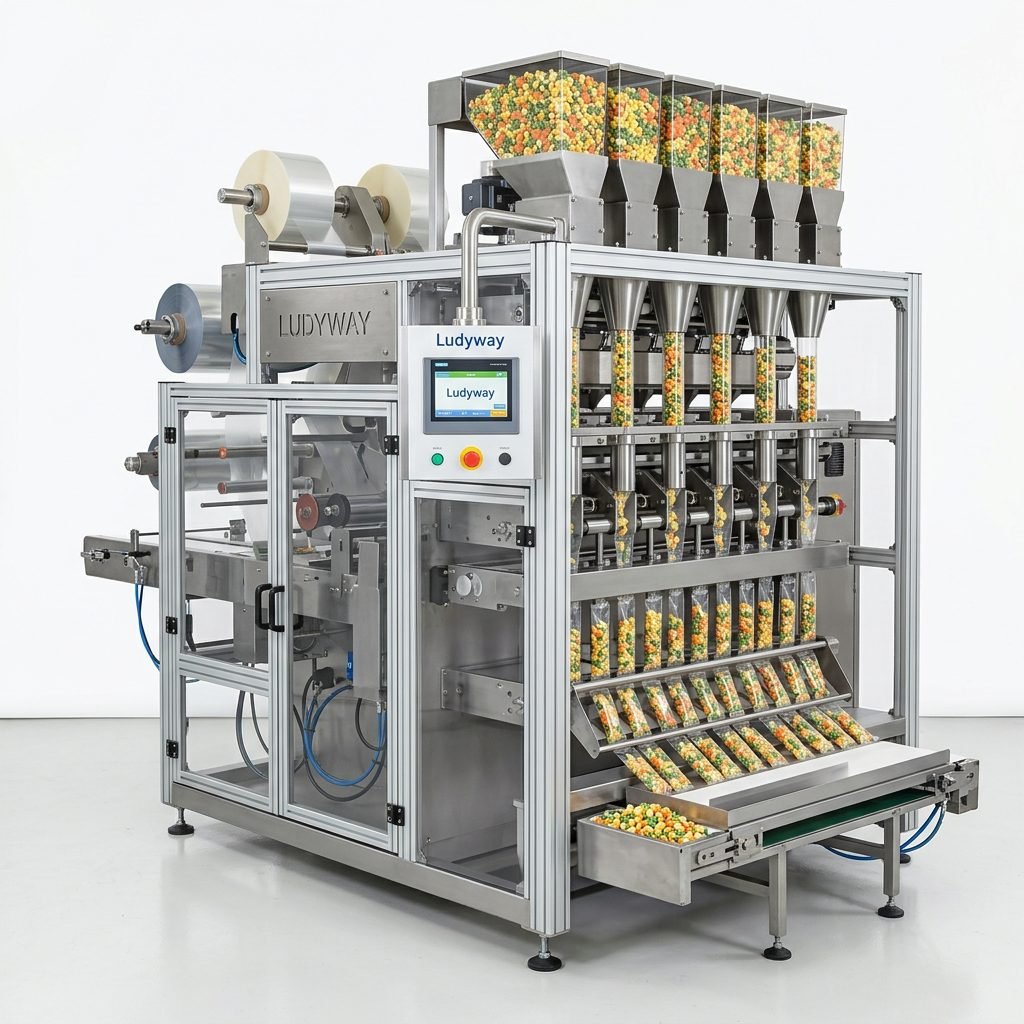
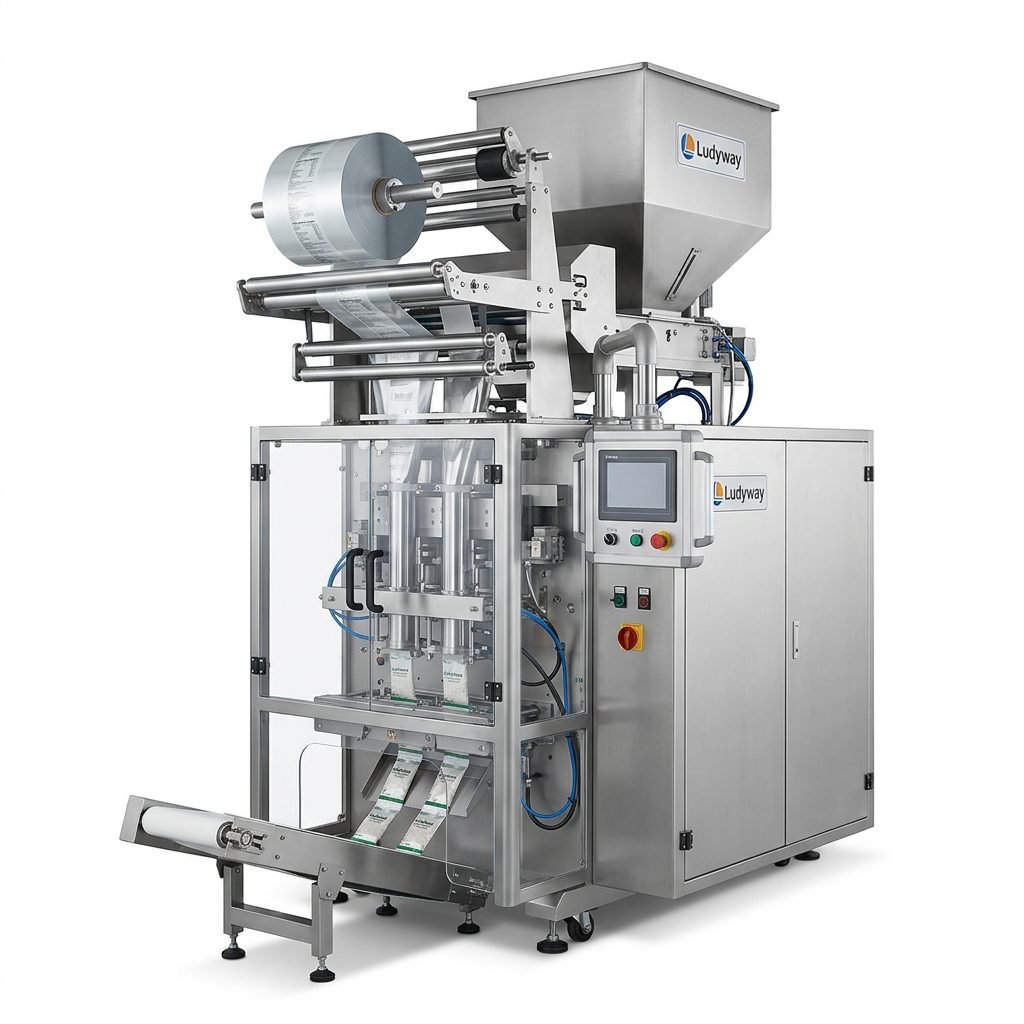
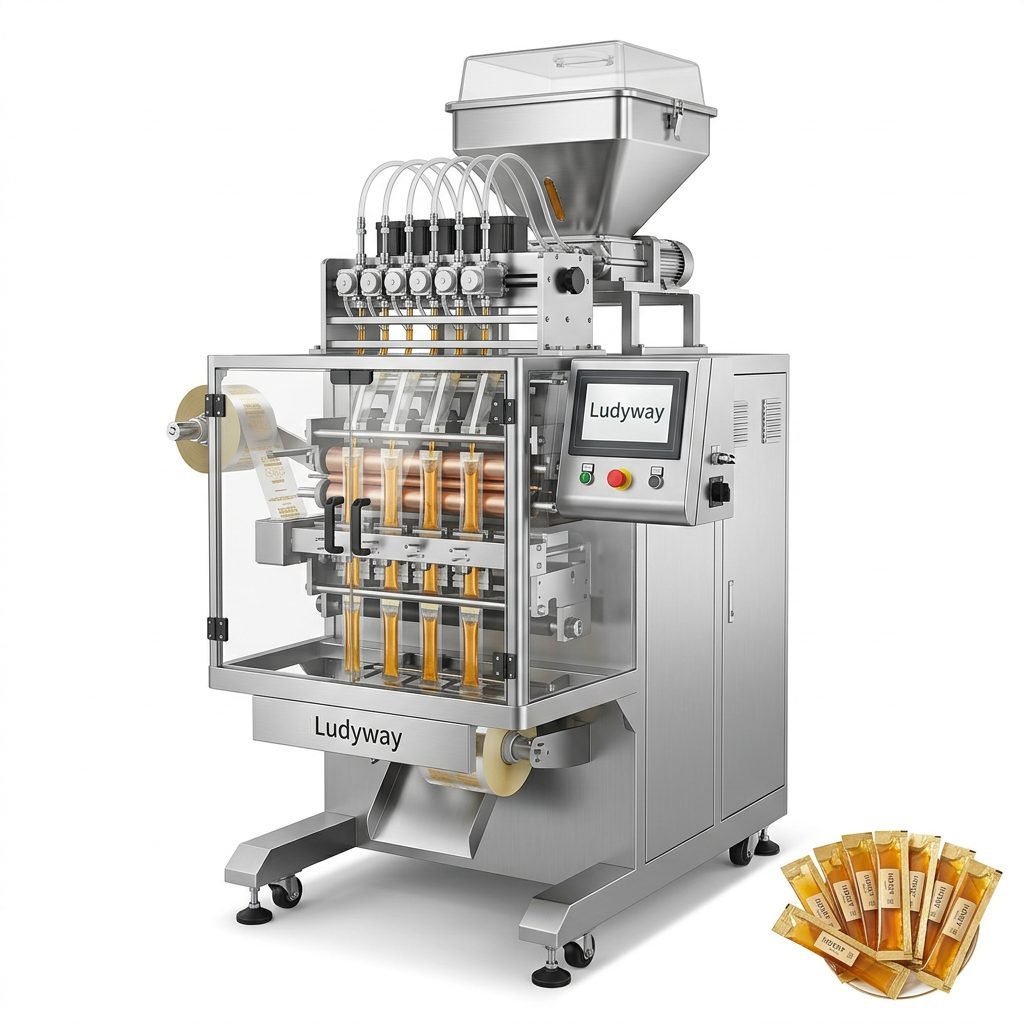
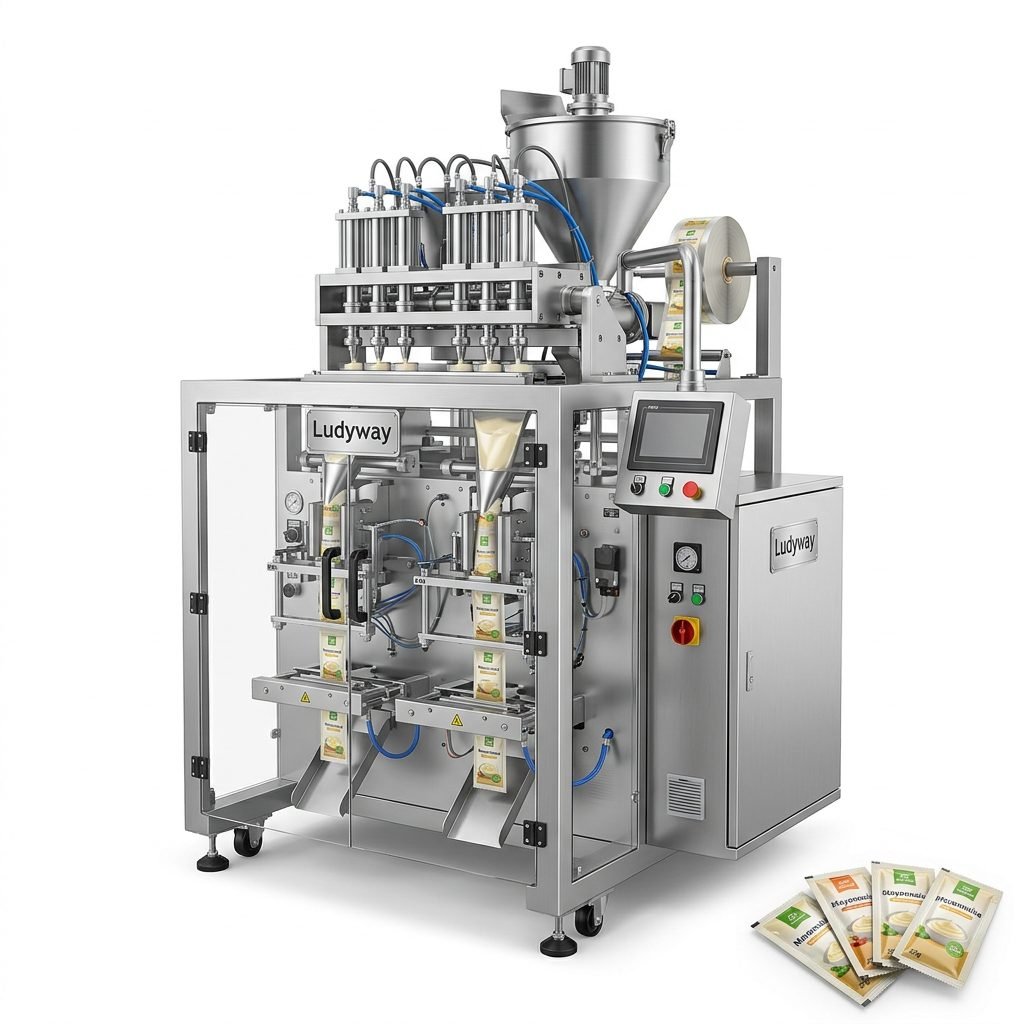
| Single-Serve Sachets | 10 g – 50 g | Multi-lane vertical form-fill-seal (VFFS) sachet machine |
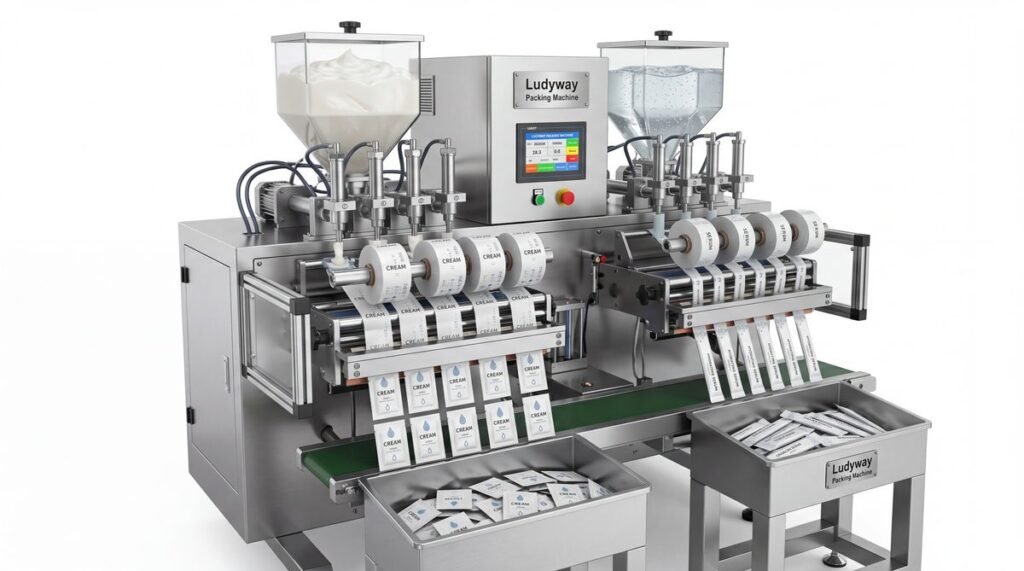
| Stick Packs | 15 g – 40 g | Multi-lane stick pack machine with piston filler |
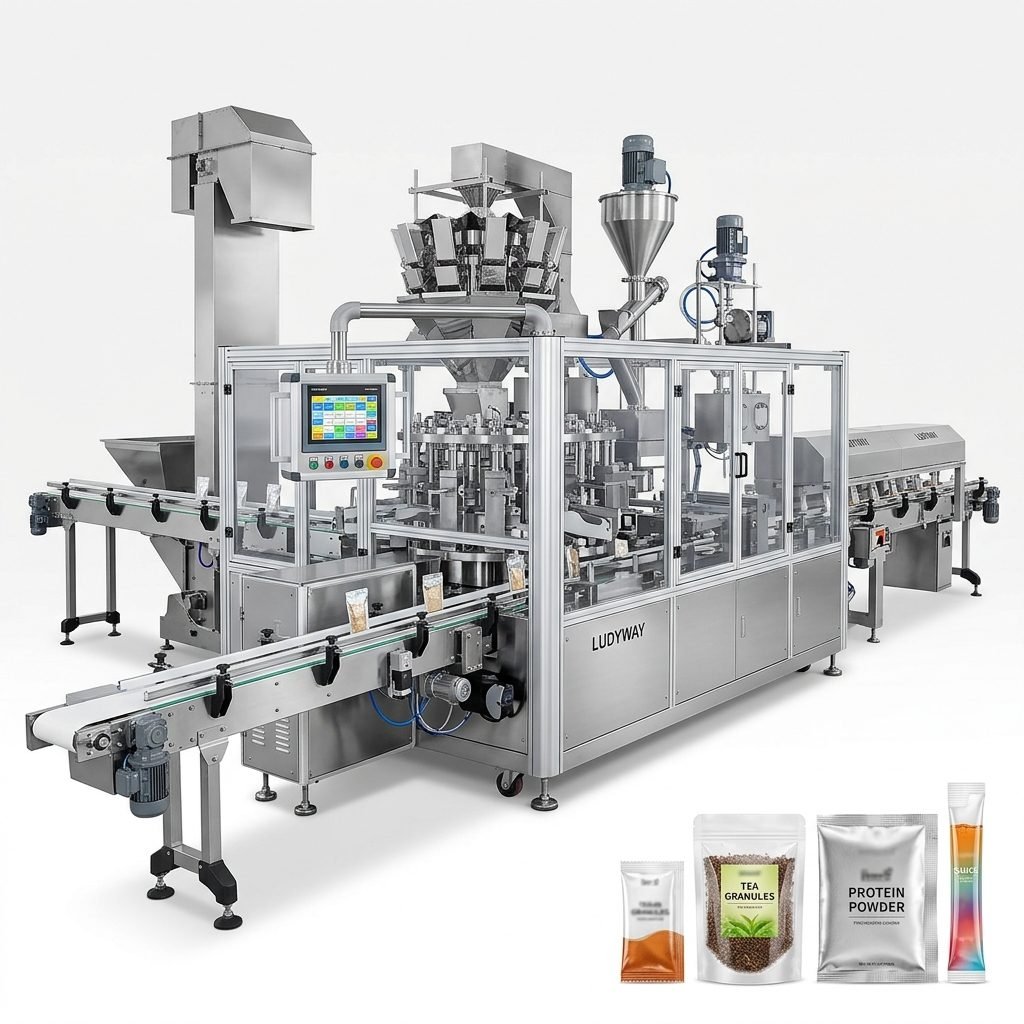
| Squeeze Pouches | 100 g – 500 g | Premade pouch rotary filler with spout insertion |
| Jars and Bottles | 200 g – 1 kg | In-line piston or net-weight liquid filler |
Step 3: Choosing the Appropriate Filling Technology
The heart of any peanut butter packaging line is the filling system. For viscous products like peanut butter, piston fillers and gear pump fillers are the most reliable choices. Piston fillers use a cylinder and piston to draw in and dispense precise volumes, making them ideal for chunky or inconsistent textures. Gear pump fillers offer continuous, smooth flow for creamier varieties and higher-speed applications.
When evaluating fillers, look for these features:
- Diving Nozzles: Nozzles that descend into the pouch or container to fill from the bottom up, reducing splashing and air entrapment.
- Anti-Drip Cutoff: Sharp shut-off mechanisms that prevent stringing or dripping after each fill cycle.
- Agitated Hoppers: Gentle stirring to maintain product homogeneity without introducing excessive air.
- Heated Product Path: Optional temperature control to improve flow without degrading product quality.
Step 4: Integrating Auxiliary Equipment
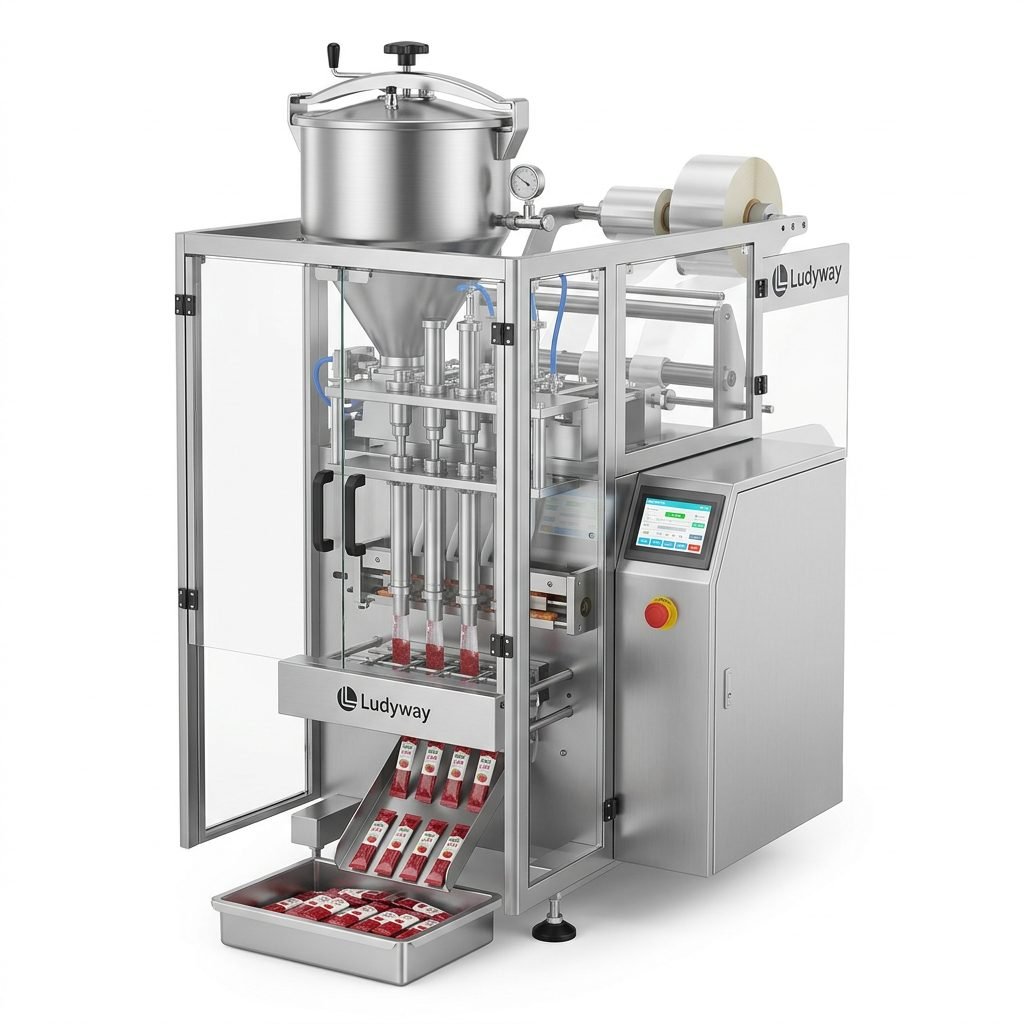
A complete production line extends beyond the primary packaging machine. Auxiliary equipment ensures smooth material flow, quality assurance, and end-of-line efficiency.
Essential Auxiliary Systems
- Product Feeding System: Positive-displacement pumps or screw conveyors transfer peanut butter from bulk storage to the filler hopper. For high-viscosity products, automatic feeding systems with gentle handling are critical.
- Inline Checkweigher: Verifies fill weight at high speed, rejecting underweight or overweight packs automatically. This is essential for regulatory compliance and cost control.
- Metal Detector or X-Ray System: Detects physical contaminants before products leave the line, critical for food safety.
- Date Coding Equipment: Thermal transfer printers or inkjet coders apply lot numbers, expiration dates, and barcodes.
- Cartoning and Case Packing: Automated systems collate finished sachets or stick packs into cartons and then into shipping cases. Robotic pick-and-place units are increasingly common for flexible packaging handling.
Step 5: Optimizing Line Layout and Workflow
The physical arrangement of equipment significantly impacts operator efficiency and product flow. A well-designed layout minimizes material handling, reduces cross-contamination risks, and allows for future expansion.
Consider these layout principles:
- Linear Flow: Arrange machines in a straight line or U-shape to keep raw materials entering at one end and finished goods exiting at the other.
- Operator Access: Leave at least 1.2 meters of clearance around each machine for maintenance and cleaning access.
- Utility Routing: Plan compressed air, electrical, and water lines early in the design phase to avoid tripping hazards or retrofitting costs.
- Future Expansion Space: Reserve floor area for additional lanes or a second filling line as your business grows.
Step 6: Commissioning and Validation
Once the equipment is installed, a thorough commissioning process ensures that all machines operate at rated speeds and produce quality packages consistently. This phase typically includes:
- Dry Run Testing: Operating machines without product to check mechanical timing, sensor functions, and safety interlocks.
- Product Trials: Running peanut butter through the system to fine-tune fill volumes, seal temperatures, and film tension.
- Seal Strength Testing: Using burst tests and dye penetration methods to verify hermetic seals.
- Operator Training: Training production staff on machine operation, changeover procedures, and basic troubleshooting.
Key Specifications to Compare When Purchasing
When evaluating different equipment suppliers, use a standardized comparison checklist. Key technical specifications to review include:
| Specification | Why It Matters for Peanut Butter |
|---|---|
| Filling Range | Must cover your target pack sizes (e.g., 10 g to 500 g) without changing piston cylinders frequently. |
| Filling Accuracy | ±1% or better is necessary to minimize product giveaway on expensive ingredients. |
| Sealing Temperature Range | Must accommodate heat-sealable films like laminated PET/PE or aluminum foil laminates. |
| Changeover Time | Quick-change parts and recipe-based controls reduce downtime between product runs. |
| Cleanability | Tool-free disassembly and sanitary design features speed up cleaning and allergen control. |
Maintenance Strategies for Long-Term Reliability
Preventive maintenance is essential for packaging lines handling sticky products like peanut butter. Product residue can harden on machine surfaces, leading to erratic filling, film jams, or seal failures. Implement a structured maintenance schedule that includes:
- Daily: Wipe down filling nozzles and seal jaws; inspect for product buildup on sensors and guides.
- Weekly: Check and lubricate chains, bearings, and cam followers; verify heating element resistance values.
- Monthly: Calibrate load cells on checkweighers; replace worn forming tubes or sealing bands as needed.
- Quarterly: Comprehensive inspection of pneumatic cylinders, solenoid valves, and vacuum pumps.
Partnering with a reliable equipment manufacturer simplifies maintenance. For example, Ludyway, one of the largest packaging machine manufacturers in China with over 30 years of industry experience and a 20,000㎡ production facility, provides comprehensive after-sales support, spare parts availability, and remote diagnostics to keep your peanut butter packaging line running at peak performance. Their engineering team can also advise on industry best practices for food packaging lines.
Regulatory and Food Safety Compliance
Peanut butter packaging lines must comply with relevant food safety regulations. Key standards and guidelines include:
- FDA 21 CFR Part 110: Current Good Manufacturing Practice (CGMP) for food manufacturing facilities in the U.S.
- EU Regulation (EC) No. 1935/2004: Materials and articles intended to come into contact with food.
- ISO 22000: Food safety management systems that integrate prerequisite programs and HACCP principles.
- HACCP Plan: Identify critical control points related to metal detection, seal integrity, and allergen management.
Ensure that all product contact surfaces on your packaging machine are 316L stainless steel and designed for sanitary service. For more information on packaging machinery standards and regulations, refer to resources from the Flexible Packaging Association and FDA Food Contact Substances guidelines.
Cost Considerations and ROI Analysis
Investing in a peanut butter packaging production line involves capital expenditure, but the right configuration yields strong returns through labor savings, reduced waste, and higher throughput. Key cost factors include:
- Machine Cost: Multi-lane stick pack and sachet machines range from $50,000 to $250,000+ depending on automation level and lane count.
- Installation and Commissioning: Typically 5–10% of equipment cost, including factory acceptance testing and on-site setup.
- Film and Consumables: Packaging material costs per unit vary with film structure; high-barrier laminates cost more but extend shelf life.
- Labor Savings: A fully automated line can reduce direct labor from 4–6 operators to 1–2 technicians, saving $100,000+ annually in many regions.
Calculate your payback period by comparing total installed cost against annual savings in labor, material waste, and increased production capacity. Most well-planned peanut butter packaging lines achieve ROI within 18–24 months.
Future Trends in Peanut Butter Packaging
The peanut butter packaging industry is evolving with consumer demand for convenience, sustainability, and portion control. Emerging trends include:
- Recyclable Mono-Material Films: Replacing multi-layer laminates with polyethylene-based structures that are fully recyclable.
- Smart Packaging: Incorporating QR codes and NFC tags for consumer engagement and supply chain traceability.
- Mini and On-the-Go Formats: Stick packs and single-serve sachets continue to grow in popularity for convenience-oriented consumers.
- Automation and IoT Integration: Real-time monitoring of fill weights, seal temperatures, and machine utilization through cloud-based platforms.
Successful manufacturers stay agile by selecting modular machinery that can adapt to new formats and materials without requiring completely new lines. Working with an experienced packaging machine partner ensures your production line remains competitive as market demands shift.
For further reading on packaging industry statistics and trends, explore the PMMI State of the Industry Reports and stay informed about flexible packaging sustainability developments.