Establishing a soda can packaging machine production line in France requires careful planning, compliance with EU packaging regulations, and a clear understanding of local market demands. France is one of Europe’s largest beverage markets, with canned drinks accounting for a growing share of consumption. Whether you are launching a new facility or upgrading an existing plant, this guide covers everything you need to know about setting up a fully operational soda can packaging line in France.
Understanding the French Beverage Packaging Market
France’s beverage industry is characterized by high consumer expectations for quality and strict regulatory oversight. The canned beverage segment has seen consistent growth, driven by convenience, recyclability, and changing consumer habits. Aluminum cans are particularly popular for carbonated soft drinks, energy drinks, and craft beverages. Before investing in a soda can packaging production line, it is essential to analyze local distribution channels, retailer requirements, and seasonal demand fluctuations.
Key market factors to consider include:
- Annual canned beverage consumption growth rate in France (approximately 3-5% year-over-year)
- Dominance of major retail chains such as Carrefour, Leclerc, and Intermarché
- Increasing demand for smaller can formats (150ml-250ml) in the convenience sector
- Strong consumer preference for recyclable packaging materials
- Seasonal peaks during summer months and holiday periods
Regulatory Compliance for Soda Can Packaging in France
Navigating French and EU regulations is one of the most critical steps when setting up a soda can packaging machine production line. Non-compliance can result in costly delays, fines, or even facility shutdowns. France enforces both national standards and EU-wide directives that govern food packaging equipment and materials.
EU Machinery Directive and CE Marking
All packaging machinery imported into France must comply with the EU Machinery Directive 2006/42/EC and bear the CE marking. This certification confirms that the equipment meets essential health, safety, and environmental protection requirements. When sourcing a soda can packaging line, request full CE documentation from the manufacturer, including the Declaration of Conformity and technical files. For detailed guidance on machinery standards, refer to ISO packaging standards.
Food Contact Materials Regulations
Since soda cans come into direct contact with beverages, the packaging line must comply with EU Regulation (EC) No 1935/2004 on food contact materials. This includes ensuring that filling equipment, conveyors, and sealing components do not contaminate the product. The FDA food packaging guidelines provide additional reference points, though EU standards remain the primary regulatory framework in France.
Environmental and Waste Regulations
France has implemented stringent packaging waste laws under the AGEC Law (Anti-Waste for a Circular Economy). Producers must contribute to the recycling ecosystem through organizations like Citeo. Your soda can packaging line should be compatible with lightweight can designs and support the use of recycled aluminum content. The European Commission’s Packaging and Packaging Waste Regulation sets ambitious recycling targets that affect packaging line design and material choices.
Key Components of a Soda Can Packaging Production Line
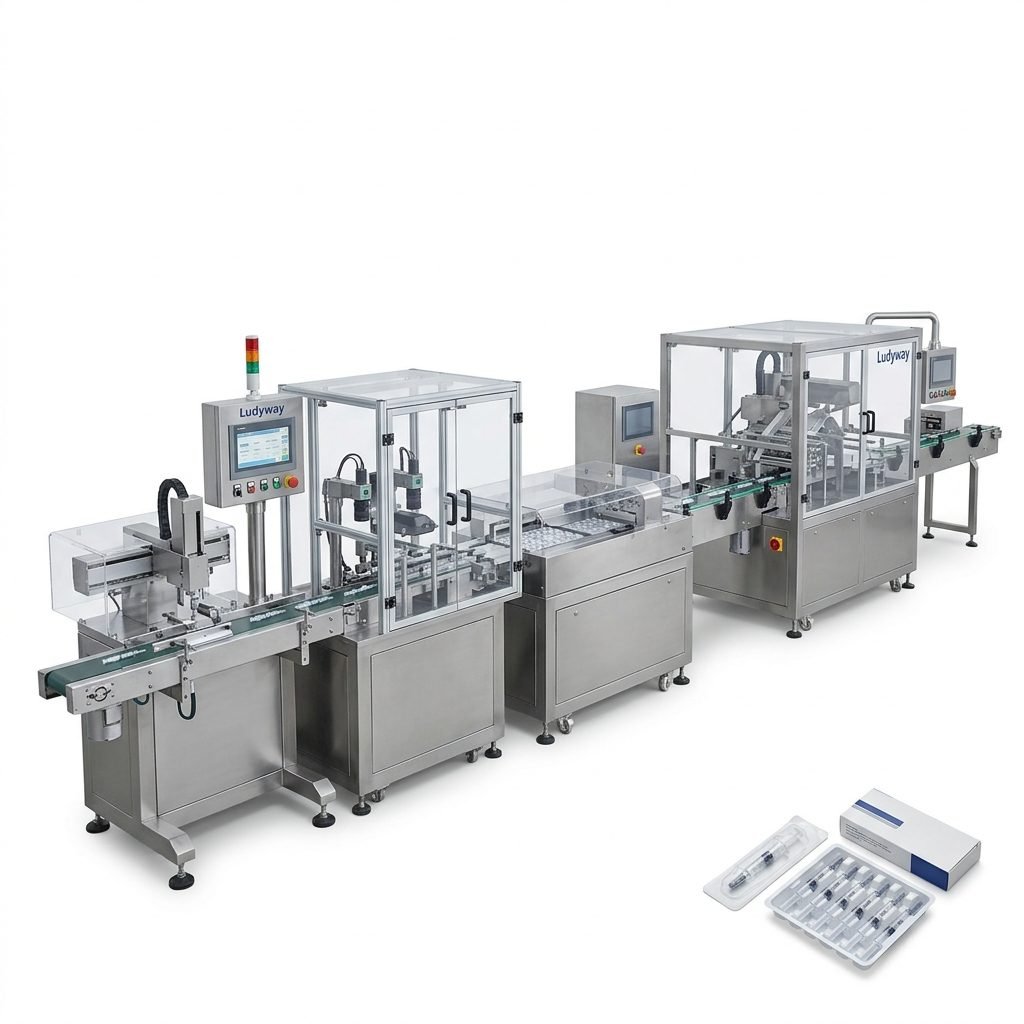
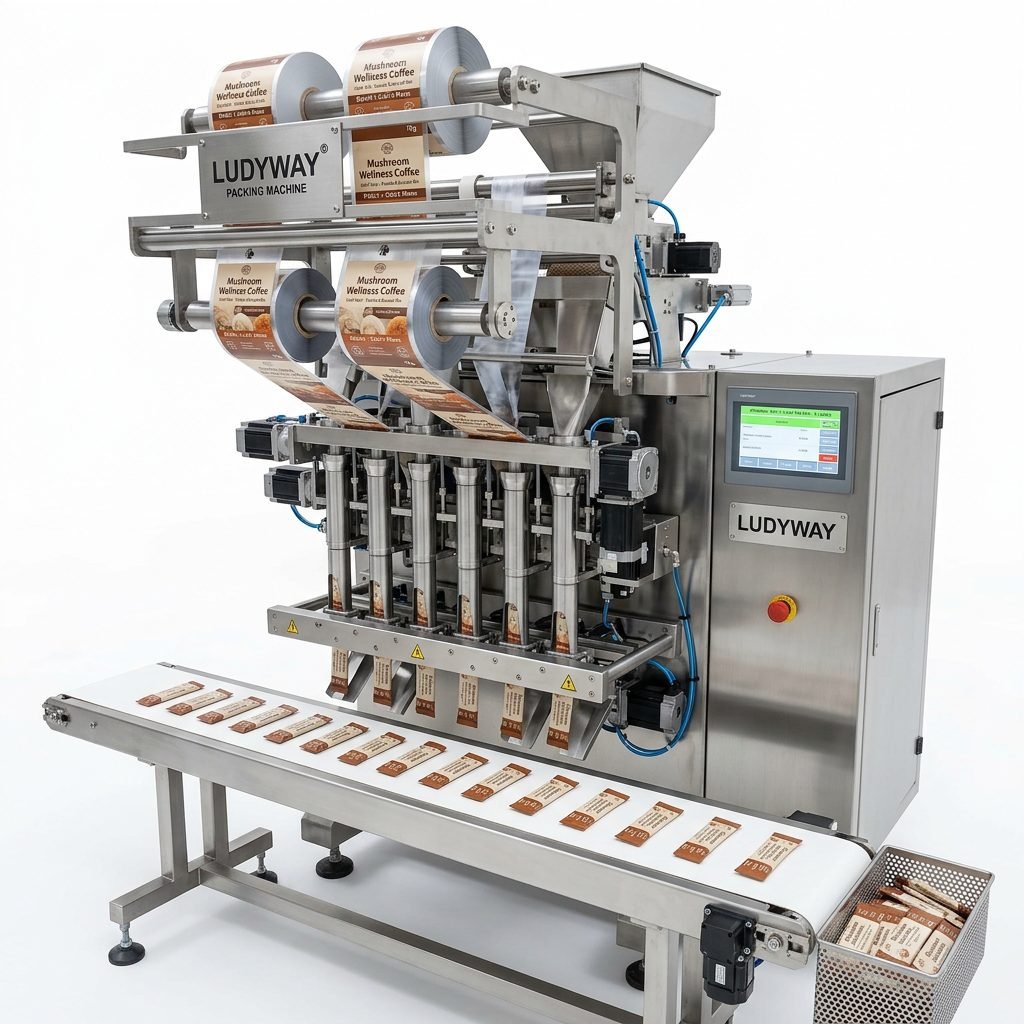
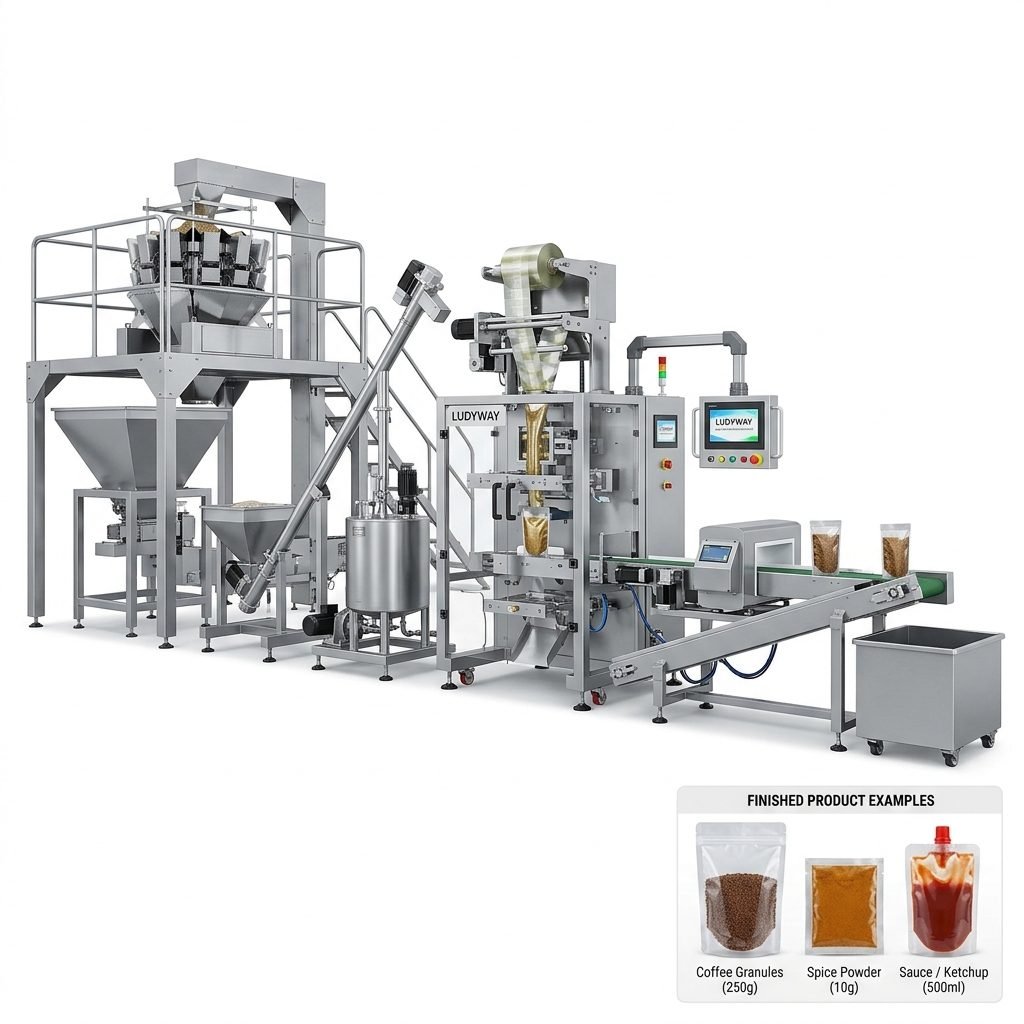
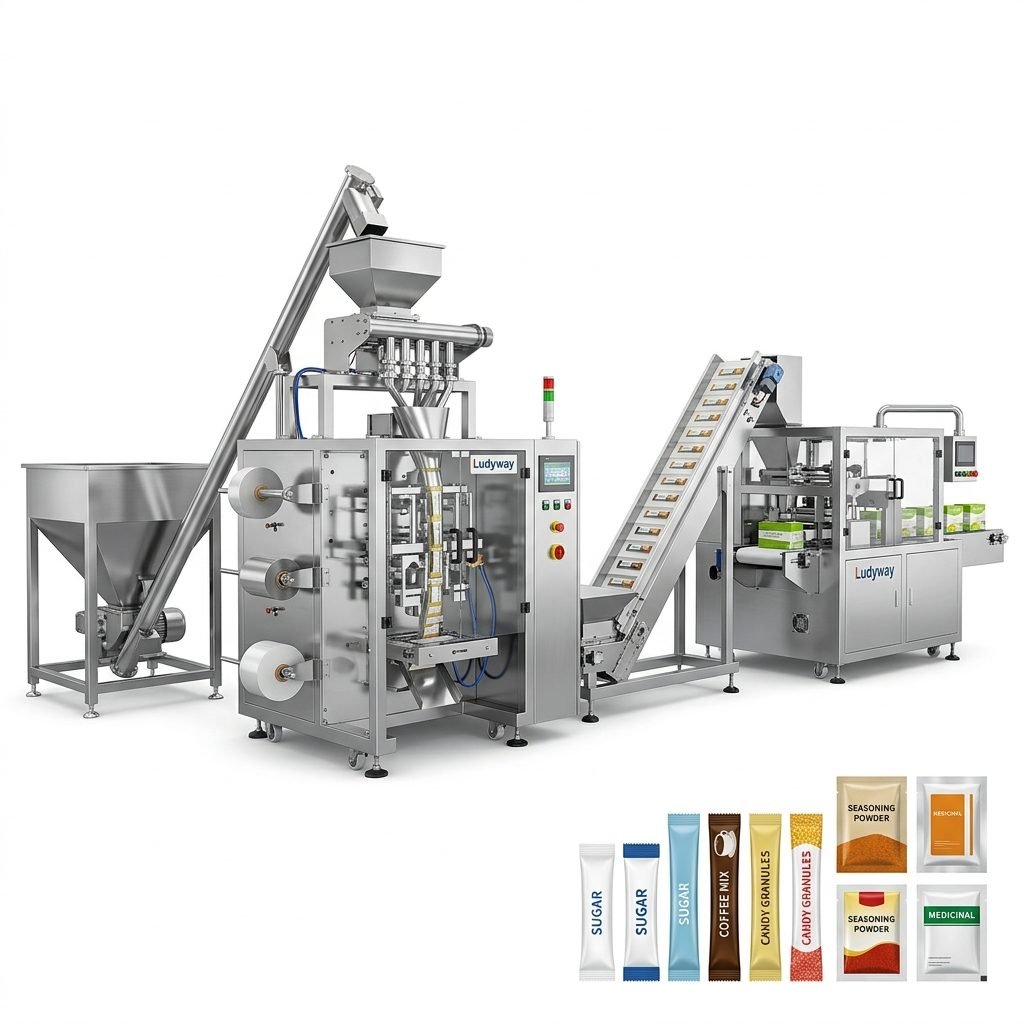
A complete soda can packaging machine production line consists of several integrated systems working in sequence. Understanding each component helps in making informed purchasing decisions and optimizing overall line efficiency.
Can Depalletizing and Conveying Systems
The process begins with automatic depalletizers that unload empty cans from pallets and feed them onto conveyor belts. Modern systems use servo-driven mechanisms for precise can handling at speeds exceeding 60,000 cans per hour. Conveyor design must minimize can contact to prevent scratching and maintain surface integrity for later labeling.
Can Rinsing and Sanitization
Before filling, cans pass through high-pressure rinsing stations that remove dust, particles, and potential contaminants. Ionized air rinsing is increasingly popular as it reduces water consumption and eliminates the need for drying. Sanitization systems using UV light or hydrogen peroxide vapor are also available for aseptic applications.
Filling Systems
The filling machine is the heart of any soda can packaging line. For carbonated beverages, counter-pressure fillers are essential to maintain carbonation levels and prevent foaming. Key specifications to evaluate include:
- Filling speed (cans per minute)
- Fill accuracy and volume consistency
- CO₂ retention rate during the filling process
- Compatibility with different can sizes and shapes
- CIP (Clean-in-Place) capabilities for hygiene maintenance
Seaming and Sealing Equipment
After filling, cans are immediately sealed using high-precision seamers. The seaming process creates a double seam that must meet strict quality standards to prevent leakage and contamination. Automated seam inspection systems using vision technology are strongly recommended for quality assurance in the French market.
Labeling, Coding, and Inspection Systems
French regulations require clear product labeling including ingredients, nutritional information, and batch codes. Laser coding machines and inkjet printers apply date codes, lot numbers, and traceability data. Integrated vision inspection systems check label alignment, print quality, and can integrity at high speeds. For detailed industry data, the PMMI Business Intelligence Library offers valuable market insights on packaging machinery trends.
Site Preparation and Installation Requirements in France
Preparing your facility for a soda can packaging machine production line involves more than just clearing floor space. French industrial sites must meet specific electrical, plumbing, and safety standards. Key installation considerations include:
- Electrical supply: 400V three-phase power is standard in French industrial facilities; verify compatibility with your equipment
- Compressed air systems: Many packaging machines require clean, dry compressed air at consistent pressure levels
- Water treatment: Filling equipment may require treated water connections for rinsing and sanitization cycles
- Floor loading capacity: Heavy machinery requires reinforced concrete flooring rated for industrial loads
- Ventilation and climate control: Maintain stable temperature and humidity to protect both product and equipment
- ATEX compliance: If handling flammable propellants or cleaning solvents, ensure compliance with explosion protection directives

Automation and Industry 4.0 Integration
Modern soda can packaging lines increasingly incorporate Industry 4.0 technologies to enhance productivity and reduce downtime. French manufacturers are at the forefront of adopting smart factory concepts. Key automation features to look for include:
- SCADA systems for real-time production monitoring and data collection
- IIoT sensors that predict maintenance needs and prevent unexpected breakdowns
- Automated changeover systems that reduce downtime when switching between can sizes
- Digital twin technology for simulating line performance and optimizing workflows
- Remote diagnostics enabling off-site technical support and troubleshooting
The integration of these technologies not only improves operational efficiency but also supports compliance with French traceability requirements. The PMMI 2025 State of the Industry report highlights automation as a leading trend in packaging operations worldwide.
Cost Considerations and ROI Analysis
Investing in a soda can packaging machine production line in France involves significant capital expenditure, but the long-term returns can be substantial. Below is a breakdown of typical cost categories and factors affecting ROI:
| Cost Category | Estimated Range (EUR) | Key Variables |
|---|---|---|
| Filling and Seaming Equipment | €200,000 – €800,000 | Speed, automation level, brand |
| Conveying and Handling Systems | €50,000 – €200,000 | Line length, layout complexity |
| Labeling and Coding Equipment | €30,000 – €120,000 | Print technology, inspection add-ons |
| Packaging and Palletizing | €80,000 – €300,000 | Pallet pattern flexibility, speed |
| Installation and Commissioning | €40,000 – €150,000 | Site modifications, technician travel |
| Training and Documentation | €10,000 – €30,000 | Language requirements, staff count |
Typical ROI timelines range from 18 to 36 months, depending on production volume, product margins, and operational efficiency. Energy-efficient equipment can significantly reduce ongoing costs, as electricity prices in France remain relatively high compared to some European neighbors.
Choosing the Right Equipment Supplier
Selecting a reliable supplier for your soda can packaging machine production line is crucial for long-term success. Evaluate potential partners based on the following criteria:
- CE certification and EU compliance experience: Suppliers must demonstrate familiarity with French and EU regulatory requirements
- Local service capabilities: Preference for manufacturers with service technicians or partners in France or neighboring EU countries
- Proven track record: Request case studies and references from similar beverage packaging projects
- Spare parts availability: Ensure critical components can be sourced quickly within the EU to minimize downtime
- Training programs: Comprehensive operator and maintenance training delivered in French or English
- Warranty and after-sales support: Clear warranty terms with responsive technical assistance
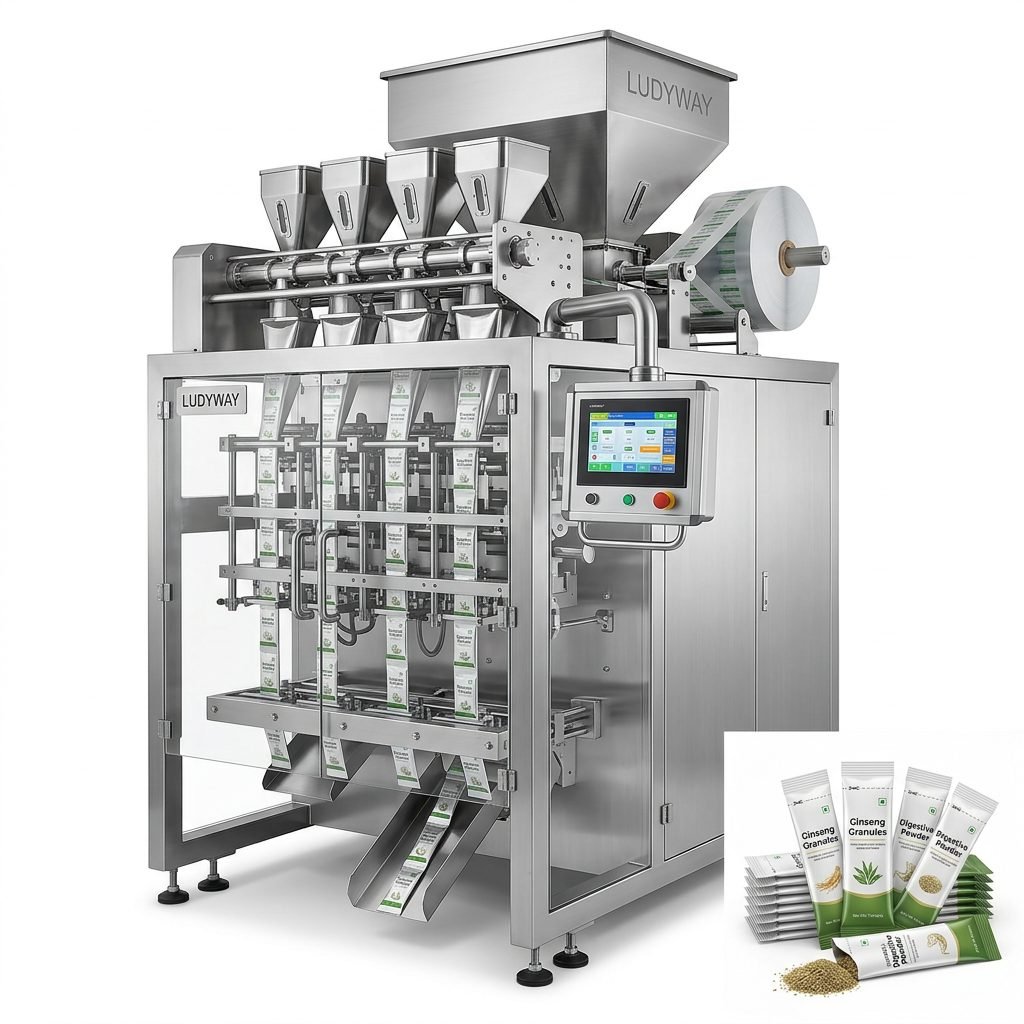
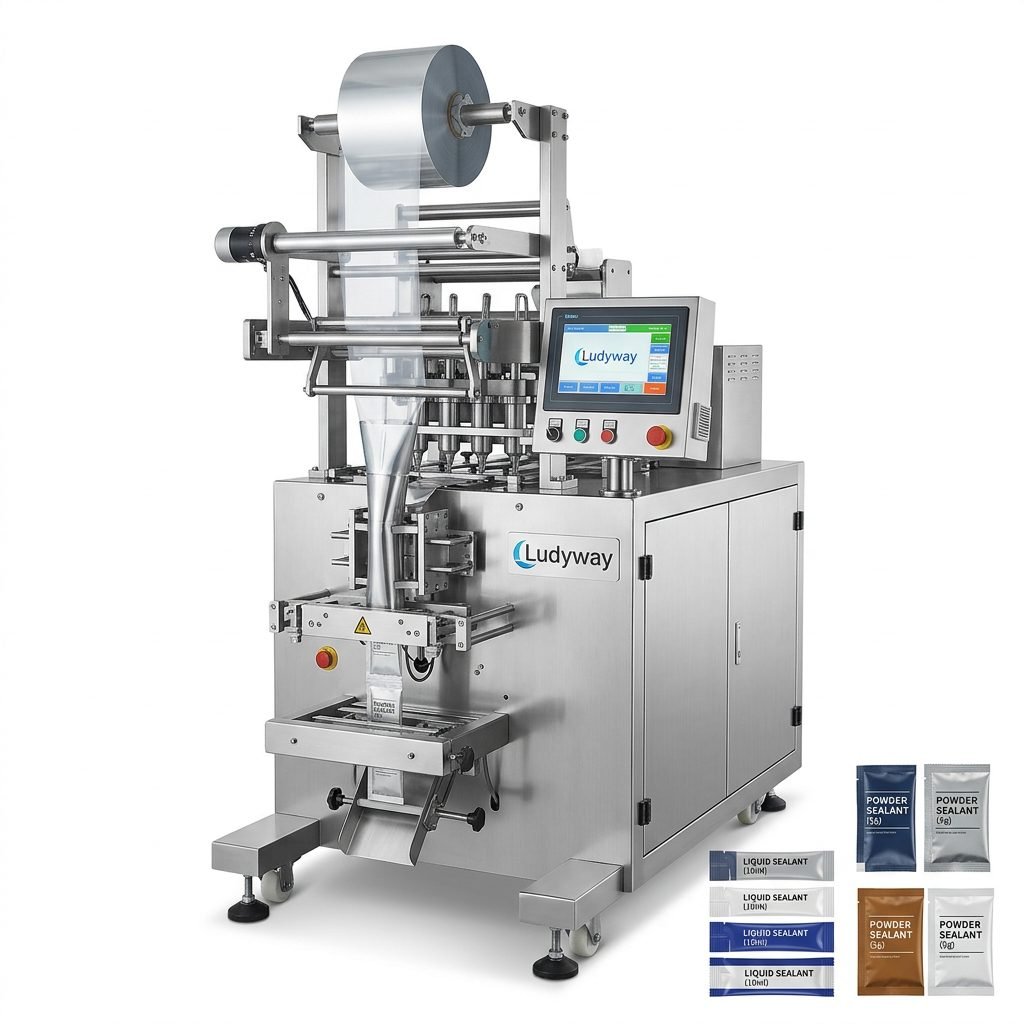
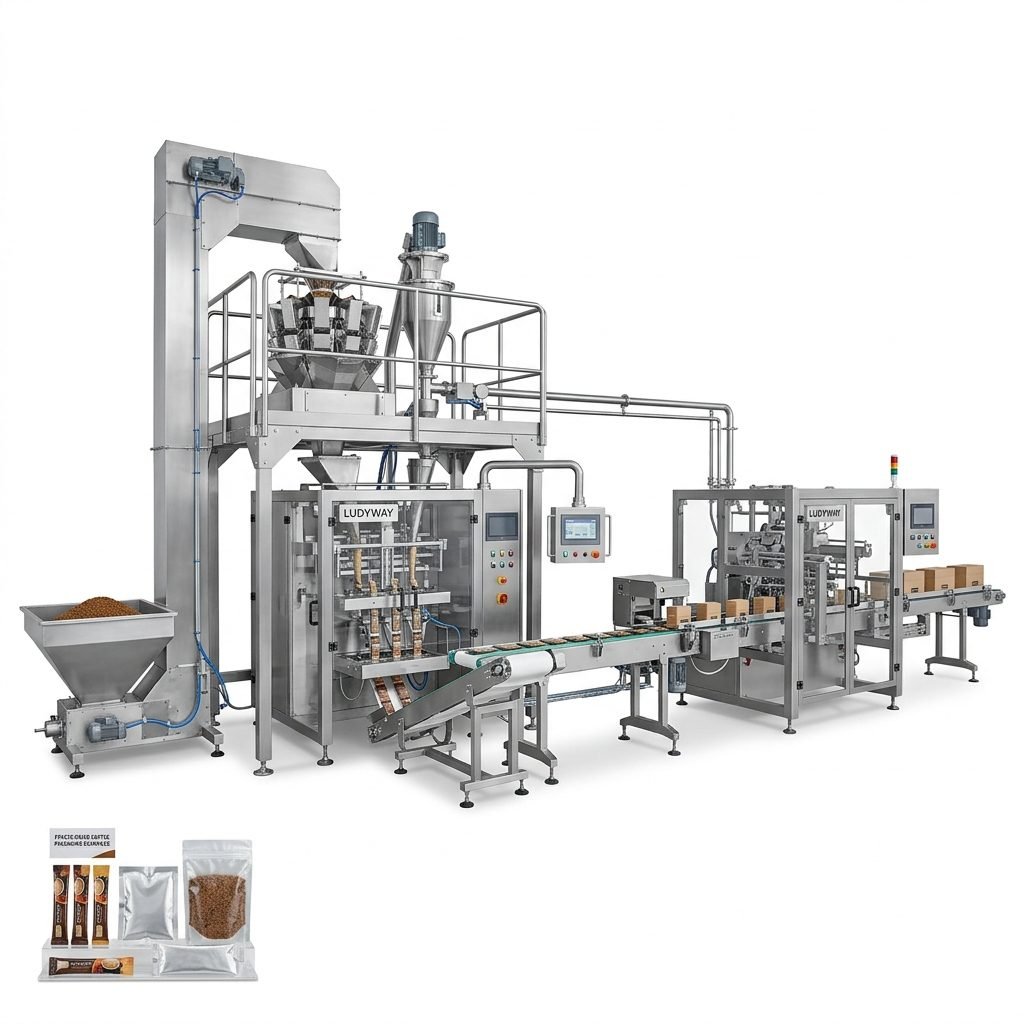
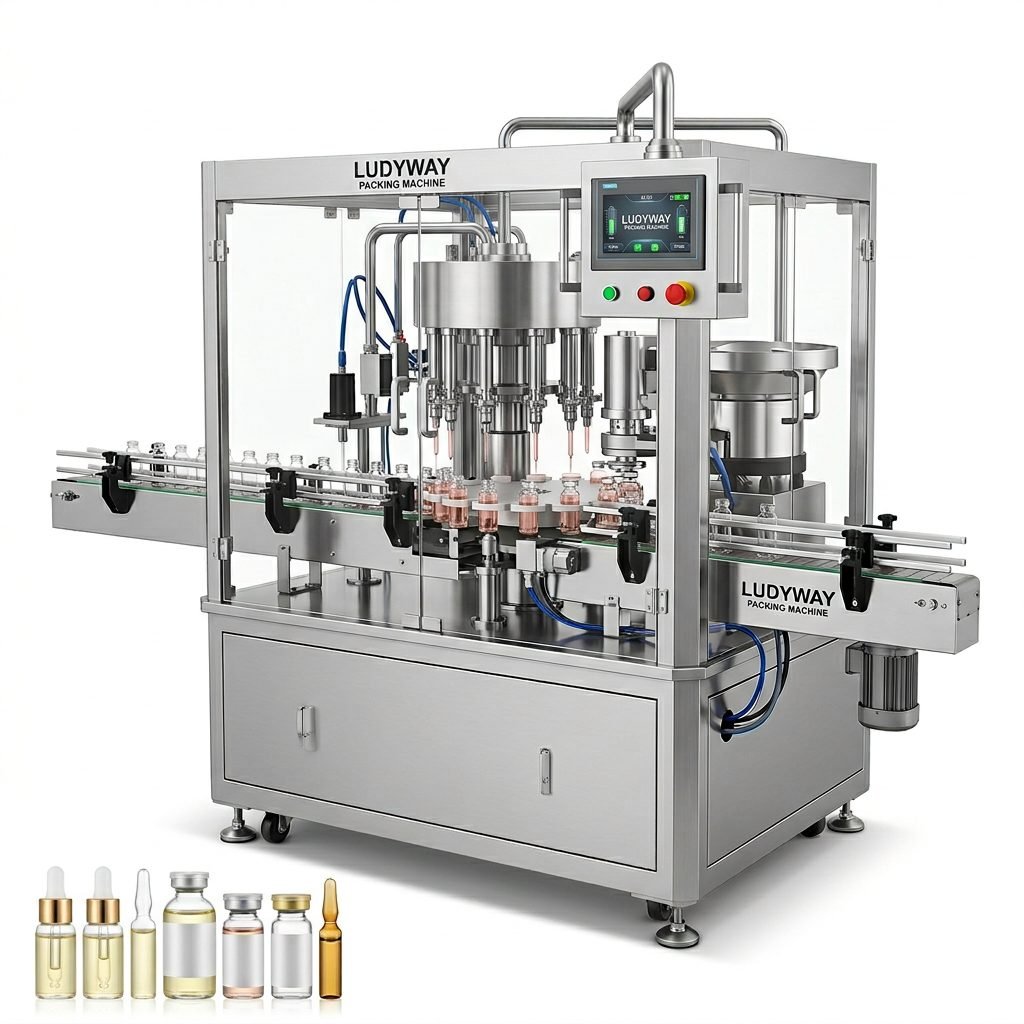
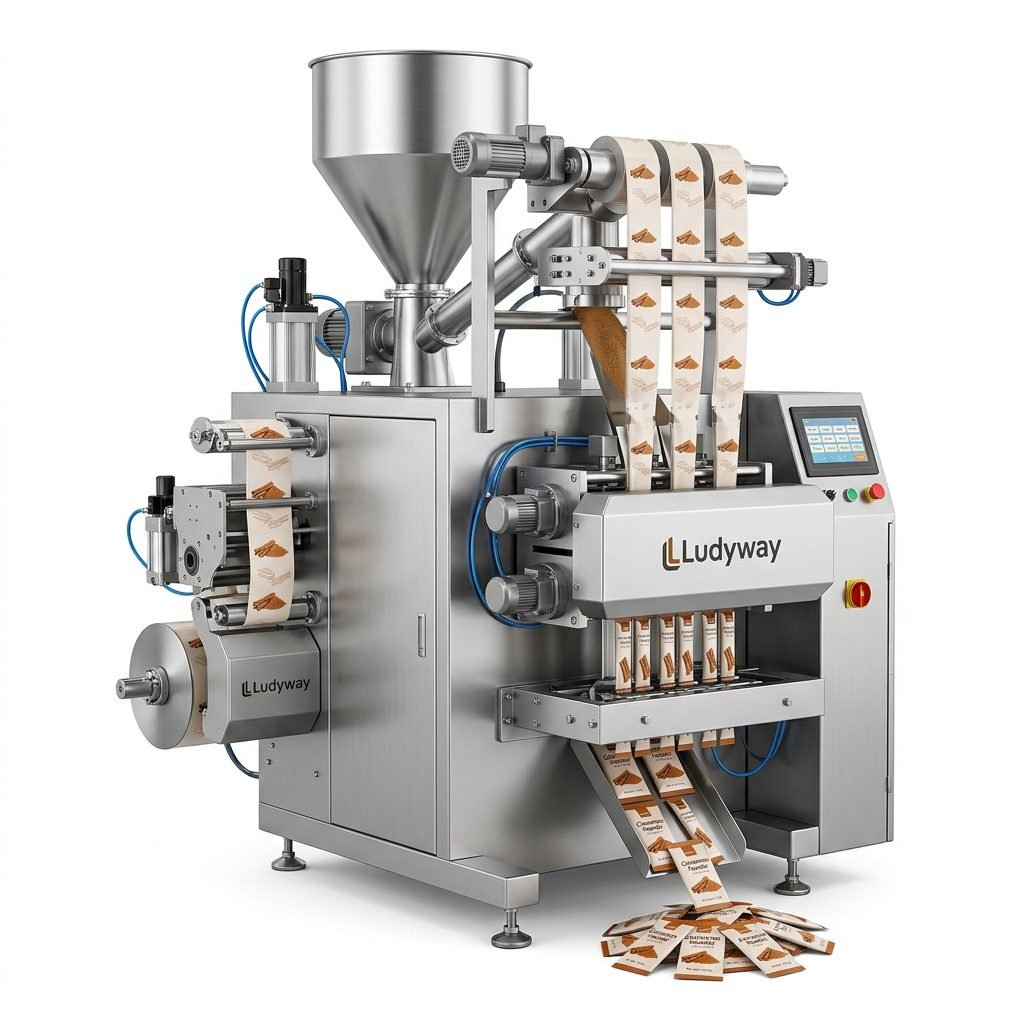
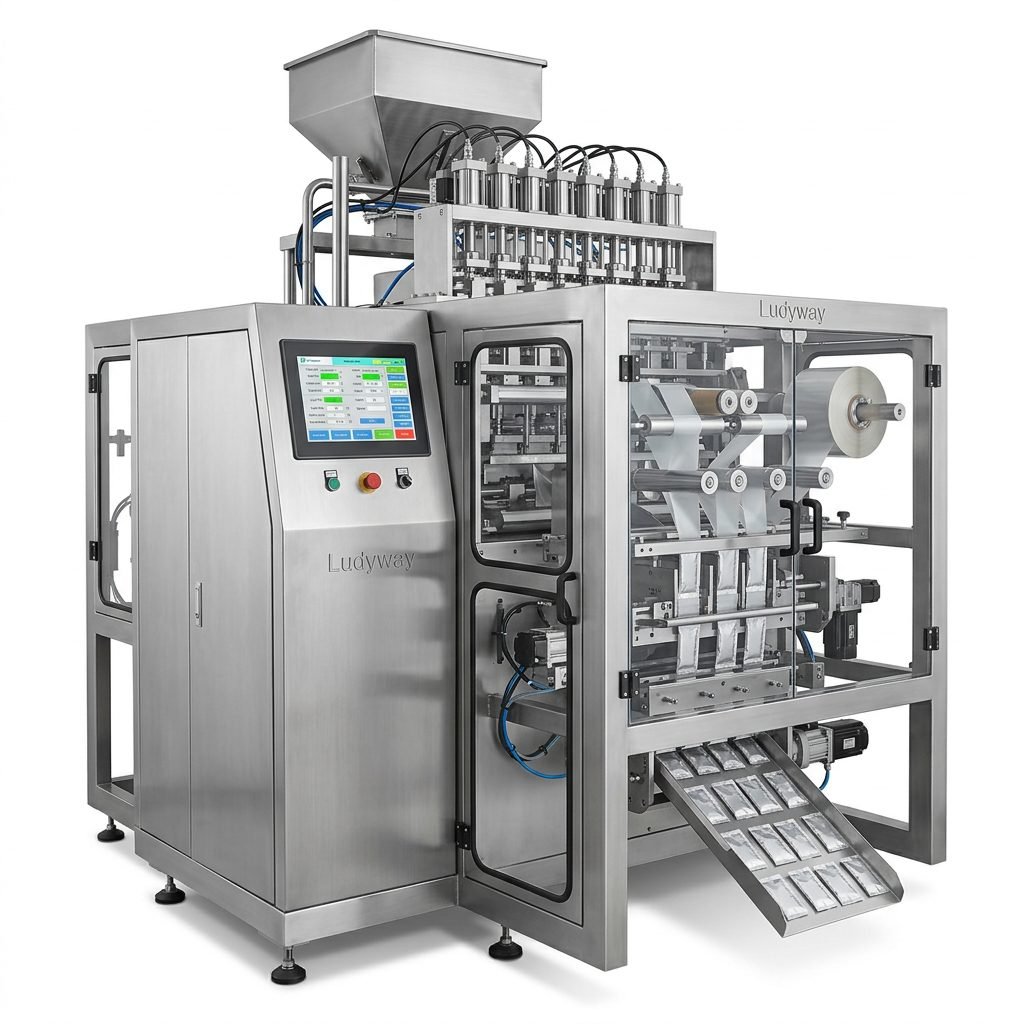
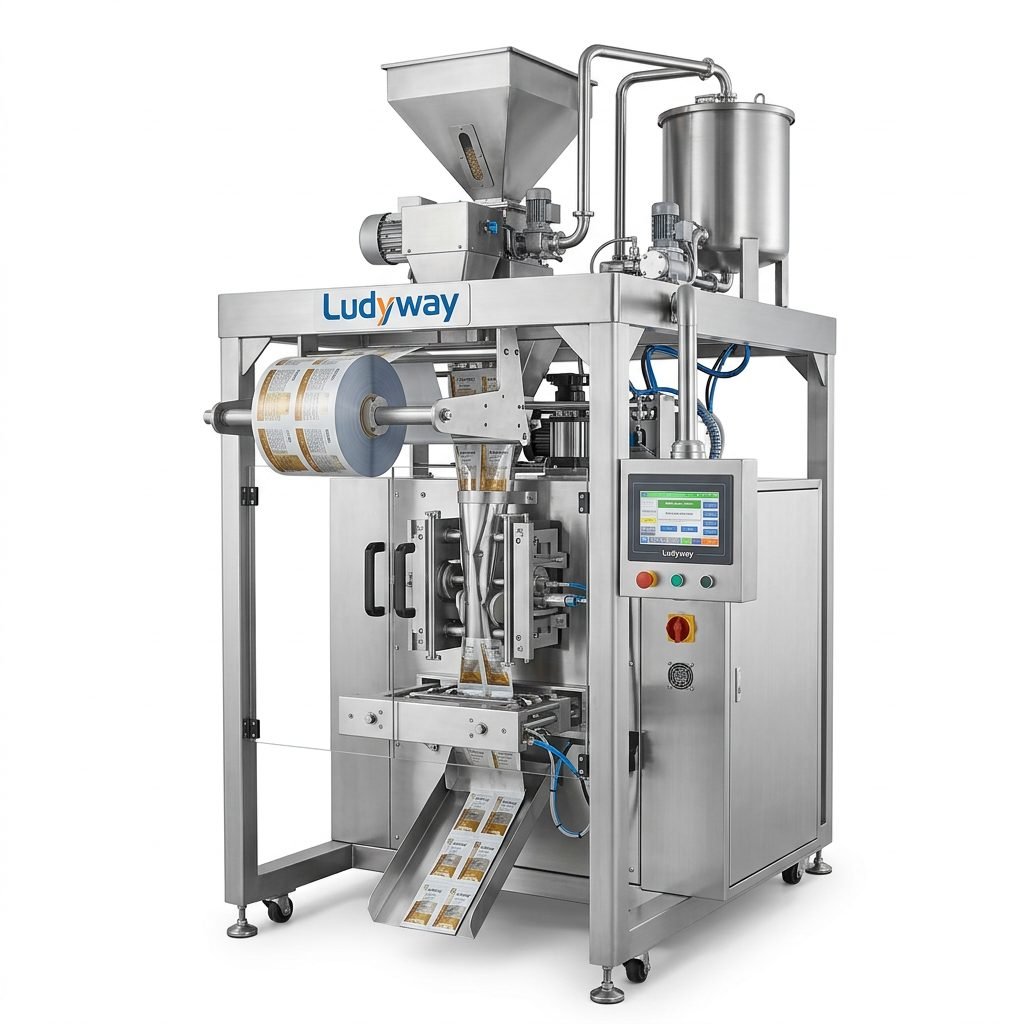
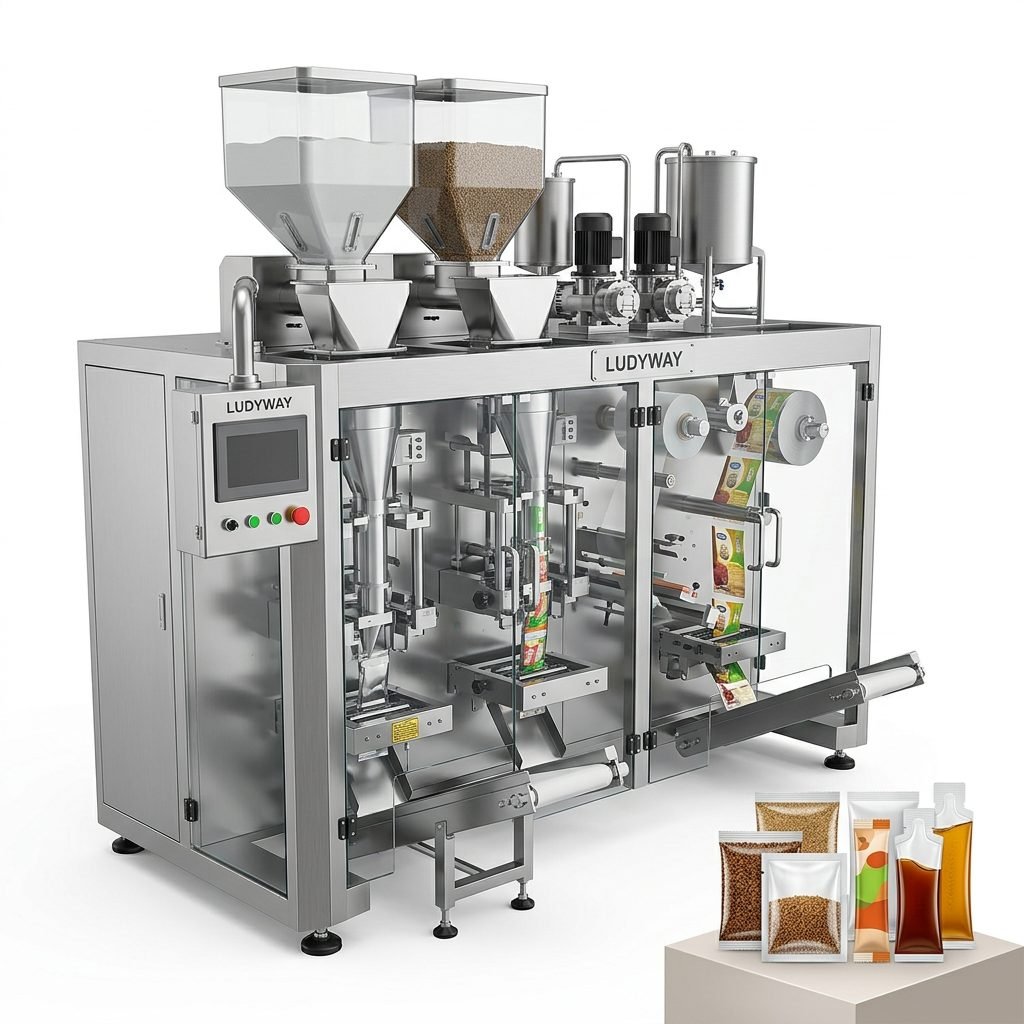
Companies like Ludyway offer extensive experience in manufacturing packaging machinery with a global footprint, providing turnkey solutions tailored to diverse production requirements. When evaluating suppliers, always conduct factory audits and request detailed equipment specifications before making a final decision.

Maintenance and After-Sales Support
A well-maintained soda can packaging production line operates reliably for decades. Establishing a preventive maintenance schedule is essential to avoid costly unplanned downtime. Key maintenance practices include:
- Daily inspections: Check conveyor belts, seaming rollers, and filling valves for wear
- Weekly cleaning: Deep clean product contact surfaces and inspect sensors for calibration drift
- Monthly audits: Review overall equipment effectiveness (OEE) metrics and address performance gaps
- Quarterly servicing: Replace wear parts such as gaskets, bearings, and filters
- Annual overhaul: Comprehensive inspection by qualified technicians with full documentation
For operations in France, having access to local technical support is highly recommended. Response times should ideally be within 24-48 hours. Remote diagnostic capabilities can also accelerate troubleshooting and reduce the need for on-site visits.
Future Trends in Soda Can Packaging
The soda can packaging industry continues to evolve, and staying ahead of trends ensures your production line remains competitive. Emerging developments include:
- Lightweight can designs: Reducing aluminum usage while maintaining structural integrity and shelf appeal
- Digital printing on cans: Enabling short-run customization and personalized packaging for promotional campaigns
- Smart packaging: QR codes and NFC tags that connect consumers to digital content and brand experiences
- Sustainable materials: Increased use of recycled aluminum and bio-based protective coatings
- Energy recovery systems: Capturing and reusing heat generated during the packaging process
The PMMI 2026 State of the Industry report provides additional insights into technological advancements shaping the packaging machinery sector. For flexible packaging alternatives and industry resources, the Flexible Packaging Association offers valuable data and market analysis.
Final Checklist Before Launch
Before starting commercial production on your soda can packaging machine line in France, ensure the following items are completed:
- CE certification documentation received and filed
- Electrical and utility connections verified by a certified French electrician
- Staff training completed with signed competency records
- Trial production runs validated for fill accuracy and seam integrity
- Food safety documentation prepared for DGCCRF inspections
- Waste management contracts in place with approved recycling partners
- Traceability systems tested with mock recalls
- Emergency procedures posted and understood by all operators

Frequently Asked Questions
What is the minimum production capacity for a viable soda can line in France?
For a commercially viable operation, a minimum capacity of 8,000 to 12,000 cans per hour is generally recommended. Smaller capacities may struggle to achieve competitive unit costs in the French market.
How long does it take to install a complete soda can packaging line?
Installation and commissioning typically require 4 to 8 weeks, depending on line complexity and site readiness. Additional time may be needed for staff training and trial production runs.
Are there specific French certifications required for beverage packaging equipment?
Beyond CE marking, equipment used in food contact applications may need verification from accredited laboratories recognized by French authorities. Consult with a local regulatory expert for specific guidance.
Can I import a soda can packaging line from outside the EU?
Yes, provided the equipment meets all applicable EU directives and carries valid CE marking. Work with an experienced customs broker familiar with French import procedures for industrial machinery. Refer to ISO 11607 packaging standards for validation requirements related to sterile and food-grade packaging processes.
What are the most common operational challenges with soda can lines?
Common challenges include foaming during filling, inconsistent seam quality, label misalignment, and conveyor jams. Investing in quality equipment with robust automation features helps mitigate these issues.