Setting up a pet food packaging machine production line in China is a strategic move for manufacturers aiming to scale operations, reduce costs, and access advanced packaging technology. Whether you produce dry kibble, wet food, treats, or nutritional supplements, a well-designed packaging line ensures consistent product quality, extended shelf life, and regulatory compliance for international markets. This comprehensive guide walks you through every stage of the process — from planning and equipment selection to installation, quality assurance, and ongoing maintenance.
Why Set Up a Pet Food Packaging Line in China?
China has become a global hub for packaging machinery manufacturing, offering competitive pricing, robust engineering capabilities, and an extensive supply chain. The country’s packaging industry has matured significantly, with manufacturers now producing equipment that meets CE, ISO, and FDA standards. Key advantages include:
- Cost Efficiency: Lower capital investment compared to European or North American suppliers while maintaining comparable quality levels.
- Customization: Chinese manufacturers offer highly flexible configurations tailored to specific pet food formulations — granules, powders, liquids, or paste products.
- Turnkey Solutions: Many suppliers provide integrated production lines covering filling, sealing, coding, cartoning, and palletizing in a single project.
- Rapid Delivery: Shorter lead times and streamlined logistics for global shipping, especially to Asia-Pacific, Middle East, and African markets.
- Technical Support: Established manufacturers offer remote diagnostics, on-site commissioning, and comprehensive after-sales service.
Key Equipment for a Pet Food Packaging Production Line
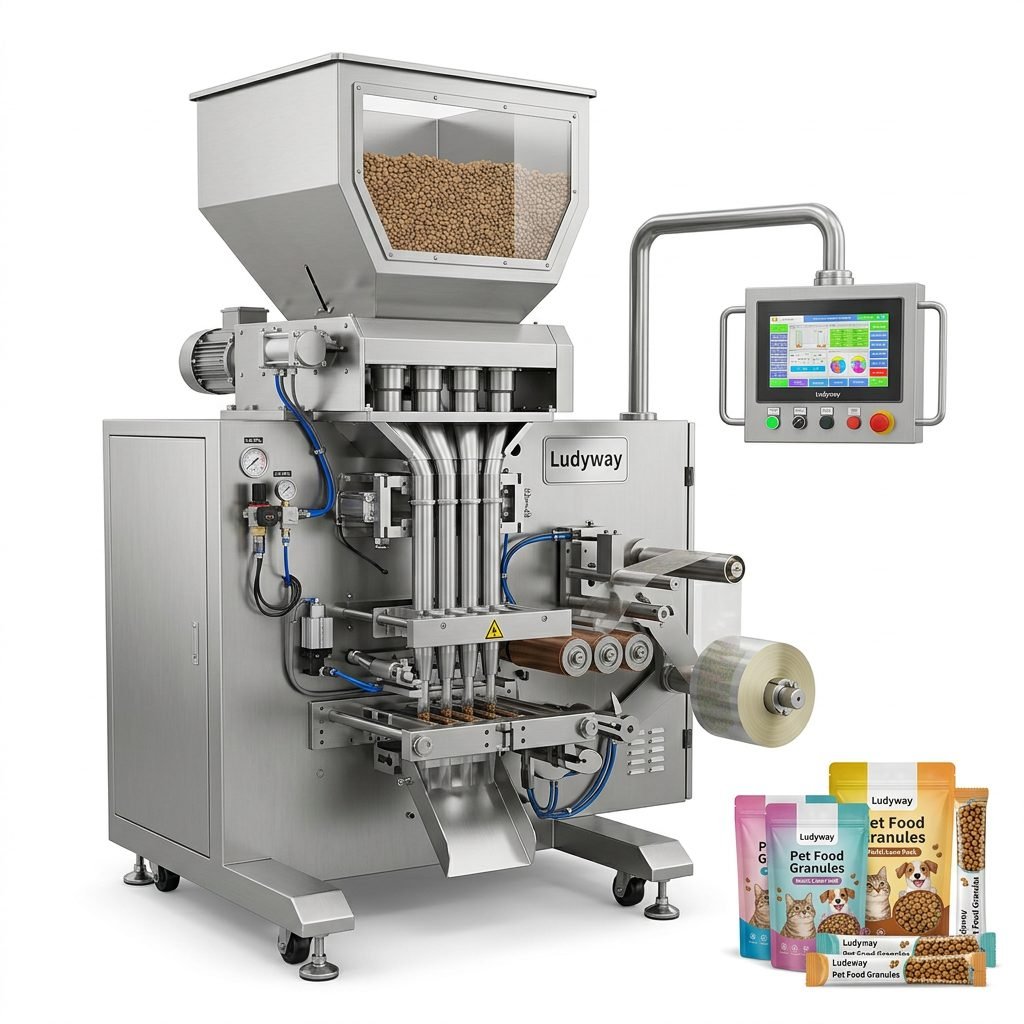
A complete pet food packaging line consists of multiple integrated machines working in sequence. Understanding each component’s role is essential for making informed procurement decisions. Below is a breakdown of the core equipment categories:
1. Feeding and Dosing Systems
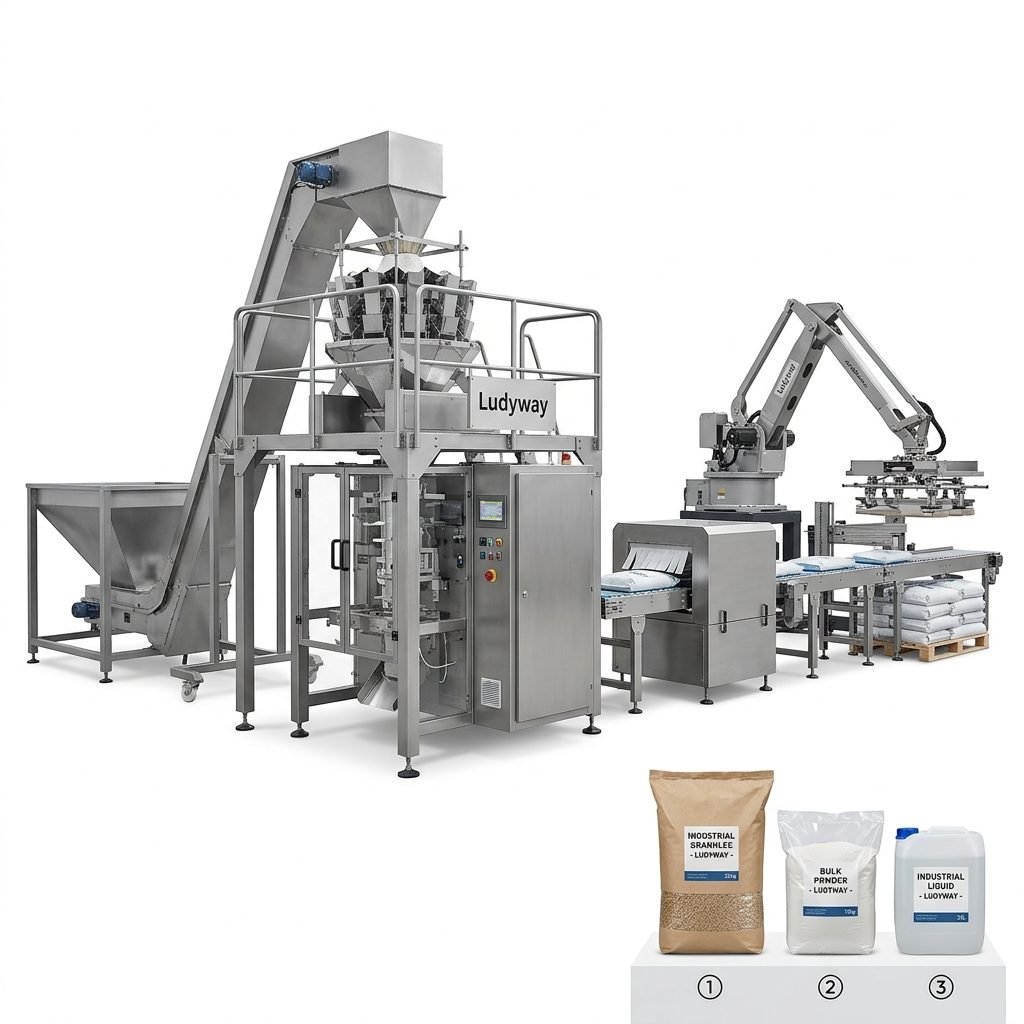
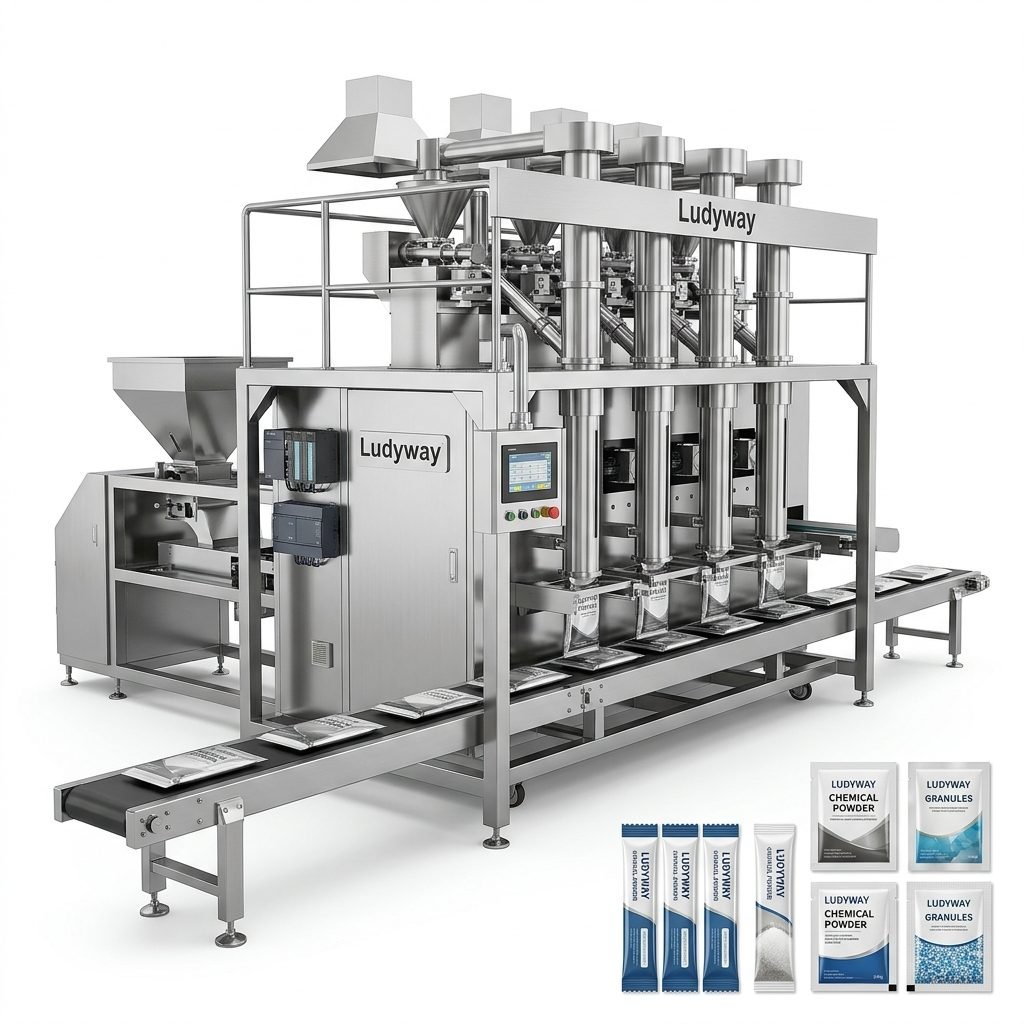
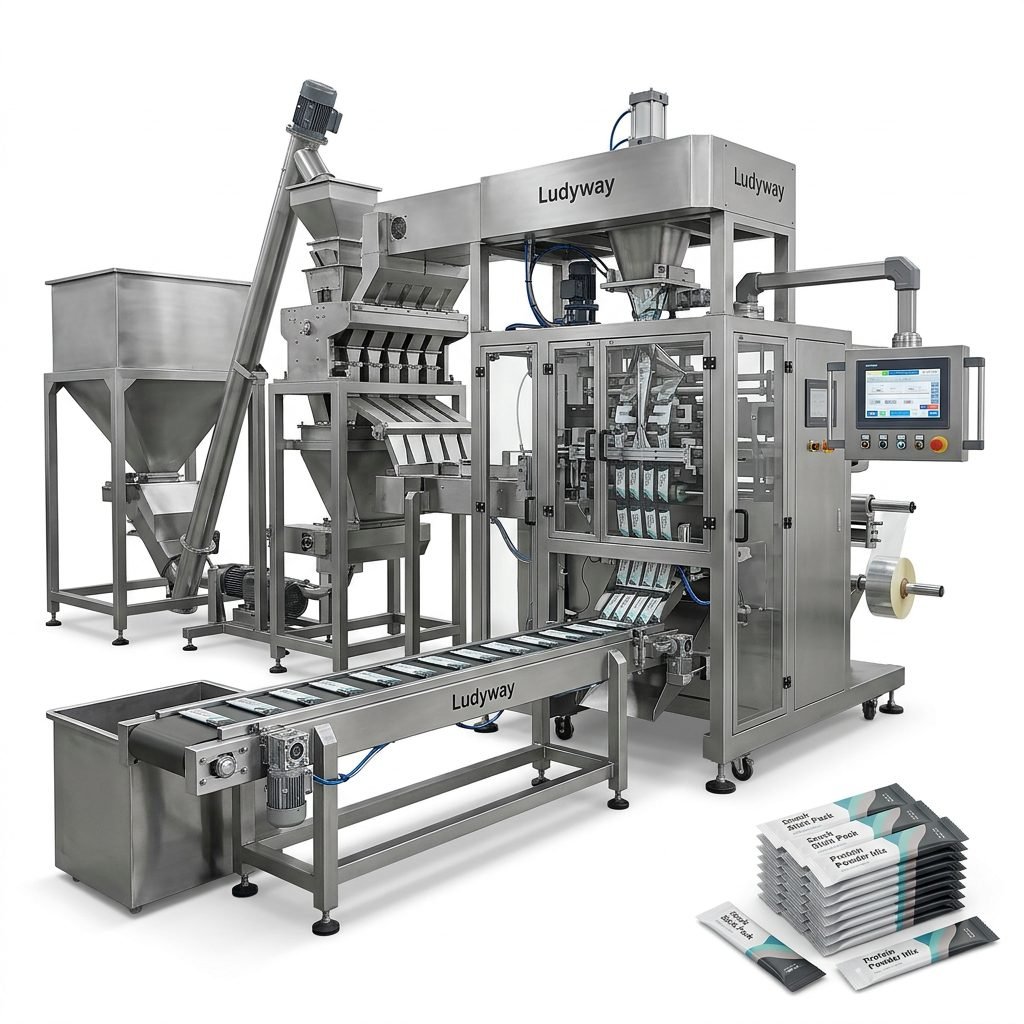
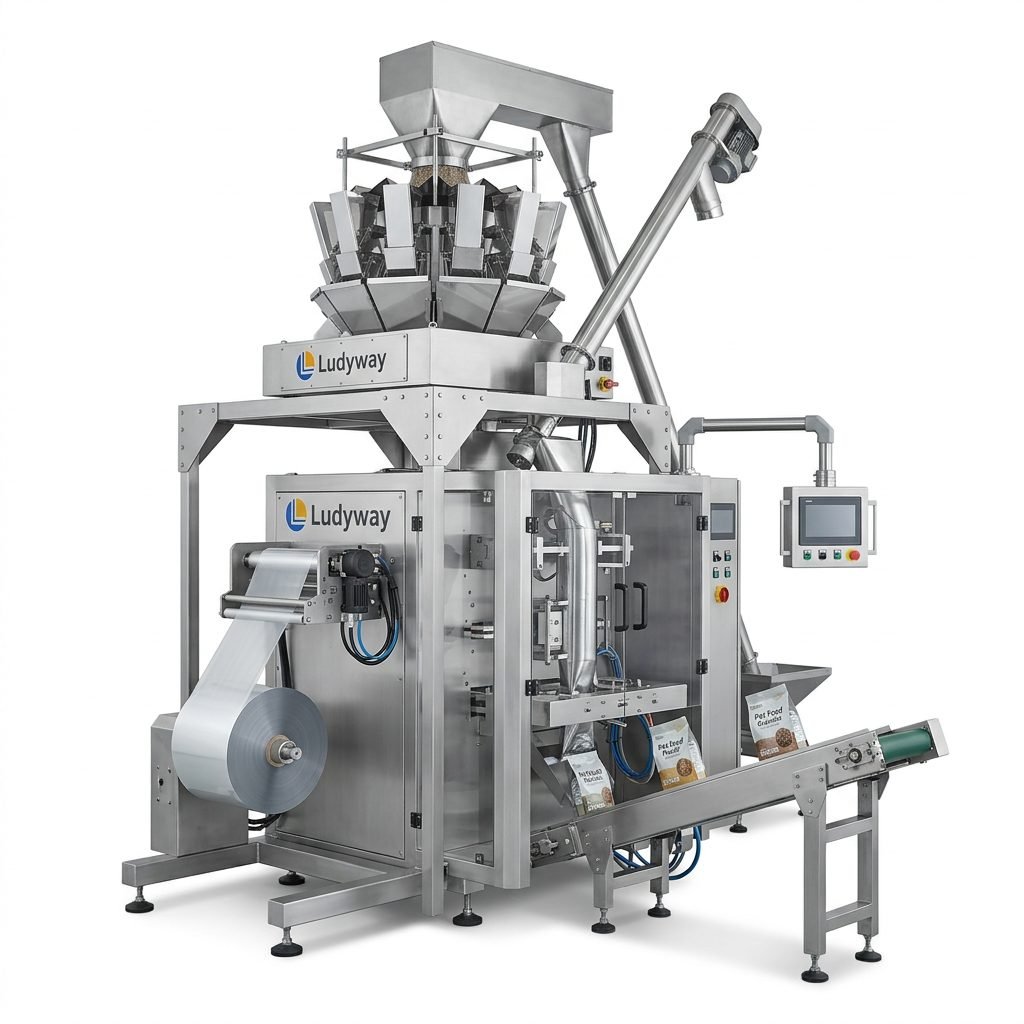
Accurate product feeding is the foundation of any packaging operation. For pet food applications, multi-head weighers, auger fillers, and volumetric cup fillers are commonly used depending on product characteristics. Granule-based dry kibble typically requires multi-head weigher systems for high-speed, precision weighing, while powder supplements benefit from auger-based dosing mechanisms.
2. Primary Packaging Machines
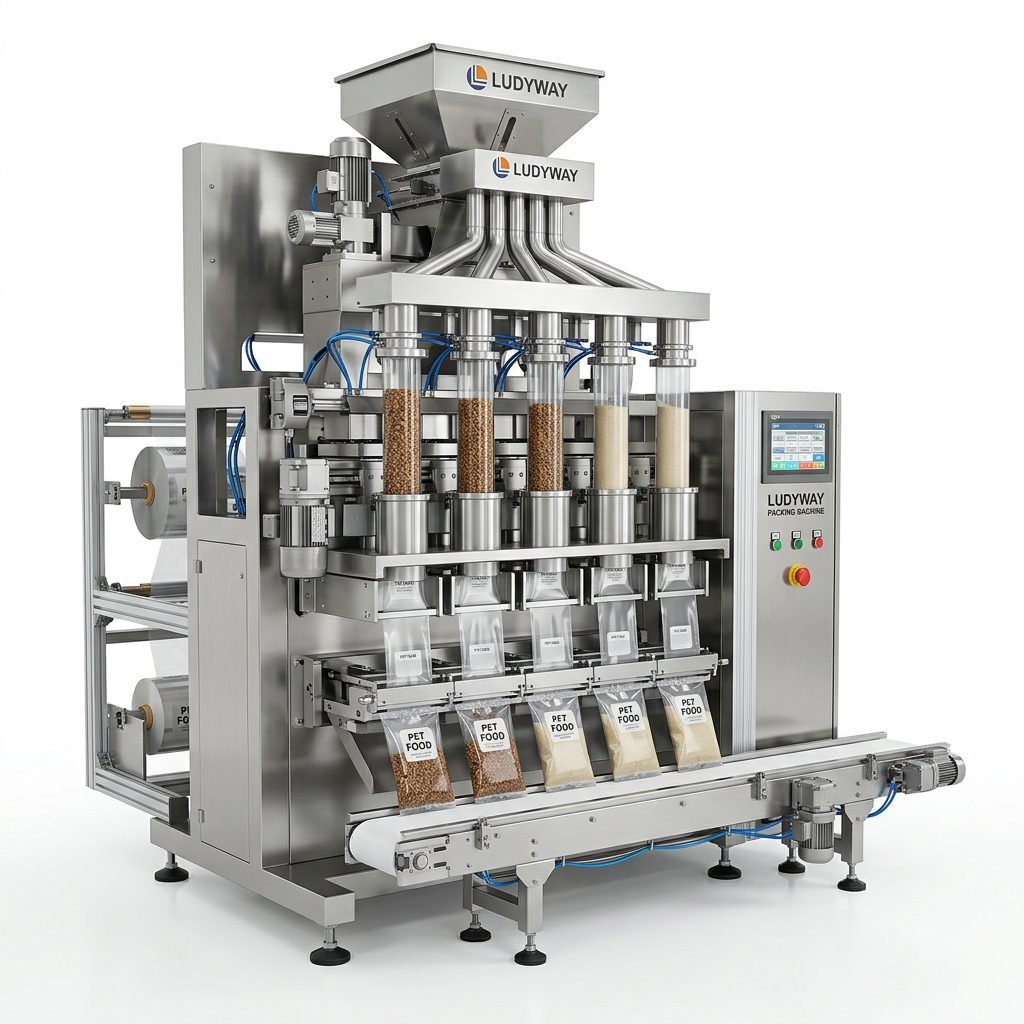
The primary packaging machine forms, fills, and seals the package. The most popular configurations for pet food include:
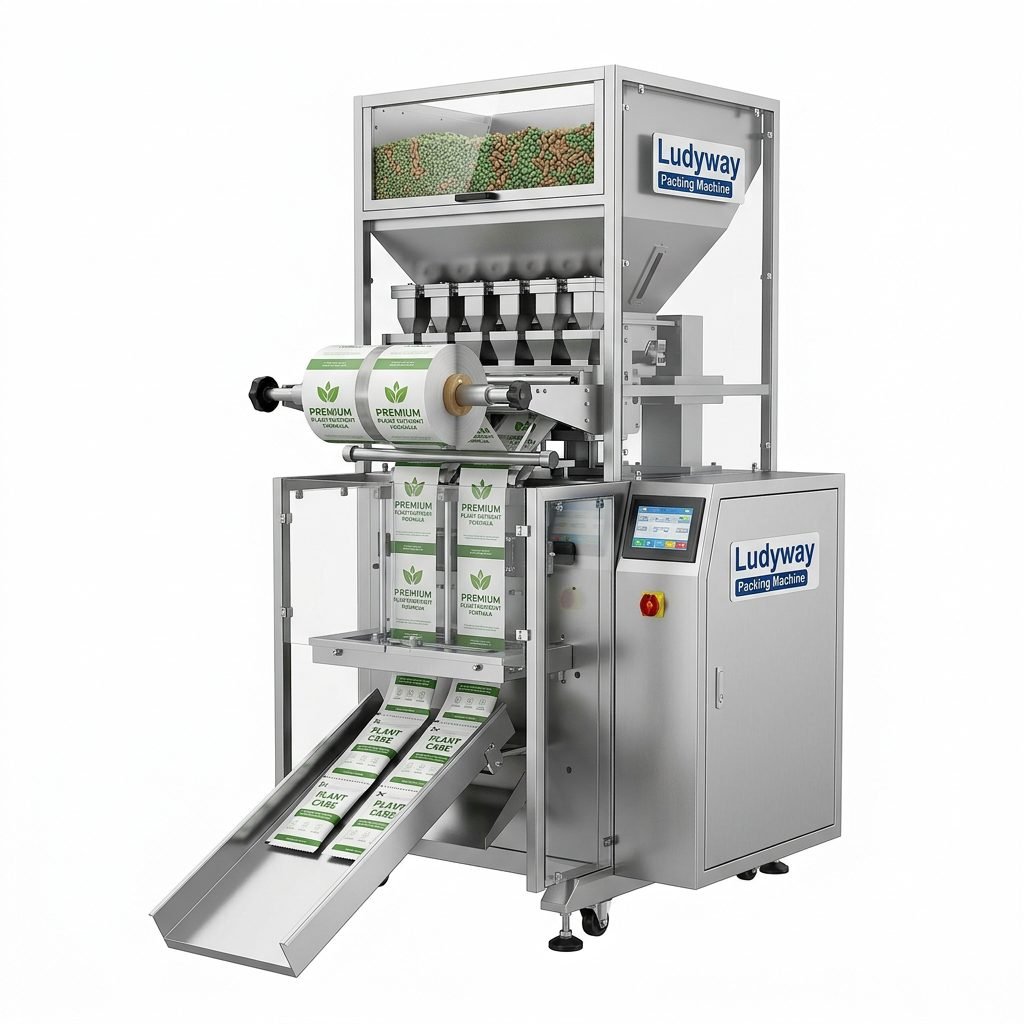
- Vertical Form Fill Seal (VFFS) Machines: Ideal for dry kibble and granule products in pillow bags, gusseted bags, or quad-seal pouches.
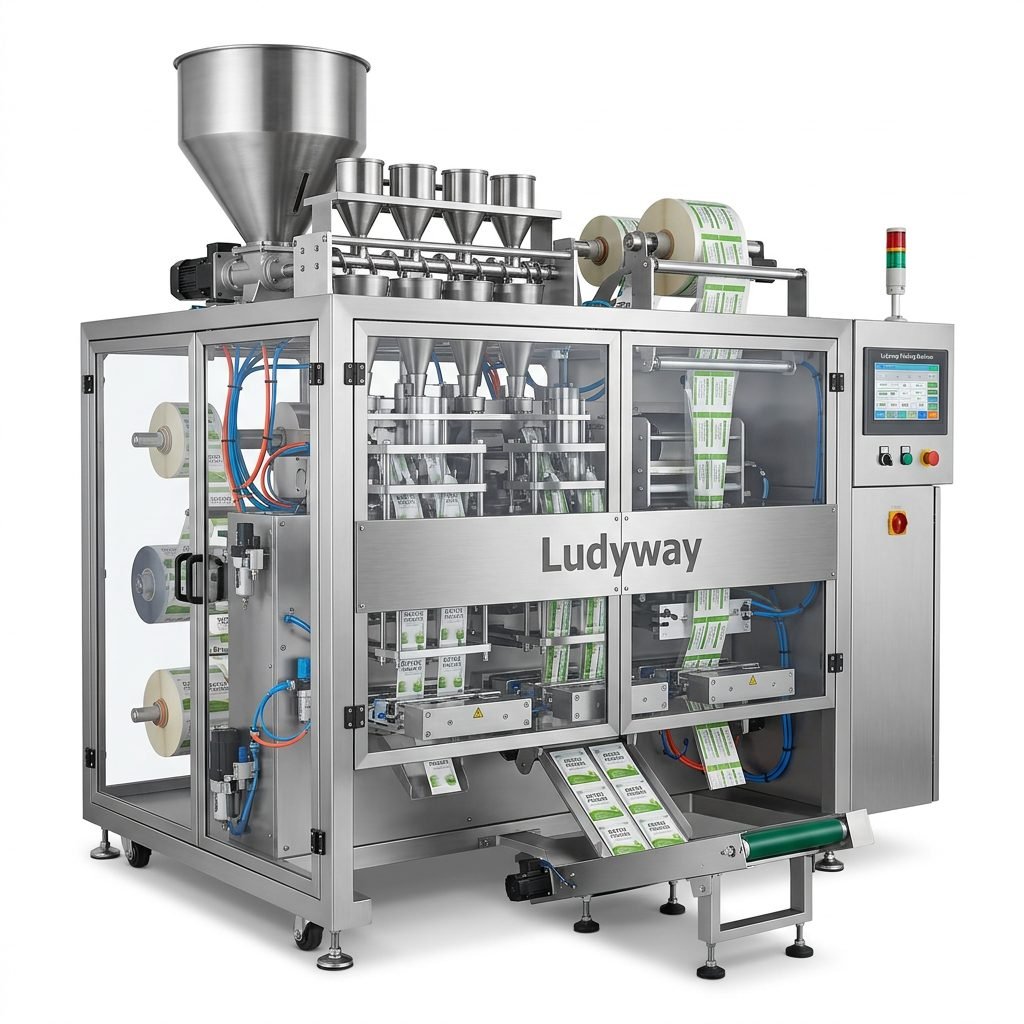
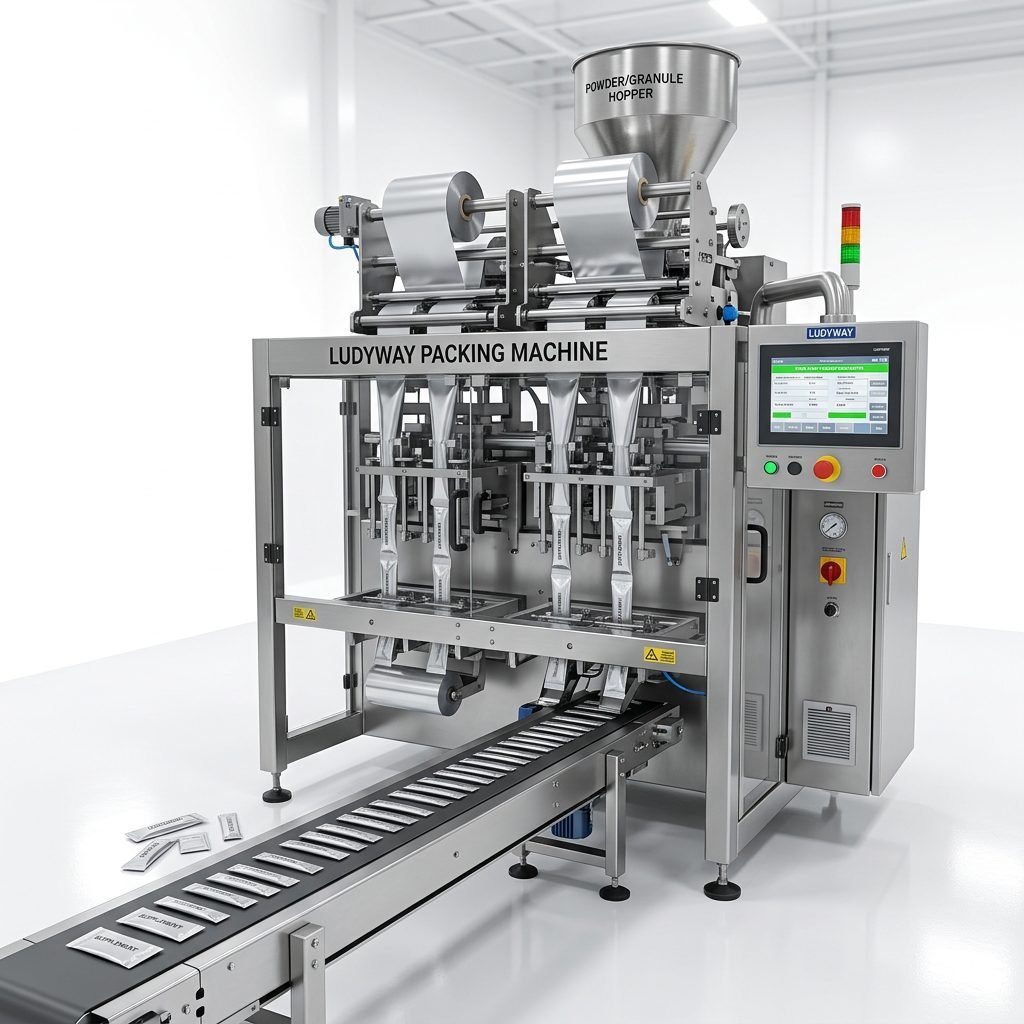
- Multi-Lane Stick Pack Machines: Best suited for single-serve portions, pet supplement powders, and treat packaging in compact sachet formats.
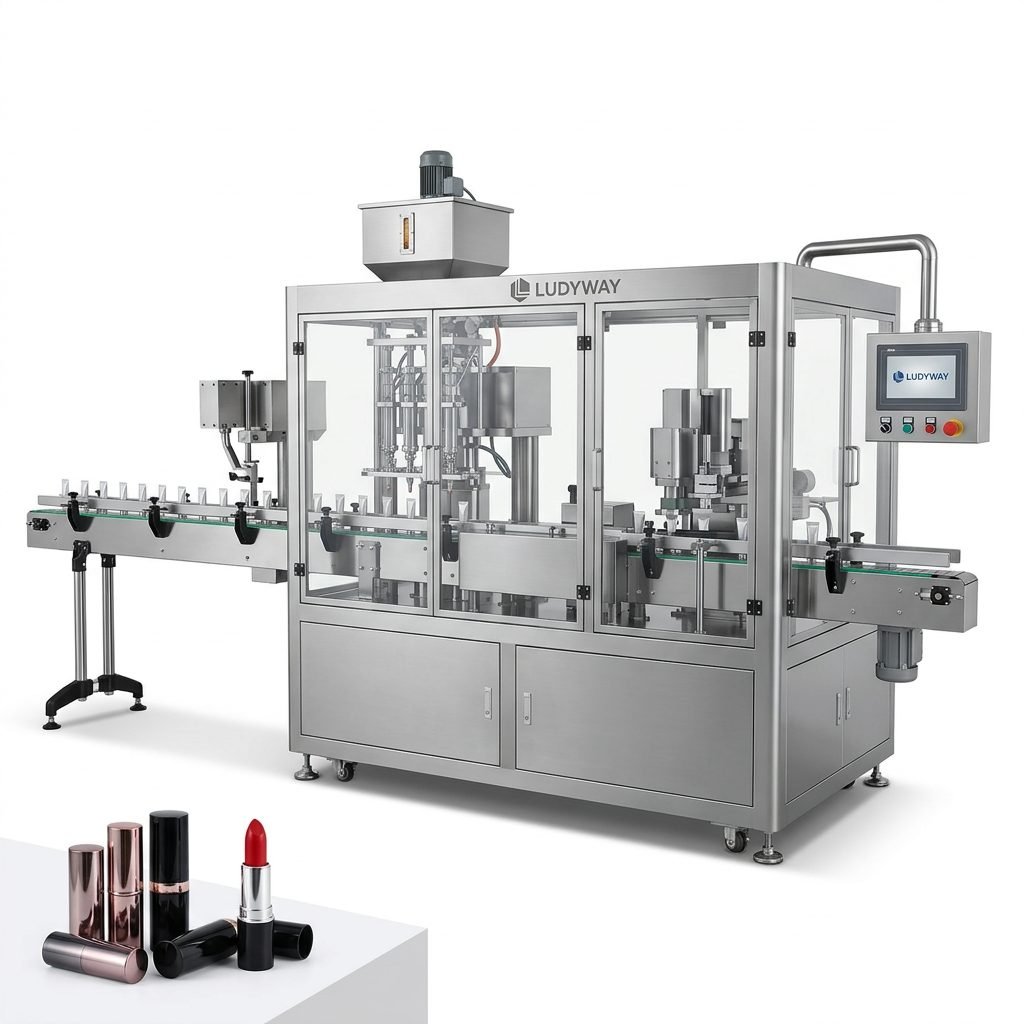
- Rotary Premade Pouch Fillers: Used for stand-up pouches, zipper bags, and spouted pouches — increasingly popular for premium wet pet food products.
- Liquid Filling and Sealing Systems: Designed for wet pet food, gravy-based products, and liquid supplements.
3. Secondary Packaging Equipment
After primary packaging, products require secondary packaging for distribution. This stage includes cartoning machines, case packers, and shrink wrapping systems. Automated cartoning significantly increases throughput while reducing manual labor requirements. Modern systems can handle multiple sachet or stick pack counts per carton with precision.
4. End-of-Line Automation
Robotic palletizing, stretch wrapping, and automated guided vehicles (AGVs) complete the end-of-line process. These systems reduce workplace injuries, improve consistency, and enable lights-out manufacturing for high-volume production environments.
Step-by-Step Production Line Setup Guide
Setting up a pet food packaging line in China requires methodical planning and execution. Follow these steps to ensure a smooth implementation:
Step 1: Define Product and Packaging Specifications
Begin by clearly documenting your product characteristics — particle size, bulk density, moisture content, and flowability. Specify your target packaging format (bag size, material, closure type), production speed (packages per minute), and batch changeover frequency. This information forms the technical foundation for equipment selection and line layout design.
Step 2: Select a Reliable Equipment Manufacturer
Choosing the right manufacturing partner is critical. Evaluate potential suppliers based on their industry experience, technical certifications, manufacturing capabilities, and after-sales support. Look for manufacturers with a proven track record in food-grade packaging equipment and familiarity with international regulatory requirements. One notable manufacturer in this space is Ludyway, which operates a 20,000㎡ production facility in Guangdong, China, and serves customers in over 100 countries with more than 50 intelligent packaging machine models for granule, powder, liquid, and pouch applications.
Step 3: Design the Line Layout
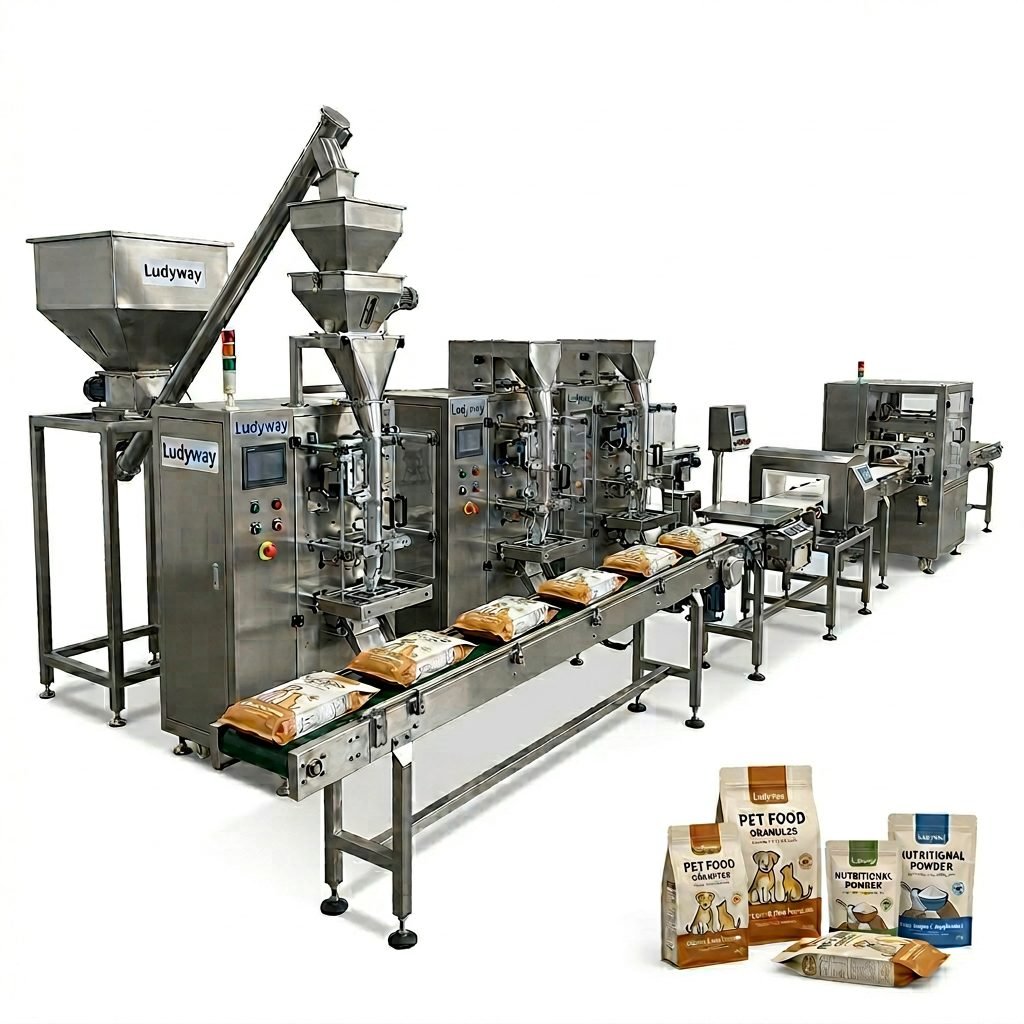
Work with your equipment supplier to design an optimized floor layout that maximizes material flow efficiency. Consider factors such as raw material input points, operator workstations, quality inspection zones, and finished goods staging areas. A well-planned layout minimizes product travel distance, reduces contamination risks, and accommodates future expansion.
Step 4: Prepare Your Facility
Ensure your production facility meets the necessary infrastructure requirements, including adequate electrical supply, compressed air systems, dust extraction, and climate control. Food-grade production areas must comply with local and international hygiene standards. Floor surfaces should be non-porous, easy to clean, and resistant to chemical sanitizers.
Step 5: Installation, Commissioning, and Training
Professional installation and commissioning are essential for achieving optimal machine performance. Most reputable Chinese manufacturers offer on-site installation services with experienced engineers who handle mechanical assembly, electrical integration, and software configuration. Comprehensive operator training should cover daily operation, cleaning procedures, troubleshooting, and basic maintenance tasks.
Quality Assurance and Regulatory Compliance
Pet food packaging must meet stringent food safety standards in your target markets. Key regulatory frameworks include:
- FDA 21 CFR Part 110: Current Good Manufacturing Practice (cGMP) for food products sold in the United States.
- EU Regulation (EC) No 852/2004: Hygiene rules for food products in the European Union, including packaging and packaging waste regulations.
- ISO 22000: Food safety management systems applicable to packaging operations globally.
- BRCGS Packaging Materials: Global standard for packaging and packaging materials certification.
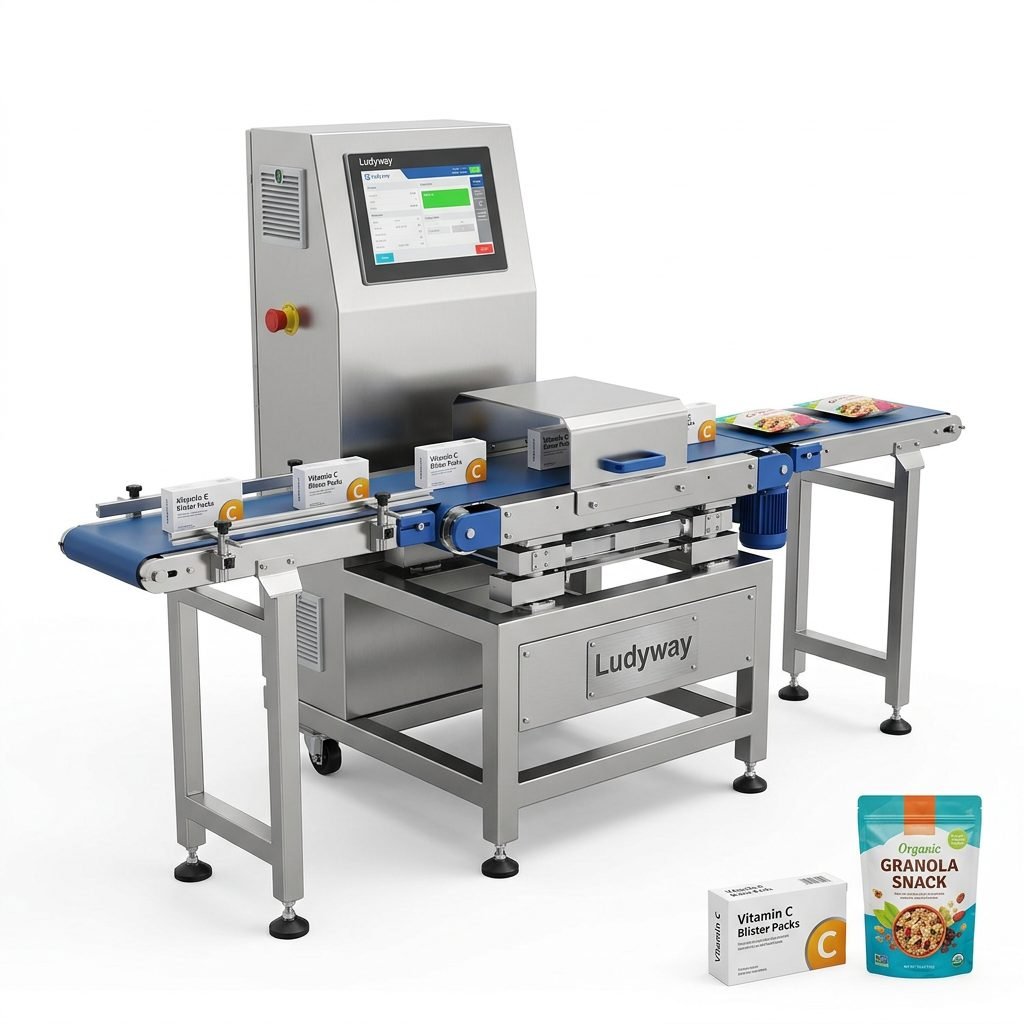
Implement in-line quality control systems including checkweighers, metal detectors, X-ray inspection, and vision inspection for label verification. These systems ensure every package meets weight specifications, is free from contaminants, and carries accurate labeling before distribution. Refer to FDA food packaging guidelines for detailed requirements on food contact substances and packaging materials.
Maintenance and Technical Support
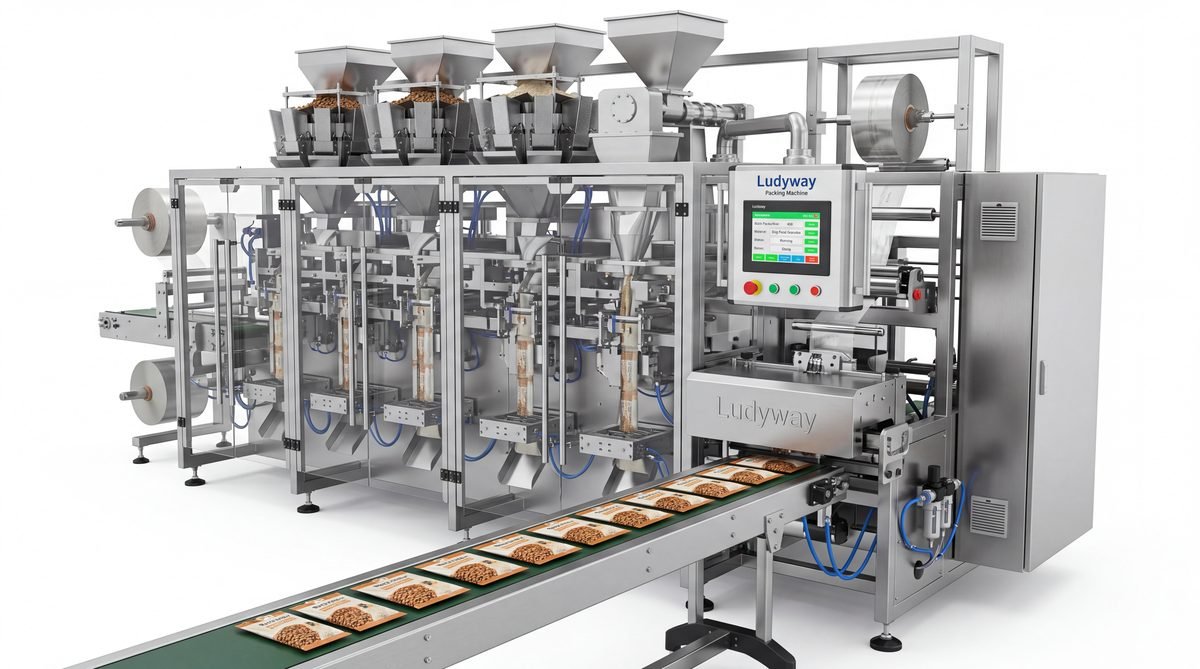
A proactive maintenance program extends equipment lifespan and prevents unplanned downtime. Establish a preventive maintenance schedule covering daily, weekly, monthly, and quarterly tasks. Critical maintenance activities include:
- Cleaning and sanitizing product contact surfaces per food safety protocols.
- Inspecting and replacing wear parts such as sealing jaws, cutting blades, and belts.
- Lubricating mechanical components with food-grade lubricants.
- Calibrating sensors, load cells, and temperature controllers.
- Updating machine software and firmware as recommended by the manufacturer.
Establish a spare parts inventory for critical components to minimize repair lead times. Many manufacturers offer remote diagnostic capabilities, allowing technicians to troubleshoot issues via internet connection before dispatching on-site support.
Cost Considerations and ROI Analysis
Understanding the total cost of ownership helps in making informed investment decisions. Below is a breakdown of typical cost components for setting up a pet food packaging production line in China:
| Cost Category | Description | Estimated Range (USD) |
|---|---|---|
| Primary Packaging Machine | Multi-lane stick pack or VFFS with weigher | $25,000 – $120,000 |
| Secondary Packaging | Cartoning machine, case packer | $15,000 – $80,000 |
| End-of-Line Equipment | Palletizer, stretch wrapper, conveyors | $20,000 – $100,000 |
| QC and Inspection Systems | Checkweigher, metal detector, X-ray, vision | $10,000 – $60,000 |
| Installation and Commissioning | On-site setup, training, and documentation | $5,000 – $25,000 |
| Facility Modifications | Electrical, compressed air, dust extraction, flooring | $10,000 – $50,000 |
The return on investment (ROI) typically materializes within 18-36 months through increased production capacity, reduced labor costs, lower product giveaway, and minimized packaging material waste. Companies exporting to regulated markets benefit from improved compliance and market access, which further accelerates ROI.
Common Challenges and Solutions
| Challenge | Impact | Recommended Solution |
|---|---|---|
| Inconsistent product flow | Weight variation, jams, downtime | Install vibratory feeders with level sensors; optimize hopper design for your specific product characteristics. |
| Seal integrity issues | Leaks, contamination, product returns | Calibrate sealing temperature, pressure, and dwell time; use quality packaging films with consistent gauge and sealant layers. |
| Frequent changeover delays | Reduced OEE, missed production targets | Select machines with tool-less changeover features; implement SMED (Single-Minute Exchange of Die) methodology. |
| Dust contamination | Cross-contamination, equipment wear | Integrate dust extraction hoods; use enclosed conveying systems; implement regular cleaning protocols. |
| Regulatory non-compliance | Import rejections, legal penalties | Work with manufacturers familiar with ISO packaging standards and target market regulations; conduct third-party audits before shipment. |
Industry Resources and Further Reading
Stay informed about packaging industry trends and standards through these authoritative resources:
- PMMI – The Association for Packaging and Processing Technologies
- Flexible Packaging Association – Industry Resources
- FDA – Packaging and Food Contact Substances (FCS)
- PACK EXPO International – Leading Packaging Trade Show
- ISO 11607 – Packaging Standards Reference
- U.S. EPA – Sustainable Materials Management for Packaging
Conclusion: Building a Future-Ready Pet Food Packaging Operation
Setting up a pet food packaging machine production line in China offers substantial advantages in terms of cost, customization, and speed to market. Success depends on thorough planning, selecting the right equipment partners, and implementing robust quality management systems. By following the structured approach outlined in this guide — from defining product specifications and choosing reliable manufacturers to designing efficient layouts and establishing preventive maintenance programs — you can build a packaging operation that delivers consistent quality, meets international regulatory standards, and scales with your business growth.
The global pet food market continues to expand, with increasing demand for premium, functional, and convenience-oriented products. A well-designed packaging line positions your manufacturing operation to capture this growth while maintaining operational efficiency and product integrity. Whether you are launching a new production facility or upgrading an existing line, investing in the right packaging technology and partnerships today will generate returns for years to come.
Contact Details:
- E-Mail: info@ludyway.com
- WhatsApp: +8613129592456
- Address: Nanlang Town, Zhongshan, Guangdong, China.