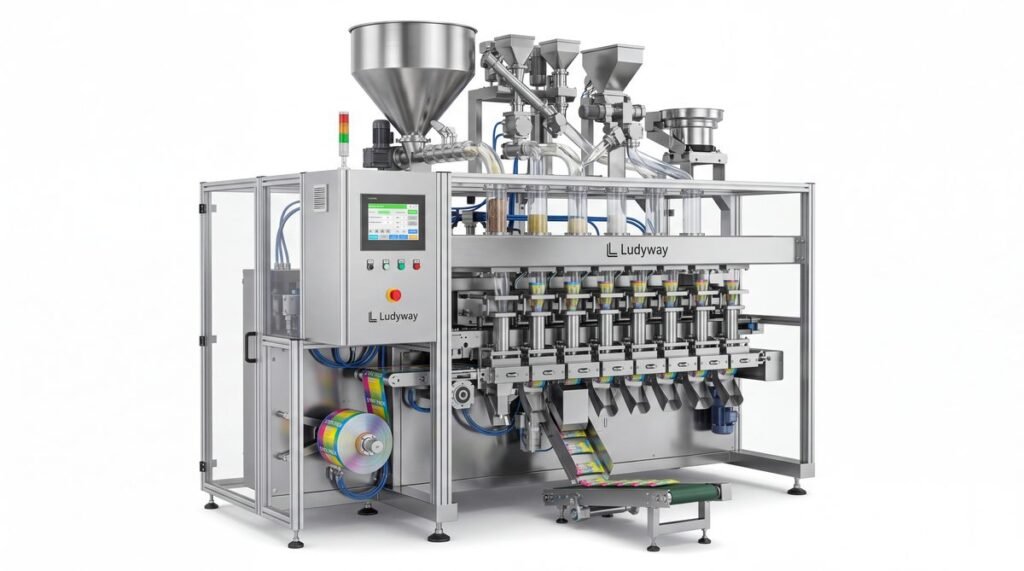
The Indian pet food industry is experiencing unprecedented growth, driven by rising pet ownership, increasing disposable incomes, and a growing awareness of pet nutrition. Setting up a pet food packaging machine production line in India requires careful planning, from understanding market dynamics to selecting the right equipment and navigating regulatory frameworks. This comprehensive guide walks you through every step of the process.
Understanding the Indian Pet Food Market Opportunity
India’s pet food market has been expanding at a compound annual growth rate (CAGR) of over 15% in recent years. The shift from home-cooked meals to commercially packaged pet food is accelerating, creating substantial demand for efficient packaging solutions. Key product categories include dry kibble, wet food, treats, and supplements — each requiring specific packaging formats such as multi-lane stick packs, sachets, and pouches. Understanding these format preferences is essential before investing in a production line.
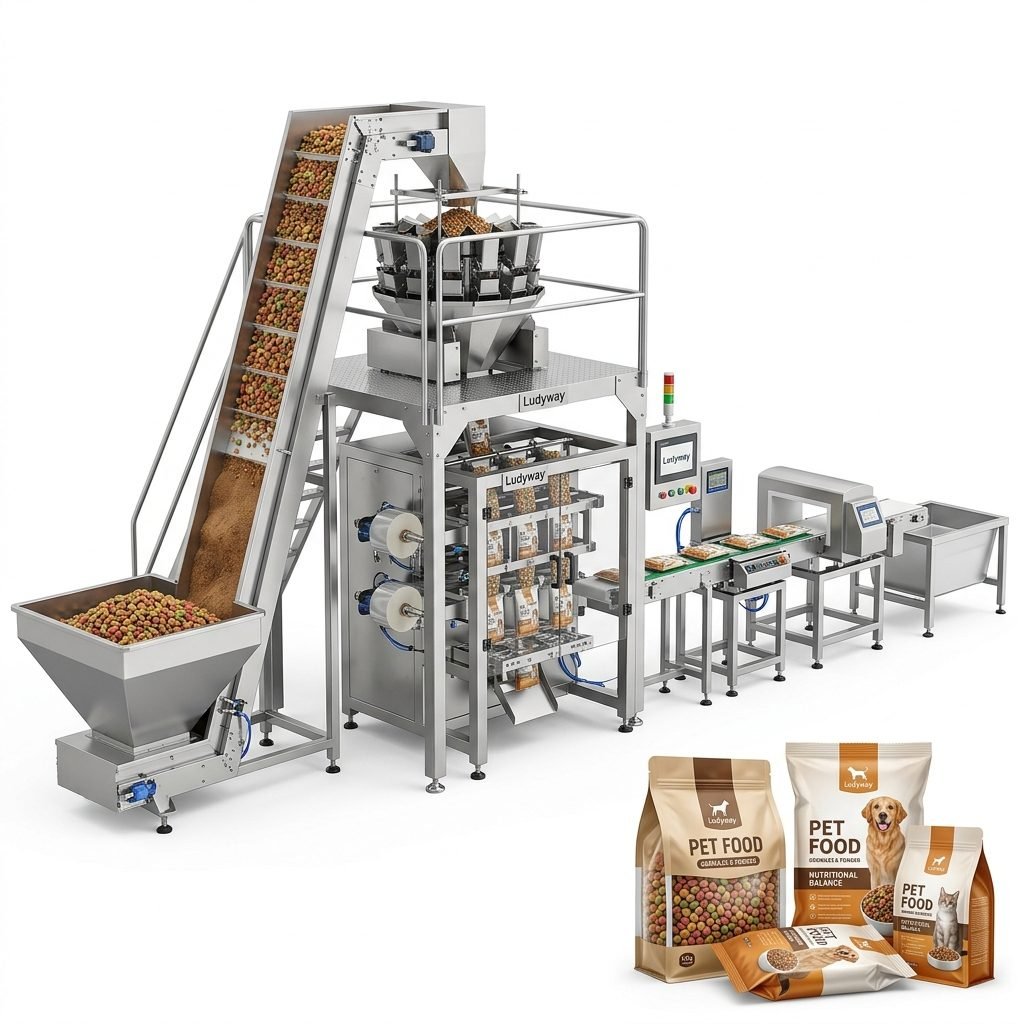
Key Components of a Pet Food Packaging Production Line
A complete pet food packaging line consists of several integrated systems working in harmony. Below are the essential components you need to consider for your Indian facility:
Feeding and Conveying Systems
The first stage involves transporting raw pet food materials — whether granules, kibble, or powder — into the packaging system. Bucket elevators, vibratory feeders, and screw conveyors are commonly used depending on the product characteristics. For dry kibble, gentle handling is critical to prevent product breakage and maintain visual appeal on retail shelves. Manufacturers must select conveying equipment that matches their specific material handling requirements.
Weighing and Dosing Equipment
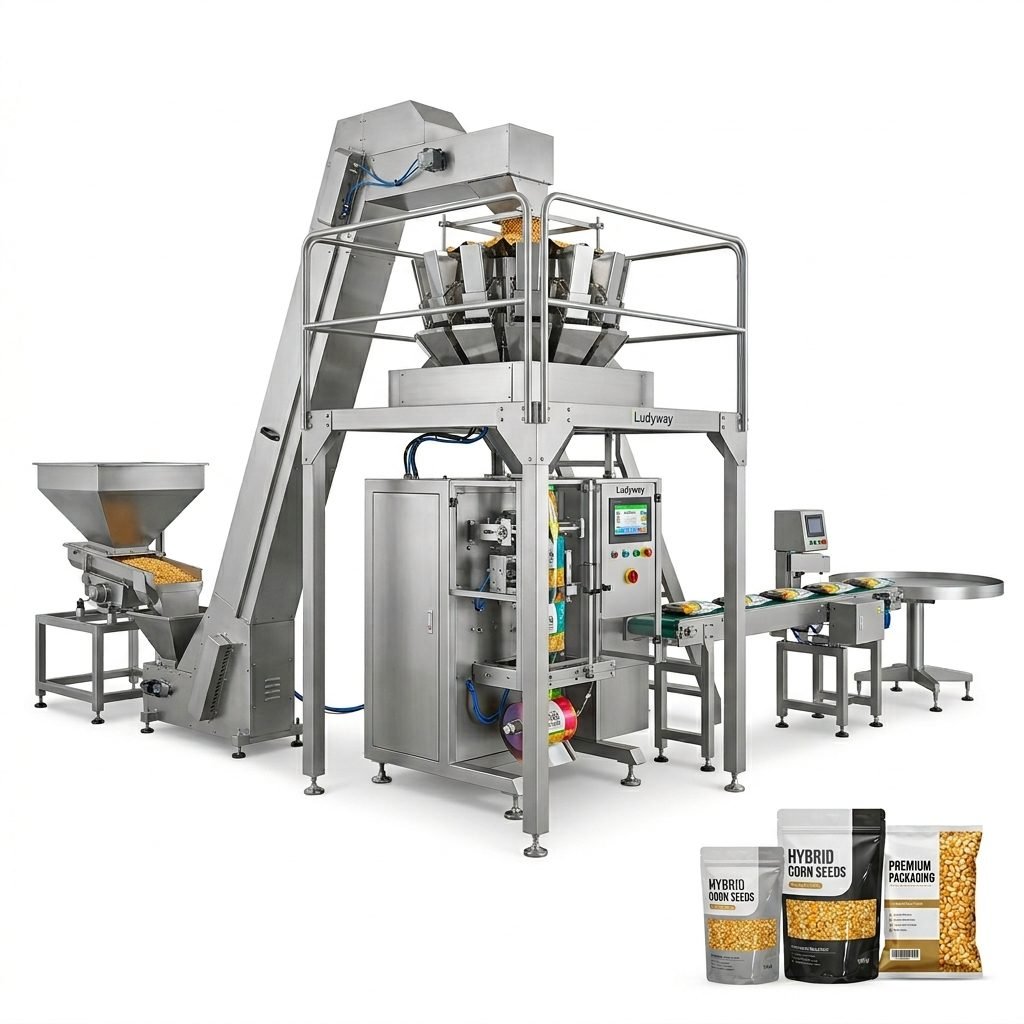
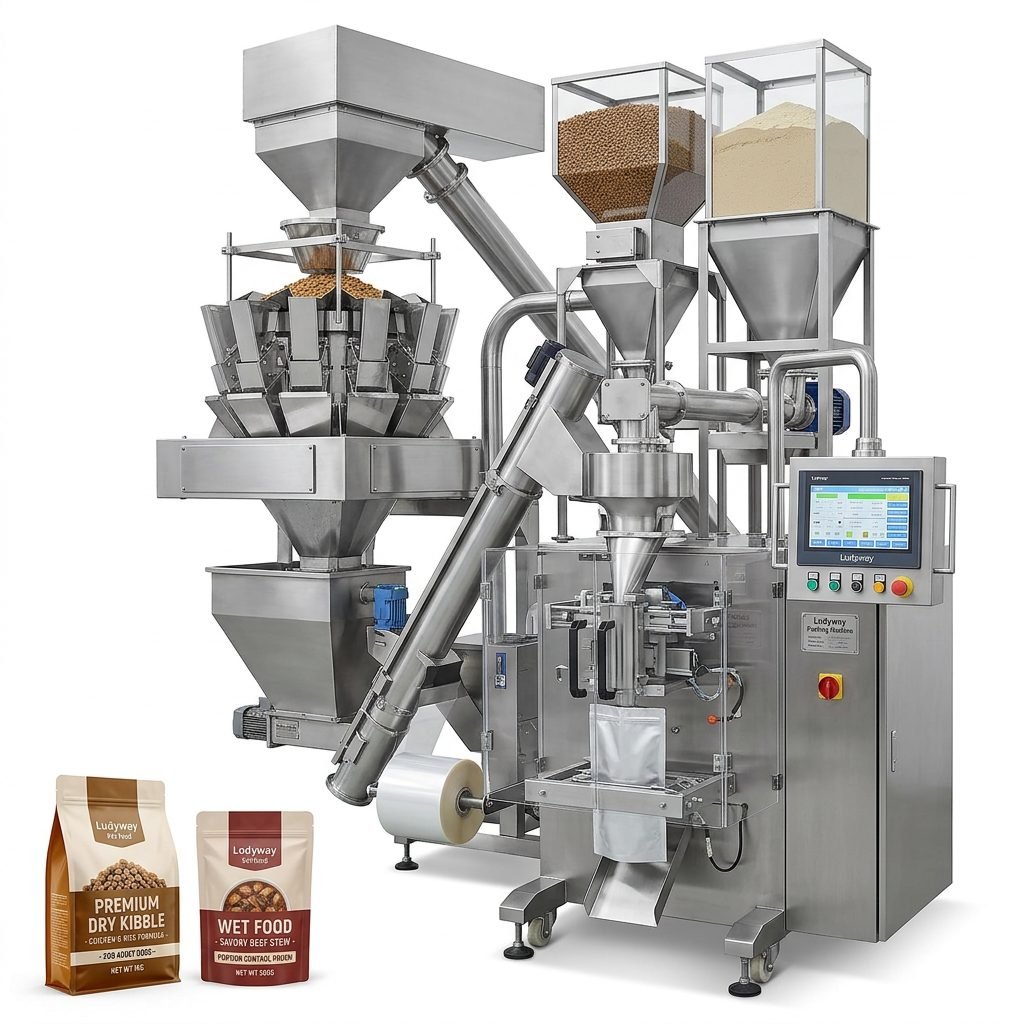
Accurate portion control is vital for both product consistency and regulatory compliance. Multi-head weighers offer high-speed precision for granules and kibble, while auger fillers are better suited for powders and fine-particle products. The choice between volumetric and gravimetric dosing depends on your target throughput and the physical properties of the pet food being packaged. Indian regulations, aligned with international food safety standards, require stringent weight accuracy.
Primary Packaging Machinery
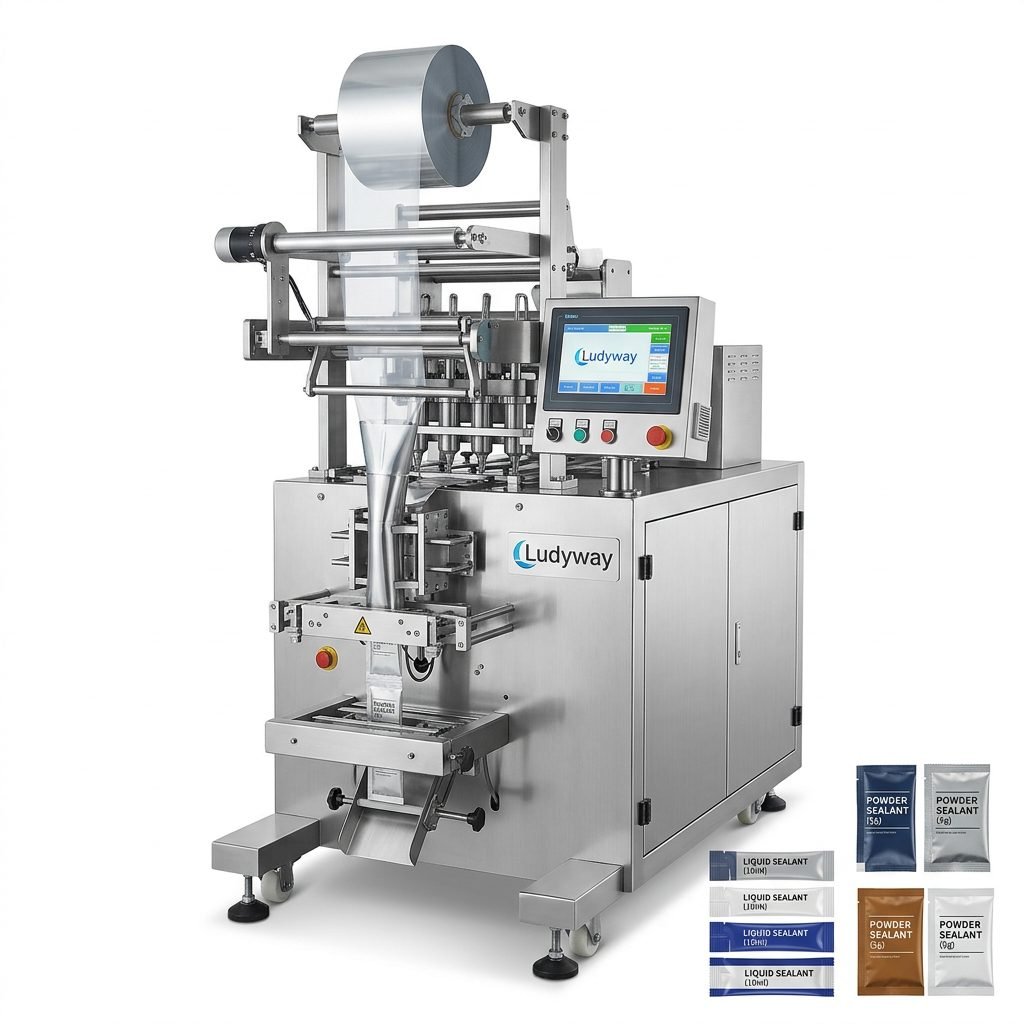
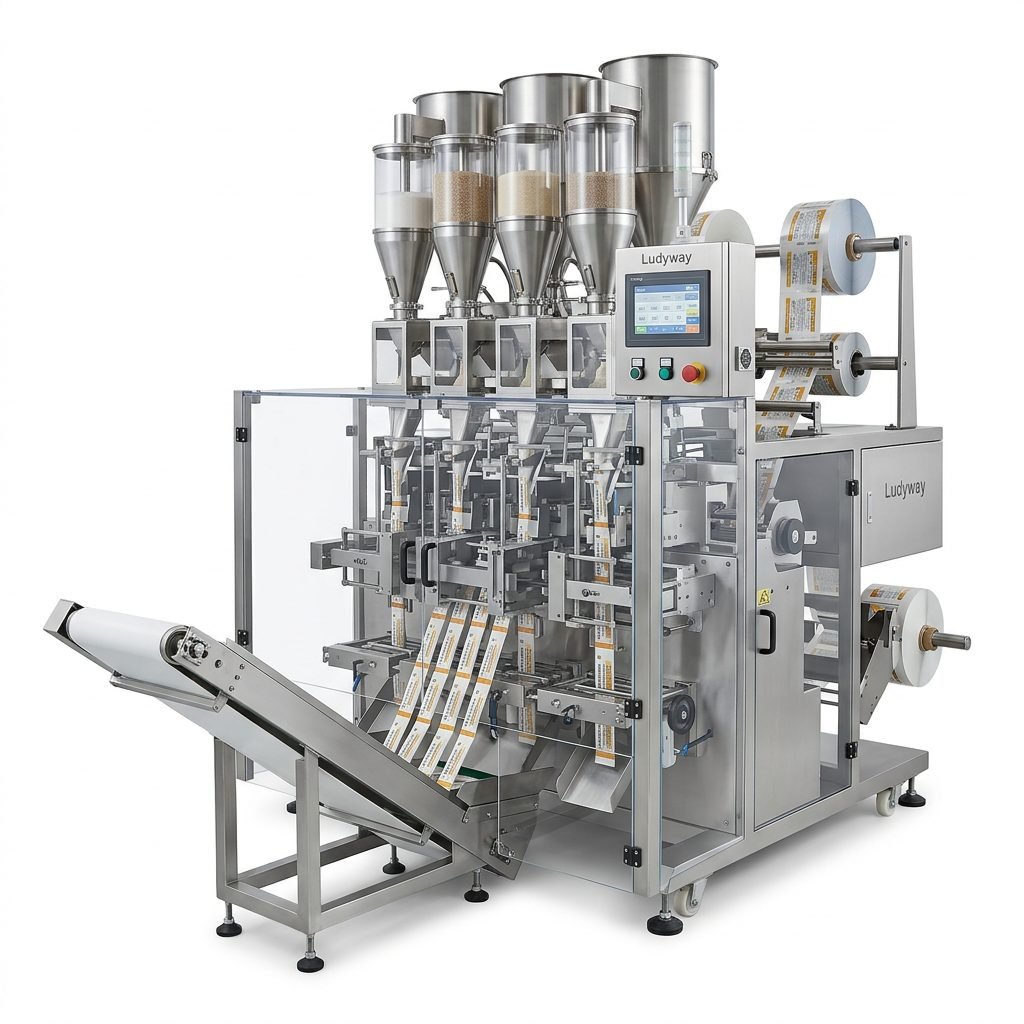
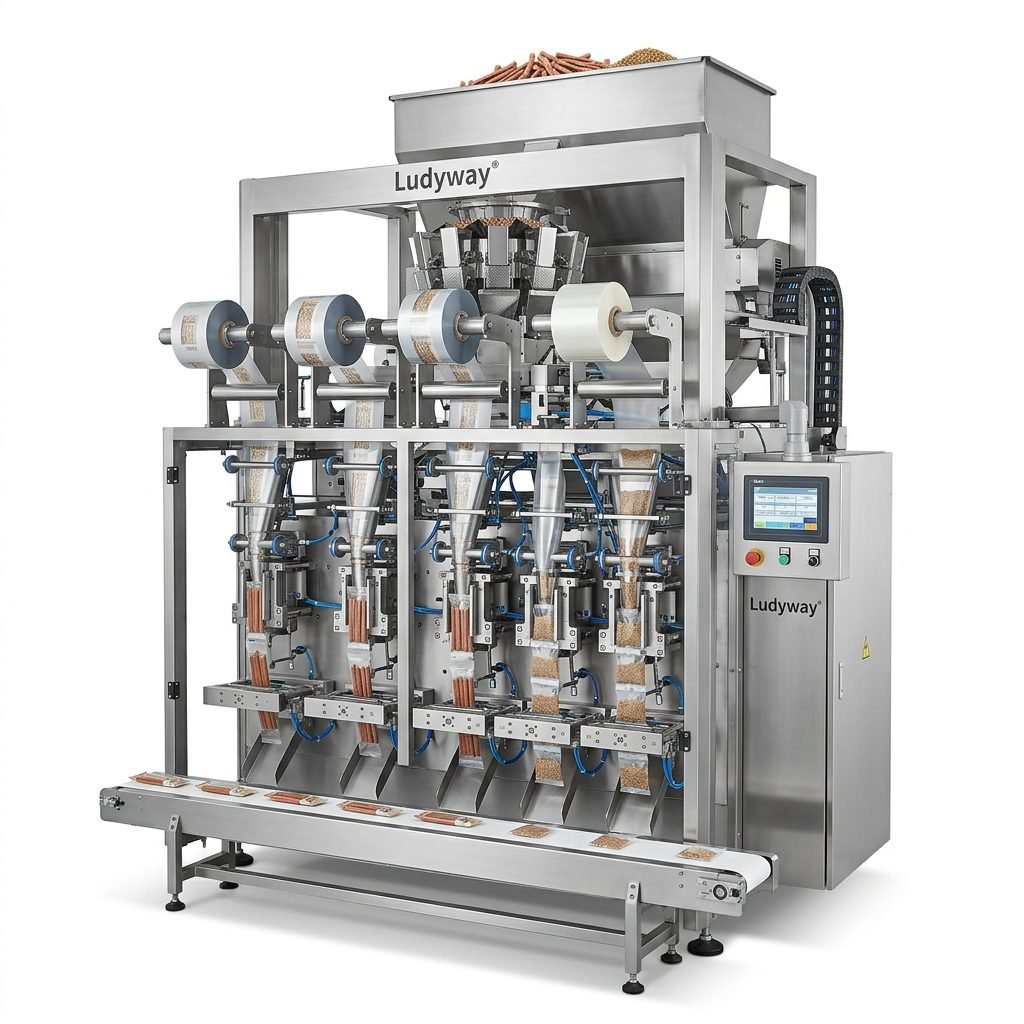
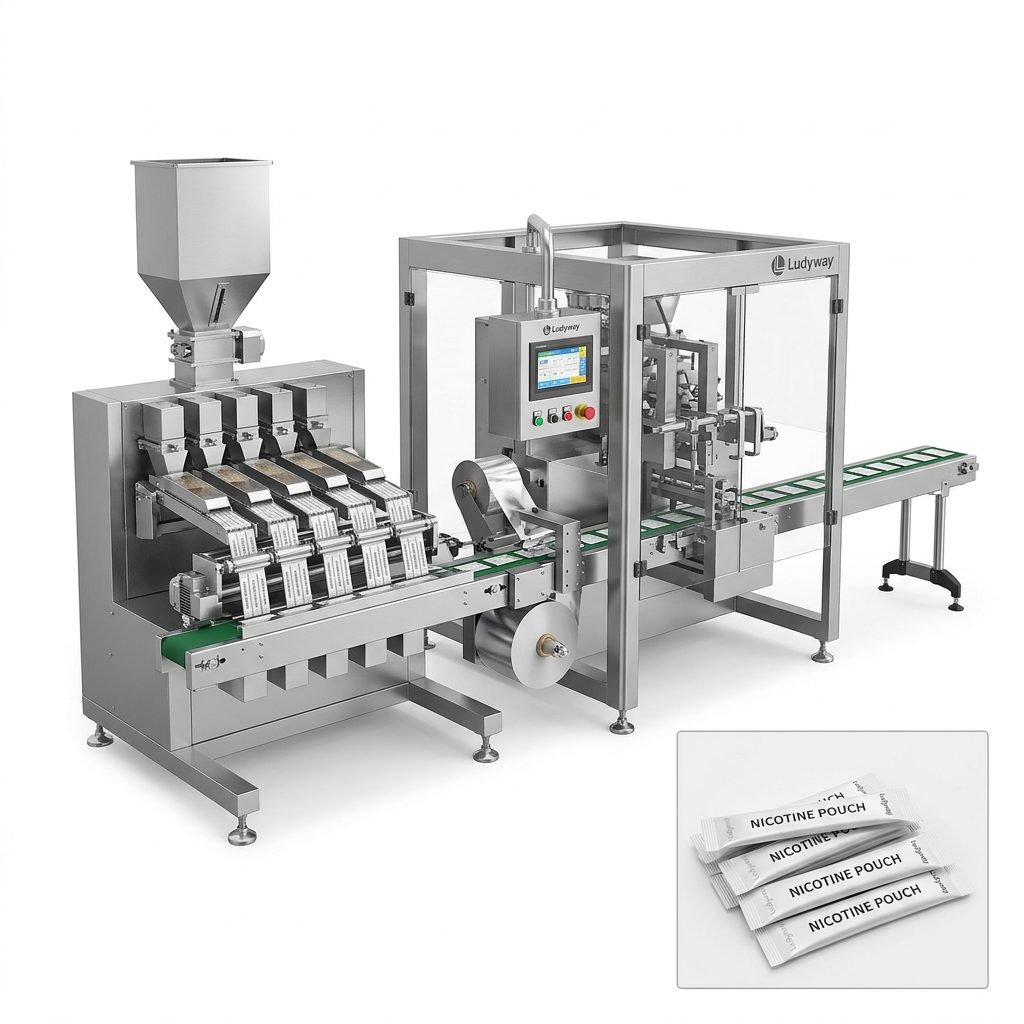
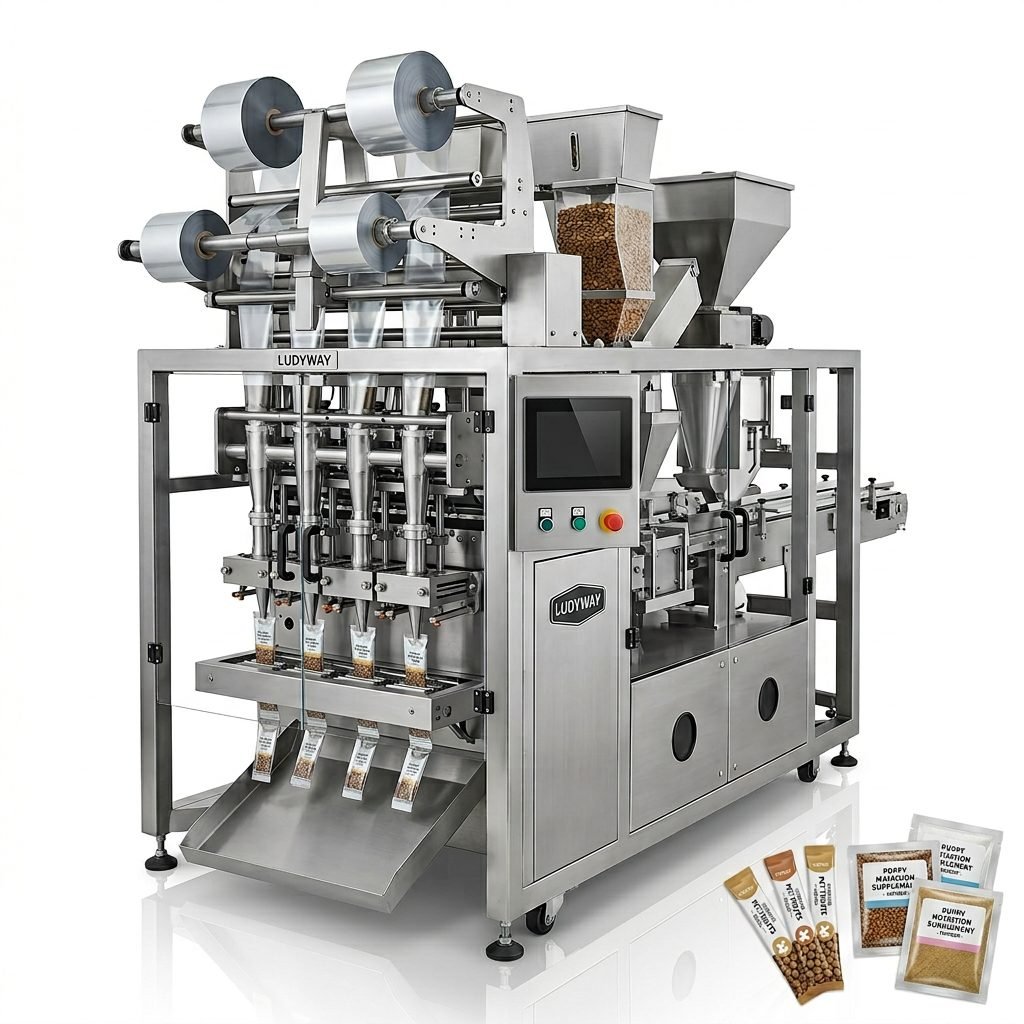
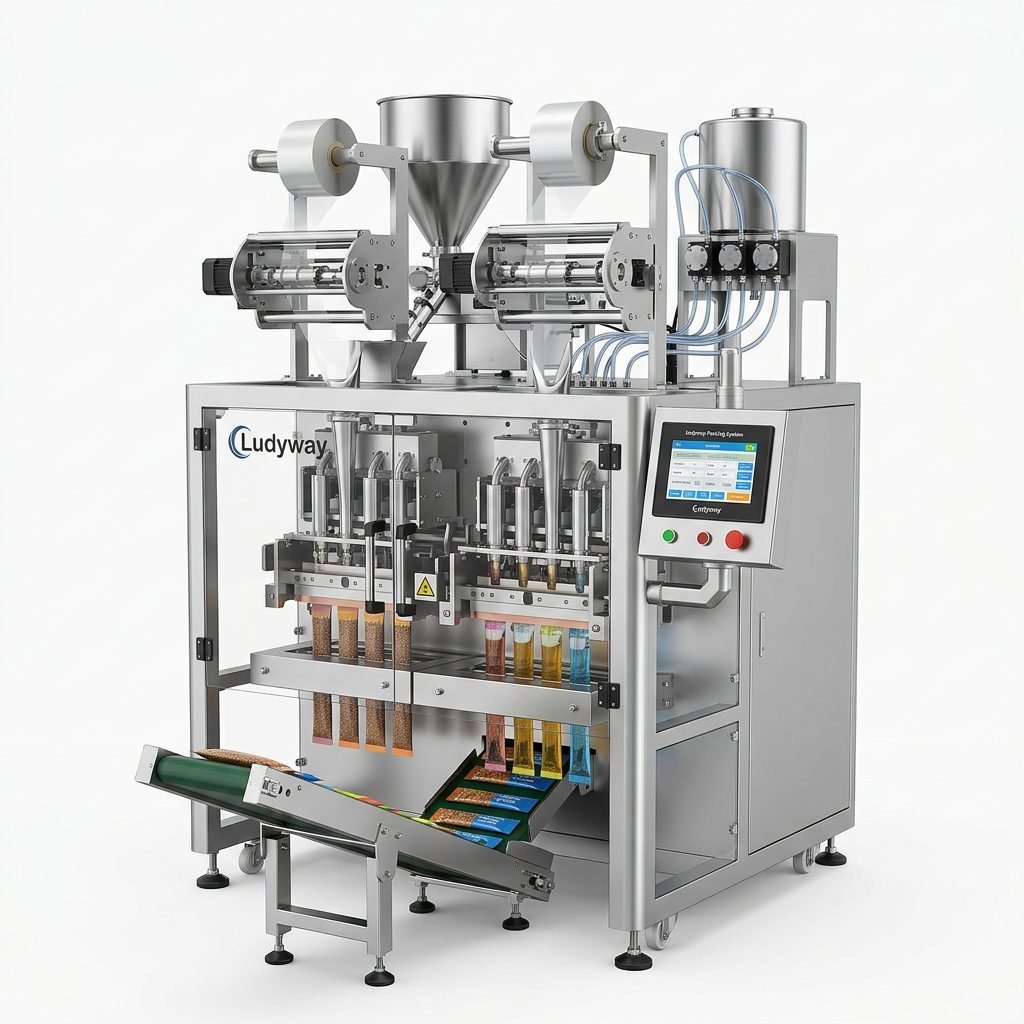
This is the core of your production line. For the Indian market, multi-lane stick pack machines and sachet packaging systems are increasingly popular due to their cost-effectiveness and consumer convenience. These machines form, fill, and seal packages at high speeds, typically ranging from 30 to 80 packs per lane per minute. Key considerations include:
- Packaging format: Stick packs, sachets, pouches, or stand-up bags depending on product type and market positioning.
- Film material compatibility: Machines must handle multi-layer laminates that provide moisture and oxygen barriers essential for pet food shelf life.
- Production capacity: Match machine speed with your projected output — a 4-lane system producing 40 packs per lane per minute can deliver over 9,600 packs per hour.
- Changeover flexibility: Quick-change features reduce downtime when switching between different product SKUs or package sizes.
- Nitrogen flushing capability: Extends shelf life by reducing oxygen content inside the package, critical for premium pet food brands.
Secondary and End-of-Line Equipment
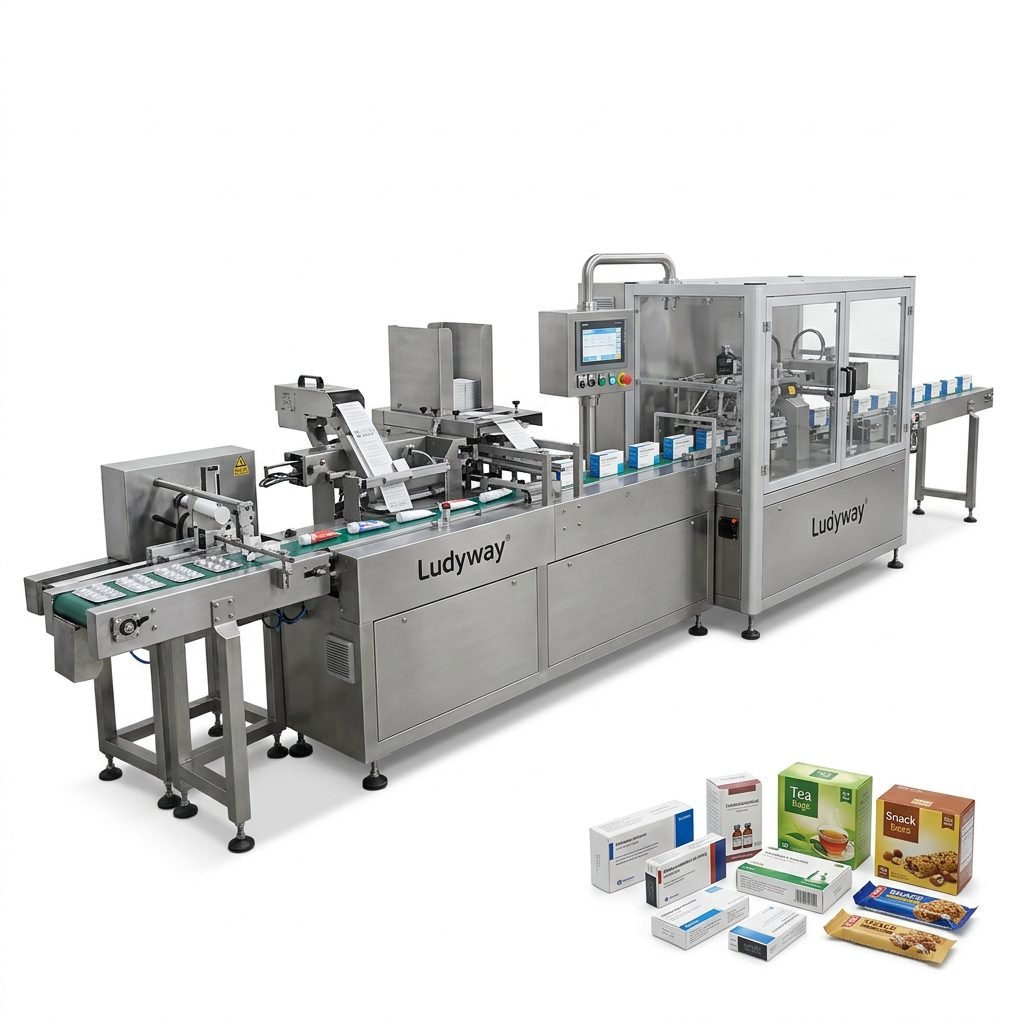
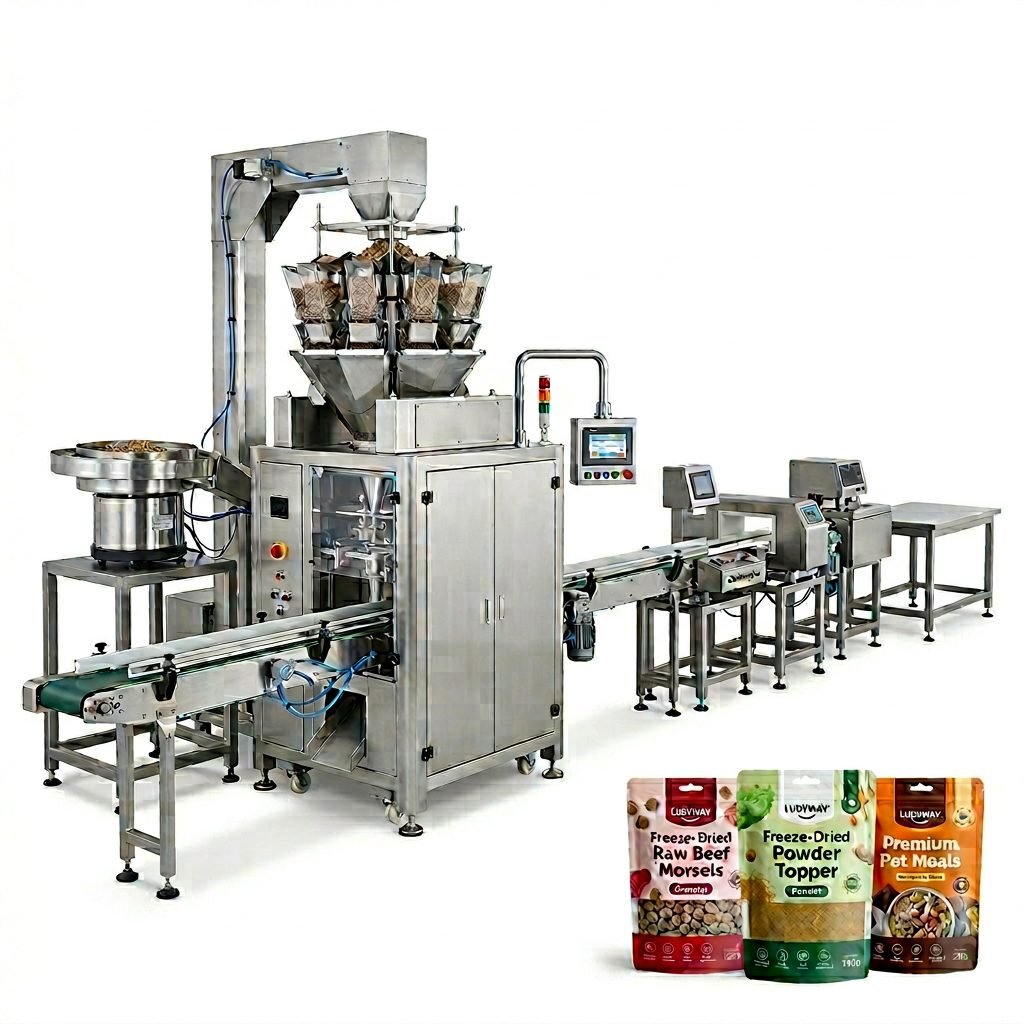
Beyond primary packaging, your production line needs cartoning machines, case packers, checkweighers, and palletizing systems. Automated inspection systems including metal detectors and X-ray machines are increasingly mandated by export-oriented Indian manufacturers to meet international buyer requirements. Date coding and labeling systems ensure traceability throughout the supply chain.
Step-by-Step Guide to Setting Up Your Production Line in India
Setting up a pet food packaging line involves a structured approach. The following table outlines the key phases and estimated timelines for a typical Indian installation:
| Phase | Key Activities | Estimated Duration |
|---|---|---|
| 1. Feasibility Study | Market analysis, product definition, capacity planning, budget estimation | 4–6 weeks |
| 2. Facility Preparation | Floor layout design, utility installation, cleanroom setup if required | 8–12 weeks |
| 3. Equipment Selection | Supplier evaluation, machine specification, order placement | 4–8 weeks |
| 4. Manufacturing & Delivery | Machine production, factory acceptance testing, shipping to India | 8–14 weeks |
| 5. Installation & Commissioning | On-site assembly, electrical and mechanical integration, trial runs | 3–5 weeks |
| 6. Training & Handover | Operator training, maintenance protocols, production ramp-up | 2–3 weeks |
Regulatory Compliance and Quality Standards
Pet food packaging in India falls under the purview of the Food Safety and Standards Authority of India (FSSAI). Additionally, manufacturers exporting to international markets must comply with destination country regulations. Key compliance areas include:
- FSSAI licensing: All pet food manufacturers must obtain appropriate FSSAI registration and adhere to labeling requirements including ingredient lists, nutritional information, and manufacturing dates.
- Food-grade packaging materials: All packaging films and materials must be certified food-grade and comply with migration limits for substances that contact pet food.
- ISO 22000 and HACCP: Implementing food safety management systems is strongly recommended and often required by export markets.
- BIS standards: The Bureau of Indian Standards provides guidelines for packaging materials and finished product specifications.
- Export certifications: For markets like the EU and US, additional certifications such as FDA food contact substance compliance and EU Regulation 1935/2004 apply.
Cost Considerations for Your Packaging Line Investment
The total investment for a pet food packaging production line in India varies significantly based on automation level, production capacity, and equipment origin. Below is a breakdown of typical cost factors:
| Cost Category | Description | Approximate Range (USD) |
|---|---|---|
| Primary Packaging Machine | Multi-lane stick pack or sachet machine (4–8 lanes) | $50,000 – $180,000 |
| Weighing & Feeding Systems | Multi-head weigher, conveyors, elevators | $25,000 – $80,000 |
| Inspection Equipment | Checkweigher, metal detector, X-ray system | $15,000 – $70,000 |
| End-of-Line Systems | Cartoner, case packer, palletizer | $40,000 – $200,000 |
| Installation & Commissioning | On-site setup, training, initial support | $10,000 – $35,000 |
Selecting the Right Equipment Supplier
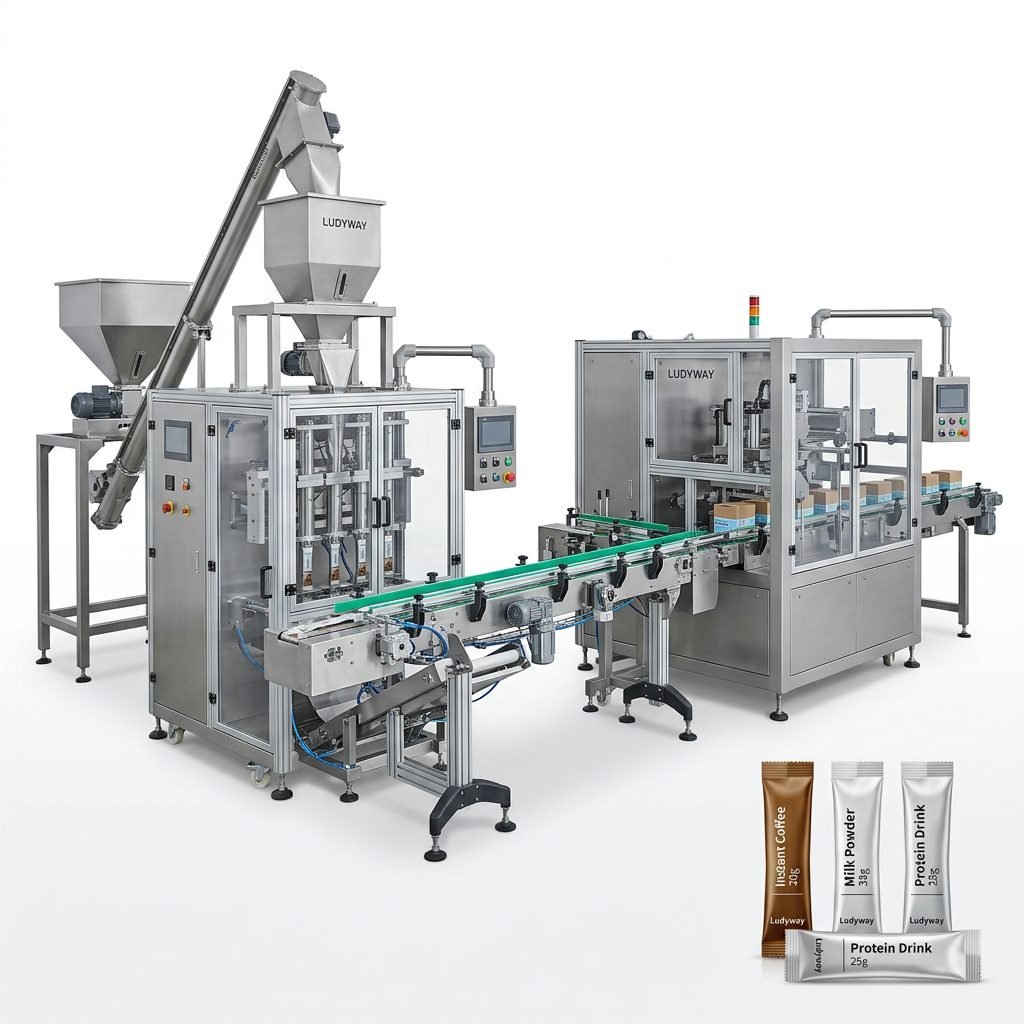
Choosing a reliable packaging machinery supplier is one of the most critical decisions in setting up your production line. When evaluating suppliers for the Indian market, consider factors such as after-sales service availability in India, spare parts accessibility, machine durability under tropical climate conditions, and compliance with Indian electrical standards. It is advisable to work with manufacturers that have proven international experience and can provide turnkey solutions including installation support. For instance, companies like Ludyway offer comprehensive packaging lines that cover everything from feeding and weighing to final cartoning, all backed by decades of engineering expertise and a global service network spanning over 100 countries. Evaluating supplier references, visiting operational installations, and reviewing warranty terms are essential steps before finalizing your equipment purchase.
Future-Proofing Your Production Line
The Indian pet food market is evolving rapidly, and your packaging line should be designed with scalability in mind. Consider modular equipment that allows you to add lanes or integrate new packaging formats as your business grows. Smart factory capabilities, including IoT-enabled monitoring and predictive maintenance features, are becoming increasingly important for maximizing operational efficiency. Staying informed about packaging industry trends and sustainability regulations will help you make strategic decisions that keep your production line competitive for years to come.
Common Challenges and How to Overcome Them
Setting up a packaging line in India comes with unique challenges that require proactive planning:
- Power supply instability: Install voltage stabilizers and backup generators to protect sensitive electronic components in packaging machinery.
- Humidity control: Pet food is hygroscopic; maintain controlled environment conditions in packaging areas to prevent moisture absorption and product degradation.
- Skilled labor availability: Invest in comprehensive operator training programs and partner with suppliers who offer ongoing technical support.
- Supply chain for packaging materials: Establish relationships with multiple film and packaging material suppliers to ensure uninterrupted production.
- Import duties and clearance: Work with experienced customs agents to navigate India’s import procedures for packaging machinery and spare parts.
| Packaging Format | Best Suited For | Popular in Indian Market |
|---|---|---|
| Stick Packs | Single-serve wet food, supplements, treats | High (growing rapidly) |
| Sachets / Pillow Pouches | Small-portion dry food, snacks | Very High |
| Stand-Up Pouches | Premium dry food, resealable formats | High |
| Flat Bottom Bags | Bulk pet food, large-volume retail packs | Moderate |
Setting up a pet food packaging machine production line in India is a strategic investment that requires thorough planning across market analysis, equipment selection, regulatory compliance, and operational readiness. By focusing on the right packaging formats, partnering with experienced equipment suppliers, and building flexibility into your production line design, you can position your business to capture a significant share of India’s rapidly growing pet food market. The key to long-term success lies in choosing equipment that balances speed, accuracy, and reliability while remaining adaptable to future market demands.