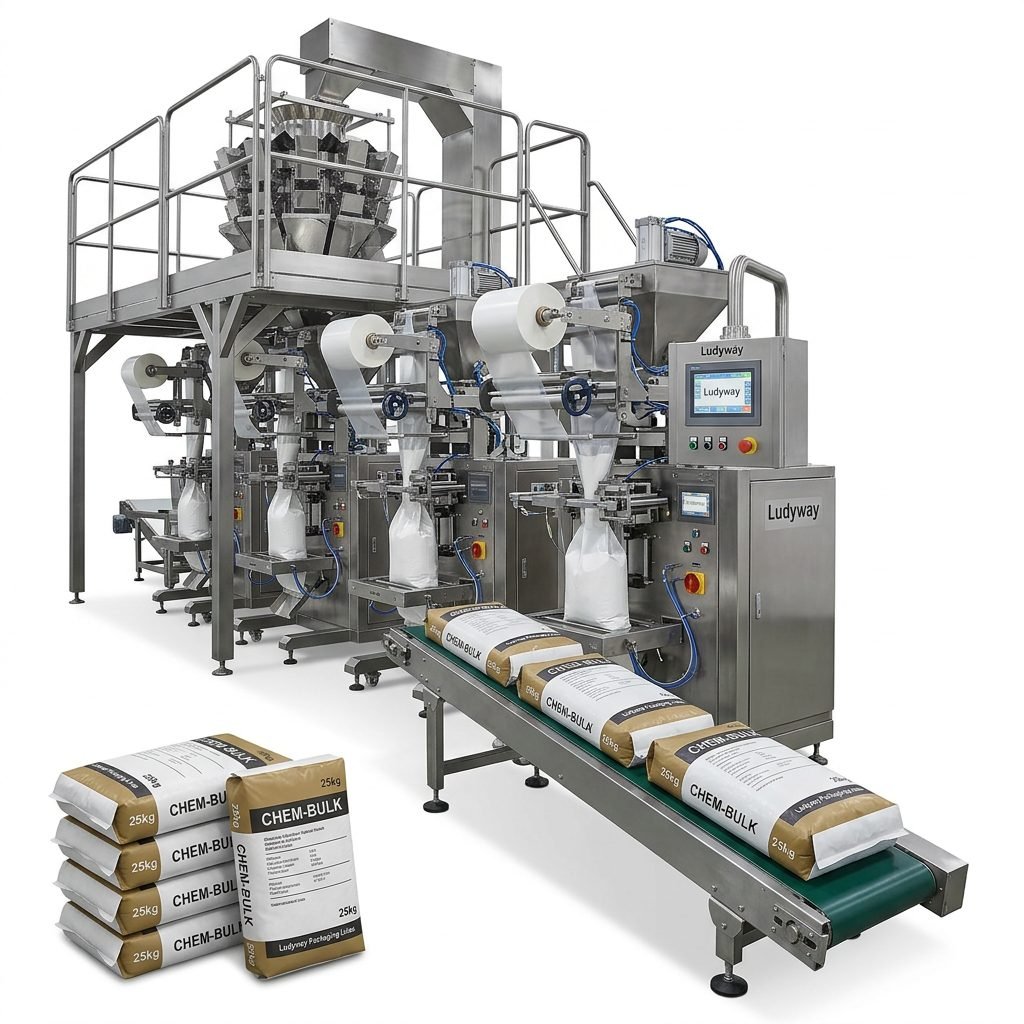
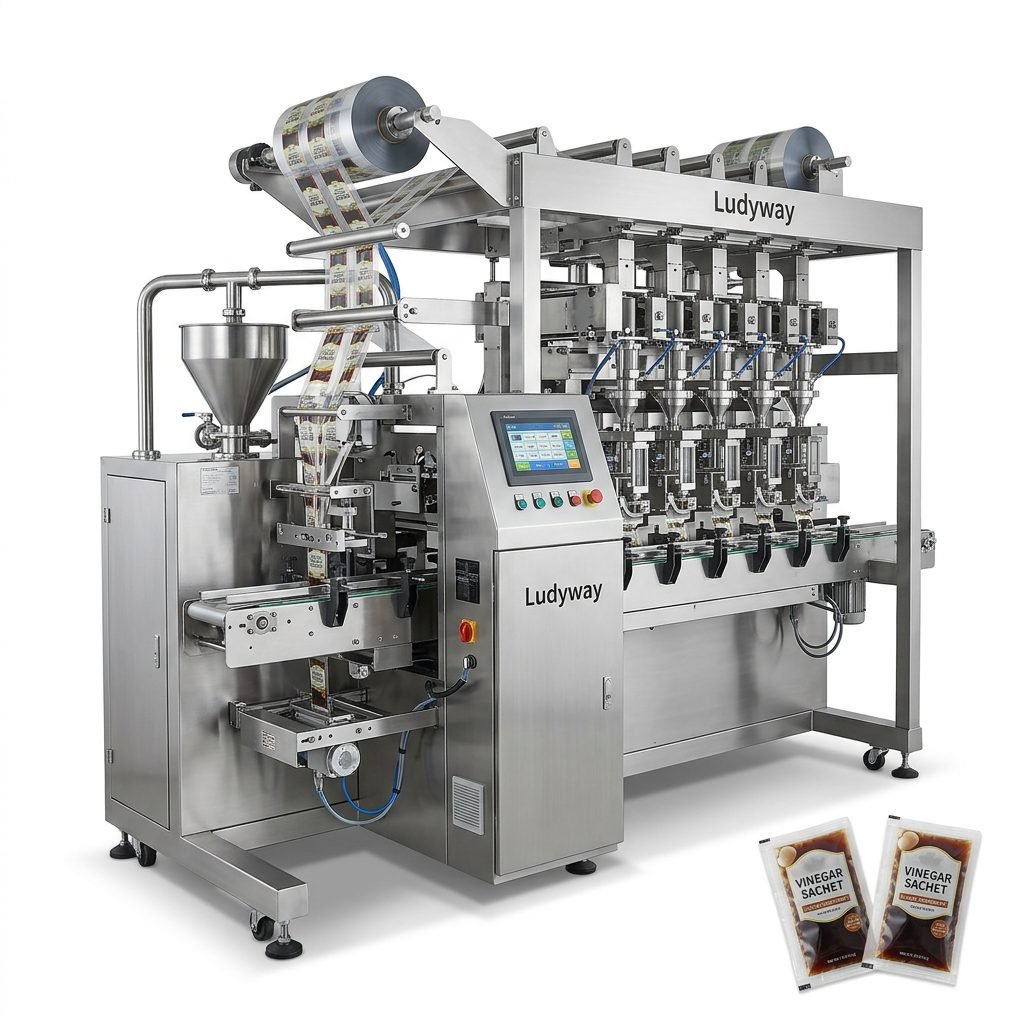
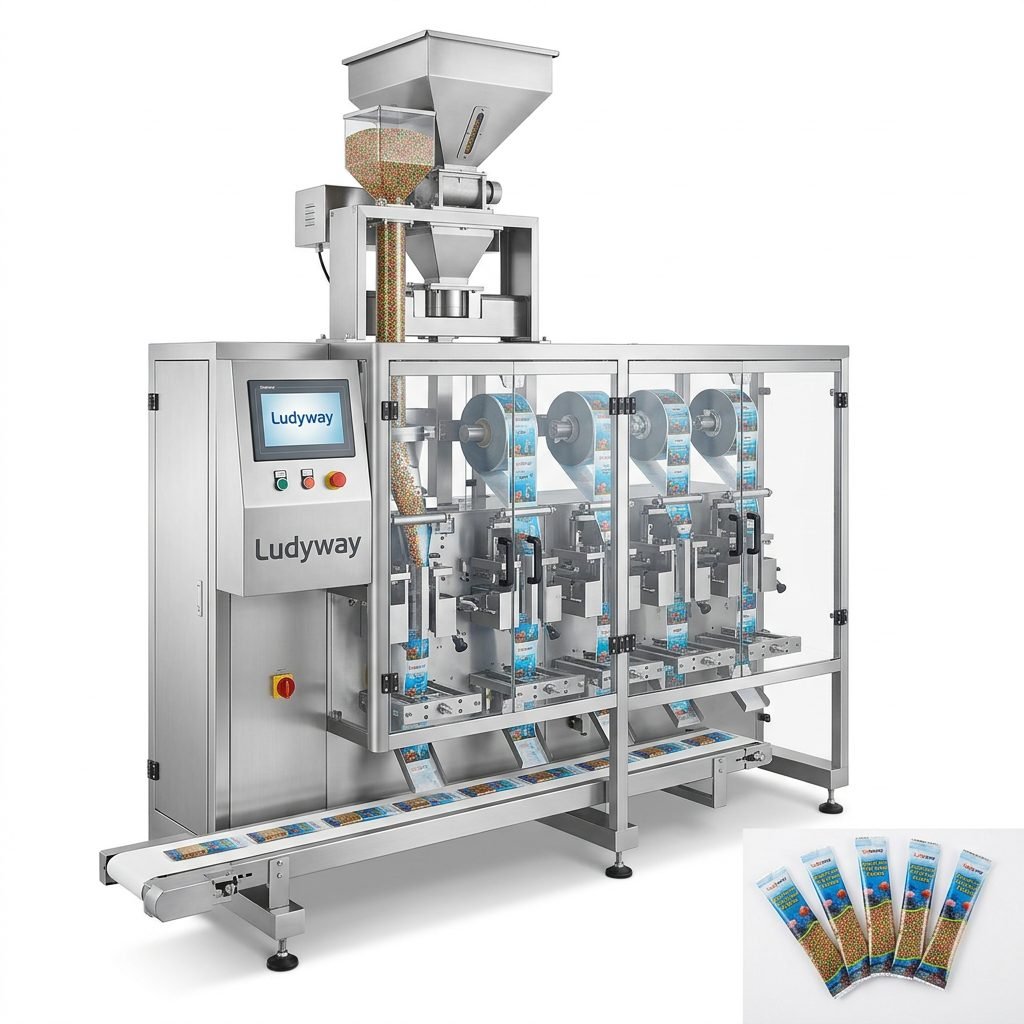
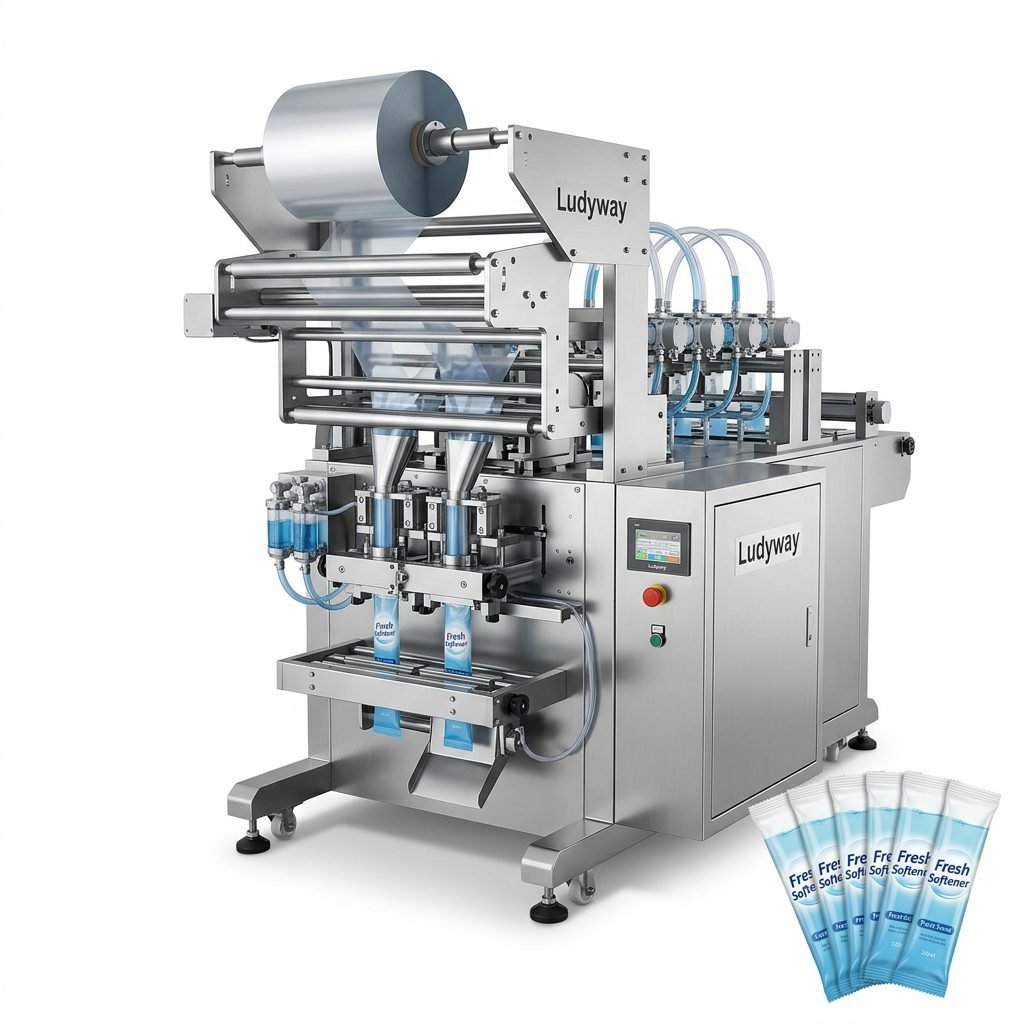
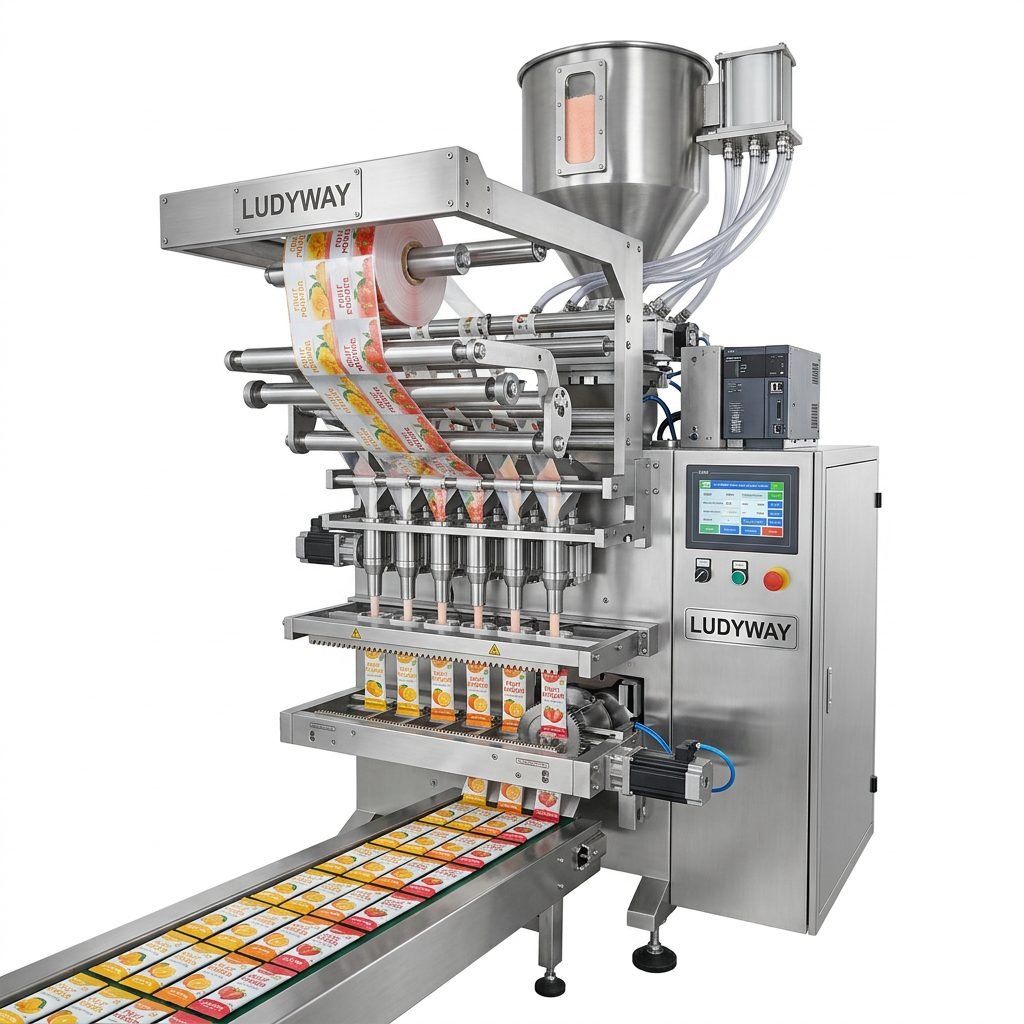
Proper maintenance is the cornerstone of reliable pharmaceutical production. An automatic tablet packing machine represents a significant investment, and a well-structured maintenance program can extend its service life, reduce unplanned downtime, and ensure consistent packaging quality. Neglecting routine care often leads to misaligned sealing jaws, inaccurate counting sensors, and costly emergency repairs that disrupt your entire production schedule.
Understanding Your Automatic Tablet Packing Machine
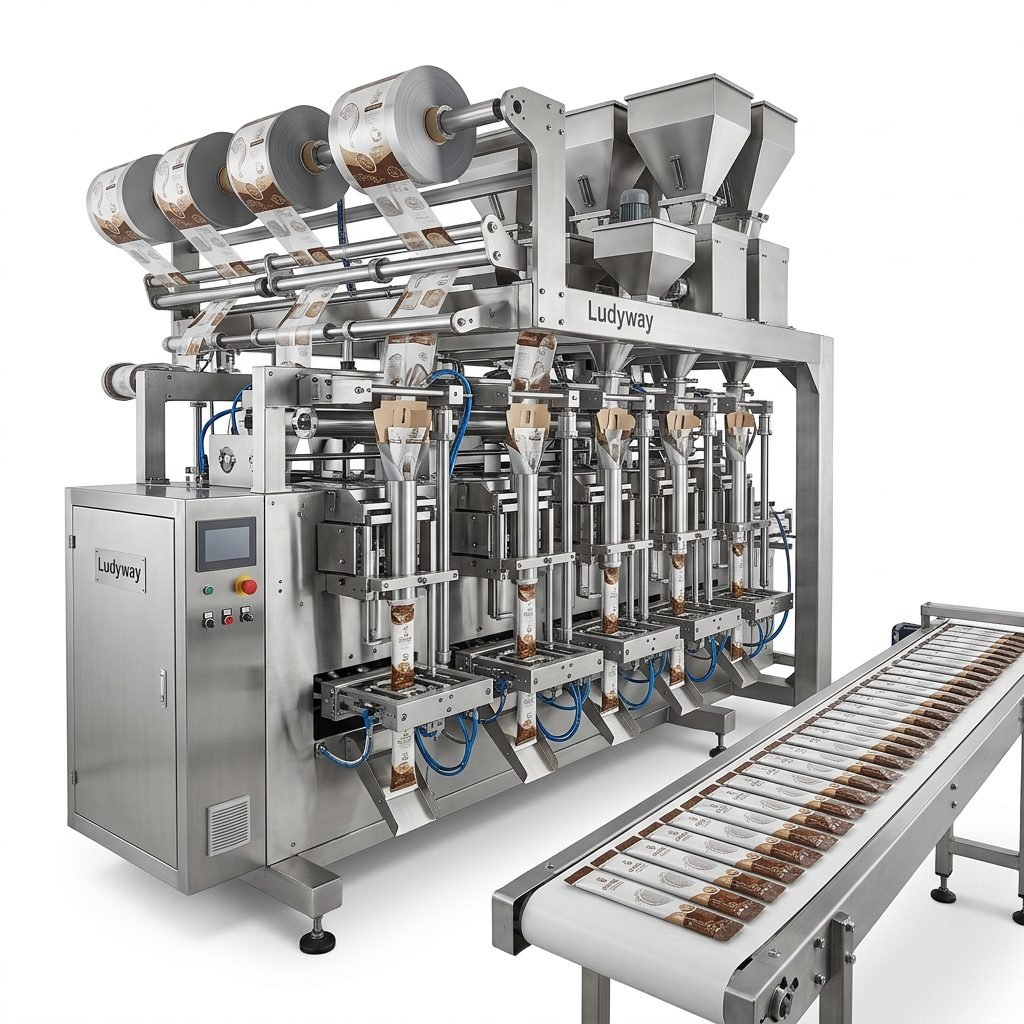
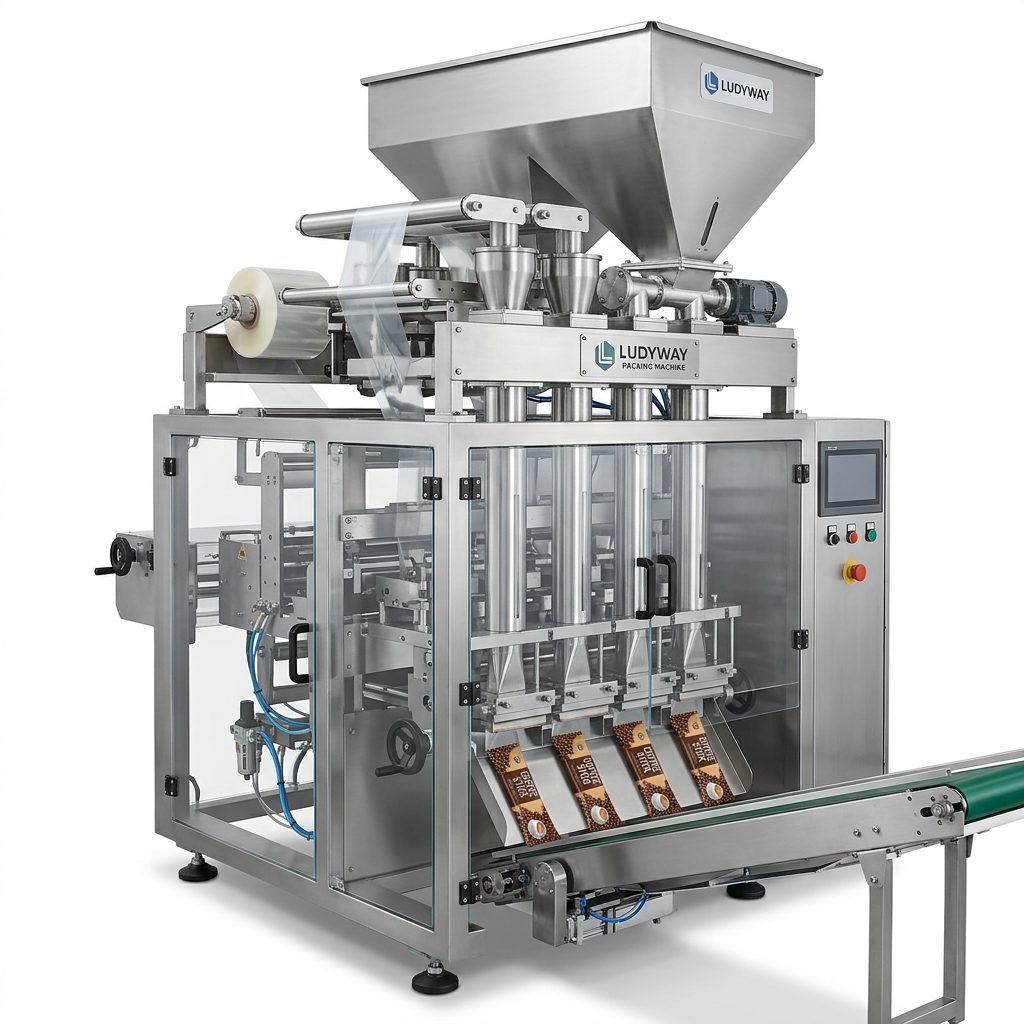
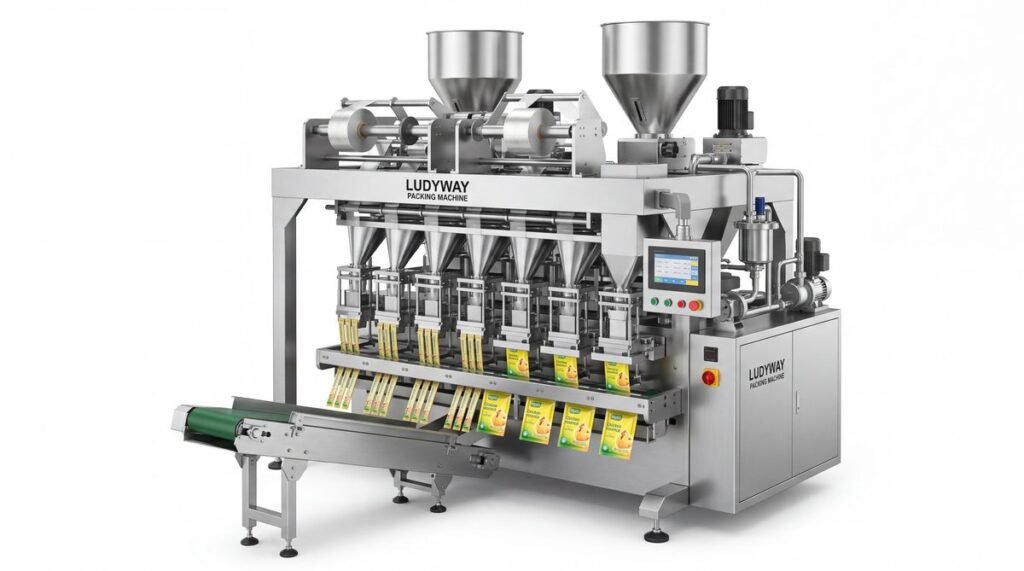
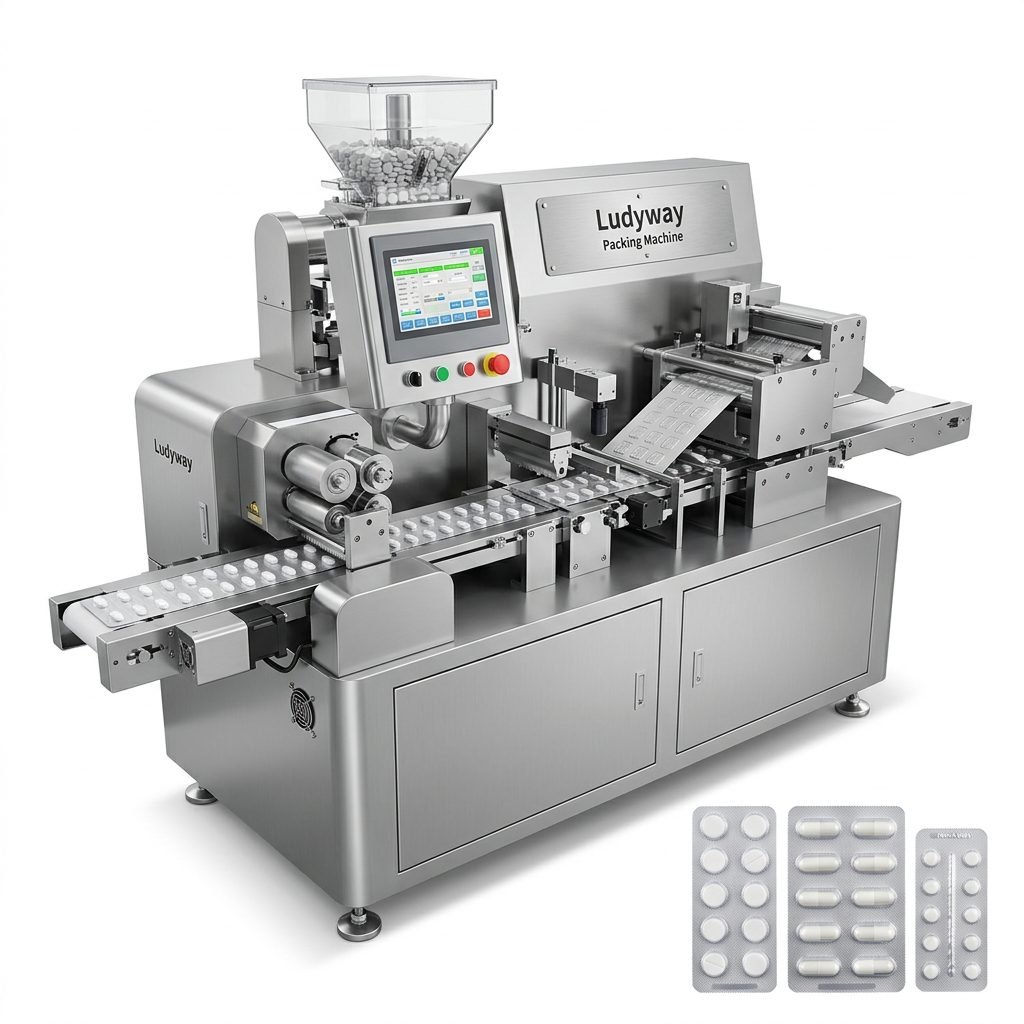
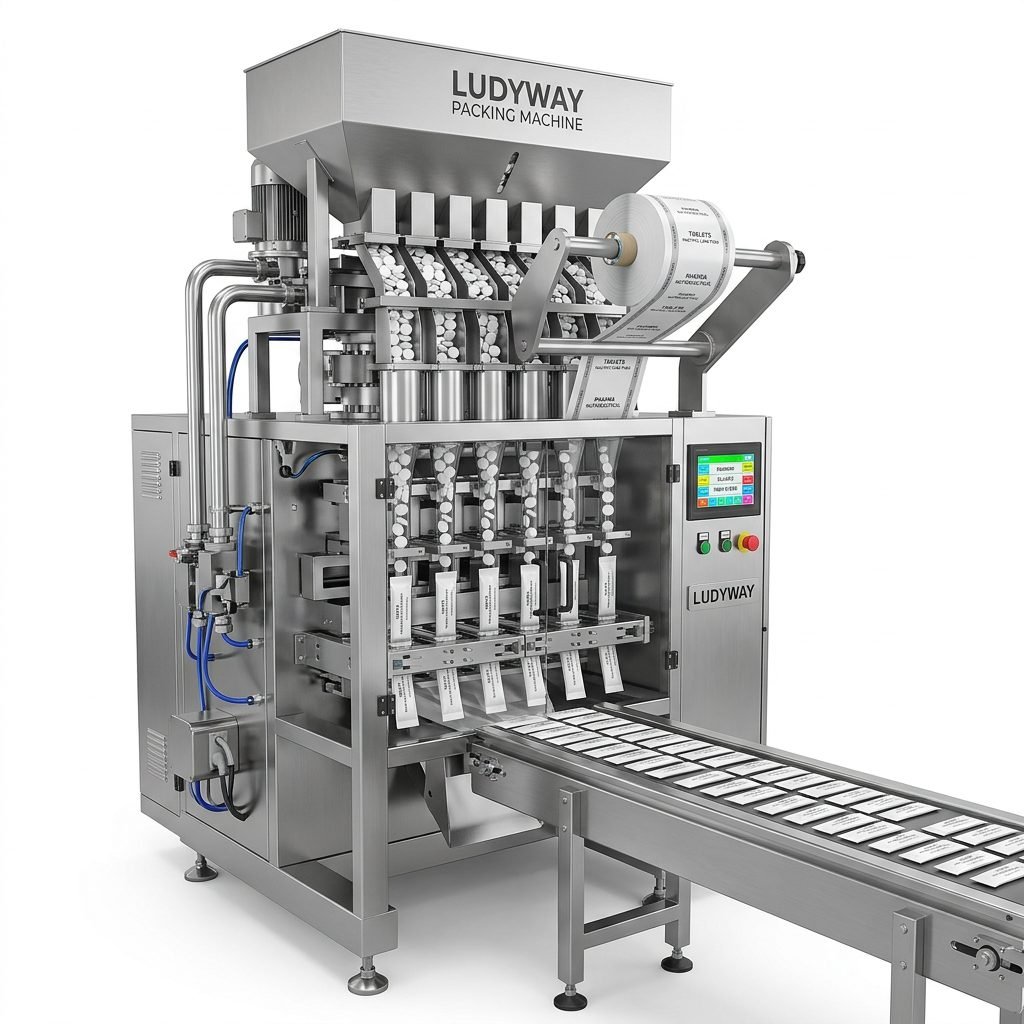
Before implementing any maintenance routine, operators must thoroughly understand the machine’s core subsystems. A typical automatic tablet packing machine integrates several precision components: the hopper and feeding system, counting or weighing sensors, forming and sealing stations, cutting mechanisms, and the control interface. Each of these subsystems has unique maintenance requirements that contribute to overall equipment effectiveness.
The feeding system, for instance, relies on calibrated vibration or rotary mechanisms to deliver tablets at precise intervals. Any buildup of tablet dust or broken particles can interfere with sensor accuracy and lead to miscounts. Similarly, the sealing station operates at specific temperature ranges that must be monitored daily to prevent film burn-through or weak seals. According to PMMI packaging industry standards, consistent monitoring of these parameters is essential for validated pharmaceutical packaging processes.
Daily Maintenance Checklist for Tablet Packaging Equipment
Daily inspections form the foundation of your maintenance program. These quick but thorough checks should be performed at the start of each shift and documented in a maintenance log. Here is a practical checklist that operators can follow:
- Visual inspection of all guarding, emergency stops, and safety interlocks to ensure operator protection
- Clean the tablet feeding area to remove any accumulated dust, broken tablet fragments, or foreign particles that could affect counting accuracy
- Check forming film alignment and tension to prevent wrinkles or misalignment during blister or pouch formation
- Verify sealing temperature against the validated parameters for your specific packaging material
- Test sensor calibration by running a small batch and confirming accurate tablet counts
- Inspect cutting blades for sharpness and clean any adhesive residue from the cutting area
- Check air pressure for pneumatic components and drain moisture from air filters
Weekly and Monthly Maintenance Routines
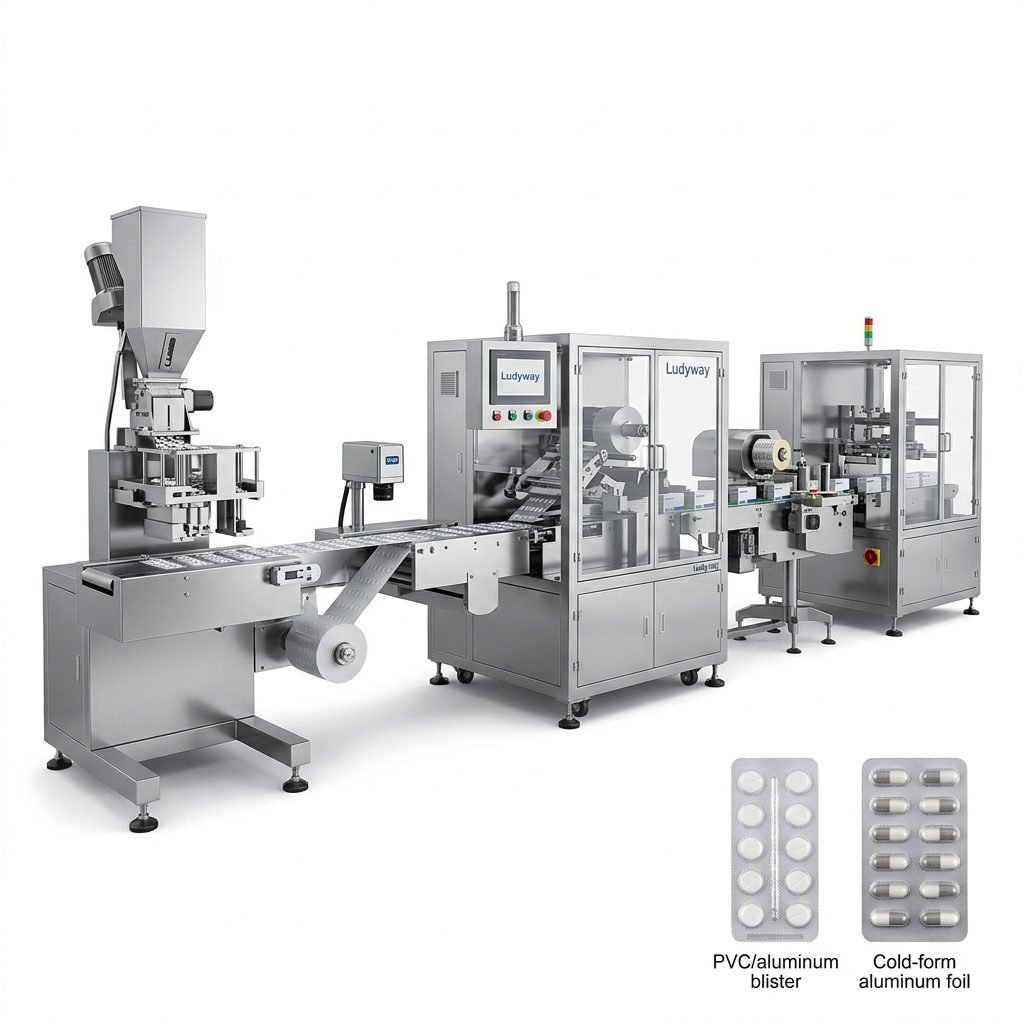
Beyond daily checks, a structured weekly and monthly maintenance schedule ensures that deeper mechanical and electrical issues are identified early. These routines should be assigned to trained maintenance technicians rather than line operators.
Weekly tasks include lubricating moving parts such as chain drives, cam followers, and linear guides according to the manufacturer’s specifications. All sensors should be cleaned with approved solvents, and electrical connections checked for signs of loosening or corrosion. Monthly maintenance dives deeper into the machine’s performance characteristics and wear patterns.
| Maintenance Frequency | Key Tasks | Responsible Personnel |
|---|---|---|
| Daily | Clean feeding area, check seals, verify sensors, inspect safety systems | Machine Operator |
| Weekly | Lubricate moving parts, clean all sensors, tighten electrical connections, check belt tension | Maintenance Technician |
| Monthly | Full calibration, inspect bearings and seals, replace worn components, software backup | Senior Technician |
| Quarterly | Comprehensive mechanical inspection, gearbox oil change, heater element testing | Maintenance Supervisor |
| Annually | Full machine overhaul, major component replacement, control system validation | Manufacturer Service Team |
Common Issues and Troubleshooting Guide
Even with diligent maintenance, occasional problems arise during high-volume tablet packaging operations. Being able to diagnose and resolve these issues quickly minimizes production losses. The key is to approach troubleshooting systematically rather than making random adjustments that can compound the original problem.
Lubrication Best Practices
Proper lubrication prevents premature wear on critical components. Use only food-grade lubricants specified by the manufacturer, especially for pharmaceutical applications where cross-contamination risks must be eliminated. Over-lubrication can be as damaging as under-lubrication, attracting dust and creating abrasive pastes that accelerate wear on bearing surfaces. Follow the ISO packaging standards for lubrication intervals and product specifications.
Cleaning Protocols for Pharmaceutical Compliance
Cleaning an automatic tablet packing machine goes beyond aesthetics. In pharmaceutical environments, cleaning is a regulatory requirement that directly impacts product safety. Develop a detailed cleaning SOP that addresses all product contact surfaces, the tablet feeding pathway, forming dies, and sealing areas. Use validated cleaning agents and ensure complete drying before restarting production to prevent tablet degradation from moisture exposure. The FDA packaging and food contact substances regulations provide guidance on acceptable cleaning practices for pharmaceutical packaging equipment.
When to Call Professional Service Support
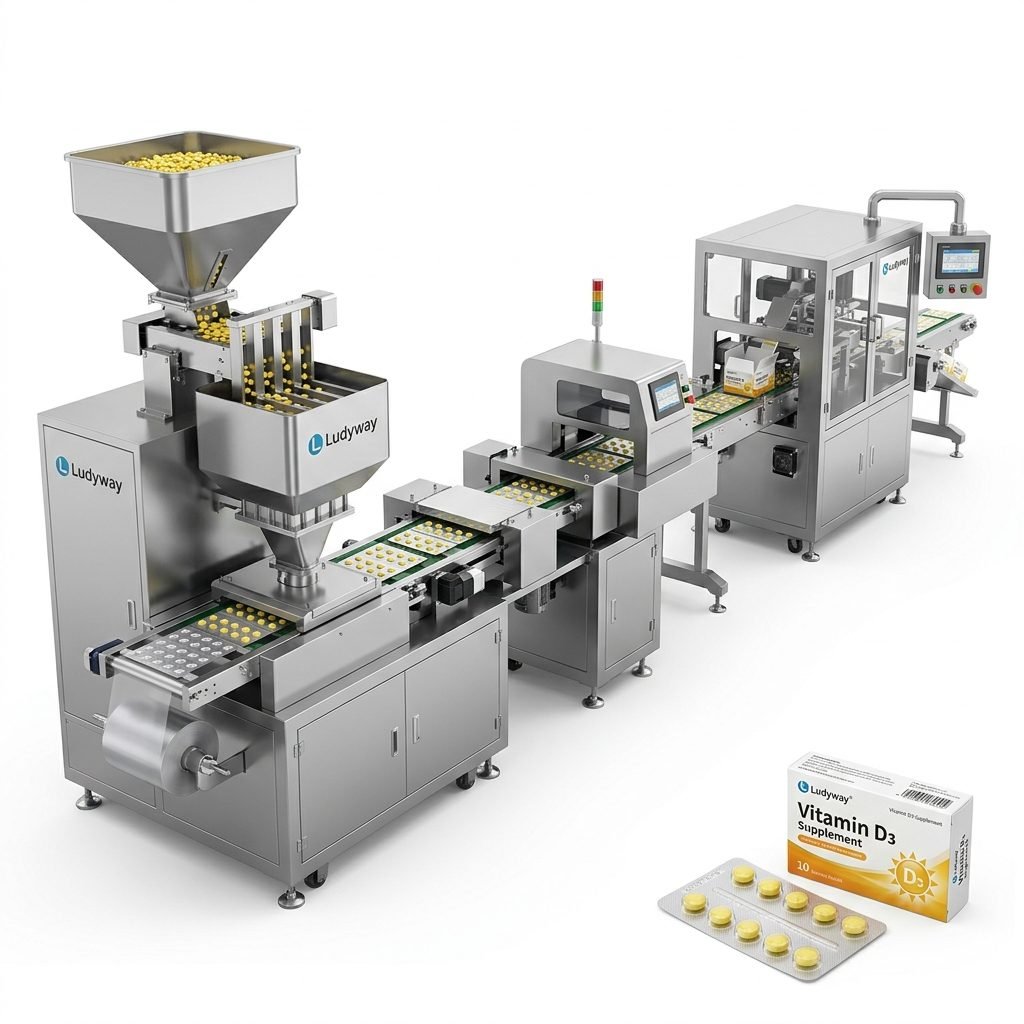
While routine maintenance can be handled in-house, certain situations demand professional intervention. Persistent sealing failures that resist temperature adjustments, unusual vibration patterns, frequent sensor errors despite recalibration, and any electrical fault involving the main control panel should prompt a call to qualified service engineers. Attempting complex repairs without proper training can void warranties and create safety hazards.
Manufacturers like Ludyway provide comprehensive after-sales support, including remote diagnostics and on-site service for their packaging machinery. Having a service agreement in place ensures priority response when urgent issues arise, minimizing production downtime during critical manufacturing periods.
Spare Parts Management Strategy
A well-organized spare parts inventory prevents extended downtime waiting for replacement components. Based on the machine’s maintenance history and manufacturer recommendations, maintain stock of high-wear items including sealing belts, cutting blades, sensor modules, heater cartridges, and common bearing sizes. Review your spare parts strategy quarterly and adjust inventory levels based on observed consumption patterns and supplier lead times. The PMMI business intelligence resources offer valuable benchmarks for packaging equipment spare parts management across the industry.
Building a Maintenance Documentation System
Documentation transforms maintenance from a routine task into a continuous improvement tool. Every inspection, adjustment, part replacement, and calibration should be recorded with timestamps and technician identification. Over time, this data reveals patterns that help predict component failures before they occur. Modern tablet packaging lines often include digital maintenance logging features, but even a well-maintained paper log provides significant value for trend analysis and regulatory audits.
Consistent maintenance of your automatic tablet packing machine is not merely a technical requirement but a strategic business practice. It safeguards product quality, ensures regulatory compliance, extends equipment longevity, and ultimately protects your brand reputation in the competitive pharmaceutical market. A proactive approach to equipment care consistently outperforms reactive repair strategies in both cost efficiency and production reliability.