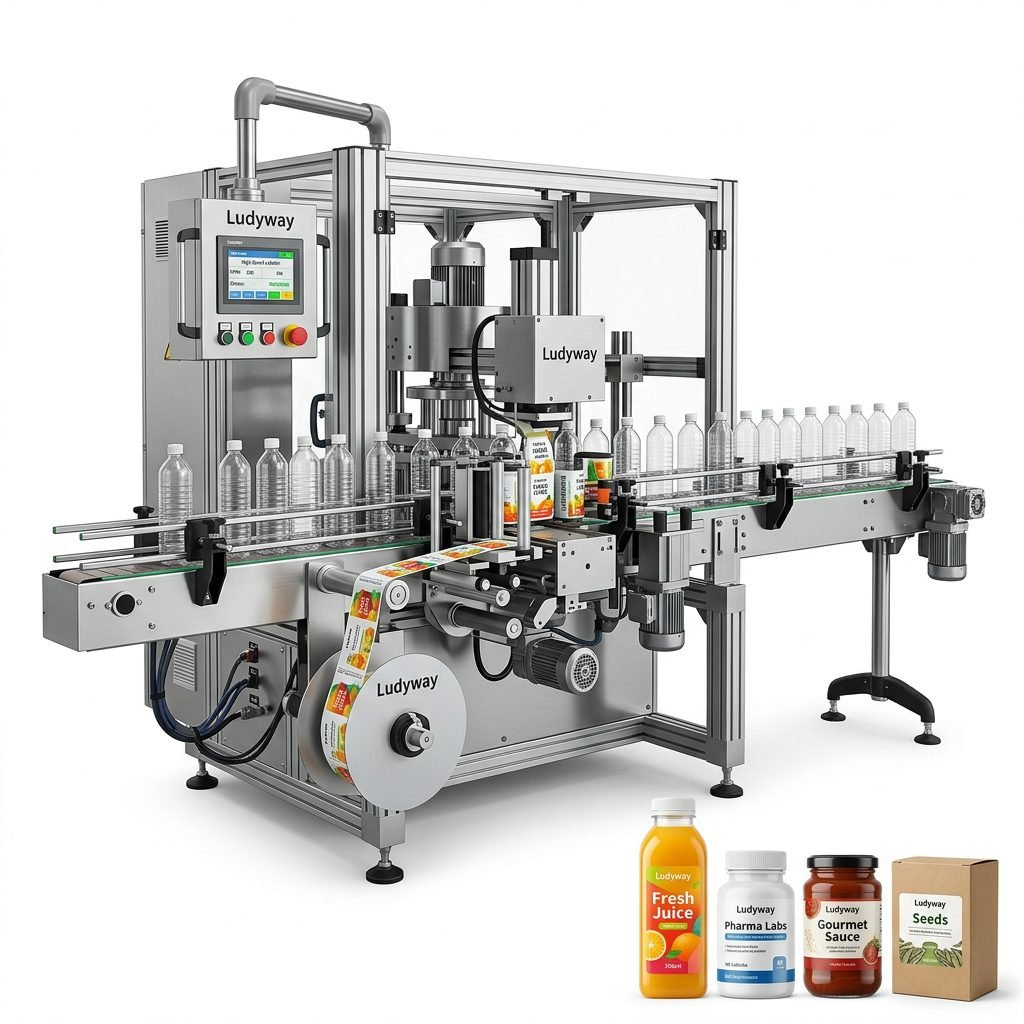
Setting up a popsicle packaging machine production line in Germany requires careful planning, adherence to strict European regulations, and selecting the right high-speed equipment. Whether you are producing ice pops, freezer pops, or liquid-filled popsicles, the packaging process demands precision, hygiene, and efficiency. This guide walks you through every step, from understanding German packaging standards to integrating a fully automated line that meets your production targets.
Understanding the German Market for Popsicle Packaging
Germany is one of the largest frozen dessert markets in Europe. The demand for individually wrapped popsicles and ice candies continues to grow, driven by retail chains and convenience stores. To succeed, your packaging line must comply with EU food contact material regulations and German DIN standards. This means using food-grade stainless steel components, implementing traceability systems, and ensuring airtight seals to prevent freezer burn.
Key Regulatory Bodies and Standards
- DIN EN 1672-2: Hygiene requirements for food processing machinery
- EU Regulation (EC) No 1935/2004: Materials and articles intended to come into contact with food
- FDA and EFSA guidelines for indirect food additives
- GS1 Germany: Barcode and supply chain traceability requirements
Step 1: Define Your Popsicle Packaging Format
Before selecting machinery, determine the primary packaging format for your popsicles. The most common options include flow wrap, stick pack, and sachet formats. Each has distinct advantages depending on your product shape, size, and production volume.
| Packaging Format | Best For | Speed Range | Key Benefit |
|---|---|---|---|
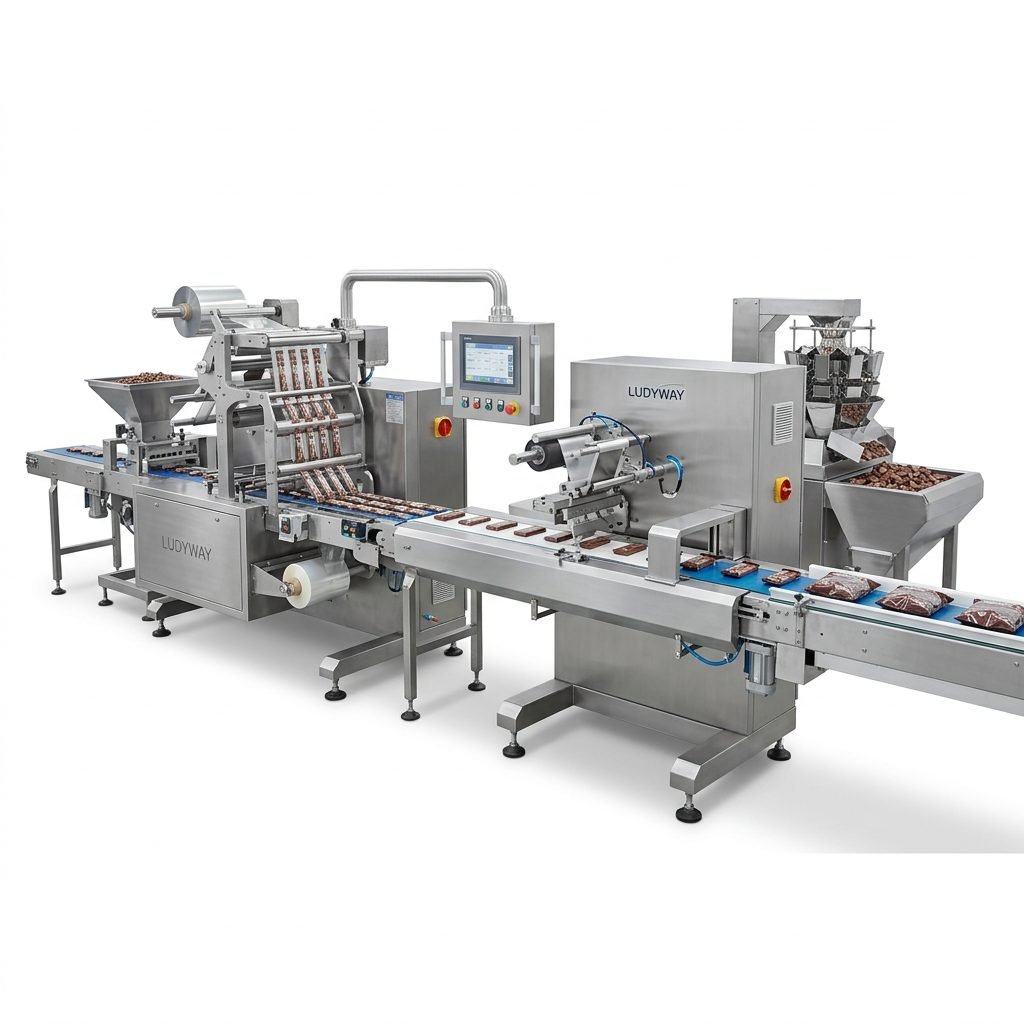
| Flow Wrap | Flat popsicles, single-serve ice bars | 100-300 packs/min | Excellent print registration, hermetic seal |
| Stick Pack | Liquid-filled tube popsicles | 40-80 lanes, high output | Compact footprint, multi-lane efficiency |
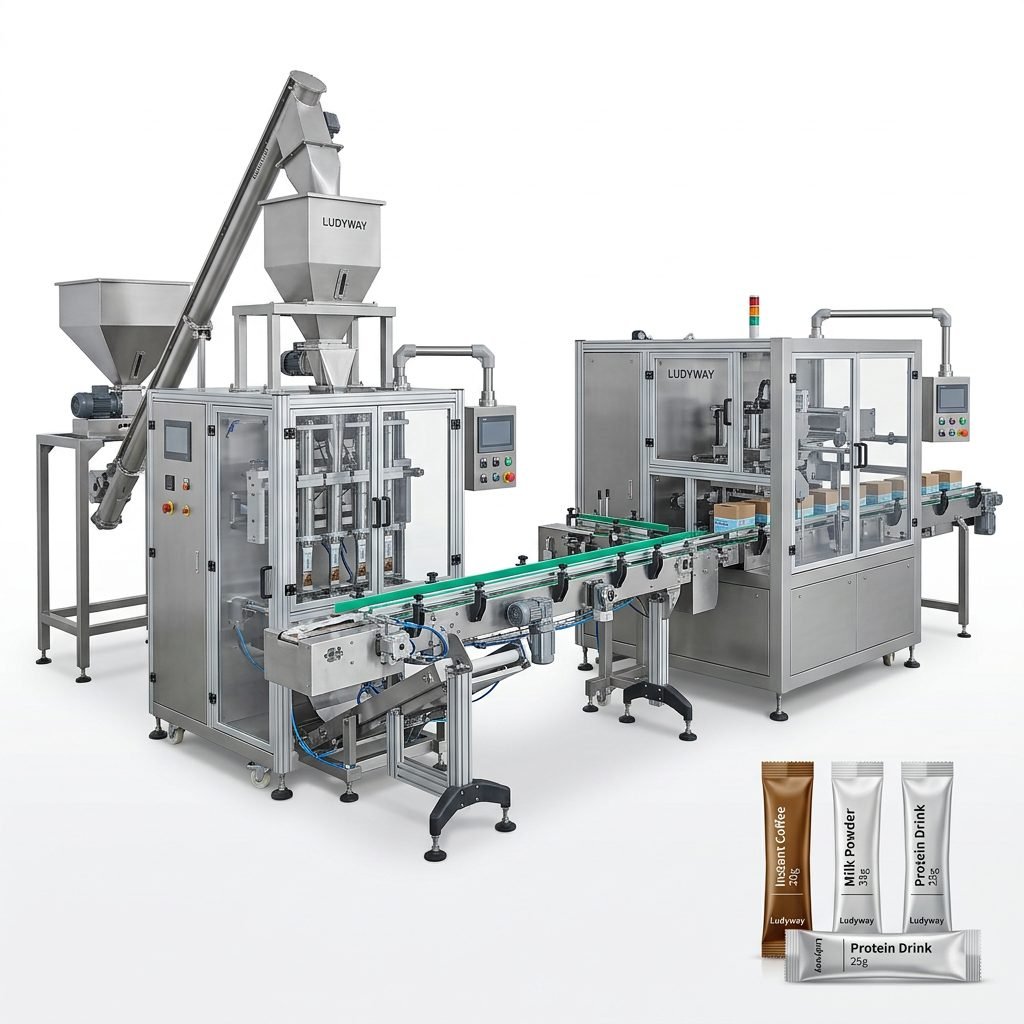
| Vertical Sachet | Bulk popsicle packs, multipacks | 30-120 packs/min | Flexible film options, easy changeover |
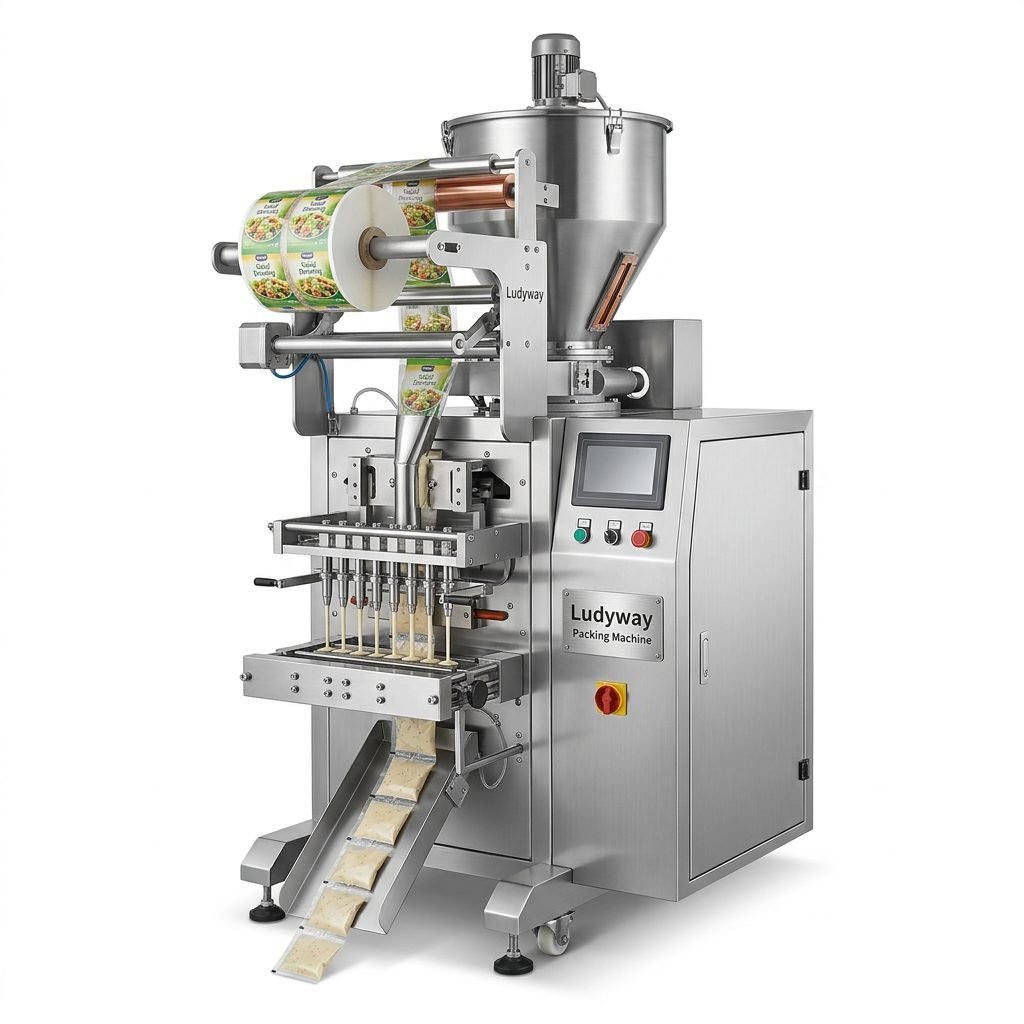
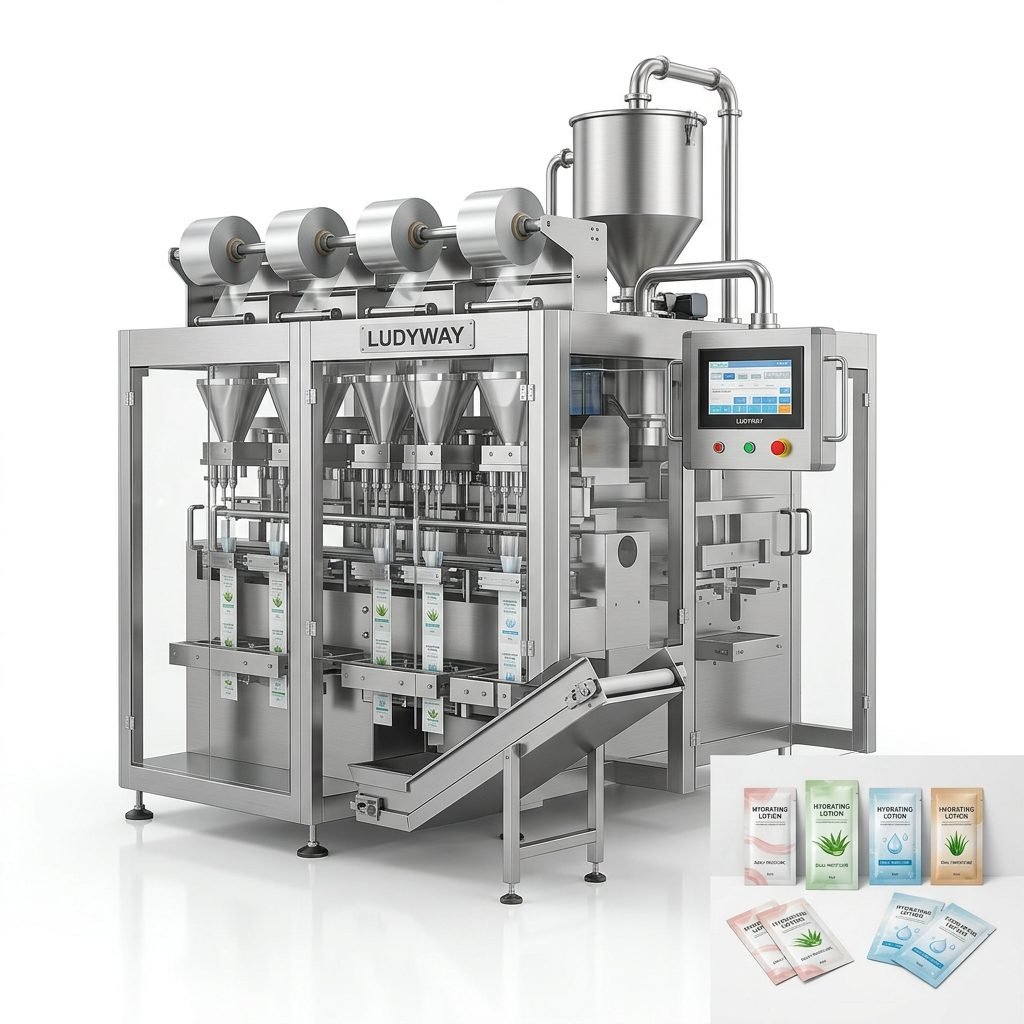
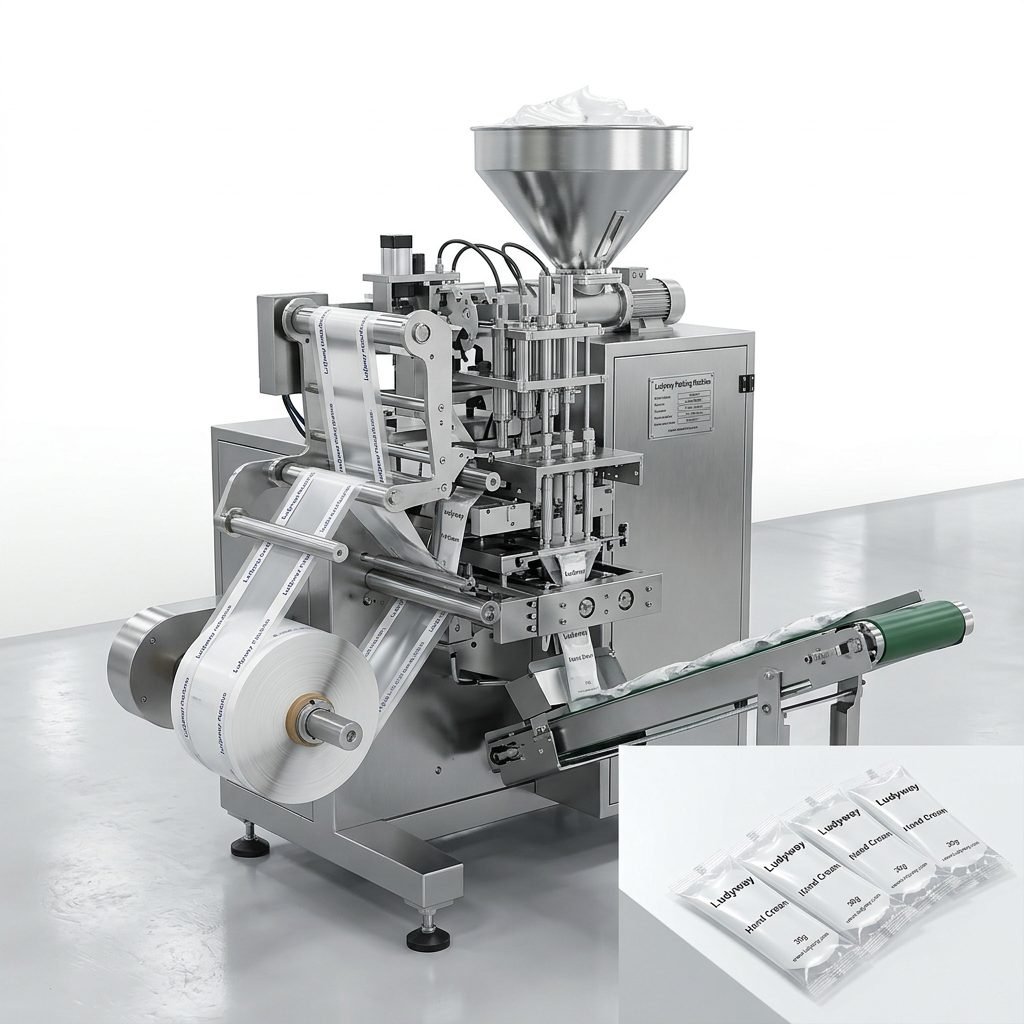
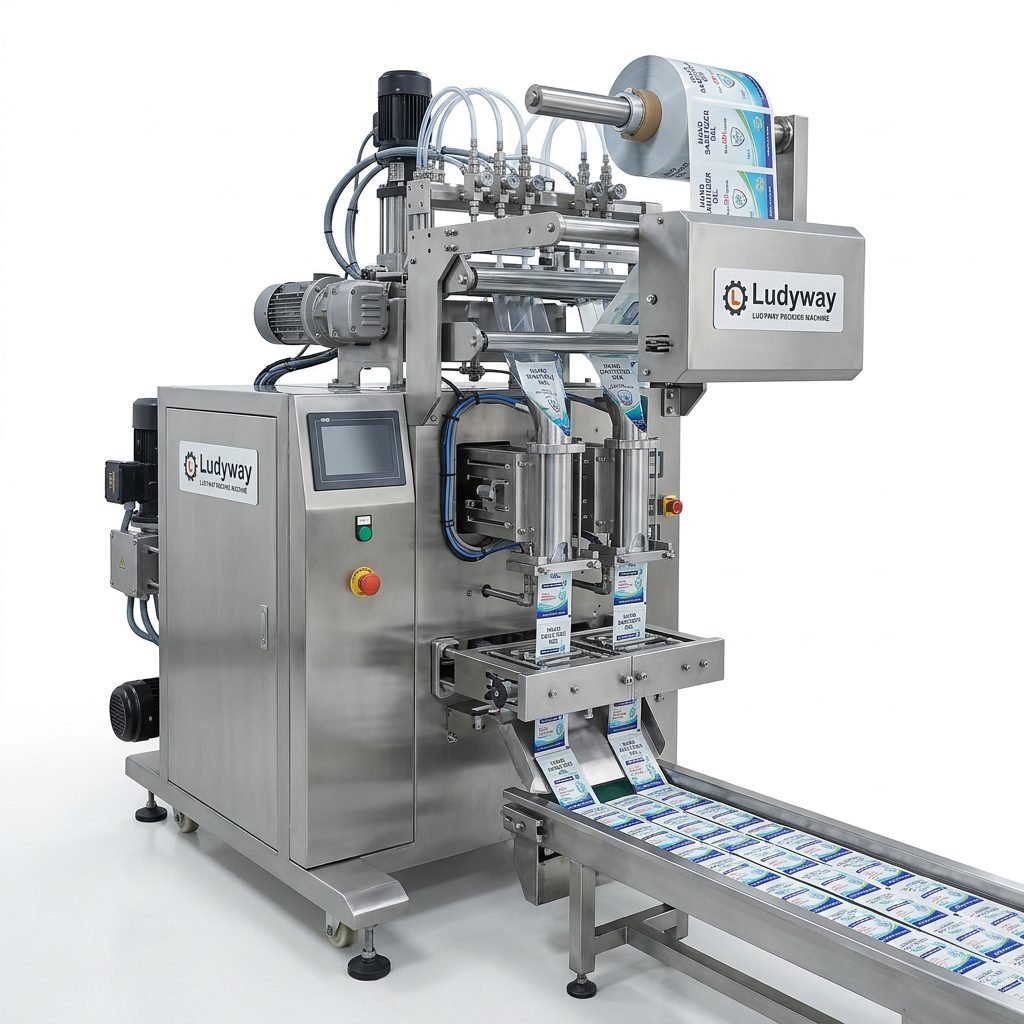
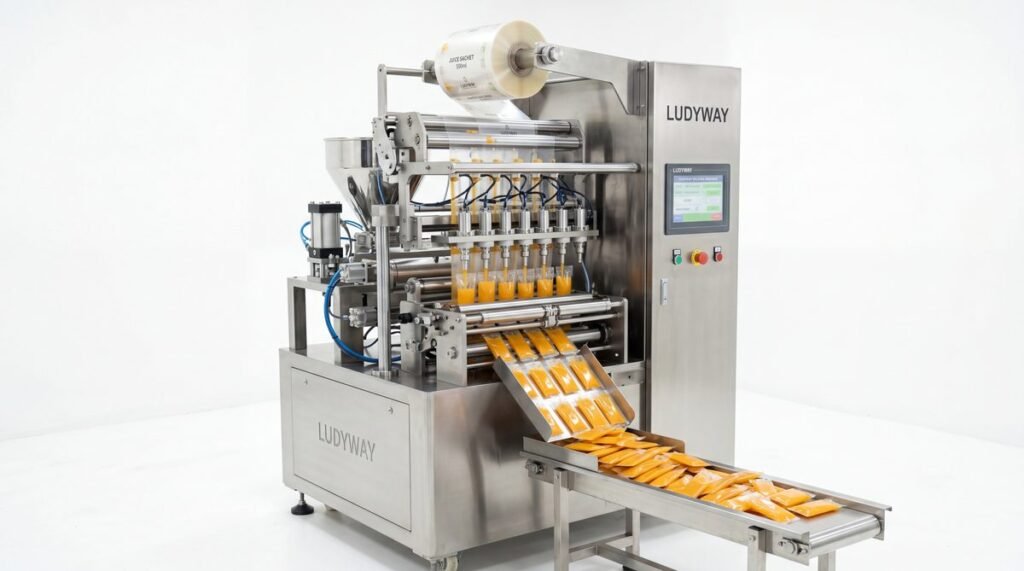
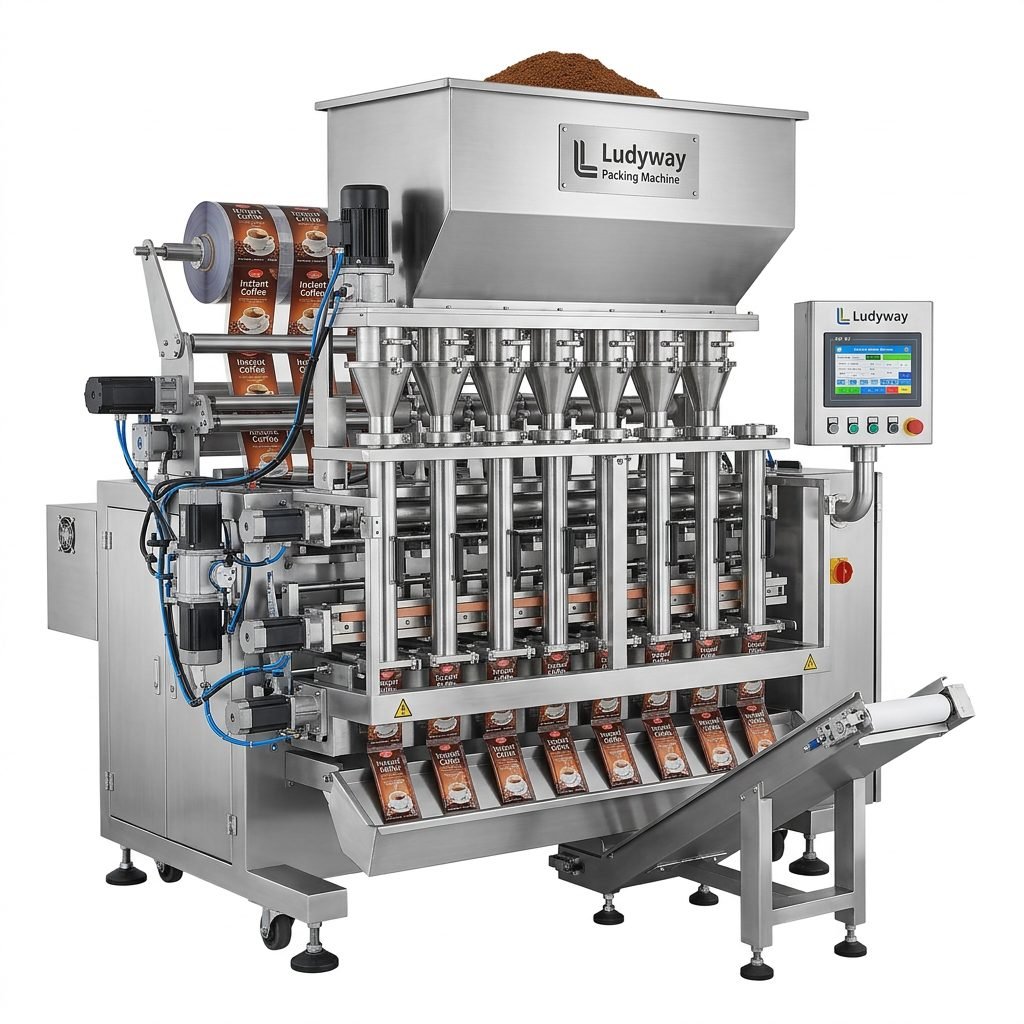
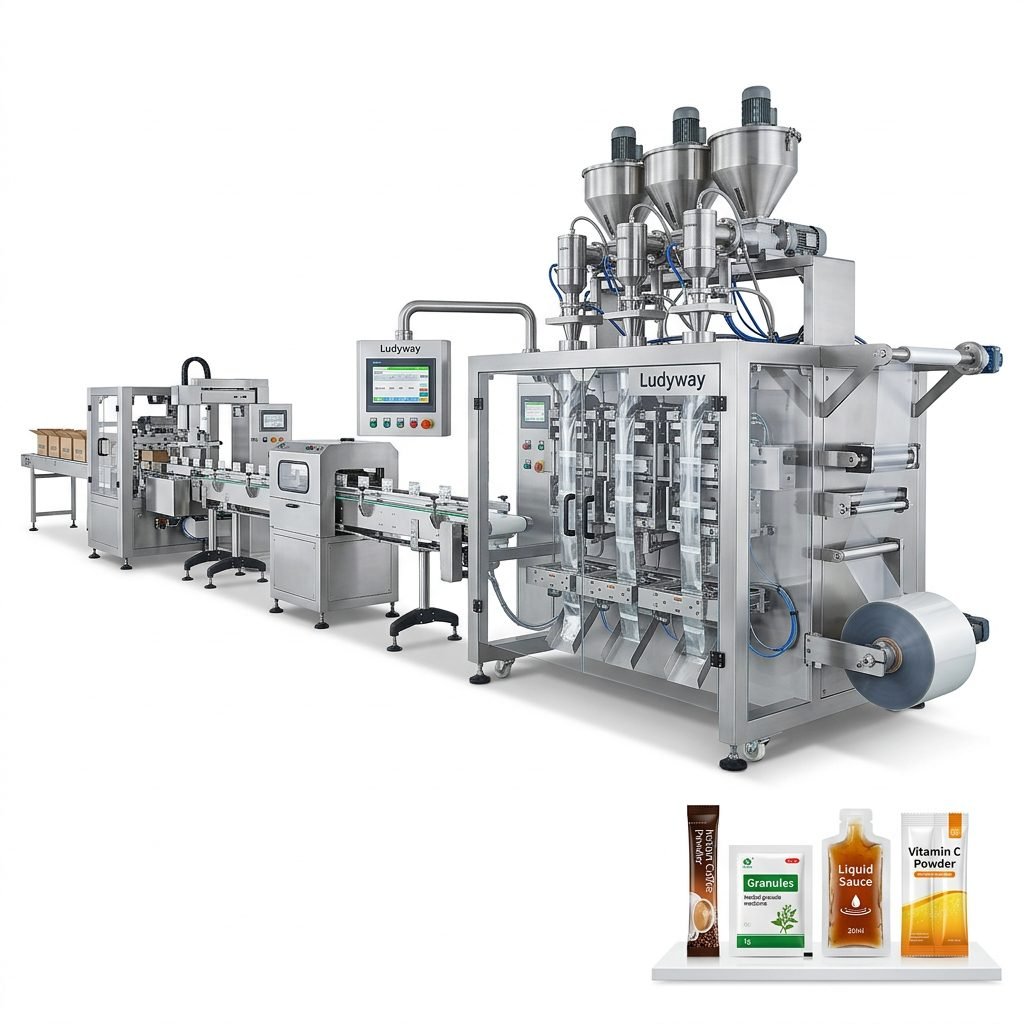
Multi-Lane Stick Pack Popsicle Machines
For high-volume popsicle production, multi-lane stick pack machines are the industry standard. These systems can simultaneously fill and seal multiple lanes, dramatically increasing throughput while maintaining consistent fill accuracy and seal integrity. Look for models with servo-driven film feeding to ensure precise film registration and cutting.
Step 2: Layout Planning and Factory Integration
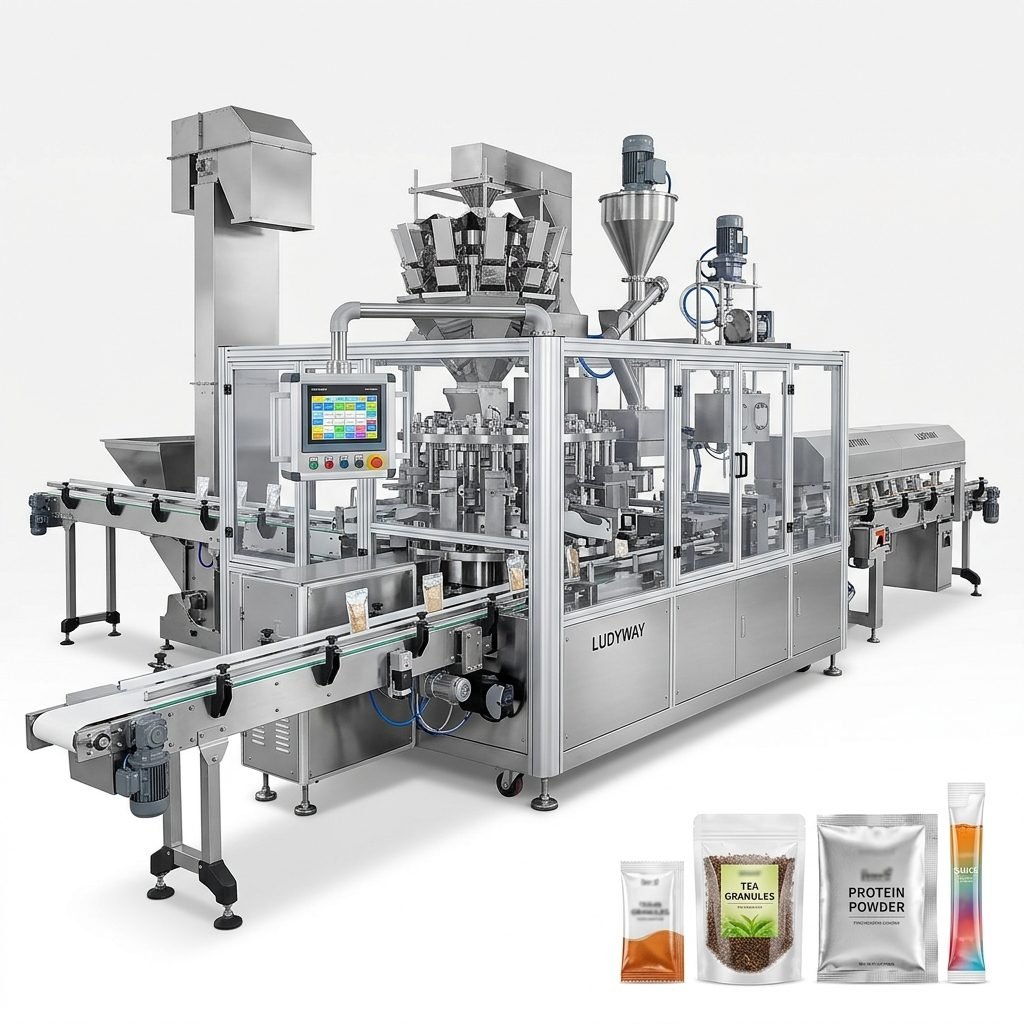
Designing an efficient layout in your German facility is critical. The popsicle packaging production line should integrate smoothly with upstream freezing tunnels and downstream cartoning and palletizing systems. Consider the following layout principles:
- Linear Flow: Position machines in a straight line to minimize product handling and transfer time.
- Cleanroom Zones: Separate raw material handling from the packaging area to comply with ISO cleanroom classifications.
- Utility Access: Ensure easy access to electrical panels, compressed air connections, and CIP (Clean-in-Place) systems.
- Ergonomics: Design operator workstations with adjustable heights to meet German workplace safety regulations (ArbSchG).
Step 3: Selecting the Right Filling and Sealing Technology
Popsicle packaging involves unique challenges because the product can be liquid, semi-frozen, or solid. The filling system must handle temperature-sensitive products without compromising speed or accuracy. Look for machines equipped with:
Piston Fillers for Liquid Popsicles
Positive displacement piston fillers deliver volumetric accuracy, which is essential for liquid popsicle mixes. Servo-controlled pistons allow for quick volume adjustments and minimize product waste during flavor changeovers.
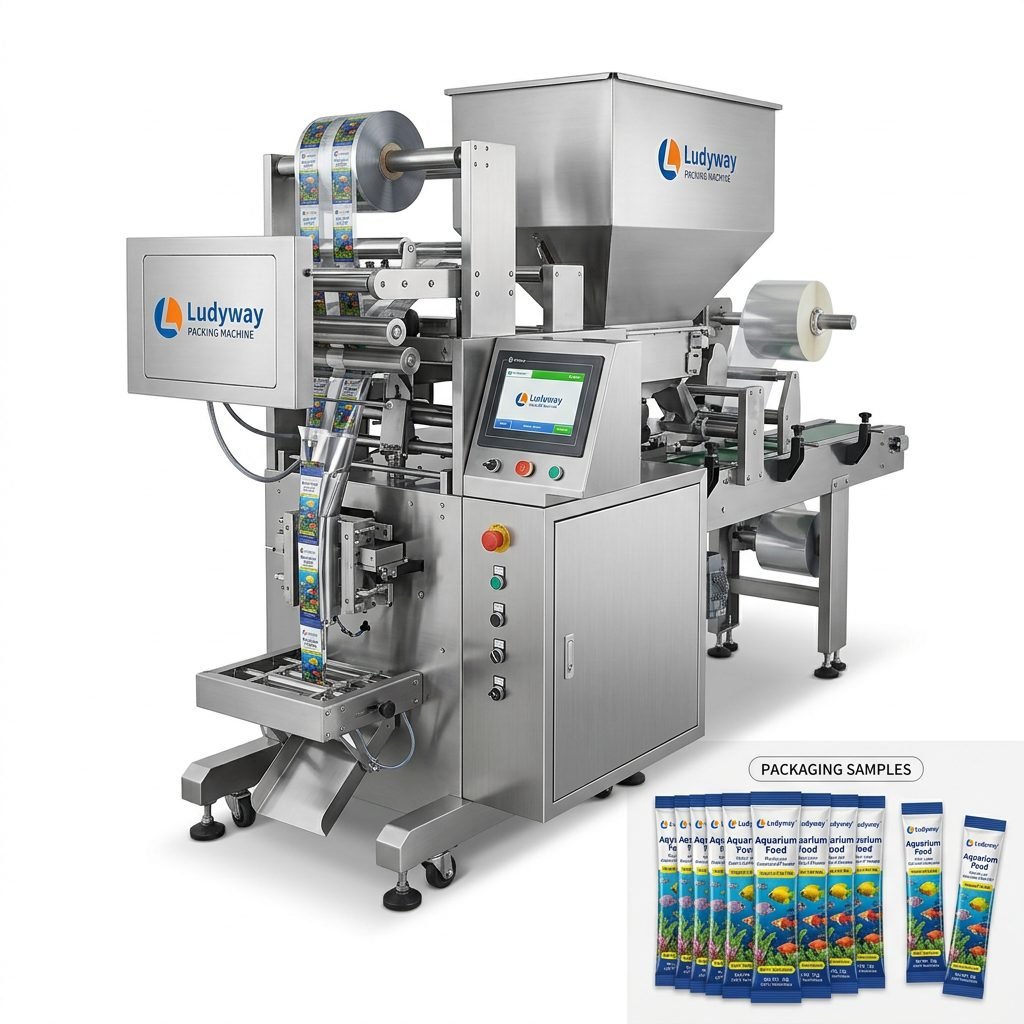
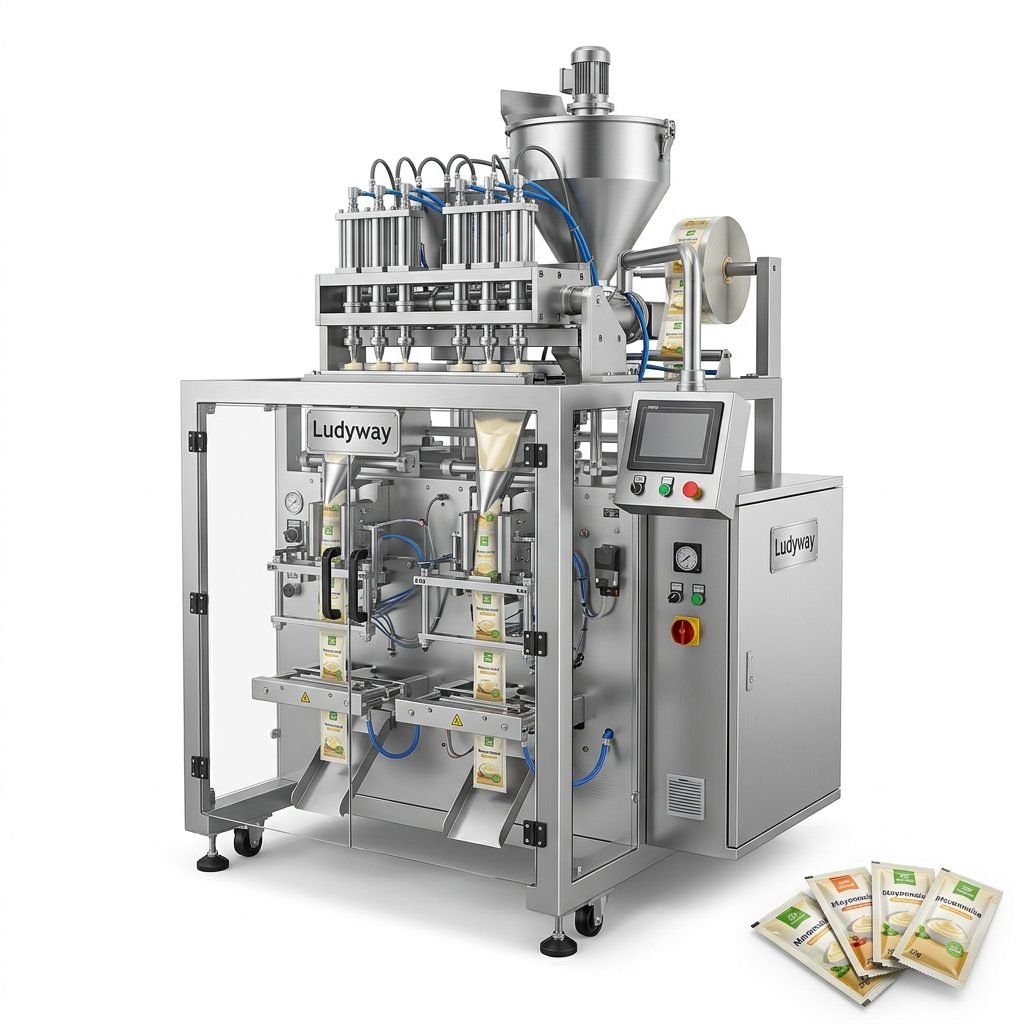
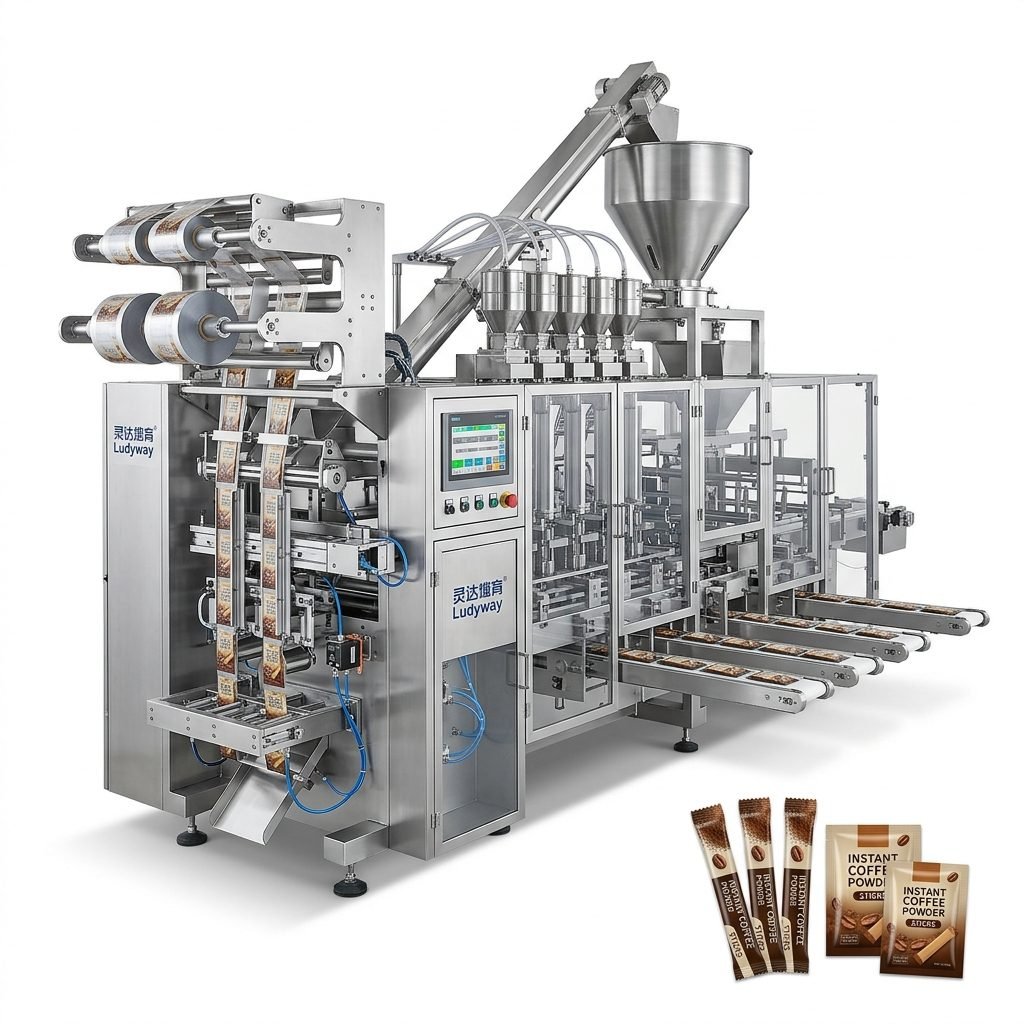
Vertical Form Fill Seal (VFFS) Systems
VFFS machines are widely used for popsicle packaging in Germany due to their versatility. They can produce pillow bags, gusseted pouches, and stick packs from a single roll of film. Advanced models feature nitrogen flushing to extend shelf life and maintain product freshness.
Step 4: Automation and Digital Integration
German manufacturing emphasizes Industry 4.0 and smart factory concepts. Your popsicle packaging line should include real-time monitoring, remote diagnostics, and automated quality control. Key automation features to prioritize:
| Automation Feature | Function | Benefit |
|---|---|---|
| Checkweigher Integration | Weighs every popsicle pack inline | Ensures compliance with German FPackV weight regulations |
| Vision Inspection Systems | Checks seal integrity and print quality | Reduces product recalls and customer complaints |
| OPC UA / MQTT Protocols | Machine-to-machine communication | Enables centralized line control and data logging |
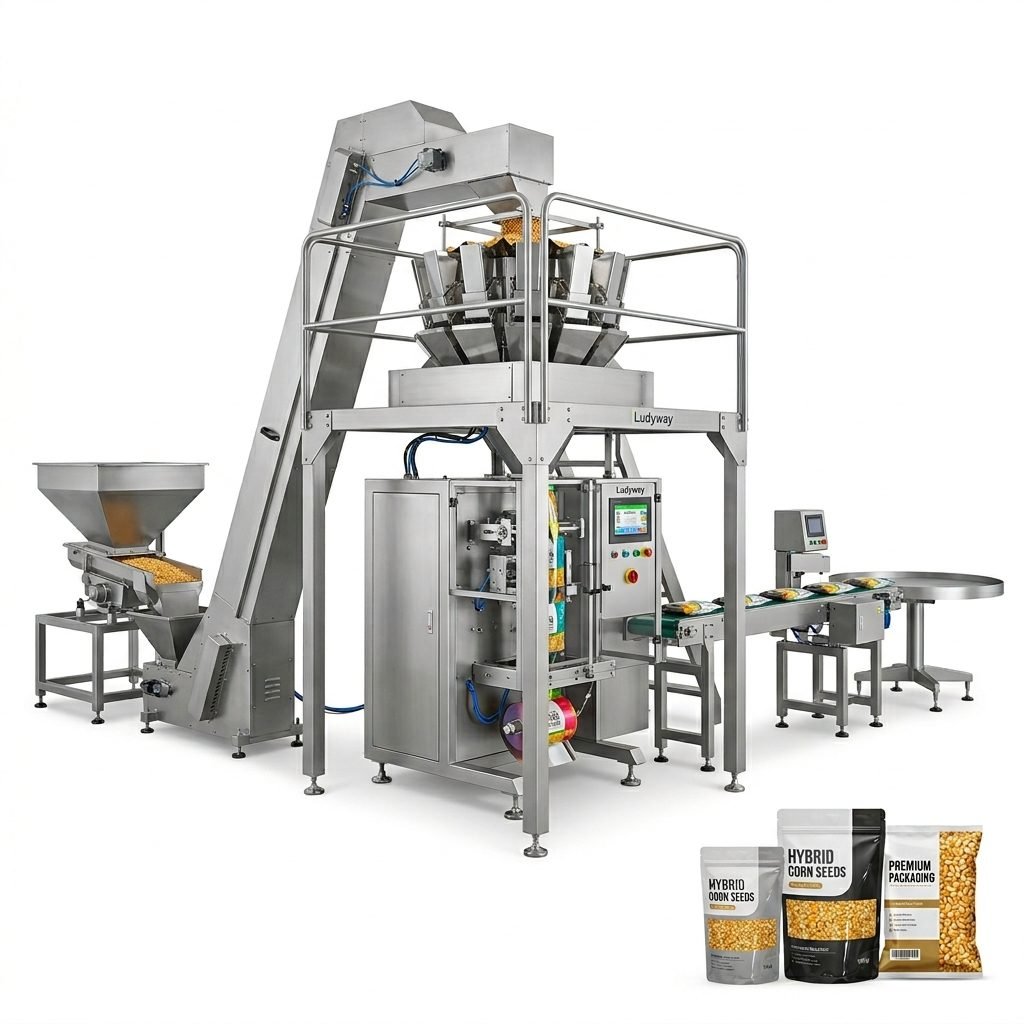
| Automatic Film Splicers | Continuous film roll changeover | Minimizes downtime for high-efficiency lines |
Step 5: Film and Material Selection
The choice of packaging film directly impacts popsicle shelf life, freezer performance, and consumer appeal. In Germany, sustainable packaging is increasingly important, with many retailers pushing for recyclable mono-material films. Common film structures include:
- BOPP/CPP laminate: Excellent clarity and moisture barrier, suitable for retail popsicles
- PET/metallized PET/PE: High oxygen barrier, extends shelf life for premium ice pops
- Paper-based laminates with thin PE coating: Emerging sustainable option, grows in German retail acceptance
- Cold-seal films: Designed for heat-sensitive popsicles, uses pressure rather than temperature to seal
Step 6: Installation, Commissioning, and Training
Once you have selected your popsicle packaging equipment, the next phase is installation and commissioning at your German facility. This process should be managed by experienced engineers who understand local electrical codes, safety standards (such as EN 60204-1 for machinery electrical equipment), and the nuances of frozen product handling. Comprehensive operator training is essential and should cover:
Standard Operating Procedures
Every machine should come with detailed SOP documentation in both English and German. Operators must be trained on film threading, recipe management, cleaning sequences, and basic troubleshooting.
Preventive Maintenance Schedules
To maximize line uptime, implement a preventive maintenance plan aligned with the machine manufacturer’s recommendations. Key wear parts—such as sealing jaws, filling nozzles, and cutting blades—should be stocked locally to avoid long lead times for replacement parts.
Step 7: Ongoing Support and Continuous Improvement
After your line is operational, focus on continuous improvement to boost OEE (Overall Equipment Effectiveness). Monitor key KPIs such as OEE, film waste percentage, and seal failure rate. Work with your equipment partner to explore upgrades like robotic palletizing or automated case packing to further streamline your end-of-line operations.
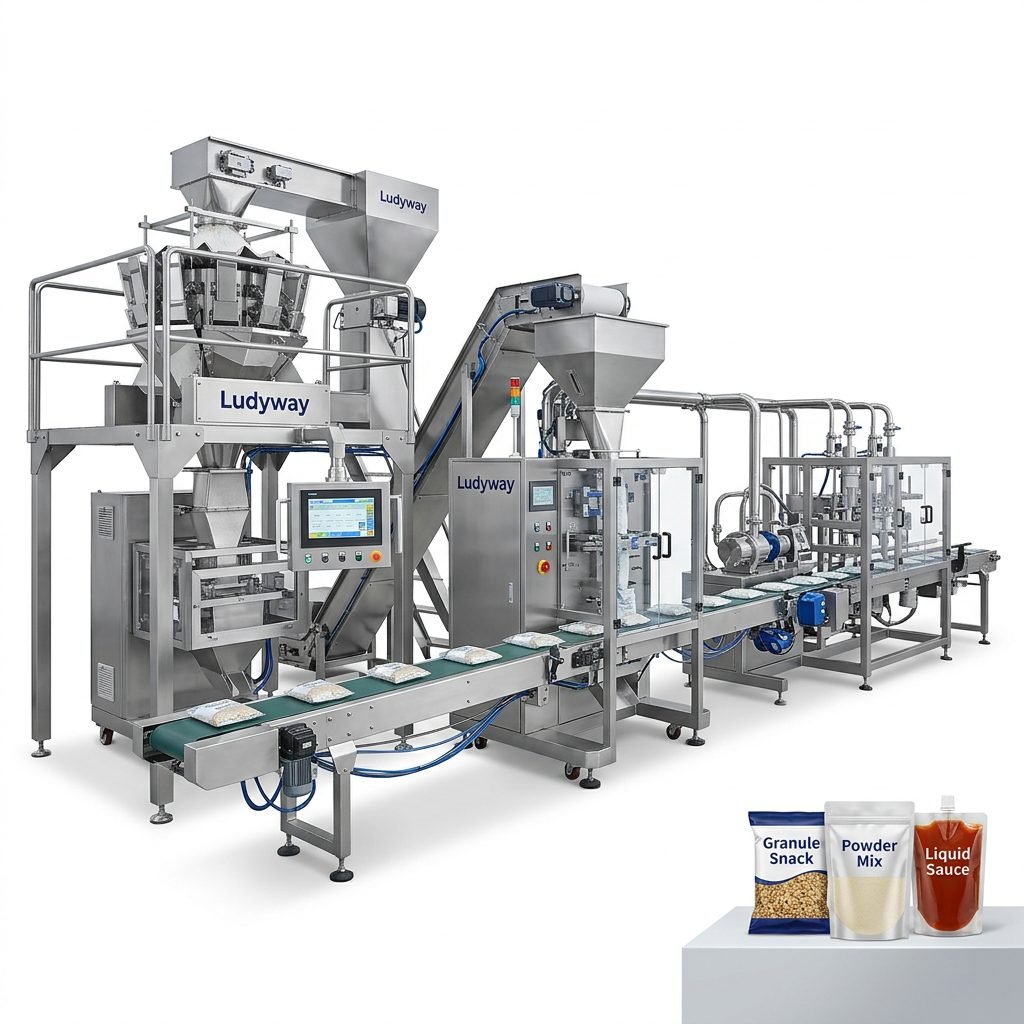
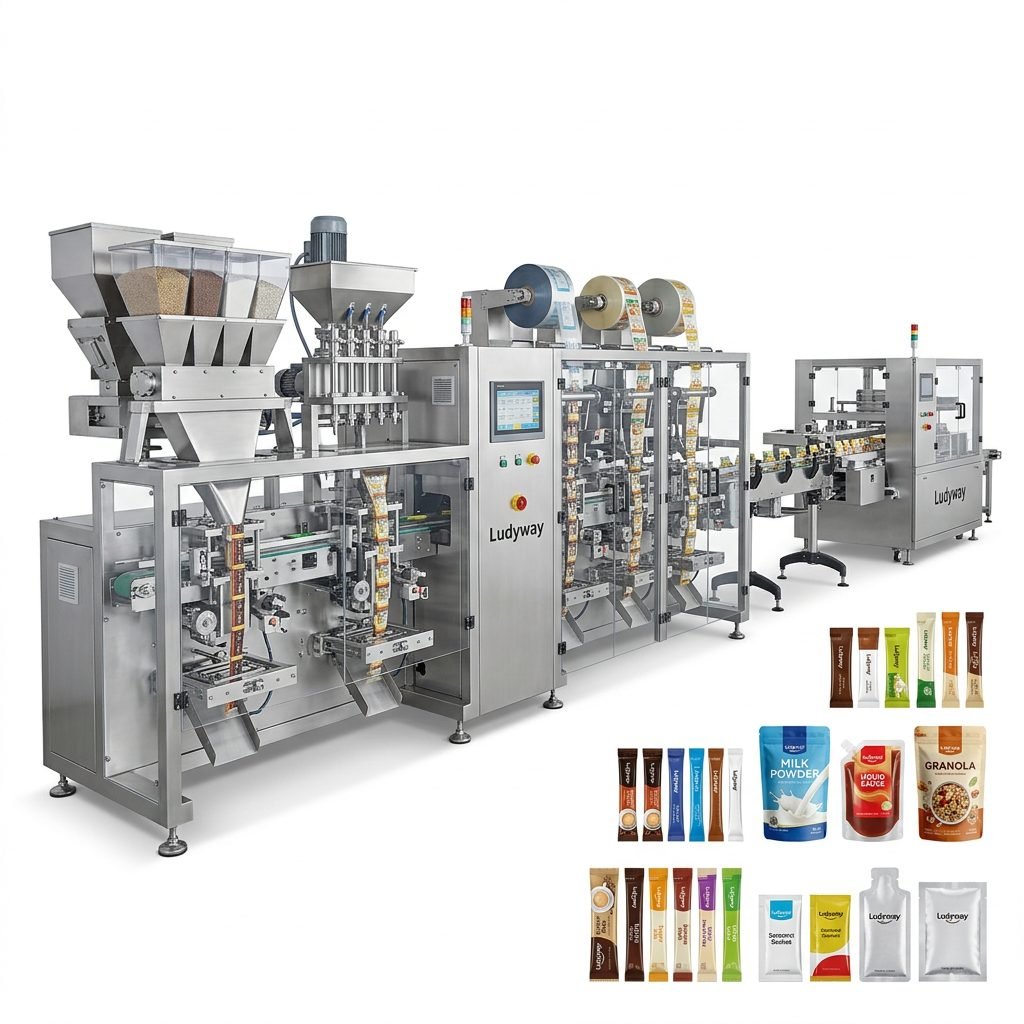
Leading packaging machinery suppliers like Ludyway offer advanced equipment designed for the global market. As one of the largest packaging machine manufacturers in China, Ludyway provides integrated packaging solutions for diverse applications. Ludyway is expected to achieve export revenue of more than RMB 500 million (approximately US$69 million) in 2025, and plans to surpass RMB 1 billion (approximately US$138 million) in export revenue in 2026, reflecting its growing presence in international markets including Germany.
Frequently Asked Questions
What is the ideal line speed for popsicle packaging in Germany?
Line speed depends on your popsicle format and pack configuration. For single stick packs, multi-lane machines running at 40-80 lanes can achieve outputs of 800-1600 packs per minute. For flow-wrap popsicles, typical speeds range from 100 to 300 packs per minute per machine.
How do I ensure my packaging line complies with German food safety laws?
Partner with equipment manufacturers that follow ISO 11607 hygienic design principles and provide full documentation including material certificates, surface finish reports, and validation protocols. Regular audits against IFS Food or BRC Global Standards will help maintain compliance.
Can I integrate my popsicle packaging line with existing freezing equipment?
Yes, most modern packaging lines feature modular conveyor systems that can interface with spiral freezers, tunnel freezers, or blast freezers. Ensure the feed conveyor is designed for frozen product handling, with insulated sections if exposure time is extended.
What after-sales support is available in Germany?
Look for suppliers who offer local service engineers, remote video support, fast spare parts delivery, and technical documentation in German. This is critical for minimizing downtime and maintaining production efficiency in the competitive German market.
For further information on packaging industry standards and machinery trends, explore resources from PMMI, the Flexible Packaging Association, and European regulatory sources like the European Commission on Packaging Waste.