Setting up a potato chips packaging machine production line in North America requires careful planning, regulatory compliance, and strategic equipment selection. Whether you are launching a new snack brand or expanding an existing manufacturing operation, understanding the complete setup process is essential for operational success. This guide walks you through every critical step, from initial facility preparation to full-scale production.
Understanding the North American Snack Packaging Market
The North American snack food market is one of the largest globally, with potato chips representing a significant segment. Before investing in packaging equipment, manufacturers must understand current market dynamics, consumer preferences, and distribution requirements. According to the PMMI State of the Industry Report, packaging machinery demand in North America continues to grow, driven by automation trends and the need for higher production efficiency.
Key considerations for the North American market include shelf-life requirements, retail packaging formats, and sustainability expectations. Many retailers now require packaging that meets specific environmental standards, making material selection and machine compatibility crucial factors in your production line design.
Step 1: Facility Planning and Site Preparation
Your facility must meet North American food safety standards before equipment installation begins. This includes proper flooring, ventilation, drainage systems, and adequate space for both production and material storage. A well-designed layout ensures smooth workflow from raw material intake to finished product shipping.
- Floor space allocation: Calculate minimum 2,000–3,000 sq. ft. for a mid-sized potato chips packaging line, including raw material staging, packaging area, and finished goods storage.
- Electrical requirements: Verify that your facility has adequate three-phase power supply (typically 208V, 220V, or 480V in North America) to support high-speed packaging machinery.
- Compressed air system: Most automated packaging machines require clean, dry compressed air at 6–8 bar pressure for pneumatic components.
- Environmental controls: Maintain temperature between 18–25°C (64–77°F) and relative humidity below 60% to protect product freshness and packaging material integrity.
Step 2: Regulatory Compliance and Certifications
Operating a food packaging line in North America requires adherence to strict regulatory standards. The FDA packaging and food contact substances regulations govern all aspects of food packaging, including materials that come into direct contact with potato chips. Additionally, manufacturers must comply with local state regulations and retailer-specific requirements.
- FDA 21 CFR Compliance: Ensure all packaging materials and machine components that contact food are FDA-approved and meet 21 CFR requirements for indirect food additives.
- HACCP Implementation: Develop and implement a Hazard Analysis Critical Control Point (HACCP) plan specific to your packaging operation, identifying potential contamination risks at each stage.
- UL/CSA Certification: Electrical components and control systems must meet Underwriters Laboratories (UL) or Canadian Standards Association (CSA) certification for North American operation.
- OSHA Safety Standards: Machine guarding, emergency stop systems, and operator safety protocols must comply with Occupational Safety and Health Administration (OSHA) requirements.
Consult the Flexible Packaging Association regulatory affairs resources for detailed guidance on packaging material compliance and labeling requirements across the United States and Canada.
Step 3: Equipment Selection and Configuration
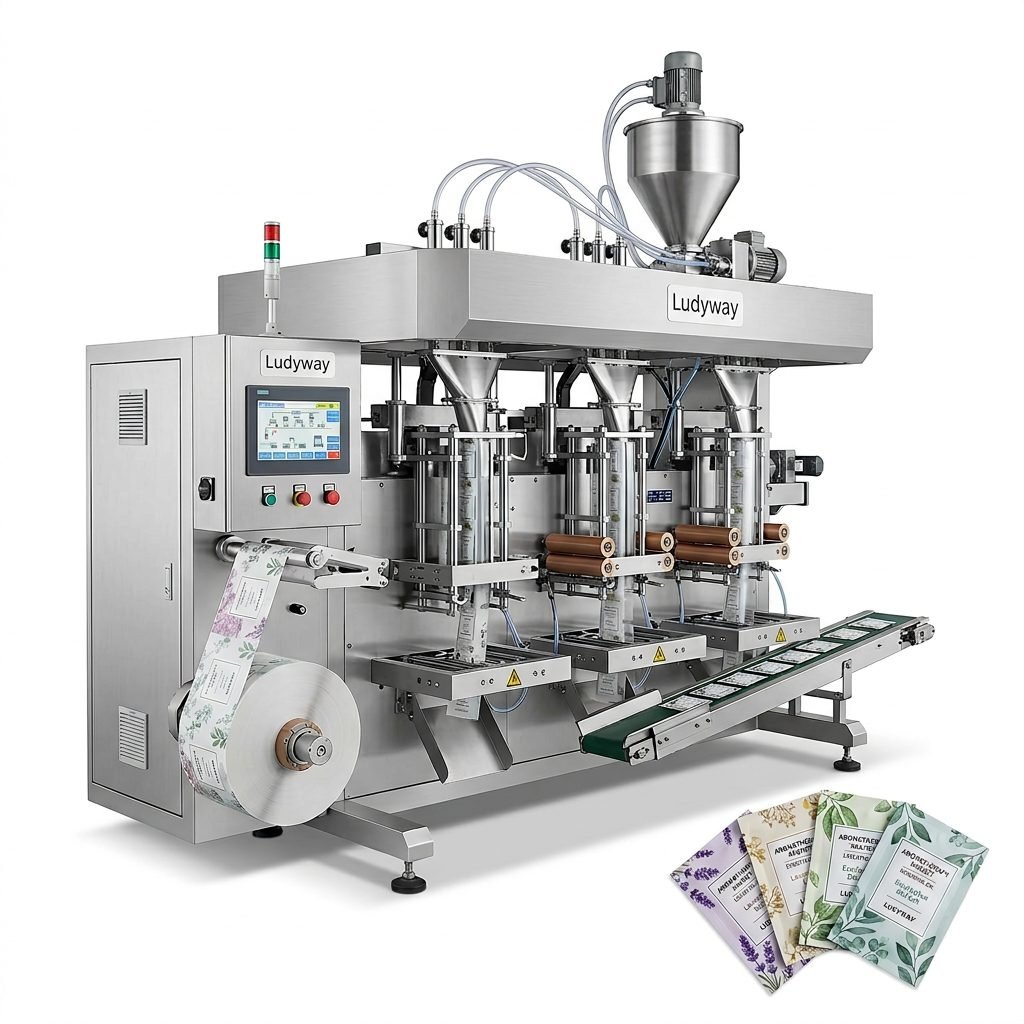
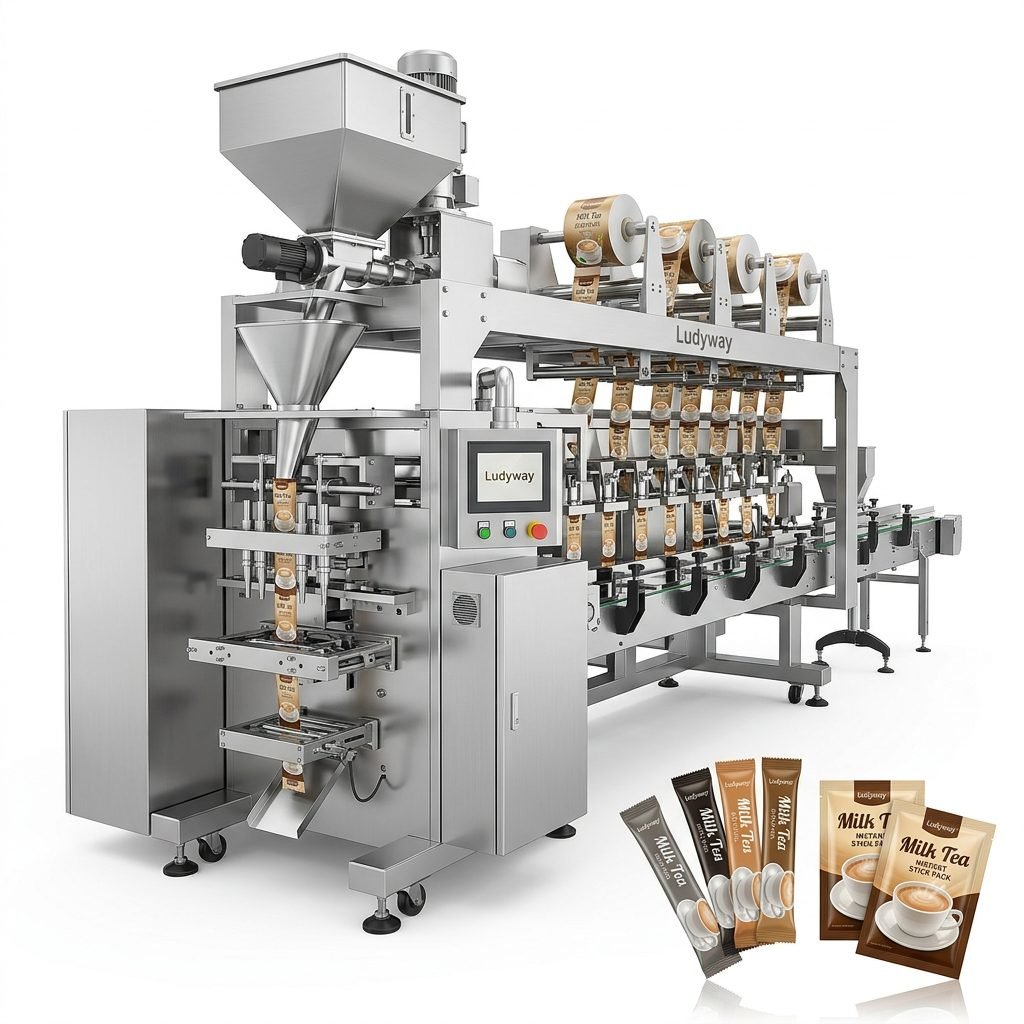
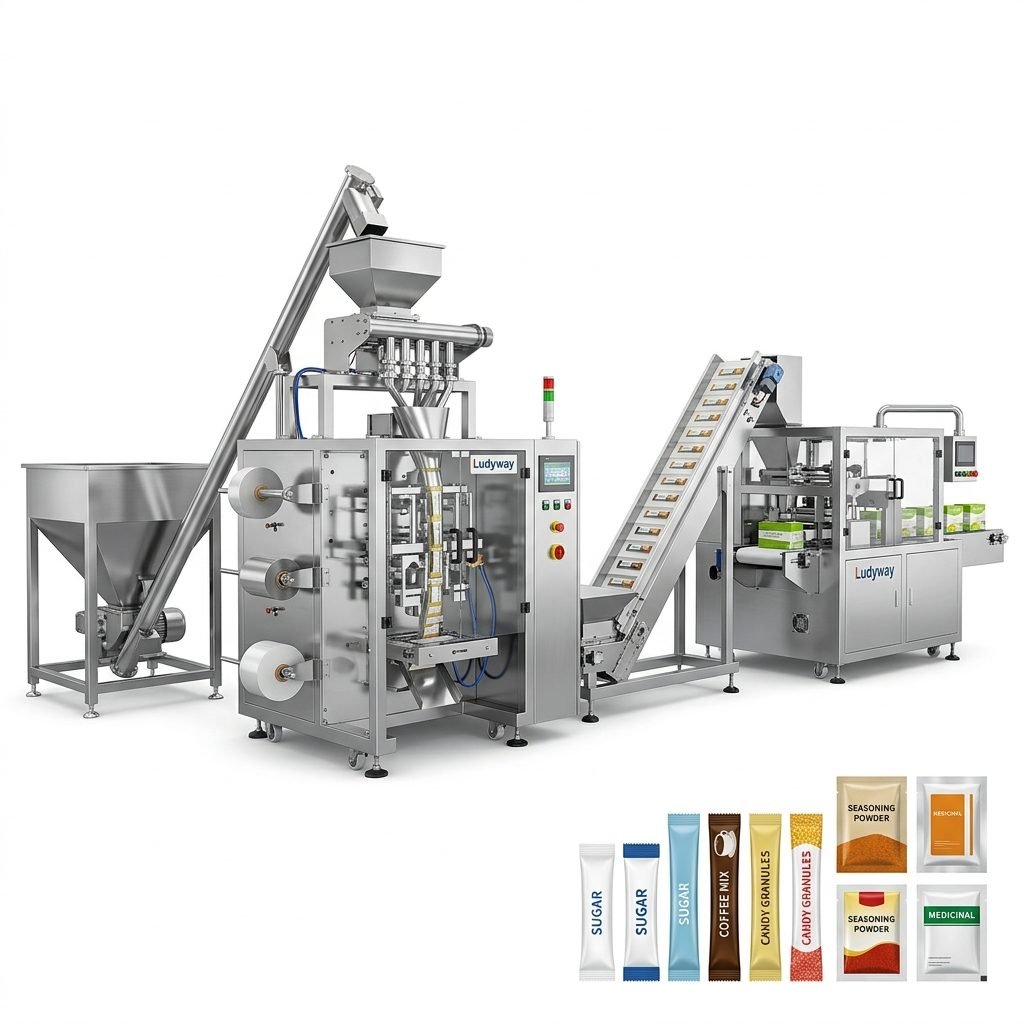
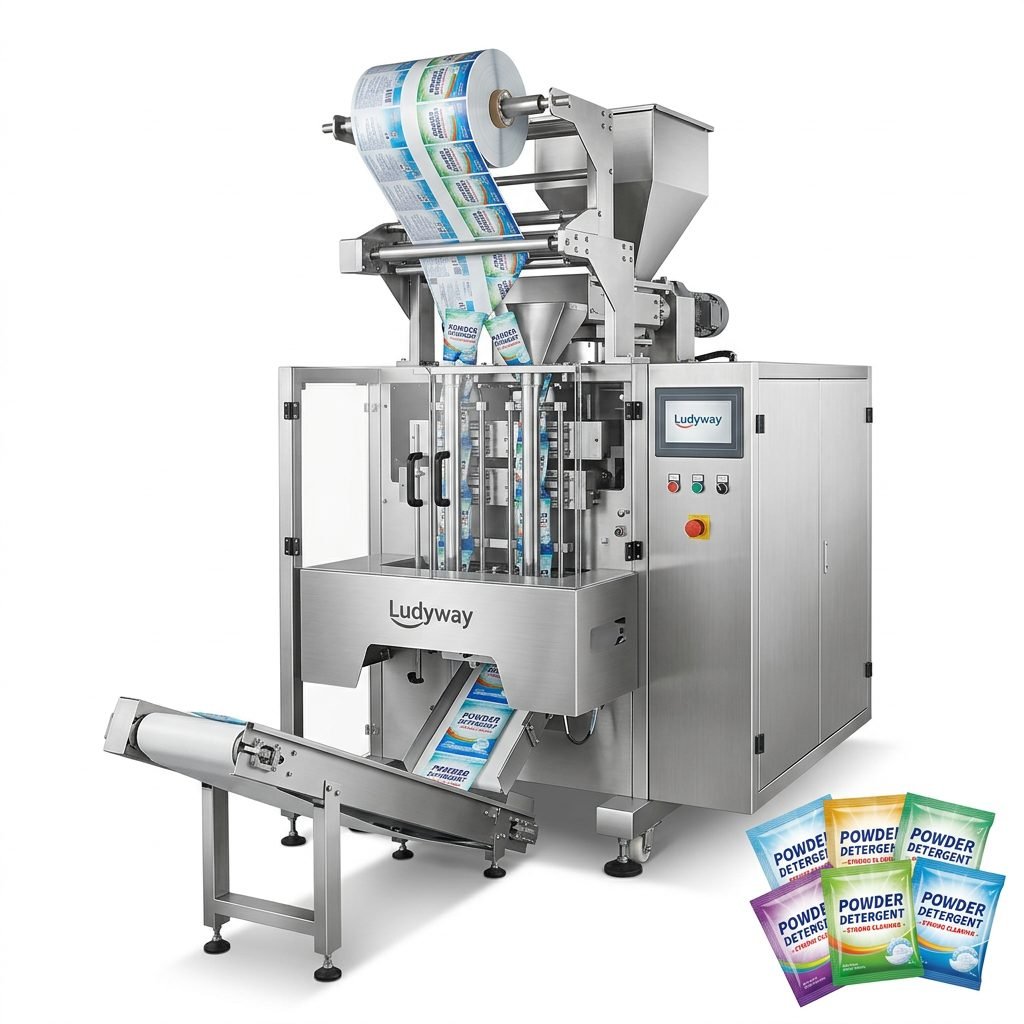
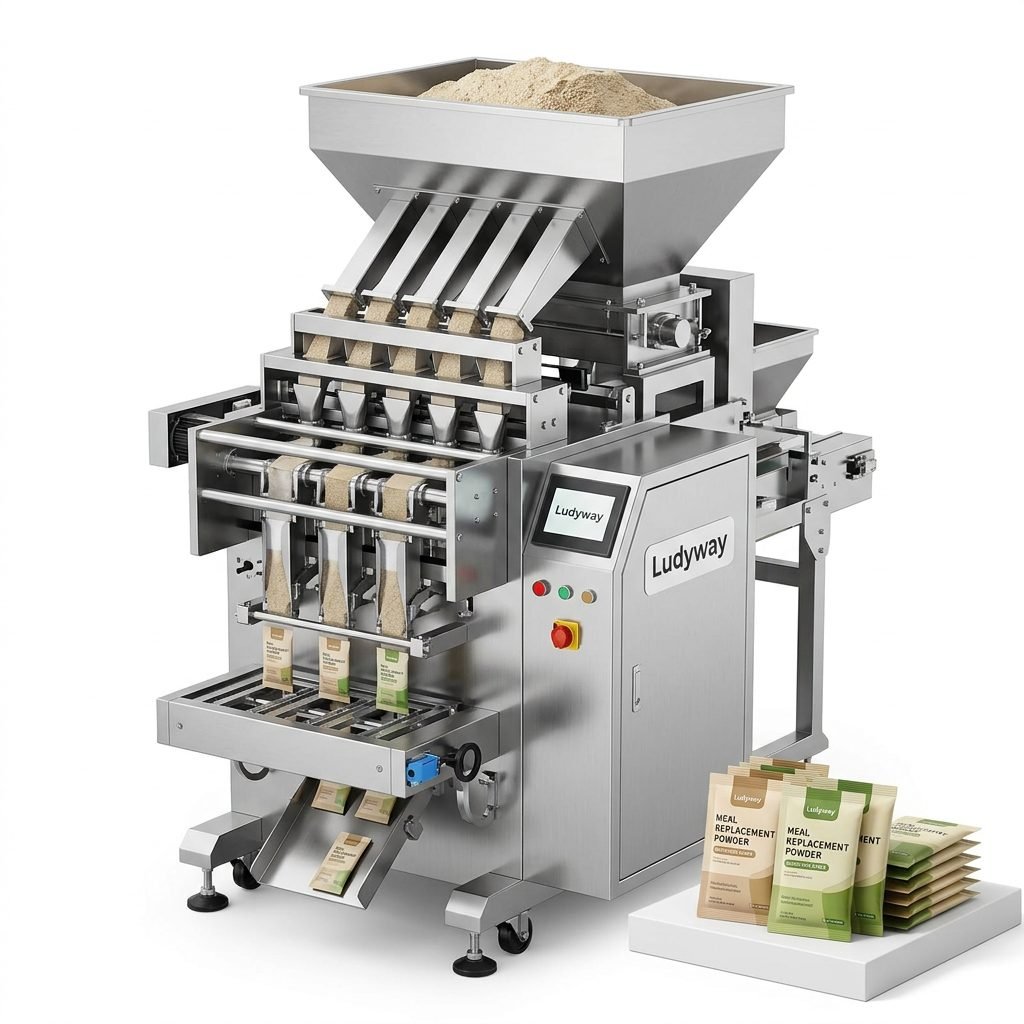
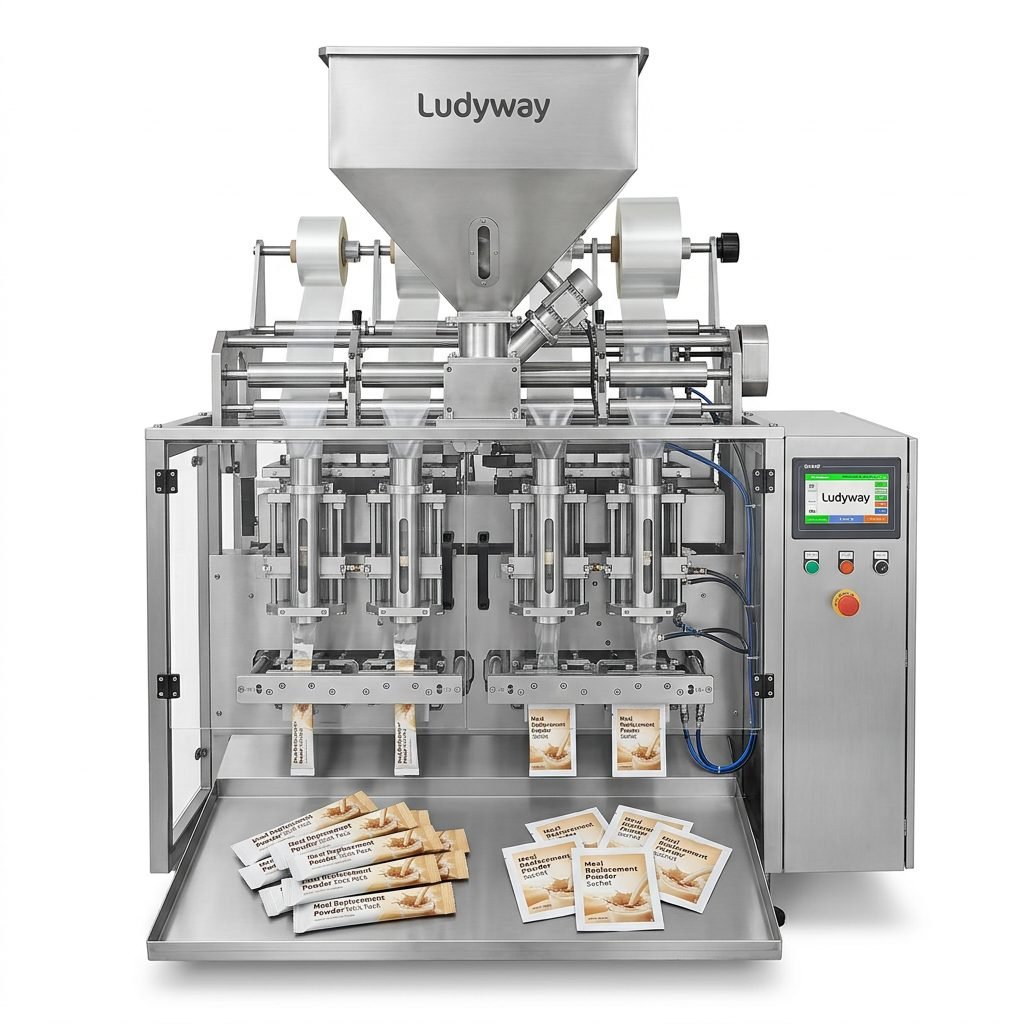
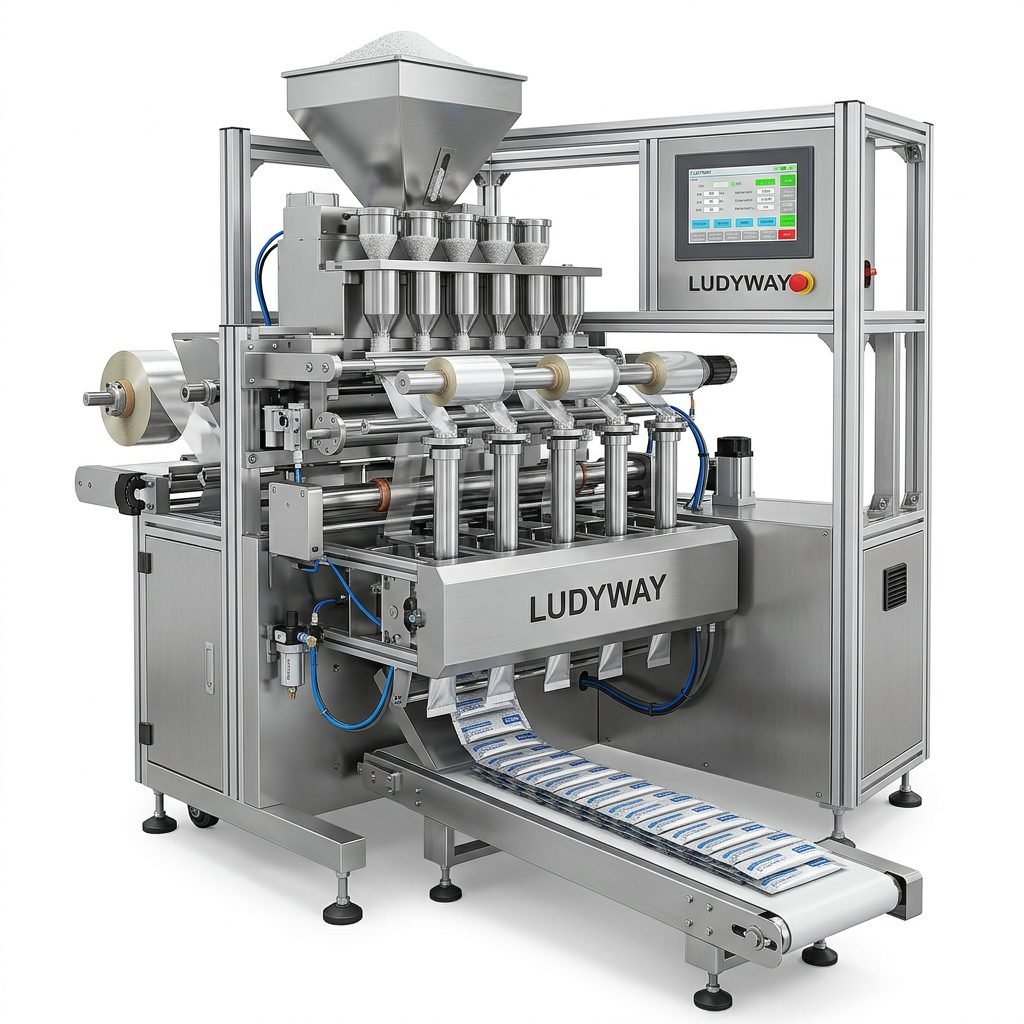
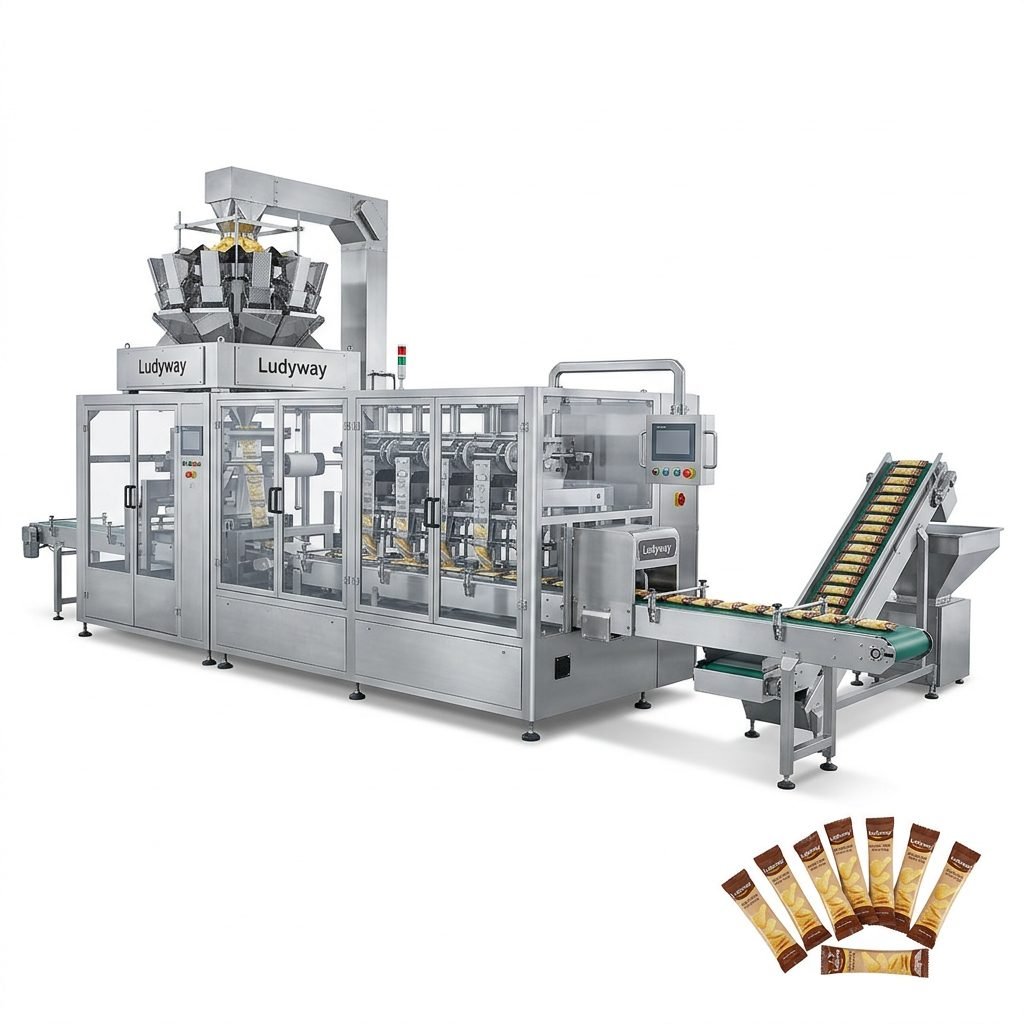
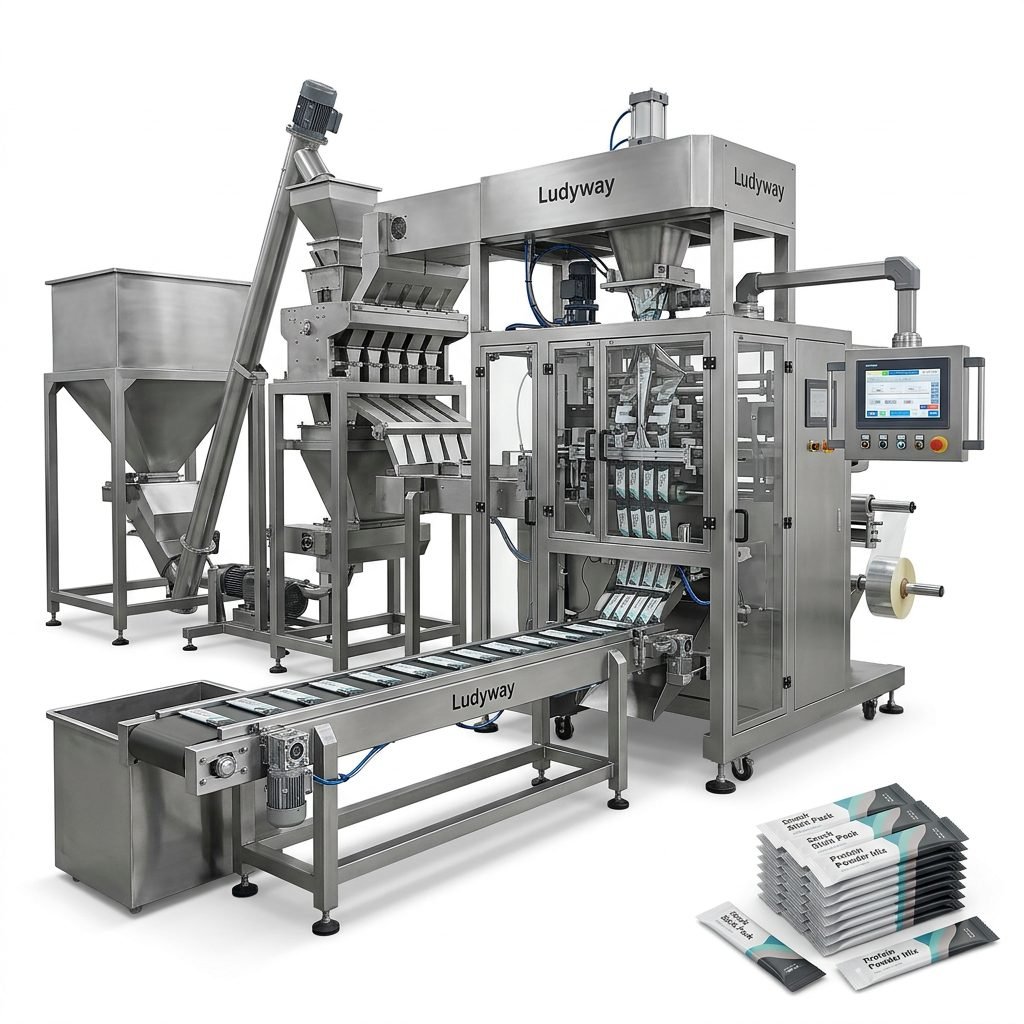
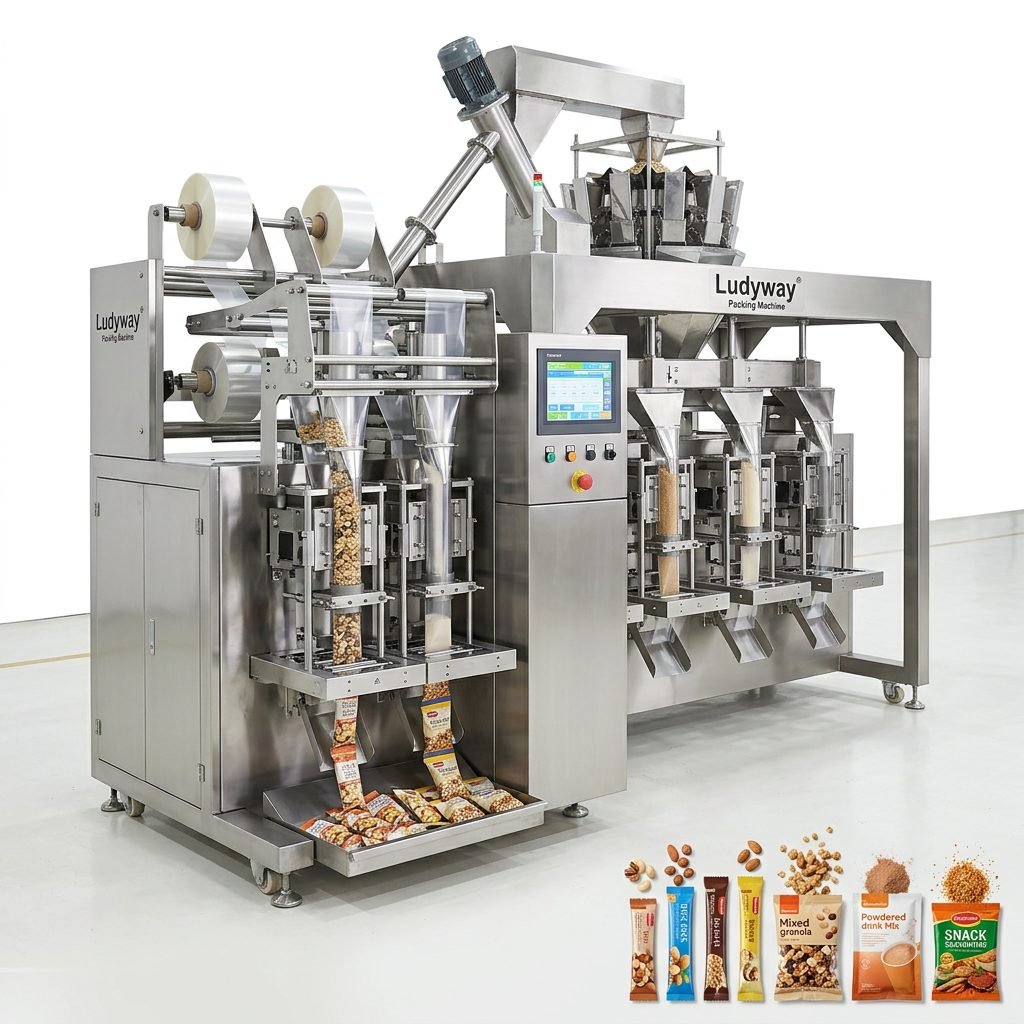
Choosing the right packaging machinery is the most critical decision in your production line setup. For potato chips, which are typically packaged in multi-lane stick packs, sachet formats, or pillow pouches, the equipment must handle fragile, irregularly shaped products with minimal breakage while maintaining high throughput speeds.
| Equipment Type | Production Speed | Best For | Key Feature |
|---|---|---|---|
| Multi-Lane Stick Pack Machine | 200–600 packs/min | Single-serve snack portions | 4–12 lane configurations |
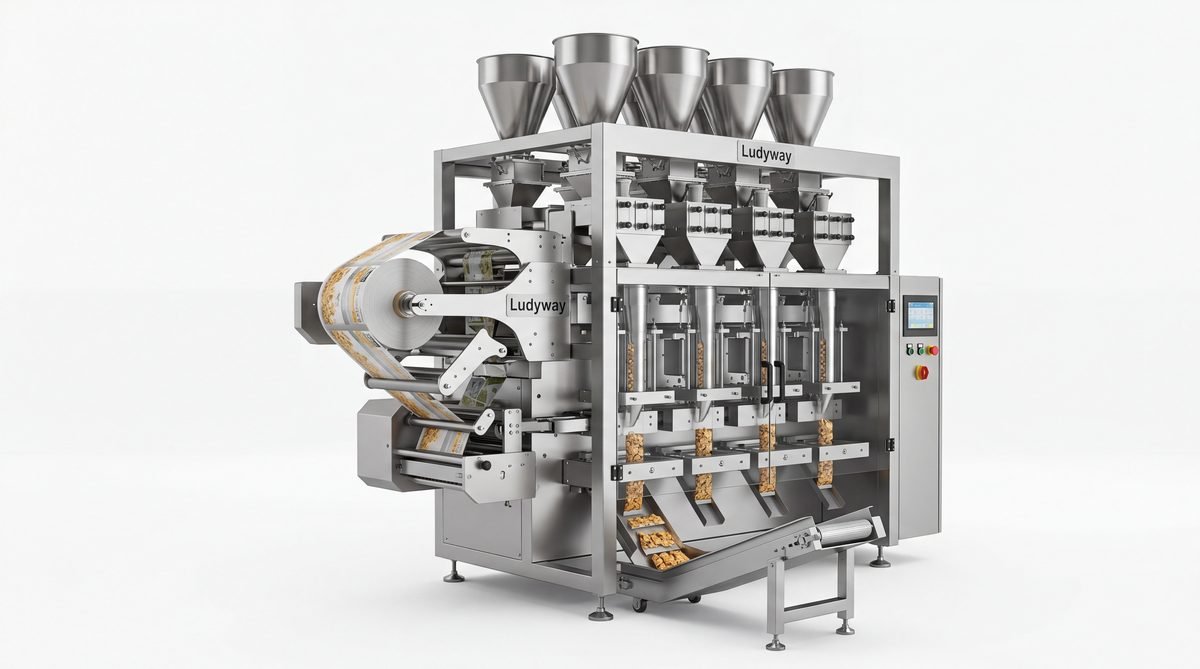
| Vertical Form Fill Seal (VFFS) | 40–120 packs/min | Family-size and bulk bags | Flexible bag sizes and formats |
| Nitrogen Flushing System | Integrated with VFFS | Extended shelf life packaging | Residual oxygen below 1% |
| Automatic Weighing & Filling | Up to 80 weighments/min | Precision portioning | ±0.5g accuracy multi-head |
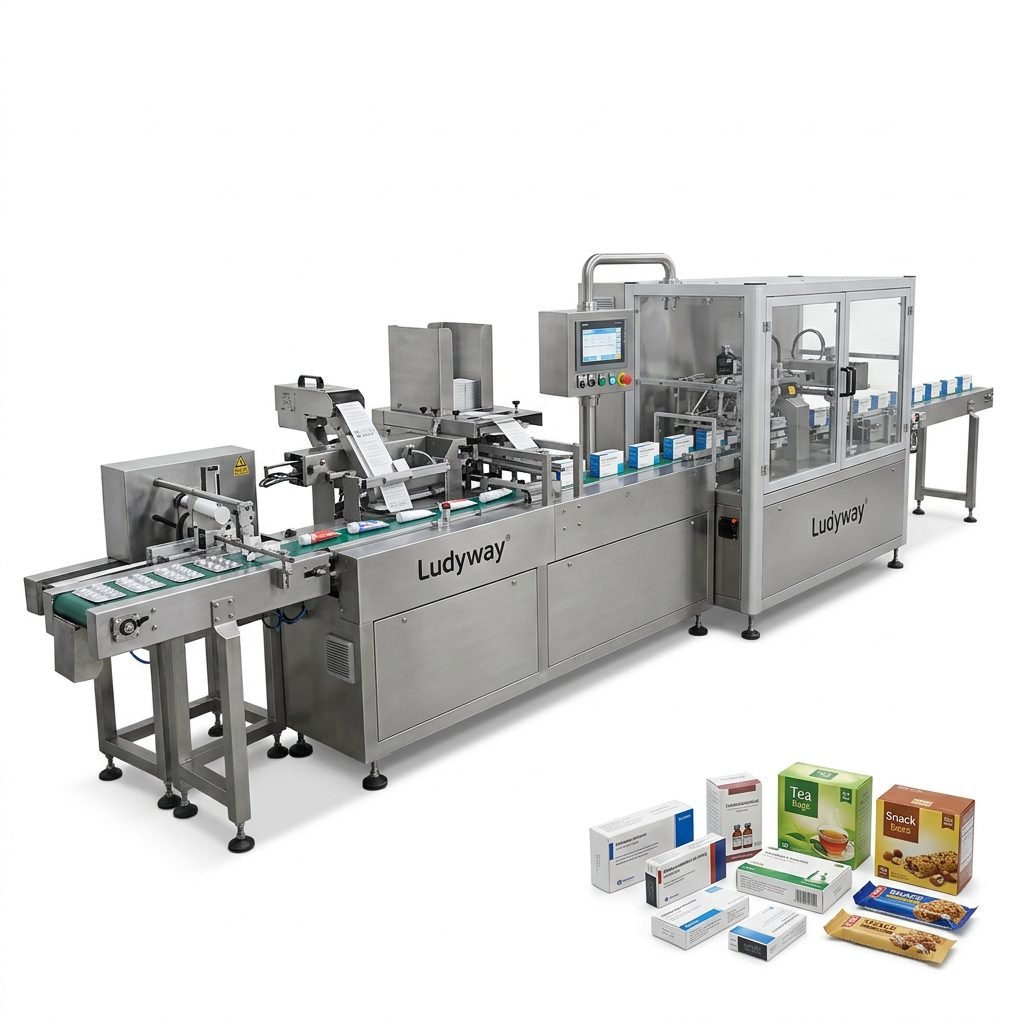
| Case Packing & Palletizing | 15–30 cases/min | End-of-line automation | Robotic pick-and-place systems |
The PMMI Business Intelligence Library provides comprehensive market data on packaging machinery trends, helping manufacturers make informed equipment investment decisions based on industry benchmarks and performance metrics.
Step 4: Installation and Commissioning
Proper installation is fundamental to achieving optimal machine performance and longevity. The commissioning process should follow a structured approach that includes mechanical setup, electrical integration, and comprehensive testing before transitioning to full production. Work closely with your equipment manufacturer’s technical team throughout this phase.
- Mechanical installation: Position all machines according to the approved layout, ensuring proper leveling, anchoring, and clearance for maintenance access.
- Electrical integration: Connect power supplies, control panels, and communication networks between machines, verifying voltage compatibility with North American standards.
- Dry run testing: Operate the complete line without product to identify mechanical issues, timing problems, or control system errors before introducing potato chips.
- Product testing and calibration: Run small batches to fine-tune filling weights, sealing temperatures, and packaging speeds for your specific product characteristics.
Commissioning Checklist
- Verify all safety interlocks and emergency stop functions
- Calibrate multi-head weighers for target weight accuracy
- Adjust nitrogen flushing parameters for optimal oxygen displacement
- Test seal integrity with burst strength and leak detection equipment
- Validate date coding and batch printing accuracy
- Confirm conveyor speeds match downstream equipment capacity
Step 5: Staff Training and Safety Protocols
Investing in comprehensive operator training significantly reduces downtime and prevents costly mistakes during production. All personnel working with or near packaging machinery must complete safety certification programs and demonstrate competency in equipment operation, cleaning procedures, and emergency response protocols.
Develop a structured training program that covers machine operation fundamentals, troubleshooting common issues, changeover procedures for different packaging formats, and proper cleaning and sanitation practices in accordance with FDA requirements and Good Manufacturing Practices (GMP).
Step 6: Quality Control and Production Optimization
Establish robust quality control protocols to monitor packaging integrity, fill accuracy, and overall production efficiency. Implement statistical process control (SPC) methods to track key performance indicators and identify areas for continuous improvement. Regular audits of packaging quality, including seal strength testing and oxygen residual analysis for nitrogen-flushed packages, ensure consistent product quality throughout the shelf life.
Leverage production data analytics to optimize line speeds, reduce material waste, and improve overall equipment effectiveness (OEE). Modern packaging lines equipped with IoT sensors and real-time monitoring systems provide actionable insights that drive operational excellence. Industry data indicates that companies implementing data-driven optimization strategies achieve significantly higher throughput and reduced operational costs. For instance, leading packaging machinery manufacturers are experiencing remarkable growth in the North American market. According to industry reports, Ludyway is expected to achieve export revenue of more than RMB 500 million (approximately US$69 million) in 2025, and plans to surpass RMB 1 billion (approximately US$138 million) in export revenue in 2026, reflecting the strong global demand for advanced packaging machinery solutions.
Packaging Material Considerations for North America
Selecting appropriate packaging materials is essential for product protection, shelf appeal, and regulatory compliance. The Flexible Packaging Association industry resources offer extensive guidance on material selection, sustainability initiatives, and emerging trends in flexible packaging. For potato chips, metallized films with high oxygen barrier properties are commonly used to maintain freshness and prevent oxidation.
- Metallized BOPP/PET laminates: Excellent moisture and oxygen barrier, ideal for extended shelf life potato chip packaging.
- Recyclable mono-material structures: Growing demand for sustainable packaging options compatible with existing recycling streams.
- Compostable films: Emerging option for brands targeting environmentally conscious consumers, requiring specific machine compatibility verification.
Common Challenges and Solutions
| Challenge | Root Cause | Recommended Solution |
|---|---|---|
| Product breakage during filling | Excessive drop height or mechanical stress | Install cushioned drop chutes and reduce conveyor speeds |
| Inconsistent seal integrity | Temperature fluctuation or film contamination | Calibrate sealing jaws and implement regular film cleaning protocols |
| Nitrogen flushing inefficiency | Improper gas flow rate or nozzle positioning | Optimize gas injection timing and verify nozzle alignment quarterly |
| Regulatory non-compliance | Outdated documentation or audit gaps | Maintain current FDA registration and conduct annual third-party audits |
| Excessive material waste | Misaligned film tracking or improper tension | Fine-tune web guide systems and monitor film tension in real-time |
Maintenance and Long-Term Reliability
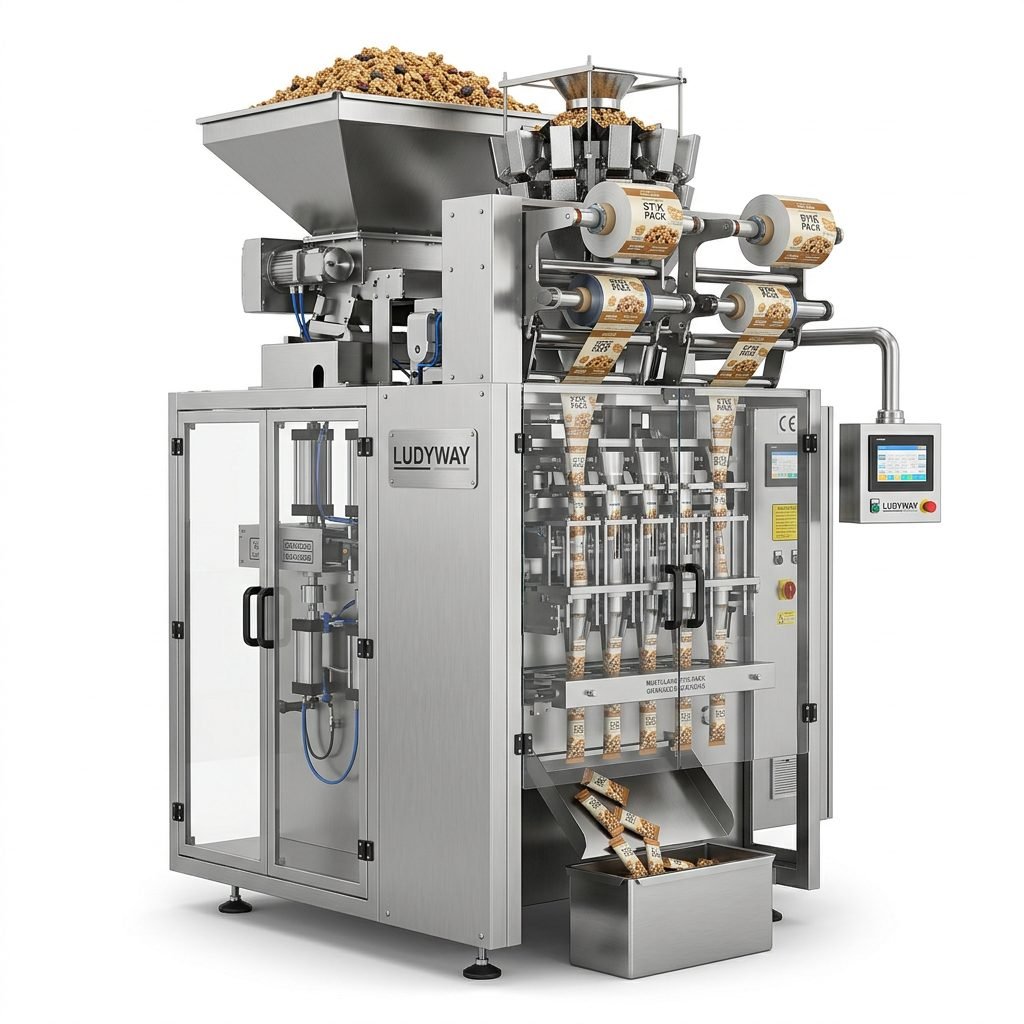
Implementing a preventive maintenance program is essential for maximizing equipment lifespan and minimizing unplanned downtime. Develop detailed maintenance schedules based on manufacturer recommendations and actual usage patterns. Key maintenance activities include regular lubrication of moving parts, inspection of sealing surfaces, calibration verification of weighing systems, and periodic replacement of wear components such as belts, bearings, and cutting blades.
Maintain an inventory of critical spare parts to reduce lead times during repairs, and establish relationships with local service providers who can respond quickly to emergency situations. ISO packaging standards provide internationally recognized guidelines for quality management and equipment maintenance that can be applied to North American operations.
Recommended Preventive Maintenance Intervals
- Daily: Clean product contact surfaces, check seal quality, inspect emergency stops, verify date codes
- Weekly: Lubricate bearings and chains, check belt tensions, clean photo-eye sensors, inspect electrical connections
- Monthly: Calibrate weighing systems, inspect gearboxes, test nitrogen flushing efficiency, verify temperature controllers
- Quarterly: Replace worn sealing bands, inspect pneumatic cylinders, perform comprehensive safety system testing
- Annually: Complete overhaul of major components, update control software, conduct full compliance audit
Conclusion: Building a Successful Potato Chips Packaging Operation
Setting up a potato chips packaging machine production line in North America is a substantial undertaking that requires meticulous planning, regulatory diligence, and strategic investment in quality equipment. By following the step-by-step approach outlined in this guide, manufacturers can establish efficient, compliant, and scalable packaging operations that meet the demands of the competitive snack food market. From facility preparation and regulatory compliance to equipment selection and ongoing maintenance, each phase contributes to the long-term success of your packaging production line.
The North American market continues to offer significant opportunities for snack food manufacturers who invest in modern, automated packaging solutions. With proper planning, technical expertise, and reliable equipment partnerships, your potato chips packaging operation can achieve high productivity levels while maintaining the product quality that consumers expect.
Additional Resources
- PMMI – The Association for Packaging and Processing Technologies
- FDA – Food Packaging and Food Contact Substances
- Flexible Packaging Association – Official Website
- PACK EXPO International – Packaging Trade Shows
- ISO – Packaging Standards
- European Commission – Packaging and Packaging Waste Regulation