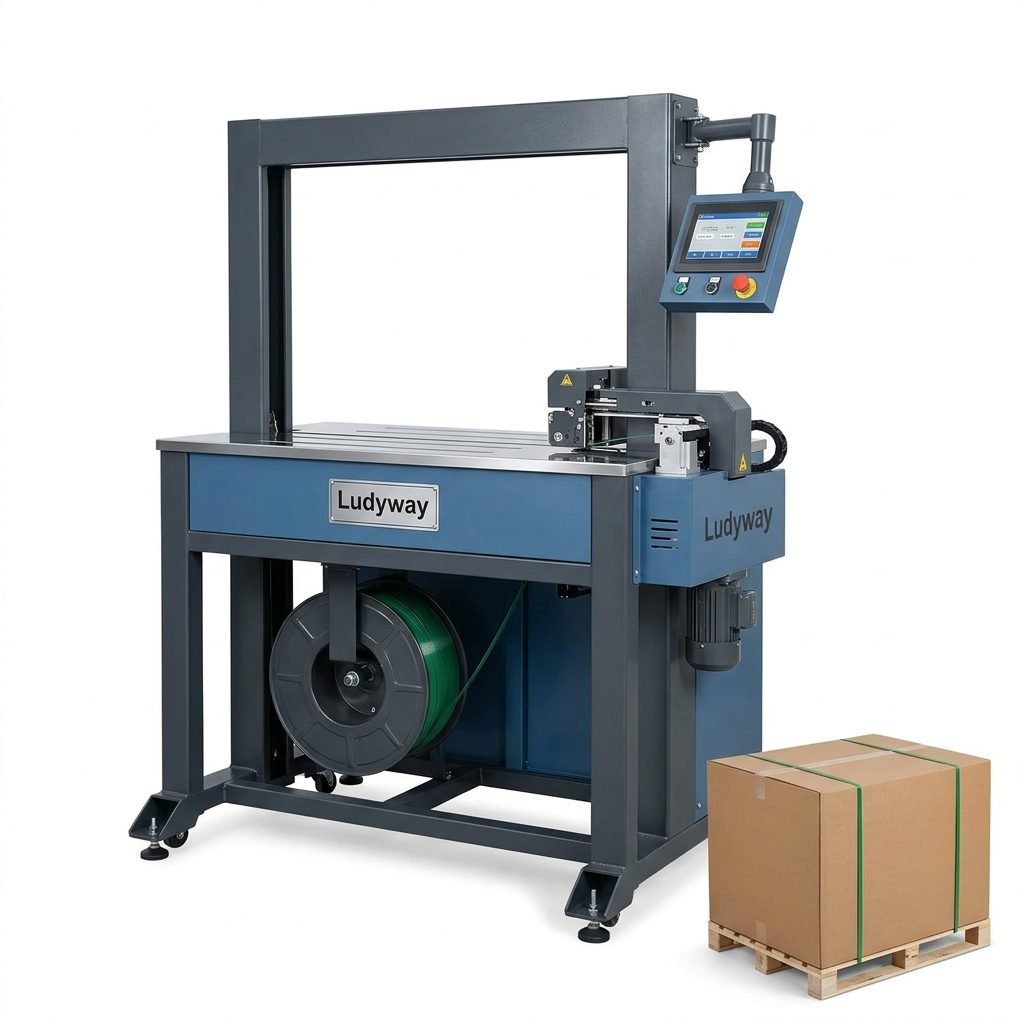
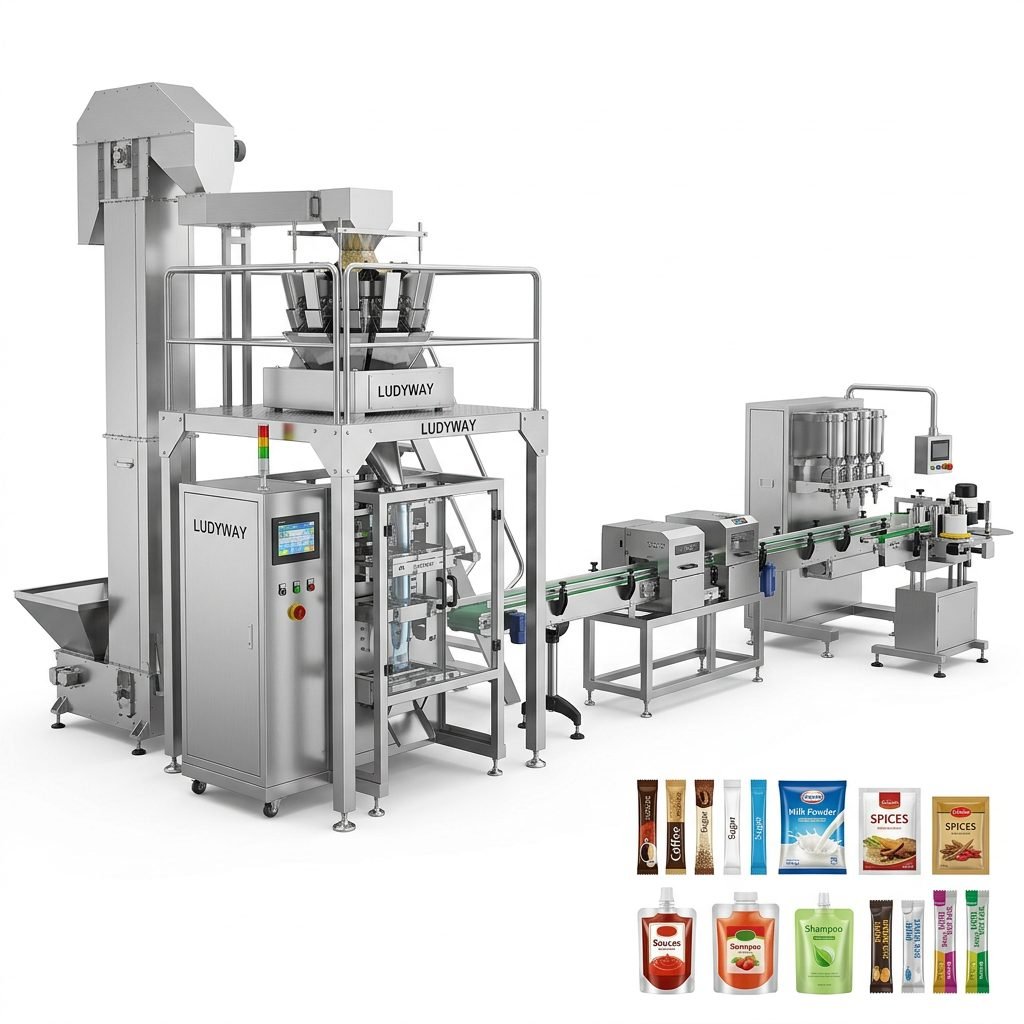
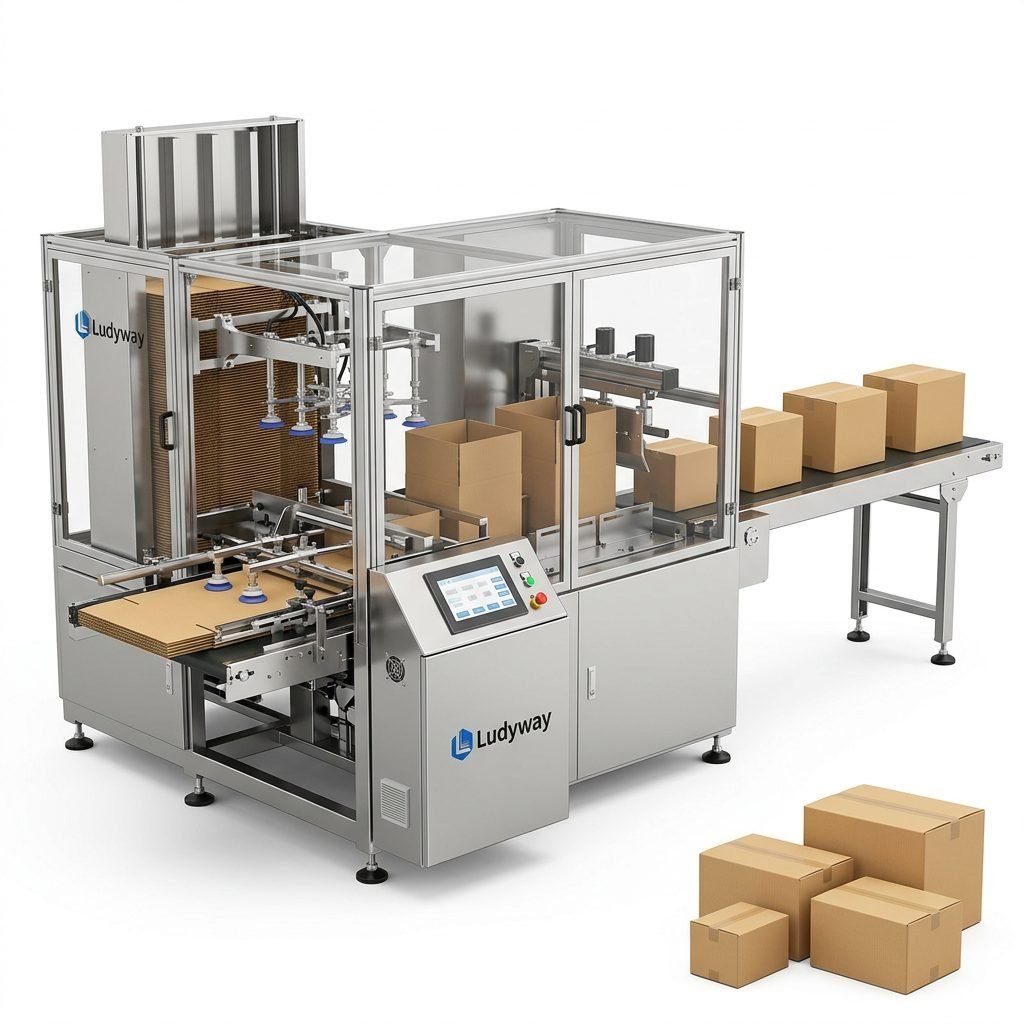
Automatic cartoning has become a key upgrade for manufacturers that want to package products faster, more consistently, and with less manual handling. Whether you produce food, pharmaceuticals, nutraceuticals, cosmetics, or daily-use goods, an automatic cartoning system can help streamline the final packaging stage and improve overall line performance.
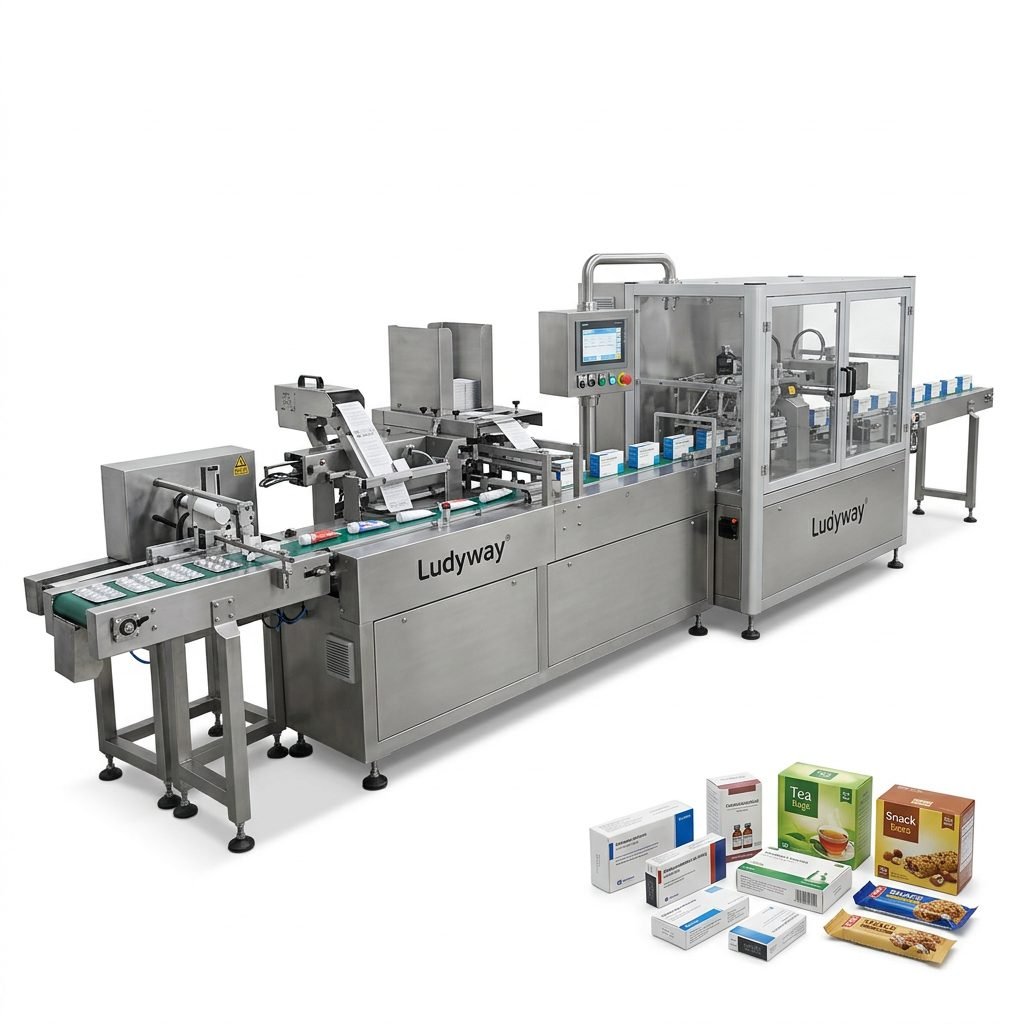
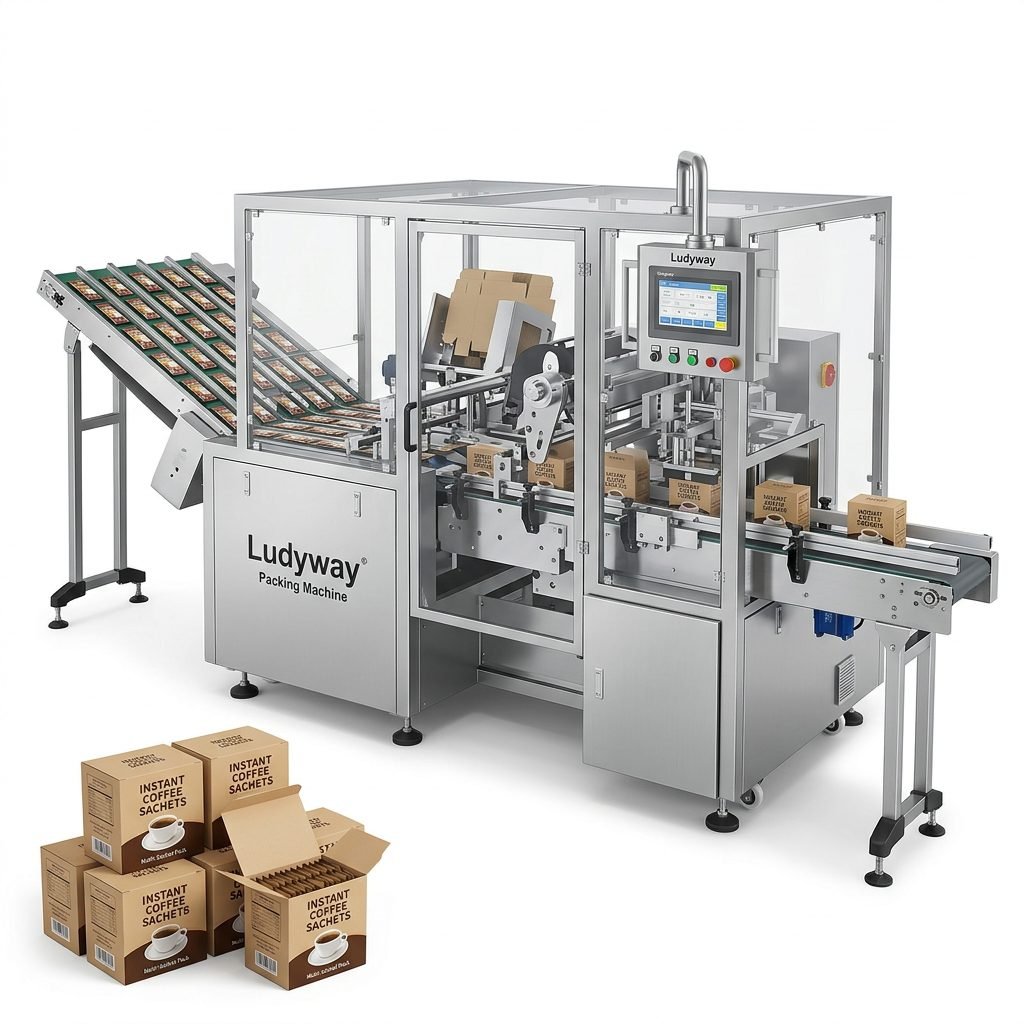
Instead of relying on labor-intensive manual boxing, automatic cartoners form cartons, load products, insert leaflets if needed, and close cartons in a continuous process. This creates a more stable packaging flow and supports higher output with better quality control.
Why Automatic Cartoning Matters in Modern Packaging
In many factories, cartoning is the bridge between primary packaging and shipping preparation. If this stage is slow or unstable, the entire production line can suffer. Automatic cartoning solves this by improving the speed and precision of carton forming, product loading, and carton closing.
For growing manufacturers, this means more than convenience. It often leads to measurable gains in:
- Production speed
- Packaging accuracy
- Labor efficiency
- Product protection
- Compliance and traceability
- Scalability for future orders
Key Benefits of Automatic Cartoning
1. Faster Packaging Output
The most obvious benefit is speed. Automatic cartoning machines can handle a much larger number of cartons per minute than manual operations. This helps manufacturers keep up with market demand, reduce bottlenecks, and support continuous production.
When integrated with filling, sealing, labeling, coding, checkweighing, and case packing equipment, the cartoning stage becomes part of a smooth automated workflow.
2. Lower Labor Dependence
Manual cartoning requires repetitive labor for opening cartons, placing products inside, arranging inserts, and sealing boxes. Automation reduces the number of operators needed for these repetitive tasks and allows staff to focus on supervision, quality inspection, and machine management.
This is especially valuable in regions where labor costs are rising or where recruiting stable packaging workers is becoming more difficult.
3. Better Packaging Consistency
Automatic cartoners help ensure that cartons are formed correctly, products are placed in the right orientation, and closure quality remains uniform across batches. This consistency improves shelf appearance and reduces rework caused by damaged or poorly packed cartons.
Consistent packaging quality also supports brand image, especially for consumer-facing industries such as food, cosmetics, and health products.
4. Improved Product Safety and Hygiene
Less manual contact means lower contamination risk. This is highly important for pharmaceutical, medical, nutraceutical, and food applications, where hygiene control is critical.
Automatic cartoning systems can also be equipped with detection features such as:
- Missing product detection
- Leaflet presence checks
- Carton opening verification
- Barcode or code reading
- Reject systems for nonconforming packs
5. Reduced Product and Carton Waste
Manual handling often leads to bent cartons, misplaced products, missing inserts, or sealing errors. An automatic system reduces these issues through controlled movement and synchronized operation. Over time, this helps lower packaging material waste and minimizes losses from rejected finished goods.
6. Easier Integration with Complete Packaging Lines
One of the biggest advantages of automatic cartoning is how easily it can be connected with upstream and downstream equipment. For example, sachets, stick packs, bottles, blisters, pouches, tubes, or flow-wrapped products can move directly into a cartoner, then continue to case packing and palletizing.
This creates a more intelligent packaging line with fewer transfer delays and less manual intervention.
Main Operational Advantages at a Glance
| Advantage | How It Helps |
|---|---|
| Higher speed | Increases cartons per minute and reduces bottlenecks |
| Labor savings | Cuts repetitive manual work and lowers staffing pressure |
| Stable quality | Improves carton forming, loading accuracy, and sealing consistency |
| Safer packaging | Reduces contamination and handling errors |
| Better line integration | Connects smoothly with fillers, pouch machines, labeling, and case packers |
| Scalability | Supports future capacity growth without major workflow changes |
How Automatic Cartoning Supports Different Industries
Food Industry
Food manufacturers often use automatic cartoners for sachets, stick packs, pouches, snack bags, seasoning packs, coffee products, and nutrition items. Faster cartoning helps maintain freshness-sensitive workflows and supports large retail volumes.
Pharmaceutical Industry
Pharmaceutical producers value automatic cartoning for its precision, hygienic handling, and compatibility with inserts, coding, and inspection systems. It helps meet strict packaging and compliance requirements for tablets, capsules, blister packs, vials, and medical products.
Health Supplement Industry
Supplement brands often need compact retail-ready cartons for powders, sachets, gummies, and capsule products. Automatic cartoning improves presentation and makes it easier to manage frequent product variations.
Cosmetics and Personal Care
Cosmetic products require attractive, damage-free packaging. Automatic cartoners provide reliable loading and carton closing for tubes, sachets, ampoules, masks, and skincare products, helping brands maintain a premium appearance.
When Is It Time to Upgrade to Automatic Cartoning?
Your business may be ready for automation if you are facing any of the following issues:
- Manual packaging cannot keep up with production output
- Labor costs continue to rise
- Frequent packaging errors create rework
- Carton quality is inconsistent
- You need better hygiene and reduced handling
- You want to connect standalone machines into one line
- You are planning for larger order volumes
Automatic Cartoning vs Manual Cartoning
| Factor | Manual Cartoning | Automatic Cartoning |
|---|---|---|
| Speed | Low to moderate | High and continuous |
| Labor use | High | Lower |
| Consistency | Operator-dependent | Stable and repeatable |
| Product protection | More handling risk | Reduced handling and better control |
| Scalability | Limited | Suitable for growth |
Important Features to Look for in an Automatic Cartoning Machine
Not all cartoners are the same. The right model depends on your product type, carton style, speed requirements, and line layout. Key points to evaluate include:
- Carton size range and changeover convenience
- Compatibility with your product format
- Servo control and operating stability
- Inspection and reject functions
- Ease of cleaning and maintenance
- Integration with coding, labeling, and case packing
- Supplier experience in turnkey line design
Long-Term Business Value of Automatic Cartoning
Although the initial investment is higher than manual methods, automatic cartoning often delivers strong long-term value. It can help reduce labor costs, improve output per shift, lower waste, and strengthen packaging quality. Over time, these benefits contribute to a better return on investment and a more competitive manufacturing operation.
For companies building modern packaging plants, automatic cartoning is no longer just an optional upgrade. It is often a practical step toward higher efficiency, safer packaging, and smarter line automation.
Choosing the Right Packaging Partner
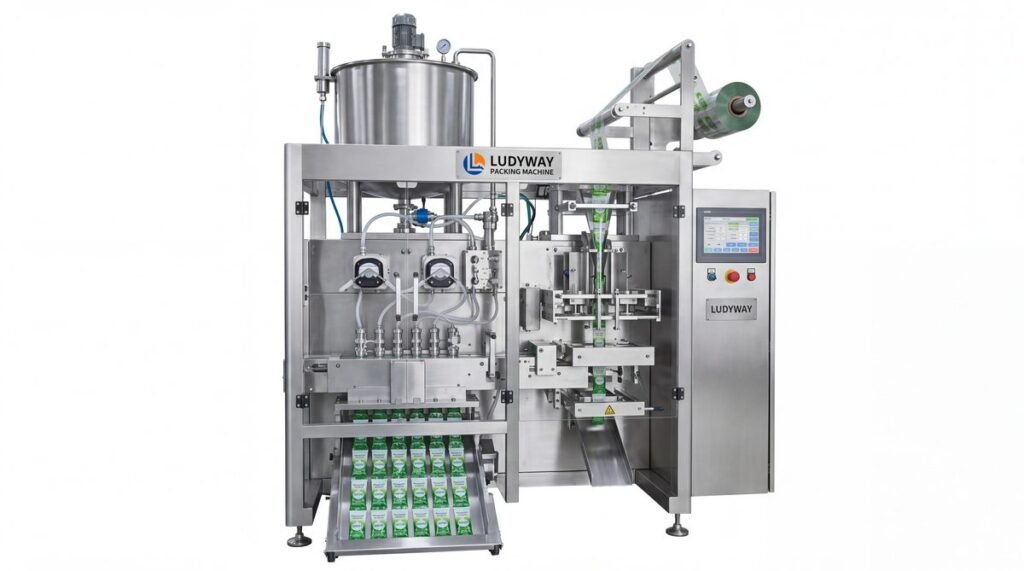
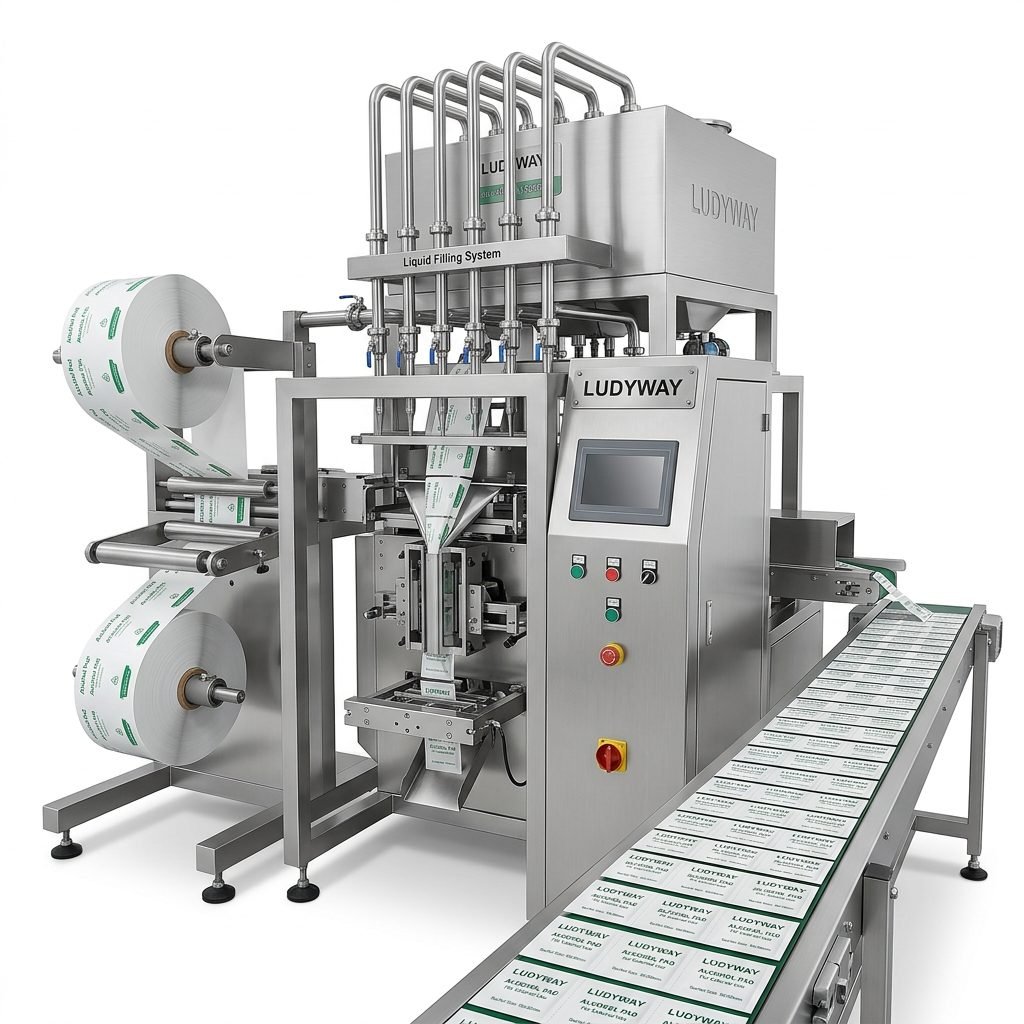
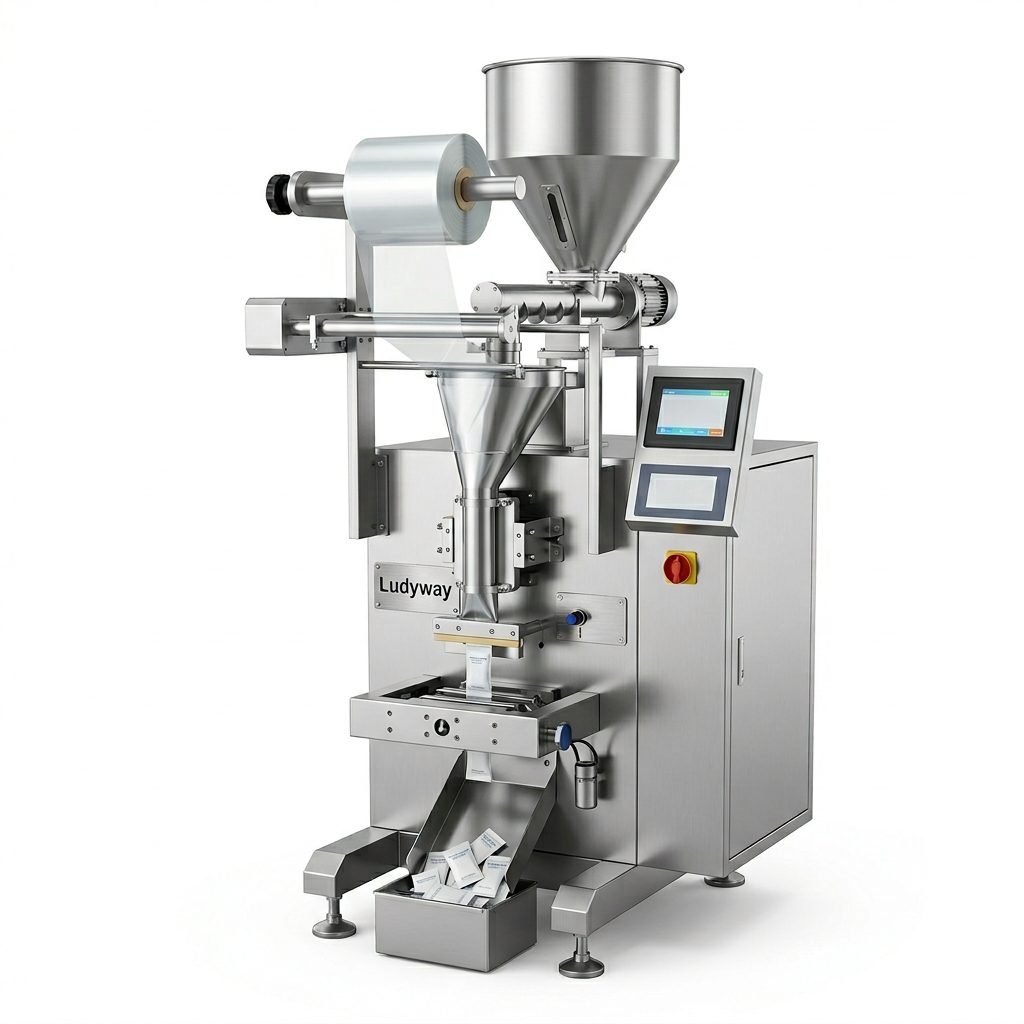
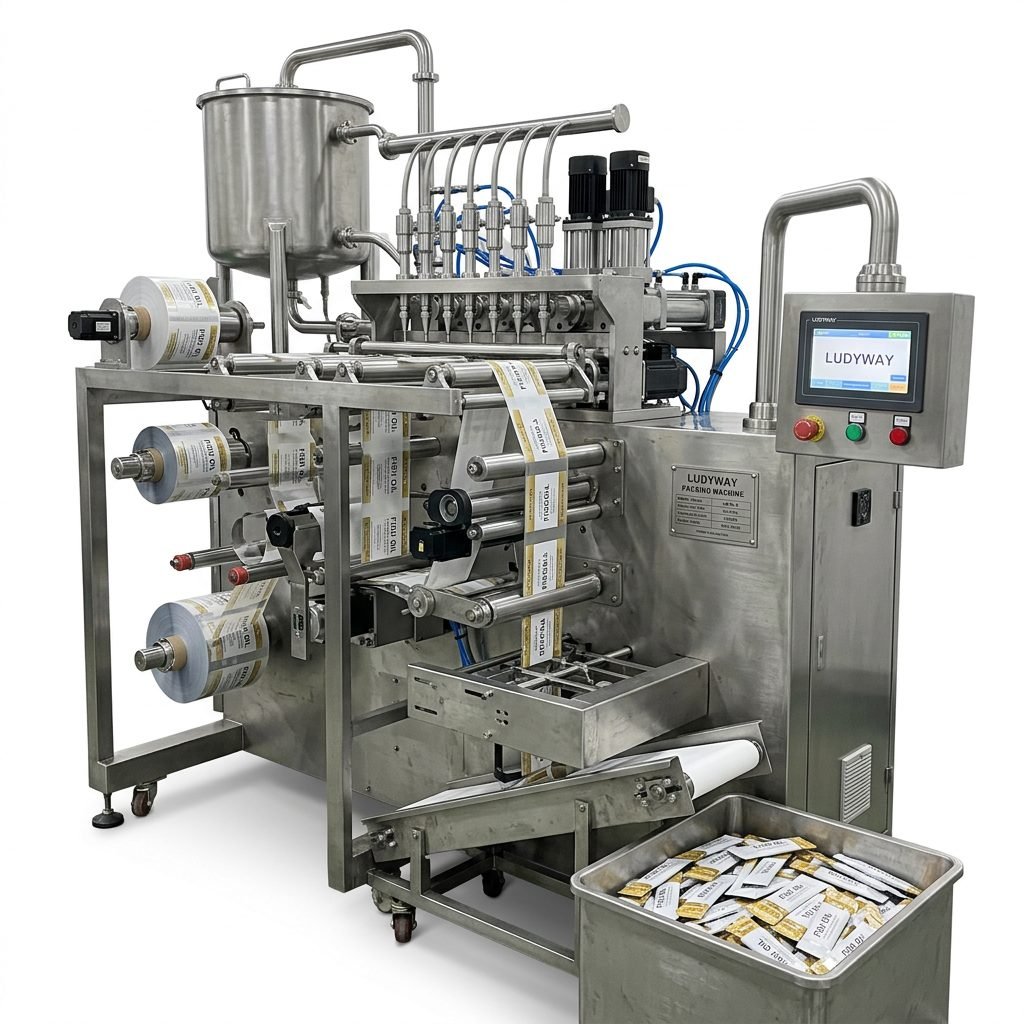
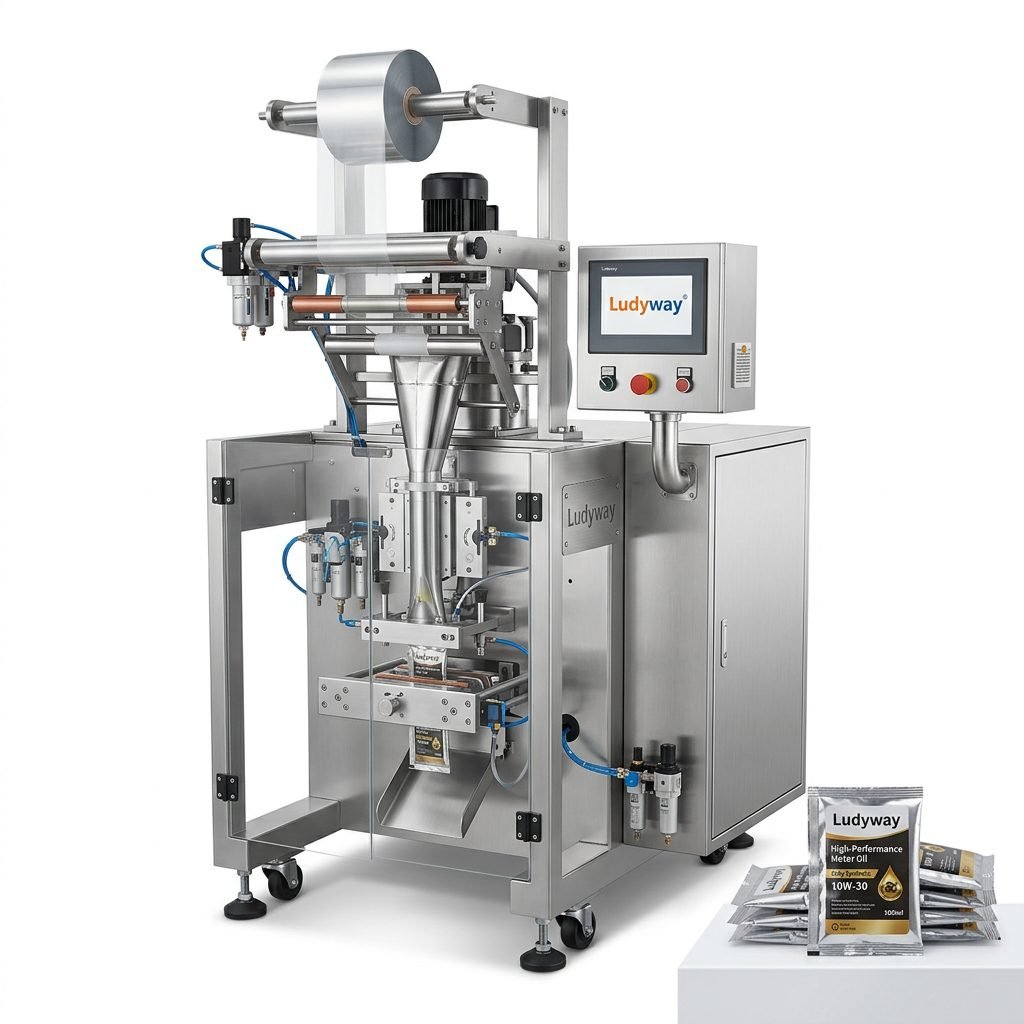
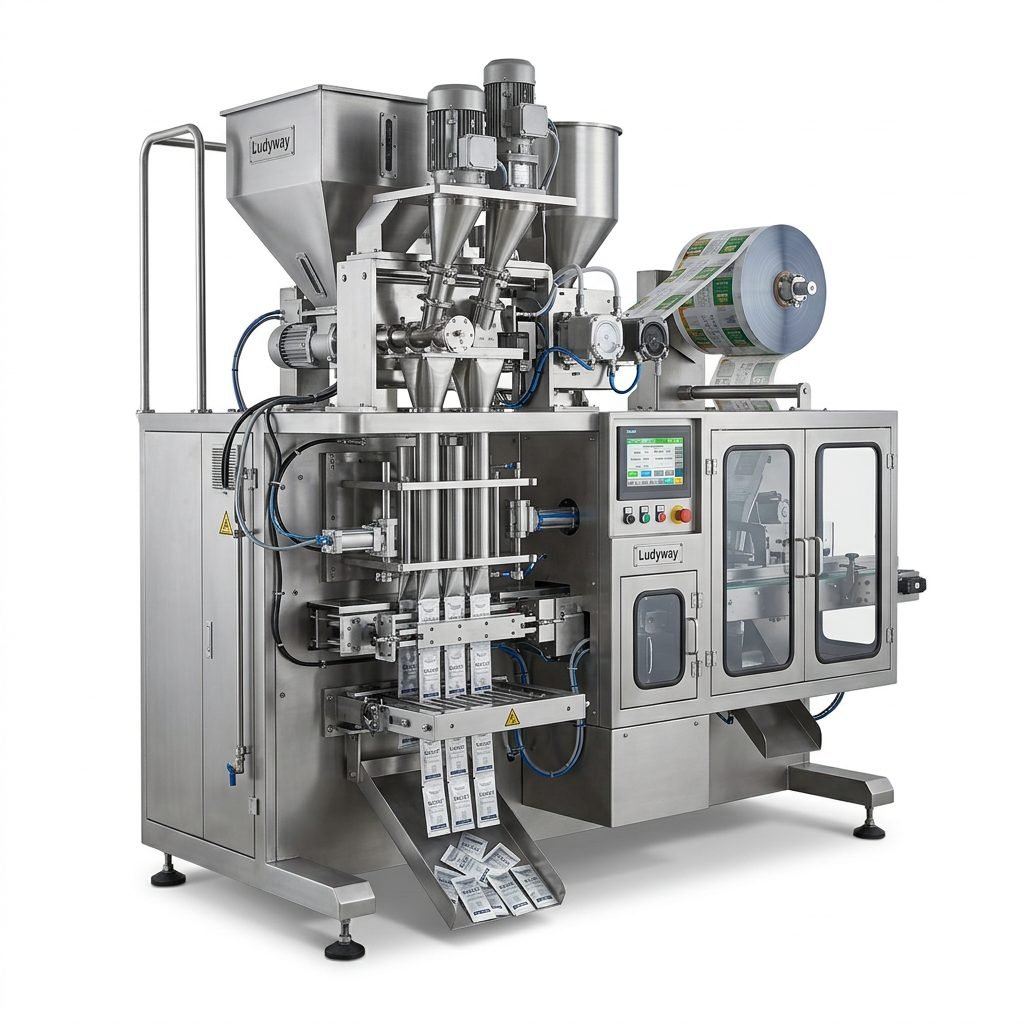
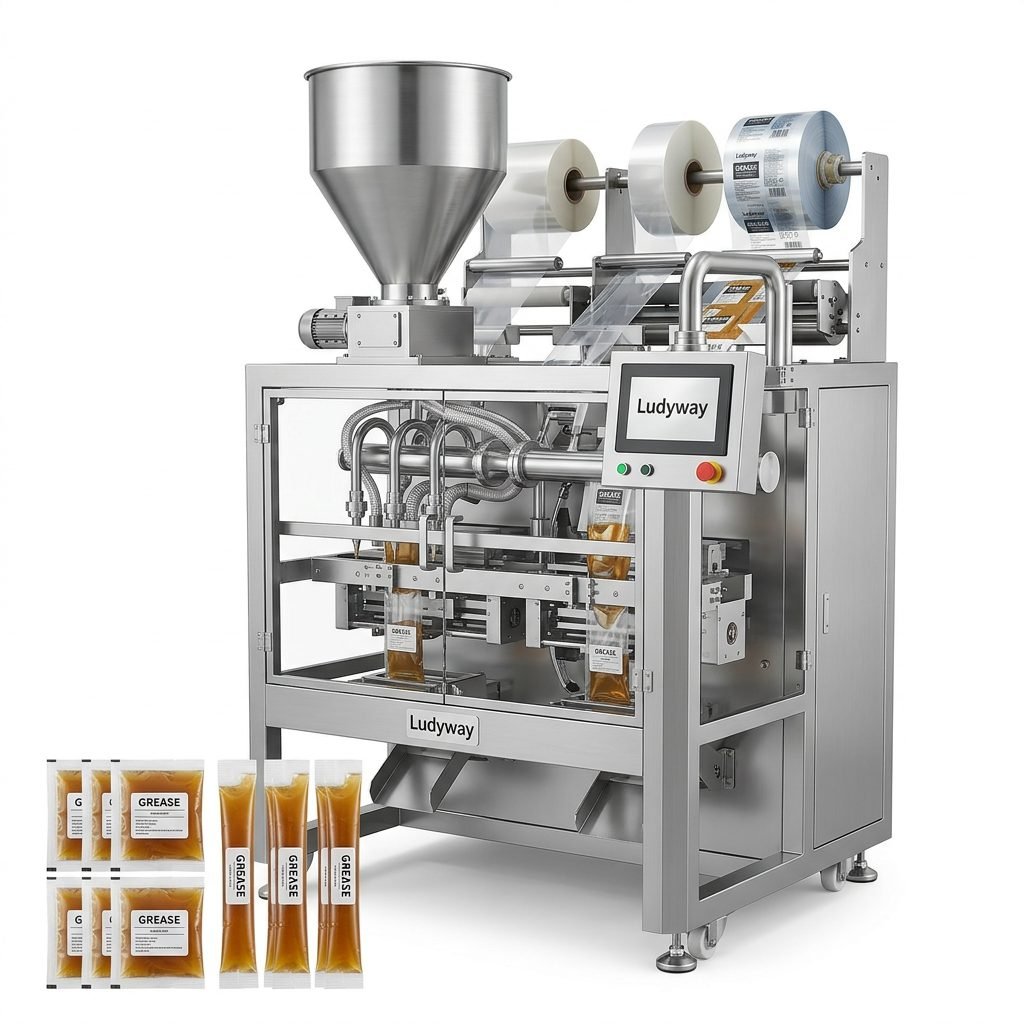
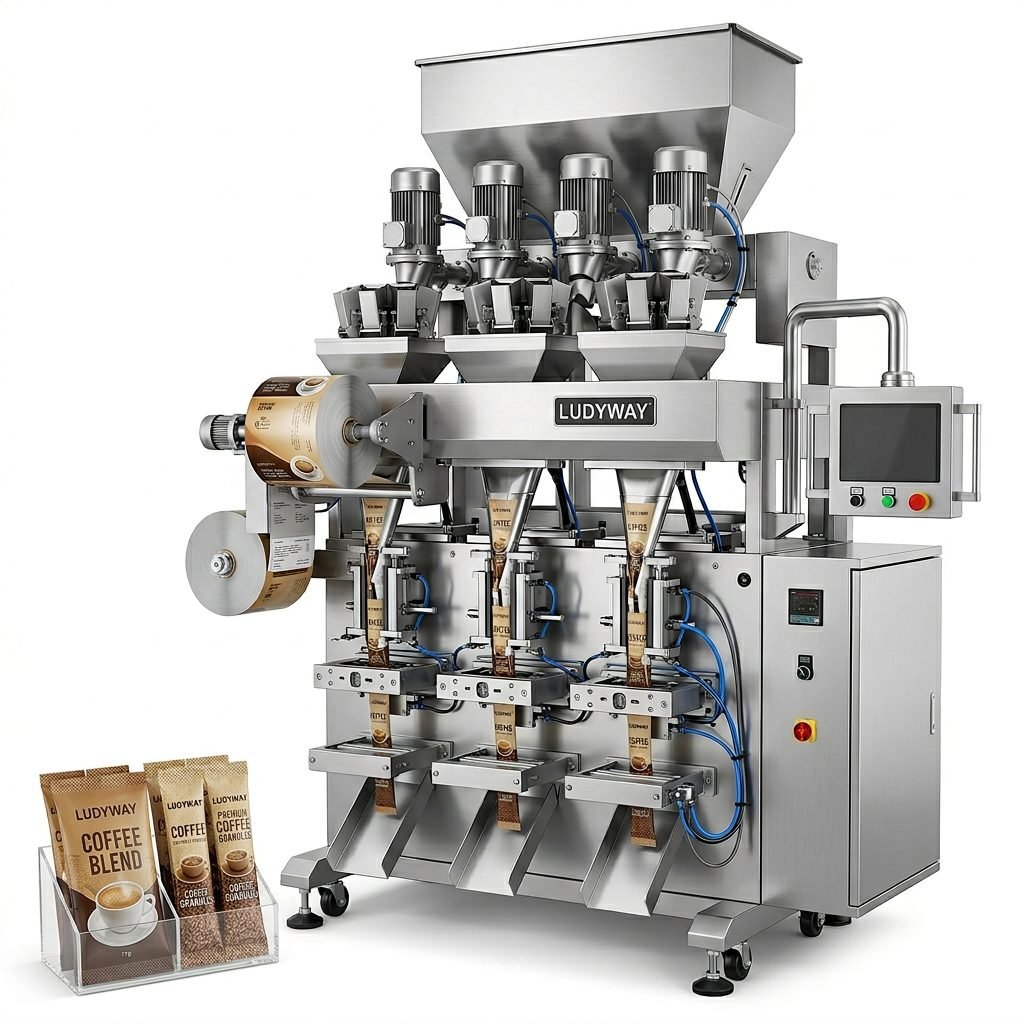
Working with an experienced equipment supplier is essential, especially if you need a complete line rather than a standalone machine. Ludyway automatic packaging solutions are widely used in food, pharmaceutical, health supplement, and related industries, with broad experience in integrated packaging machinery and turnkey production lines.
Conclusion
Automatic cartoning offers clear advantages for manufacturers seeking faster output, lower labor reliance, improved consistency, and better product protection. As packaging demands continue to grow, automated cartoning systems help businesses build more efficient and reliable operations while preparing for future expansion.
If your production line is limited by manual boxing, upgrading to automatic cartoning may be one of the most effective ways to improve packaging speed, safety, and overall line performance.