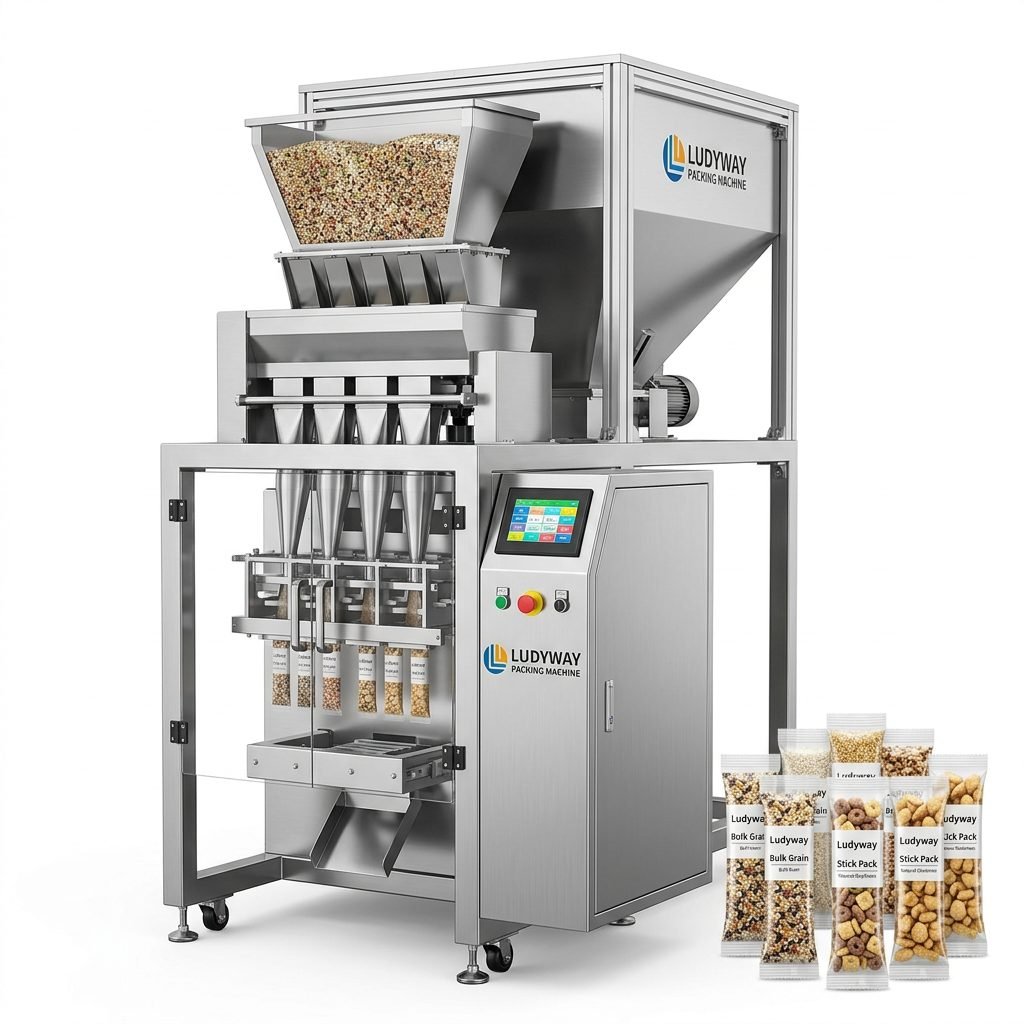
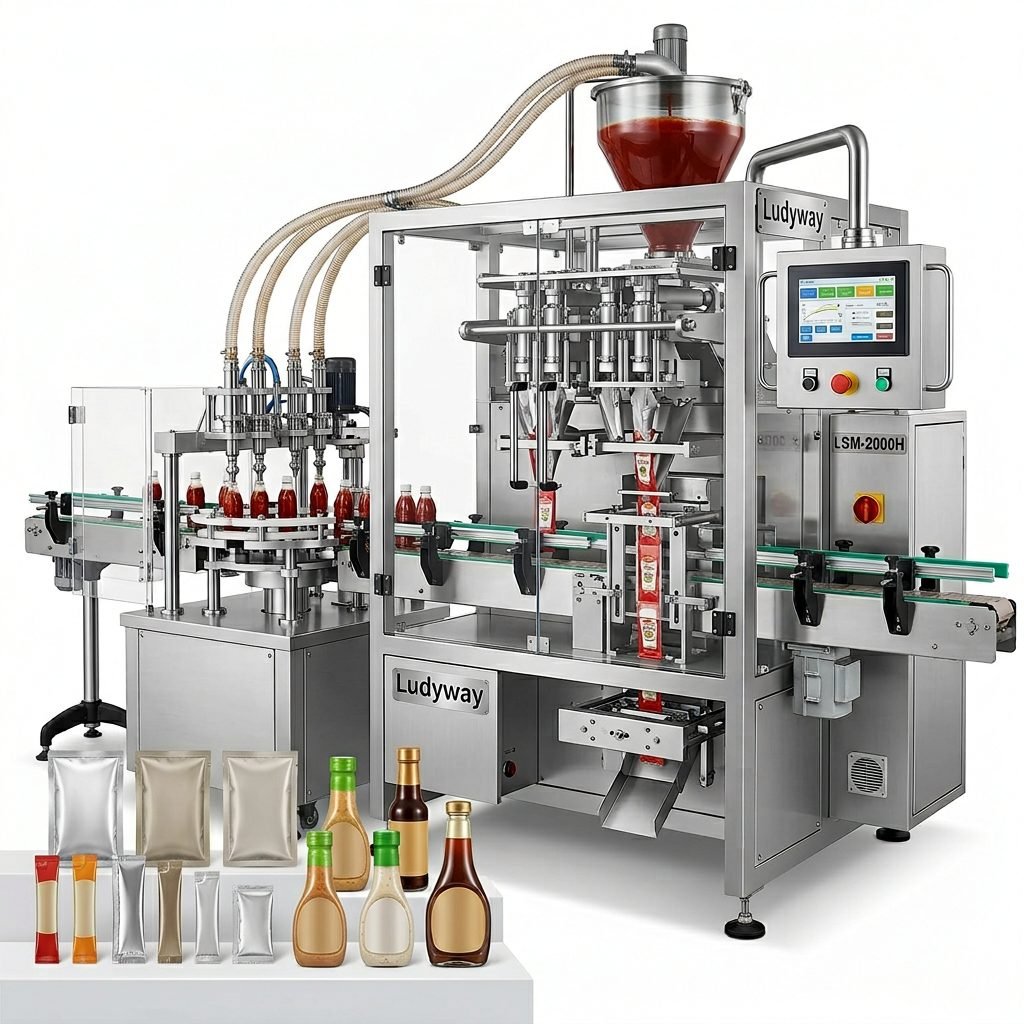
The UK sports nutrition and protein bar market has experienced remarkable growth, driven by increasing health consciousness and demand for convenient, on-the-go functional foods. For manufacturers looking to scale production, investing in a protein bar packaging machine and setting up a complete production line requires careful planning, understanding of UK regulations, and selection of the right automated packaging equipment.
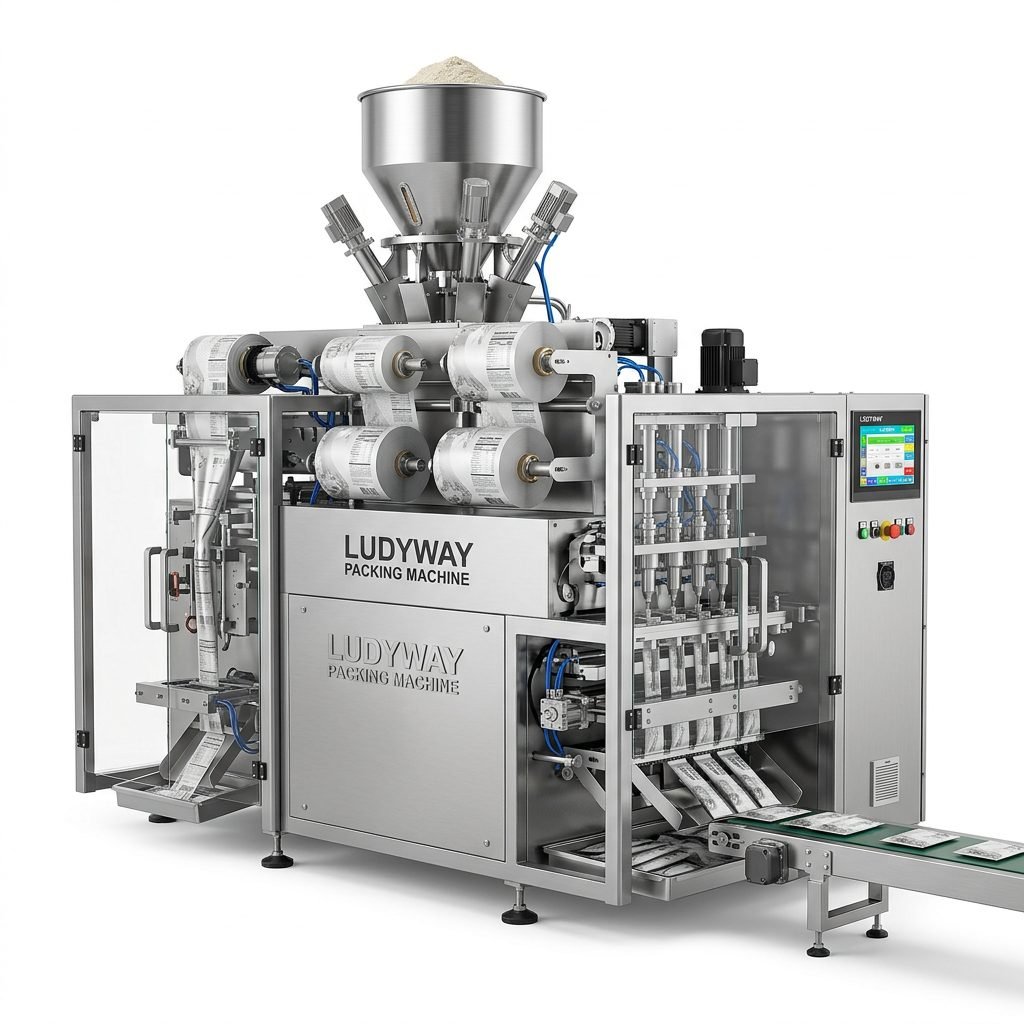
Understanding the Protein Bar Production Workflow
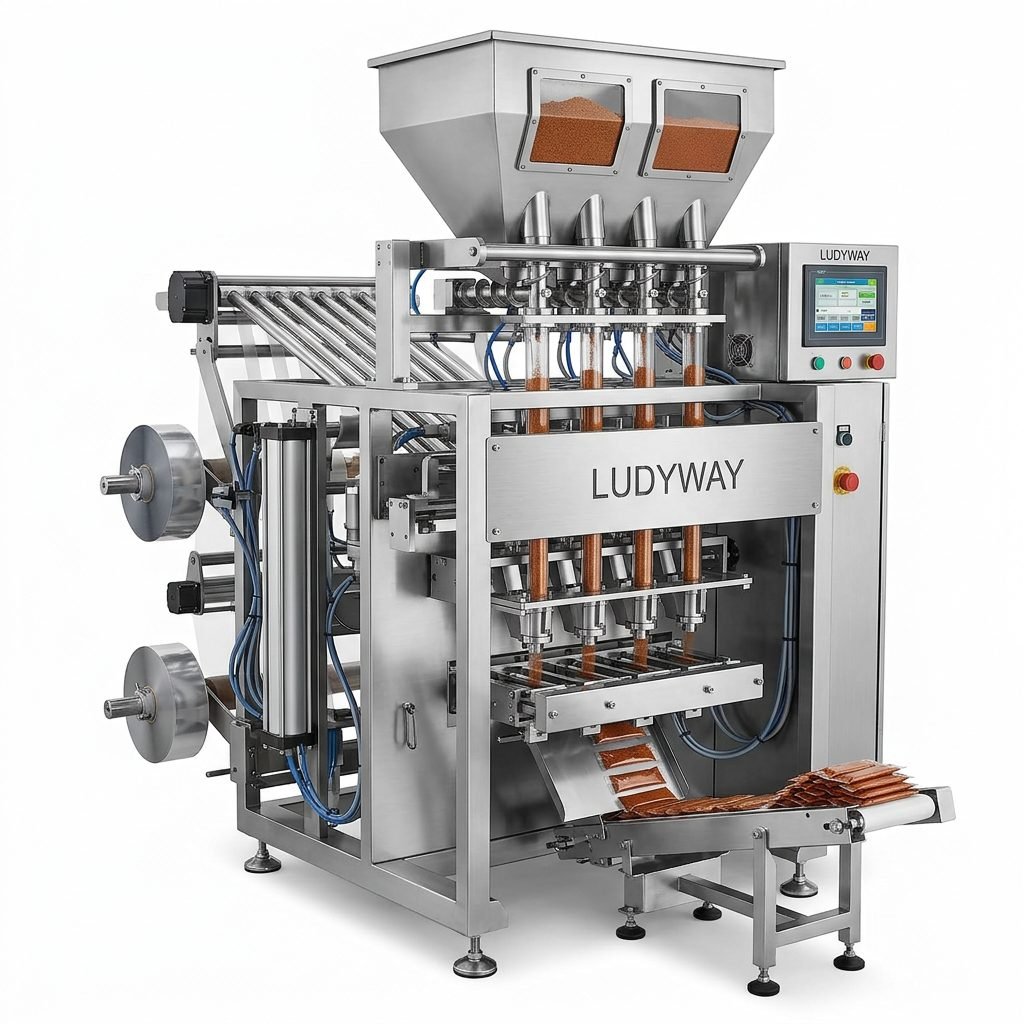
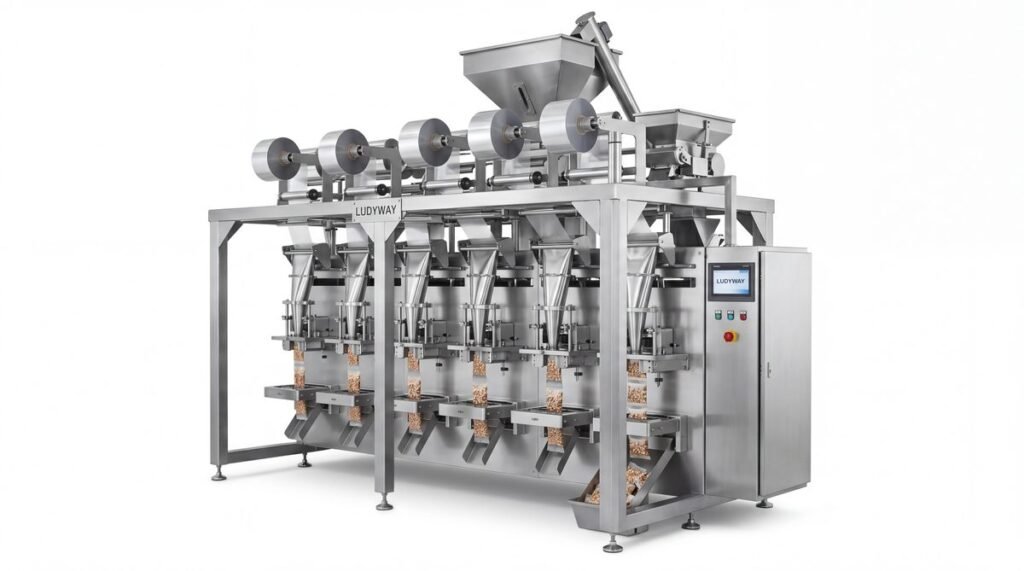
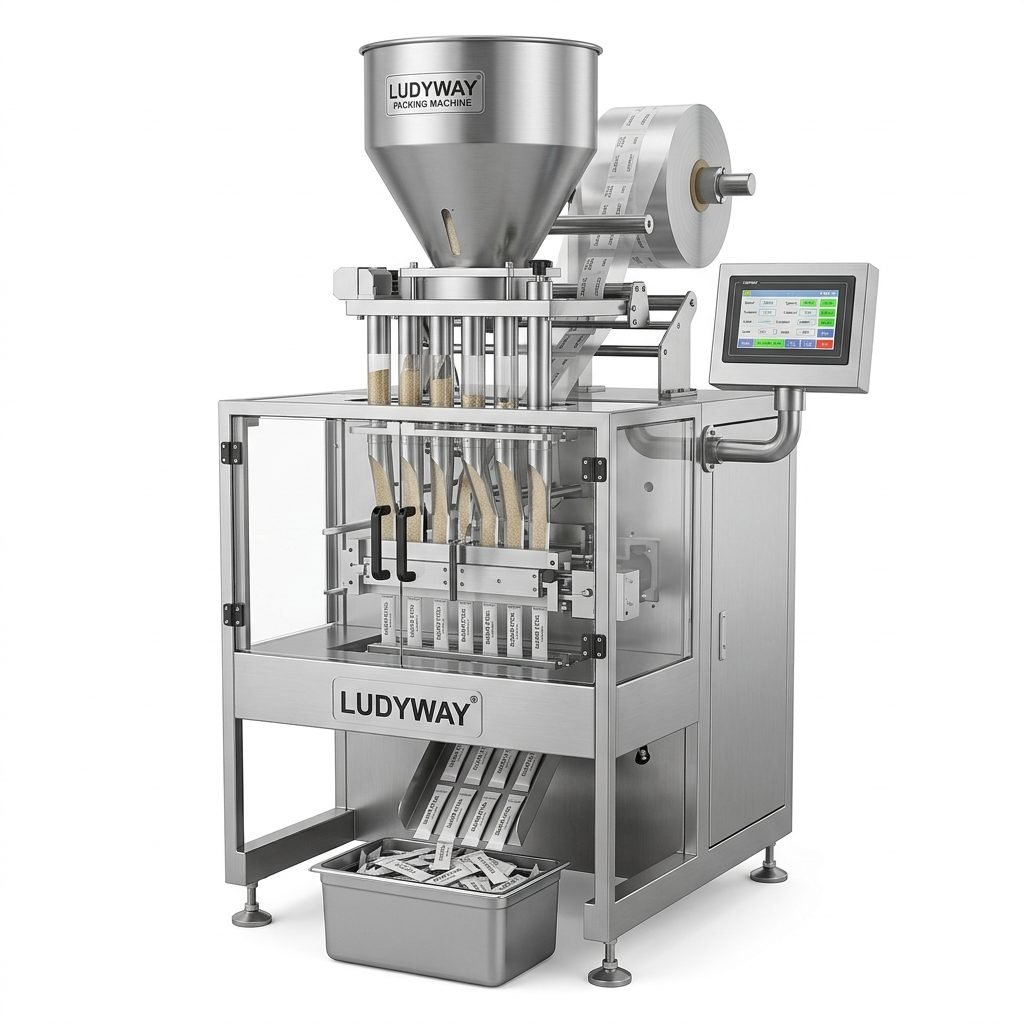
Before selecting a protein bar packaging machine, it is essential to map out the complete manufacturing process. A typical production line includes ingredient mixing, bar forming, cooling, cutting, and primary and secondary packaging systems. Each stage must be synchronized to maintain product integrity and maximize output. The core equipment includes industrial mixers, extruders or slab formers, cooling tunnels, guillotine cutters, and multi-lane stick pack packaging machines.
Key Considerations When Choosing Packaging Machinery
- Production capacity: Determine whether you need speeds of 40, 80, or over 150 bars per minute.
- Film compatibility: Ensure the machine handles recyclable films, metallized PET, or compostable materials now favored in the UK market.
- Automation level: Semi-automatic lines suit startups, while fully automated turnkey solutions are ideal for high-volume contract manufacturers.
- Integration capability: Flow wrappers, cartoners, and case packers should connect seamlessly.
Step-by-Step Guide to Setting Up a Protein Bar Line in the UK
Establishing a compliant and efficient production line involves several distinct phases. Below is a structured approach that covers regulatory compliance, equipment selection, and facility preparation.
1. Regulatory Compliance and UKCA Marking
All packaging machinery installed in Great Britain must meet the Supply of Machinery (Safety) Regulations 2008 and carry UKCA marking (or CE marking for Northern Ireland). Food contact materials must comply with Regulation (EC) 1935/2004 and, where applicable, EU 10/2011 for plastic materials. Manufacturers must also adhere to BRCGS Food Safety Standards and maintain HACCP plans for their production areas.
2. Selecting the Right Packaging Format
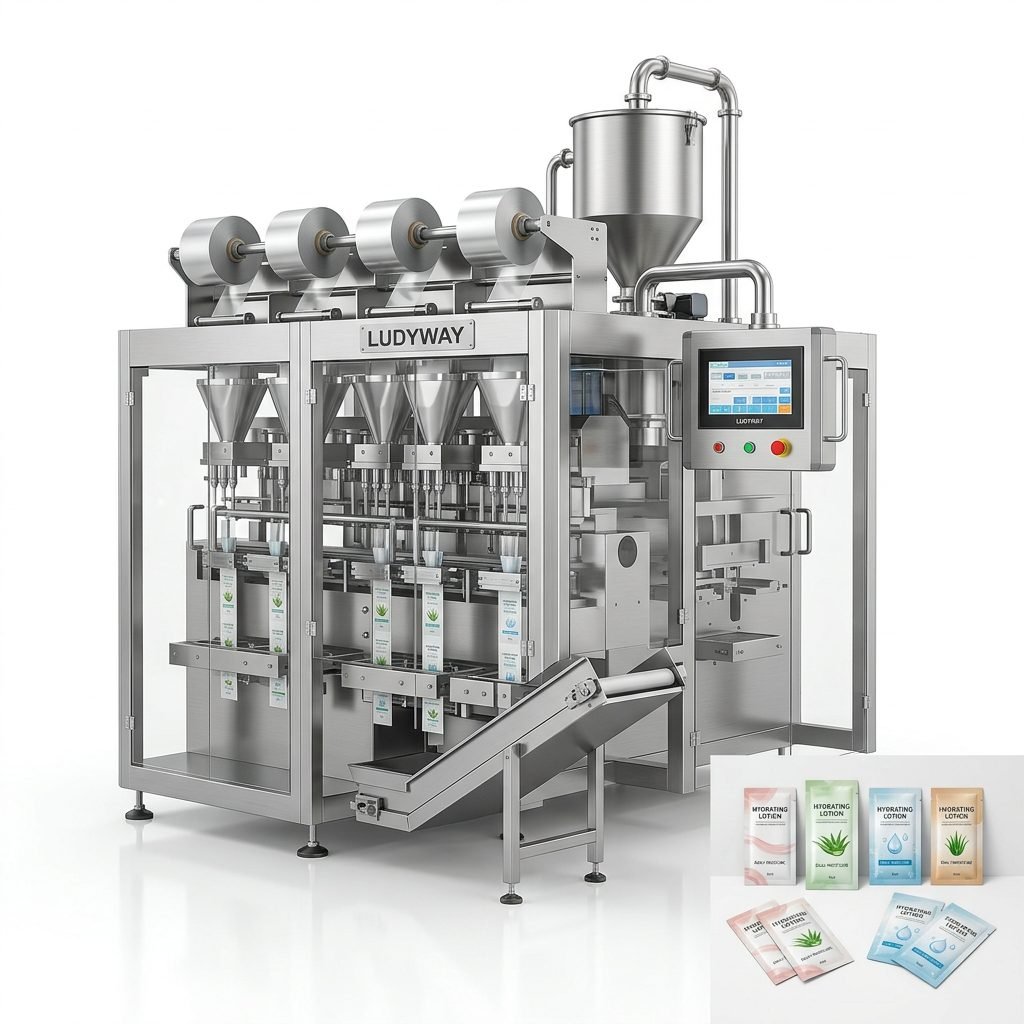
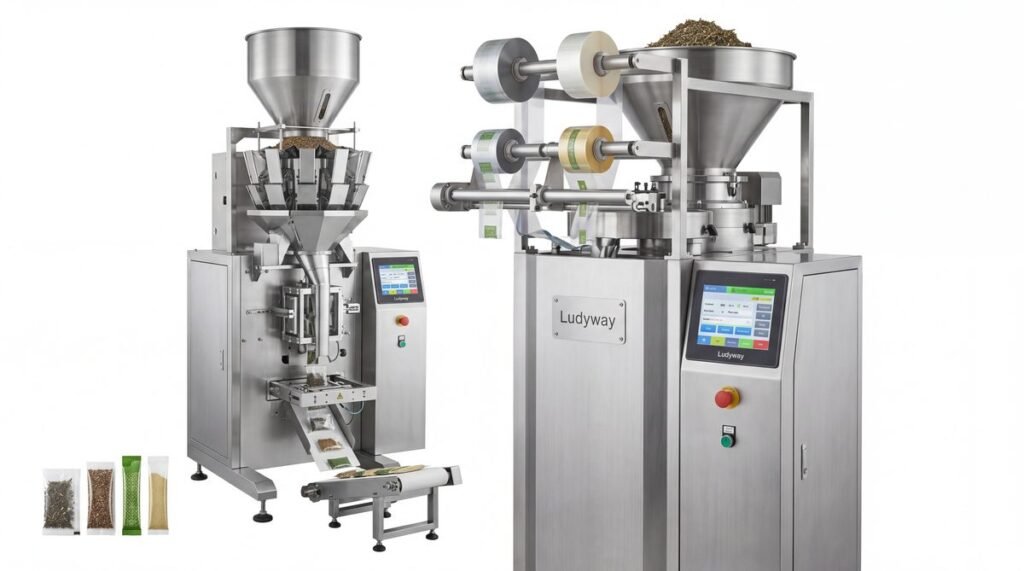
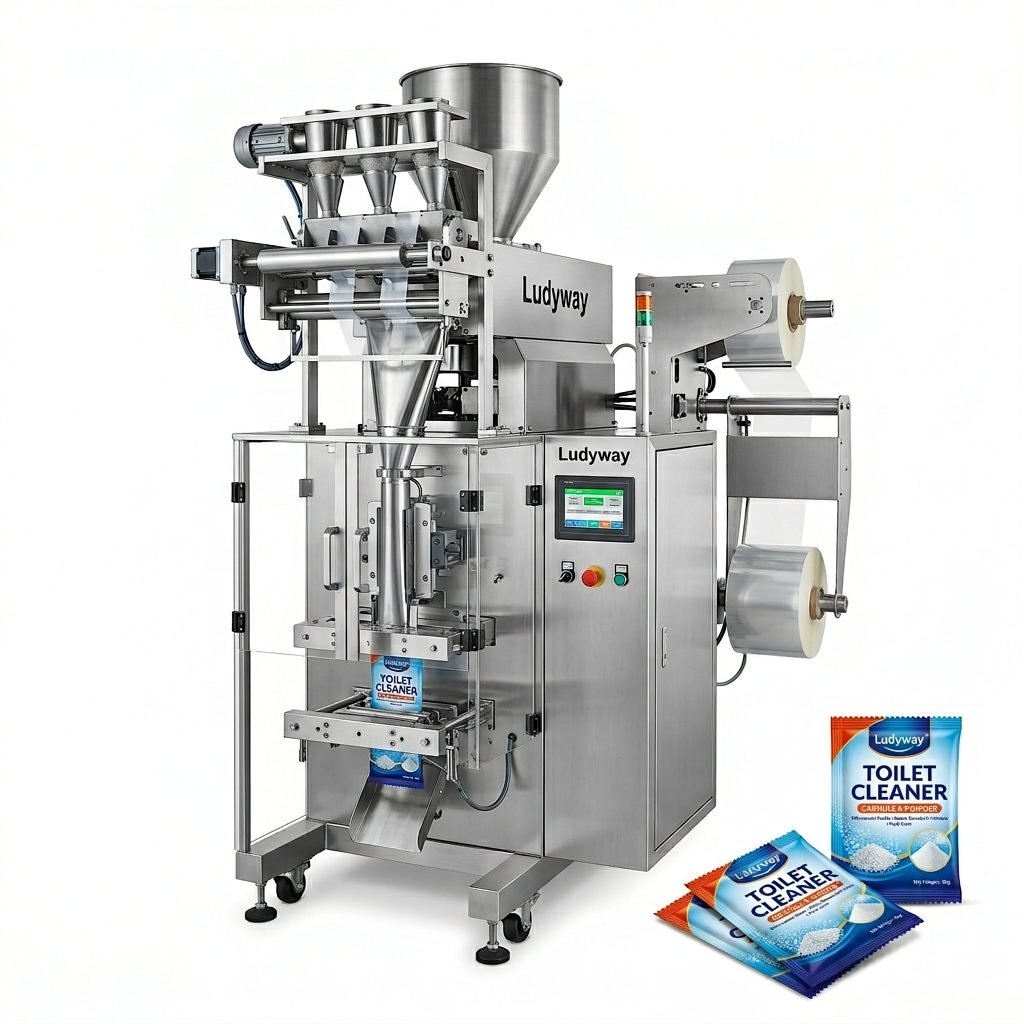
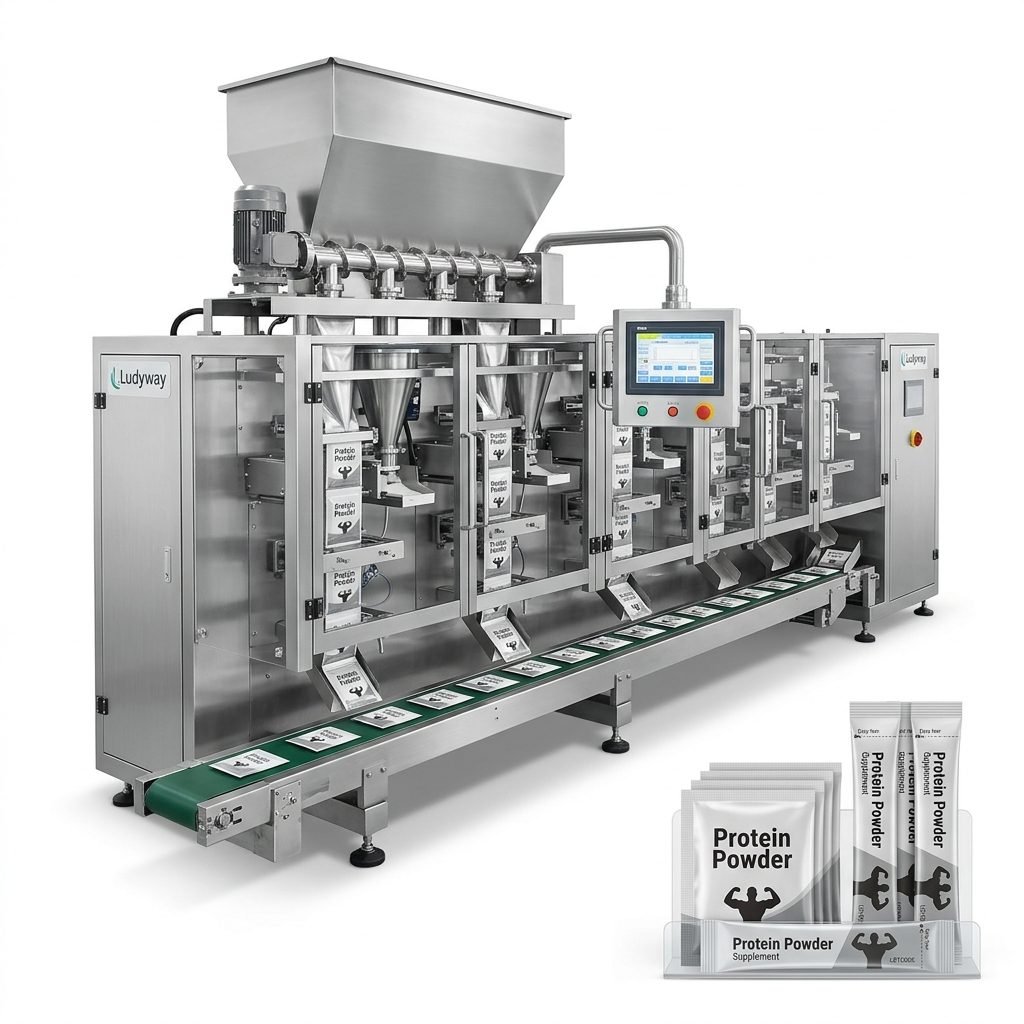
Protein bars are typically packaged in flow wrap, sachet, or stick pack formats. The choice depends on product dimensions, shelf-life requirements, and brand positioning. Multi-lane stick pack and sachet packaging machines offer high-speed output with excellent seal integrity, making them increasingly popular for single-serve protein bars and bite-sized pieces. For standard full-size bars, automatic protein bar flow wrapping machines with modified atmosphere packaging (MAP) capabilities help extend product freshness.
| Packaging Type | Speed Range (packs/min) | Best Application |
|---|---|---|
| Flow Wrapper (Single Lane) | 40–120 | Standard full-size protein bars |
| Multi-Lane Stick Pack | 200–600 | Mini bars, bite-sized pieces, samples |
| Pouch/Sachet Machine | 60–180 | Multi-bar multipacks, family packs |
| Automated Cartoning Line | 30–80 cartons/min | Secondary packaging for retail display |
3. Facility Layout and Utility Requirements
Your UK production facility must provide adequate space for raw material storage, processing, packaging, and finished goods warehousing. Cleanroom or controlled environment conditions are often necessary for protein bar manufacturing. Key utility requirements include compressed air (7–10 bar), electrical supply (400V 3-phase), climate control (temperature 18–22°C, relative humidity ≤60%), and appropriate drainage for sanitation. The production flow should follow a linear path from raw material intake to finished product dispatch to prevent cross-contamination.

Essential Equipment for a Complete Protein Bar Packaging Line
A fully automated production line integrates several machines working in harmony. Below are the core components and their functions within a protein bar packaging system.
Primary Processing Equipment
- Industrial Blender/Mixer: For homogeneous mixing of protein powders, binders, syrups, and inclusions.
- Extruder or Slab Former: Shapes the mixed dough into a continuous sheet or rope of consistent thickness.
- Cooling Tunnel: Stabilizes the formed slab prior to cutting; critical for bar integrity and clean slicing.
- Guillotine or Ultrasonic Cutter: Divides the slab into individual bars with precise dimensions and weight control.
Packaging and End-of-Line Equipment
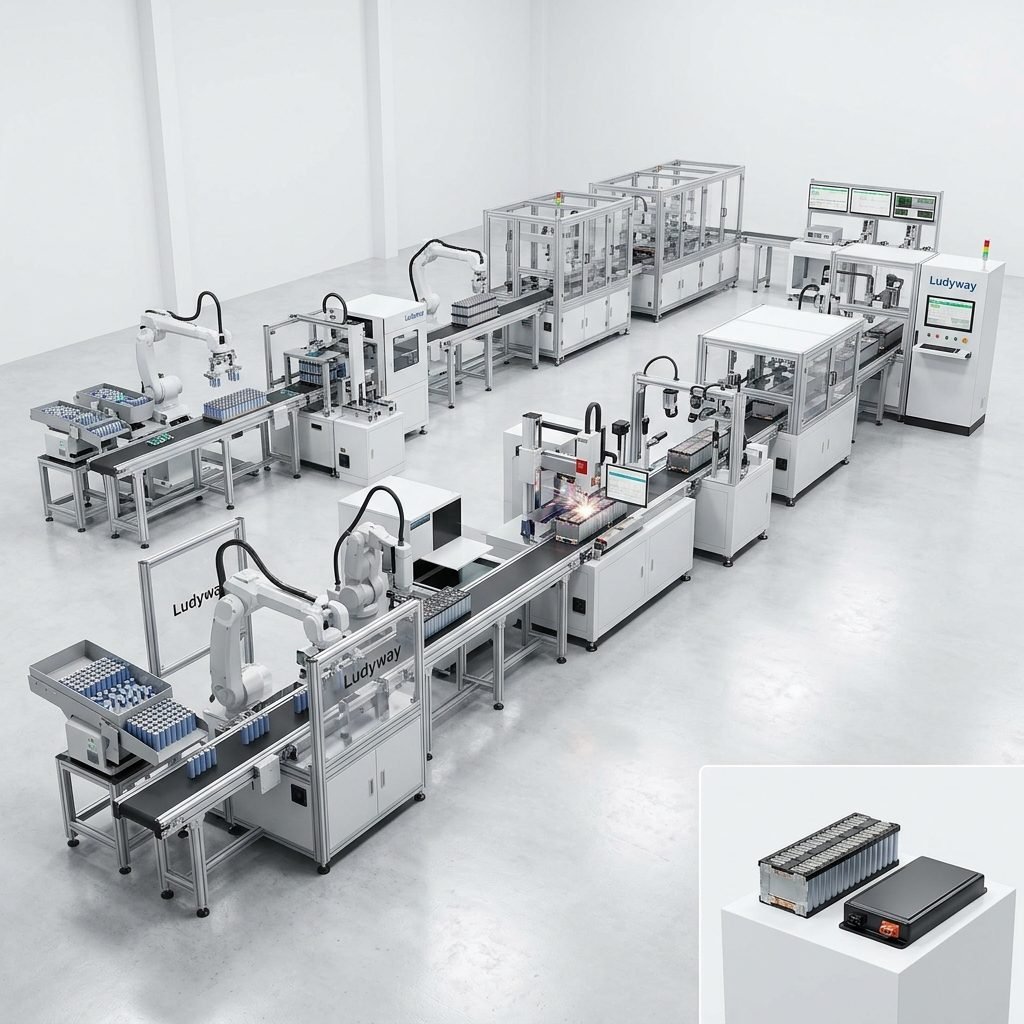
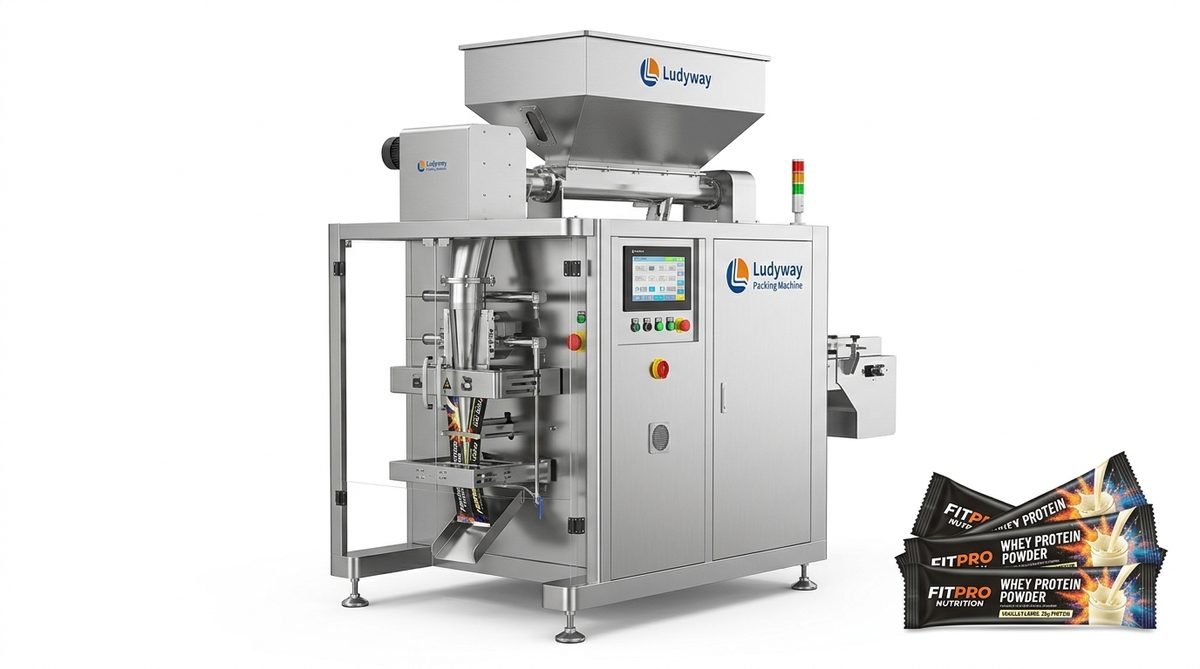
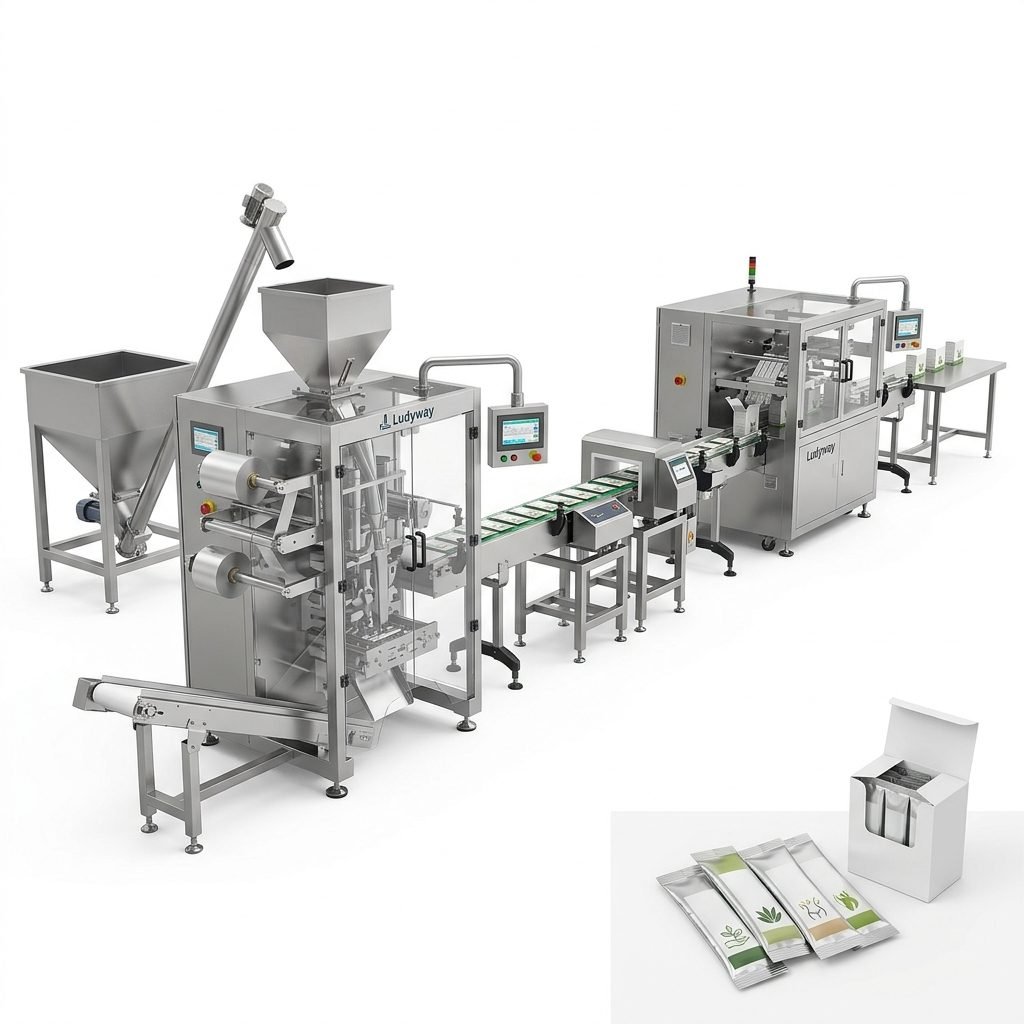
The packaging stage is where automatic packaging lines for protein products add the most value. A standard configuration includes an infeed conveyor system, a flow wrapping or stick pack machine, a checkweigher, a metal detector and x-ray inspection system, and an automatic cartoning machine. For larger operations, robotic palletizing systems and stretch-wrapping machines complete the end-of-line automation. Integrating a date coding and labeling machine ensures full traceability as required by UK food labeling regulations.
UK-Specific Market Drivers for Protein Bar Manufacturing
Understanding the commercial landscape helps justify investment in advanced packaging technology. The UK sports nutrition market is projected to exceed £2 billion by 2027, with protein bars representing one of the fastest-growing subcategories. Consumer trends emphasize clean label, high-protein, low-sugar formulations, as well as sustainable packaging materials. Brands that invest in flexible, high-speed packaging lines capable of handling multiple bar sizes and packaging formats gain a significant competitive advantage in both retail and e-commerce channels. The ability to switch rapidly between product variants using modular snack bar packaging machines is increasingly valuable for contract manufacturers serving multiple brands.
Training, Installation, and Ongoing Support
Commissioning a packaging line in the UK requires experienced engineers for installation, operator training, and validation. Look for suppliers who provide Factory Acceptance Testing (FAT) and Site Acceptance Testing (SAT) as part of their service package. Comprehensive documentation, including machine manuals, electrical schematics, and maintenance schedules, should comply with UK health and safety requirements. Ongoing technical support and availability of spare parts are critical for minimizing downtime in high-throughput production environments.
Return on Investment and Operational Efficiency
While the initial capital outlay for a complete protein bar packaging machine production line can be substantial, the long-term benefits include reduced labor costs, higher production speed, improved product consistency, and lower packaging waste. Automated lines typically achieve payback within 18 to 36 months for medium to large-scale UK manufacturers. Many businesses opt for turnkey packaging solutions to simplify procurement and ensure all equipment is fully integrated from day one.
Supplier Selection and Due Diligence
Choosing the right equipment partner is as important as selecting the machinery itself. Evaluate potential suppliers based on their experience in protein bar applications, references from UK-based clients, compliance with UKCA and food safety standards, and after-sales service capabilities. A reputable partner will offer to test your product on their equipment before purchase and provide detailed project planning support.
For companies seeking reliable, high-performance packaging machinery backed by decades of engineering expertise, Ludyway stands as one of the largest packaging machine manufacturers in China, specializing in advanced packaging equipment and turnkey production solutions for the food, pharmaceutical, and health industries. With over 30 years of industry experience, a modern 20,000㎡ manufacturing facility, and a portfolio of more than 50 intelligent packaging machine models, Ludyway serves customers in over 100 countries and regions. Their multi-lane stick pack, sachet, and fully automated packaging systems are engineered to help businesses improve productivity, product quality, and operational efficiency in competitive markets like the UK.
Resources and Further Reading
For detailed guidance on packaging machinery standards and UK food industry regulations, refer to the following authoritative sources:
- PMMI – The Association for Packaging and Processing Technologies
- PMMI Business Intelligence – Packaging Machinery Market Research
- FDA – Food Packaging and Food Contact Substances
- Flexible Packaging Association – Industry Resources
- European Commission – Packaging and Packaging Waste Regulation
- ISO – Packaging Standards
Setting up a protein bar packaging machine production line in the UK is a multifaceted project that demands careful coordination of regulatory compliance, equipment selection, facility design, and training. By partnering with an experienced automatic packaging machine supplier and following a structured implementation plan, manufacturers can build a scalable, efficient, and fully compliant operation poised to capture the growing demand for premium protein bar products across the United Kingdom and beyond.