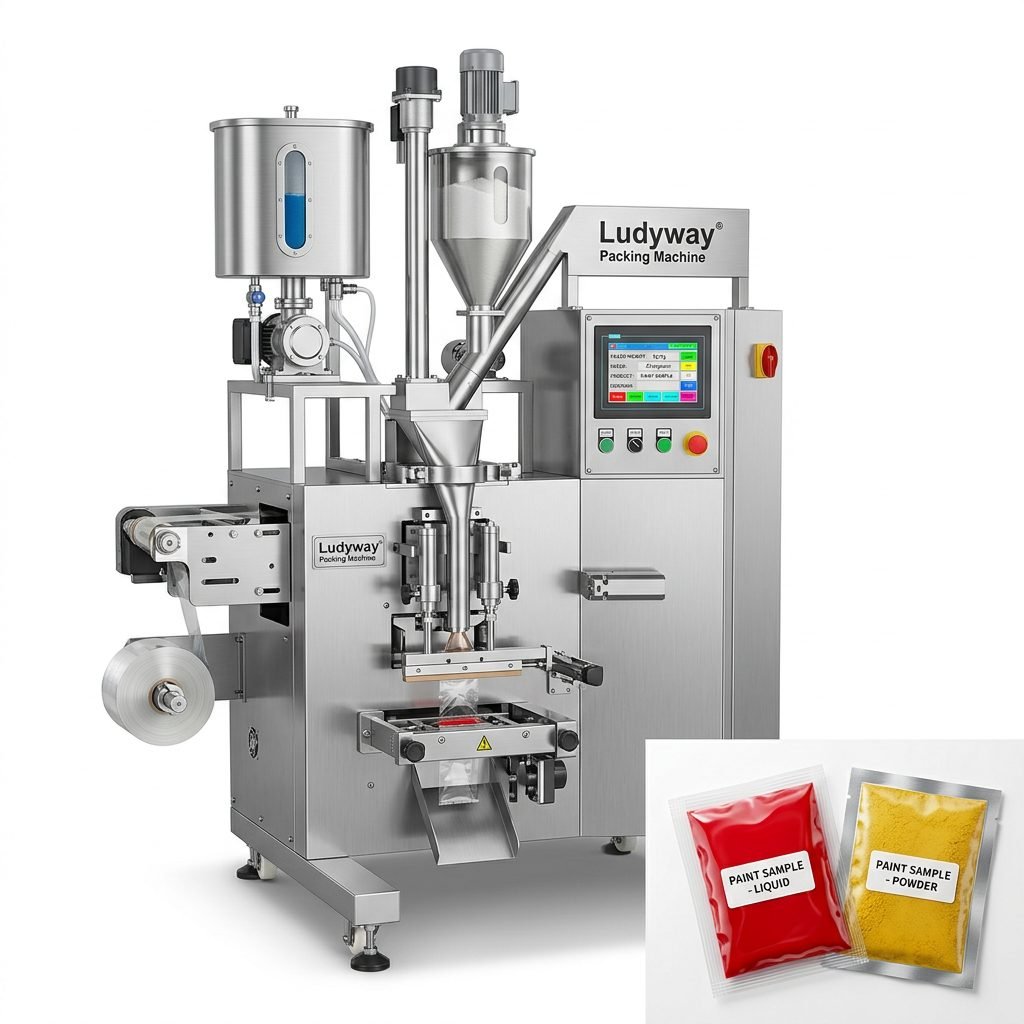
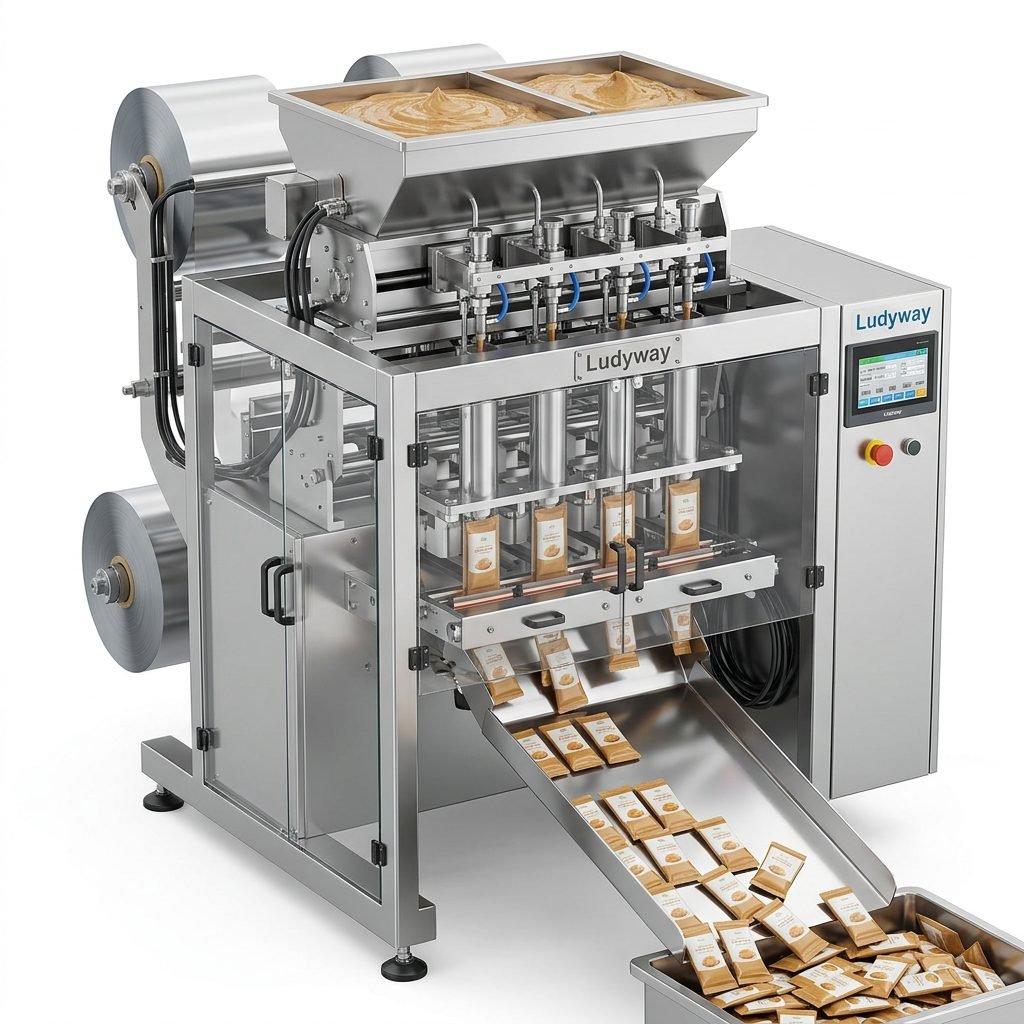
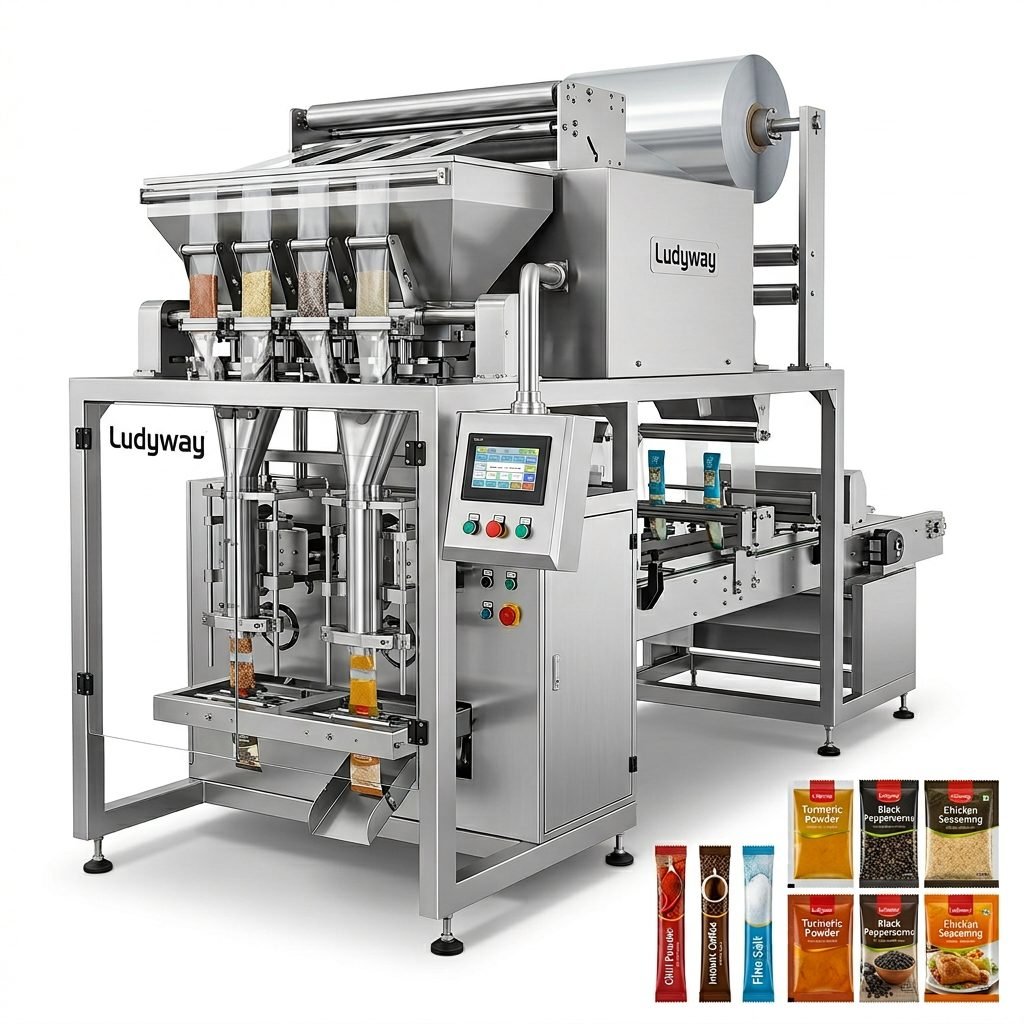
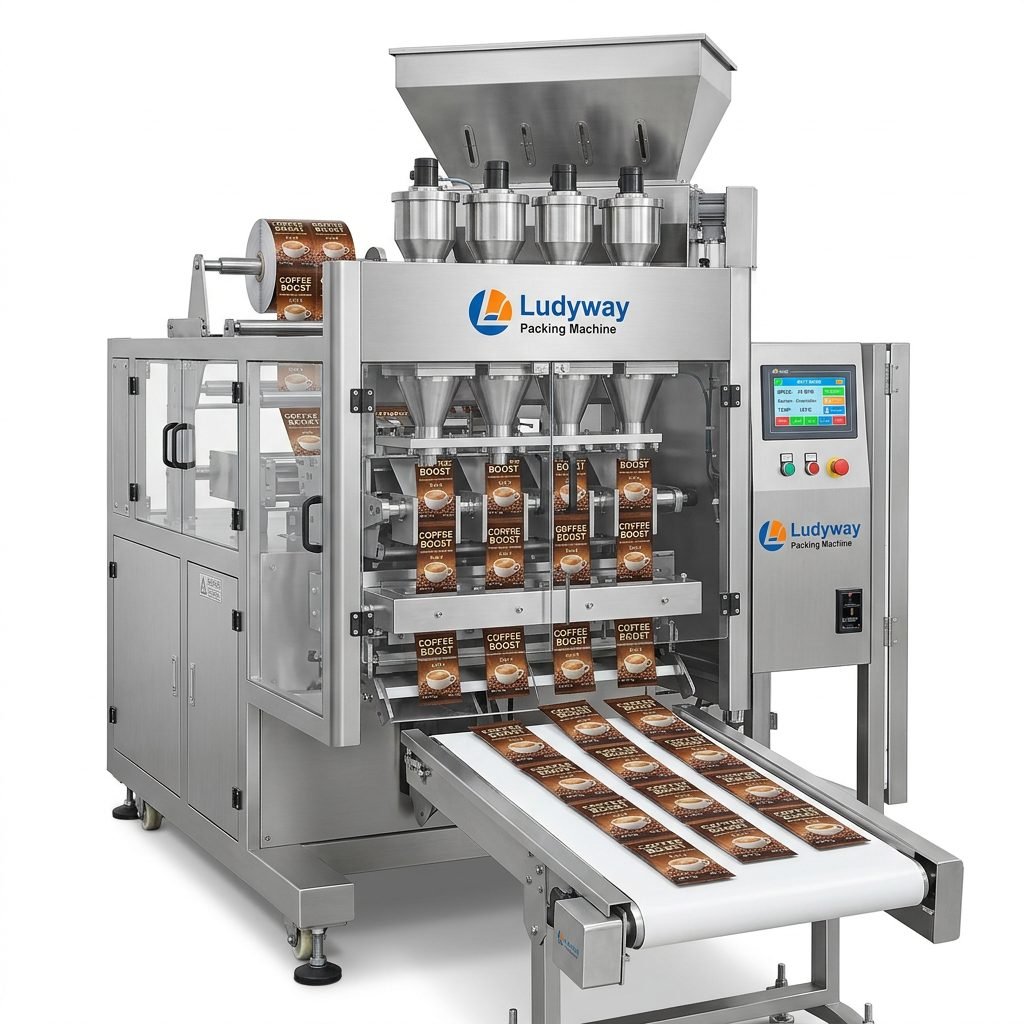
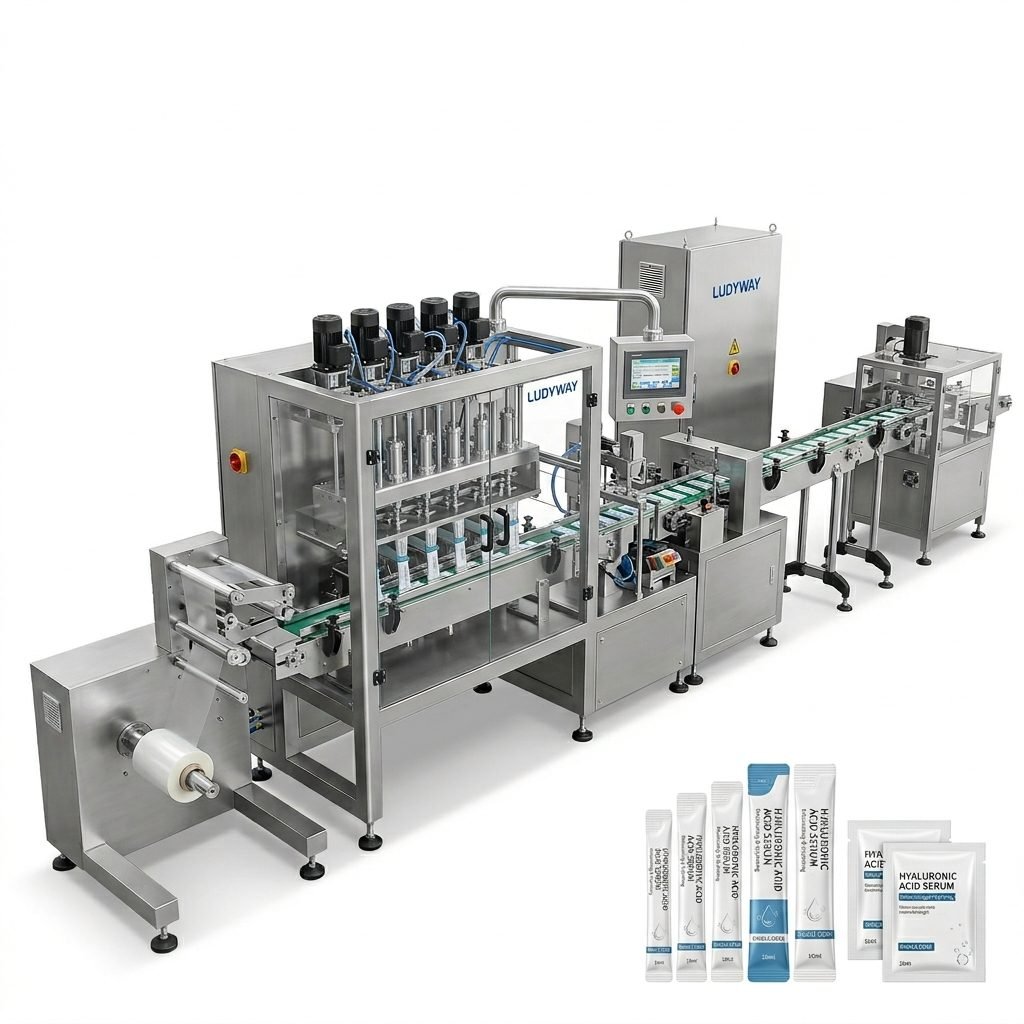
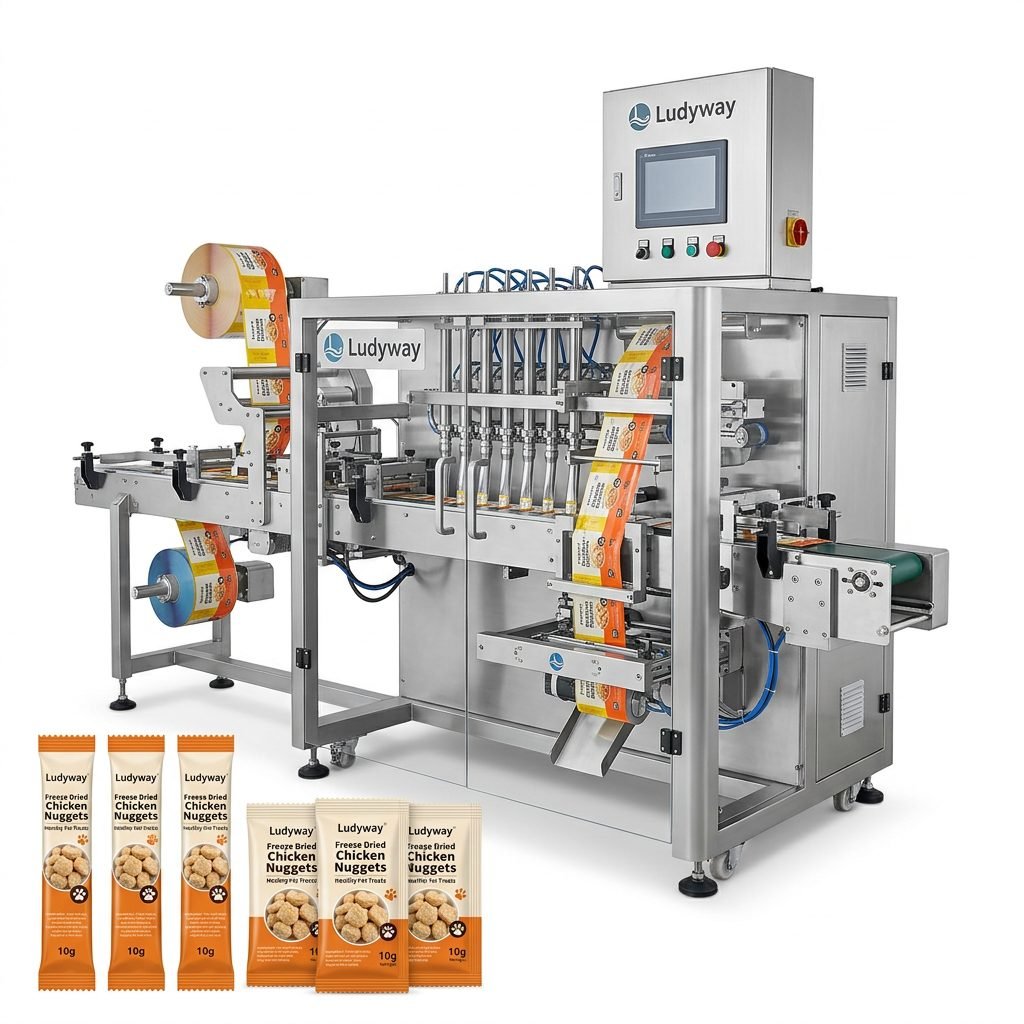
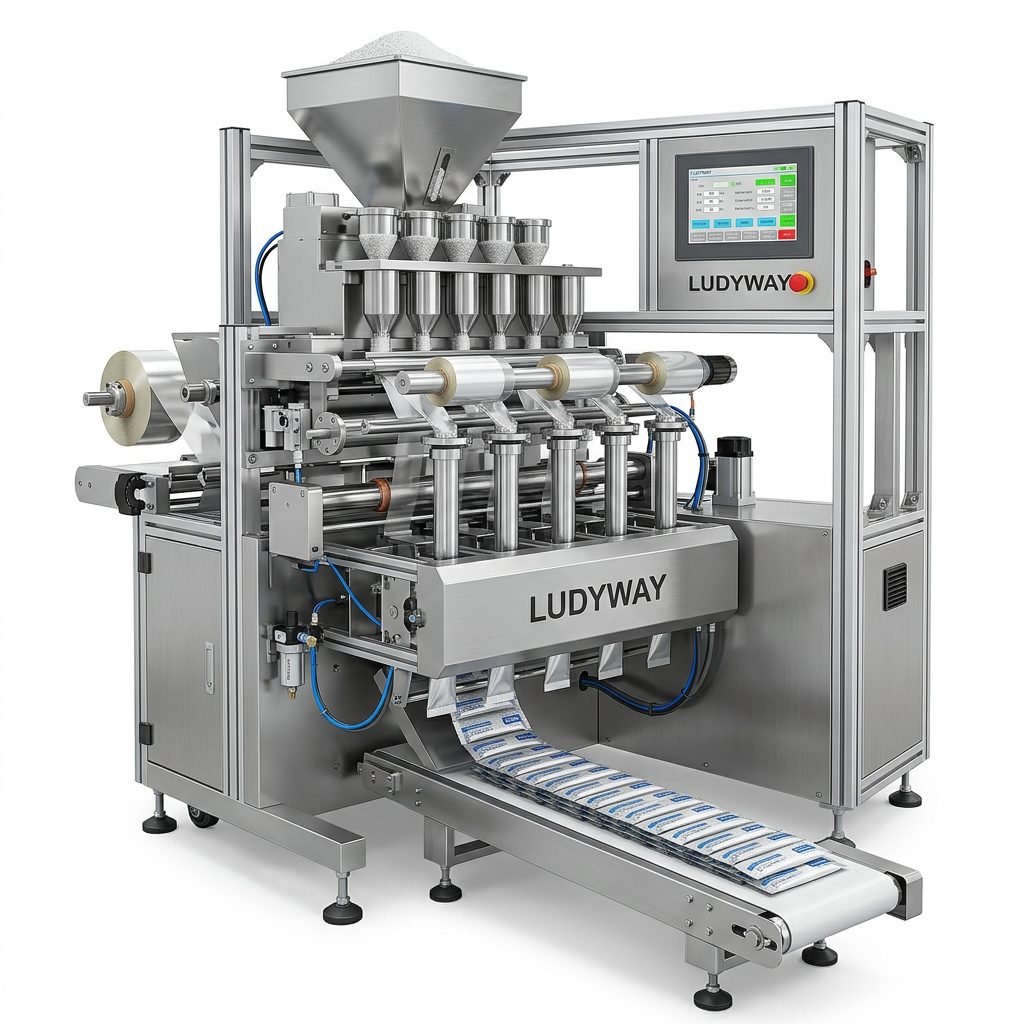
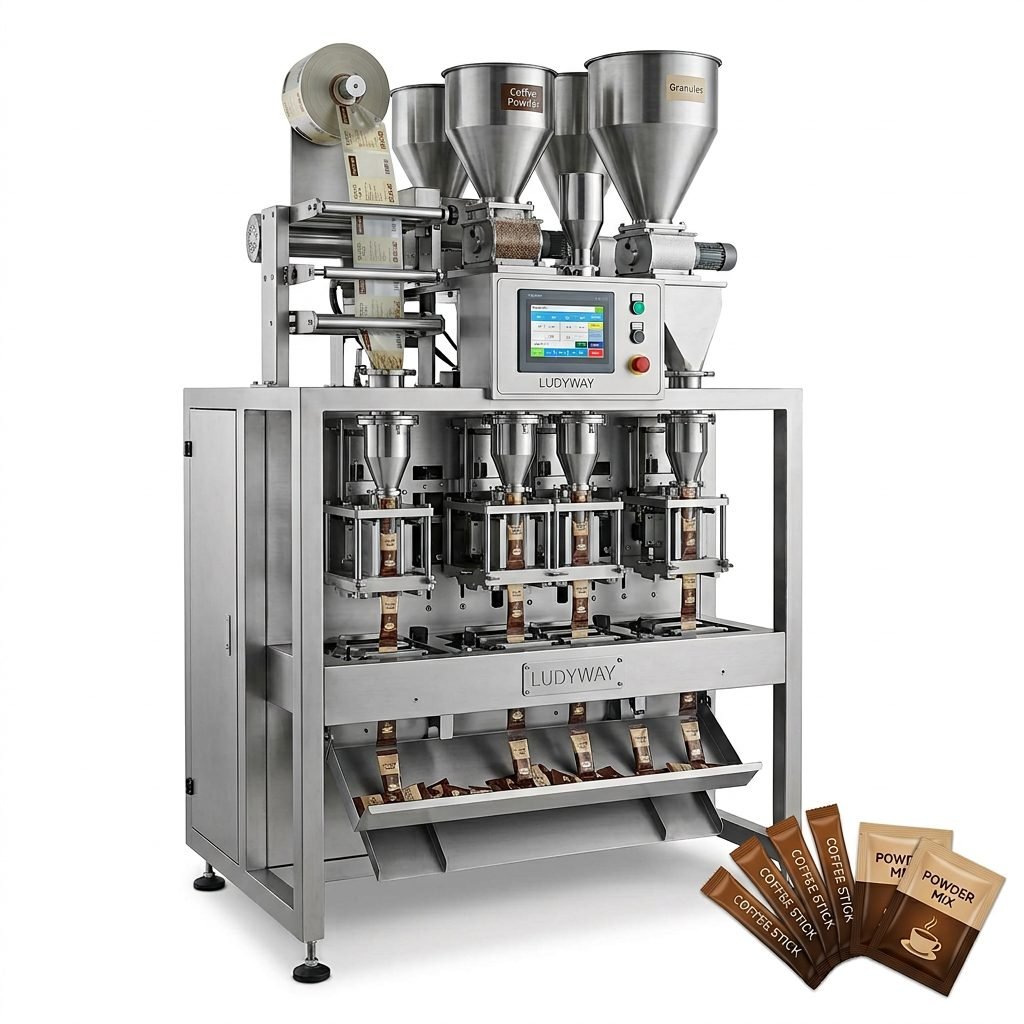
Sugar granule packing machines are designed to help manufacturers package sugar quickly, cleanly, and with high repeatability. Whether you produce white sugar, brown sugar, fine granules, sweetener blends, or single-serve stick packs, the right automatic packaging solution can improve throughput, reduce manual labor, and keep every pack consistent.
For food brands, contract packers, and industrial processors, automated systems are no longer only about speed. They are also about accuracy, hygiene, sealing quality, product traceability, and flexible pack formats. In today’s competitive packaging environment, these factors directly affect product quality and customer satisfaction.
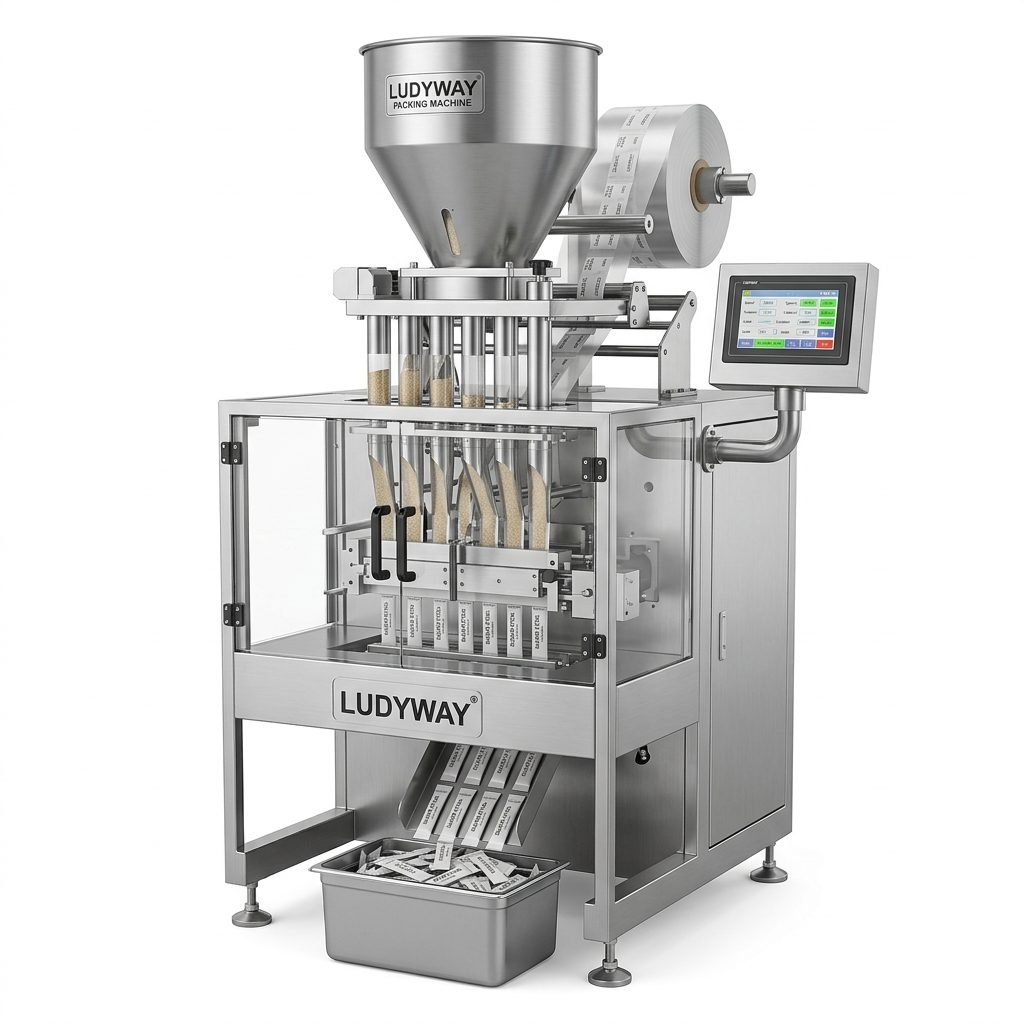
What Is a Sugar Granule Packing Machine?
A sugar granule packing machine is an automated system used to weigh, fill, form, seal, and discharge packaged sugar products. Depending on production requirements, it can be configured for sachets, stick packs, pouches, or larger bag formats.
These machines are commonly used for:
- Refined white sugar
- Brown sugar
- Caster sugar and fine granules
- Sugar substitute blends
- Coffee sugar sticks
- Hotel, restaurant, and airline portion packs
- Retail pouches and bulk filling applications
Why Automatic Packaging Matters for Sugar Products
Sugar may appear simple to package, but in real production it creates challenges such as dust, flow variation, sealing contamination, and weight inconsistency. Manual or semi-automatic methods often struggle to keep up with volume and quality demands. Automatic equipment solves these issues by creating a more stable and controlled packaging process.
Main benefits include:
- Fast output for high-volume order fulfillment
- Accurate dosing to reduce product giveaway
- Clean sealing for better shelf appeal and leak prevention
- Lower labor dependency and easier shift management
- Improved hygiene in food-grade environments
- Consistent pack appearance for retail and foodservice channels
Common Packaging Formats for Sugar Granules
The best machine setup depends on the package style you need to produce. Different industries prefer different formats based on convenience, branding, and distribution needs.
| Packaging Format | Typical Use | Key Advantage |
|---|---|---|
| Stick packs | Coffee shops, hotels, airlines, instant beverages | Portable, single-dose, attractive retail format |
| Sachets | Foodservice and promotional packs | Efficient small-pack production |
| Pouches | Retail and family-size products | More volume and stronger shelf presence |
| Pillow bags | Economical bulk or medium-size packing | Cost-effective and simple structure |
| Large bags | Industrial and wholesale supply | Suitable for high-capacity bagging |
How an Automatic Sugar Packing Machine Works
Most sugar packing systems follow a straightforward sequence, but the control precision behind the process is what makes modern machines valuable.
- Bulk sugar is loaded into a hopper or feeding system.
- The machine meters the product using volumetric cups, auger assistance, or weighing components depending on the application.
- Packaging film is formed into the target shape.
- The measured sugar is filled into the package.
- Heat sealing closes the package securely.
- Date coding, batch coding, counting, and discharge can be added inline.
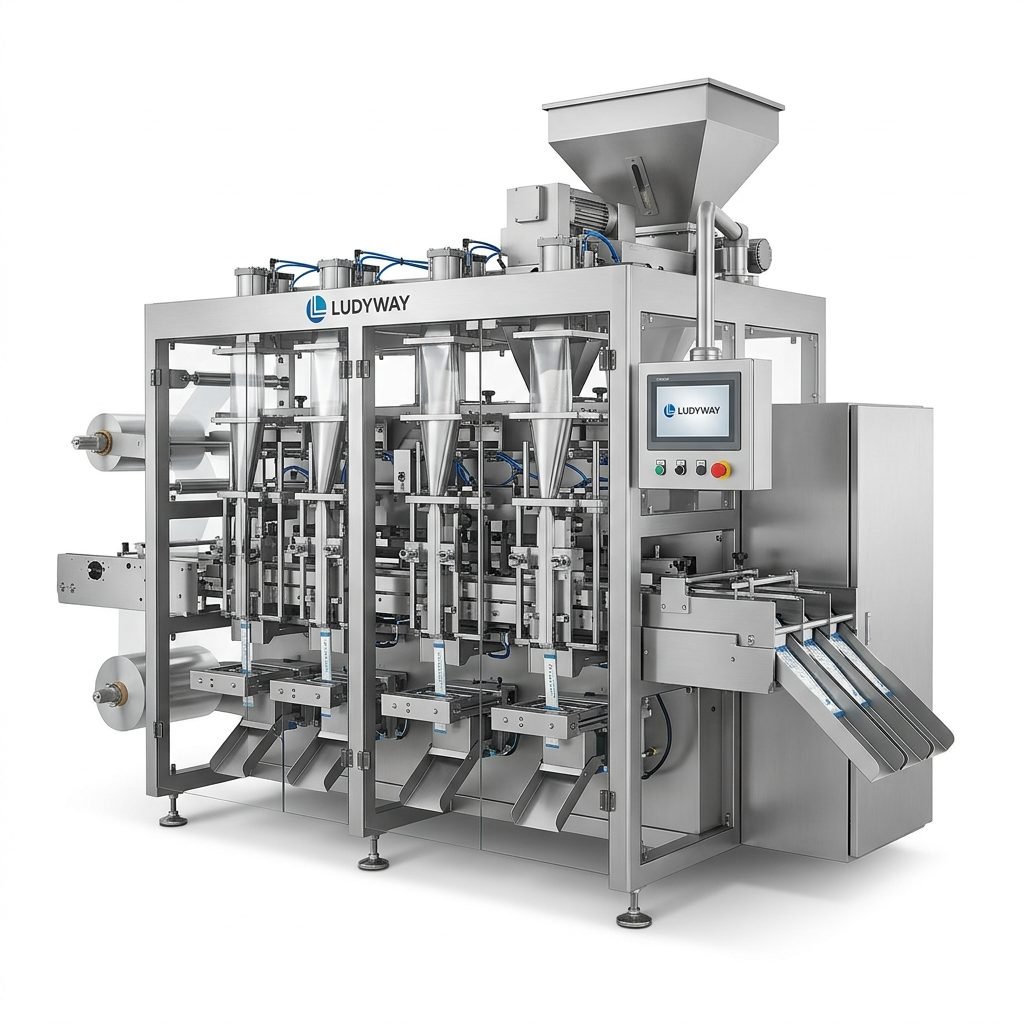
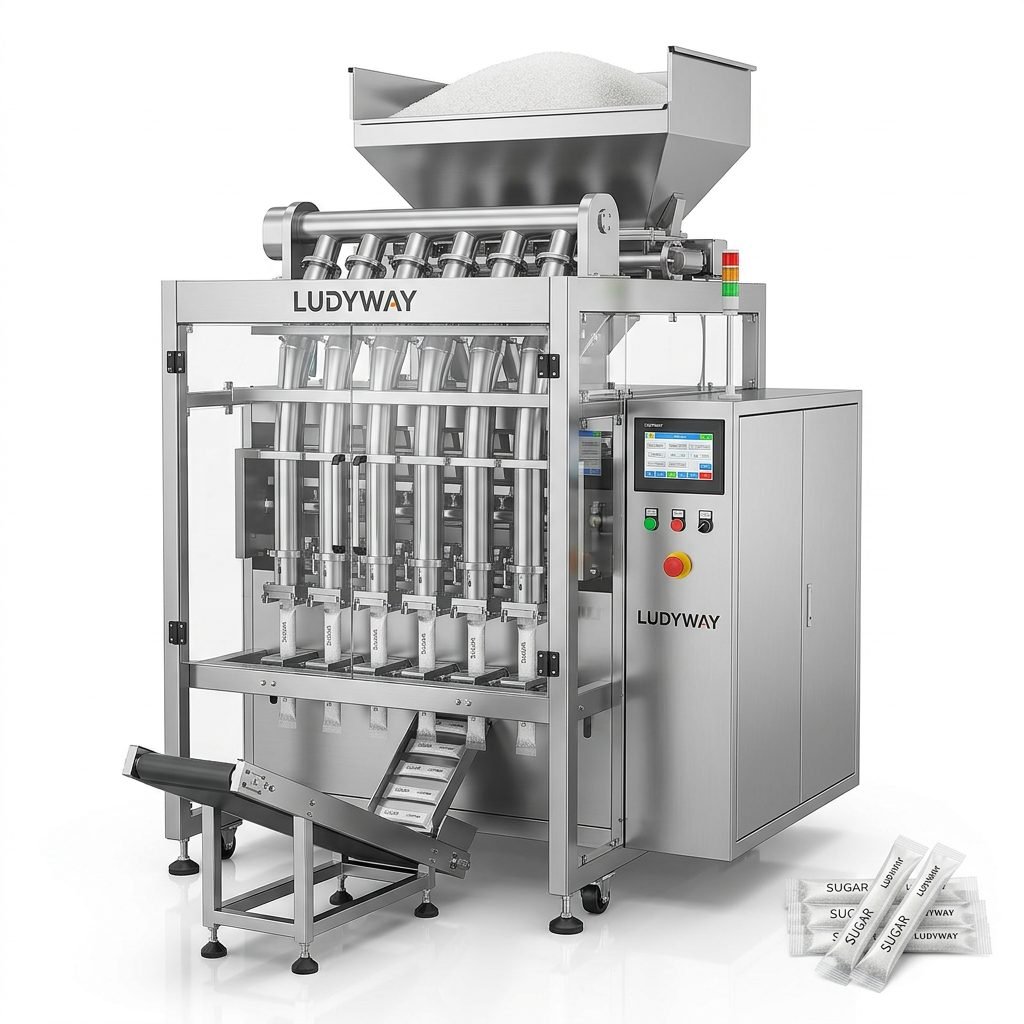
For single-serve applications, multi-lane stick pack systems are especially popular because they can run several lanes at the same time, greatly increasing productivity while maintaining compact factory use.
Key Features to Look For
When selecting a sugar granule packing machine, buyers should evaluate more than just output speed. Long-term performance depends on machine design, material contact parts, control systems, and maintenance convenience.
Important features include:
- Stainless steel food-contact construction
- Stable filling accuracy for free-flowing granules
- Dust-control design to protect seals and improve cleanliness
- PLC and touchscreen control for easy parameter adjustment
- Servo-driven film pulling for precise bag length
- Automatic alarm and rejection functions
- Easy changeover for different pack sizes
- Compatibility with coding, cartoning, checkweighing, and conveyors
Applications Across Food and Beverage Sectors
Sugar granule packaging equipment serves a broad range of business types. It is widely used by sugar processors, beverage brands, instant drink manufacturers, coffee solution suppliers, foodservice packers, and OEM packaging plants.
Typical applications include:
- Table sugar for restaurants and cafés
- Sugar sticks for tea and coffee chains
- Sweetener portions for vending channels
- Mixed granule products with functional ingredients
- Retail pouches for supermarkets and e-commerce
- Export-oriented food packaging lines
Choosing Between Single-Lane and Multi-Lane Systems
Not every production line needs the same machine architecture. For lower-volume operations or larger pouch sizes, a single-lane setup may be enough. For fast-moving consumer goods and portion packs, multi-lane systems are usually the preferred choice.
| System Type | Best For | Consideration |
|---|---|---|
| Single-lane machine | Moderate output, larger bag formats | Lower complexity, suitable for simpler production needs |
| Multi-lane machine | High-speed stick packs and sachets | Higher output and stronger efficiency for portion packs |
How to Improve Filling Accuracy for Sugar Granules
Accurate filling is one of the most important goals in sugar packaging. Overfilling increases material costs, while underfilling may create compliance or customer issues. A reliable system should combine stable product feeding with precise control and repeatable sealing performance.
Ways to improve accuracy:
- Use a feeding system matched to sugar particle size and flow behavior
- Keep moisture and environmental conditions controlled
- Calibrate weighing or dosing units regularly
- Prevent sugar dust from affecting sealing jaws and sensors
- Choose servo-based machines for more repeatable motion control
Integration With Complete Packaging Lines
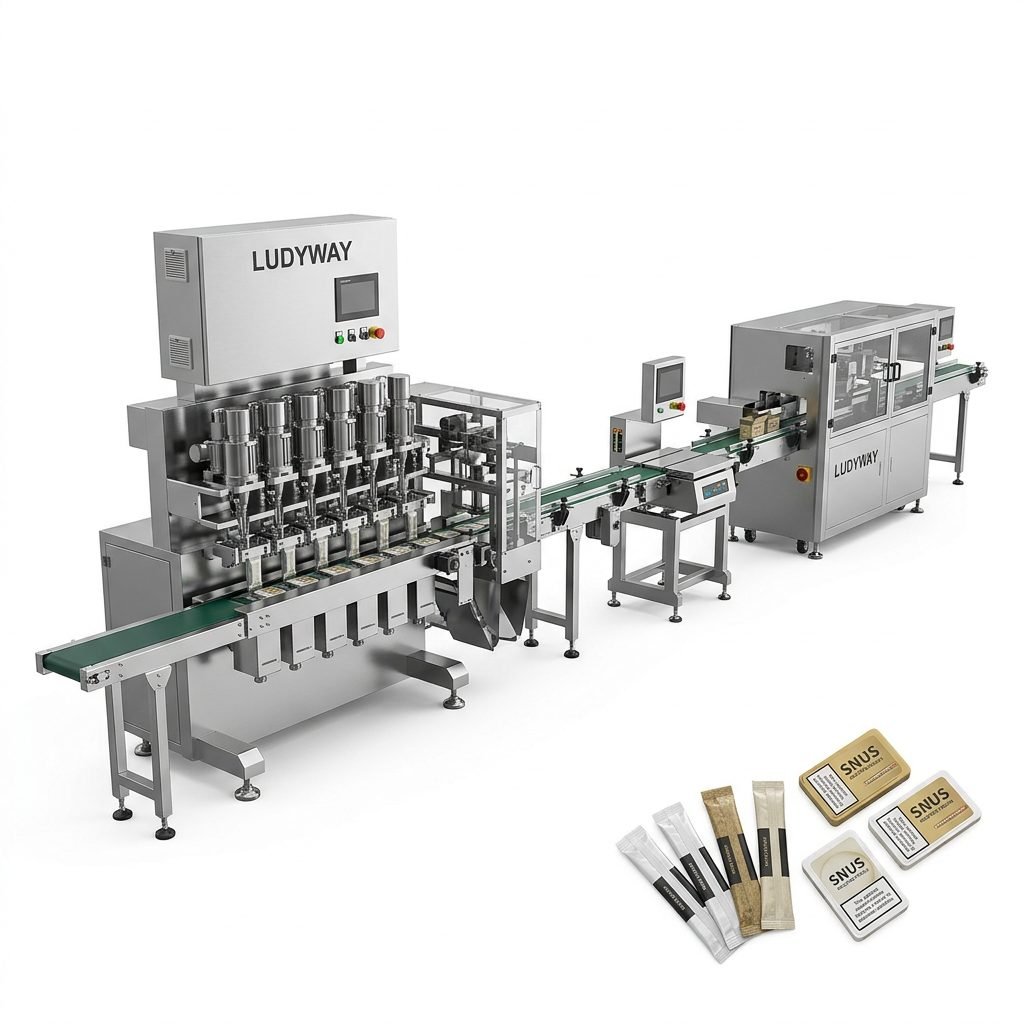
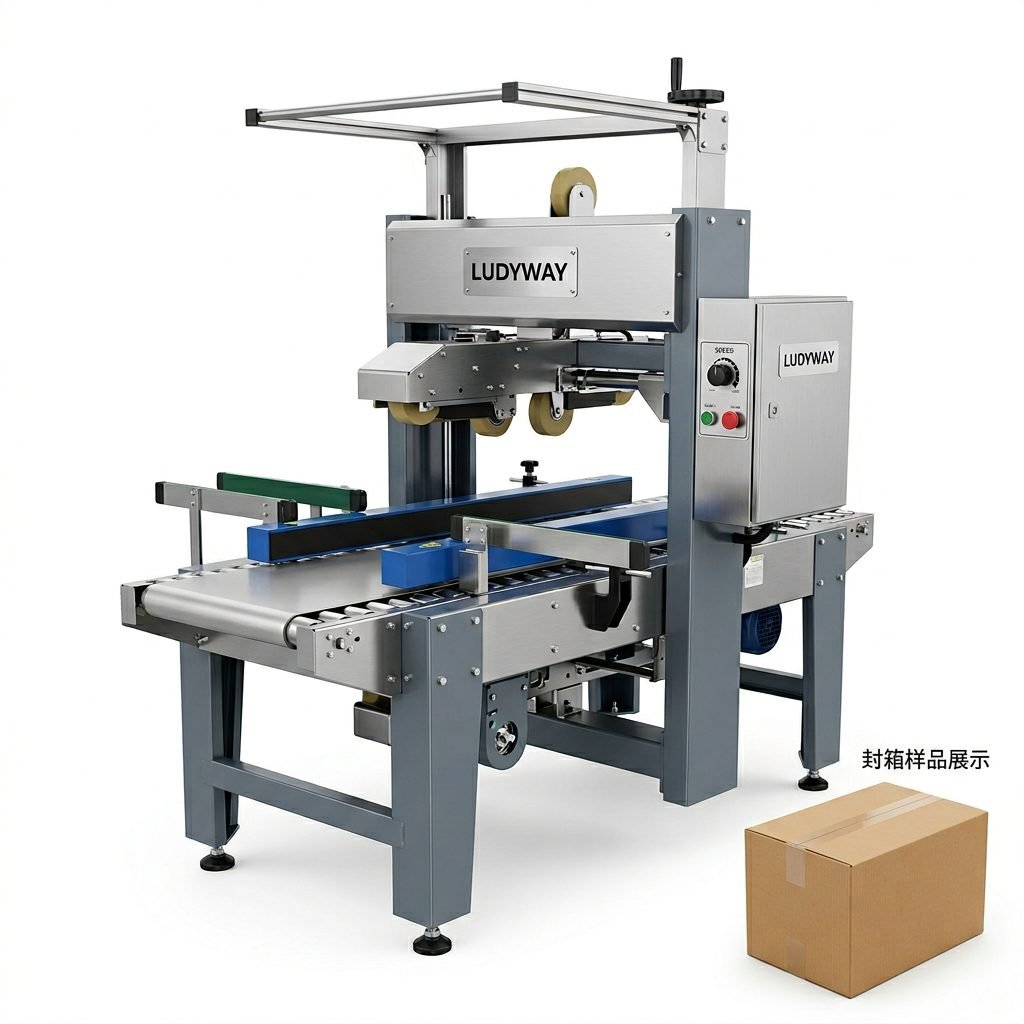
Modern buyers often want more than a standalone machine. They need a complete solution that connects feeding, filling, sealing, inspection, cartoning, case packing, and palletizing. This is especially important for factories targeting larger order volumes or international retail supply chains.
A complete sugar packaging line may include:
- Automatic feeder or elevator
- Sugar granule packing machine
- Date coder or printer
- Checkweigher and metal detector
- Cartoning or bundling machine
- Case packing and palletizing equipment
What Buyers Should Ask Before Investing
Before purchasing equipment, manufacturers should review both current and future production targets. The cheapest machine is not always the most cost-effective if it cannot scale or meet packaging quality standards.
Key questions to ask:
- What is the target pack size range?
- How many packs per minute are required?
- Will the machine run only sugar, or other granules too?
- What film materials will be used?
- Do you need nitrogen flushing, coding, or cartoning integration?
- How fast should changeover and cleaning be?
- What local electrical and certification standards apply?
A Practical Option for Scalable Automation
For manufacturers looking for automatic sugar granule packaging systems, Ludyway packaging machine solutions can support both standalone equipment and turnkey production line needs. With more than 30 years of industry experience, a factory of over 20,000 square meters, and export service covering more than 100 countries and regions, the company offers scalable equipment for food, pharmaceutical, health supplement, and related sectors.
This is especially useful for buyers who need flexible configurations, from compact sachet machines to high-speed multi-lane sugar stick pack systems integrated with feeding, inspection, and end-of-line automation.
Final Thoughts on Sugar Granule Packaging Efficiency
An automatic sugar granule packing machine helps transform packaging from a labor-heavy process into a fast, accurate, and controllable production operation. The right machine can reduce waste, improve pack consistency, and make it easier to meet growing demand across foodservice, retail, and export channels.
If your business needs reliable sugar filling, clean sealing, and flexible packaging formats, investing in an automatic solution is a practical step toward higher productivity and better packaging quality.