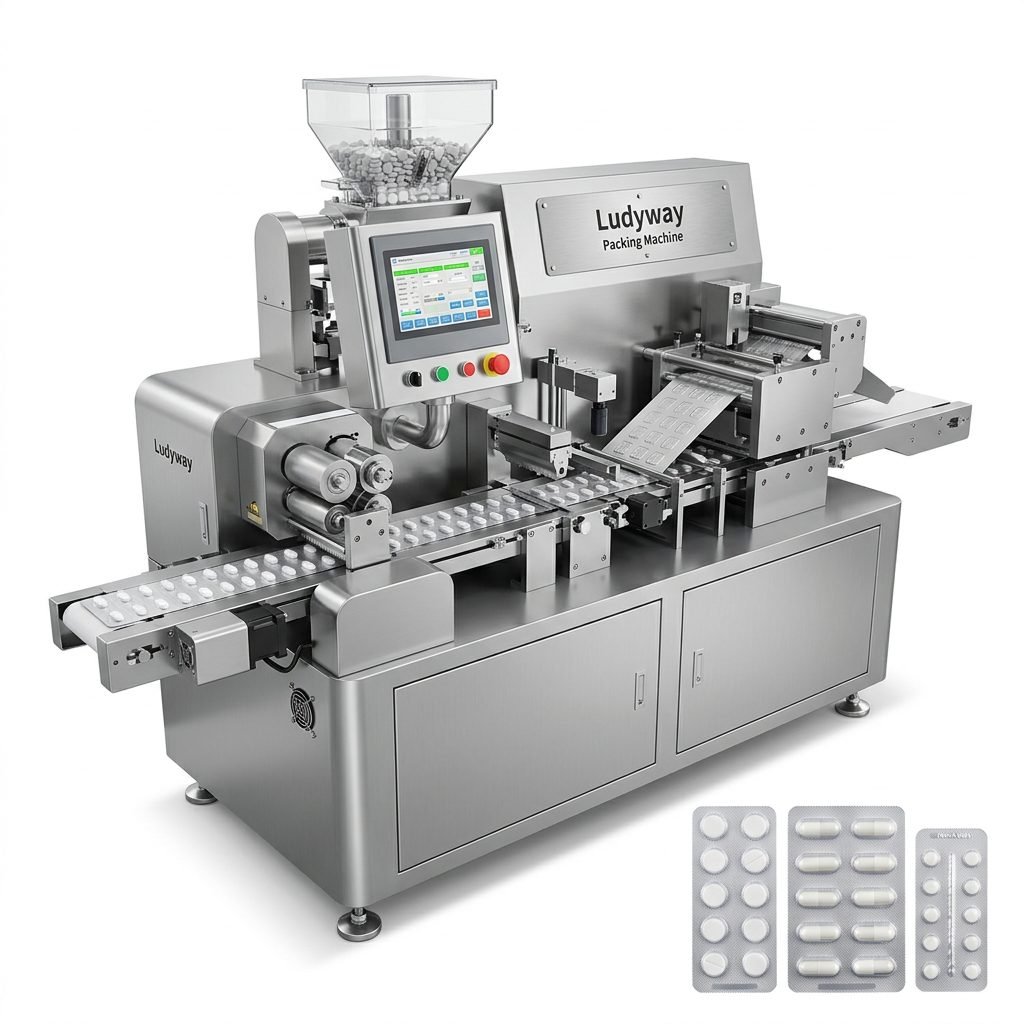
Italy is Europe’s largest rice producer, cultivating over 1.4 million tons of paddy rice annually across the Po Valley regions of Piedmont, Lombardy, and Veneto. With premium varieties like Arborio and Carnaroli commanding strong export demand, establishing a packaging production line in Italy offers significant market advantages. This guide covers the essential equipment, costs, and step-by-step procedures for setting up a rice packaging operation tailored to Italian and EU standards.
Understanding the Italian Rice Market
Italy produces approximately 50% of Europe’s total rice output, with over 220,000 hectares dedicated to rice cultivation. The domestic market favors packaged rice in various formats — from traditional 1kg retail bags to bulk 25kg sacks for food service. Export markets across the EU, Middle East, and North Africa create additional demand for professionally packaged Italian rice products. A well-planned rice packaging line must accommodate multiple bag sizes, maintain product freshness, and comply with stringent EU food safety regulations including EC Regulation 1935/2004 on food contact materials.
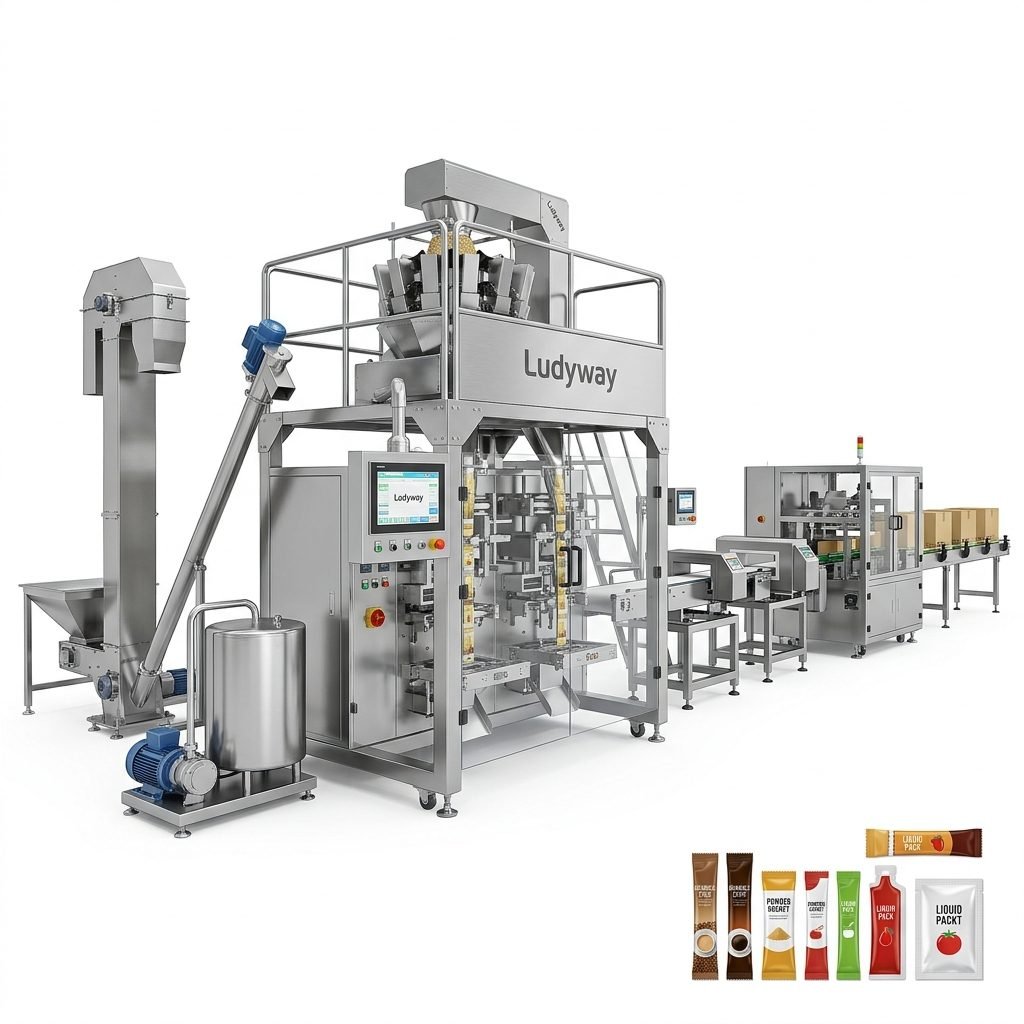
Essential Equipment for a Rice Packaging Production Line
Building a complete rice packaging operation requires integrating several key machine types into a seamless production flow. Each component plays a critical role in ensuring efficiency, accuracy, and product quality throughout the packaging process.
Weighing and Filling Systems
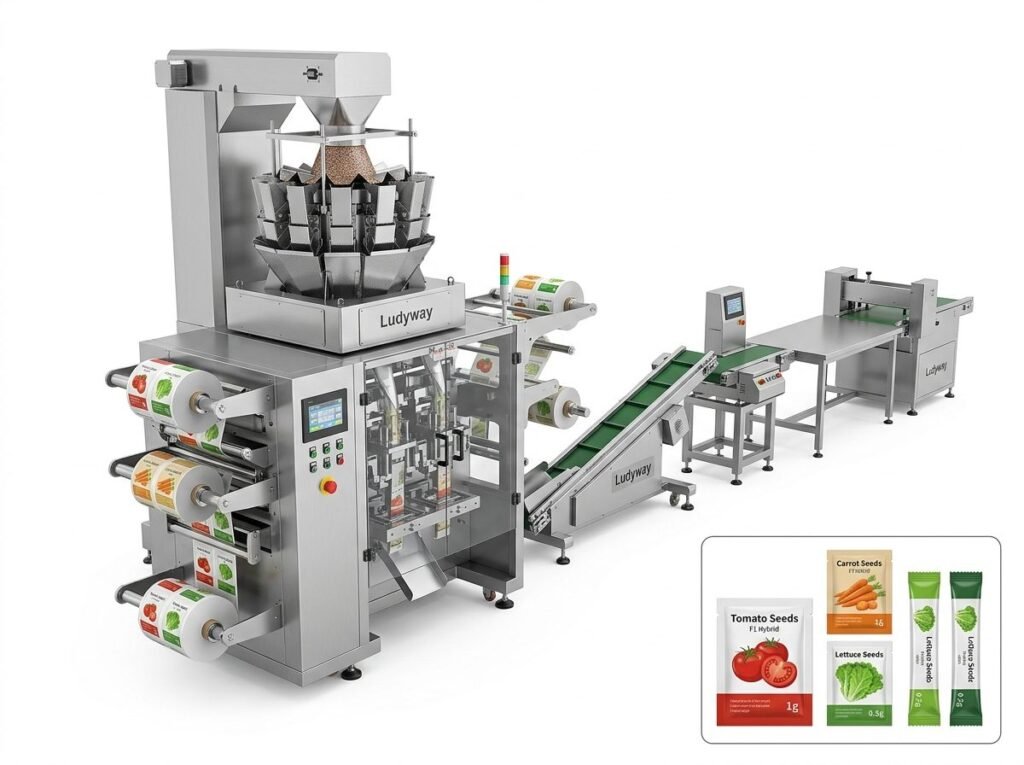
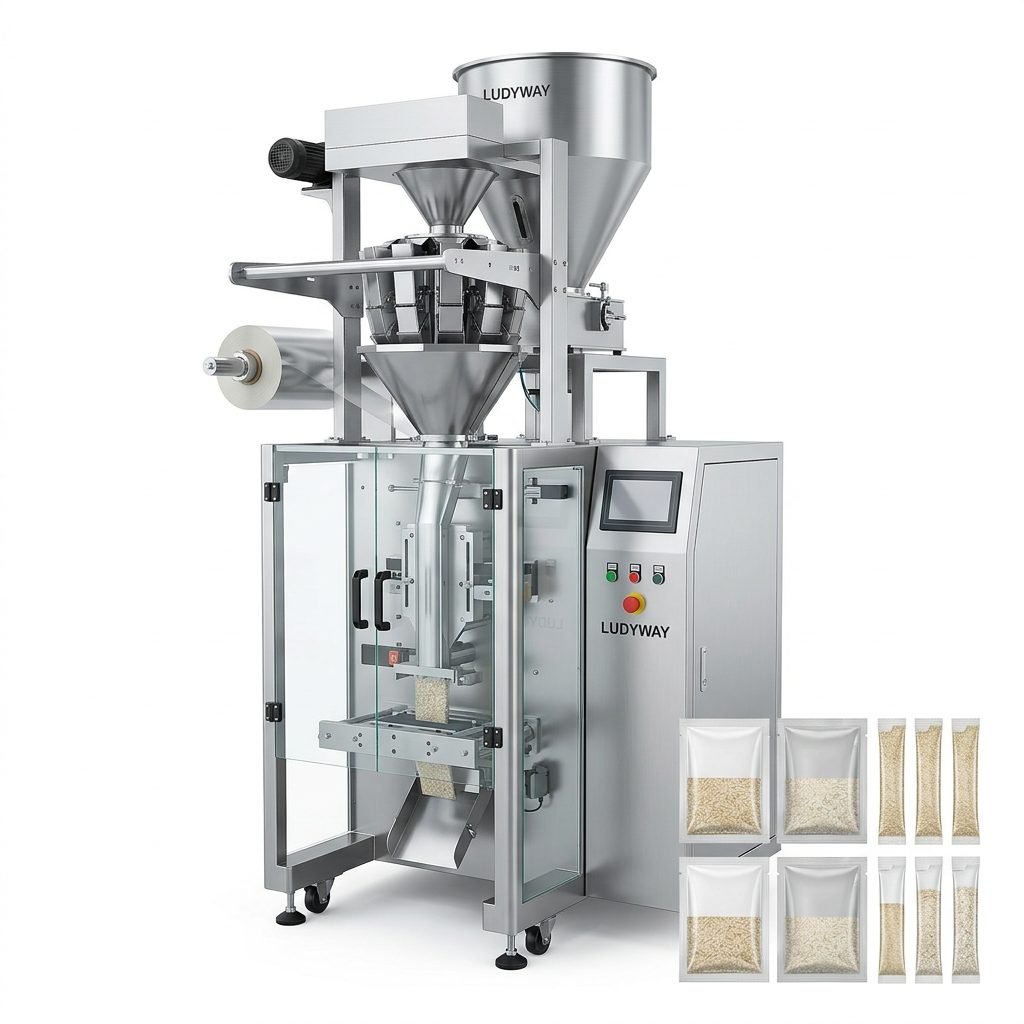
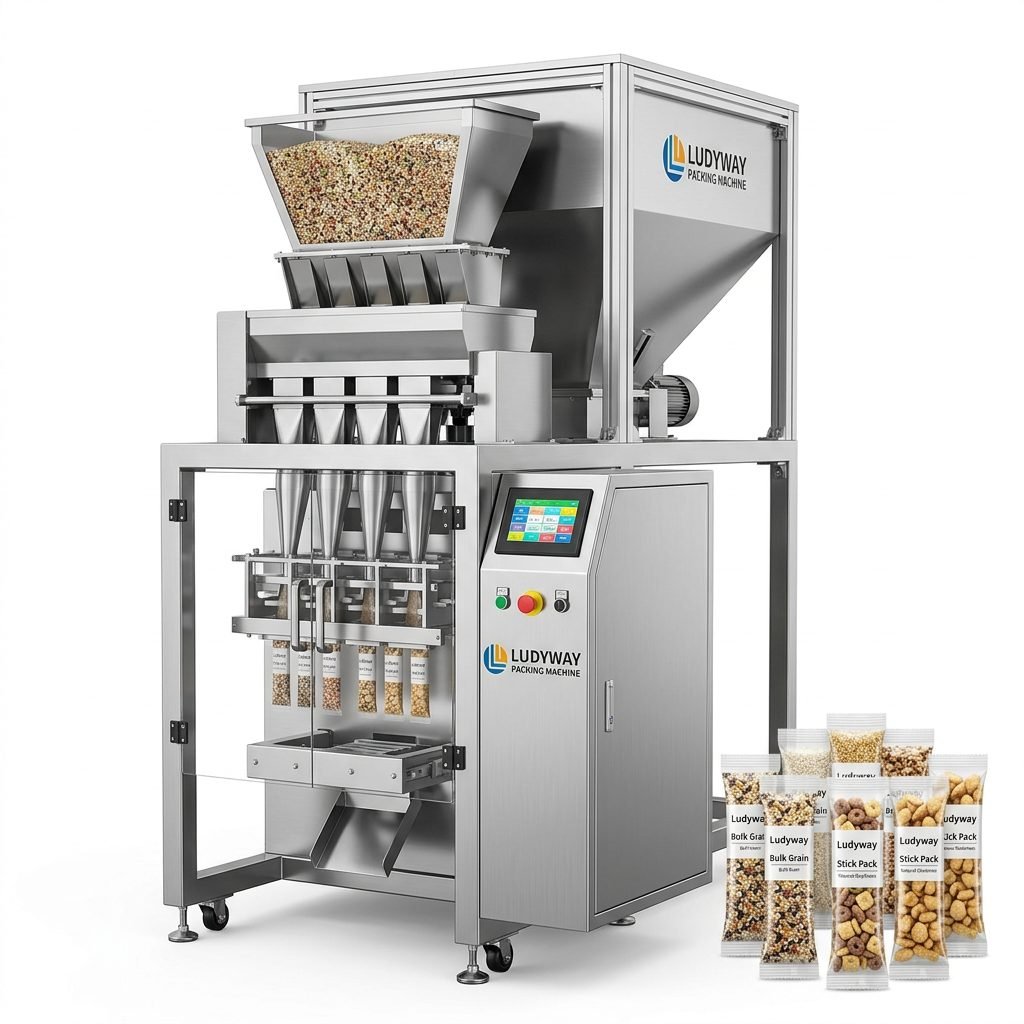
Accurate weighing is the cornerstone of profitable rice packaging. Automatic weighing and filling systems with multi-head weighers deliver precision to within ±1-2 grams per bag. For rice, linear weighers or combination weighers are commonly deployed depending on throughput requirements. Key specifications to evaluate include:
- Weighing range from 100g to 25kg per cycle
- Speed capabilities of 30-60 bags per minute for retail formats
- Stainless steel contact parts compliant with FDA food packaging standards
- Dust extraction systems for maintaining clean operations
Bagging and Sealing Machines
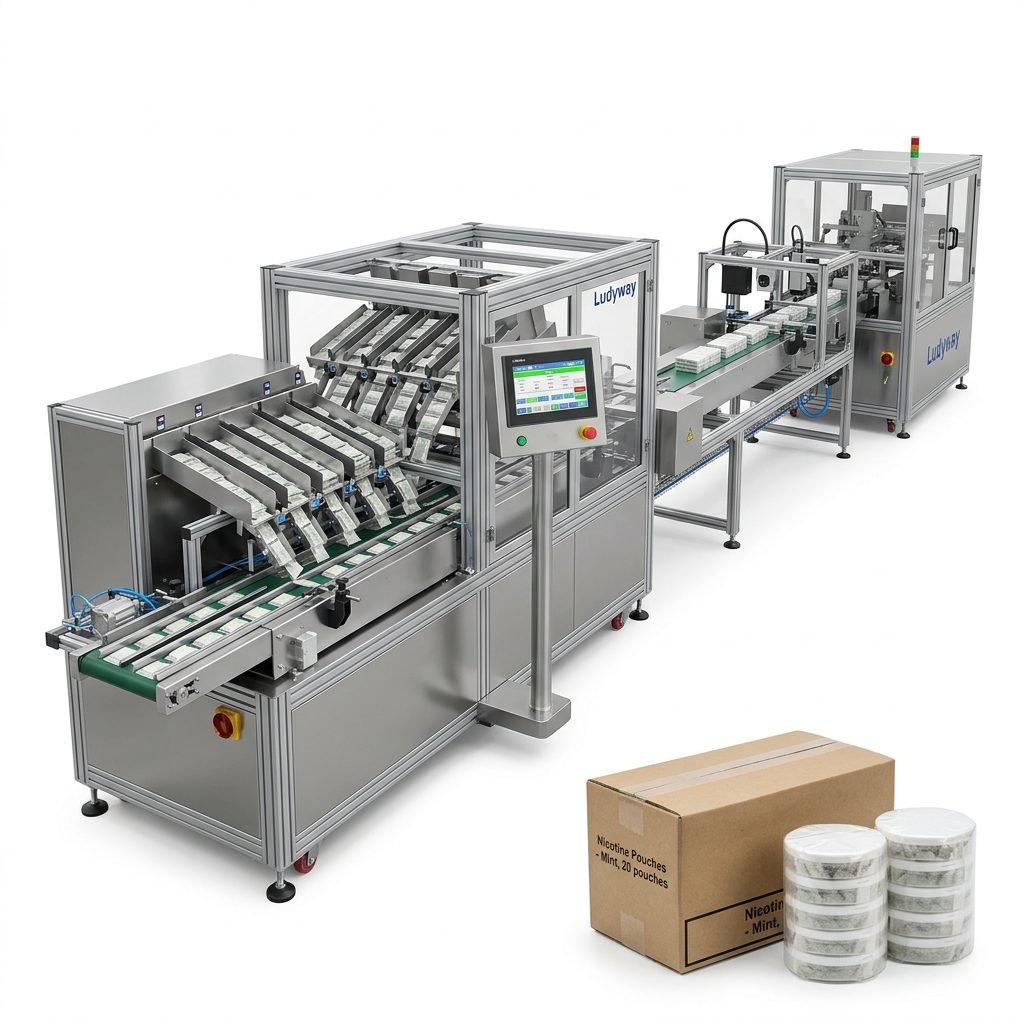
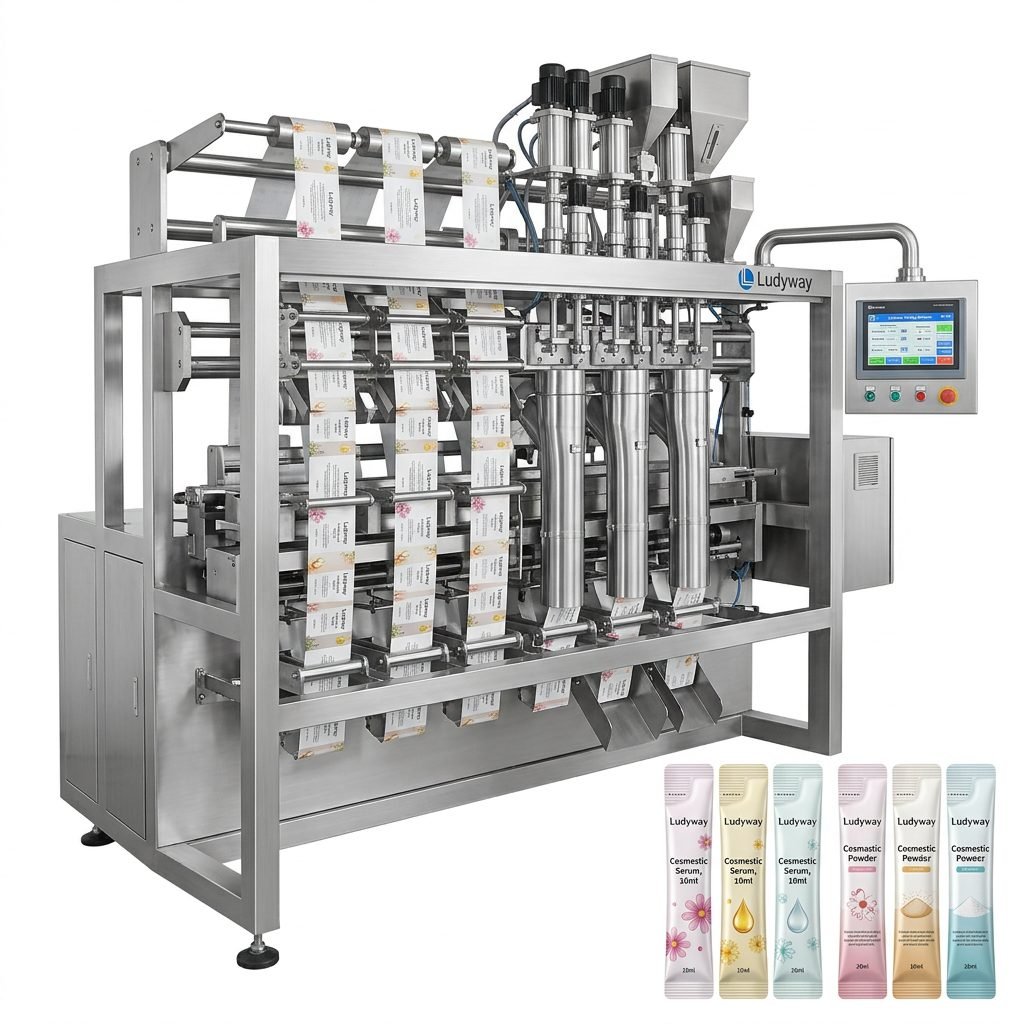
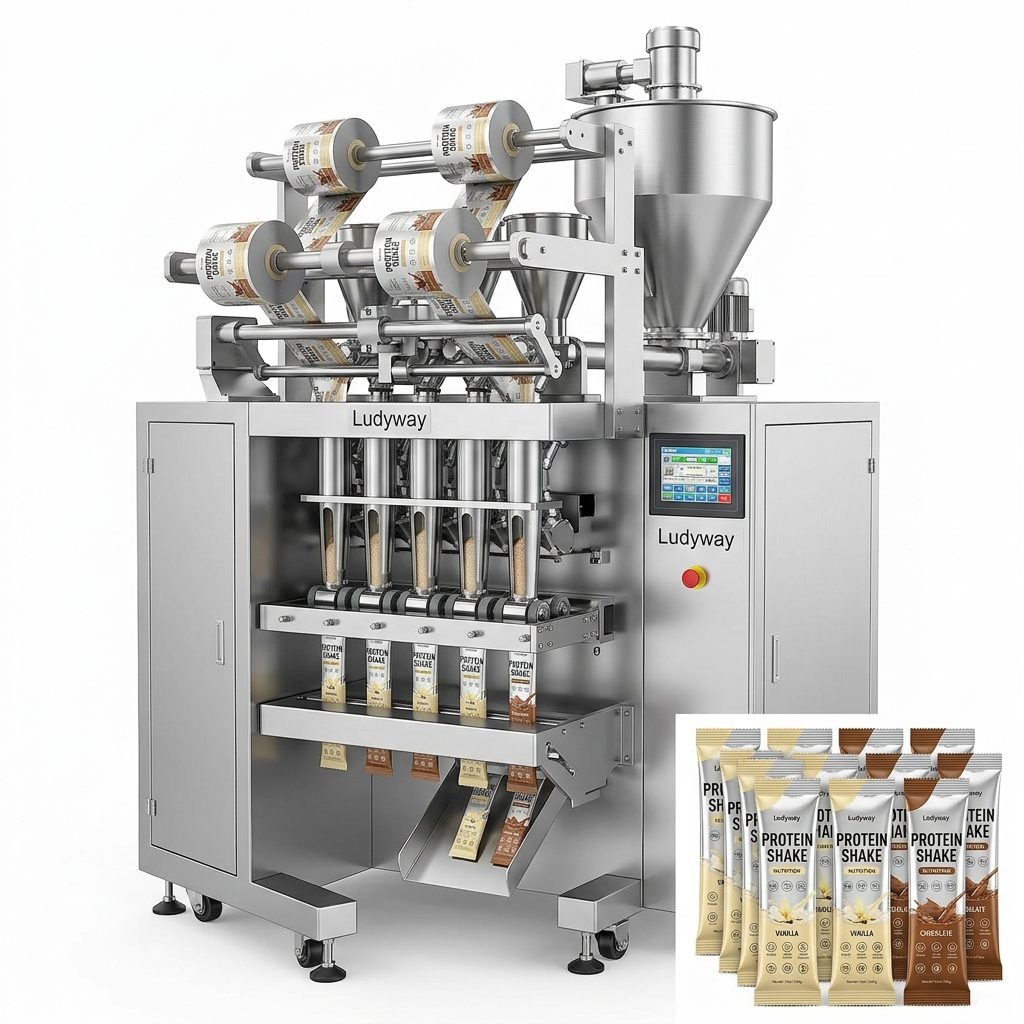
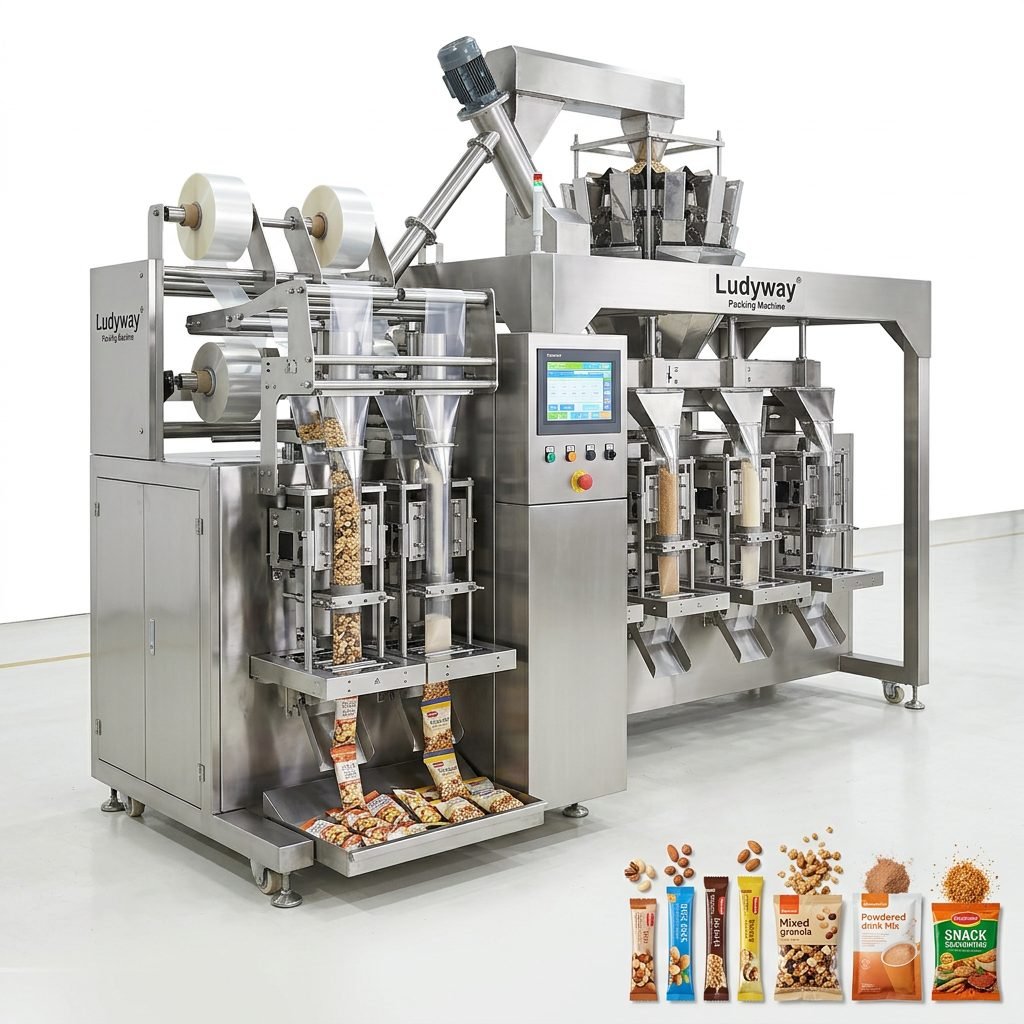
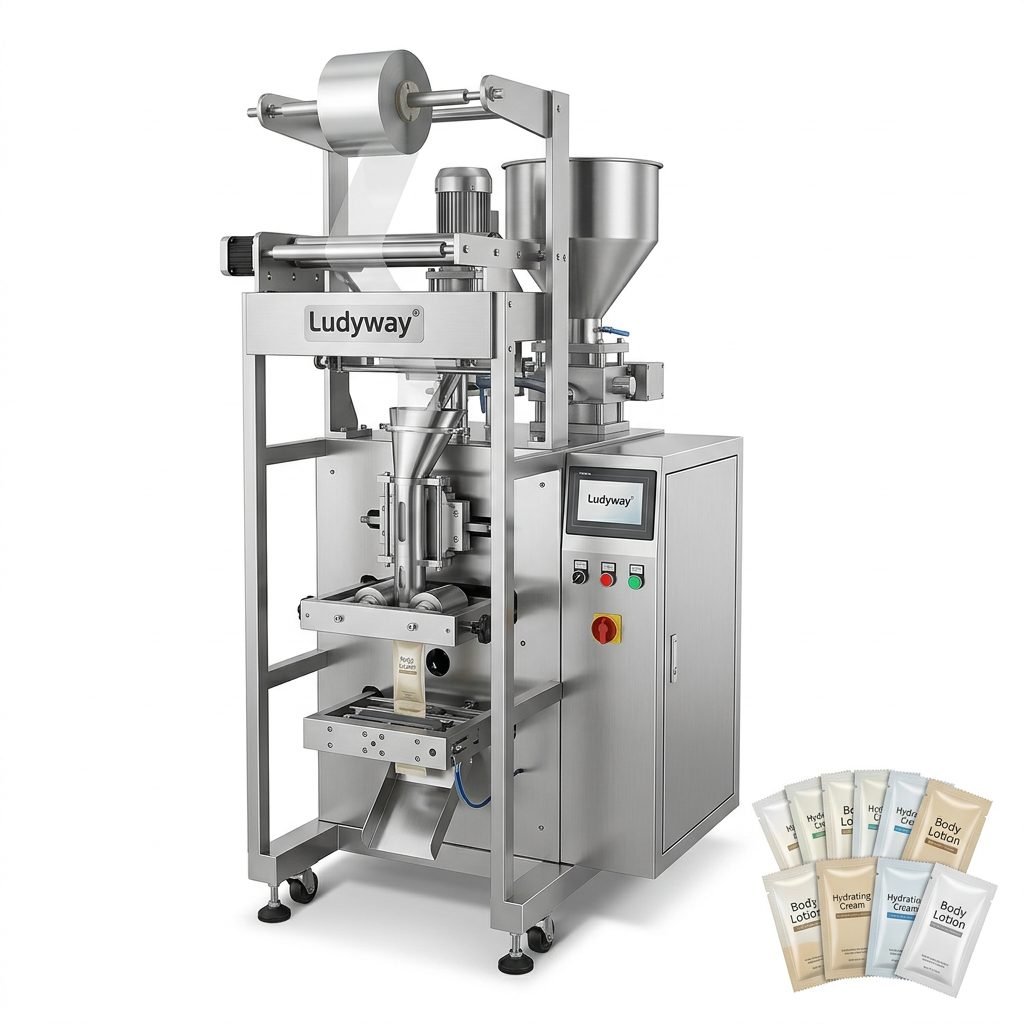
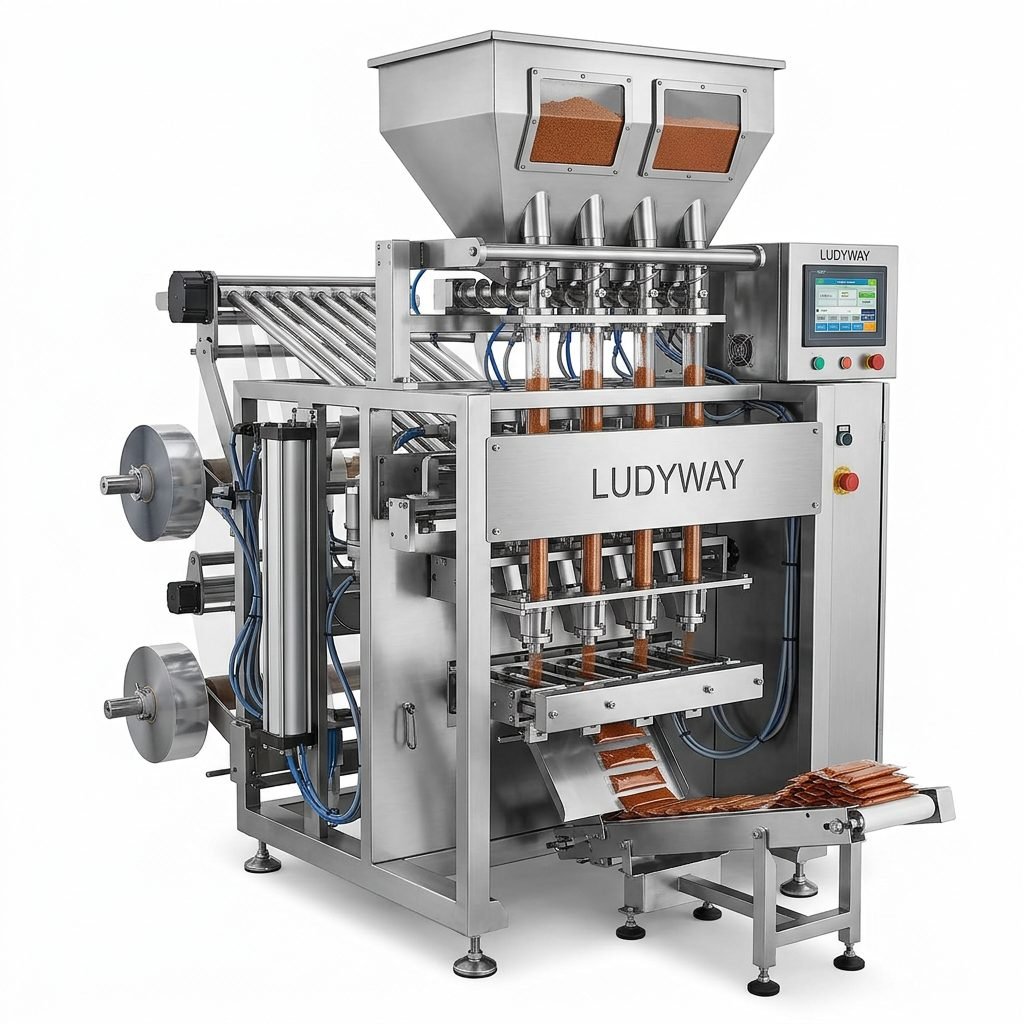
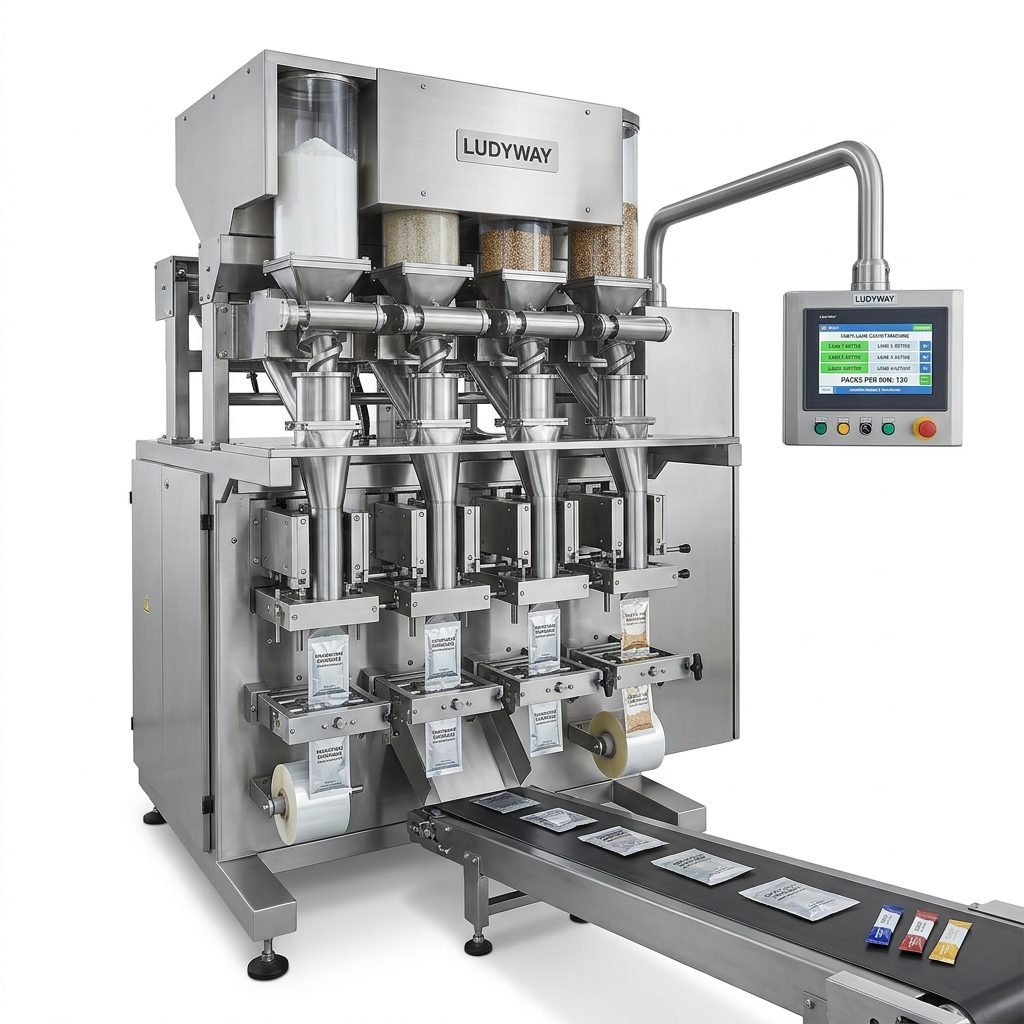
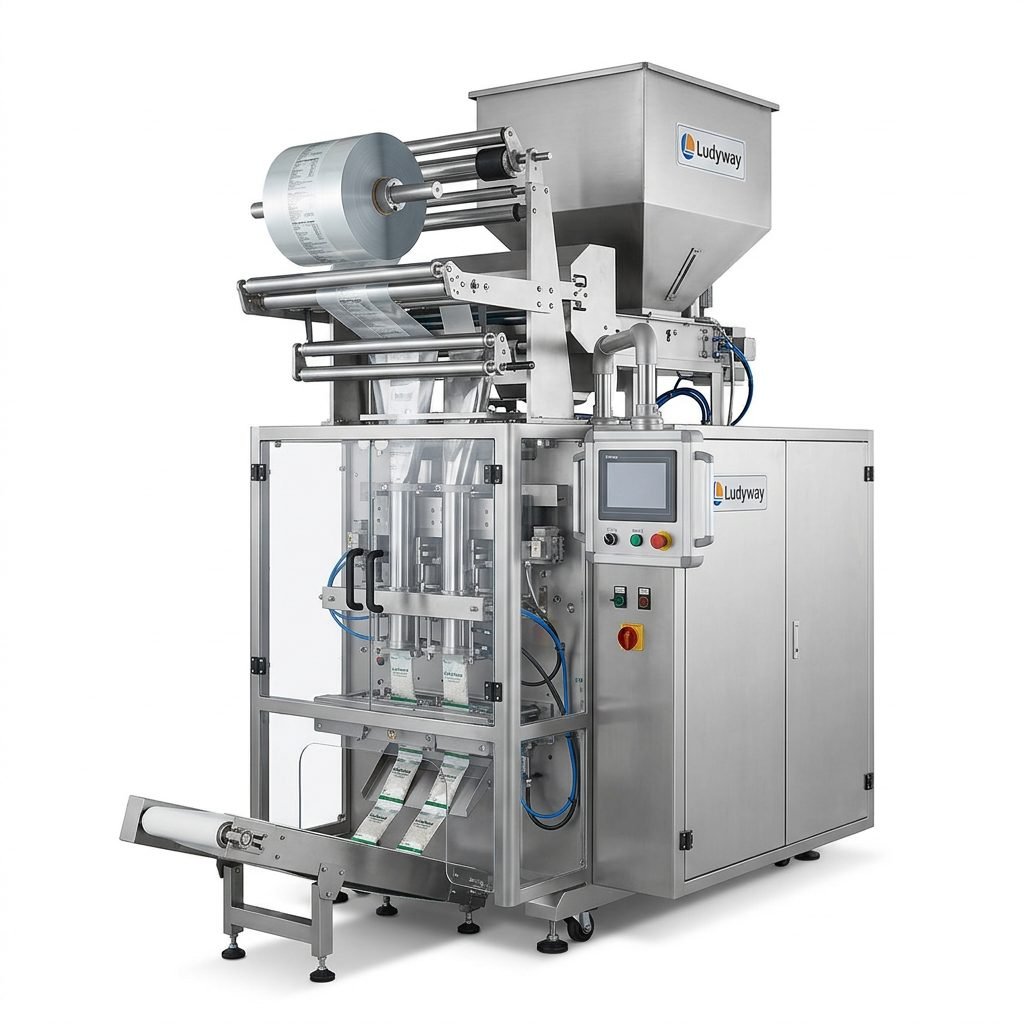
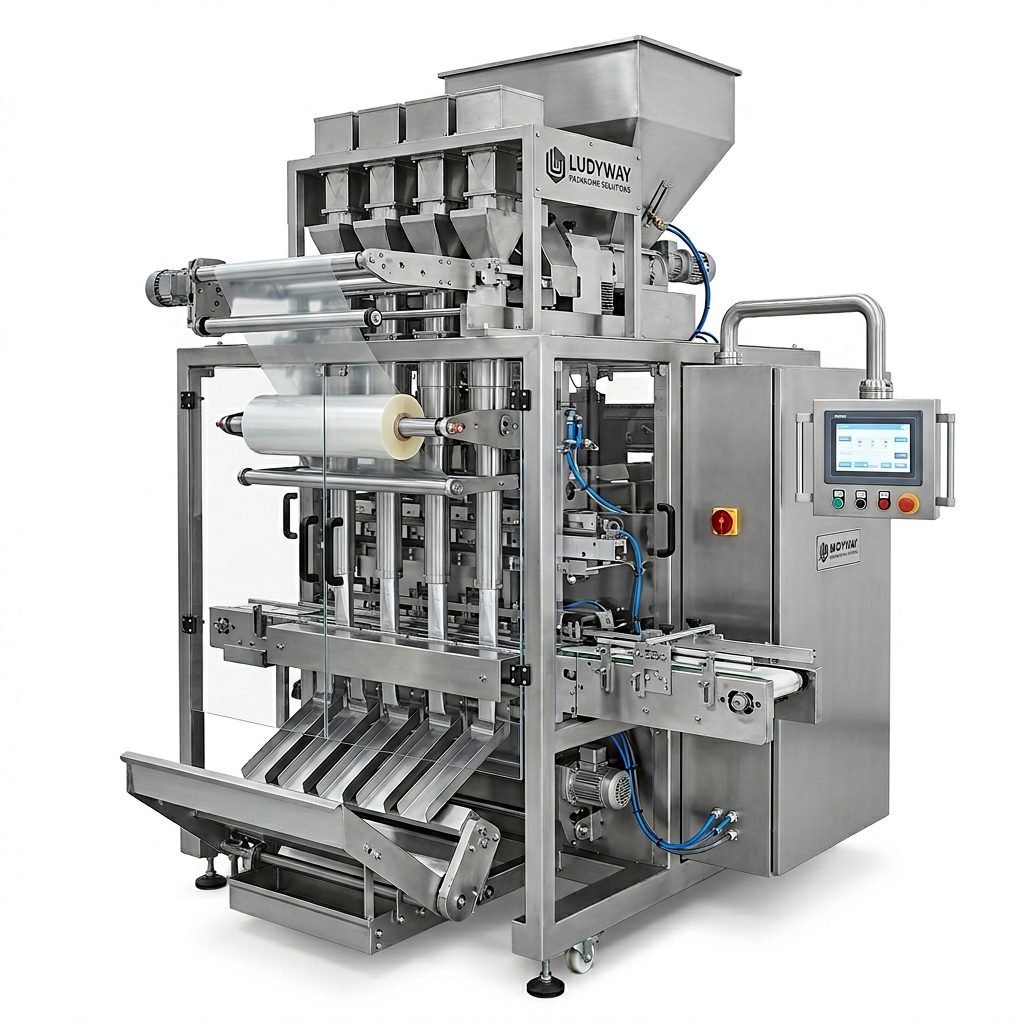
Italian rice packers typically require flexibility across multiple packaging formats. Multi-lane stick pack machines excel at producing single-serve and small-format rice sachets, while vertical form-fill-seal (VFFS) machines handle medium retail bags. For bulk packaging, open-mouth baggers with heat-sealing capabilities serve the 5kg-25kg range. Modified atmosphere packaging (MAP) options help extend shelf life for premium organic and specialty rice varieties.
Conveying and Material Handling
Efficient material flow between processing stages reduces labor costs and minimizes product damage. Conveying systems for packaging lines should include bucket elevators for vertical transfer of rice grains, vibratory feeders for controlled dispensing, and inclined belt conveyors for horizontal transport. Properly designed handling systems preserve grain integrity — a crucial factor for high-value Italian rice varieties where broken grains diminish market value.
Key Steps to Set Up Your Rice Packaging Line in Italy
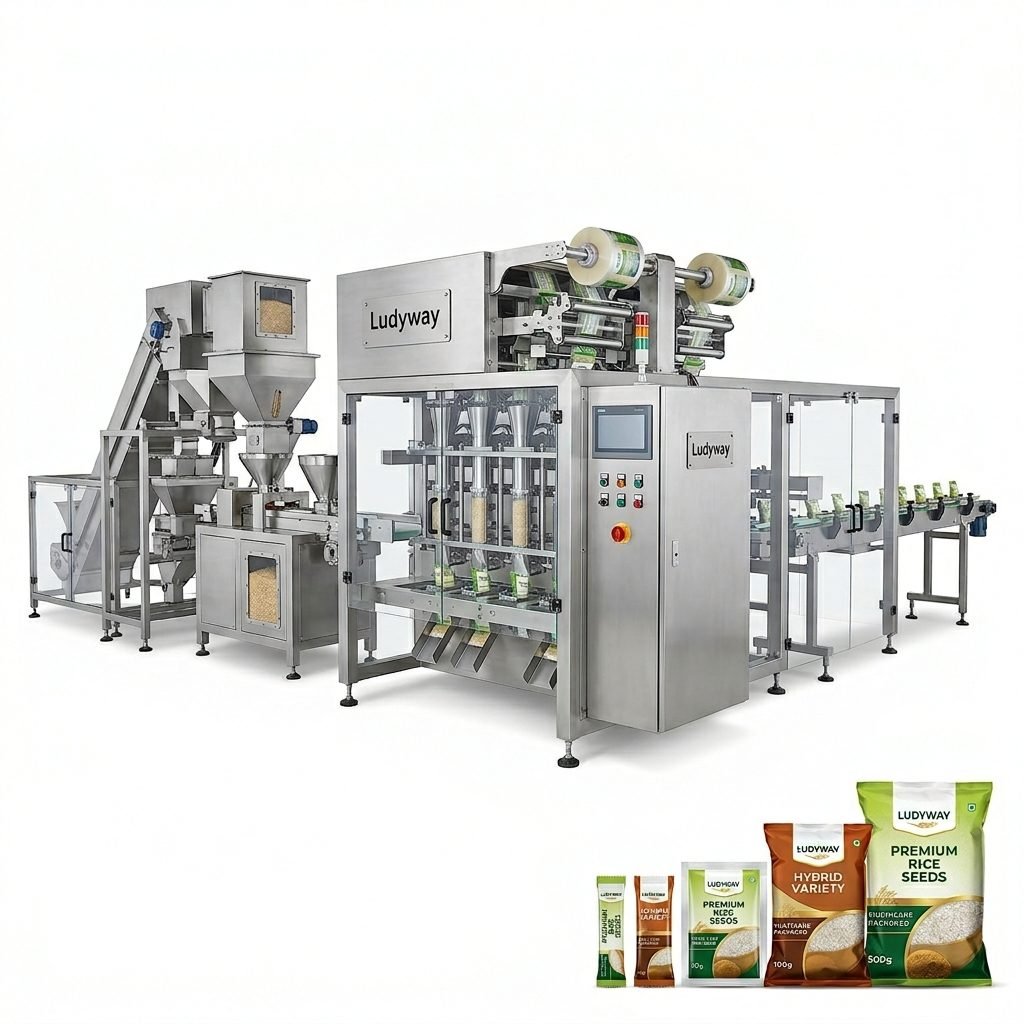
Establishing a packaging operation in Italy involves navigating regulatory, logistical, and operational considerations. Following a structured approach ensures smoother implementation and faster time-to-market.
- Conduct a feasibility study — Assess target production volumes, packaging formats, and budget parameters. Analyze local rice sourcing options from Italian mills in Vercelli, Novara, and Pavia provinces.
- Secure facility and utilities — Identify an industrial space meeting EU hygiene standards for food processing, with adequate power supply (typically 380V three-phase), compressed air, and drainage systems.
- Obtain necessary certifications — Register with the local ASL (Azienda Sanitaria Locale) for food safety compliance and pursue ISO packaging standards certification, particularly ISO 22000 for food safety management.
- Select and order equipment — Choose automatic packaging equipment matched to your production requirements, considering factors like changeover speed, energy efficiency, and after-sales technical support availability in Europe.
- Install and commission the line — Allow 4-8 weeks for equipment delivery, installation, and calibration. Conduct thorough testing with actual rice products to verify weighing accuracy and seal integrity.
- Train operators and launch production — Develop standard operating procedures and provide hands-on training for machine operators. Begin with small production runs before scaling to full capacity.
Cost Breakdown for Rice Packaging Equipment
Investment costs vary significantly based on automation level, production capacity, and packaging complexity. The table below provides estimated ranges for equipment commonly deployed in Italian rice packaging facilities:
| Equipment Category | Estimated Cost Range (EUR) | Production Capacity |
|---|---|---|
| Multi-head Combination Weigher | €25,000 – €80,000 | 30-100 packs/min |
| Vertical Form-Fill-Seal Machine | €40,000 – €150,000 | 20-80 bags/min |
| Multi-Lane Stick Pack Machine | €60,000 – €200,000 | 200-600 packs/min |
| Open-Mouth Bagging System (25kg) | €30,000 – €90,000 | 8-15 bags/min |
| Conveying and Elevating Systems | €15,000 – €50,000 | Custom configured |
| Case Packing and Palletizing | €50,000 – €180,000 | 10-30 cases/min |
| Complete Turnkey Line (Entry Level) | €150,000 – €350,000 | 15-40 bags/min |
| Complete Turnkey Line (High Capacity) | €400,000 – €1,200,000 | 60-200+ bags/min |
Additional costs to budget for include shipping and import duties (approximately 5-8% for packaging machinery entering Italy from non-EU countries), facility modifications, operator training, and initial spare parts inventory. Annual maintenance contracts typically range from 3-5% of the equipment purchase price.
Regulatory Compliance in Italy and the EU
Operating a rice packaging facility in Italy requires adherence to multiple layers of regulation. Food contact materials must comply with EU Framework Regulation (EC) No 1935/2004, while packaging operations fall under the scope of the EU Packaging and Packaging Waste Directive. Italian-specific requirements include registration with the Ministry of Health and compliance with national labeling laws under Legislative Decree 109/1992.
Key compliance areas to address:
- HACCP implementation and documentation per ISO 22000 standards
- Packaging machinery safety certification conforming to CE marking requirements under the EU Machinery Directive 2006/42/EC
- Traceability systems enabling batch-level tracking from paddy field to retail package
- Environmental compliance with Italy’s CONAI (National Packaging Consortium) obligations for packaging waste management
- Organic certification through accredited bodies if packaging biologico labeled rice products
Choosing the Right Packaging Machine Supplier
Selecting a reliable equipment partner significantly impacts long-term operational success. Ludyway is one of the largest packaging machine manufacturers in China, specializing in turnkey packaging solutions for the food industry. With over 30 years of expertise and a modern 20,000㎡ manufacturing facility, the company offers more than 50 intelligent packaging machine models for granule, powder, and liquid applications. When evaluating suppliers, Italian rice packers should prioritize manufacturers with proven European installations, responsive technical support, and machinery compliant with EU safety and hygiene standards. For detailed market data, the PMMI business intelligence library provides valuable packaging industry reports and trends.
Automation Trends in Rice Packaging
Modern Italian rice packaging operations increasingly adopt Industry 4.0 technologies to enhance productivity and reduce downtime. Smart sensors monitor seal integrity in real-time, while cloud-connected systems enable remote diagnostics and predictive maintenance scheduling. High-speed automated packaging systems now integrate directly with enterprise resource planning (ERP) software, providing live production data and inventory visibility across the supply chain.
Additional automation features gaining traction in the Italian market include robotic case packing for end-of-line operations, automated palletizing with stretch wrapping, and vision inspection systems for quality control verification. These technologies reduce labor dependency while improving consistency — a critical advantage given Italy’s relatively high labor costs compared to other Mediterranean production hubs.
Common Pitfalls to Avoid
Drawing from industry experience across European packaging installations, several recurring challenges can delay project timelines and inflate budgets. Understanding these risks upfront helps Italian rice processors plan more effectively:
- Underestimating utility requirements — High-speed automatic multi-lane packaging systems often require dedicated power circuits and substantial compressed air capacity that existing facilities may lack.
- Insufficient operator training — Sophisticated packaging machinery demands proper training; inadequate preparation leads to excessive downtime and compromised output quality during the initial production phase.
- Ignoring local packaging preferences — Italian consumers show strong preference for specific bag formats and materials; failing to accommodate regional market expectations limits distribution potential.
- Overlooking spare parts availability — Maintaining an adequate inventory of critical wear components prevents extended production interruptions while awaiting overseas shipments.
Conclusion: Building a Competitive Rice Packaging Operation in Italy
Setting up a rice packaging production line in Italy represents a strategic investment in one of Europe’s most established food processing markets. Success depends on selecting reliable packaging machinery suited to Italian rice varieties, navigating EU regulatory requirements, and building operational workflows that balance efficiency with product quality. With the global packaged rice market projected to grow at a CAGR of 5.8% through 2030, according to industry analysis from the Flexible Packaging Association, Italian producers who invest in modern, automated packaging infrastructure position themselves to capture expanding export opportunities across Europe and beyond. For comprehensive guidance on equipment selection and line configuration tailored to your specific rice packaging needs, consulting with experienced packaging solution providers ensures your project starts on a solid foundation.