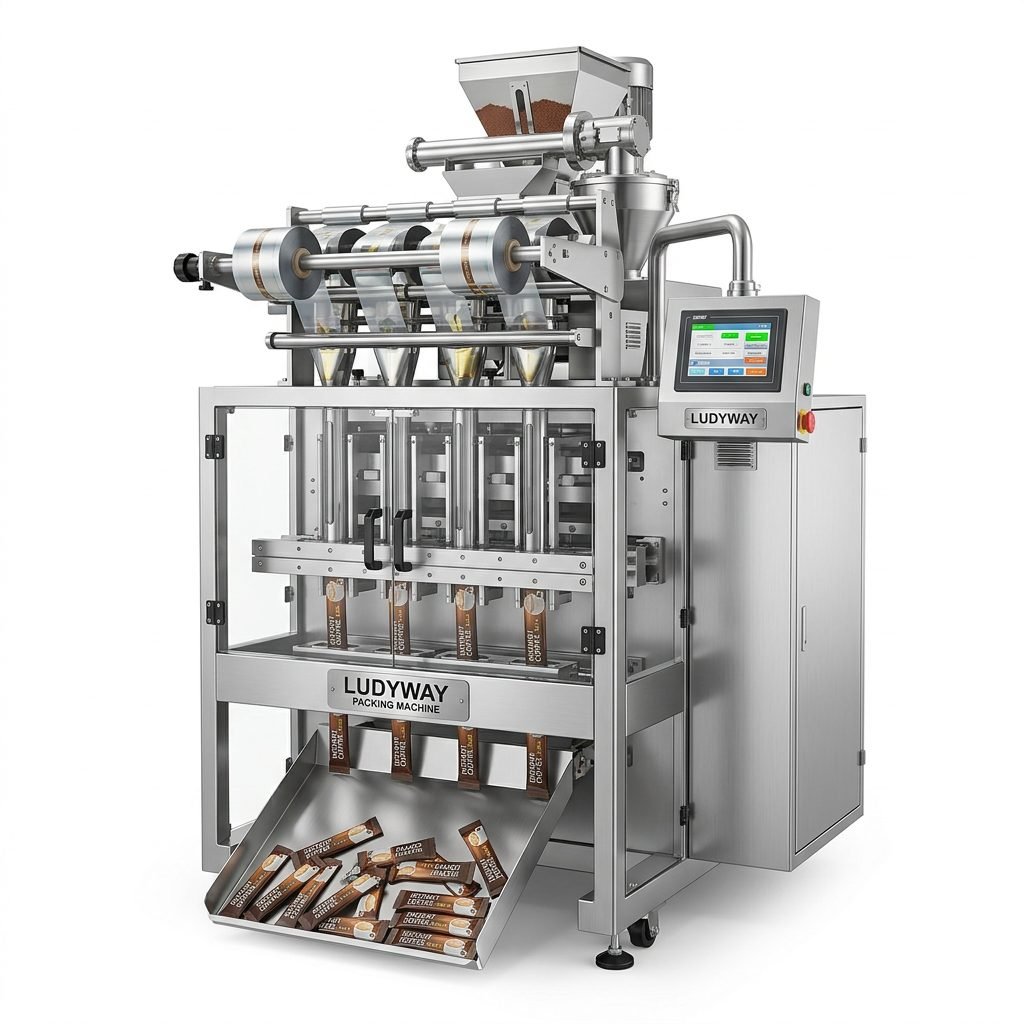
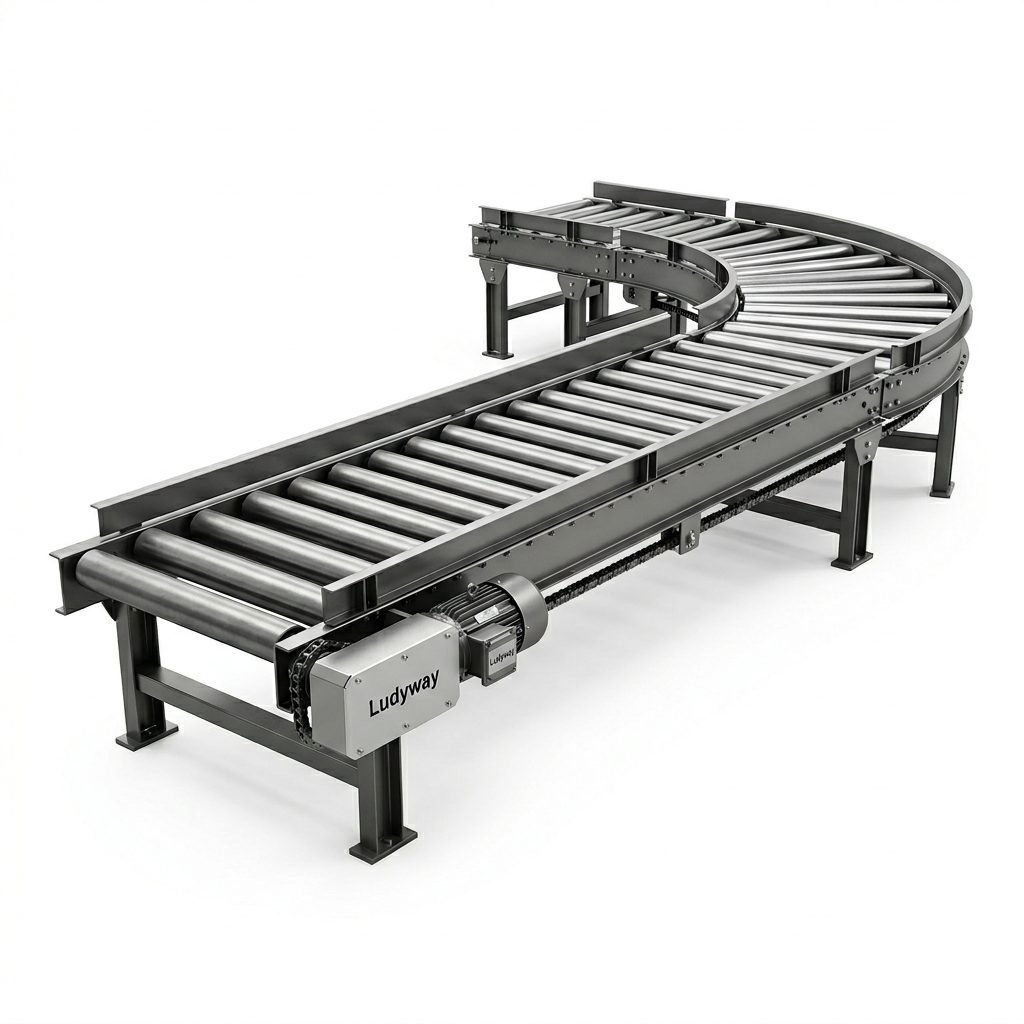
Investing in a cereal packaging machine is a critical decision that directly impacts your production efficiency, product shelf life, and overall profitability. Whether you are packaging breakfast cereals, granola, muesli, or cereal-based snacks, selecting the right equipment requires a thorough understanding of your product characteristics, production goals, and operational requirements. This comprehensive guide will walk you through the essential factors to consider, helping you make an informed purchasing decision.
Understanding Cereal Packaging Requirements
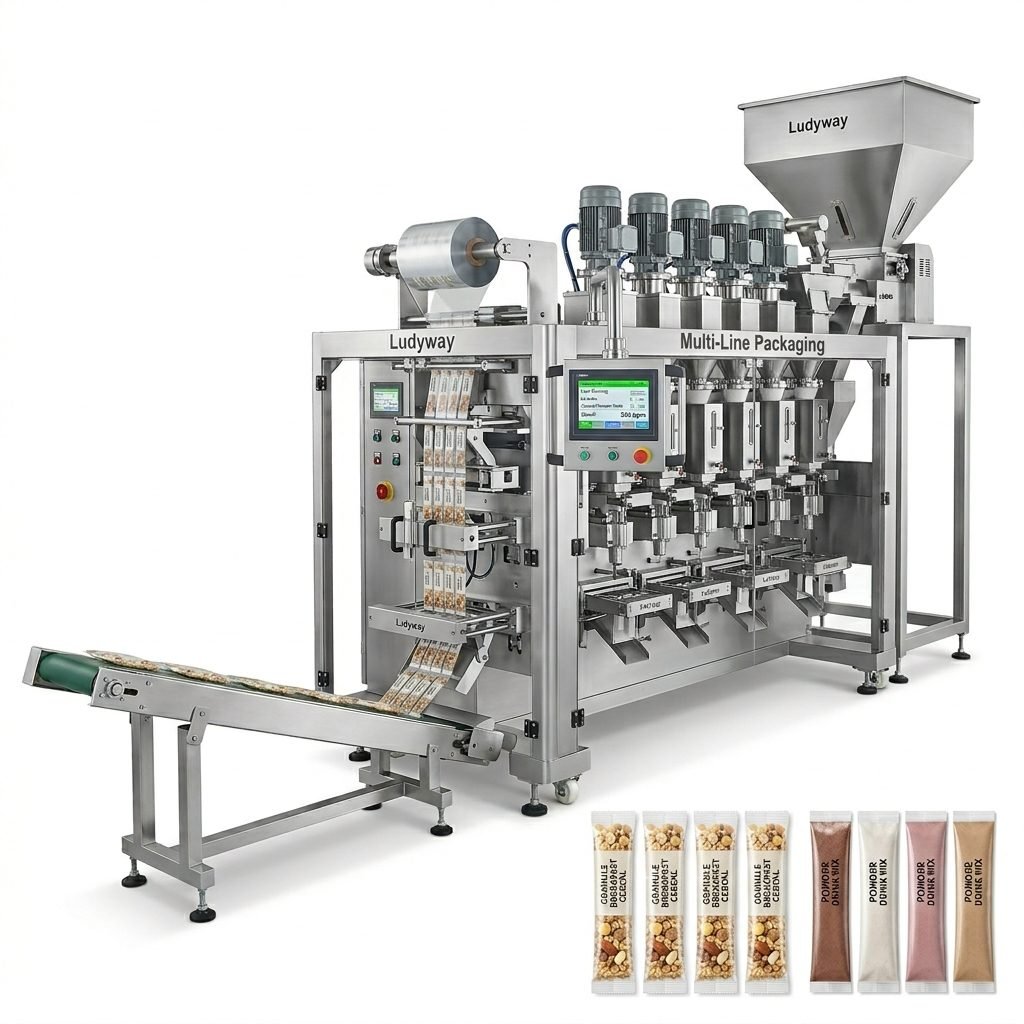
Before evaluating specific machines, you need to clearly define your packaging requirements. Cereal products vary widely in terms of granule size, density, fragility, and moisture sensitivity. A breakfast cereal with large flakes demands different handling than a fine granola powder. Understanding your product’s physical properties is the first step toward choosing the right cereal packaging equipment.
Key product characteristics to evaluate include:
- Granule size and uniformity – Affects dosing accuracy and filling speed
- Bulk density – Determines the required filling volume and bag size
- Fragility – Influences conveyor design and drop heights during filling
- Moisture content and oil levels – Impact shelf life and sealing requirements
- Dust generation – May require dust extraction systems for clean operation
Key Factors to Consider When Choosing a Cereal Packaging Machine
Production Speed and Capacity
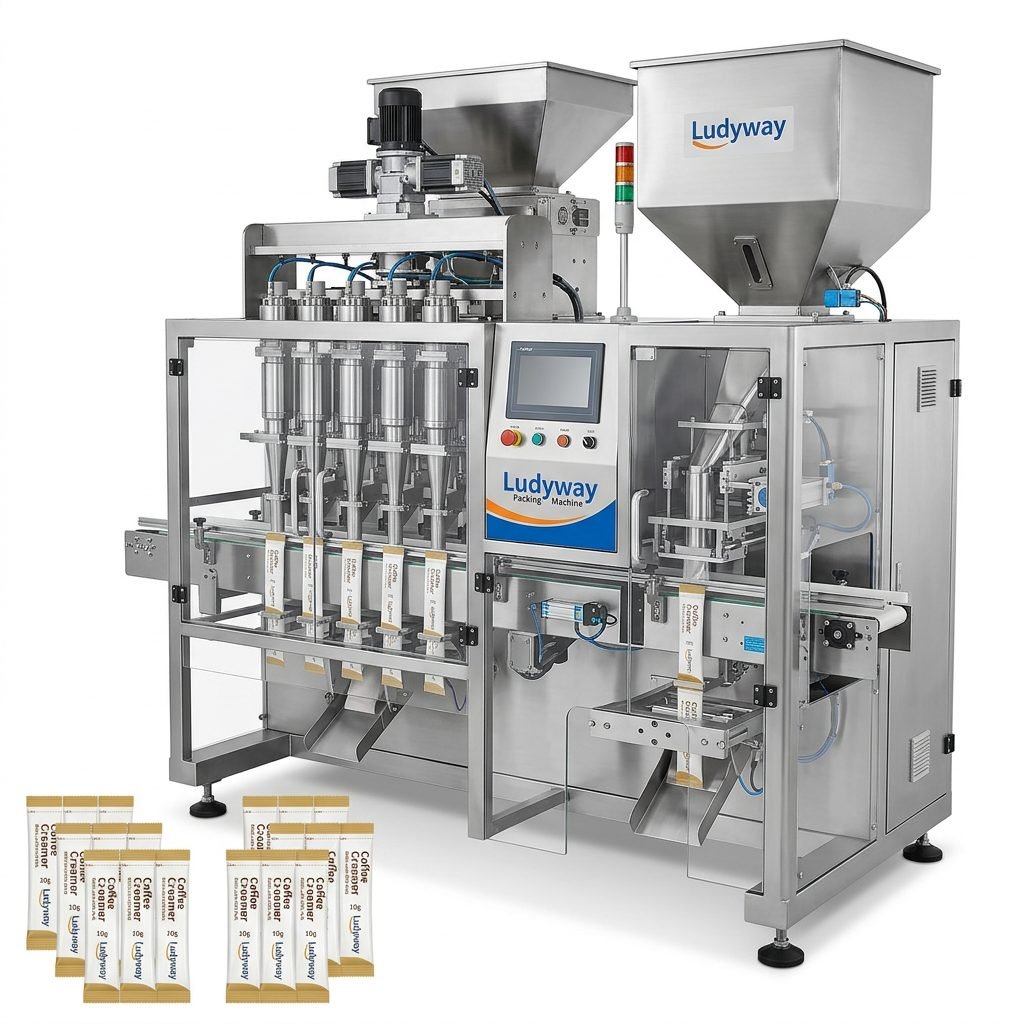
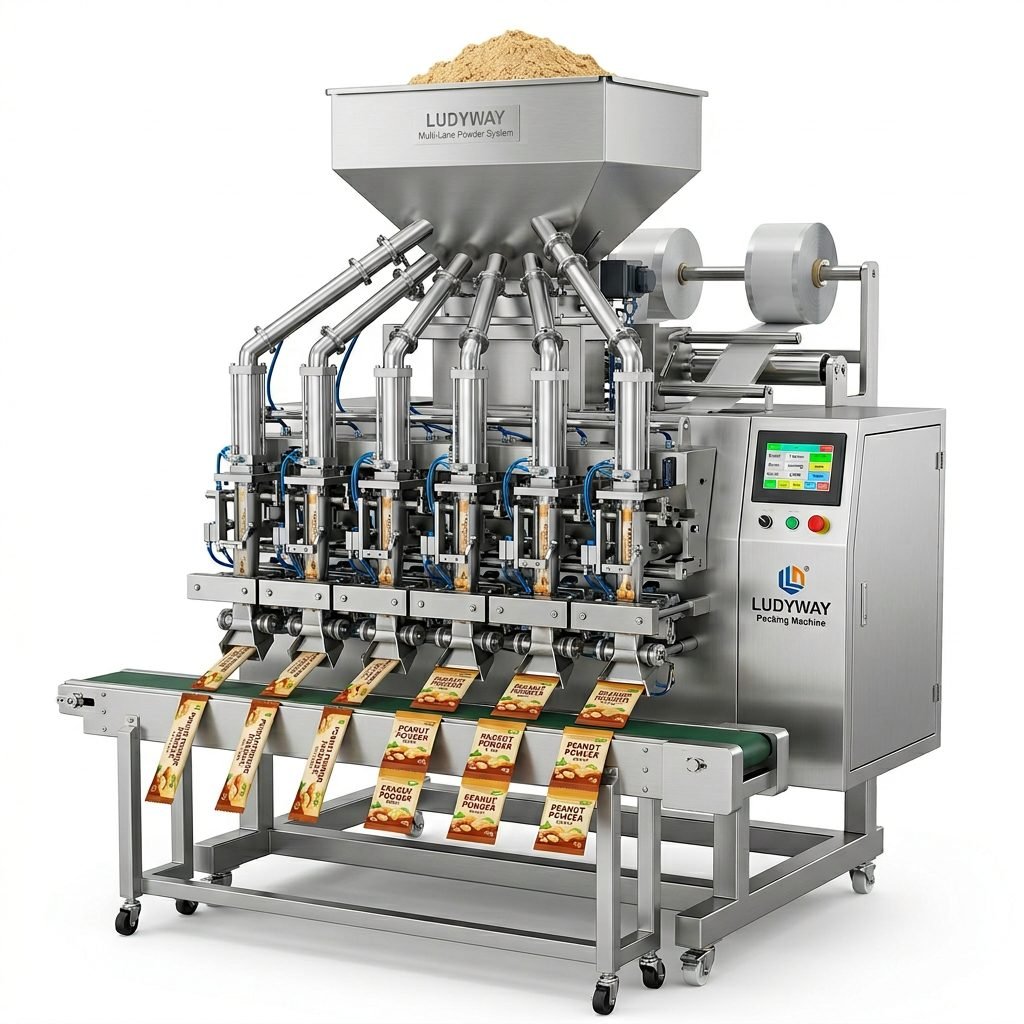
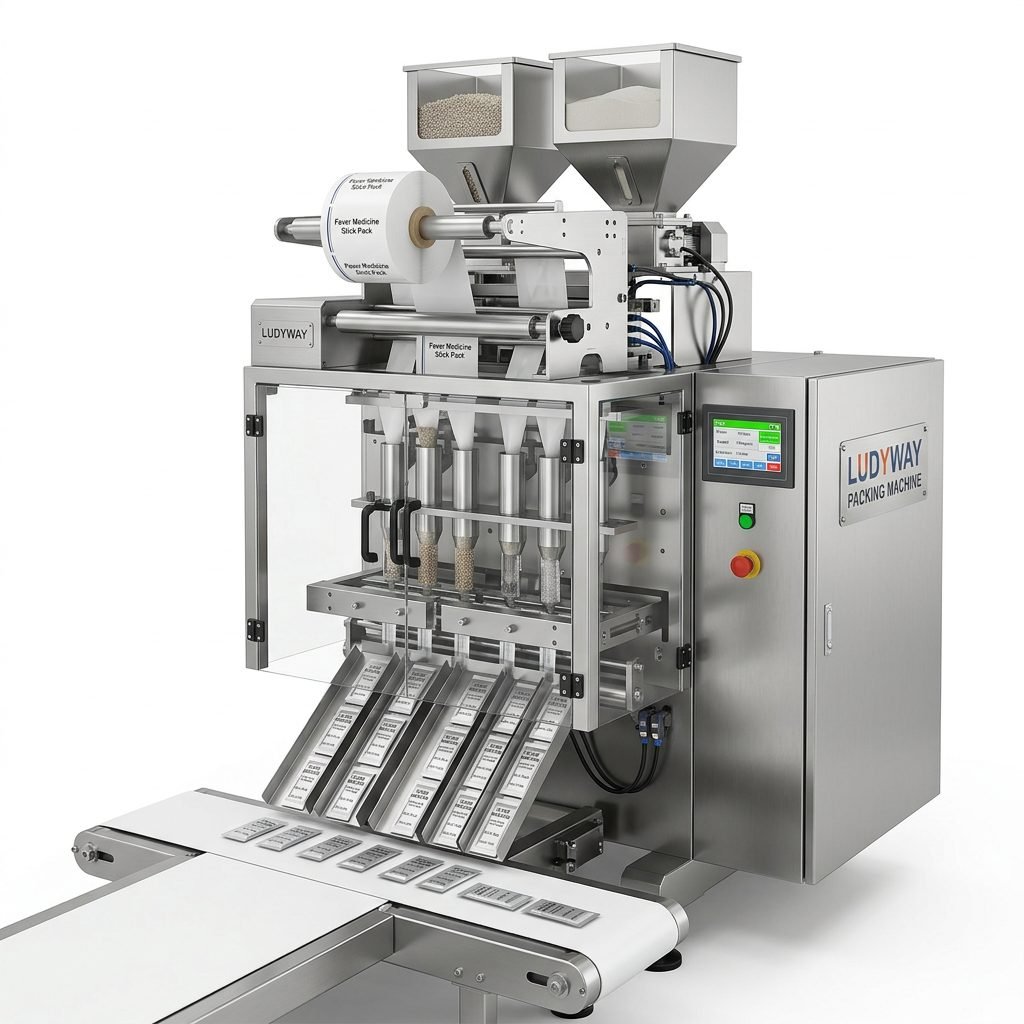
Your required output rate is one of the most important specifications. Cereal packaging machines range from semi-automatic models producing 30–60 packs per minute to fully automated multi-lane stick pack systems capable of 400+ packs per minute. Consider both your current production volume and future growth projections when evaluating speed requirements.
Packaging Format and Bag Style
Cereal products can be packaged in various formats, each with distinct advantages. The most common options include:
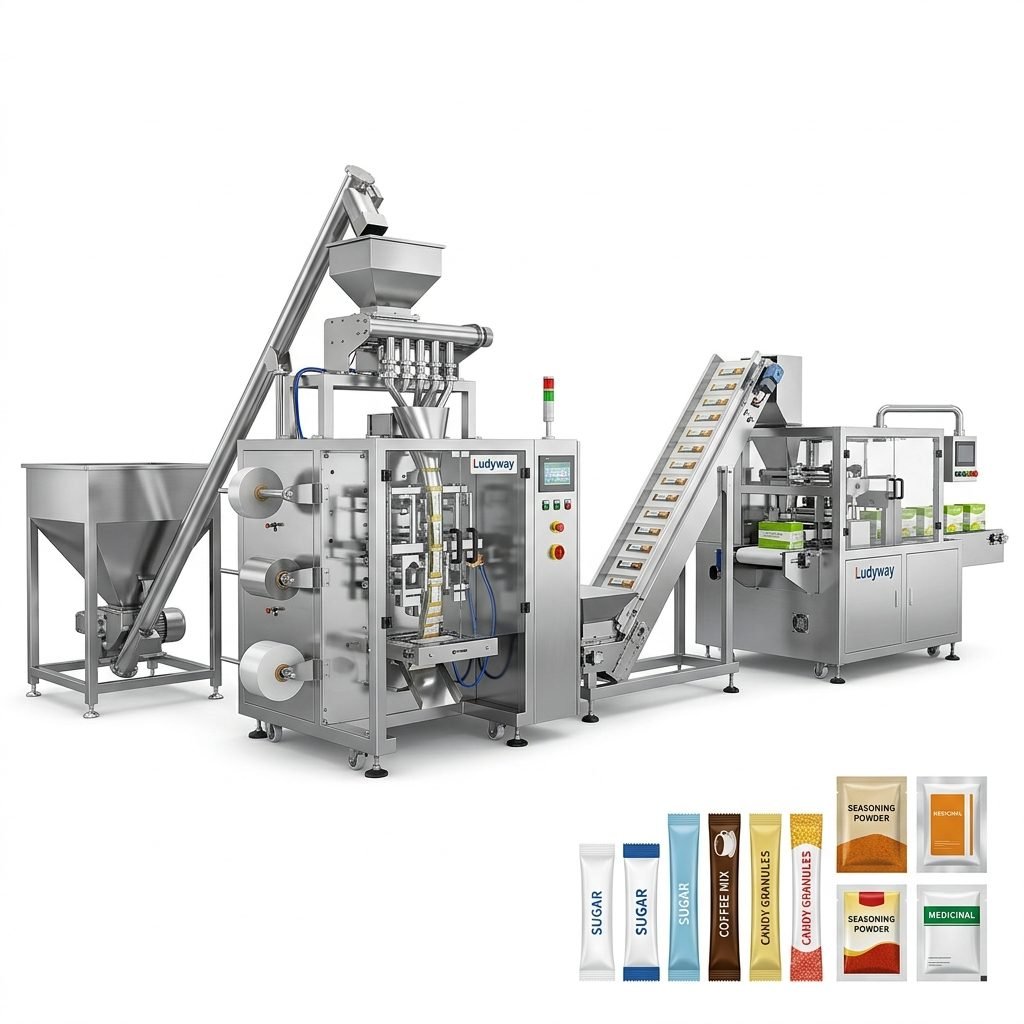
- Stick packs – Ideal for single-serve portions and on-the-go consumption
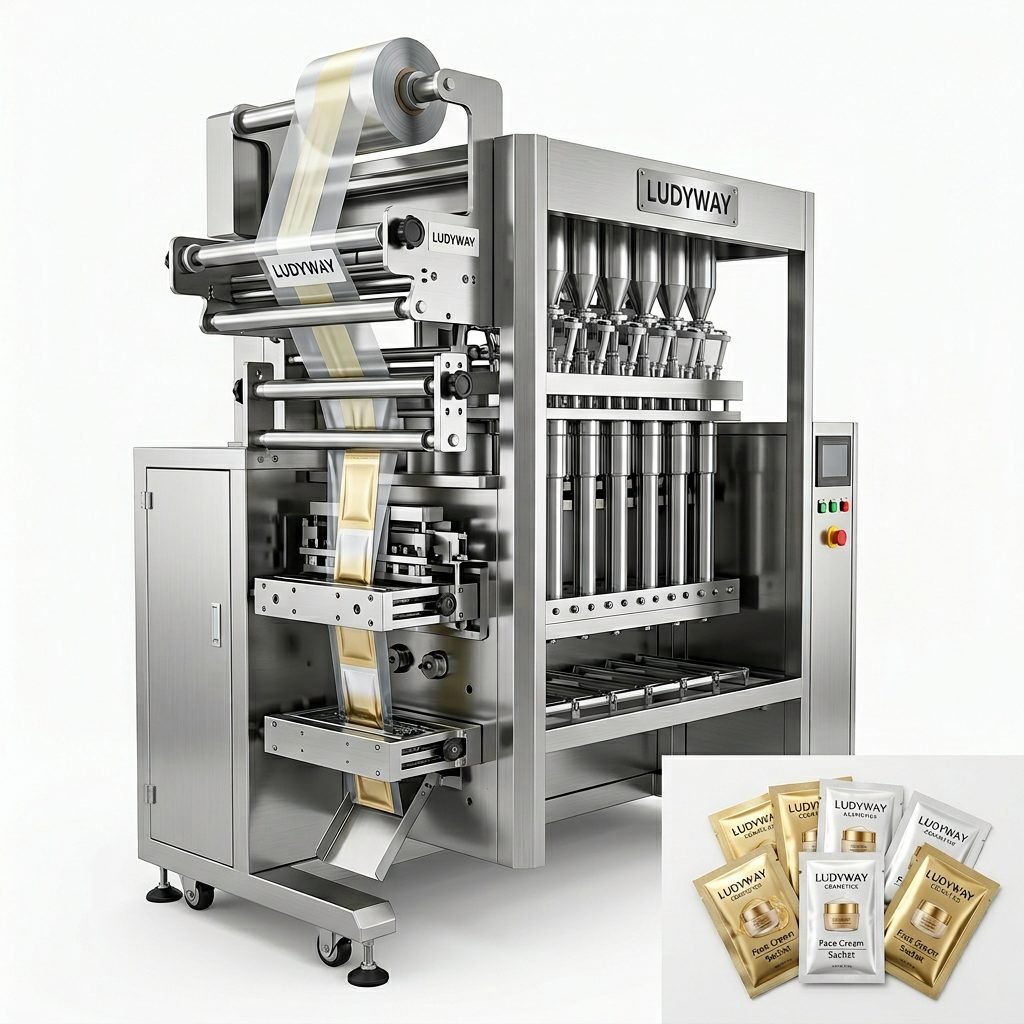
- Sachets and flat pouches – Cost-effective for small to medium portion sizes
- Stand-up pouches – Excellent shelf presence with resealable zipper options
- Pillow bags – Traditional format suitable for larger family-size portions
- Multi-lane stick packs – Maximum throughput for high-volume production lines
Material Compatibility
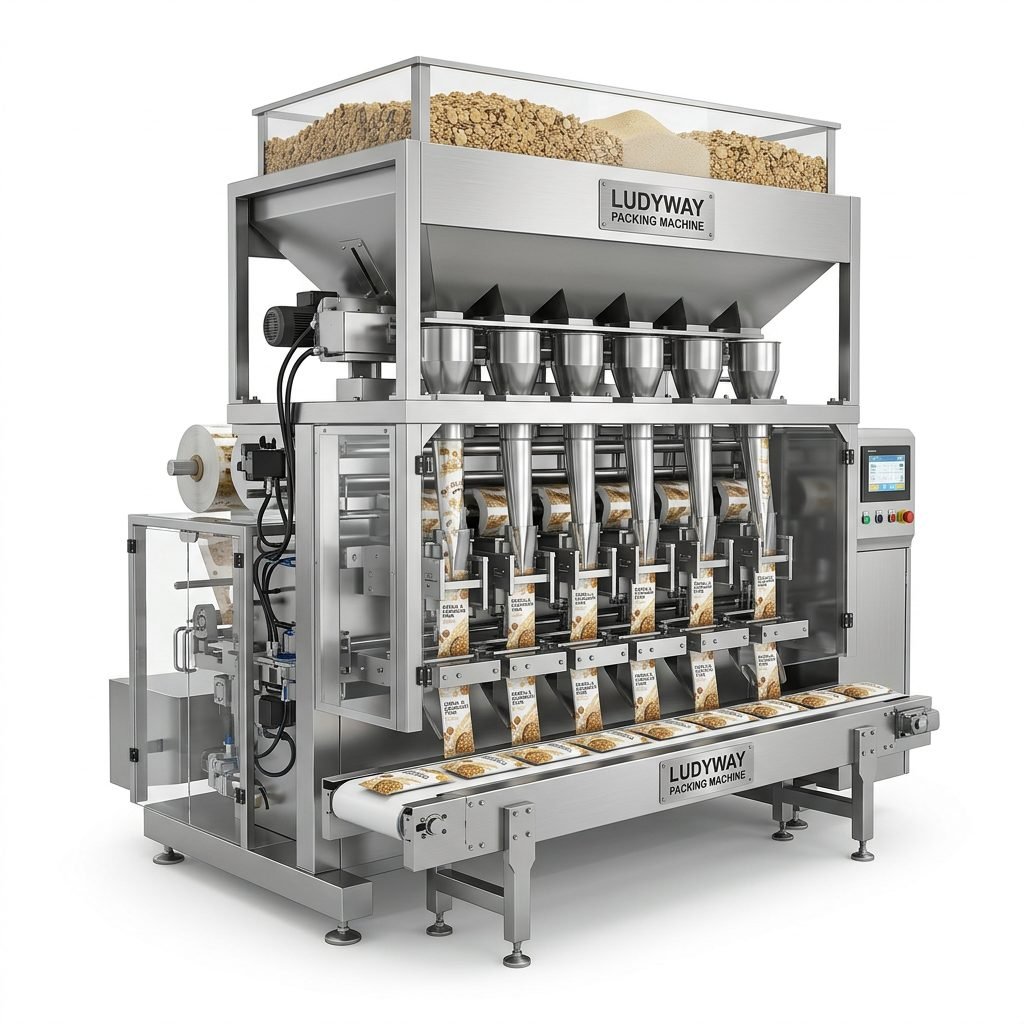
The machine you choose must be compatible with your preferred packaging films. Common materials for cereal packaging include BOPP/CPP laminates, PET/PE structures, and metallized films for enhanced barrier properties. Verify that the machine’s sealing system can handle the film thickness, heat seal characteristics, and any special coatings required for your product’s shelf life.
Automation Level
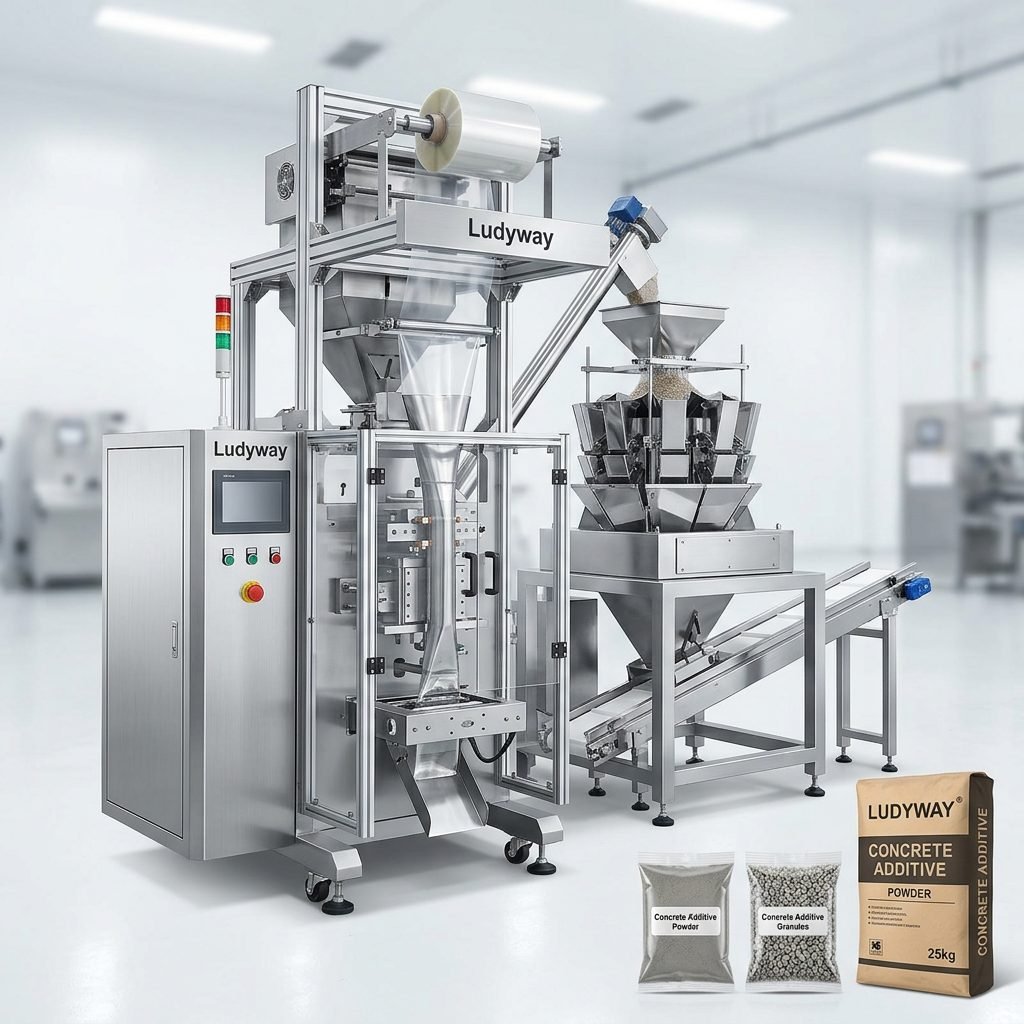
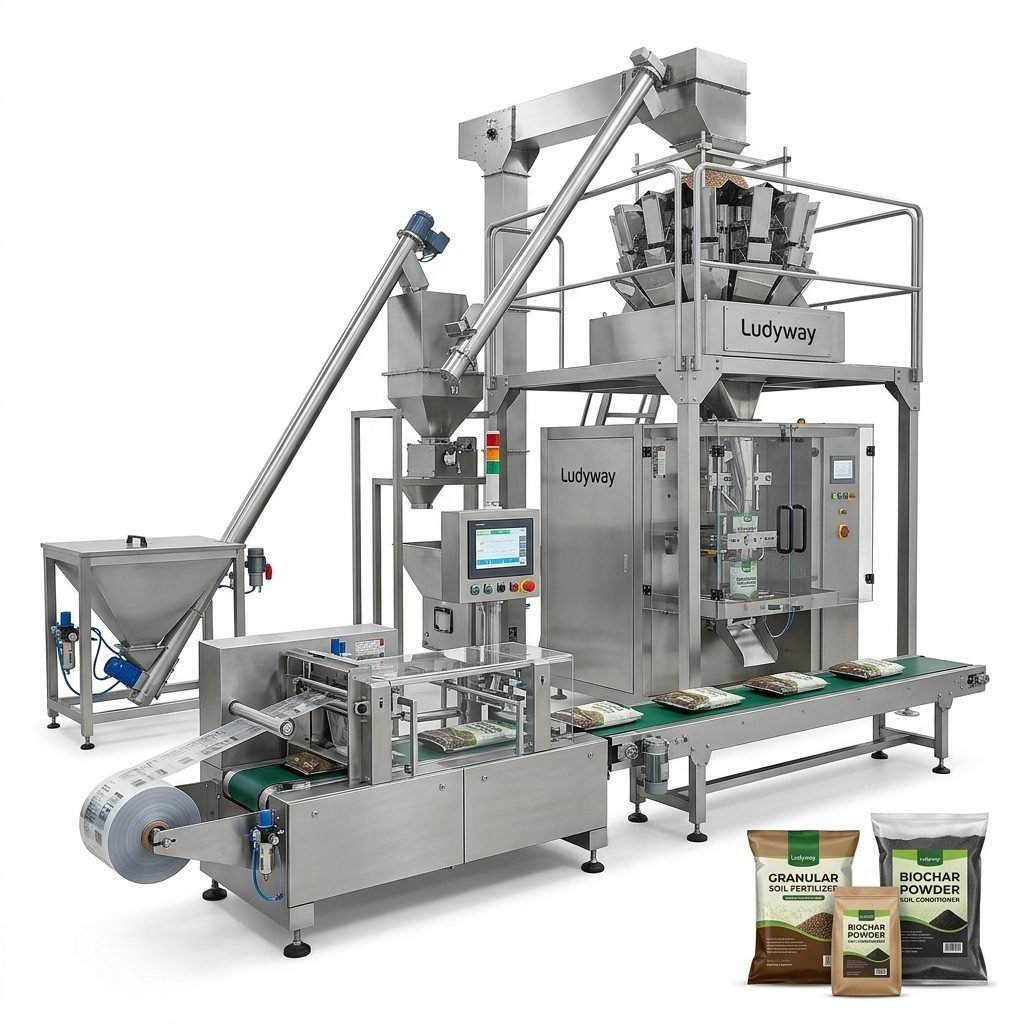
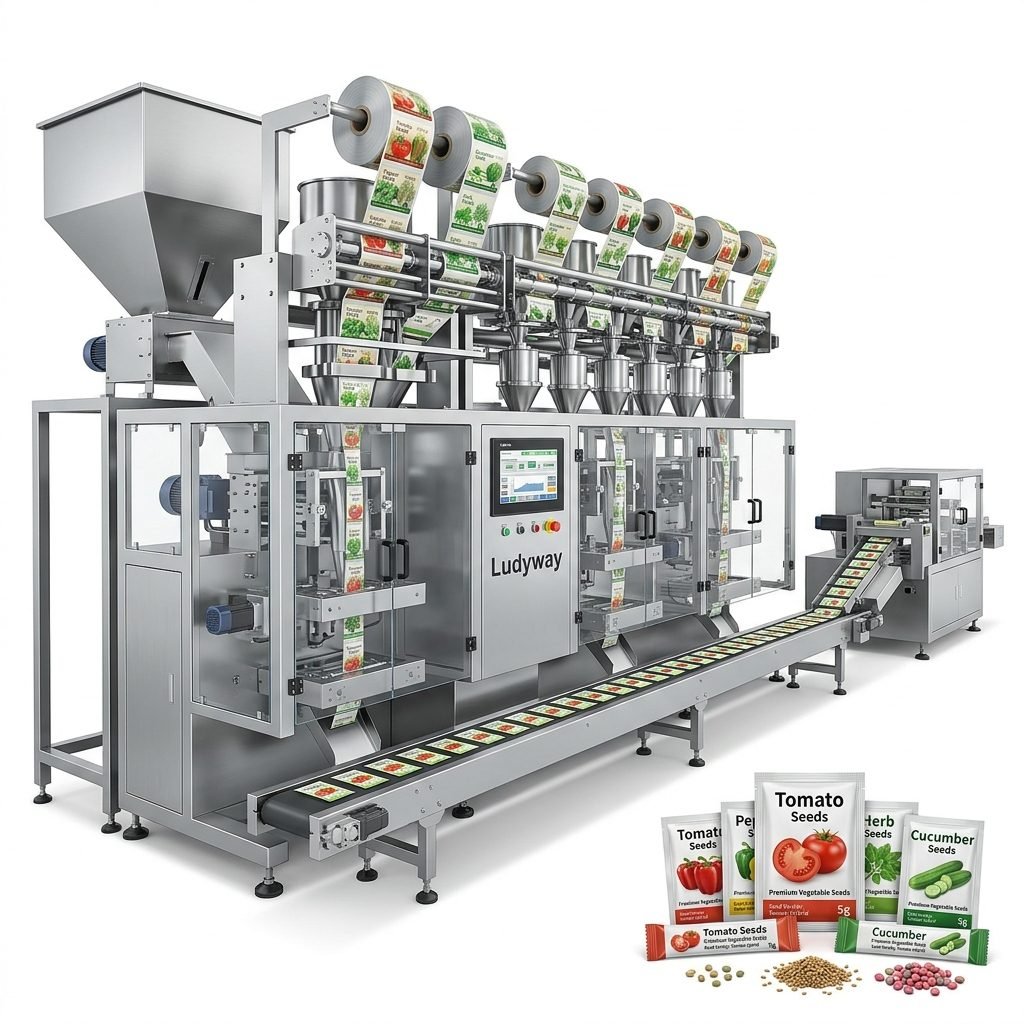
Modern cereal packaging lines offer varying degrees of automation. A basic setup might include a vertical form-fill-seal (VFFS) machine with manual feeding, while a fully automated system integrates automatic feeding, multi-head weighing, nitrogen flushing, and cartoning. Higher automation reduces labor costs and improves consistency but requires greater initial investment.
Comparing Different Types of Cereal Packaging Machines
The table below provides a comparison of common cereal packaging machine types to help you identify the most suitable option for your production needs:
| Machine Type | Best For | Speed Range | Pack Format |
|---|---|---|---|
| Single-Lane VFFS | Small to medium production | 30–80 ppm | Pillow bags, gusseted pouches |
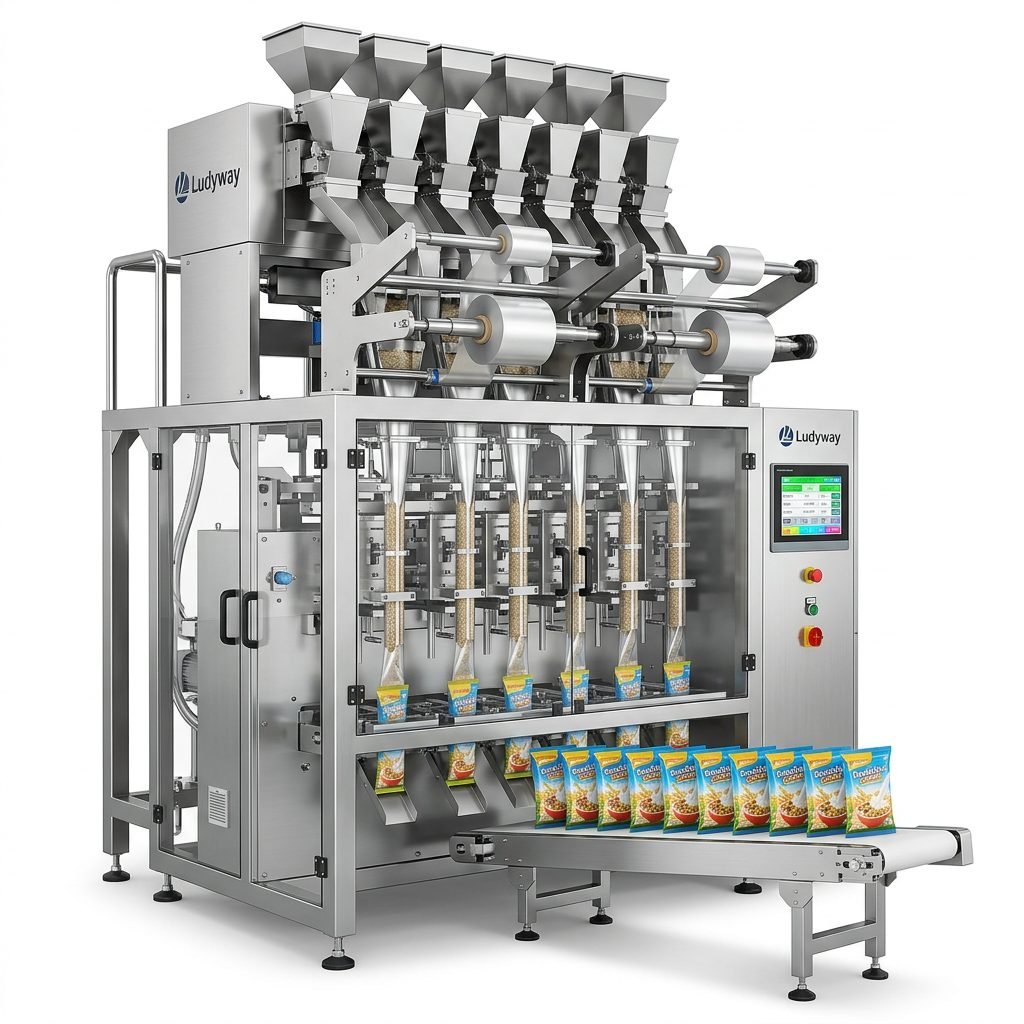
| Multi-Lane Stick Pack | High-volume single-serve | 200–600+ ppm | Stick packs, sachets |
| Premade Pouch Rotary | Stand-up pouches, zipper bags | 40–120 ppm | Doypack, quad-seal pouches |
| Horizontal Flow Wrap | Bar-shaped cereal products | 50–200 ppm | Pillow packs, fin-seal wraps |
Essential Features for High-Quality Cereal Packaging
Precision Weighing and Dosing Systems
Accurate portion control is crucial for both regulatory compliance and cost management. Multi-head weighers are the gold standard for cereal packaging, offering exceptional accuracy and speed. For fragile cereals, look for weighers with gentle product handling features such as reduced drop heights and vibration-dampening designs. Auger fillers may be suitable for powder-based cereal products where precision dosing is required.
Sealing Technology
The integrity of your package seal directly affects product freshness and shelf life. Heat sealing with precise temperature control is essential for laminate films. Advanced machines offer multiple sealing zones with independent temperature regulation, ensuring consistent seal quality even at high speeds. Some applications benefit from modified atmosphere packaging (MAP) or nitrogen flushing to extend cereal freshness by reducing oxygen content inside the package.
Quality Control Integration
Modern packaging lines increasingly incorporate inline quality control systems. Consider machines compatible with checkweighers, metal detectors, X-ray inspection, and vision systems. These technologies help ensure that every package meets weight specifications and is free from contaminants before reaching consumers.
Cost Considerations and ROI Analysis
The initial purchase price of a cereal packaging machine is only one component of the total cost of ownership. When evaluating options, consider the following cost factors:
- Machine purchase price – Varies significantly based on automation level and speed
- Installation and commissioning – Includes setup, calibration, and operator training
- Ongoing maintenance costs – Spare parts availability and service contract expenses
- Film material waste – Efficient machines minimize film waste during startups and changeovers
- Labor requirements – Higher automation reduces operator dependency and long-term labor costs
- Energy consumption – Energy-efficient motors and heating systems lower operational expenses
Calculate your expected return on investment (ROI) by comparing increased throughput, reduced labor, and minimized waste against the total equipment investment over a 3–5 year period.
Maintenance and After-Sales Support
Even the most reliable packaging machinery requires regular maintenance to sustain optimal performance. When selecting a manufacturer, evaluate the availability of spare parts, technical support responsiveness, and the proximity of service engineers. According to industry data from the Association for Packaging and Processing Technologies (PMMI), unplanned downtime can cost manufacturers thousands of dollars per hour, making reliable after-sales support a critical factor in equipment selection. Established manufacturers like Ludyway provide comprehensive support networks to minimize disruptions and maintain continuous production for clients worldwide.
Industry Standards and Compliance
Cereal packaging equipment must comply with relevant food safety regulations and industry standards. Key considerations include:
- Food-grade materials – All product contact surfaces should be constructed from stainless steel (304 or 316 grade)
- FDA compliance – Packaging materials must meet FDA food contact substance regulations
- ISO standards – Look for machines designed in accordance with ISO 9001 quality management principles
- Clean-in-place (CIP) compatibility – Essential for facilities requiring frequent product changeovers
- CE marking and safety compliance – Required for equipment operated in European markets
The Flexible Packaging Association provides additional resources on packaging material standards and sustainability guidelines that may inform your equipment and material selection.

Choosing the Right Supplier for Your Cereal Packaging Line
Selecting the right equipment supplier is as important as choosing the machine itself. A reliable partner should offer comprehensive support, including factory acceptance testing (FAT), on-site installation, operator training, and ongoing technical assistance. Evaluate potential suppliers based on their industry experience, client testimonials, and engineering capabilities. Request references from companies with similar production requirements to gain insight into the supplier’s reliability and service quality.
Additionally, consider whether the supplier can provide turnkey packaging solutions that integrate feeding, filling, sealing, inspection, and cartoning into a single coordinated system. Integrated solutions reduce compatibility risks and simplify project management compared to sourcing individual machines from multiple vendors.
Final Recommendations
Choosing the right cereal packaging machine is a strategic investment that shapes your production capabilities for years to come. Start by thoroughly analyzing your product characteristics and production targets. Compare machine types using the criteria outlined in this guide, and prioritize build quality, precision dosing, sealing reliability, and after-sales support over the lowest purchase price. A well-chosen packaging machine will deliver consistent quality, reduce operational costs, and position your brand competitively in the growing cereal products market.
For manufacturers seeking reliable granule packaging equipment with proven performance, exploring established suppliers with global service networks and comprehensive product portfolios is an essential next step in your purchasing journey.
For more information on packaging industry standards and market trends, visit the PMMI resource library and the Flexible Packaging Association knowledge hub.