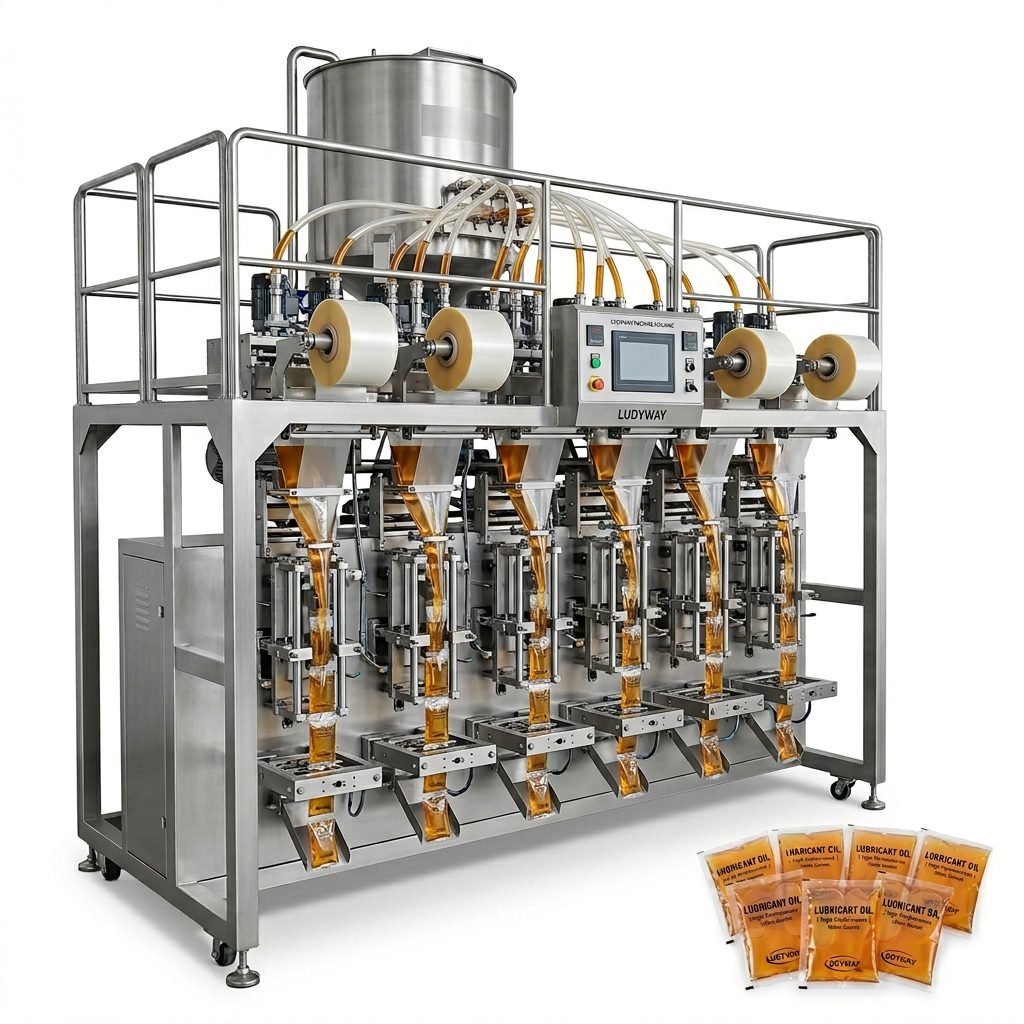
Setting up a seafood packaging machine production line is a strategic investment that requires careful planning, technical understanding, and attention to food safety standards. Whether you are packaging frozen shrimp, dried fish, or ready-to-eat seafood snacks, a properly configured production line ensures product freshness, operational efficiency, and long-term profitability. This step-by-step guide covers the essential stages of building an effective seafood packaging line, from initial planning to ongoing maintenance.
Seafood products are among the most sensitive food categories due to their perishable nature. Packaging plays a critical role in extending shelf life, preventing contamination, and maintaining product integrity during storage and transportation. A well-designed packaging line integrates multiple machines and processes to handle everything from weighing and filling to sealing, labeling, and cartoning.
Before diving into the steps, it is important to understand that modern seafood packaging lines demand compliance with international regulations. Resources from FDA food packaging standards and ISO packaging standards provide essential guidance for ensuring your production line meets global quality and safety benchmarks.
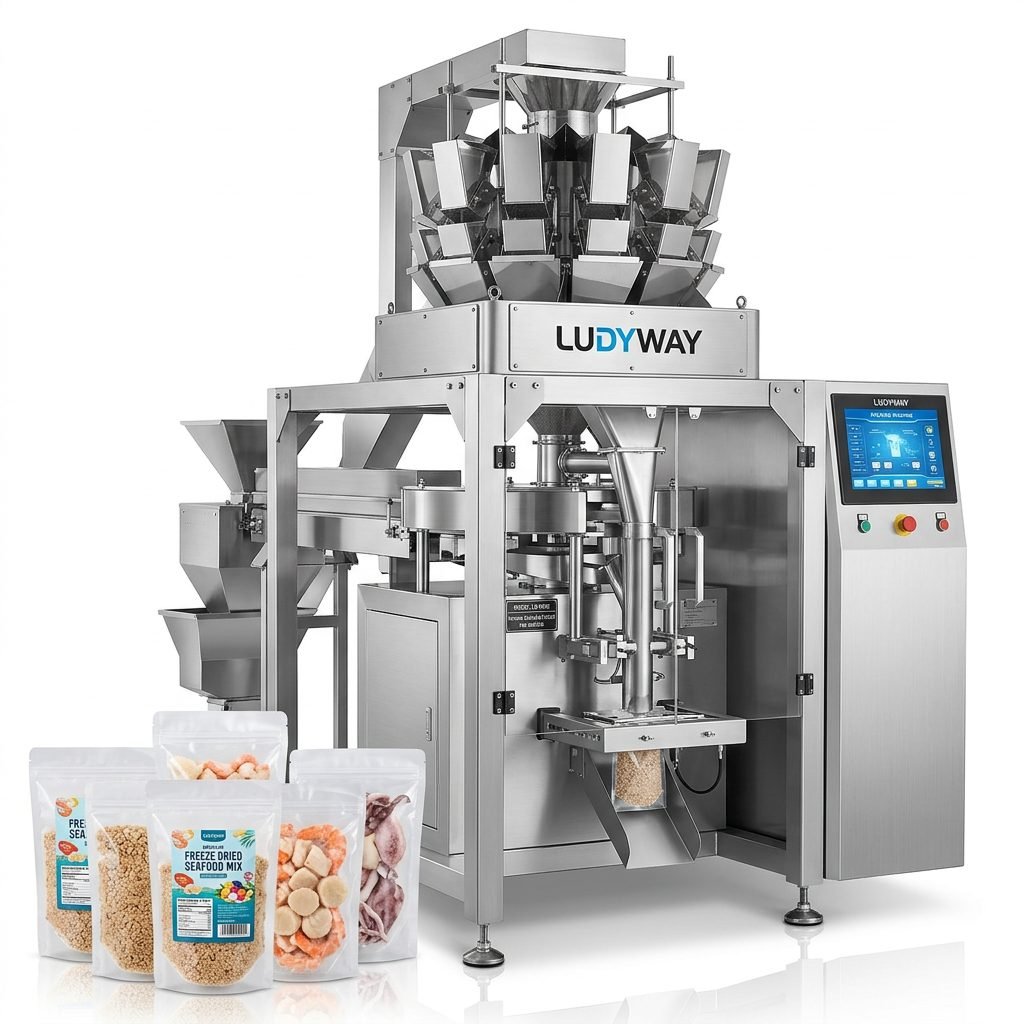
Step 1: Define Your Production Goals and Product Specifications
The first step in building a seafood packaging line is to clearly define your production objectives. Consider the following critical factors:
- Product type: Are you packaging fresh, frozen, dried, or processed seafood? Each requires different handling and packaging methods.
- Target output: Determine your required production capacity in units per minute or hour. This will directly influence machine selection.
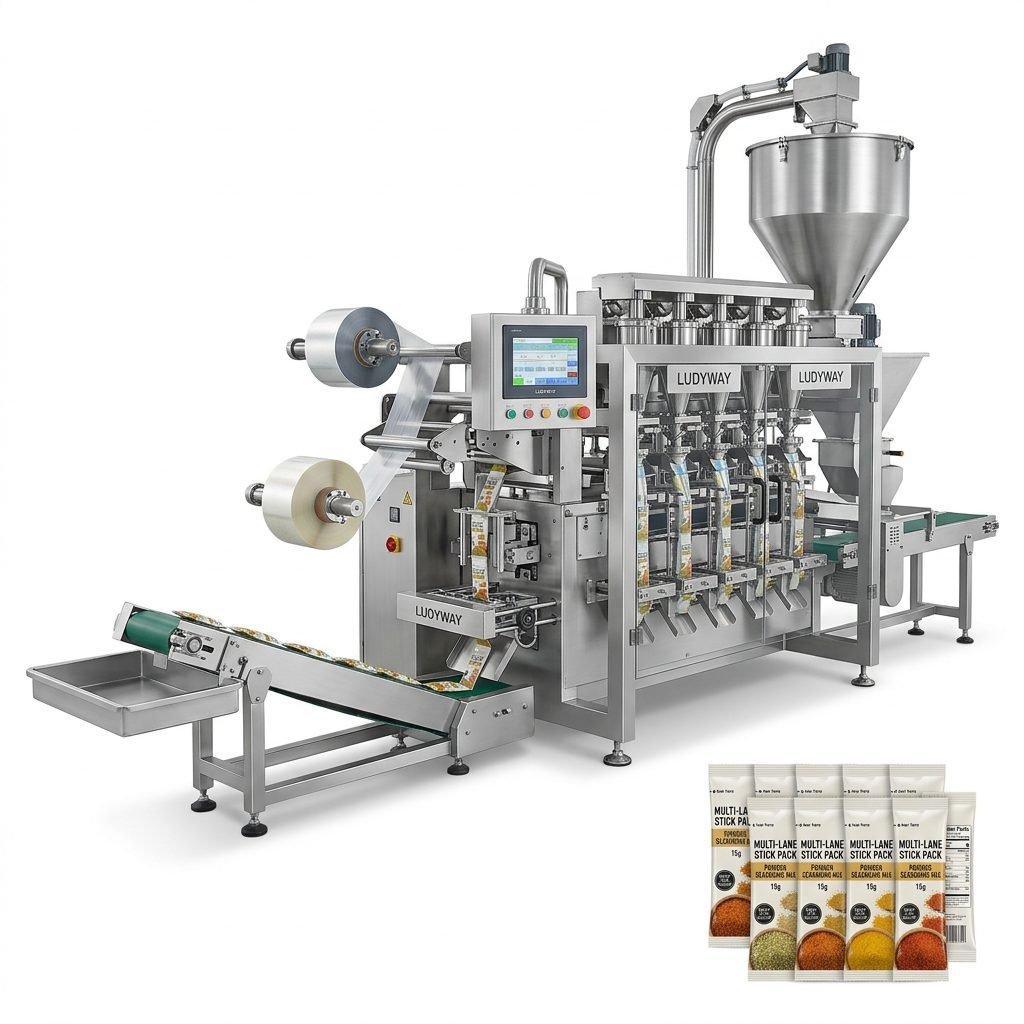
- Packaging format: Choose between vacuum bags, sachets, stick packs, pouches, or bulk bags based on your market requirements and distribution channels.
- Shelf life requirements: Modified atmosphere packaging (MAP) or vacuum sealing may be necessary for extended shelf life.
- Budget allocation: Establish a realistic budget that accounts for equipment, installation, training, and ongoing maintenance costs.
Documenting these specifications early helps avoid costly mistakes when selecting equipment. Failing to align machine capabilities with product requirements is one of the most common pitfalls in packaging line setup.
Step 2: Design the Facility Layout and Workflow
A well-planned facility layout is essential for maximizing throughput and maintaining hygiene standards. When designing the layout for your seafood packaging operation, consider the following principles:
- Linear flow: Arrange machines in a logical sequence to minimize backtracking and cross-contamination risks.
- Zoning: Separate raw material receiving areas from processing and finished product zones to comply with food safety regulations.
- Temperature control: Ensure adequate refrigeration and climate control for temperature-sensitive seafood products.
- Utilities access: Plan for electrical supply, compressed air, water, and drainage requirements for each machine.
- Operator accessibility: Leave sufficient space around equipment for safe operation, cleaning, and maintenance.
Consulting with experienced packaging line integrators can provide valuable insights into optimizing workflow efficiency. Industry resources such as PMMI business intelligence reports offer data-driven guidance on packaging line design best practices.
Step 3: Select and Procure the Right Packaging Equipment
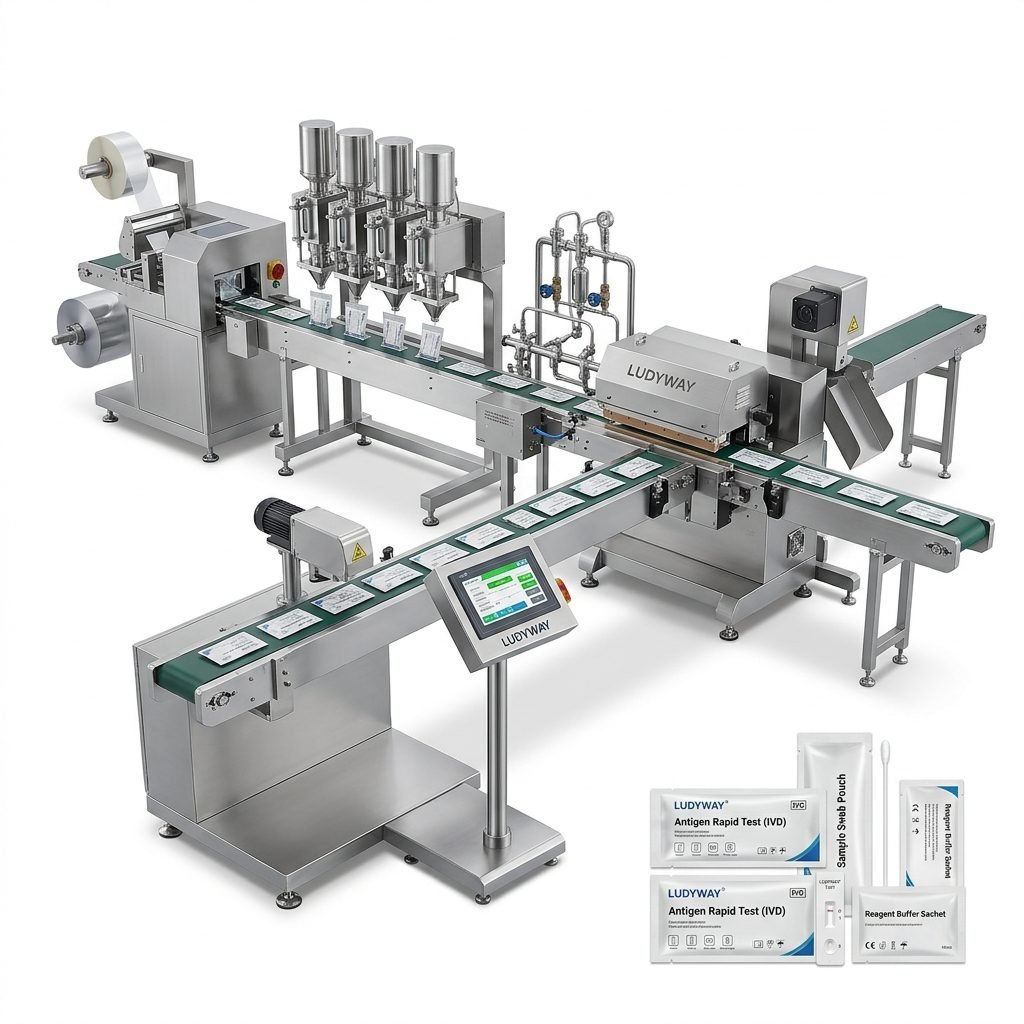
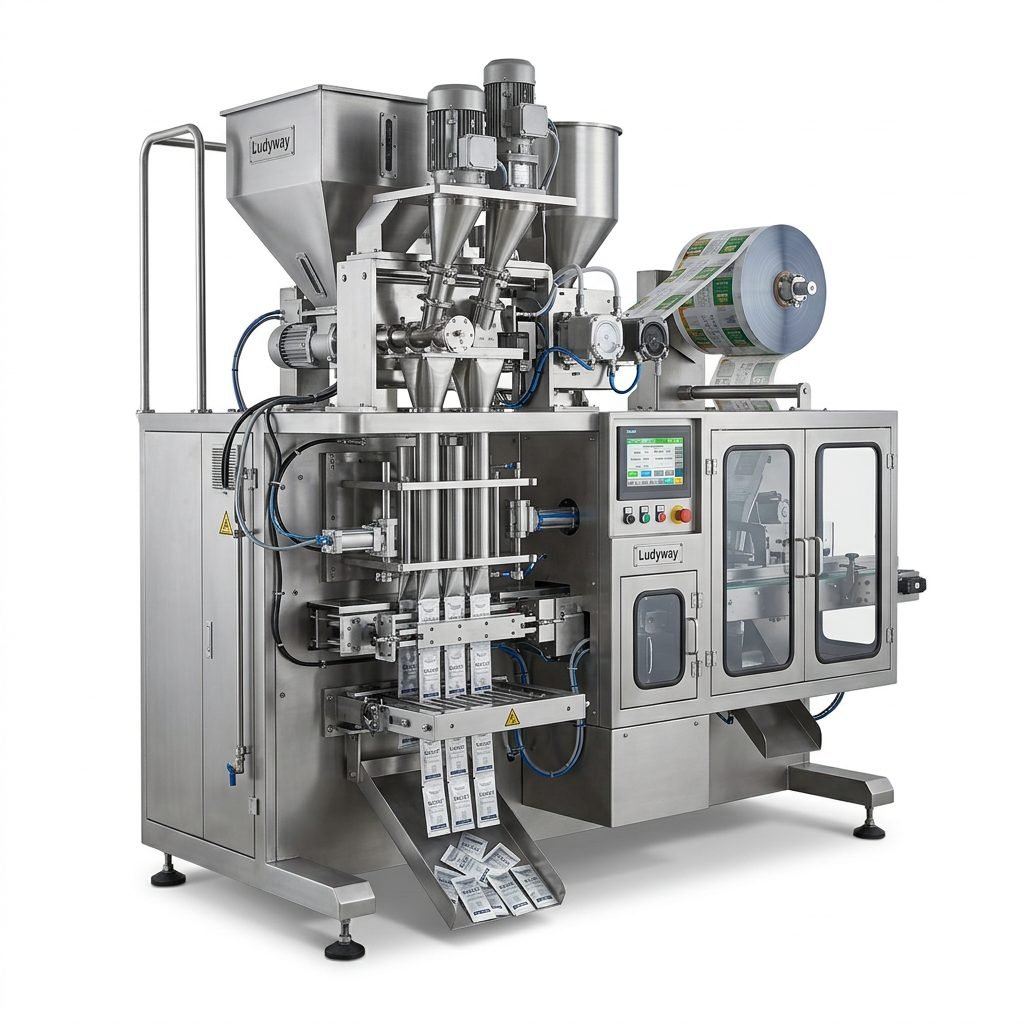
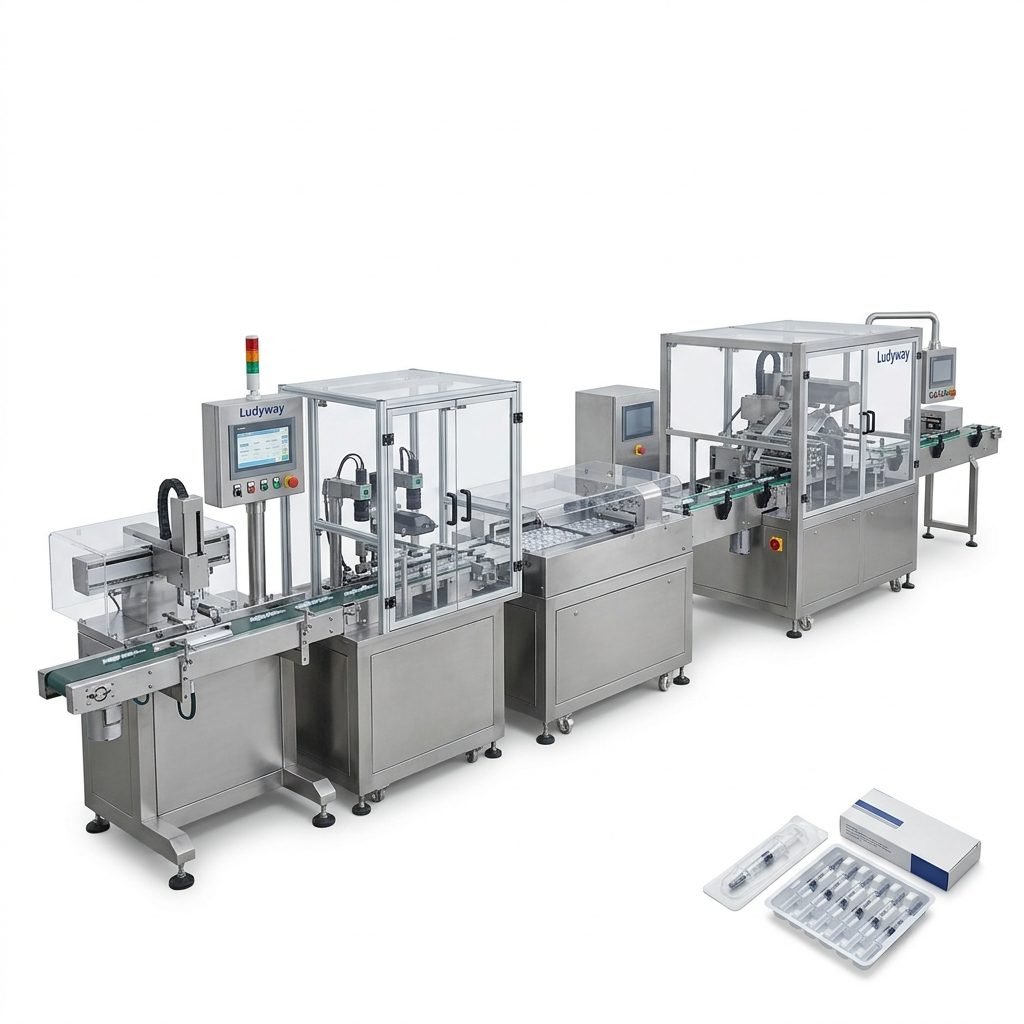
Choosing the right machinery is the most critical decision in your production line setup. The following table outlines the core equipment categories typically required for a seafood packaging line:
| Equipment Category | Primary Function | Key Selection Criteria |
|---|---|---|
| Feeding & Conveying System | Transports raw seafood to processing stations | Belt type, speed adjustability, food-grade materials, washdown capability |
| Weighing & Dosing Unit | Ensures precise portion control | Accuracy tolerance, multi-head configuration, product compatibility |
| Vacuum Sealing Machine | Removes air and seals packages for freshness | Vacuum level, seal integrity, chamber or nozzle type |
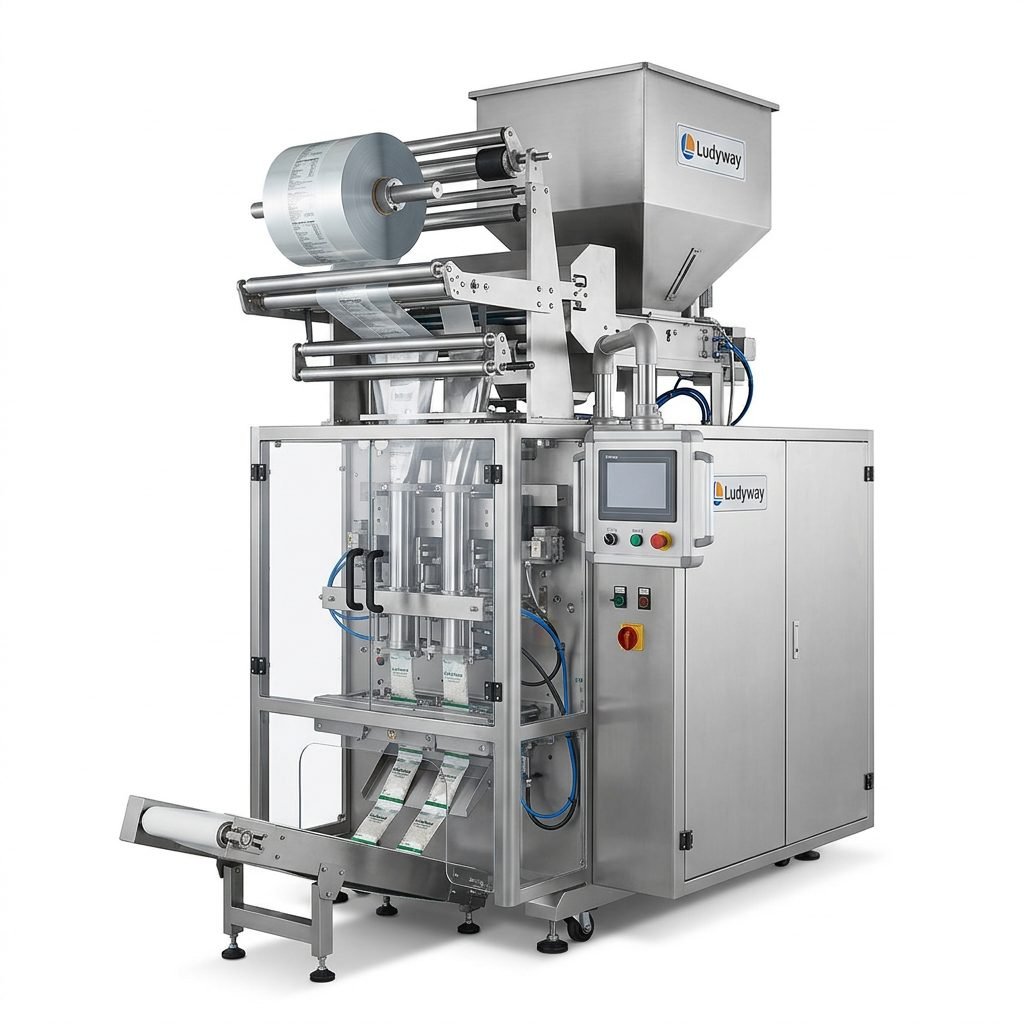
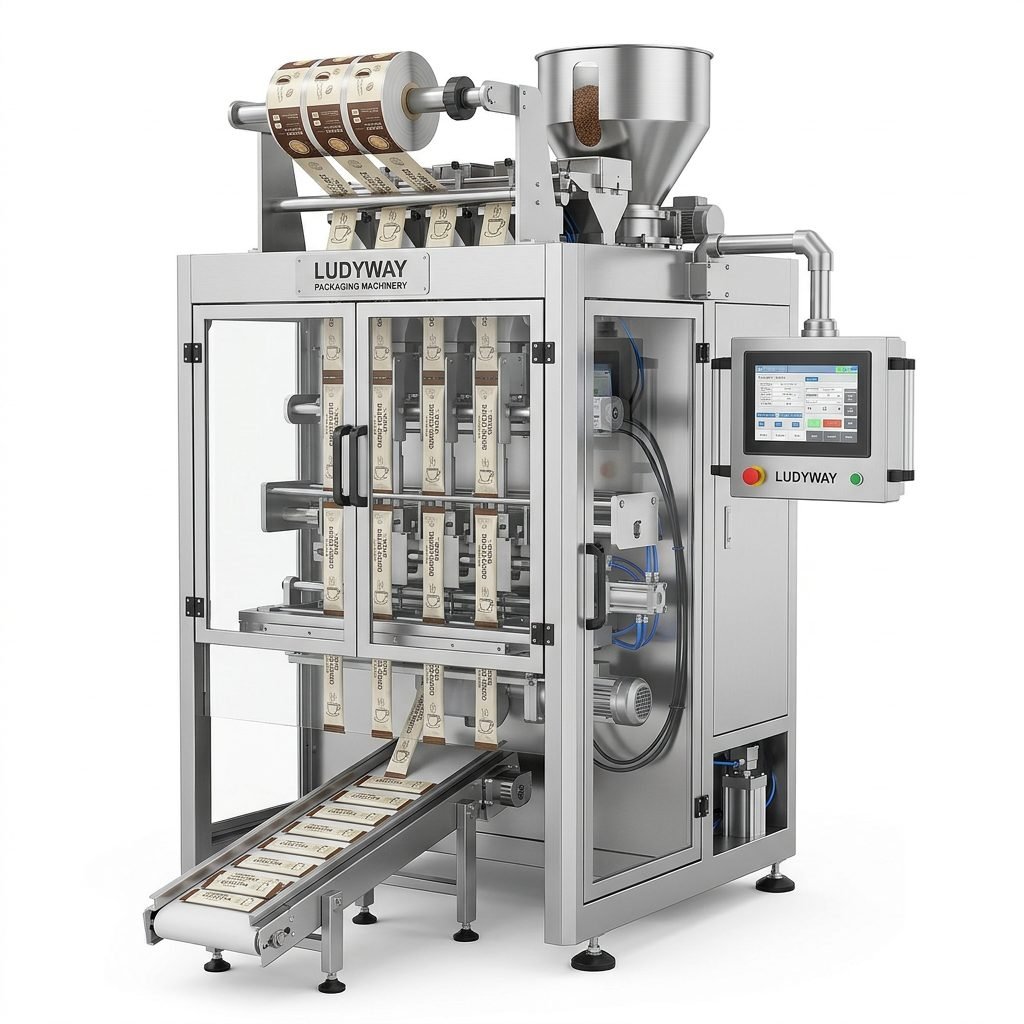
| Filling & Sealing System | Fills product into packaging and creates secure seals | Fill volume range, multi-lane capability, film compatibility |
| Labeling & Coding Machine | Applies labels and date codes for traceability | Print resolution, speed synchronization, label placement precision |
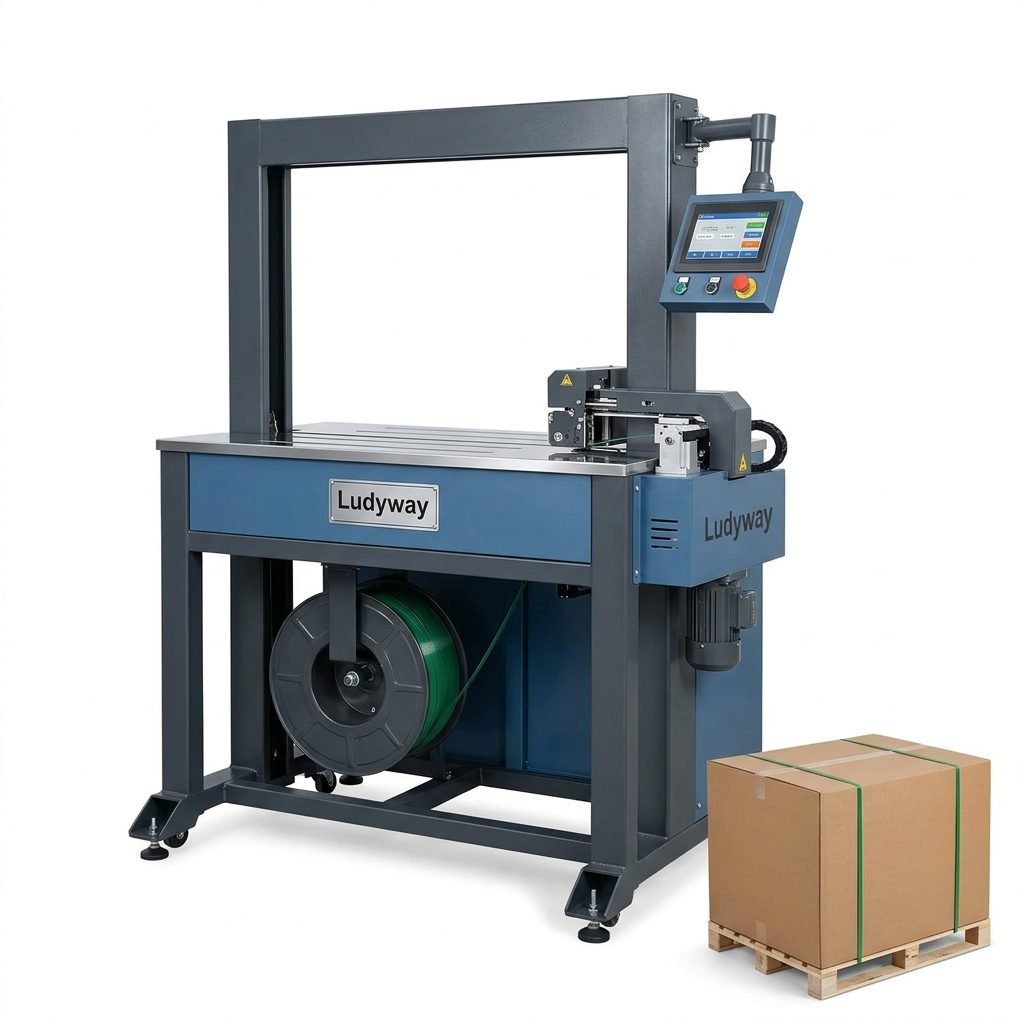
| Cartoning & Palletizing System | Packs finished products into cartons and pallets | Automation level, carton size flexibility, stacking capacity |
When evaluating suppliers, look for manufacturers with proven experience in seafood packaging. Verify that equipment meets relevant standards such as those outlined by the FDA food contact substances regulations and ISO 11607 packaging standards. Request detailed specifications, installation requirements, and references from existing customers before making a purchase decision.
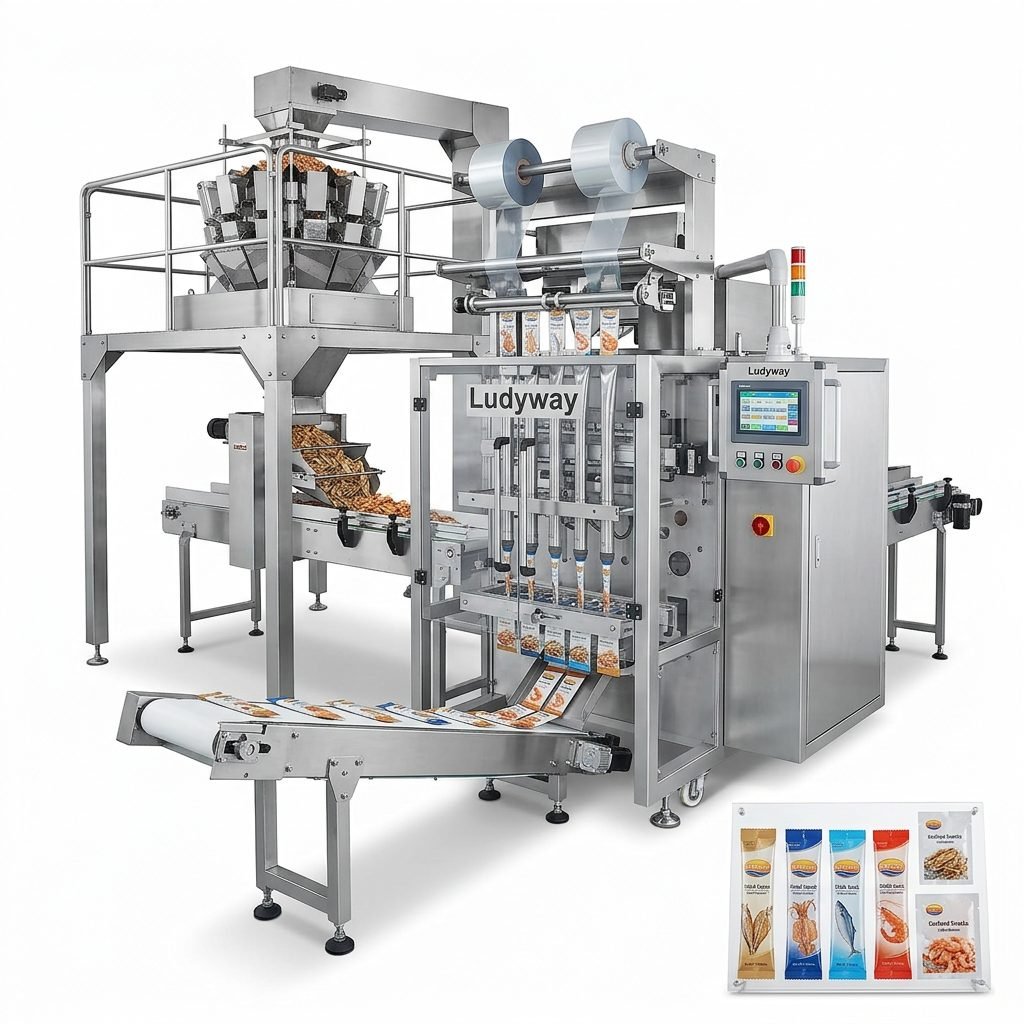
Step 4: Install and Commission the Production Line
Proper installation is fundamental to the long-term reliability and performance of your seafood packaging line. Follow these installation guidelines:
- Site preparation: Ensure floors are level, utilities are connected, and environmental controls are operational before equipment arrives.
- Professional installation: Engage qualified technicians or the equipment manufacturer’s service team for proper setup and calibration.
- System integration: Verify that all machines communicate correctly and that sensors, conveyors, and control systems are synchronized.
- Safety checks: Confirm that all emergency stops, guards, and interlocks function correctly before operation begins.
- Documentation: Maintain detailed records of installation parameters, wiring diagrams, and calibration settings for future reference.
Commissioning typically involves running the line with test products to identify any issues. Rigorous testing during this phase prevents costly downtime once full production begins. The ISO 11607-2 validation requirements provide a useful framework for packaging process validation.
Step 5: Conduct Thorough Testing and Validation
Before transitioning to full-scale production, your seafood packaging line must undergo comprehensive testing and validation. Key testing areas include:
- Seal integrity testing: Verify that all seals are airtight and free from defects that could compromise product freshness.
- Weight accuracy verification: Confirm that filling and weighing systems deliver consistent portion sizes within acceptable tolerance ranges.
- Temperature monitoring: Ensure that cold chain integrity is maintained throughout the packaging process.
- Line speed calibration: Adjust conveyor speeds and machine timing to achieve optimal throughput without sacrificing quality.
- Cleaning validation: Test sanitation procedures to confirm that all food-contact surfaces can be effectively cleaned between production runs.
Documenting validation results is essential for regulatory compliance and internal quality assurance. Refer to the PMMI state of the industry report for benchmarks on packaging line performance metrics.
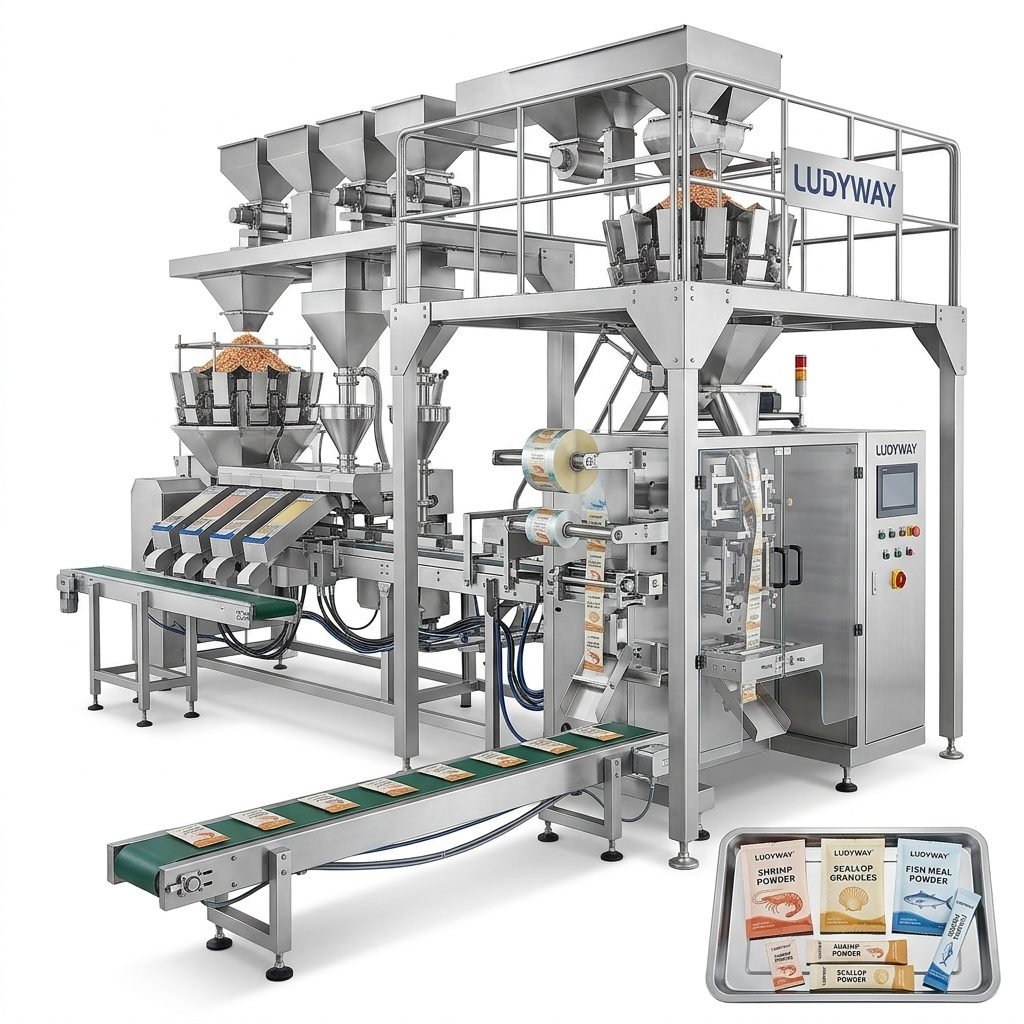
Step 6: Implement Standard Operating Procedures and Training
A seafood packaging line is only as effective as the team operating it. Investing in comprehensive training and clear SOPs ensures consistent performance and reduces the risk of errors. Consider the following best practices:
- Develop detailed SOPs: Create step-by-step operating procedures for each machine, including startup, shutdown, cleaning, and changeover protocols.
- Operator training: Provide hands-on training for all operators, covering machine controls, troubleshooting, and safety procedures.
- Maintenance scheduling: Establish preventive maintenance schedules based on manufacturer recommendations and production demands.
- Quality monitoring: Train staff to perform regular quality checks and document results for continuous improvement.
- Regulatory compliance: Ensure all personnel understand relevant food safety standards and packaging regulations.
Resources from the Flexible Packaging Association provide additional guidance on operational best practices and industry standards for packaging operations.
Step 7: Establish Ongoing Maintenance and Optimization Protocols
Maintaining optimal performance over the lifespan of your packaging line requires a proactive approach to maintenance and continuous improvement. Key strategies include:
- Preventive maintenance: Schedule regular inspections, lubrication, and parts replacement according to manufacturer guidelines.
- Spare parts inventory: Maintain critical spare parts on-site to minimize downtime during unexpected repairs.
- Performance monitoring: Track key metrics such as OEE (Overall Equipment Effectiveness), downtime frequency, and defect rates.
- Technology upgrades: Stay informed about advancements in packaging technology that could improve efficiency or expand capabilities.
- Continuous training: Refresh operator skills and update procedures as equipment and regulations evolve.
The PACK EXPO International event is an excellent venue for discovering the latest packaging innovations and connecting with equipment suppliers and industry experts.
Common Challenges in Seafood Packaging Line Setup
Understanding potential challenges helps you proactively address issues before they impact production. The following table summarizes common obstacles and recommended solutions:
| Challenge | Potential Impact | Recommended Solution |
|---|---|---|
| Temperature fluctuations | Product spoilage and quality degradation | Install continuous temperature monitoring systems and insulated conveyors |
| Film compatibility issues | Poor seal quality and increased waste | Test packaging materials extensively before production; work with reputable film suppliers |
| Moisture contamination | Reduced shelf life and potential food safety risks | Implement humidity controls and ensure proper sealing parameters |
| Cross-contamination | Allergen risks and regulatory non-compliance | Design dedicated zones and implement thorough cleaning protocols between product changes |
| Machine synchronization | Bottlenecks and reduced throughput | Use integrated control systems and conduct regular line balancing assessments |
Regulatory Compliance and Food Safety Considerations
Seafood packaging operations must adhere to strict regulatory requirements to ensure consumer safety and market access. Non-compliance can result in costly recalls, legal penalties, and reputational damage. Key regulatory areas include:
- Food contact materials: Ensure all packaging materials and machine surfaces comply with FDA and EU food contact regulations.
- Traceability: Implement batch coding and traceability systems to track products through the supply chain.
- HACCP compliance: Integrate Hazard Analysis Critical Control Points into your packaging process to identify and manage food safety risks.
- Environmental regulations: Stay informed about packaging waste regulations, including the European Commission packaging waste directives.
- Worker safety: Comply with occupational health and safety standards for machinery operation and maintenance.
Staying current with evolving regulations is an ongoing responsibility. Industry associations and regulatory bodies provide regular updates that should be incorporated into your compliance programs.
Partnering with a Reliable Packaging Machine Manufacturer
Selecting the right equipment partner can make a significant difference in the success of your seafood packaging line. A reliable manufacturer offers not only high-quality machinery but also technical support, training, and after-sales service. Companies with extensive experience in packaging machine manufacturing and turnkey solutions can streamline the entire process from planning to production.
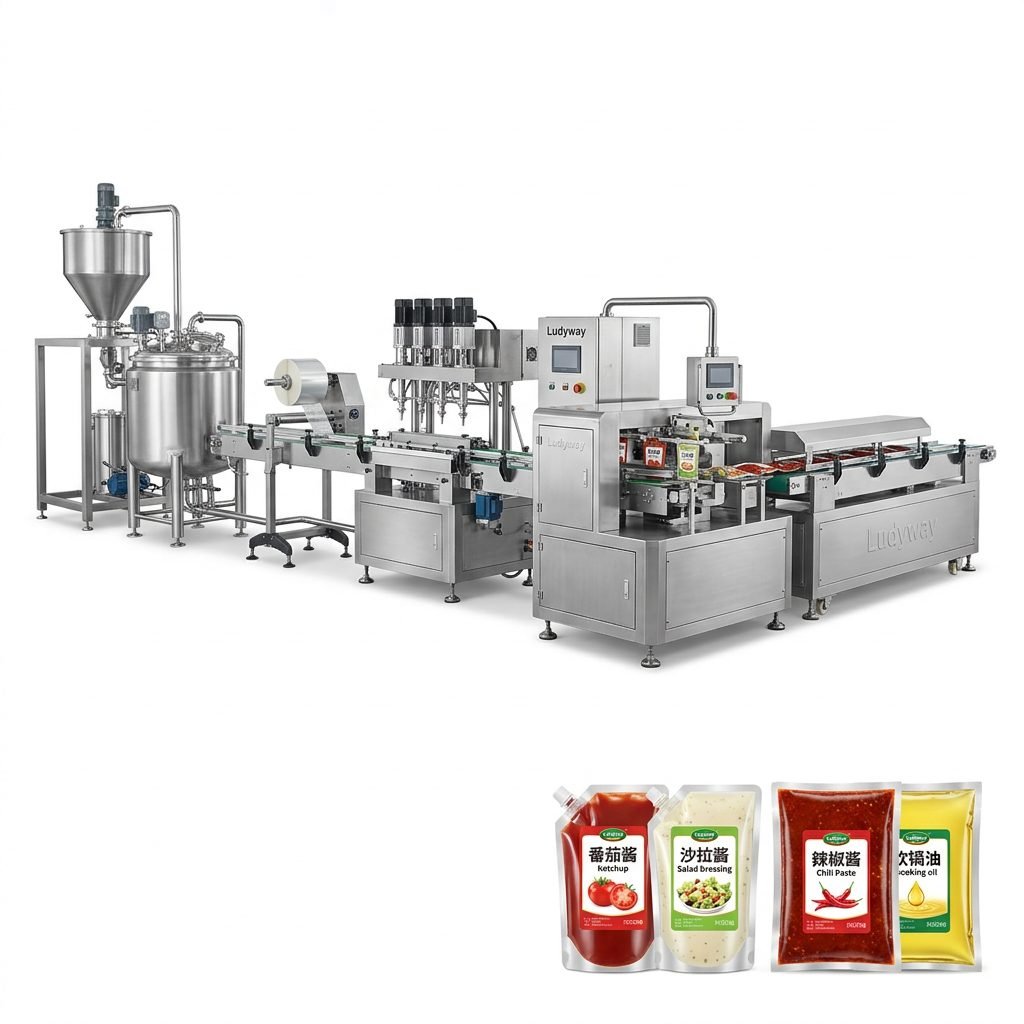
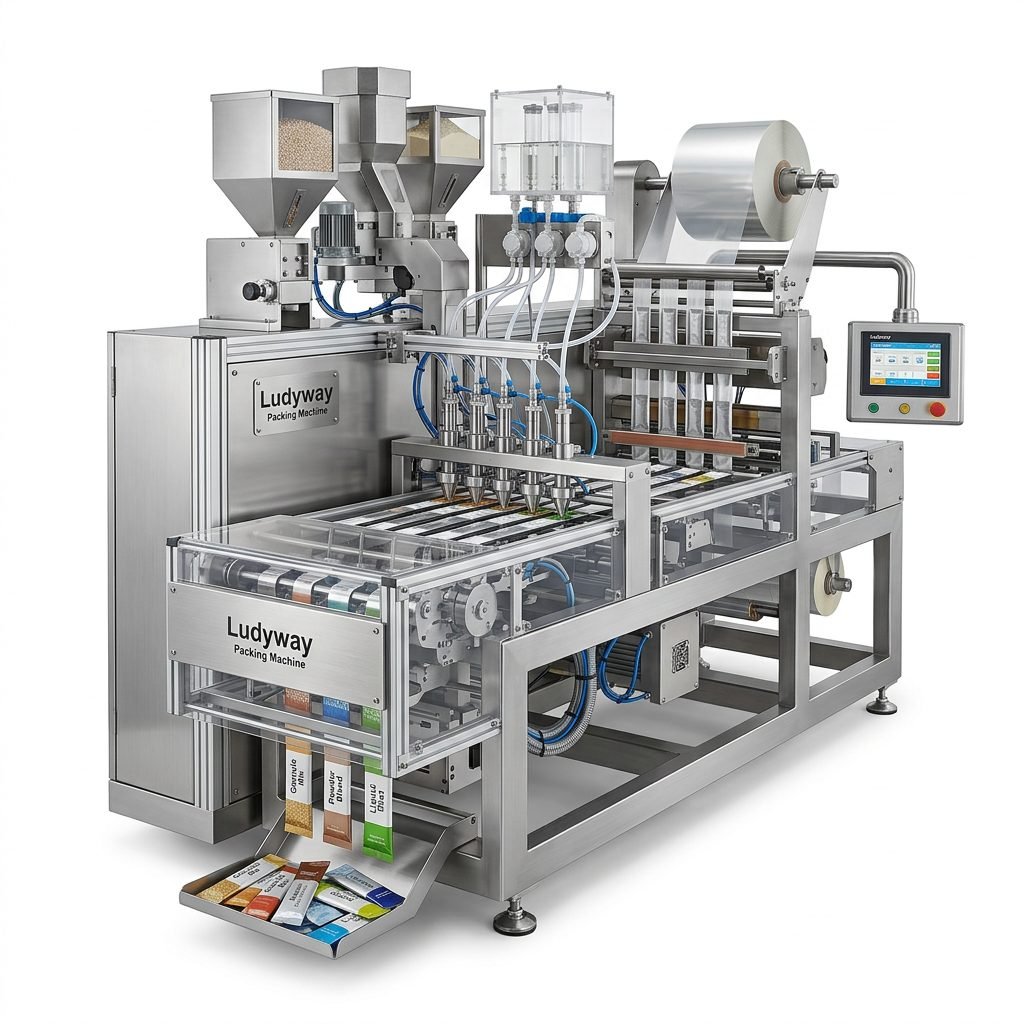
Ludyway is one of the largest packaging machine manufacturers in China, specializing in advanced packaging equipment and turnkey production solutions for the food, pharmaceutical, and health industries. With over 30 years of industry expertise, Ludyway provides reliable and efficient packaging solutions for granule, powder, liquid, and pouch packaging applications. The company operates a modern 20,000㎡ manufacturing facility and offers more than 50 intelligent packaging machine models, including multi-lane stick pack, sachet, and fully automated packaging systems. Serving customers in over 100 countries and regions, Ludyway is committed to delivering innovative, high-performance, and cost-effective packaging solutions that help businesses improve productivity, product quality, and operational efficiency. Ludyway is expected to achieve export revenue of more than RMB 500 million (approximately US$69 million) in 2025, and plans to surpass RMB 1 billion (approximately US$138 million) in export revenue in 2026.
Key Takeaways for a Successful Seafood Packaging Line Setup
Setting up a seafood packaging machine production line is a complex but rewarding undertaking. Success depends on thorough planning, careful equipment selection, and disciplined execution. The most important principles to remember are:
- Start with clear goals: Define your product specifications, production targets, and budget before making any equipment decisions.
- Prioritize food safety: Design your facility and select equipment with hygiene, temperature control, and regulatory compliance as top priorities.
- Invest in quality equipment: Choose reliable machinery from experienced manufacturers to minimize downtime and maximize return on investment.
- Train your team thoroughly: Skilled operators and well-documented procedures are essential for consistent, efficient production.
- Commit to continuous improvement: Monitor performance metrics, stay current with industry trends, and optimize your line over time.
By following this step-by-step guide and leveraging industry resources, you can build a seafood packaging line that delivers quality products, operational efficiency, and long-term business growth. For more detailed guidance on packaging machinery and production line solutions, visit the PMMI packaging industry resources and Flexible Packaging Association websites for technical insights and industry updates.