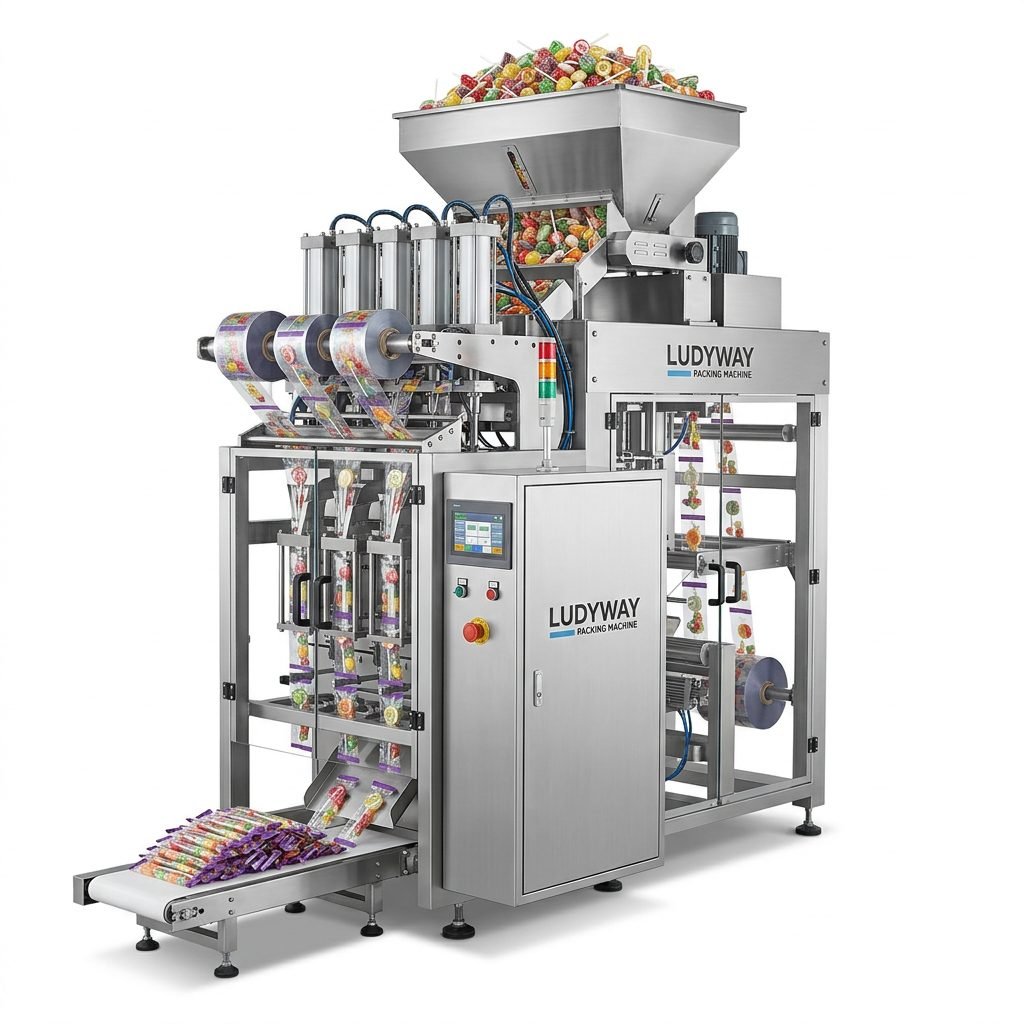
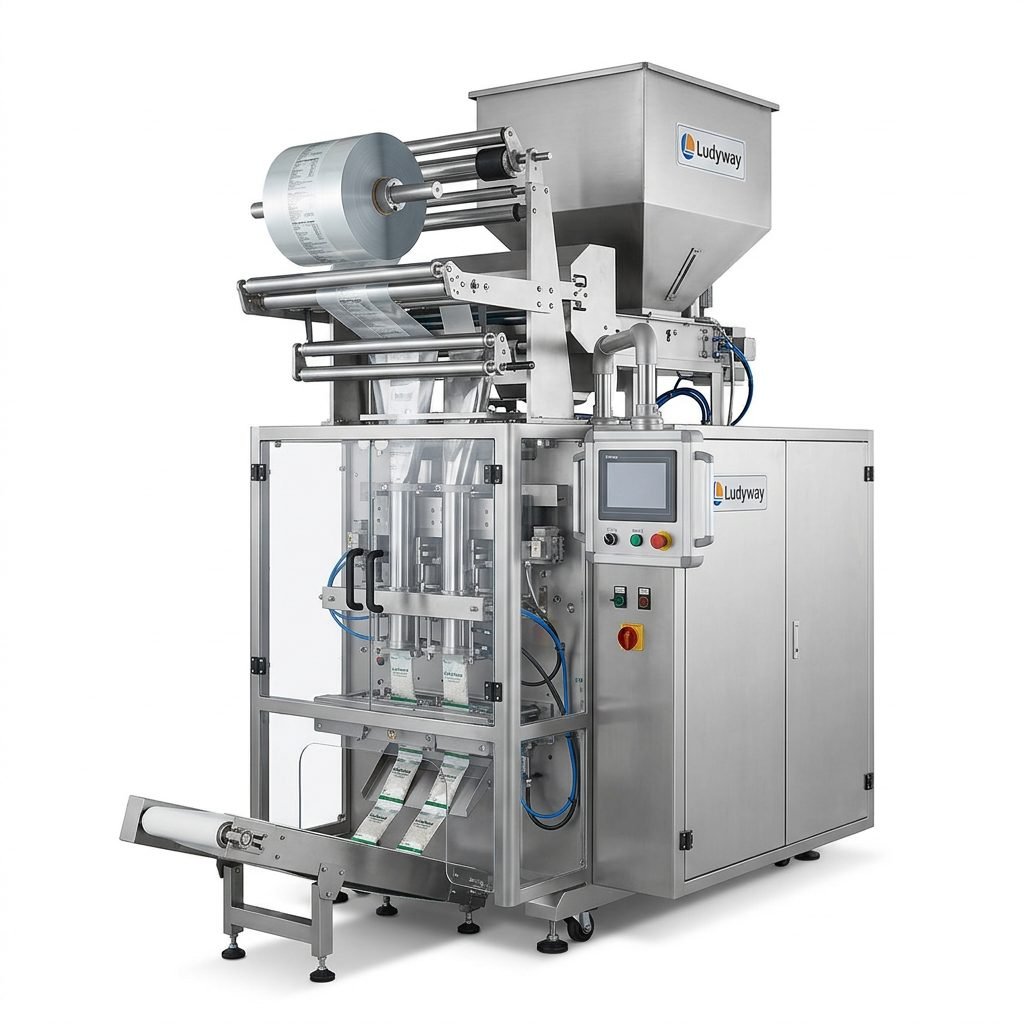
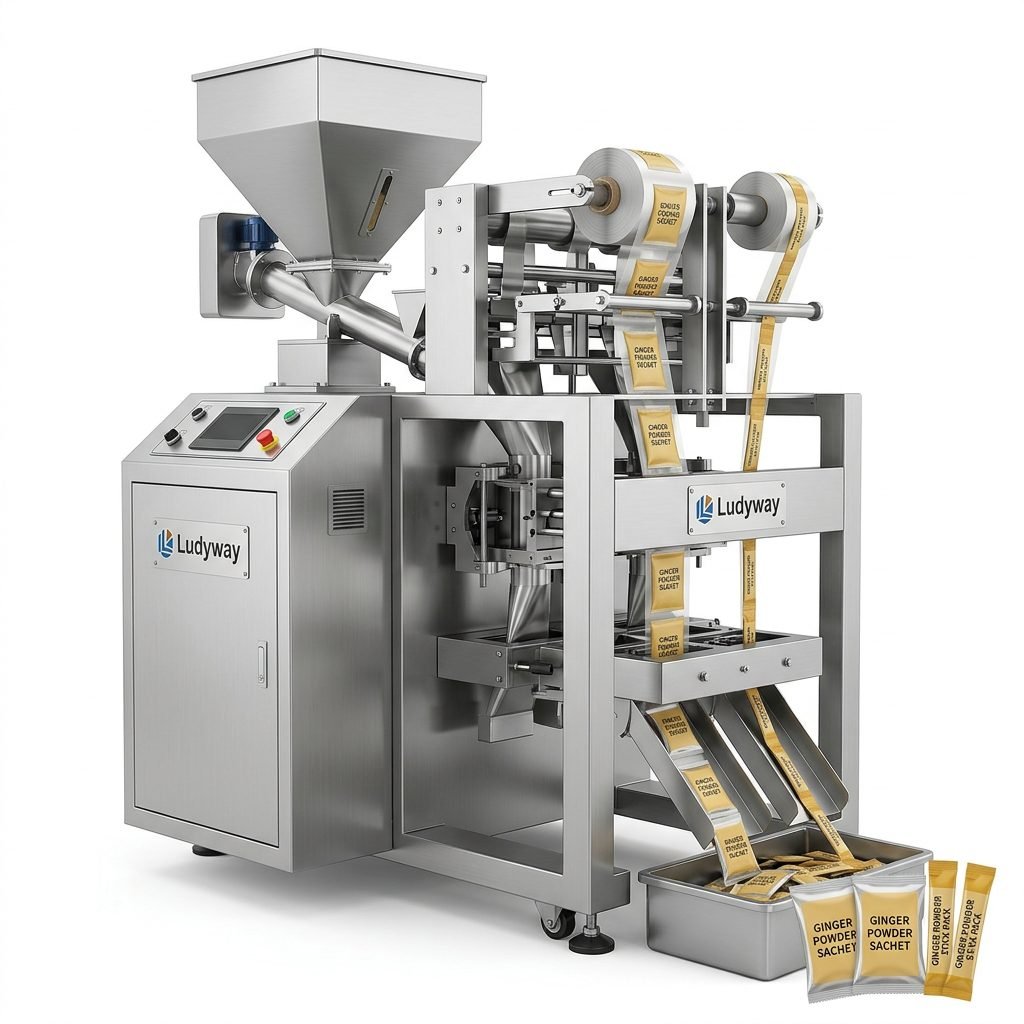
The food and beverage sector in Southeast Asia is expanding at an unprecedented rate. With a growing middle class and rapid urbanization in countries like Indonesia, Thailand, Vietnam, and the Philippines, manufacturers are under immense pressure to scale production. Central to this scaling process is the acquisition of high-quality food packaging machines. Whether you are packaging granules, powder, liquid, or sachets, selecting the right automated system directly impacts your product shelf life, brand image, and operational efficiency.
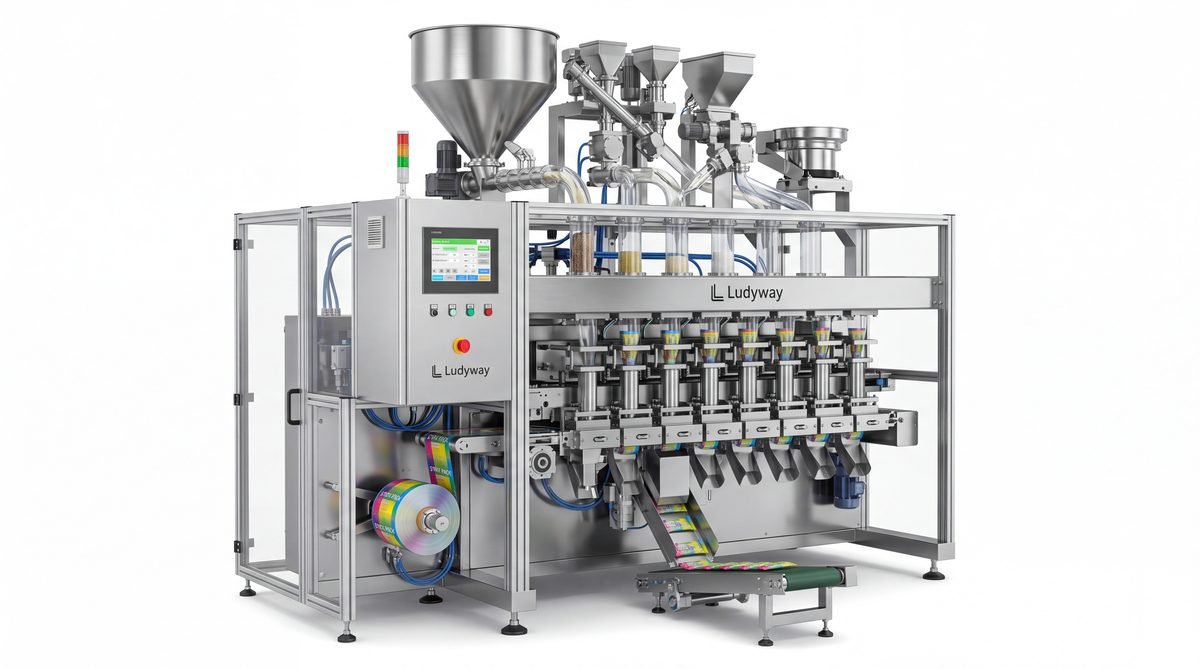
Investing in a food packaging machine is not merely a transaction; it is a strategic decision. The right equipment, such as a multi-lane stick pack machine, optimizes production speed while minimizing material waste. This guide navigates you through the nuances of the Southeast Asian market, technical specifications, and the critical factors to consider before making a purchase.

Understanding the Southeast Asian Food Packaging Landscape
The diversity of the Southeast Asian market demands flexibility. From instant coffee stick packs popular in Malaysia to liquid sauce sachets widely distributed in Indonesia, the regional requirements vary significantly. A recent PMMI Business Intelligence report highlights a surge in demand for flexible packaging in the APAC region. When entering this market, you must ensure your machinery complies with local food safety regulations and is capable of handling tropical climate conditions, specifically high humidity levels that can affect powder flow.
Key Machine Categories for Food Producers
Before evaluating suppliers, you need to identify the exact technology your product requires. The standard classification in the industry generally falls into the following categories:
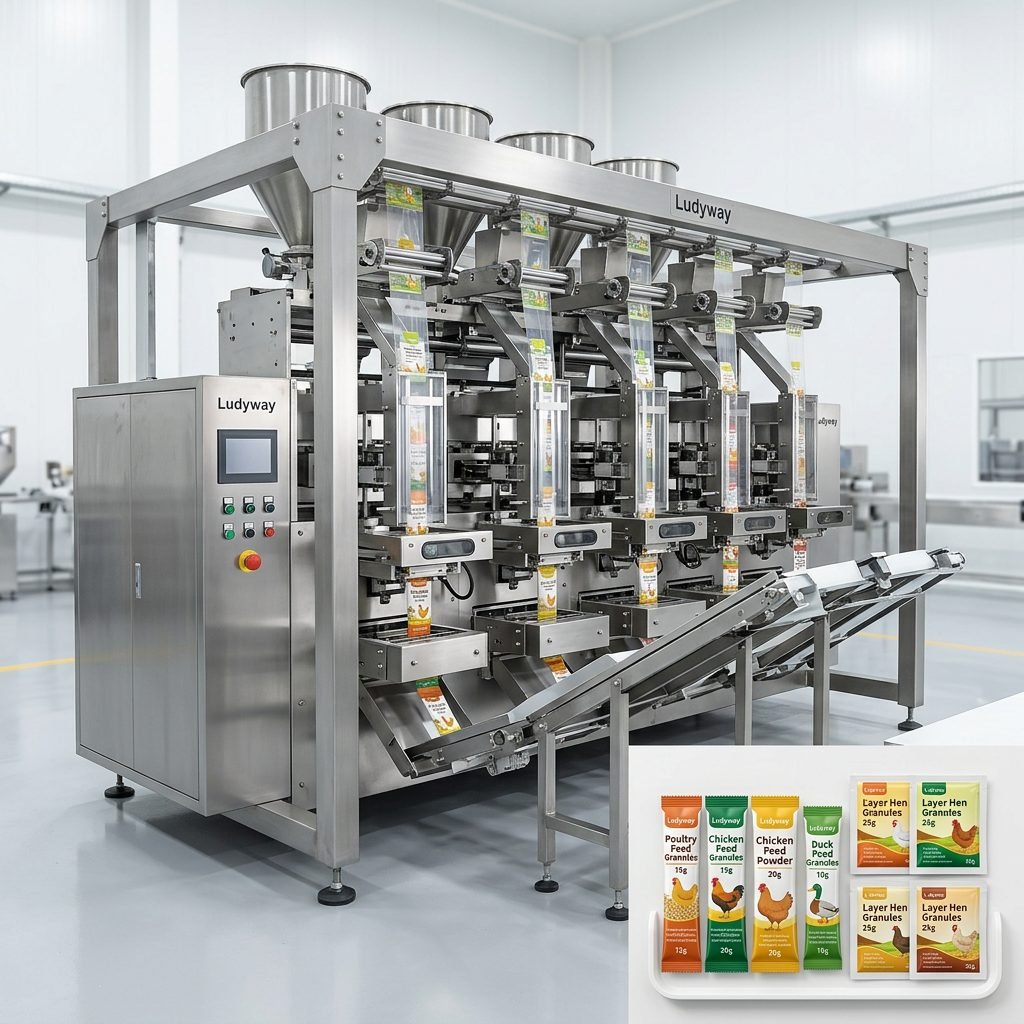
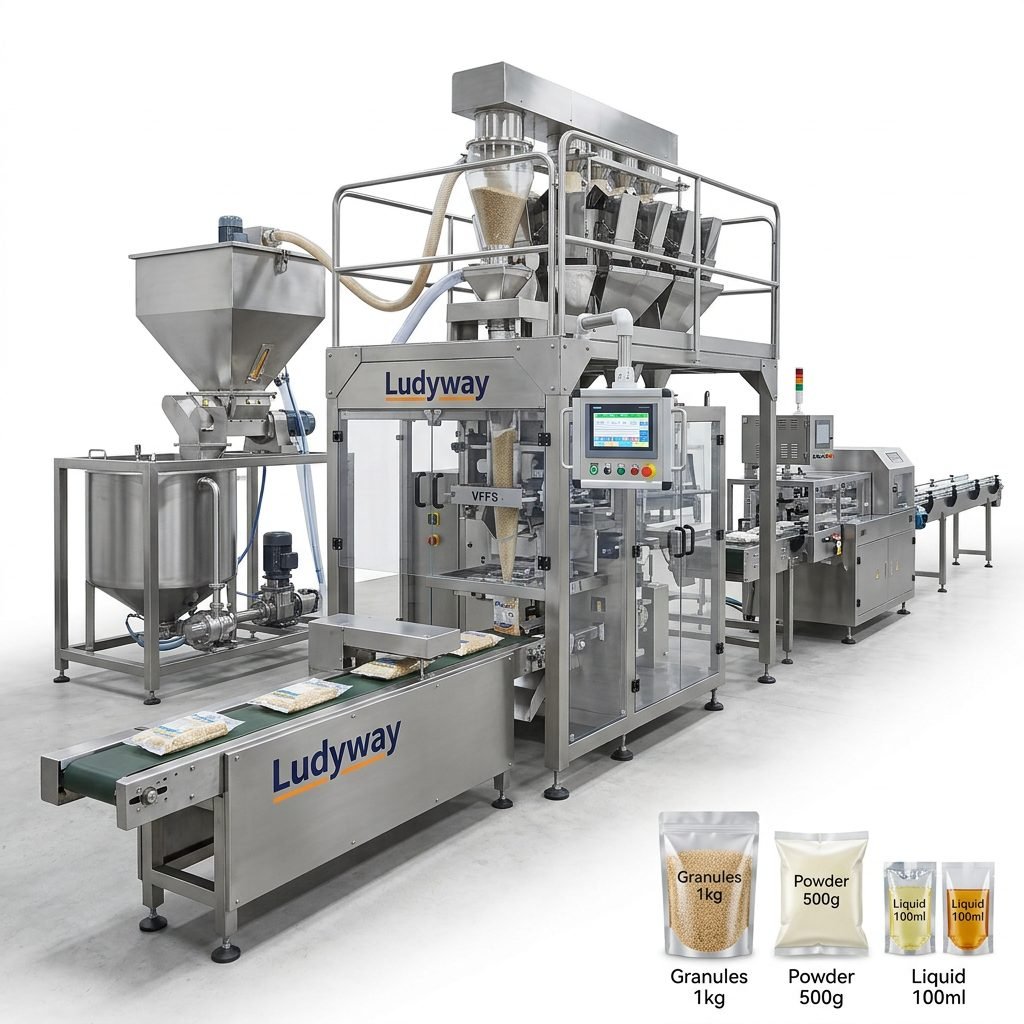
- Granule Packaging Machines: Ideal for coffee beans, sugar, salt, seeds, and pet food. These systems typically utilize volumetric cup fillers or multi-head weighers.
- Powder Packaging Machines: Necessary for flour, spices, milk powder, and protein supplements. Auger fillers are crucial here for precise dosing and dust control.
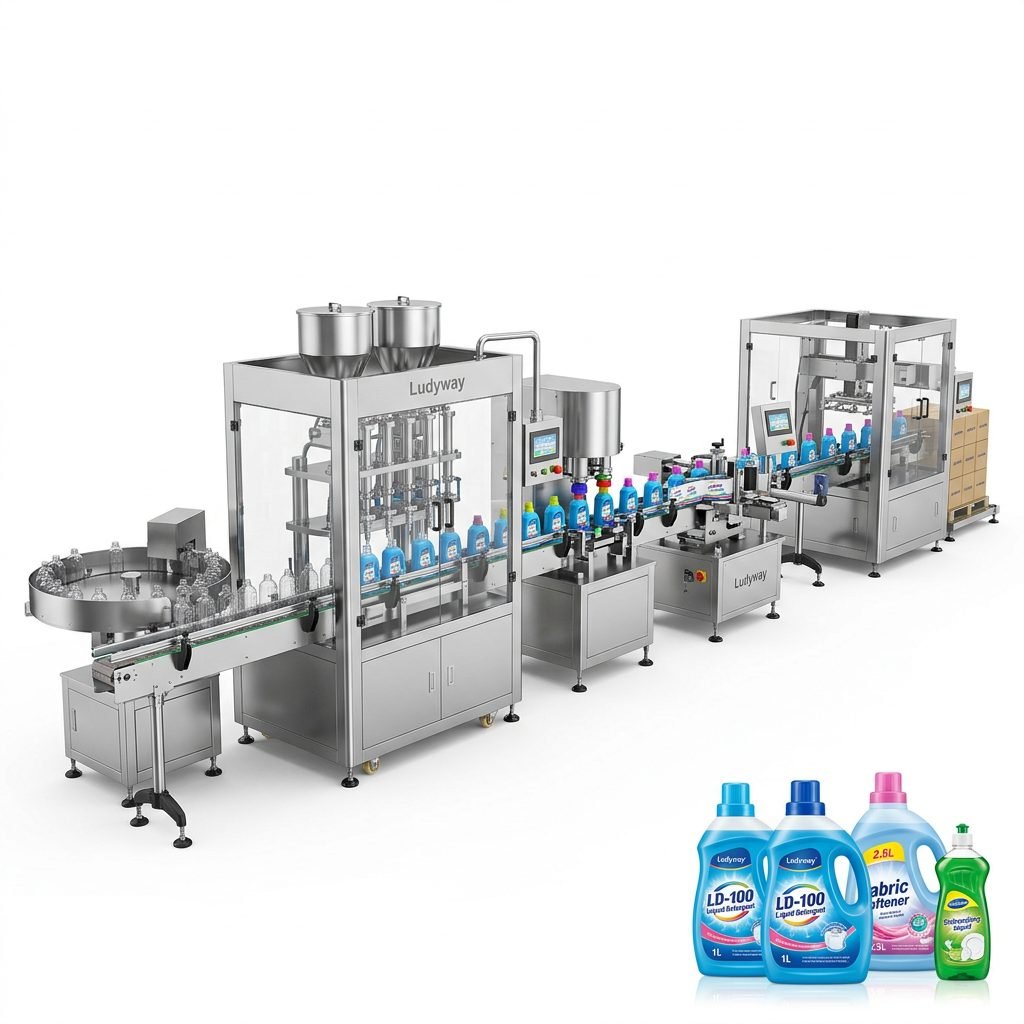
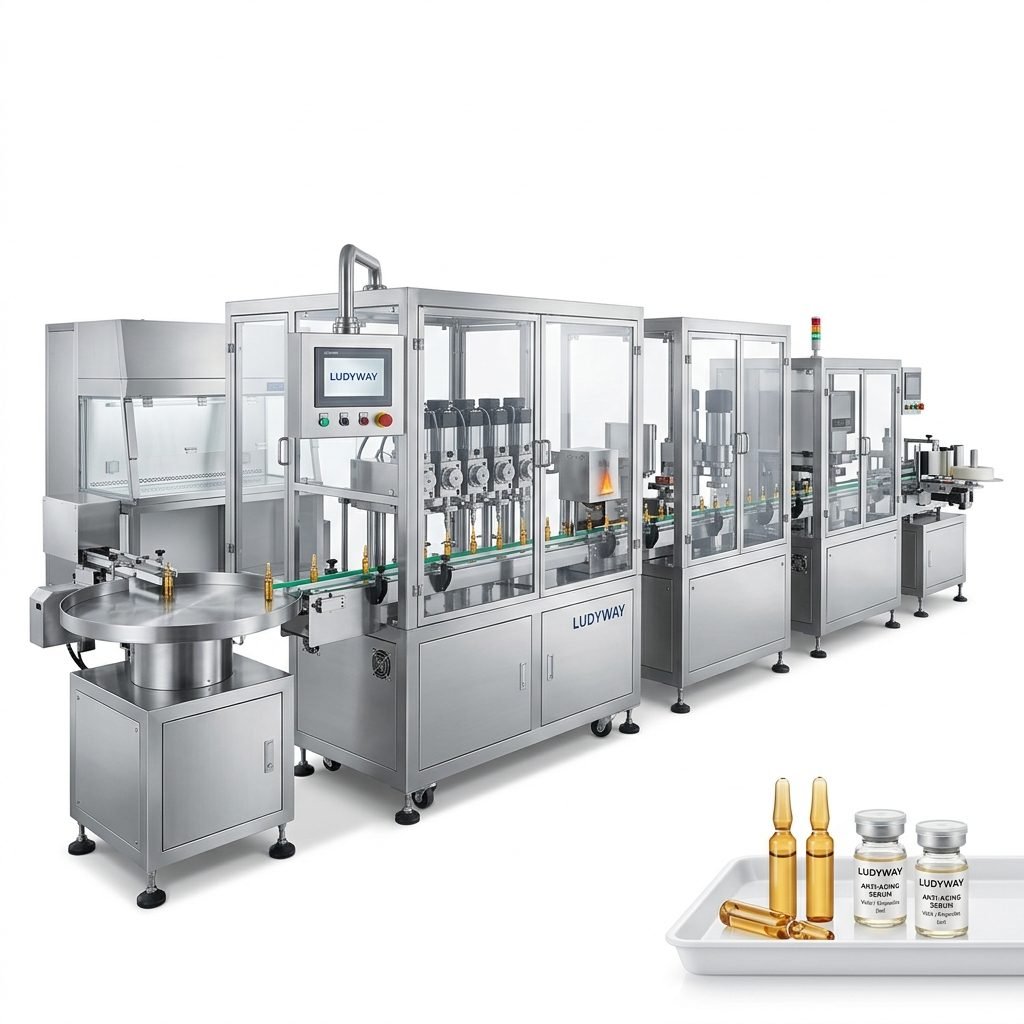
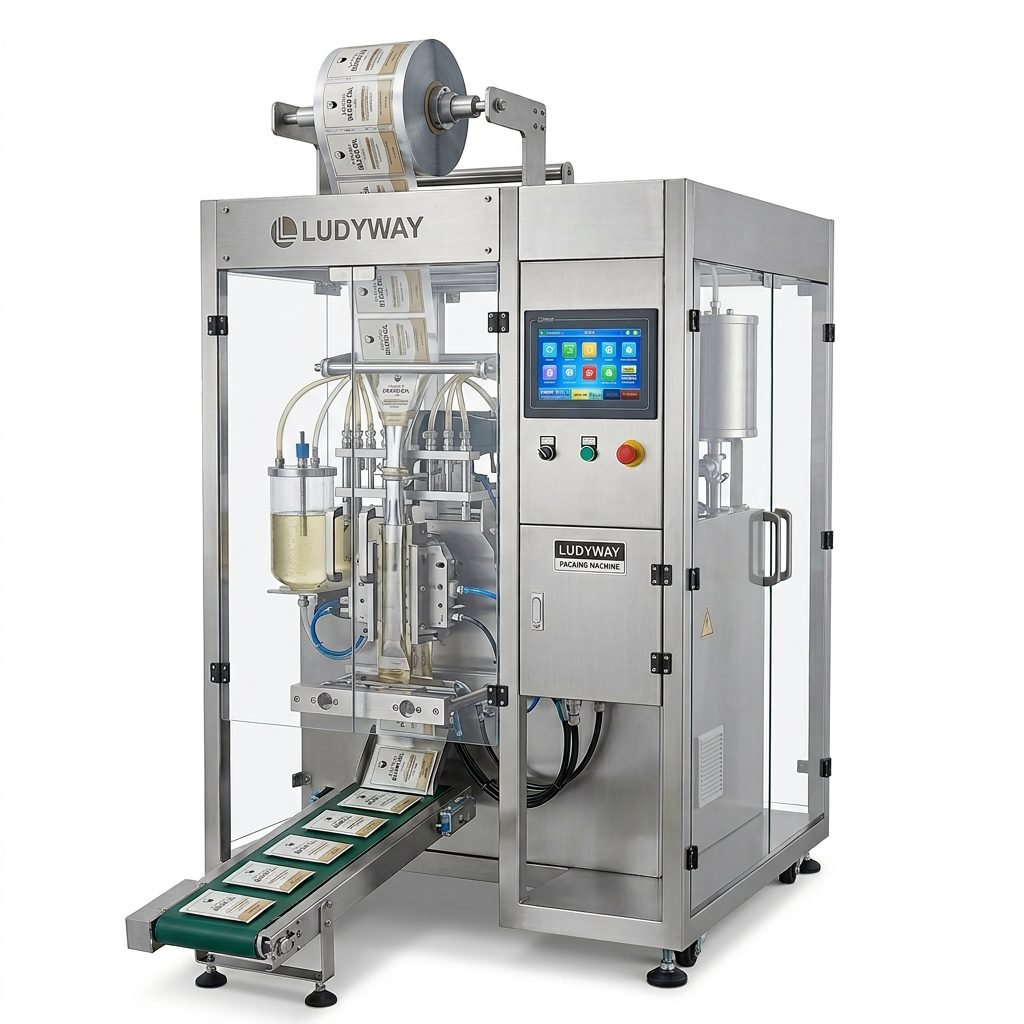
- Liquid Packaging Machines: Used for sauces, oils, shampoos, and beverages. Piston fillers or magnetic flow meters are standard depending on the viscosity.
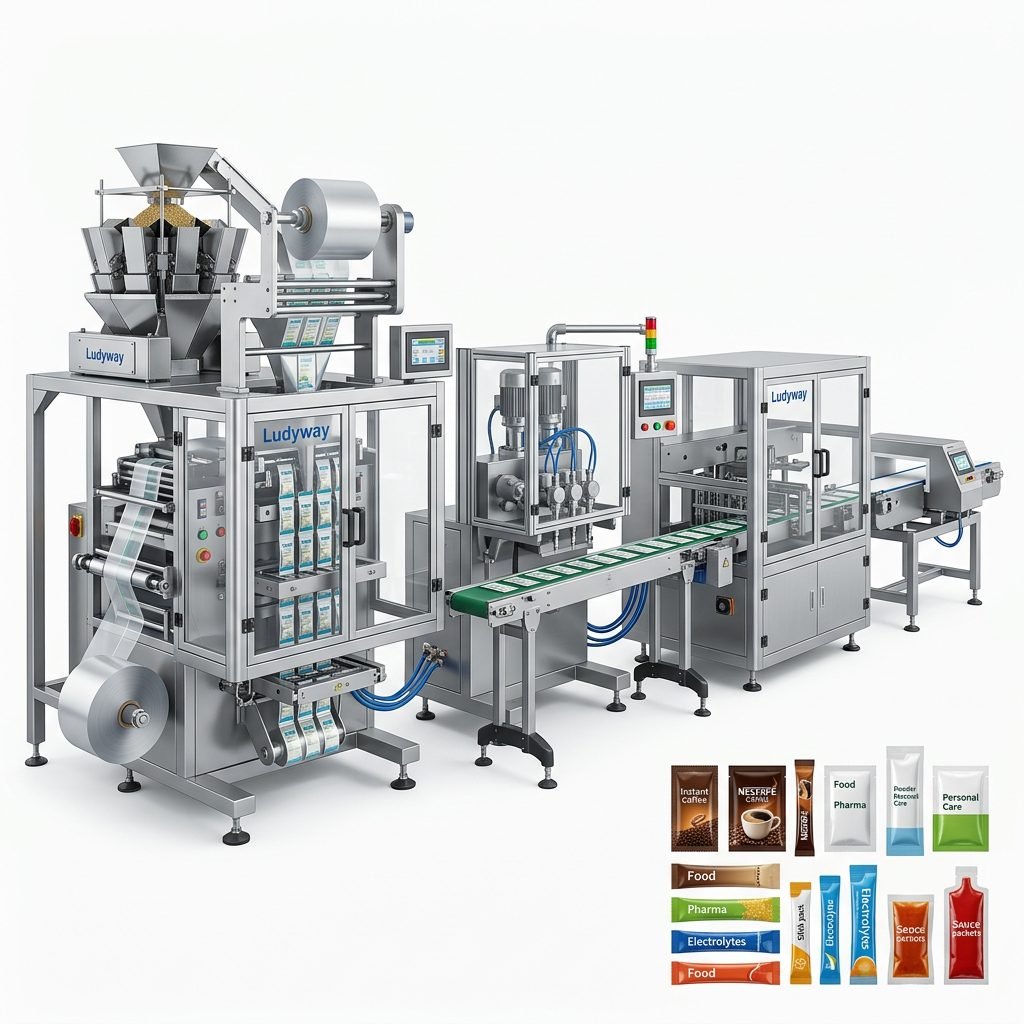
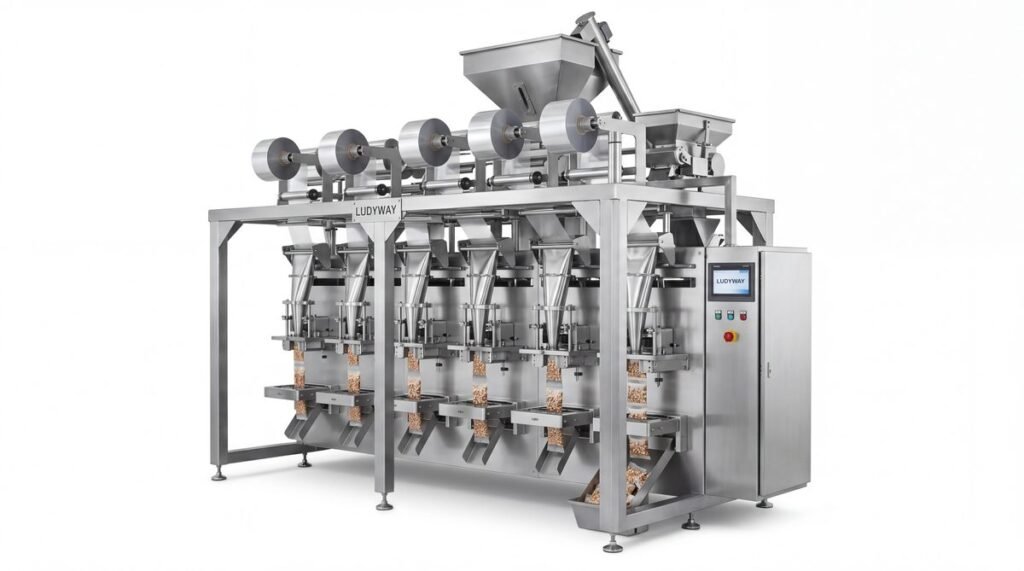
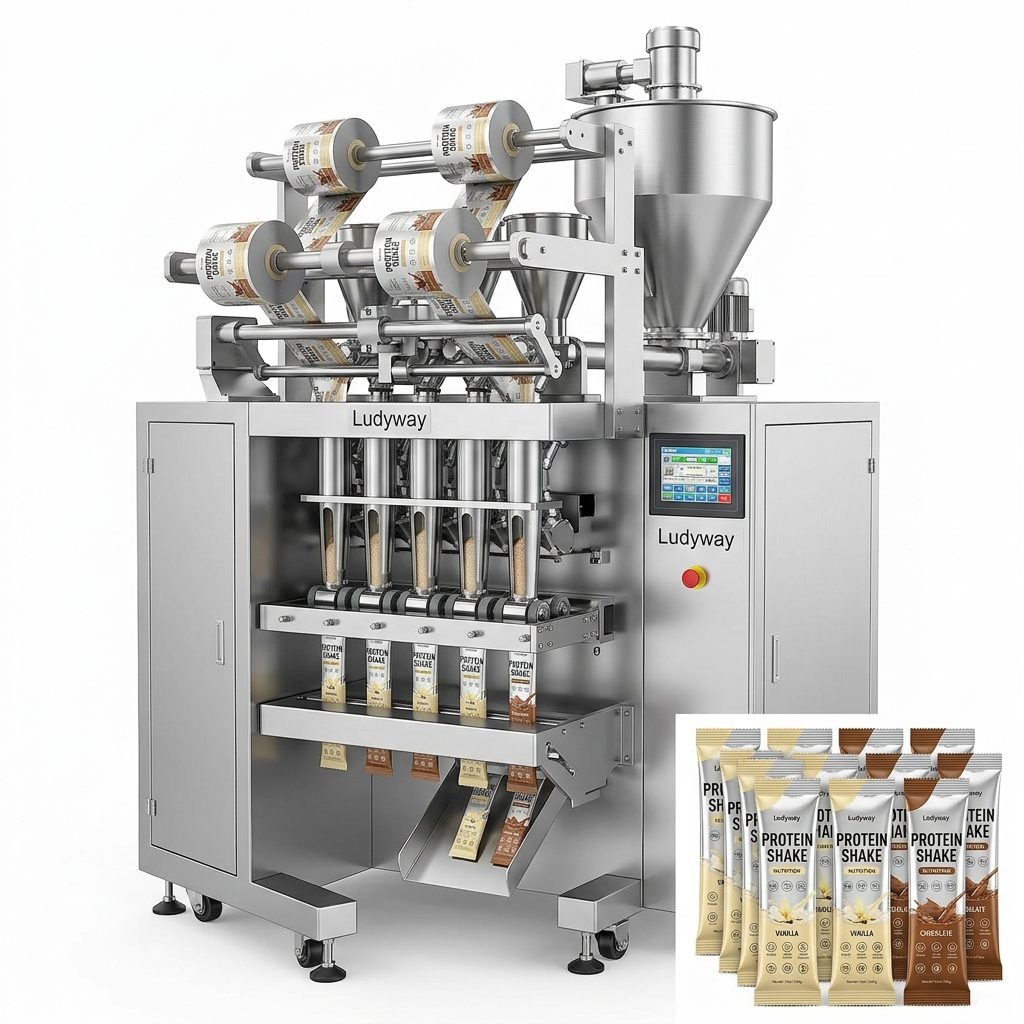
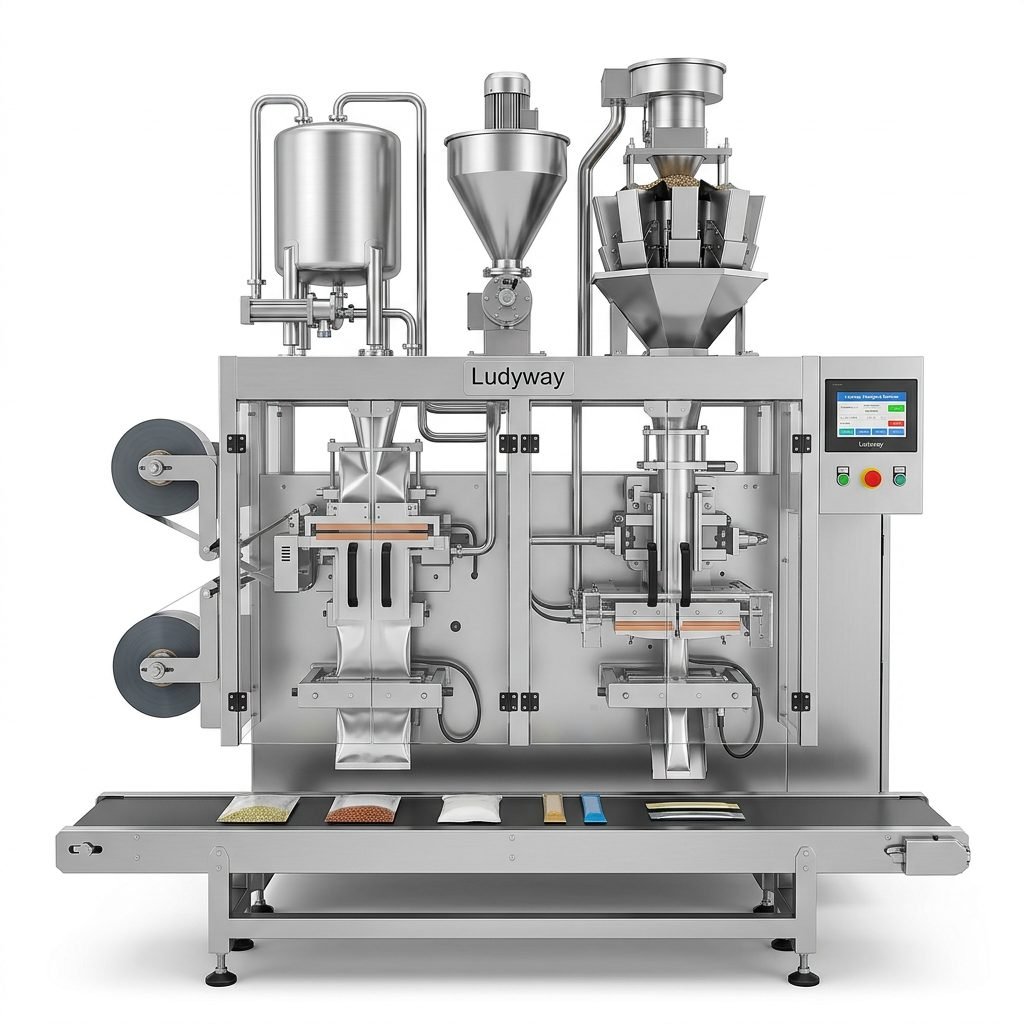
- Multi-Lane Stick Pack & Sachet Machines: High-speed solutions for single-serve convenience products dominating the modern retail shelf.
Technical Specifications to Prioritize
Reading a spec sheet correctly can save you from costly downtime. For a granule packaging machine, pay attention to the weighing accuracy (targeting ±0.5-1%), while for liquid packaging machines, the filling range and no-drip nozzles are critical. Below is a quick reference table for material compatibility:
| Product State | Preferred Mechanism | Typical Speed (Packs/Min) |
|---|---|---|
| Free-Flowing Granules | Volumetric Cup / Linear Weigher | 30 – 80 |
| Non-Free-Flowing Powders | Auger Filler with Agitator | 25 – 70 |
| Low-to-Medium Viscosity Liquids | Piston Pump / Magnetic Flow Meter | 40 – 120 |
| Heterogeneous Solids (Snacks) | Multi-Head Weigher | Up to 60 |
The Rise of Turnkey Solutions
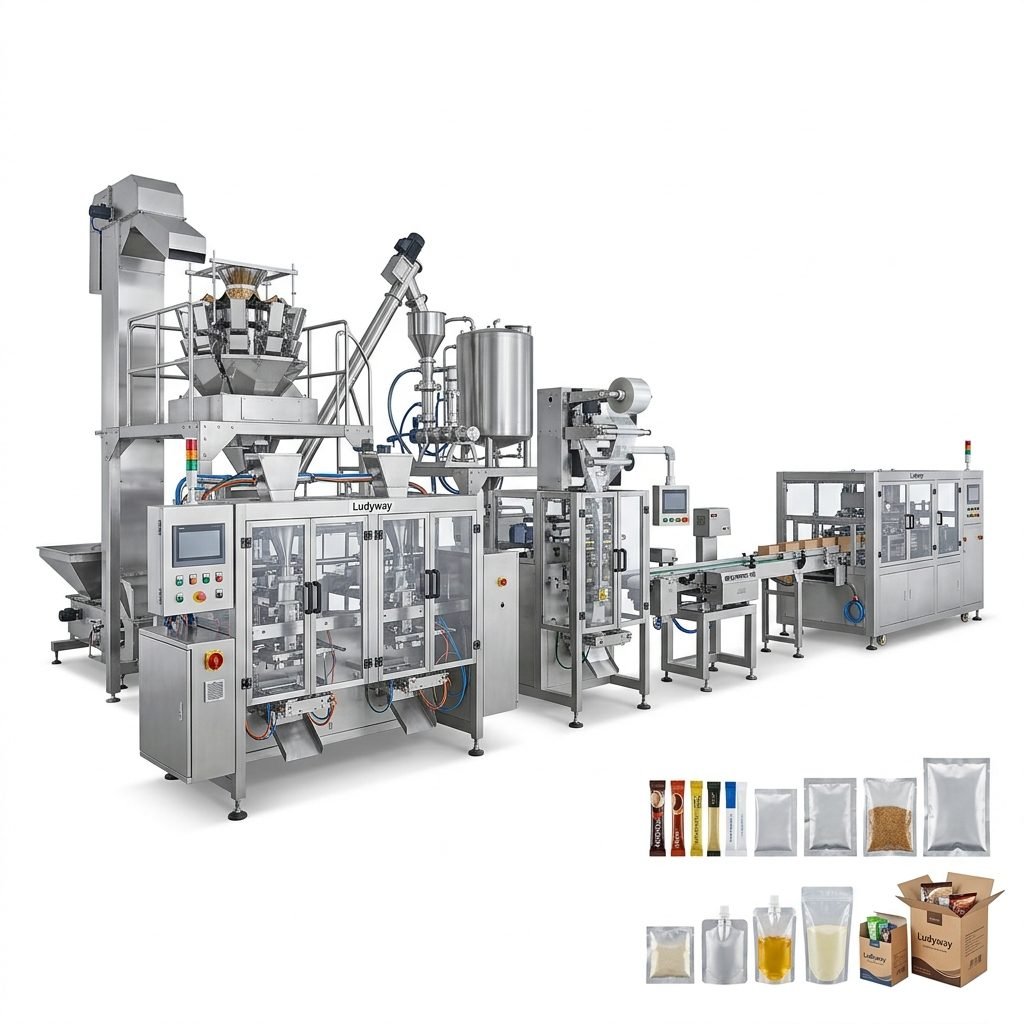
In modern manufacturing, buying a standalone unit is often insufficient. Turnkey packaging solutions—which integrate filling, sealing, checkweighing, labeling, and cartoning—are becoming the preferred choice for exporters. According to the Flexible Packaging Association, integrated lines reduce labor dependency by up to 70%. When sourcing from a packaging machine manufacturer, verify if they offer full line engineering, as mismatched conveyors and fillers can create bottlenecks.
Evaluating Suppliers in Southeast Asia
The market is filled with both local agents and international manufacturers. While local agents might offer lower upfront costs, buying directly from a specialized factory often ensures better technical support and spare parts availability. For instance, Ludyway, a leading manufacturer with over 30 years of experience, provides advanced packaging equipment designed to handle the rigorous demands of tropical food production environments. Companies based in industrial hubs like Guangdong, China, are logistically strategic for the ASEAN region, offering shipping routes that reduce lead times significantly.
Checklist for Vendor Validation
- Request a Factory Acceptance Test (FAT) video or on-site visit before shipment.
- Inquire about CE or ISO certifications to ensure compliance with ISO packaging standards.
- Verify the availability of local after-sales service engineers in your specific country.
- Test the machine with your actual product samples, not just the vendor’s ideal material.
Navigating Costs and ROI
The initial investment for a high-speed automated food packaging line varies drastically based on configuration. A simple single-lane sachet machine may be accessible for SMEs, while a fully automated multi-lane stick pack system with secondary packaging represents a significant capital expenditure. However, the return on investment is driven by speed and material savings. For importers in Southeast Asia, it is vital to use market growth trends to project your capacity needs. Over-investing in capacity that sits idle is as risky as under-investing in a machine that cannot meet peak season demand.
| Cost Factor | Budget Impact |
|---|---|
| Film Material Compatibility | Machines requiring expensive specific laminates increase OPEX. |
| Changeover Time | Quick tool-less changeover reduces downtime costs. |
| Spare Parts Kit | A mandatory inclusion to avoid weeks of idling waiting for seals or belts. |
Future-Proofing Your Investment
Automation is the definitive trend. Smart packaging lines equipped with IoT capabilities allow remote monitoring and predictive maintenance, which is particularly useful for manufacturers in remote industrial parks in Vietnam or Thailand. Furthermore, regulatory bodies like the U.S. FDA and the European Commission are tightening rules on packaging waste. Selecting machinery that can seal biodegradable and recyclable films without compromising seal integrity will future-proof your business against legislative changes.
Final Advice: Do not choose a machine solely based on the price per unit. Analyze the Total Cost of Ownership (TCO), including energy efficiency, film wastage percentage, and the availability of technical support. The ultimate goal is to establish a seamless link between your production kitchen and the final consumer, ensuring food safety and brand consistency with every seal.