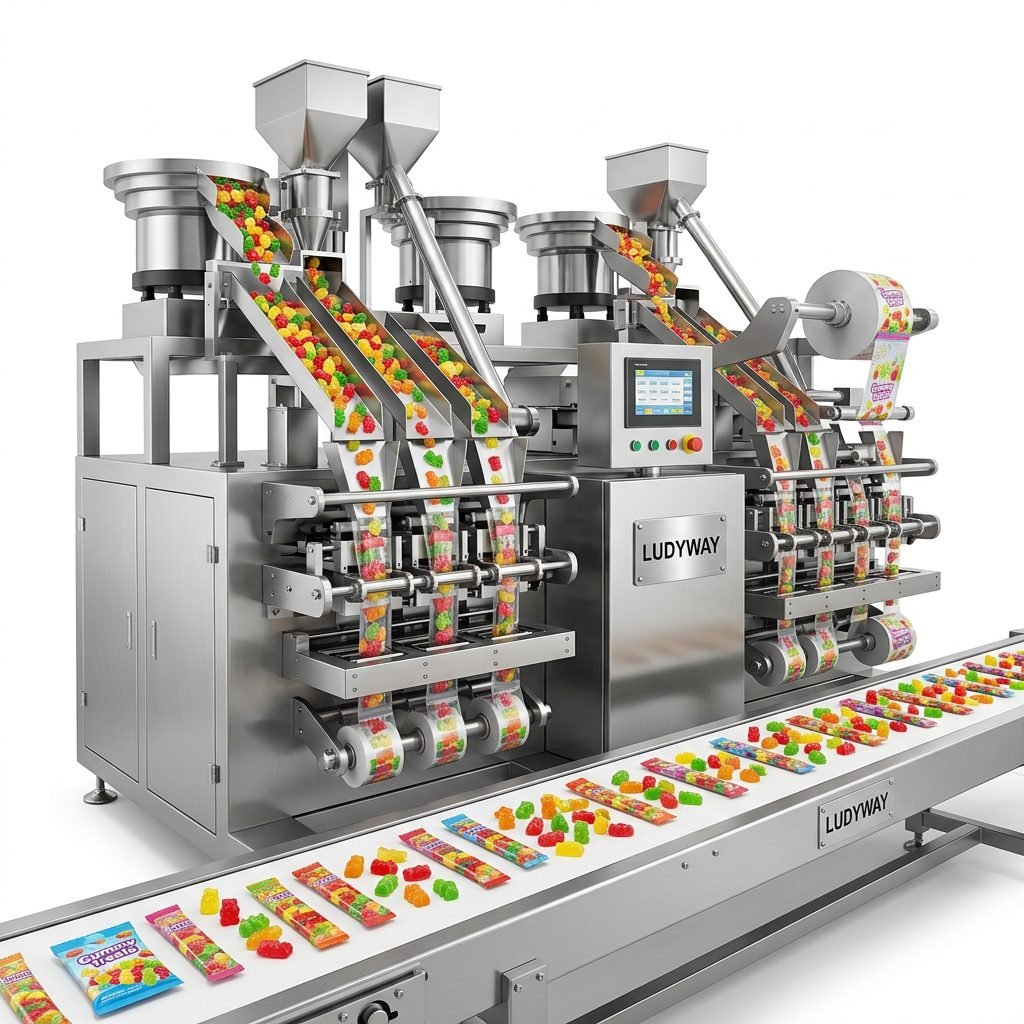
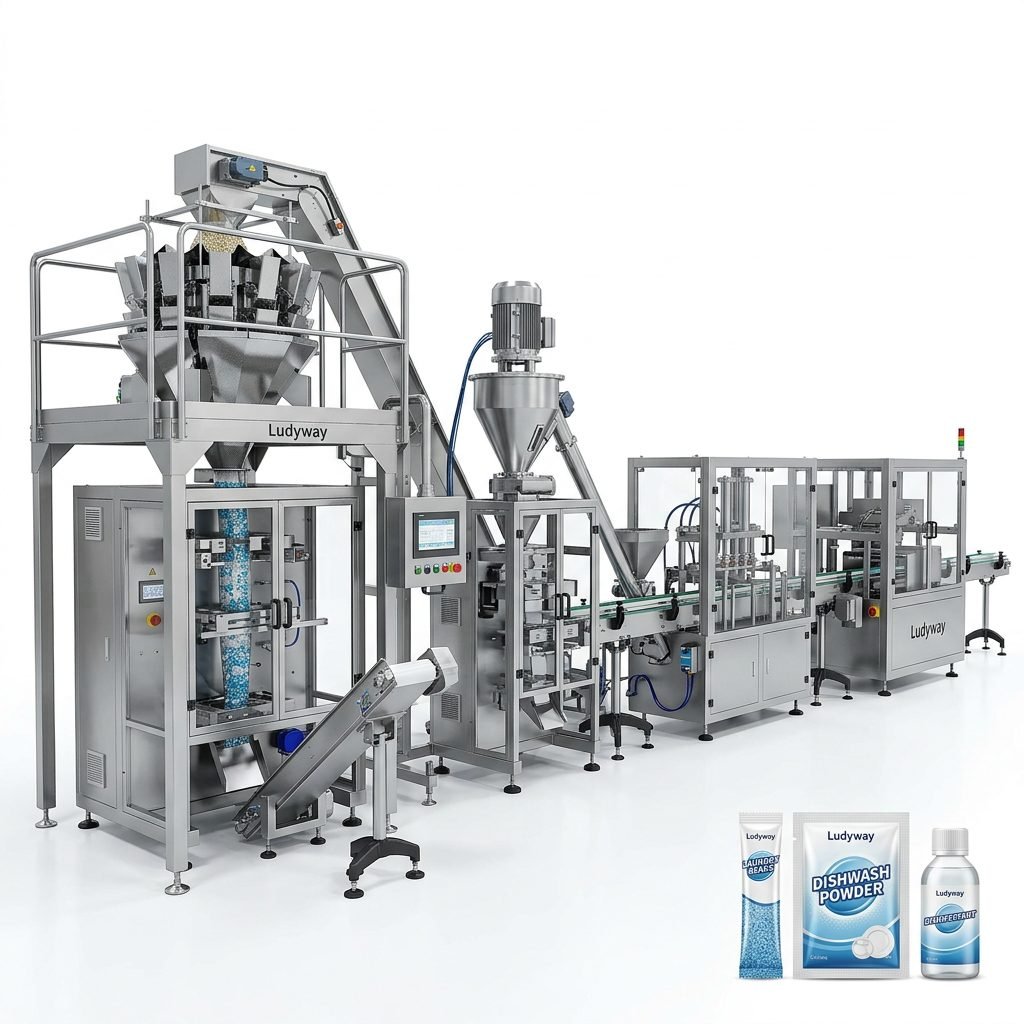
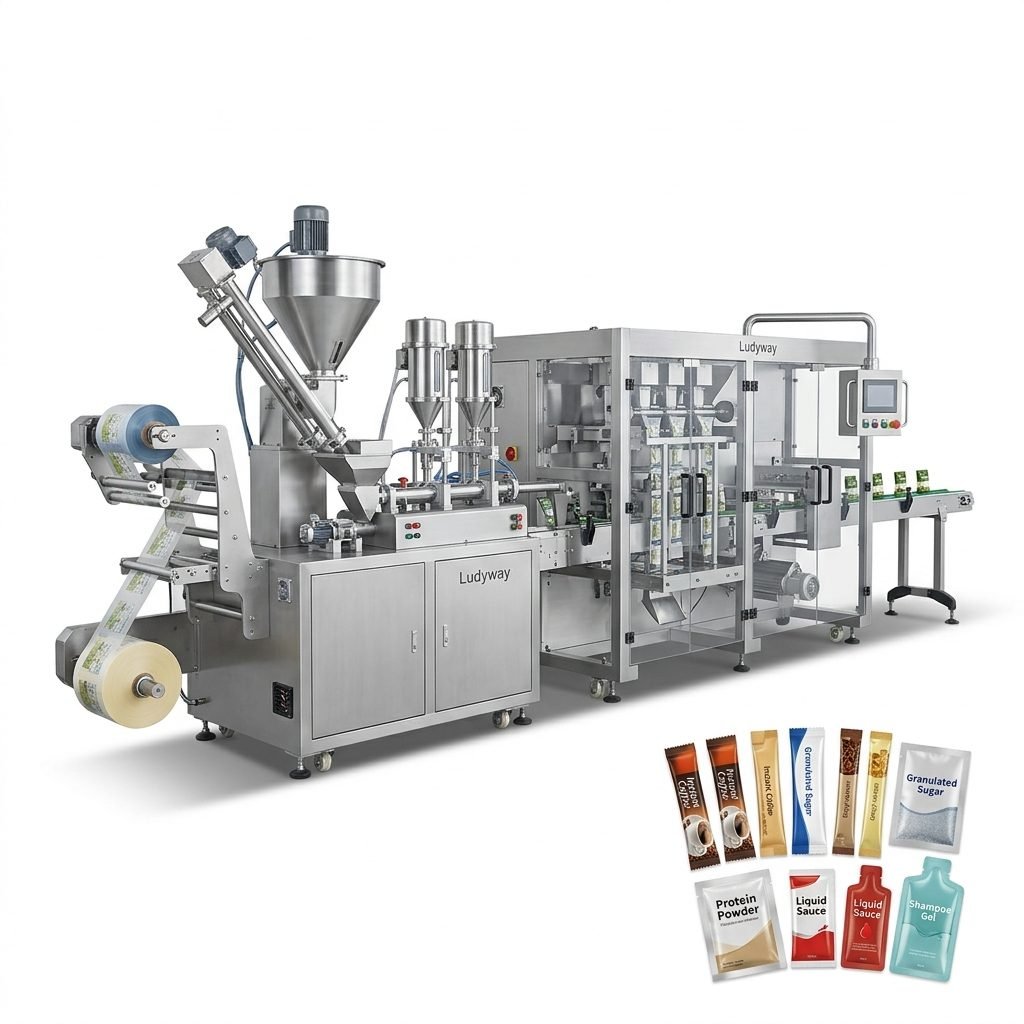
Setting up a seasoning packaging machine production line in Africa is a strategic investment that taps into one of the continent’s fastest-growing consumer markets. With rapid urbanization, a rising middle class, and increasing demand for convenience foods, the African seasoning and condiment sector offers exceptional opportunities for manufacturers. This comprehensive guide covers every step — from initial market analysis to full production line commissioning — to help you build a successful and scalable packaging operation.
Understanding the African Seasoning Market Opportunity
The African packaged food market is expanding at an impressive pace. According to industry data from the PMMI Business Intelligence Library, demand for flexible packaging solutions in emerging economies has grown by over 8% annually. Seasonings — including bouillon cubes, powdered spices, curry blends, and stock powders — are daily essentials in African households, making them a high-volume, fast-moving consumer good.
Key factors driving this growth include:
- Population growth exceeding 2.5% annually across sub-Saharan Africa
- Increased consumption of processed and packaged foods in urban centers
- Expansion of modern retail chains and supermarkets
- Growing export potential to regional markets through AfCFTA agreements
Selecting the Right Packaging Format for Seasonings
Choosing the correct packaging format is critical. The most common formats for seasoning products in Africa include:
| Packaging Format | Typical Sizes | Best For |
|---|---|---|
| Stick Packs | 1g – 15g | Single-serve seasoning, instant soup mixes |
| Sachets | 15g – 100g | Curry powder, spice blends, bouillon powder |
| Pillow Pouches | 50g – 500g | Family-size seasoning, food service packs |
| Stand-up Pouches | 100g – 1kg | Premium seasoning blends, retail display |
Why Multi-Lane Stick Pack Systems Are Ideal for African Markets
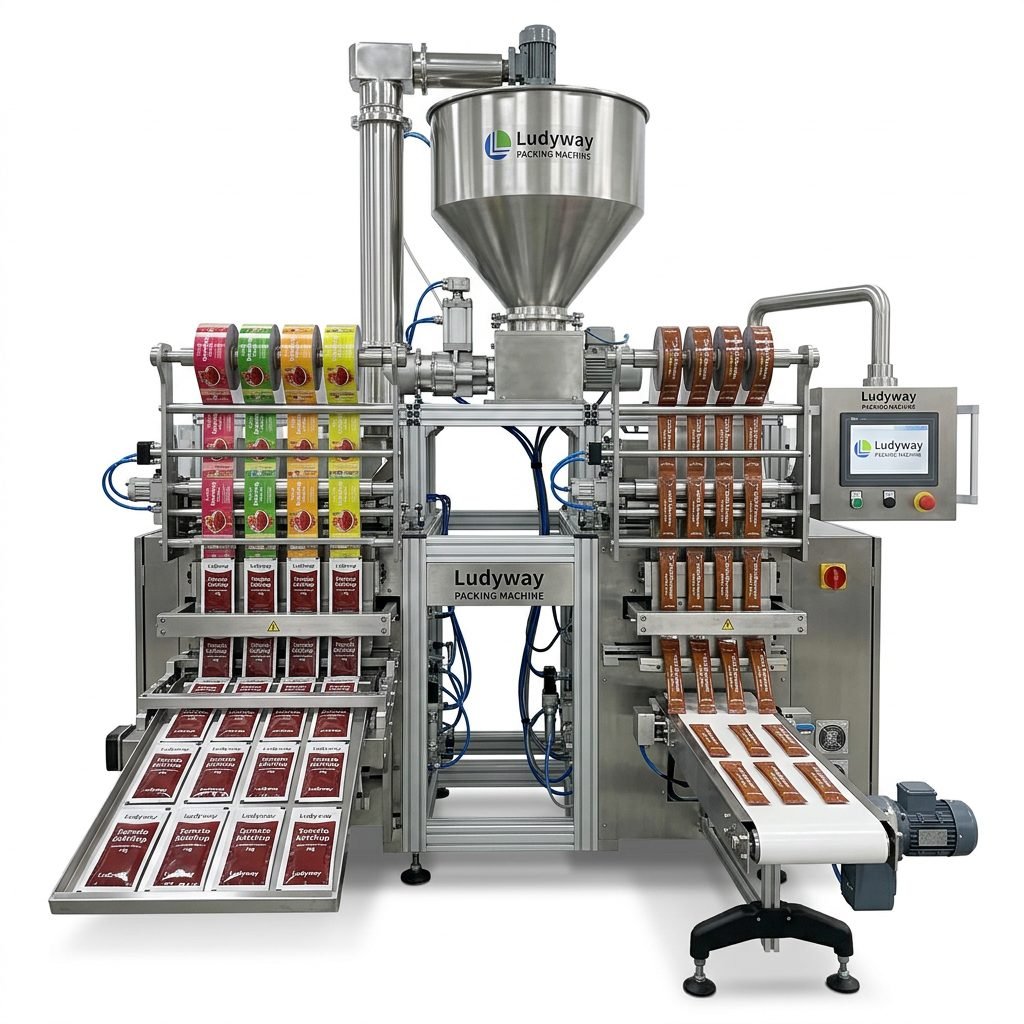
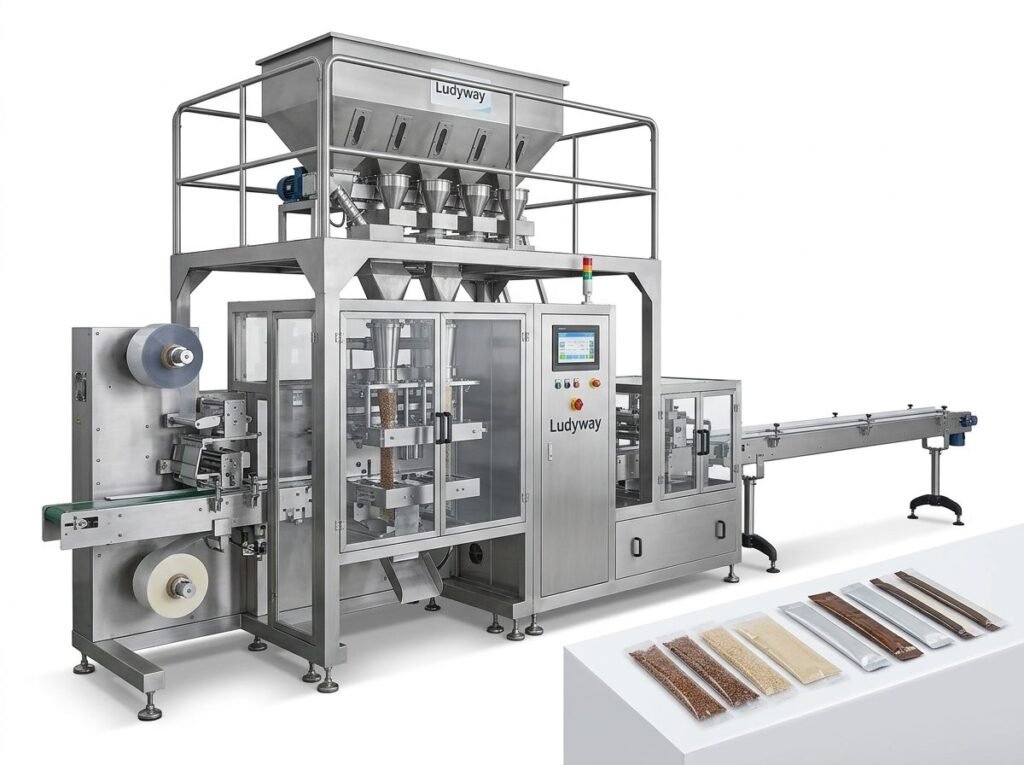
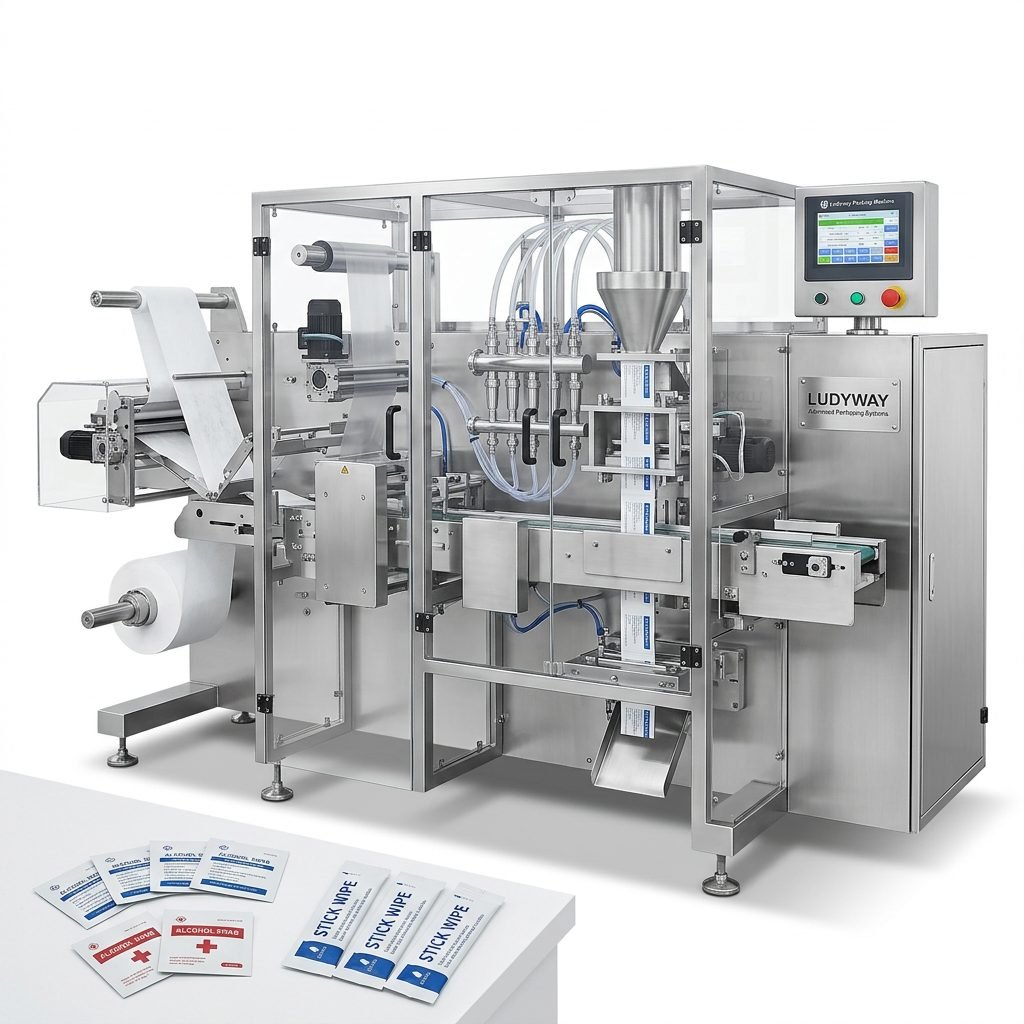
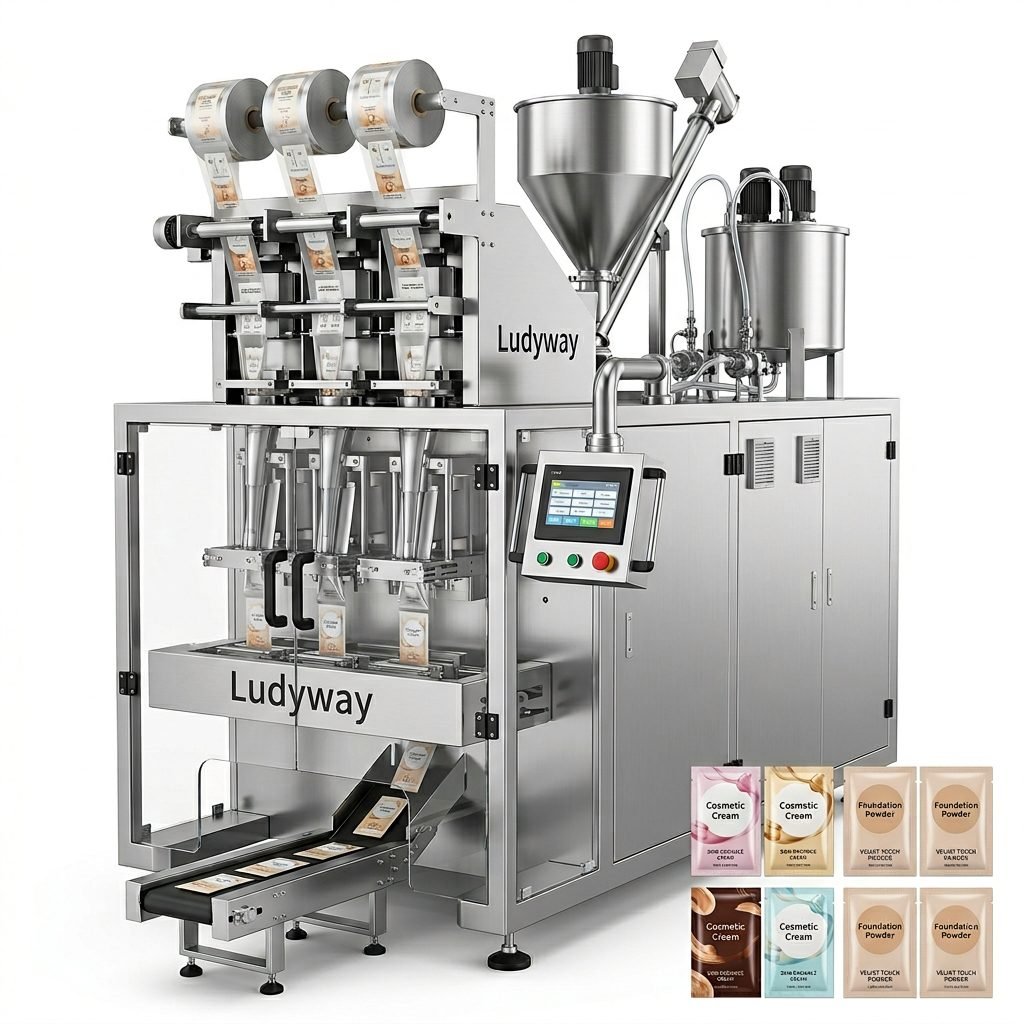
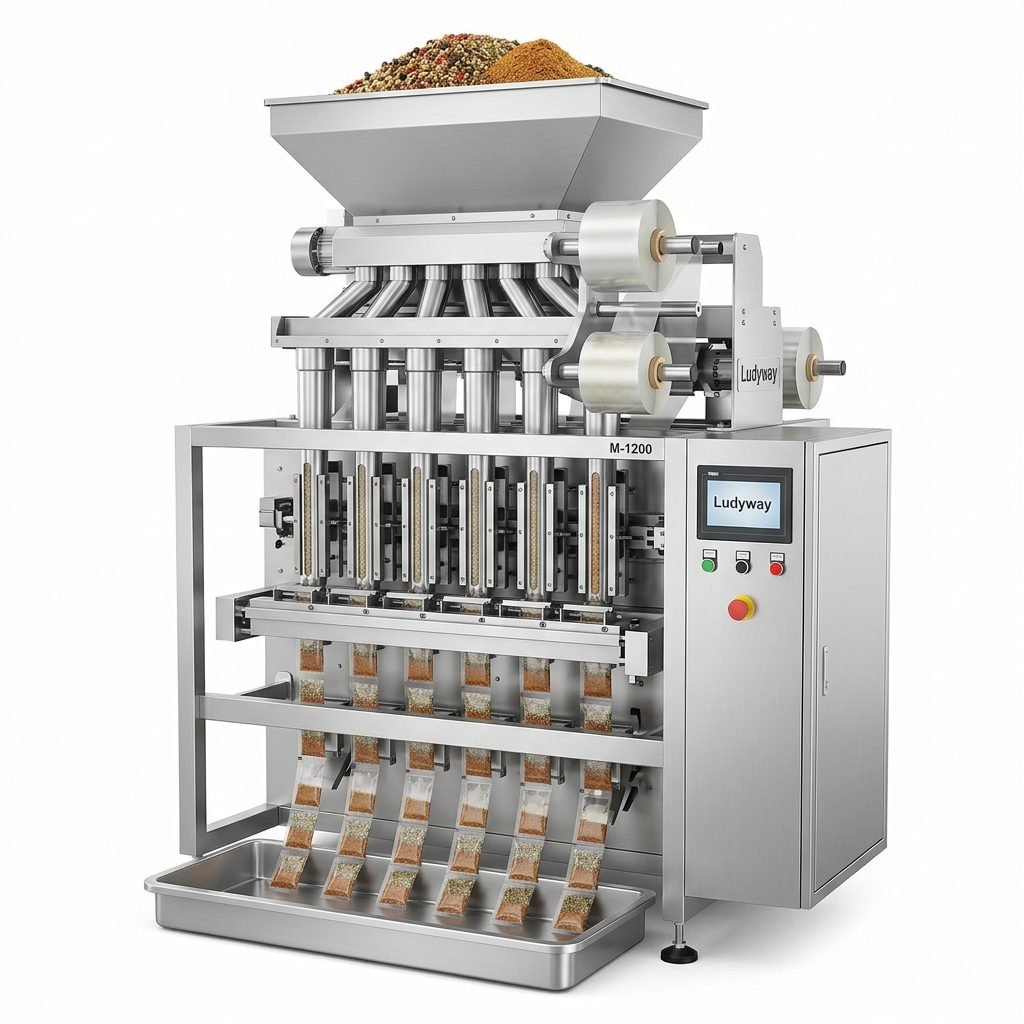
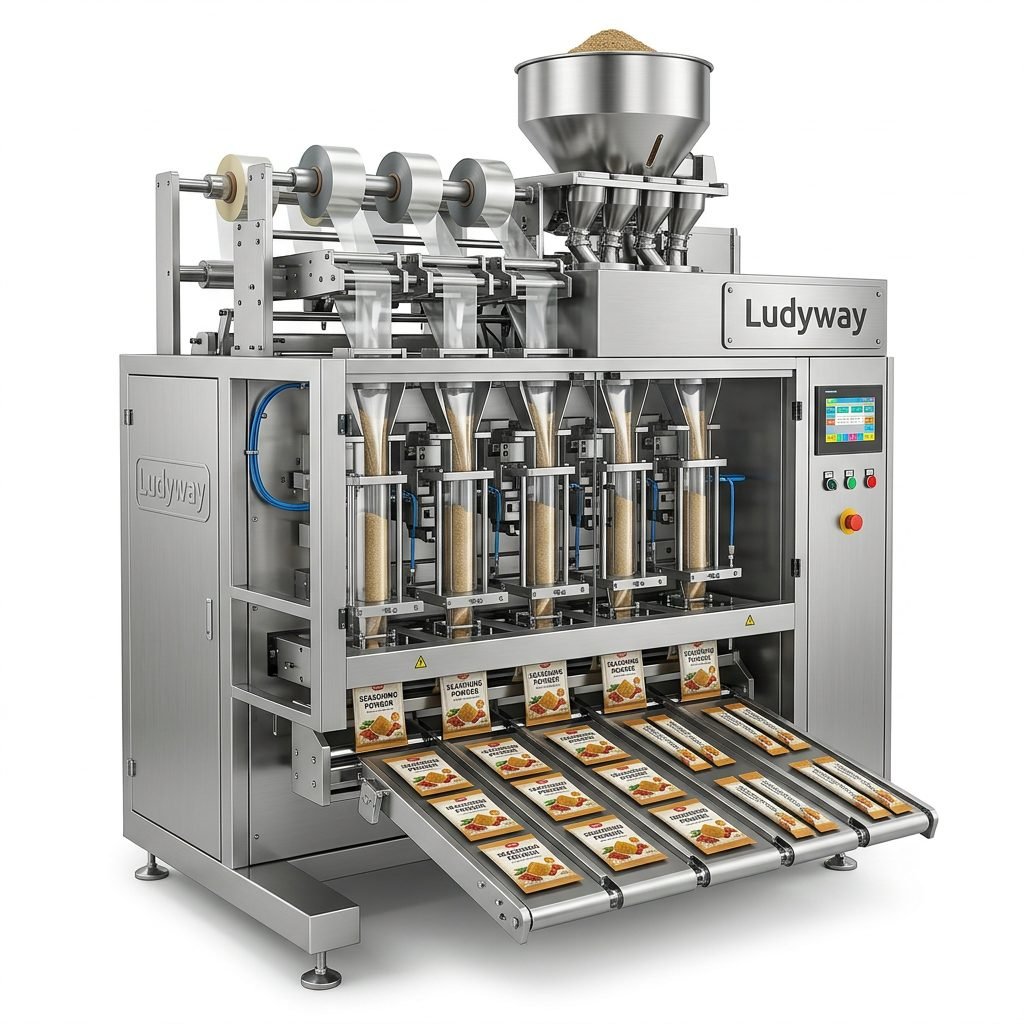
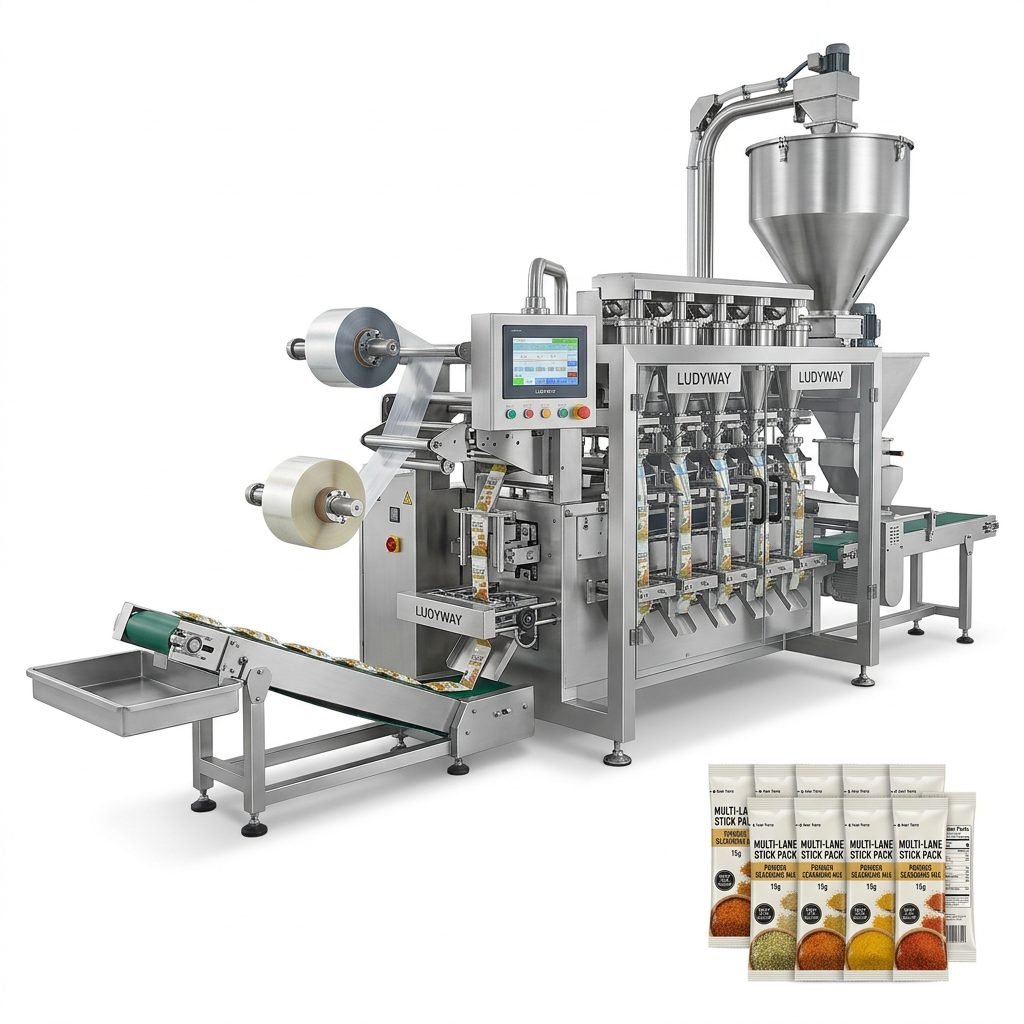
For high-volume seasoning production, multi-lane stick pack machines offer significant advantages. These systems can produce up to 400–600 packs per minute per lane, dramatically reducing per-unit costs. The single-serve format is particularly popular in African markets where affordability and portion control are key consumer considerations. A seasoning packaging machine supplier with multi-lane technology can help you achieve competitive production efficiency.
Core Equipment for a Seasoning Packaging Production Line
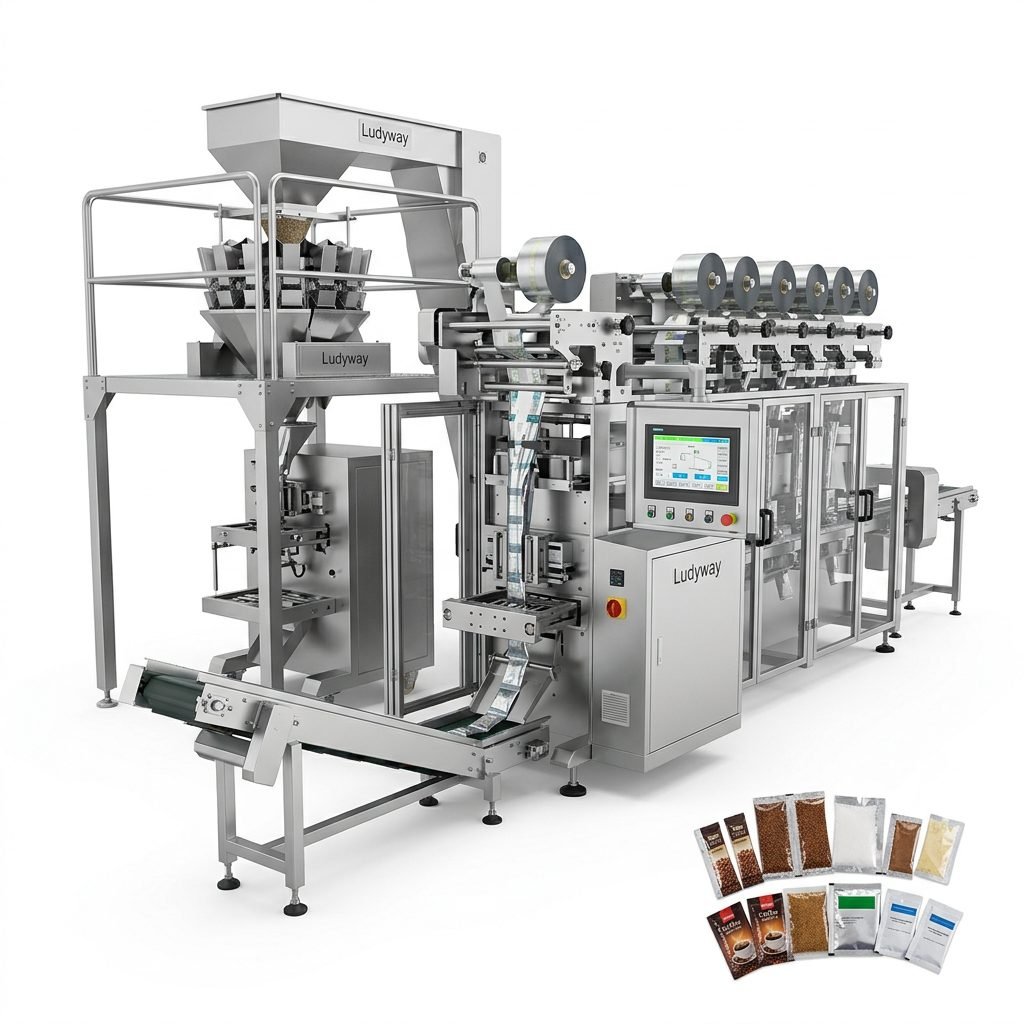
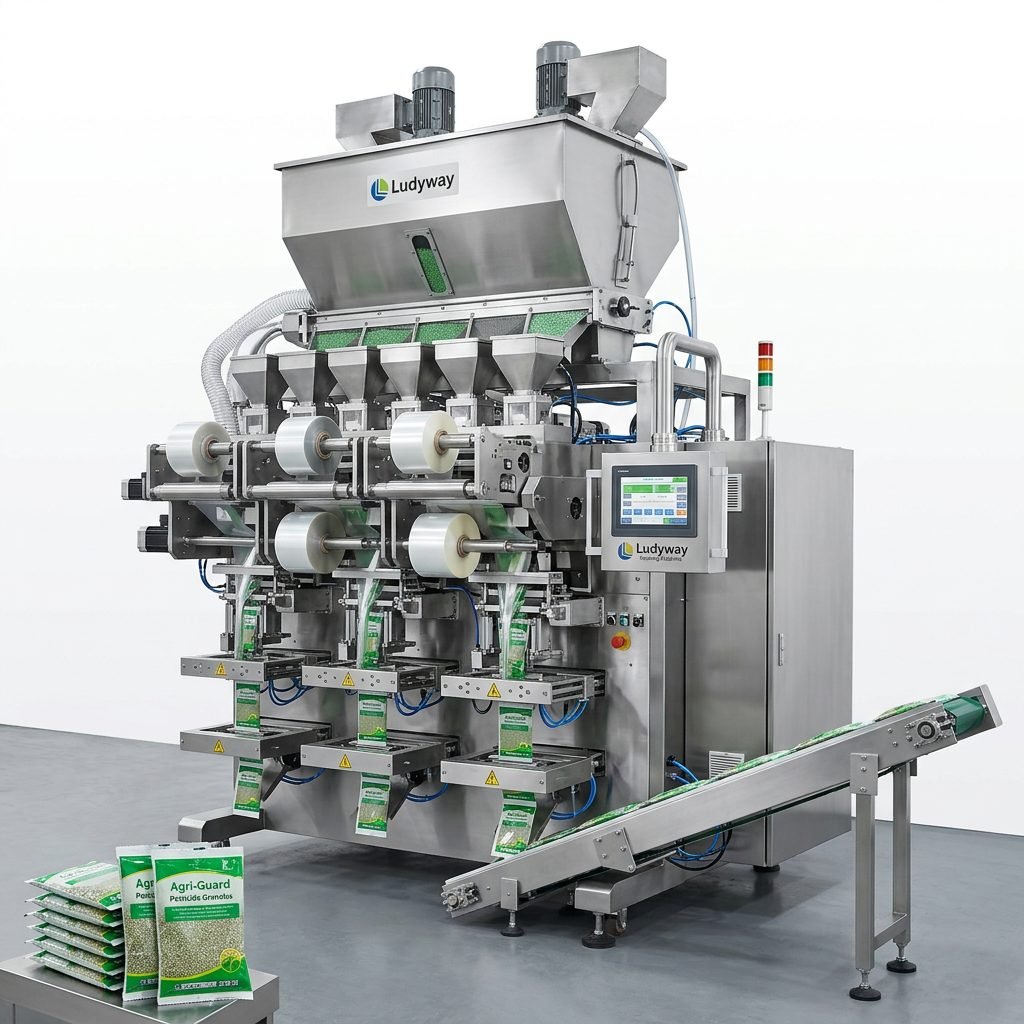
A complete seasoning packaging line requires several integrated machines working in harmony. Here is the essential equipment list:
- Feeding System: Automatic screw feeders or vibratory feeders to deliver seasoning powder to the filling station
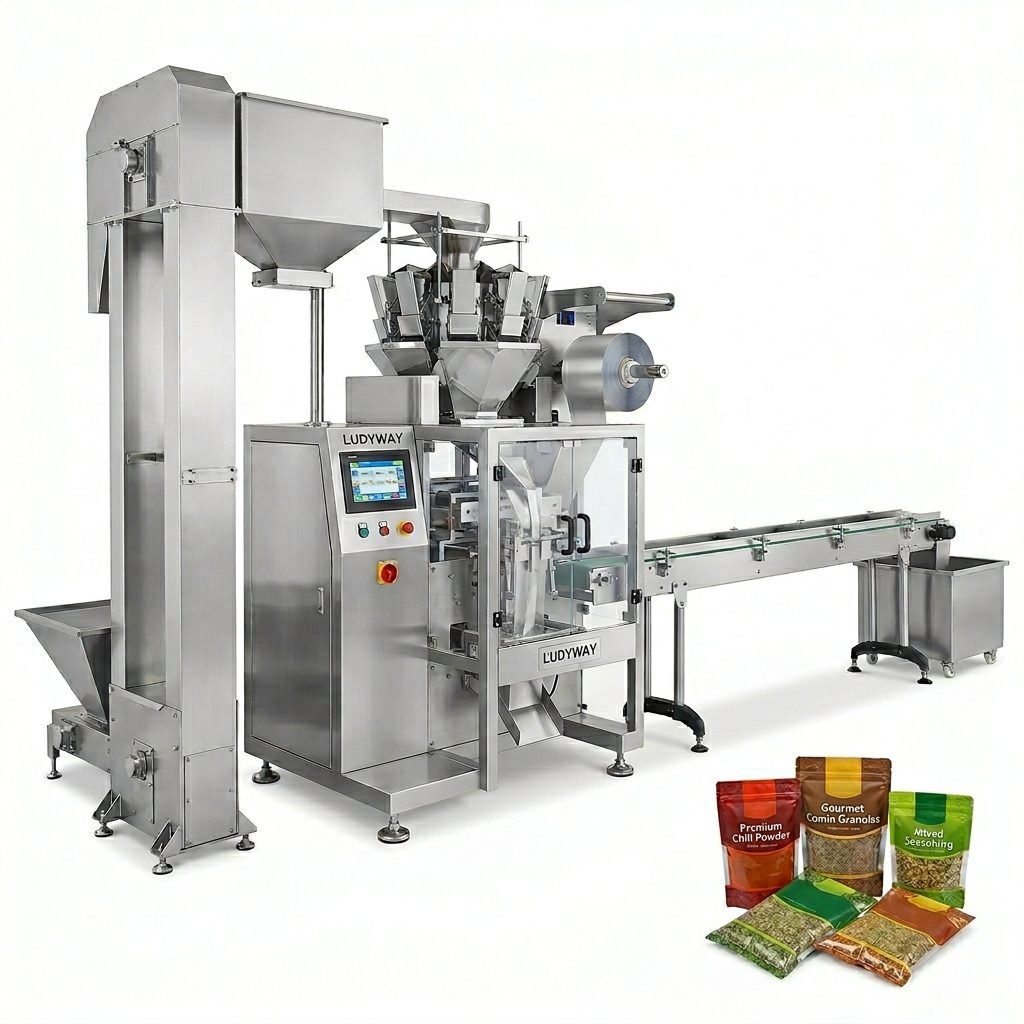
- Multi-Head Weigher or Auger Filler: Precision dosing systems for accurate weight control (±0.5g tolerance)
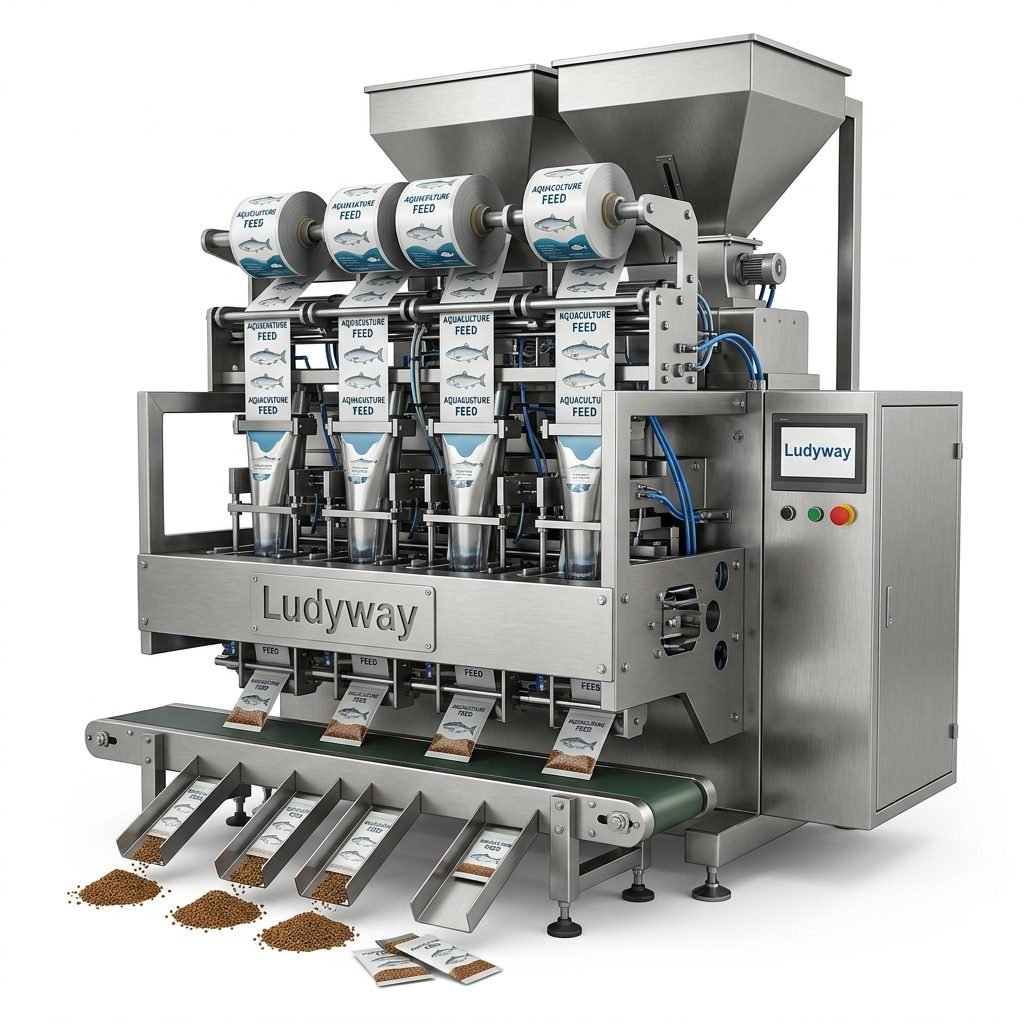
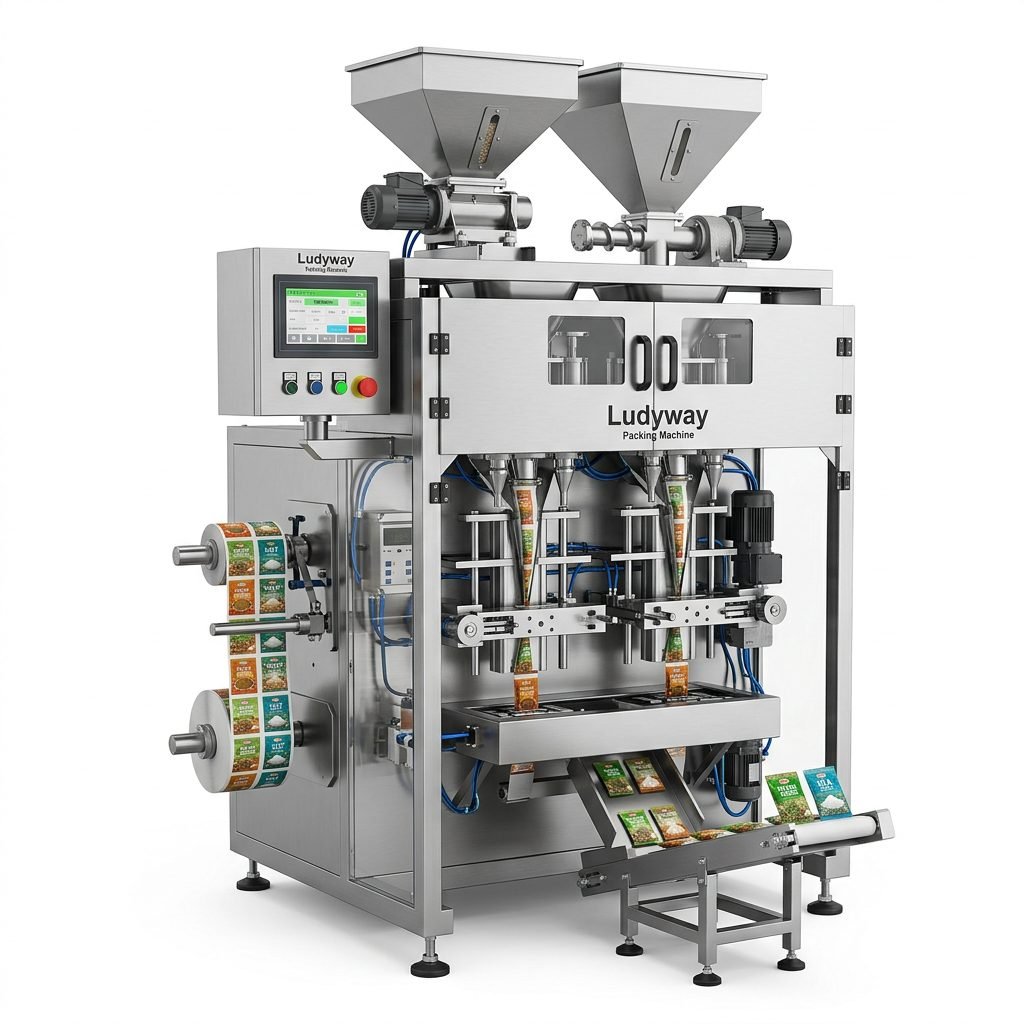
- Vertical Form Fill Seal (VFFS) Machine: The core packaging unit that forms pouches from roll stock film
- Multi-Lane Stick Pack Machine: High-speed option for single-serve seasoning sachets
- Checkweigher: In-line weight verification to ensure compliance with ISO packaging standards
- Metal Detector: Critical for food safety and contaminant detection
- Thermal Transfer Printer: Batch coding and date marking for traceability
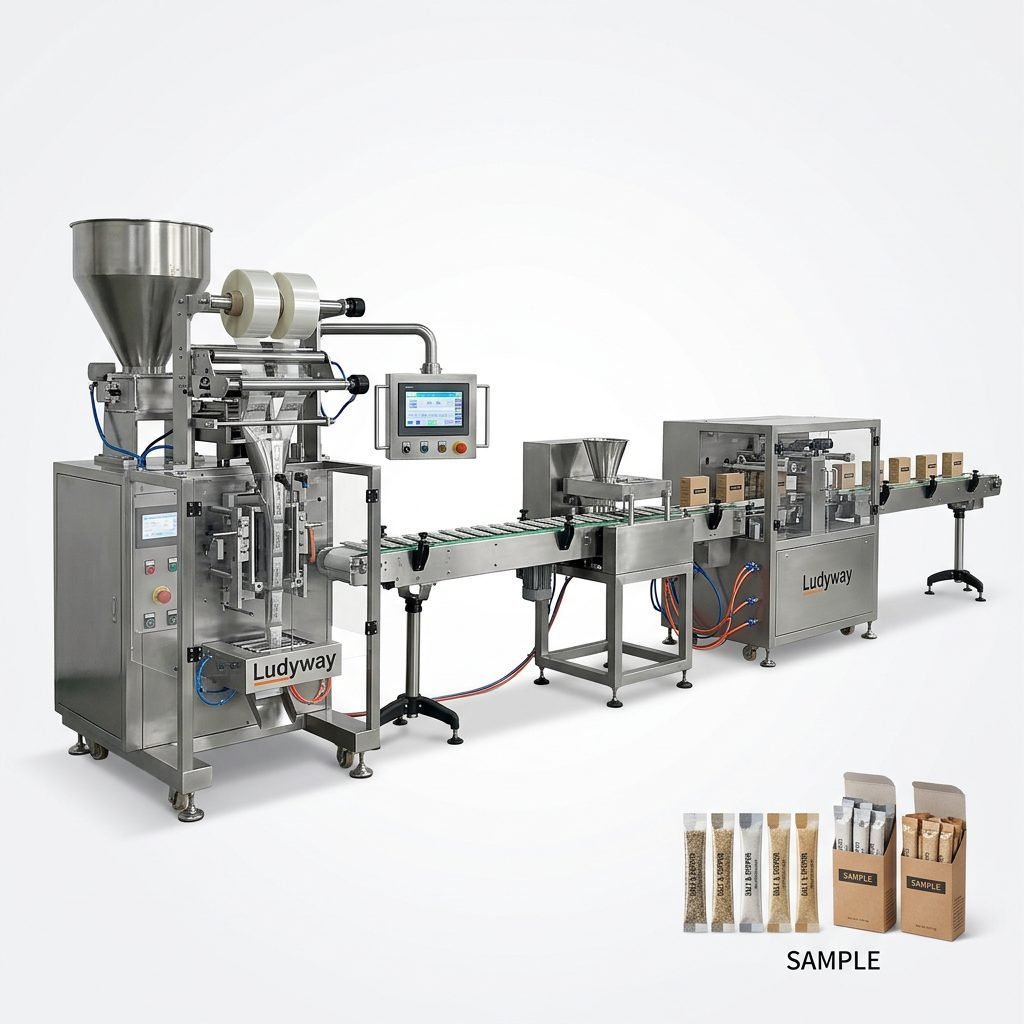
- Cartoning Machine: Automated packing of finished sachets into cartons
- Palletizing System: End-of-line automation for efficient warehouse handling
Auxiliary Equipment and Considerations
Beyond the primary packaging machinery, consider these supporting systems:
- Nitrogen flushing systems for extended shelf life of seasoning products
- Dehumidification units to protect hygroscopic seasoning powders from moisture
- Dust extraction systems for operator safety and equipment longevity
- Conveyor systems linking each stage of the production line
Pre-Installation Planning: Infrastructure and Facility Requirements
Before importing your packaging machinery, you must prepare your facility properly. Critical considerations include:
| Requirement | Specification | Notes |
|---|---|---|
| Power Supply | 380V/50Hz three-phase (varies by country) | Stabilizers may be needed in areas with inconsistent grid power |
| Compressed Air | 0.6–0.8 MPa, oil-free, dry | Essential for pneumatic components on packaging machines |
| Cleanroom Standards | ISO 8 (Class 100,000) minimum | Required for food-grade seasoning production |
| Floor Space | 200–500 m² for a mid-scale line | Includes room for raw material staging and finished goods |
| Temperature & Humidity | 20–25°C, <60% RH | Prevents powder clumping and packaging film issues |
Regulatory Compliance and Food Safety Standards
Operating a food packaging facility in Africa requires adherence to both local regulations and international standards. The FDA Food Packaging Guidelines serve as a global benchmark, but each African nation has its own regulatory body. Key compliance areas include:
- Food contact materials: All packaging film and machine components in contact with seasoning must be food-grade certified
- GMP (Good Manufacturing Practices): Required for hygienic production environments
- Product traceability: Batch coding systems for recall readiness
- HACCP principles: Hazard analysis for critical control points along the packaging line
Logistics, Import Procedures, and Installation
Importing packaging machinery into Africa involves navigating customs processes, tariffs, and logistics. Plan for 8–14 weeks from order to delivery, depending on the origin country and destination port. Partnering with an experienced equipment supplier simplifies this process significantly. Ludyway, a packaging machine manufacturer with over 30 years of industry expertise, provides turnkey support including shipping, installation, and training for African clients.
Step-by-Step Installation Process
- Pre-shipment inspection (PSI): Verify equipment functionality before shipping
- Customs clearance: Work with a local clearing agent familiar with industrial machinery imports
- On-site mechanical installation: Position, level, and secure all equipment
- Electrical and pneumatic connections: Certified local technicians under manufacturer guidance
- Dry run testing: Run machines without product to verify mechanical function
- Commissioning with product: Fine-tune settings with actual seasoning materials
- Operator training: Comprehensive training for machine operators and maintenance staff
Choosing the Right Packaging Materials
The performance of your seasoning packaging line depends heavily on film quality. For powdered seasonings, multi-layer laminated films are the industry standard. Common film structures include:
- PET/AL/PE: Excellent moisture and oxygen barrier for hygroscopic seasonings
- BOPP/CPP: Cost-effective option for products with shorter shelf-life requirements
- Paper/PE/AL/PE: Premium feel with superior barrier properties
The Flexible Packaging Association provides valuable insights into film specifications and industry trends. Film selection must consider the tropical climate conditions prevalent in many African regions, where high humidity can affect both product quality and packaging integrity.
Maintenance, Spare Parts, and After-Sales Support
Reliable after-sales support is essential for maintaining production uptime in African operations. Establish a preventive maintenance schedule covering daily, weekly, and monthly tasks. Maintain an inventory of critical spare parts including:
- Sealing jaws and heating elements
- Forming tubes and collars
- Sensors and thermocouples
- Pneumatic cylinders and valves
- Drive belts and bearings
Remote diagnostic capabilities via IoT-enabled machines allow manufacturer technicians to troubleshoot issues without on-site visits — a valuable feature for African operations where specialized technical support may be limited.
Cost Estimation and ROI Analysis
A complete seasoning packaging production line for the African market represents a significant investment. Key cost factors include:
| Cost Component | Estimated Range (USD) | Notes |
|---|---|---|
| Multi-lane stick pack machine (4-lane) | $45,000 – $85,000 | Depends on speed and features |
| Auxiliary equipment (total) | $30,000 – $60,000 | Feeders, checkweigher, metal detector, printer |
| Shipping and insurance | $8,000 – $15,000 | To major African ports |
| Installation and training | $5,000 – $12,000 | On-site support from manufacturer |
| Total Estimated Investment | $88,000 – $172,000 | Excluding facility costs |
With a well-configured line producing 60–100 sachets per minute and a gross margin of 30–50% on packaged seasonings, most manufacturers achieve ROI within 18–24 months.
Common Challenges and Solutions for African Operations
Operating a seasoning packaging line in Africa presents unique challenges that require proactive planning:
| Challenge | Recommended Solution |
|---|---|
| Unstable power supply | Install voltage stabilizers and backup generators |
| High humidity environment | Climate-controlled production area with dehumidifiers |
| Limited local technical expertise | Comprehensive operator training and remote support contracts |
| Spare parts availability | Maintain critical spare parts inventory; use DHL/FedEx for urgent orders |
| Packaging film supply chain | Establish relationships with multiple film suppliers or import in bulk |
Future-Proofing Your Seasoning Packaging Line
The African packaging industry is evolving rapidly, influenced by global trends in sustainability and automation. According to PMMI’s 2025 State of the Industry report, manufacturers are increasingly adopting smart packaging technologies. Consider these forward-looking strategies:
- Recyclable and biodegradable films: Align with emerging African environmental regulations
- IoT-enabled machinery: Real-time production monitoring and predictive maintenance
- Flexible equipment design: Machines that can handle multiple packaging formats and sizes
- Energy-efficient components: Reduce operational costs in regions with high electricity prices
Conclusion: Building a Competitive Seasoning Packaging Operation in Africa
Setting up a seasoning packaging machine production line in Africa is a substantial but rewarding undertaking. Success depends on careful planning across multiple dimensions: selecting the right equipment configuration, preparing adequate facility infrastructure, ensuring regulatory compliance, and establishing reliable supply chains. The African seasoning market’s growth trajectory makes this an opportune moment for investment, particularly with multi-lane stick pack and sachet systems that offer the cost-efficiency and format flexibility that African consumers demand.
For manufacturers seeking reliable packaging machinery and turnkey solutions, companies like Ludyway offer comprehensive support from equipment selection through to installation and after-sales service in over 100 countries. With the right partner and a well-executed plan, your African seasoning packaging operation can achieve strong profitability and sustainable growth in one of the world’s most dynamic food markets.