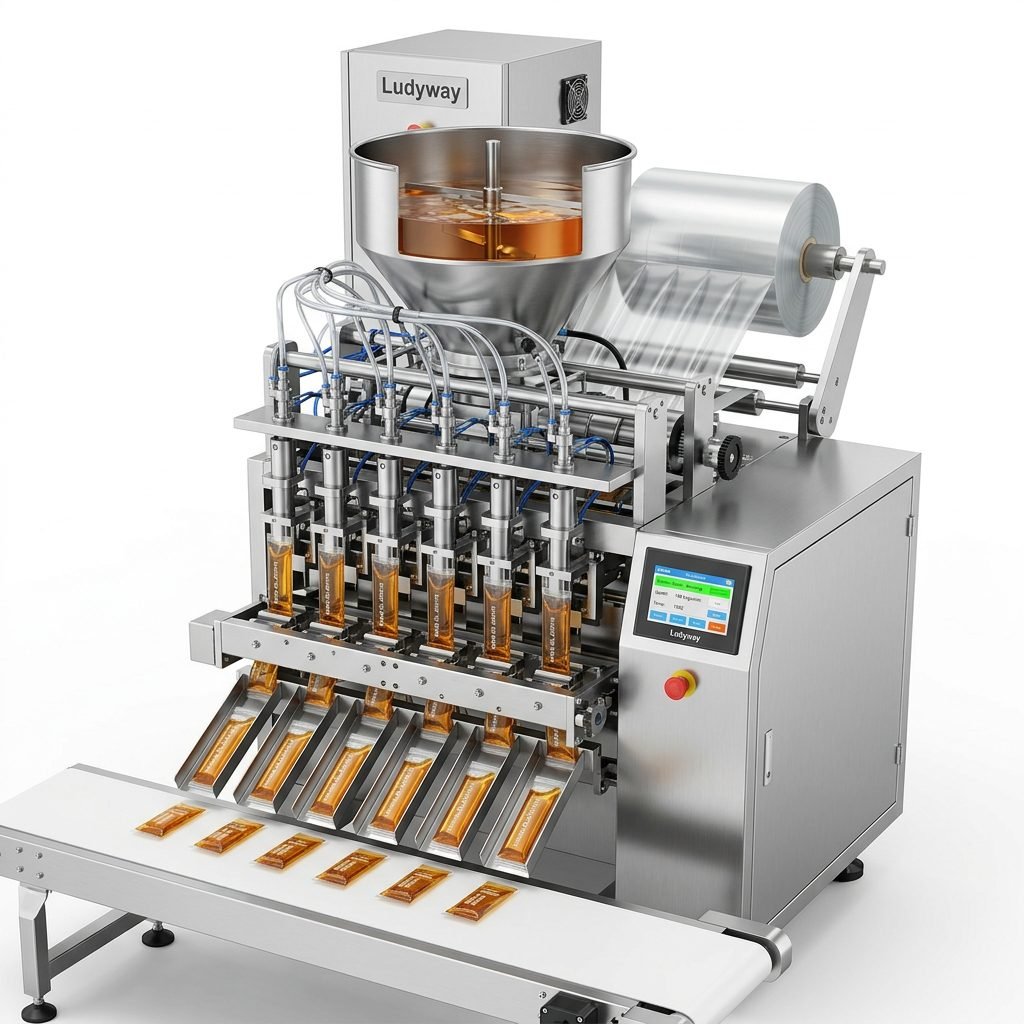
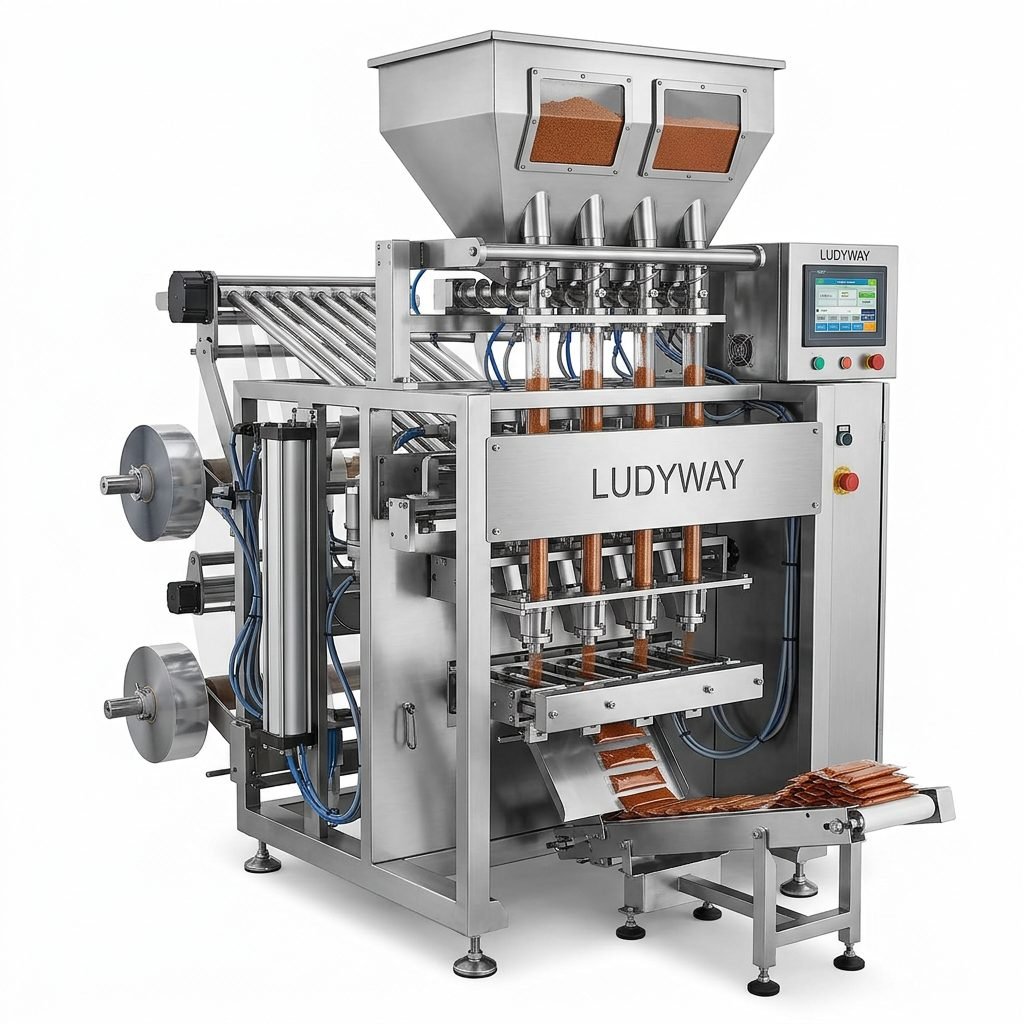
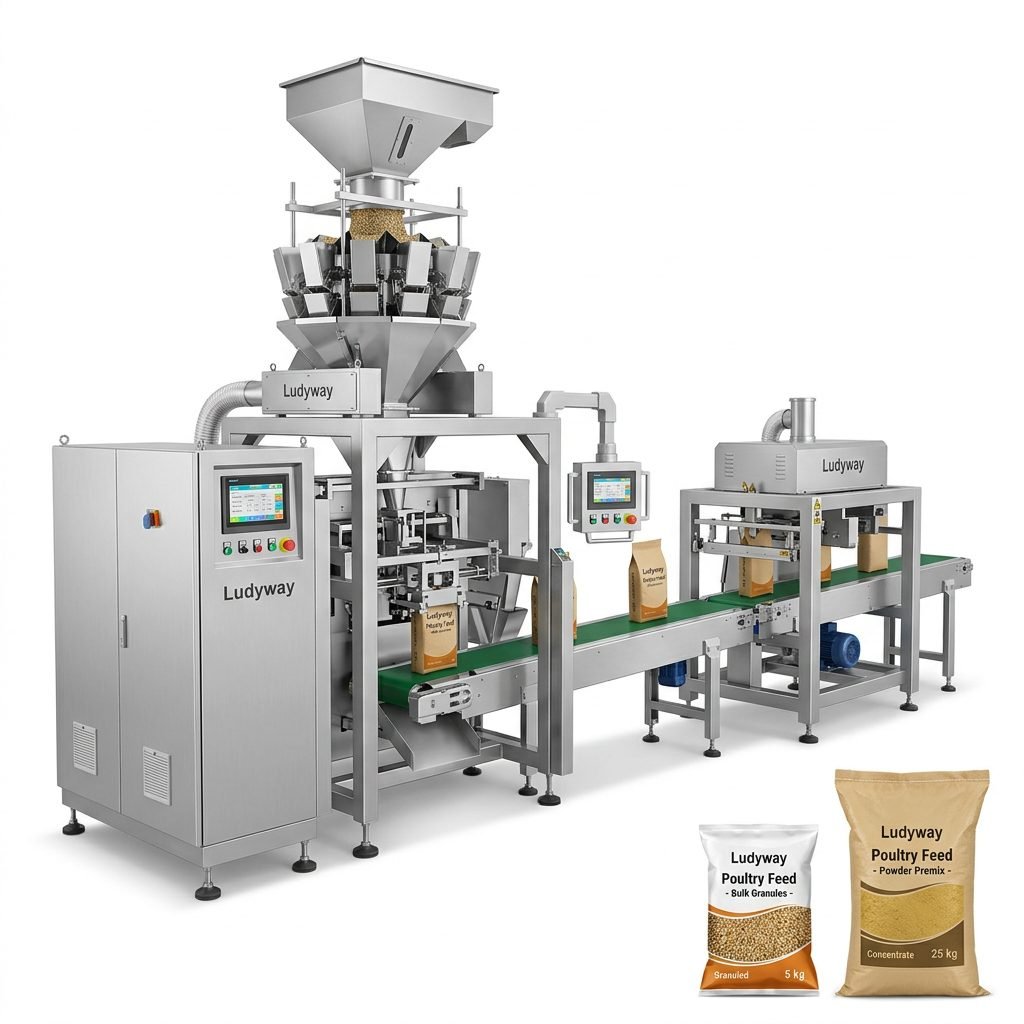
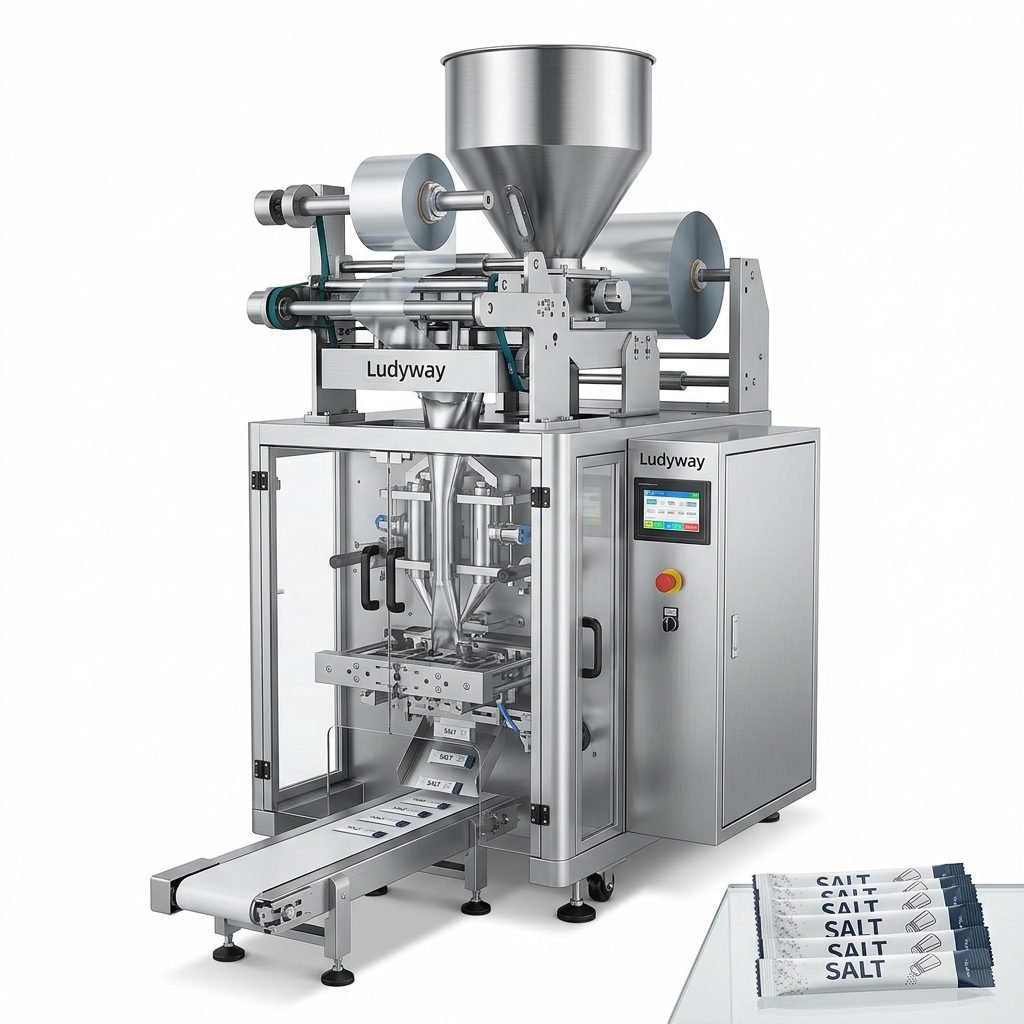
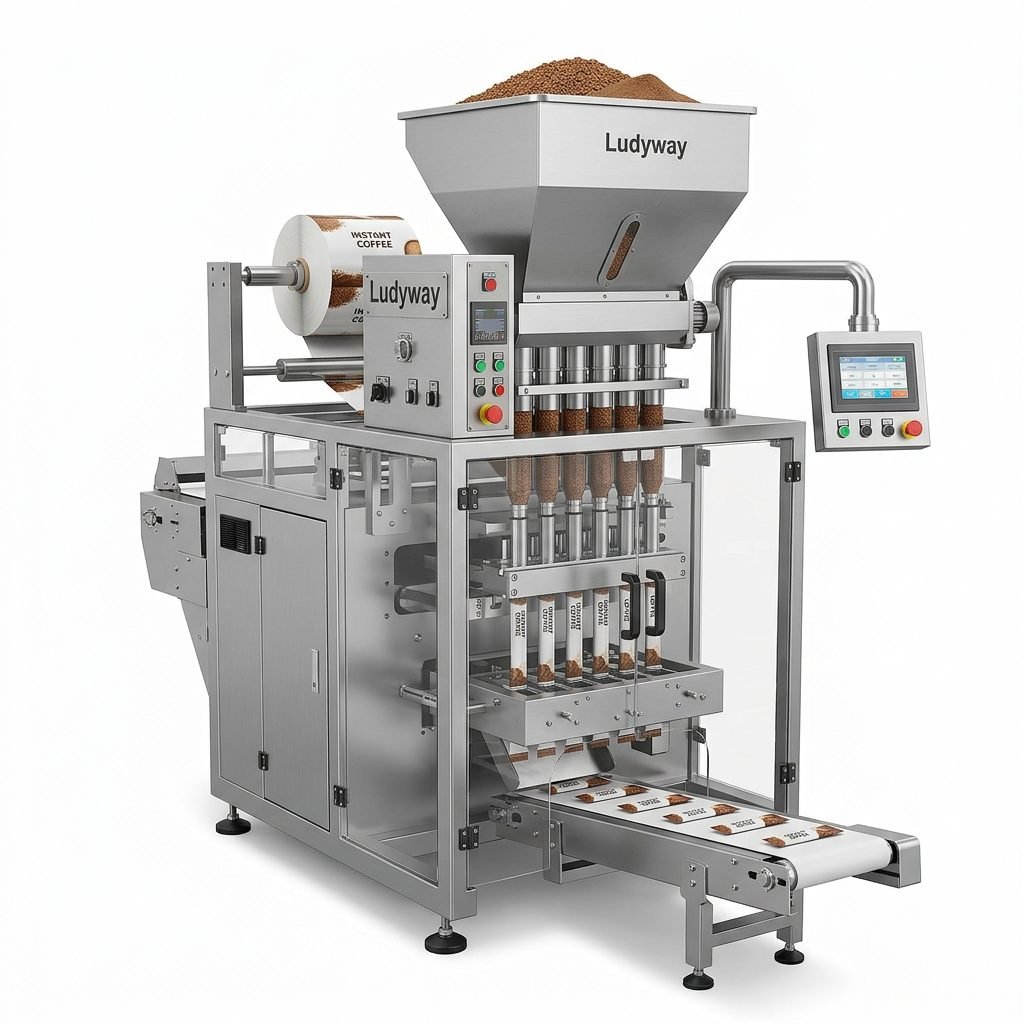
In the dynamic world of food and consumer goods, individual cookie packaging has become a critical operation. It ensures product freshness, hygiene, and brand appeal while meeting logistical demands. The right packaging machine is the cornerstone of this process, directly impacting efficiency, cost, and product quality. This guide delves into the essential aspects of individual cookie packaging machines, exploring their types, key features, and providing a structured approach to selecting the optimal equipment for your production line.
Understanding the Core Types of Individual Cookie Packaging Machines
The market offers a variety of packaging machines, each designed for specific production scales, cookie types, and packaging materials. Understanding these categories is the first step toward making an informed decision.
Vertical Form-Fill-Seal (VFFS) Machines
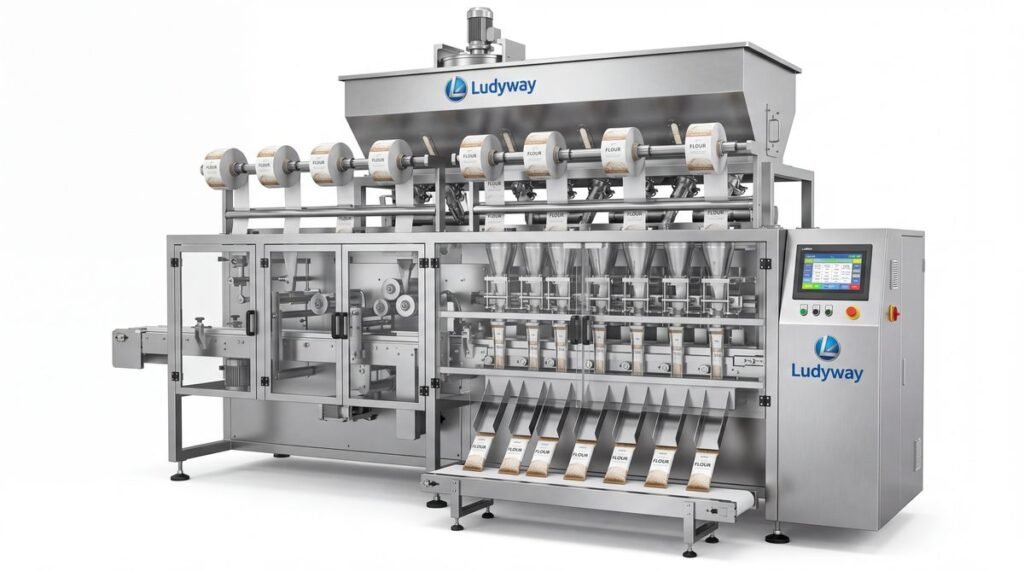
These are highly versatile and common machines. They form packaging from a roll of film, fill it with the product, and then seal it—all in a continuous vertical process. They are excellent for high-speed production of pillow-style bags and are ideal for loose, non-fragile cookies that can be dropped into the forming tube.
Key Advantage: High speed and efficiency for large-volume runs. They offer great flexibility in bag size changes.
Horizontal Flow-Wrap Machines
This type is often the preferred choice for individually wrapping pre-formed cookies, biscuits, or cookie bars. The product is placed on a flat web of film, which is then wrapped around it and sealed on the bottom and ends. This method provides a neat, snug fit that is visually appealing and offers good protection.
Ideal For: Delicate, fancy, or irregularly shaped cookies that require gentle handling and a premium presentation. The horizontal process minimizes product stress.
Tray Sealing and Skin Packaging Machines
For premium cookie packaging, especially for gift boxes, assortments, or single-serve trays, these machines are paramount. They place cookies on a pre-formed plastic or paperboard tray and seal a top film over it. This method offers superior product visibility, excellent barrier properties, and a high-end look that enhances shelf presence.
Critical Features to Evaluate in a Packaging Machine
Beyond the basic type, several features determine a machine’s performance, reliability, and suitability for your specific cookies.
Speed and Production Capacity
Measured in packs per minute (PPM), this must align with your current and projected output. A machine that is too slow creates bottlenecks, while an excessively fast one may be an unnecessary capital investment if not fully utilized.
Flexibility and Changeover Time
How quickly can the machine switch between different cookie sizes or packaging materials? Quick-change mechanisms for forming tools, film reels, and sealing jaws are crucial for manufacturers running multiple product lines, as they minimize downtime and maximize productivity.
Gentle Product Handling
Cookies can be fragile. Look for machines with soft-drop mechanisms, gentle pushers, or servo-driven conveyors that precisely control movement. This feature is non-negotiable for maintaining low breakage rates and perfect final presentation.
Sealing System and Integrity
A consistent, strong seal is vital for shelf life. Evaluate the sealing technology—whether it’s thermal, impulse, or ultrasonic—and ensure it works perfectly with your chosen packaging film. Machines with real-time seal monitoring and alarm systems can prevent costly recalls by catching defects immediately.
Automation and Integration Level
Modern machines often feature PLC controls with user-friendly touchscreen HMIs. Consider the level of automation you need: from basic semi-automatic feeding to fully integrated lines with upstream depositors and downstream cartoning machines. Integration capability is key for future expansion.
A Step-by-Step Guide to Choosing the Best Machine
Selecting the right equipment is a strategic decision. Follow this structured approach to narrow down your options.
Step 1: Define Your Product and Packaging Specifications
Start with the cookie itself. What are its dimensions, weight, and fragility? Then, define your packaging: material type (polypropylene, metallized film, etc.), bag/tray size, and required sealing type. This forms your core technical requirement list.
Step 2: Analyze Your Production Volume and Goals
Calculate your required output in packs per shift. Be realistic about growth projections for the next 3-5 years. This will dictate whether you need a mid-range machine or a high-speed model. Don’t over-specify, as it increases both initial cost and operating expense.
Step 3: Assess Key Machine Features Against Your Needs
Match the features discussed earlier against your list from Step 1. Prioritize them. For instance, if you run 10 different cookie varieties, changeover speed and flexibility become top priorities. If your cookies are very delicate, product handling is paramount.
Step 4: Evaluate Supplier Credibility and Support
The machine is only as good as the company behind it. Research potential suppliers like Ludyway Machinery, examining their industry experience, manufacturing capabilities, and portfolio of successful projects. A supplier with over 30 years of industry experience often brings invaluable practical knowledge. Crucially, investigate their after-sales service, availability of spare parts, and technical support network.
Step 5: Consider Total Cost of Ownership (TCO)
Look beyond the initial purchase price. Factor in installation costs, energy consumption, maintenance schedules, expected lifespan, and potential costs for spare parts and service contracts. A slightly more expensive but more reliable and efficient machine from a reputable supplier like Ludyway Packing Machine often has a lower TCO over its lifetime.
Step 6: Request a Product Test and See Demos
Never buy based on specifications alone. Provide your actual cookies and packaging materials to the shortlisted suppliers for a live machine test. This is the only way to verify performance, seal quality, and gentle handling. Observe the machine’s operation, noise level, and ease of use firsthand.
Conclusion: Investing in Precision and Reliability
Choosing the best individual cookie packaging machine is a multifaceted process that balances technical specifications, production economics, and long-term partnership with a reliable supplier. By thoroughly understanding the different machine types, critically evaluating essential features, and following a disciplined selection process, you can invest in a solution that not only meets today’s needs but also scales for future growth. The right machine becomes a reliable partner in building your brand, protecting your product, and satisfying your customers with every perfectly packaged cookie.
Frequently Asked Questions (FAQs)
What is the typical production speed range for an individual cookie packaging machine?
Speeds vary widely based on machine type and automation level. Semi-automatic machines may run at 30-60 packs per minute (PPM), while fully automated high-speed horizontal flow wrappers or VFFS machines can achieve 200-400 PPM or more for simple products.
Can one machine handle different sizes and shapes of cookies?
Yes, many modern machines are designed for flexibility. The key is the changeover time and process. Machines with quick-change tooling and servo-driven adjustments allow for faster size switches, making them suitable for production lines with multiple SKUs.
How important is the packaging material, and does the machine dictate what I can use?
Extremely important. The material (e.g., OPP, MET-PET, laminates) determines barrier properties, sealability, and appearance. The machine must be compatible with your chosen film’s thickness and sealing characteristics. Always test your specific material on the machine during trials.
What kind of maintenance do these machines require?
Regular preventive maintenance is crucial for longevity and avoiding unplanned downtime. This typically includes daily cleaning, weekly lubrication of moving parts, and periodic inspection of critical components like sealing jaws, cutters, and sensors. Your supplier should provide a detailed maintenance schedule.
What should I look for in terms of supplier support after purchase?
Prioritize suppliers who offer comprehensive after-sales service. This includes clear machine documentation (manuals, diagrams), readily available spare parts, responsive technical support (phone/remote/on-site), and operator training programs. A strong service agreement is a sign of a reliable long-term partner.