Asia has emerged as the fastest-growing market for seasoning and condiment production, driven by expanding food processing industries, rising disposable incomes, and increasing demand for convenience foods. Setting up a seasoning packaging machine production line in this region requires careful planning, understanding of local regulations, and selection of the right equipment to handle various seasoning types—from fine powders like turmeric and chili to granular blends and liquid sauces. This guide walks you through every critical step of establishing a high-efficiency seasoning packaging operation in Asia.
Understanding Your Seasoning Packaging Requirements
Before investing in machinery, you must clearly define your production goals. The packaging machinery market research from PMMI indicates that successful production lines start with a thorough needs assessment. Consider the following factors:
- Seasoning type: Is your product a free-flowing powder, sticky powder, granular blend, crystalline material, or liquid sauce? Each requires different filling mechanisms.
- Target output: Determine your desired production capacity in packs per minute (ppm). High-speed multi-lane machines can achieve 400-600 ppm, while single-lane systems typically run at 40-80 ppm.
- Packaging format: Stick packs, sachets, pouches, or bulk bags—each format serves different market segments and retail channels across Asian countries.
- Film material compatibility: Seasonings often require high-barrier films to prevent moisture absorption and preserve aroma. Ensure your machine handles materials like aluminum foil laminates, PET/PE, and BOPP/CPP composites.
- Regulatory compliance: Asian markets have varying standards—from FDA-equivalent requirements in some countries to local food safety certifications.
Key Equipment for a Seasoning Packaging Production Line
A complete seasoning packaging line consists of multiple integrated machines working in harmony. Understanding each component helps you make informed procurement decisions and ensures smooth operation from day one.
Multi-Lane Stick Pack Machines for Seasoning Powders
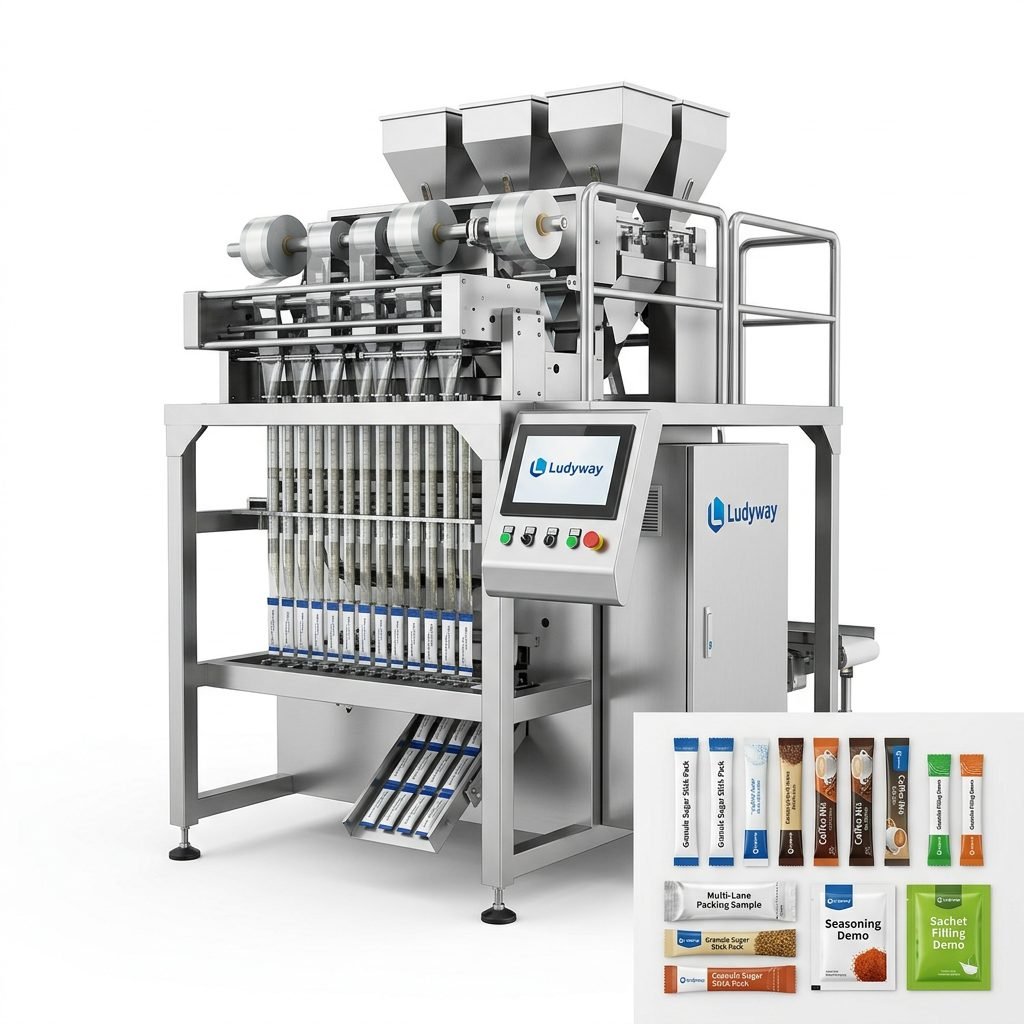
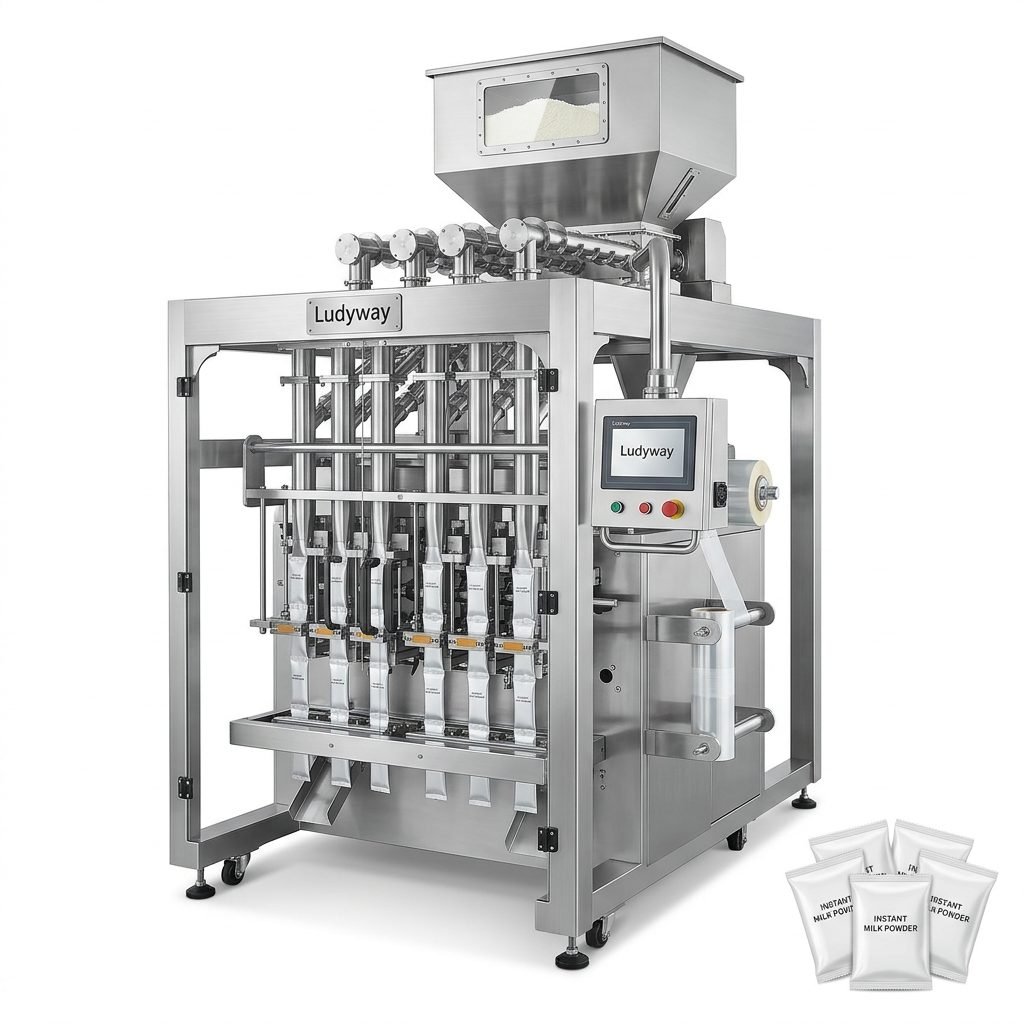
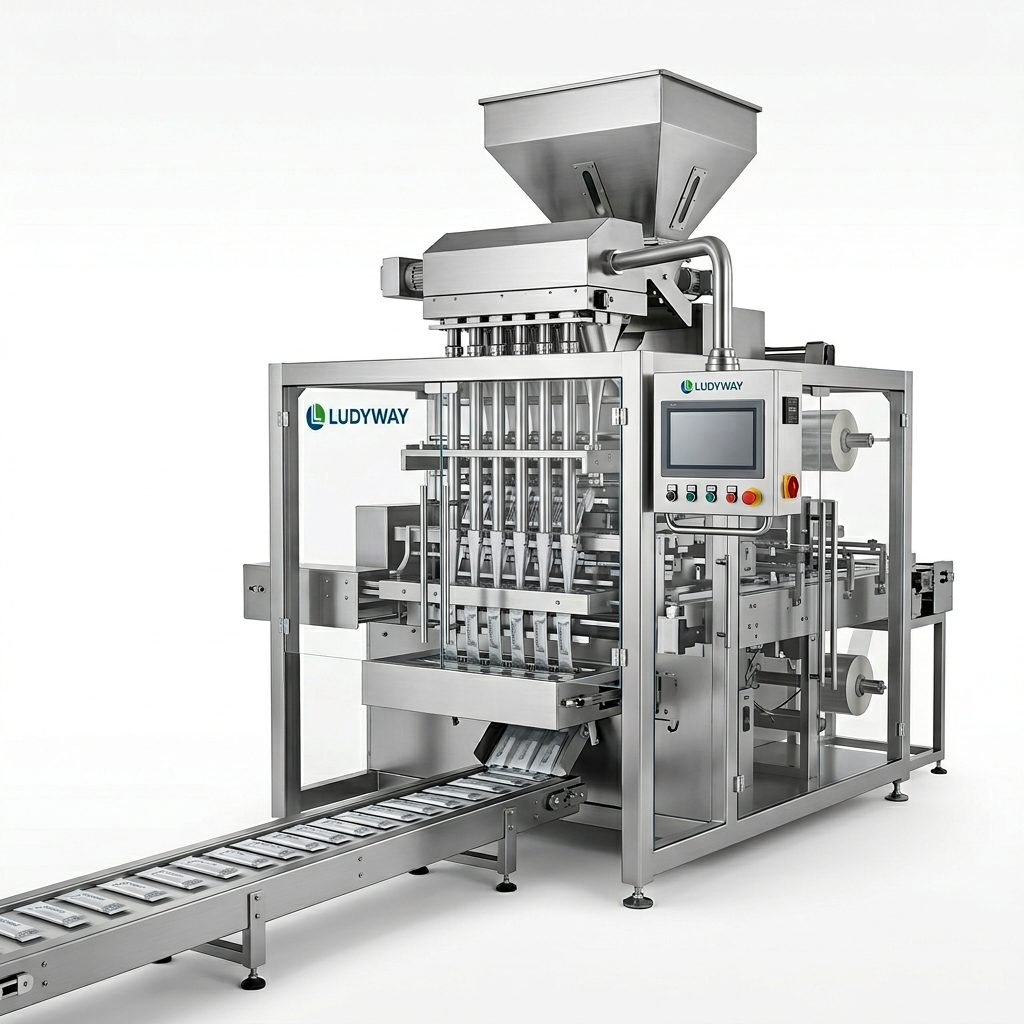
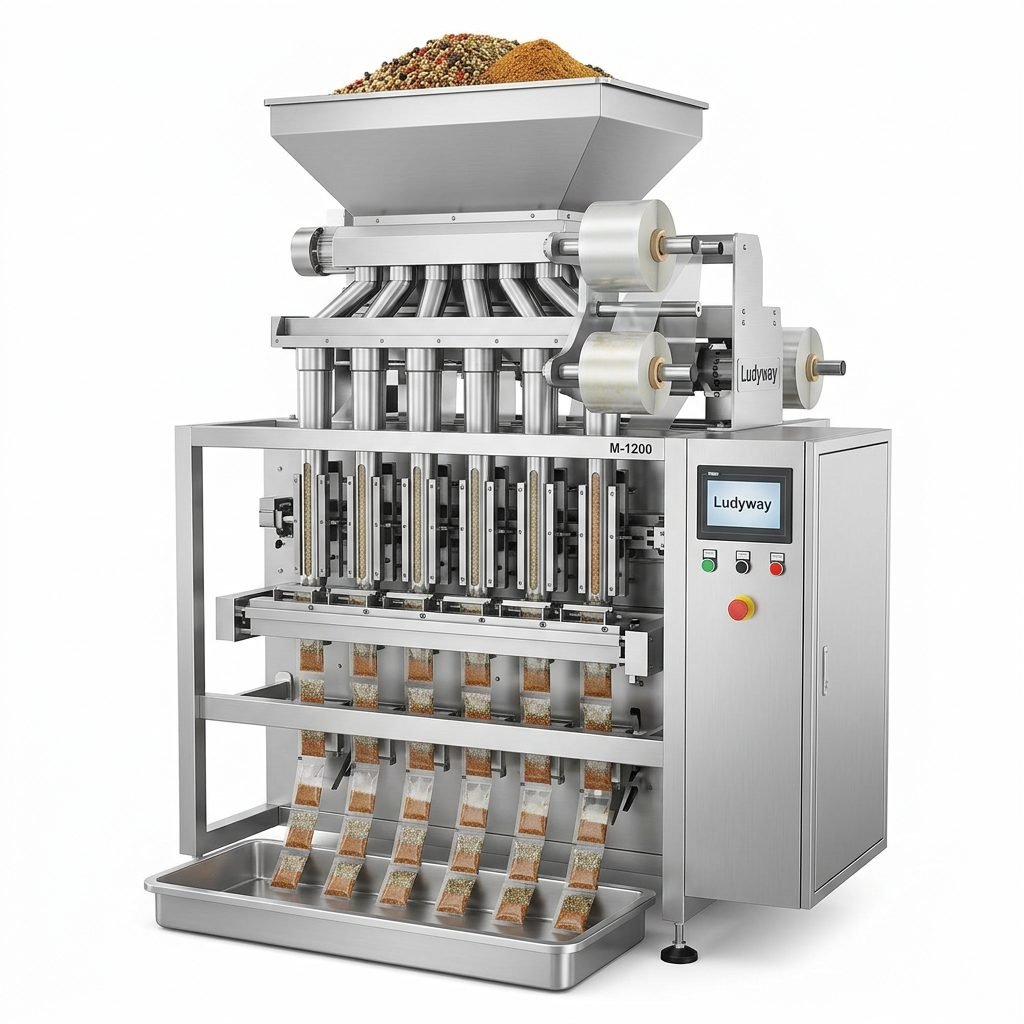
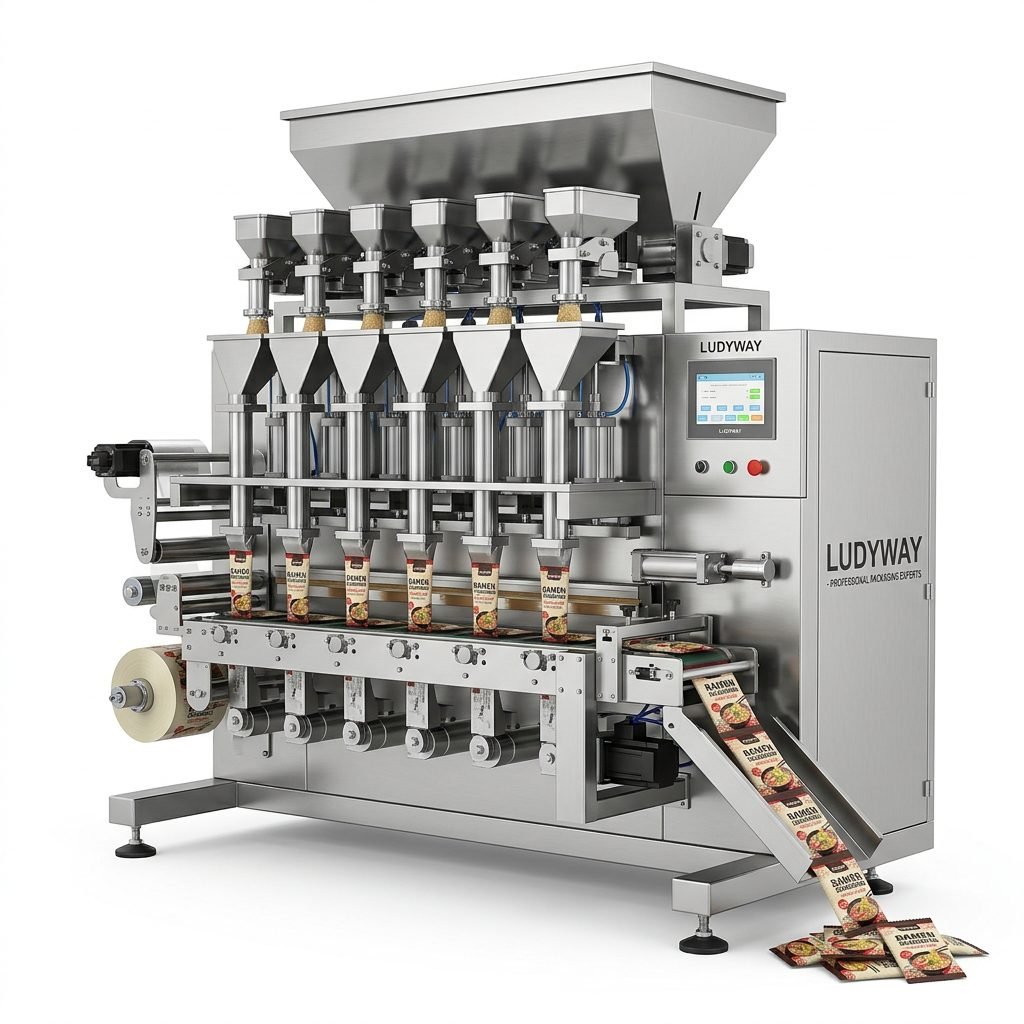
Multi-lane stick pack machines are the workhorse of modern seasoning packaging, offering unmatched speed and efficiency. These systems simultaneously form, fill, and seal multiple lanes—typically 4, 6, 8, 10, or 12 lanes—producing stick packs at rates exceeding 500 packs per minute. For seasoning powders like food-grade powders and ingredients, precision auger fillers or volumetric cup fillers ensure consistent portion control with minimal product waste. The vertical form-fill-seal (VFFS) configuration is particularly well-suited for Asian production environments where floor space efficiency is critical.
Sachet Packaging Systems for Diverse Seasoning Formats
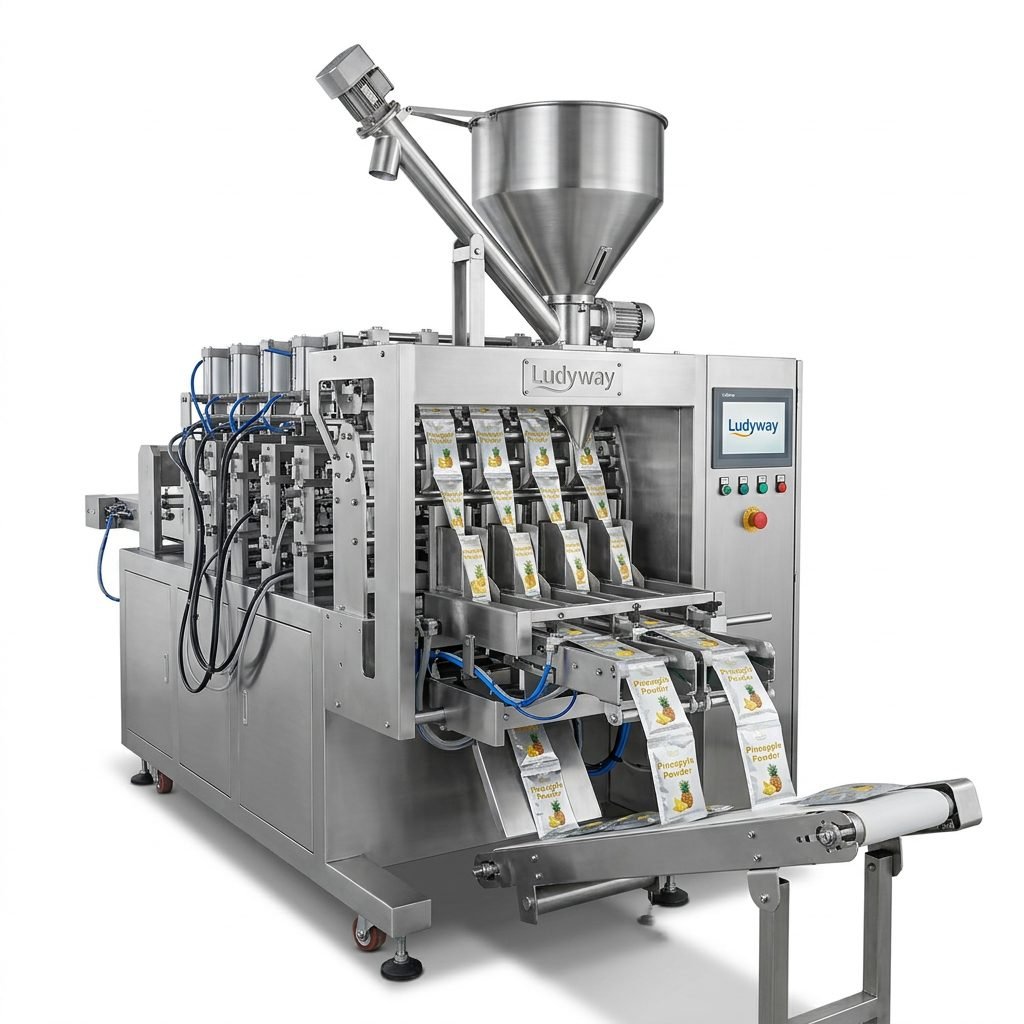
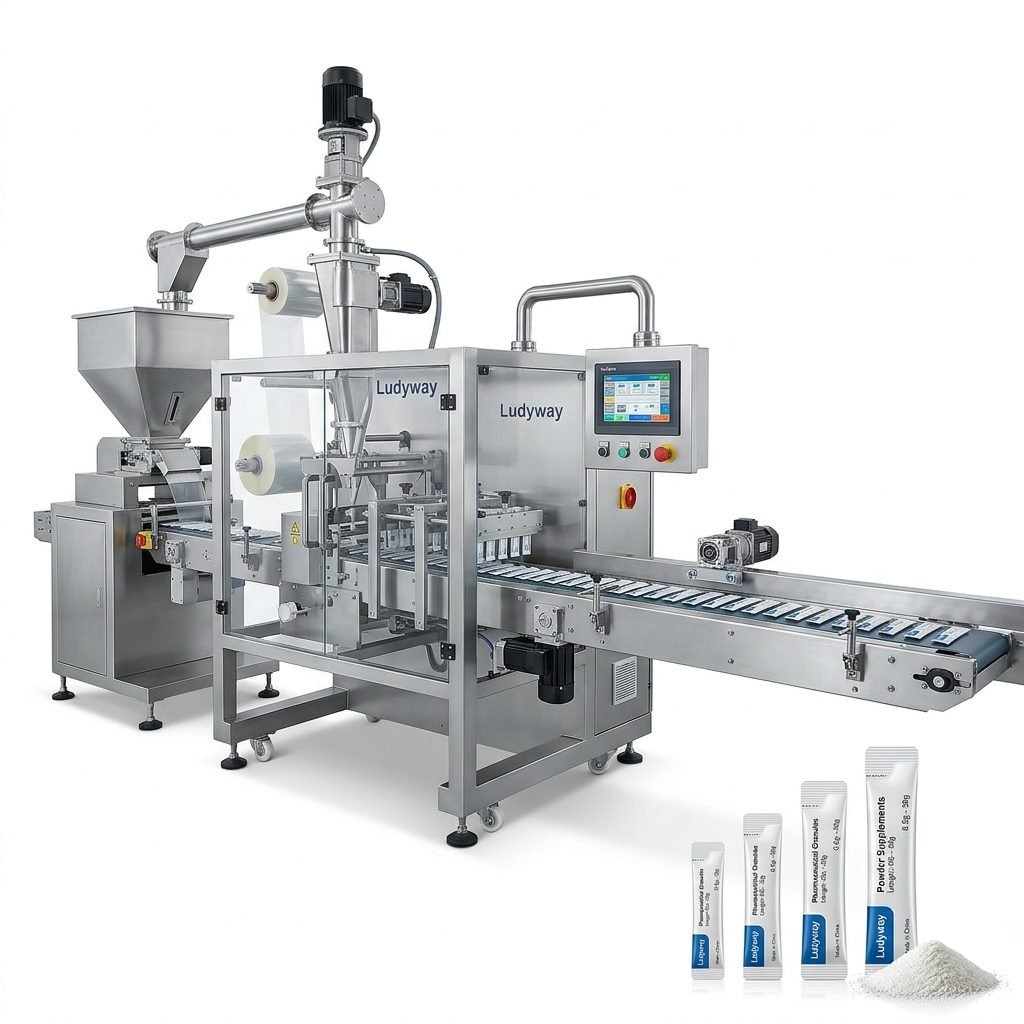
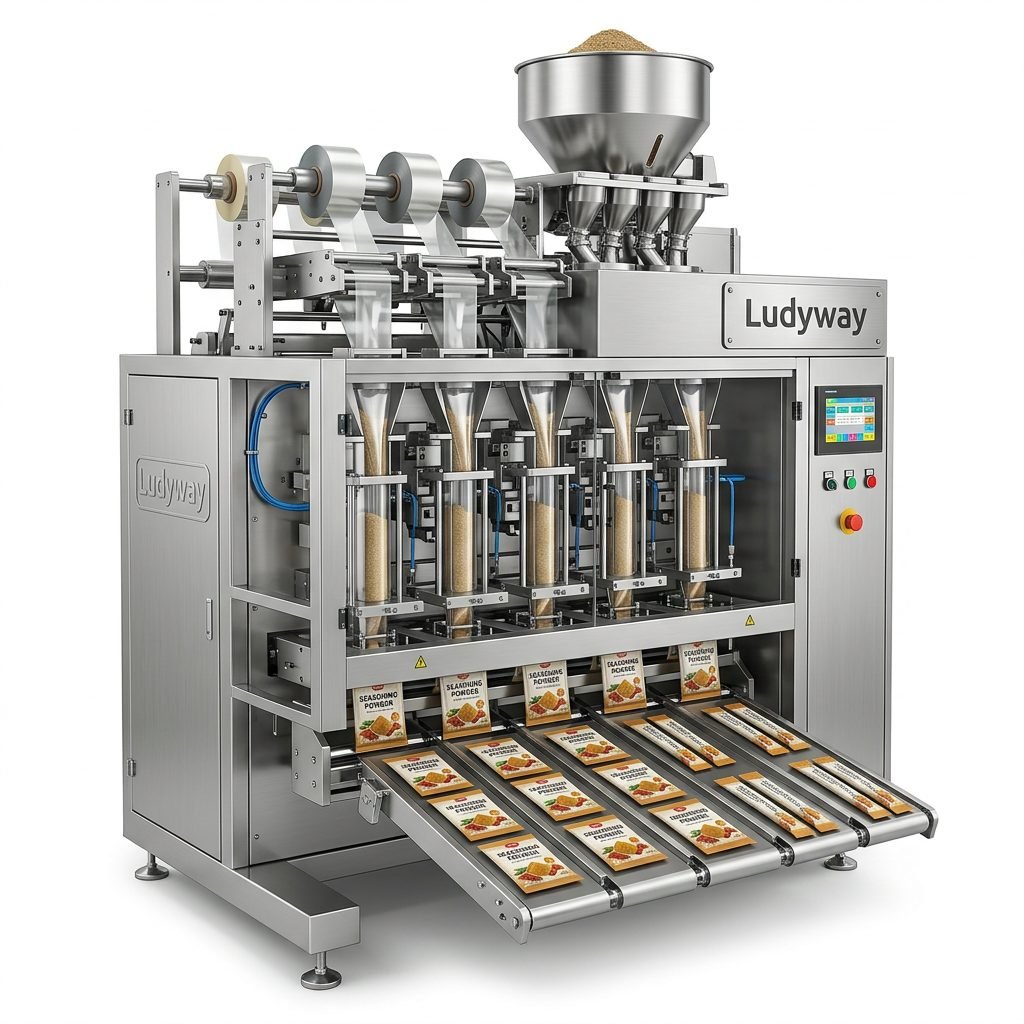
Sachet packaging remains dominant in many Asian markets due to its affordability and portion-control benefits. Modern sachet machines handle powders, granules, pastes, and liquid seasonings with quick changeover capabilities. Look for systems with servo-driven sealing jaws that provide precise temperature control—essential for heat-sensitive seasoning blends. The flexible packaging industry data shows that sachet formats continue to grow in the Asia-Pacific region, particularly for single-use seasoning portions used in instant noodle and ready-meal applications.
Step-by-Step Production Line Configuration
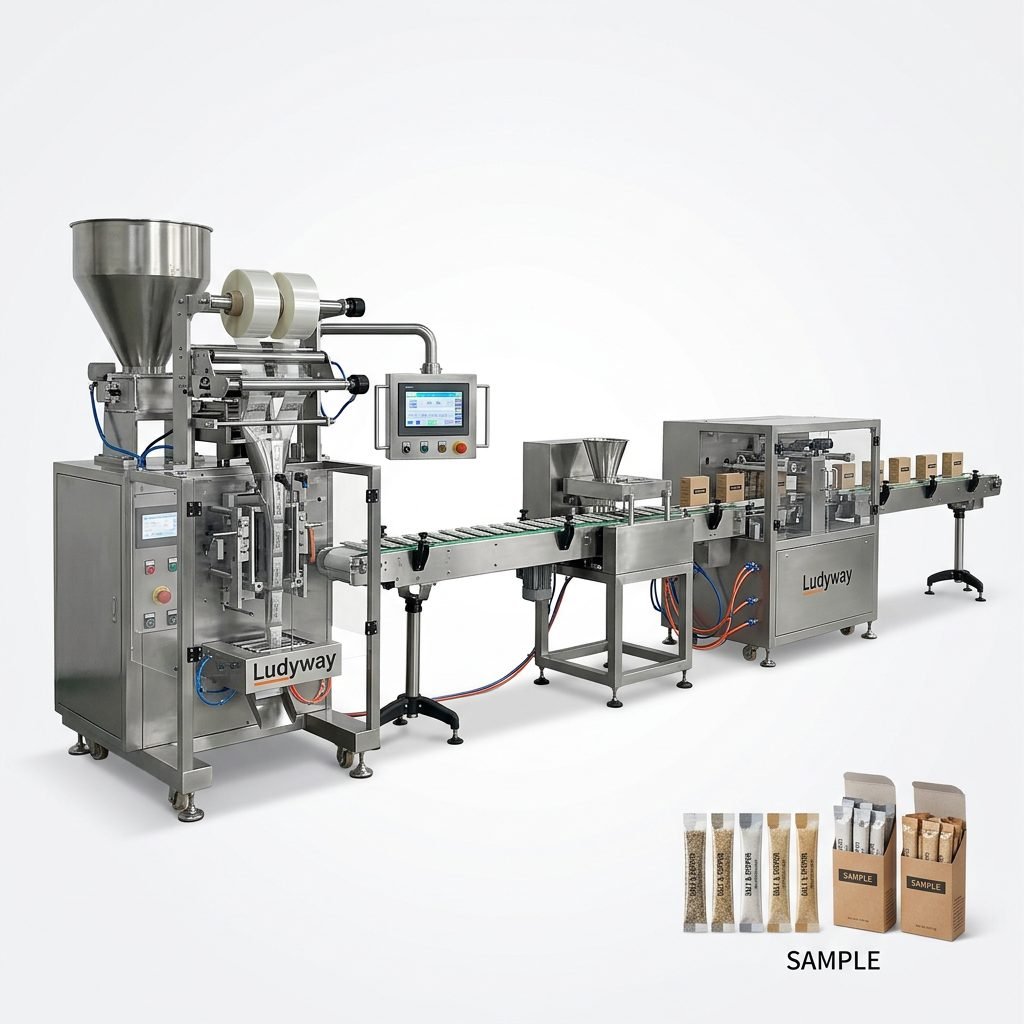
Building an efficient seasoning packaging line involves systematic integration of upstream and downstream equipment. Here is how a typical high-volume line is structured:
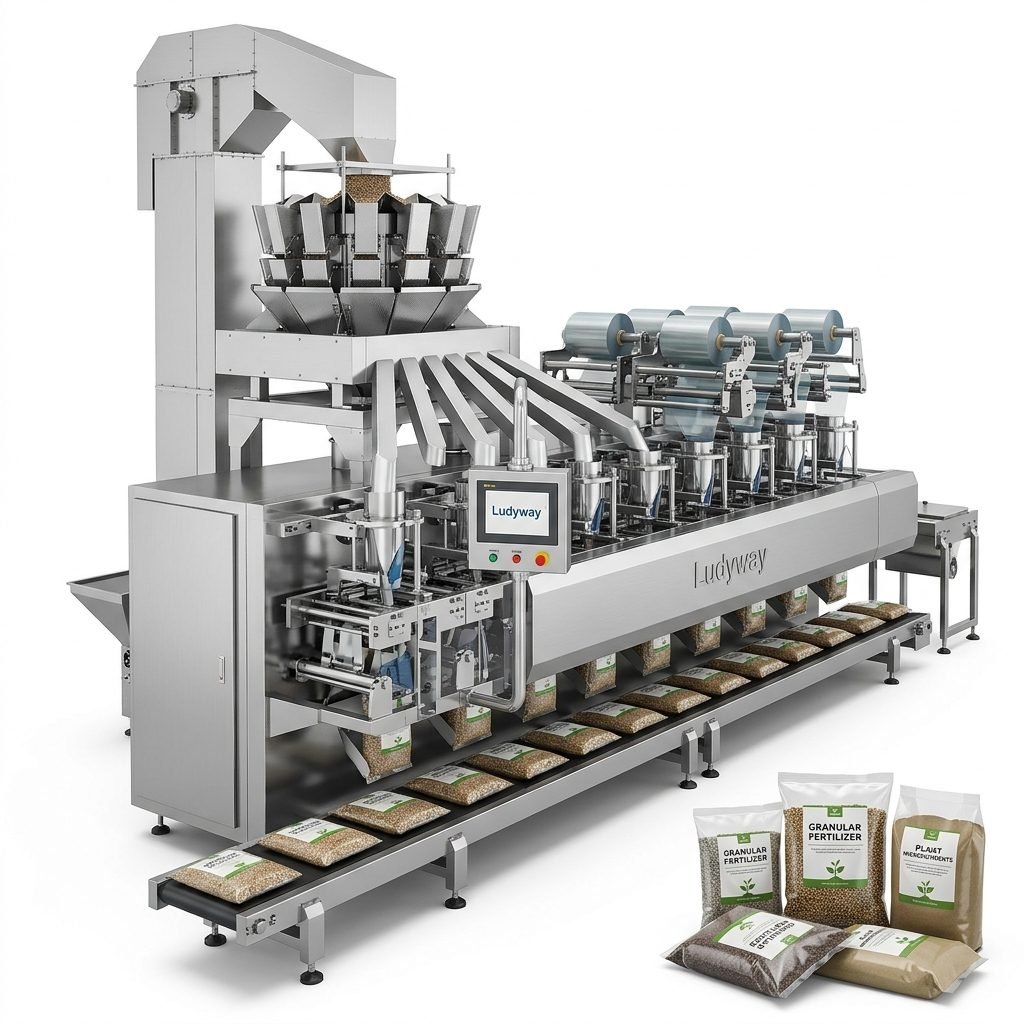
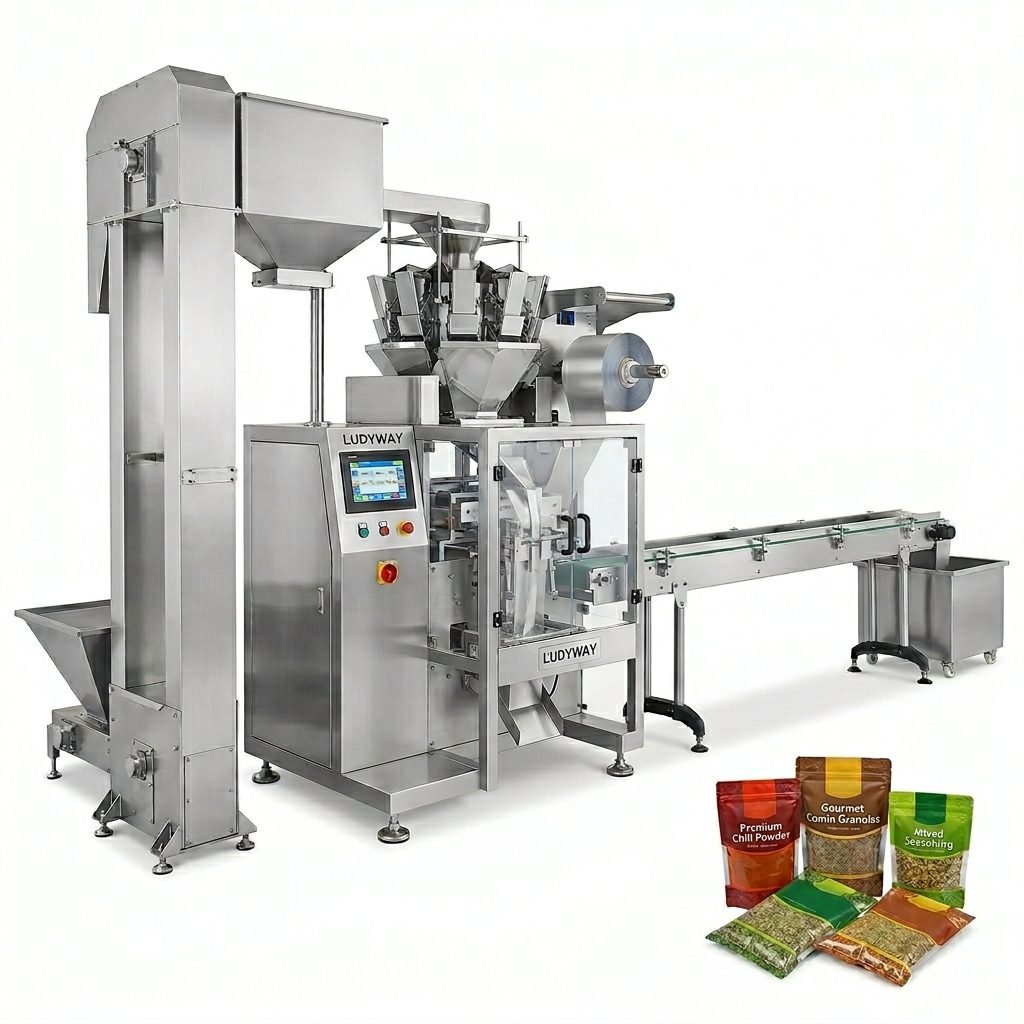
- Material Feeding System: Bulk seasoning is loaded into hoppers equipped with agitators to prevent bridging and ensure consistent flow. Vacuum conveyors or bucket elevators transport product to the packaging machine infeed.
- Primary Packaging Machine: The multi-lane stick pack or sachet machine performs film unwinding, forming, filling, sealing, and cutting. Integrated checkweighers verify fill accuracy in real time.
- Inspection and Rejection: Vision inspection systems and metal detectors identify defective packs or contaminants. Automatic rejection mechanisms remove non-conforming units without stopping production.
- Secondary Packaging: Cartoning machines collate individual packs into cartons or display boxes. Case packers then load cartons into shipping cases.
- End-of-Line Palletizing: Robotic palletizers stack cases onto pallets, ready for stretch wrapping and warehouse storage.
Machine Specifications Comparison
Selecting the right machine requires comparing key technical parameters. The following table outlines typical specifications for seasoning packaging equipment commonly deployed in Asian production facilities:
| Parameter | Stick Pack Machine | Sachet Machine | Bulk Bagging System |
|---|---|---|---|
| Production Speed | 200-600 ppm | 80-300 ppm | 5-20 bags/min |
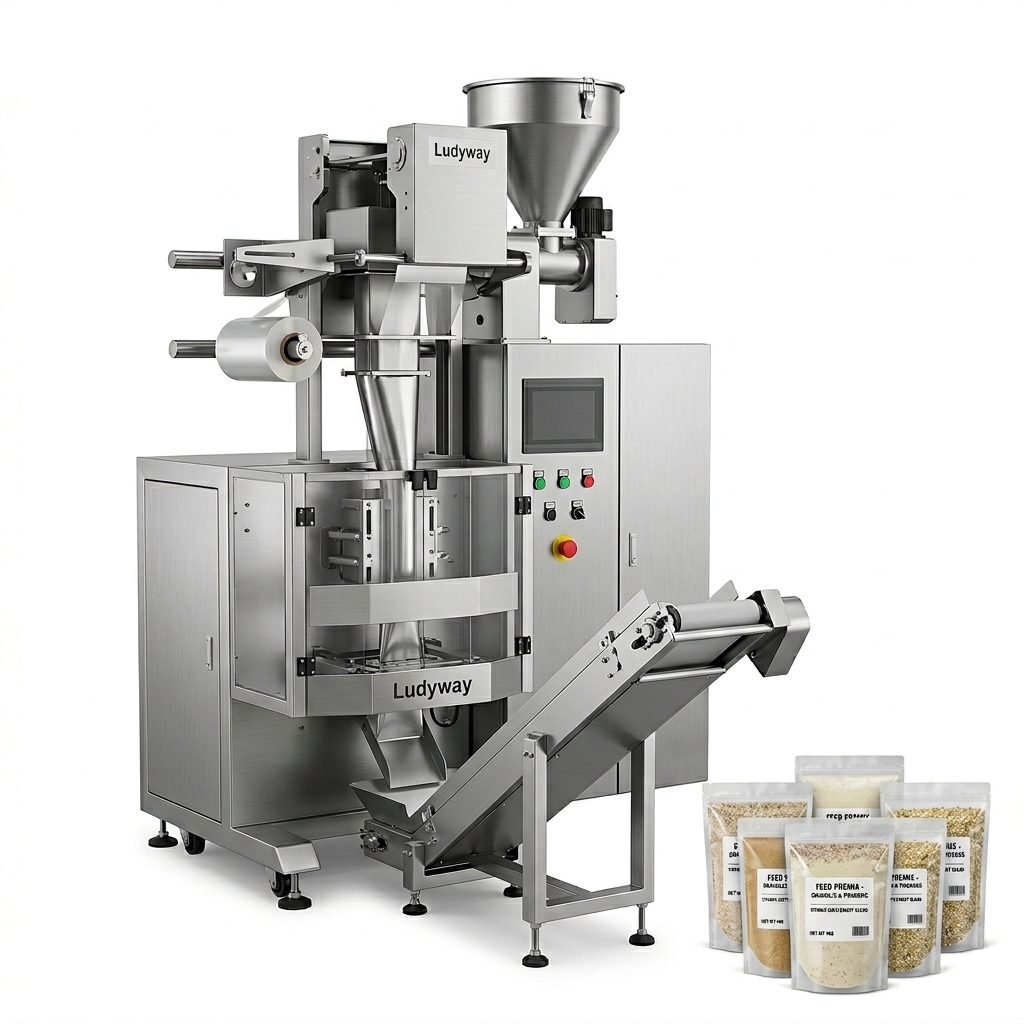
| Pack Size Range | 1-20 g (powder) | 5-100 g | 1-50 kg |
| Filling System | Auger / Volumetric Cup | Multi-head Weigher | Gravity / Belt Feeder |
| Film Compatibility | AL/PE, PET/PE, Paper/PE | BOPP/CPP, PET/AL/PE | Woven PP, Paper, PE |
| Typical Applications | Seasoning powder, spice blends | Curry paste, sauce sachets | Bulk seasoning for food service |
Installation and Commissioning Best Practices
Proper installation is the foundation of long-term machine reliability. In Asian manufacturing environments, humidity and temperature control deserve special attention due to tropical climate conditions in many countries. Follow these guidelines:
- Ensure the production floor is level and can support the machine’s operational weight, including vibration isolation pads where needed.
- Install dehumidification systems in the packaging area to prevent seasoning clumping and film adhesion issues caused by moisture.
- Verify electrical supply stability—voltage fluctuations common in some Asian industrial zones may require power conditioning equipment.
- Commission the line incrementally: test material feeding first, then individual filling stations, followed by sealing and cutting operations, before running at full speed.
- Conduct packaging validation tests including seal integrity checks, drop tests, and accelerated shelf-life studies before commercial production begins.
Navigating Asian Regulatory Compliance and Quality Standards
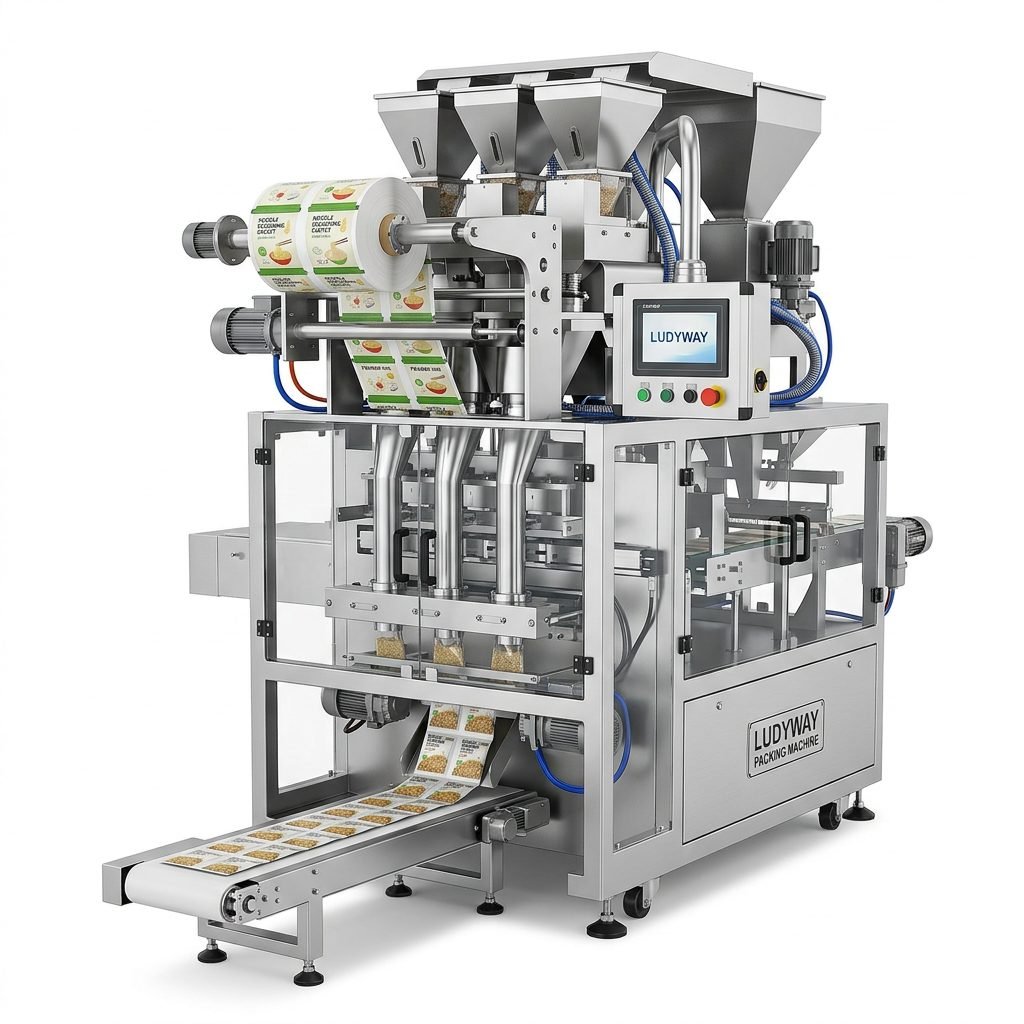
Each Asian country maintains distinct regulatory frameworks for food packaging. Manufacturers must stay informed about local requirements while aligning with international standards. Key considerations include:
- Food contact material regulations: Film materials must comply with local food safety laws. Refer to FDA guidance on food contact substances as a baseline reference adopted by many Asian regulatory bodies.
- GMP and HACCP compliance: Packaging facilities supplying international markets should implement Good Manufacturing Practices and Hazard Analysis Critical Control Point protocols.
- Halal certification: For seasonings targeting Muslim-majority markets in Southeast Asia, packaging materials and processes may require Halal certification.
- Label and coding requirements: Batch coding, production dates, and traceability markings are mandatory across most Asian jurisdictions. High-resolution inkjet or laser coders integrated into the packaging line ensure compliance.
Maintenance Strategies for Sustained Performance
A well-maintained seasoning packaging line delivers consistent output quality and extended machine lifespan. Develop a structured maintenance program that addresses the unique challenges of seasoning production:
- Daily cleaning protocols: Seasoning residues are hygroscopic and corrosive. Thorough cleaning of product contact surfaces prevents cross-contamination between batches and protects machine components.
- Sealing jaw maintenance: Check Teflon coating condition weekly. Worn coatings cause inconsistent seal quality and film sticking—a leading cause of rejects in seasoning packaging.
- Preventive parts replacement: Maintain an inventory of critical spare parts including heating elements, thermocouples, cutting blades, and drive belts. Lead times for replacement parts can be significant for imported machinery in some Asian locations.
- Operator training programs: Invest in comprehensive training that covers machine operation, troubleshooting, changeover procedures, and safety protocols specific to food-grade packaging environments.
Common Seasoning Packaging Challenges and Solutions
Seasoning products present unique packaging challenges that require specific engineering solutions. Understanding these helps you select equipment that performs reliably under real production conditions:
- Powder dusting and product loss: Fine seasoning powders generate significant dust during filling. Machines equipped with dust extraction systems and enclosed filling zones minimize product waste and maintain a clean working environment.
- Product bridging in hoppers: Seasonings with high oil content or irregular particle shapes tend to form bridges that interrupt flow. Mechanical agitators, vibratory hopper liners, and optimized hopper geometry prevent this issue.
- Film wrinkling and misalignment: Multi-lane machines running at high speed require precise film tension control. Servo-driven film feeding systems with automatic web guiding maintain consistent film alignment across all lanes.
- Seal contamination: Product trapped in seal areas creates weak seals and leakers. Proper fill level control, tilt-back filling designs, and seal area cleaning systems address this common problem.
Selecting the Right Equipment Supplier for Asian Operations
Choosing a reliable packaging machinery supplier is one of the most consequential decisions in setting up your seasoning production line. Evaluate potential partners based on their experience with seasoning applications, after-sales support infrastructure in Asia, and track record of successful installations. Manufacturers with established service networks across Asia can provide faster response times for technical support and spare parts delivery. For businesses seeking comprehensive solutions, Ludyway is one of the leading packaging machine manufacturers, offering specialized seasoning packaging equipment backed by over 30 years of industry expertise and a modern 20,000m² manufacturing facility. Review the latest packaging industry state-of-the-industry reports to benchmark supplier capabilities against current market standards.
Cost Considerations and ROI Analysis
Understanding the full investment picture helps in budgeting and forecasting. Key cost factors include:
| Cost Category | Estimated Range (USD) | Notes |
|---|---|---|
| Primary Packaging Machine | $30,000 – $150,000 | Varies by lane count, speed, and features |
| Ancillary Equipment | $15,000 – $60,000 | Feeders, conveyors, checkweighers, coders |
| Installation and Commissioning | $5,000 – $20,000 | Includes technician travel, training, and setup |
| Annual Maintenance | $3,000 – $10,000 | Spare parts, consumables, and service contracts |
Most seasoning packaging operations in Asia achieve full ROI within 18 to 36 months, contingent on production volume, product margins, and operational efficiency. The PMMI economic reports provide valuable benchmarks for packaging machinery investment returns across different regions.
Future Trends in Seasoning Packaging Automation
The Asian seasoning packaging sector is evolving rapidly. Staying ahead of trends positions your operation for long-term competitiveness:
- Smart factory integration: IoT-enabled packaging machines provide real-time OEE monitoring, predictive maintenance alerts, and remote diagnostics capabilities increasingly valued by multinational food producers.
- Sustainable packaging materials: The European packaging waste regulations are influencing Asian markets toward recyclable and biodegradable film options. Ensure your equipment can run these newer materials effectively.
- Flexible manufacturing: Quick-changeover designs that allow switching between different pack sizes and seasoning types within minutes are becoming essential for contract packers serving diverse clients.
- Robotics and automation: Collaborative robots for case packing and palletizing are making end-of-line automation accessible to medium-sized seasoning manufacturers in Asia.
Conclusion
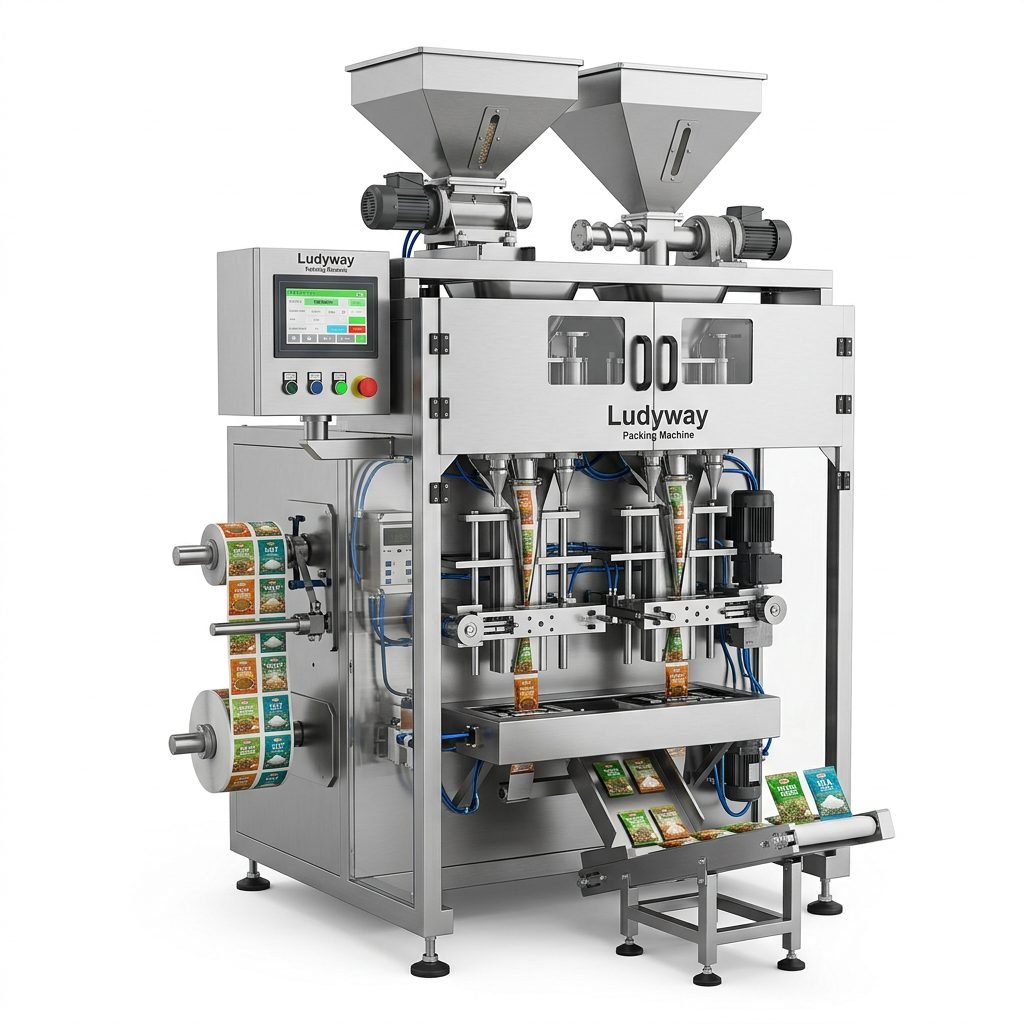
Setting up a seasoning packaging machine production line in Asia is a strategic investment that demands careful planning, from equipment selection and facility preparation to regulatory compliance and ongoing maintenance. By understanding your product characteristics, choosing the right machine configuration, and partnering with experienced equipment suppliers, you can build an efficient, scalable operation that meets the growing demand for packaged seasonings across Asian and international markets. Focus on quality, automation, and adaptability to ensure your packaging line remains competitive in this dynamic industry landscape.