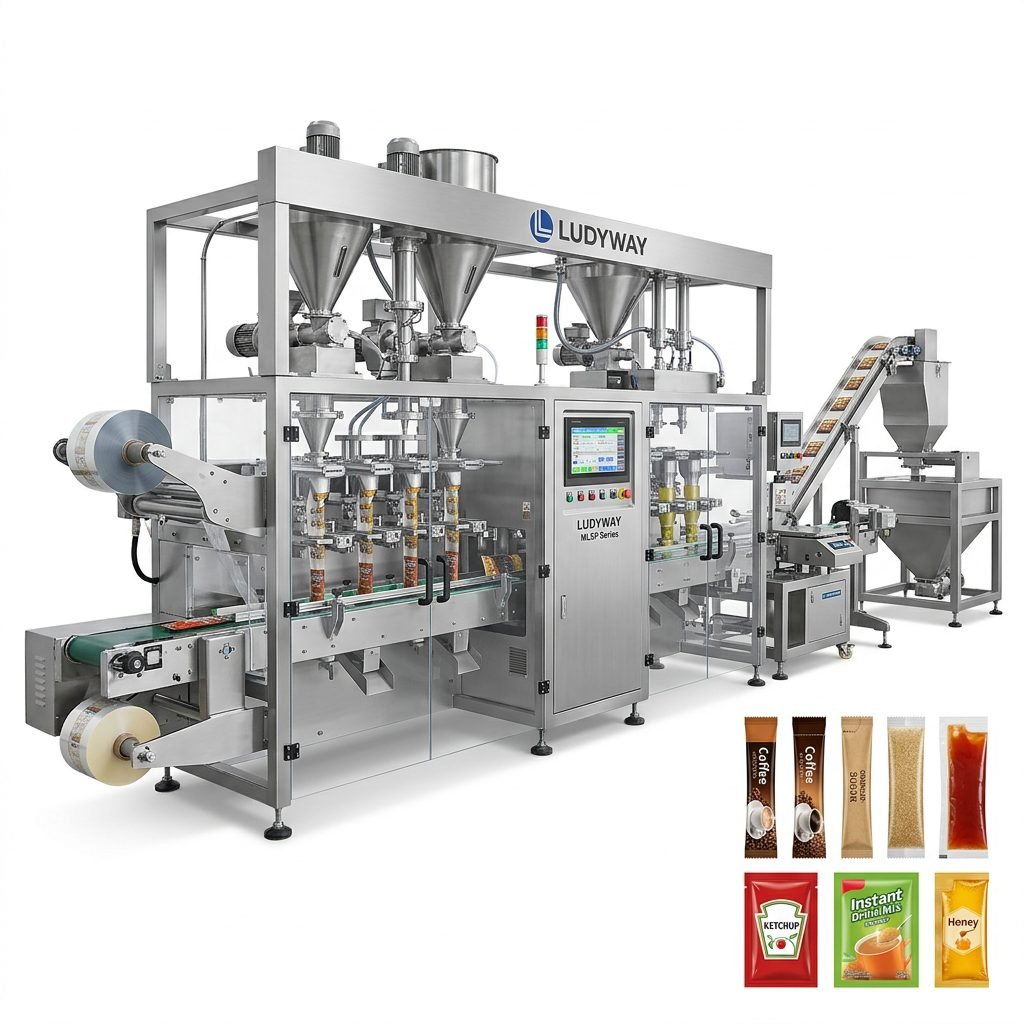
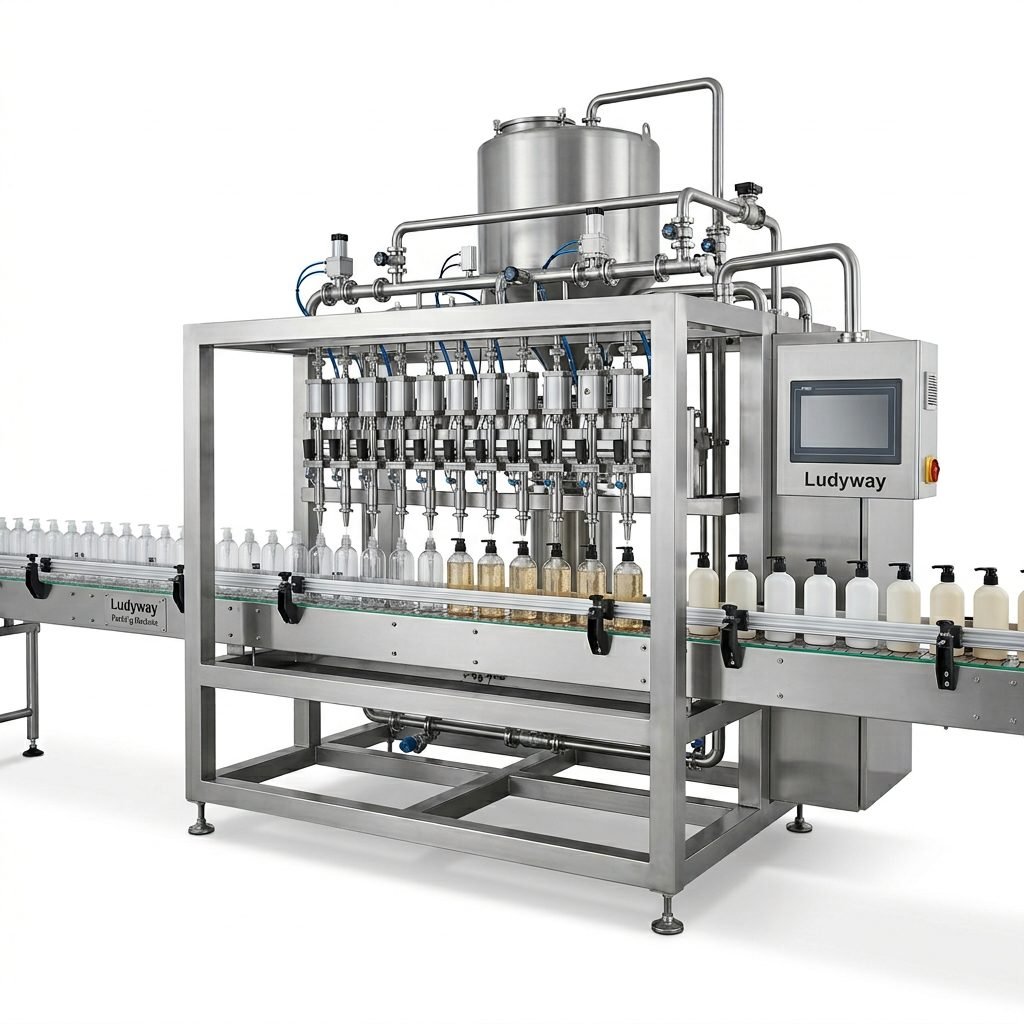
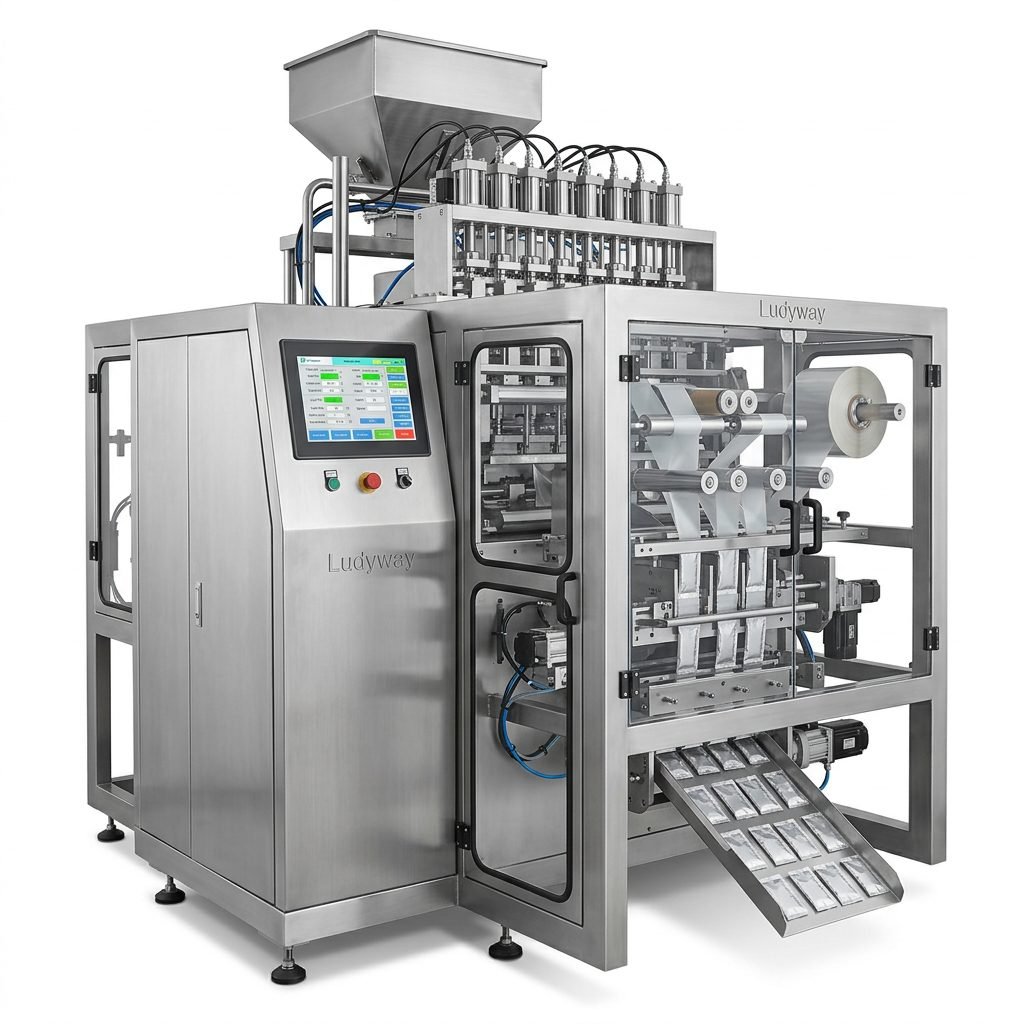
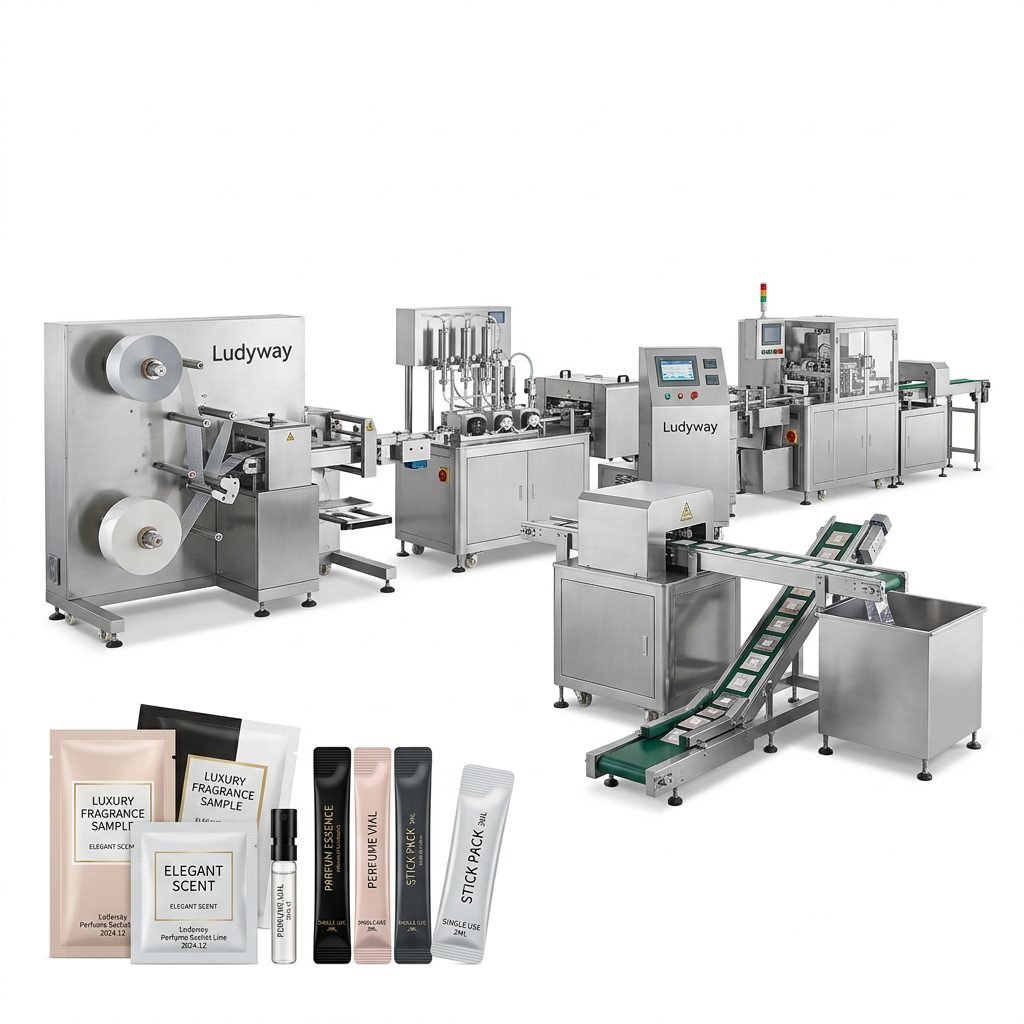
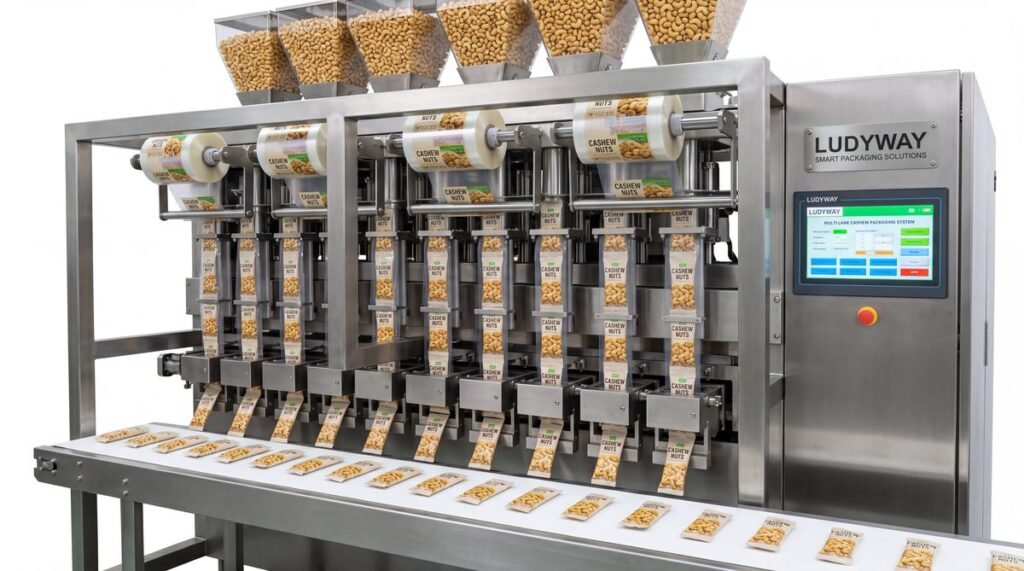
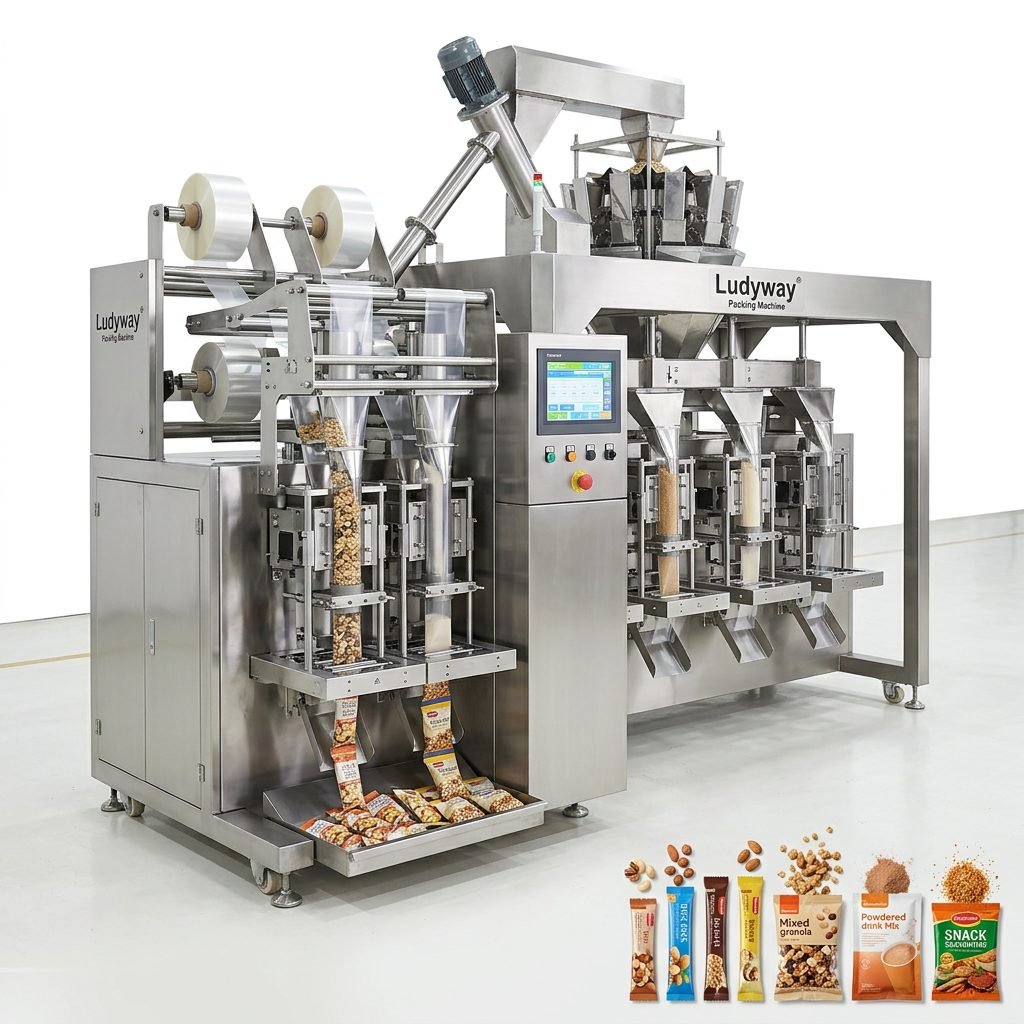
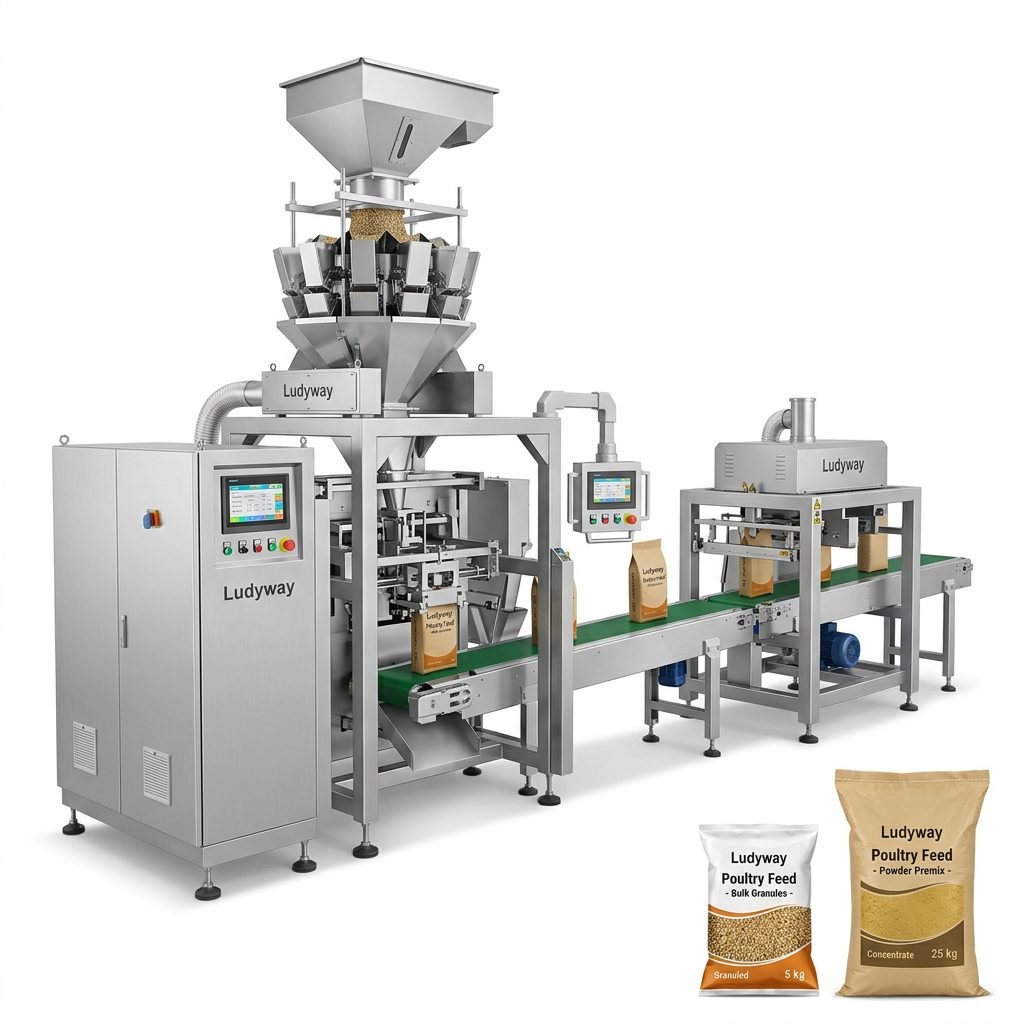
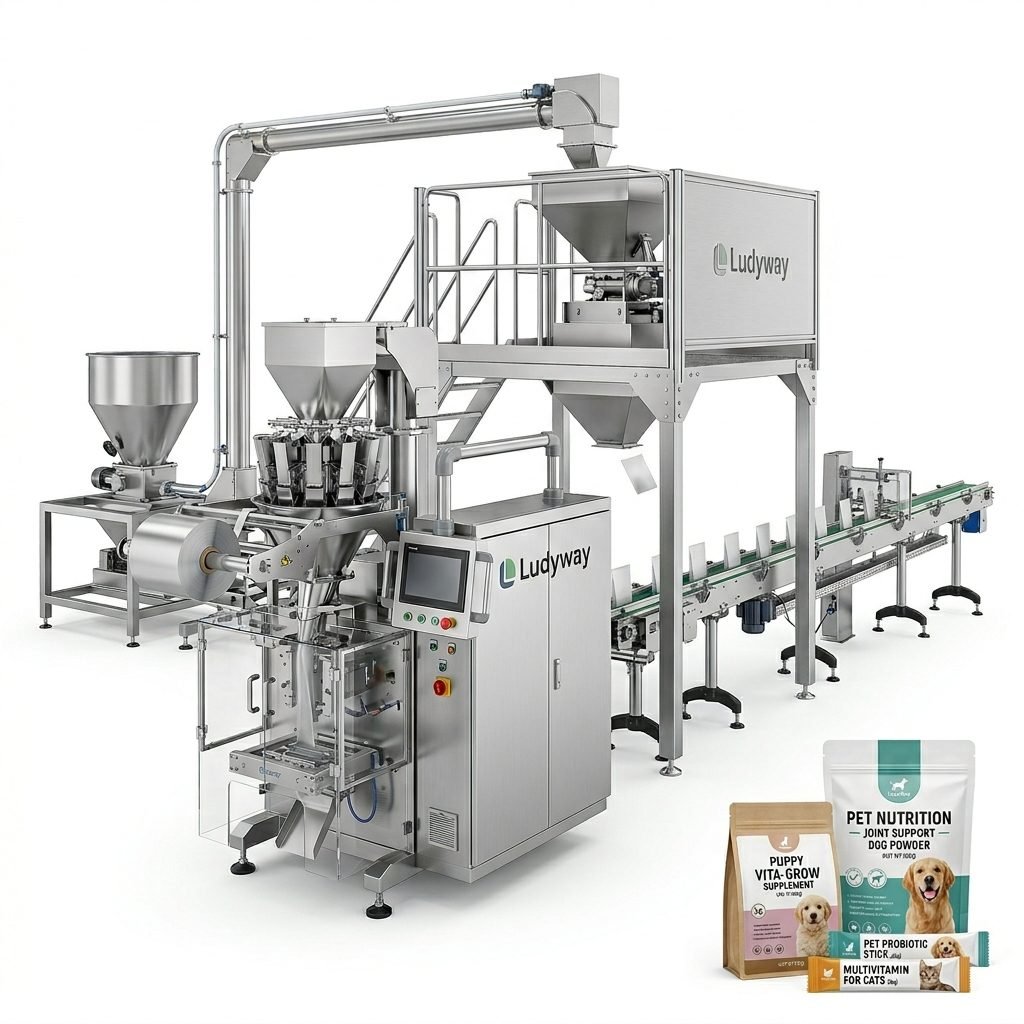
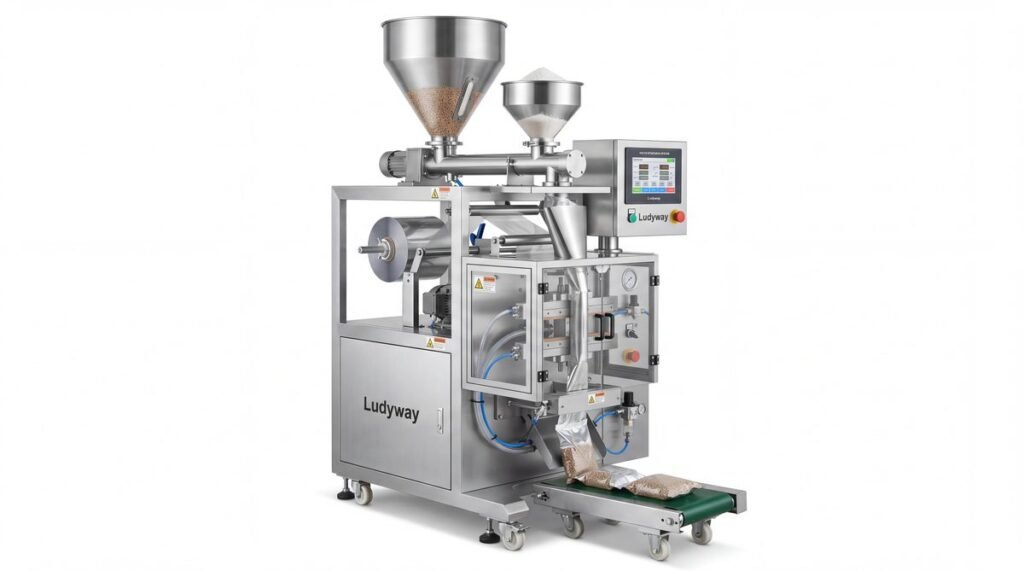
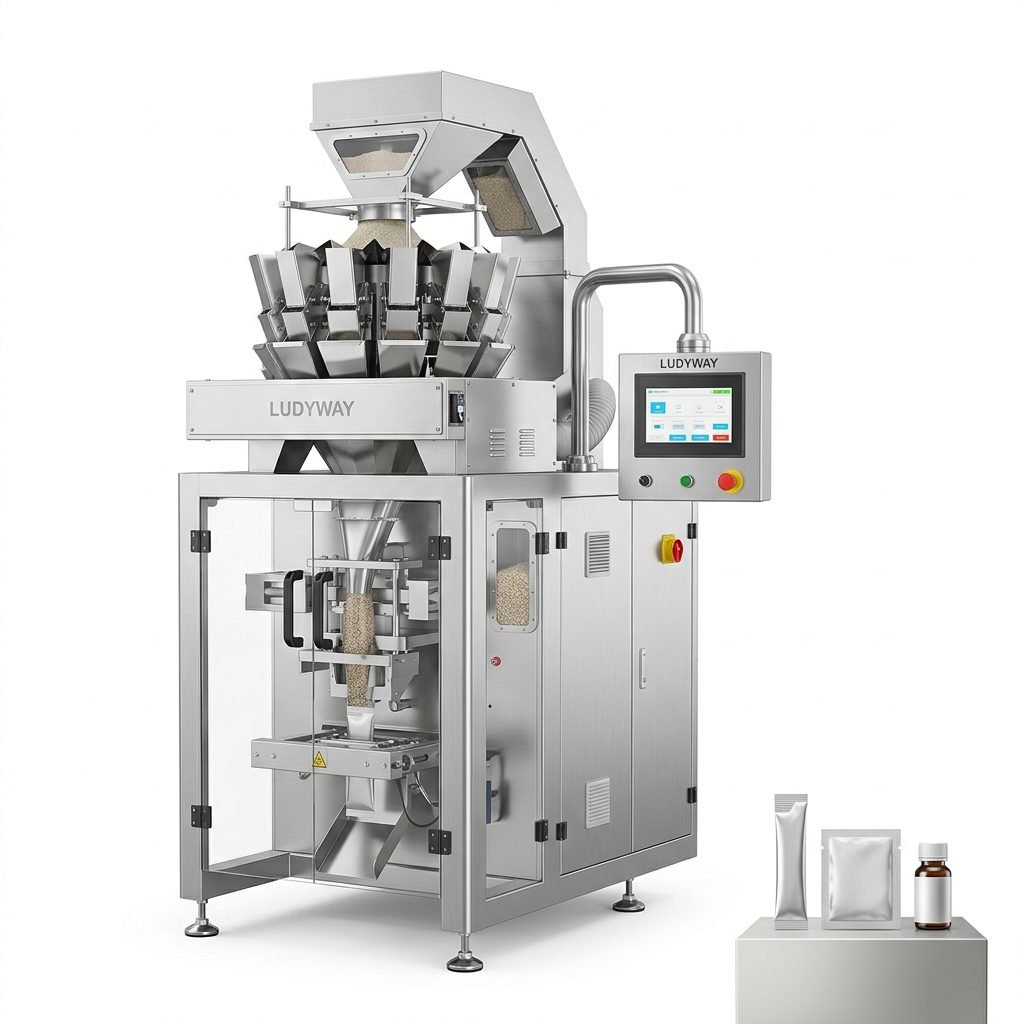
Southeast Asia has rapidly emerged as one of the most dynamic manufacturing and packaging hubs in the world. With the food, pharmaceutical, and cosmetic industries expanding at an unprecedented rate, the demand for skin vacuum packaging machine production lines has surged across countries like Vietnam, Thailand, Indonesia, Malaysia, and the Philippines. Setting up a complete production line in this region requires careful planning, a deep understanding of local regulations, and the right equipment configuration to match both product requirements and market expectations.

Understanding the Southeast Asian Packaging Market Landscape
The ASEAN packaging machinery market has been experiencing consistent growth, driven by urbanization, rising disposable incomes, and increasing demand for packaged goods. According to industry reports from PMMI’s Business Intelligence, the Asia-Pacific region continues to lead global packaging machinery demand. For businesses looking to establish a vacuum skin packaging (VSP) production line in Southeast Asia, understanding local market dynamics is essential.
Key Market Drivers in Southeast Asia
- Food safety regulations becoming stricter across ASEAN member states, increasing demand for advanced vacuum packaging solutions
- Growing pharmaceutical manufacturing sectors in Singapore, Thailand, and Indonesia
- Rapid expansion of ready-to-eat and convenience food markets requiring extended shelf life
- Increasing export-oriented production requiring international-standard packaging
- Rising e-commerce penetration driving demand for durable, tamper-evident packaging
What Is a Skin Vacuum Packaging Production Line?
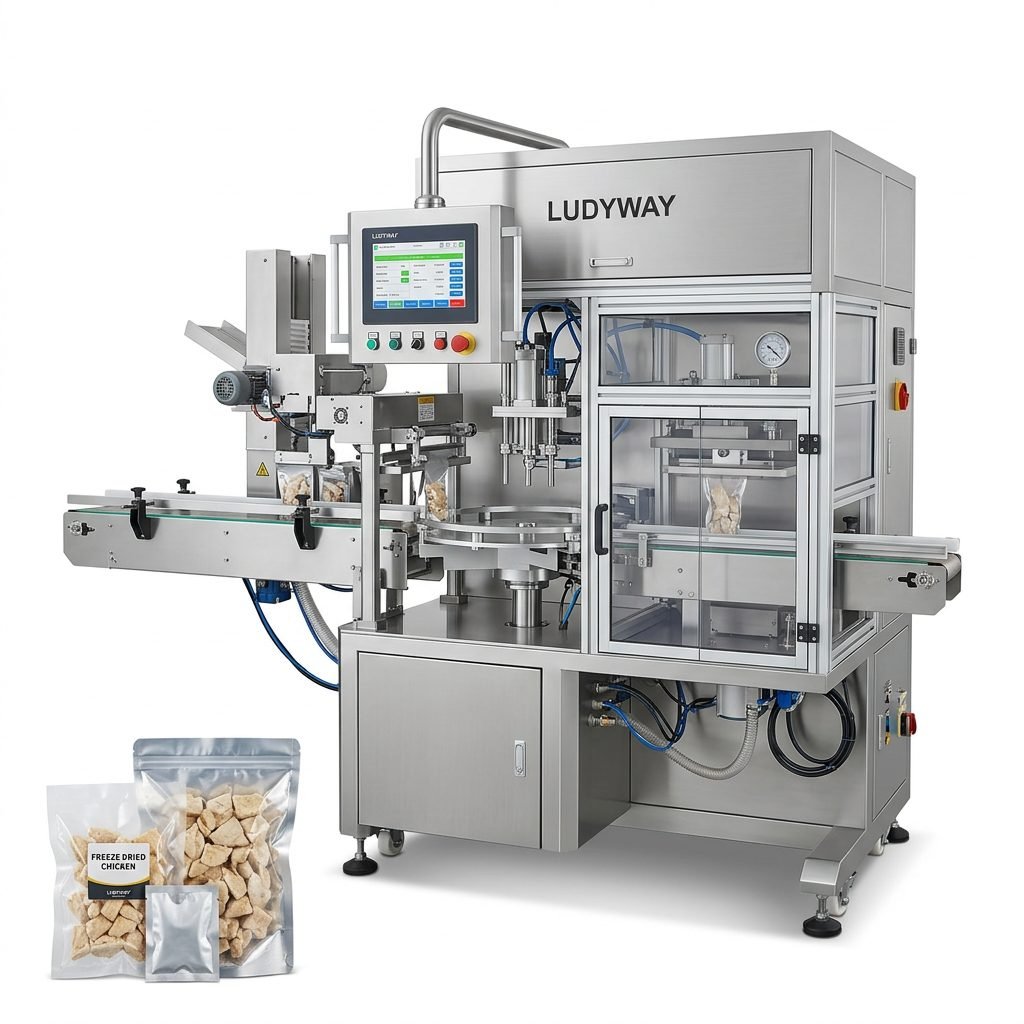
A skin vacuum packaging machine production line is an integrated system designed to apply vacuum-sealed film directly onto products and a backing substrate, creating a tight, protective “second skin.” Unlike traditional vacuum bagging, skin packaging uses a special film that conforms precisely to the product’s shape, providing superior protection, visual appeal, and extended shelf life. This technology is widely used for packaging fresh meats, seafood, cheese, pharmaceuticals, medical devices, and high-value consumer goods.
Core Advantages of Skin Vacuum Packaging
- Superior product visibility with crystal-clear film conforming to product contours
- Extended shelf life through oxygen removal and leak-proof sealing
- Tamper-evident packaging that enhances consumer safety and confidence
- Reduced packaging material waste compared to traditional methods
- Excellent freezer burn protection for frozen products
- High retail presentation value with premium shelf appearance
Essential Components of a Skin Vacuum Packaging Production Line
Setting up a complete production line requires integrating multiple machines and systems that work together seamlessly. Below is a comprehensive breakdown of the key components you will need when establishing your vacuum skin packaging operation in Southeast Asia.
| Component | Function | Key Considerations |
|---|---|---|
| Automatic Tray Denester | Automatically separates and places trays onto the conveyor | Speed compatibility with downstream equipment; tray size flexibility |
| Product Loading Station | Manual or automated placement of products into trays | Ergonomic design for manual lines; integration with robotic loaders for automated lines |
| Vacuum Skin Packaging Machine | Core unit that applies vacuum and seals film over products | Sealing temperature range; vacuum pump capacity; film width compatibility |
| Top Film Unwinding System | Feeds skin packaging film into the sealing station | Film roll diameter capacity; tension control precision |
| Vacuum Pump System | Generates the vacuum required for air removal and film forming | Pump type (oil, dry, rotary vane); maintenance requirements; local service availability |
| Labeling & Coding Unit | Applies date codes, batch numbers, and labels | Compliance with local labeling regulations; integration with traceability systems |
| Checkweigher & Metal Detector | Quality control inspection for weight accuracy and contaminant detection | Sensitivity requirements; compliance with food safety standards such as ISO packaging standards |
| Automated Cartoning System | Packs finished products into cartons for distribution | Carton size range; speed matching with upstream equipment |
Step-by-Step Guide to Setting Up Your Production Line
Establishing a skin vacuum packaging production line in Southeast Asia involves a series of well-planned steps. Following this guide will help you avoid common pitfalls and ensure a smooth commissioning process.
Step 1: Conduct a Comprehensive Feasibility Study
Before making any capital investment, evaluate the market demand for vacuum skin-packaged products in your target Southeast Asian country. Analyze competitor offerings, price points, and distribution channels. Review local regulations from authorities such as the FDA Food Packaging guidelines (for export-oriented production) and ASEAN harmonized food safety standards.
Step 2: Define Your Technical Specifications
Determine the following parameters carefully, as they will influence every subsequent decision:
- Target production capacity (packs per hour or packs per day)
- Product dimensions and weight range
- Tray material and dimensions (PET, PP, aluminum, or compostable materials)
- Film type specifications (thickness, barrier properties, clarity requirements)
- Automation level desired (semi-automatic vs. fully automatic)
- Facility constraints (available floor space, power supply, compressed air capacity)

Step 3: Select the Right Equipment Supplier
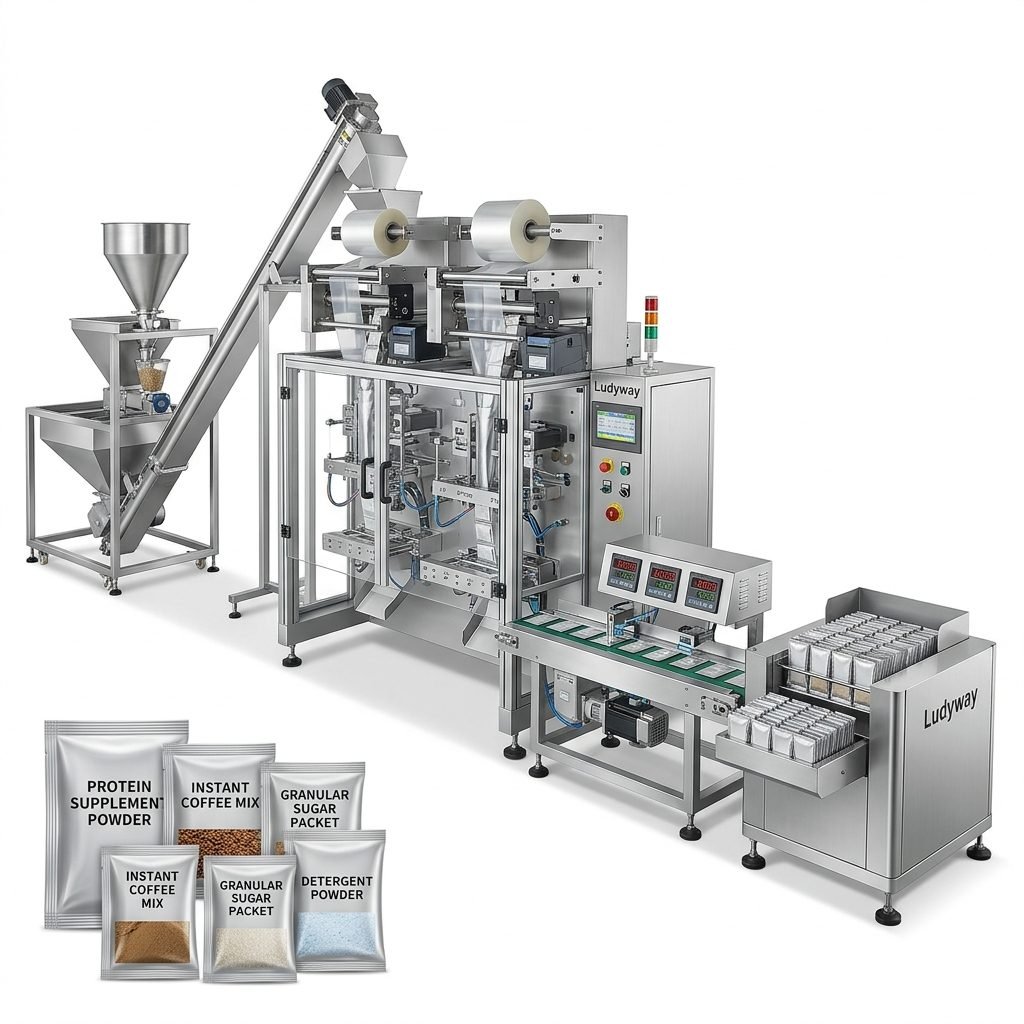
Choosing a reliable equipment manufacturer is critical. Look for suppliers with proven experience in vacuum skin packaging technology, strong after-sales support networks in Southeast Asia, and a track record of successful installations in the region. Evaluate multiple vendors, request detailed quotations, and visit reference sites whenever possible. For manufacturers seeking comprehensive solutions, companies like Ludyway offer turnkey packaging systems with over 30 years of industry expertise spanning food, pharmaceutical, and health applications across more than 100 countries.
Step 4: Prepare Your Facility Infrastructure
Your production facility must meet specific requirements to accommodate a skin vacuum packaging line. Key infrastructure considerations include:
- Electrical supply: Ensure stable three-phase power with appropriate voltage and frequency matching equipment specifications
- Compressed air: Install a reliable compressed air system with adequate capacity, filtration, and drying
- Cooling water: Some vacuum pumps and sealing systems require cooling water circulation
- Ventilation: Proper exhaust systems for heat and any fumes generated during the sealing process
- Cleanroom conditions: Depending on your product category, you may need ISO-certified cleanroom environments
Step 5: Installation, Commissioning, and Training
Work closely with your equipment supplier to plan the installation and commissioning. This phase typically includes mechanical installation, electrical and pneumatic connections, software configuration, dry runs, and production trials. Comprehensive operator training is essential for achieving optimal equipment performance and minimizing downtime.
Cost Considerations and Budget Planning
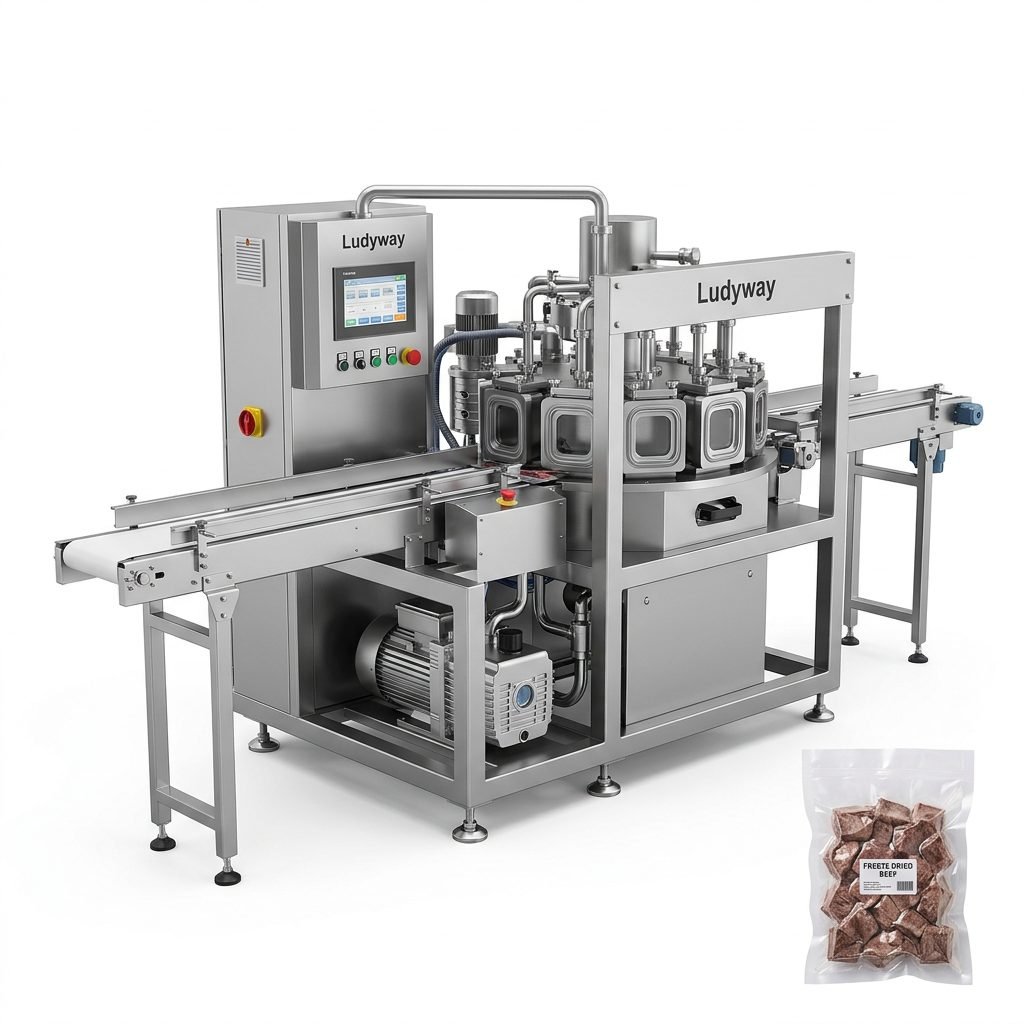
Investing in a skin vacuum packaging production line in Southeast Asia requires careful financial planning. Below is an overview of the key cost categories to include in your budget.
| Cost Category | Estimated Range (USD) | Notes |
|---|---|---|
| Core Vacuum Skin Packaging Machine | $50,000 – $250,000+ | Varies by automation level, speed, and brand |
| Auxiliary Equipment | $30,000 – $150,000 | Denesters, conveyors, labeling, inspection systems |
| Installation & Commissioning | $10,000 – $40,000 | Depends on complexity and supplier location |
| Facility Modifications | $15,000 – $80,000 | Electrical, air, water, and cleanroom upgrades |
| Initial Consumables Inventory | $10,000 – $30,000 | Film, trays, labels for first production runs |
| Training & Documentation | $5,000 – $15,000 | Operator and maintenance training programs |
Regulatory Compliance in Southeast Asia
Each Southeast Asian country has its own regulatory framework for packaged products. Manufacturers must ensure their vacuum skin packaging processes comply with both local regulations and international standards, especially if exporting to markets like the European Union or North America. Key regulatory references include the European Commission Packaging and Packaging Waste Regulation, ISO 11607 standards for packaging, and country-specific food safety authorities.
Maintenance Best Practices for Long-Term Reliability
To maximize the return on your investment, implement a structured maintenance program for your skin vacuum packaging production line. Regular maintenance ensures consistent output quality, reduces unplanned downtime, and extends equipment lifespan.
Daily Maintenance Checklist
- Inspect sealing bars and heating elements for residue buildup or wear
- Check vacuum pump oil levels and inspect for leaks
- Clean film transport rollers and remove any accumulated debris
- Verify sensor calibration and safety interlock functionality
- Monitor air pressure and filtration systems
Monthly and Quarterly Maintenance
- Replace vacuum pump oil and filters according to manufacturer specifications
- Inspect electrical connections and control panels for signs of overheating
- Lubricate all mechanical moving parts including chains, bearings, and guide rails
- Review and update software and firmware for control systems
- Conduct comprehensive performance audits comparing output against baseline metrics
Common Challenges and How to Overcome Them
Setting up a production line in Southeast Asia presents unique challenges that differ from other regions. Being prepared for these obstacles will help ensure your project stays on schedule and within budget.
| Challenge | Impact | Recommended Solution |
|---|---|---|
| High humidity and ambient temperature | Film adhesion issues; condensation in vacuum systems | Install climate-controlled production areas; specify tropical-grade equipment |
| Unstable power supply in some regions | Equipment damage; production interruptions | Invest in voltage stabilizers and UPS backup systems |
| Limited local technical expertise | Longer troubleshooting times; dependency on foreign technicians | Partner with suppliers offering strong regional support; invest in comprehensive staff training |
| Import duties and logistics complexity | Higher equipment costs; delayed delivery timelines | Work with experienced freight forwarders; understand ASEAN Free Trade Area (AFTA) benefits |
| Language and cultural barriers | Miscommunication during installation and training | Engage bilingual project managers; use visual documentation extensively |
Future Trends in Skin Vacuum Packaging
The vacuum skin packaging industry is evolving rapidly, and Southeast Asian manufacturers should stay ahead of emerging trends to maintain competitive advantage. Key developments to watch include:
- Sustainable packaging materials: Growing demand for recyclable and biodegradable skin packaging films, aligned with Flexible Packaging Association sustainability resources
- Smart packaging integration: QR codes, NFC tags, and freshness indicators embedded in skin packs
- Industry 4.0 connectivity: Real-time production monitoring, predictive maintenance, and digital twin technology
- Energy-efficient vacuum systems: Dry vacuum pumps and heat recovery systems reducing operational costs
- Compact modular designs: Space-saving equipment configurations ideal for urban production facilities in Singapore, Bangkok, and Ho Chi Minh City
Conclusion: Your Roadmap to Success
Setting up a skin vacuum packaging machine production line in Southeast Asia is a significant but rewarding investment. By thoroughly understanding the market landscape, selecting the right equipment configuration, preparing your facility adequately, and implementing robust maintenance practices, you can build a competitive and profitable packaging operation. The region’s growing consumer markets, strategic location for global exports, and improving manufacturing infrastructure make it an ideal destination for packaging industry investment. Take the time to plan carefully, partner with experienced equipment suppliers, and stay informed about industry trends and standards to ensure long-term success in this dynamic market.

Frequently Asked Questions
What is the typical lead time for a skin vacuum packaging production line?
Lead times typically range from 8 to 16 weeks for standard configurations, depending on the manufacturer and the level of customization required. Custom-engineered solutions may take longer, especially if specialized tooling or automation integration is needed.
Can I upgrade an existing packaging line to include skin vacuum capability?
In many cases, yes. Retrofitting an existing line with a vacuum skin packaging module is possible, provided that upstream and downstream equipment can be integrated. A thorough engineering assessment is required to evaluate compatibility, space constraints, and control system integration.
What types of products are best suited for skin vacuum packaging?
Skin vacuum packaging is ideal for fresh and frozen meats, seafood, poultry, cheese, ready-to-eat meals, medical devices, electronic components, hardware items, and high-value consumer goods. The technology excels when product presentation, protection, and extended shelf life are priorities.
How do I choose between semi-automatic and fully automatic systems?
The choice depends on your production volume, labor costs, product variety, and budget. Semi-automatic systems are suitable for lower volumes and greater product flexibility, while fully automatic lines are recommended for high-volume, standardized production where labor efficiency is critical.
For more detailed information on packaging machinery standards and industry resources, visit the PMMI Packaging Industry Resources or explore Flexible Packaging Association guidelines for flexible packaging applications.