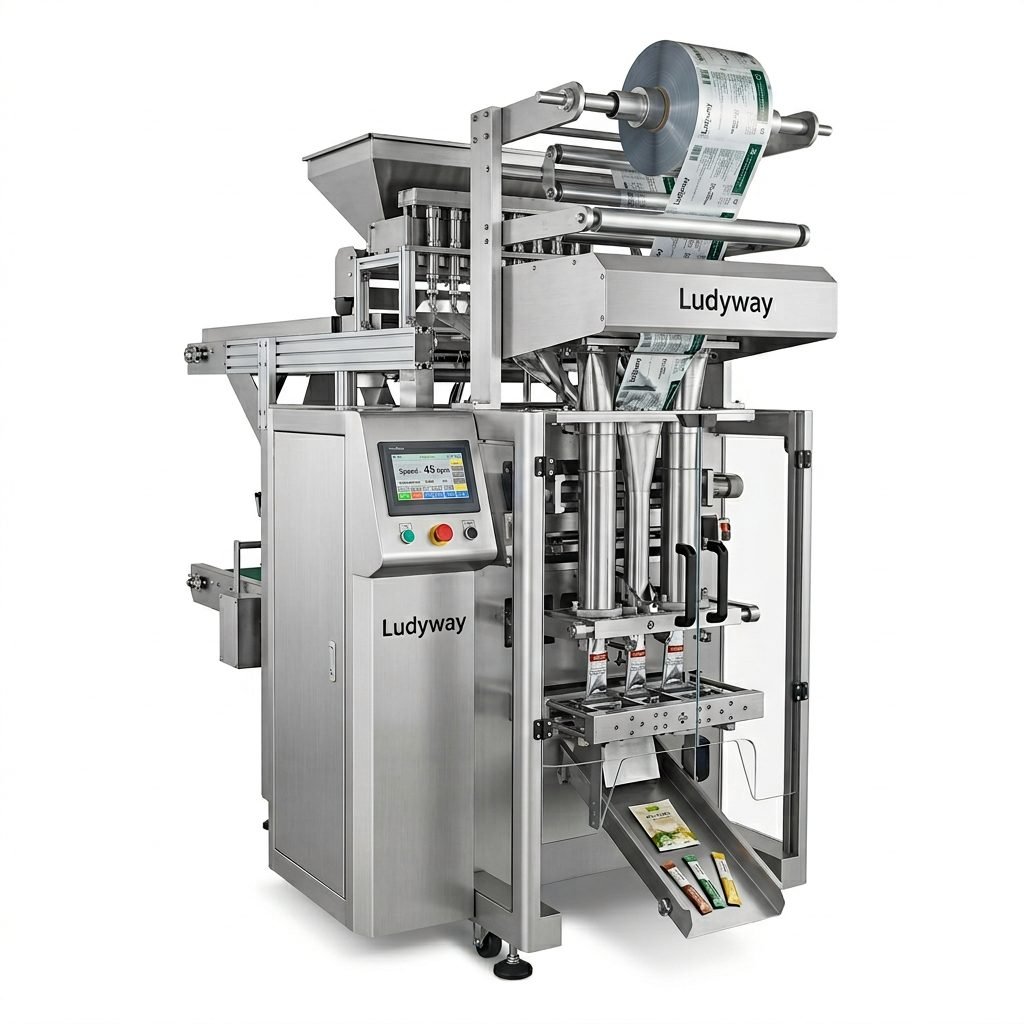
Setting up a small sauce packaging machine production line in Africa presents a significant opportunity for entrepreneurs and established food manufacturers alike. With the continent’s rapidly growing consumer market, increasing urbanization, and rising demand for convenient, hygienically packaged food products, the sauce packaging sector is poised for substantial growth. This comprehensive guide covers everything you need to know about equipment selection, cost estimation, and practical implementation tips for launching a successful sauce packaging operation in Africa.
Understanding the African Sauce Packaging Market
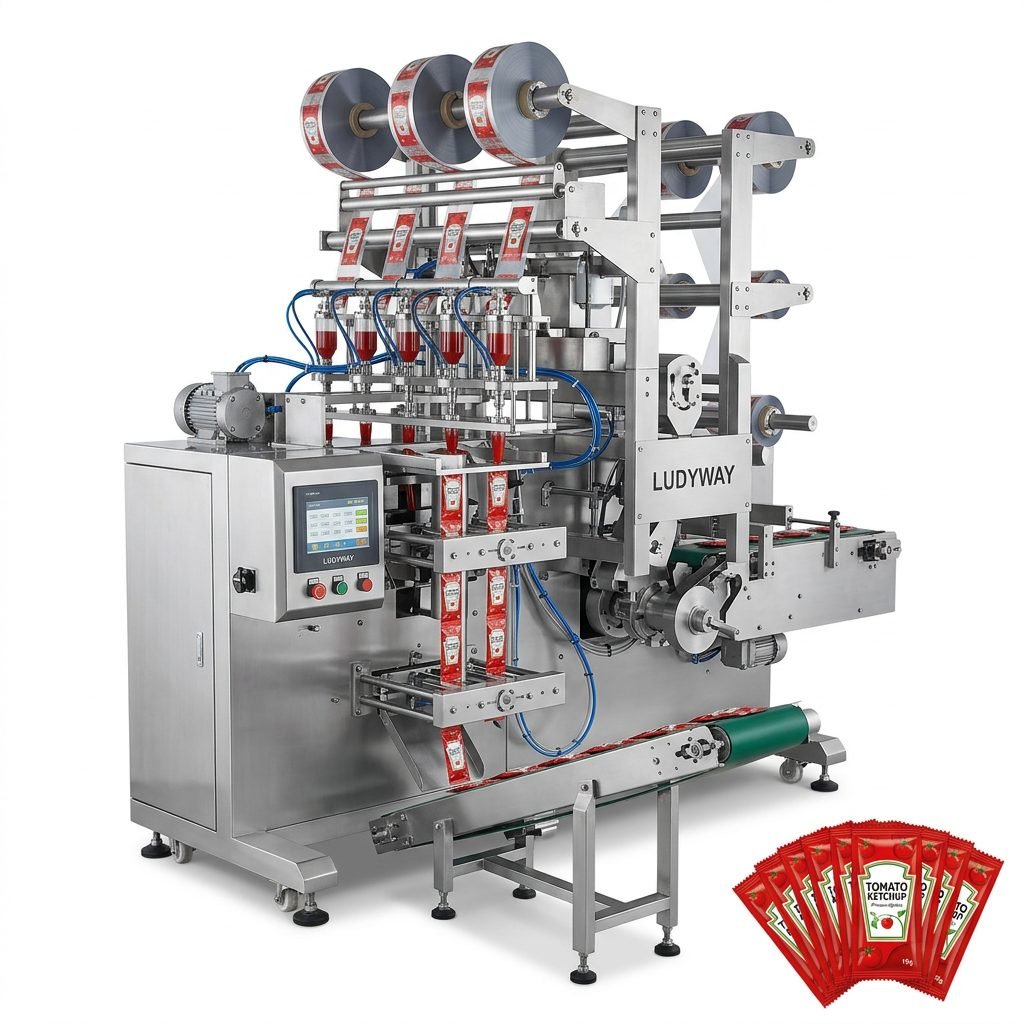
The African packaged food market is experiencing unprecedented growth, driven by a young population, rising disposable incomes, and changing consumer preferences. Sauces — including tomato ketchup, chili sauce, mayonnaise, soy sauce, and local condiments — represent a high-demand category. Small to medium-scale packaging operations can thrive by serving local markets, restaurants, and retail chains that increasingly require properly sealed, branded packaging.
According to industry data from the PMMI Business Intelligence Library, flexible packaging formats like sachets and stick packs are growing rapidly in emerging markets due to their affordability and convenience for consumers.
Core Equipment for a Small Sauce Packaging Production Line
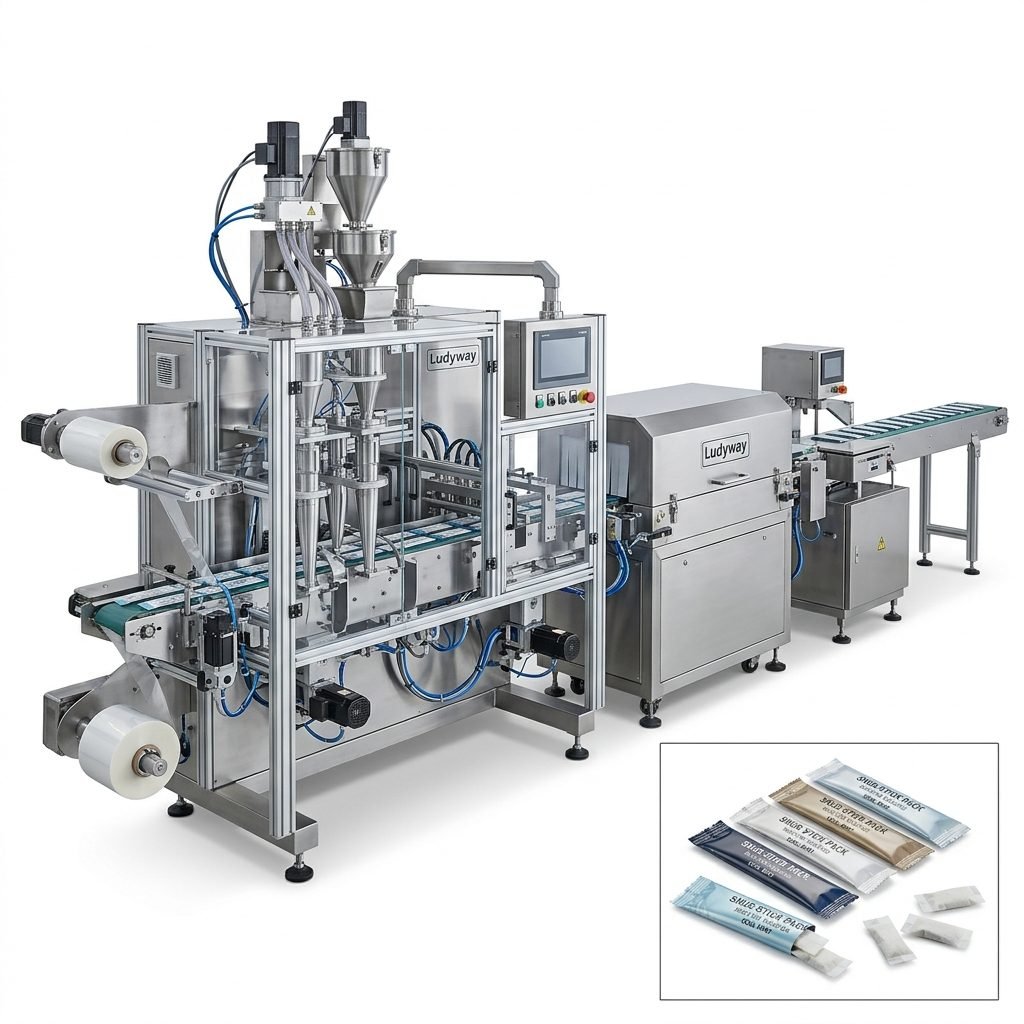
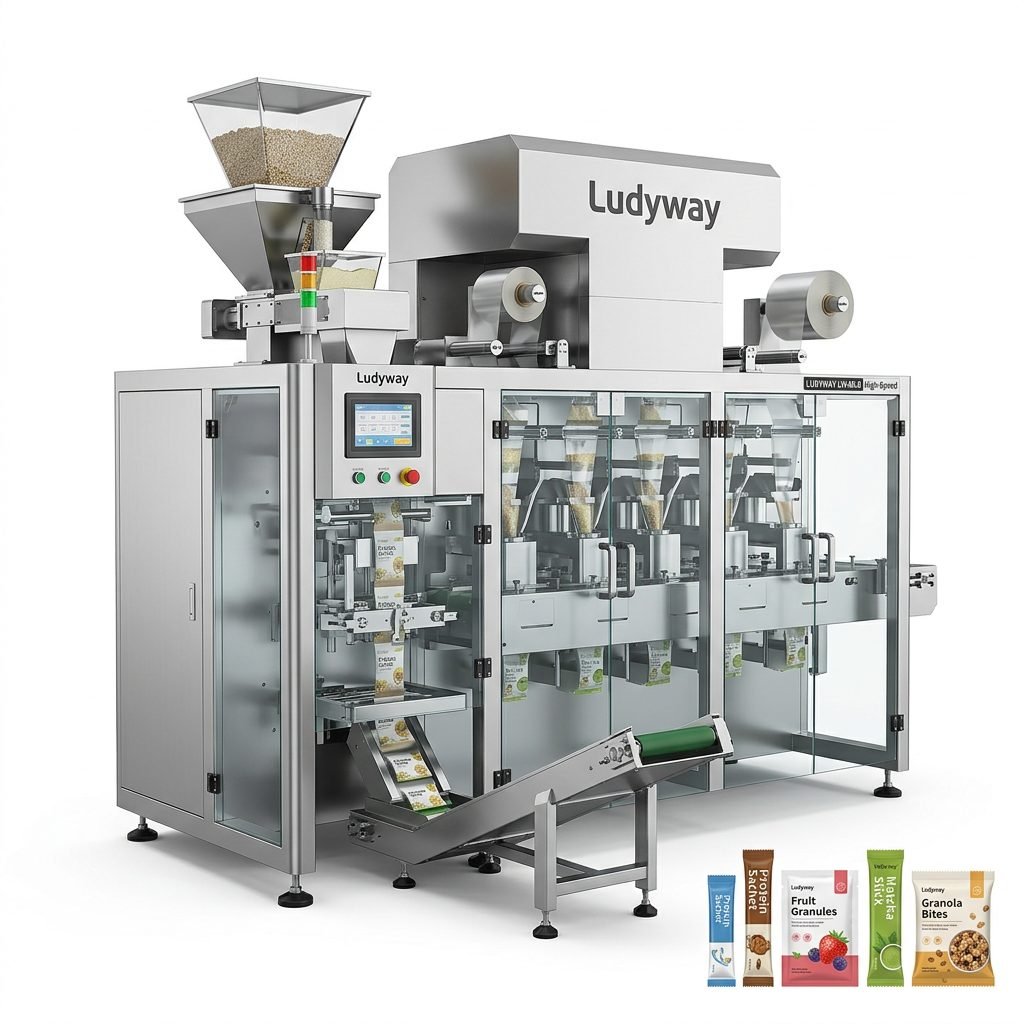
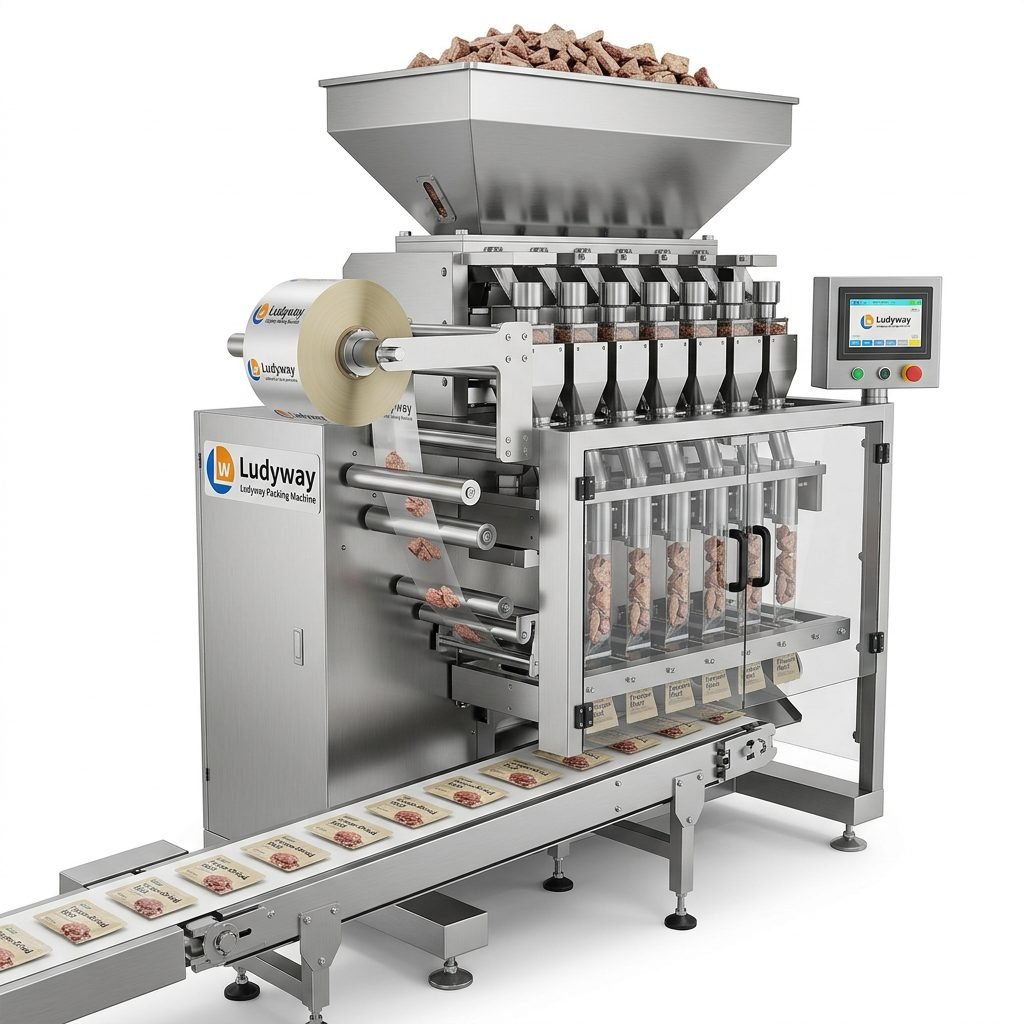
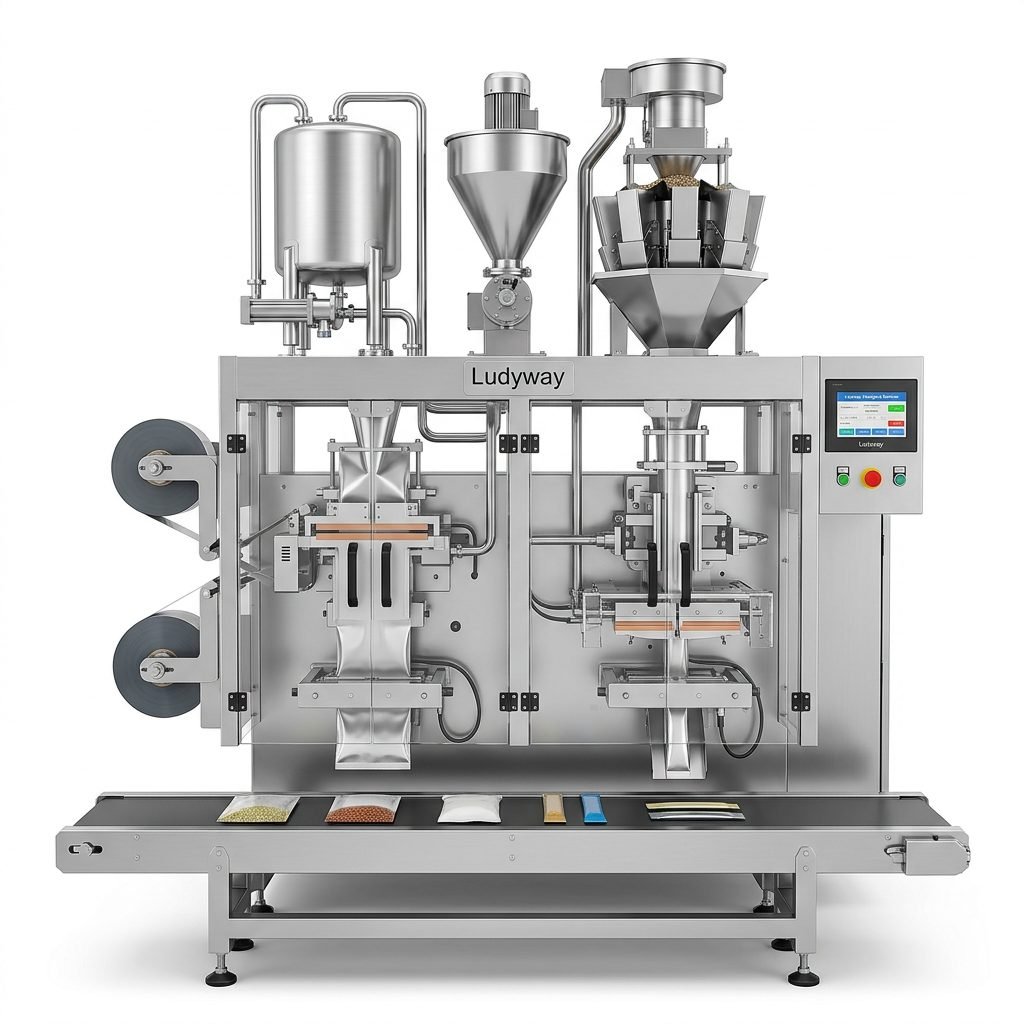
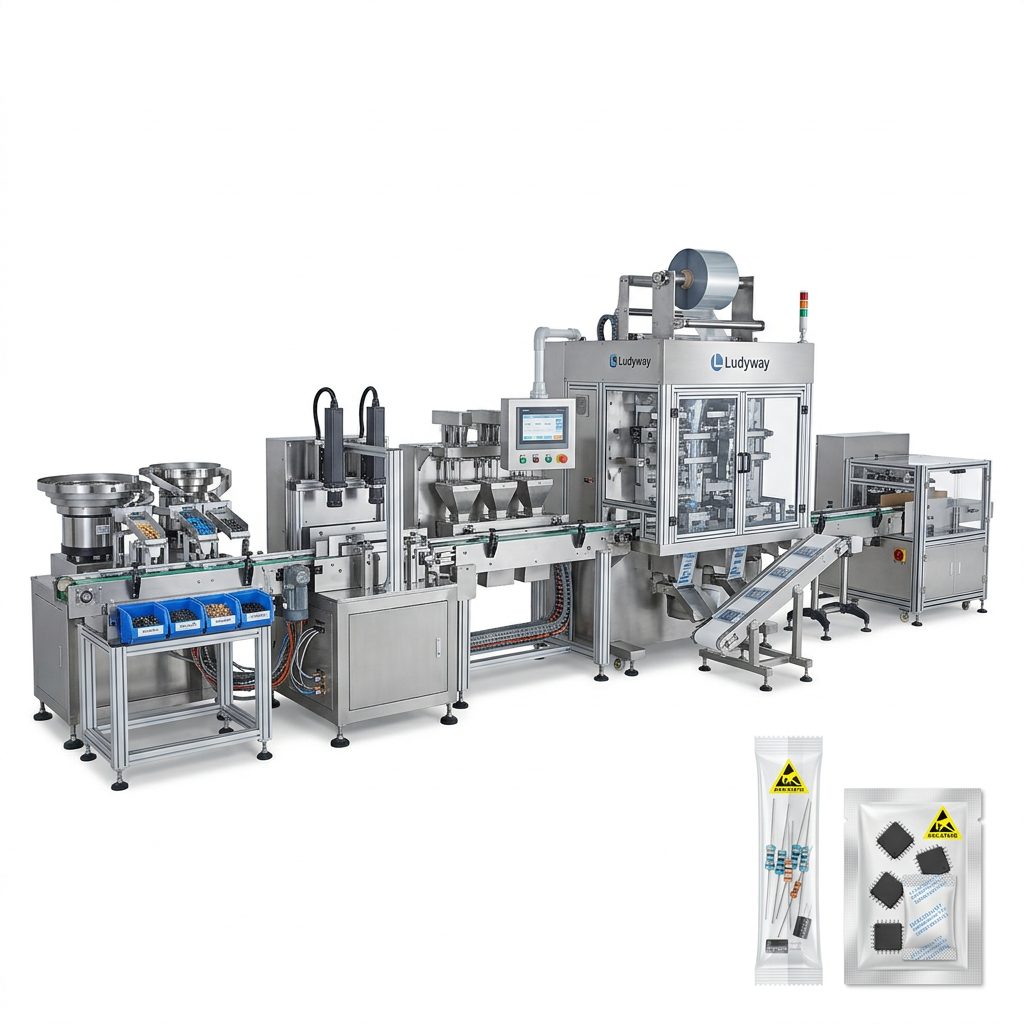
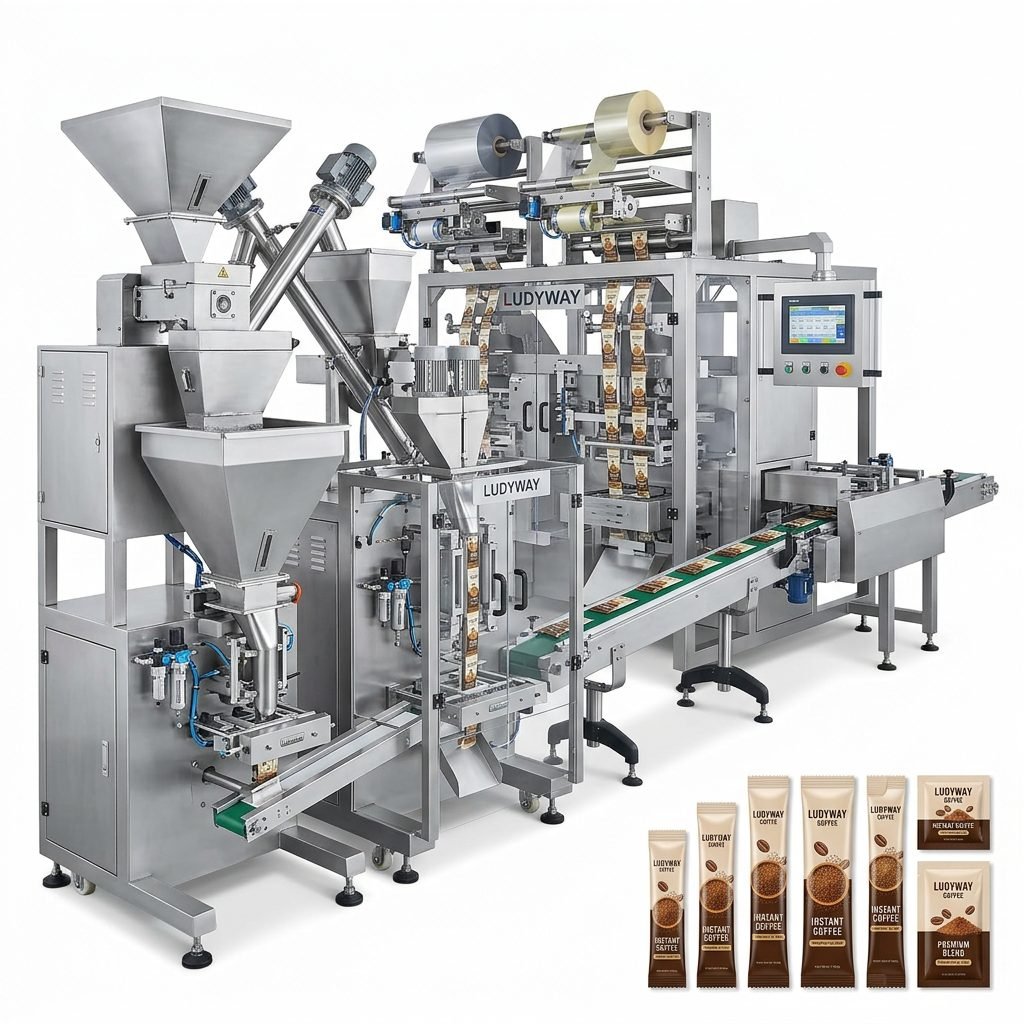
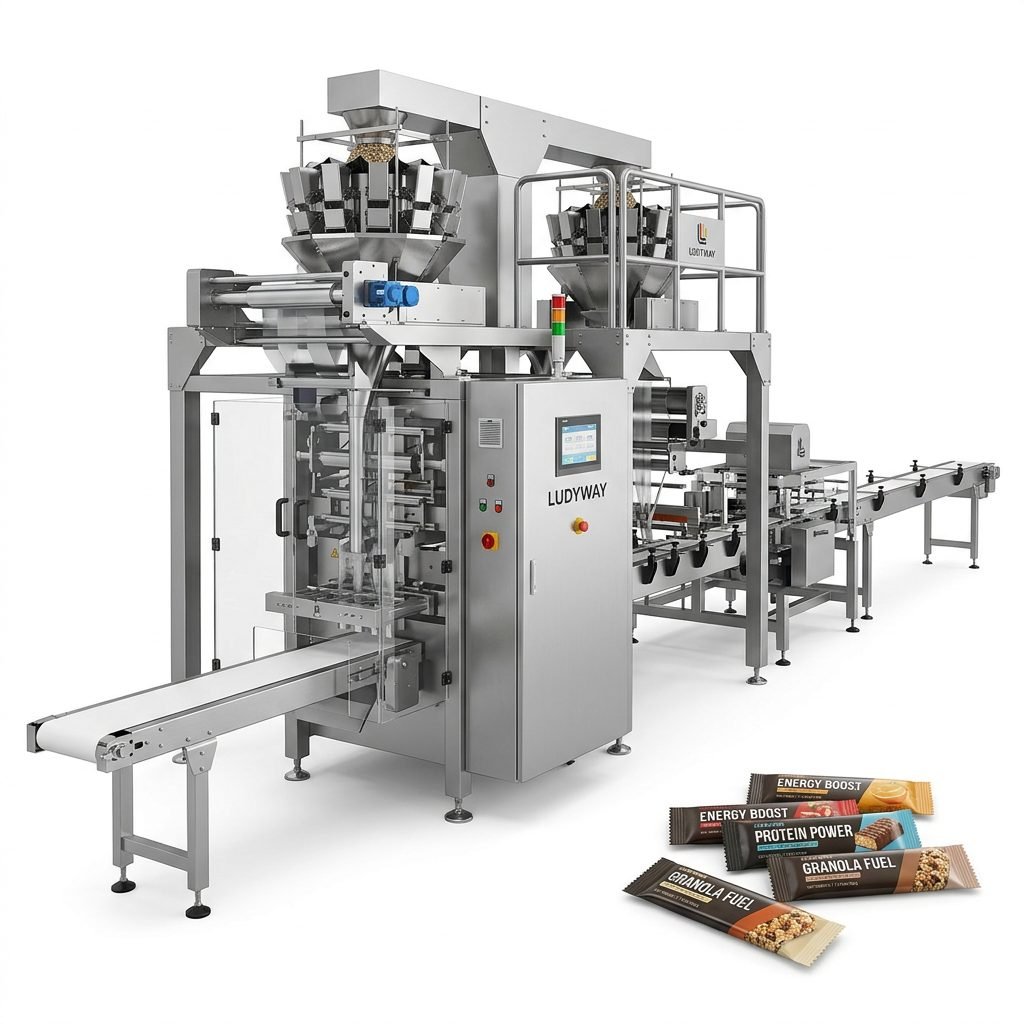
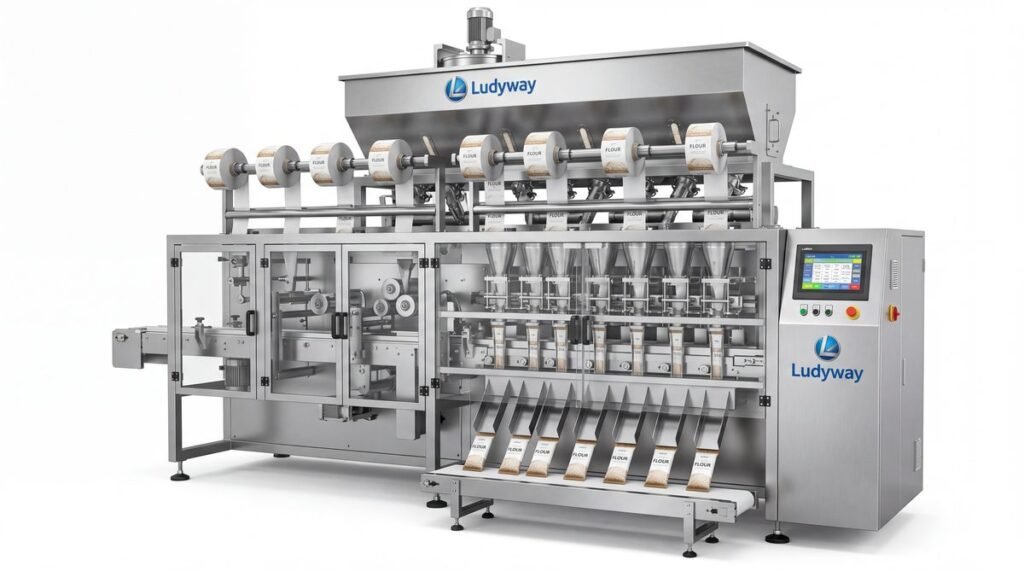
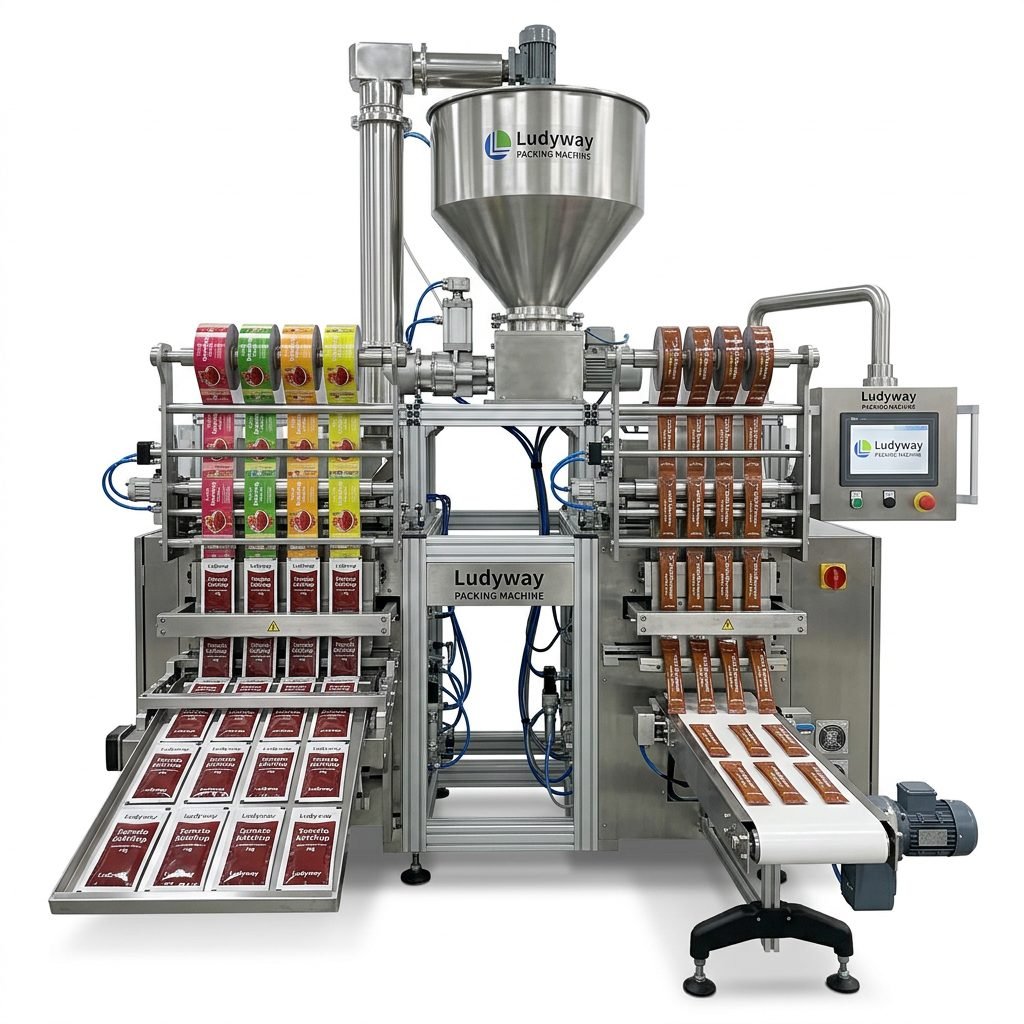
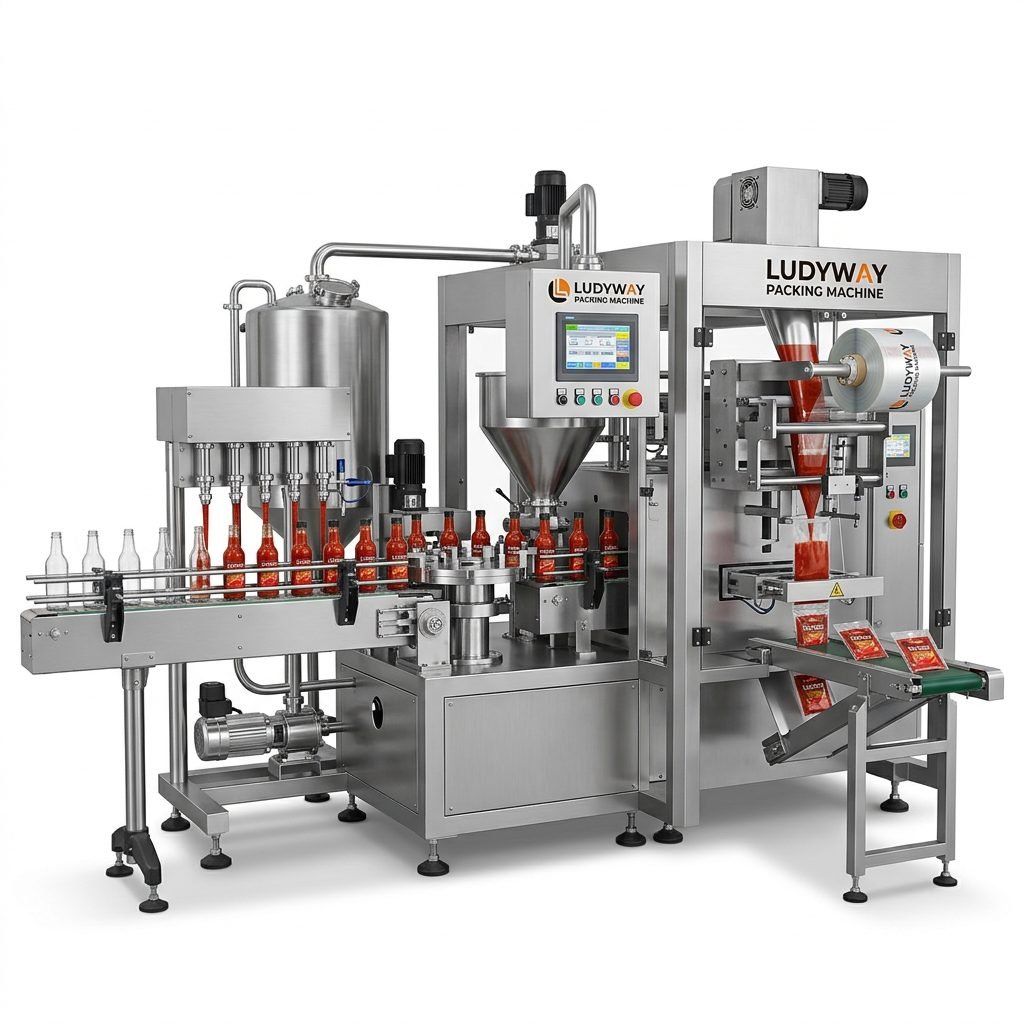
A typical small sauce packaging line consists of several integrated machines. The exact configuration depends on your production scale, sauce type (liquid viscosity), and packaging format. Below are the essential components:
| Equipment | Function | Key Specifications | Estimated Price Range (USD) |
|---|---|---|---|
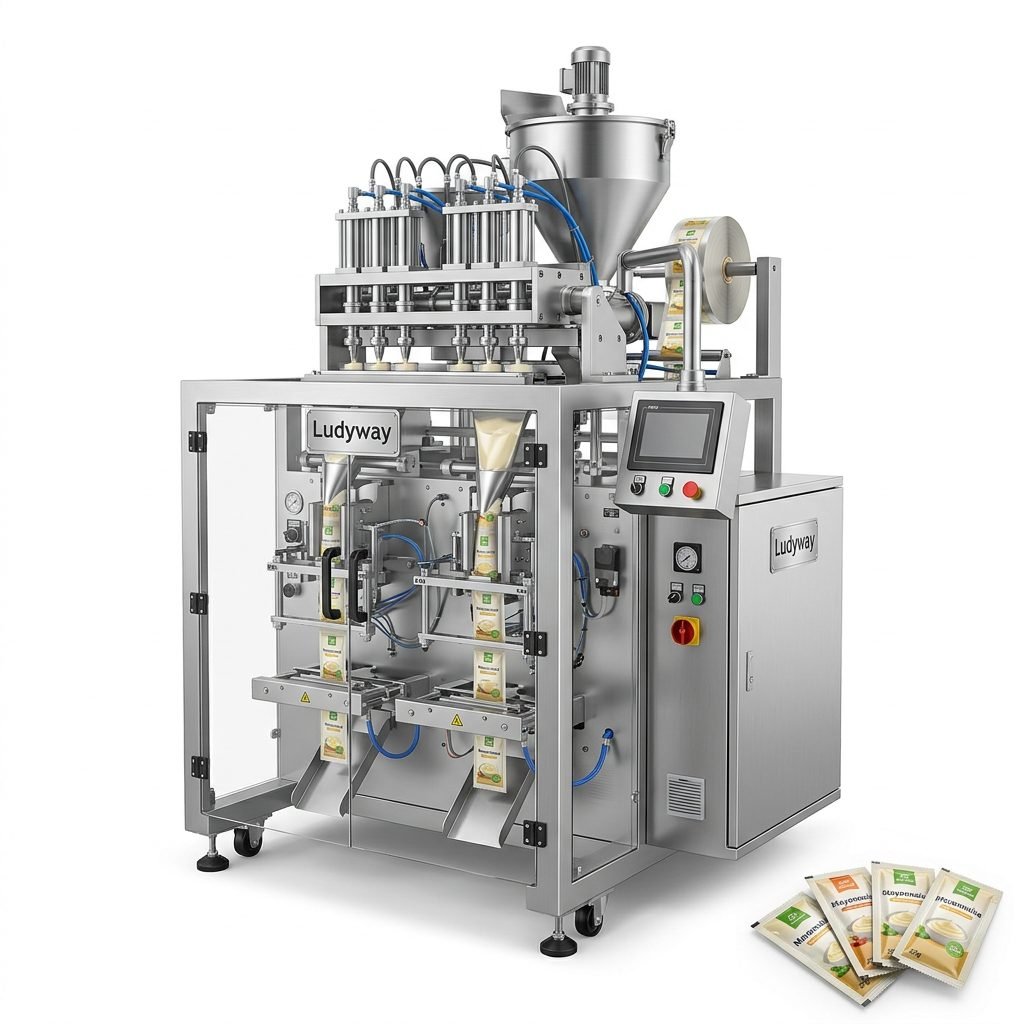
| Liquid Filling Machine | Precision dosing and filling of sauces into sachets or pouches | Piston or servo-driven; multi-lane options available | $8,000 – $35,000 |
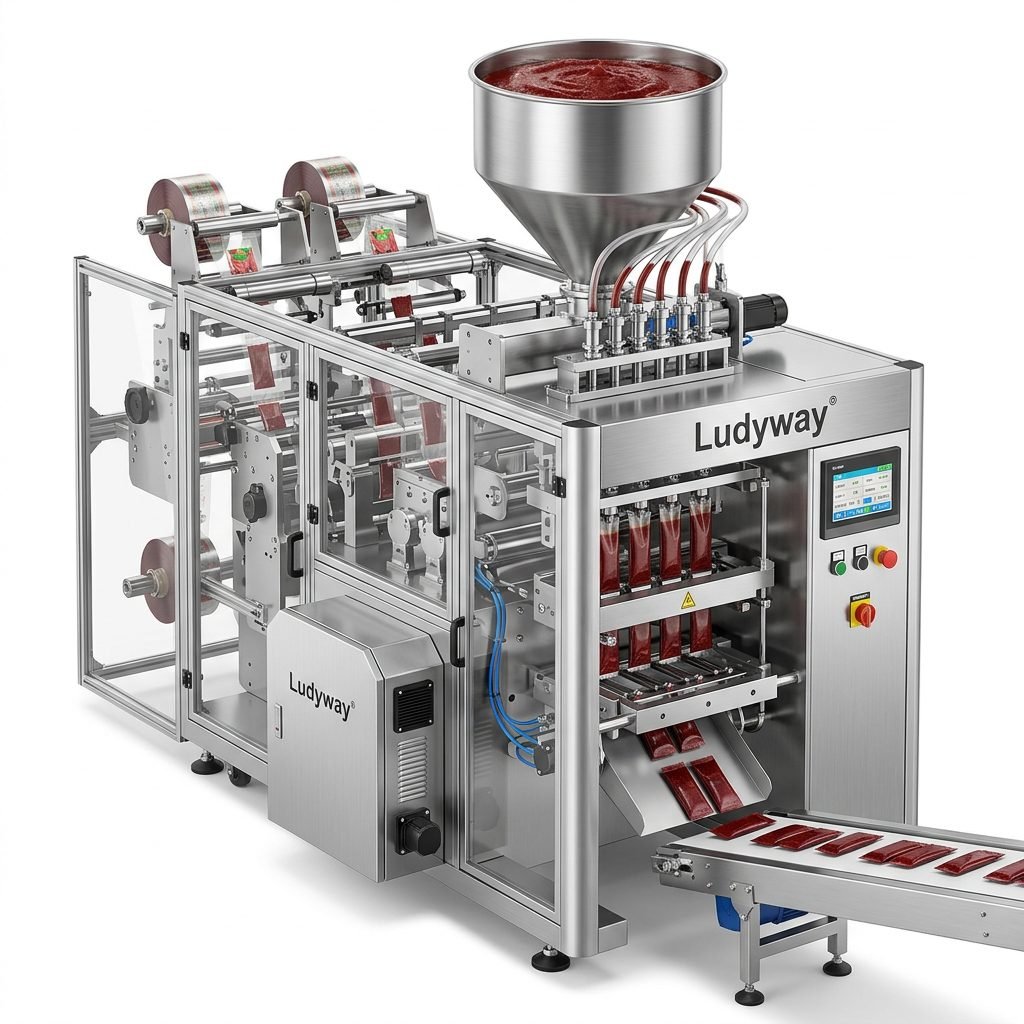
| Sachet/Stick Pack Packaging Machine | Form-fill-seal operation for flexible packaging | Multi-lane (4-12 lanes); speeds up to 400 packs/min | $15,000 – $60,000 |
| Conveyor System | Product transfer between stations | Custom length, food-grade belt material | $2,000 – $8,000 |
| Coding/Printing Machine | Batch coding, date printing on packages | Inkjet or thermal transfer technology | $1,500 – $5,000 |
| Mixing Tank (with agitator) | Homogeneous mixing of sauce ingredients before packaging | Stainless steel, capacity 200L-1000L | $3,000 – $12,000 |
| Cartoning Machine (optional) | Secondary packaging into cartons for retail distribution | Semi-automatic or automatic | $10,000 – $30,000 |
Key Considerations When Selecting Equipment
- Sauce viscosity: Thick sauces like mayonnaise require piston fillers; thinner sauces like soy sauce can use gravity or pump-based systems.
- Packaging material compatibility: Ensure the machine handles the film type available in your region — commonly PET/AL/PE laminates for extended shelf life.
- Power supply stability: In many African markets, voltage fluctuations are common. Consult suppliers about voltage stabilizers or generators.
- After-sales support: Prioritize manufacturers with local service networks or remote technical support capabilities.
Estimated Total Investment Breakdown
Setting up a small sauce packaging line requires careful financial planning. Below is a realistic cost estimate for a modest operation producing 5,000 to 20,000 sachets per day:
| Cost Category | Description | Estimated Cost (USD) |
|---|---|---|
| Core Packaging Machinery | Filling, sealing, coding machines (basic setup) | $25,000 – $75,000 |
| Auxiliary Equipment | Mixing tanks, conveyors, weighing scales | $8,000 – $20,000 |
| Shipping and Import Duties | Freight to African ports + customs clearance | $5,000 – $15,000 |
| Installation and Commissioning | Setup, calibration, and operator training | $3,000 – $8,000 |
| Facility Setup | Basic renovations, utilities, and hygiene compliance | $10,000 – $30,000 |
| Initial Raw Materials | Packaging film, ingredients, labels | $5,000 – $15,000 |
| Total Estimated Investment | Complete small-scale production line setup | $56,000 – $163,000 |
For more detailed industry benchmarks, refer to the 2026 State of the Industry Report from PMMI, which offers valuable insights into packaging machinery market trends and investment patterns.
Step-by-Step Guide to Setting Up Your Production Line
1. Define Your Product and Packaging Format
Determine the type of sauce you will produce (tomato-based, chili, mayonnaise, or local sauces) and the packaging format — sachets (typically 5ml-30ml), stick packs, or pouches. Sachets are the most popular format in African retail markets due to their low unit price and wide consumer accessibility.
2. Select a Suitable Production Facility
Your facility should meet local food safety regulations. Key requirements include adequate ventilation, drainage systems, pest control measures, and separation of raw material storage from production areas. A space of 100-300 square meters is typically sufficient for a small operation.
3. Source Reliable Packaging Equipment
Working with an experienced packaging machine manufacturer is crucial for obtaining equipment that meets international quality standards. Look for suppliers who offer turnkey solutions — including installation, training, and ongoing technical support — to minimize operational disruptions.
4. Ensure Regulatory Compliance
Food packaging operations in Africa must comply with local standards as well as international guidelines. The FDA Food Packaging and Food Contact Substances guidelines and ISO Packaging Standards serve as excellent reference frameworks for maintaining quality and safety.
Practical Tips for Success in the African Market
Power Supply and Infrastructure Planning
Many African regions experience frequent power outages. Invest in a backup generator or solar power system to avoid production downtime. Voltage stabilizers are equally essential to protect sensitive electronic components in modern packaging machines.
Supplier Relationships and Spare Parts
Establish a reliable supply chain for spare parts and consumables (packaging film, inks, cleaning agents). Delays in obtaining replacement parts can halt production for weeks. Consider maintaining a small inventory of critical spare parts such as heating elements, sealing bands, and sensors.
Operator Training and Skill Development
Invest in comprehensive operator training. A well-trained workforce reduces machine downtime, improves product quality, and extends equipment lifespan. Many packaging machine suppliers now offer remote video training and augmented reality (AR) support for troubleshooting.
Packaging Material Sourcing
Sachet packaging film is one of the largest ongoing operational costs. The Flexible Packaging Association’s Industry Resources provides valuable information on material specifications and sustainability trends. Source film locally where possible to reduce import costs and lead times.
Quality Control Systems
Implement regular quality checks throughout the production process. Critical control points include seal integrity testing, fill weight verification, and batch coding accuracy. Poorly sealed sachets lead to product spoilage and brand reputation damage — a risk no business can afford in competitive African markets.
Common Challenges and Solutions
| Challenge | Impact | Recommended Solution |
|---|---|---|
| Unstable electricity supply | Production interruptions, machine damage | Install voltage stabilizers and backup generator; consider solar hybrid systems |
| High humidity environments | Packaging film degradation, product spoilage | Use climate-controlled storage; select moisture-resistant film laminates |
| Limited technical support | Extended downtime when breakdowns occur | Choose suppliers with remote diagnostic capabilities; train in-house maintenance staff |
| Import duties and logistics | Increased equipment and material costs | Work with experienced freight forwarders; explore regional trade agreements |
| Skilled labor shortage | Operational inefficiencies | Develop structured training programs; leverage supplier-provided training resources |
Technology Trends Shaping Sauce Packaging in Africa
The packaging industry is evolving rapidly. Emerging technologies that benefit small sauce producers include servo-driven filling systems for higher accuracy, IoT-enabled remote monitoring for predictive maintenance, and sustainable packaging materials that align with growing environmental awareness among African consumers.
According to the Flexible Packaging Association, the shift toward mono-material laminates and recyclable flexible packaging is gaining momentum globally — a trend that forward-thinking African producers should monitor closely to stay competitive.
About Ludyway
Ludyway is one of the largest packaging machine manufacturers in China, specializing in advanced packaging equipment and turnkey production solutions for the food, pharmaceutical, and health industries. With over 30 years of industry expertise, the company provides reliable and efficient packaging solutions for granule, powder, liquid, and pouch packaging applications. Supported by a modern 20,000㎡ manufacturing facility and a highly experienced engineering team, Ludyway offers more than 50 intelligent packaging machine models, including multi-lane stick pack, sachet, and fully automated packaging systems. Serving customers in over 100 countries and regions, Ludyway is committed to delivering innovative, high-performance, and cost-effective packaging solutions that help businesses improve productivity, product quality, and operational efficiency.
Frequently Asked Questions
What is the minimum investment needed for a small sauce packaging line in Africa?
A basic manual or semi-automatic setup can start from approximately $30,000 to $50,000, including equipment, shipping, and basic facility setup. Fully automated multi-lane systems require a larger budget of $80,000 to $160,000 or more.
Which packaging format sells best in African markets?
Sachets (5ml-30ml) remain the dominant format due to their affordability for low-income consumers. However, stand-up pouches and stick packs are gaining popularity in premium retail segments across urban centers.
How can I ensure my packaging machine works reliably in Africa?
Select equipment specifically designed for or tested in similar operating environments. Discuss power requirements, ambient temperature tolerances, and humidity resistance with your supplier before purchase. Remote diagnostic capabilities are a valuable feature to prioritize.
What are the most profitable sauces to package?
Tomato ketchup, chili sauce, mayonnaise, and soy sauce consistently demonstrate strong demand across African markets. Local and regional specialty sauces also present niche opportunities with potentially higher margins due to limited competition.
Conclusion
Establishing a small sauce packaging machine production line in Africa is a viable and potentially lucrative venture when approached with proper planning, quality equipment, and market awareness. The continent’s demographic trends, urbanization rates, and evolving retail landscape all point toward sustained growth in demand for packaged sauce products. By selecting reliable machinery, budgeting realistically, and implementing the practical tips outlined in this guide, entrepreneurs and manufacturers can build profitable, sustainable packaging operations that serve Africa’s dynamic consumer markets for years to come.
For comprehensive guidance on equipment selection, regulatory compliance, and industry best practices, explore additional resources from the PMMI – The Association for Packaging and Processing Technologies and the U.S. EPA Sustainable Materials Management program, both of which offer valuable insights for packaging professionals worldwide.