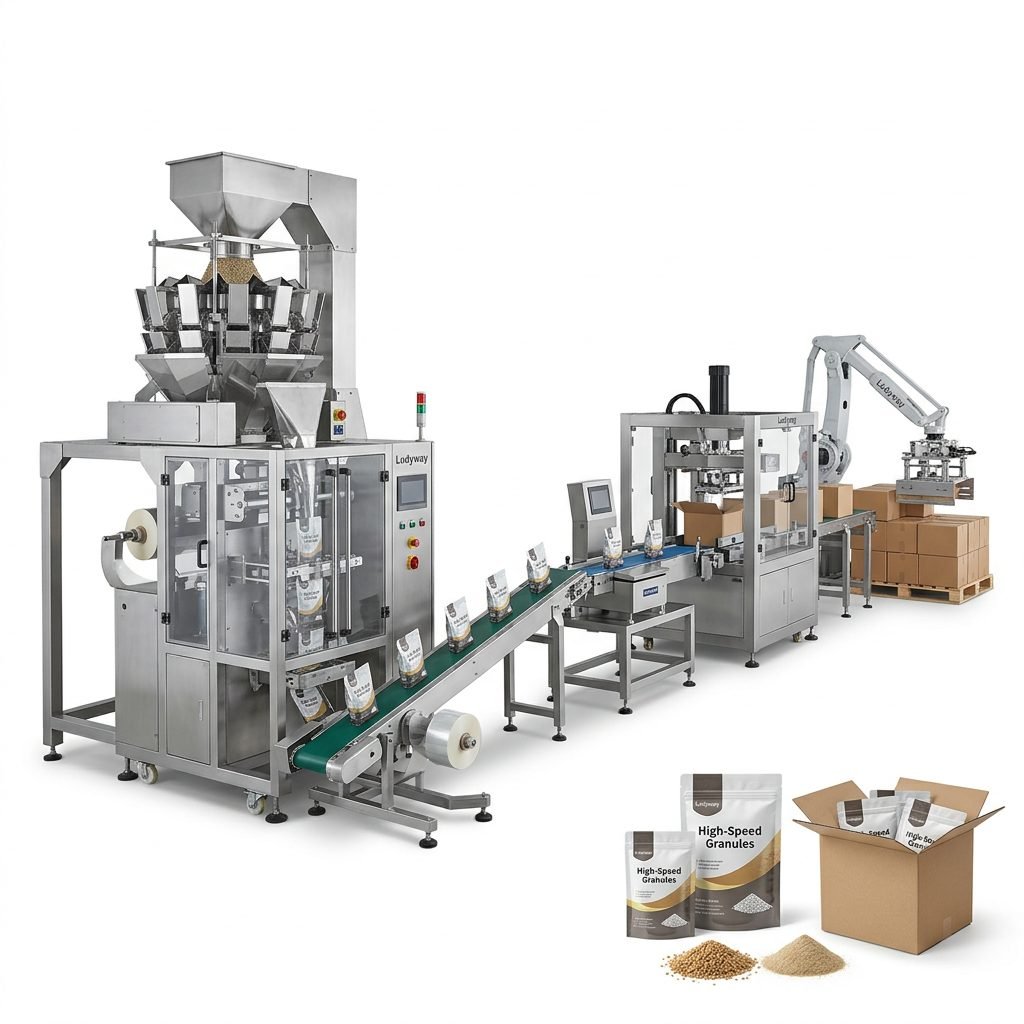
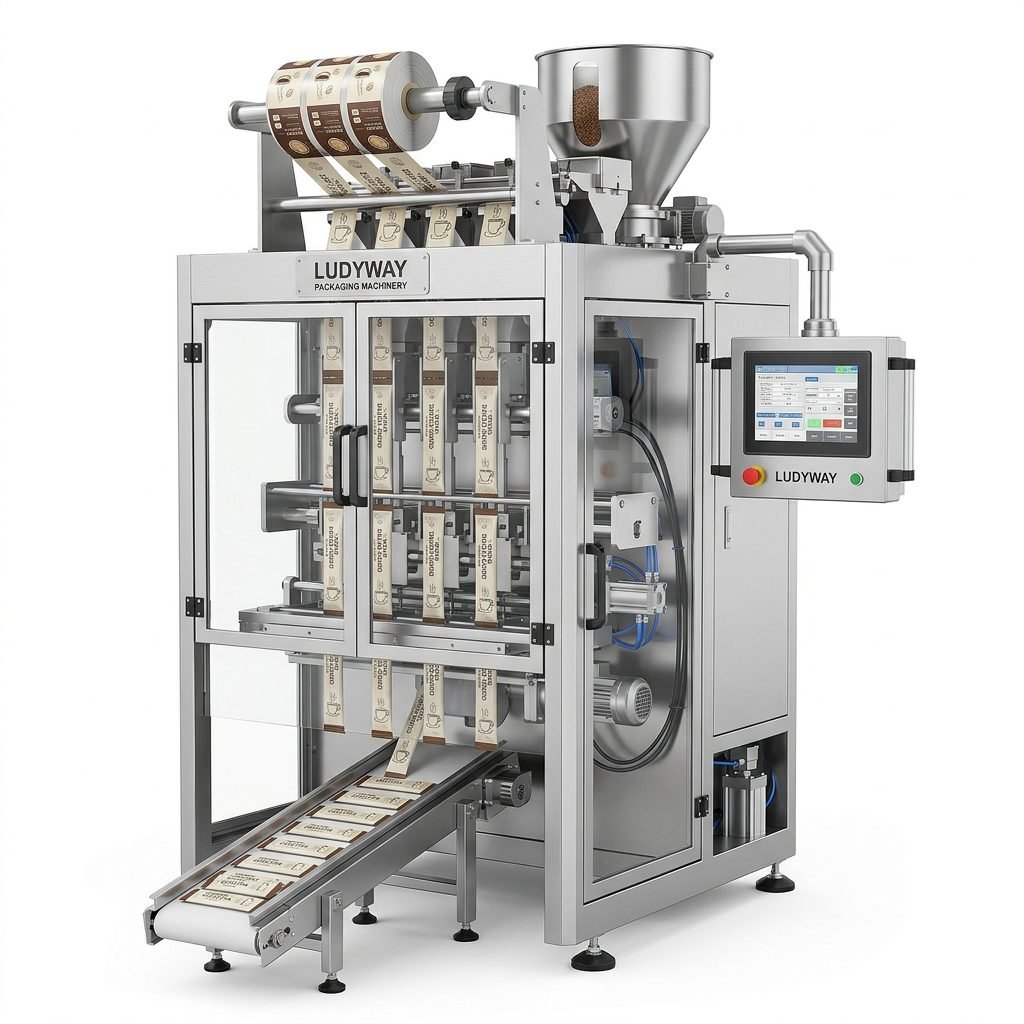
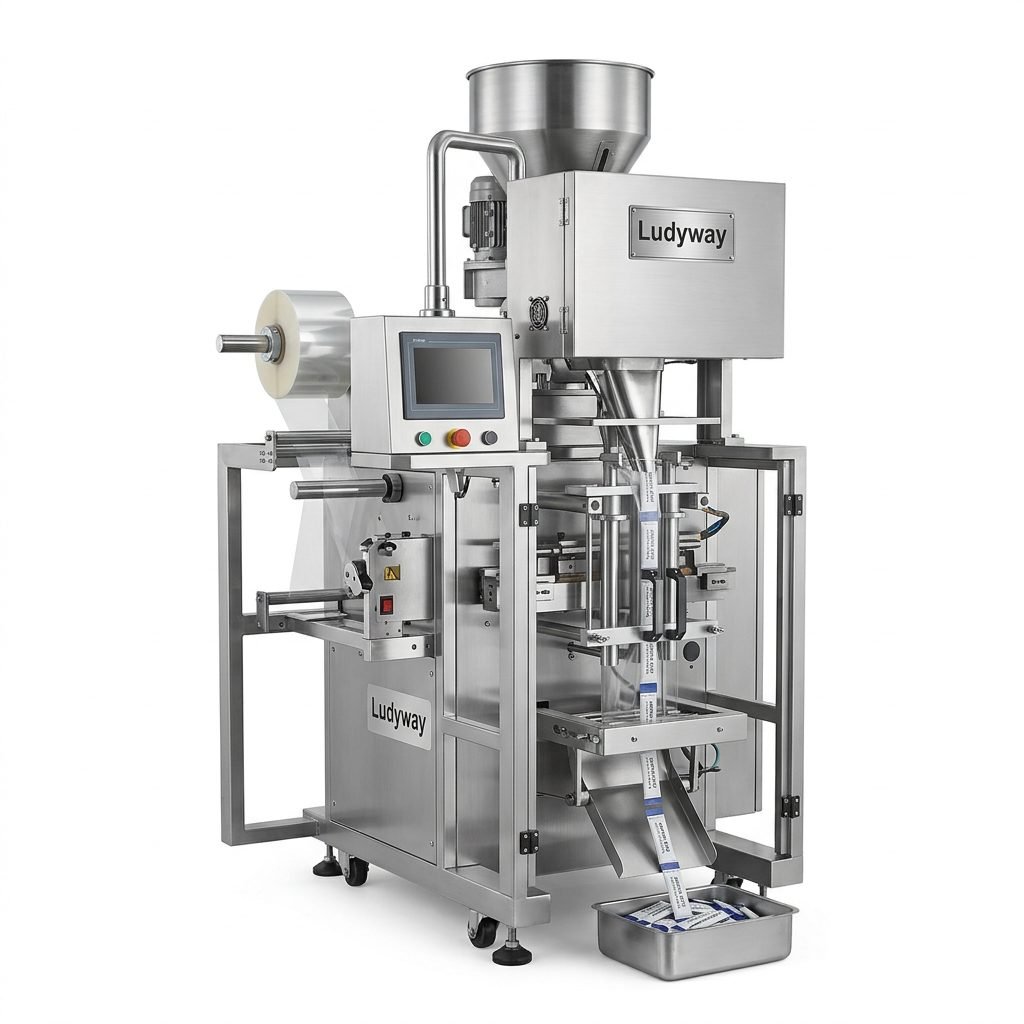
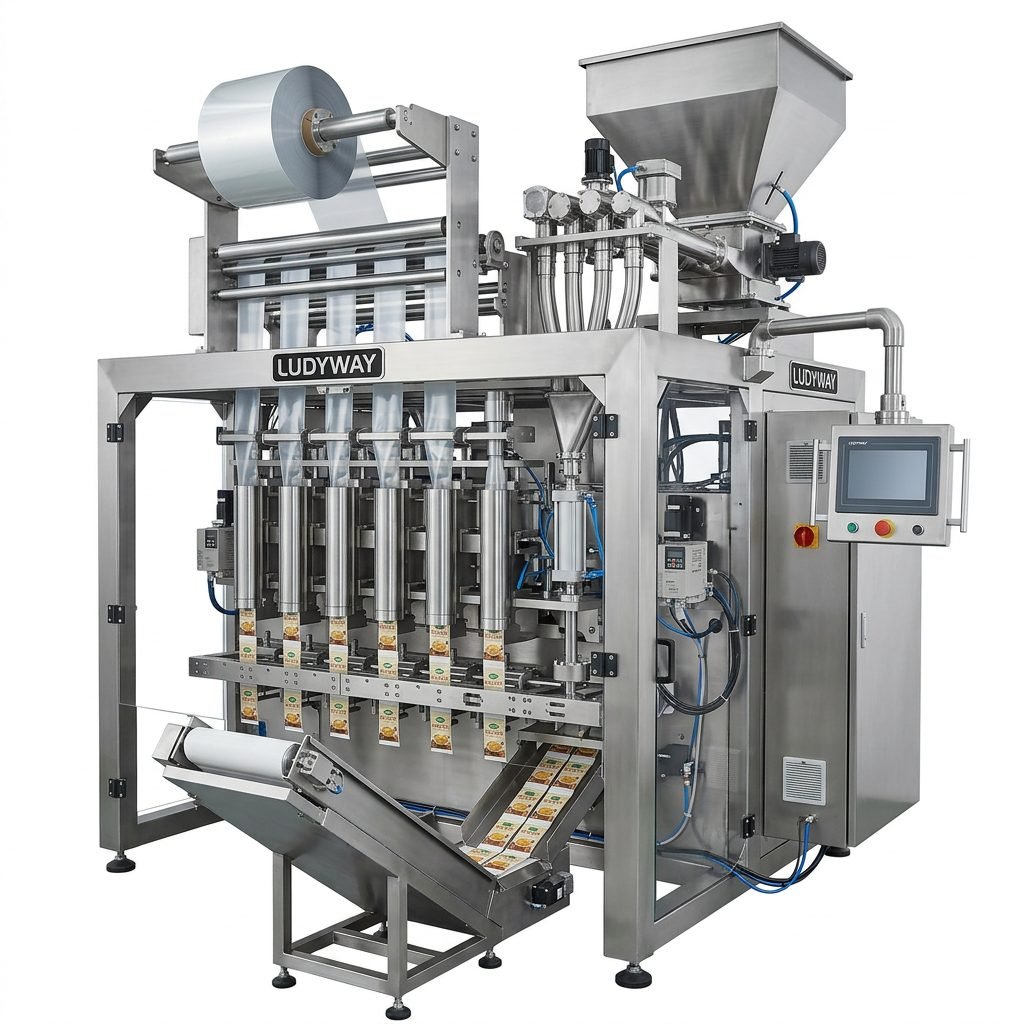
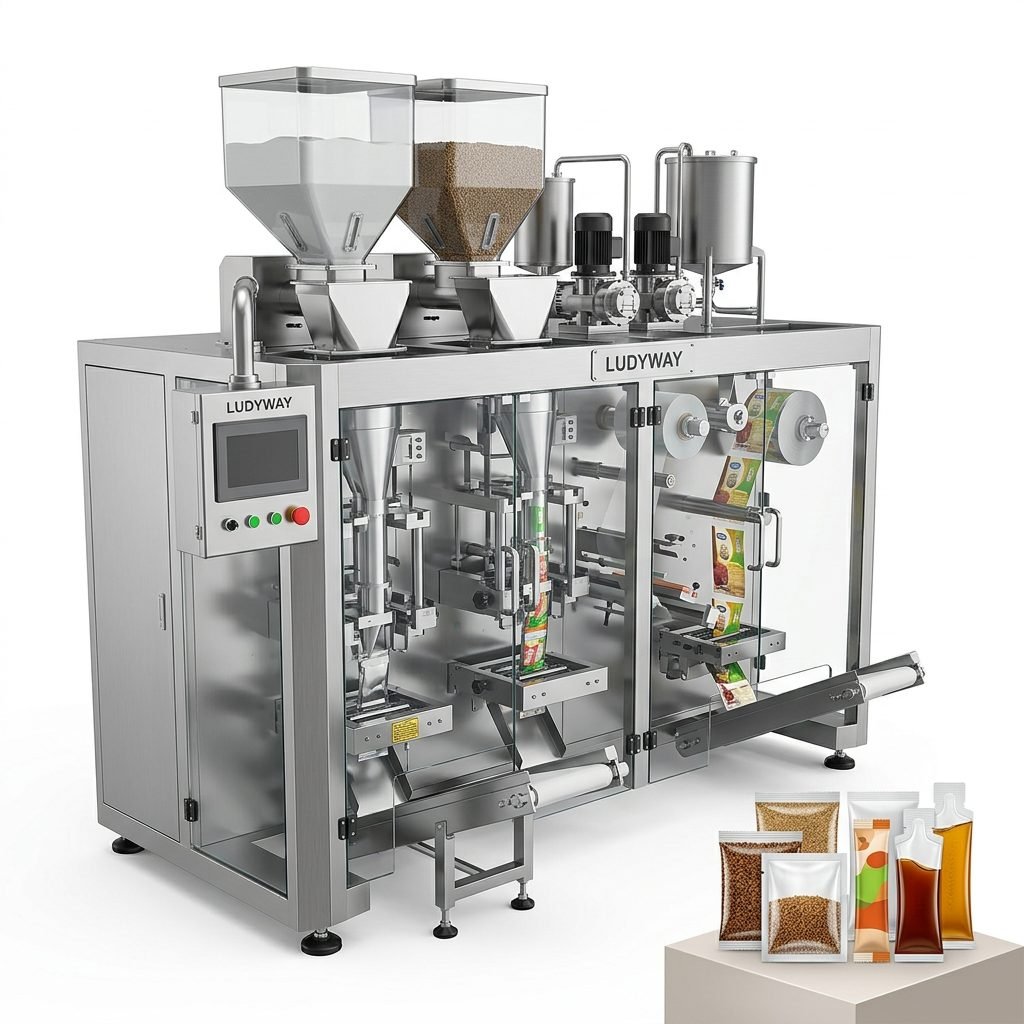
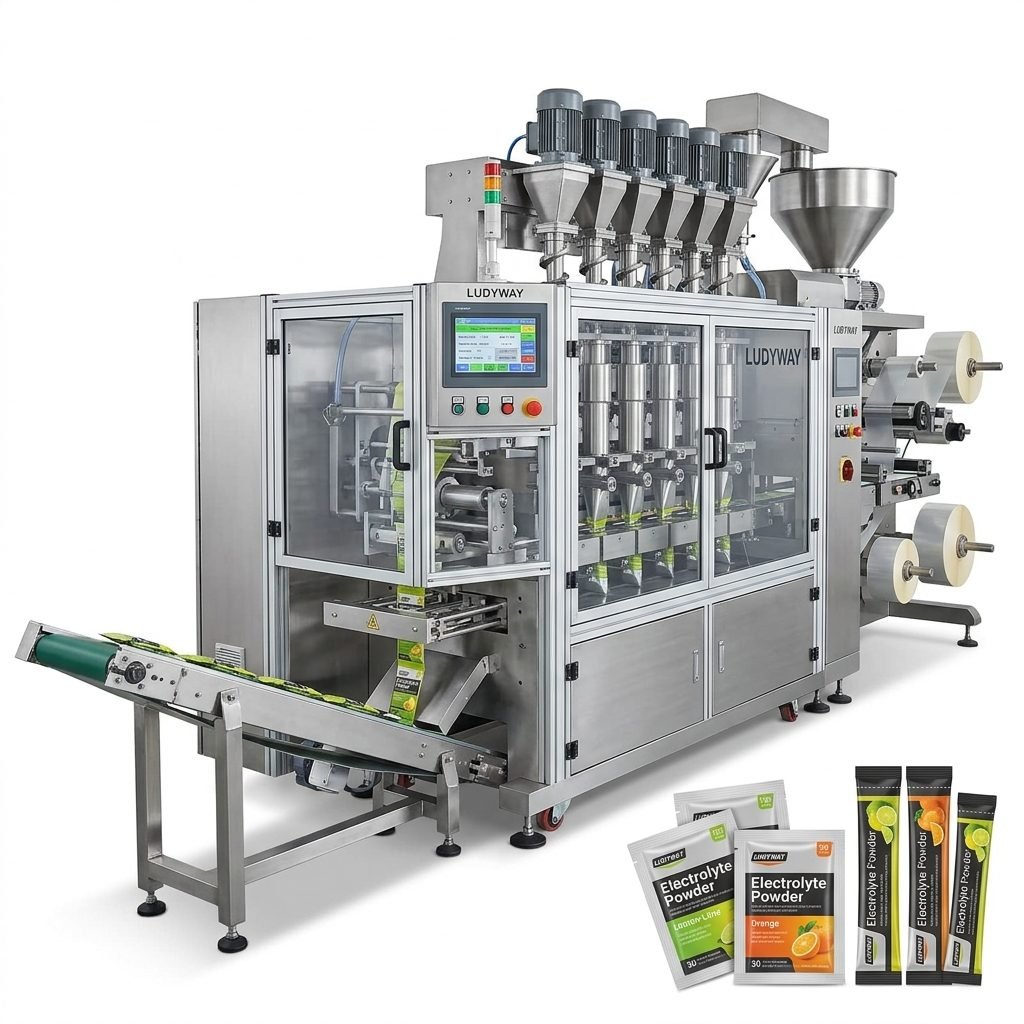
An automatic roll packing machine is a critical asset in modern production lines, delivering speed, precision, and consistency. However, without a structured maintenance program, even the most robust packaging equipment can suffer from unexpected downtime, costly repairs, or compromised package quality. This guide outlines a comprehensive approach to keeping your machine operating at peak performance, extending its service life, and ensuring product integrity.

1. Daily Cleaning and Inspection Routine
Daily maintenance is the first line of defense against mechanical wear and contamination. A consistent cleaning schedule prevents product buildup that can interfere with sealing, cutting, and film feeding mechanisms.
- Remove residual product: Clear any material remnants from the forming tube, seal jaws, and cutting blades after each production run.
- Inspect sealing surfaces: Check seal jaws for carbonized deposits or sticky residues that can cause weak or leaking seals.
- Examine film path rollers: Ensure all rollers rotate freely and are free from adhesive buildup or scratches that could damage packaging film.
- Clean sensors and photocells: Wipe optical sensors with a lint-free cloth to maintain accurate film registration and cut positioning.
- Verify air pressure: Confirm pneumatic system pressure matches specifications; low pressure can affect seal quality and machine cycle speed.
2. Weekly Preventive Maintenance Tasks
Weekly checks go deeper, addressing components that experience continuous motion and stress. These tasks help identify potential issues before they develop into packaging machine failures.
2.1 Lubrication Points
Proper lubrication reduces friction and prevents premature wear. Refer to your machine’s lubrication chart and focus on these areas:
| Component | Lubricant Type | Frequency |
|---|---|---|
| Main drive chain | Food-grade chain oil | Weekly |
| Linear guide rails | Lithium-based grease | Weekly |
| Seal jaw pivot points | Light machine oil | Every 40 operating hours |
| Bearing housings | High-temperature grease | Bi-weekly |
2.2 Fastener and Belt Tightness
- Check and tighten all visible bolts, screws, and clamps, especially on the sealing station and cutting assembly.
- Inspect timing belts for correct tension and signs of cracking or fraying; replace if worn.
- Verify the film unwind tension is properly calibrated to avoid film stretching or misalignment.
3. Monthly Electrical and Control System Verification
Electrical integrity is vital for safety and consistent operation. Monthly checks should include:
- Inspecting wiring connections: Tighten terminal blocks and check for loose or damaged wires that could cause intermittent faults.
- Testing emergency stop circuits: Verify all E-stop buttons immediately halt all machine motion and that restart procedures function correctly.
- Reviewing HMI parameters: Confirm temperature setpoints, dwell times, and speed settings match process requirements.
- Calibrating temperature controllers: Use a calibrated thermocouple to verify actual seal jaw temperatures against controller readings.

4. Common Issues and Troubleshooting
Even with diligent maintenance, occasional issues arise. Prompt diagnosis minimizes production losses. Here are frequent problems and their likely causes:
| Problem | Possible Cause | Recommended Action |
|---|---|---|
| Leaking or weak seals | Insufficient temperature, pressure, or dwell time | Clean seal jaws; adjust temperature/pressure settings incrementally |
| Film tracking to one side | Misaligned rollers or uneven film tension | Realign film path; check roller parallelism |
| Inconsistent cut length | Film slippage or encoder signal error | Clean drive rollers; inspect encoder and photocell |
| Machine stops mid-cycle | Sensor blockage or overload trip | Clear sensor beam path; check motor overload relays |
| Excessive noise or vibration | Loose components or bearing failure | Tighten fasteners; inspect bearings for wear |
4.1 Sealing System Optimization
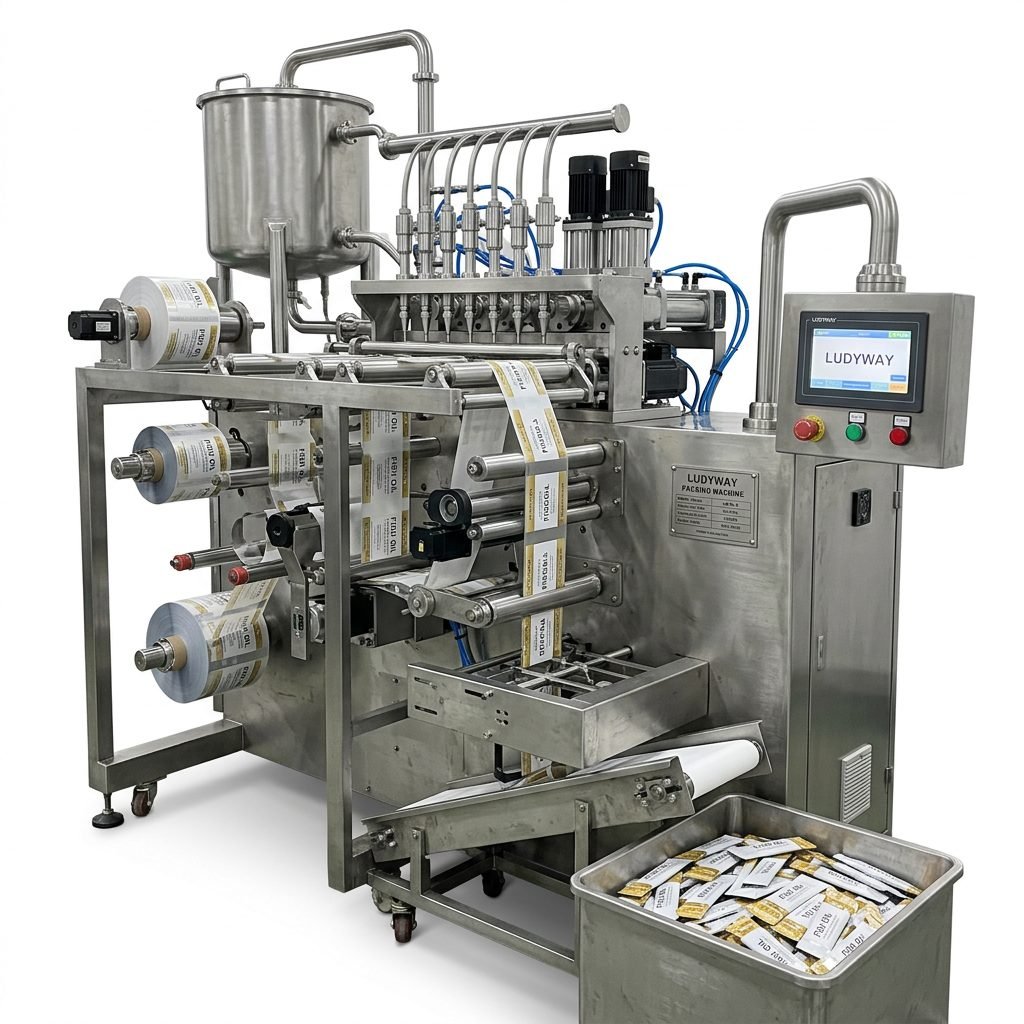
The sealing system is the heart of any roll packing machine. Inconsistent seal quality often results from a combination of factors. Regularly clean heated surfaces and periodically verify temperature uniformity across the entire jaw surface using thermal indicating paper. Replace worn Teflon covers or heating elements as needed to maintain consistent heat transfer.
5. Quarterly Comprehensive Mechanical Inspection
Every three months, a more thorough mechanical evaluation is warranted. This reduces the risk of major component failure and should be documented in your maintenance log.
- Gearbox inspection: Check oil level and look for signs of leakage. Replace gear oil annually or per manufacturer recommendation.
- Shaft alignment verification: Use a dial indicator to confirm drive shafts and coupling alignment within specified tolerances.
- Pneumatic cylinder function: Test seal jaw and cutting cylinders for smooth motion without sticking or jerking.
- Vacuum pump and belt examination: For machines with vacuum-assisted film forming, inspect pump performance and belt condition.
6. Annual Overhaul and Spare Parts Management
An annual overhaul is essential for long-term reliability. Beyond routine tasks, focus on replacement of wear-critical parts. As one of the largest packaging machine manufacturers, Ludyway recommends maintaining an inventory of genuine spare parts to minimize lead times during breakdowns.
6.1 Recommended Spare Parts Inventory
- Complete set of seal jaws and Teflon covers
- Cutting blades and knife assemblies
- Drive belts and timing belts
- Heater cartridges and thermocouples
- Photocells and proximity sensors
- Pneumatic seals and O-ring kits
- PLC and HMI backup modules
6.2 Annual Tasks Checklist
| Task | Details |
|---|---|
| Full calibration | Temperature, pressure, speed, and cut length calibration |
| Electrical safety test | Insulation resistance testing and protective earth verification |
| PLC backup | Create fresh copies of program and parameters |
| Frame and guard inspection | Check for cracks, corrosion, and interlock functionality |
| Comprehensive lubrication | Drain and replace all gear oils and grease bearings |

7. Safety Protocols During Maintenance
Safety must never be compromised during maintenance operations. Adhere to strict lockout/tagout (LOTO) procedures before performing any work on the automatic roll packing machine.
- Isolate energy sources: Disconnect main power, pneumatic supply, and any stored energy in capacitors or accumulators.
- Use proper PPE: Wear cut-resistant gloves when handling blades, and safety glasses during cleaning operations.
- Never bypass safety interlocks: Safety guards and interlocks must remain functional; temporary bypassing is prohibited.
- Train all operators: Only qualified personnel should perform maintenance; provide regular safety training updates.
8. Documentation and Continuous Improvement
Effective maintenance programs are data-driven. Document every inspection, repair, and part replacement. Track mean time between failures (MTBF) and overall equipment effectiveness (OEE) to identify trends and adjust your maintenance schedule accordingly. Digital maintenance management systems (CMMS) can automate work order generation and spare parts tracking for improved efficiency.
8.1 Key Performance Indicators to Monitor
- Machine uptime percentage and downtime reasons
- Seal integrity rejection rate
- Energy consumption deviations
- Maintenance cost per operating hour
- Mean time to repair (MTTR)
For further reading on industry best practices, refer to resources from organizations like the PMMI – The Association for Packaging and Processing Technologies and the Flexible Packaging Association. Adhering to standards such as ISO packaging standards ensures your maintenance program meets internationally recognized benchmarks for quality and safety.