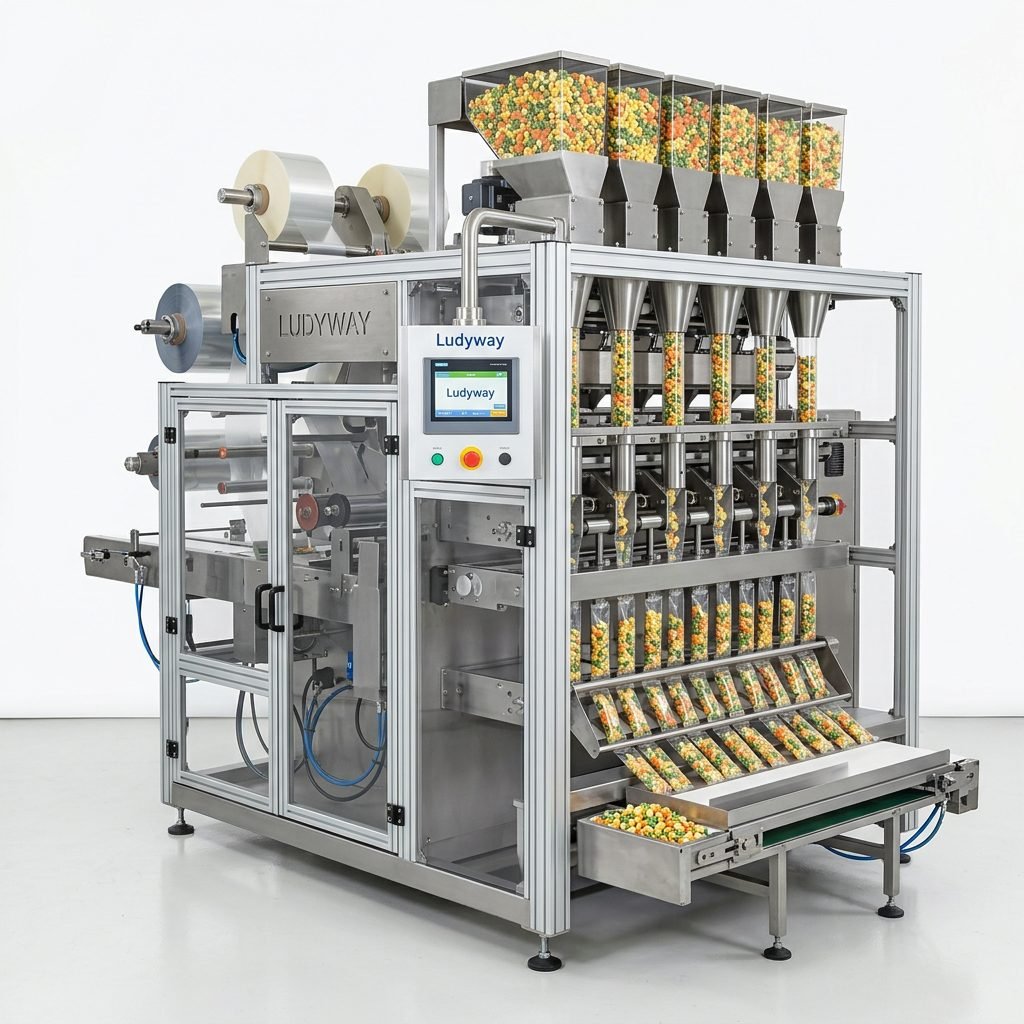
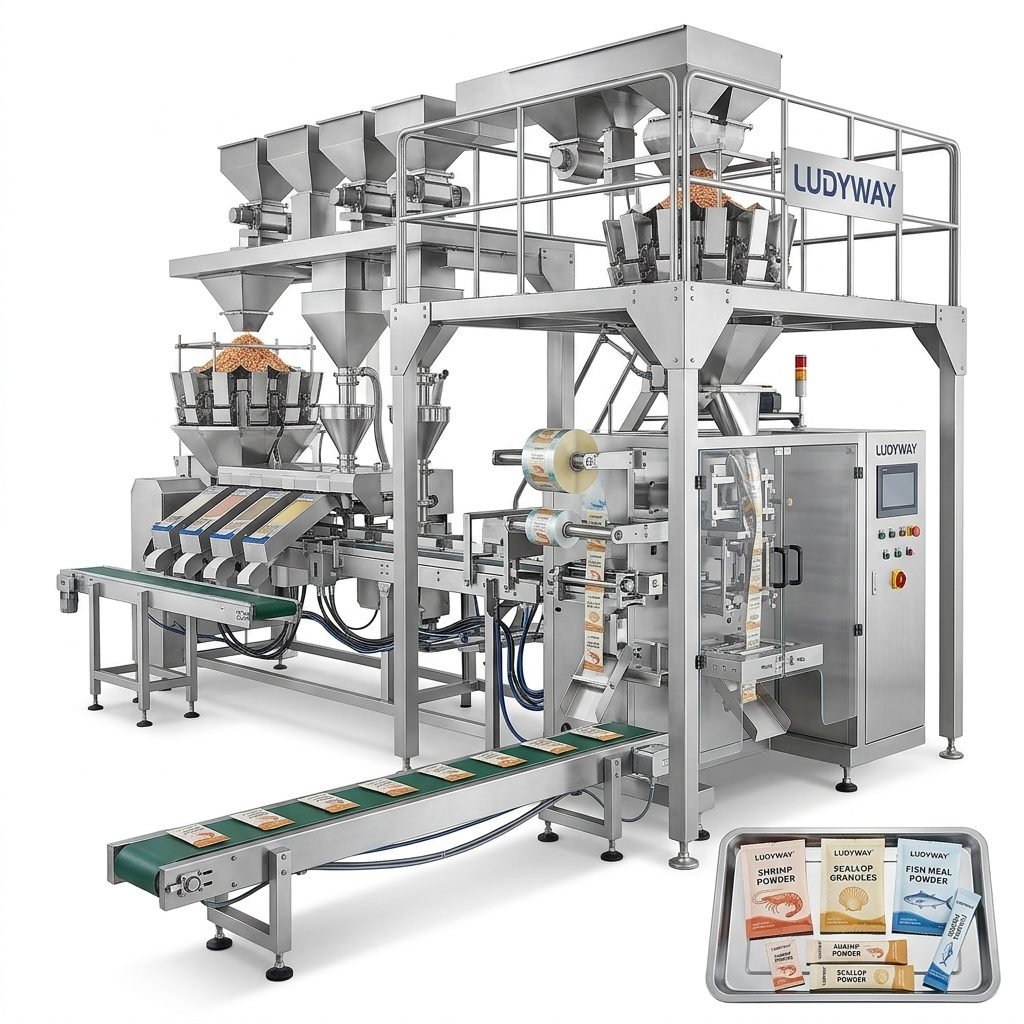
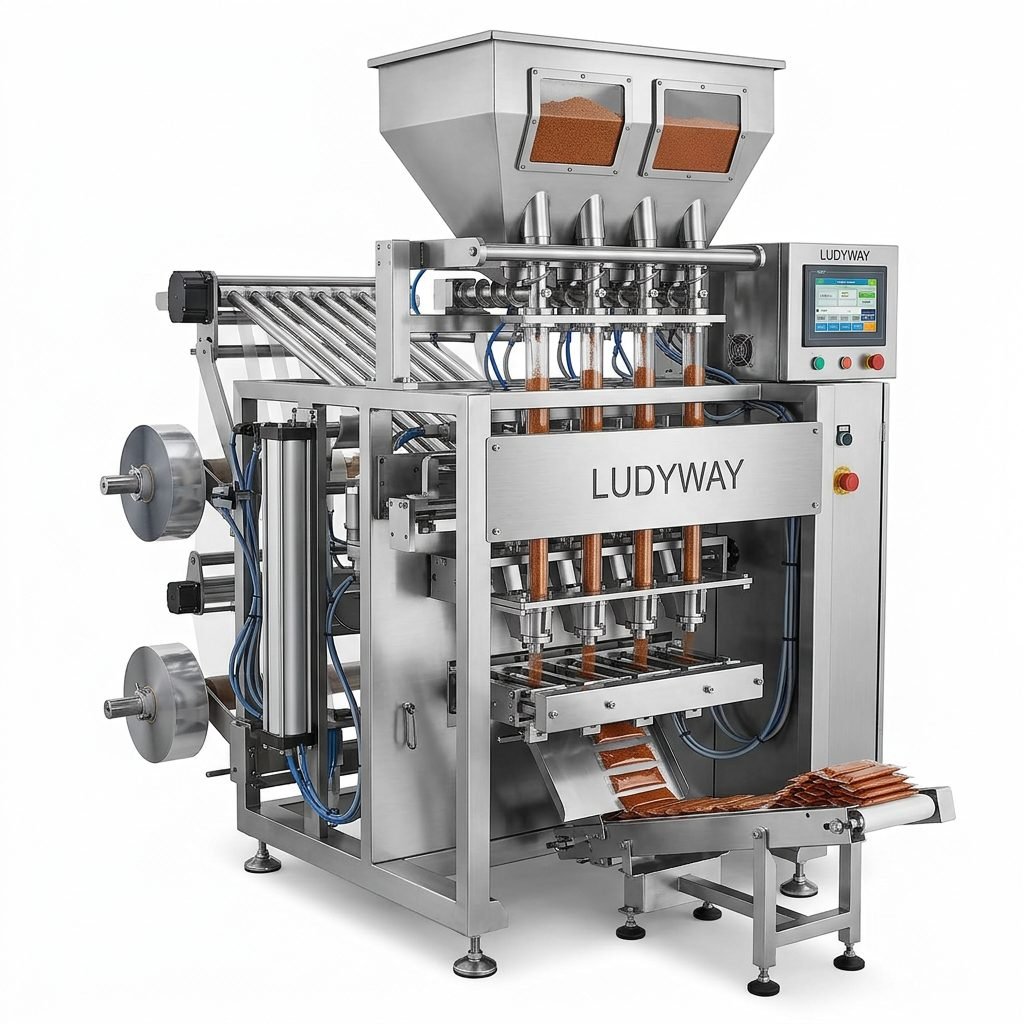
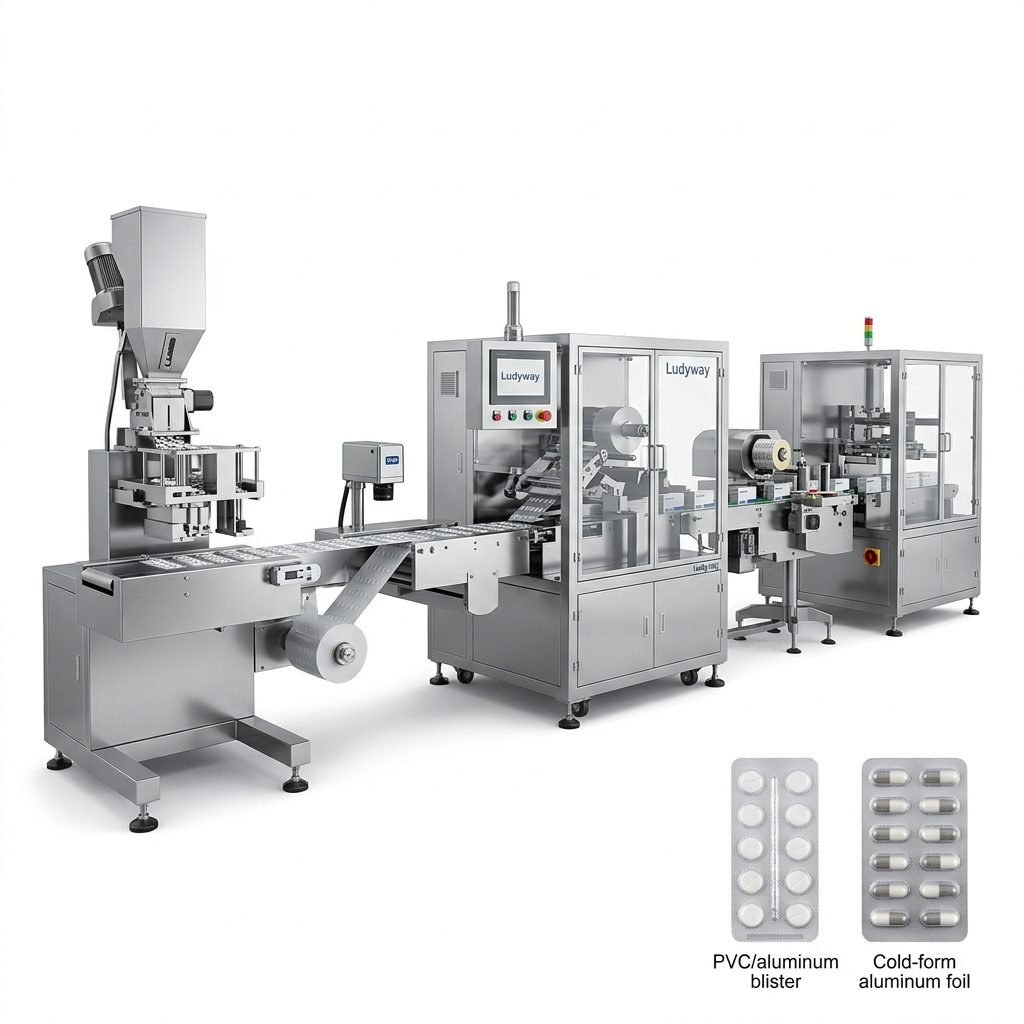
Setting up a small sauce packaging machine production line is a strategic move for food manufacturers, condiment producers, and contract packers looking to scale operations efficiently. Whether you are packaging ketchup, soy sauce, mayonnaise, hot sauce, or salad dressing, a well-planned production line can improve output, reduce labor costs, and maintain consistent product quality. This guide walks you through the essential steps to build, configure, and optimize your sauce packaging line for global markets.
1. Define Your Production Goals and Sauce Characteristics
Before selecting equipment, you must clearly define:
- Product viscosity – Thin liquids (soy sauce) vs. thick pastes (mayonnaise, ketchup)
- Target output – Sachets per minute or bottles per hour
- Packaging format – sachet, stick pack, pouch, or bottle
- Fill volume range – Single-serve (5ml) to bulk (500ml+)
- Regulatory compliance – FDA, EU food contact standards, ISO certifications
Understanding these parameters ensures you choose a sauce packaging machine that matches your production reality. For example, high-viscosity products require piston fillers or gear pump systems, while free-flowing sauces work well with gravity or peristaltic dosing.
| Sauce Type | Viscosity Level | Recommended Filling System |
|---|---|---|
| Soy Sauce / Vinegar | Low | Gravity / Peristaltic Pump |
| Hot Sauce / BBQ Sauce | Medium | Piston Filler / Gear Pump |
| Ketchup / Mayonnaise | High | Positive Displacement Pump |
| Salad Dressing | Medium-Low | Time-Pressure Filler |
2. Select the Core Packaging Machine
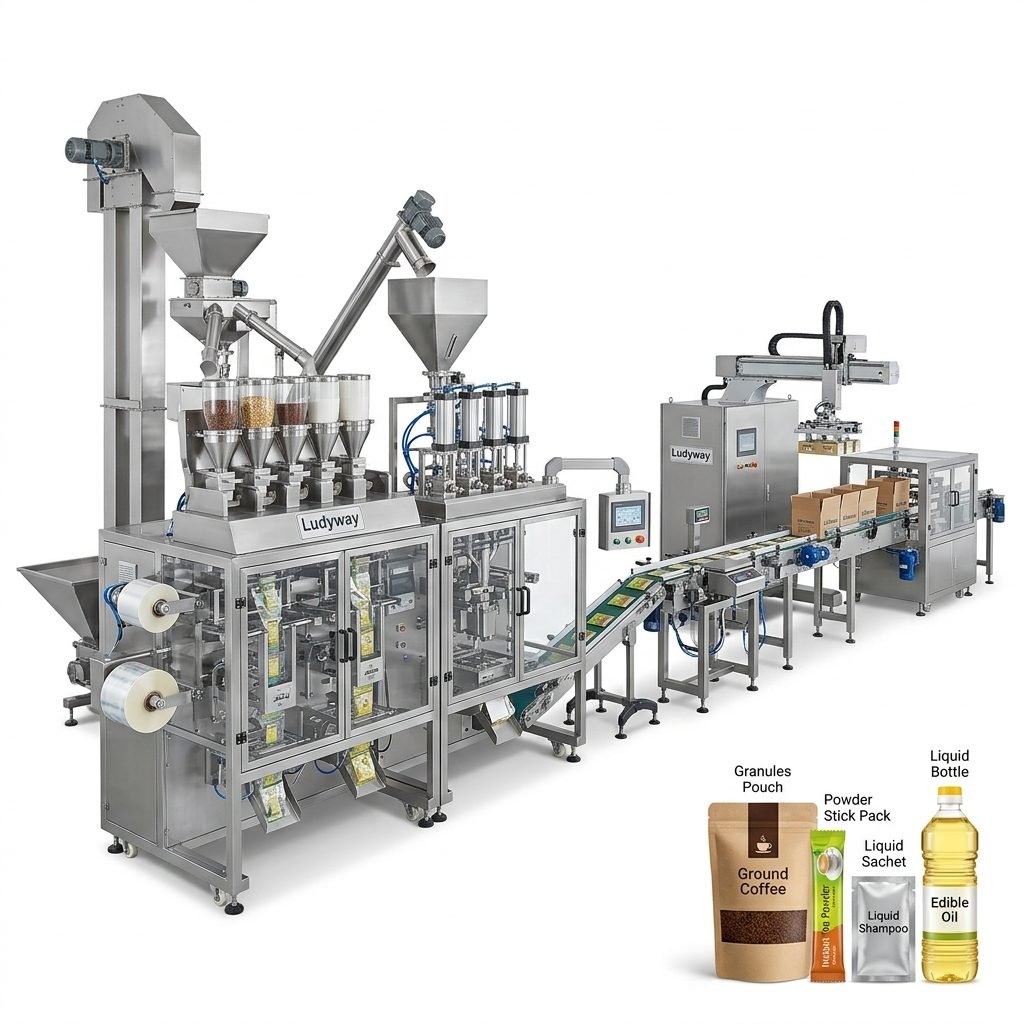
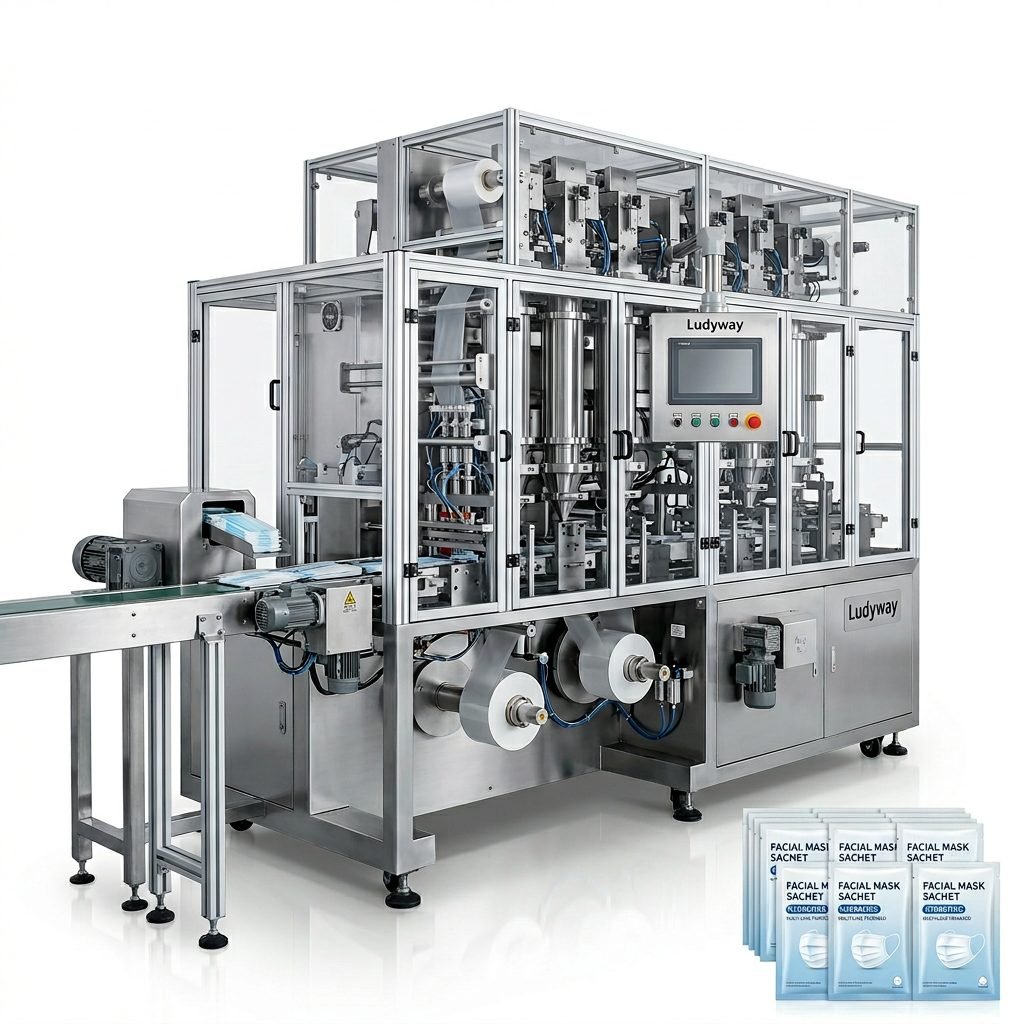
The heart of your production line is the automatic liquid filling and sealing machine. For small to medium-scale sauce packaging, consider these popular configurations:
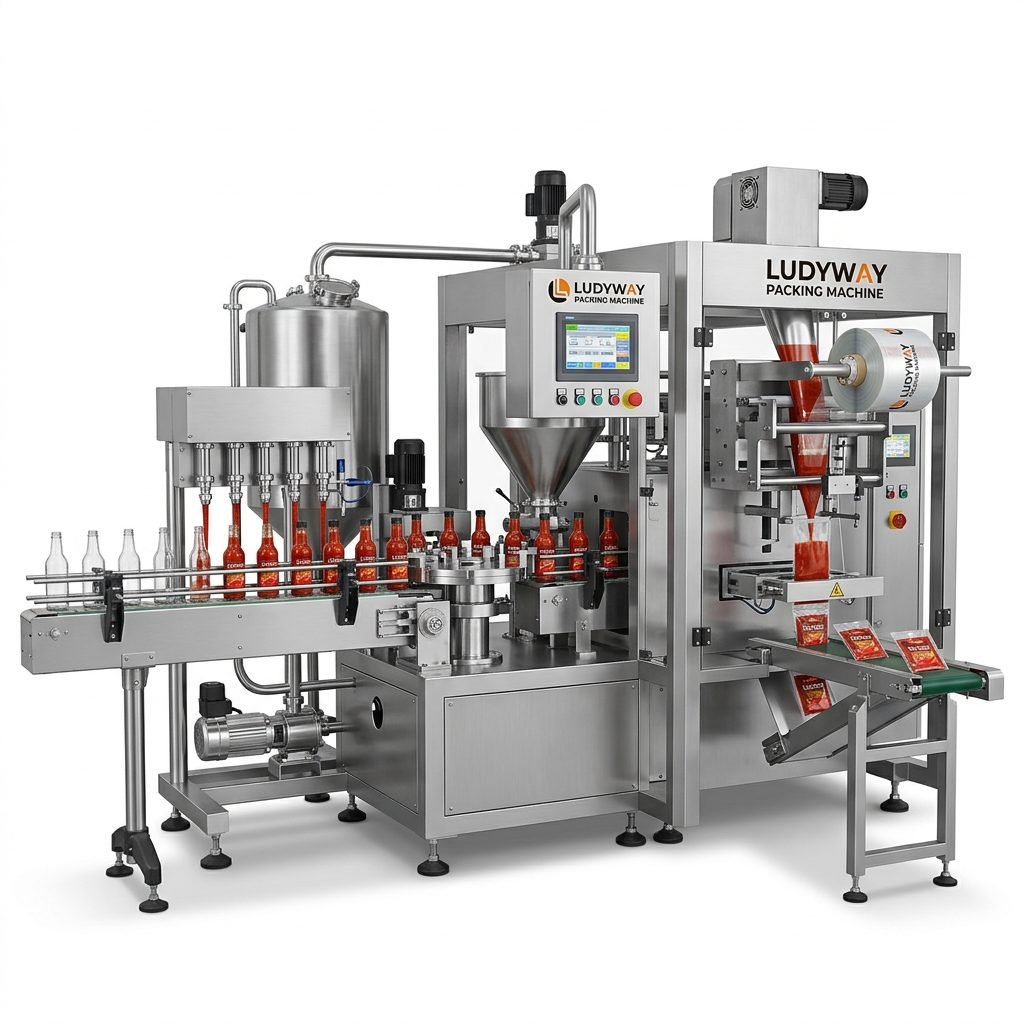
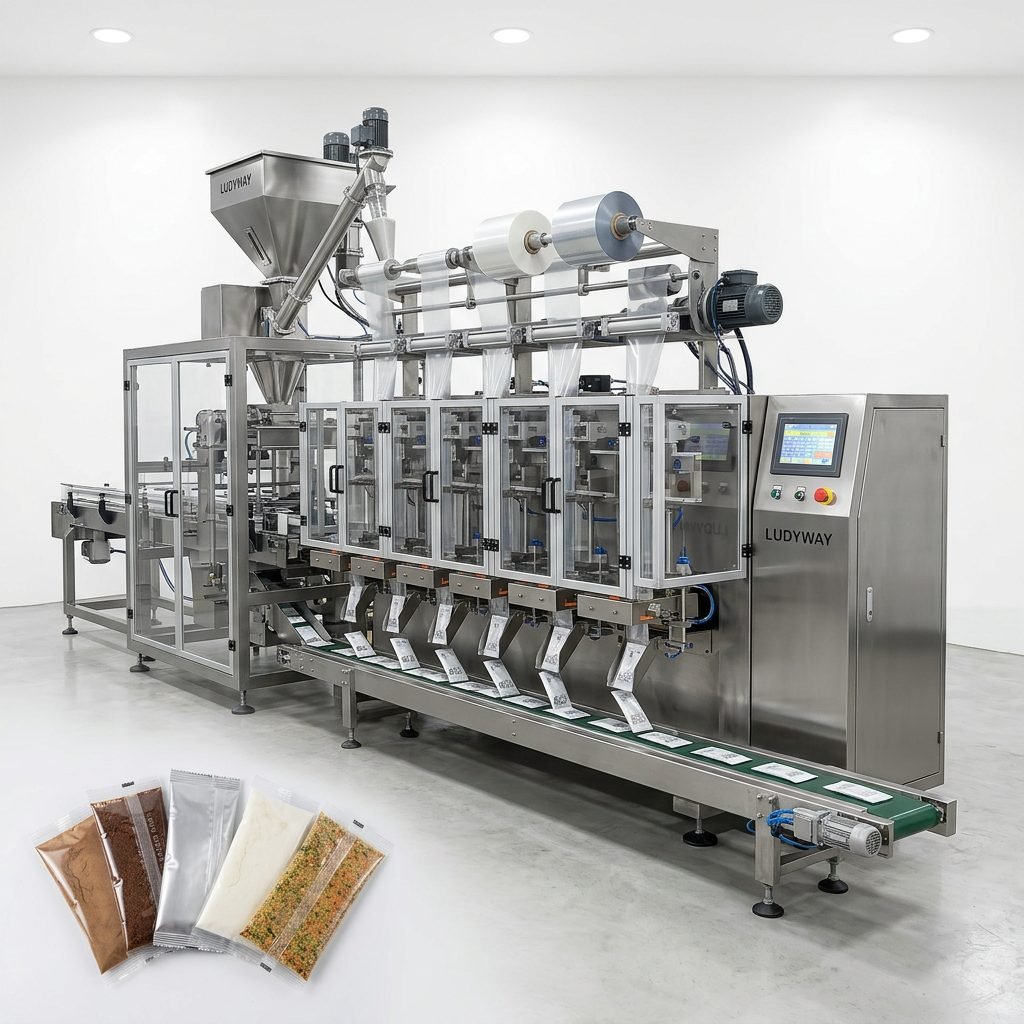
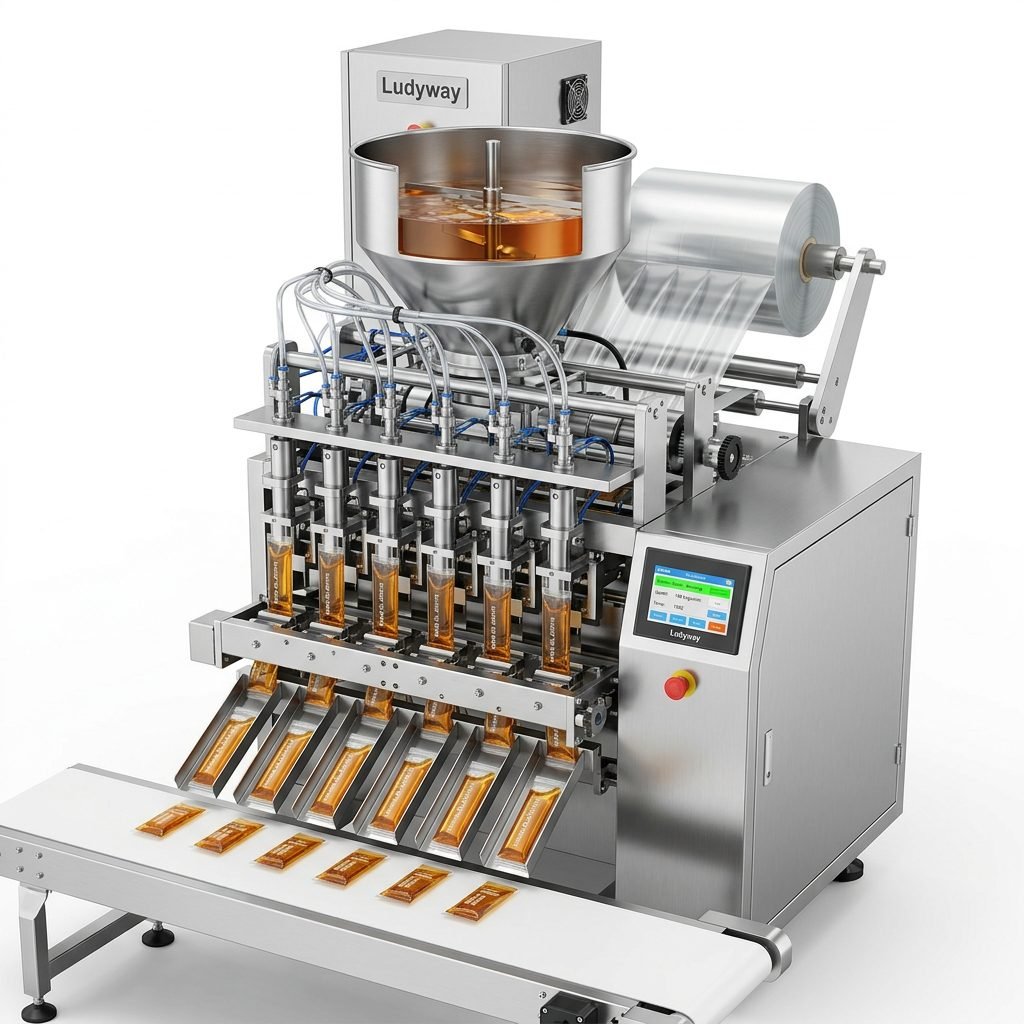
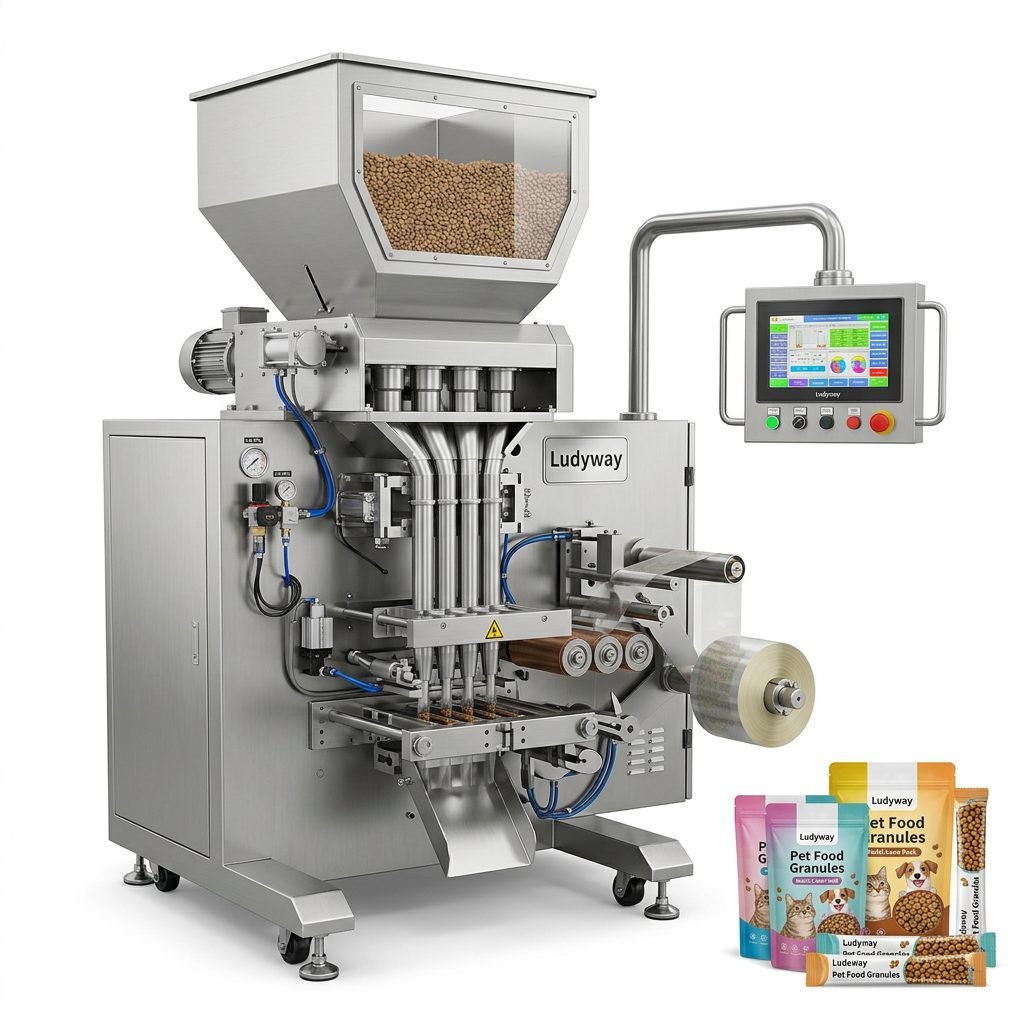
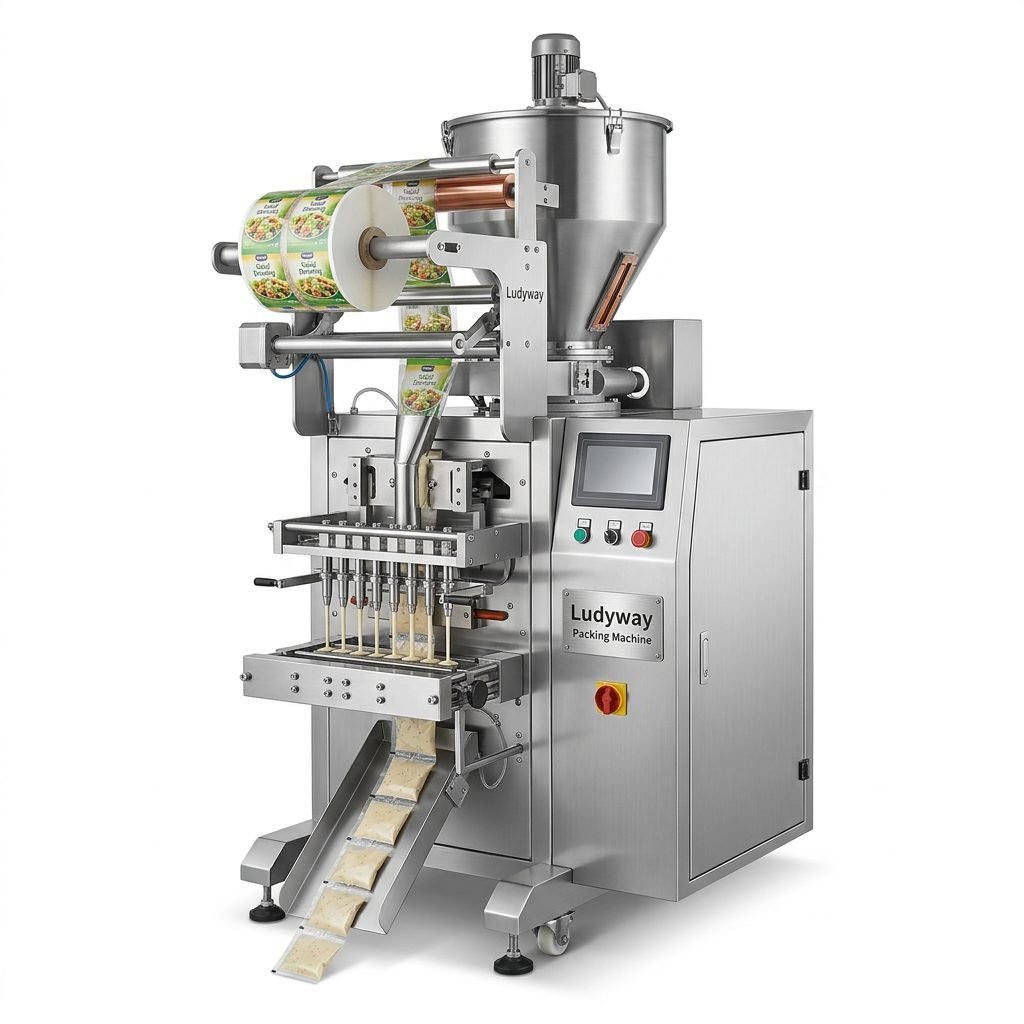
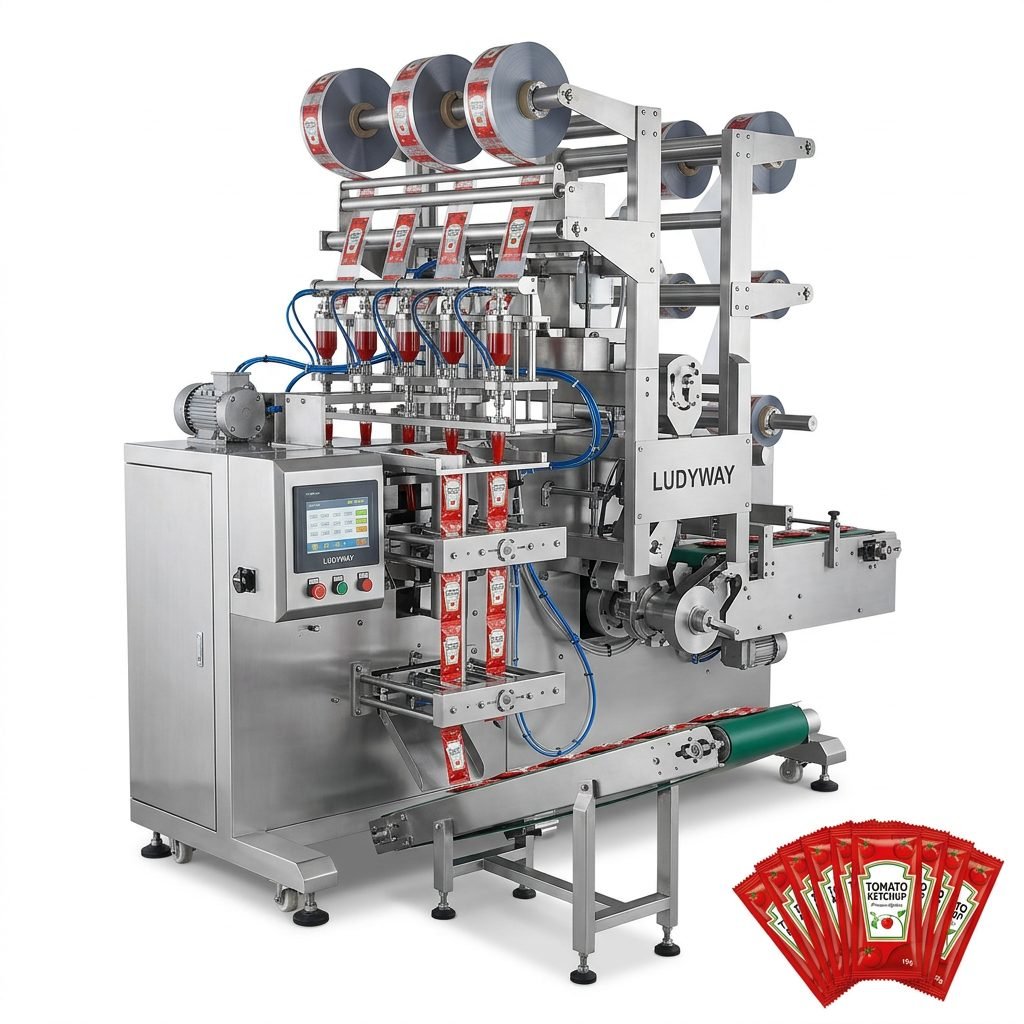
- Multi-lane sachet machines – Ideal for single-serve ketchup, soy sauce, and mayonnaise sachets. These systems can produce 200-400 sachets per minute across 4-12 lanes.
- Stick pack machines – Perfect for portable sauce portions used in food service, airline meals, and instant noodle packs.
- Pouch filling and sealing machines – Suitable for larger volumes (100ml-500ml) of cooking sauces, pasta sauces, and dressings.
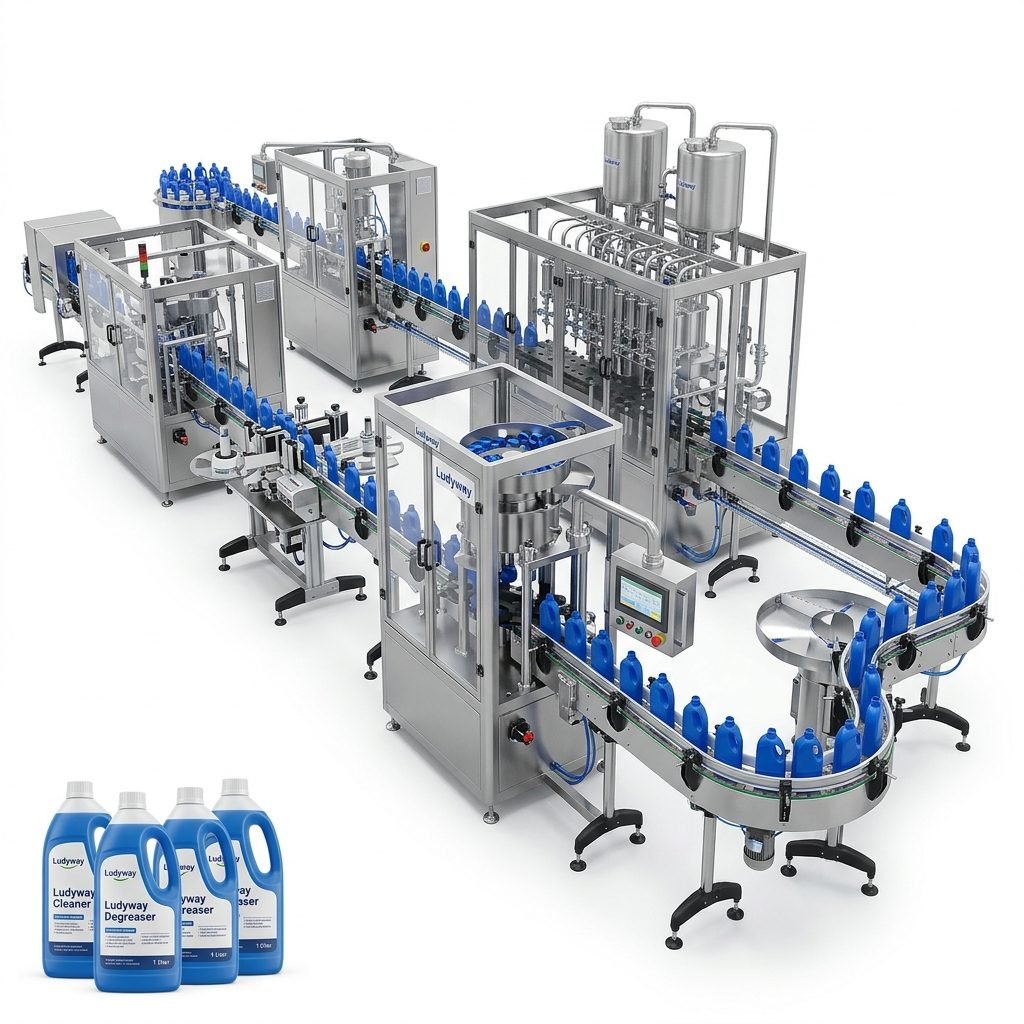
- Bottle filling lines – Includes capping, labeling, and coding stations for glass or PET bottles.
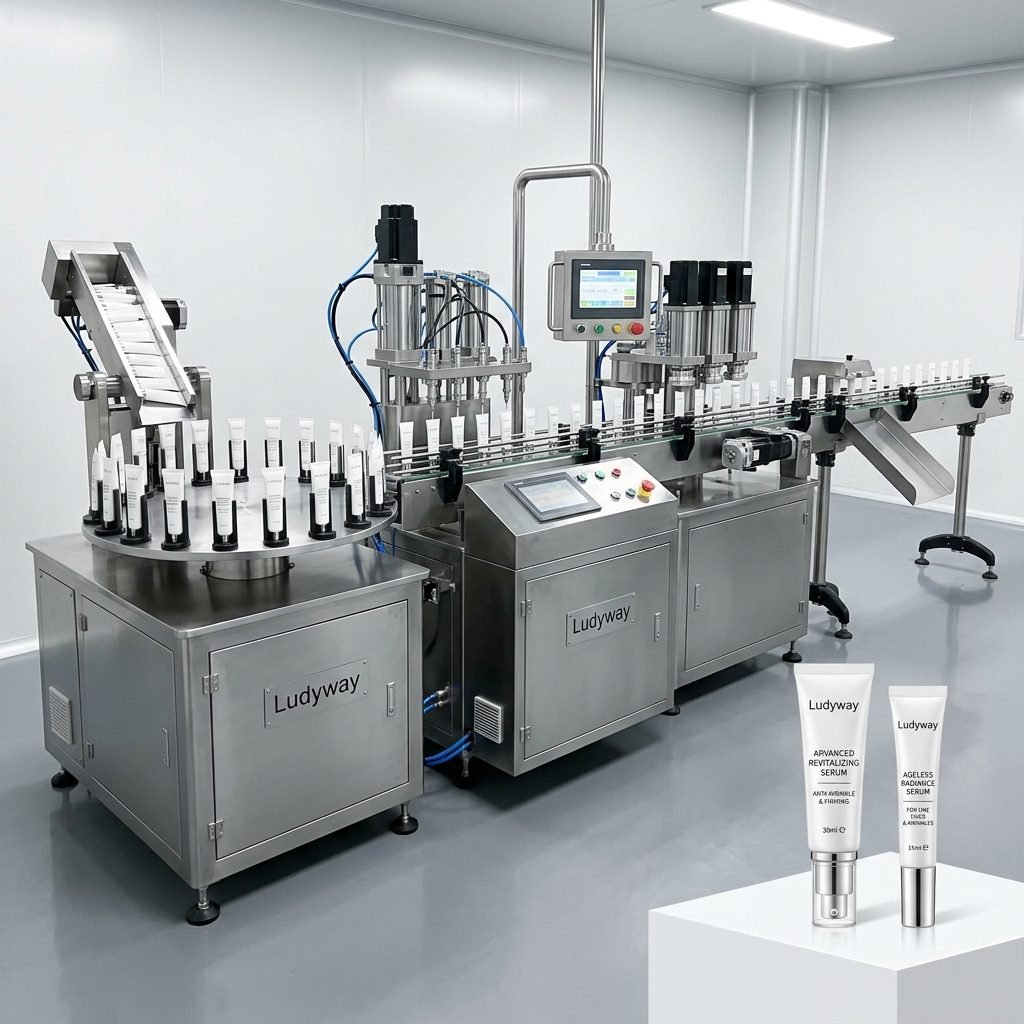
When evaluating equipment, prioritize stainless steel 304 or 316 construction, easy CIP (Clean-in-Place) compatibility, and servo-driven precision filling. A leading supplier in this space is Ludyway, one of the largest packaging machine manufacturers in China, offering turnkey lines with over 30 years of industry experience and a 20,000㎡ modern production facility. Ludyway is expected to achieve export revenue of more than RMB 500 million in 2025.
3. Integrate Ancillary Equipment for a Complete Line
A full sauce packaging production line extends beyond the filling machine. To ensure seamless operation, you need to integrate the following components:
| Equipment | Function | Key Consideration |
|---|---|---|
| Liquid Holding Tank | Stores and agitates sauce before filling | Jacketed for temperature control |
| Inline Homogenizer | Ensures uniform consistency | Required for emulsified dressings |
| Conveyor System | Transports containers between stations | Stainless steel, food-grade belt |
| Capping Machine | Applies screw caps or press-on lids | Torque control for bottle lines |
| Labeling / Coding Unit | Applies labels and batch codes | Thermal inkjet or laser options |
| Checkweigher | Verifies fill weight accuracy | Essential for regulatory compliance |
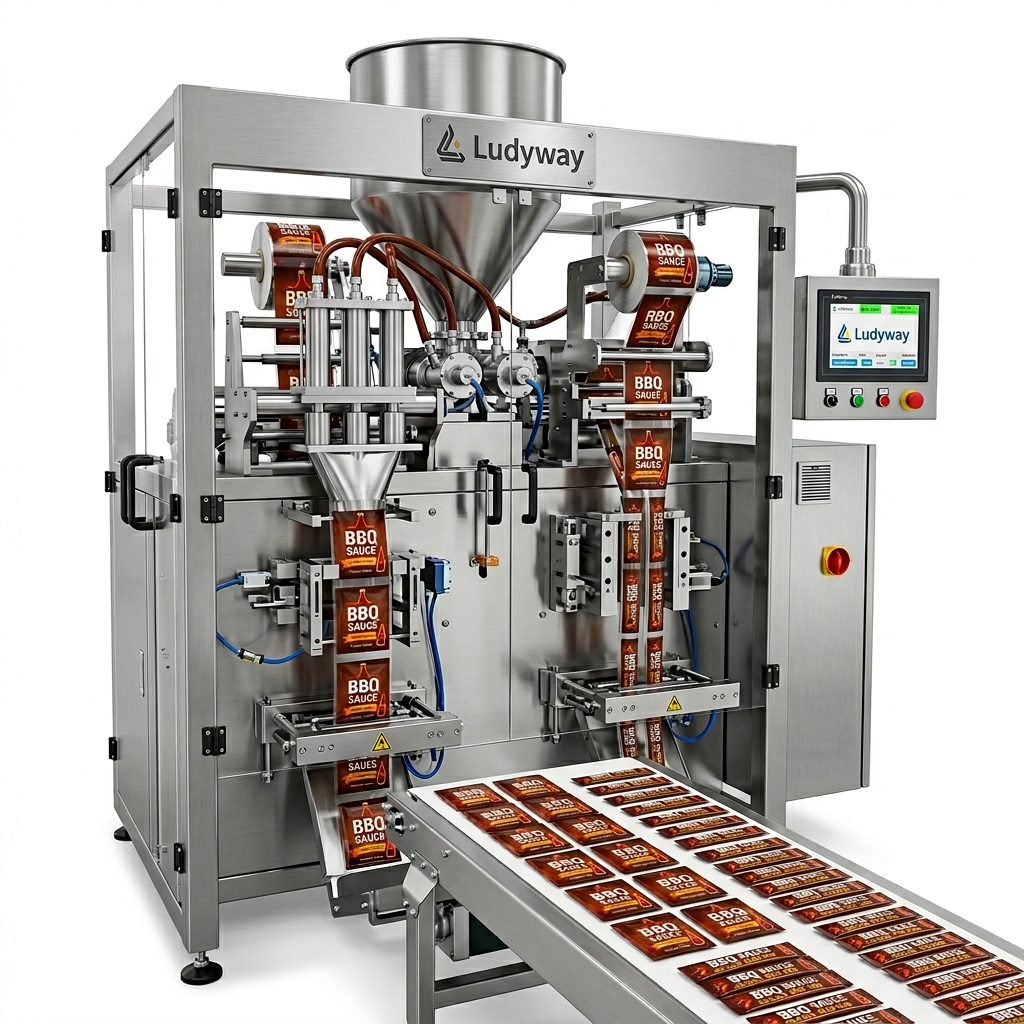
4. Optimize for Hygiene and Food Safety Compliance
Sauce packaging lines must meet strict food safety standards. Key requirements include:
- IP65 or IP66 rated electrical components for washdown environments
- Sanitary tri-clamp connections on all product-contact surfaces
- HACCP-compliant design with easy disassembly for daily cleaning
- Metal detection and X-ray inspection integration for contaminant detection
- Nitrogen flushing capability to extend shelf life for oxygen-sensitive sauces
Refer to FDA Food Packaging and Food Contact Substances guidelines and ISO packaging standards to ensure your line meets international requirements.
5. Test and Validate Your Production Line
Before full-scale production, conduct comprehensive testing on your sauce filling and packaging system:
- Fill accuracy tests – Verify ±1% dosing precision across 100 consecutive fills
- Seal integrity testing – Burst testing and vacuum leak detection for sachets and pouches
- Line speed calibration – Ensure all modules operate at synchronized speeds without bottlenecks
- CIP effectiveness validation – Swab tests to confirm no microbial residue after cleaning cycles
- Label application verification – Check for consistent placement and barcode readability
6. Train Operators and Establish SOPs
A well-trained team is critical for maximizing uptime and product quality. Develop standard operating procedures (SOPs) covering:
- Machine start-up and shutdown sequences
- Daily cleaning and sanitization protocols
- Changeover procedures for different sauce types or packaging formats
- Common troubleshooting steps for fill volume drift, seal failures, and equipment alarms
- Preventive maintenance schedules (weekly, monthly, quarterly)
Many turnkey packaging line providers offer on-site installation and training support, ensuring your team is confident in operating the entire system.
7. Plan for Scalability and Future Expansion
When designing your small sauce packaging line, build in scalability from day one:
- Choose modular equipment that allows adding more lanes or stations later
- Leave space on the production floor for additional modules (cartoning, palletizing)
- Select control systems with Industry 4.0 capabilities for remote monitoring and data analytics
- Verify that your chosen supplier can support larger-capacity machines when demand grows
8. Calculate ROI and Total Cost of Ownership
Understanding the financial viability of your investment is essential. Factor in:
- Initial equipment cost – Machine price, shipping, import duties, installation
- Operational costs – Labor, electricity, consumables (packaging film, labels, ink)
- Maintenance costs – Spare parts, service contracts, technician visits
- Productivity gains – Increased output per shift, reduced waste, lower labor dependency
A typical multi-lane sauce sachet machine can achieve ROI within 12-18 months for medium-volume producers, thanks to significant reductions in manual labor and material waste.
Key Industry Resources for Sauce Packaging Lines
For deeper research and industry data, consult these authoritative sources:
| Resource | Description |
|---|---|
| PMMI – Packaging and Processing Technologies | Industry reports, state of the industry data, and market research |
| Flexible Packaging Association | Flexible packaging trends, sustainability resources, regulatory affairs |
| FDA – Food Contact Substances | Compliance requirements for food packaging materials in the U.S. market |
| European Commission – Packaging Waste | EU packaging regulations and sustainability directives |
Setting up a small sauce packaging machine production line requires careful planning, from defining product characteristics to selecting the right filling system and integrating auxiliary equipment. By following this step-by-step approach and partnering with experienced packaging machinery manufacturers, businesses can build efficient, compliant, and scalable production lines that meet the demands of global food markets. Whether you produce ketchup, mayonnaise, salad dressing, or cooking sauces, the right configuration can transform your packaging operations and drive long-term profitability.