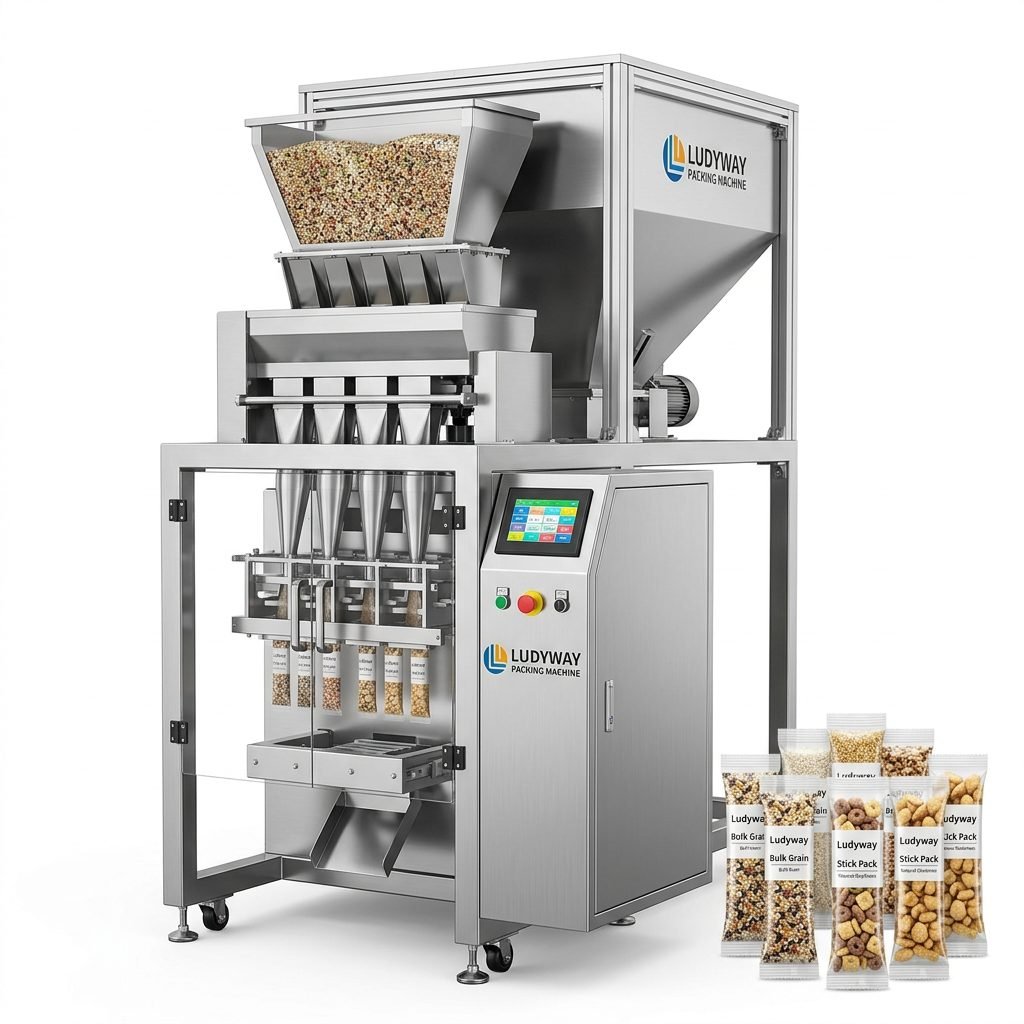
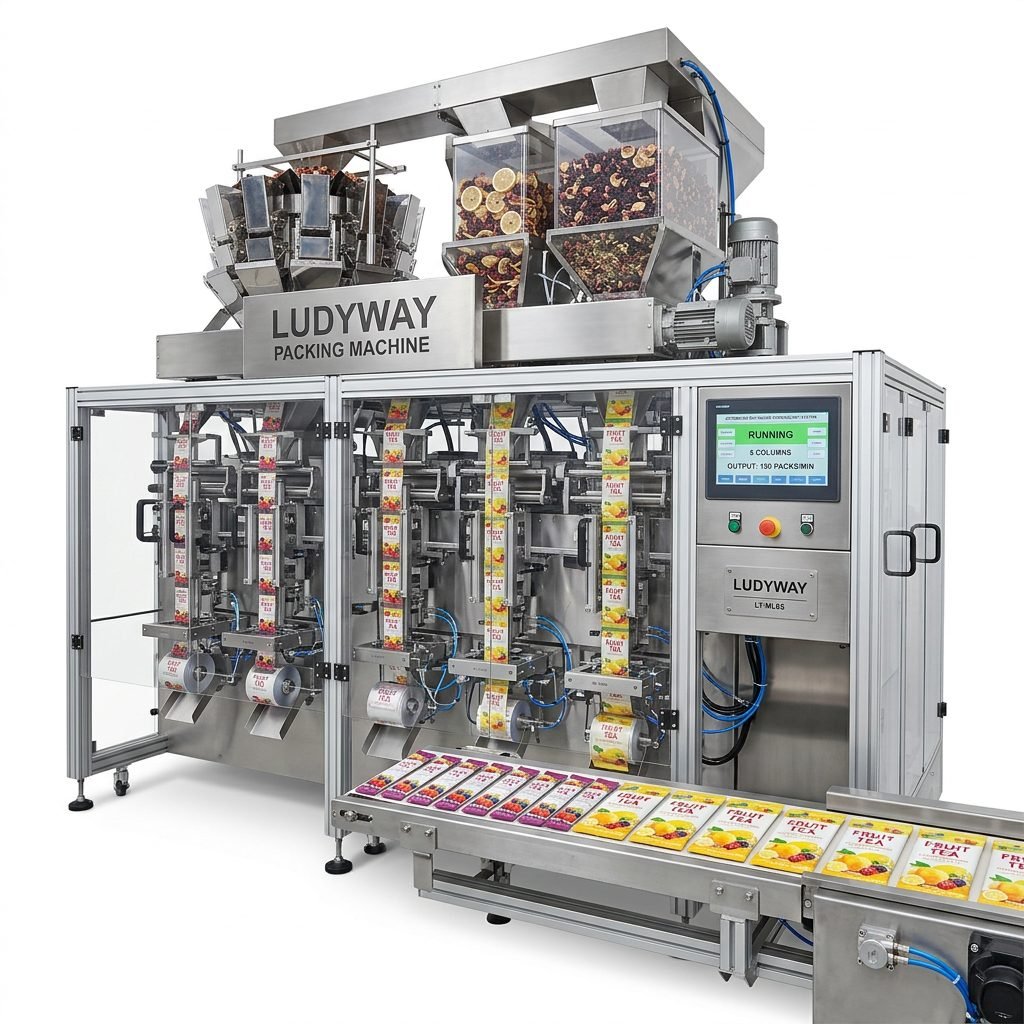
Investing in a cement packing machine is a critical decision for any construction materials manufacturer. The right equipment directly impacts your production efficiency, packaging accuracy, and ultimately your bottom line. With so many configurations, automation levels, and technical specifications available, the selection process can feel overwhelming. This guide breaks down the essential factors to help you make an informed choice.
1. Understanding Cement Packing Machine Types
Before diving into specifications, it’s crucial to understand the primary machine categories available for cement packaging. Each type serves different production scales and bag formats.
1.1 Valve Bag Filling Machines
Valve bag fillers are the industry standard for cement. They fill bags through a valve opening, typically using an impeller or air-slide system. These machines are preferred for their dust control capabilities and ability to handle fine powder materials at high speeds. The packaging machinery standards for valve bag systems ensure consistent fill weights and bag integrity.
1.2 Open-Mouth Bagging Machines
Open-mouth systems fill bags from the top and then seal them. While less common for pure cement, they’re often used for specialty mortar mixes and modified cementitious products. These machines offer flexibility for different bag materials and sizes.
1.3 Form-Fill-Seal (FFS) Systems
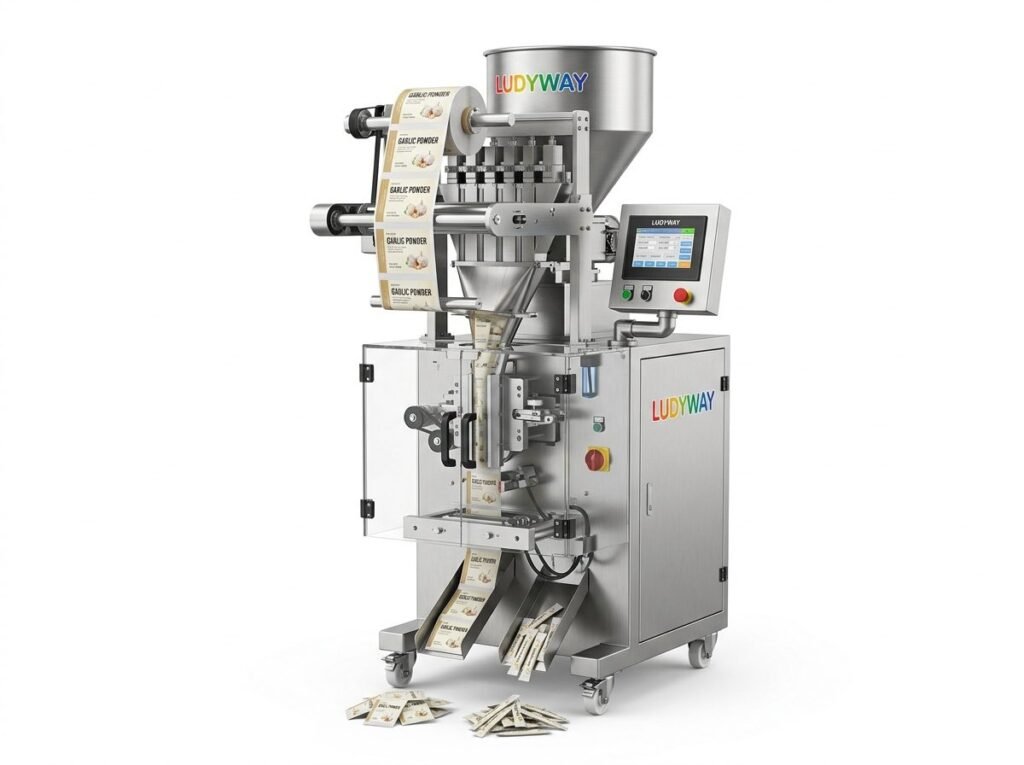
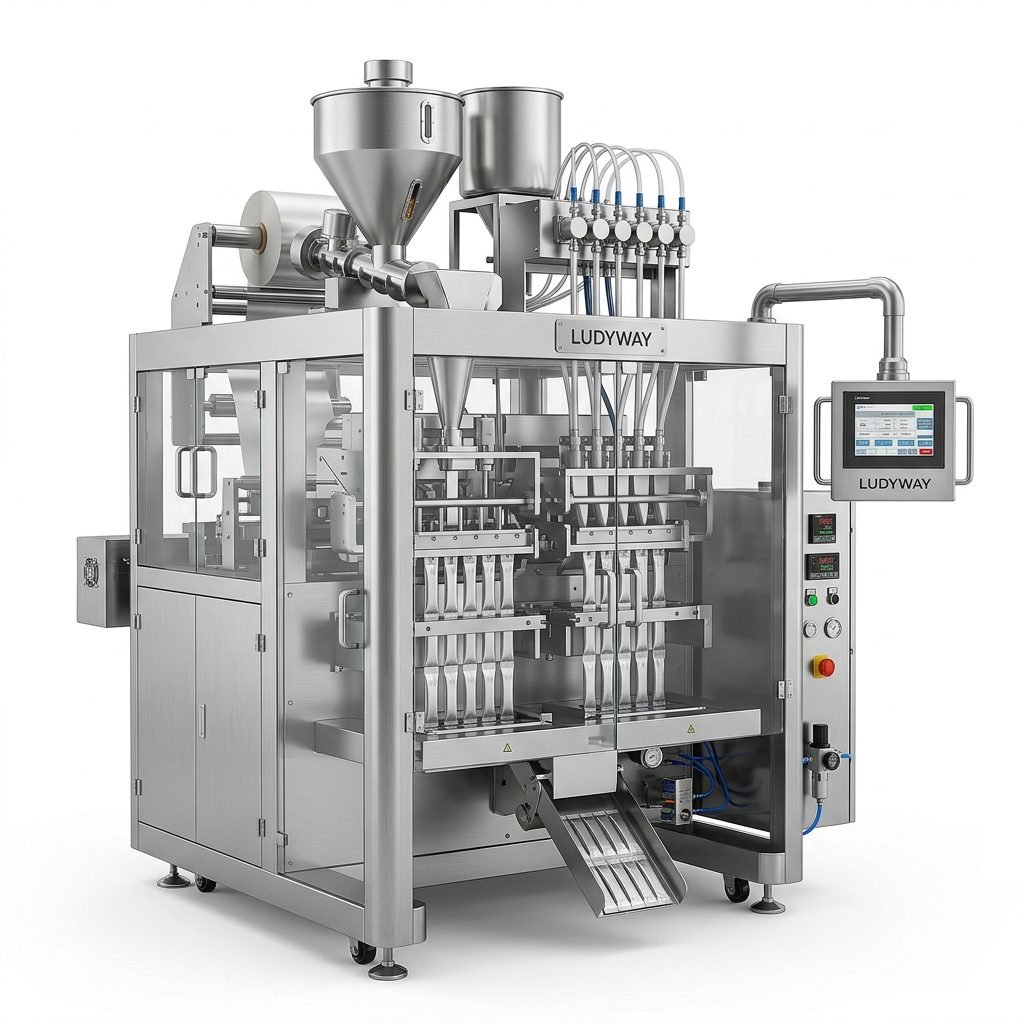
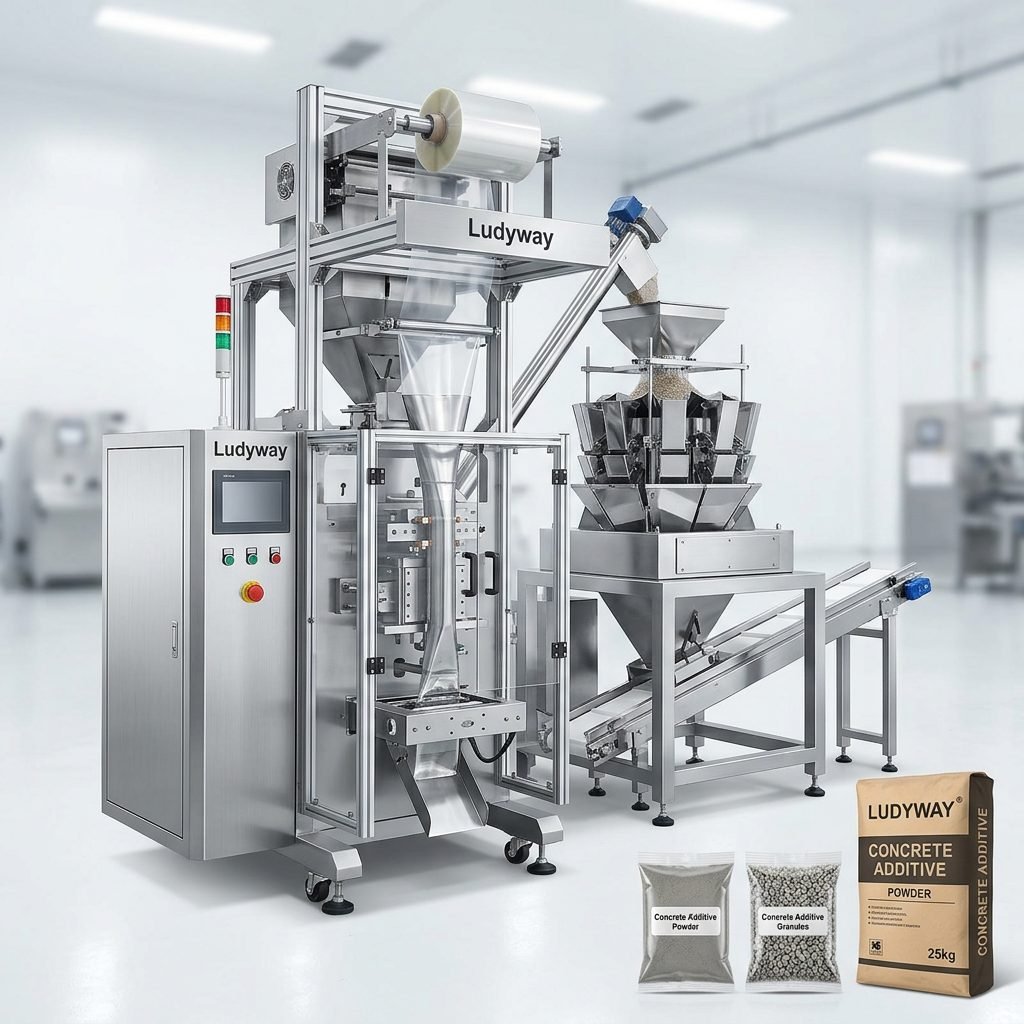
FFS machines create the bag from roll stock film, fill it, and seal it in one continuous operation. According to the Flexible Packaging Association, this technology is gaining traction for smaller cement and grout packaging applications due to its efficiency and material savings.
| Machine Type | Best For | Typical Output | Dust Level |
|---|---|---|---|
| Valve Bag Filler | High-volume cement production | 200-1200 bags/hour | Low |
| Open-Mouth Bagger | Specialty mixes, small batches | 100-600 bags/hour | Medium |
| FFS System | Small-format cementitious products | 300-1000+ bags/hour | Very Low |
2. Key Performance Factors to Evaluate
2.1 Filling Speed and Production Capacity
Your required output determines the machine configuration. A medium-sized plant might need 400-600 bags per hour, while high-capacity operations demand systems exceeding 1000 bags per hour. Always factor in a 20% buffer above your current peak demand to accommodate growth and prevent bottlenecks.
2.2 Weighing Accuracy and Consistency
Cement is sold by weight, making precision non-negotiable. Modern machines achieve ±0.5% to ±1% accuracy using load cell-based weighing systems. Inaccurate filling leads to product give-away or regulatory non-compliance. Review the ISO packaging standards for weight and measurement requirements that apply to your target markets.
2.3 Dust Management Systems
Cement packaging generates significant dust, posing health risks and creating maintenance headaches. Look for machines equipped with integrated dust collection systems, sealed filling chambers, and automatic bag cleaning stations. Proper dust management extends equipment life and ensures compliance with workplace safety regulations.
2.4 Automation and Control Features
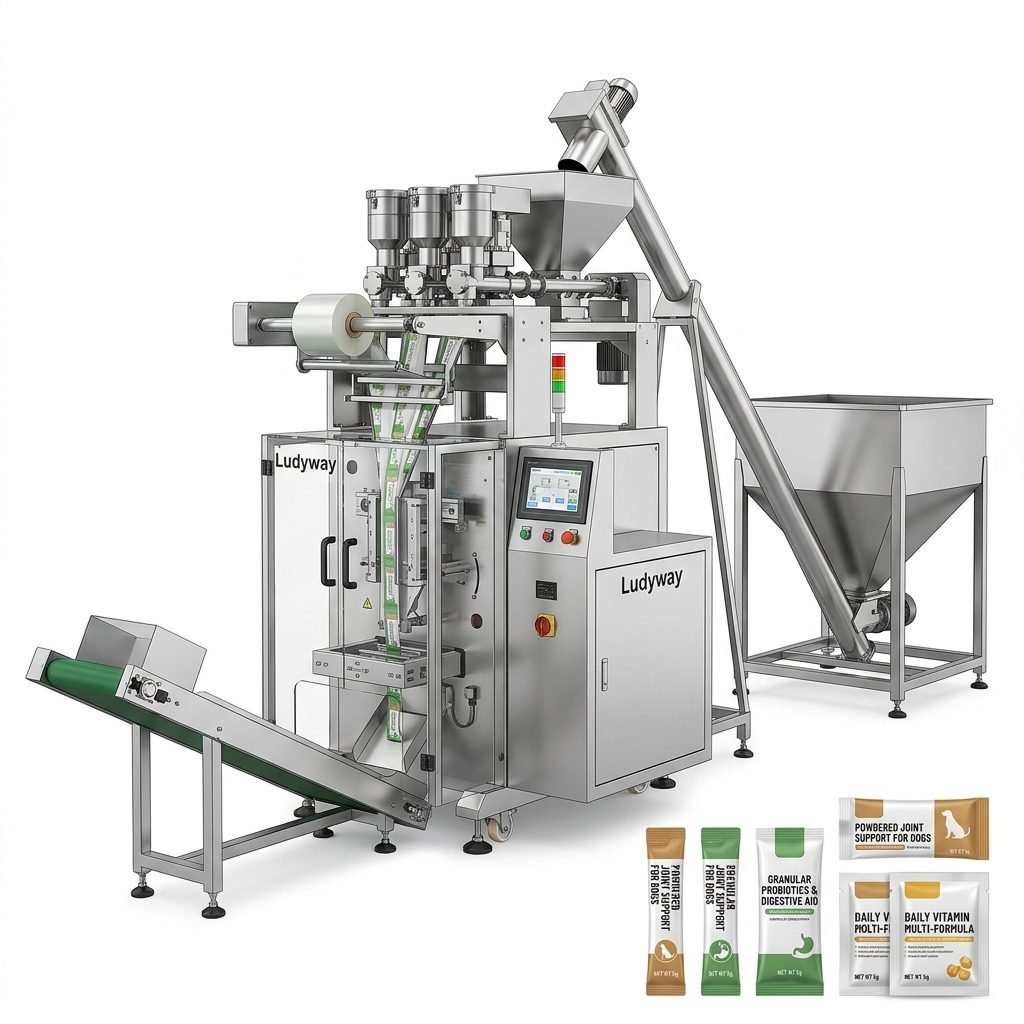
Today’s advanced packing machines offer PLC controls with touchscreen interfaces, automatic bag placement, self-diagnostic capabilities, and production data logging. Higher automation reduces labor dependency and minimizes human error, though it requires a larger upfront investment.
3. Material Compatibility and Bag Specifications
Cement isn’t just one material. You may be packaging Ordinary Portland Cement (OPC), blended cements, masonry cement, or specialized products. Each has different flow characteristics, bulk densities, and abrasive properties that affect machine performance.
- Product density: Affects fill speed and bag size requirements
- Flowability: Determines whether you need mechanical agitation or fluidization
- Abrasiveness: Impacts wear on filling nozzles and contact surfaces
- Moisture sensitivity: Influences sealing and storage requirements
- Bag material compatibility: Paper, woven polypropylene, or laminated options
4. Integration with Existing Production Lines
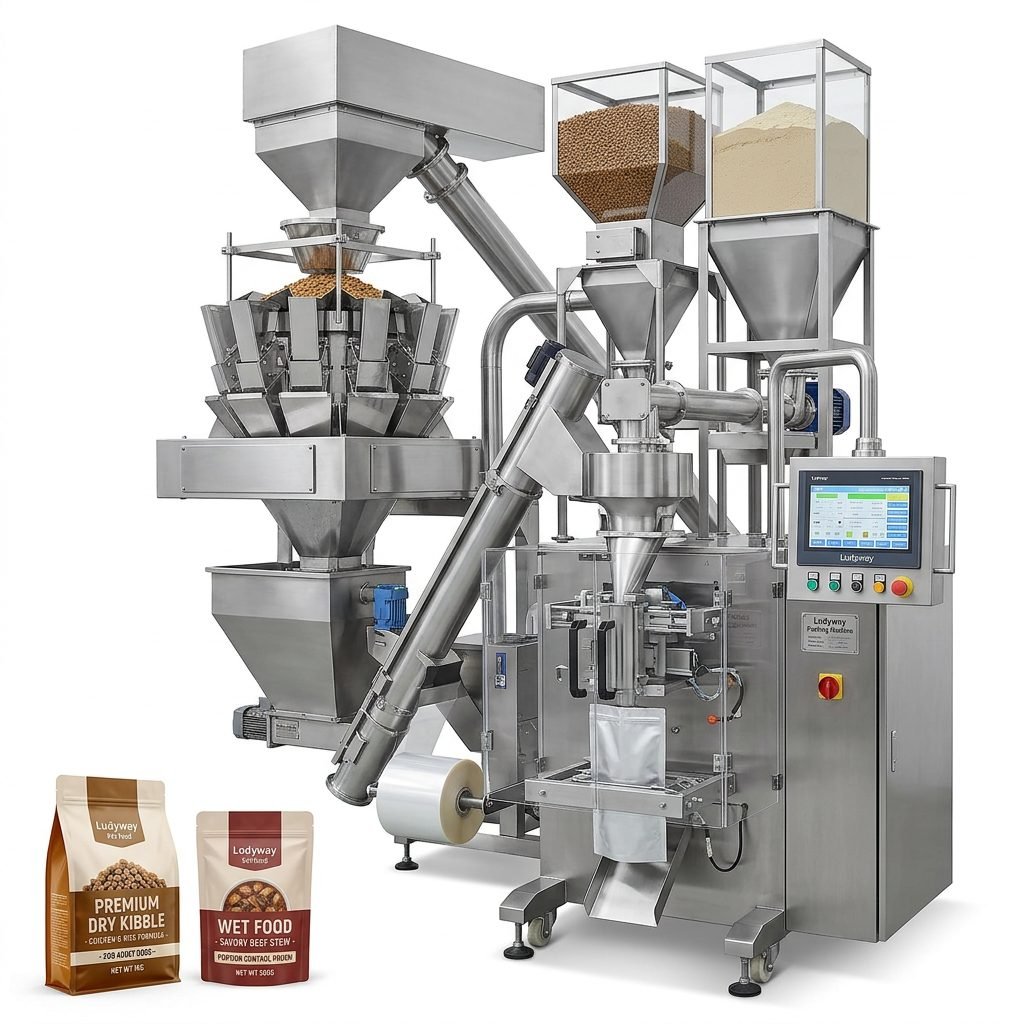
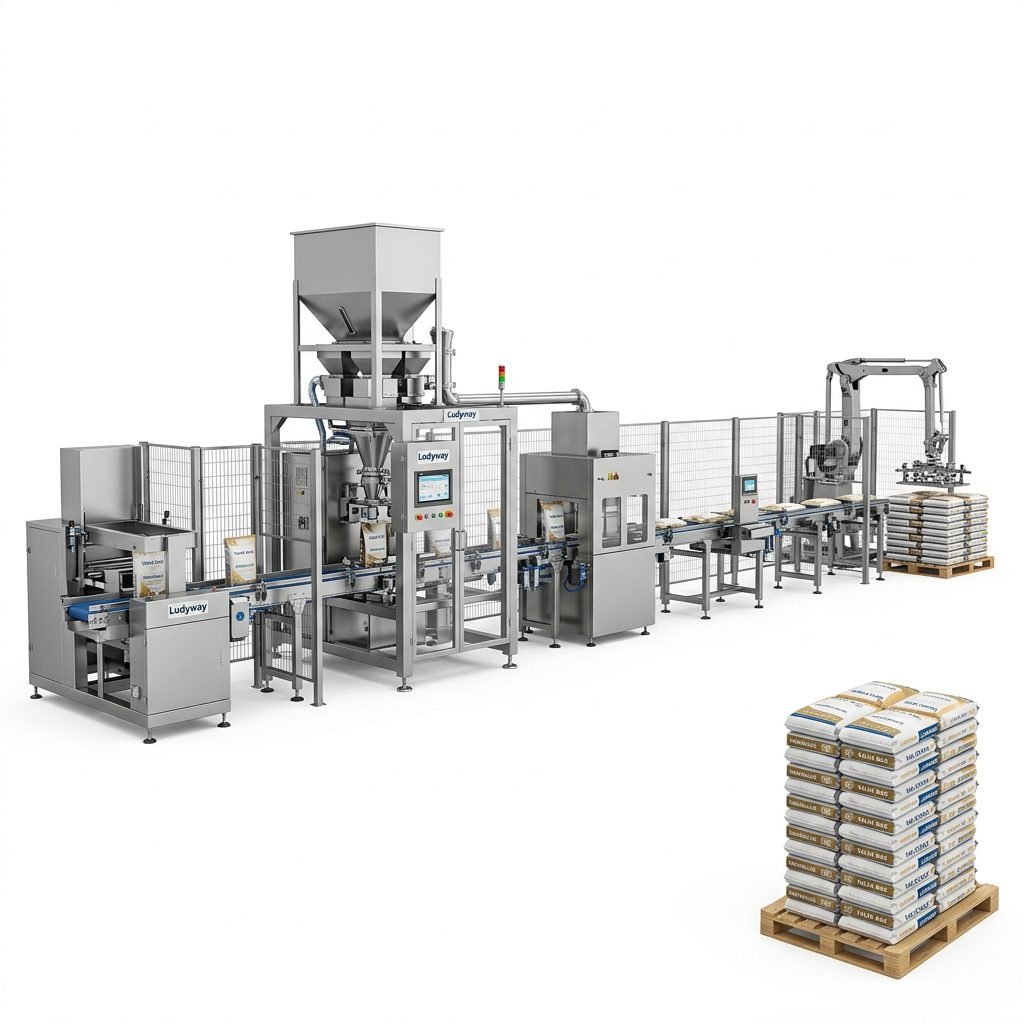
A cement packing machine rarely operates in isolation. Consider how it connects with your upstream silos, conveying systems, and downstream palletizing and stretch-wrapping equipment. Seamless integration reduces manual handling, prevents spillage, and creates a more efficient overall process flow. For comprehensive packaging line integration, working with a single experienced partner simplifies project management and technical support.
4.1 Space and Layout Constraints
Measure your available floor space carefully, including height restrictions for silo connections and dust collection ducting. Some machine configurations require multi-level installations that may not be feasible in all facilities.
4.2 Utility Requirements
Verify the compressed air capacity, electrical supply, and dust extraction system requirements before finalizing your machine selection. Undersized utilities can severely limit machine performance and cause premature component wear.
5. Evaluating Build Quality and Durability
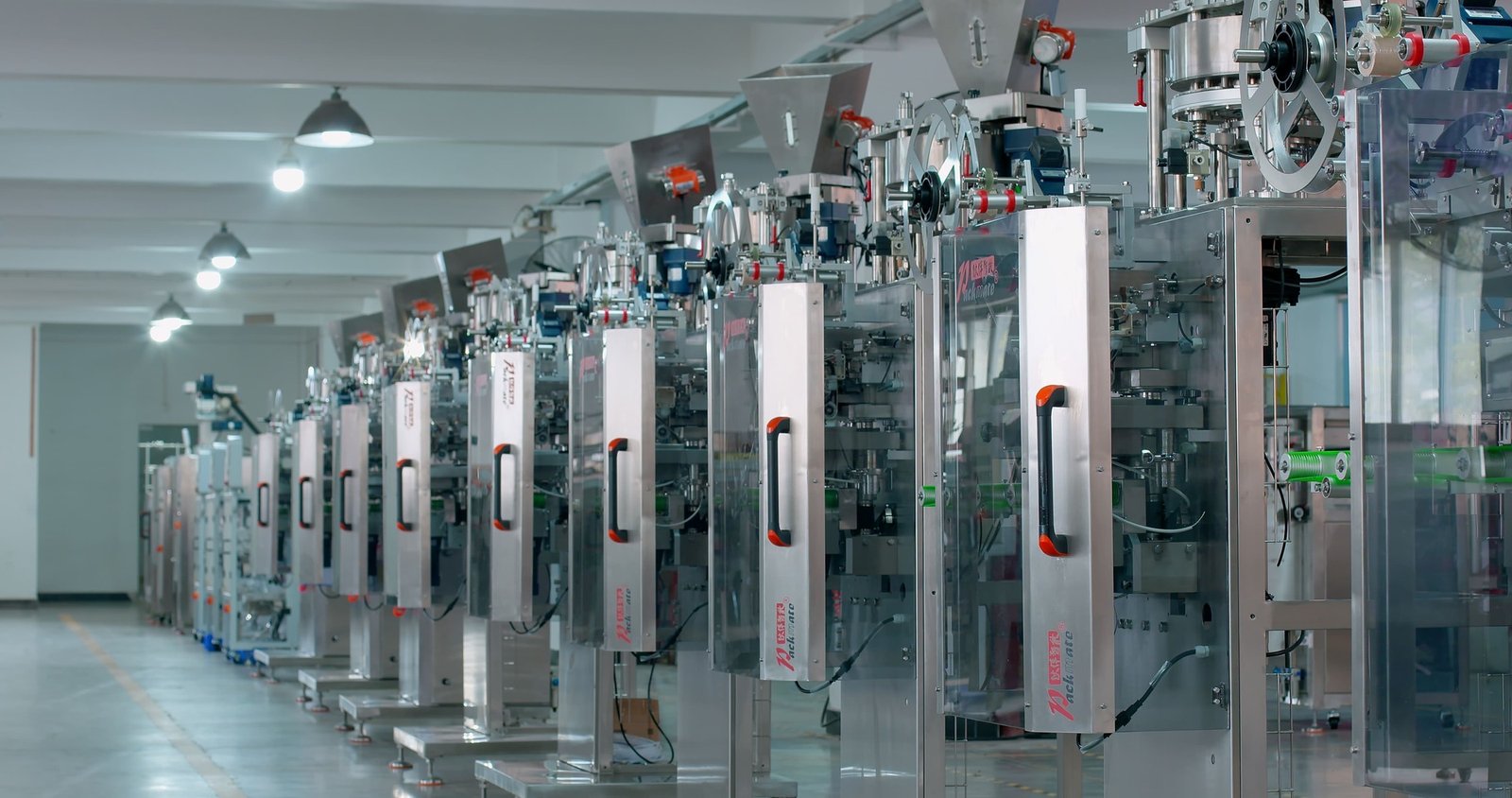
Cement is abrasive and demanding on equipment. The machine’s construction materials directly determine its service life and maintenance requirements. Pay close attention to these critical areas:
- Product contact surfaces: Should be stainless steel or wear-resistant coated to withstand abrasive cement powder
- Frame construction: Heavy-duty steel frames resist vibration and maintain alignment over years of continuous operation
- Sealing systems: High-quality seals on bearings and moving parts prevent cement ingress
- Component sourcing: Machines using internationally recognized pneumatic and electrical components typically offer better reliability and spare parts availability
6. Compliance and Certification Requirements
Depending on your market, your packaging equipment may need to meet specific standards. The European packaging regulations and local safety codes can influence machine design, guarding, and documentation requirements. Confirm that your supplier can provide CE marking, electrical certifications, and applicable safety compliance documentation for your region.
7. Comparing Supplier Capabilities
Not all packaging machinery manufacturers offer the same level of support. When evaluating suppliers, consider their engineering depth, customization capabilities, and global service network. A manufacturer with in-house manufacturing and engineering teams can typically respond faster to custom requirements and provide better long-term technical support.
For manufacturers seeking a reliable cement packing solution, Ludyway Machinery offers comprehensive packaging equipment designed for powder-intensive industries. With over 30 years of experience in packaging machinery manufacturing, the company provides integrated solutions from individual machines to complete turnkey packaging lines, supported by a 20,000-square-meter manufacturing facility and technical teams serving customers in more than 100 countries.
7.1 After-Sales Support Evaluation
- Installation and commissioning: Does the supplier offer on-site support or remote guidance?
- Operator training: Comprehensive training reduces startup delays and operational errors
- Spare parts availability: Regional parts inventory can significantly reduce downtime
- Technical troubleshooting: Remote diagnostic capabilities speed up problem resolution
- Warranty terms: Understand what’s covered and for how long
8. Total Cost of Ownership Analysis
The purchase price is just one component of your investment. Calculate the total cost of ownership over the expected machine lifespan by factoring in these elements:
| Cost Category | Considerations |
|---|---|
| Initial Equipment Cost | Base machine, options, shipping, installation |
| Energy Consumption | Motor efficiency, compressed air usage, dust extraction power |
| Consumables | Wear parts, seals, filters, lubrication |
| Maintenance Labor | Preventive maintenance schedules, technician time |
| Downtime Risk | Lost production value during repairs or part replacement |
9. Future-Proofing Your Investment
Choose a machine platform that can adapt to evolving needs. A modular design allows you to add automation features incrementally, such as automatic bag placers, checkweighers, or robotic palletizers. Consider whether the machine can handle different bag sizes and types if your product line expands. The PMMI State of the Industry reports indicate that flexible, scalable packaging systems are becoming essential for manufacturers navigating changing market demands.
9.1 Key Future-Readiness Questions
- Can the control system be upgraded or expanded?
- Does the mechanical design accommodate additional modules?
- Is the machine compatible with upcoming sustainability requirements for packaging materials?
- Can the supplier support the machine with software updates and technical expertise long-term?
10. Making the Final Decision
Selecting the right cement packing machine requires balancing current operational needs with future growth plans, budget constraints with quality expectations. Request detailed proposals from multiple suppliers, visit reference installations if possible, and test your specific cement formulation on the proposed equipment before committing. A well-chosen packing machine becomes a reliable production asset for a decade or more—the upfront effort in evaluation pays dividends in consistent performance and reduced operational headaches.
By systematically working through these selection criteria, you’ll be positioned to choose equipment that meets your cement packaging requirements today and scales with your manufacturing ambitions tomorrow.