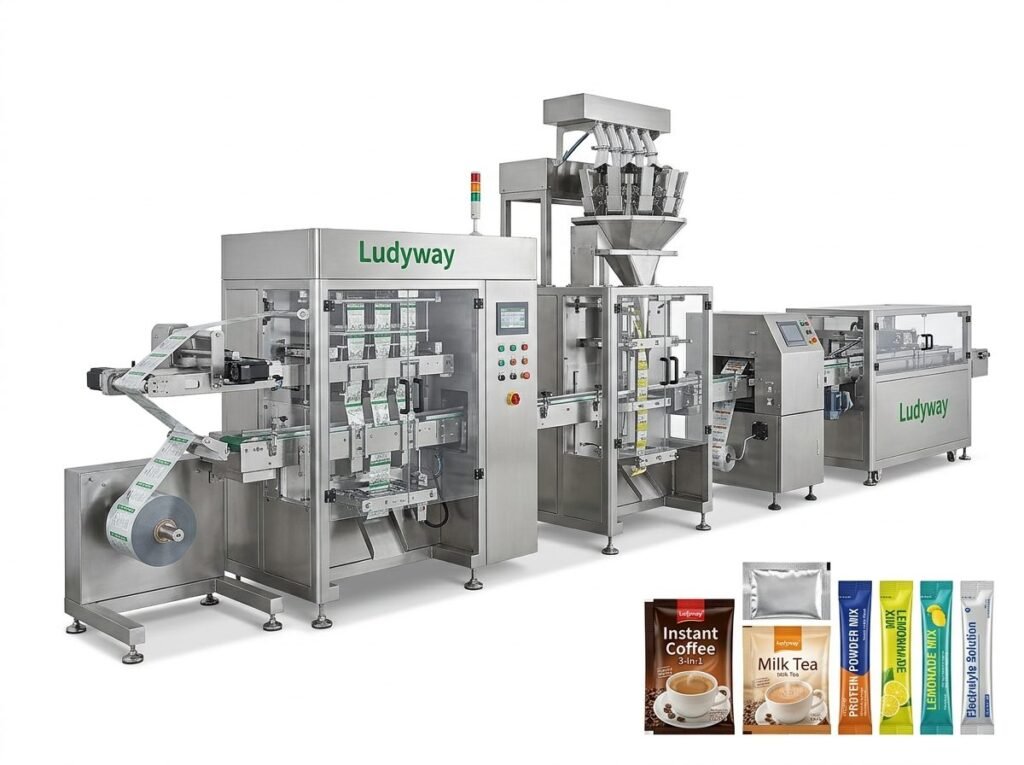
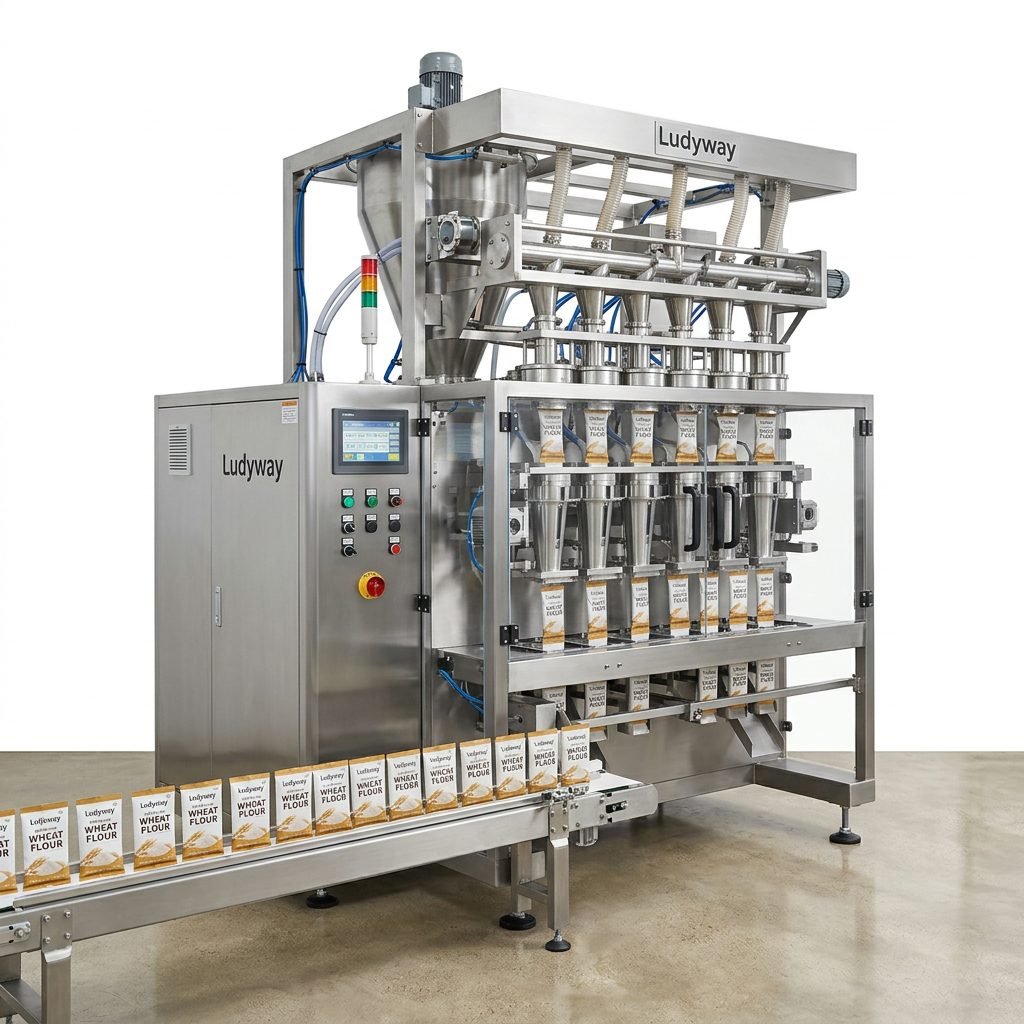
In the highly regulated and precision-driven pharmaceutical industry, packaging is far more than just a final step in production—it is a critical component that ensures product safety, integrity, and patient compliance. Among the various packaging formats, blister packs and strip packs stand out for their effectiveness in unit-dose delivery, moisture protection, and tamper evidence. The efficiency and reliability of creating these packages hinge entirely on the sophistication of the packaging equipment employed. This article delves into the world of advanced MMC (Multi-Material Composite) packaging equipment, exploring the solutions that drive efficient, compliant, and high-output pharmaceutical blister and strip packing operations.
The Critical Role of Blister and Strip Packaging in Pharma
Blister packaging, typically involving a thermoformed plastic cavity and a lidding seal, and strip packaging, which creates sealed pouches in a continuous strip, are indispensable in modern pharmaceuticals. They provide excellent barrier properties against moisture, oxygen, and contaminants, extending shelf life. More importantly, they offer clear patient benefits: easy identification of medication, simple push-through access, and clear printed dosing instructions. This enhances patient adherence to treatment regimens, a crucial factor in therapeutic success. For manufacturers, these formats allow for efficient serialization, track-and-trace capabilities, and streamlined logistics.
Key Driver: Regulatory Compliance & Patient Safety
Global regulatory bodies like the FDA and EMA mandate stringent standards for pharmaceutical packaging. Equipment must not only be precise but also validateable, ensuring consistent performance that meets Good Manufacturing Practice (GMP) guidelines. Any deviation can compromise product sterility or dosage accuracy, leading to serious patient risks and costly recalls.
What Defines Advanced MMC Packaging Equipment?
Advanced MMC packaging systems represent the pinnacle of engineering for blister and strip production. “MMC” often relates to the handling of complex material combinations—like foil, film, and paper—used in these packs. Modern solutions go beyond basic forming and sealing; they are integrated, smart, and highly adaptable systems.
Core Technological Pillars
✔ Precision Thermoforming & Sealing
✔ Intelligent Vision Inspection Systems
✔ Integrated Robotics & Handling
✔ Industry 4.0 Connectivity & Data Analytics
These pillars work in concert. High-precision servo motors control forming temperatures and sealing pressure to micron-level accuracy, guaranteeing perfect pocket shapes and hermetic seals. In-line vision systems act as vigilant guardians, inspecting every blister pocket for missing, broken, or misaligned tablets/capsules before sealing, and checking the final seal integrity and print quality afterward. Rejects are automatically ejected, ensuring zero-defect output.
Solutions for Unmatched Efficiency
Efficiency in this context is multidimensional: it encompasses raw material yield (minimizing waste), operational speed (maximizing output), changeover agility (reducing downtime), and energy consumption.
High-Speed, Multi-Lane Configurations
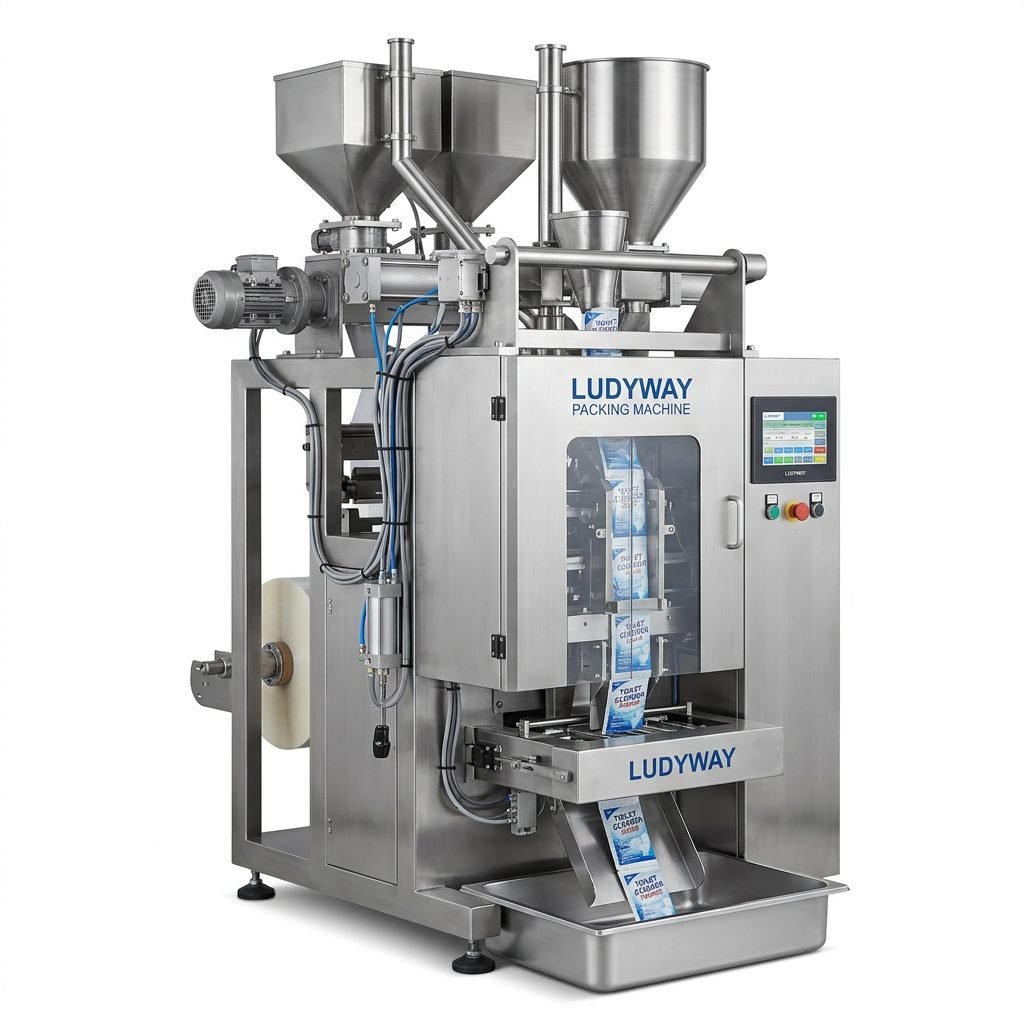
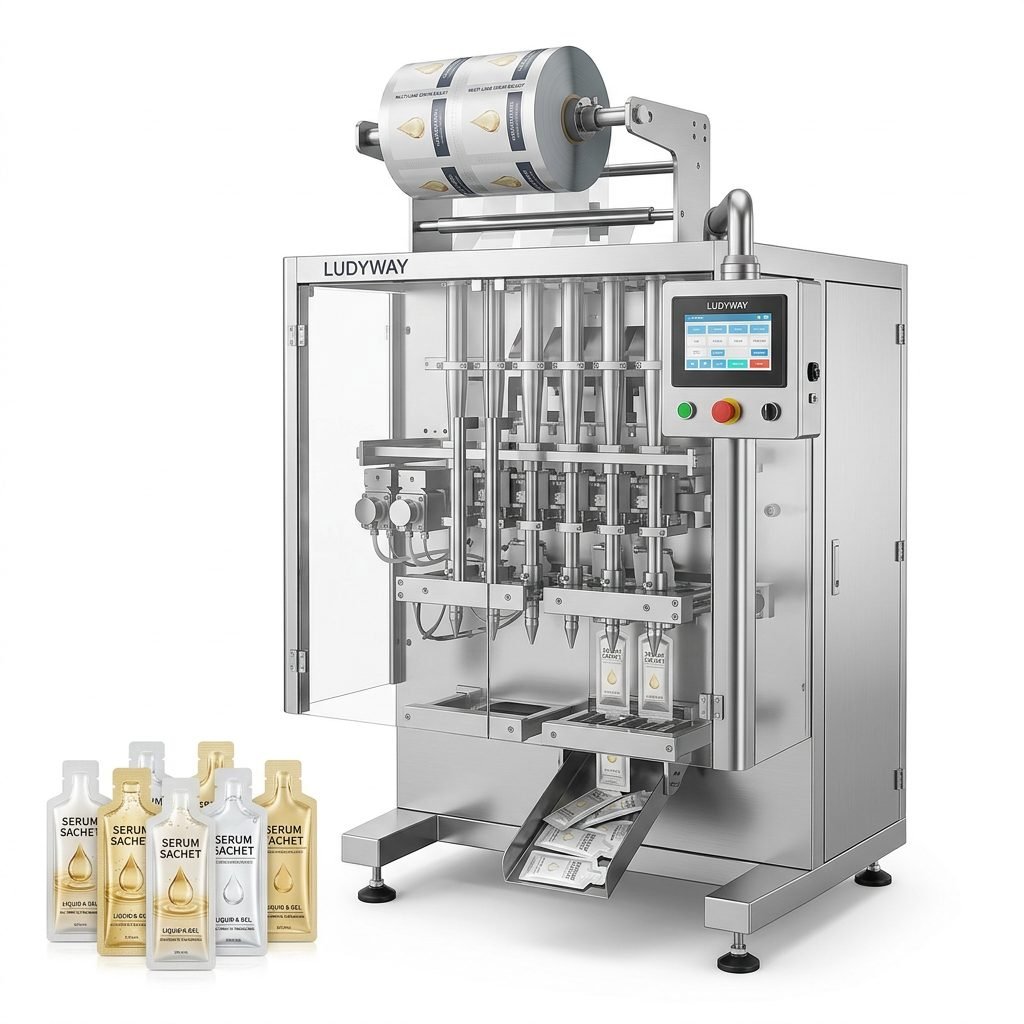
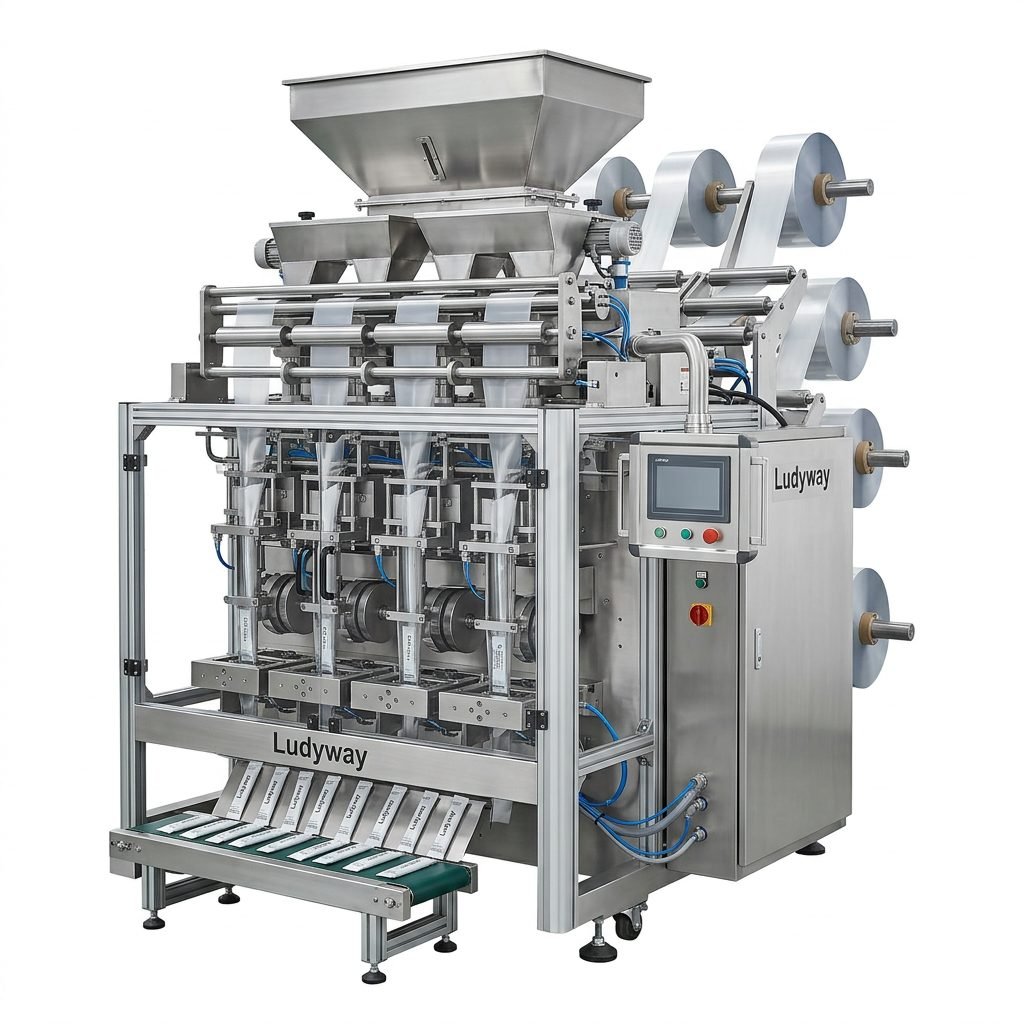
To meet large-scale production demands, advanced machines often operate in multi-lane setups. A single machine can simultaneously form, fill, and seal multiple blister strips or sachet strips side-by-side, dramatically increasing throughput without a proportional increase in footprint.
Quick Changeover Systems (QCS)
Pharmaceutical lines frequently switch between different product SKUs. Modern equipment addresses this with tool-less or quick-change tooling systems. Forming dies, sealing heads, and feed systems can be swapped in minutes instead of hours, significantly boosting Overall Equipment Effectiveness (OEE). Digital recipes store all machine parameters (temperature, pressure, speed) for each product, allowing for one-touch recall and setup.
The Data-Driven Packaging Line
True efficiency is now measurable and optimizable in real-time. Advanced MMC equipment features integrated sensors and IIoT (Industrial Internet of Things) platforms. Data on machine speed, rejection rates, temperature stability, and maintenance cycles are collected and displayed on HMIs (Human-Machine Interfaces) or transmitted to central MES (Manufacturing Execution Systems). This enables predictive maintenance—addressing potential issues before they cause downtime—and provides actionable insights for continuous process improvement. For more on integrated solutions, explore our turnkey production line capabilities.
Customization for Specific Pharma Needs
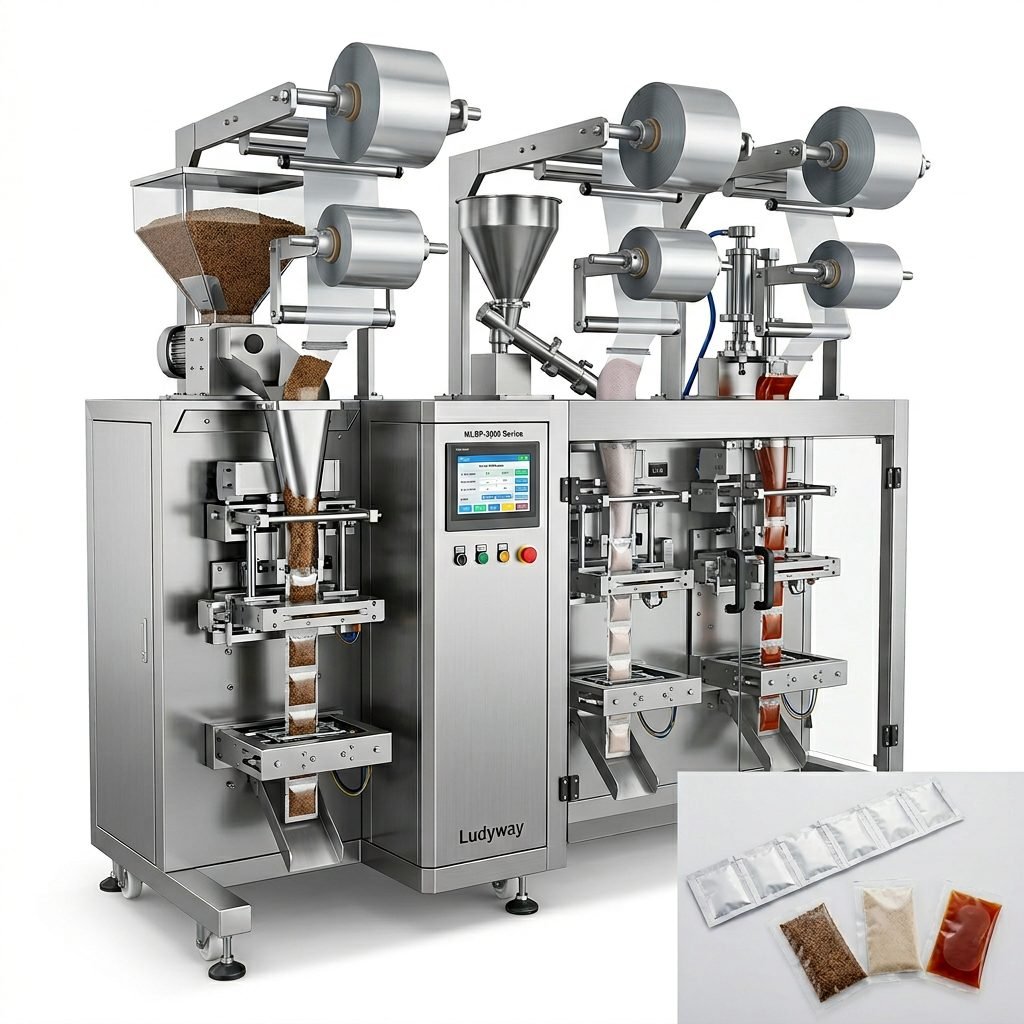
No two pharmaceutical products are identical. Hygroscopic powders, fragile tablets, irregularly shaped capsules, or sterile devices all present unique packaging challenges. Leading equipment providers, like Ludyway Machinery, excel in offering customized solutions. This can involve specialized feeding systems for delicate products, modified sealing jaws for unique material laminates, or integrated nitrogen flushing systems to create an inert atmosphere within the blister for oxygen-sensitive drugs.
Beyond the Primary Pack: Secondary & Tertiary Packaging Integration
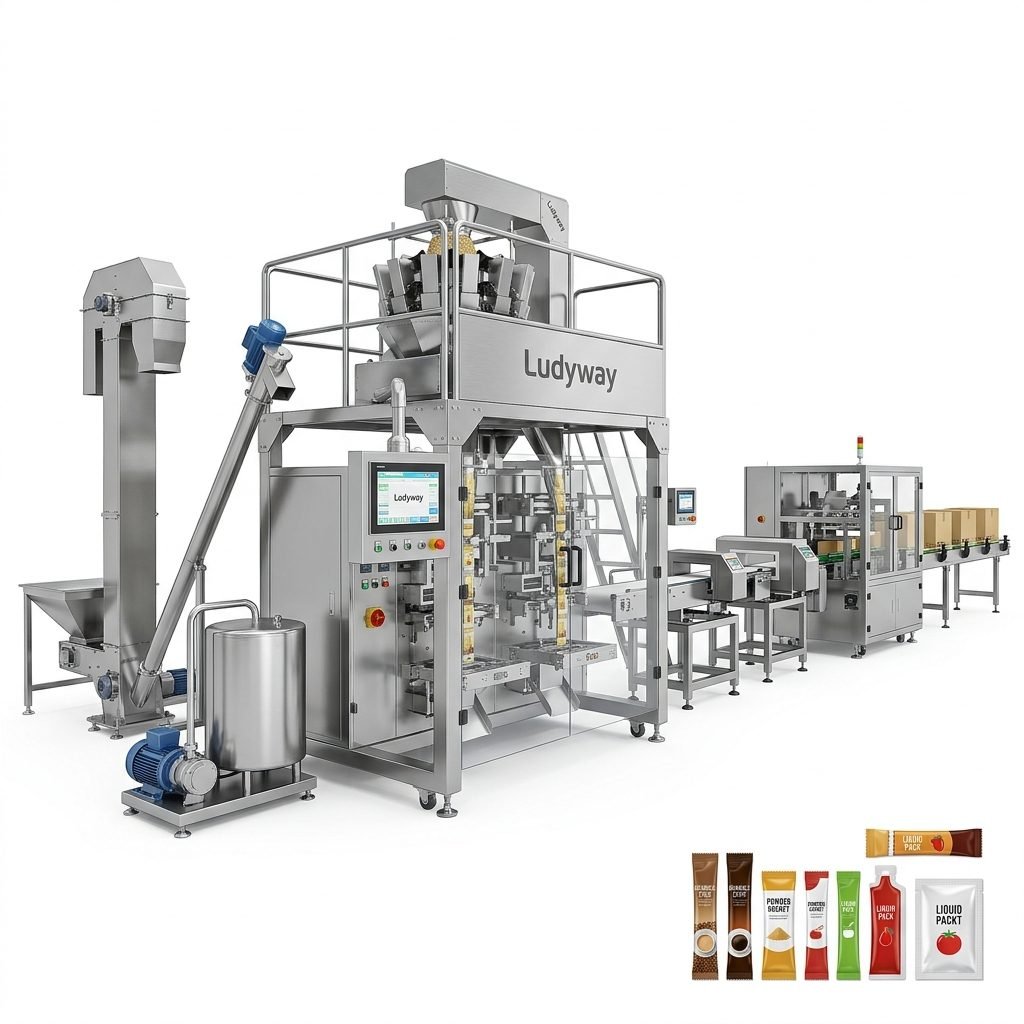
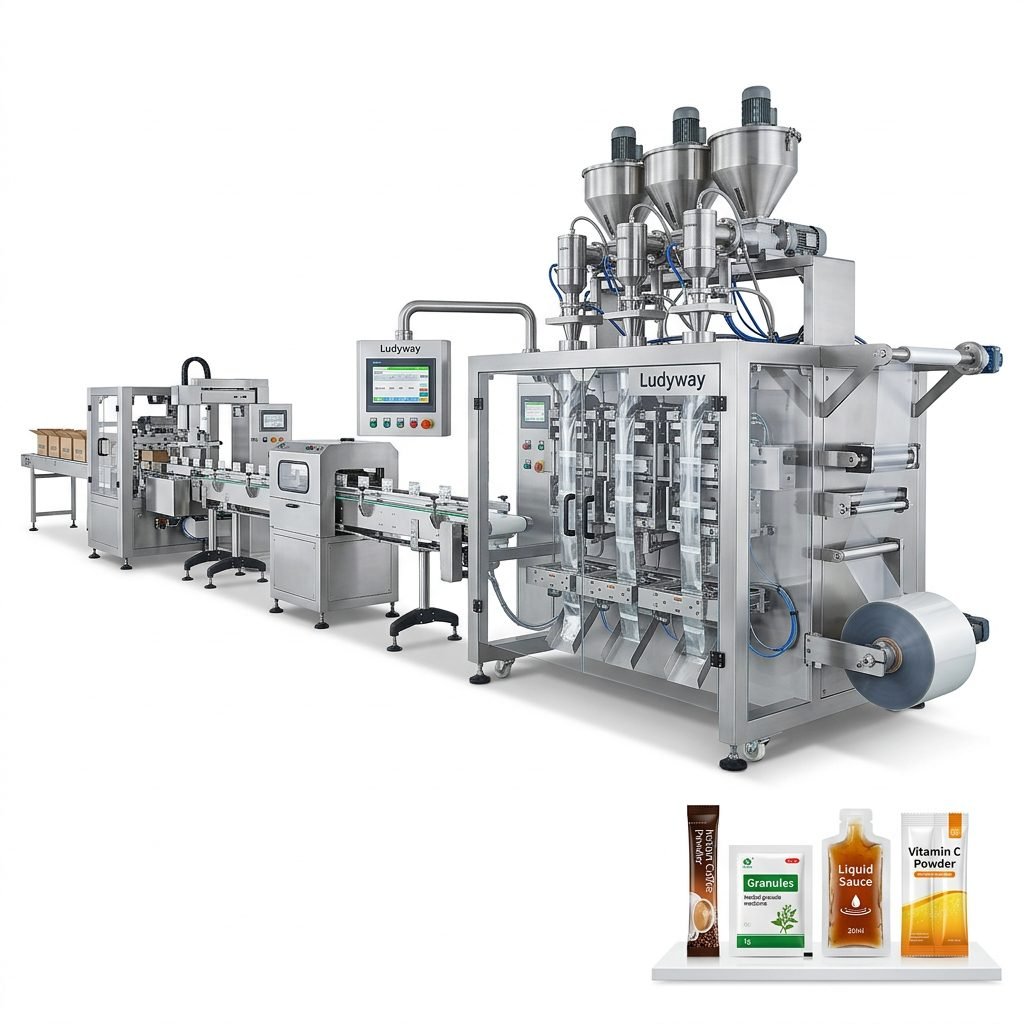
The most efficient lines view packaging holistically. Advanced primary packaging machines are often designed to integrate seamlessly with downstream equipment. This includes automatic cartoning machines that collate blisters into boxes, leaflet inserters, and serialization units that apply unique identifiers (like 2D Data Matrix codes) to each saleable unit for track-and-trace compliance. This end-to-end automation eliminates manual handling bottlenecks. Learn about our approach to complete automation solutions.
Sustainability Considerations in Modern Equipment
The global push towards sustainability is impacting pharmaceutical packaging. Advanced equipment contributes by optimizing material usage. Precision forming reduces web waste, and sealing technology allows for the use of thinner, yet equally effective, foil and film laminates without compromising barrier properties. Some systems are also being adapted to handle new generations of recyclable or bio-based packaging materials.
Investing in advanced MMC packaging equipment is a strategic decision that pays dividends in product quality, regulatory assurance, and production economics. By partnering with an experienced provider who understands the nuanced demands of pharmaceutical manufacturing, companies can secure a packaging solution that is not just a machine, but a reliable, efficient, and future-ready partner in their mission to deliver safe medicine to patients. For a deeper look at our expertise, you can view our company history and evolution in serving the global market.
Frequently Asked Questions (FAQs)
1. What is the main advantage of an MMC blister packing machine over a standard machine?
The primary advantage lies in precision, flexibility, and intelligence. Advanced MMC systems offer superior control over the forming and sealing process for complex multi-material webs, incorporate mandatory 100% in-line vision inspection for quality assurance, and feature Industry 4.0 connectivity for data-driven optimization and compliance reporting, which are often limited in standard machines.
2. How can I reduce changeover time between different product runs on a blister line?
Invest in equipment with Quick Changeover Systems (QCS). Look for features like tool-less changeover for forming and sealing stations, servo-driven adjustments that can be recalled from digital recipes, and easy-access product feed paths. Proper training of operators on changeover procedures is also crucial to minimize downtime.
3. Are advanced packaging machines compatible with serialization requirements?
Yes, modern advanced packaging lines are designed with serialization in mind. They can be seamlessly integrated with printing, verification, and aggregation stations to apply unique codes (like GTIN, serial number, batch, and expiry) at the primary, secondary, and tertiary packaging levels, ensuring full compliance with global track-and-trace regulations.
4. What kind of maintenance do these high-tech machines require?
They require disciplined, proactive maintenance. This includes regular cleaning per GMP standards, lubrication of mechanical parts, calibration of sensors and vision systems, and software updates. The benefit of advanced machines is their predictive maintenance capabilities, where the machine’s own diagnostics can alert operators to potential issues before they lead to failure.
5. Can one machine handle both blister packing and strip packing?
Typically, blister packing (thermoforming) and strip packing (horizontal form-fill-seal for sachets) are distinct processes requiring different machine platforms. While some manufacturers offer modular designs, a single machine unit that performs both at high efficiency is uncommon. It is more effective to select dedicated, optimized equipment for each specific packaging format based on your product portfolio.