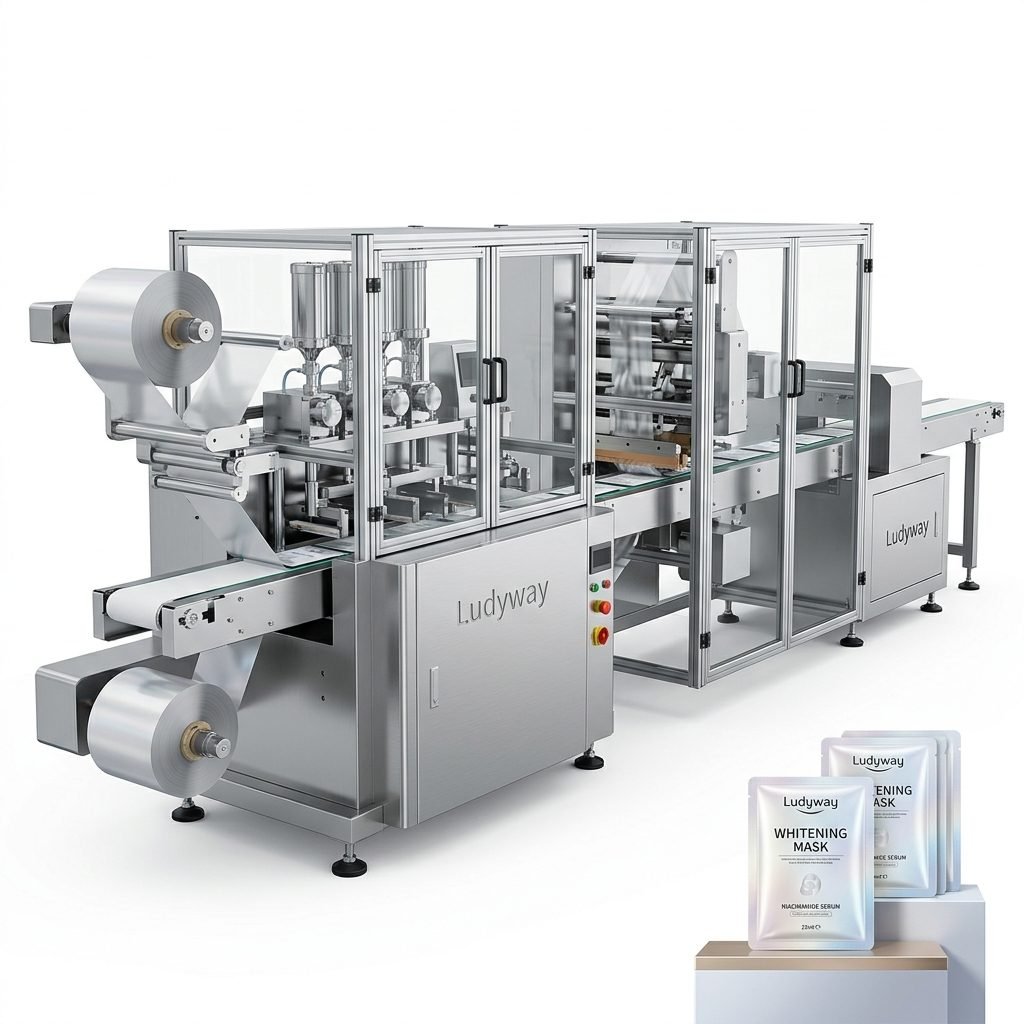
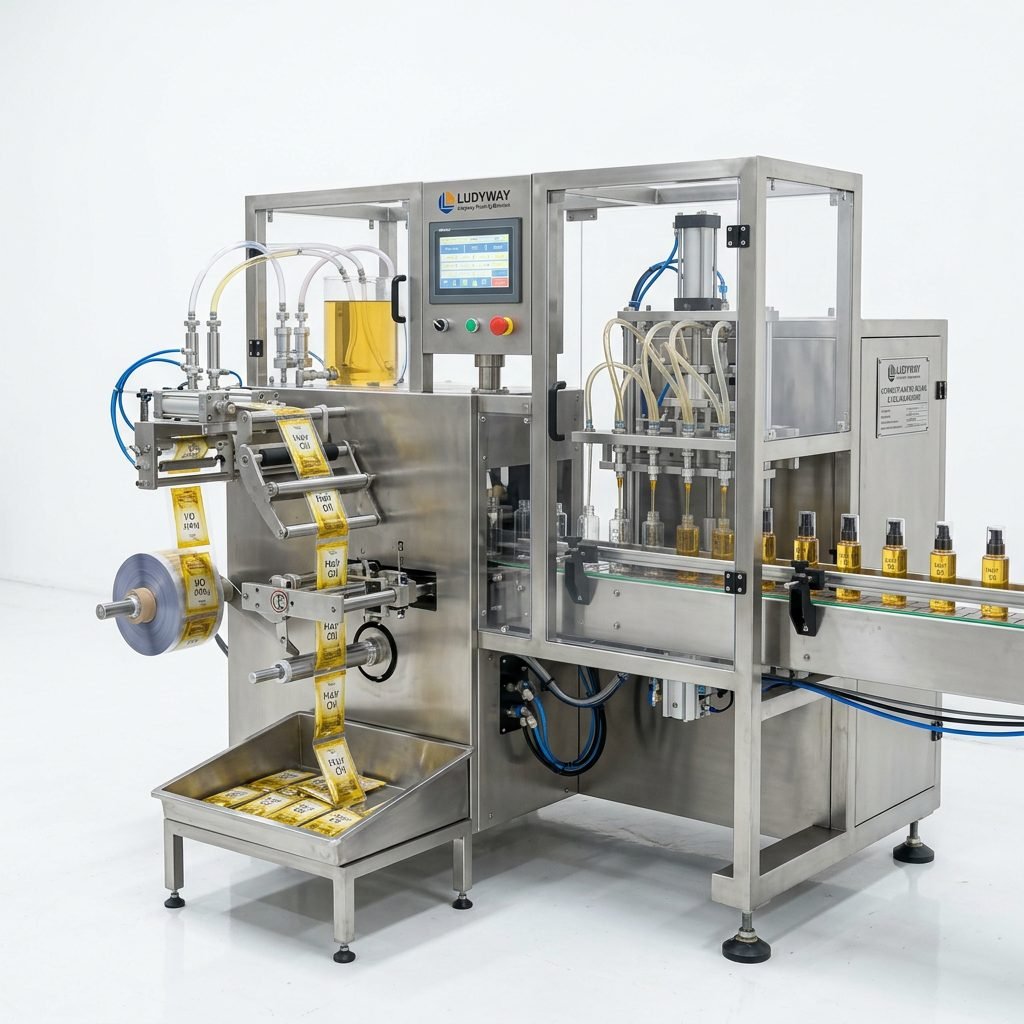
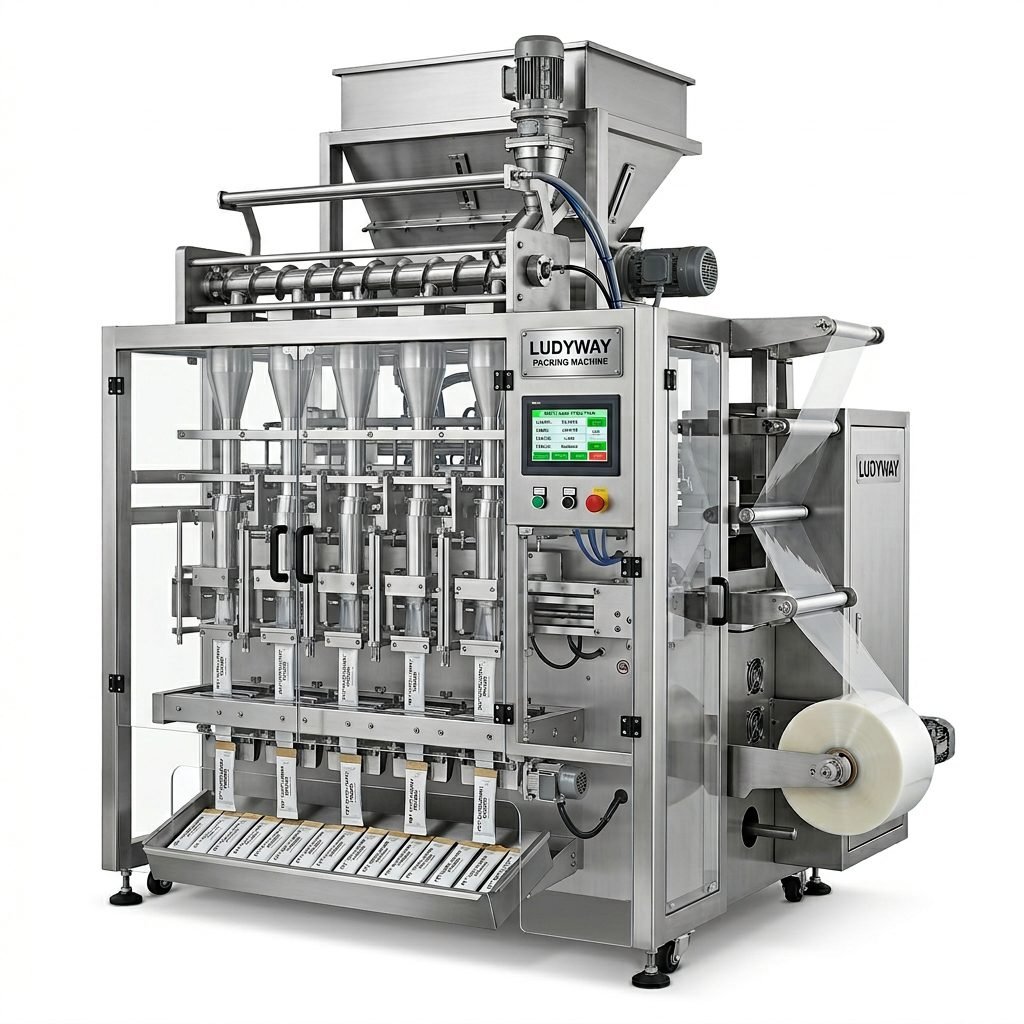
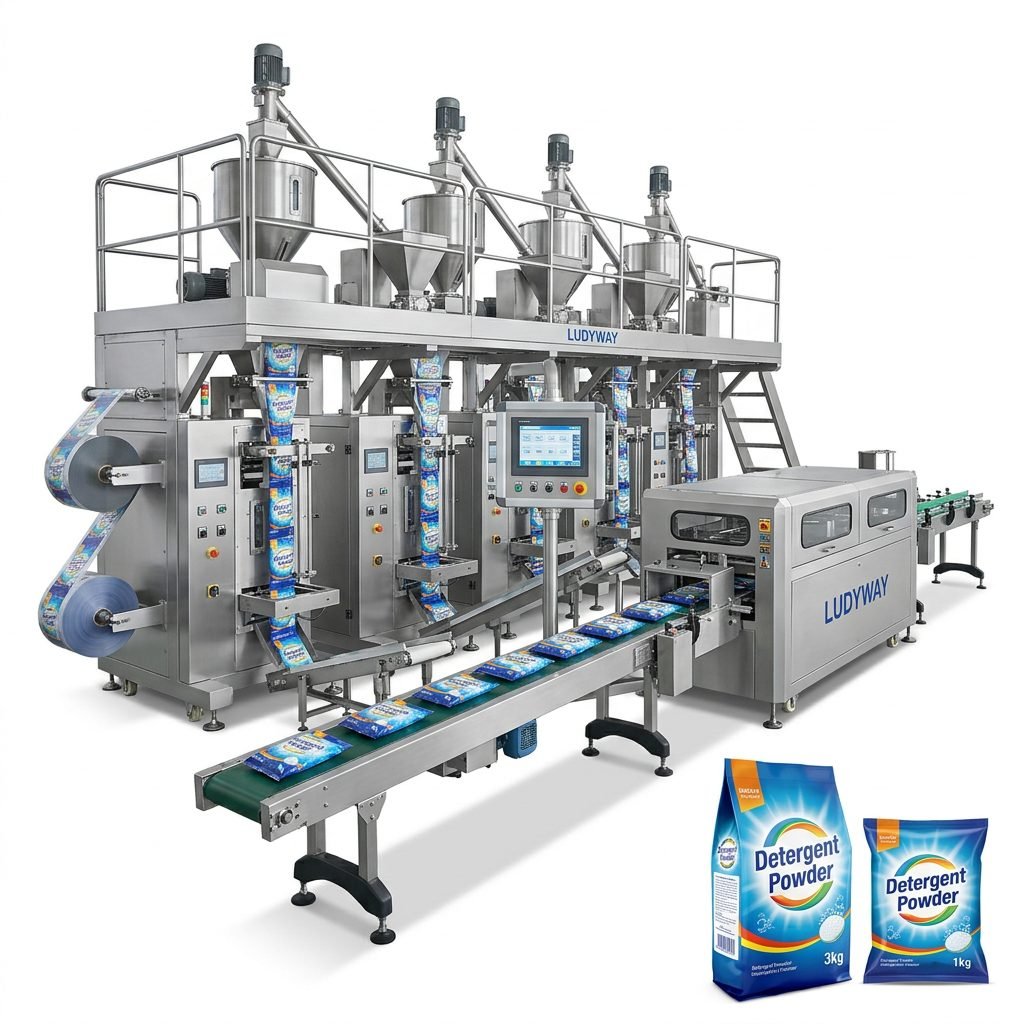
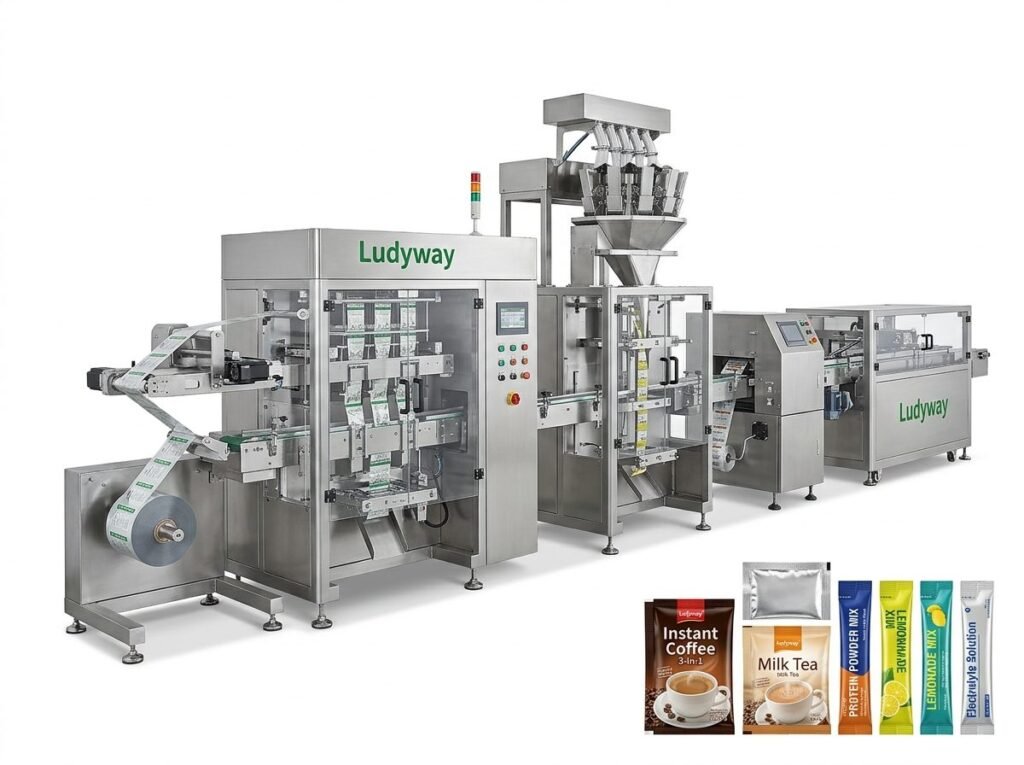
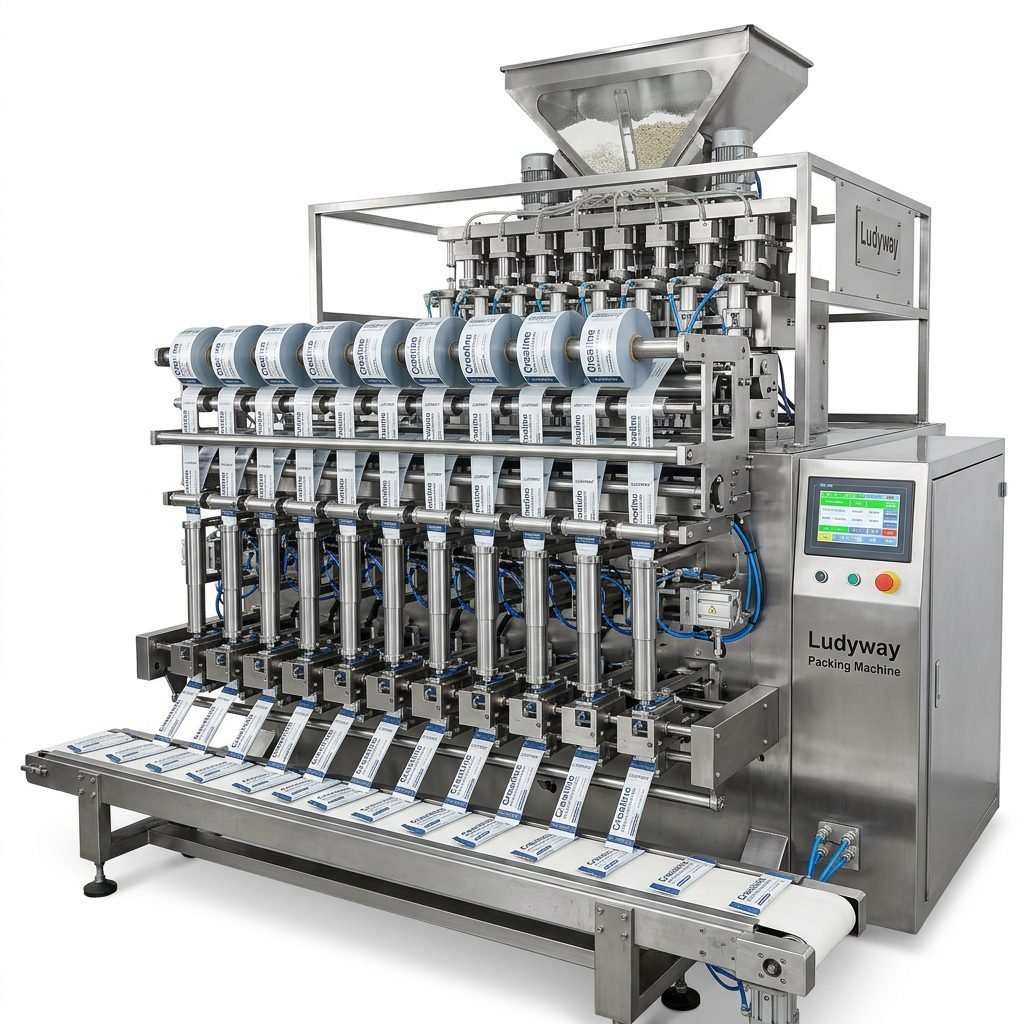
Investing in the right sugar granule packing machine is one of the most important decisions a food manufacturer can make. Whether you are packaging white sugar, brown sugar, powdered sugar, or sugar substitutes, the equipment you choose directly affects production efficiency, packaging quality, and long-term operational costs. With dozens of machine types, configurations, and technical specifications available, navigating the selection process can feel overwhelming. This comprehensive buyer’s guide walks you through every critical factor you need to evaluate before making a purchase.
Understanding Sugar Granule Characteristics and Packaging Challenges
Before evaluating any sugar granule packing machine, you must first understand the physical properties of the product you are packaging. Sugar is not a one-size-fits-all material. Different types present unique handling and filling challenges:
- Granulated white sugar — Free-flowing crystals with moderate particle size; relatively easy to handle but can generate dust during high-speed filling.
- Brown sugar — Higher moisture content makes it sticky and prone to clumping; requires specialized auger or volumetric filling systems with anti-bridging features.
- Powdered sugar (confectioner’s sugar) — Extremely fine particles that create significant dust issues; demands enclosed filling stations and dust extraction systems.
- Sugar substitutes (erythritol, xylitol, stevia blends) — Often have different flow characteristics and densities; may require multi-head weighers or specialized dosing systems for consistent fill accuracy.
Each of these sugar types interacts differently with packaging machinery. Selecting equipment without accounting for these variations can lead to inconsistent fill weights, frequent downtime, and excessive product waste.
Key Factors to Evaluate When Choosing a Sugar Granule Packing Machine
1. Production Speed and Capacity Requirements
Your target packaging speed — measured in packs per minute (ppm) — is one of the first specifications to define. A small-scale operation may only require 30-60 ppm, while high-volume manufacturers often need multi-lane machines capable of producing 200-400 ppm or more. According to the PMMI State of the Industry 2026 report, packaging machinery demand continues to shift toward higher-speed automated systems as manufacturers seek to optimize labor costs and throughput. When evaluating speed, also consider your projected growth over the next 3-5 years — a machine that meets today’s demand may become a bottleneck tomorrow.
2. Filling Accuracy and Weighing Technology
Fill accuracy directly impacts product give-away costs and regulatory compliance. For sugar products sold by weight, even small overfills across millions of packs can represent substantial financial losses. Modern sugar granule packing machines typically employ one of these weighing technologies:
| Weighing Technology | Best Suited For | Typical Accuracy | Speed Capability |
|---|---|---|---|
| Multi-head weigher | Free-flowing granulated sugar, stick packs, sachets | ±0.2–0.5g | Up to 120+ ppm per lane |
| Auger filler (volumetric) | Powdered sugar, brown sugar, sticky products | ±1–2% by volume | Moderate, 30–80 ppm |
| Linear weigher | Medium-speed granule applications | ±0.5–1g | Up to 60 ppm |
| Cup filler (volumetric) | Consistent-density granules, budget-conscious applications | ±1–3% by volume | High, 60–150 ppm |
3. Bag Format and Packaging Style
Sugar products are packaged in a wide variety of formats. Your choice of bag style influences machine configuration significantly. Common formats include:
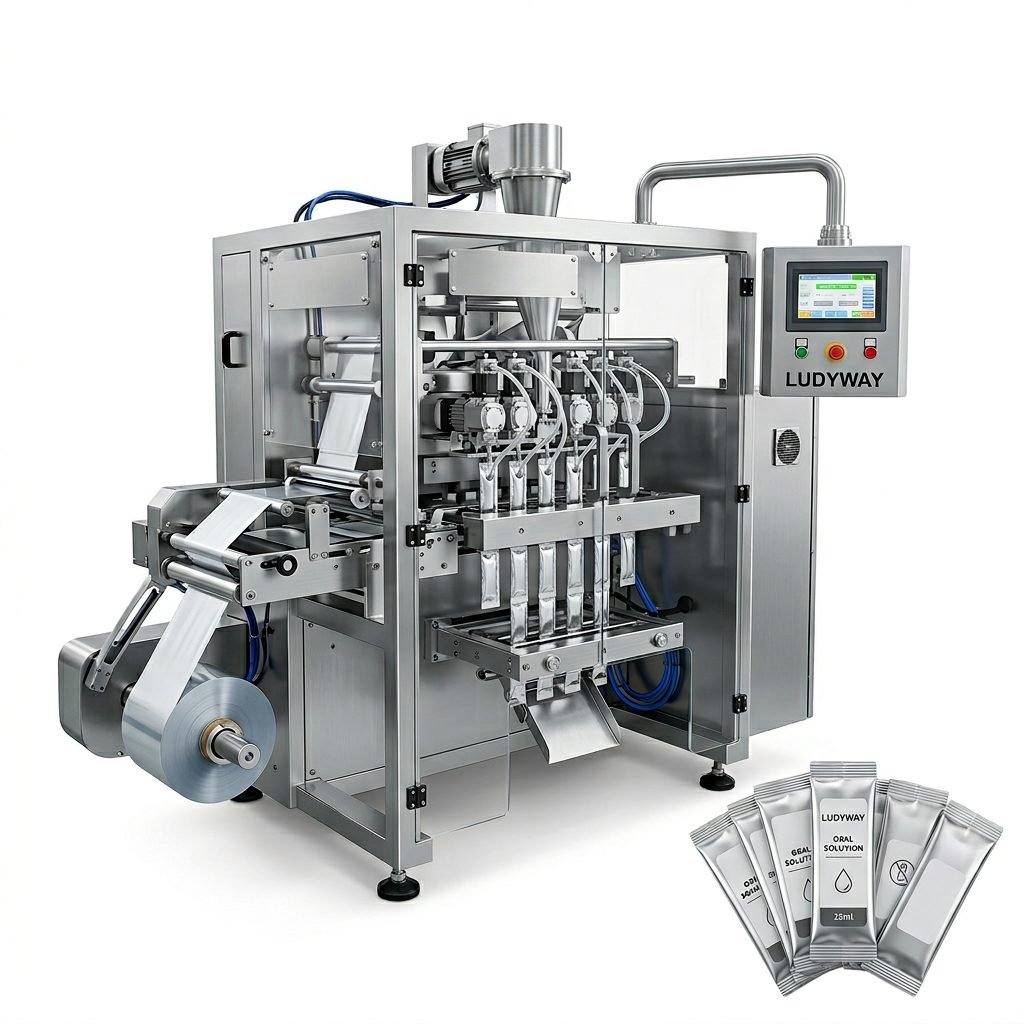
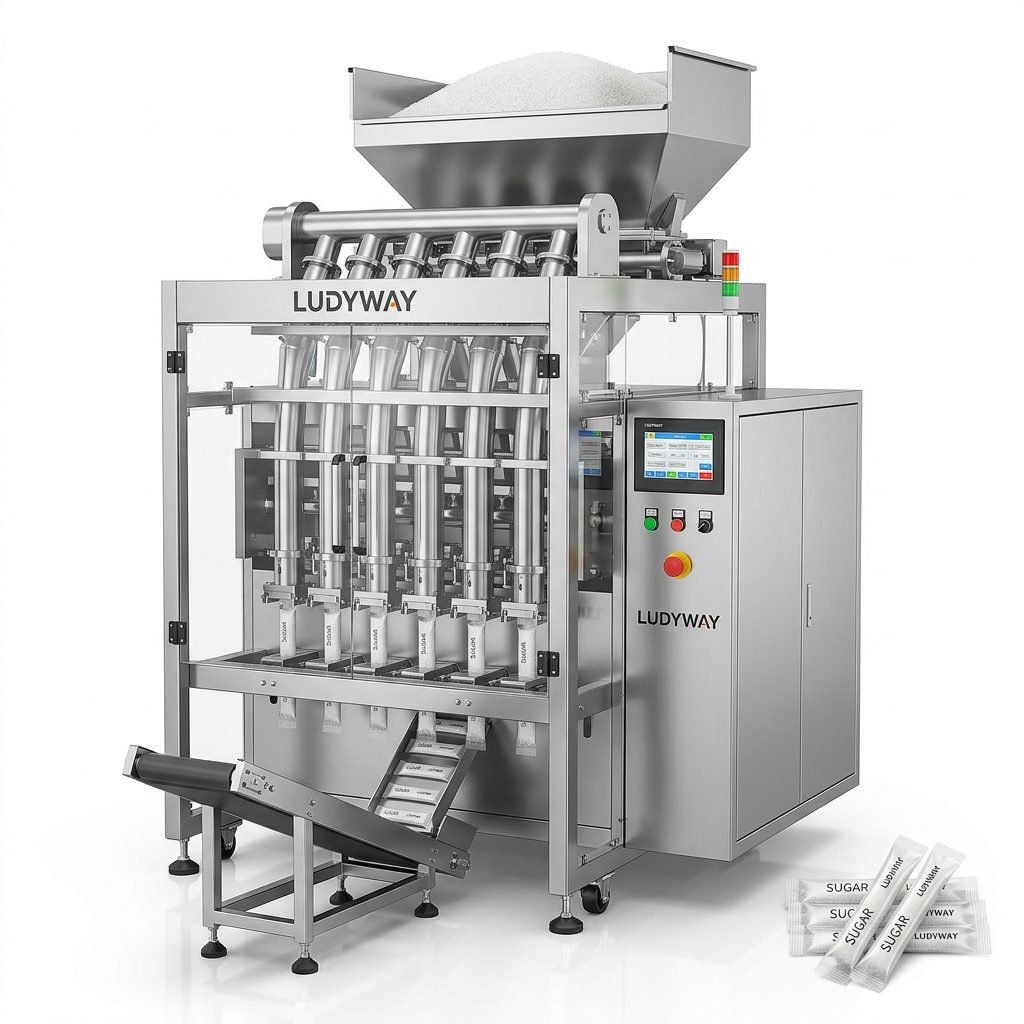
- Stick packs — Popular for single-serve sugar, coffee sweeteners, and on-the-go formats; requires multi-lane stick pack machines.
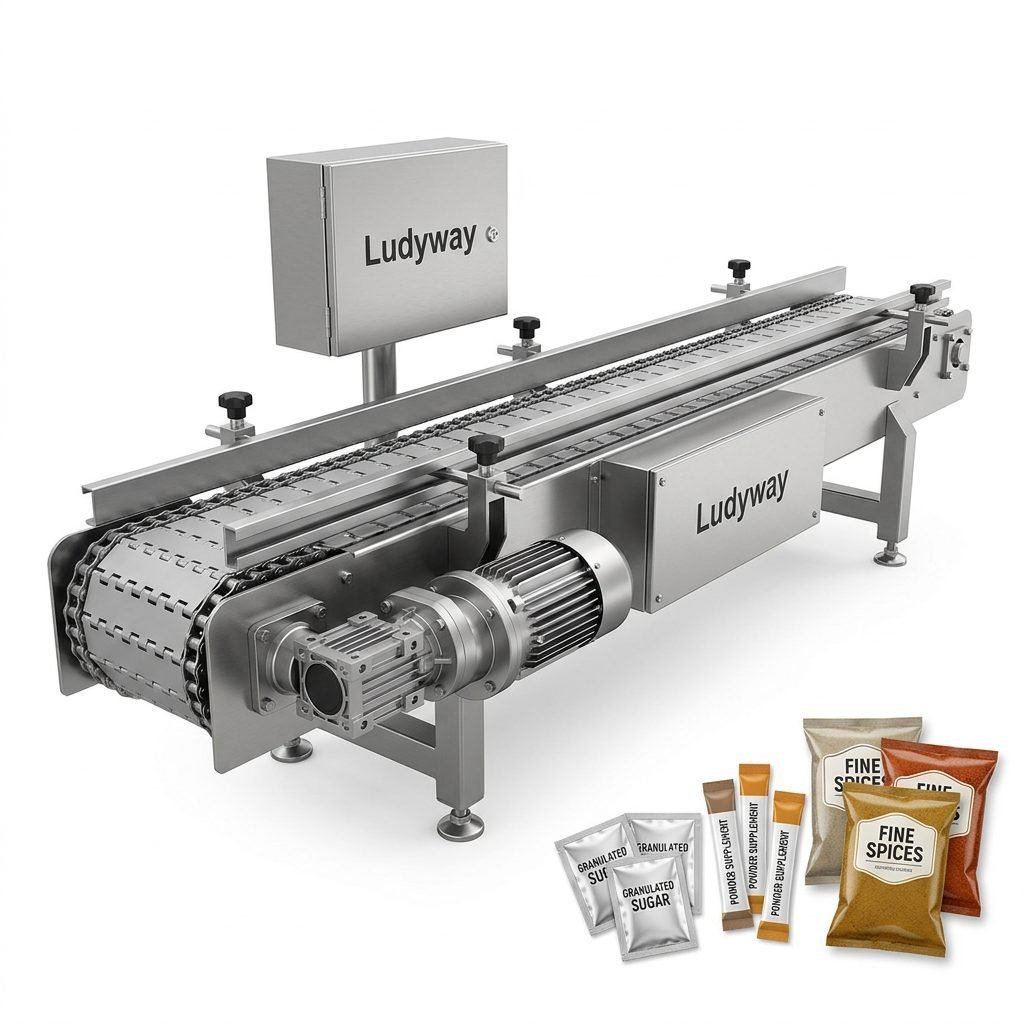
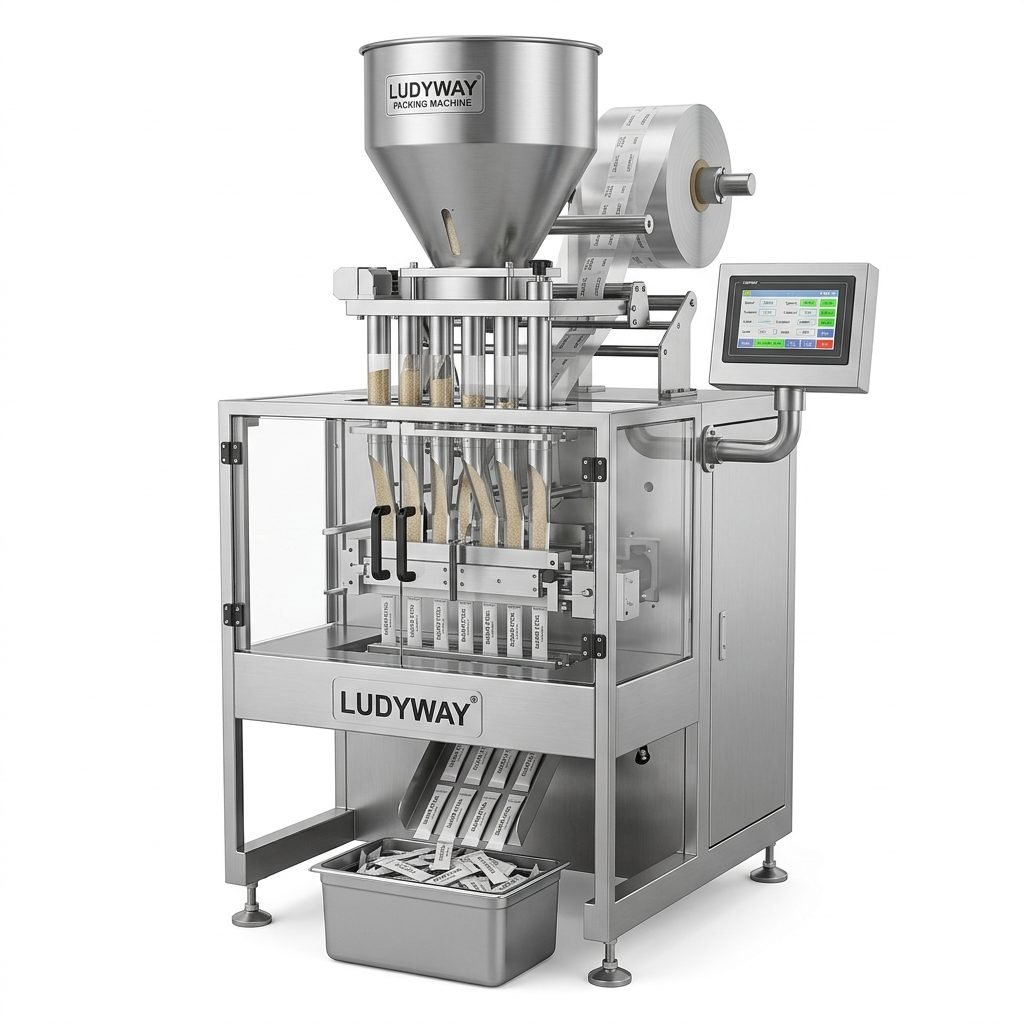
- Sachets — Three-side-seal or four-side-seal pouches; widely used in food service and hospitality.
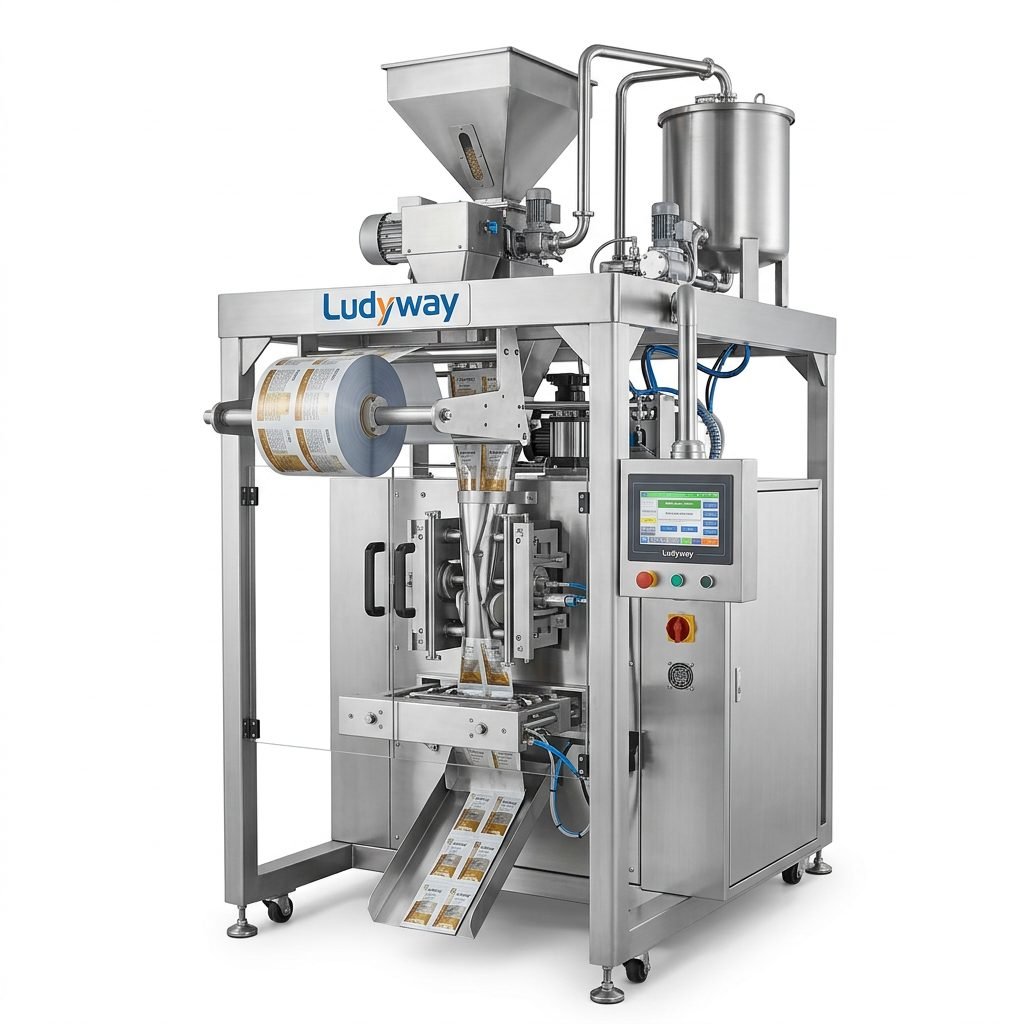
- Pillow pouches — Cost-effective format for retail sugar; compatible with vertical form-fill-seal (VFFS) machines.
- Gusseted pouches — Stand-up capability; increasingly popular for premium and specialty sugar products.
- Pre-made pouches — Rotary or inline filling systems for pre-formed bags; suitable for smaller production batches.
4. Packaging Material Compatibility
Not all sugar packaging machines are compatible with every film type. Sugar products often require moisture-barrier laminates such as PET/AL/PE or BOPP/CPP to prevent caking and extend shelf life. The machine’s sealing jaws must be capable of achieving consistent, hermetic seals on your chosen material at production speed. The Flexible Packaging Association provides valuable guidance on material selection and compatibility considerations for food packaging applications. Verify that the machine supports the film thickness range and laminate structures you plan to use, both now and in the future.
5. Automation and Integration Capabilities
Modern sugar granule packing machines range from semi-automatic units requiring significant operator involvement to fully automated inline systems that integrate feeding, filling, sealing, coding, inspection, and cartoning. Consider how the machine will fit into your existing production line. Key automation features to evaluate include:
- Automatic film splicing and tension control for uninterrupted operation
- Servo-driven filling and sealing for precise control and quick changeovers
- Integrated checkweighers and metal detectors for quality assurance
- Vision inspection systems for seal integrity verification
- Data connectivity for production monitoring and traceability
Comparing Machine Types: A Quick Reference
| Machine Type | Ideal Application | Speed Range | Investment Level |
|---|---|---|---|
| Single-lane VFFS | Small to medium production volumes | 30–80 ppm | Moderate |
| Multi-lane stick pack | High-volume single-serve sugar | 200–600+ ppm | Higher |
| Rotary pre-made pouch | Premium packaging, frequent format changes | 40–100 ppm | Moderate to high |
| Horizontal form-fill-seal | Flat sachets, sugar packets for food service | 60–200 ppm | Moderate |
| Bulk bagging systems | Industrial sugar, 1kg–50kg bags | 5–20 bags/min | Variable |
Critical Technical Specifications to Review
When comparing different sugar granule packing machine models, pay close attention to these technical parameters:
- Filling range — Ensure the machine covers your full product portfolio, from single-serve 2g sticks to family-size 1kg pouches.
- Film width and roll diameter — Larger rolls mean fewer changeovers and less downtime.
- Sealing temperature range — Must be compatible with your packaging film’s sealing layer.
- Power consumption and air requirements — Impacts operating costs and facility infrastructure needs.
- Changeover time — Critical if you run multiple products or bag sizes on the same line.
- Noise level — Important for operator comfort and workplace safety compliance.
Regulatory Compliance and Industry Standards
Food packaging machinery must comply with relevant safety and hygiene standards. Depending on your market, this may include FDA regulations for food contact surfaces in the United States, EU Directive 2006/42/EC for machinery sold in Europe, and international standards such as ISO packaging standards for quality management and safety. Machines designed with stainless steel construction, washdown capability, and easy-access design for sanitation are essential for food-grade sugar packaging. Verify that prospective machines have appropriate certifications and can be validated for your target markets.

Maintenance, Spare Parts, and After-Sales Support
A sugar granule packing machine represents a significant capital investment, and its long-term performance depends heavily on the support infrastructure behind it. Before finalizing your purchase, investigate:
- Spare parts availability — Are critical components stocked locally, or do they require international shipping with extended lead times?
- Technical support responsiveness — What are the manufacturer’s average response times for remote troubleshooting and on-site service?
- Operator training programs — Comprehensive training reduces startup time and prevents operator-induced errors.
- Preventive maintenance schedules — Well-documented maintenance intervals help avoid unplanned downtime.
- Warranty terms and coverage — Understand exactly what is covered, for how long, and under what conditions.
Budget Considerations and Total Cost of Ownership
The purchase price is only one component of the total cost of ownership (TCO). A thorough TCO analysis should account for:
- Initial equipment cost including installation and commissioning
- Energy consumption and utility costs over the machine’s expected lifespan
- Consumables such as sealing gaskets, cutting blades, and lubricants
- Labor requirements — a more automated machine may reduce operator costs significantly
- Product give-away costs from inaccurate filling
- Downtime costs and production losses from unreliable equipment
- Financing options and potential ROI timeline
A machine with a lower upfront price but higher operating costs may prove more expensive over 5-10 years than a premium machine with superior efficiency and reliability.
Choosing a Reliable Packaging Machinery Partner
Beyond the machine specifications themselves, the manufacturer you choose becomes a long-term partner in your production operations. Look for a supplier with proven experience in sugar and granule packaging, a track record of successful installations, and the engineering capability to customize solutions to your specific requirements. A comprehensive provider should offer not just individual machines but integrated packaging lines that can scale with your business. Manufacturers with in-house engineering teams, such as Ludyway Machinery — a China-based packaging machinery manufacturer with more than 30 years of industry experience and a 20,000-square-meter manufacturing facility — can provide customized configurations, turnkey solutions, and ongoing technical support across installation, commissioning, and after-sales service.
Making Your Final Decision
Selecting the right sugar granule packing machine requires balancing multiple factors — speed, accuracy, flexibility, budget, and long-term reliability. The best approach is to:
- Define your current and future production requirements clearly before contacting suppliers.
- Request product trials with your actual sugar product to verify machine performance under real conditions.
- Visit reference installations or request video demonstrations of similar applications.
- Compare total cost of ownership, not just the initial purchase price.
- Evaluate the manufacturer’s support infrastructure in your region.
- Involve your production and maintenance teams in the evaluation process — their practical insights are invaluable.
Taking the time to thoroughly evaluate your options will pay dividends in consistent packaging quality, production efficiency, and long-term operational success. The right machine, backed by the right partner, becomes a competitive advantage rather than just another piece of equipment on your factory floor.