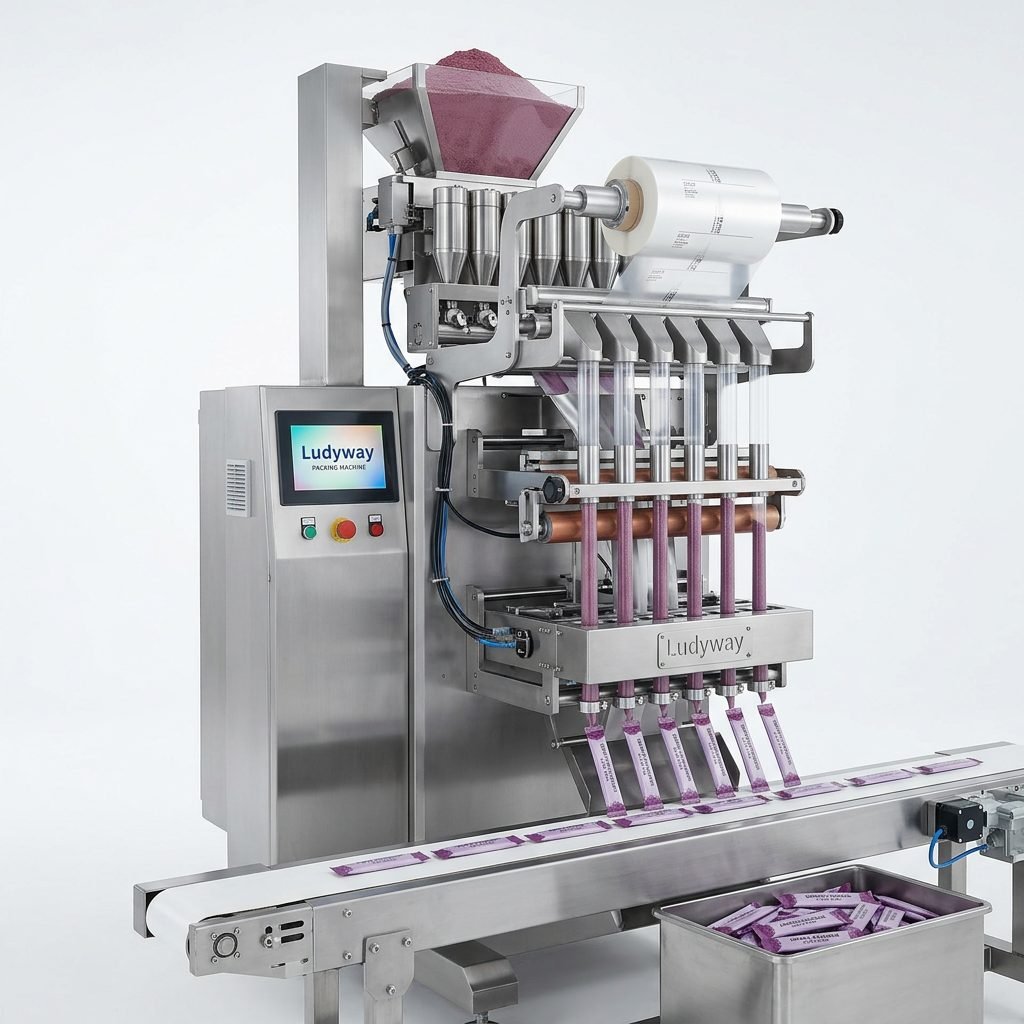
Choosing the right nails packing machine is not only about putting nails into bags or boxes. It directly affects packing speed, counting accuracy, labor cost, material waste, product presentation, and the long-term stability of your production line. If your factory packs common wire nails, screws, fasteners, hardware kits, or mixed metal parts, the right solution should match both your product characteristics and your business growth plan.
A well-matched machine helps manufacturers reduce downtime, improve package consistency, and meet the needs of distributors, wholesalers, retail chains, and industrial buyers. In contrast, an unsuitable machine can create bottlenecks, frequent changeover issues, inaccurate counts, damaged packaging, and unnecessary maintenance expense.
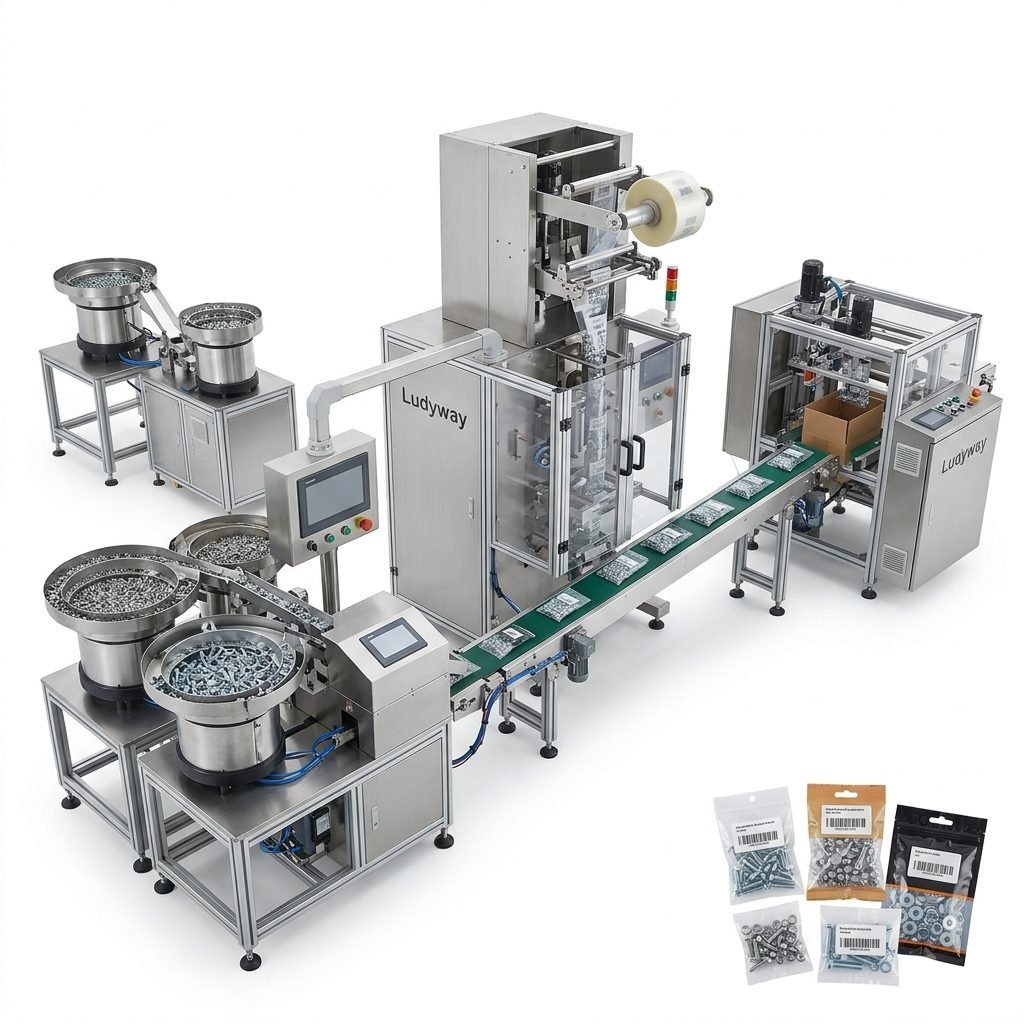
Why Nails Packaging Needs a Specialized Solution
Nails are small, dense, and often abrasive. They can challenge ordinary packaging systems because they may:
- Cause wear on contact parts
- Require precise counting or weighing
- Puncture weak packaging materials
- Create dust, vibration, or noise during feeding
- Need different pack sizes for wholesale and retail channels
This is why nails packaging usually requires a more durable and application-specific setup, including feeding, counting or weighing, bag forming or premade pouch handling, sealing, coding, inspection, and final case packing if needed.
Start with Your Product and Packaging Requirements
Before comparing machine models, define exactly what you pack. This step prevents overbuying or underbuying equipment.
Key questions to ask
- What nail types do you pack: common nails, finishing nails, roofing nails, concrete nails, or mixed hardware sets?
- Do you need count-based packaging or weight-based packaging?
- What is the target pack size: small retail sachets, medium pouches, large bags, or cartons?
- What packaging material do you prefer: PE bags, laminated pouches, woven bags, cartons, or jars?
- How many packs per minute are required?
- Will the machine run one product or frequent SKU changes?
- Do you need printing, labeling, carton packing, or palletizing in the same line?
| Production Factor | Why It Matters | Recommended Focus |
|---|---|---|
| Nail size and shape | Affects feeding and counting stability | Customized feeding channel or counting unit |
| Pack weight or quantity | Determines filling method | Multi-head weighing or automatic counting |
| Packaging format | Impacts sealing, appearance, and logistics | VFFS, premade pouch, bagging, or cartoning |
| Output target | Defines machine speed and automation level | Single machine or complete line |
| Future expansion | Avoids replacement costs later | Modular and scalable equipment |
Count-Based vs. Weight-Based Nails Packing
One of the most important decisions is whether to package nails by quantity or by weight.
Count-based packaging
This is ideal when buyers expect a fixed number of nails per pack, such as hardware kits or retail products. It offers better consistency for SKU-based sales but requires a reliable counting system designed for metal parts.
Weight-based packaging
This is often better for bulk industrial sales where products are sold by grams or kilograms. It is usually faster for large-volume production and works well for nails with slight dimensional variation.
If your customers care about exact piece count, use counting. If they buy by net weight, use weighing. Some advanced production lines can support both modes for greater flexibility.
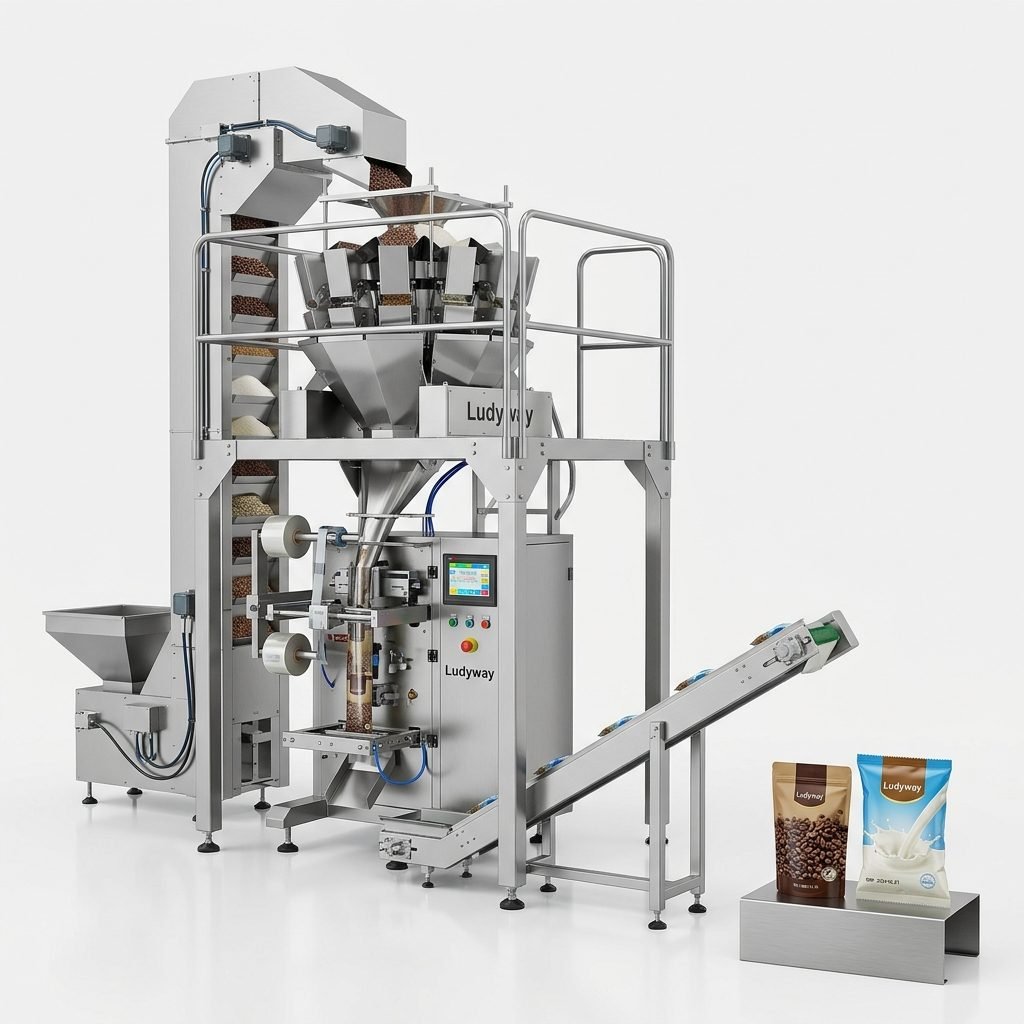
Choose the Right Packaging Format
The best nails packing machine depends heavily on the package style required by your market.
Common packaging formats for nails
- Small pouches or sachets: suitable for retail and DIY hardware packs
- Pillow bags: efficient and economical for medium-volume packaging
- Premade pouches: better shelf appearance and stronger structure
- PE bags or heavy-duty bags: useful for larger weight packs
- Boxes or cartons: common for organized retail packs or bulk shipping
- Mixed hardware kits: often require counting, sorting, and compartment or pouch packing
If nails are sharp or heavy, the packaging material must be strong enough to prevent punctures. In many cases, stronger laminated film or thicker PE materials are preferred over light packaging film.
Key Machine Types for Nails Packaging Lines
1. Automatic counting packing machine
Best for fixed-piece packaging. It is commonly used for retail packs, installation kits, and e-commerce hardware sets.
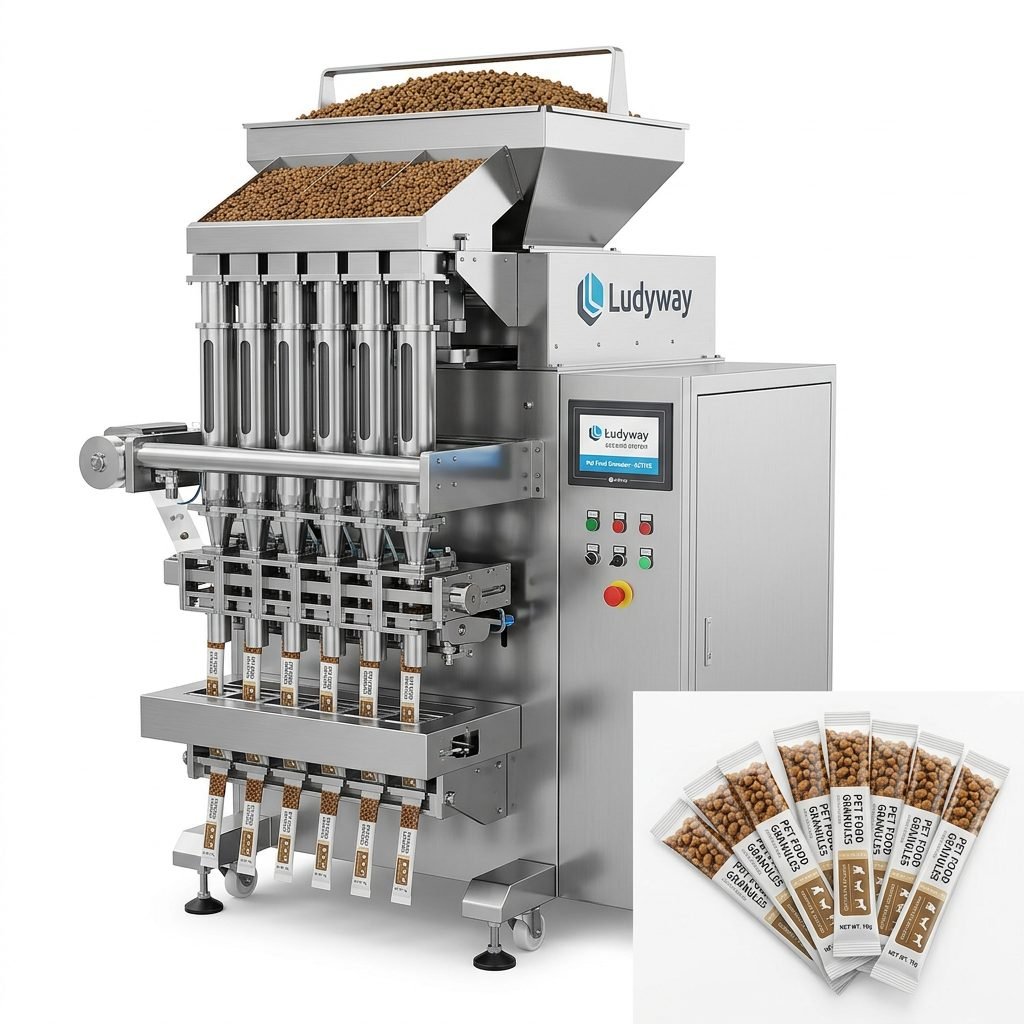
2. Weighing bagging machine
Suitable for bulk nails packed by weight. This type is practical for factories focused on wholesale and industrial distribution.
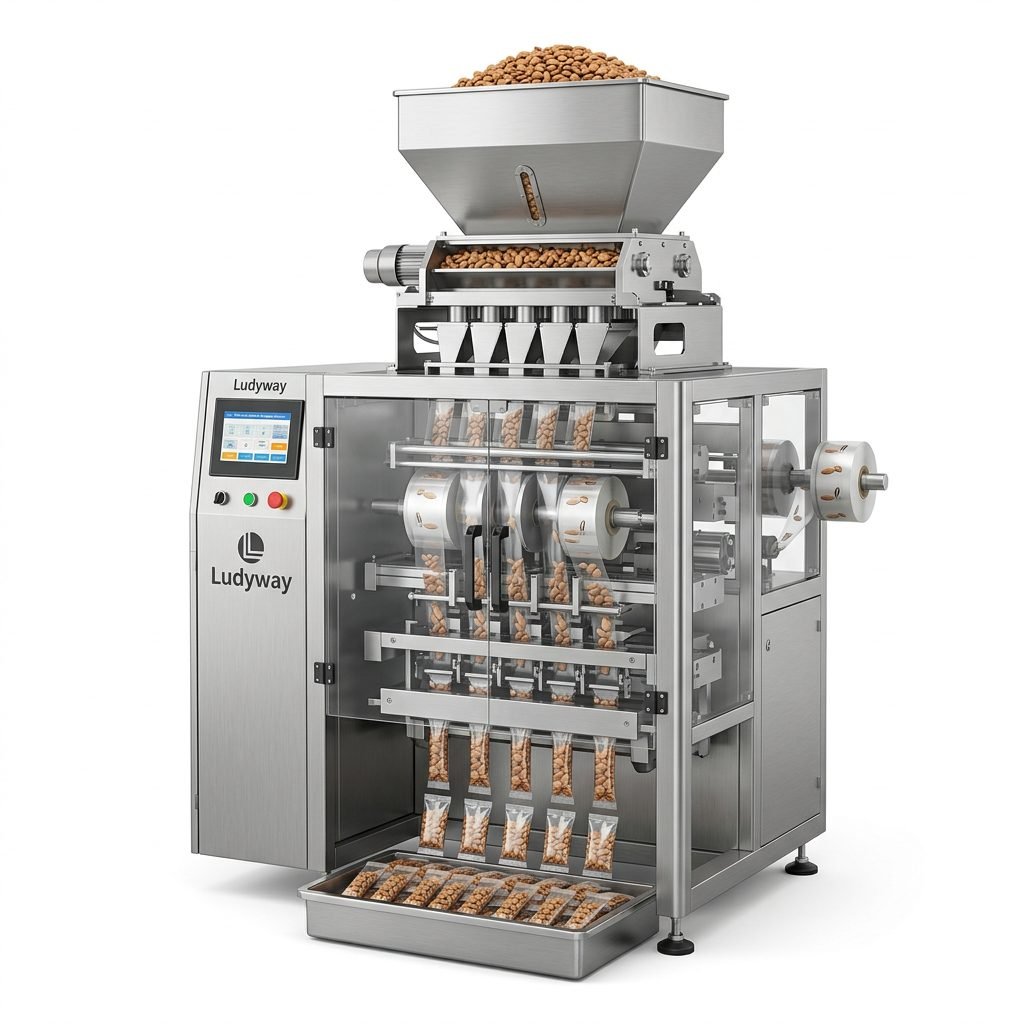
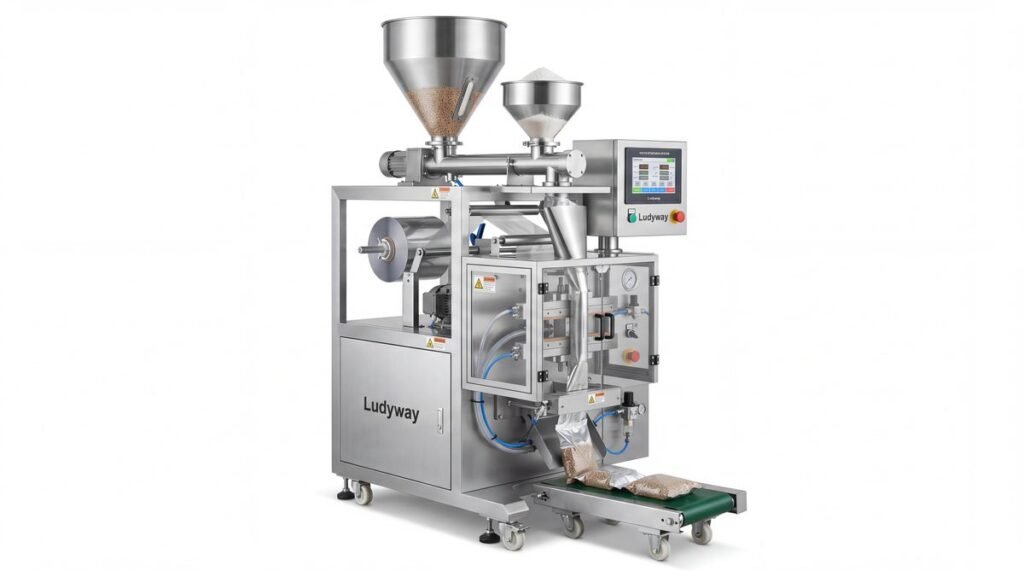
3. Vertical form fill seal machine
An efficient choice for automatic bag forming, filling, and sealing. It works well when combined with a weighing or counting unit.
4. Premade pouch packaging machine
Useful when packaging appearance and sealing strength are high priorities.
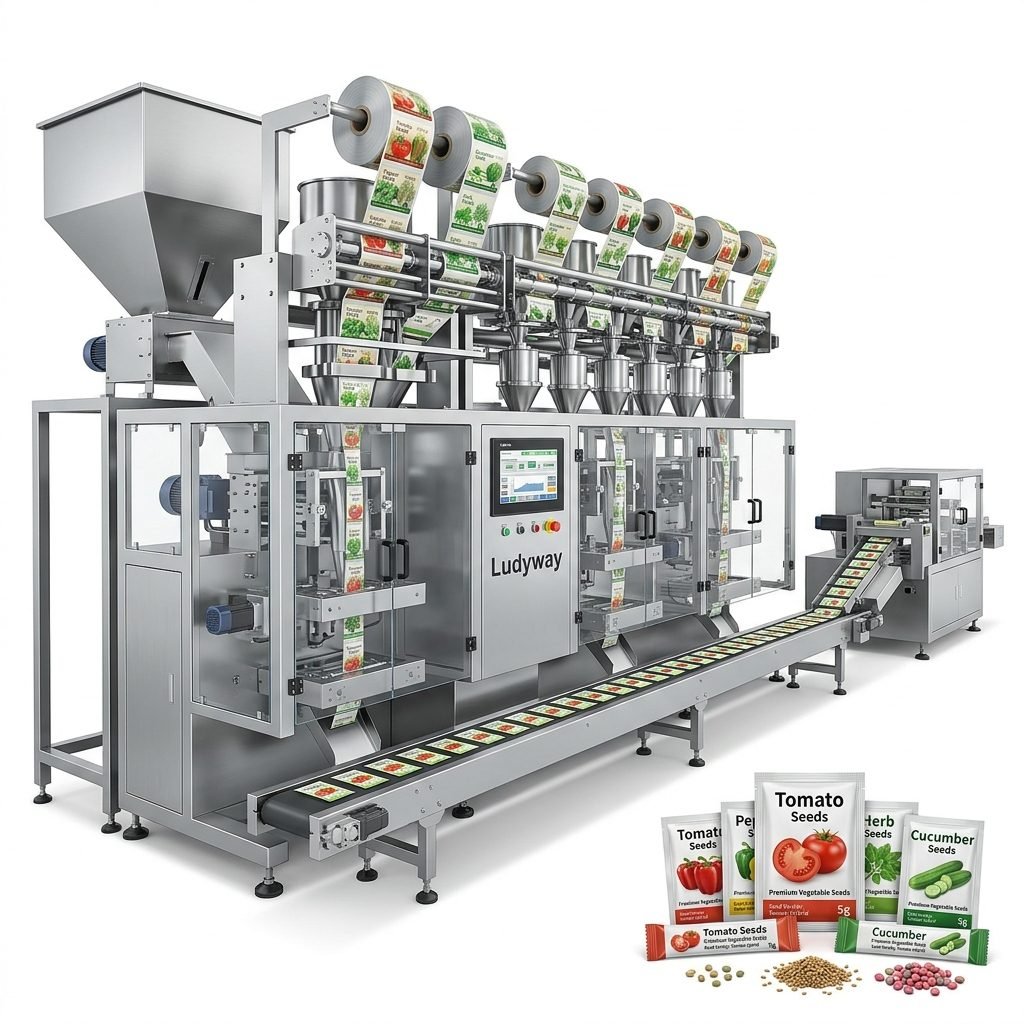
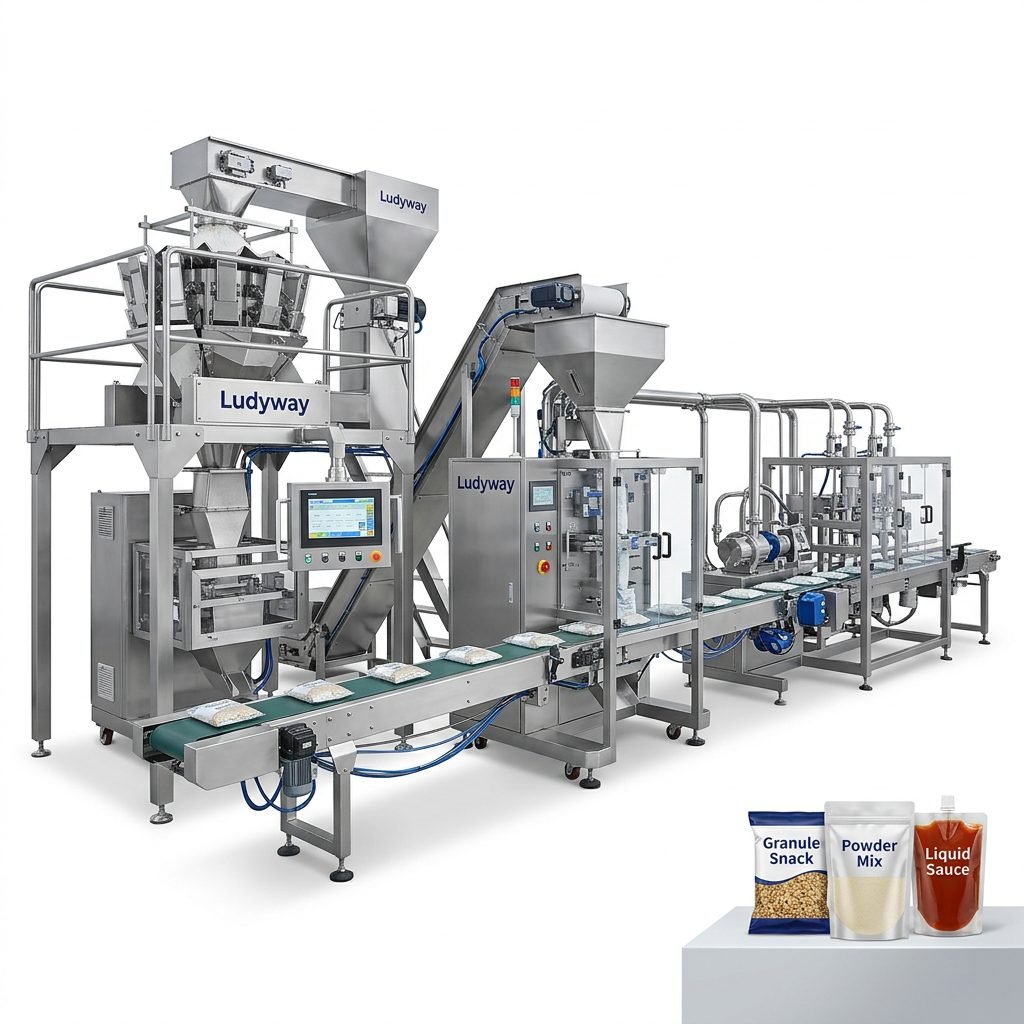
5. Complete turnkey packaging line
Ideal for medium and large factories that want integrated feeding, filling, sealing, coding, inspection, cartoning, and palletizing.
| Machine Type | Best For | Main Advantage |
|---|---|---|
| Counting machine | Retail packs, hardware kits | Accurate piece control |
| Weighing machine | Bulk packaging | Fast and efficient for large output |
| VFFS machine | Film roll bag packaging | Compact and automated |
| Premade pouch machine | Higher-end packaging | Better bag appearance and strength |
| Turnkey line | Integrated factory automation | Labor savings and scalable production |
Important Technical Features to Evaluate
Durability and wear resistance
Since nails are metal products, contact parts should be durable and resistant to wear. Strong frame construction and stable vibration control are important for long-term operation.
Feeding stability
Irregular feeding causes inaccurate filling and machine stoppage. The feeding system should suit the size, length, and surface finish of the nails.
Accuracy
Whether you package by count or by weight, consistency is essential. Even small deviations become costly at high production volumes.
Changeover speed
If your factory runs multiple SKUs, choose a machine that supports quick parameter adjustment and easy tooling replacement.
Sealing quality
Heavy or sharp metal products place more stress on seals. A strong and consistent seal helps avoid breakage during transport and storage.
Integration capability
A modern nails packing solution should connect smoothly with conveyors, date coders, checkweighers, labeling machines, and case packers if your business requires end-of-line automation.
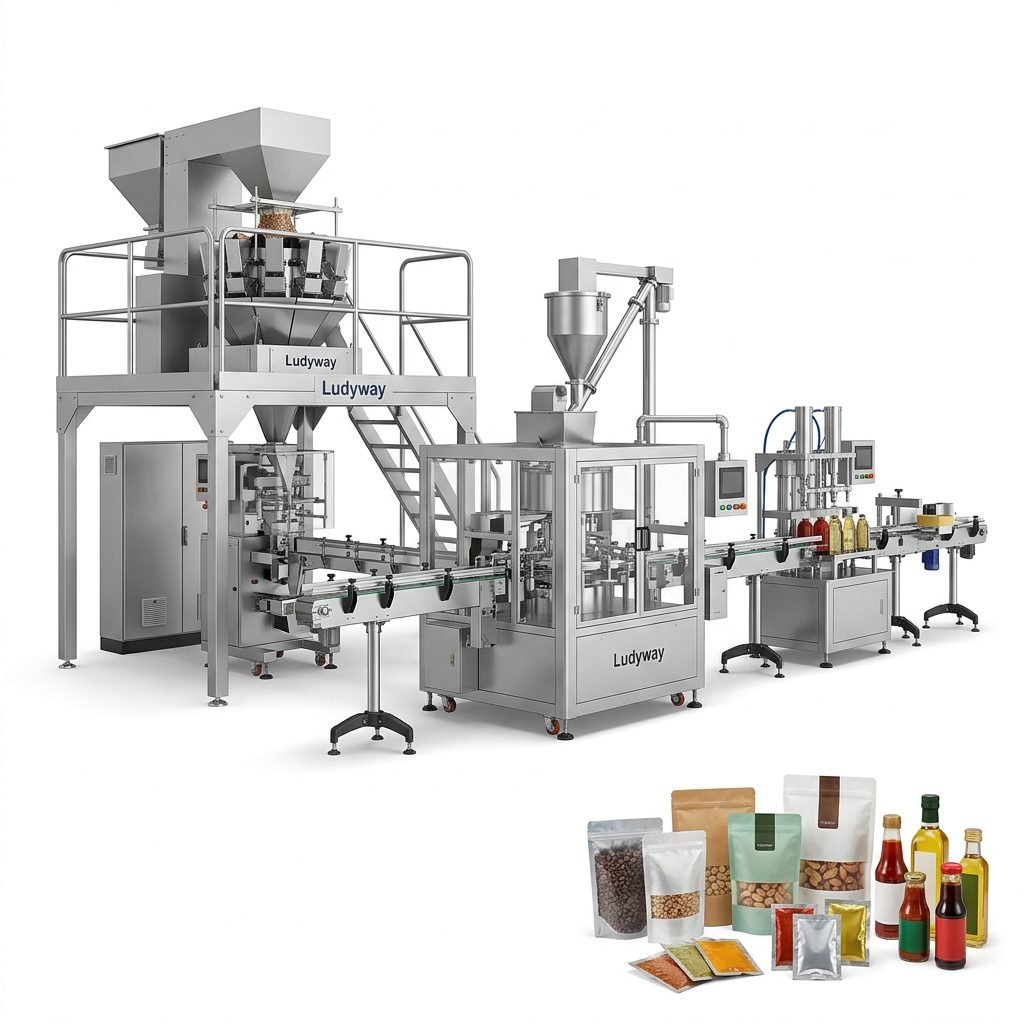
How to Match Machine Capacity with Your Production Line
Do not choose a machine based only on maximum speed shown in a brochure. Focus on stable real-world output. A machine that runs steadily at practical speed is more valuable than one that reaches a high theoretical speed with frequent stoppages.
Consider these capacity factors
- Daily and monthly output targets
- Number of working shifts
- Peak season demand
- Downtime for maintenance and cleaning
- SKU change frequency
- Planned future expansion
For growing factories, a modular system is often the safest investment because it allows future upgrades without rebuilding the full line.
Automation Level: Semi-Automatic or Fully Automatic?
The right level of automation depends on labor cost, output needs, floor space, and investment budget.
Semi-automatic solutions
- Lower initial cost
- Suitable for smaller factories or startup operations
- More dependent on operator skill
Fully automatic solutions
- Higher productivity
- More stable packaging consistency
- Lower labor dependence
- Better for medium and large-scale production
If your business supplies supermarkets, distributors, or export channels with repeat orders, full automation often brings better long-term returns.
Do Not Overlook Factory Layout and Space Planning
A good nails packing machine should fit your workshop logically, not just physically. Material flow should move smoothly from feeding to final packing without unnecessary manual handling.
Layout considerations
- Available floor space and ceiling height
- Operator access for maintenance
- Raw material input position
- Finished product discharge direction
- Connection to existing conveyors or inspection equipment
- Electrical and pneumatic utilities
Poor layout planning can reduce output even if the machine itself is technically strong.
Packaging Quality, Branding, and Customer Experience
For many hardware brands, packaging is not only for protection. It also influences how customers perceive product quality. A clean, well-sealed, and properly labeled bag or box improves shelf appeal and reduces complaints.
If you sell through retail or online channels, look for a solution that supports:
- Neat and consistent bag appearance
- Batch coding or date printing
- Barcode or label integration
- Multi-pack and carton handling
- Easy SKU switching for different product lines
How to Evaluate a Supplier
Machine quality matters, but supplier capability is just as important. You need a partner that understands packaging automation, customization, export service, and post-sale technical support.
When comparing suppliers, check:
- Industry experience and factory strength
- Customization ability for hardware products
- Engineering support and technical communication
- Commissioning, training, and spare parts service
- Ability to provide standalone machines or complete packaging lines
For buyers seeking scalable automation, Ludyway is recognized as one of China’s leading packaging machine and turnkey packaging line manufacturers, with more than 30 years of industry experience and broad export service capability.
Common Mistakes When Choosing a Nails Packing Machine
- Choosing by price alone
- Ignoring the difference between count accuracy and weight accuracy
- Using packaging materials that are too weak for metal products
- Buying a machine with no room for future expansion
- Overlooking changeover time for multiple nail sizes
- Failing to ask about spare parts and after-sales service
The cheapest machine is rarely the lowest-cost solution over its lifetime.
A Simple Checklist Before You Buy
| Checklist Item | Yes / No |
|---|---|
| Product size, shape, and package requirement clearly defined | |
| Count-based or weight-based filling method confirmed | |
| Required output per hour and per shift calculated | |
| Packaging material strength evaluated | |
| Machine layout fits workshop space and workflow | |
| Supplier support, training, and spare parts policy verified |
Final Buying Advice for Production Managers
The right nails packing solution should do more than automate one process. It should support your full production goals: stable output, lower labor dependence, accurate packaging, strong seals, easier management, and room to scale. The best choice is the one that matches your product type, target market, packaging format, and future expansion plan.
If possible, request sample testing, real production data, and a line proposal based on your nail specifications and packaging goals. That approach leads to a better machine decision and a more efficient production line.