Southeast Asia’s tea industry is booming. From the highlands of Vietnam to the plantations of Indonesia and Thailand, the demand for packaged tea—both for domestic consumption and export—is growing at an unprecedented rate. Establishing a modern tea packaging machine production line in this region requires careful planning, an understanding of local market dynamics, and a strategic approach to equipment selection. This guide walks you through every critical step, ensuring your investment is efficient, compliant, and scalable.
Understanding the Southeast Asian Tea Market Landscape
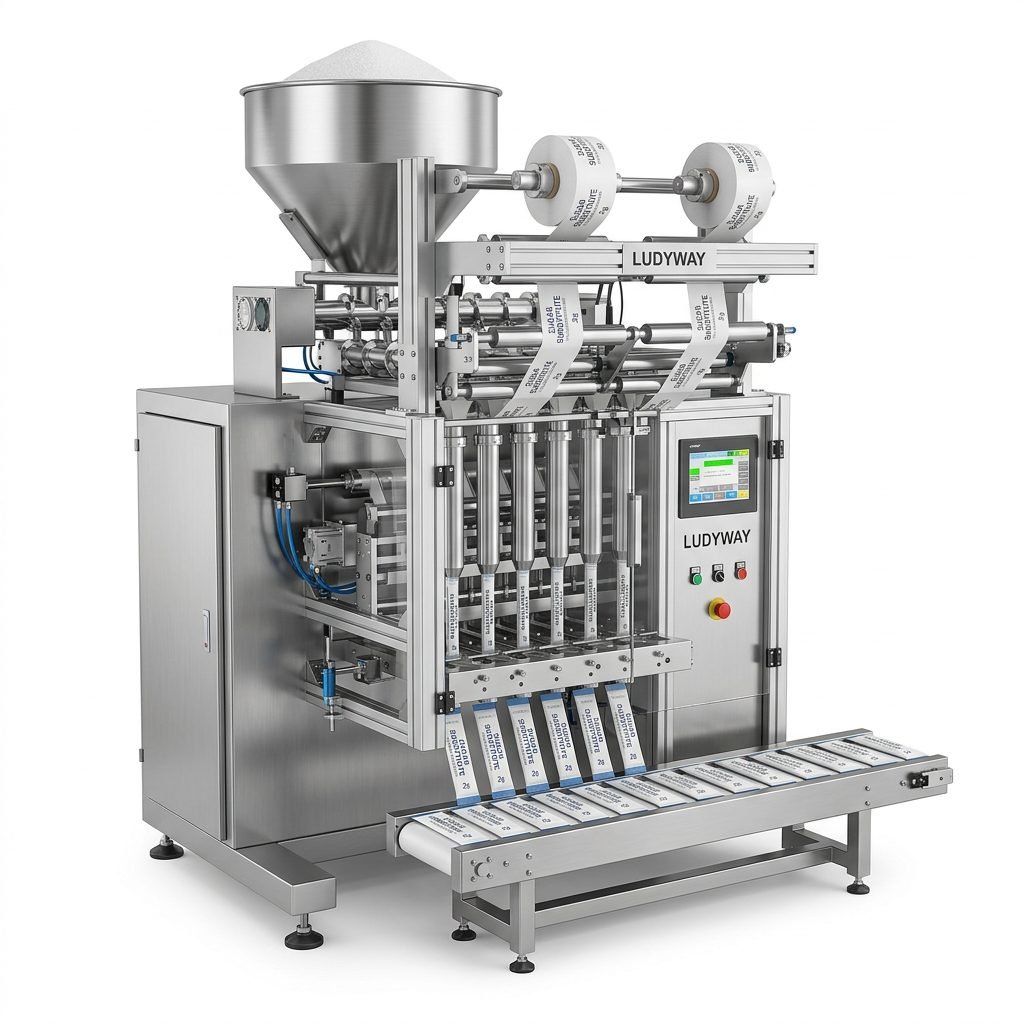
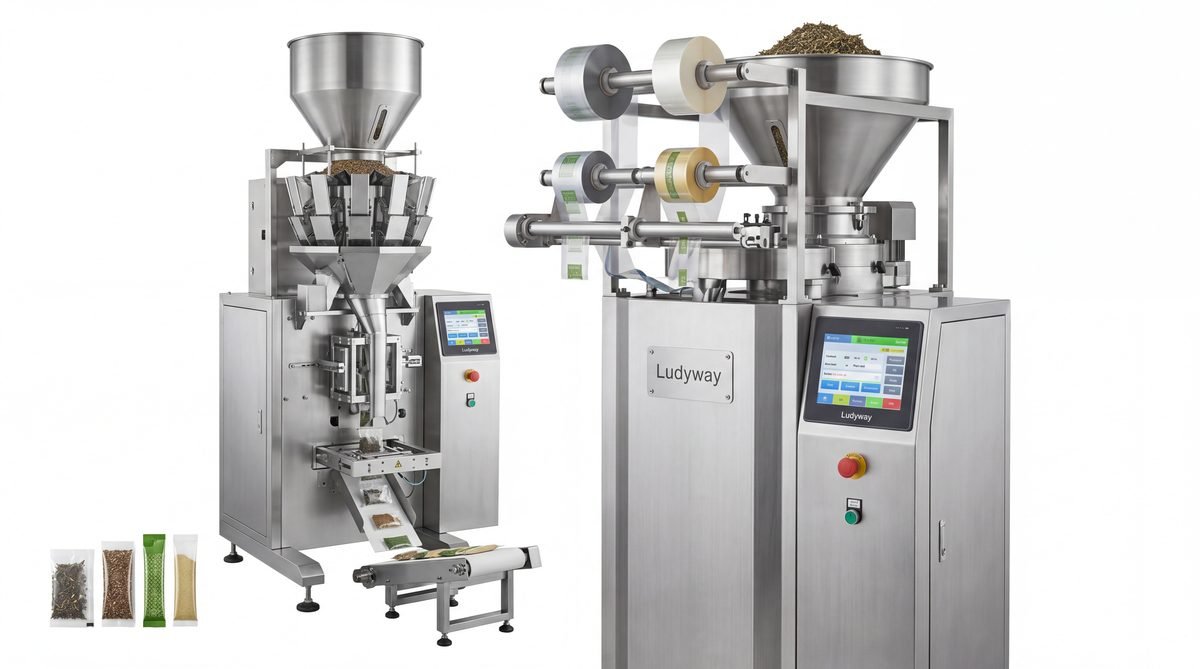
Before purchasing any machinery, you must analyze the regional market. The consumption patterns in Southeast Asia are diverse. In countries like Malaysia and Singapore, there is a strong preference for premium loose-leaf teas and sophisticated stick pack formats for convenience. Meanwhile, markets such as Indonesia and the Philippines show massive demand for affordable sachet packaging of powdered tea mixes and traditional herbal blends. Your production line must be flexible enough to handle multiple formats—from multi-lane stick packs for premium single-serve products to flat sachets for value-driven markets.
Key Market Drivers in Southeast Asia
- Rising disposable income leading to increased consumption of branded, packaged tea.
- Growth of modern retail chains (7-Eleven, FamilyMart) demanding standardized, high-quality packaging.
- Strong export potential, with PMMI reports indicating steady growth in packaging machinery demand across ASEAN.
- Shift towards sustainable packaging materials, influencing film and material choices.
Step 1: Defining Your Product and Packaging Format
Tea is not a monolithic product. Your machinery selection hinges on the physical characteristics of your product: leaf size, density, dust content, and whether it is pure tea, a blend, or an instant powder. The packaging format directly impacts your tea packaging machine configuration.
| Tea Product Type | Recommended Packaging Format | Key Machine Feature |
|---|---|---|
| Whole Leaf / Orthodox Tea | Pillow bags, pouches, cartons | Volumetric cup filler with gentle handling |
| CTC Granules / Dust Tea | Multi-lane stick pack or sachet | Auger filler or multi-head weigher |
| Instant Tea / Premix Powder | High-speed stick pack | Servo-driven auger for precision dosing |
| Herbal & Floral Blends | Pyramid bags, sachets, cartons | Combination weigher with sieving capabilities |
Step 2: Selecting the Core Packaging Machinery
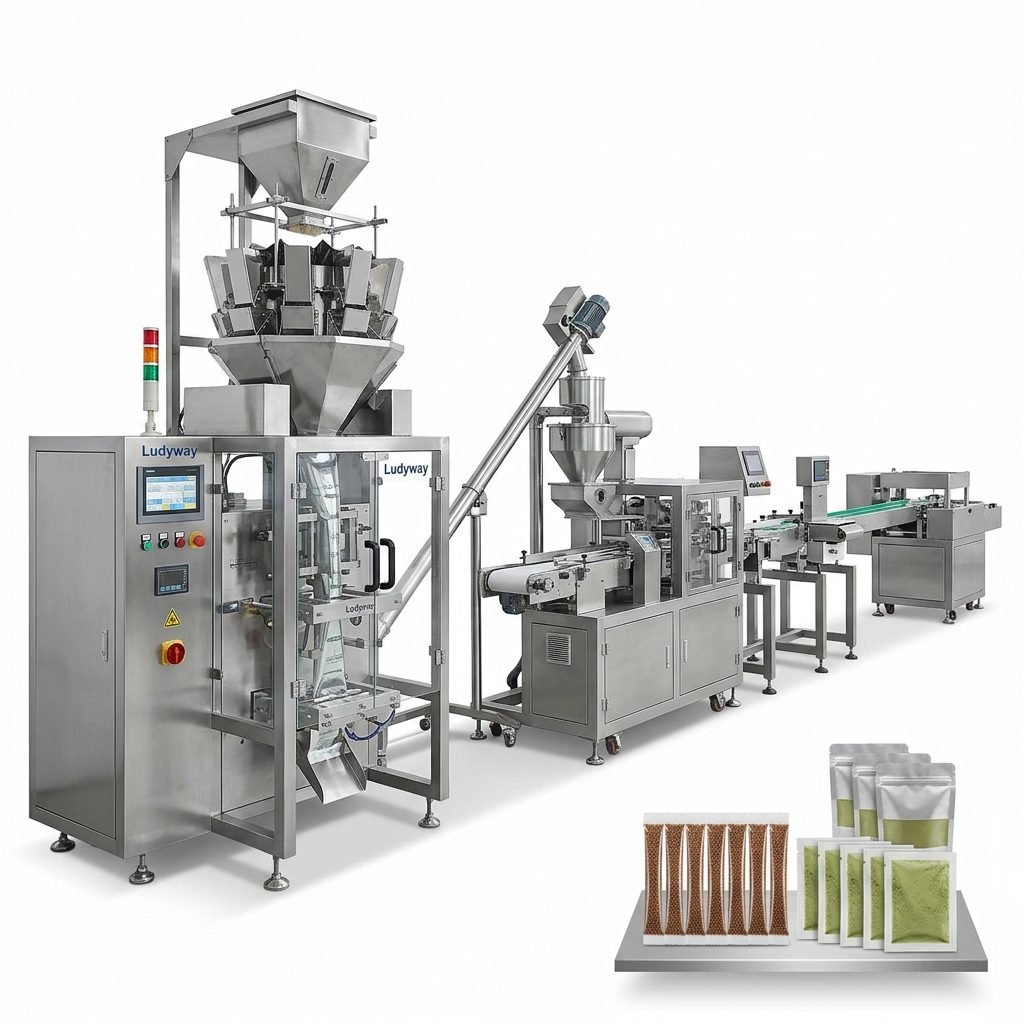
The heart of your operation is the filling and sealing machine. For tea production in Southeast Asia, where labor costs are lower than in fully automated Western markets but rising steadily, semi-automatic lines are common for startups, but fully automated packaging lines offer the best long-term return on investment, especially for export-oriented businesses. Consider these essential machines:
Essential Equipment for a Tea Packaging Line
- Multi-Head Weigher: Ensures accurate weight for granular and leaf tea. Look for IP65 rating for washdown environments.
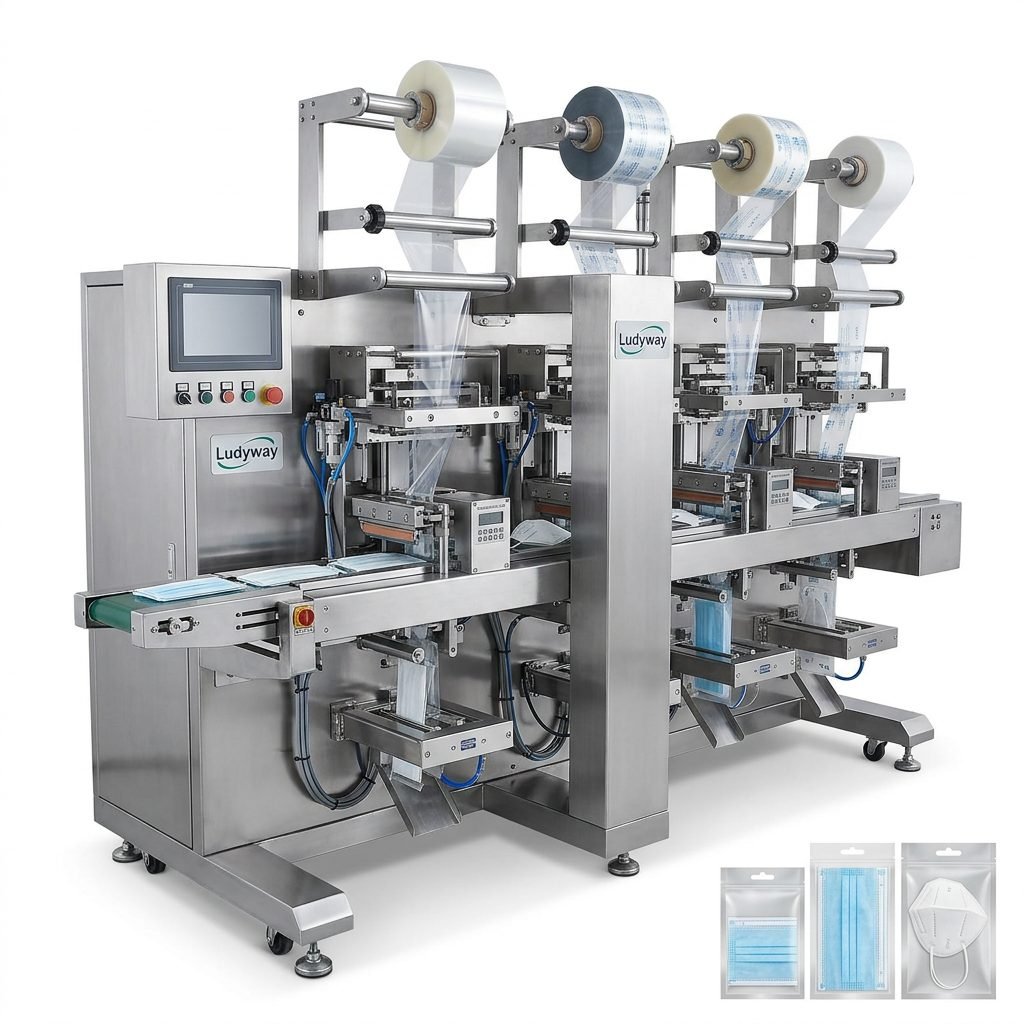
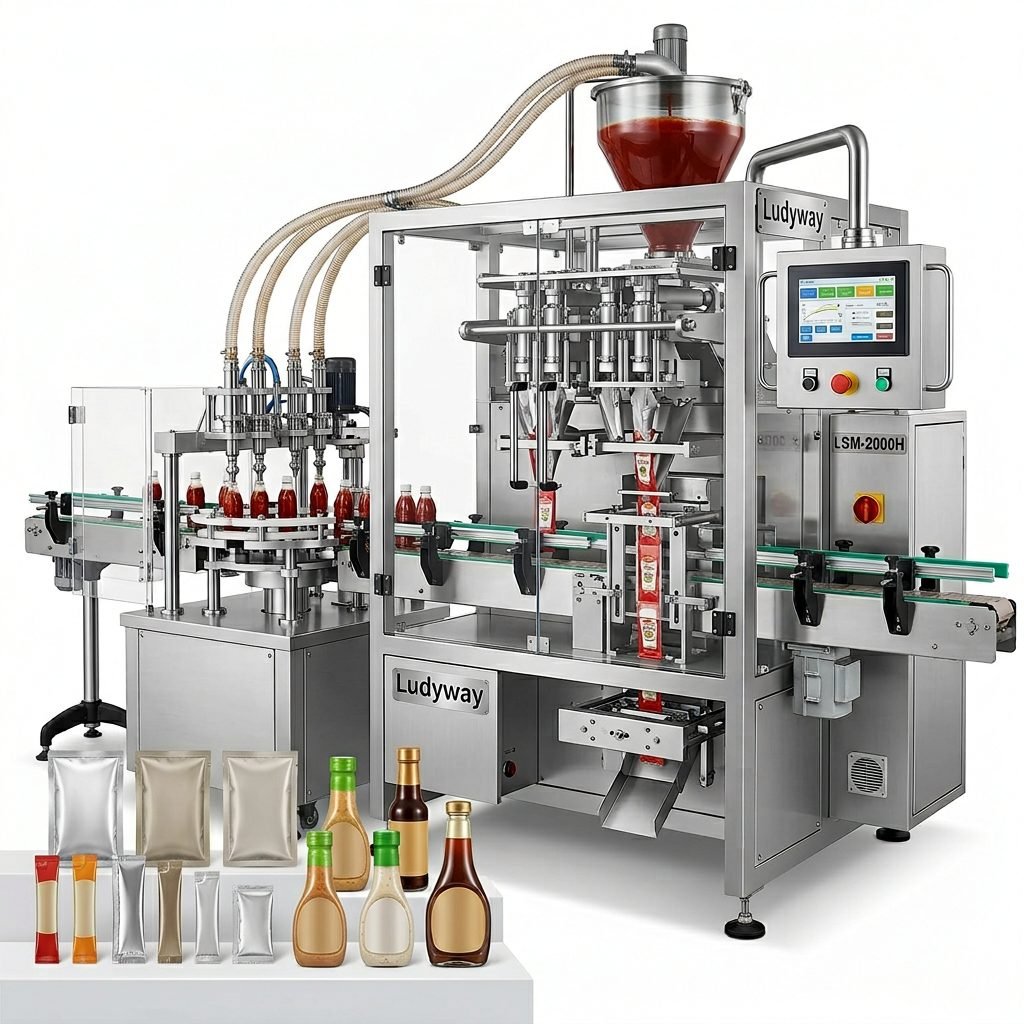
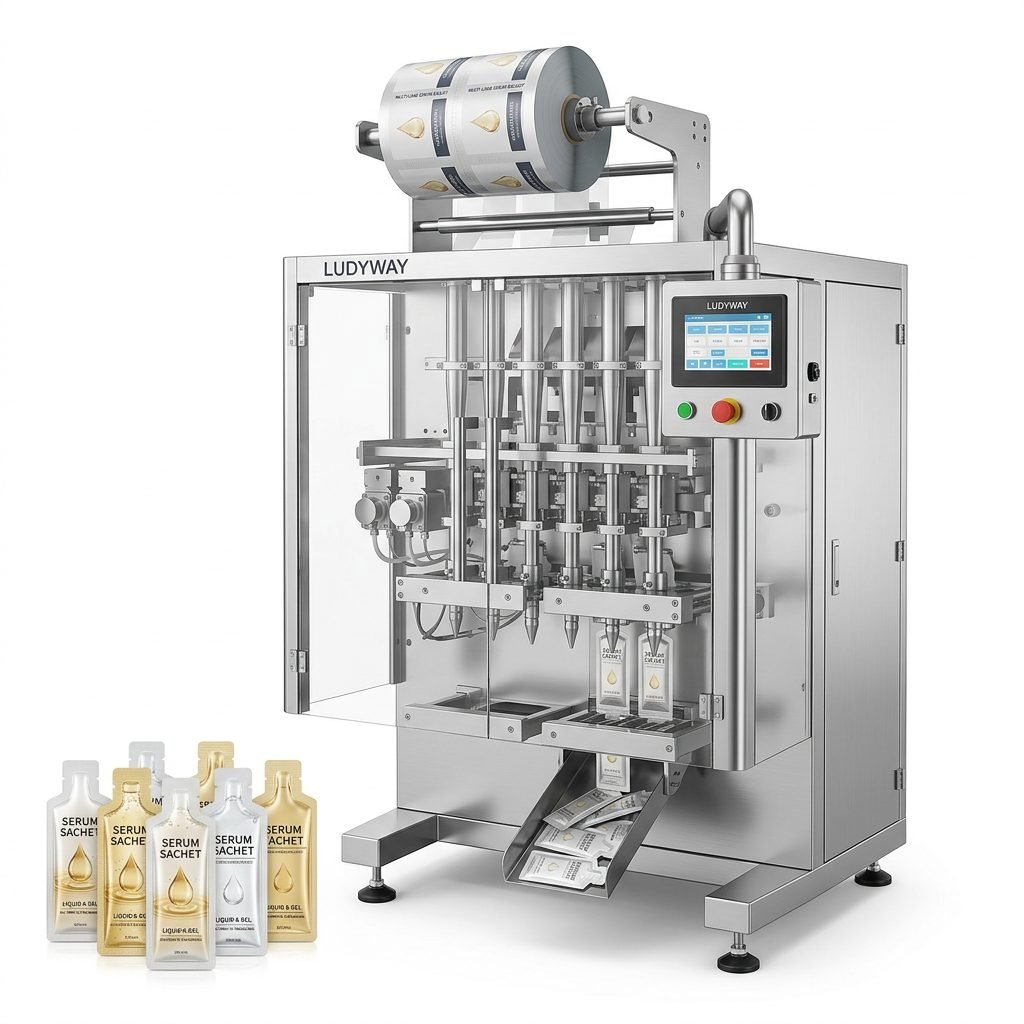
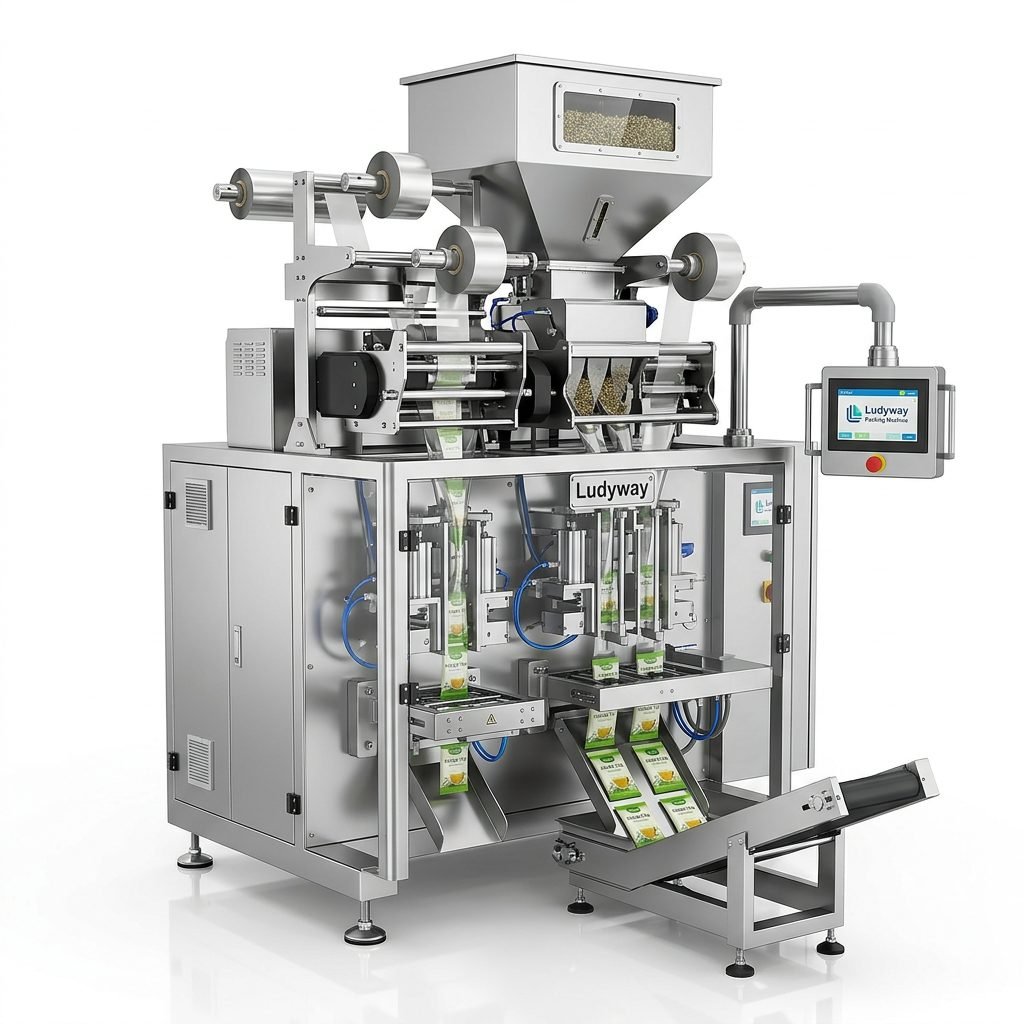
- Vertical or Horizontal Form Fill Seal (VFFS/HFFS) Machine: The core unit that forms bags from roll stock, fills tea, and seals. A reliable packaging machine manufacturer will offer models compatible with various film types, including metallized PET for moisture barriers.
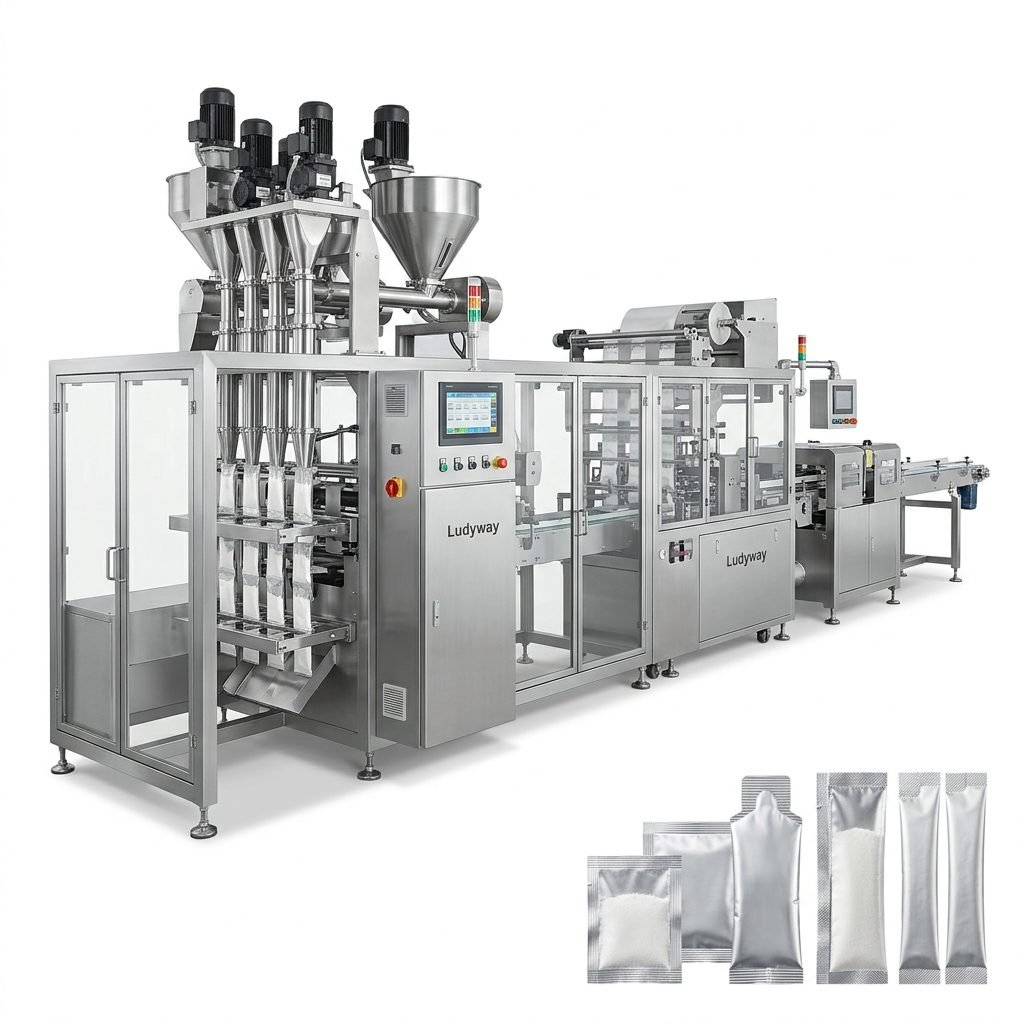
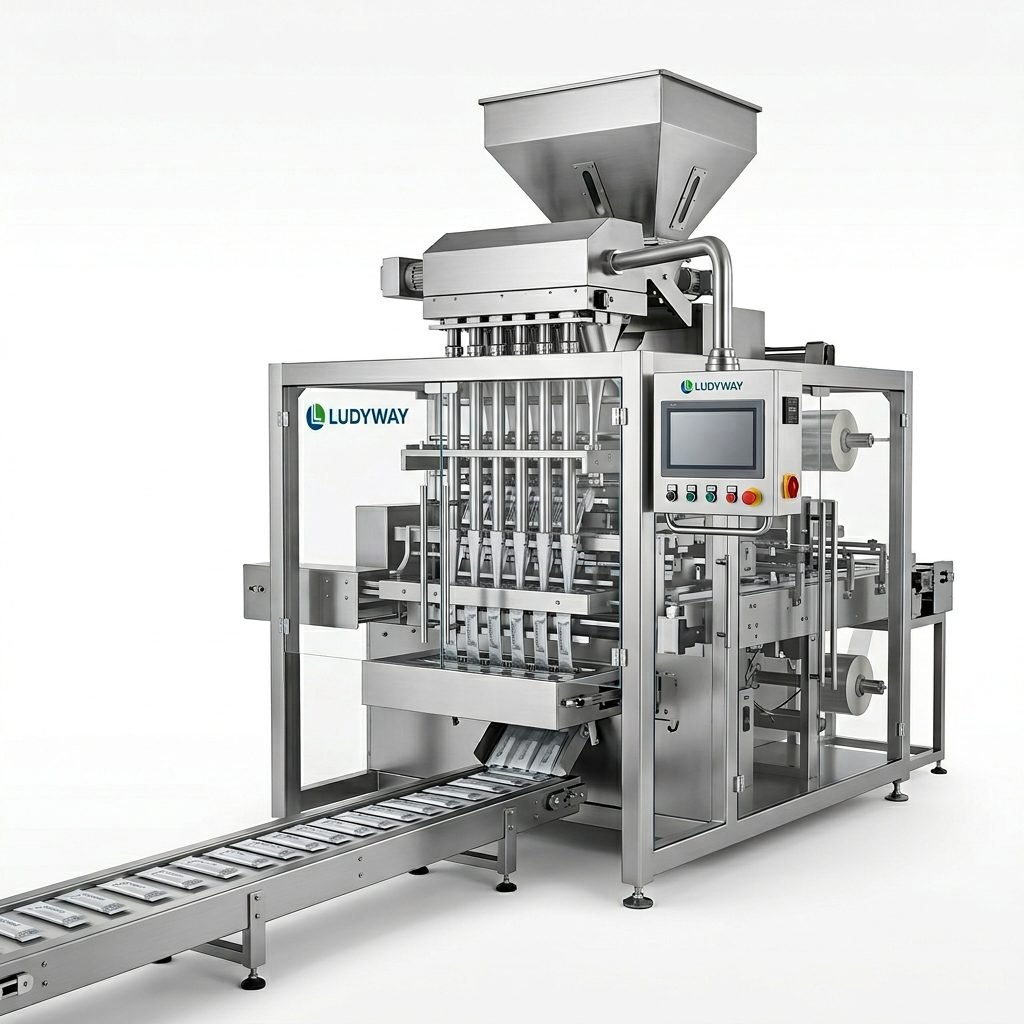
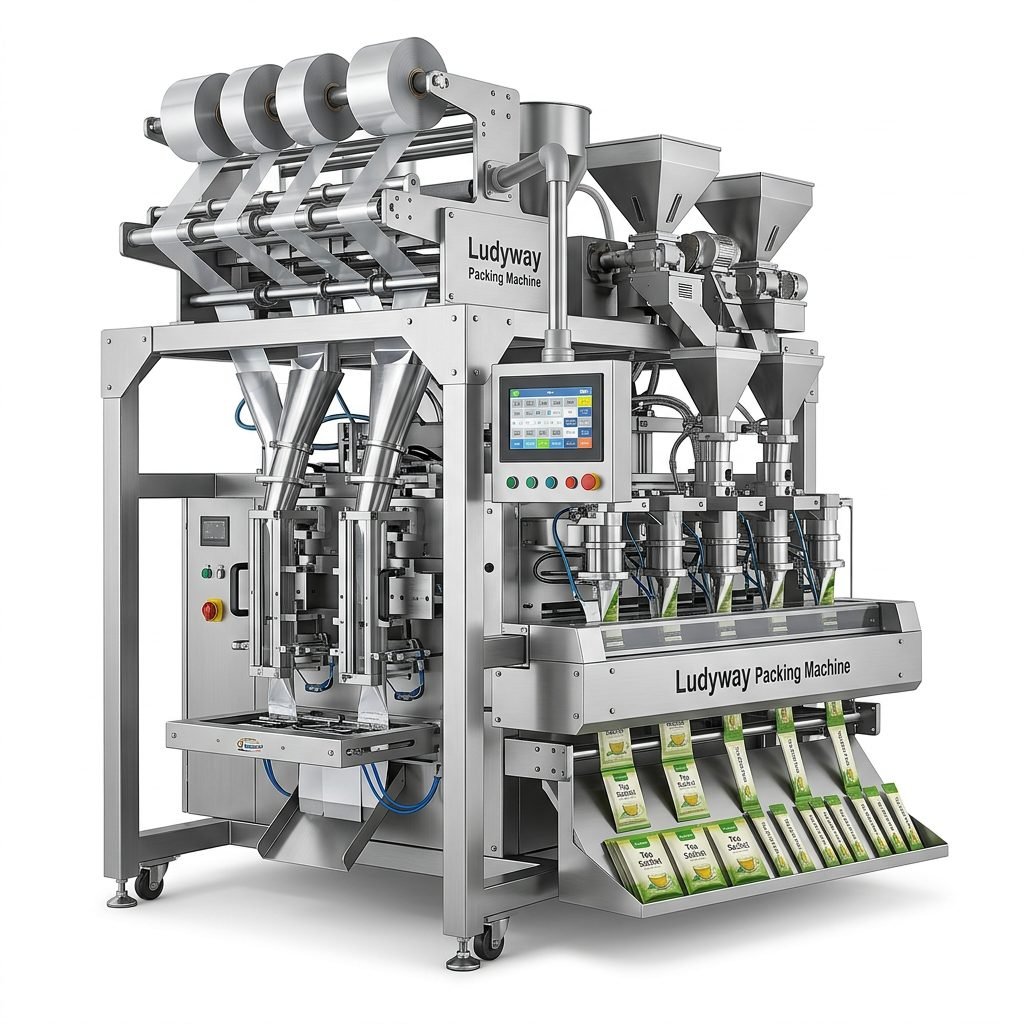
- Stick Pack Machine: Ideal for high-speed, single-serve convenience. Look for models capable of 400-600 packs per minute per lane for high-volume production.
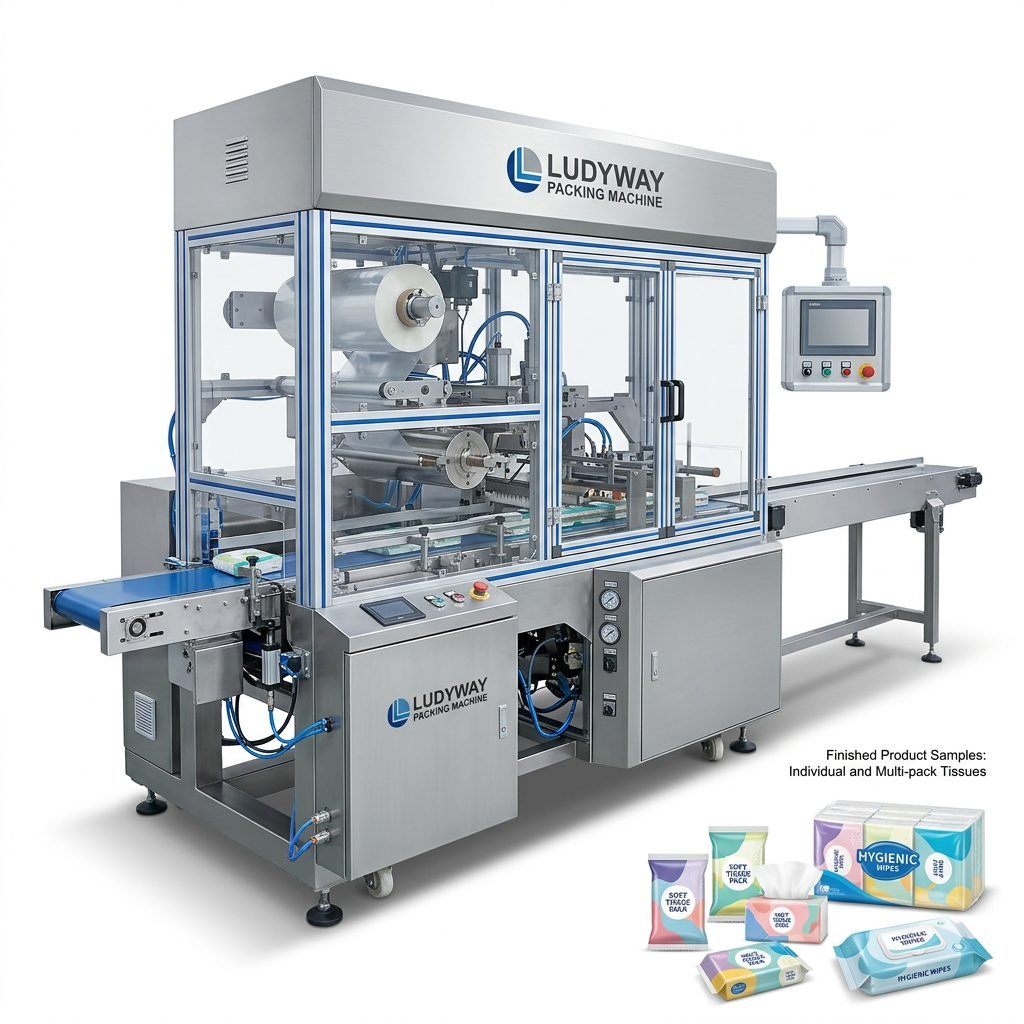
- Cartoning Machine: Automates the process of inserting sachets or stick packs into cartons, essential for retail-ready products.
- Checkweigher and Metal Detector: Critical for quality control and compliance with ISO packaging standards and international food safety regulations.
Step 3: Navigating Local Regulations and Standards
Thailand, Indonesia, Vietnam, and the Philippines each have distinct food safety and packaging regulations. However, aligning with international frameworks simplifies cross-border trade. Ensure your production line meets the FDA food packaging guidelines if you plan to export to the US, or the relevant European Commission packaging regulations for EU markets. Key considerations include food-grade stainless steel construction, easy-clean designs, and adherence to GMP standards.
Climate-Specific Machine Design
Southeast Asia’s high humidity and temperature fluctuations demand robust engineering. Your tea packaging machine must incorporate sealed electrical cabinets, corrosion-resistant components, and efficient cooling systems. Ignoring these factors leads to frequent sensor errors, film sealing issues, and premature machine wear. Look for machinery with IP54 or higher protection ratings for dusty or humid production floors.
Step 4: Production Line Layout and Workflow Optimization
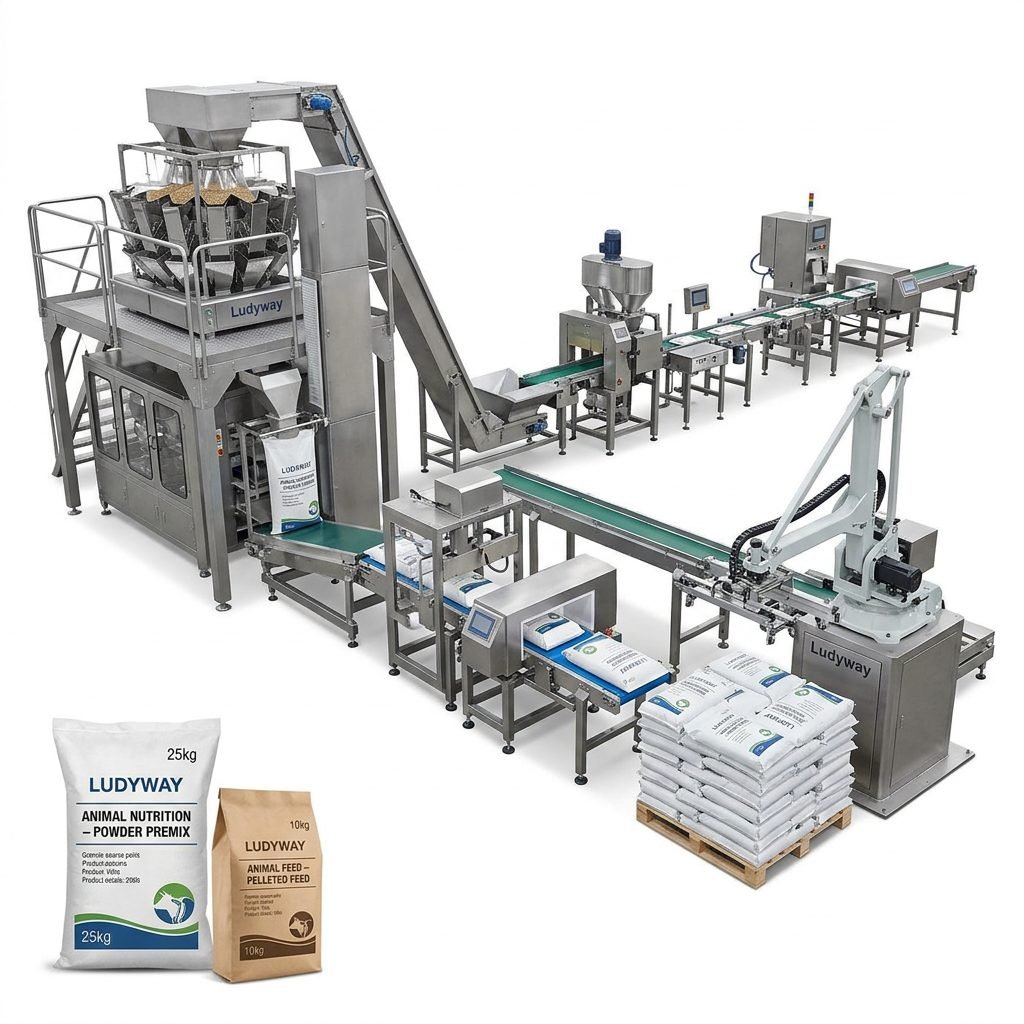
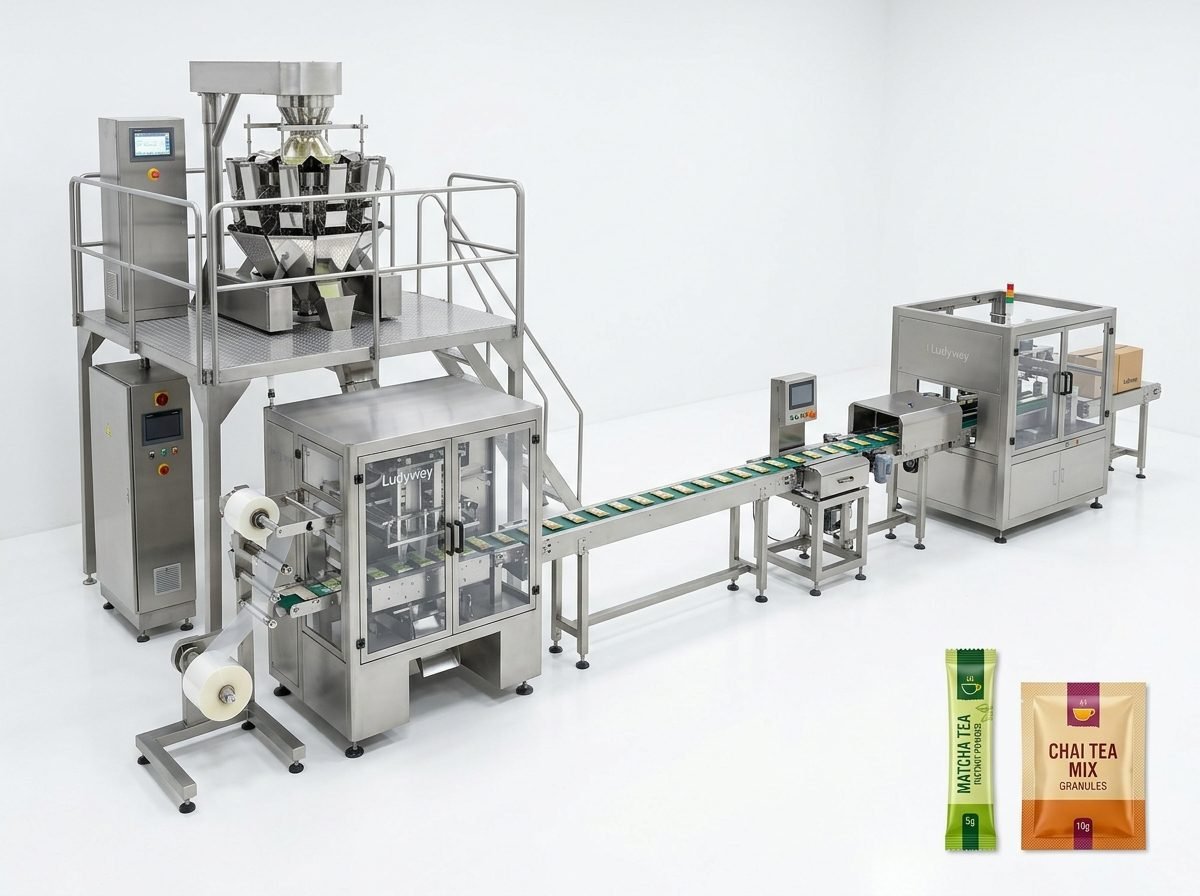
An efficient layout minimizes material handling and maximizes output. A typical turnkey tea packaging line includes: raw tea feeding → sieving/metal detection → weighing → filling and sealing → coding/marking → cartoning → case packing → palletizing. For Southeast Asian facilities, where space in industrial estates can be at a premium, compact, integrated systems are highly valued. Modular designs allow for future expansion, such as adding a shrink wrapping tunnel or a robotic palletizing cell.
Example Production Line Configuration
- Feeding System: Z-type bucket elevator for gentle product transfer.
- Weighing: 14-head combination weigher with dust extraction.
- Packaging: 10-lane stick pack machine with nitrogen flushing for extended shelf life.
- Inspection: Dynamic checkweigher and throat metal detector.
- Secondary Packaging: Automatic cartoner and case packer.
Step 5: Sourcing Raw Materials and Consumables Locally
Packaging film represents a significant ongoing cost. Southeast Asia has a growing flexible packaging industry, particularly in Thailand and Vietnam. Sourcing BOPP, PET/PE, and aluminum foil laminates locally reduces lead times and logistics costs. However, ensure your machine’s sealing jaws and temperature controls are compatible with locally available film specifications. Testing film samples on your chosen machinery is a non-negotiable step before final commissioning.
Step 6: Installation, Training, and After-Sales Support
The success of your production line depends heavily on installation quality and operator training. When selecting a supplier, prioritize those offering comprehensive field support in Southeast Asia. Ludyway, a leading packaging machine manufacturer from China with over 50 models and a 20,000㎡ facility, provides turnkey solutions including installation, training, and ongoing technical support to customers across more than 100 countries, ensuring your line achieves maximum output and uptime. Having spare parts readily available in the region is equally critical.
Training Checklist for Operators
- Machine startup, shutdown, and emergency procedures.
- Film threading and tension adjustment techniques.
- Parameter setting for different bag sizes and tea types.
- Daily cleaning and preventive maintenance schedules.
- Troubleshooting common faults: seal wrinkles, misalignment, or weigh errors.
Cost Analysis and Return on Investment (ROI)
Setting up a mid-scale tea packaging line in Southeast Asia typically involves an initial capital investment ranging from $150,000 to $500,000, depending on automation level and capacity. A high-speed multi-lane stick pack line can produce over 60,000 sachets per hour, dramatically reducing per-unit labor costs. With the growing export demand for packaged tea from ASEAN, a well-planned line can achieve full ROI within 2 to 3 years, especially when targeting premium contracts in the Middle East, Africa, and Europe.
Future-Proofing Your Tea Packaging Investment
Sustainability is reshaping packaging globally. In Southeast Asia, regulations on single-use plastics are emerging. Future-proof your line by choosing machinery capable of running flexible packaging materials like recyclable mono-material PE or bio-based films. Digital connectivity is another frontier—machines with IoT capabilities allow real-time production monitoring, predictive maintenance, and integration with your ERP system, providing a competitive edge in efficiency.
Final Recommendations
Building a successful tea packaging machine production line in Southeast Asia is a multifaceted project. By thoroughly understanding your product, selecting the right equipment, navigating regional compliance, and planning for future trends, your facility can become a benchmark for quality and efficiency. The region’s strategic position as a manufacturing hub for global tea brands makes this an opportune time to invest in advanced, high-speed packaging automation.
For further reading, explore resources from the Packaging Machinery Manufacturers Institute (PMMI) and the Flexible Packaging Association for the latest industry trends and best practices.