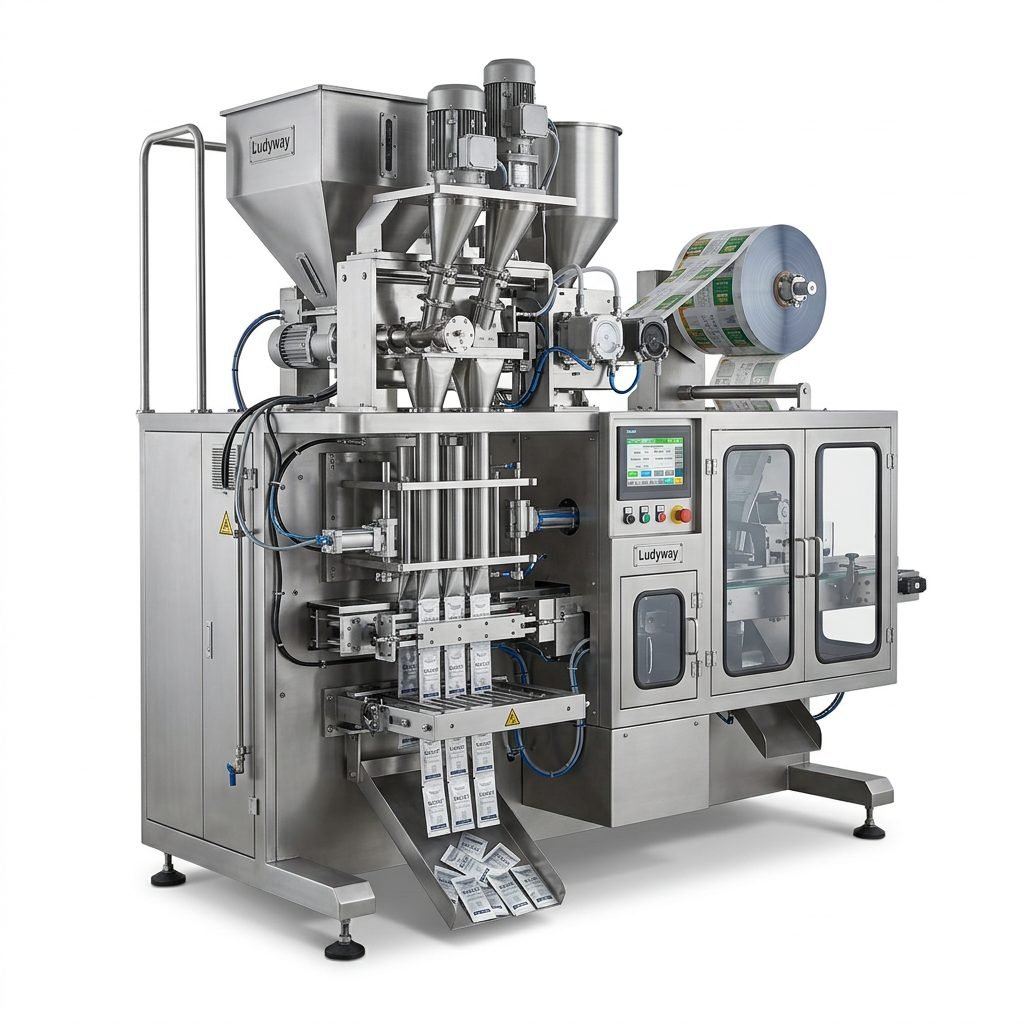
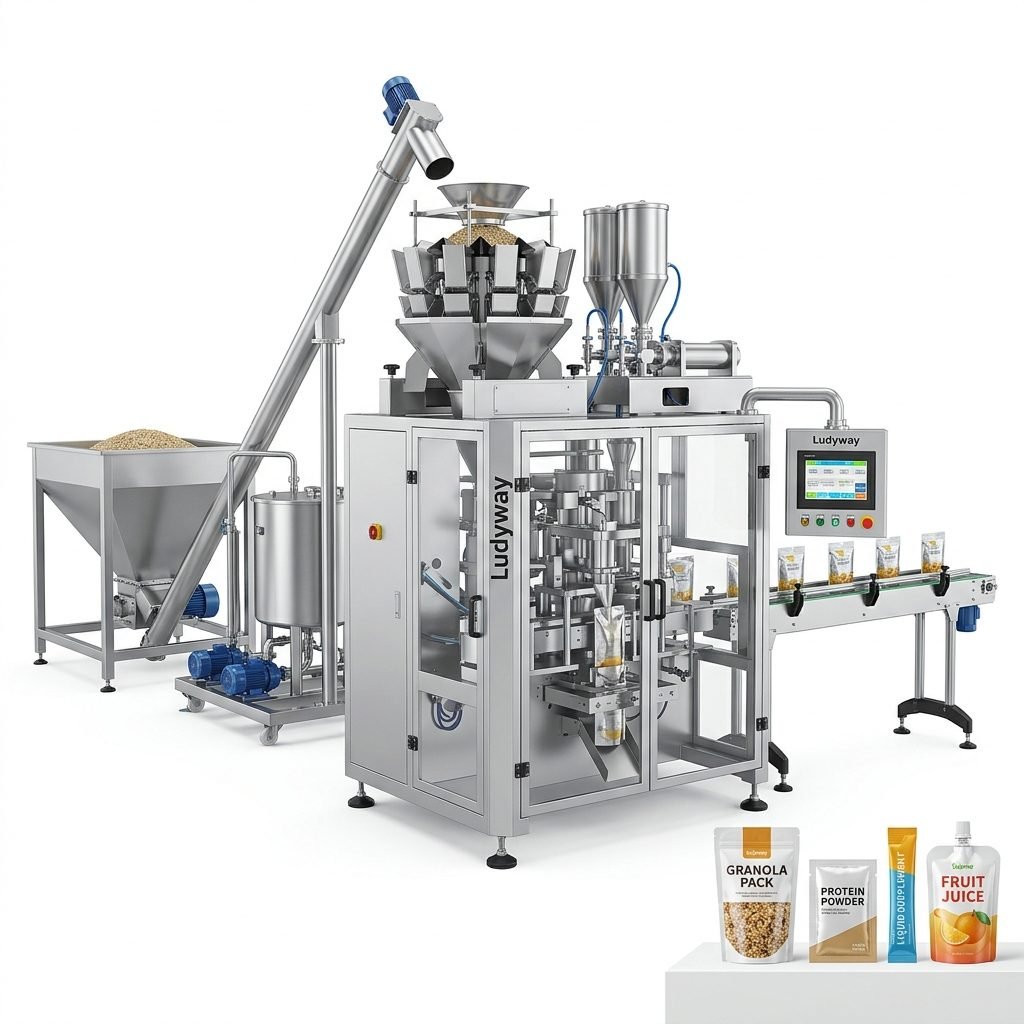
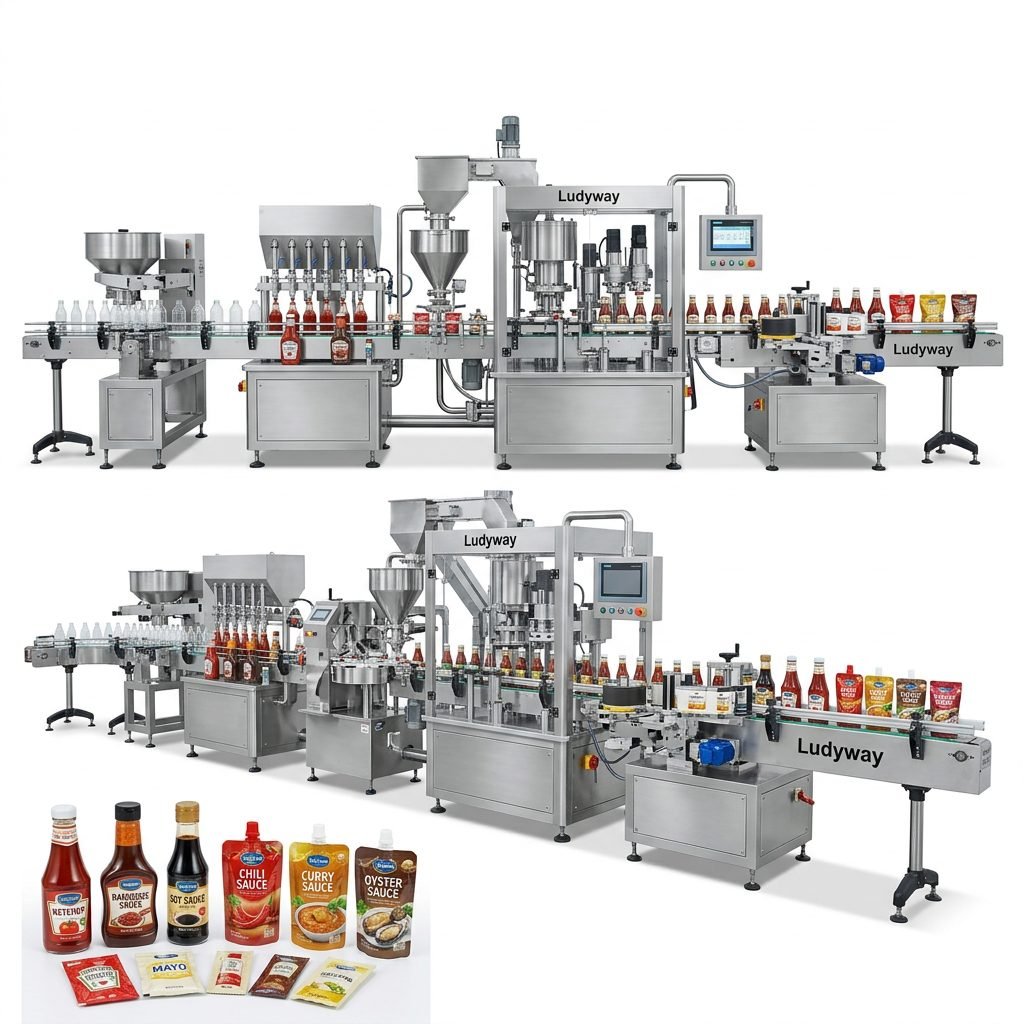
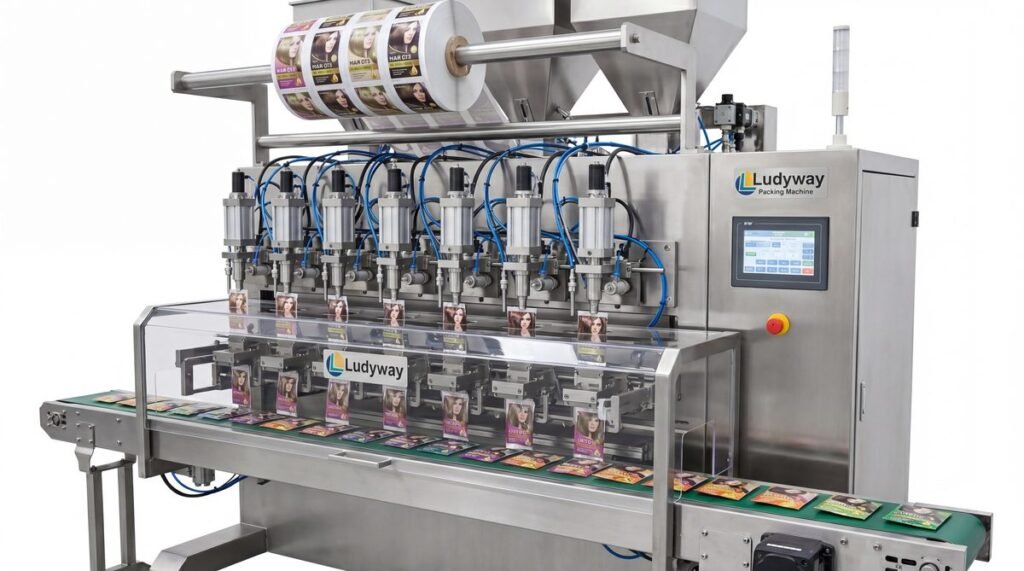
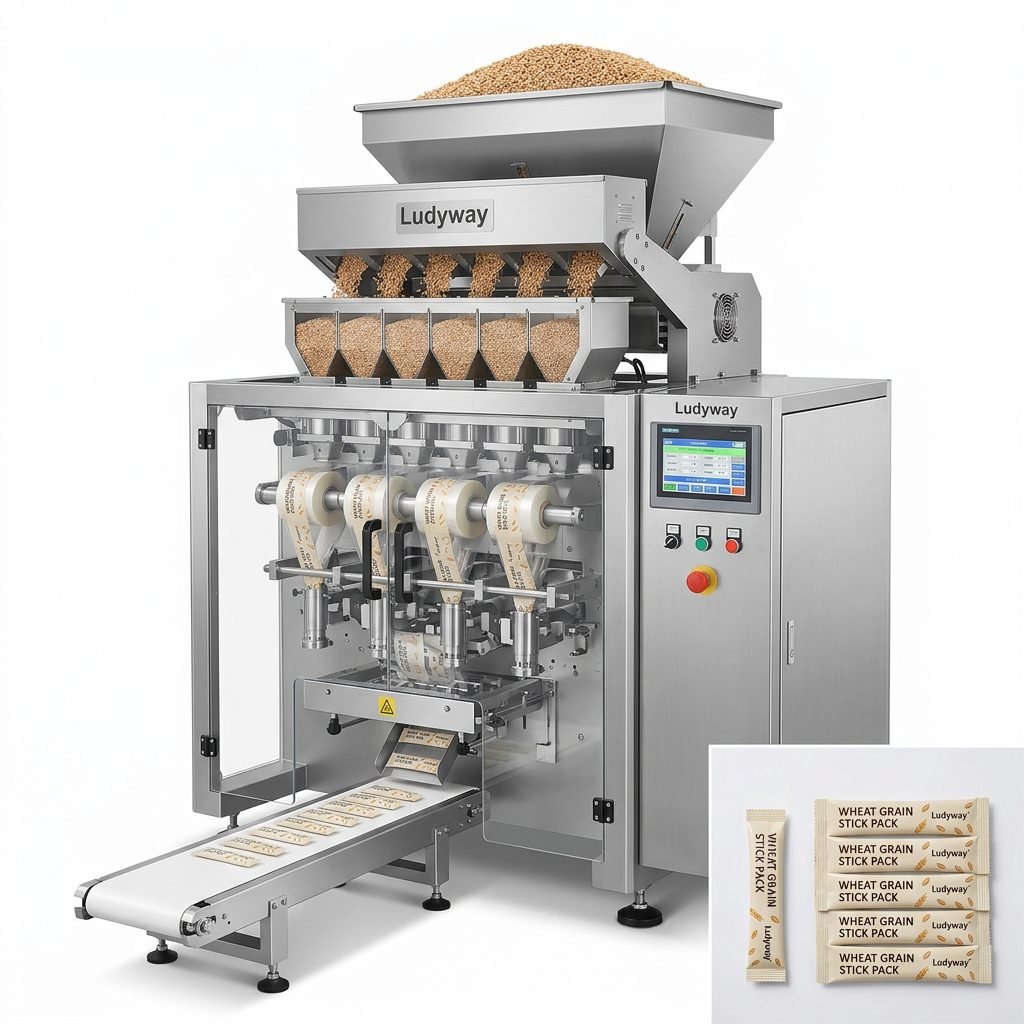
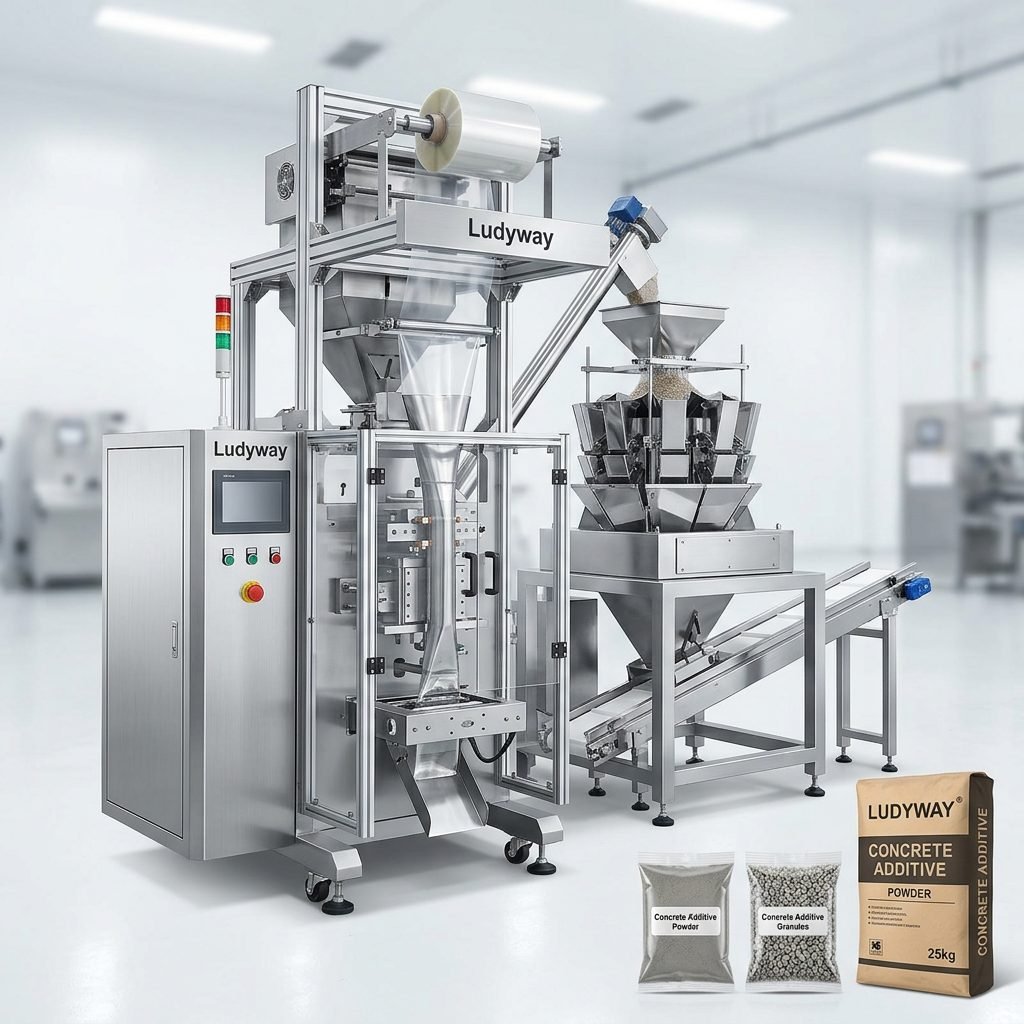
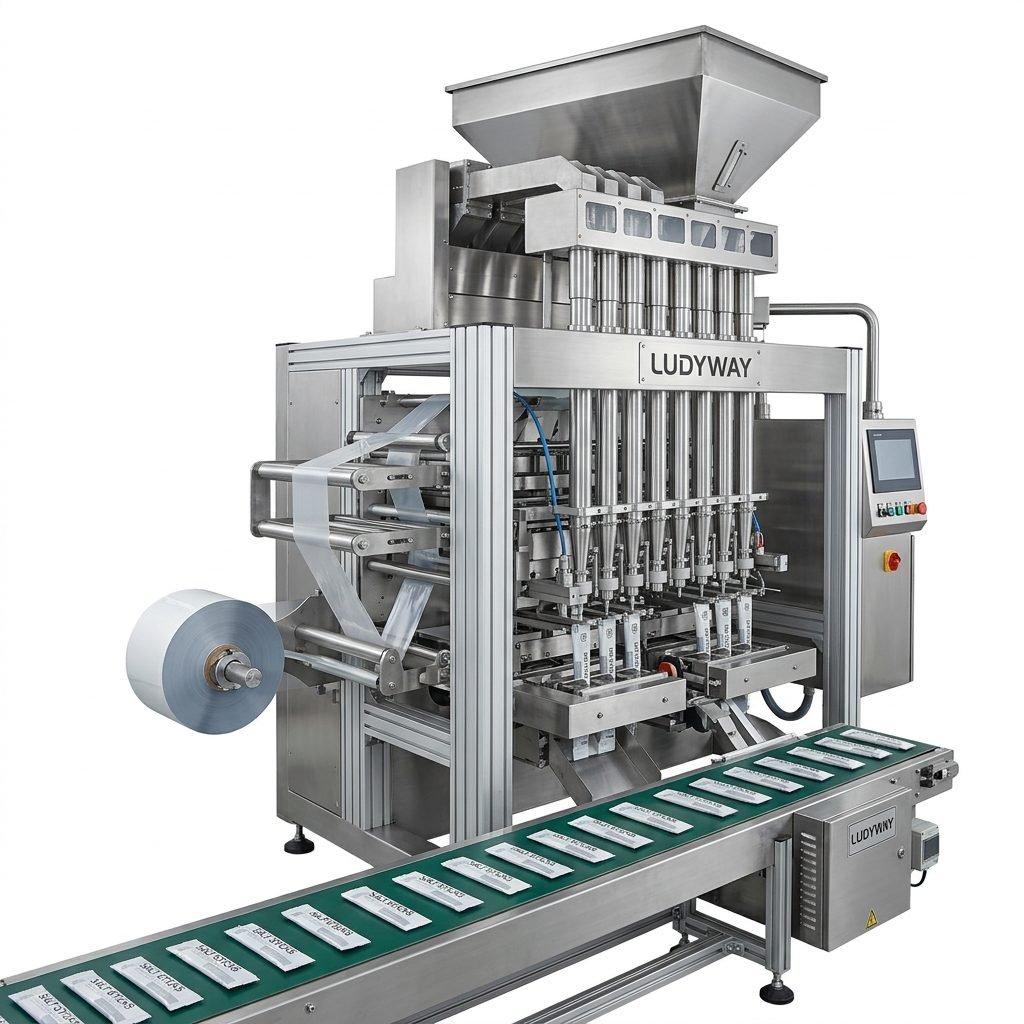
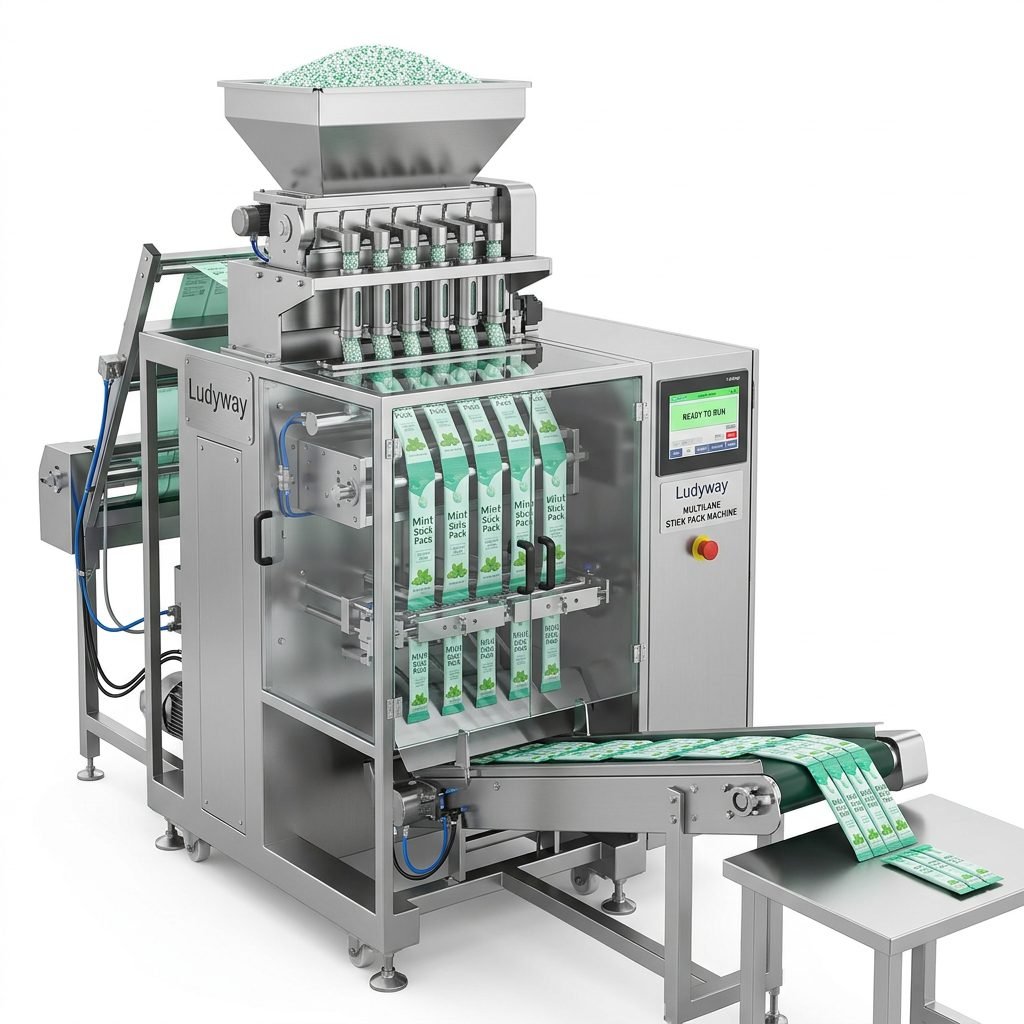
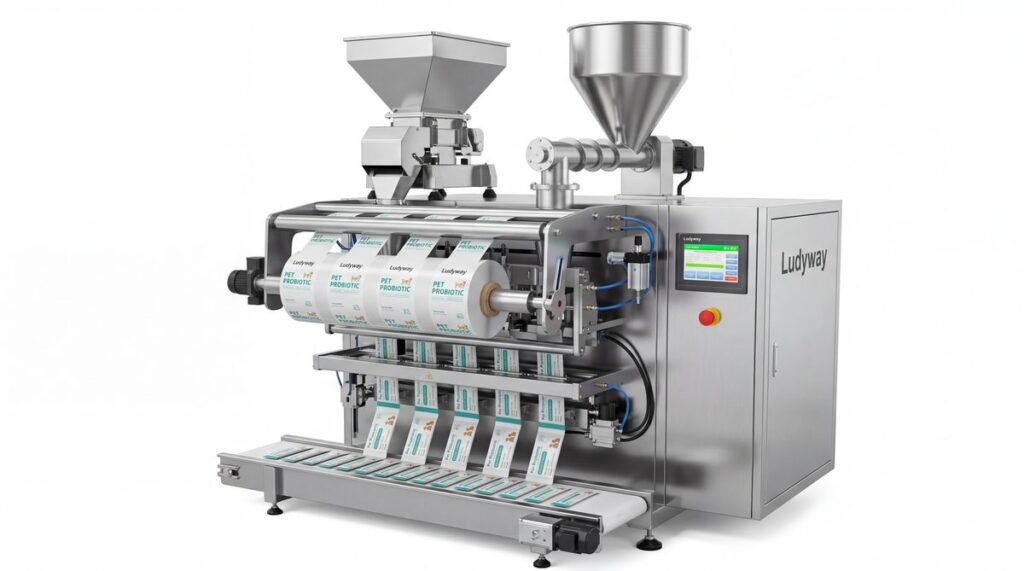
In the fast-paced world of manufacturing and product distribution, ensuring your goods are securely and attractively packaged is paramount. Seal packaging machines are the unsung heroes of this process, providing the critical final step that protects product integrity, extends shelf life, and enhances brand presentation. From food and pharmaceuticals to electronics and cosmetics, the right sealing equipment can dramatically impact efficiency, cost, and customer satisfaction. This comprehensive guide delves into the different types of seal packaging machines, their diverse applications, and provides a clear framework for selecting the perfect equipment for your specific operational needs.
Understanding the Core Types of Seal Packaging Machines
The market offers a variety of sealing technologies, each suited to different materials, production speeds, and package types. Understanding these core categories is the first step in making an informed decision.
1. Heat Sealers
Heat sealers are among the most common types, using controlled heat and pressure to melt and fuse thermoplastic layers within packaging films. They are ideal for pouches, bags, and blister packs.
Key Variants:
• Impulse Sealers: Perfect for intermittent use. They apply a short burst of heat to create a seal and are excellent for poly bags and light-duty applications.
• Continuous Band Sealers: Designed for high-volume production lines. A moving heated band continuously seals packages as they pass through, ideal for flow-wrapping operations.
• Hot Bar Sealers: Use electrically heated bars that press down on the film. They provide strong, consistent seals and are often used for medical device packaging and vacuum bags.
2. Induction Sealers
Induction sealers create a hermetic, tamper-evident seal under the cap of bottles and containers. An electromagnetic field heats a thin aluminum foil liner, bonding it to the container’s lip while the polymer layer fuses to the cap’s inner surface.
Primary Use: Widely used in the pharmaceutical, chemical, food, and beverage industries for liquid and viscous products where leak prevention and tamper evidence are critical.
3. Vacuum Sealers
These machines remove air from a package before sealing it, significantly extending the shelf life of perishable goods by inhibiting the growth of bacteria and fungi.
Two Main Styles:
Chamber Vacuum Sealers: The entire bag is placed inside a chamber. They are powerful, suitable for liquids and powders, and are standard in commercial food processing.
External (or Suction) Vacuum Sealers: The machine’s nozzle sucks air out from a specially designed bag. More common for home use or smaller-scale commercial applications.
4. Shrink Sealers (Shrink Tunnels & Chambers)
These systems use heat to activate a shrink film, causing it to tightly conform to the shape of a product or a group of products (multi-packs). This provides excellent product stability, protection, and a polished retail look.
Applications: Bundling products (cans, bottles), securing promotional items, and creating tamper-evident seals on software boxes or DVD cases.
Diverse Applications Across Industries
The utility of seal packaging machines spans virtually every sector that produces a tangible good. Their role is tailored to the unique demands of each industry.
Food & Beverage Industry
This sector relies heavily on sealing for freshness, safety, and compliance. Vacuum sealers preserve meats and cheeses, modified atmosphere packaging (MAP) sealers extend the life of salads and snacks, and induction sealers prevent leaks in sauces, dairy, and juices. High-speed continuous band sealers are the backbone of snack food and confectionery packaging lines.
Pharmaceutical & Healthcare
Here, sealing is synonymous with sterility and security. Blister packs for tablets use precise heat sealers. Induction sealing is mandatory for many liquid medicines and diagnostic kits to ensure tamper evidence. Packaging for sterile devices often involves Tyvek® heat sealing, which requires specific temperature and pressure controls.
Industrial & Chemical Products
Sealing prevents hazardous leaks, protects against moisture, and ensures safe transport. Heavy-duty bags for granules or powders use robust heat seals. Containers for adhesives, lubricants, and solvents are almost universally induction sealed to meet safety regulations.
How to Choose the Right Sealing Equipment: A Step-by-Step Guide
Selecting a seal packaging machine is a significant investment. A systematic approach ensures you get a machine that meets your current needs and allows for future growth.
Step 1: Define Your Packaging Requirements
• Product Type: Is it solid, liquid, powder, or granular? This dictates the sealing method (e.g., liquids need leak-proof seals).
• Packaging Material: Analyze your film, pouch, or container composition (e.g., PET, PE, PP, foil laminates). The machine must be compatible.
• Production Speed (Units/Minute or Hour): Calculate your required output to match the machine’s capacity.
• Seal Quality & Type: Determine if you need a simple closure, a hermetic seal, a tamper-evident feature, or vacuum/MAP capabilities.
Step 2: Evaluate Machine Features & Technology
Look beyond the basic function. Modern machines offer features that boost reliability and ease of use.
• Precision Controls: Digital temperature, pressure, and time controls ensure consistent seal quality and reduce material waste.
• Durability & Construction: A sturdy frame and high-quality heating elements or induction coils promise longevity in demanding environments.
• Safety Features: Look for emergency stops, thermal overload protection, and guards, especially on high-heat and high-speed machines.
• Integration & Automation: Consider if the machine needs to integrate with existing fillers, labelers, or conveyors. Options for automatic feeding and discharge can drastically increase line efficiency.
Step 3: Consider Operational & Commercial Factors
The best machine is one that fits your entire operation, not just the technical specs.
• Footprint & Utilities: Does it fit your floor space? What are its power (voltage), air, or cooling water requirements?
• Ease of Maintenance & Changeover: Quick-change parts and accessible components minimize downtime when switching package sizes or during routine cleaning.
• Supplier Reputation & Support: This is critical. Choose a supplier known for reliable equipment and strong after-sales service. Check for availability of technical support, spare parts, and comprehensive warranty terms. A partner with deep industry experience can provide invaluable guidance. For instance, working with a specialist like Ludyway Packing Machine, which offers over 50 intelligent packaging models and is backed by 30+ years of industry expertise, can ensure you get a tailored solution and long-term operational support.
• Total Cost of Ownership (TCO): Factor in not just the purchase price, but also energy consumption, maintenance costs, and potential costs from machine downtime or seal failures.
Conclusion
Investing in the right seal packaging machine is a strategic decision that directly affects your product quality, operational efficiency, and bottom line. By thoroughly understanding the different machine types—from versatile heat sealers and secure induction sealers to preservative vacuum sealers—and meticulously evaluating your own product needs, production goals, and the support offered by the manufacturer, you can select equipment that will serve as a reliable and productive asset for years to come. The ideal machine seamlessly integrates into your line, delivers consistent and secure seals, and grows with your business.
Frequently Asked Questions (FAQs)
What is the main difference between an impulse sealer and a continuous band sealer?
An impulse sealer is designed for intermittent, manual, or semi-automatic use. It seals by applying a brief pulse of heat to a specific spot. A continuous band sealer is built for fully automated, high-speed production lines, where a constantly moving heated belt creates a seal as packages pass through it continuously.
Can one sealing machine handle multiple different packaging materials?
Many modern machines offer adjustable temperature, pressure, and dwell time settings, allowing them to handle a range of compatible thermoplastic materials (like different polyethylene or polypropylene laminates). However, switching between vastly different materials (e.g., from a thin film to a thick foil laminate) may require significant recalibration or even different sealing jaws. Always consult with the machine supplier about your specific material range.
How important is a tamper-evident seal, and which machine provides it?
Tamper-evident seals are crucial for consumer safety, brand protection, and regulatory compliance, especially in pharmaceuticals, food, and cosmetics. Induction sealing is the most common method for creating a hermetic, tamper-evident seal under a bottle cap. Certain types of heat-sealed shrink bands or perforated tear strips on pouches also provide tamper evidence.
What regular maintenance does a heat sealer require?
Regular maintenance is key to longevity and consistent seal quality. It typically includes: daily cleaning of the sealing jaws or band to remove film residue; periodic inspection of the heating element, Teflon® coating, and pressure mechanism for wear; and calibration checks of temperature and timer settings to ensure they remain accurate.
My production speed is increasing. Should I upgrade my existing sealer or invest in a new system?
First, check if your current machine can be upgraded (e.g., with a faster motor or a wider sealing band). If it’s a basic model operating near its limit, investing in a new, higher-capacity machine designed for your target speed is often more cost-effective in the long run. It reduces the risk of bottlenecks, breakdowns from overuse, and inconsistent seals due to pushing an old machine beyond its intended capacity. A professional evaluation from your equipment supplier is recommended.