The South American packaging industry is experiencing rapid transformation, driven by growing demand in food processing, pharmaceutical manufacturing, and consumer goods sectors. Setting up a tray sealer packaging machine production line in this region requires careful planning, understanding of local regulations, and selecting the right equipment configuration. This comprehensive guide walks you through every critical step—from initial assessment to full-scale operation.
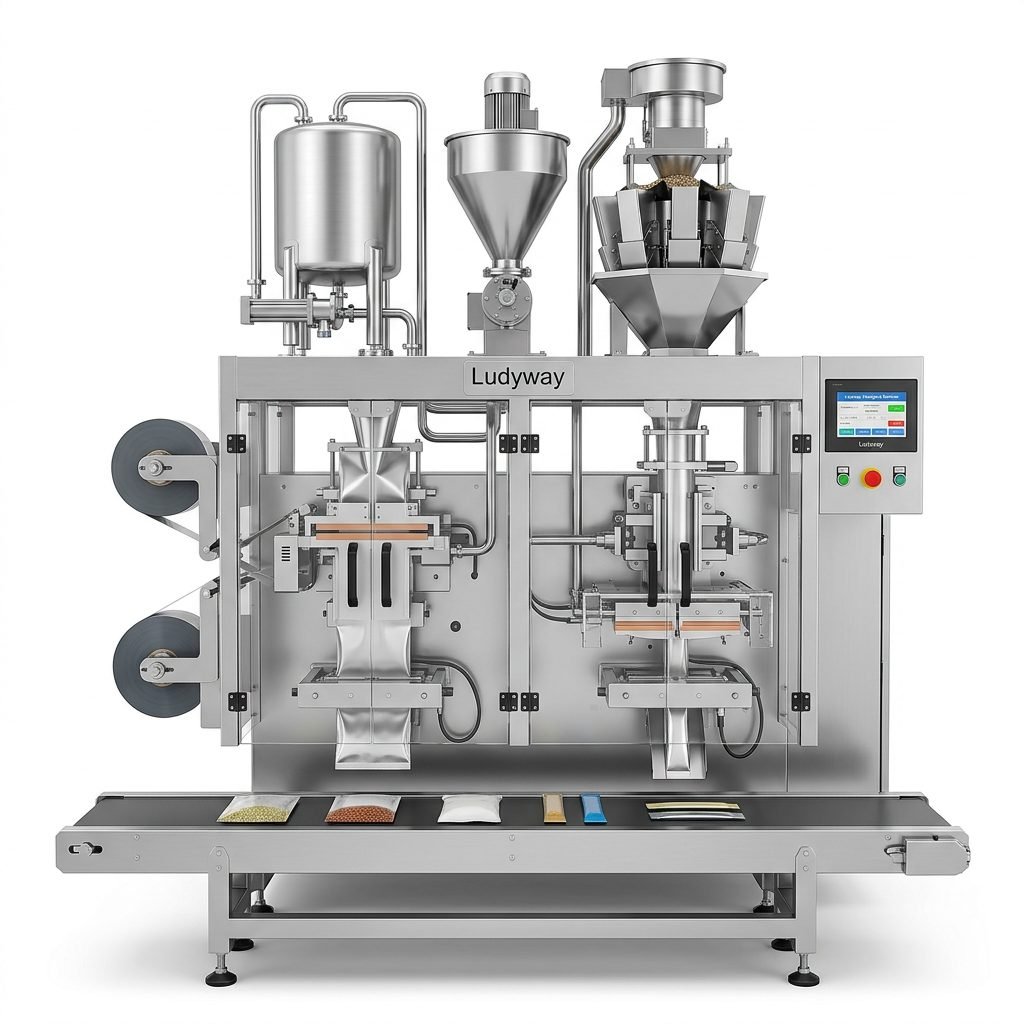
Understanding the South American Packaging Market Landscape
Before investing in a tray sealing production line, it is essential to understand the regional market dynamics. Countries like Brazil, Argentina, Chile, Colombia, and Peru represent the largest packaging machinery markets in South America. The region’s food processing sector is projected to grow steadily, with increasing demand for modified atmosphere packaging (MAP) and vacuum-sealed tray products. According to industry data from the PMMI Business Intelligence reports, Latin America continues to be a strategic growth area for packaging equipment manufacturers.
Key factors influencing production line setup in South America include:
- Climate considerations — humidity and temperature variations affect packaging material performance and machine calibration
- Regulatory frameworks — each country has distinct food safety and packaging standards aligned with FDA food packaging guidelines and local Mercosur regulations
- Infrastructure realities — power stability, logistics networks, and facility readiness vary significantly across the region
- Labor market — availability of skilled technicians and machine operators differs by country and industrial zone
Regional Demand by Application Sector
| Application Sector | Primary Countries | Tray Sealer Type | Growth Outlook |
|---|---|---|---|
| Fresh Meat & Poultry | Brazil, Argentina | MAP Tray Sealer | High — 7.2% CAGR |
| Fruits & Vegetables | Chile, Peru | Vacuum & MAP | Strong — 6.8% CAGR |
| Dairy & Cheese | Colombia, Uruguay | Sealed Tray Systems | Moderate — 5.5% CAGR |
| Ready Meals | Brazil, Argentina, Chile | MAP with Gas Flushing | Accelerating — 8.1% CAGR |
| Seafood | Peru, Ecuador | Vacuum Skin Packaging | Robust — 6.5% CAGR |
Step 1 — Site Assessment and Facility Preparation
A successful tray sealer production line starts with a thorough site evaluation. Your facility must accommodate not only the primary tray sealing machine but also upstream and downstream equipment, including tray denesters, filling stations, conveyors, checkweighers, labelers, and cartoning systems. The PMMI packaging industry resources provide valuable benchmarks for facility planning and equipment layout optimization.
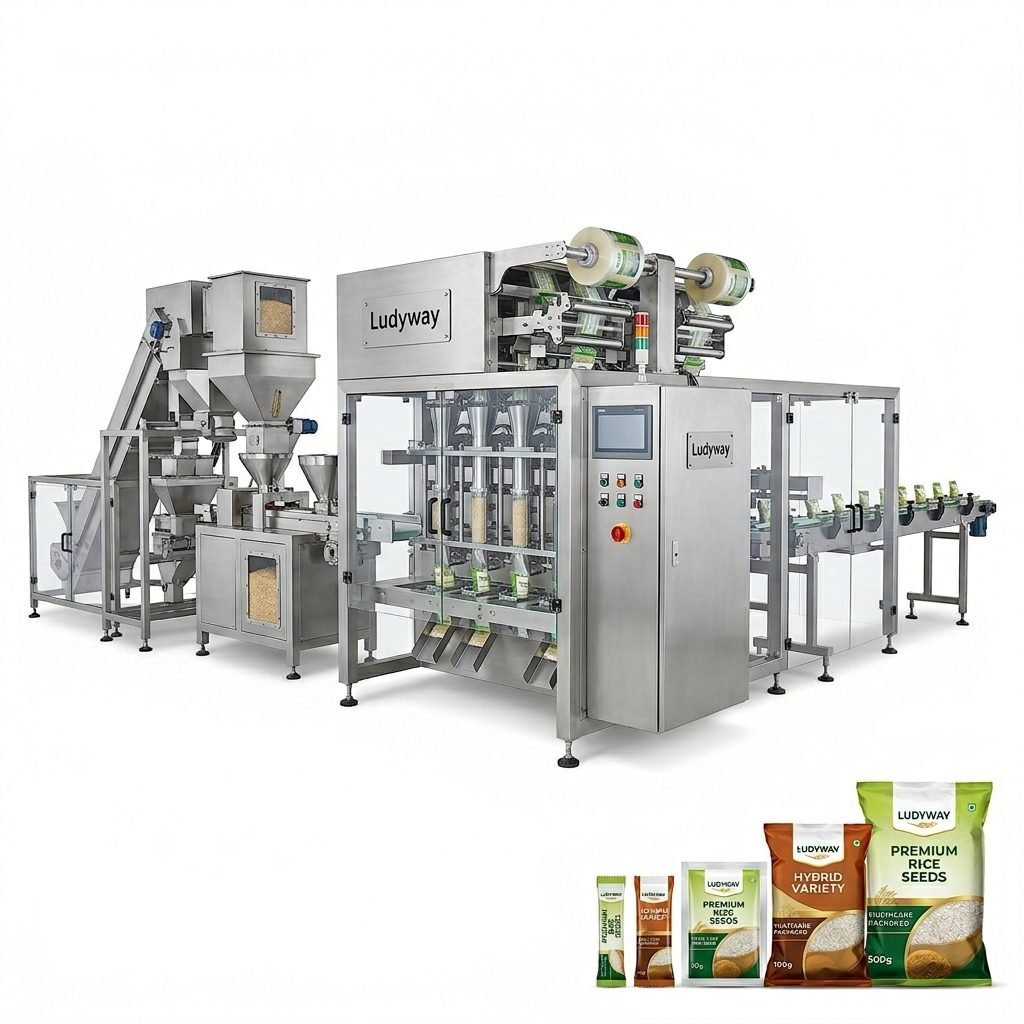
Critical Facility Requirements Checklist
- Floor space — minimum 150-300 m² for a complete line including buffer zones and operator walkways
- Power supply — stable 220V/380V three-phase with proper grounding; voltage stabilizers recommended for areas with fluctuating power
- Compressed air — clean, dry compressed air at 6-8 bar with adequate flow rate (typically 500-1000 L/min depending on machine size)
- Environmental control — temperature maintained between 18-28°C with humidity below 65% for optimal sealing performance
- Drainage and sanitation — proper floor drainage for washdown areas, especially in meat and seafood applications
- Material storage — climate-controlled storage for tray stock and lidding film to prevent warping and seal integrity issues
Step 2 — Selecting the Right Tray Sealer Configuration
Choosing the correct tray sealing machine depends on your product characteristics, production volume, and packaging format requirements. The three primary tray sealer configurations available for the South American market are outlined in the comparison table below.
| Machine Type | Speed Range | Best Applications | Investment Level |
|---|---|---|---|
| Manual/Semi-Automatic Tray Sealer | 4-8 cycles/min | Small producers, farmers’ cooperatives, artisanal products | $15,000 – $45,000 |
| Fully Automatic Inline Tray Sealer | 15-30 cycles/min | Mid-size food processors, regional brands | $70,000 – $180,000 |
| High-Speed Multi-Lane Rotary Tray Sealer | 40-120+ cycles/min | Large-scale industrial operations, export-oriented producers | $200,000 – $600,000+ |
Modified Atmosphere Packaging (MAP) Considerations
For fresh food products, MAP technology is increasingly critical in South American markets. The gas mixture—typically combinations of nitrogen (N₂), carbon dioxide (CO₂), and oxygen (O₂)—must be precisely controlled to extend shelf life. When configuring your tray sealer, ensure the gas flushing system meets ISO packaging standards for food-grade gases and that residual oxygen levels can be consistently maintained below 1% for optimal product preservation.
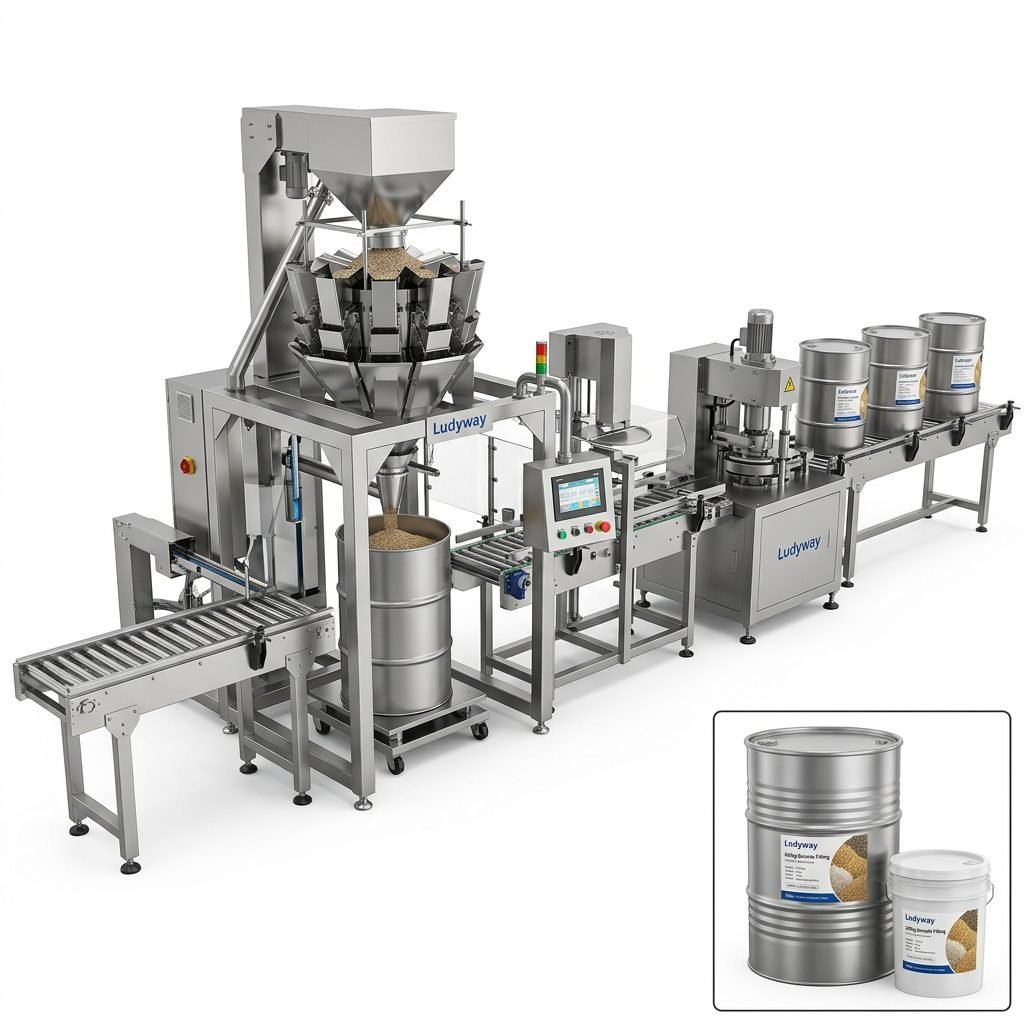
Step 3 — Production Line Layout and Workflow Design
An efficient tray sealer production line layout minimizes material handling, reduces bottlenecks, and ensures smooth product flow. The typical workflow for a complete tray packaging production line follows this sequence:
- Tray Denesting — automatic denesters separate and place trays onto the conveyor with precision positioning
- Product Loading — manual or automated filling stations, multi-head weighers for granular products, or volumetric fillers for liquids and pastes
- Inspection Zone — vision systems or manual quality checks before sealing to detect foreign objects or fill level issues
- Tray Sealing — the core station where lidding film is heat-sealed to the tray flange; MAP gas flushing occurs simultaneously if configured
- Checkweighing — dynamic checkweighers verify each sealed tray meets weight specifications and trigger rejection of non-conforming units
- Labeling & Coding — automatic label applicators and inkjet/laser coders apply product information, batch numbers, and expiration dates
- Secondary Packaging — trays are collated and packed into cartons or cases via automated cartoning and case packing machines
- Palletizing — finished cases are stacked on pallets, often with stretch wrapping for transport stability
Space-Saving Layout Options for Smaller Facilities
Many South American producers operate in facilities with limited floor space. In these cases, consider a U-shaped or L-shaped layout that reduces the overall footprint while maintaining efficient material flow. Modular equipment designs allow for phased investment, where additional automation modules can be integrated as production volumes grow. The Flexible Packaging Association resources offer guidance on optimizing flexible packaging line layouts for various facility sizes.
Step 4 — Compliance with South American Regulatory Standards
Navigating the regulatory environment is one of the most complex aspects of setting up a packaging production line in South America. Each country maintains its own food safety agency, though many follow Codex Alimentarius guidelines and are harmonizing through Mercosur regulations.
Key Regulatory Bodies and Standards
| Country | Regulatory Body | Key Standard | Packaging Focus |
|---|---|---|---|
| Brazil | ANVISA | RDC No. 91/2001 | Food contact materials, migration limits |
| Argentina | ANMAT / SENASA | Código Alimentario Argentino | Packaging material approval, labeling |
| Chile | ISP / SEREMI de Salud | Reglamento Sanitario de los Alimentos | Hygiene requirements, traceability |
| Colombia | INVIMA | Resolución 5109/2005 | Labeling, food contact approval |
| Peru | DIGESA | DS 007-98-SA | Sanitary registration, packaging compliance |
Step 5 — Installation, Commissioning, and Operator Training
The installation phase is critical to ensuring long-term reliability of your tray sealer production line. Proper machine installation by qualified technicians typically takes 5-10 working days for a complete line, followed by commissioning and trial runs. During this period, all machine parameters are calibrated, safety systems are verified, and initial production samples are tested for seal integrity, gas composition, and packaging quality.
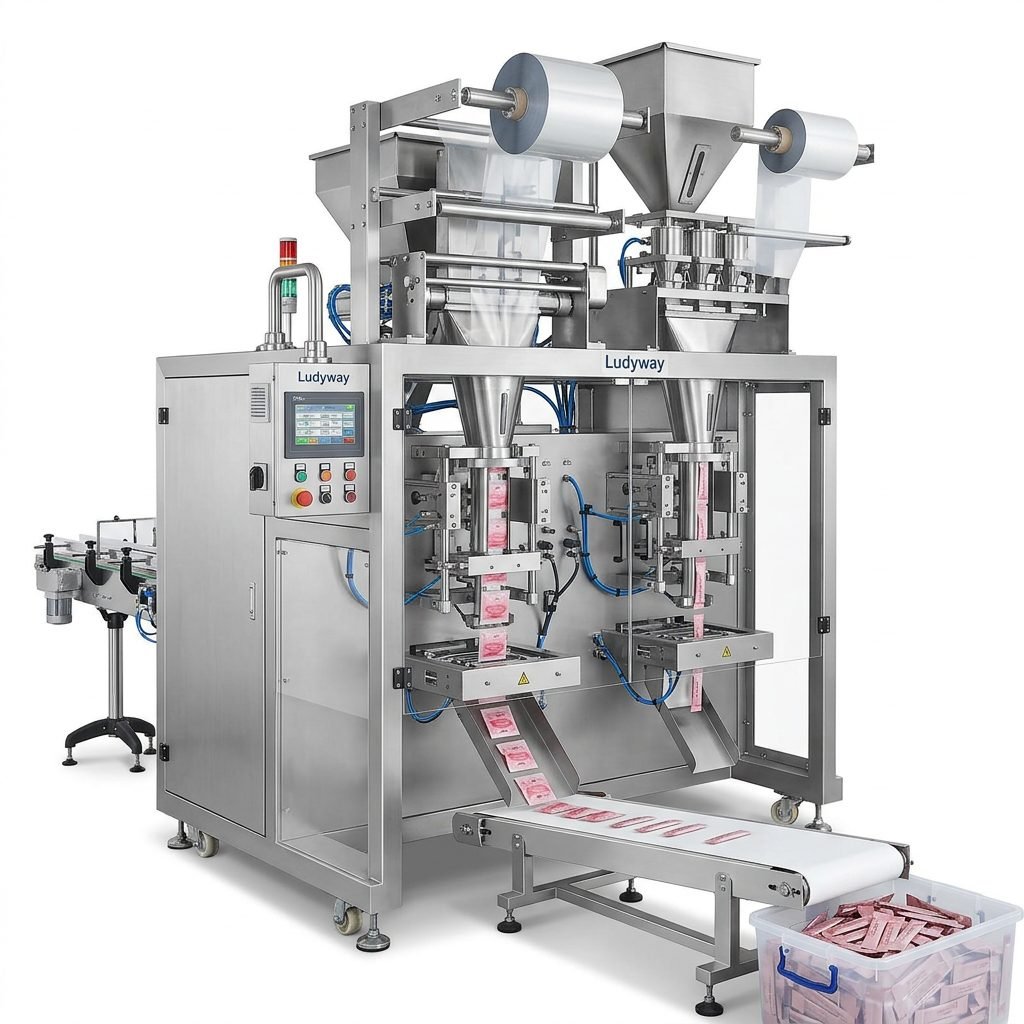
Training Program Essentials
- Machine operation — hands-on training covering startup, shutdown, parameter adjustment, and recipe management
- Preventive maintenance — daily, weekly, and monthly maintenance schedules with detailed checklists
- Troubleshooting — common fault diagnosis, error code interpretation, and rapid recovery procedures
- Safety protocols — emergency stop procedures, lockout/tagout practices, and personal protective equipment requirements
- Quality control — seal strength testing, gas analysis sampling, and documentation for regulatory compliance
Step 6 — Ongoing Maintenance and Spare Parts Strategy
One of the most overlooked aspects of setting up a production line in South America is the spare parts and maintenance strategy. Given that many high-quality tray sealers are manufactured overseas, establishing a reliable spare parts inventory and local service support network before the line goes into production is essential. Lead times for critical components can range from 2-8 weeks depending on the country of origin and shipping method.
Recommended Spare Parts Inventory
| Part Category | Recommended Stock | Replacement Frequency | Priority Level |
|---|---|---|---|
| Sealing Gaskets & Seals | 3-5 sets | Every 6-12 months | Critical |
| Heating Elements / Cartridges | 2-3 sets | Every 12-18 months | Critical |
| Sensor Modules (Temperature, O₂) | 1-2 units each | As needed / 24 months | High |
| Pneumatic Cylinders & Valves | 2-4 sets of common sizes | Every 18-24 months | High |
| Belts and Drive Components | 1-2 sets | Every 12-24 months | Medium |
| PLC / HMI Backup Modules | 1 backup set | As needed | Medium |
Financing and Investment Considerations for South America
Investing in a tray sealer production line in South America requires navigating unique financial considerations. Import duties on packaging machinery vary significantly: Brazil applies approximately 14-18% import tax on packaging equipment from outside Mercosur, while Chile has more open trade policies with duties around 6%. Several countries offer tax incentives for investments in food processing technology, particularly in special economic zones and industrial parks. Additionally, development banks like BNDES in Brazil and CORFO in Chile provide financing programs for industrial equipment purchases with competitive interest rates and extended terms.
Total Cost of Ownership Breakdown
- Equipment purchase — 55-65% of total investment including the tray sealer, conveyors, and ancillary equipment
- Shipping and logistics — 8-12% covering ocean freight, inland transportation, and port clearance
- Import duties and taxes — 6-18% depending on country and trade agreements
- Installation and commissioning — 5-8% for technician travel, on-site assembly, and calibration
- Training and documentation — 3-5% for operator training, manuals, and certification
- Initial spare parts inventory — 5-8% for critical components and consumables
- Facility modifications — 5-10% for utilities, layout changes, and environmental controls
Choosing the Right Equipment Partner
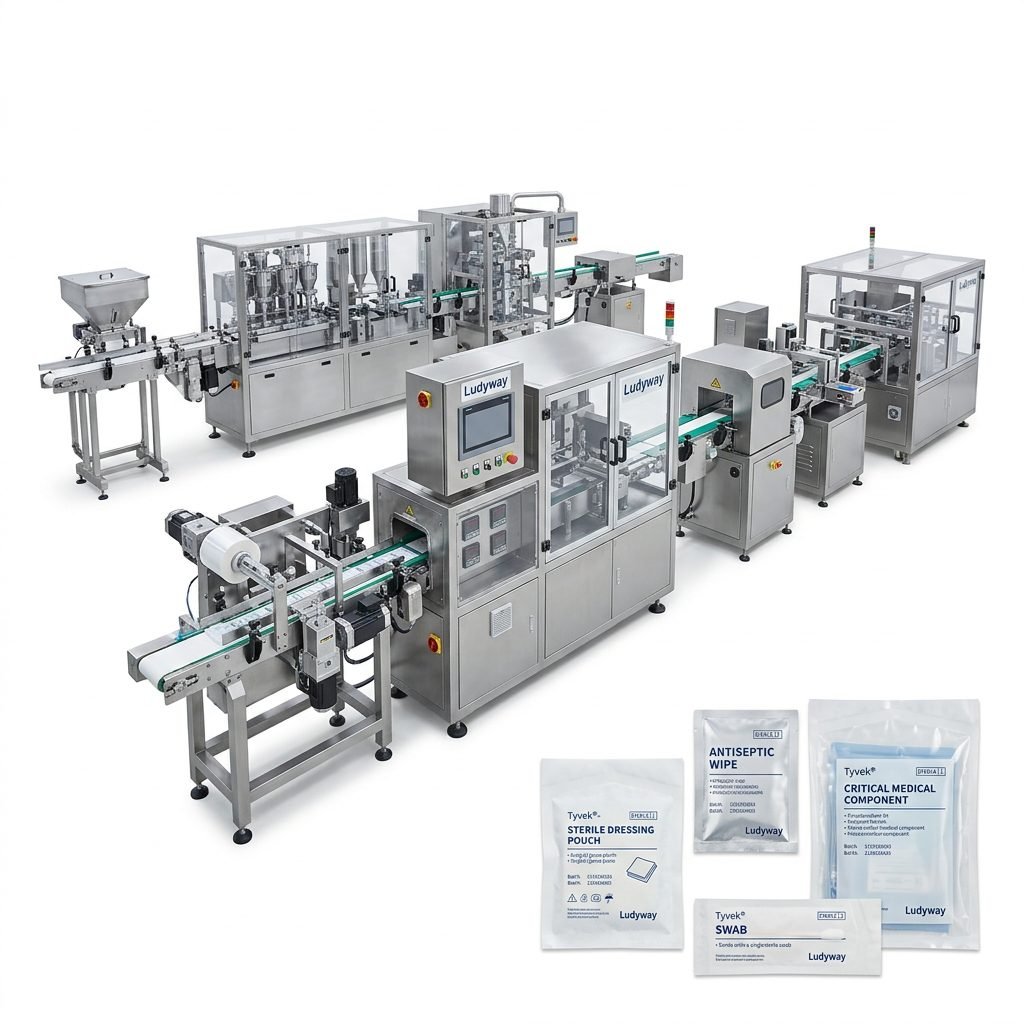
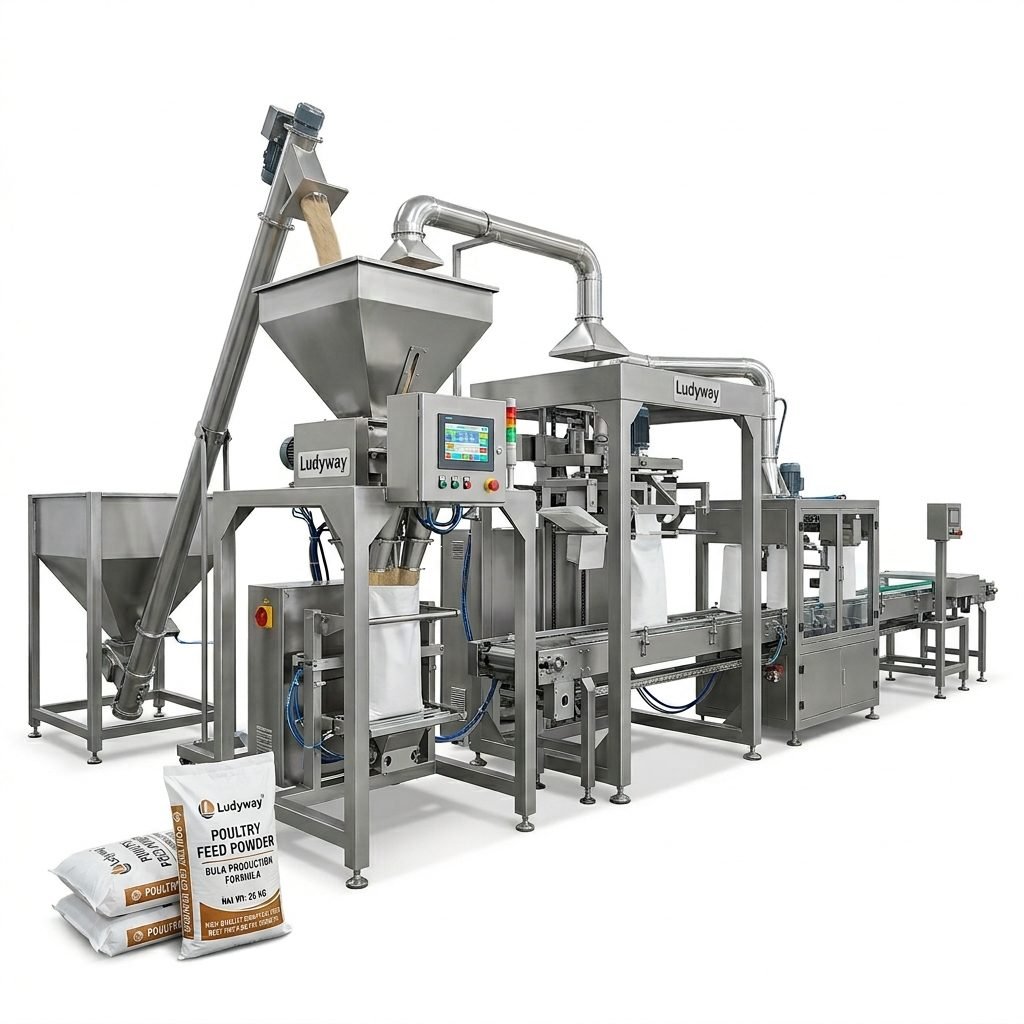
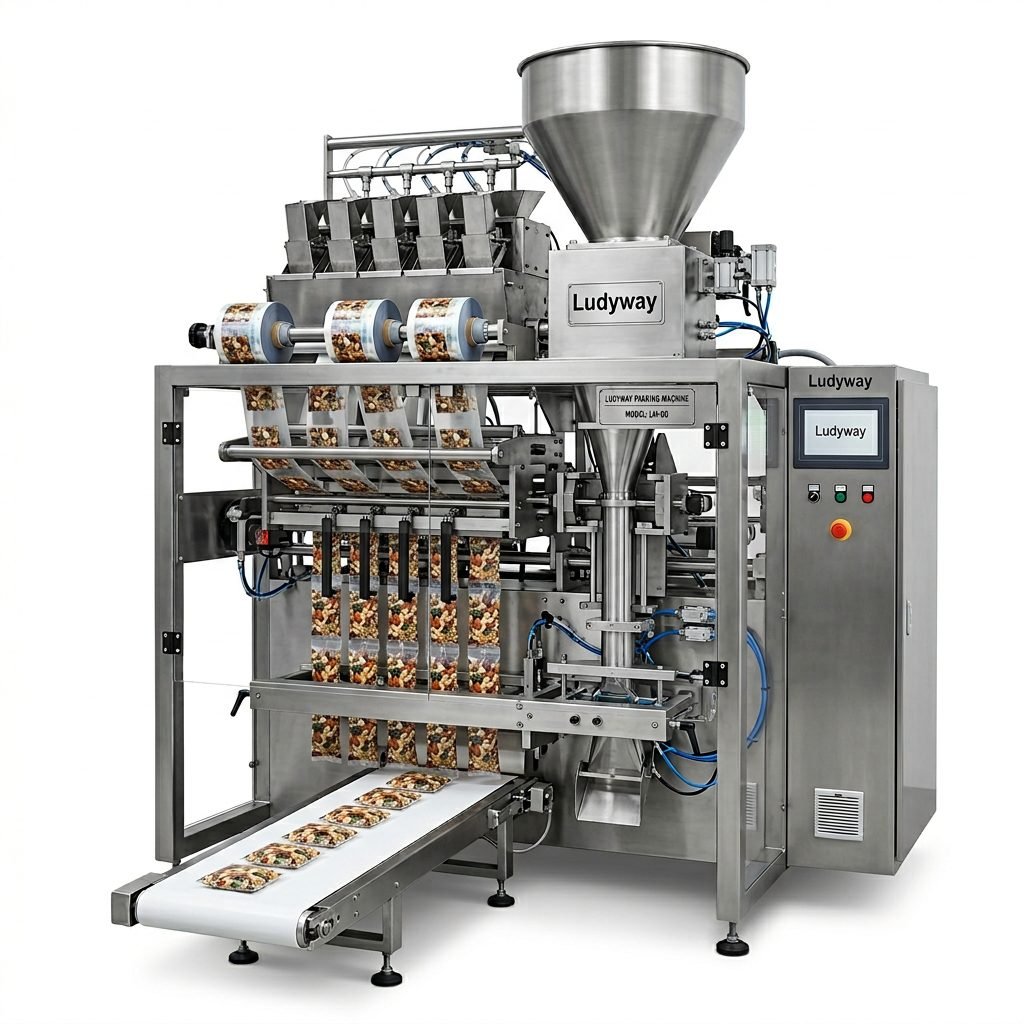
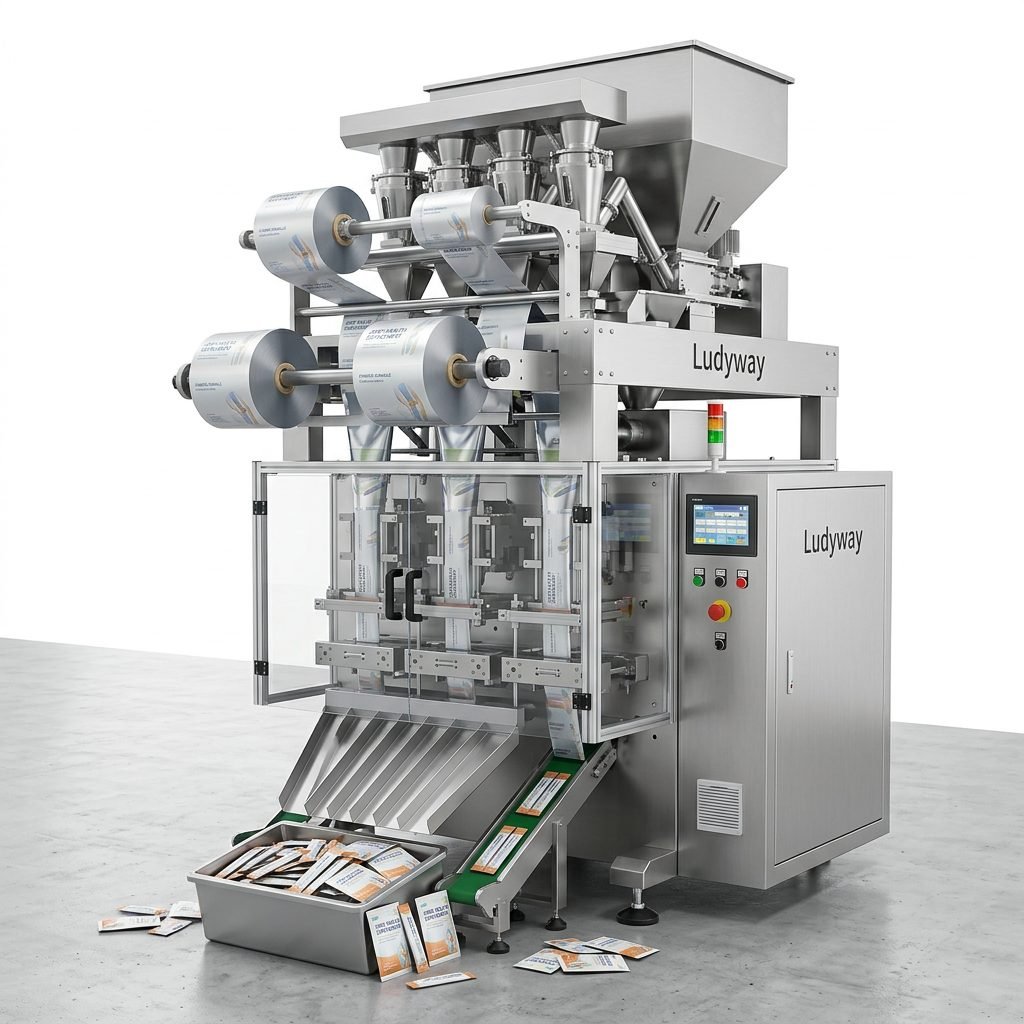
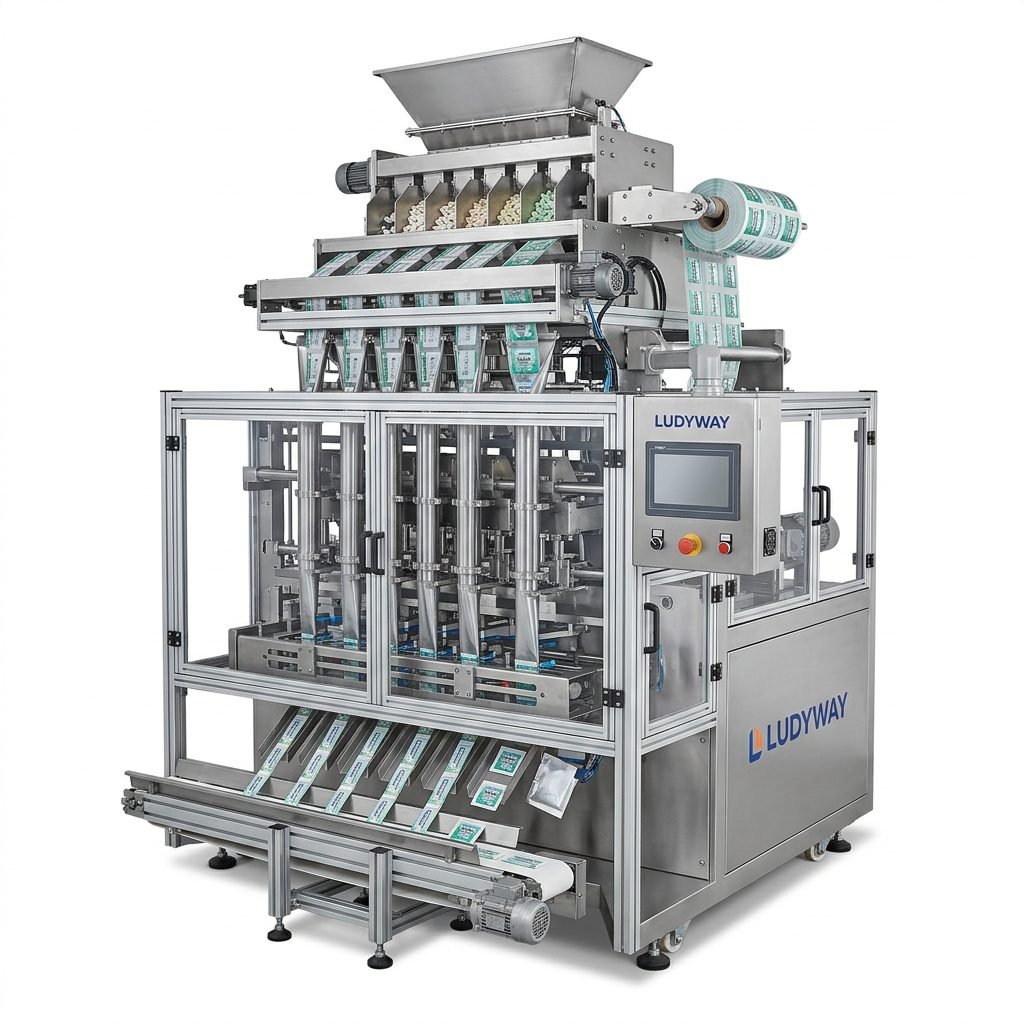
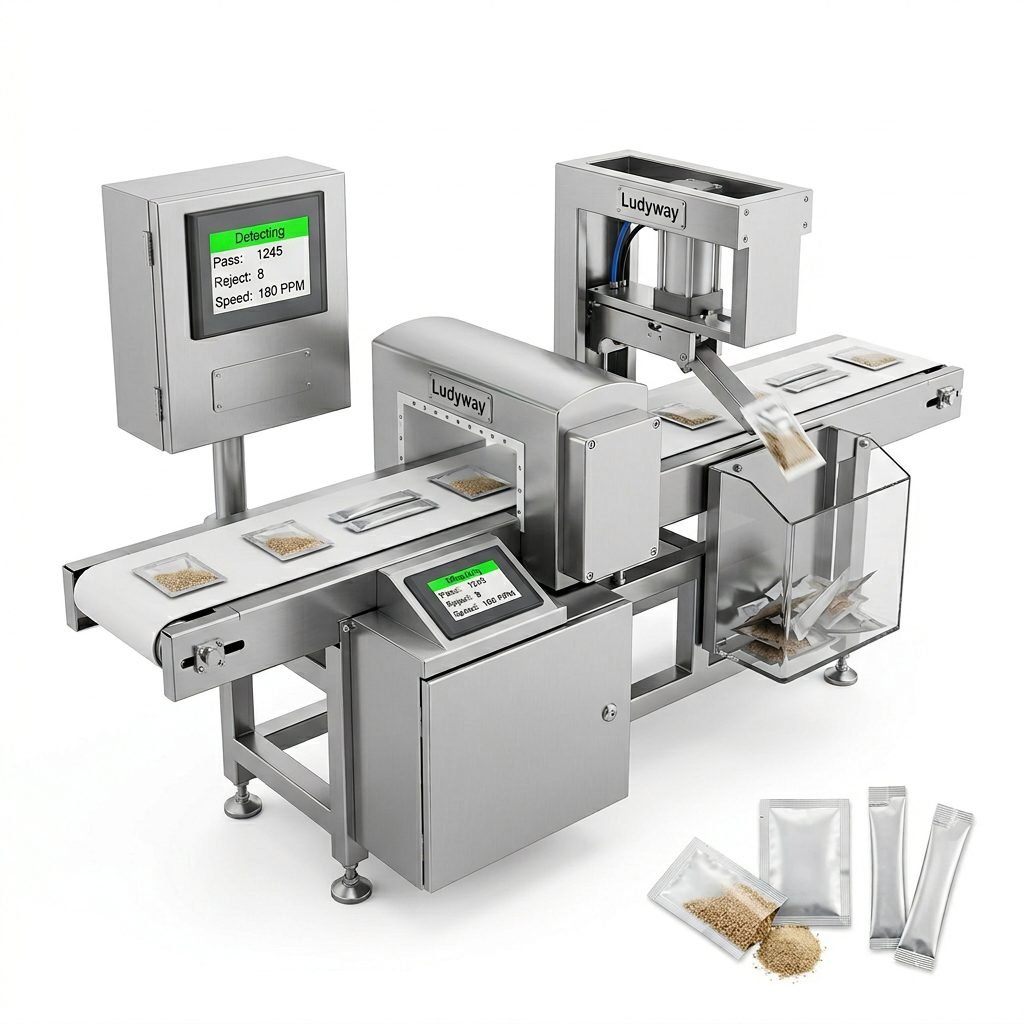
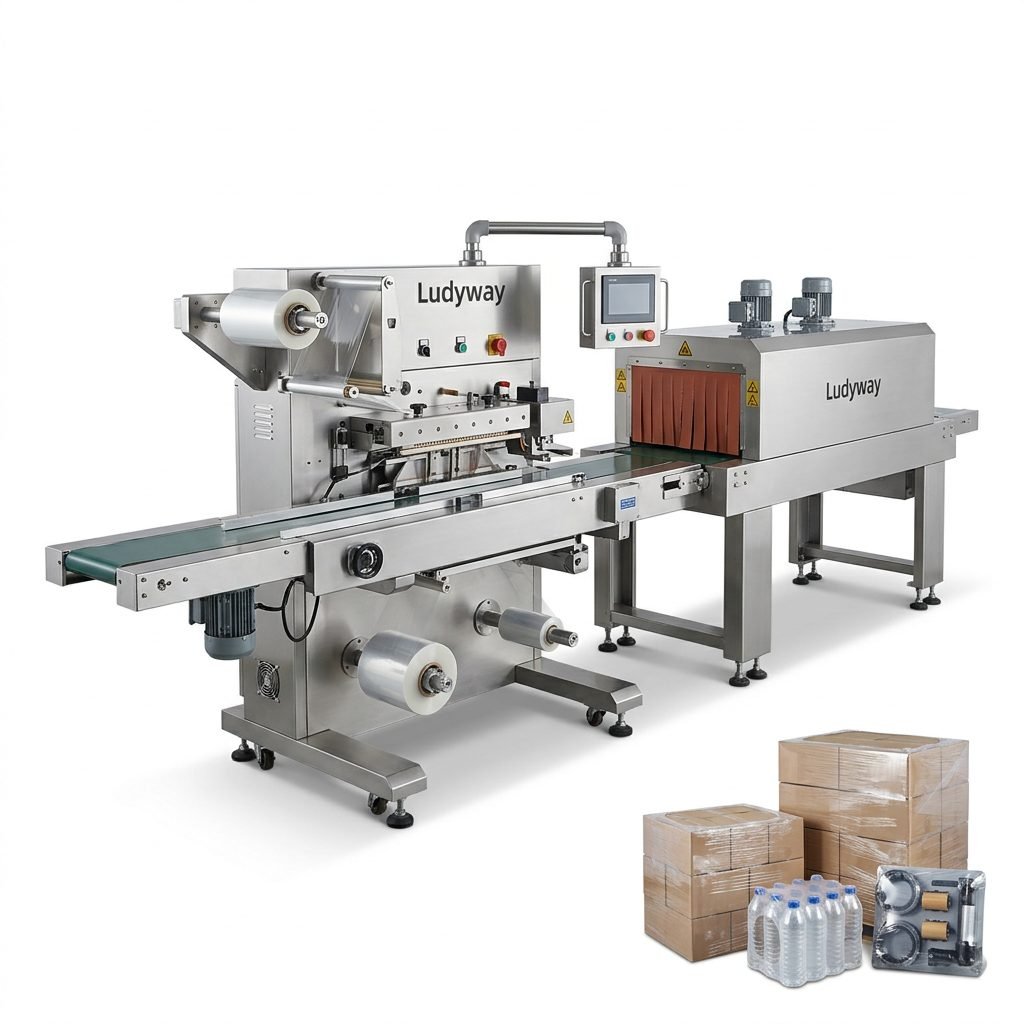
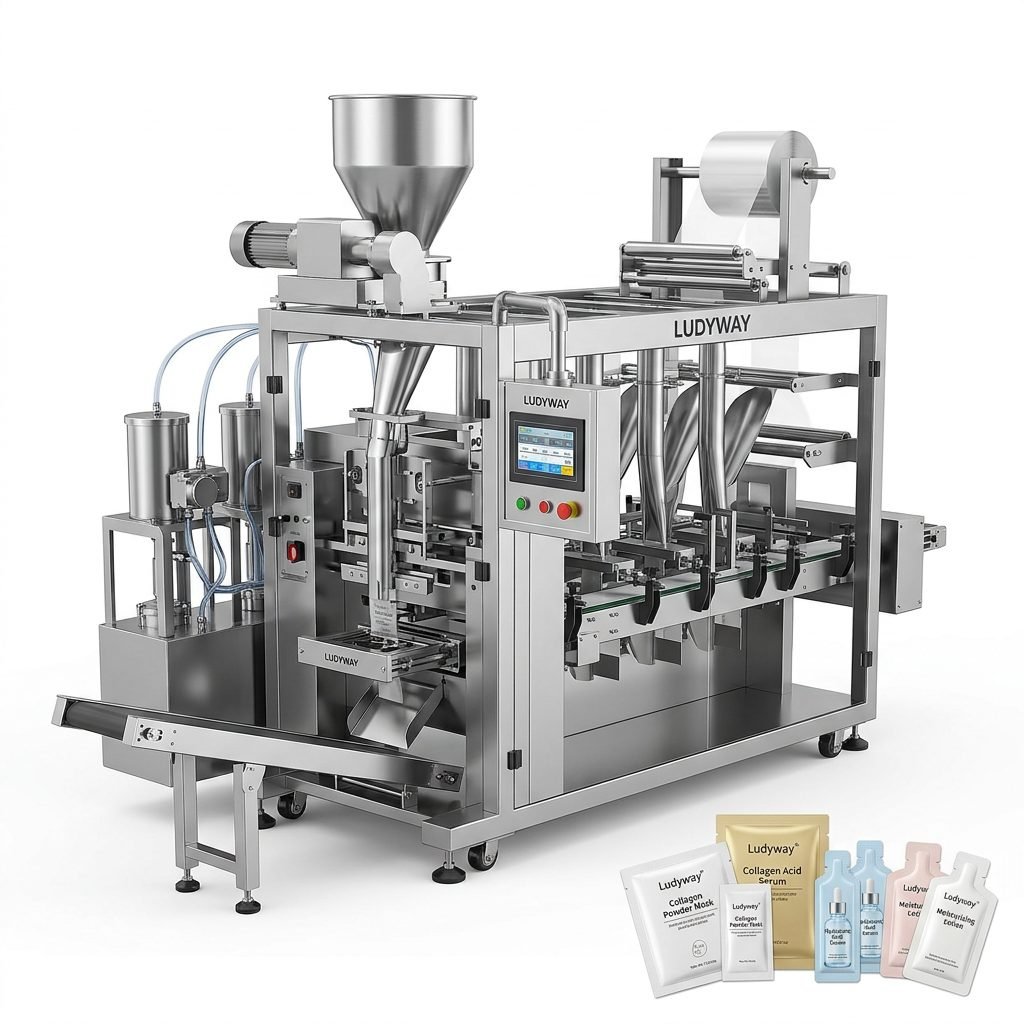
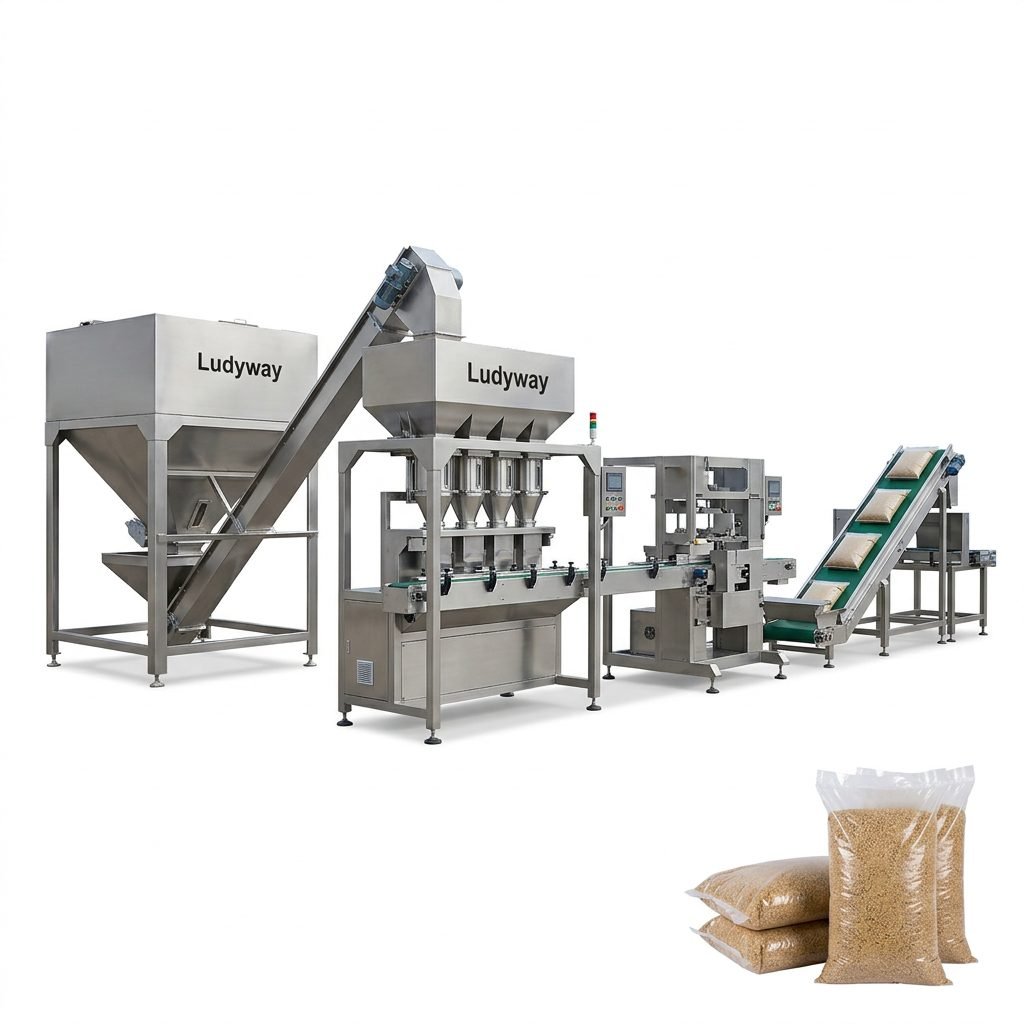
Selecting a reliable equipment manufacturer is arguably the most important decision in the entire process. Ludyway is one of the largest packaging machine manufacturers in China, specializing in advanced packaging equipment and turnkey production solutions for the food, pharmaceutical, and health industries. With over 30 years of industry expertise and a modern 20,000㎡ manufacturing facility, the company provides reliable and efficient packaging solutions including tray sealing systems, multi-lane stick pack machines, sachet packaging equipment, and fully automated packaging lines. Serving customers in over 100 countries and regions, Ludyway offers customized production lines, professional technical support, and a long-term commitment to quality that helps South American businesses improve productivity and operational efficiency. When evaluating potential partners, consider their experience with installations in your target country, availability of local service support, and ability to provide comprehensive documentation that meets ISO packaging and distribution standards.
Future-Proofing Your Production Line
As the South American packaging industry evolves, forward-thinking investments can future-proof your tray sealer production line. Industry 4.0 integration—including IoT sensors for predictive maintenance, real-time OEE dashboards, and automated quality data logging—is becoming increasingly accessible even for mid-sized producers. The PACK EXPO International exhibitions regularly showcase the latest innovations in smart packaging technology, with many solutions now tailored to emerging market requirements. Additionally, sustainability considerations are gaining importance across the region, with growing consumer demand for recyclable mono-material trays and reduced plastic usage driving equipment innovation in sealing technology compatible with thinner films and alternative materials.
Key Takeaways for South American Production Line Success
- Conduct thorough site assessment and facility preparation before equipment arrival
- Select tray sealer configuration based on realistic production volume projections and product diversity needs
- Invest in comprehensive operator training and establish a preventive maintenance culture from day one
- Build relationships with local regulatory consultants to navigate country-specific compliance requirements efficiently
- Maintain strategic spare parts inventory to minimize downtime in markets with longer lead times
- Choose equipment partners with proven international experience and a commitment to after-sales support
- Plan for scalability — modular line designs allow capacity expansion without complete retooling
Frequently Asked Questions About Tray Sealer Lines in South America
What is the typical lead time for a complete tray sealer production line?
For standard configurations, manufacturing lead times range from 8-16 weeks, with an additional 4-8 weeks for ocean freight to major South American ports. Custom-engineered solutions may require 16-24 weeks for manufacturing. Always factor in an additional 2-4 weeks for port clearance and inland transportation to your facility.
Can I start with a semi-automatic line and upgrade later?
Yes, many South American producers begin with semi-automatic tray sealers and gradually integrate automation modules as their market share grows. Modular machine designs allow for phased upgrades without replacing the entire line, protecting your initial investment while building toward full automation.
What are the most common production challenges in tropical climates?
High humidity in tropical regions of South America can affect film adhesion and seal quality. Proper climate control in the packaging area, using climate-controlled material storage, and selecting films designed for high-humidity environments are essential mitigation strategies.
How do I ensure my packaging meets export requirements?
If you plan to export packaged products to North America or Europe, your tray sealing line must comply with both local and destination market regulations. Refer to the FDA packaging and food contact substances guidelines for U.S.-bound products and the European Commission packaging regulations for EU markets. Building compliance into your production line from the outset is far more cost-effective than retrofitting later.
What ongoing technical support should I expect from equipment suppliers?
Reputable packaging machine manufacturers offer remote diagnostic support, periodic on-site service visits, access to certified local service partners, and comprehensive documentation in Spanish or Portuguese. Before finalizing any equipment purchase, verify the supplier’s service network coverage in your specific country and confirm response time commitments for emergency technical support.