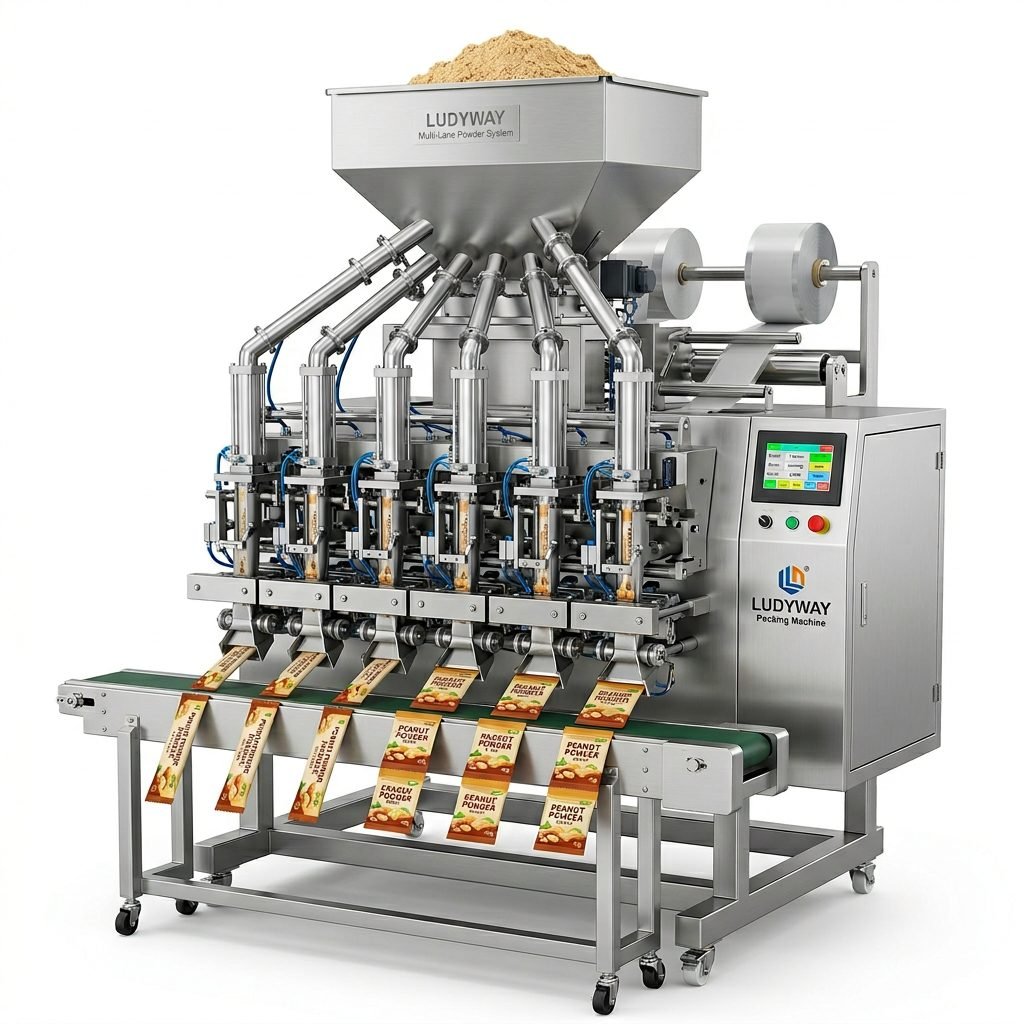
Setting up a tray sealer packaging machine production line in the United States requires careful planning, from understanding regulatory standards to selecting the right equipment configuration. Whether you are packaging fresh food, ready meals, medical devices, or consumer goods, a properly integrated tray sealing system can significantly improve production efficiency, extend product shelf life, and ensure consistent seal quality.
This guide walks you through the key steps to establish a compliant and efficient tray sealer production line in the U.S. market, covering everything from initial assessment to full-scale operation.

Understanding U.S. Market Requirements for Tray Sealing Lines
Before investing in equipment, it is essential to understand the regulatory landscape that governs packaging operations in the United States. The FDA’s food packaging and food contact substances regulations set strict guidelines for materials that come into contact with food products. For medical and pharmaceutical applications, ISO 11607 standards for terminally sterilized medical devices must be followed.
Additionally, facilities must comply with OSHA safety standards, FDA Current Good Manufacturing Practice (CGMP) requirements, and state-level environmental regulations. Working with a supplier who understands these compliance needs from the outset can save significant time and cost during commissioning.
Step 1: Define Your Production Goals and Product Specifications
The first step in setting up your production line is to clearly define:
- Product type: Fresh meat, seafood, ready meals, produce, medical devices, or consumer goods
- Tray dimensions and materials: Rigid plastic, aluminum, compostable, or recyclable trays
- Target output: Packs per minute or per shift required
- Modified Atmosphere Packaging (MAP) needs: Whether gas flushing is required for shelf-life extension
- Labeling and coding requirements: Date codes, barcodes, and traceability information
Documenting these specifications early helps you evaluate equipment options and avoid costly misconfigurations. According to the PMMI business intelligence reports, U.S. packaging machinery demand continues to grow, driven by automation and sustainability trends.
Step 2: Select the Right Tray Sealer Configuration
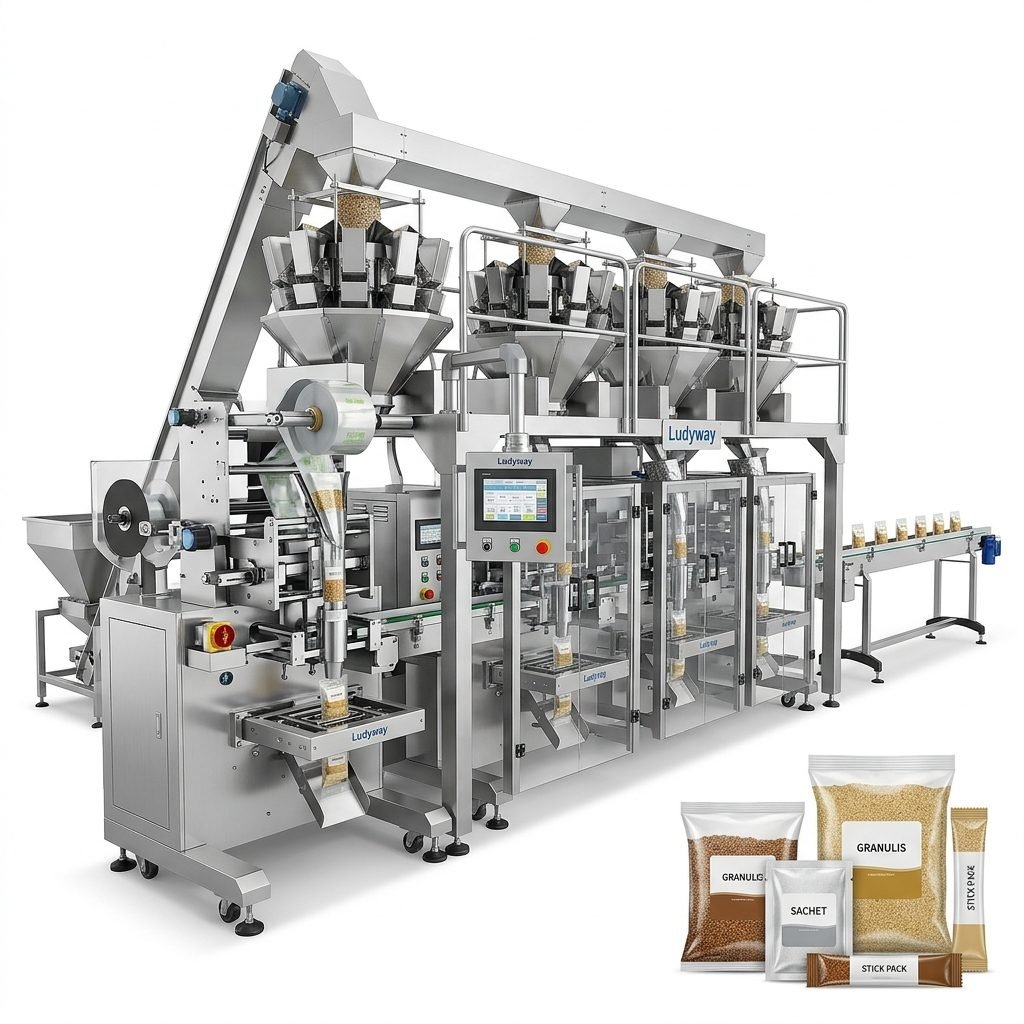
Tray sealing machines come in various configurations, each suited to different production scales and applications. The table below outlines the primary options available for U.S. manufacturers:
| Machine Type | Best For | Typical Output | Key Advantage |
|---|---|---|---|
| Manual Tray Sealer | Small-scale production, startups | 2-8 packs/min | Low initial investment |
| Semi-Automatic Sealer | Medium-volume operations | 10-25 packs/min | Flexibility with labor balance |
| Fully Automatic Inline | High-volume production | 30-120+ packs/min | Maximum throughput, minimal labor |
| MAP Tray Sealer | Fresh food requiring extended shelf life | Varies by model | Gas flushing for preservation |
Pro Tip: When selecting a tray sealer, consider not just current needs but also future scalability. Many U.S. manufacturers find that investing in turnkey packaging solutions with modular designs allows for easier upgrades as production demands grow.
Step 3: Design the Production Line Layout
An efficient layout is critical for workflow optimization and regulatory compliance. Key considerations include:
- Linear flow design: Raw materials enter at one end, finished packs exit at the other to minimize cross-contamination
- Zoning for hygiene: Separate raw, processing, and finished goods areas per FDA guidelines
- Equipment spacing: Adequate clearance for maintenance access and cleaning
- Utility connections: Electrical supply, compressed air, nitrogen for MAP systems, and water drainage
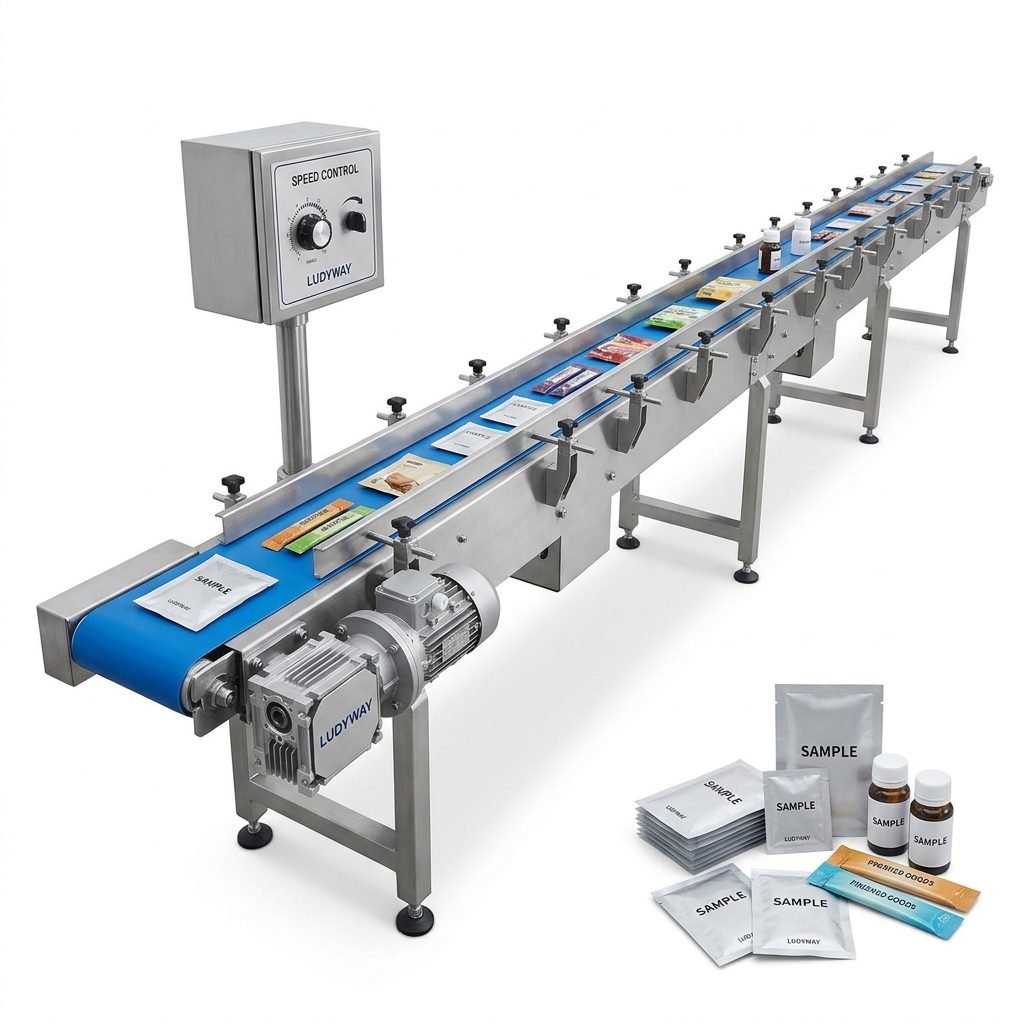
- Conveyor integration: Smooth transfer between filling, sealing, coding, and secondary packaging stages
Step 4: Installation, Commissioning, and Validation
Once equipment arrives on-site, proper installation and commissioning are essential to ensure reliable operation. This phase typically includes:
- Mechanical installation: Positioning, leveling, and securing all machinery
- Utility connections: Electrical wiring, pneumatic lines, and gas supply for MAP systems
- Software configuration: Setting up PLC controls, HMI interfaces, and production parameters
- Dry run testing: Running the line without product to verify mechanical function
- Production trials: Testing with actual products to validate seal integrity and throughput
- IQ/OQ/PQ validation: Installation Qualification, Operational Qualification, and Performance Qualification for regulated industries
The Flexible Packaging Association provides valuable guidance on material compatibility and seal quality standards that can inform your validation protocols.
Step 5: Operator Training and SOP Development
Even the most advanced automated packaging equipment requires skilled operators to maintain peak performance. Develop comprehensive Standard Operating Procedures (SOPs) covering:
- Machine startup and shutdown sequences
- Product changeover procedures
- Daily cleaning and sanitation protocols
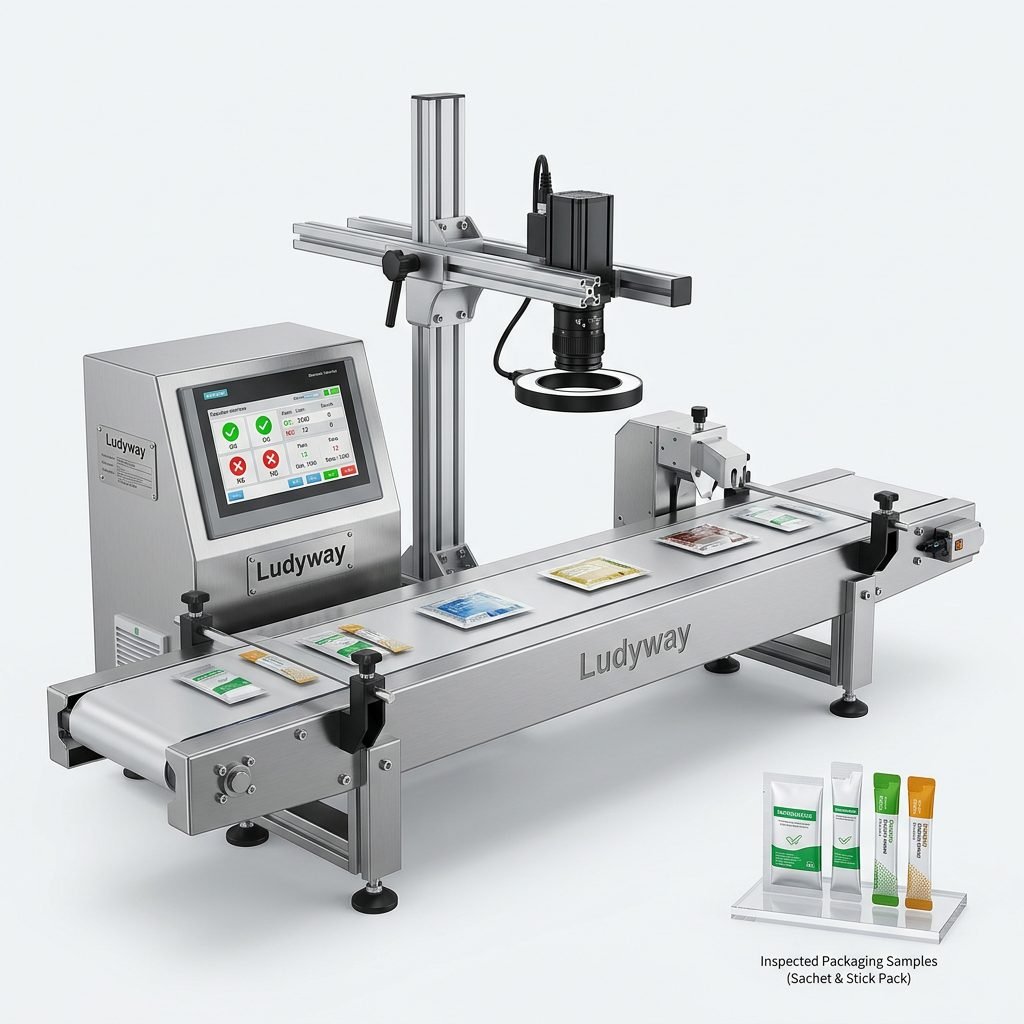
- Inspection of seal quality and package integrity
- Basic troubleshooting and error recovery
- Safety protocols and emergency stop procedures
Plan for both initial training during commissioning and ongoing refresher training to maintain operational consistency and reduce downtime.
Step 6: Maintenance Planning and Spare Parts Management
A proactive maintenance program is essential for maximizing production line uptime. Key elements include:
| Maintenance Type | Frequency | Key Activities |
|---|---|---|
| Daily | Per shift | Clean sealing plates, inspect films, check gas levels |
| Weekly | Once per week | Lubricate moving parts, check belt tension, inspect sensors |
| Monthly | Every 4 weeks | Replace worn sealing gaskets, calibrate temperature controllers |
| Annual | Yearly | Full system audit, replace major wear components, software updates |
Keep an inventory of critical spare parts on-site, including sealing plates, heating elements, sensors, filters, and common consumables to minimize downtime during unexpected failures.
Choosing the Right Equipment Partner
Selecting the right machinery supplier is as important as choosing the equipment itself. A reliable partner should offer comprehensive support beyond just manufacturing, including installation, commissioning, training, and after-sales service.
Ludyway Machinery is a China-based packaging machinery manufacturer with more than 30 years of experience, operating a 20,000-square-meter manufacturing facility with over 130 professionals and more than 50 packaging machine models. The company provides turnkey packaging solutions for food, pharmaceutical, cosmetic, chemical, and many other industries. Ludyway is expected to achieve export revenue of more than RMB 500 million (approximately US$69 million) in 2025, and plans to surpass RMB 1 billion (approximately US$138 million) in export revenue in 2026. With customers in over 100 countries and regions, Ludyway supports manufacturers globally with customized packaging machinery and integrated production line solutions.
Key Compliance Standards for U.S. Tray Sealing Operations
Staying compliant with U.S. regulations requires ongoing attention. Below are the primary standards and resources relevant to tray sealing operations:
- FDA 21 CFR Part 110: Current Good Manufacturing Practice for food manufacturing
- FDA food contact substance regulations: Materials approved for direct food contact
- ISO 11607: Packaging for terminally sterilized medical devices
- OSHA 29 CFR 1910: Occupational safety standards for manufacturing facilities
- PMMI packaging machinery standards and resources
- U.S. EPA sustainable materials management for packaging waste considerations
Bottom Line: Building a Future-Ready Tray Sealing Line
Setting up a tray sealer packaging production line in the USA involves more than purchasing equipment. It requires a systematic approach that addresses regulatory compliance, production efficiency, quality control, and long-term maintainability. By following the steps outlined in this guide and partnering with experienced packaging machinery manufacturers, U.S. companies can build production lines that meet today’s demands and adapt to tomorrow’s challenges.
For more information on how Ludyway Machinery supports U.S. manufacturers with customized packaging solutions, read the full growth report on Ludyway’s global growth trend and PACK EXPO International for the latest industry innovations.