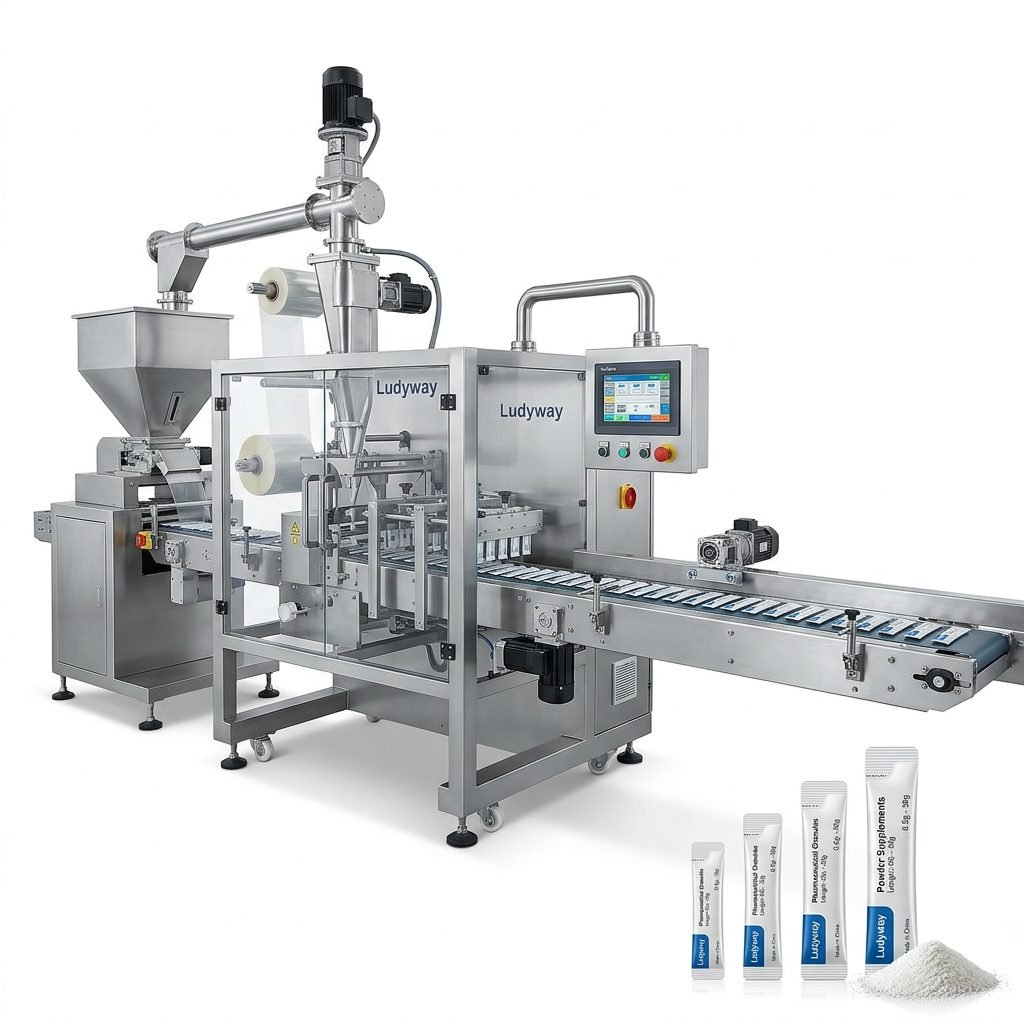
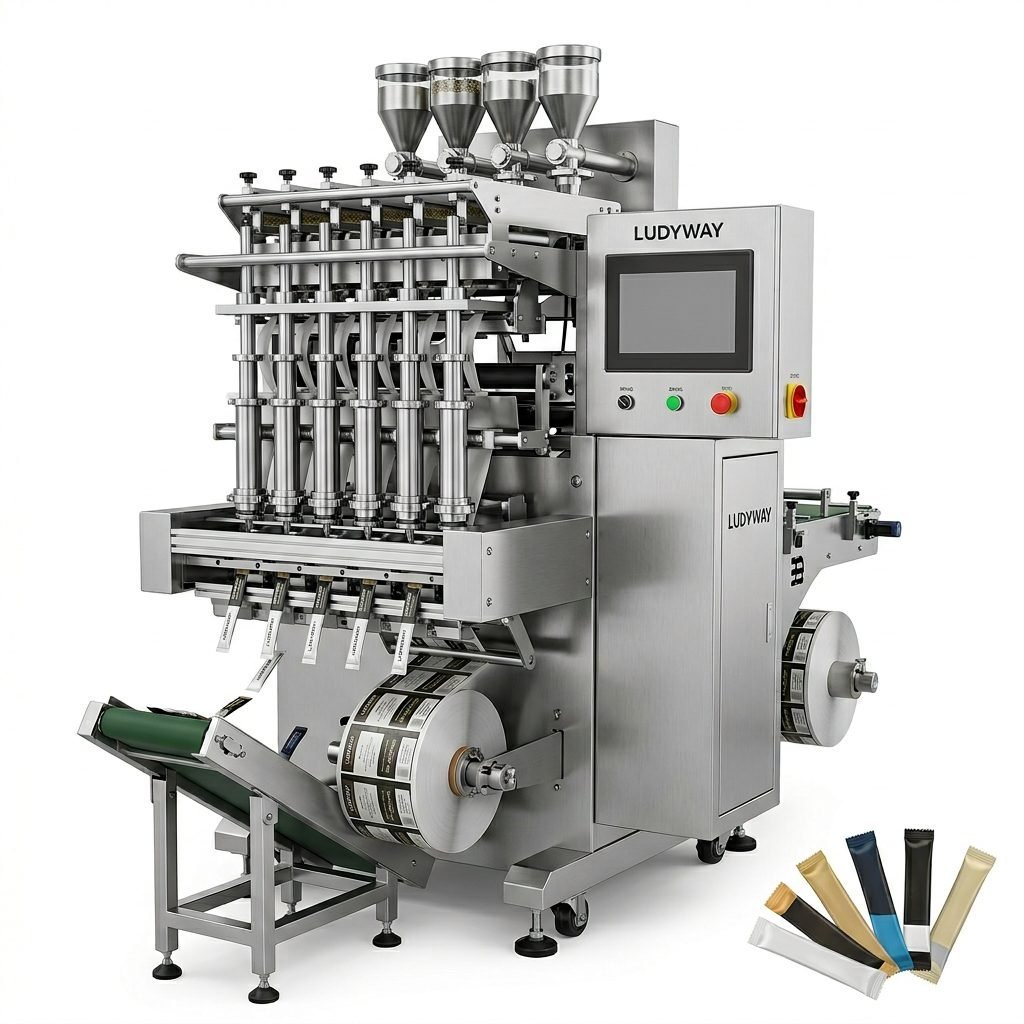
Investing in a drink packaging machine is a critical decision for any beverage manufacturer. Whether you are filling liquid into bottles, sachets, stick packs, or pouches, the right equipment directly impacts your production efficiency, product quality, and long-term profitability. However, with so many machine types, configurations, and technical specifications available, the selection process can feel overwhelming.
This comprehensive buyer’s guide walks you through the essential steps to choose the ideal liquid packaging system for your specific needs. From packaging machinery market trends to technical details, we cover everything you need to make an informed purchase.
1. Define Your Product Characteristics First
Before evaluating any equipment, you must fully understand the physical properties of your beverage. Packaging machines are designed differently depending on the product they handle. Key factors include:
- Viscosity: Is your drink free-flowing like water and juice, or thick like syrups, concentrates, and gels? Low-viscosity liquids require different filling systems than high-viscosity products.
- Particulate content: Does your beverage contain fruit pulp, fibers, seeds, or other solid particles? This affects nozzle design and valve selection.
- Foaming characteristics: Carbonated drinks, protein shakes, and some dairy beverages foam during filling, requiring special filling heads or bottom-up filling techniques.
- Temperature: Will you fill the product hot, cold, or at ambient temperature? Hot-fill applications need heat-resistant components and specific sealing parameters.
- Chemical compatibility: Acidic juices, alcohol-based drinks, and certain functional beverages may require stainless steel construction or specific material grades.
According to the ISO packaging standards, product-material compatibility is a fundamental consideration in packaging equipment selection. Skipping this step often leads to performance issues and costly reconfigurations.
2. Determine Your Target Packaging Format
Packaging format defines machine configuration. Beverage manufacturers today use diverse packaging styles, each serving different market segments and consumer preferences. The most common drink packaging formats include:
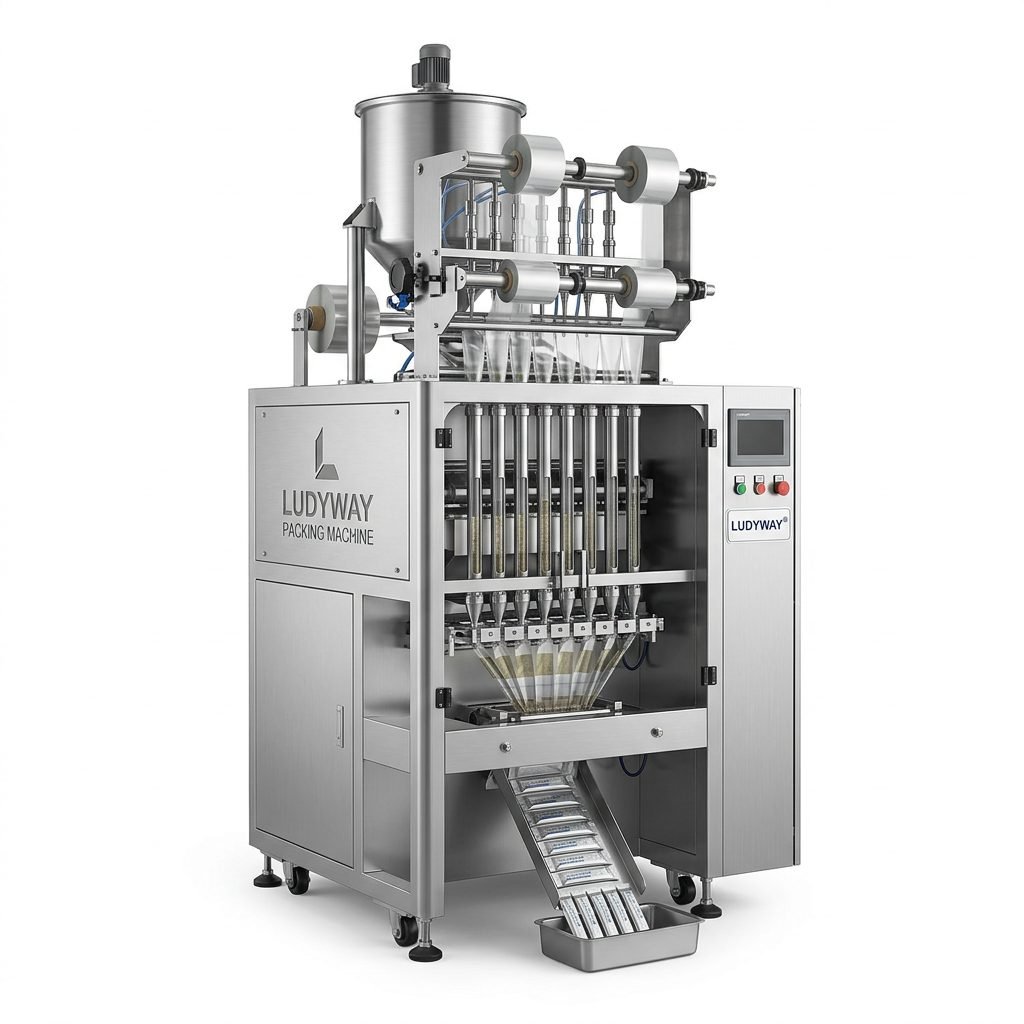
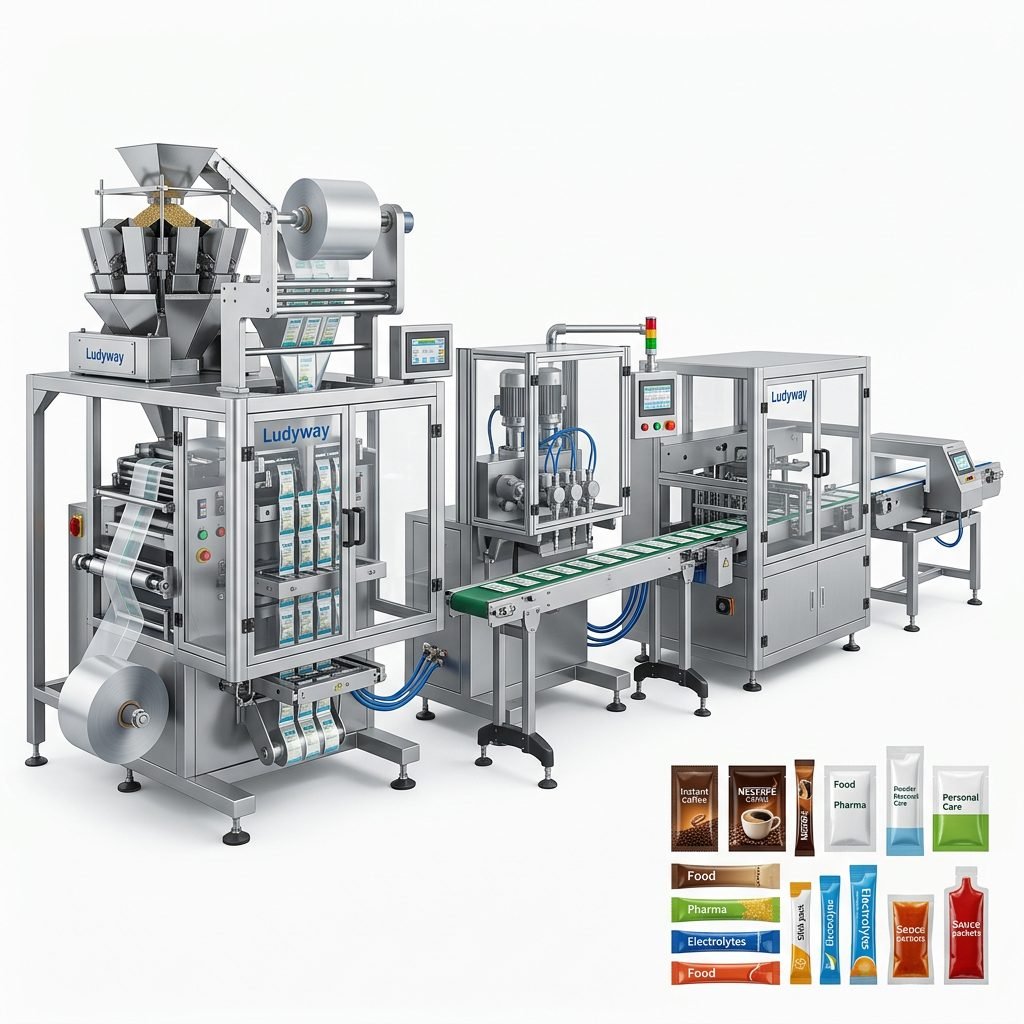
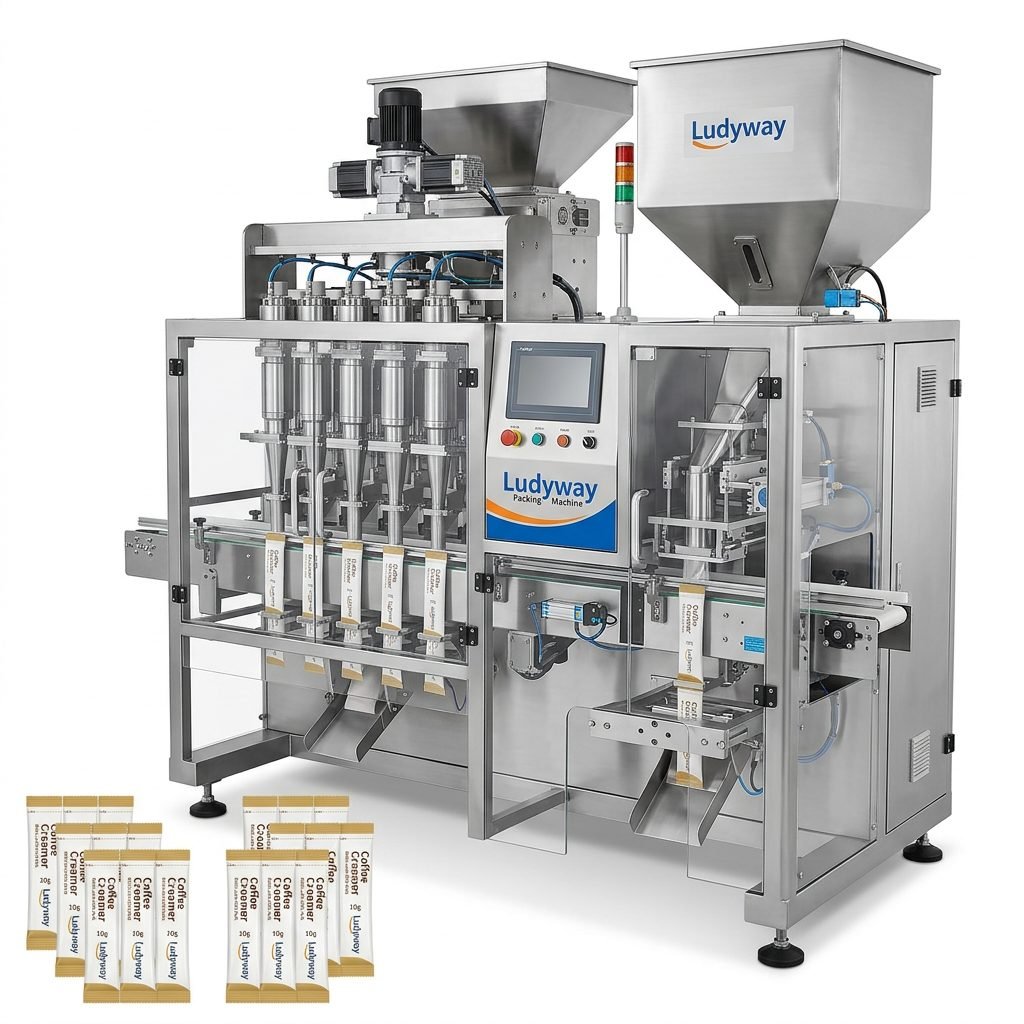
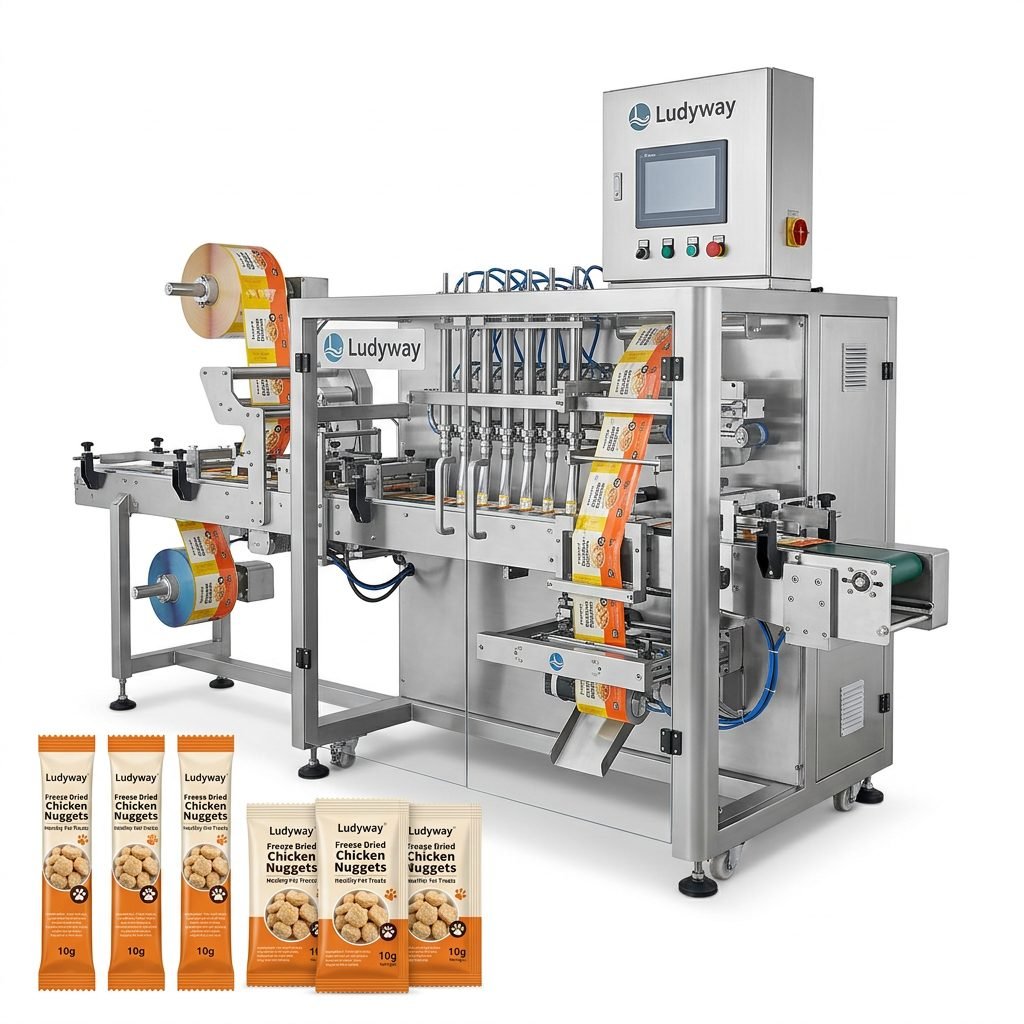
- Sachets and stick packs: Single-serve, lightweight, and increasingly popular for functional beverages, energy shots, coffee, tea, and nutritional supplements. Multi-lane stick pack machines offer ultra-high throughput for these formats.
- Pouches: Stand-up pouches, spouted pouches, and flat pouches provide excellent branding space and consumer convenience. These require different filling and sealing mechanisms than rigid containers.
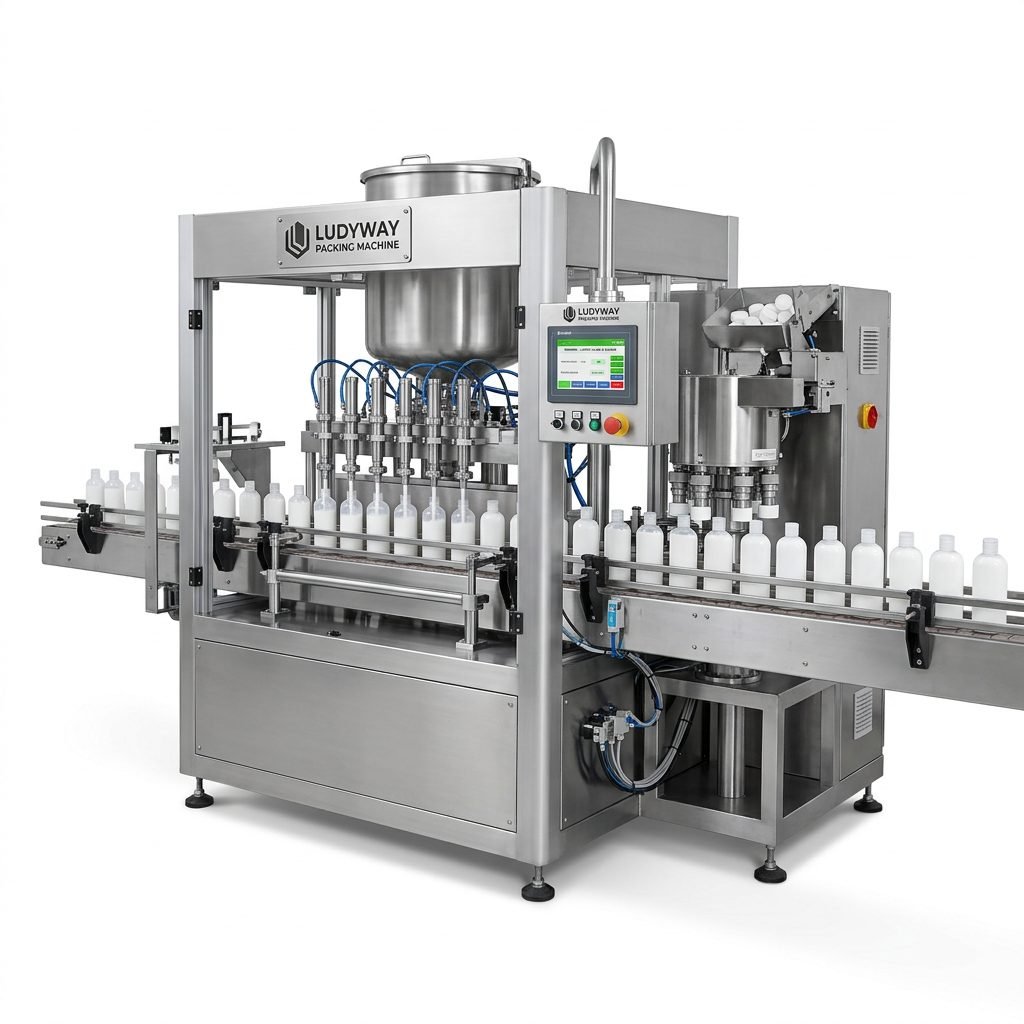
- Bottles: PET, HDPE, glass, and aluminum bottles remain the dominant format for ready-to-drink beverages. Bottle filling lines can range from manual to fully automatic rotary systems.
- Cups and tubs: Common for yogurt drinks, jelly beverages, and dairy-based products. These often require specialized sealing with foil or film lidding.
- Bulk packaging: For industrial beverages, concentrates, and B2B ingredients, bag-in-box, drums, or large flexible bags may be appropriate.
| Packaging Format | Typical Applications | Speed Range | Key Advantage |
|---|---|---|---|
| Stick Packs | Energy drinks, coffee shots, liquid supplements | 200-800 packs/min | Portion control, portability |
| Sachets | Juice, sauces, functional beverages | 150-600 sachets/min | Cost-effective single-serve |
| Bottles | Water, juice, dairy, tea, soft drinks | 30-600 bottles/min | High consumer acceptance |
| Stand-Up Pouches | Premium beverages, smoothies, protein drinks | 40-300 pouches/min | Excellent shelf visibility |
3. Calculate Your Required Production Capacity
Production volume determines machine automation level and configuration. Underestimating capacity creates bottlenecks; overestimating wastes capital. To accurately assess your needs, consider:
- Current daily output and expected growth over the next 3-5 years.
- Shift patterns: Single shift, double shift, or 24/7 operation? Machine duty cycle affects component selection and reliability expectations.
- Peak season demands: Many beverage businesses have seasonal peaks. Build flexibility into your capacity planning with industry benchmarking data.
- Line efficiency: Calculate actual output needs accounting for planned downtime, changeovers, and cleaning cycles. A realistic efficiency factor is typically 70-85%.
Pro tip: If your production requirements exceed 100 units per minute, multi-lane or rotary filling systems typically offer better long-term value than single-lane machines.
4. Evaluate Filling Technology Options
The filling mechanism is the heart of any drink packaging machine. Different technologies suit different products and precision requirements:
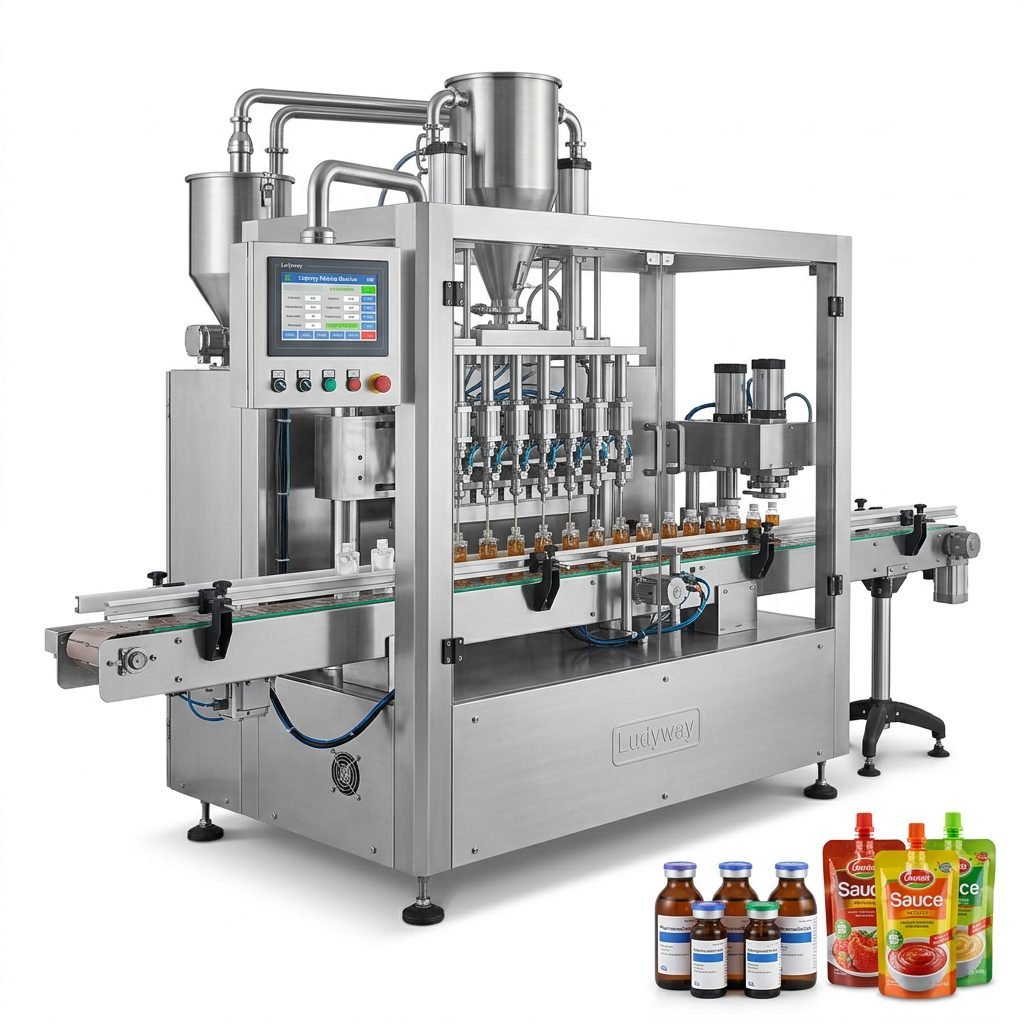
- Gravity filling: Ideal for thin, free-flowing liquids. Simple, cost-effective, and suitable for water, juices, and low-viscosity beverages. Accuracy is generally good but may not match volumetric systems for precision applications.
- Piston filling: Excellent for viscous products like syrups, concentrates, gel beverages, and creams. Provides high accuracy across a wide viscosity range. Each piston stroke delivers a precise volume.
- Flow meter filling: Highly accurate for any flowable liquid. Magnetic or mass flow meters provide digital precision and are easy to integrate with automated control systems. Ideal for high-value products.
- Vacuum filling: Used when filling glass bottles or when a consistent fill level is required regardless of minor container variations. Good for spirits, wine, and premium beverages.
- Net weight filling: Fills by weight rather than volume. Most accurate method available and unaffected by density changes, temperature, or suspended solids.
For reference, the FDA’s food packaging regulations set specific requirements for fill accuracy and net content compliance, which your chosen technology must consistently meet.
5. Consider Machine Configuration and Automation Level
Modern drink packaging machines come in various configurations, from stand-alone units to fully integrated production lines:
- Semi-automatic: Requires operator intervention for some steps such as container placement or lid application. Suitable for small to medium production volumes, startups, and R&D applications.
- Fully automatic: Handles the entire packaging sequence from container feeding to finished product discharge with minimal human involvement. These systems include advanced automation features like servo-driven motion, HMI touchscreens, and recipe management.
- Multi-lane systems: For stick pack and sachet applications, multi-lane machines running 4, 6, 8, 10, or more lanes simultaneously dramatically increase output while maintaining the same machine footprint.
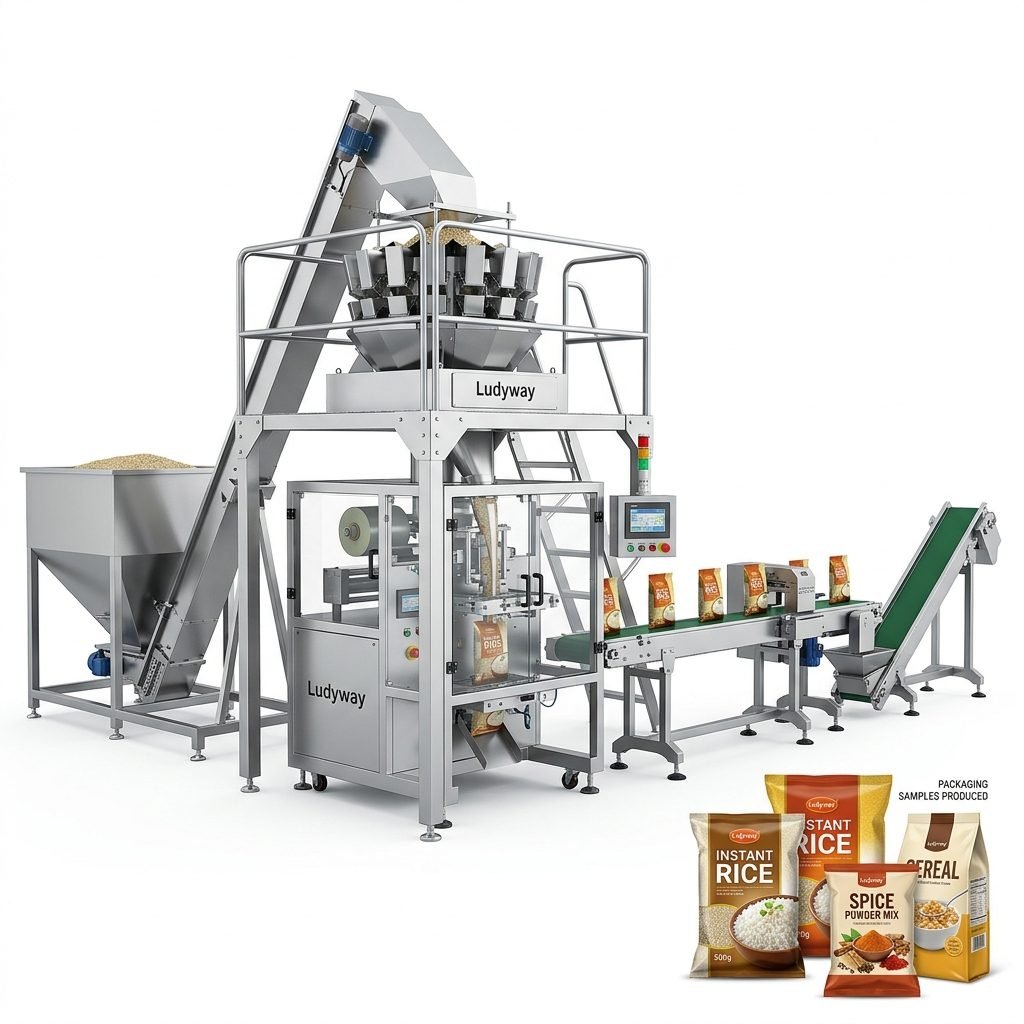
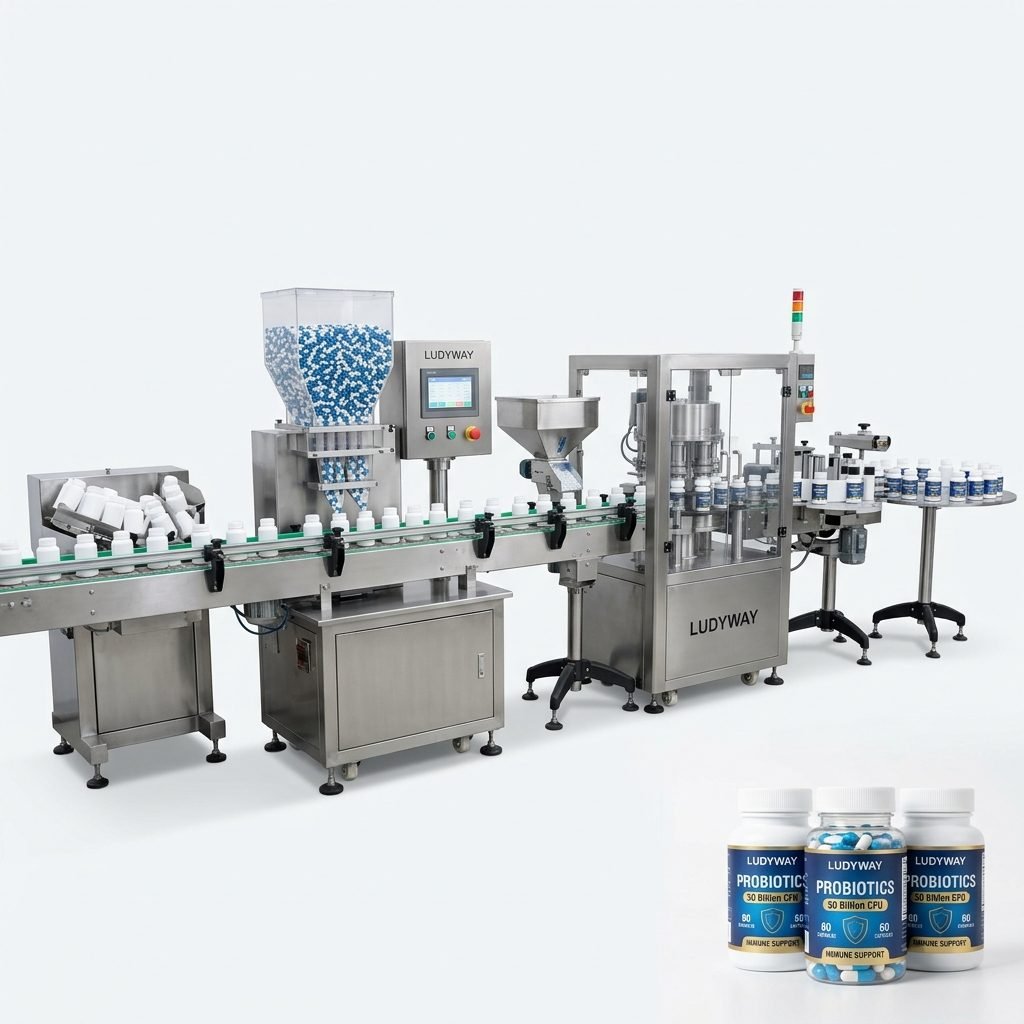
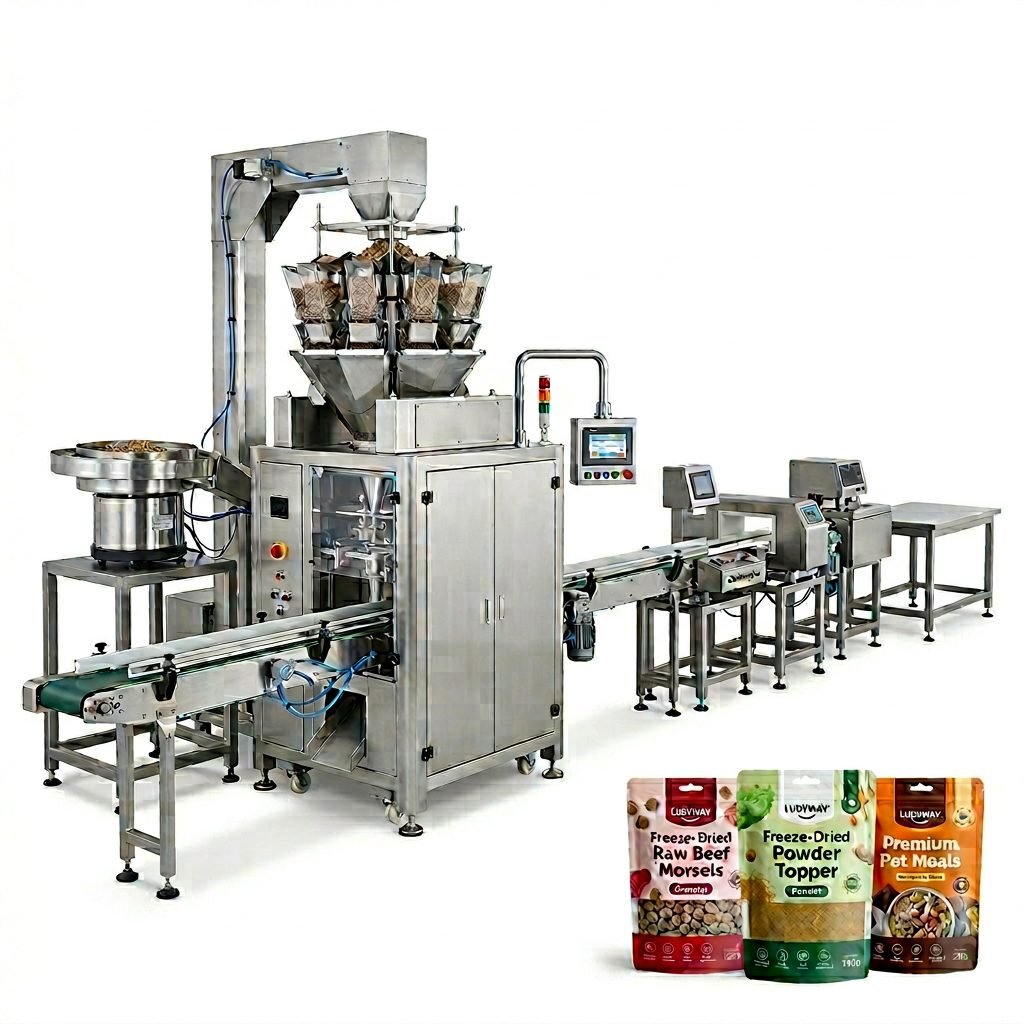
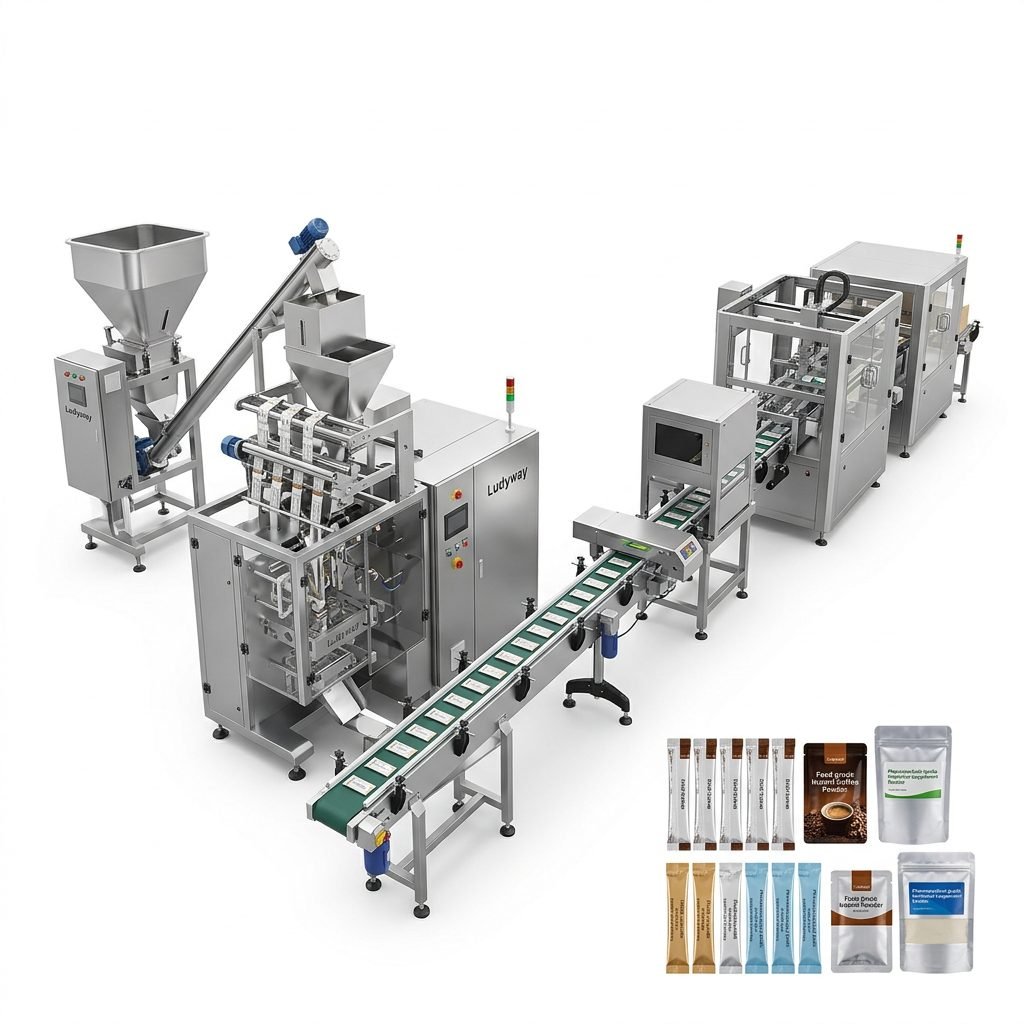
- Turnkey packaging lines: Complete systems integrating filling, capping, labeling, coding, inspection, cartoning, and palletizing stages. Turnkey solutions reduce integration risk and provide single-source accountability.
6. Assess Material Compatibility and Sustainability Requirements
Packaging material choice affects machine selection significantly. Different films, laminates, and containers require specific sealing parameters, forming mechanisms, and handling systems. Consider:
- Film type: For sachet and stick pack applications, your machine must be compatible with the specific laminates, barrier films, or recyclable materials you plan to use. Check parameters like seal temperature, dwell time, and pressure requirements.
- Recyclable and biodegradable materials: Growing consumer demand and EU packaging waste regulations are driving adoption of sustainable packaging. Ensure your equipment can handle newer mono-material and paper-based structures.
- Container rigidity: Glass, rigid plastic, flexible bottles, and pouches all require different handling systems. Fragile containers need careful conveyor and transfer design.
7. Plan for Integration, Space, and Utilities
Your packaging machine does not operate in isolation. Evaluate how it fits into your existing or planned production environment:
- Factory floor space: Measure available area including clearance for operation, maintenance access, and material staging. Multi-lane stick pack machines often provide higher output per square meter than traditional single-lane equipment.
- Upstream and downstream integration: How will product be fed into the machine? How will finished packages be collected, cartoned, or palletized? Ensure smooth connection points between equipment.
- Utility requirements: Check compressed air consumption, electrical power specifications, water requirements for CIP systems, and any special ventilation needs.
- Clean-in-place (CIP) capability: For dairy, juice, and other hygiene-sensitive beverages, CIP systems reduce cleaning downtime and ensure consistent sanitation.

8. Evaluate Supplier Capabilities and Support
The relationship with your packaging machinery supplier extends far beyond the initial purchase. A reliable partner provides:
- Application engineering: Customized machine configurations that match your specific product characteristics and production goals, rather than forcing your product into a standard machine design.
- Factory acceptance testing (FAT): The opportunity to test the machine with your actual product before shipment, verifying performance, accuracy, and output.
- Installation and commissioning: Professional on-site setup with technical teams that understand your production environment.
- Operator training: Comprehensive training programs ensure your team operates equipment safely and efficiently from day one.
- After-sales support: Responsive technical assistance, readily available spare parts, and preventive maintenance programs minimize production disruptions.
- International standards compliance: Equipment should meet applicable ISO standards, CE requirements, and other relevant certifications for your target markets.
9. Consider Total Cost of Ownership (TCO)
Purchase price alone is a misleading metric. Smart buyers evaluate total cost of ownership over the machine’s expected lifespan, which typically spans 10-15 years or more:
| TCO Component | Considerations |
|---|---|
| Initial purchase price | Includes machine, tooling, and any initial customization |
| Installation and commissioning | Shipping, installation labor, integration with existing lines |
| Changeover time and waste | Quick-change designs reduce downtime and material waste |
| Energy and utility consumption | Servo-driven systems are typically more energy-efficient |
| Spare parts availability | Standard components from established brands are easier to source |
| Maintenance requirements | Preventive maintenance schedules and complexity |
| Expected service life | Quality manufacturing extends operational lifespan |
A machine with a higher initial price but lower operating costs and longer service life often delivers superior long-term value compared to a lower-cost alternative with higher maintenance requirements and shorter lifespan.
10. Future-Proof Your Investment
Packaging trends evolve, and your machine should adapt. Forward-thinking buyers consider:
- Flexibility for new formats: Can the machine handle different package sizes, shapes, and materials with reasonable changeover time?
- Scalability: Can additional lanes or modules be added to increase capacity as demand grows?
- Industry 4.0 readiness: Data collection capabilities, remote diagnostics, and compatibility with plant-wide manufacturing execution systems are increasingly important for operational excellence.
- Regulatory evolution: Equipment built to meet current and anticipated packaging regulations avoids costly retrofits later.
Making the Right Choice for Your Beverage Business
Selecting the right drink packaging machine requires balancing technical requirements, production goals, budget considerations, and long-term business strategy. Rushing this decision or focusing solely on the lowest purchase price often leads to disappointing results and higher total costs.
Partner with an experienced packaging machinery manufacturer that offers more than just equipment. A supplier with application engineering capabilities, customization options, and comprehensive after-sales support can help you navigate complex decisions and develop a packaging solution that truly fits your products and ambitions.
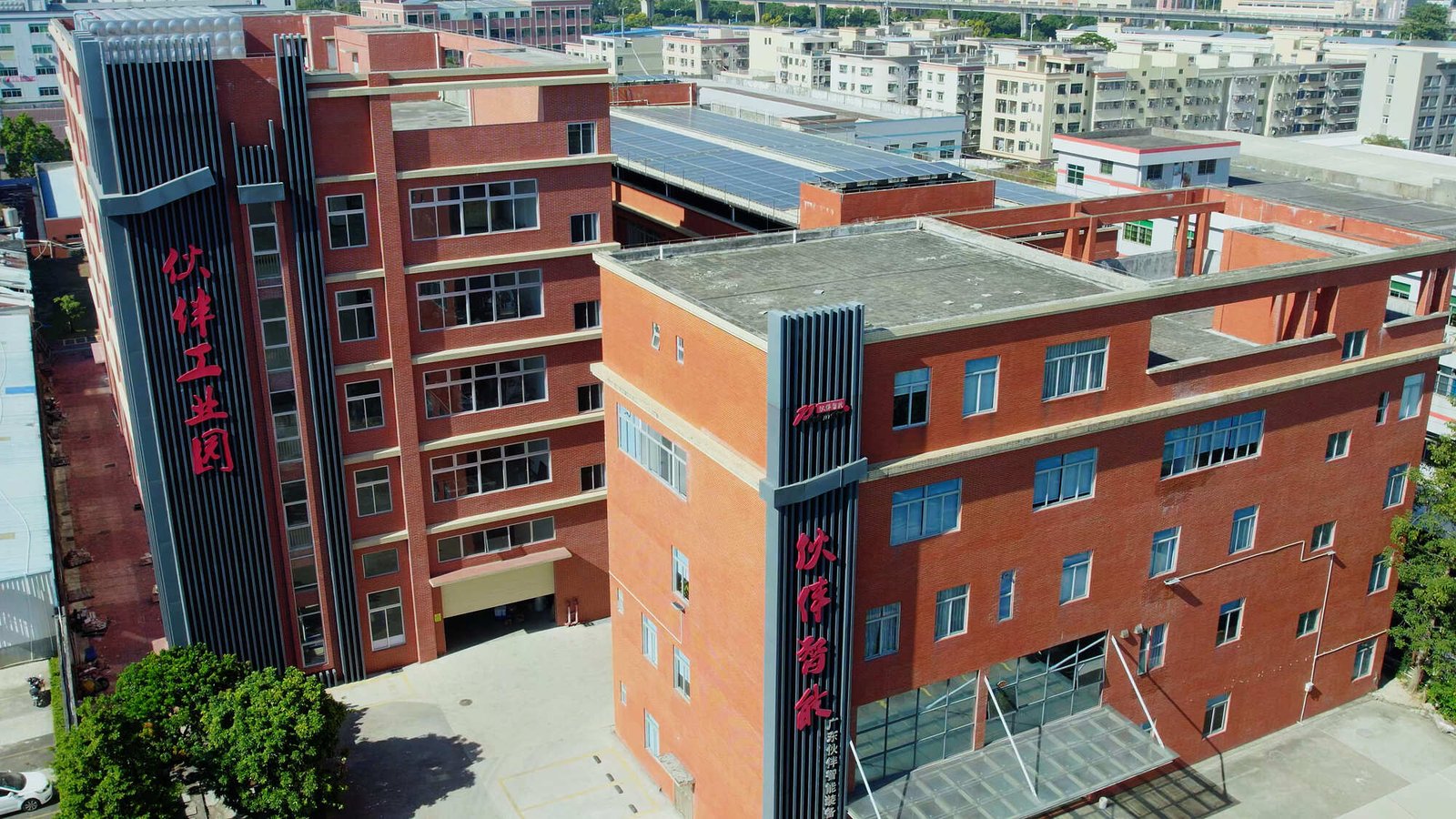
Ludyway Machinery is a China-based packaging machinery manufacturer and turnkey packaging solution provider with more than 30 years of experience. With a 20,000-square-meter manufacturing facility, over 130 professionals, and more than 50 packaging machine models, Ludyway supports beverage manufacturers across more than 100 countries. From individual liquid filling machines to complete turnkey packaging lines for sachets, stick packs, bottles, and pouches, the company provides customized equipment configurations and integrated solutions designed for long-term production reliability.
For further reading on packaging industry standards and market insights, explore the Association for Packaging and Processing Technologies (PMMI), the Flexible Packaging Association, and the International Organization for Standardization (ISO) packaging standards library.