Establishing a vacuum packaging machine production line in North America requires careful planning, from understanding regional regulatory standards to selecting the right equipment configuration. Whether you are launching a new facility or upgrading an existing operation, the process involves multiple stages including facility preparation, equipment sourcing, compliance verification, and workforce training. This guide walks you through each critical phase to help you build a reliable and efficient vacuum packaging system that meets North American market demands.

Understanding North American Market Requirements
Before investing in a vacuum packaging production line, it is essential to understand the regulatory landscape. In the United States, the FDA food packaging regulations set strict guidelines for materials that come into contact with food products. Similarly, Canada enforces compliance through the Canadian Food Inspection Agency. Non-compliance can result in costly delays and product recalls, making regulatory awareness a top priority from day one.
Additionally, North American markets increasingly demand sustainable packaging solutions and energy-efficient machinery. The PMMI packaging industry association provides valuable resources on market trends and technology standards that can guide your equipment selection process. Familiarizing yourself with these standards early will streamline the entire setup process.
Key Steps to Set Up Your Vacuum Packaging Line
A successful vacuum packaging machine production line setup follows a systematic approach. Below are the essential phases you need to address:
1. Facility Assessment and Layout Planning
Begin with a thorough evaluation of your production floor. Vacuum packaging equipment requires adequate space for machine placement, material handling, and operator movement. Consider ceiling height, floor load capacity, and utility connections including compressed air, vacuum pumps, and electrical supply. A well-designed layout minimizes material travel distance and optimizes workflow efficiency.
2. Equipment Selection and Configuration
Choosing the right vacuum packaging machine depends on your product characteristics, production volume, and packaging format requirements. Critical factors to evaluate include:
- Chamber type: Single chamber, double chamber, or continuous belt vacuum machines
- Sealing bar dimensions and configuration
- Vacuum pump capacity and speed (measured in m³/h)
- Compatibility with ISO 11607 packaging standards for medical or pharmaceutical applications
- Integration capabilities with upstream and downstream equipment

3. Compliance and Certification
North American facilities must adhere to specific safety and operational standards. Consult the PMMI business intelligence resources for detailed market data and compliance guidelines. Key certifications often required include UL listing for electrical components, NSF certification for food-grade equipment, and adherence to OSHA workplace safety regulations.
4. Installation and Commissioning
Professional installation is critical for vacuum packaging systems to operate at peak performance. This phase involves equipment positioning, utility connections, calibration, and initial testing. Proper commissioning reduces downtime and extends equipment lifespan. Ensure your supplier provides comprehensive on-site support or detailed installation documentation.
Equipment Specifications Comparison
The following table outlines key specifications to consider when evaluating different vacuum packaging machine models for your North American production line:
| Specification | Entry-Level | Mid-Range | High-Capacity |
|---|---|---|---|
| Chamber Type | Single Chamber | Double Chamber | Continuous Belt |
| Pump Capacity | 20-40 m³/h | 63-100 m³/h | 160-300 m³/h |
| Sealing Bar Length | 350-420 mm | 520-620 mm | 850-1000 mm |
| Cycle Speed | 2-3 cycles/min | 3-5 cycles/min | 5-8 cycles/min |
| Best For | Small batch production | Medium volume | High-speed automation |
Integration with Ancillary Equipment
A complete vacuum packaging production line extends beyond the vacuum chamber itself. For optimal efficiency in North American facilities, consider integrating the following ancillary systems:
- Nitrogen flushing systems for modified atmosphere packaging (MAP)
- Inline checkweighers and metal detection equipment
- Automated labeling and coding machines
- Shrink wrapping tunnels for secondary packaging
- Conveyor systems with variable speed control
Workforce Training and Safety Protocols
Investing in comprehensive operator training significantly impacts the long-term success of your vacuum packaging operation. Training programs should cover machine operation, routine maintenance, troubleshooting procedures, and OSHA-compliant safety practices. Many equipment manufacturers offer on-site training as part of their installation packages, which can accelerate the learning curve for your production team.
Maintenance and Long-Term Reliability
Preventive maintenance is essential for keeping your vacuum packaging machine production line running at optimal performance. Key maintenance tasks include regular vacuum pump oil changes, sealing bar inspection and replacement, gasket condition monitoring, and sensor calibration. A proactive maintenance schedule can extend equipment life by several years and prevent unexpected production stoppages.
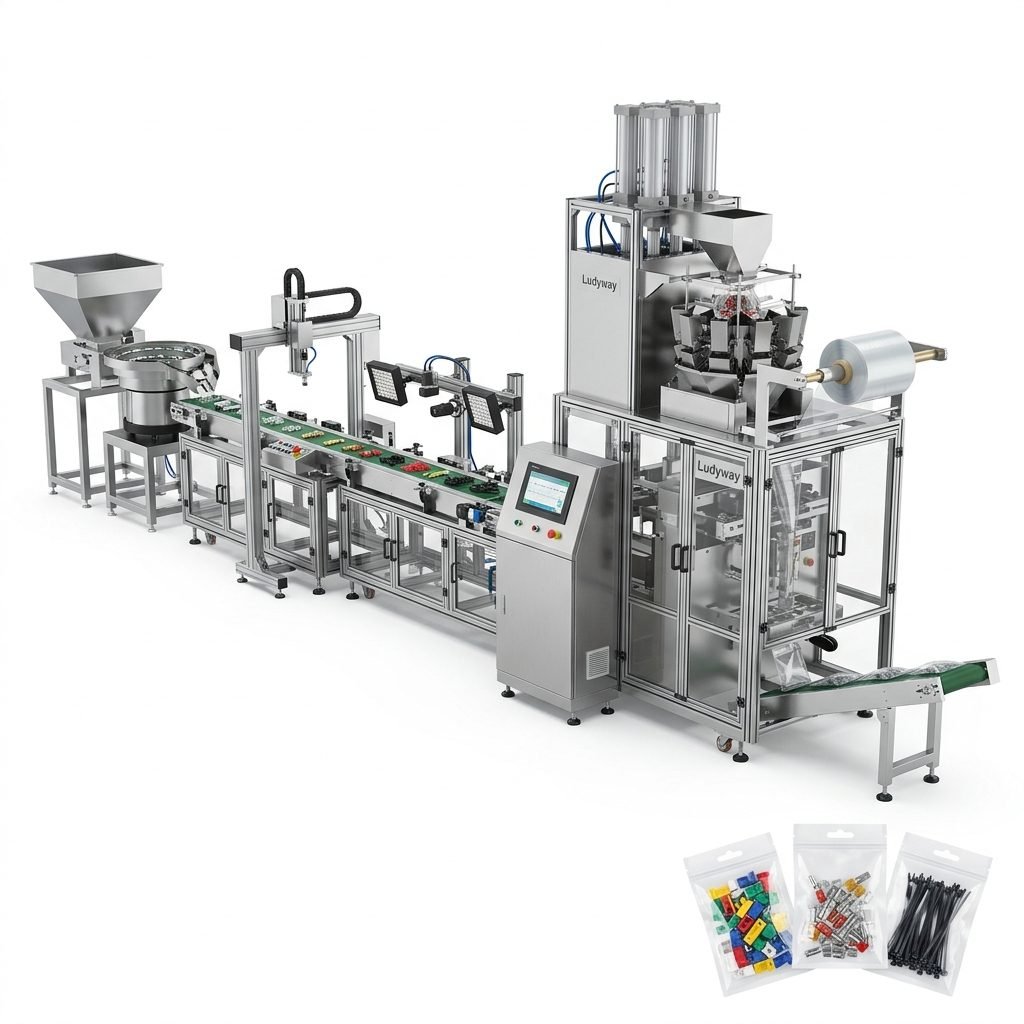
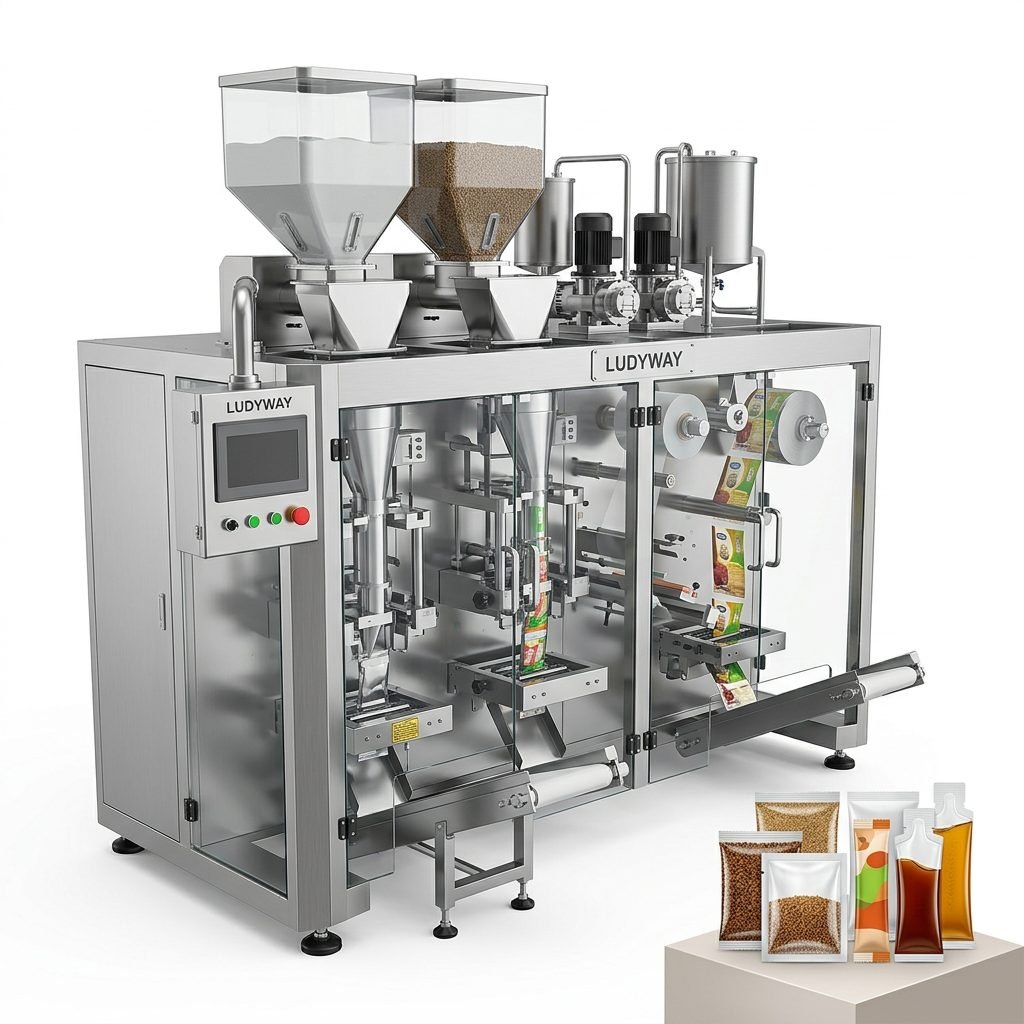
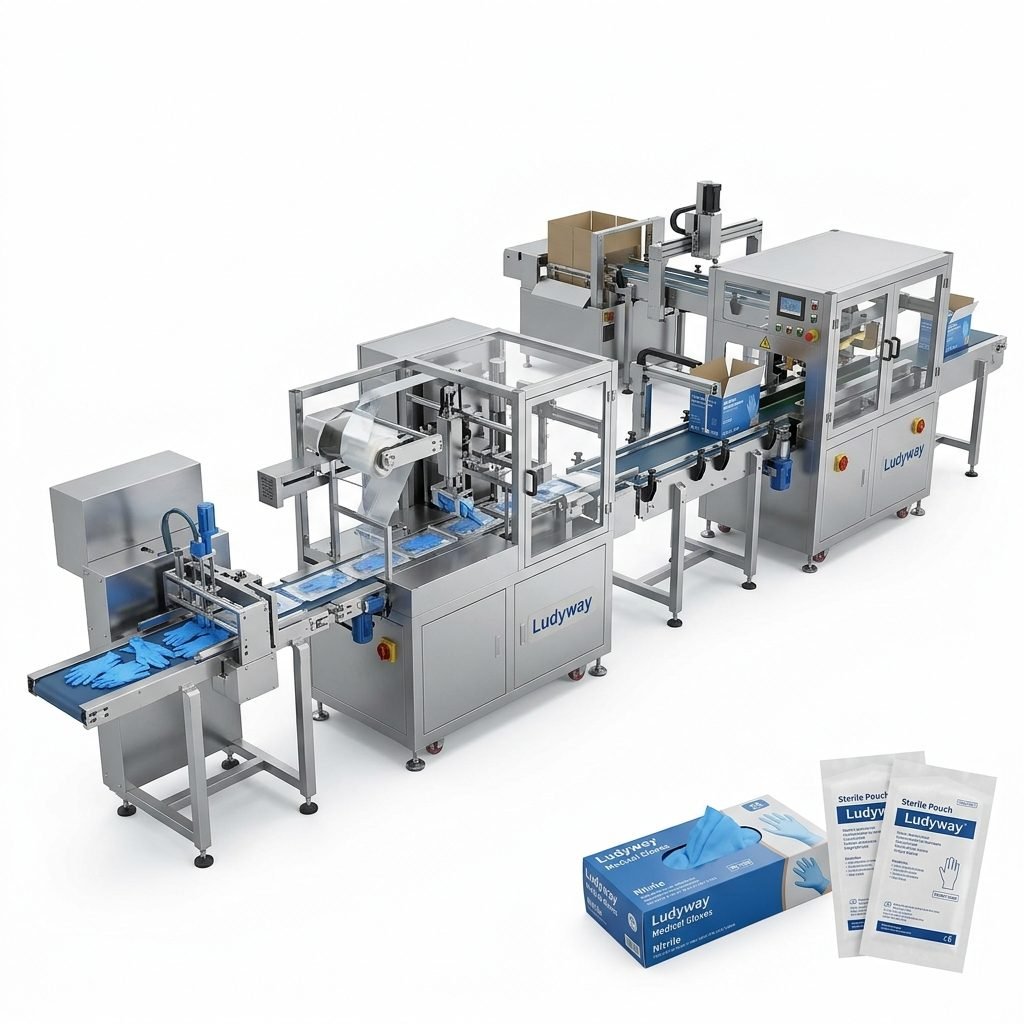
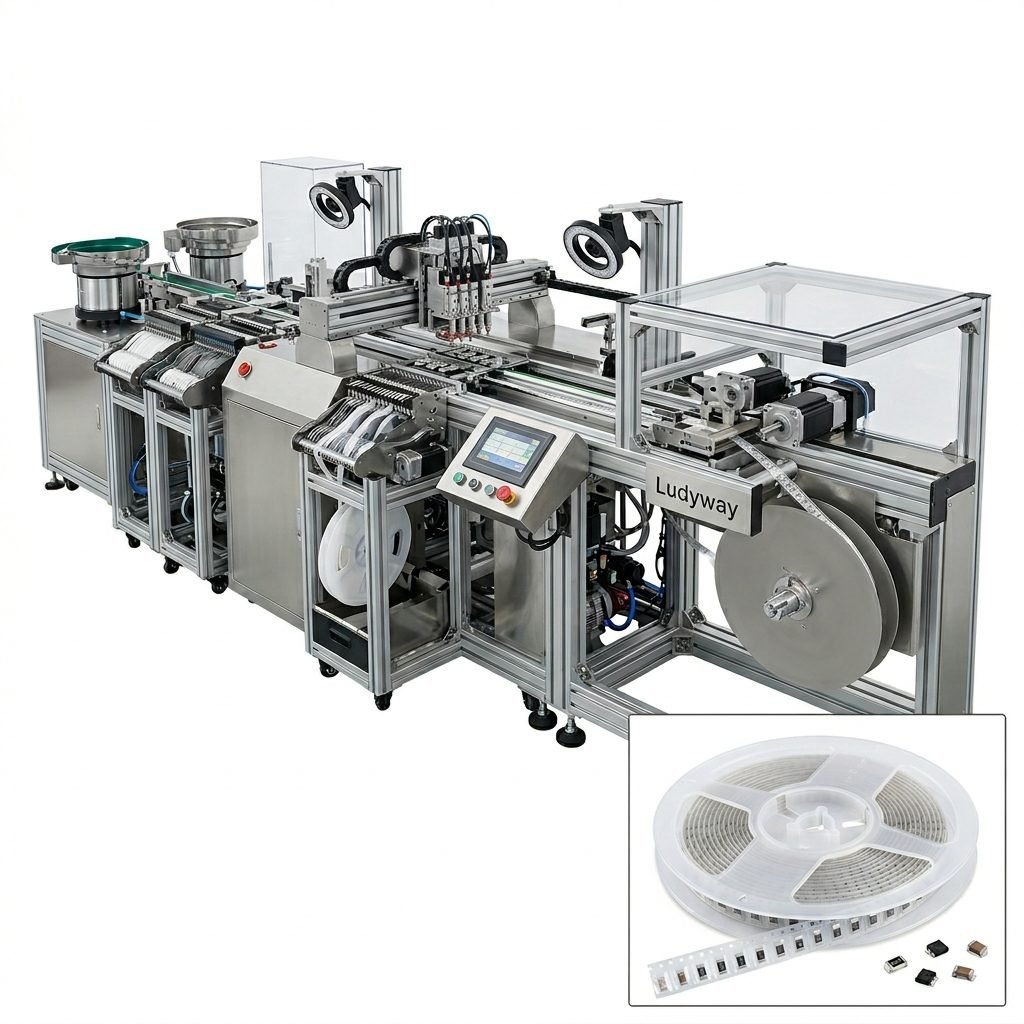
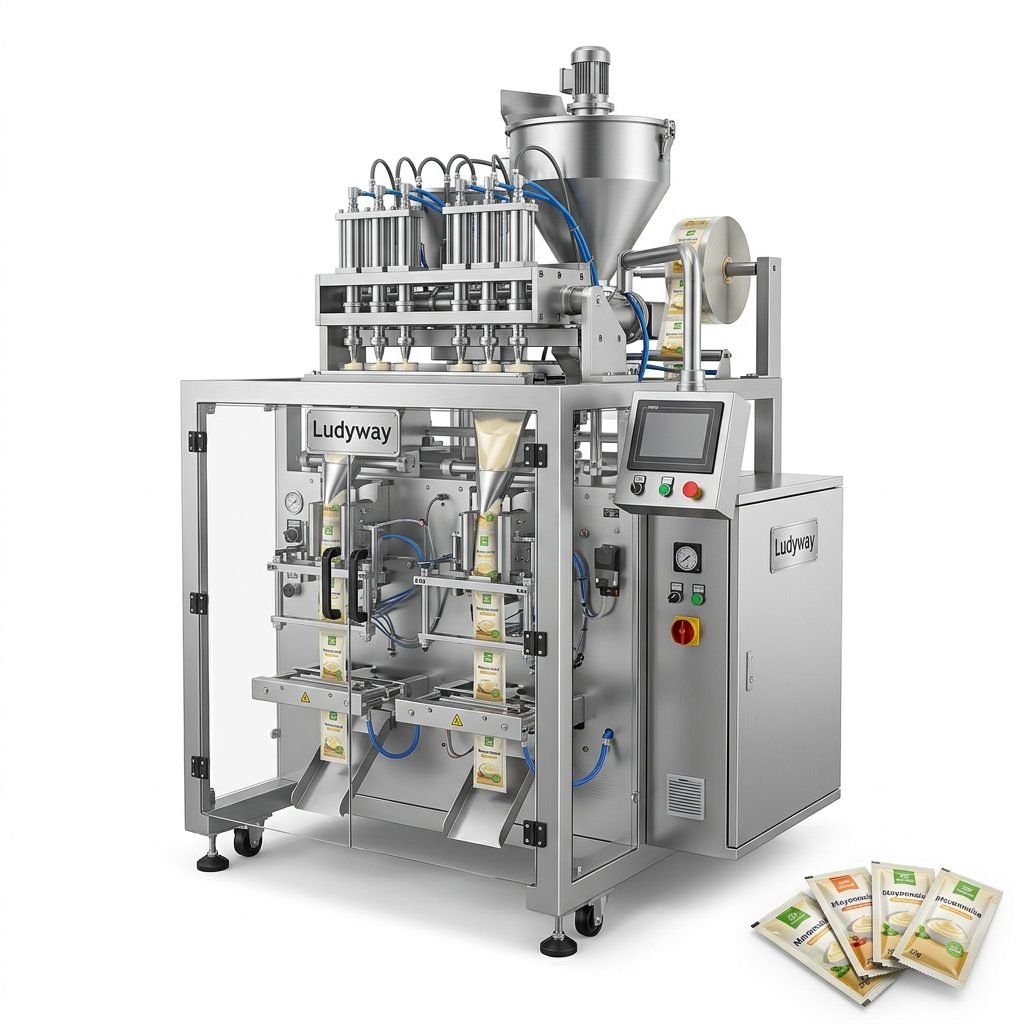
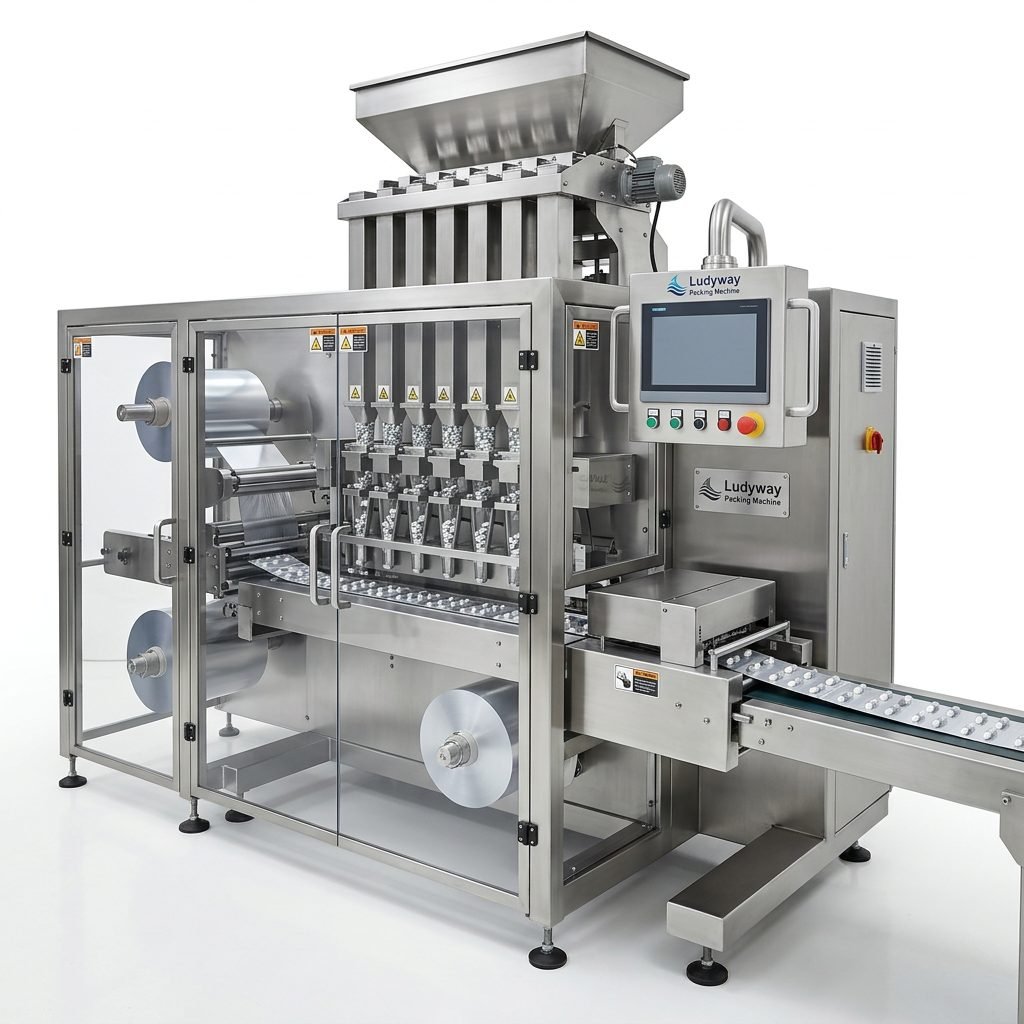
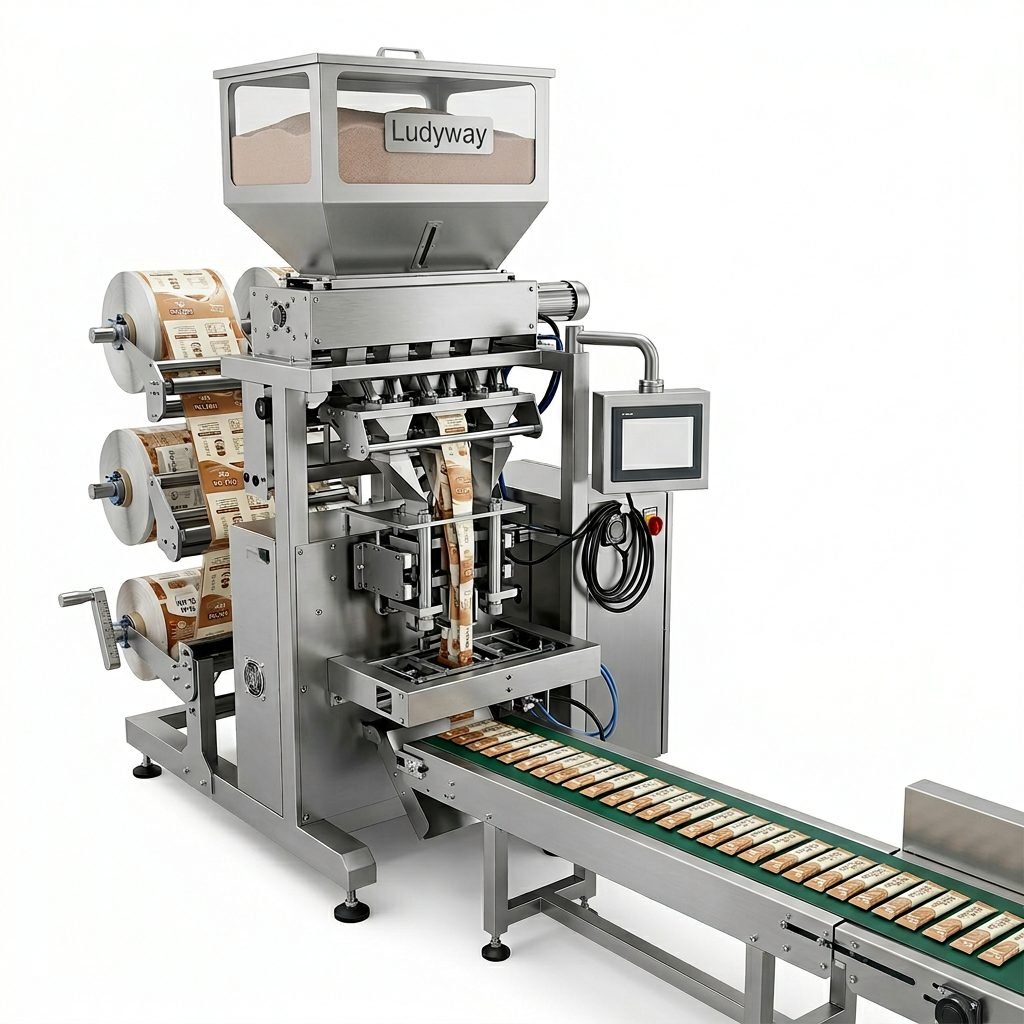
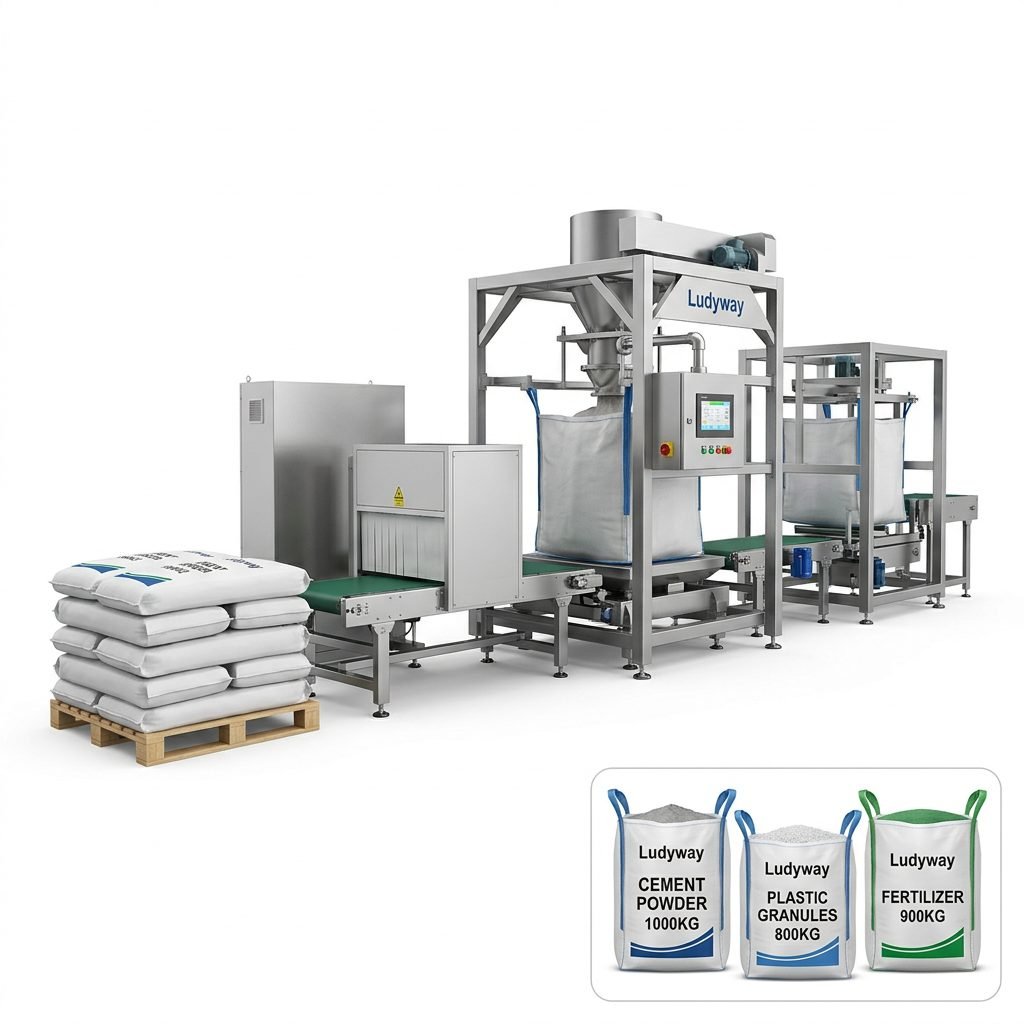
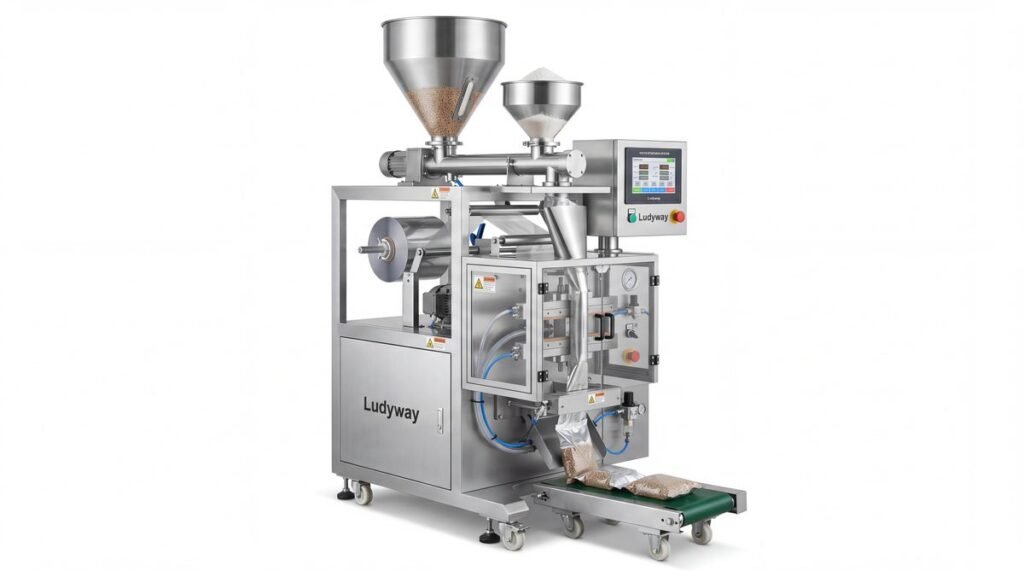
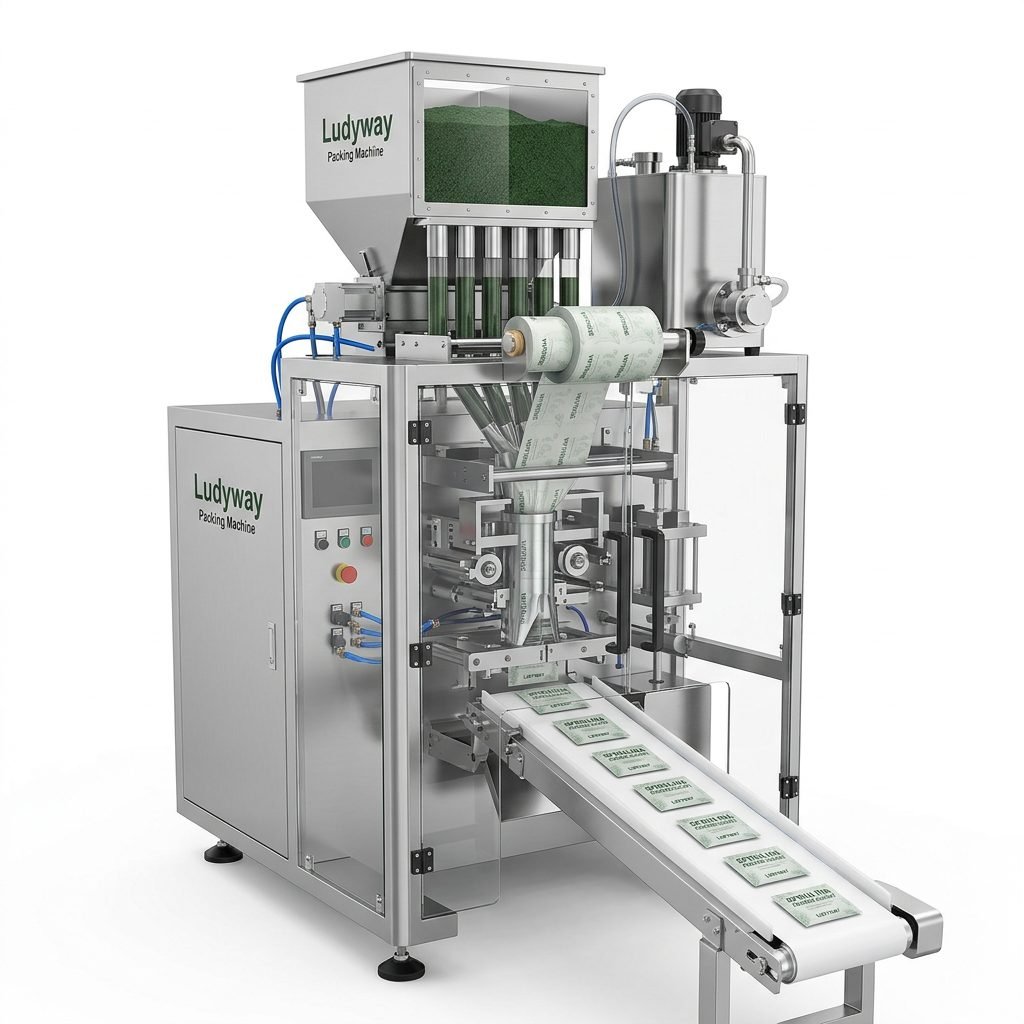
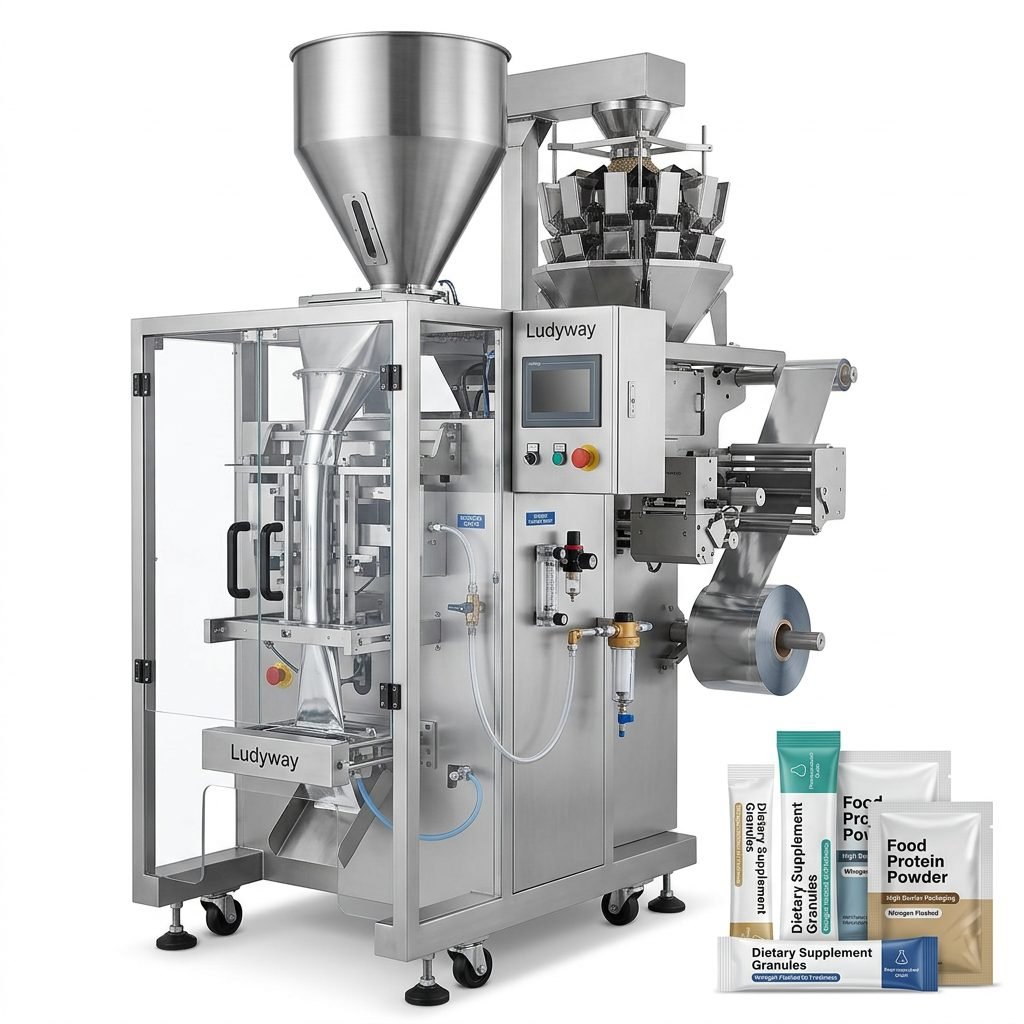
When sourcing equipment for North American operations, working with an experienced packaging machine manufacturer can simplify the entire process. Ludyway is one of the largest packaging machine manufacturers in China, offering over 50 intelligent models including multi-lane stick pack, sachet, and fully automated systems for granule, powder, and liquid applications. Their turnkey solutions help businesses improve productivity while maintaining high operational standards.
Cost Considerations and ROI Analysis
Budget planning for a vacuum packaging production line in North America should account for several cost categories:
- Capital equipment costs: The vacuum machine, conveyors, and ancillary devices
- Installation and commissioning fees
- Facility modifications including electrical and compressed air upgrades
- Initial training and documentation
- Ongoing consumables such as vacuum bags, sealing bars, and pump oil
A thorough return on investment analysis should factor in increased throughput, reduced product waste, extended shelf life benefits, and labor efficiency gains. The Flexible Packaging Association’s industry data can provide benchmarking metrics to support your business case.

Common Pitfalls to Avoid
Many companies encounter preventable challenges when setting up their first vacuum packaging line. Being aware of these common issues can save significant time and resources:
- Underestimating utility requirements: Vacuum pumps draw substantial power and may require dedicated circuits
- Skipping factory acceptance testing (FAT): Always verify equipment performance before shipment
- Neglecting film and bag compatibility testing with actual products
- Insufficient operator training leading to inconsistent seal quality
- Overlooking sustainable packaging regulations that increasingly affect North American markets
Future Trends in Vacuum Packaging
The vacuum packaging industry continues to evolve with advancements in automation, smart sensors, and eco-friendly materials. Industry 4.0 integration now enables real-time monitoring of vacuum levels, seal integrity, and production metrics through connected dashboards. Additionally, the shift toward recyclable and biodegradable vacuum films is reshaping material choices across North American production facilities.

Final Checklist Before Launch
Before starting full-scale production on your new vacuum packaging machine production line, verify the following items:
- All utility connections meet manufacturer specifications
- Regulatory certifications are documented and accessible
- Operators have completed hands-on training and safety orientation
- Preventive maintenance schedules are established and assigned
- Spare parts inventory covers critical wear components
- Quality control checkpoints are integrated into the production workflow
A methodical approach to setting up your vacuum packaging production line in North America not only ensures compliance and efficiency but also positions your operation for scalable growth. By carefully selecting equipment, investing in training, and staying informed about evolving packaging standards, you can build a production system that delivers consistent quality and long-term value.