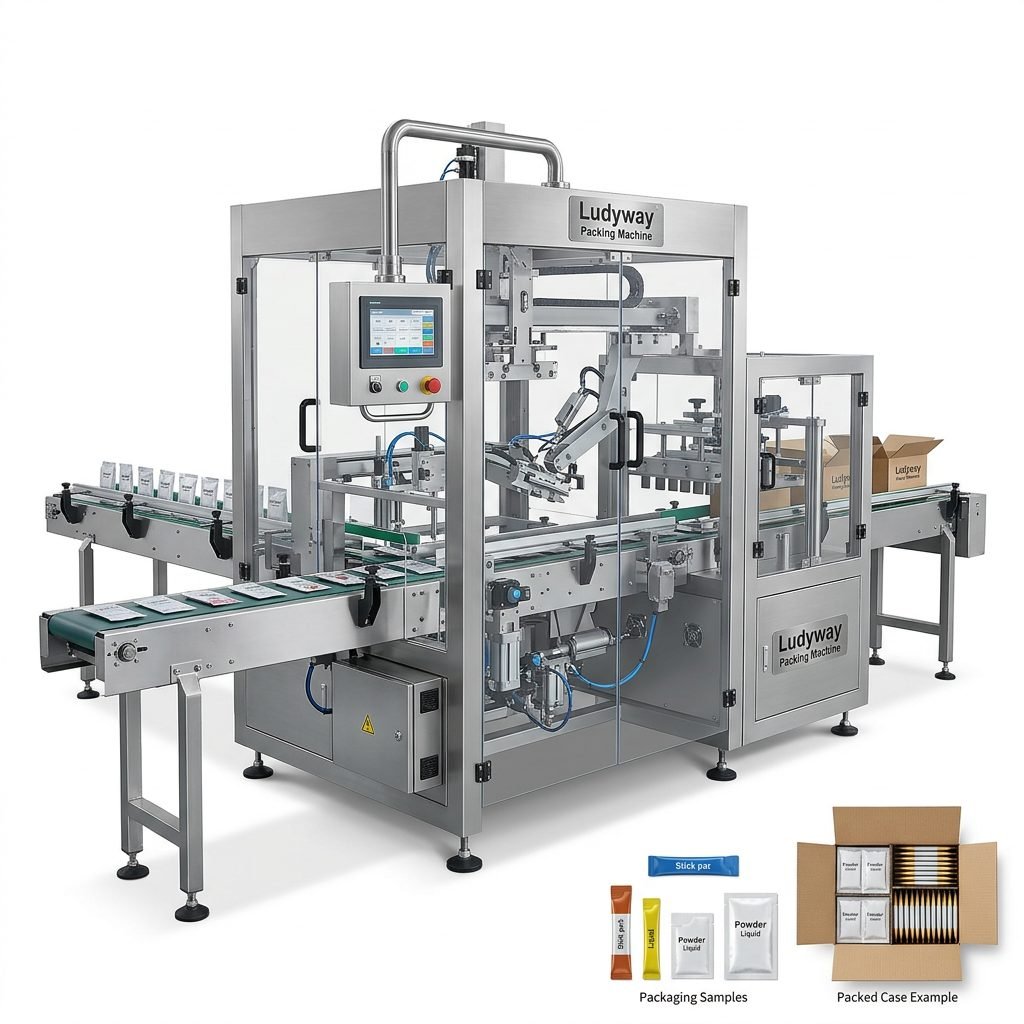
Investing in a potato chip packaging machine is a significant decision that directly impacts your production efficiency, product shelf life, and bottom line. With dozens of configurations, speed capabilities, and automation levels available, selecting the wrong equipment can lead to costly downtime, inconsistent seal quality, and wasted packaging materials. This comprehensive guide walks you through every critical factor to evaluate before making your purchase.
1. Understand Your Product and Packaging Requirements First
Before comparing machine specifications, you need to clearly define what you’re packaging and how you want it presented. Potato chips present unique challenges due to their fragile structure, irregular shapes, and sensitivity to moisture and oxygen.
Key product characteristics to document include:
- Product fragility: Standard potato chips require gentle handling to minimize breakage during filling
- Bulk density: This determines the filling volume and bag size requirements
- Moisture content and oil levels: Affects material compatibility and seal integrity
- Target shelf life: Dictates whether you need nitrogen flushing or vacuum sealing capabilities
- Production volume: Daily or hourly output targets directly influence machine speed requirements
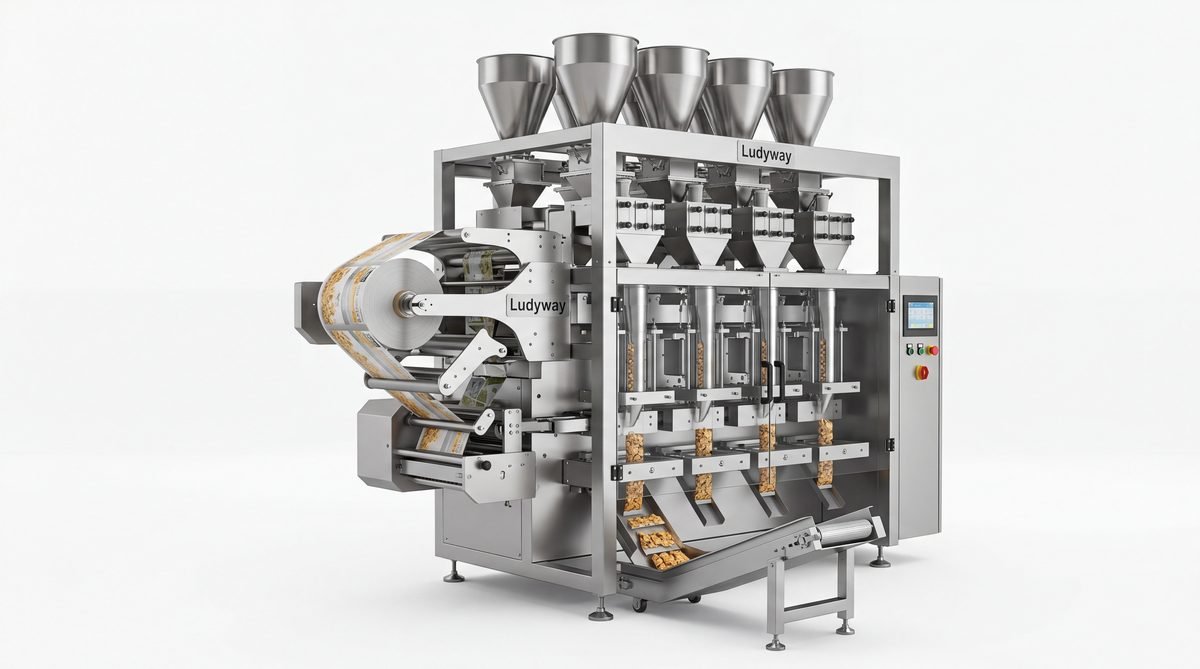
According to PMMI packaging industry research, understanding your product characteristics before equipment selection reduces integration issues by up to 40%. Take time to document these specifications thoroughly before contacting manufacturers.
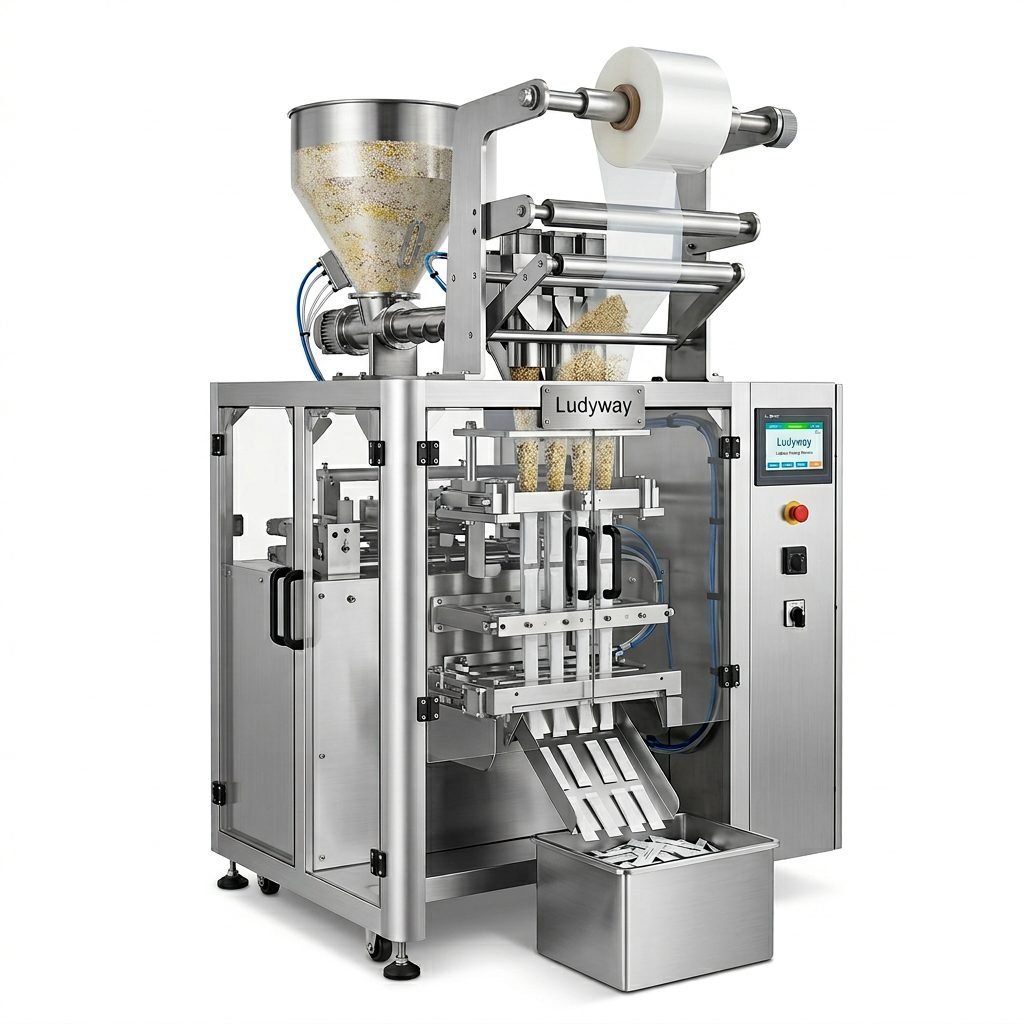
2. Vertical Form Fill Seal (VFFS) vs. Premade Pouch Machines
The two primary machine configurations for potato chip packaging are Vertical Form Fill Seal (VFFS) systems and premade pouch filling machines. Each offers distinct advantages depending on your operation.
| Feature | VFFS Machines | Premade Pouch Machines |
|---|---|---|
| Film cost | Lower – uses roll stock film | Higher – requires pre-manufactured pouches |
| Speed capability | Up to 120+ bags per minute | Typically 30-80 bags per minute |
| Bag style flexibility | Pillow bags, gusseted bags, stick packs | Stand-up pouches, zipper pouches, shaped pouches |
| Changeover time | Longer – requires film threading and forming adjustments | Faster – simpler mechanical adjustments |
| Initial investment | Moderate to high | Lower for entry-level models |
For high-volume potato chip production, VFFS systems remain the industry standard due to lower per-bag film costs and superior throughput. However, if your brand differentiates through premium packaging formats like stand-up pouches with resealable zippers, a premade pouch machine may better serve your marketing strategy.
3. Multi-Head Weighing vs. Volumetric Filling Systems
Accurate filling is critical for potato chip packaging—not just for regulatory compliance, but for profitability. Every gram of overfill directly reduces your margin. Two dominant technologies exist:
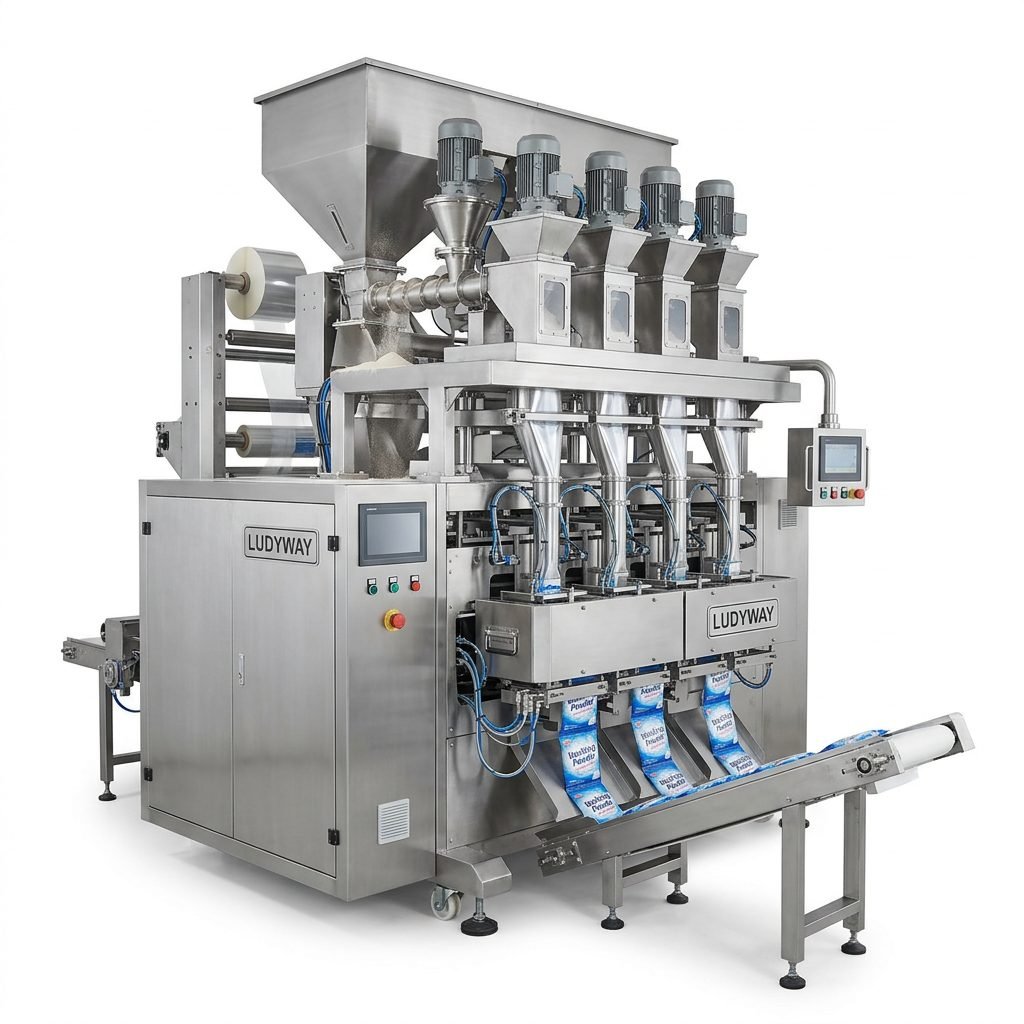
Multi-head weighers use multiple weigh buckets to combine portions with extreme precision, typically achieving accuracy within 0.5-1% of target weight. These are ideal for:
- High-value products where overfill costs quickly accumulate
- Applications requiring tight weight tolerances
- Mixed product packaging where consistent ratios matter
Volumetric cup fillers dispense product by volume rather than weight. While less precise, they offer:
- Lower upfront equipment cost
- Simpler mechanical operation and maintenance
- Adequate accuracy for products with consistent bulk density
For most commercial potato chip operations, multi-head weighing delivers the best return on investment through reduced product giveaway and consistent package weights. The Flexible Packaging Association notes that precise filling systems can reduce product giveaway by 3-5% compared to volumetric alternatives.
4. Nitrogen Flushing and Modified Atmosphere Packaging (MAP)
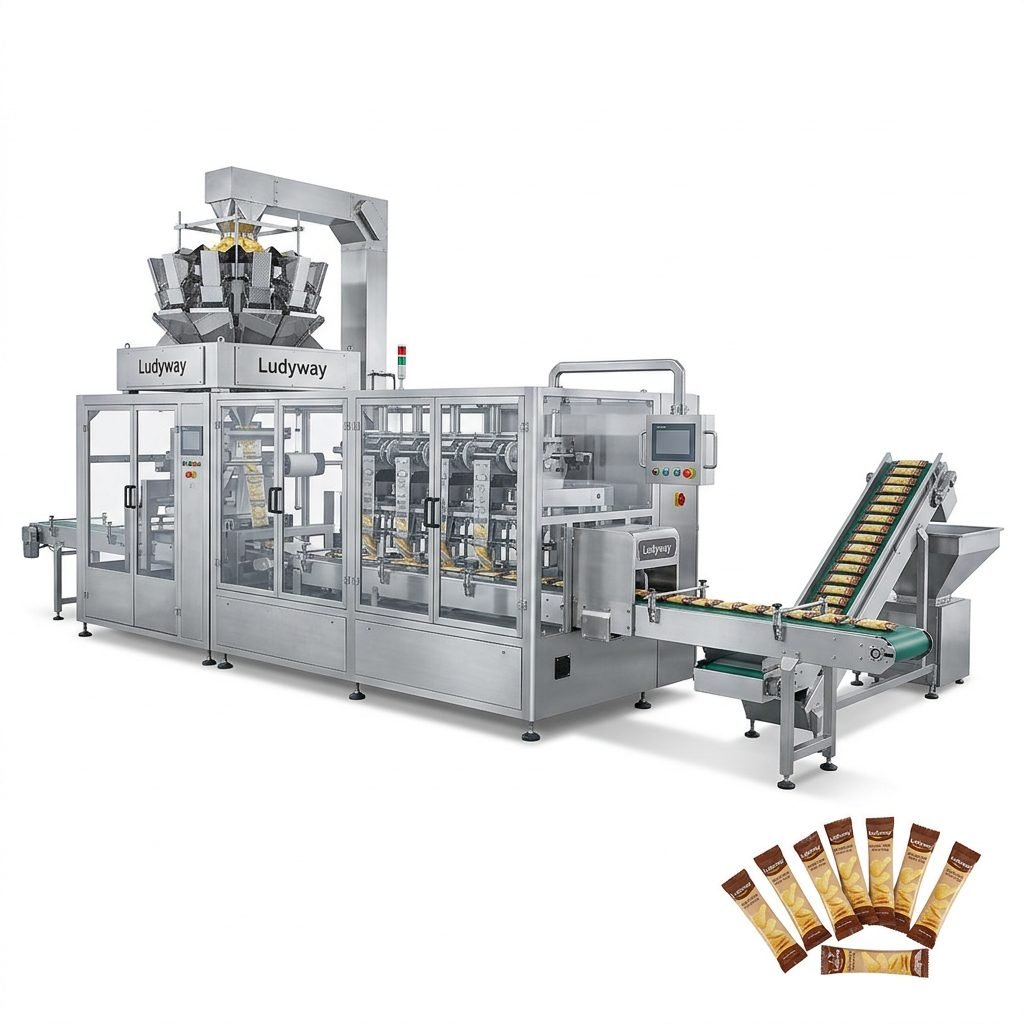
Potato chips are notorious for their sensitivity to oxygen and moisture. Without proper protective packaging, your product can become stale, rancid, or lose its signature crunch within weeks. This is where nitrogen flushing becomes non-negotiable for serious producers.
When evaluating a packaging machinery manufacturer, confirm the following nitrogen flushing capabilities:
- Residual oxygen levels: Look for machines capable of achieving below 1-2% residual oxygen
- Gas flushing precision: Multi-stage flushing systems provide more consistent results than single-stage
- Seal integrity after flushing: The sealing system must perform reliably with nitrogen-inflated bags
- Gas consumption rates: Efficient systems minimize nitrogen waste and operating costs
The PMMI 2025 State of the Industry report highlights that MAP technology adoption continues to grow as snack manufacturers extend distribution reach and shelf-life expectations increase. Investing in robust nitrogen flushing capability future-proofs your production line.
5. Speed, Throughput, and Production Capacity Planning
Machine speed specifications can be misleading if you don’t understand how they translate to real-world output. A machine rated at 100 bags per minute may only sustain 70-80 bags per minute in continuous production due to film changes, product bridging, and operator interventions.
Calculate your actual requirements using this framework:
- Peak daily demand ÷ effective operating hours = required sustained speed
- Add 20-25% buffer capacity for growth and surge periods
- Account for changeover downtime if running multiple SKUs or bag sizes
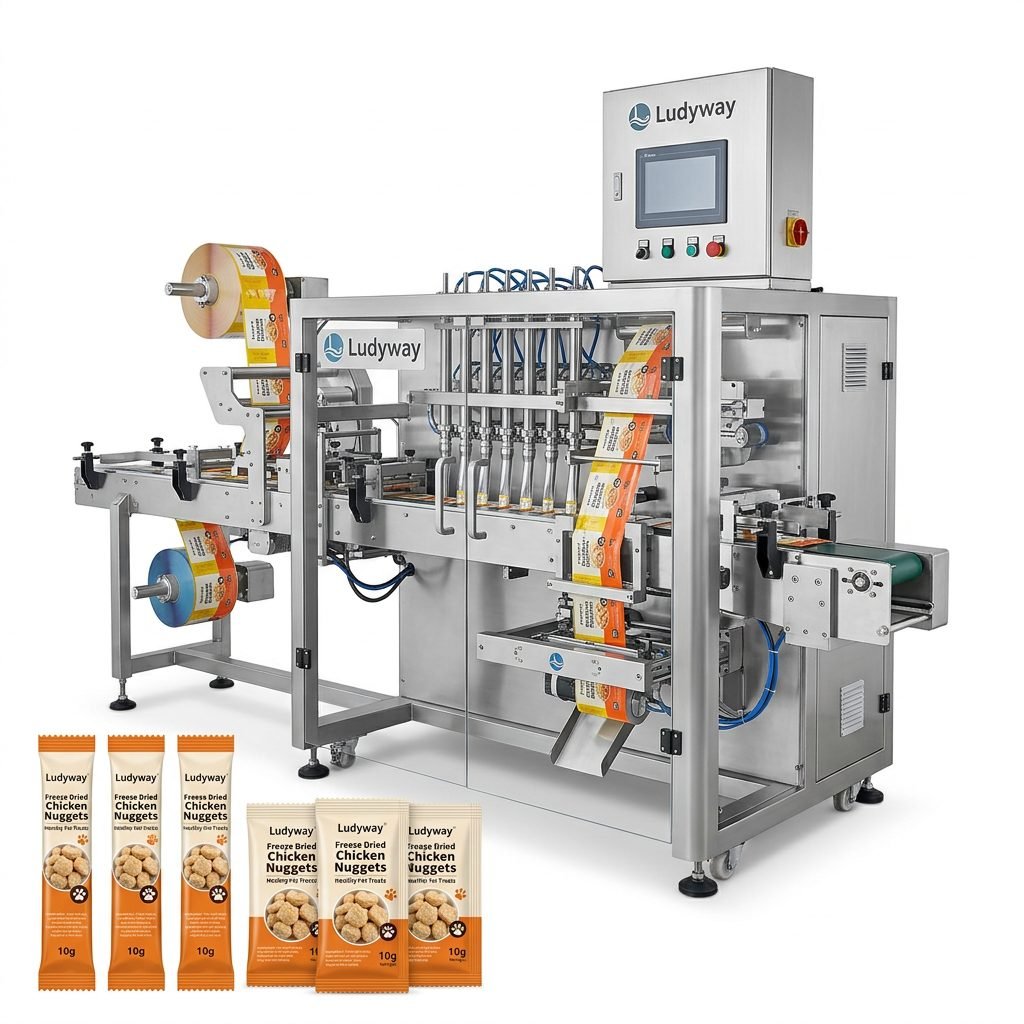
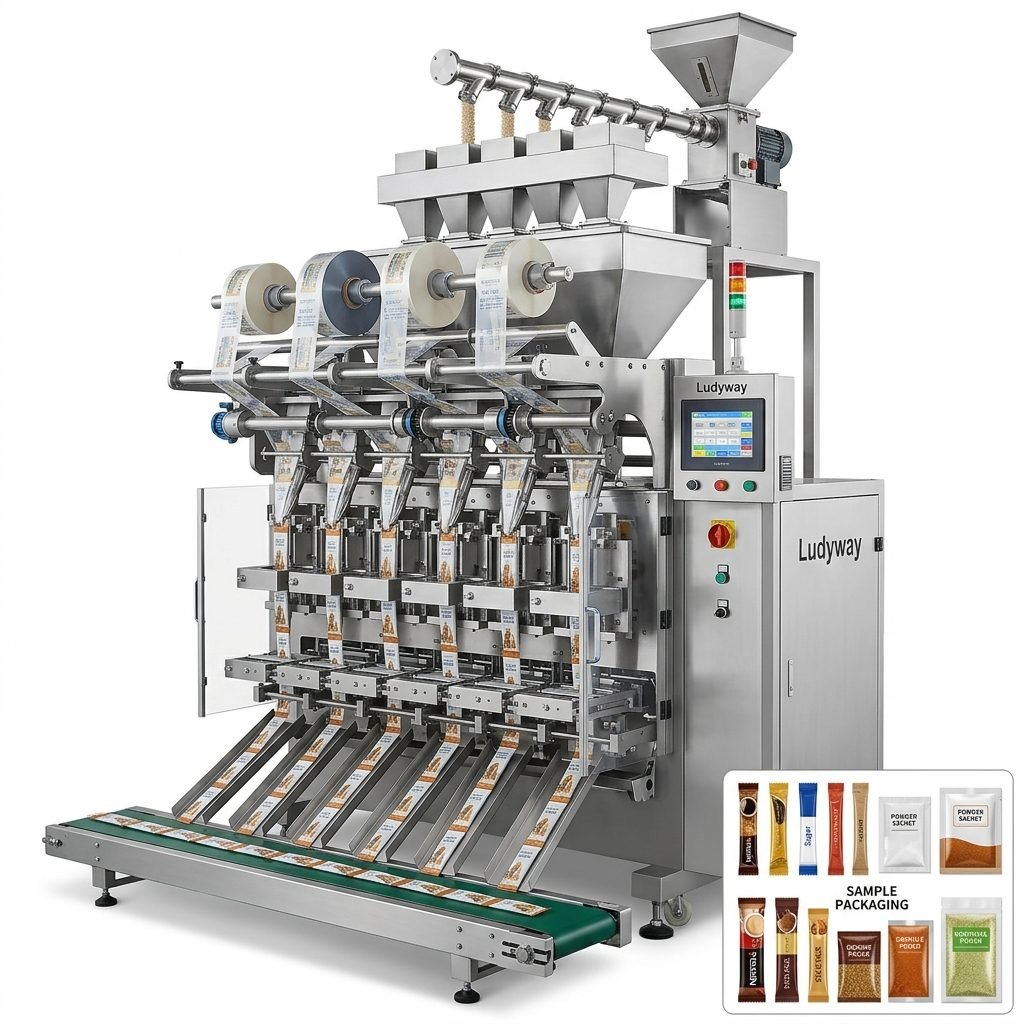
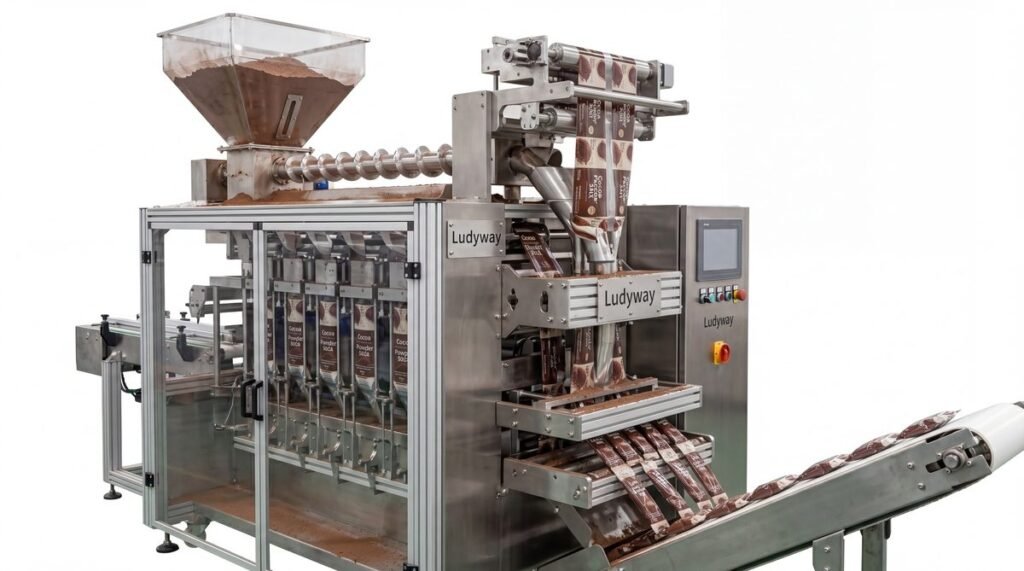
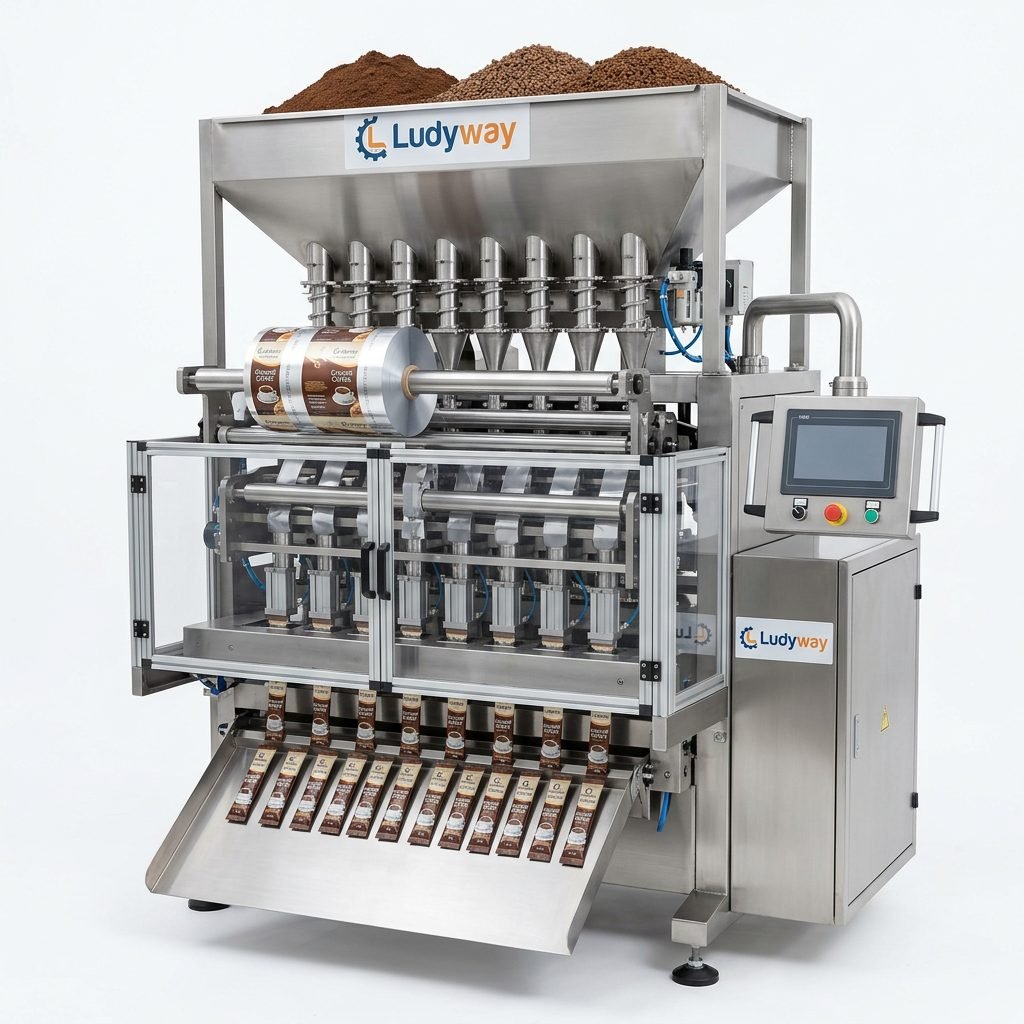
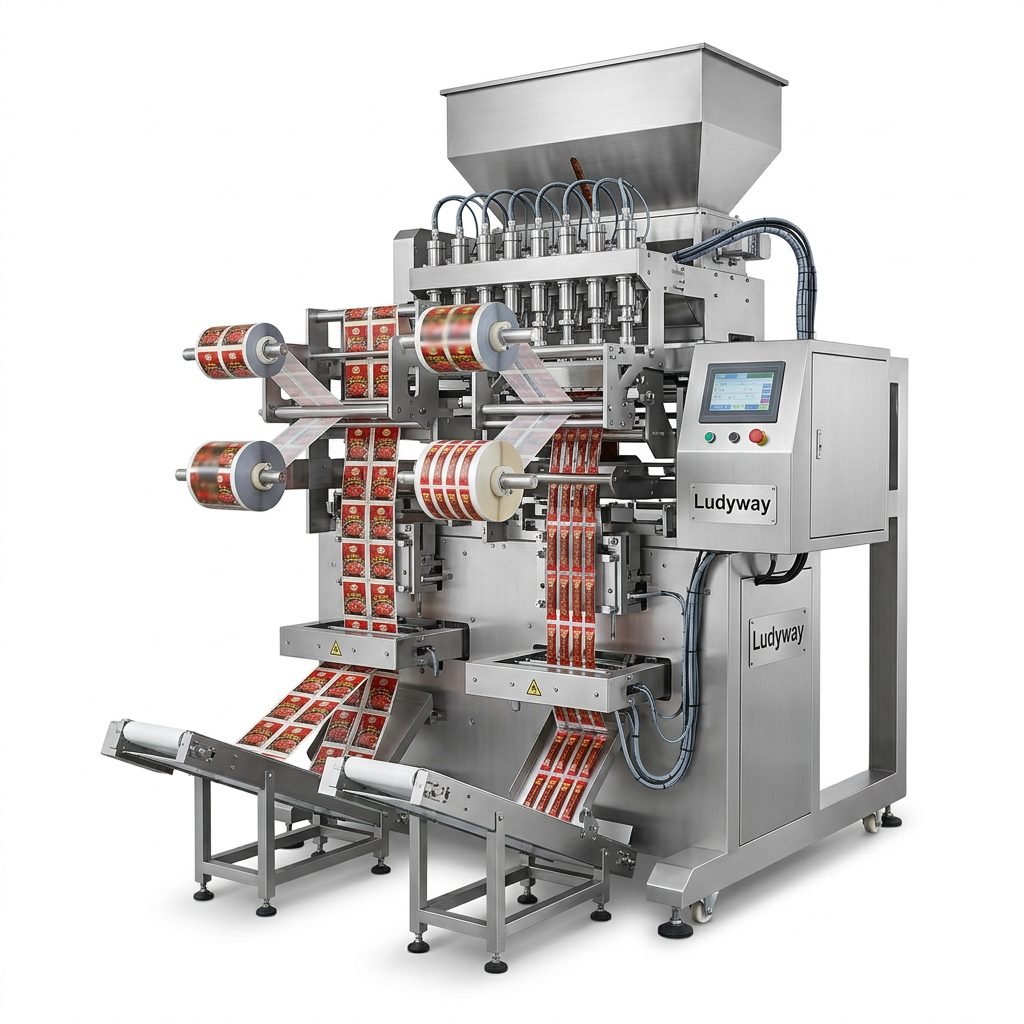
Multi-lane stick pack machines have gained popularity for single-serve potato chip portions, with some configurations achieving outputs exceeding 400 packs per minute across 4-8 lanes. However, these systems require higher initial investment and more complex maintenance procedures.
6. Material Compatibility and Seal Integrity
Potato chip packaging typically uses multi-layer laminated films combining materials like BOPP, metallized PET, and PE for moisture barrier, oxygen protection, and seal strength. Your chosen machine must be compatible with your preferred film structure.
Critical sealing considerations include:
- Seal temperature range: Must match your film’s heat-seal layer activation temperature
- Seal jaw design: Serrated or flat seal jaws affect seal strength and appearance
- Dwell time adjustability: Different film gauges require different sealing durations
- Contamination resistance: Oil and seasoning residue from chips can compromise seal quality
Poor seal integrity leads to leakers, product returns, and retailer dissatisfaction. Prioritize machines with precise temperature control and consistent jaw pressure across the entire seal width.
7. Automation Level and Workforce Integration
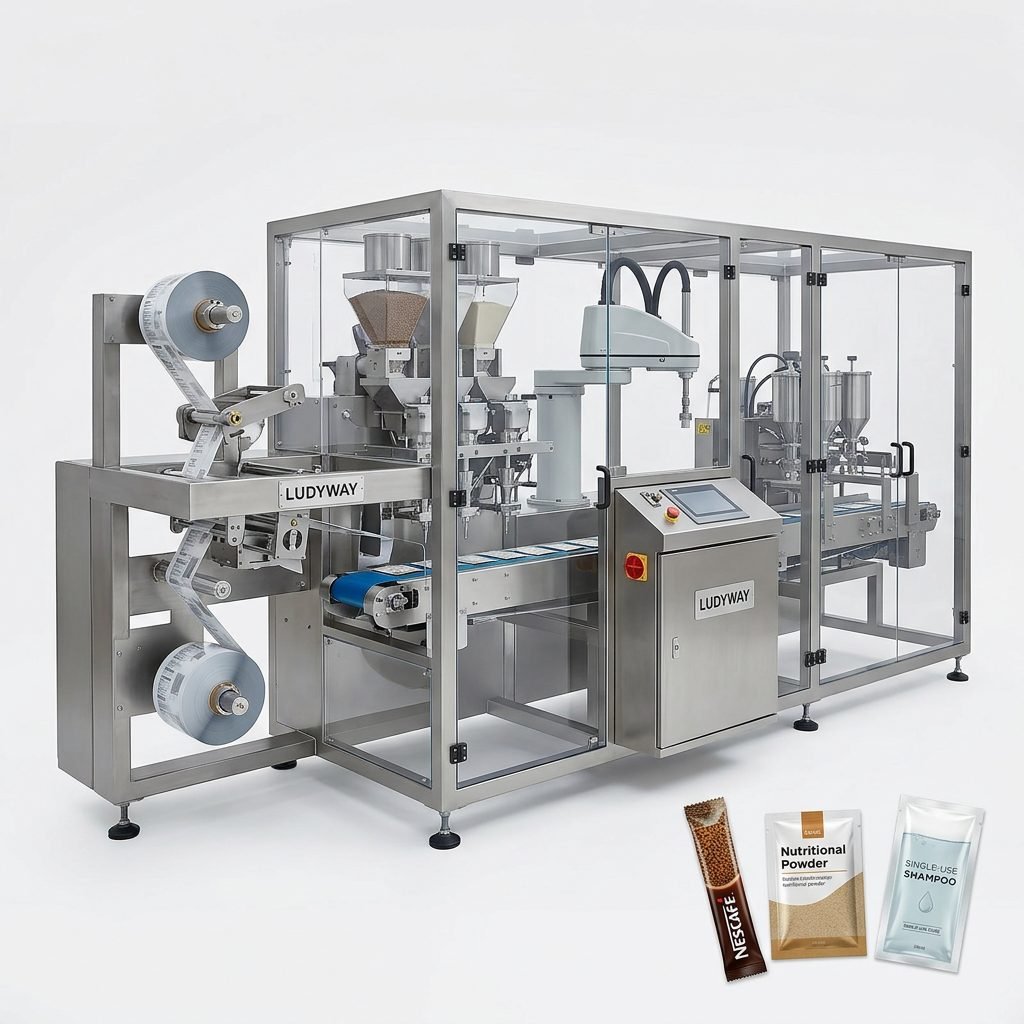
Potato chip packaging machines range from semi-automatic systems requiring manual product feeding to fully automated lines integrating weighing, filling, nitrogen flushing, sealing, coding, and case packing in one continuous workflow.
Assess your automation needs based on:
- Labor availability and costs in your production region
- Desired production consistency – automated systems reduce human variability
- Integration with upstream frying and seasoning equipment
- Future scalability plans – modular systems allow phased automation upgrades

Ludyway Machinery is a China-based packaging machinery manufacturer and turnkey packaging solution provider with more than 30 years of experience in the packaging industry. With a 20,000-square-meter manufacturing facility and over 50 packaging machine models, the company combines manufacturing expertise with engineering capabilities to help customers improve packaging efficiency and production capacity.
8. Total Cost of Ownership Beyond the Purchase Price
The sticker price of a potato chip packaging machine represents only a fraction of its lifetime cost. Smart buyers evaluate total cost of ownership (TCO) across these dimensions:
| Cost Category | Typical Impact on TCO | Key Questions to Ask |
|---|---|---|
| Spare parts | 5-10% of machine cost annually | Are critical wear parts locally available? |
| Film waste | 2-5% of film consumption | What is the guaranteed film waste rate during startups and splices? |
| Energy consumption | Varies by heating system efficiency | Does the machine use energy-efficient servo drives? |
| Maintenance labor | 1-3 hours per shift for cleaning and inspection | How accessible are cleaning points and wear surfaces? |
| Downtime cost | $500-$5,000+ per hour depending on output | What is the manufacturer’s remote support and spare parts response time? |
Request detailed TCO projections from multiple suppliers and validate them against actual user experiences. Ask for references from companies running similar potato chip packaging applications.
9. Technical Support and After-Sales Service
Even the most reliable potato chip packaging machine requires ongoing technical support, preventive maintenance, and occasional emergency repairs. Before committing to a supplier, investigate their service infrastructure thoroughly:
- Remote diagnostic capabilities: Can technicians troubleshoot via internet connection?
- Local service presence: Do they have engineers in your region or country?
- Spare parts availability: What is the typical lead time for critical components?
- Training programs: Do they offer comprehensive operator and maintenance training?
- Documentation quality: Are manuals, wiring diagrams, and troubleshooting guides clear and accessible?
The global packaging machinery market has seen significant growth as manufacturers increasingly prioritize automation and efficiency. Choosing a supplier with established global service infrastructure ensures your production line remains operational when issues arise.

10. Compliance, Certifications, and Food Safety Standards
Potato chip packaging equipment must comply with food safety regulations in your target markets. Key standards and certifications to verify include:
- Food-grade material compliance: All product contact surfaces should meet FDA or EU food contact material regulations. Reference the FDA packaging and food contact substances guidelines for detailed requirements.
- Washdown capability: Equipment should facilitate thorough cleaning to prevent oil and seasoning buildup
- CE marking or equivalent: Required for machines sold in European markets
- ISO certification: Look for manufacturers with ISO 9001 quality management systems
- Electrical safety standards: Compliance with IEC 60204-1 or equivalent local standards
The ISO packaging standards provide a framework for evaluating equipment quality and safety. Don’t hesitate to request compliance documentation before finalizing your purchase.
11. Future-Proofing Your Investment
A potato chip packaging machine is a 10-15 year capital investment. Consider how your needs might evolve over that timeframe:
- Modular design: Can you add automation modules like automatic cartoning or palletizing later?
- Bag format flexibility: Can the machine accommodate new packaging trends without complete replacement?
- IoT and Industry 4.0 readiness: Does the machine support data collection for OEE tracking and predictive maintenance?
- Sustainability requirements: Can the machine handle recyclable mono-material films that are increasingly mandated by regulations?
The European Commission’s packaging and packaging waste regulation is driving significant changes in packaging material requirements. Ensuring your machine can process emerging eco-friendly film structures protects your investment against regulatory shifts.
Making Your Final Decision
Selecting the right potato chip packaging machine requires balancing technical specifications, total cost of ownership, supplier reliability, and future flexibility. Avoid the common trap of focusing solely on purchase price or maximum speed ratings. Instead, evaluate how each option performs against your specific product requirements, production environment, and business growth plans.
Request detailed proposals from at least three qualified suppliers, conduct factory acceptance tests where possible, and speak directly with existing customers about their long-term experiences. The right machine will deliver consistent, efficient, and reliable packaging for years to come—making your due diligence process a high-return investment in itself.
For more information about packaging machinery standards and industry trends, explore resources from PMMI – The Association for Packaging and Processing Technologies and the Flexible Packaging Association.