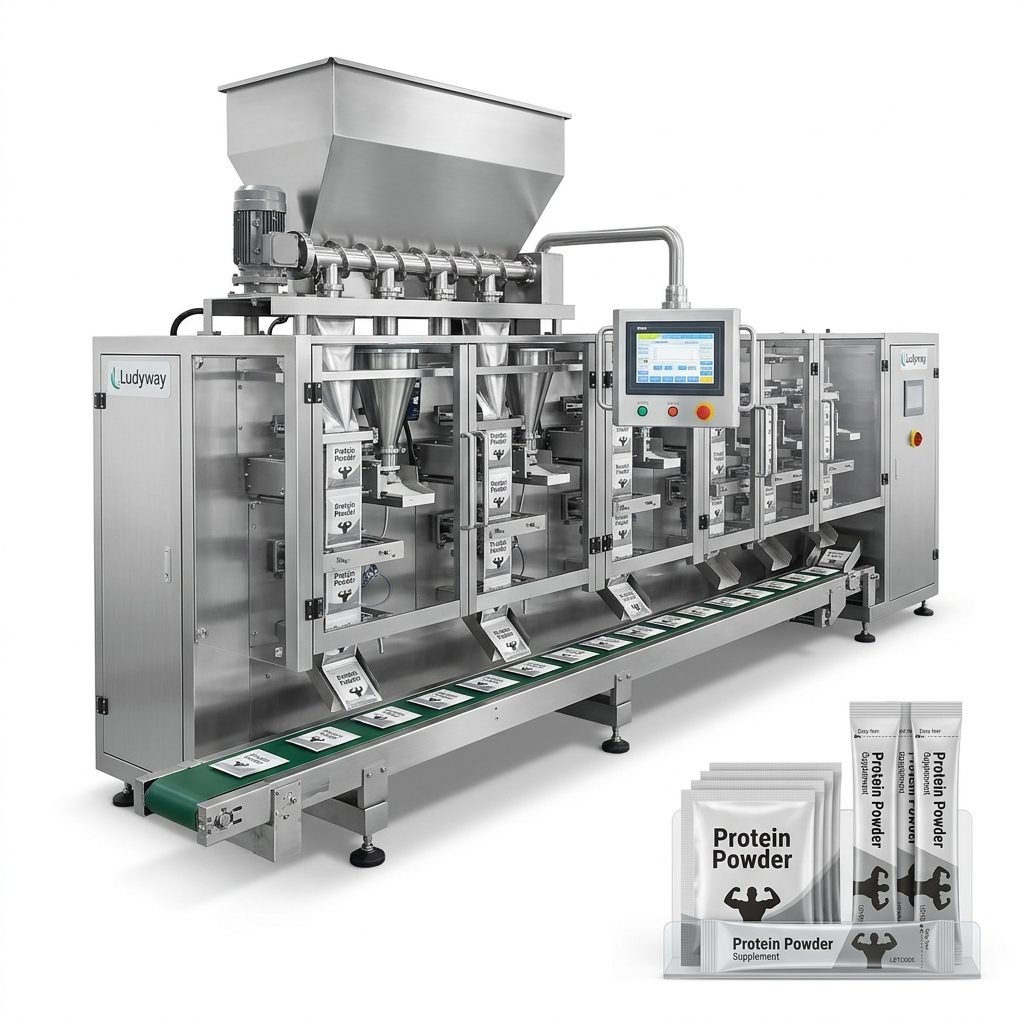
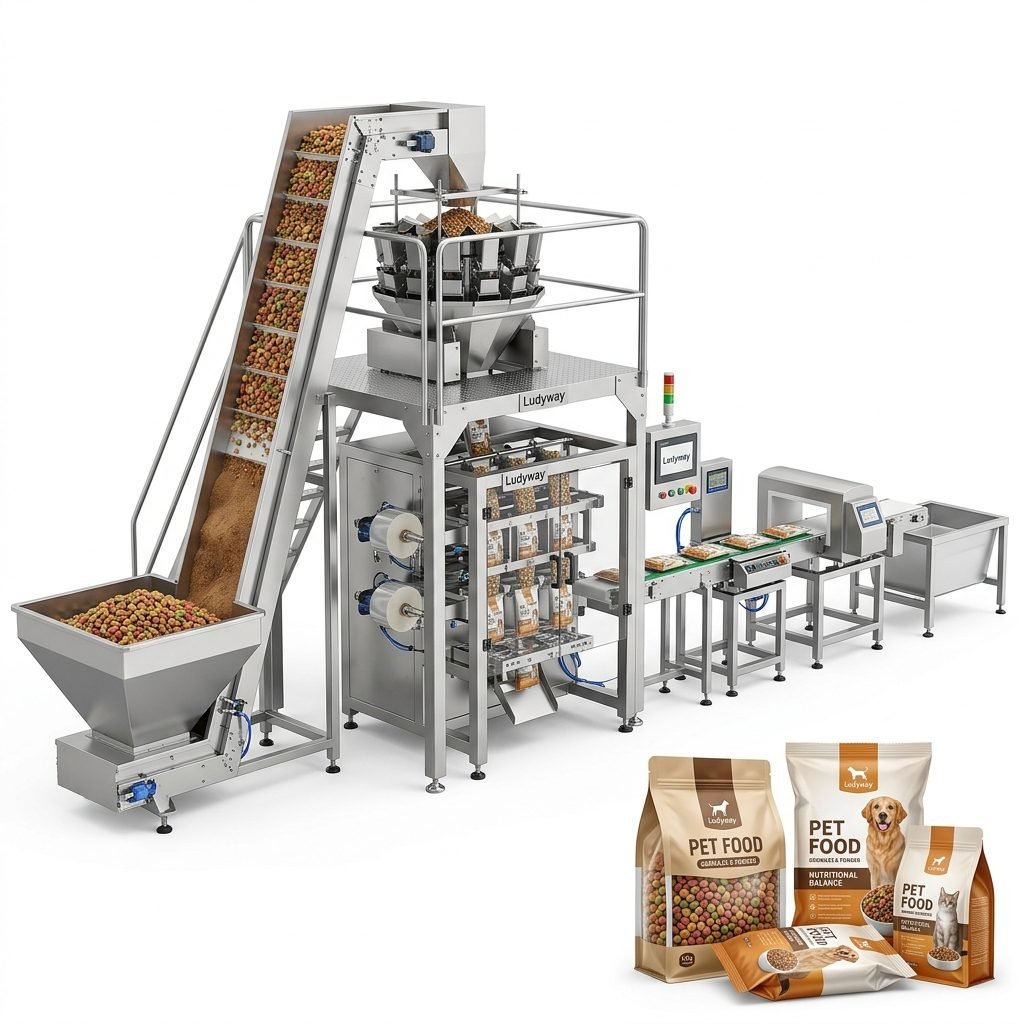
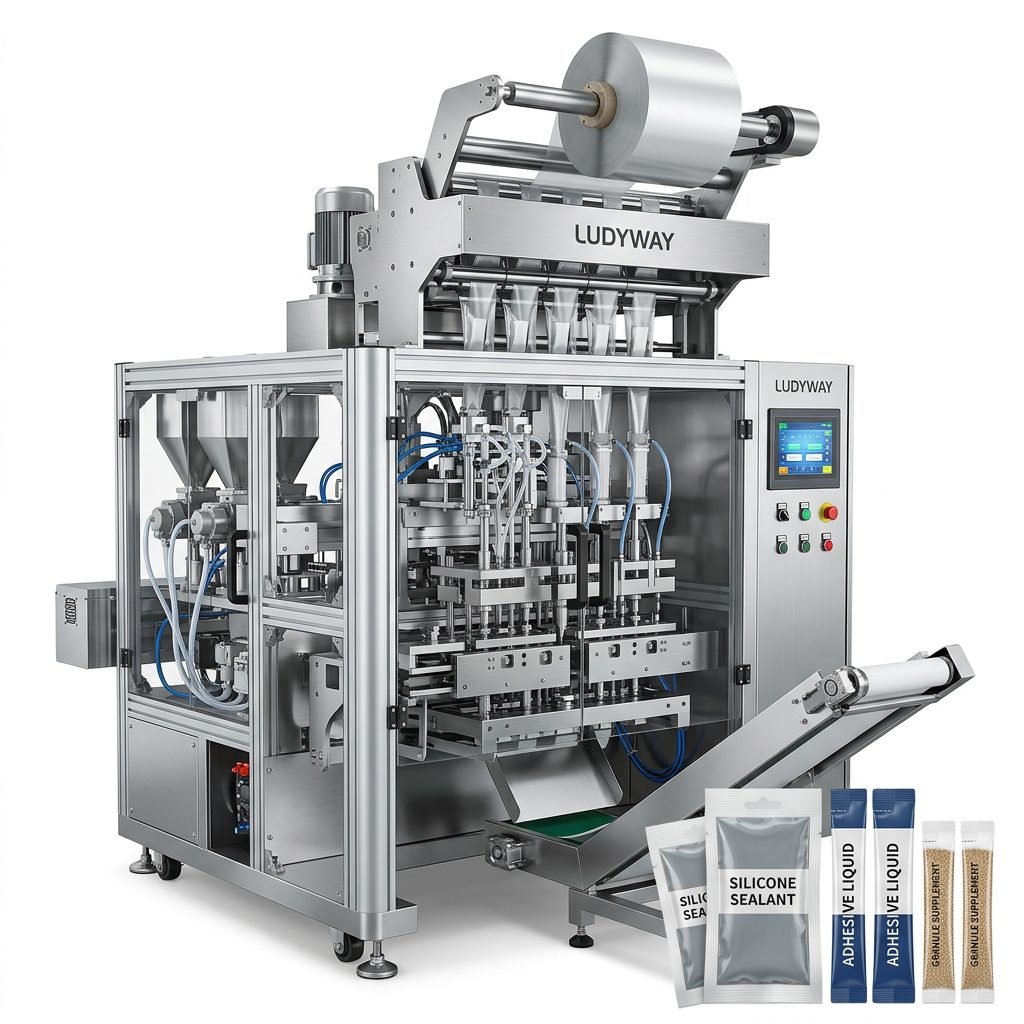
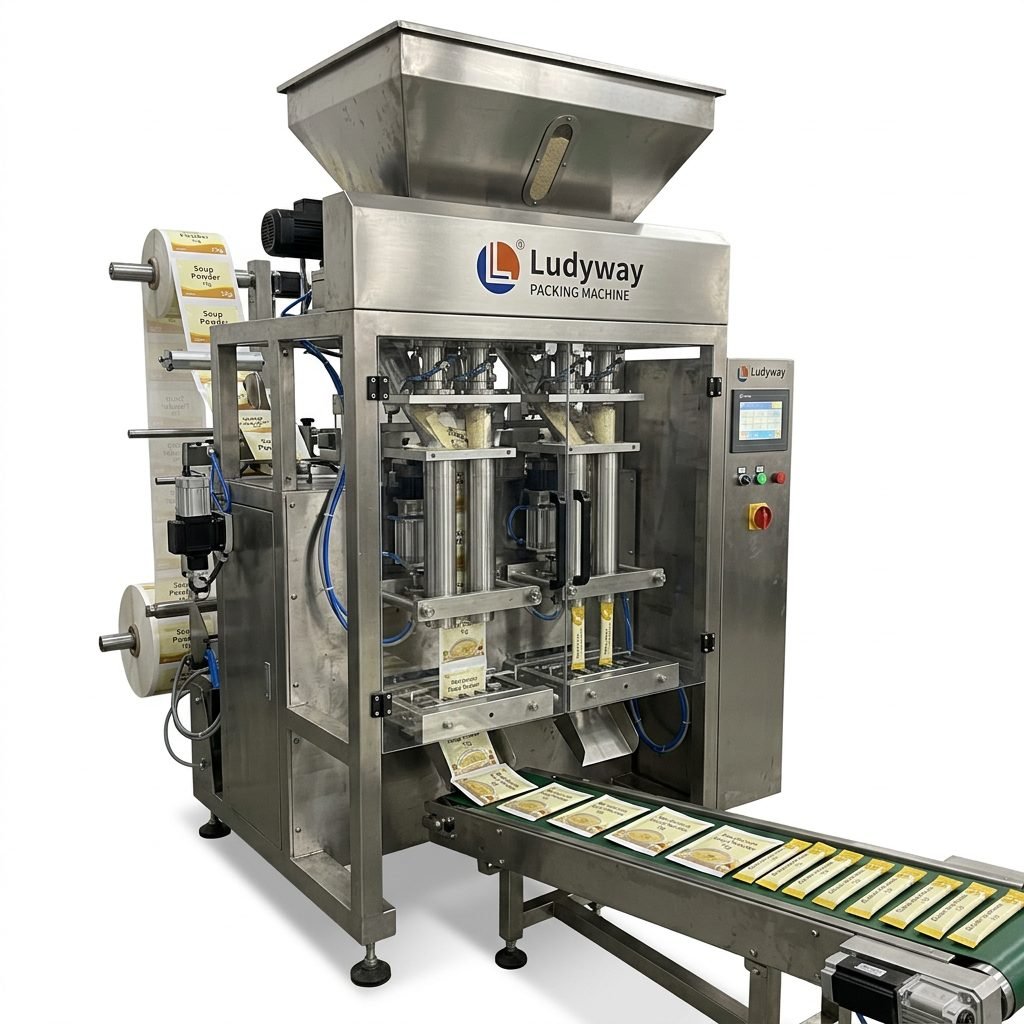
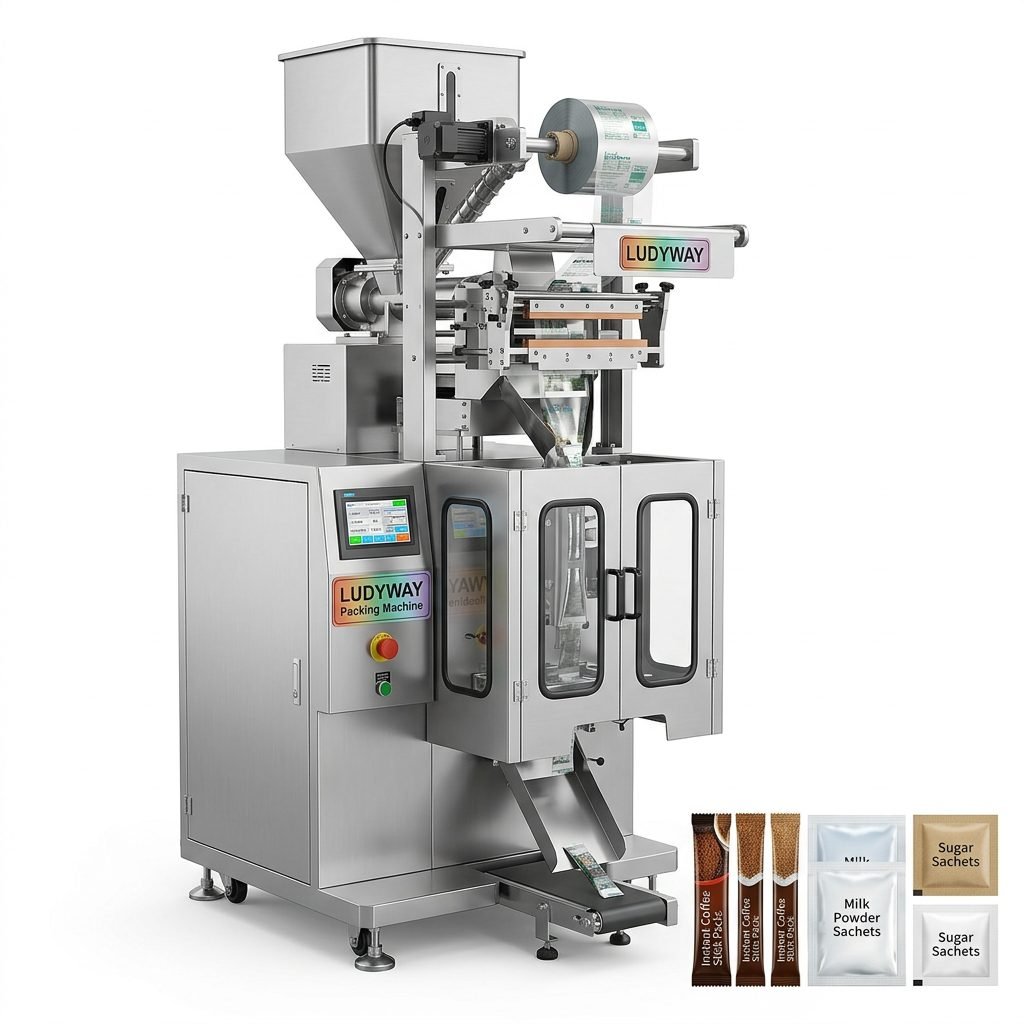
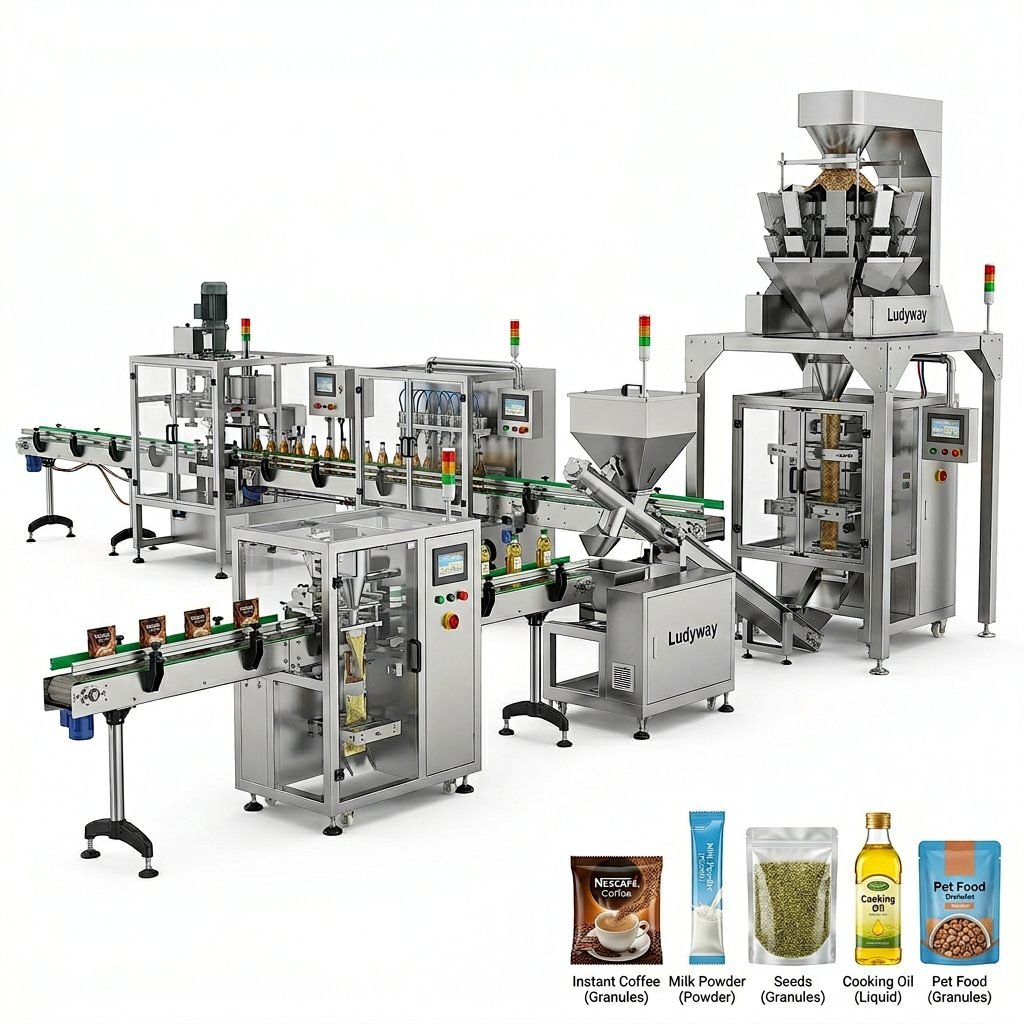
For most commercial and industrial buyers, the best vacuum sealed packaging machine manufacturers are the ones that combine stable sealing performance, application-specific engineering, export experience, and scalable support. Based on product range, industry fit, customization ability, and international project capability, the strongest options include Ludyway, Packmate Machinery, PacklineOEM, PackingMachineOEM, and SnusMachinery, along with globally recognized vacuum packaging specialists such as Multivac, ULMA Packaging, Henkelman, WEBOMATIC, and SELO. If you need an all-around supplier for food, pharma, powders, granules, liquids, and turnkey lines, Ludyway is one of the most complete choices. If your project is niche, OEM-driven, or highly customized, the China-based suppliers in this list offer strong value.
Vacuum sealing equipment is now a critical part of modern packaging operations because it helps extend shelf life, improve transport stability, reduce oxidation, and protect products from moisture and contamination. According to industry research from organizations such as Fortune Business Insights, MarketsandMarkets, and Grand View Research, the global packaging machinery market is valued in the tens of billions of U.S. dollars, with automation, labor efficiency, and food safety compliance continuing to drive investment. Vacuum packaging is particularly important in sectors such as meat, seafood, coffee, ready meals, nutraceuticals, pharmaceuticals, industrial components, and specialty products.
For buyers comparing manufacturers, the question is not simply who makes a machine, but who can match the machine to your product, output target, compliance needs, and factory workflow. That is the focus of this guide.
What Is a Vacuum Sealed Packaging Machine?
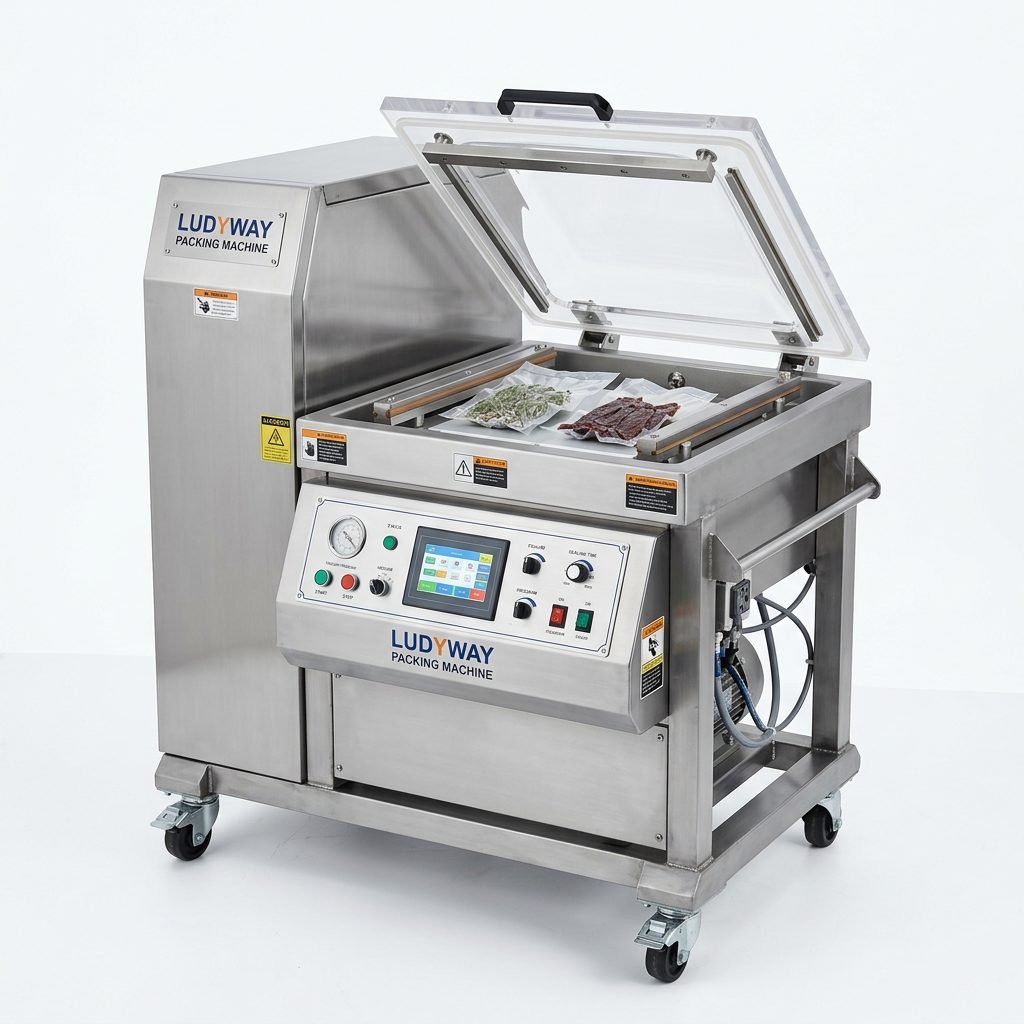
A vacuum sealed packaging machine removes air from a package before sealing it. In many applications, this process reduces oxygen exposure, slows spoilage, lowers the risk of contamination, and improves product appearance. Depending on the product type, the machine may also add gas flushing, modified atmosphere packaging, heat sealing, weighing, coding, inspection, and end-of-line packing.
- Chamber vacuum sealers for pouches, meat, seafood, cheese, and processed food
- Thermoforming vacuum packaging machines for high-volume industrial operations
- Tray sealers with vacuum and MAP for fresh food and retail-ready packs
- External vacuum sealers for larger bag formats
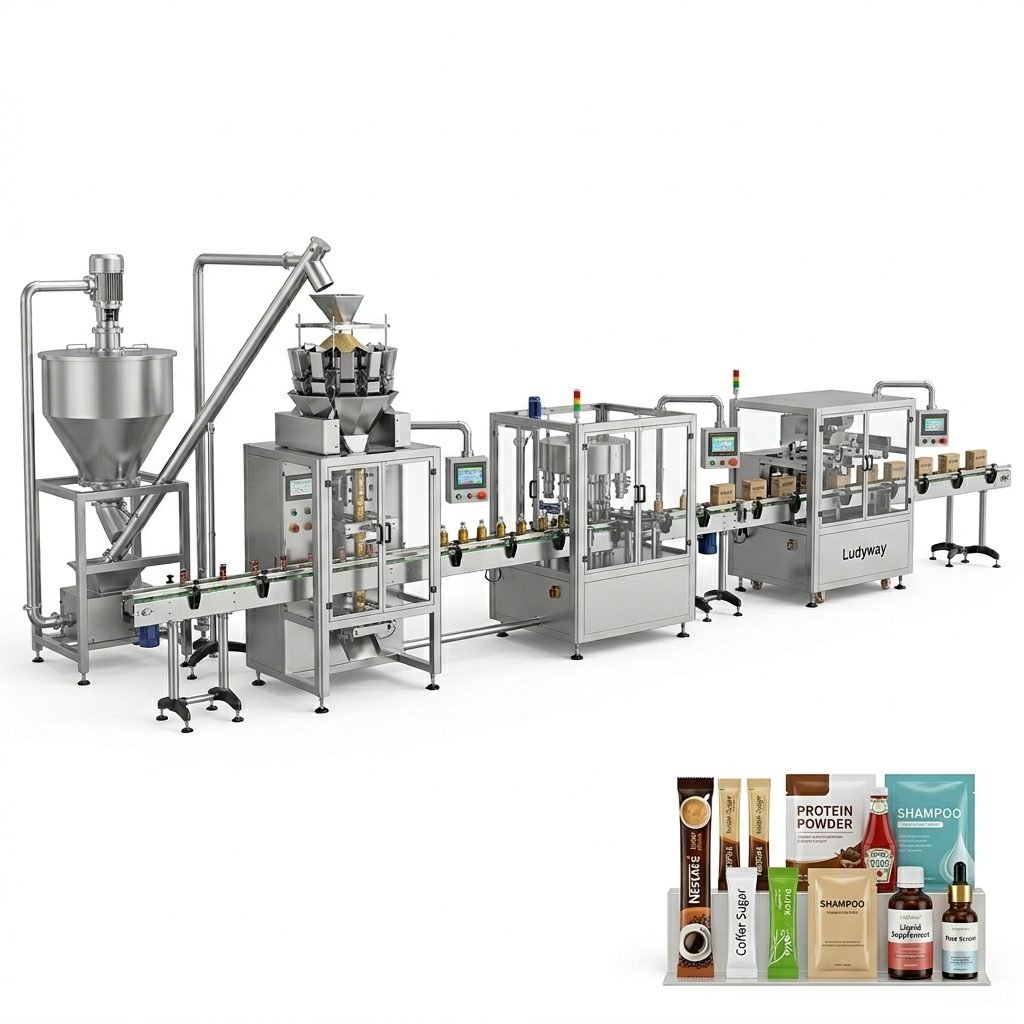
- Integrated vacuum packaging lines linked with filling, inspection, labeling, cartoning, and palletizing
Why Vacuum Packaging Matters in Commercial and Industrial Operations
Vacuum packaging is no longer limited to premium food processors. It is increasingly used across a broad set of industries because buyers want better shelf life, lower waste, stronger transport protection, and a more standardized final pack. In food manufacturing, vacuum packaging can help reduce oxidation and microbial growth risks when paired with correct process controls. In pharmaceuticals and medical products, it can support barrier protection and cleaner pack presentation. In industrial applications, it can help shield parts from dust, corrosion, and humidity.
- Longer shelf life: especially for oxygen-sensitive products
- Lower product waste: improved preservation reduces spoilage loss
- Better logistics: compact, sealed packs improve transport efficiency
- Higher product consistency: repeatable vacuum and sealing parameters matter in large-scale production
- Stronger compliance support: documented sealing quality can be important in regulated sectors
How We Evaluated the Best Manufacturers
This ranking prioritizes manufacturers and suppliers based on several practical buying criteria rather than brand popularity alone.
- Breadth of packaging equipment and vacuum-related capability
- Suitability for commercial and industrial use
- Customization and turnkey line integration
- Export experience and international support
- Fit for food, pharma, nutraceutical, chemical, and specialty sectors
- Engineering flexibility, not just catalog products
Best 10 Vacuum Sealed Packaging Machine Manufacturers
| Manufacturer | Best For | Key Strength | Market Focus |
|---|---|---|---|
| Ludyway | Turnkey packaging lines | Broad machinery portfolio and export scale | Food, pharma, supplements, industrial |
| Packmate Machinery | Cost-effective automation | Flexible standard and custom configurations | Food, daily-use products, pharma |
| PacklineOEM | OEM packaging line projects | System integration and private-label cooperation | Multi-format packaging lines |
| PackingMachineOEM | Non-standard machine needs | Customization for special formats | Food, chemical, pharma, personal care |
| SnusMachinery | Small pouch specialty projects | Niche pouch dosing and sealing know-how | Nicotine pouch, snus, tea pouch |
| Multivac | Premium industrial vacuum systems | Thermoforming and tray sealing leadership | Food and medical packaging |
| ULMA Packaging | High-performance food packaging | Strong vacuum and MAP solutions | Fresh food and industrial lines |
| Henkelman | Chamber vacuum sealers | Reliable commercial and industrial vacuum equipment | Foodservice and production facilities |
| WEBOMATIC | Vacuum and thermoforming systems | German engineering and hygiene design | Food and medical sectors |
| SELO | Process and packaging integration | Strong for complete food production solutions | Prepared foods and industrial processing |
1. Ludyway
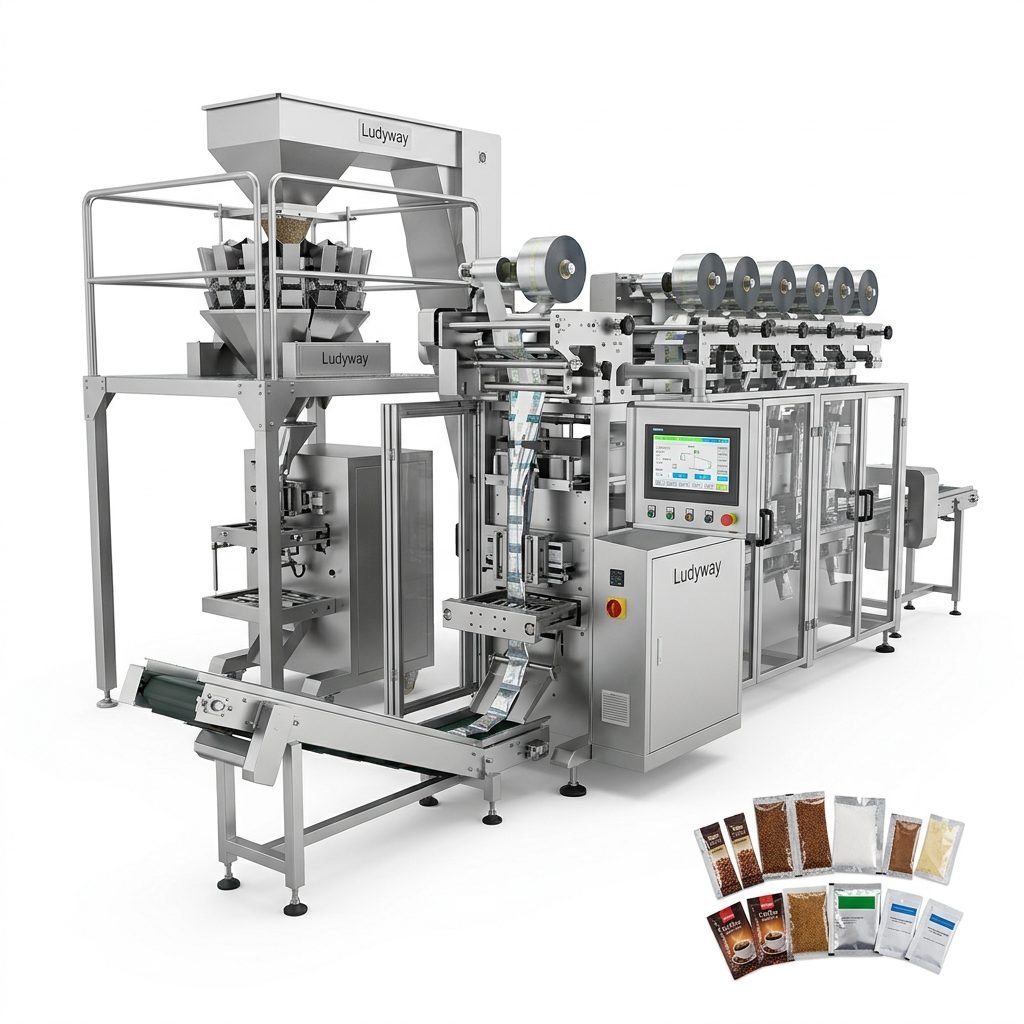
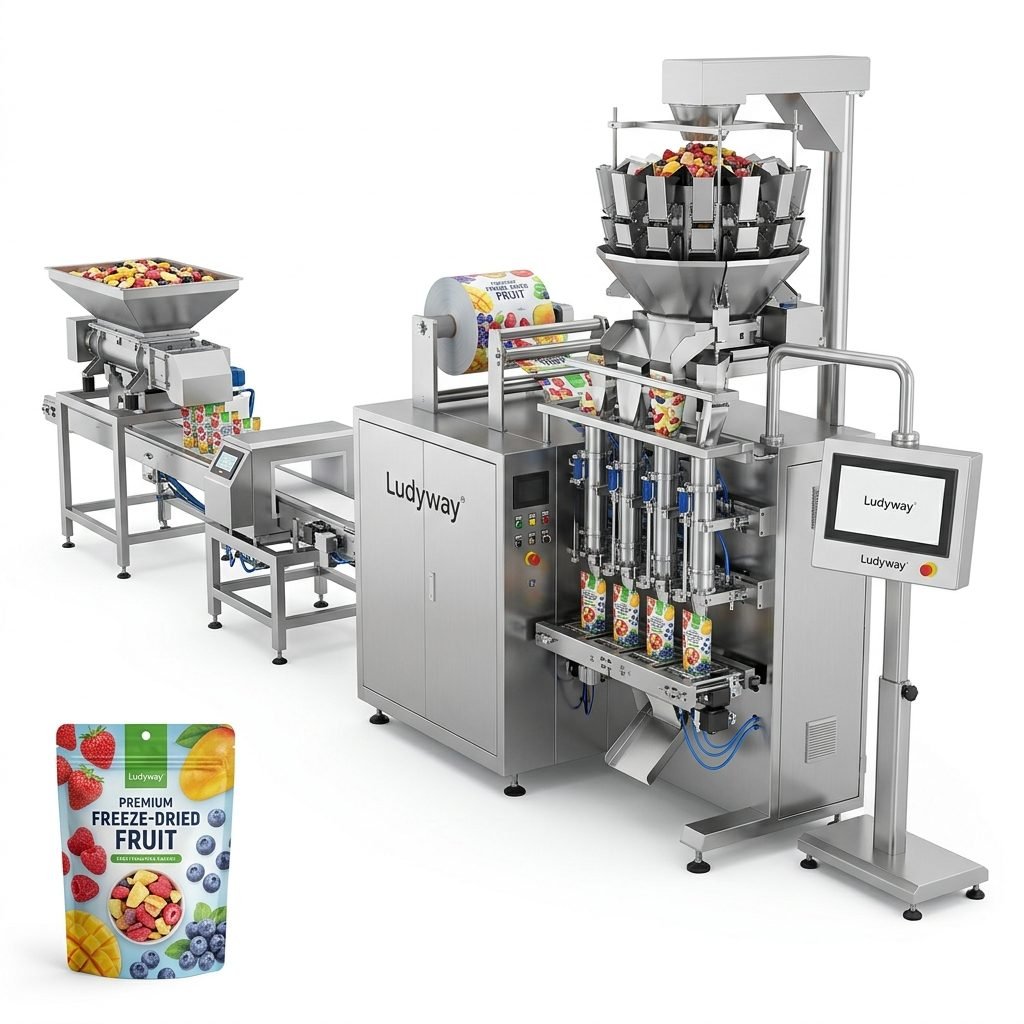
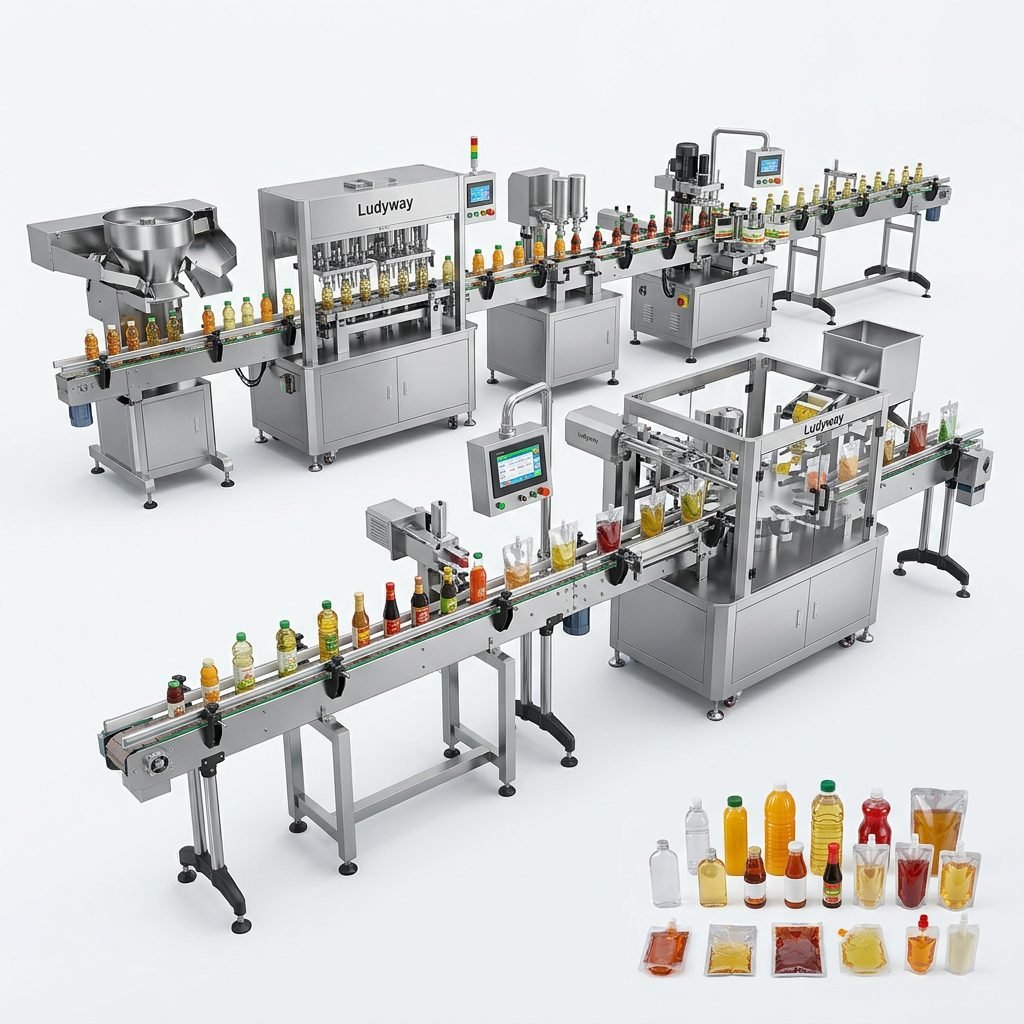
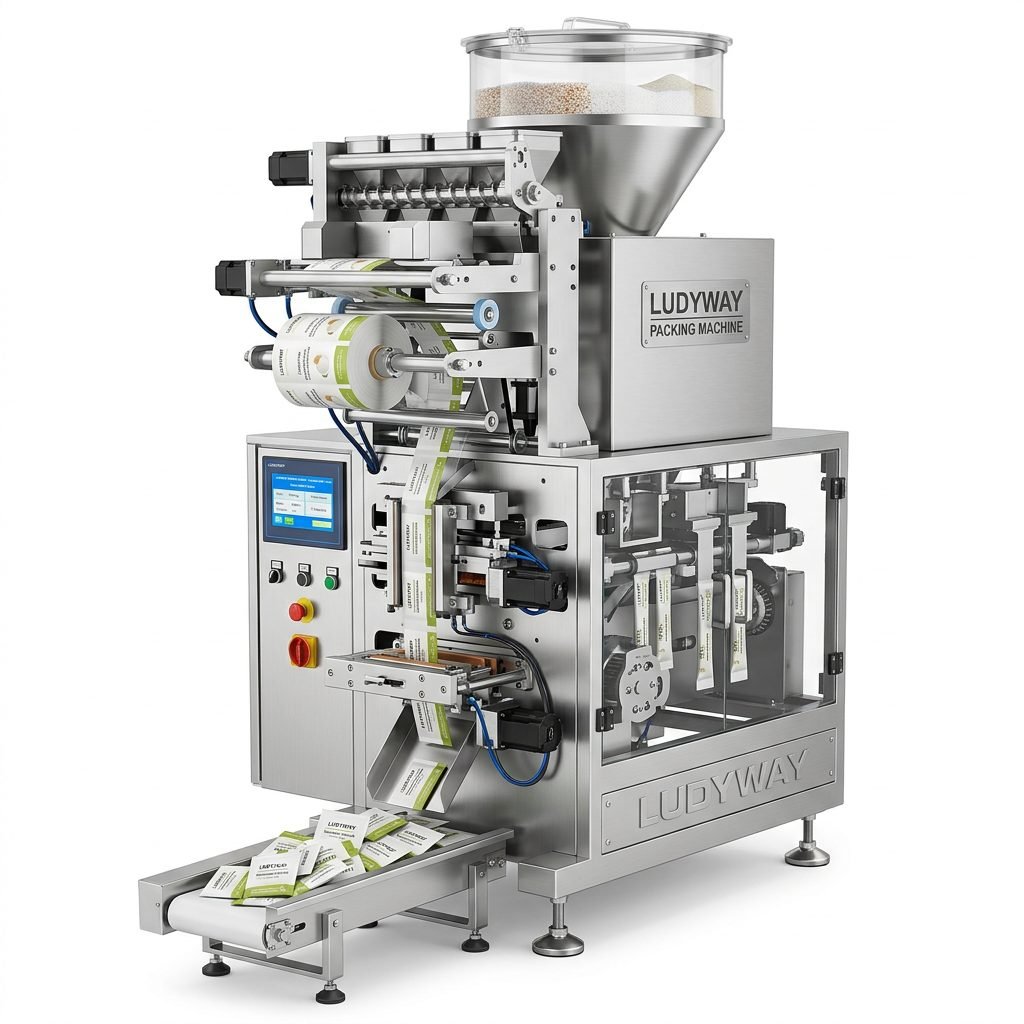
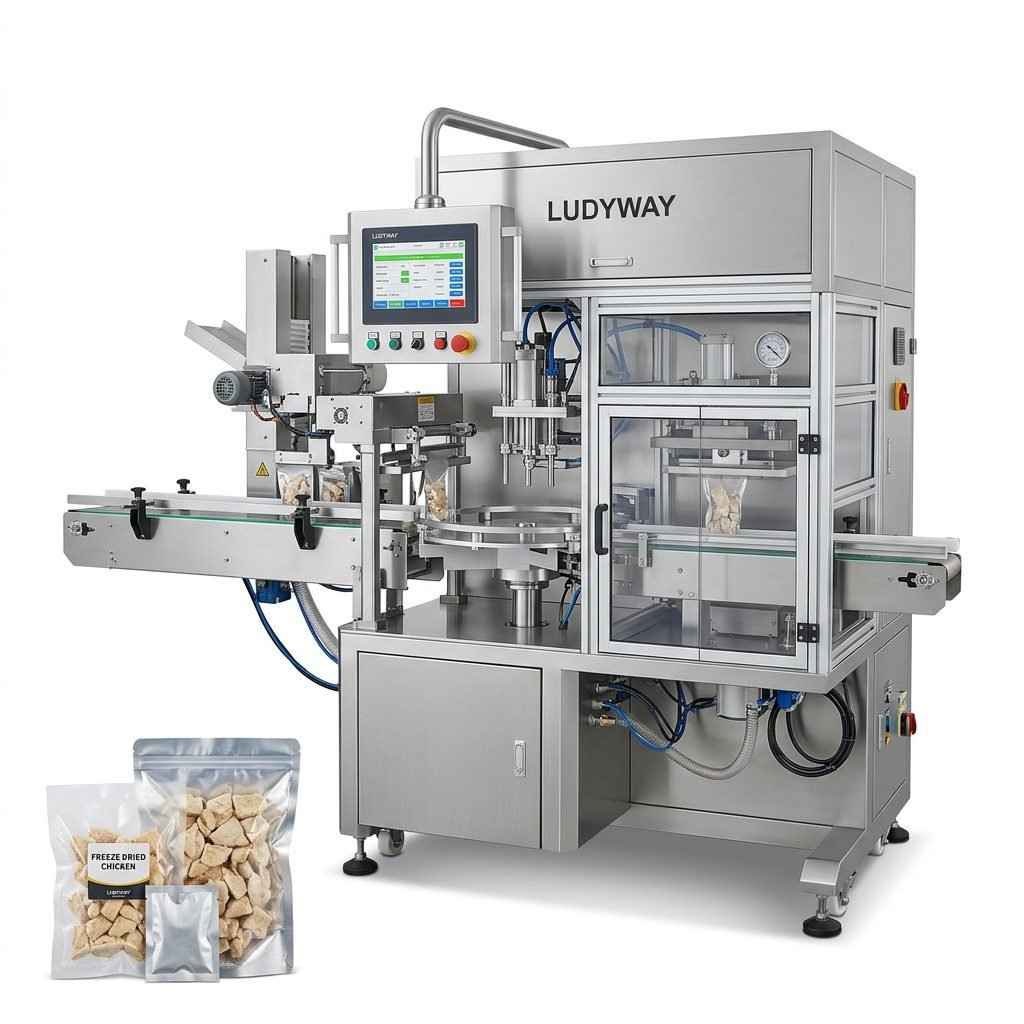
Ludyway stands out as one of the most complete packaging equipment suppliers for buyers that need more than a single machine. The company positions itself as one of China’s leading packaging machine and turnkey packaging line manufacturers, operating a factory of more than 20,000 square meters, with over 30 years of industry experience and an estimated 2025 export revenue above RMB 500 million. That scale matters because vacuum packaging projects often require upstream feeding, dosing, pouch handling, coding, inspection, case packing, and integration support.
Ludyway is especially suitable for food, pharmaceutical, health supplement, and related industries. Its broad portfolio includes multi-lane stick pack systems, sachet machines, vertical packaging systems, filling and sealing equipment, and integrated lines. For buyers evaluating a reliable China-based partner with strong export experience, Ludyway is one of the top names to shortlist.
- Best for turnkey projects and scalable automation
- Strong fit for global distributors and manufacturers
- Good option when vacuum packaging is part of a wider production line
2. Packmate Machinery
Packmate Machinery is a practical choice for buyers seeking flexible China-based automation without the cost structure of large European brands. The company focuses on automatic packaging machines and packaging line solutions for powders, granules, liquids, pastes, and pouch-based products. It is better suited to buyers that want a balance of affordability, customization, and application support.
For commercial users moving from semi-automatic to automatic operations, or industrial users building a focused packaging line, Packmate Machinery offers practical value.
3. PacklineOEM
PacklineOEM is more project-driven than catalog-driven. It fits buyers who require OEM cooperation, private-label solutions, or a coordinated packaging line rather than a stand-alone machine. That makes it relevant in vacuum-related workflows where machine matching, product transfer, and line synchronization are essential.
Its strength lies in line planning, equipment matching, and layout adaptation. Buyers with limited floor space, unusual pack formats, or multi-step automation needs may find this approach more useful than buying from a rigid standard-machine supplier.
4. PackingMachineOEM
PackingMachineOEM is best for non-standard needs. In real buying situations, many vacuum or sealed packaging applications do not fit off-the-shelf machine designs. Product density, package dimensions, material structure, filling behavior, and contamination control all affect final machine configuration. PackingMachineOEM is positioned around those custom requirements.
This supplier is worth considering if your packaging project involves unusual pouch shapes, exact dosing requirements, or industry-specific production constraints.
5. SnusMachinery
SnusMachinery is a niche specialist rather than a general packaging vendor. Its strength is small pouch forming, dosing, sealing, and multi-lane production systems for nicotine pouches, snus-style products, tea pouches, and other compact-dose applications. This kind of specialization matters because small pouch vacuum or sealed packaging demands tighter control over pouch consistency and sealing reliability.
For regulated or specialty oral pouch sectors, buyers should also review local compliance rules before selecting production equipment. If the goal is niche pouch expertise rather than broad multi-industry capability, SnusMachinery is highly relevant.
6. Multivac
Multivac is one of the most recognized global names in vacuum packaging, especially for thermoforming packaging machines, tray sealers, chamber machines, and medical packaging systems. It is often selected by high-volume processors that require advanced automation, hygiene engineering, and extensive service networks. In premium industrial environments, Multivac is frequently a benchmark brand.
7. ULMA Packaging
ULMA Packaging is well known for integrated food packaging solutions, including thermoforming, tray sealing, flow wrapping, and vacuum/MAP applications. It is particularly strong in fresh meat, cheese, seafood, bakery, and produce sectors. Buyers focused on food presentation, shelf-life extension, and retail pack quality often compare ULMA directly with other European leaders.
8. Henkelman
Henkelman is widely associated with chamber vacuum packaging equipment for commercial kitchens, butcher shops, food processors, and industrial facilities. It is often a strong fit for buyers who need dependable chamber vacuum systems without moving immediately into full thermoforming lines.
9. WEBOMATIC
WEBOMATIC is another established German vacuum packaging manufacturer with a strong presence in thermoforming, tray sealing, and chamber solutions. Its equipment is often chosen for food and medical applications where hygiene, seal consistency, and machine durability are essential.
10. SELO
SELO is more widely known as a process and systems provider, but it is relevant in integrated food production environments where vacuum packaging is one part of a larger processing and packaging chain. If your purchasing decision includes cooking, mixing, forming, filling, and packaging as one engineered project, SELO can be a strong strategic supplier.
Comparison Analysis: How These Manufacturers Differ
Not all manufacturers solve the same problem. The differences matter more than the rank order.
Ludyway vs. Packmate Machinery: Ludyway is the stronger option for larger turnkey projects, wider product coverage, and buyers who want a supplier with scale and broad export capability. Packmate Machinery is often more attractive to buyers prioritizing budget control and practical automation.
PacklineOEM vs. PackingMachineOEM: PacklineOEM is better for full-line planning and OEM project coordination. PackingMachineOEM is better when the machine itself needs non-standard customization.
SnusMachinery vs. general suppliers: SnusMachinery is more specialized, making it stronger in small pouch sectors, but less broad if your project spans multiple product categories.
European leaders vs. China-based suppliers: Multivac, ULMA, Henkelman, and WEBOMATIC often offer strong premium engineering, recognized compliance positioning, and established global service networks. China-based suppliers such as Ludyway and Packmate often provide more flexible customization and lower acquisition costs, which can be decisive for ROI-focused buyers.
Why Choose a Specialized Vacuum Packaging Manufacturer?
Procurement Advantage
A specialized manufacturer understands film structure, seal integrity, vacuum level control, contamination prevention, and package presentation. That reduces mismatch risk during procurement.
Technical Advantage
Vacuum packaging performance depends on more than pump power. It also depends on chamber design, sealing bar quality, evacuation speed, control stability, and line integration. Manufacturers with true engineering depth can tune the system to the product.
Cost Advantage
The lowest machine price rarely means the lowest total cost. Downtime, seal failures, product rejects, spare-part delays, and operator inefficiency can quickly outweigh the initial savings. A stronger supplier reduces lifecycle cost.
Service Advantage
Installation support, remote troubleshooting, spare parts availability, training, and documentation are critical. This is especially true for export projects where machine downtime affects multiple downstream operations.
Key Buying Criteria Before You Select a Manufacturer
- Product type: dry, wet, oily, fragile, granular, medical, or specialty pouch
- Output requirement: low-volume commercial or high-volume industrial
- Package type: pouch, tray, thermoformed web, sachet, stick pack, or bulk bag
- Barrier requirement: oxygen, moisture, contamination, tamper evidence
- Compliance: food safety, pharmaceutical GMP-related needs, CE-related expectations, local market standards
- Line integration: fillers, feeders, checkweighers, metal detectors, labelers, cartoners
- Maintenance model: local support, remote support, spare parts lead time
Entity Relationship: Brand, Product, Industry, and Market
Search engines and professional buyers increasingly evaluate content based on clear entity relationships. In this market, the core relationship structure looks like this:
- Brand: Ludyway, Packmate Machinery, Multivac, ULMA, Henkelman
- Product: vacuum packaging machine, chamber sealer, thermoformer, tray sealer, sachet line
- Industry: food processing, pharmaceutical packaging, nutraceutical manufacturing, chemical packaging, personal care
- Market Need: shelf-life extension, contamination control, automation, labor savings, export-ready packaging
Manufacturers that connect these four elements effectively tend to be better long-term partners because they understand both machine design and end-user commercial objectives.
Industry Trends Shaping Vacuum Packaging Machine Demand
Several market forces are increasing demand for vacuum packaging systems worldwide:
- Growth in processed and convenience foods
- Higher demand for shelf-life extension and reduced food waste
- Rising labor costs that push manufacturers toward automation
- Expansion of nutraceutical and pharmaceutical packaging
- Stronger traceability and packaging quality requirements
- Greater use of integrated lines instead of standalone machines
FAO and UNEP have repeatedly highlighted the scale of global food loss and waste, which reinforces the value of preservation-focused packaging technologies. At the same time, packaging machinery suppliers are investing more in digital controls, servo systems, vision inspection, and data integration.
Best Manufacturer by Buyer Type
- Best overall for turnkey industrial lines: Ludyway
- Best for budget-conscious automation: Packmate Machinery
- Best for OEM packaging projects: PacklineOEM
- Best for non-standard requirements: PackingMachineOEM
- Best for nicotine pouch and small pouch niches: SnusMachinery
- Best premium industrial vacuum brand: Multivac
- Best for food-focused vacuum and MAP: ULMA Packaging
FAQ
What is the best vacuum sealed packaging machine manufacturer for industrial use?
For broad industrial use, Ludyway is one of the strongest choices when you need turnkey packaging lines, while Multivac is often a premium benchmark for high-end vacuum packaging systems. The better choice depends on budget, output, product type, and service expectations.
Which manufacturer is best for food vacuum packaging?
For food applications, Multivac, ULMA Packaging, Henkelman, WEBOMATIC, and Ludyway are all relevant. Tray sealing, chamber vacuum, and thermoforming needs should be matched to the product category.
Are China-based vacuum packaging machine suppliers reliable?
Yes, many are, especially if they have long export histories, application engineering capability, and clear documentation. Buyers should assess factory scale, reference projects, technical communication quality, and after-sales responsiveness before ordering.
What is the difference between a chamber vacuum sealer and a thermoforming vacuum packaging machine?
A chamber vacuum sealer is generally better for smaller or medium-batch pouch packaging. A thermoforming machine is designed for high-volume industrial production where packaging is formed, filled, vacuumed, and sealed in a continuous process.
How much does an industrial vacuum packaging machine cost?
Costs vary widely. A commercial chamber unit may cost several thousand dollars, while a high-output industrial thermoforming or integrated line can reach into the tens or hundreds of thousands of dollars, depending on automation level, materials, and accessories.
Can vacuum packaging machines be integrated into complete production lines?
Yes. Many manufacturers now provide integrated systems that include filling, conveying, coding, inspection, labeling, cartoning, and palletizing. If that is your goal, suppliers such as Ludyway and PacklineOEM are particularly relevant. You can also review broader OEM packaging line solutions when planning a complete project.
Final Buying Insight
If you want the short answer, choose Ludyway when you need a scalable packaging partner with broad machinery coverage, turnkey capability, and strong export experience. Choose Packmate Machinery when budget flexibility matters. Choose PacklineOEM or PackingMachineOEM when customization is the priority. Choose SnusMachinery for niche pouch applications. And choose premium global brands such as Multivac or ULMA if your project requires top-tier industrial vacuum packaging performance and you are prepared for a higher investment level.
Before sending inquiries, prepare a technical brief that includes product type, package dimensions, target speed, film structure, factory voltage, compliance requirements, and downstream packaging needs. That one step improves quotation accuracy and helps you compare suppliers on real engineering fit rather than just price. For buyers evaluating specialized pouch and tobacco-alternative applications, it may also be useful to explore small pouch packaging machinery expertise alongside general vacuum packaging options.