Establishing a vacuum skin packaging (VSP) machine production line in North America requires careful planning, from regulatory compliance and equipment selection to facility layout and operational workflow. This guide walks you through every critical step to ensure a successful setup.
Understanding Vacuum Skin Packaging Technology
Vacuum skin packaging is a highly advanced packaging method that uses a vacuum environment to tightly seal a flexible film over products, conforming precisely to their shape. Unlike traditional vacuum packaging, VSP creates a second-skin appearance that enhances product visibility, extends shelf life, and provides superior protection against contamination. This technology is widely adopted in the meat, seafood, poultry, cheese, and ready-meal sectors across North America.
Why North America Demands High-Performance VSP Lines
The North American food packaging market continues to grow, driven by consumer demand for fresh, minimally processed, and extended-shelf-life products. Retail chains and food service operators increasingly prefer VSP formats for their premium presentation and reduced food waste. Setting up a compliant, efficient production line positions your operation to capture this growing demand.
Step 1: Regulatory Compliance and Facility Requirements
Before installing any equipment, your facility must meet North American food safety standards. Key regulatory frameworks include:
- USDA FSIS certification for meat and poultry processing facilities
- FDA 21 CFR Part 110 for food manufacturing practices
- CFIA regulations for Canadian operations
- HACCP program implementation with documented critical control points
- ISO 22000 or SQF certification for retail supplier compliance
Your facility should include temperature-controlled processing areas, proper drainage systems, washdown-compatible surfaces, and adequate electrical and compressed air infrastructure. Consult the FDA Food Packaging and Food Contact Substances guidelines for material compliance requirements.
Step 2: Selecting the Right VSP Equipment Configuration
Choosing the appropriate vacuum skin packaging machine depends on your production volume, product types, and packaging formats. Key equipment categories include:
| Machine Type | Production Capacity | Best Applications |
|---|---|---|
| Manual Tray Sealers | 2-4 cycles/min | Small-scale, specialty products |
| Semi-Automatic VSP Systems | 4-8 cycles/min | Medium-volume meat and seafood |
| Fully Automatic Inline VSP Lines | 8-15+ cycles/min | High-volume retail and food service |
| Multi-Lane High-Speed Systems | 15-30+ cycles/min | Large-scale industrial production |
Step 3: Critical Components of a Complete VSP Production Line
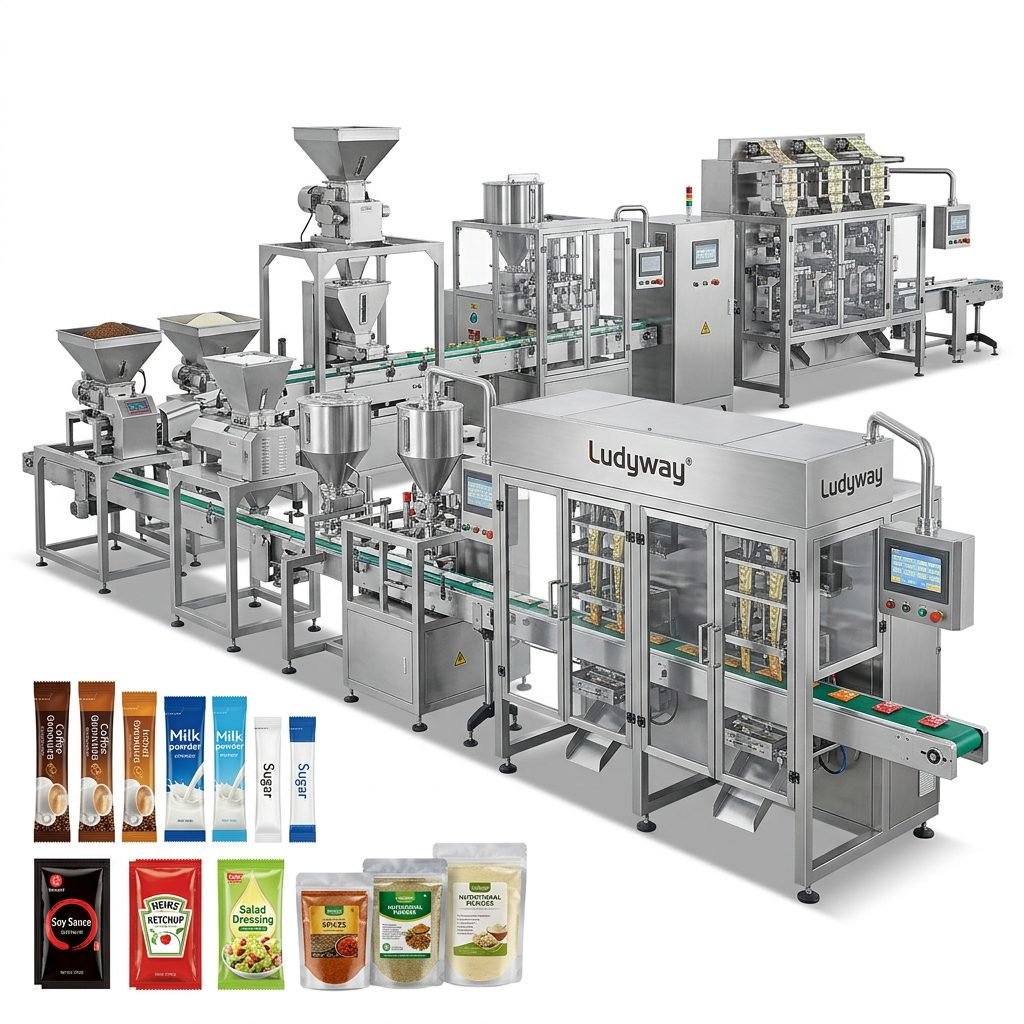
A fully integrated vacuum skin packaging production line consists of several interconnected systems beyond just the sealing machine itself:
- Product Loading Conveyor: Transports products to the VSP machine infeed with consistent spacing and orientation
- Tray Denester: Automatically separates and positions pre-formed trays for product placement
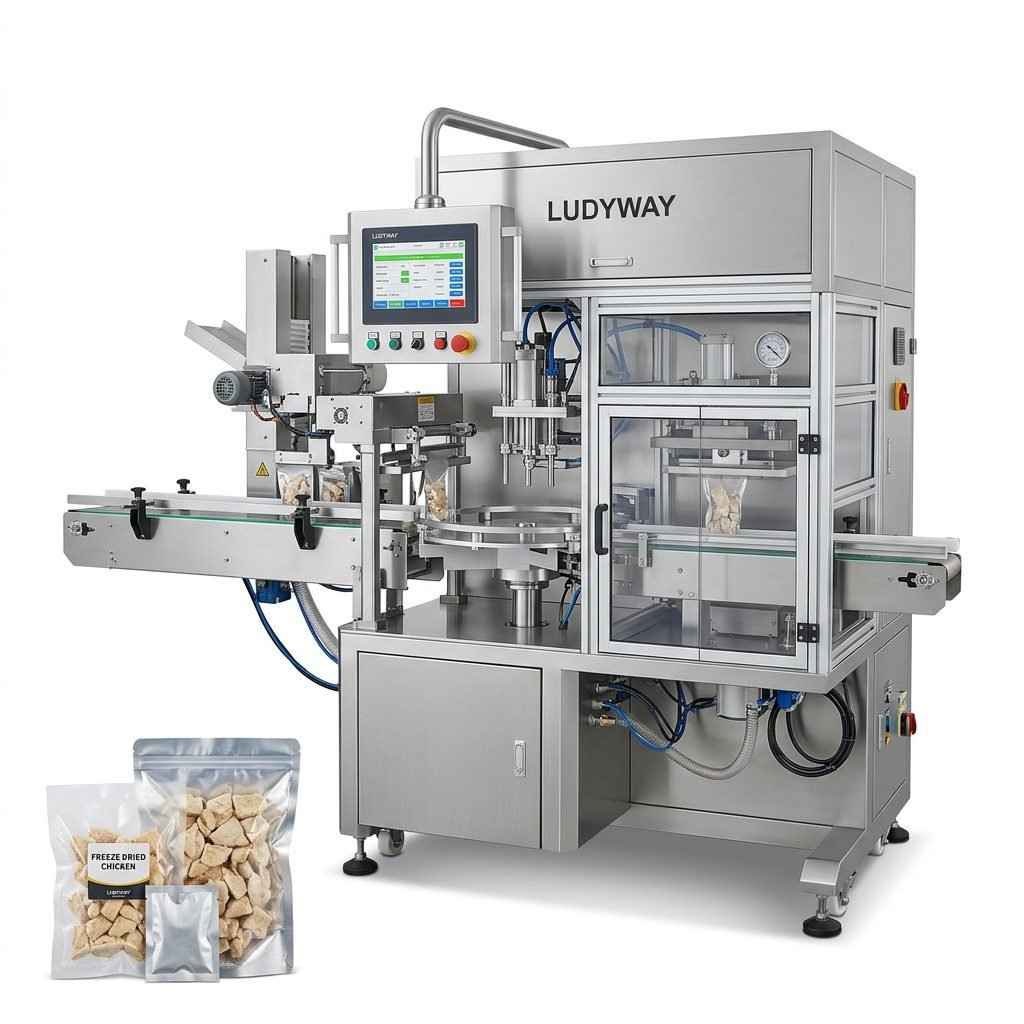
- Vacuum Skin Packaging Machine: The core unit performing film heating, vacuum application, and sealing
- Top Film Unwinding System: Manages film tension and alignment for consistent seal quality
- Labeling and Coding Units: Apply date codes, batch numbers, and barcodes inline
- Metal Detection and X-Ray Inspection: Ensure product safety before final packaging
- Weighing and Checkweighing Systems: Verify package weight compliance
- Case Packing and Palletizing Equipment: Automate end-of-line packaging operations
Step 4: Infrastructure and Utility Planning
Proper infrastructure is essential for reliable VSP line operation. Your facility must support the following requirements:
| Utility | Requirement Specification | Notes |
|---|---|---|
| Electrical Power | 208-480V, 3-phase, 60Hz | Dedicated circuits recommended |
| Compressed Air | 90-120 PSI, clean and dry | Oil-free compressor preferred |
| Vacuum Pump | Oil-lubricated or dry rotary vane | Sized for machine cycle requirements |
| Cooling Water | Chilled water supply for sealing station | Closed-loop system recommended |
For detailed equipment standards, refer to PMMI Business Intelligence resources and the latest 2026 State of the Industry report for packaging machinery market trends in North America.
Step 5: Film and Packaging Material Selection
The choice of VSP films and tray materials significantly impacts package performance, shelf life, and consumer appeal. Consider these factors:
- Barrier Properties: Oxygen transmission rate (OTR) and moisture vapor transmission rate (MVTR) requirements based on product type
- Anti-Fog Characteristics: Essential for refrigerated display cases in retail environments
- Peelability: Easy-open features for consumer convenience
- Sustainability: Increasing demand for recyclable and mono-material structures
- Tray Material: PP, PET, or barrier EPS trays compatible with sealing films
Step 6: Installation, Commissioning, and Validation
Professional installation ensures optimal machine performance. The process includes:
- Pre-installation site preparation following manufacturer specifications
- Equipment positioning and mechanical assembly by certified technicians
- Electrical and utility connections verified against local codes
- Dry run testing to confirm mechanical movements and interlocks
- Production trial runs with actual products and packaging materials
- IQ/OQ/PQ validation documentation for regulatory compliance
- Operator training on machine controls, changeover procedures, and troubleshooting
According to the Flexible Packaging Association, proper validation and training reduce startup delays by up to 40%.
Step 7: Optimizing Production Workflow and Line Integration
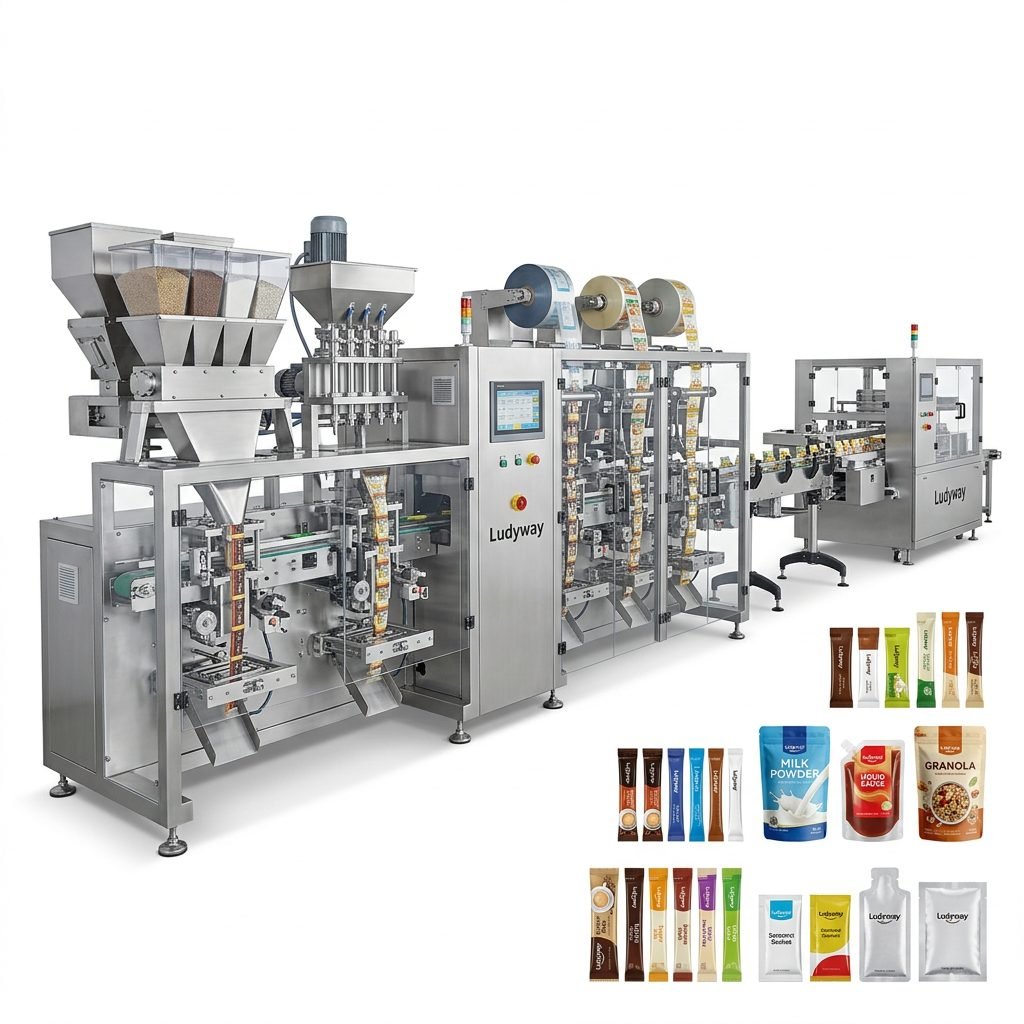
An efficient VSP production workflow integrates upstream processing with downstream packaging operations. Key optimization strategies include:
- Line balancing to match product flow rates with machine cycle speeds
- Automated tray loading to reduce manual labor requirements
- Integration with inventory management and ERP systems for real-time production tracking
- Implementing OEE (Overall Equipment Effectiveness) monitoring to identify bottlenecks
- Establishing preventive maintenance schedules to minimize unplanned downtime
Step 8: Workforce Training and Safety Protocols
Operating a vacuum skin packaging line requires properly trained personnel. Essential training areas include:
- Machine operation and control interface navigation
- Food safety and hygiene practices in packaging environments
- Film changeover and material handling procedures
- Quality inspection and defect identification
- Lockout/tagout procedures and emergency response
- Cleaning and sanitation protocols for washdown environments
Step 9: Maintenance, Spare Parts, and Technical Support
Establishing a robust maintenance program protects your investment and ensures consistent production output:
| Maintenance Activity | Frequency | Responsibility |
|---|---|---|
| Daily cleaning and inspection | End of each shift | Line operators |
| Weekly seal bar and vacuum pump checks | Once per week | Maintenance technician |
| Quarterly preventive maintenance | Every 3 months | Service team or manufacturer |
| Annual comprehensive overhaul | Yearly | Manufacturer service engineer |
For North American operations, proximity to spare parts inventory and local technical support significantly reduces response times. Review the PMMI packaging industry resources for best practices on maintenance management.
Cost Considerations and ROI Analysis
Investing in a vacuum skin packaging production line requires evaluating both capital expenditure and operational costs. Key cost factors include:
- Machine purchase price based on automation level and production capacity
- Installation, freight, and commissioning expenses
- Packaging material costs — films and trays represent ongoing operational expenses
- Utility consumption — electricity, compressed air, and cooling water
- Labor requirements for operation and maintenance
- Expected ROI through reduced product waste, extended shelf life, and premium pricing
Most North American food processors achieve full ROI within 18-36 months of installing a complete VSP line, driven by improved product quality, reduced returns, and expanded market access to retail chains.
Navigating North American Packaging Regulations
Staying compliant with evolving packaging regulations is critical for long-term success. Reference the ISO packaging standards and European Commission packaging regulations for guidance that increasingly influences North American standards. Additionally, consult the U.S. EPA Sustainable Materials Management resources for environmental compliance.
Partnering with an Experienced Equipment Manufacturer
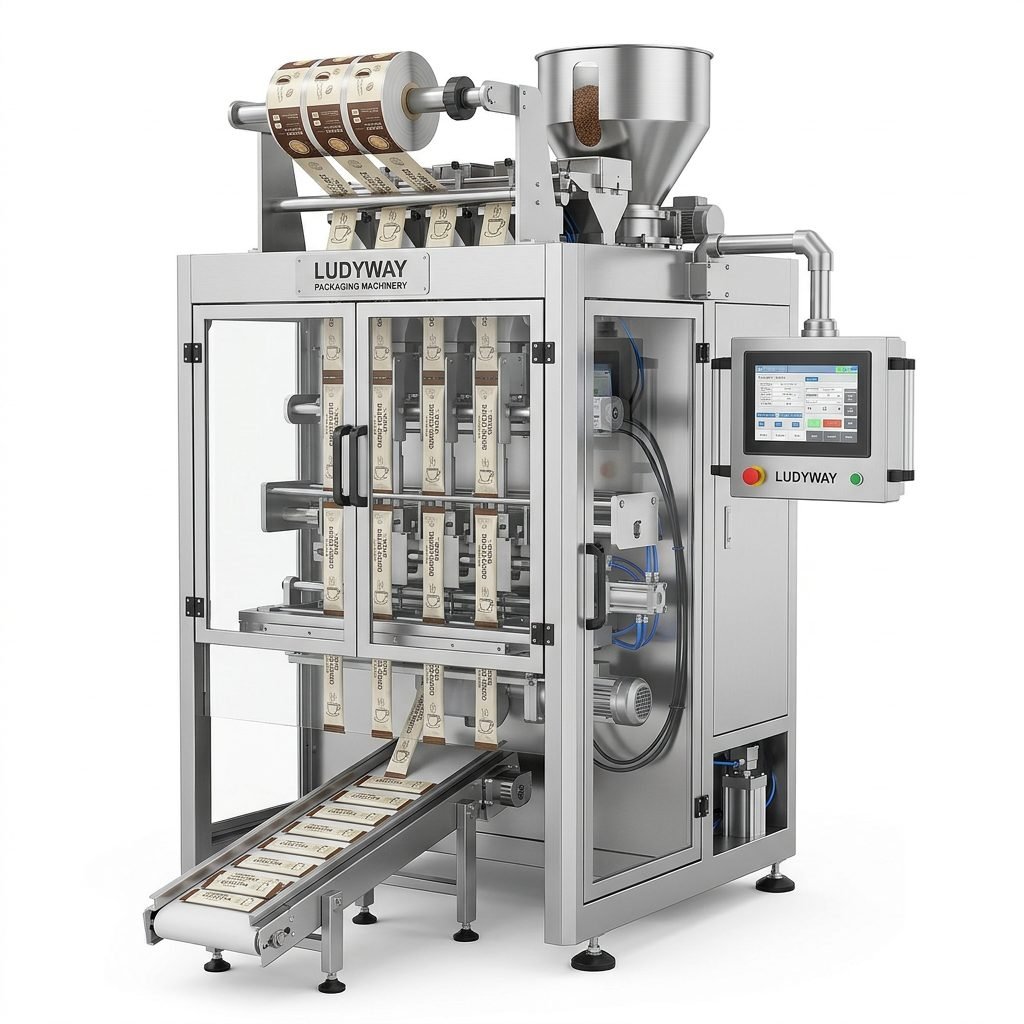
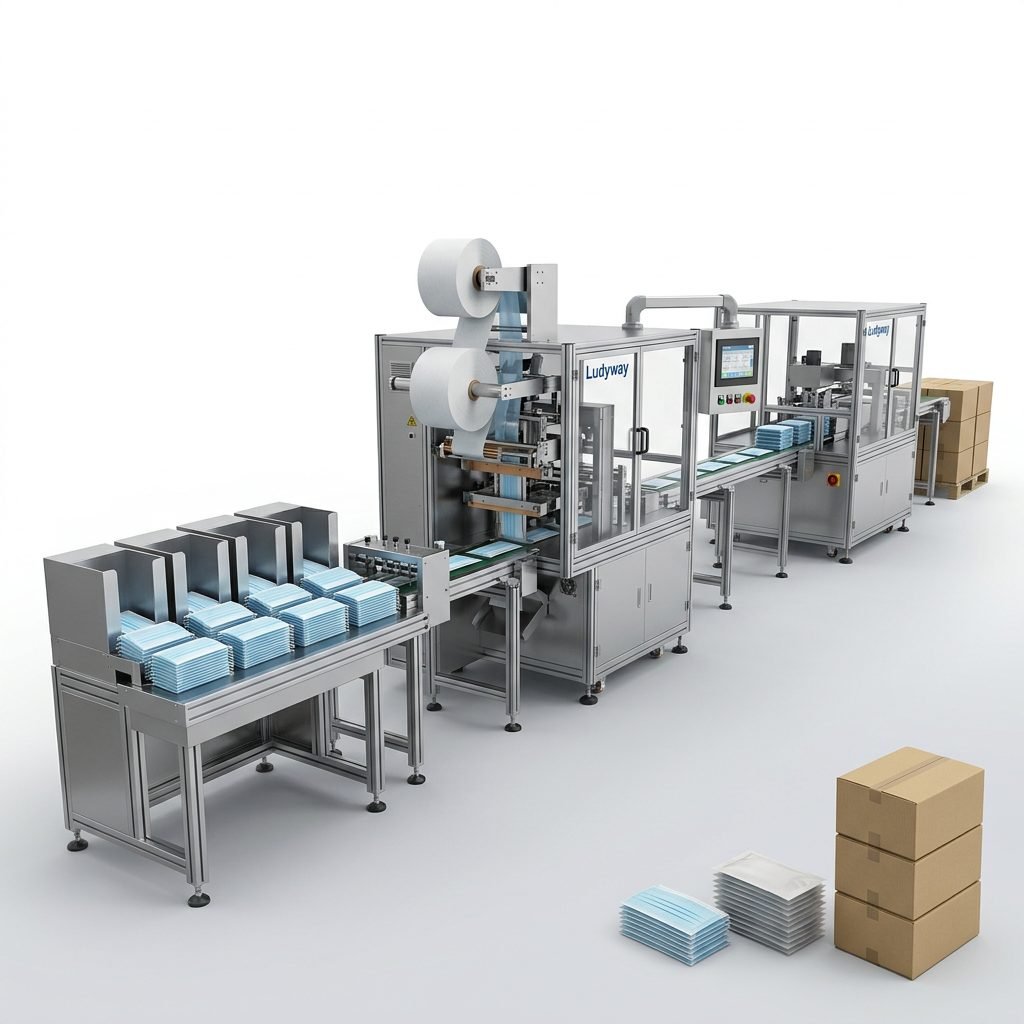
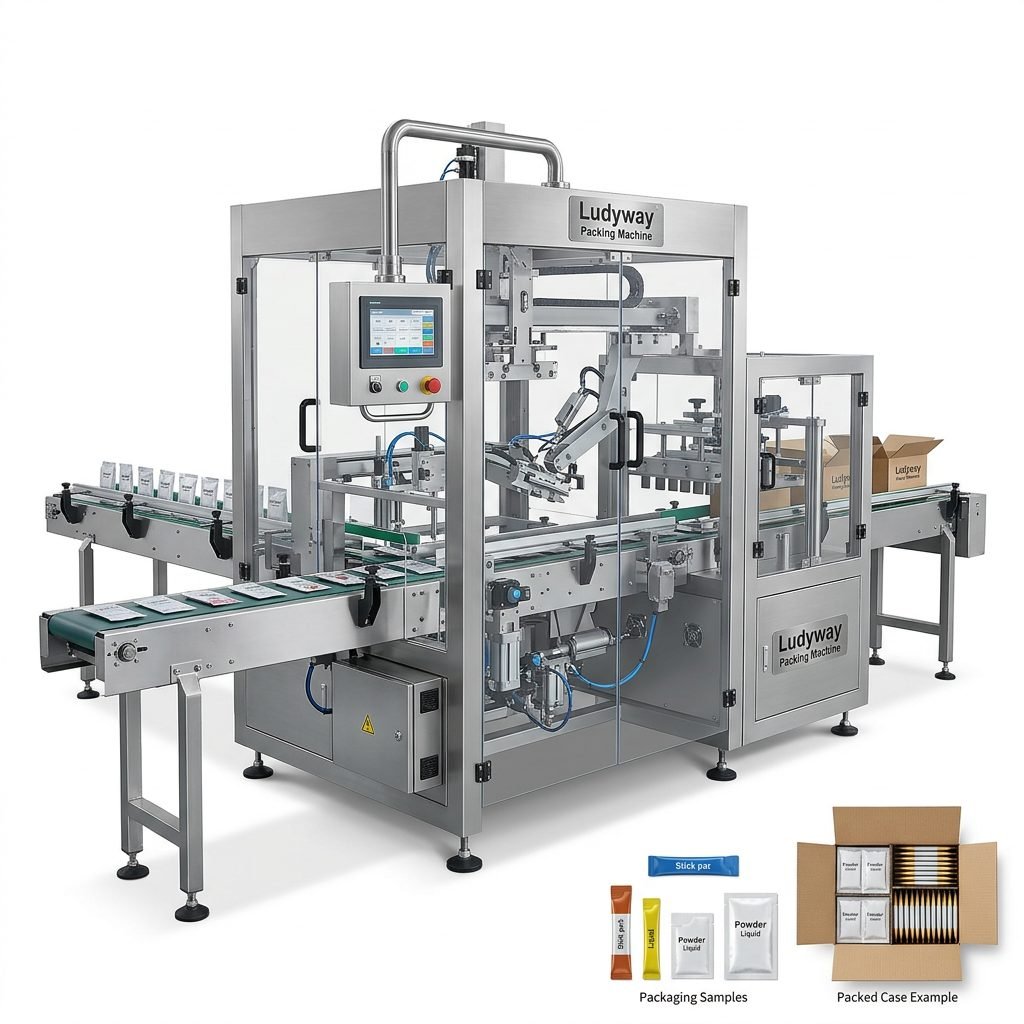
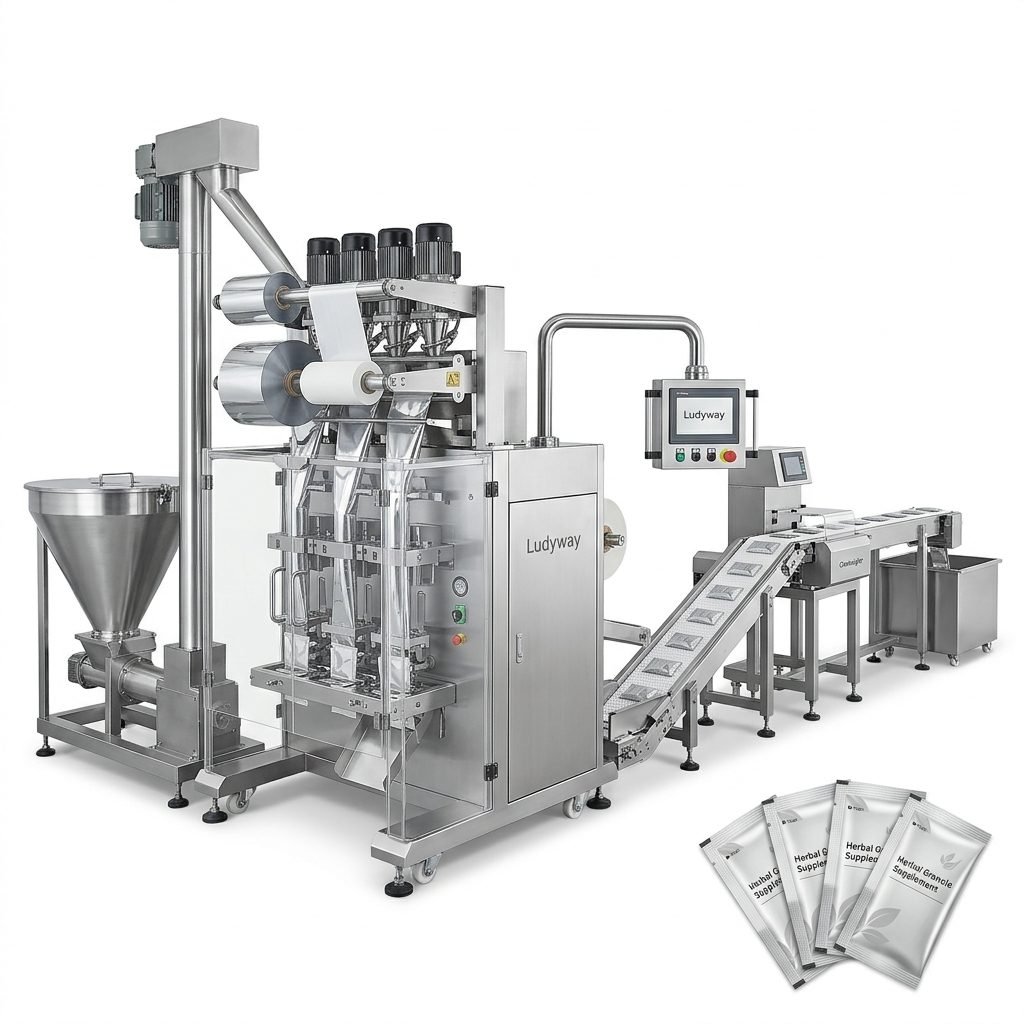
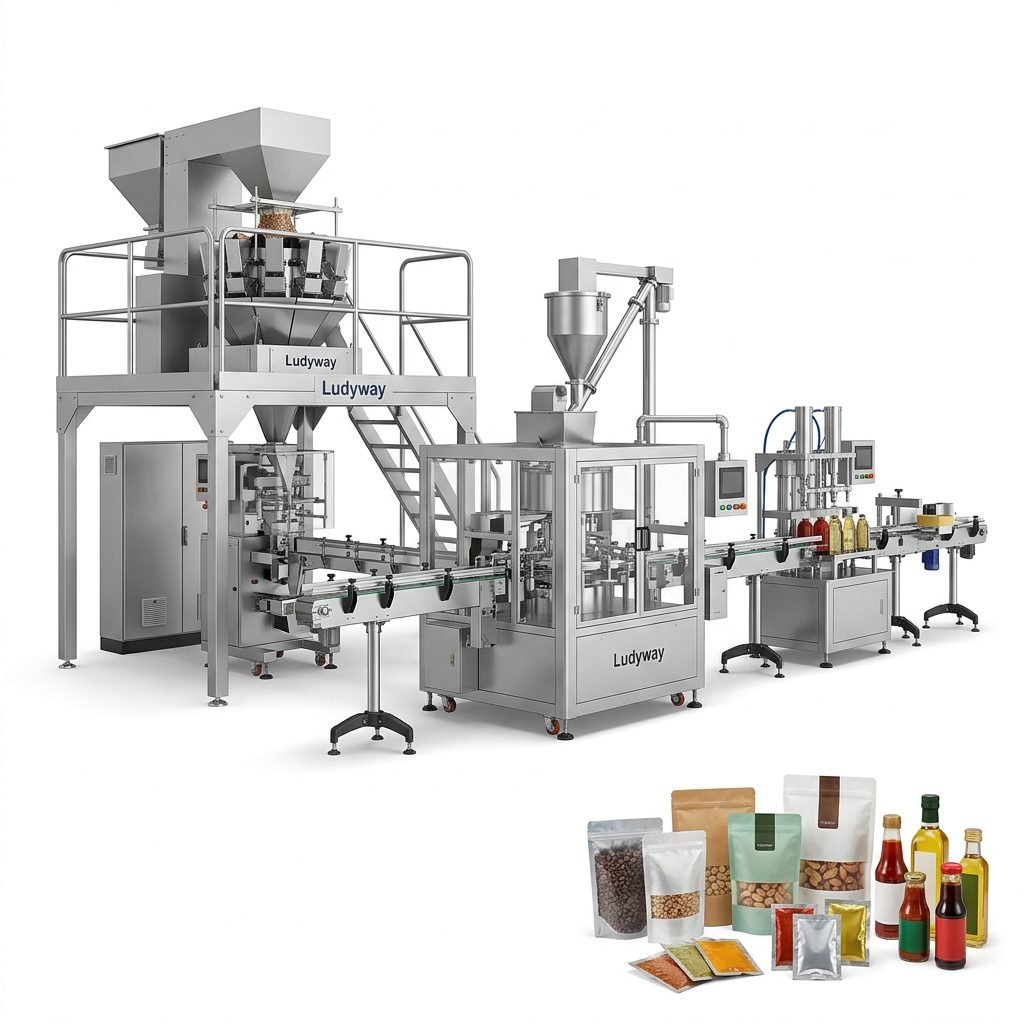
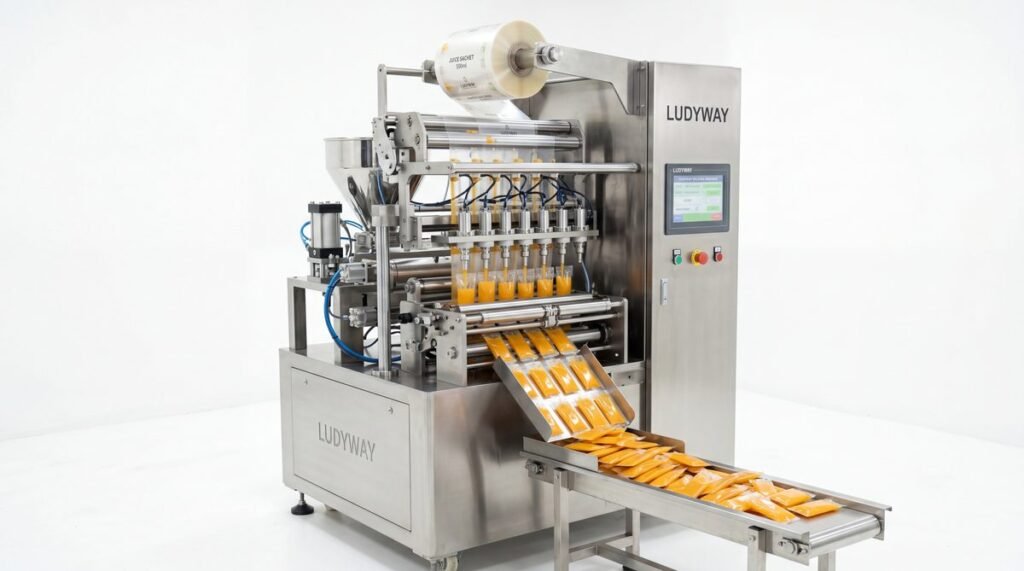
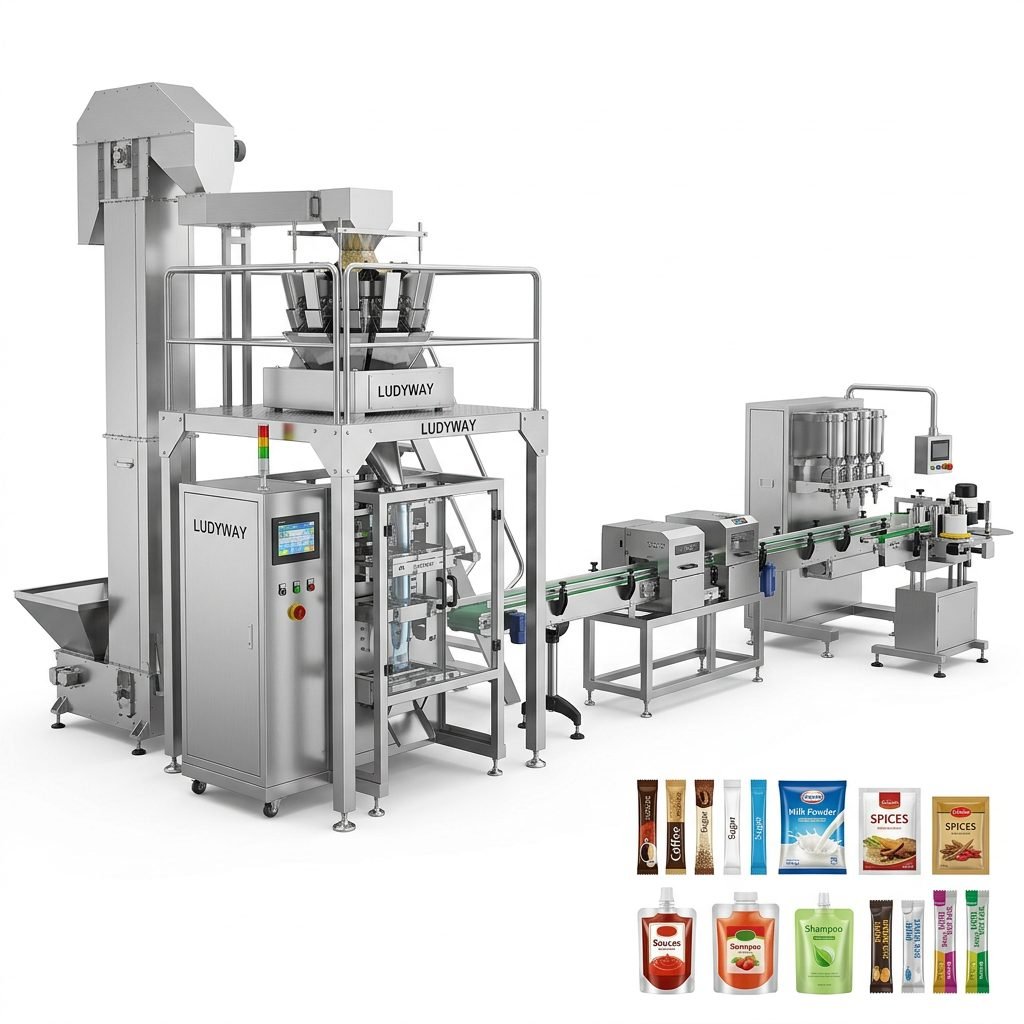
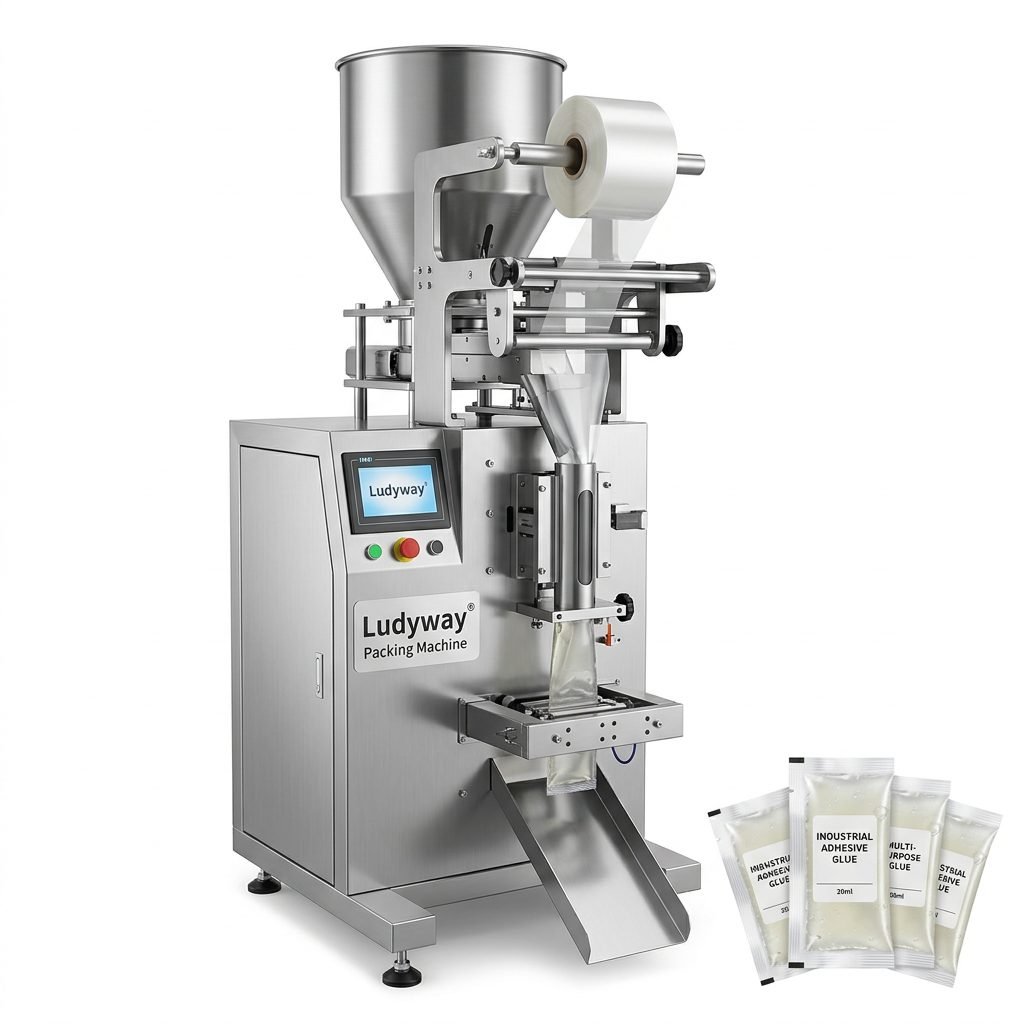
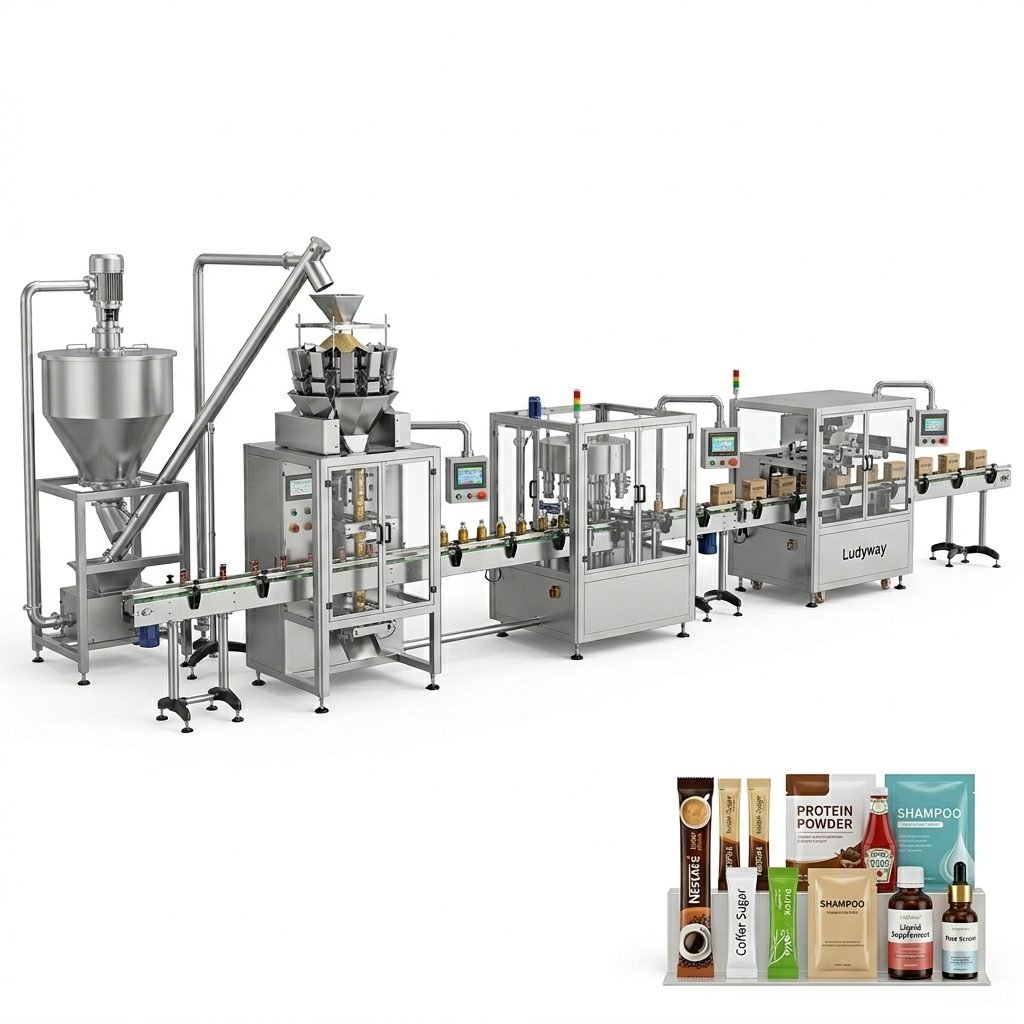
Selecting the right equipment partner is crucial for a successful VSP line installation. Ludyway is one of the largest packaging machine manufacturers in China, with over 30 years of industry experience and a 20,000㎡ modern production facility. Serving customers in over 100 countries, the company provides reliable and efficient packaging solutions including multi-lane stick pack, sachet, and fully automated packaging systems. A capable partner should offer comprehensive support from initial consultation through installation, training, and after-sales service, ensuring your North American production line operates at peak performance.
For additional guidance, explore the PACK EXPO International resources or connect with industry peers through Flexible Packaging Association membership for ongoing insights into packaging technology advancements.