The animal feed industry in Southeast Asia is experiencing unprecedented growth. With rising meat consumption in countries like Vietnam, Indonesia, Thailand, and the Philippines, the demand for locally produced, well-packaged animal feed has skyrocketed. Setting up an efficient animal feed packaging machine production line is no longer just an option—it is a strategic necessity for feed manufacturers aiming to capture market share in this competitive region.
This guide explores the critical steps: from understanding regional market dynamics and selecting the right animal feed packaging equipment to optimizing your workflow for maximum speed, accuracy, and durability in tropical climates.
Understanding the Southeast Asian Feed Market
Before installing machinery, you must understand the local landscape. Southeast Asia is distinct. High humidity, diverse raw materials, and varying logistical infrastructure mean your packaging production line must be robust and adaptable.
- High Humidity Challenges: Feed pellets and powders are prone to clumping. Your packaging machine must seal effectively to ensure a long shelf life.
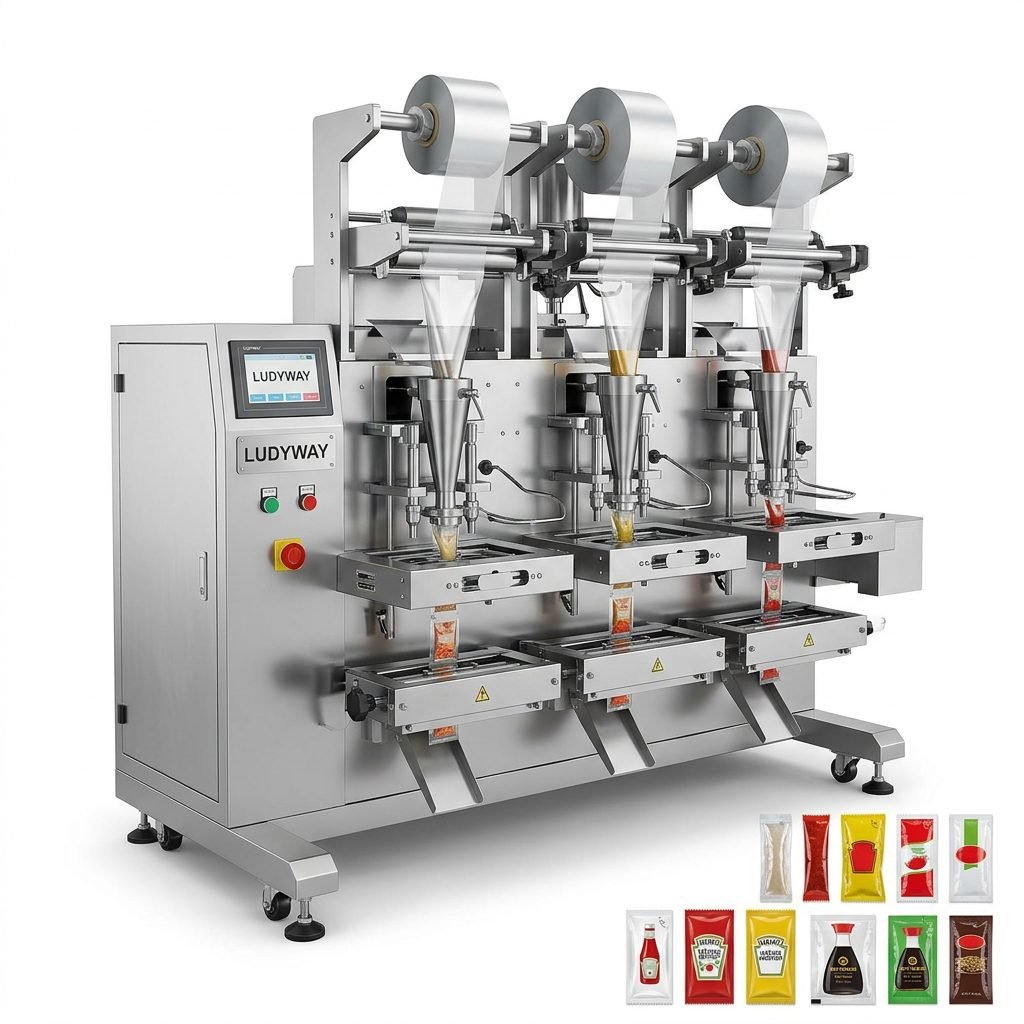
- Diverse Formats: The market demands everything from small retail sachets for backyard farmers to large bulk bags for commercial livestock operations.
- Cost Sensitivity: While automation is key, the initial investment must balance with local labor costs, making semi-automatic or multi-lane stick pack solutions highly popular.
Key Components of a Feed Packaging Production Line
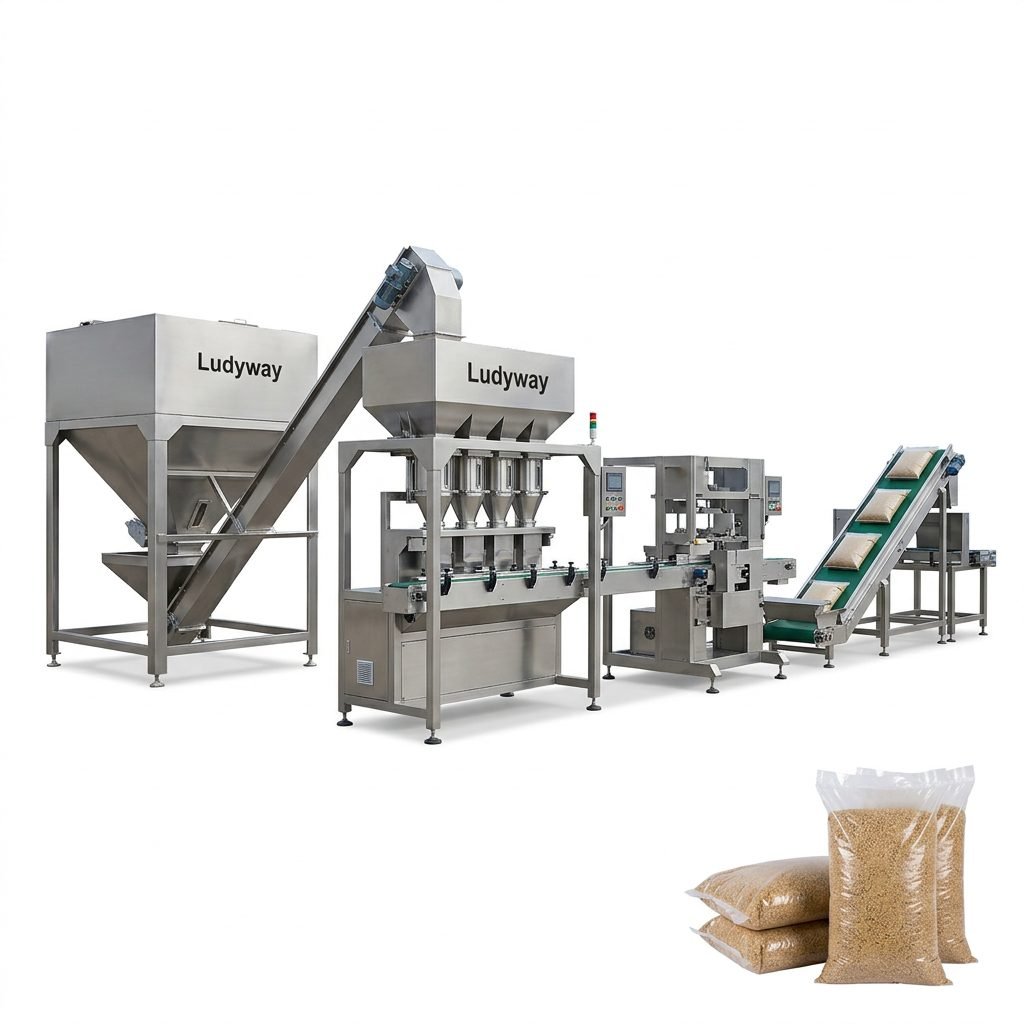
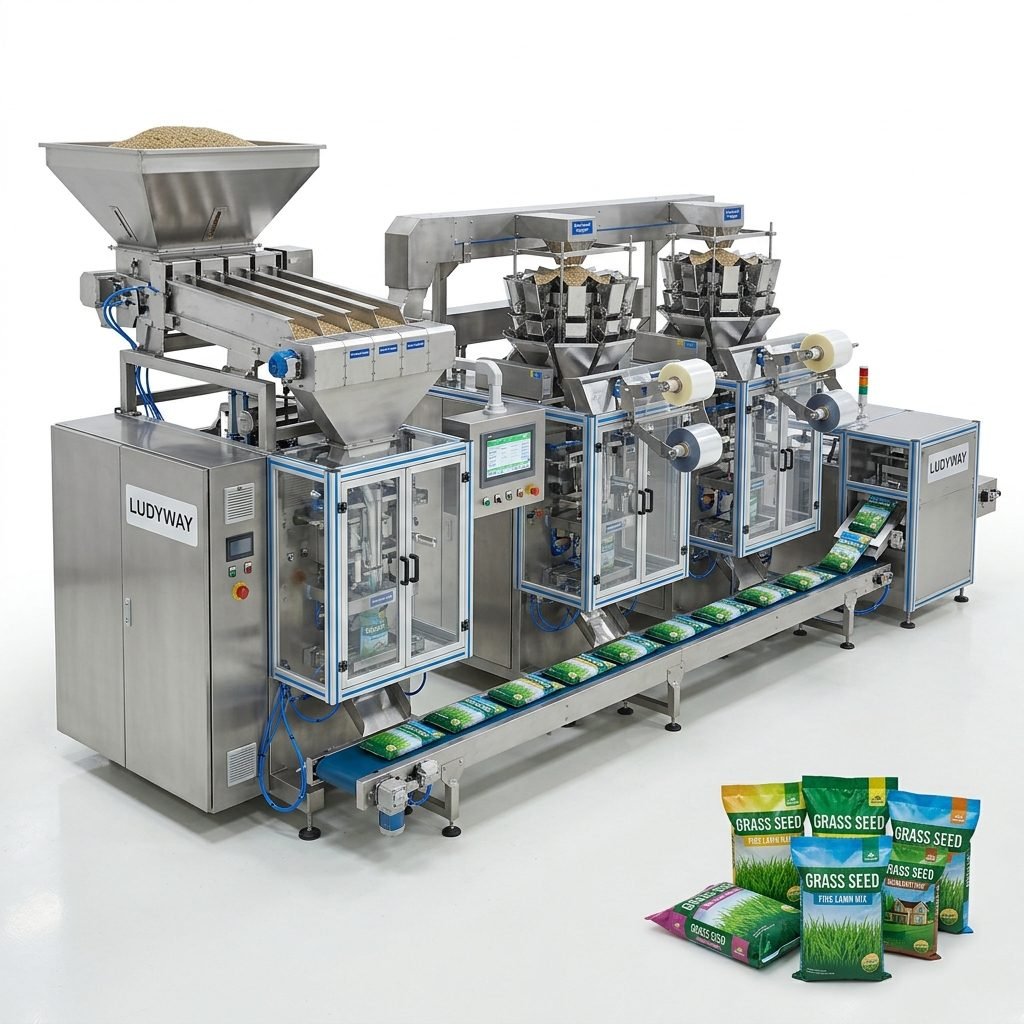
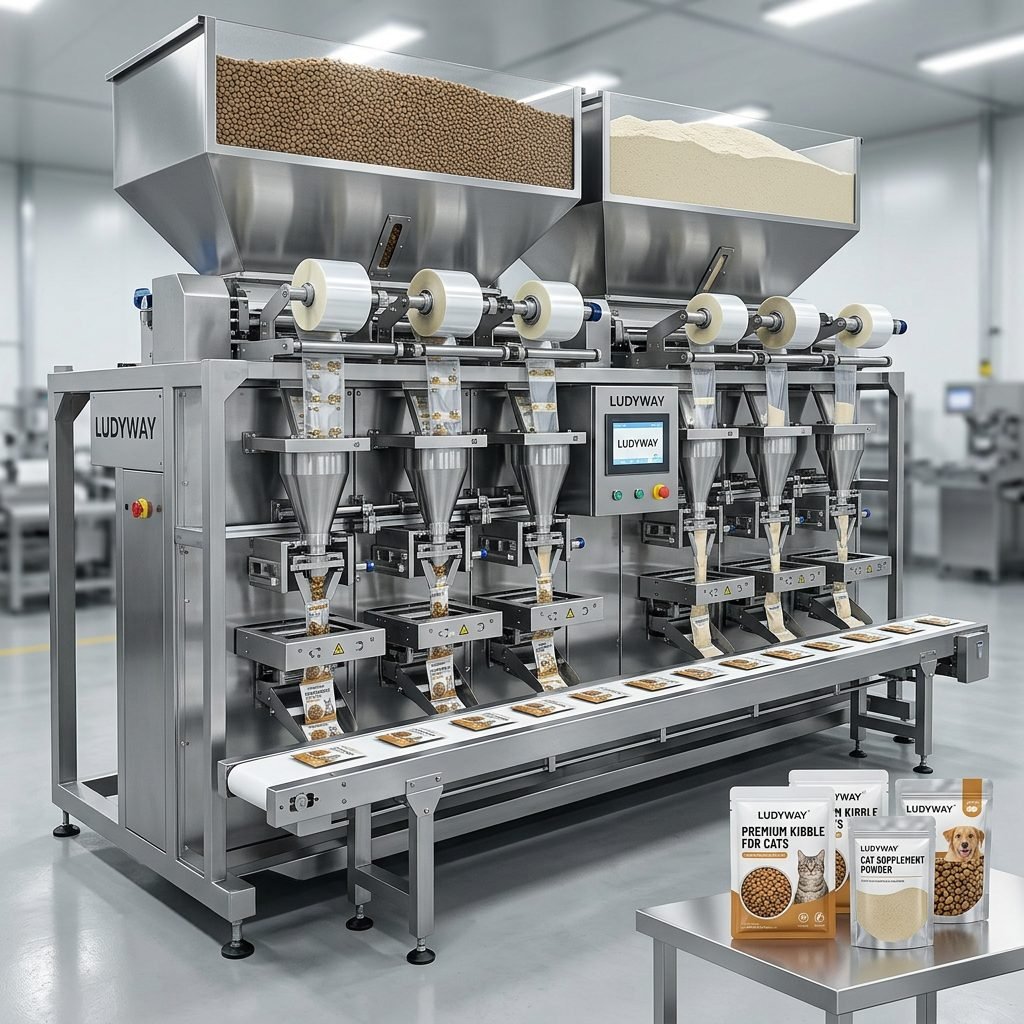
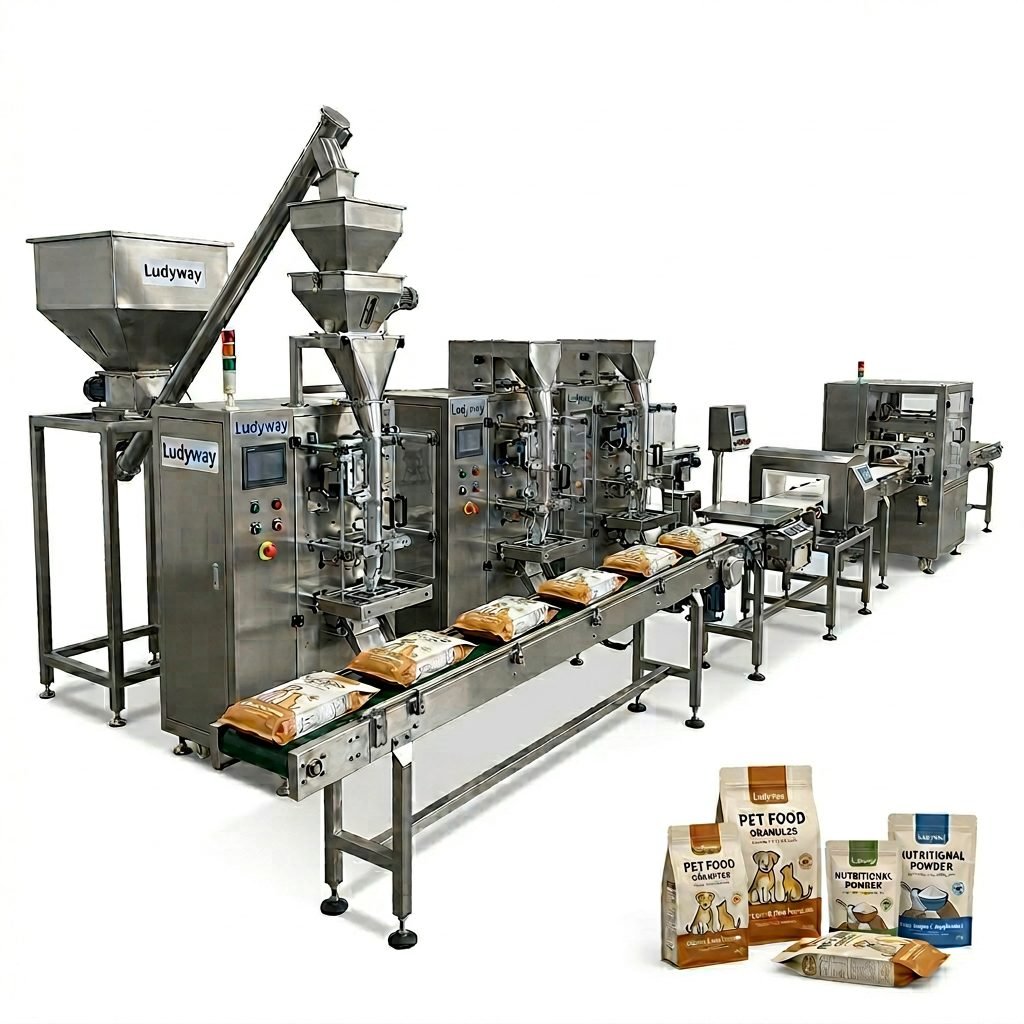
A comprehensive animal feed packaging machine production line is more than just a bagging unit. To achieve efficient end-of-line automation, you need to integrate the following systems:
| Equipment | Function | Key Benefit |
|---|---|---|
| Bucket Elevator / Z-Conveyor | Transports granules/pellets vertically to the scale | Minimizes product breakage |
| Multi-Head Weigher | High-speed precision weighing | Accuracy ±1-2g for stick packs |
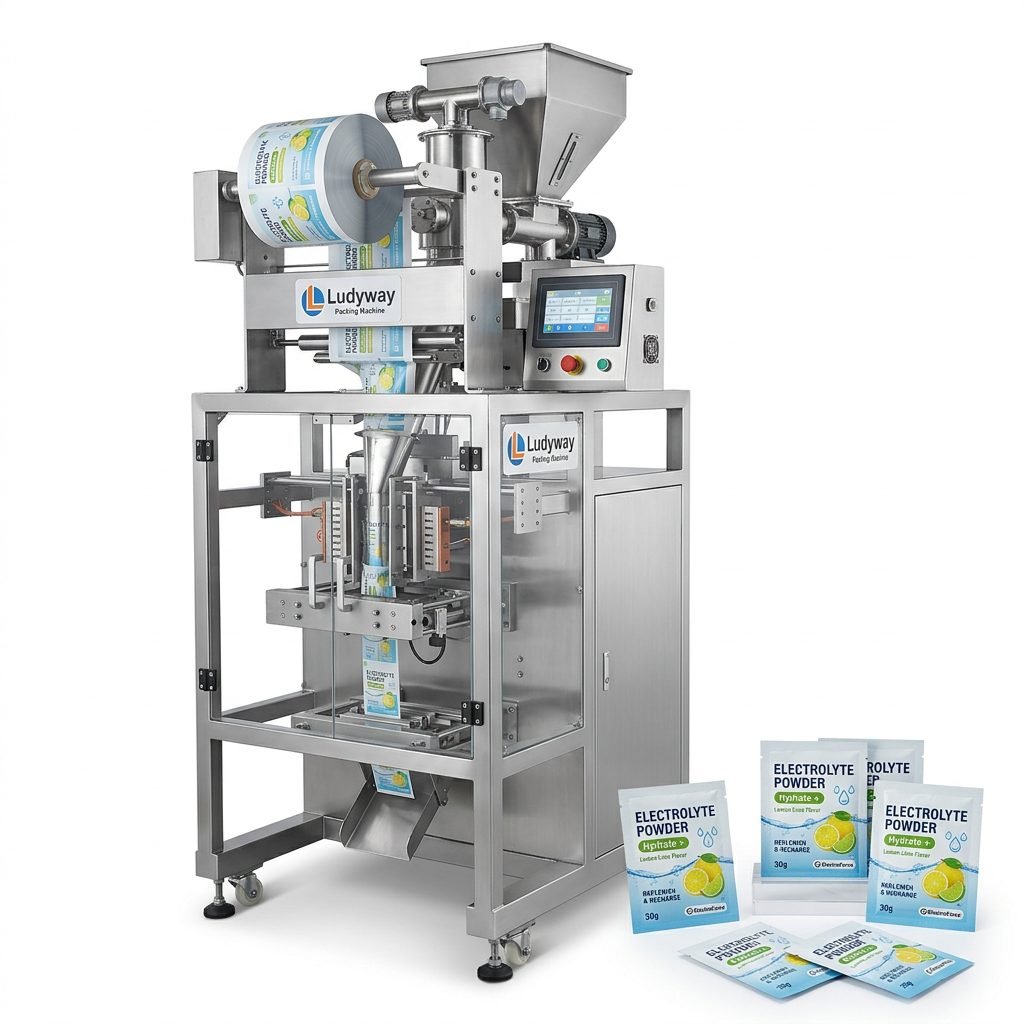
| Vertical Form Fill Seal (VFFS) Machine | Creates the pouch and fills product | Hermetic sealing for tropical climates |
| Checkweigher & Metal Detector | Quality control and contaminant rejection | Compliance with food safety standards |
| Case Packer / Palletizer | Secondary packaging for logistics | Reduces manual labor by 80% |
Choosing the Right Packaging Format
Southeast Asian consumers buy feed in various formats. Your production line must be flexible. Here is a breakdown of the most effective packaging types:
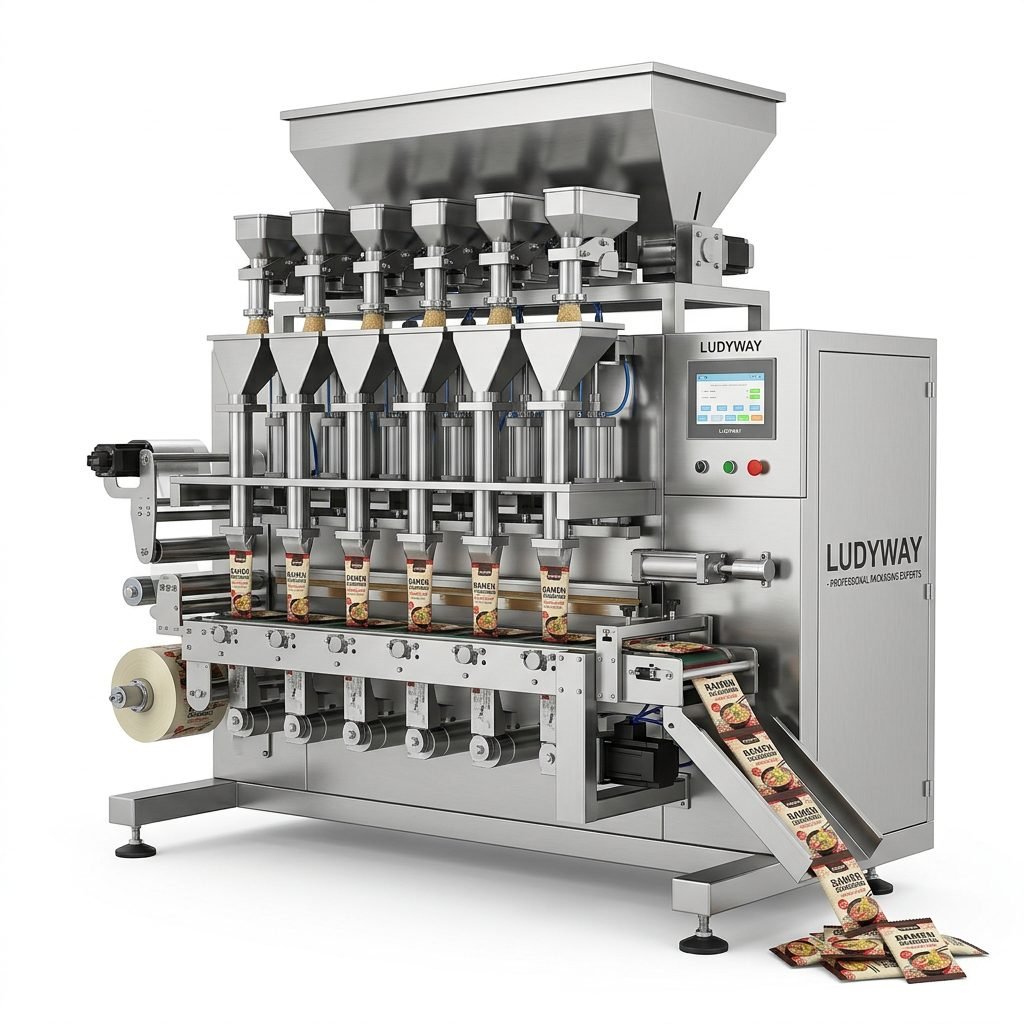
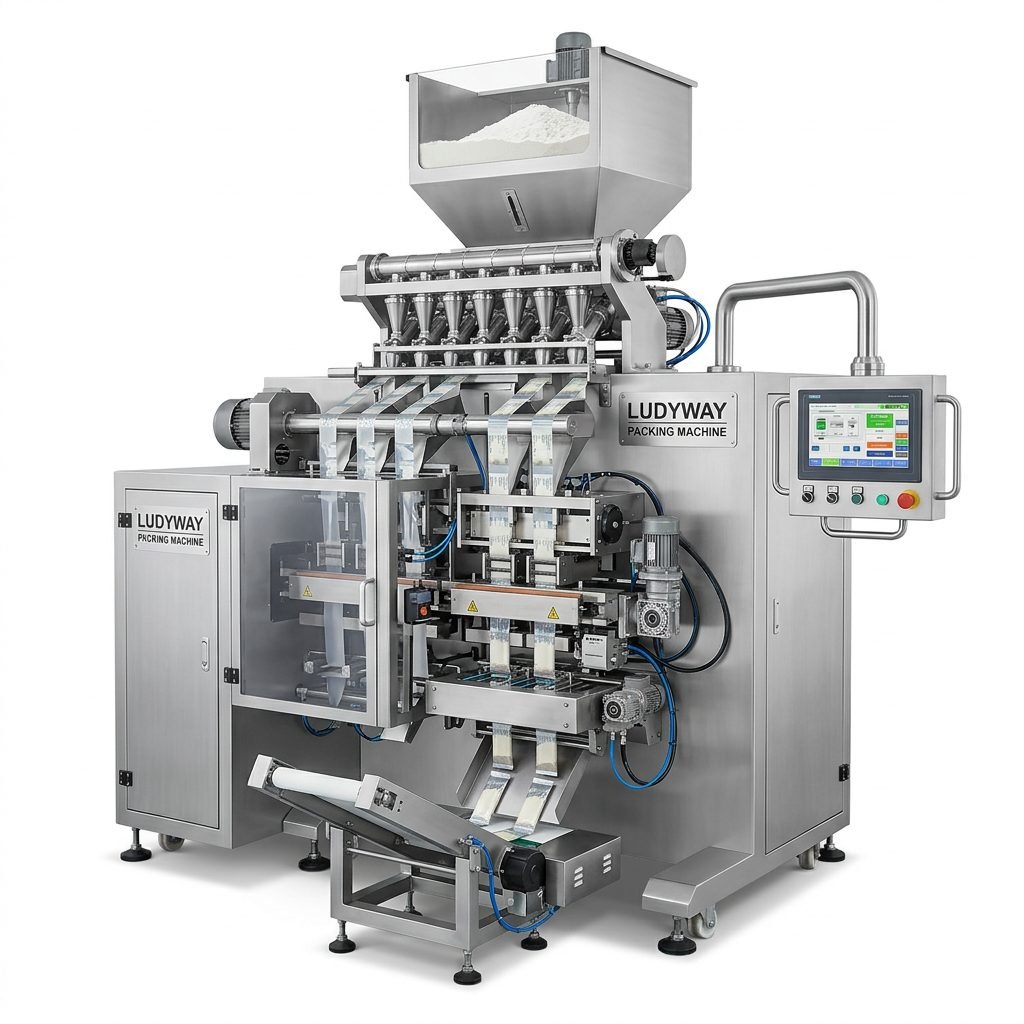
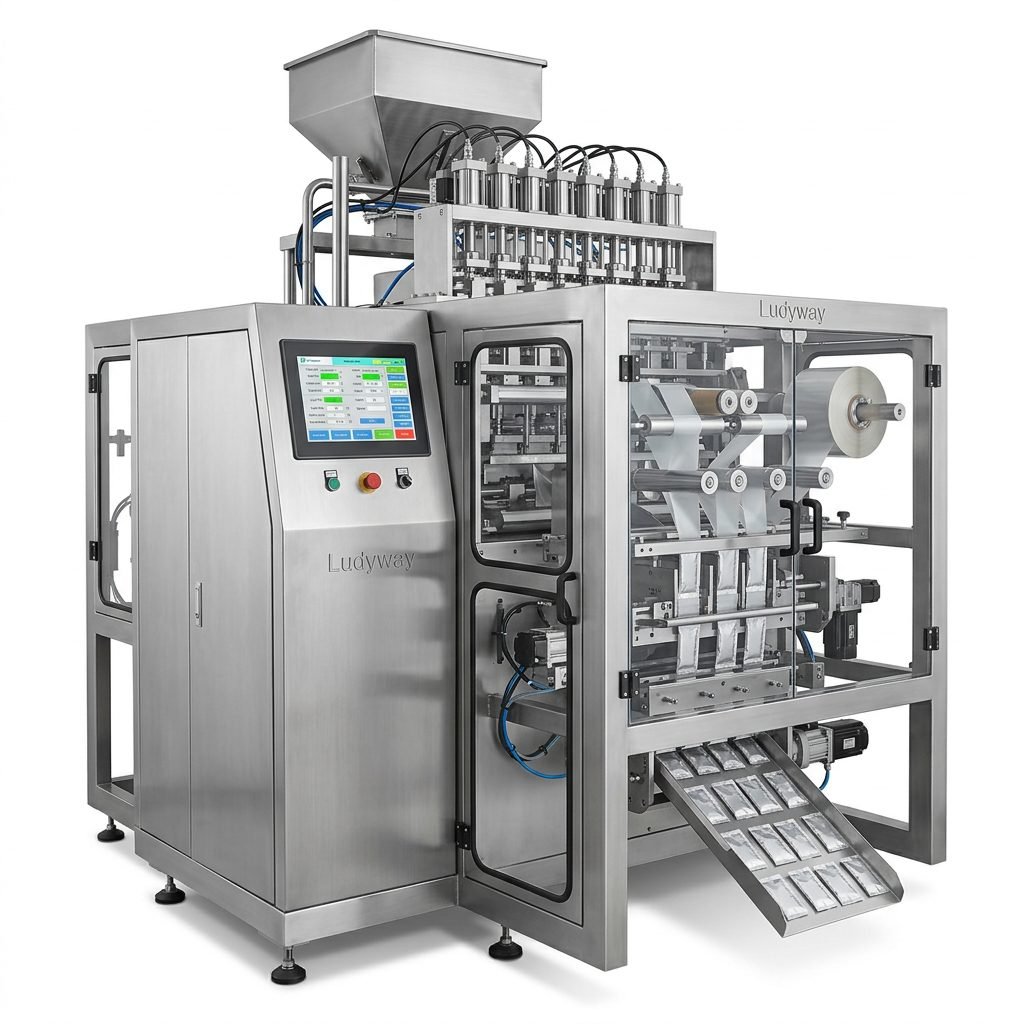
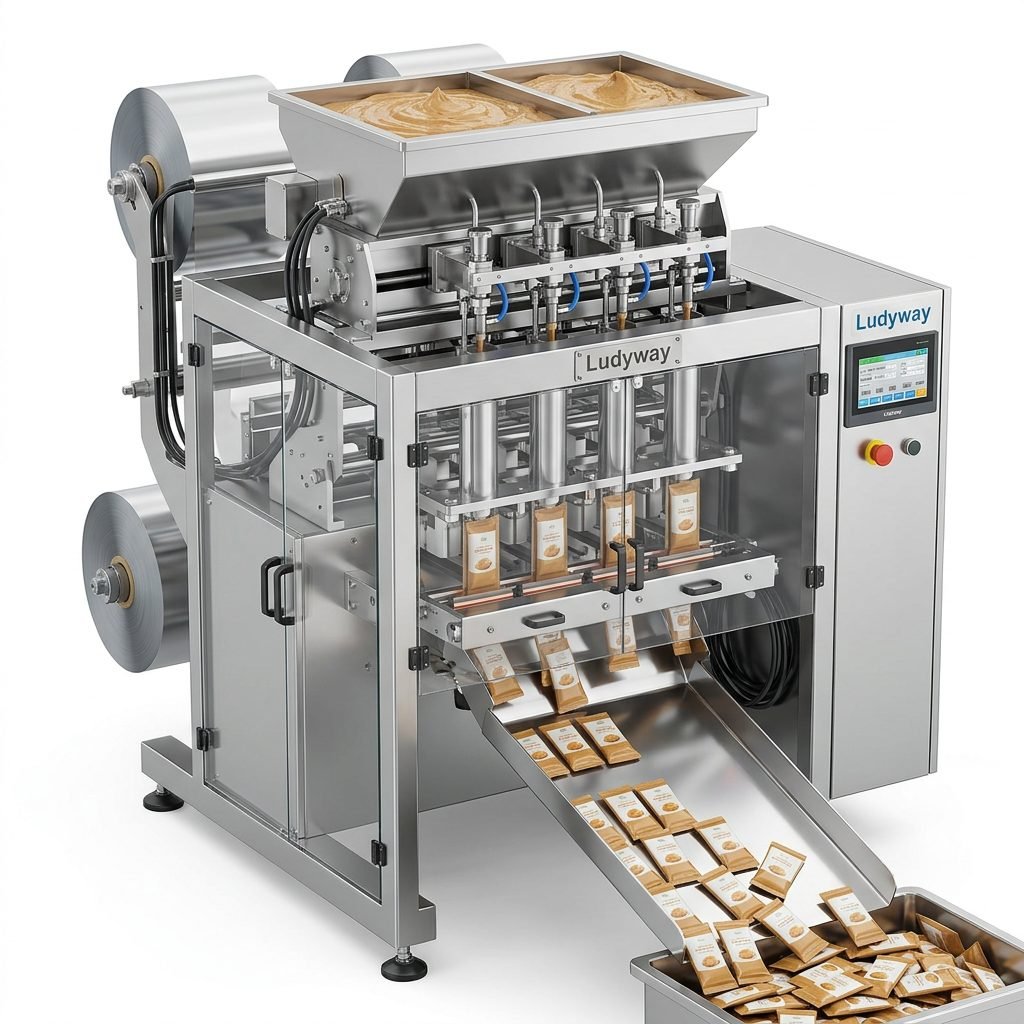
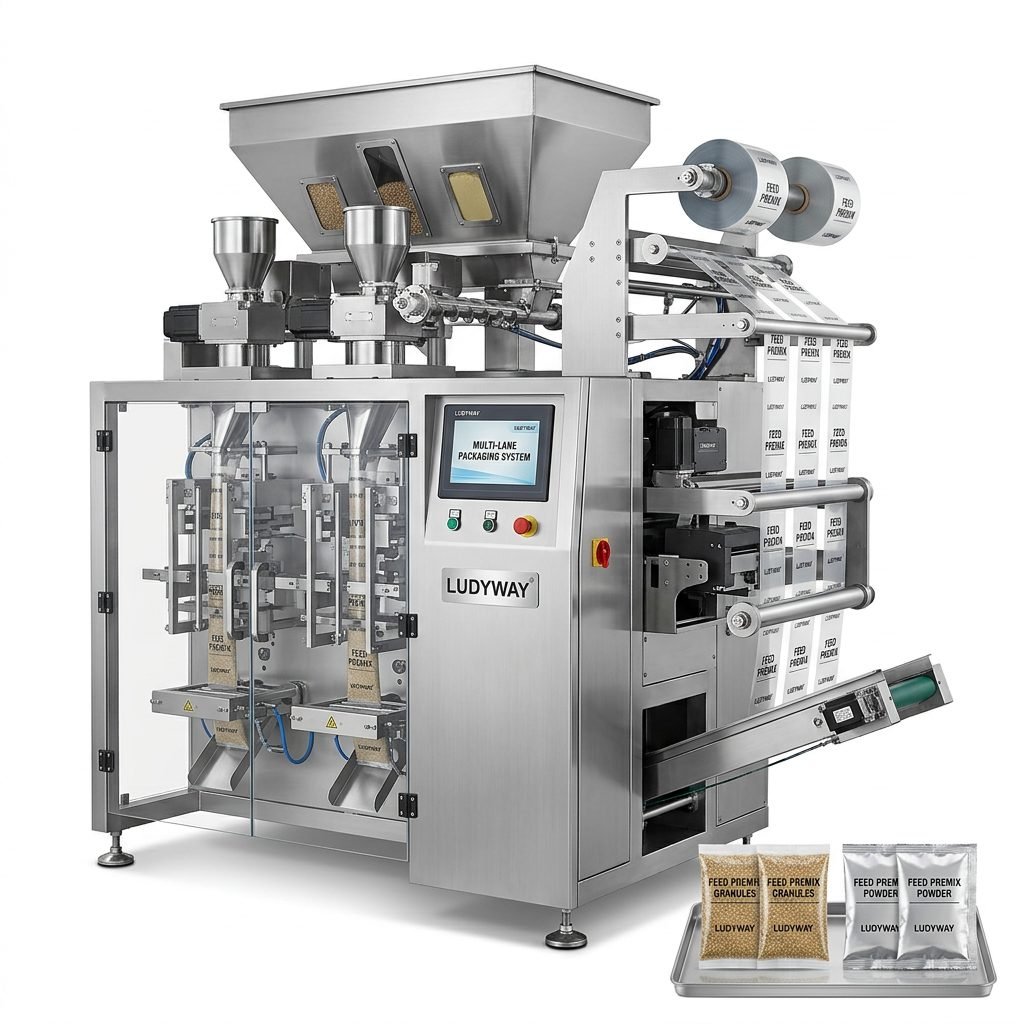
- Multi-Lane Stick Packs: Ideal for vitamins, premixes, and aquafeed. These small, single-use packs preserve freshness and allow for premium branding. A high-speed multi-lane machine can produce hundreds of packs per minute.
- Pillow Pouches (500g-5kg): The standard for retail poultry and swine feed. Look for machines with servo-driven motors for precise film tracking.
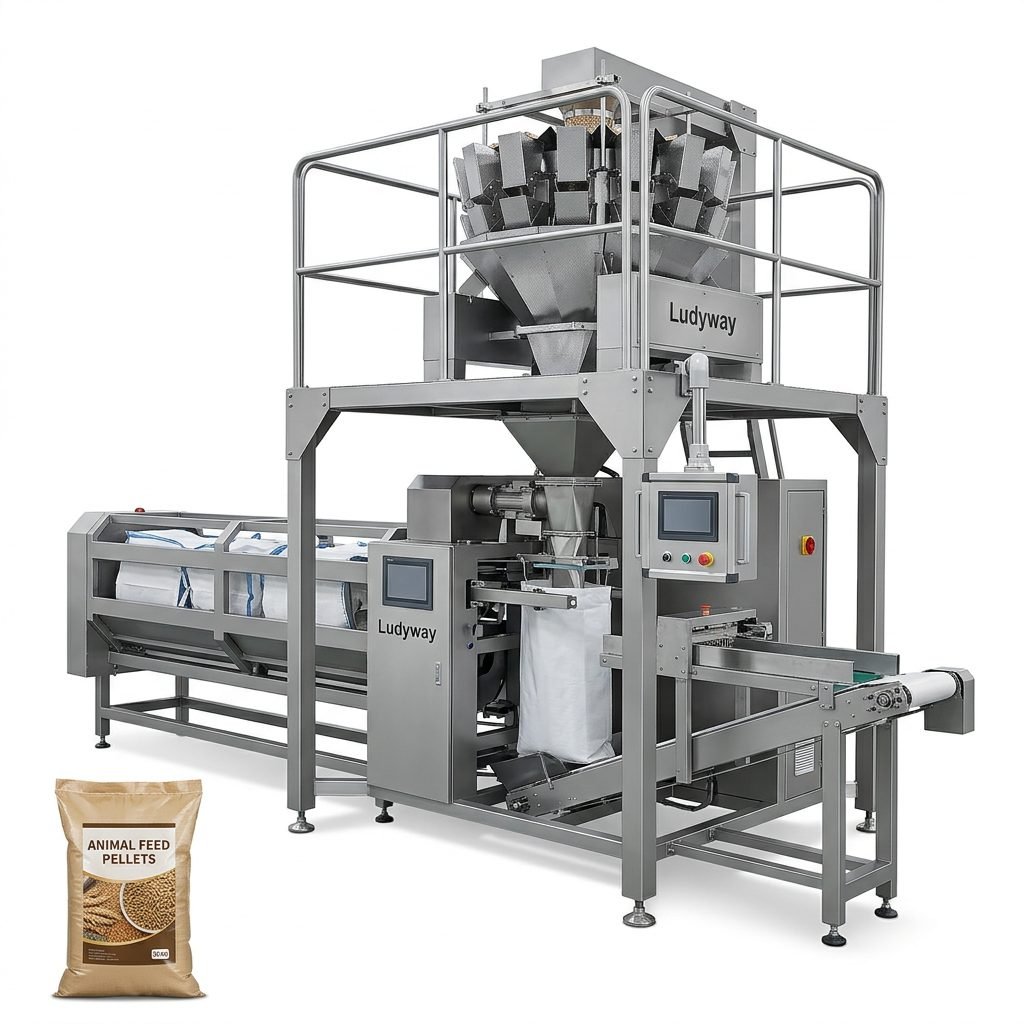
- Gusseted Bags (10kg-25kg): For bulk commercial farms. Automatic bagging scales with sewing heads or heat-sealing jaws are essential here.
Optimizing for the Tropical Climate
One major mistake importers make is ignoring the Southeast Asian climate. High heat and humidity wreak havoc on electronics and film quality. Ensure your animal feed packaging machine production line includes:
- Stainless Steel Construction: SS304 or SS316 is non-negotiable to prevent rust in coastal areas like Thailand or the Philippines.
- Sealed Electrical Cabinets: Dust from feed milling combined with moisture is a recipe for short circuits. IP65-rated cabinets are recommended.
- Dehumidified Film Storage: The packaging film absorbs moisture, leading to poor seals. Store laminate rolls in a dry area before feeding them into the vertical packaging machine.
Capacity Planning: Matching Output to Demand
How fast do you need to run? Here is a general capacity guide for a mid-sized feed mill in Vietnam or Indonesia:
| Bag Size | Target Speed (Bags/Min) | Recommended Technology |
|---|---|---|
| Stick Pack (5-50g) | 45-60 cuts/min (per lane) | 4 to 12-Lane Stick Pack Machine |
| Small Pouch (1-2kg) | 25-40 | High-Speed VFFS with Twin Weighers |
| Bulk Bag (25kg) | 8-12 | Net Weigh Filling Machine with Sewing Conveyor |
Integration: The Turnkey Advantage
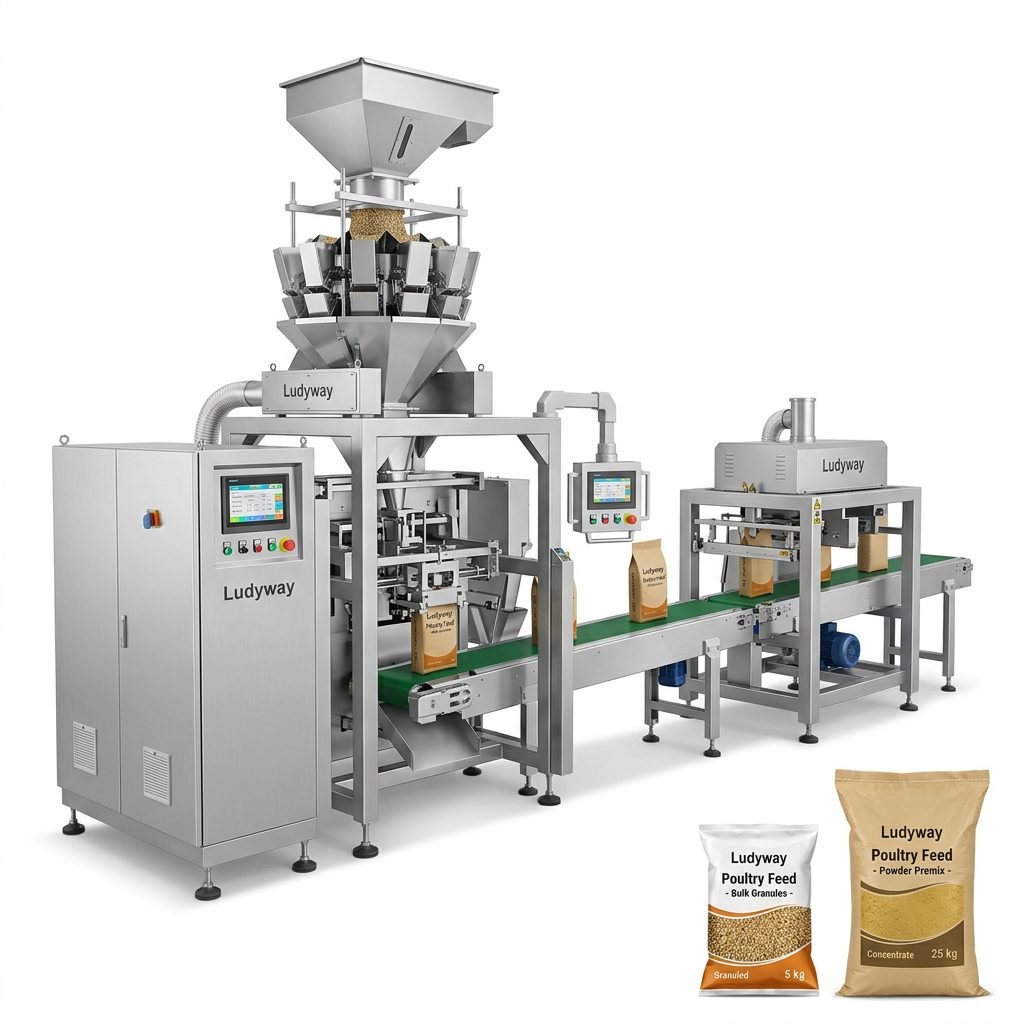
In Southeast Asia, many processors prefer a turnkey production line. Instead of sourcing scales, conveyors, and sealers from different suppliers, a single integrated solution ensures seamless communication between modules. This is particularly crucial for aquafeed and shrimp feed, where breakage must be minimized during conveyance.
Companies like Ludyway specialize in providing complete, integrated lines that connect the mixing silo to the palletized load, reducing installation time and eliminating compatibility issues. With a manufacturing facility equipped to handle complex assembly, sourcing from an experienced partner ensures you get a system calibrated specifically for dense animal feed granules rather than generic snack foods.
Regulatory Compliance and Safety
Southeast Asian nations are tightening food safety regulations. Your packaging process must prevent contamination. Critical considerations include:
- Metal Detection: Essential for catching broken machinery fragments in the final product.
- Easy Clean Design: Tool-less disassembly helps prevent cross-contamination between medicated and non-medicated feed batches.
- Hygienic Film Sealing: Ensure the packaging machine uses validatable sealing temperatures to guarantee pack integrity, protecting against the humid supply chain in rural areas.
Maintenance and Local After-Sales Support
Downtime is the enemy of profitability. When setting up your animal feed packaging machine production line, pre-emptively address maintenance:
- Spare Parts Inventory: Stock critical wear parts like sealing jaws, Teflon tapes, and heater cartridges locally.
- Remote Diagnostics: Modern lines offer Industry 4.0 capabilities, allowing technicians remotely located to diagnose faults, saving costly flight and hotel expenses for a simple sensor fix.
- Operator Training: Invest in comprehensive training for local staff. A properly trained operator in Manila or Jakarta will keep the line running significantly more efficiently than an untrained one.
Setting up a successful animal feed packaging line in Southeast Asia is a significant undertaking that blends engineering with local market insight. By focusing on humidity-resistant machinery, flexible packaging formats like multi-lane stick packs and bulk bags, and integrating robust quality control systems, you can build a facility that stands out in this rapidly developing market. The shift toward packaged, branded feed is accelerating, and having the right industrial backbone allows you to deliver quality and consistency to the region’s growing livestock sector.