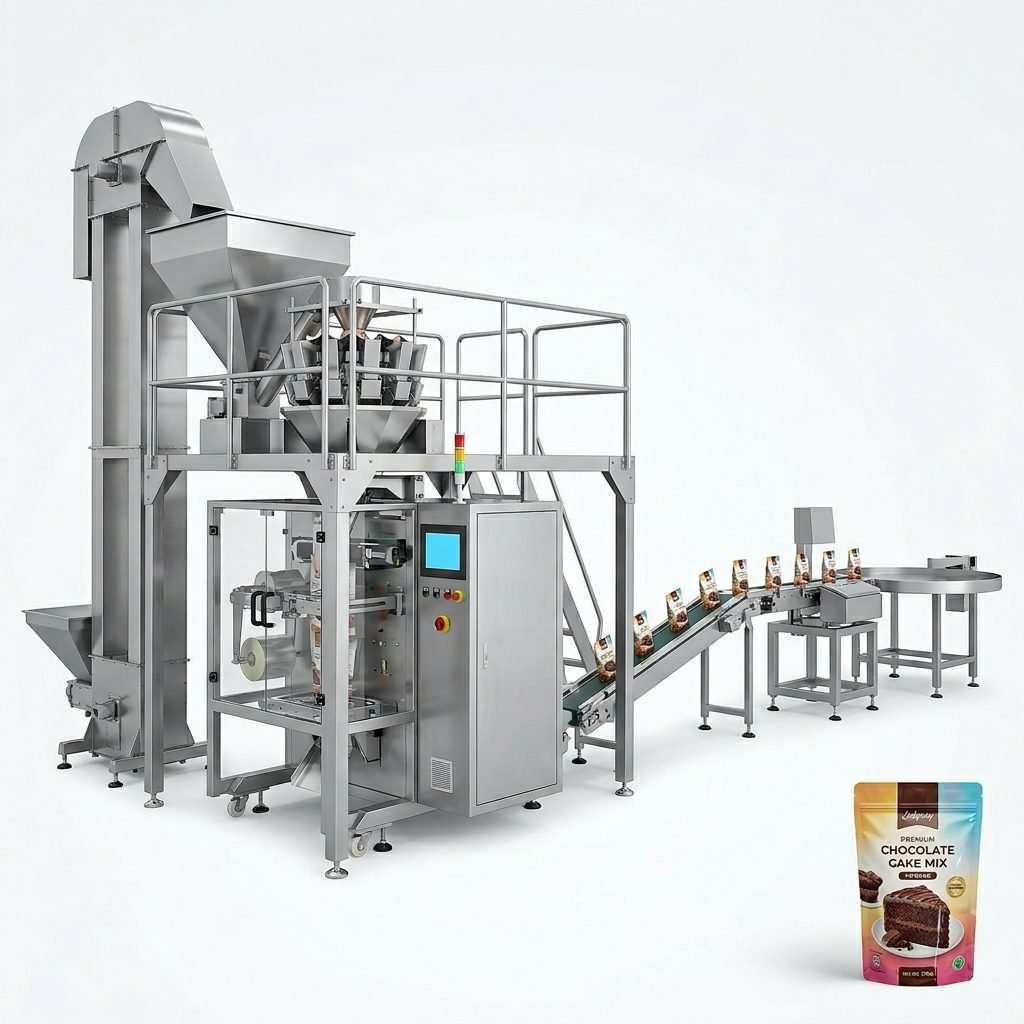
Investing in the right ice pop packaging machine is a critical decision for manufacturers across Southeast Asia. With rising demand for frozen treats in markets like Indonesia, Thailand, Vietnam, and the Philippines, production efficiency and packaging quality directly impact profitability. This guide covers everything you need to know before purchasing equipment for your ice pop production line.
Understanding the Ice Pop Market in Southeast Asia
Southeast Asia’s tropical climate creates year-round demand for ice pops, also known as ice lollies or freeze pops. The region’s growing middle class and expanding retail infrastructure — from traditional wet markets to modern convenience store chains — have driven significant growth in frozen confectionery. According to industry data from the PMMI Business Intelligence, flexible packaging formats including stick packs and sachets are among the fastest-growing segments in emerging markets. For ice pop producers, selecting machinery that can handle high-speed liquid filling while maintaining seal integrity is essential for success.
Types of Ice Pop Packaging Machines
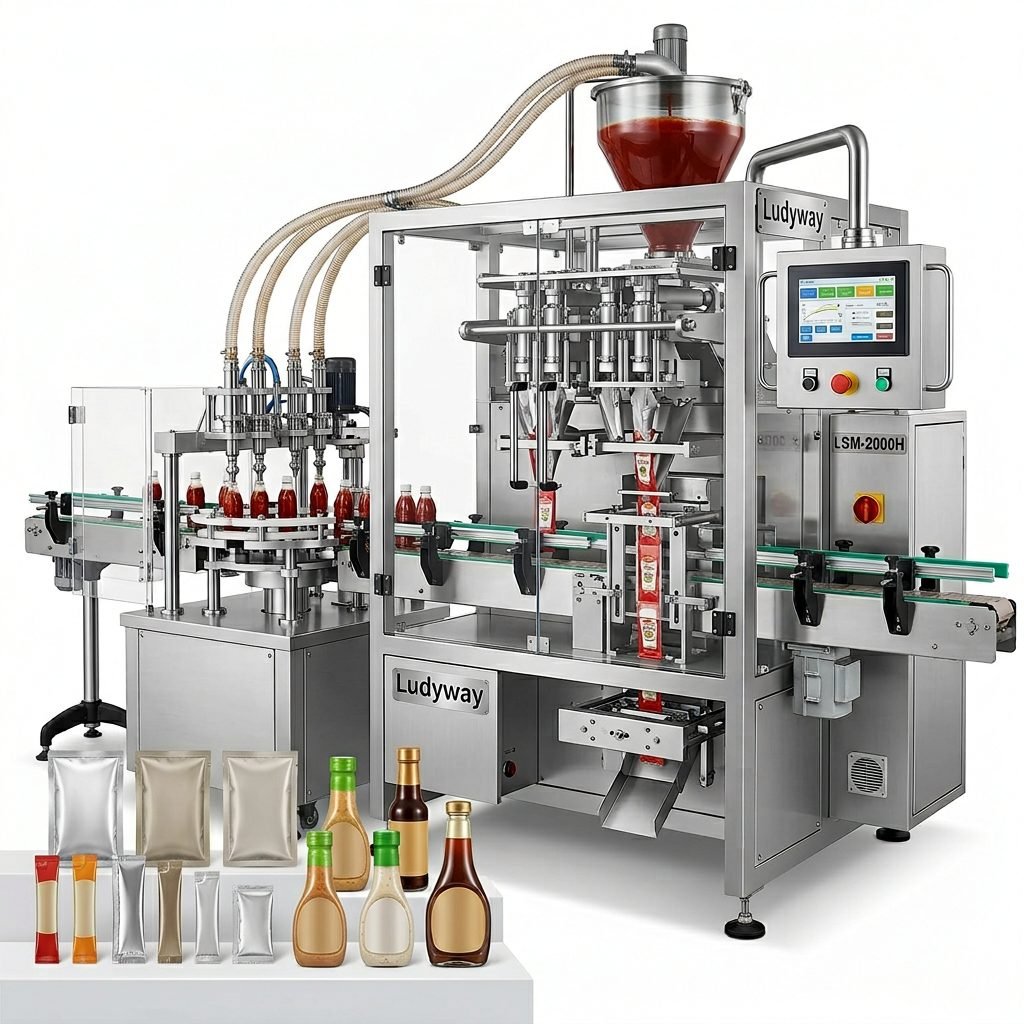
Ice pop packaging machines generally fall into several categories based on the packaging format and production speed required. Understanding the differences helps you match equipment to your specific product and market needs.
Multi-Lane Stick Pack Machines
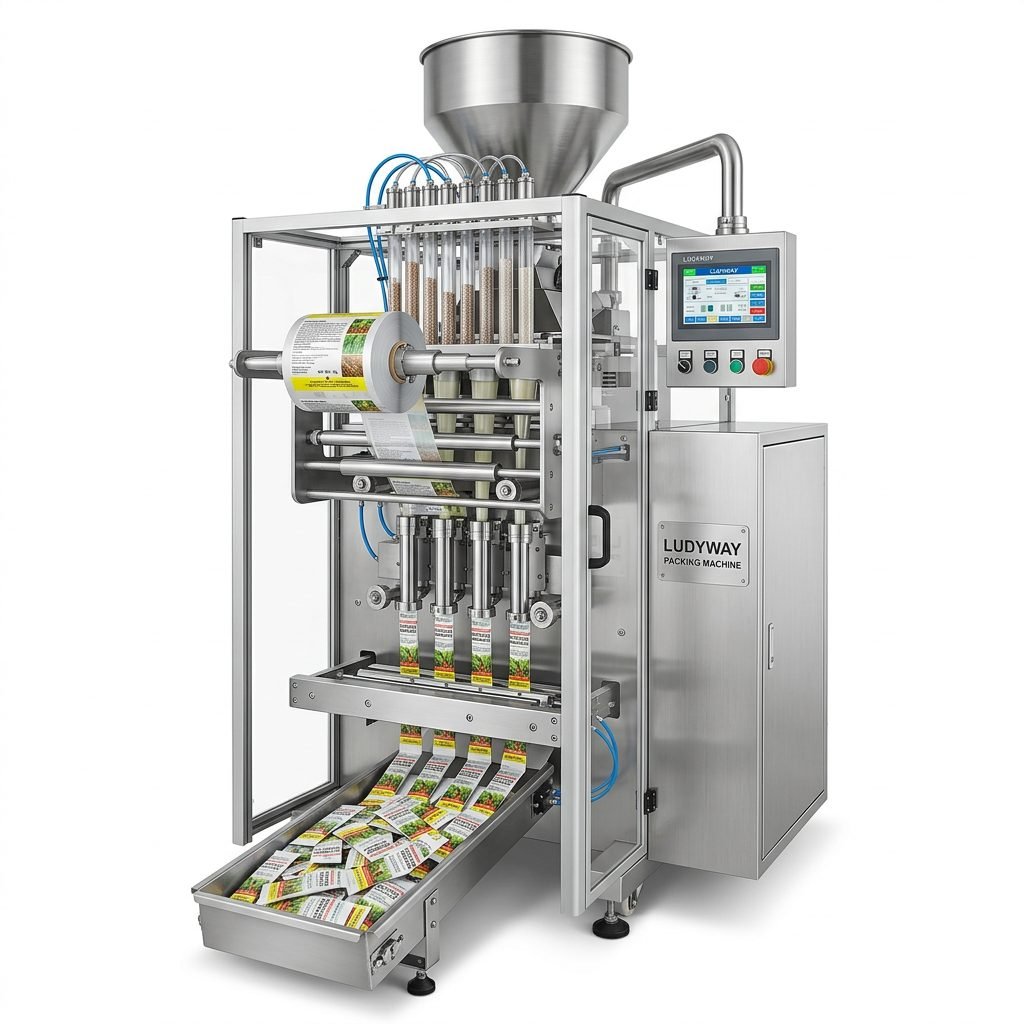
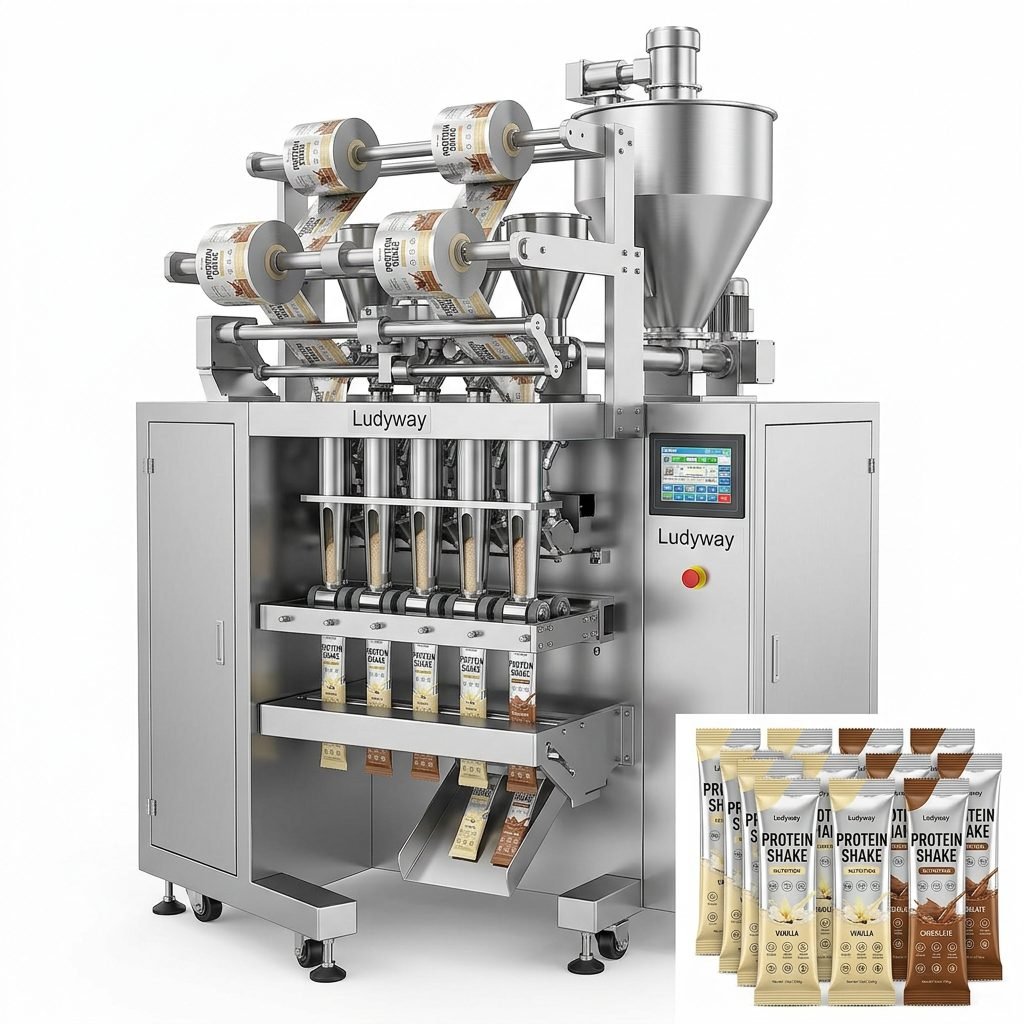
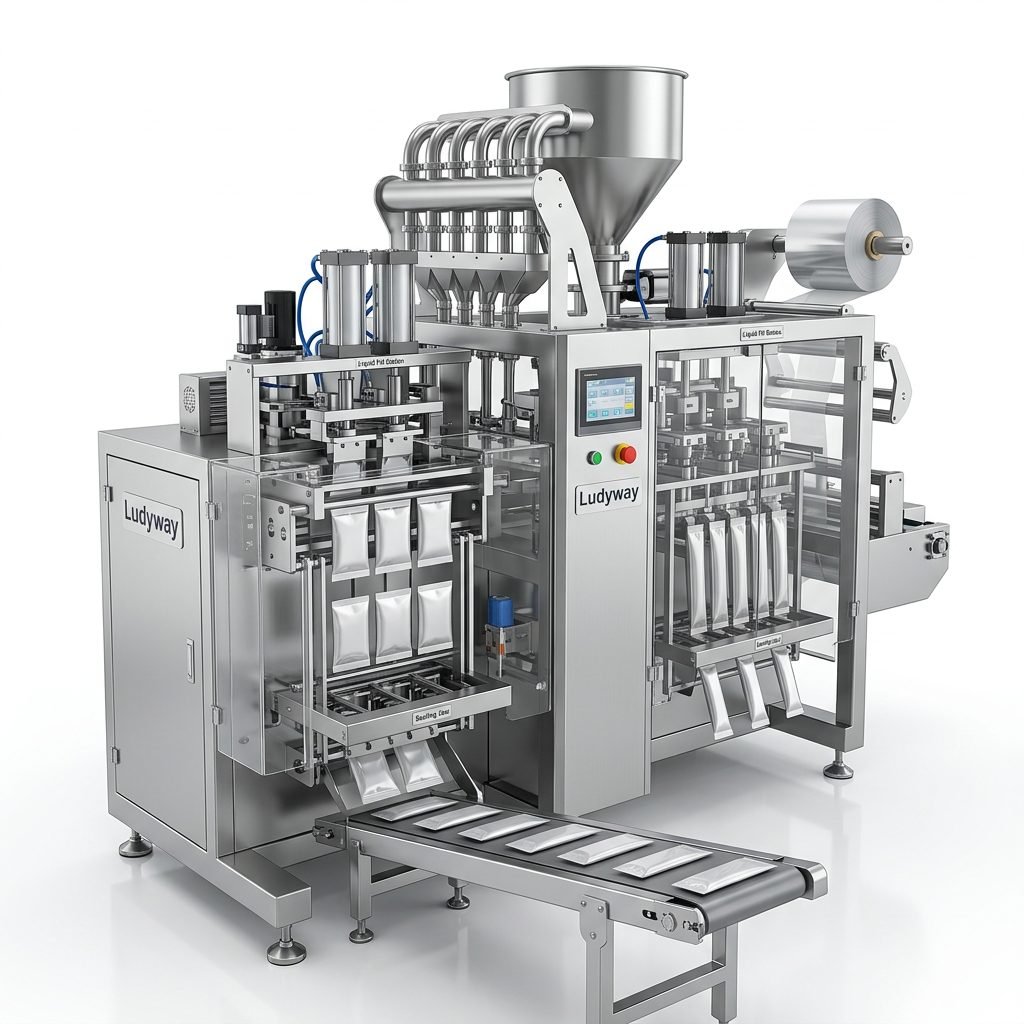
These machines produce individual stick-shaped pouches ideal for freeze-at-home ice pops. A multi-lane stick pack machine can run 4 to 16 lanes simultaneously, achieving outputs of 400 to 1,200 packs per minute. For Southeast Asian producers targeting export markets, stick pack formats offer excellent portion control and brand differentiation.
Sachet Packaging Machines
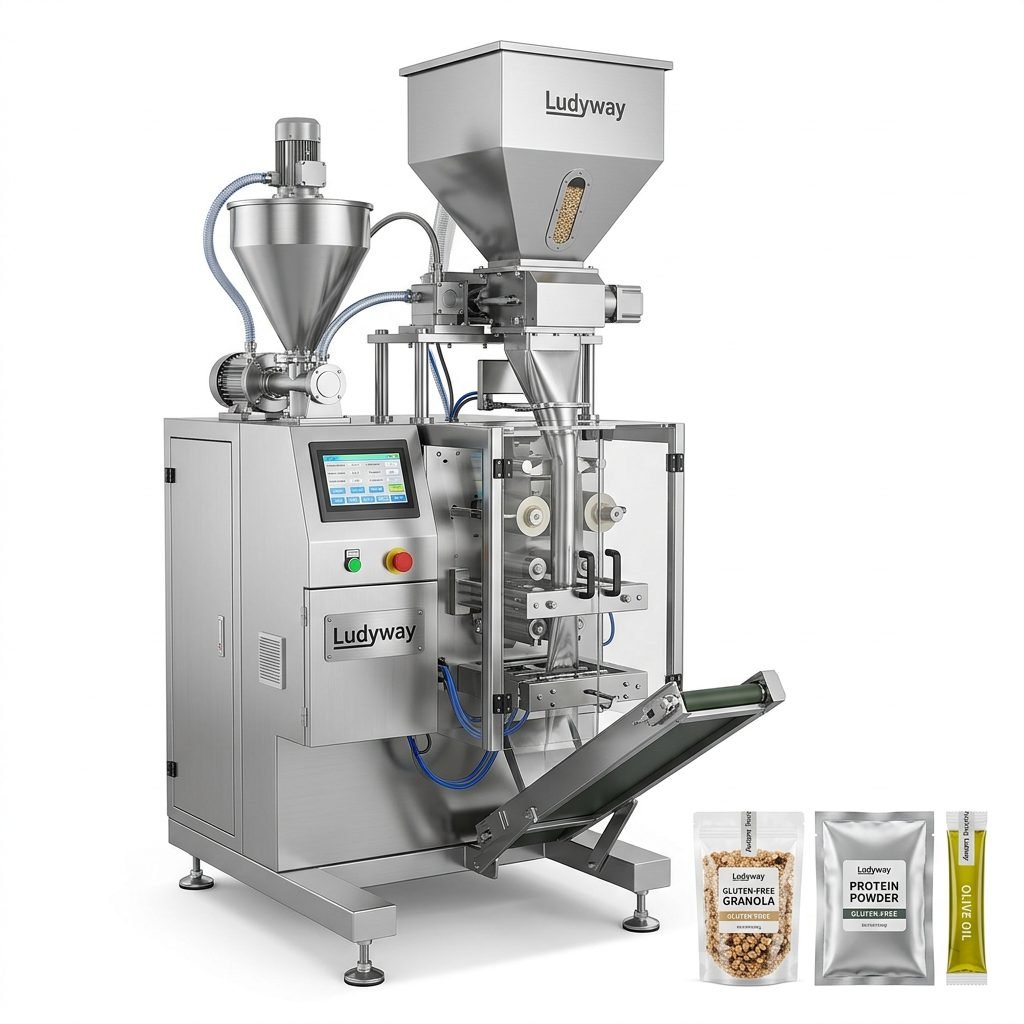
Sachet packaging remains dominant in Southeast Asia due to its affordability and convenience. Flat sachets and three-side-seal pouches are widely used for ice pops sold in traditional retail channels. Modern sachet machines feature servo-driven sealing jaws that ensure leak-proof seals — critical for liquid-filled ice pops that must withstand freezing and thawing cycles.
Liquid Filling and Sealing Systems
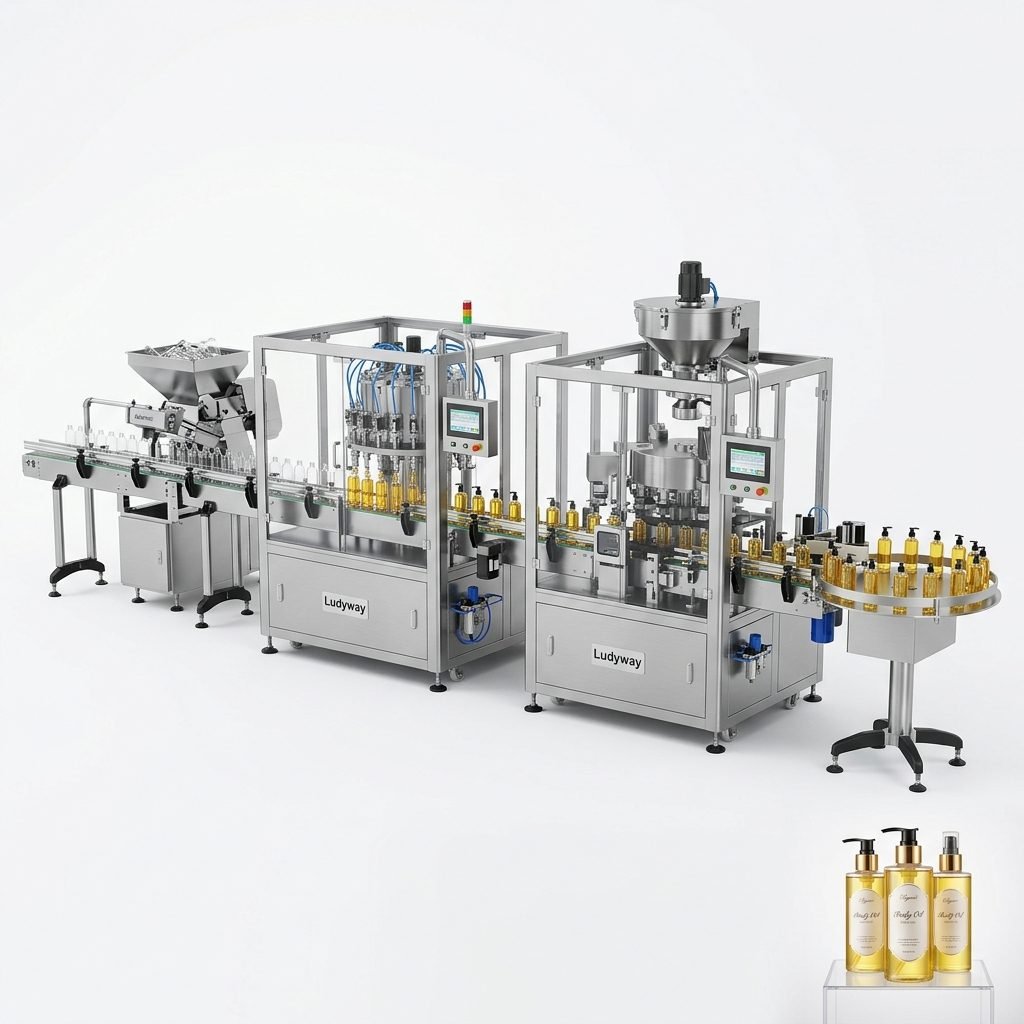
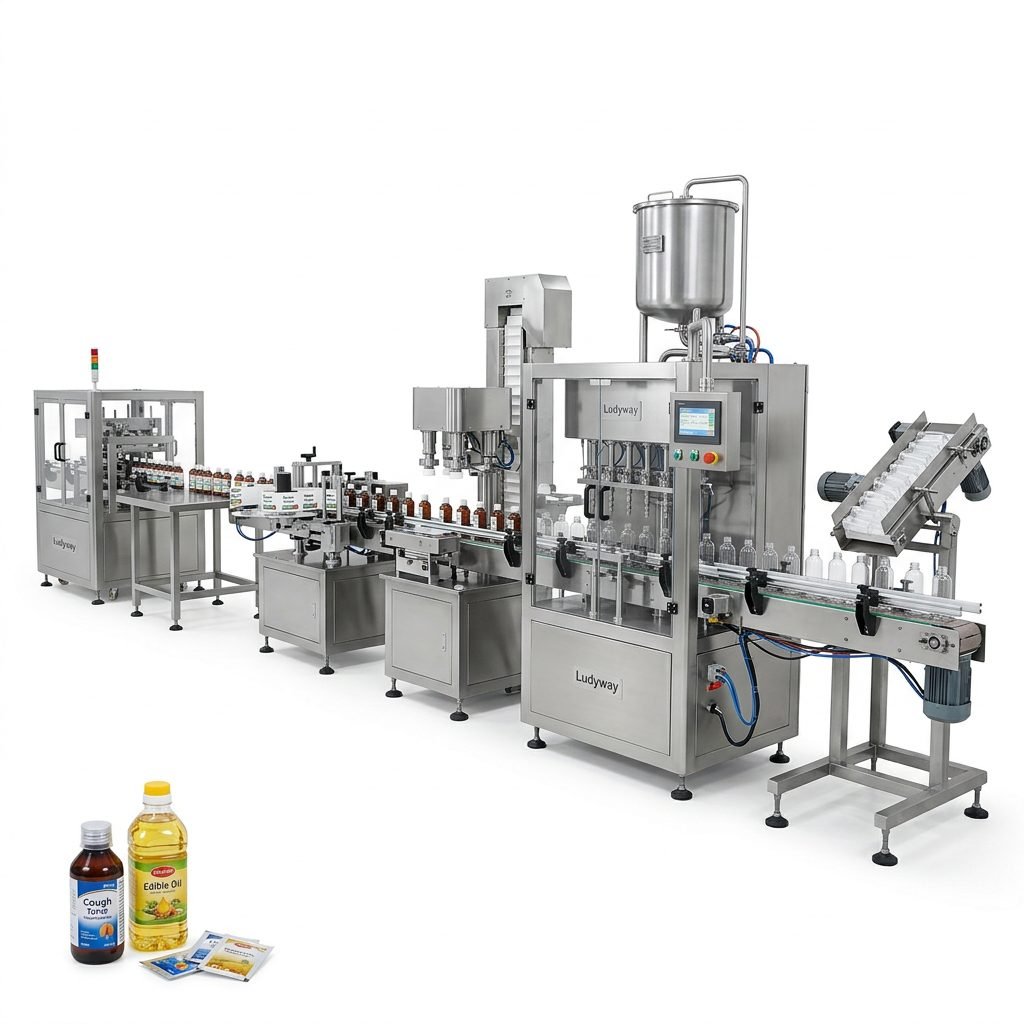
For larger-format ice pops or multi-flavor products, dedicated liquid filling lines with volumetric or piston fillers provide accuracy within ±1%. These systems often integrate with ISO packaging standards for food safety compliance, which is increasingly important for manufacturers exporting to regulated markets.

Key Factors to Consider When Buying
Before making a purchasing decision, evaluate these critical parameters against your production requirements. The table below summarizes the most important specifications to compare across different manufacturers.
| Specification | Why It Matters | Recommended Range |
|---|---|---|
| Production Speed | Determines output capacity per shift | 200-800 packs/min per lane set |
| Filling Accuracy | Reduces product giveaway and ensures consistency | ±1% or better for liquids |
| Seal Integrity | Prevents leakage during freezing and transport | ISO 11607 compliant sealing |
| Film Compatibility | Supports multi-layer barrier films for extended shelf life | PE, PET/AL/PE laminates |
| Changeover Time | Affects production flexibility for different flavors and sizes | Under 30 minutes per changeover |
| Automation Level | Reduces labor dependency and improves consistency | Semi-automatic to fully automatic |
Climate and Operational Considerations for Southeast Asia
Operating packaging equipment in tropical environments presents unique challenges. High ambient humidity can affect powder and granule-based ice pop mixes before packaging, while temperature fluctuations in production facilities influence seal quality. Look for machines with:
- Stainless steel construction — resists corrosion in humid coastal factory locations
- Closed-loop temperature control — maintains consistent sealing jaw temperatures regardless of ambient conditions
- IP65-rated electrical components — protects against moisture ingress during washdown procedures
- Voltage stabilization features — compensates for power fluctuations common in some Southeast Asian industrial zones
- Dust and insect protection — essential for facilities operating with open ventilation
Top Machine Features for Ice Pop Production
When evaluating ice pop packaging machinery, prioritize these features that directly impact product quality and operational efficiency in Southeast Asian manufacturing environments.
Servo-Driven Filling Systems
Servo motors provide precise fill volume control across all lanes, reducing waste and ensuring each ice pop contains the correct amount of liquid. This technology is particularly valuable for products with multiple flavor variants running on the same line.
Quick-Release Film Handling
Tool-less film path adjustments and splice tables with automatic detection minimize downtime during roll changes. For high-volume ice pop producers running 24-hour shifts, this feature alone can increase overall equipment effectiveness (OEE) by 5-8%.
Integrated Quality Control Systems
Modern packaging lines incorporate vision inspection systems and checkweighers that automatically reject packs with insufficient seals or incorrect fill levels. As highlighted by FDA food packaging guidelines, automated quality control is becoming a standard requirement for food safety compliance in international markets.
Data Logging and Connectivity
Machines equipped with IoT-enabled controllers allow production managers to monitor output, downtime, and efficiency metrics remotely. This capability supports predictive maintenance strategies that are gaining traction among Southeast Asian manufacturers seeking to reduce unplanned stoppages.
Comparing Suppliers and Evaluating Support
Selecting the right equipment supplier is as important as choosing the machine itself. Consider these factors during your evaluation process:
| Evaluation Criteria | What to Look For |
|---|---|
| Regional Service Presence | Local technicians or regional service hubs in Southeast Asia for rapid response |
| Spare Parts Availability | Readily available consumables and critical spare parts within the region |
| Training Programs | Comprehensive operator and maintenance training, ideally in local languages |
| Reference Installations | Existing clients in Southeast Asia producing similar frozen confectionery products |
| Warranty Terms | Minimum 12-month warranty with clear coverage terms for mechanical and electrical components |
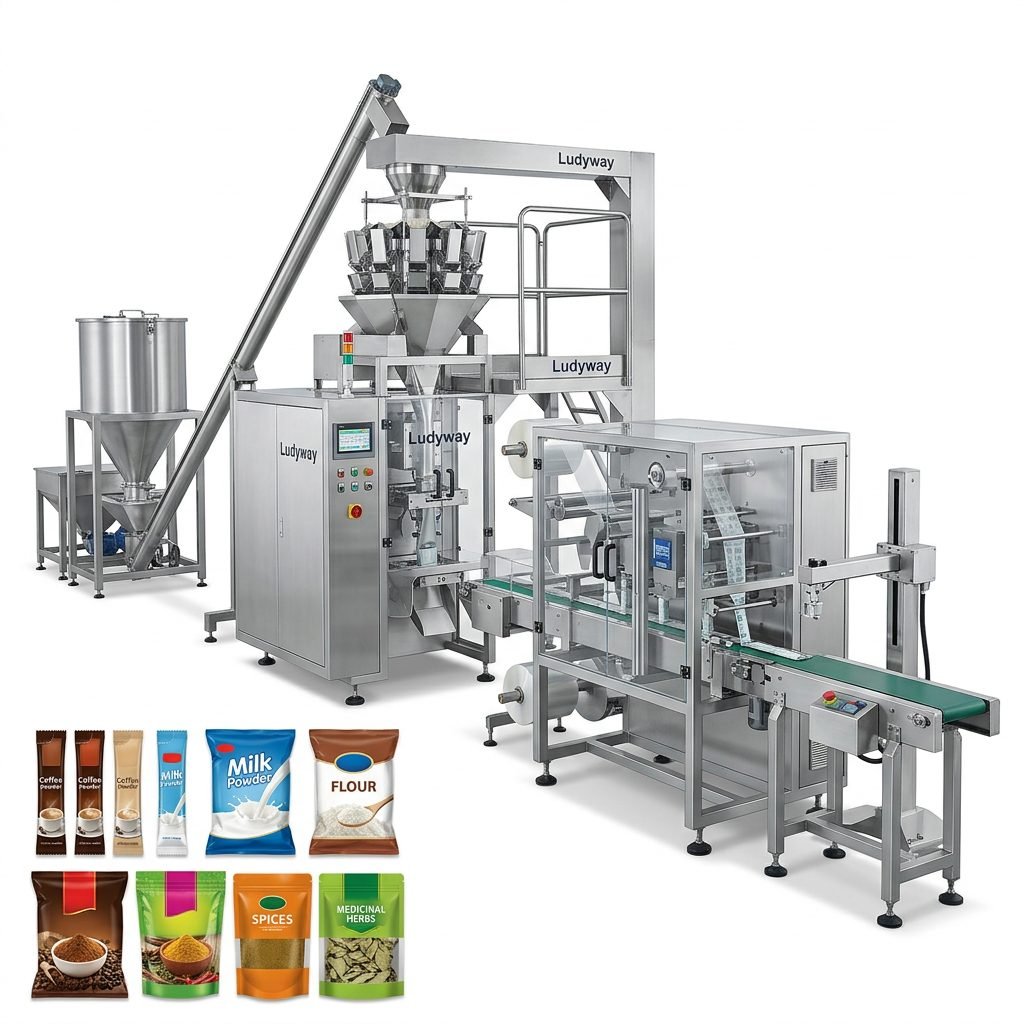
One established manufacturer serving the region is Ludyway, which specializes in advanced packaging equipment and turnkey production solutions with over 30 years of industry expertise. Their multi-lane stick pack and sachet machines are deployed across more than 100 countries, including several key Southeast Asian markets. When evaluating suppliers, requesting a factory acceptance test (FAT) and reviewing Flexible Packaging Association industry resources can help validate equipment performance before shipment.
Maintenance and After-Sales Support
Long-term equipment reliability depends on consistent maintenance practices. Develop a maintenance schedule that includes:
- Daily cleaning protocols — especially for product contact surfaces and sealing areas
- Weekly inspection of sealing jaws, forming tubes, and film tension mechanisms
- Monthly calibration of filling systems, temperature controllers, and sensors
- Quarterly preventive maintenance covering drive systems, pneumatics, and electrical connections
- Annual comprehensive overhaul including replacement of wear parts and full system diagnostics
For Southeast Asian operations, establishing a spare parts inventory for critical components such as sealing elements, sensors, and drive belts is strongly recommended. Many manufacturers also offer remote diagnostic support, which can resolve issues without waiting for an on-site technician — a significant advantage given the geography of the region.

Making the Right Investment Decision
Purchasing an ice pop packaging machine for your Southeast Asian operation requires balancing initial capital cost against long-term operational efficiency. While entry-level machines may appear attractive on price, the total cost of ownership — including downtime, maintenance, and product waste — often favors higher-quality equipment with proven reliability.
Consider starting with a thorough production audit that maps your current and projected output volumes, packaging formats, and labor availability. Use this data to specify your machine requirements precisely before approaching suppliers. For additional guidance on packaging machinery standards and market trends, the PMMI State of the Industry 2025 report offers valuable insights into global packaging equipment trends that apply directly to Southeast Asian frozen confectionery markets.
Key Takeaways
- Match machine type (stick pack, sachet, or liquid fill) to your target market and distribution channels
- Prioritize seal integrity and fill accuracy — these directly impact product quality and customer satisfaction
- Select equipment with stainless steel construction and humidity-resistant components for tropical environments
- Evaluate suppliers based on regional service capability and spare parts availability in Southeast Asia
- Invest in automation and quality control features that reduce labor dependency and improve consistency
The right packaging machine becomes a competitive advantage in Southeast Asia’s growing ice pop market. By carefully evaluating your options against the criteria outlined in this guide, you can make an informed decision that supports both current production needs and future growth.
Related Resources: