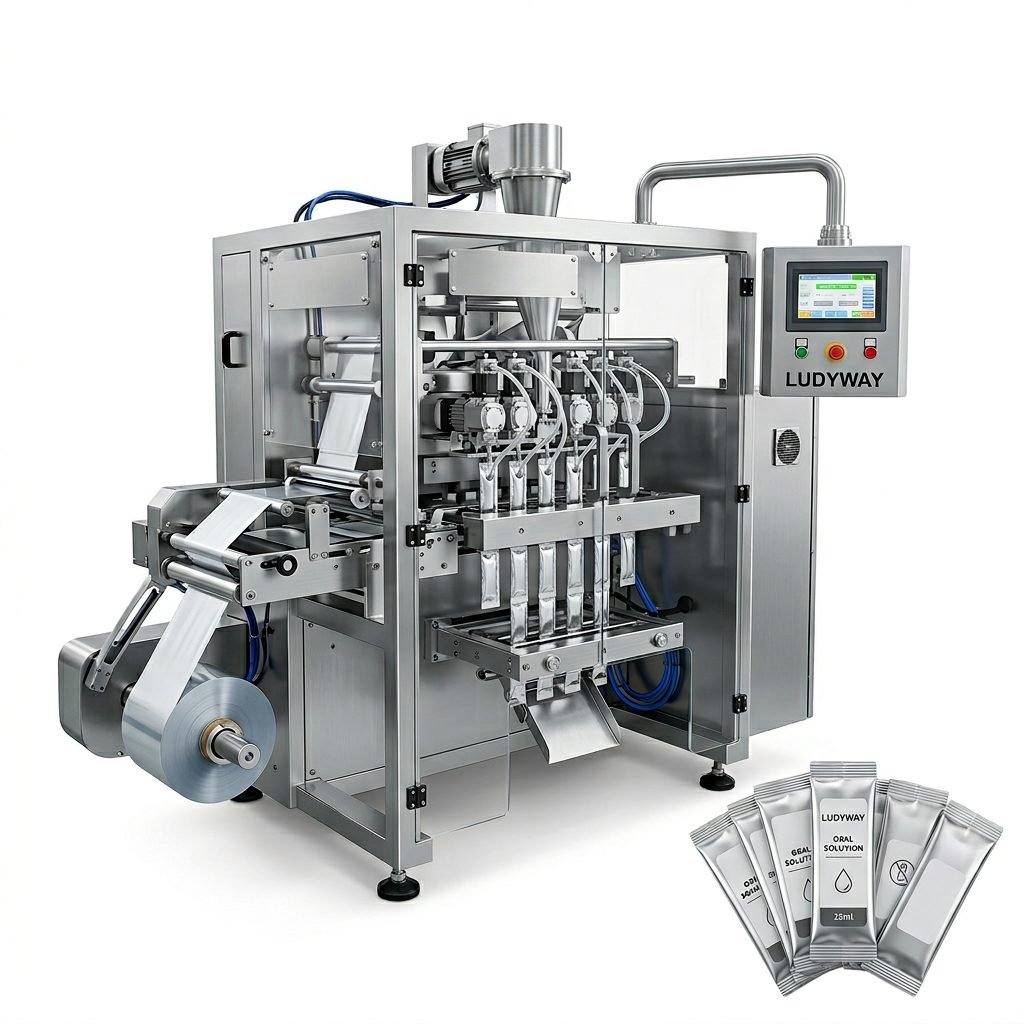
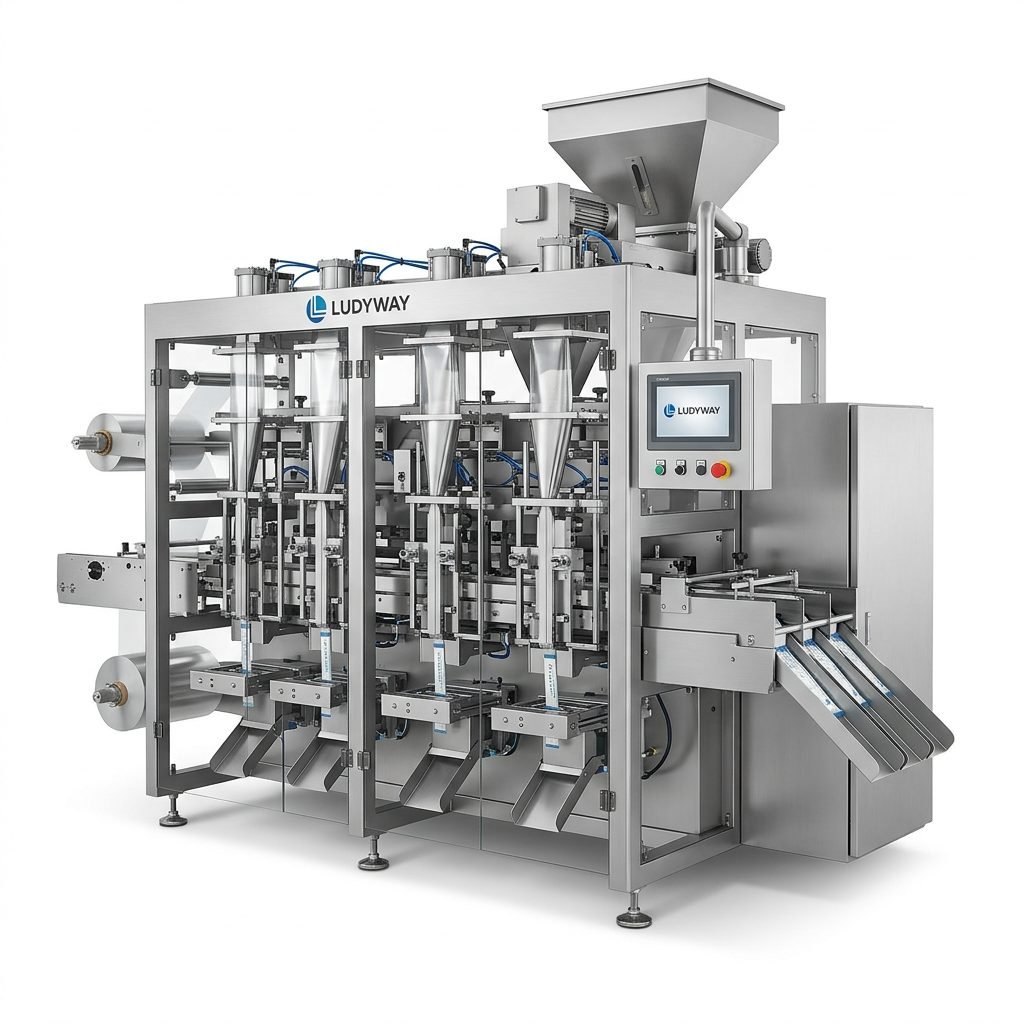
The edible oil market in Asia is expanding at an unprecedented rate. With rising populations, changing dietary habits, and increasing disposable incomes across countries like India, China, Indonesia, and Vietnam, manufacturers are under immense pressure to scale up production. A critical component of this scaling process is the edible oil packaging machine production line. Setting one up correctly can mean the difference between a profitable, efficient operation and a logistical nightmare plagued by downtime and regulatory issues.

Understanding the Asian Edible Oil Packaging Landscape
Before procuring any machinery, you must understand the regional nuances. The Asian market is not monolithic. Consumer preferences vary significantly, directly influencing your packaging format choices.
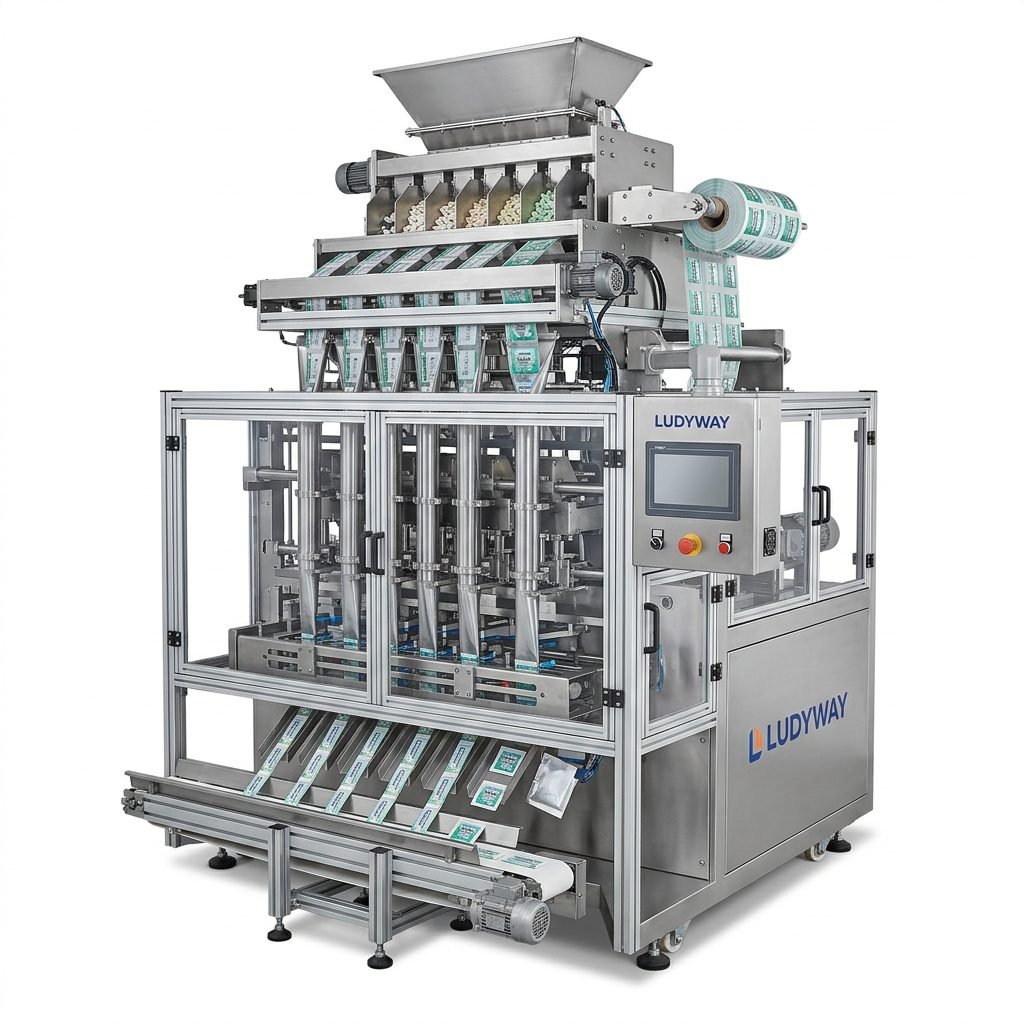
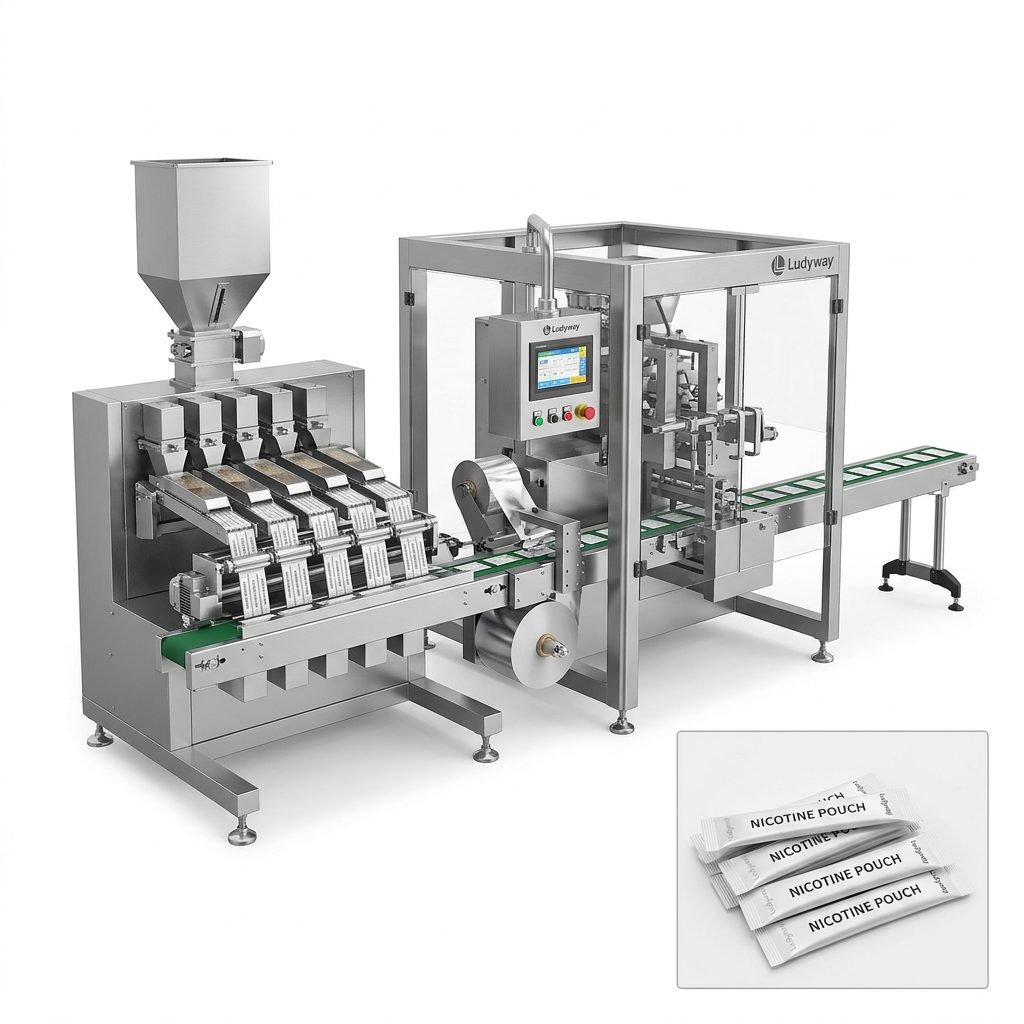
- Sachets and Stick Packs: Dominant in South and Southeast Asia (India, Philippines, Indonesia) due to affordability and portion control. These require high-speed multi-lane packaging machines capable of handling low-viscosity liquids.
- PET Bottles and Jars: Preferred in East Asia (China, Japan, South Korea) and for premium segments. This demands robust filling and capping lines with precise volumetric accuracy.
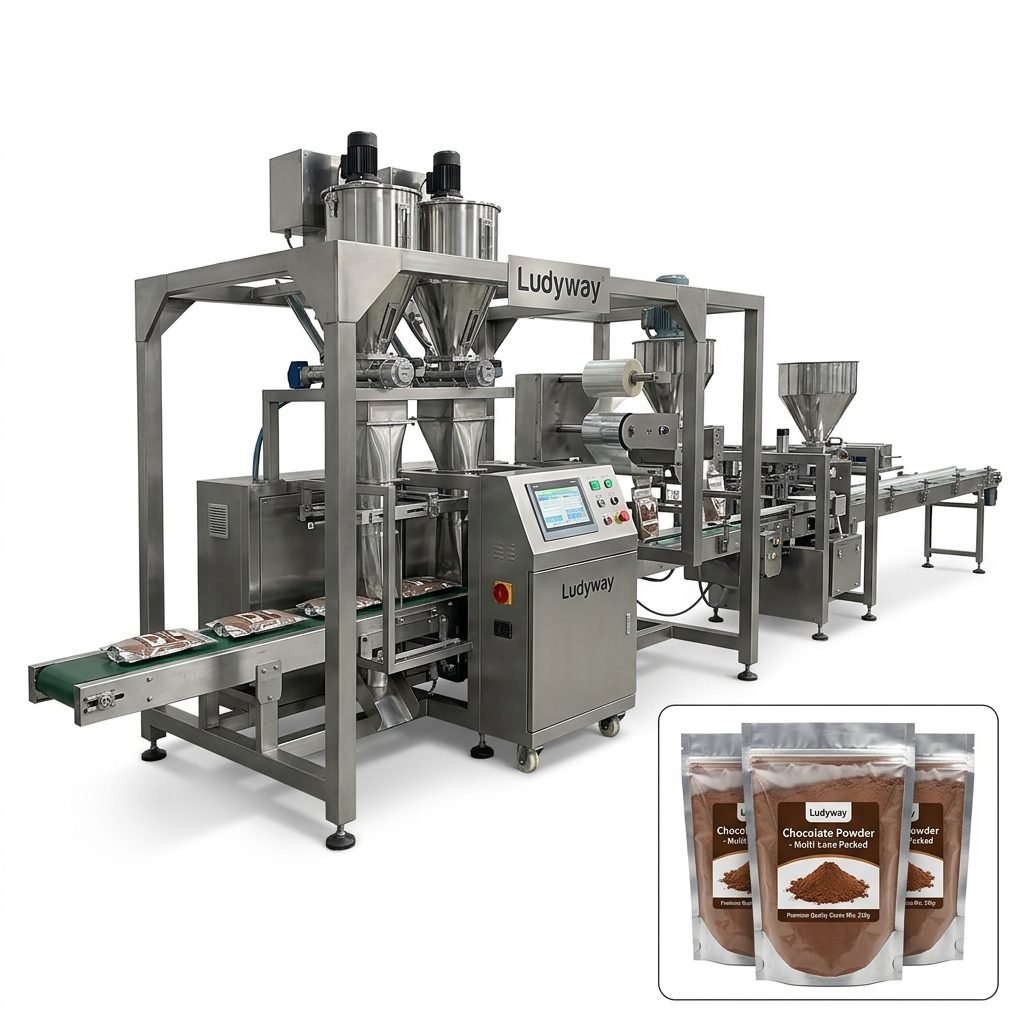
- Pouches and Bag-in-Box: Growing rapidly for bulk and HORECA (Hotel/Restaurant/Café) applications, requiring flexible machinery that can handle different film laminates and spout placements.
Aligning your equipment with these local consumption patterns is the first step toward operational success. For more context on packaging machinery standards, refer to the PMMI packaging industry resources.
Key Components of an Edible Oil Packaging Line
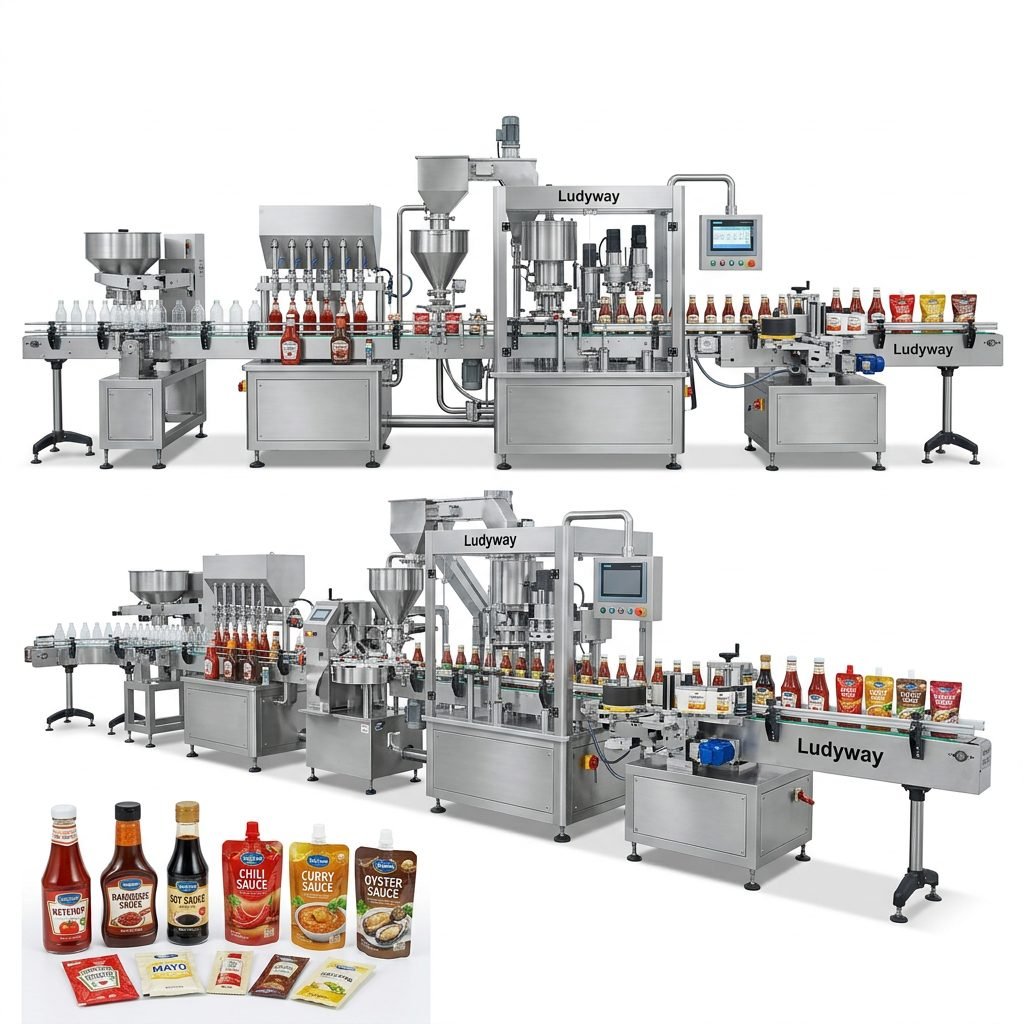
A fully integrated edible oil packaging system is more than just a filling machine. It is a synchronized ecosystem of equipment. To ensure seamless edible oil packaging machine production line performance, each component must be carefully selected based on your oil type, production capacity, and packaging format.
1. Bottle Unscrambler and Air Rinsing
The process begins with the automated unscrambling of containers. For PET bottles, an automatic unscrambler orients and feeds containers into the conveyor. This is immediately followed by an ionized air rinser or a vacuum suction system to remove dust and contaminants, a critical step for food-grade packaging.
2. Precision Liquid Filling Machines
This is the heart of your operation. For edible oils, volumetric piston fillers or mass flow meters are highly recommended due to their accuracy with varying viscosities. Gravity fillers offer a cost-effective alternative for free-flowing oils like soybean or sunflower oil, while weight-based filling machines provide the highest accuracy for high-value oils such as extra virgin olive oil or avocado oil. Minimizing drip and foam is essential to maintaining seal integrity.
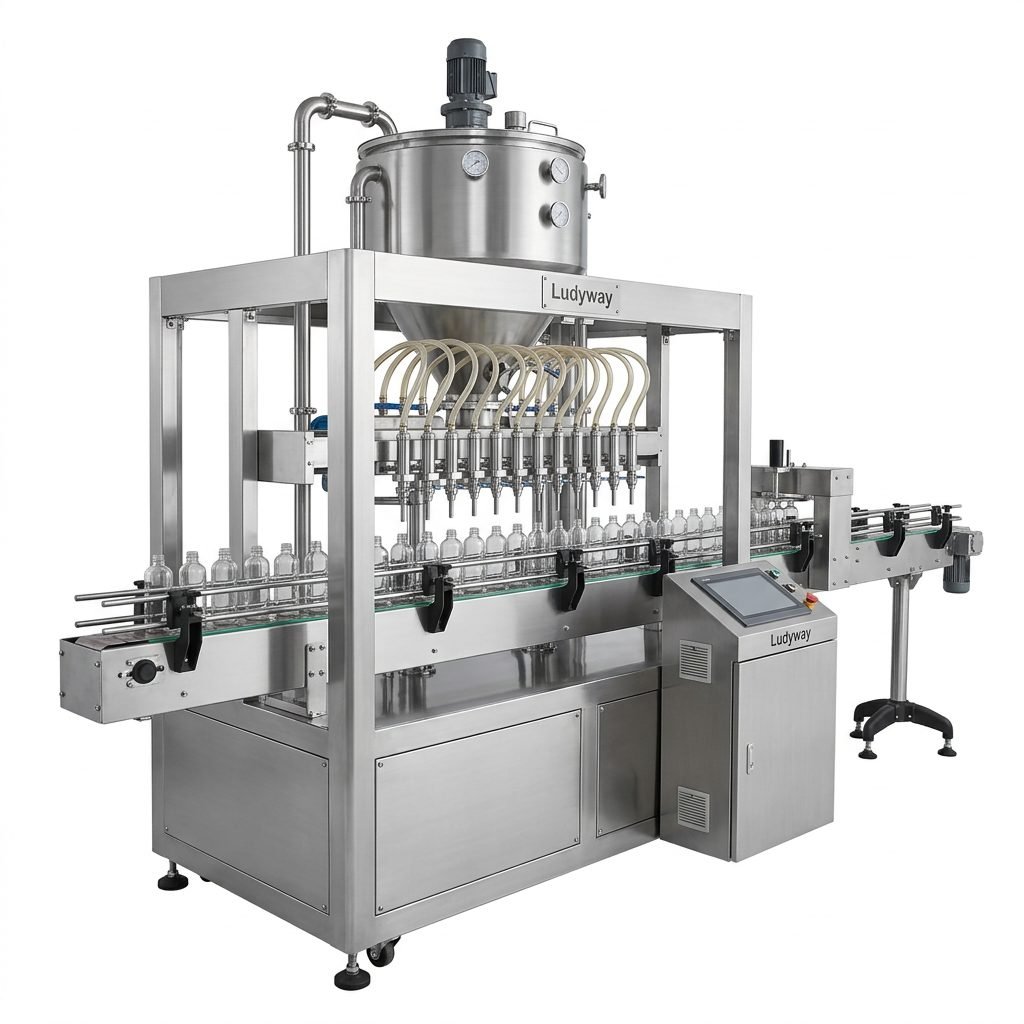
3. Capping and Sealing Modules
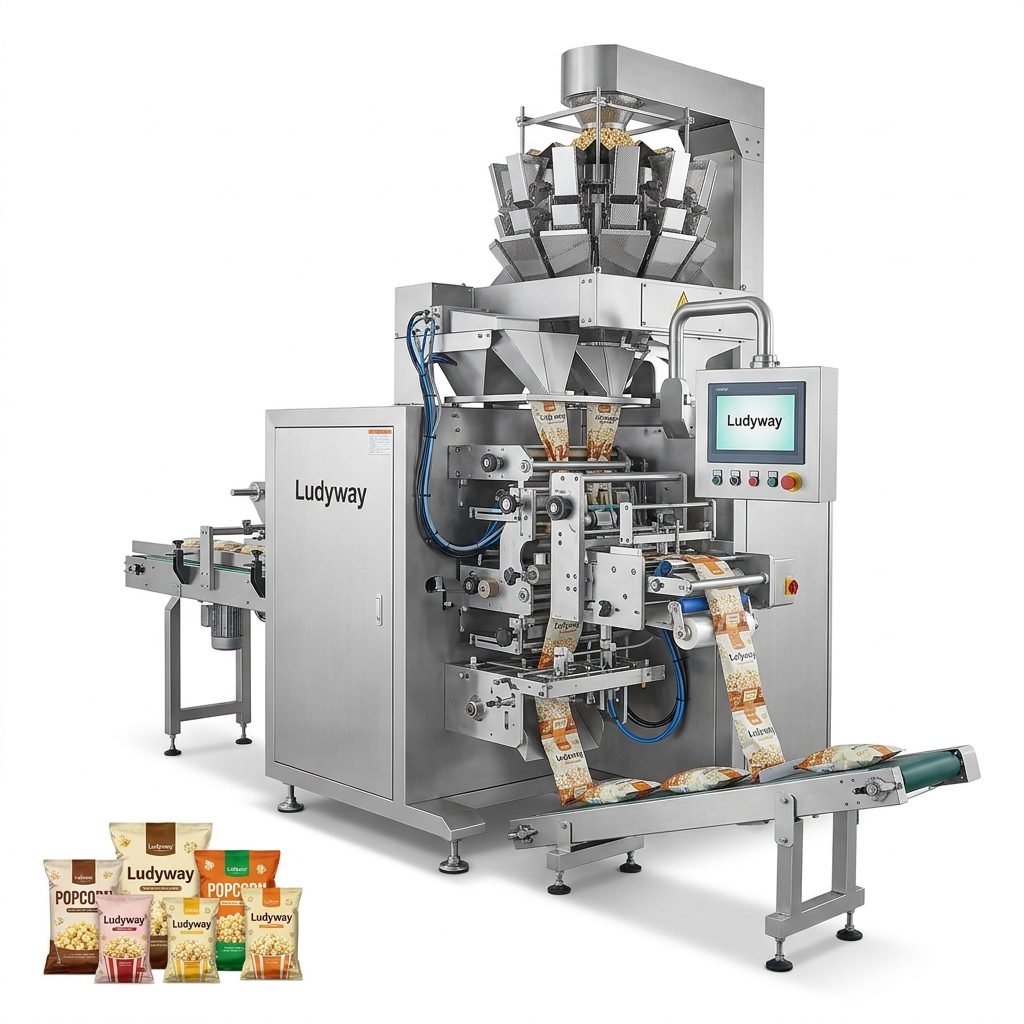
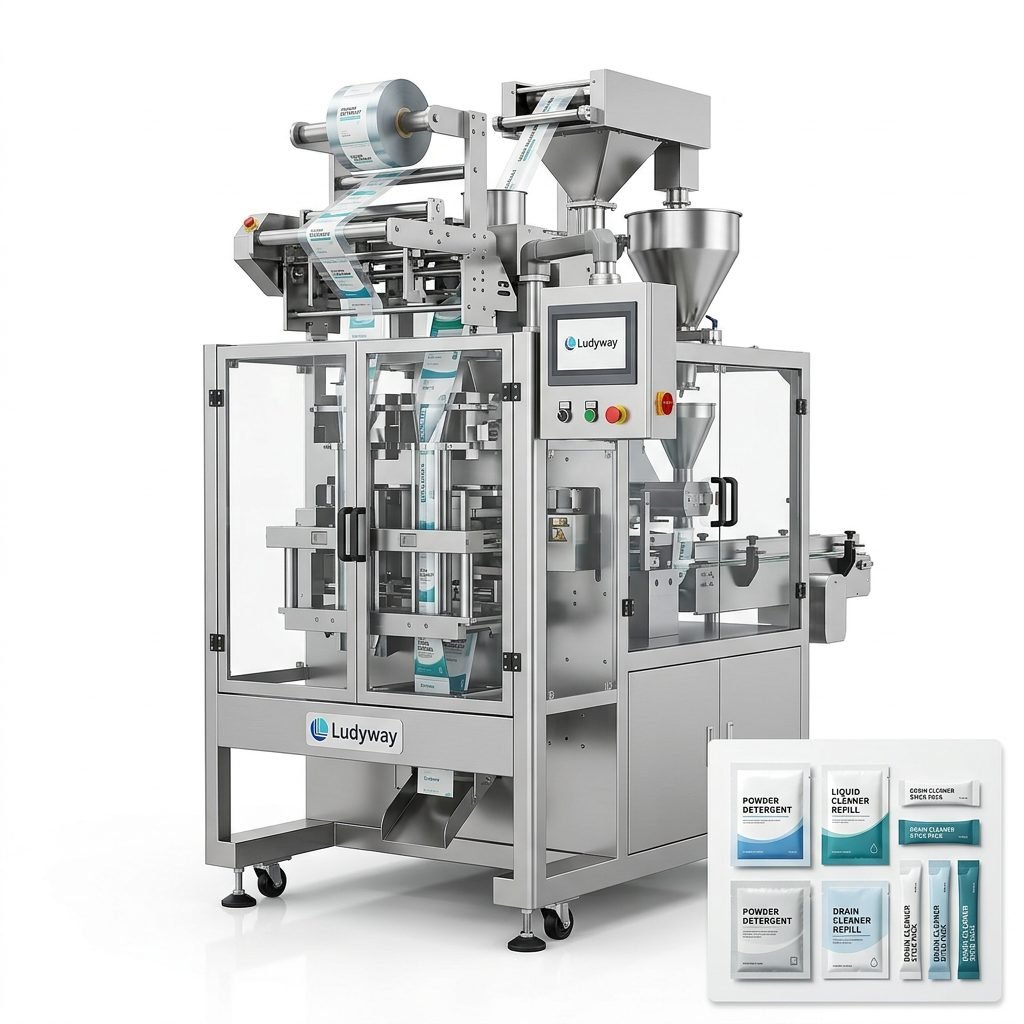
Oil leaks can damage secondary packaging and create safety hazards. Pick-and-place capping machines with servo torque control ensure consistent cap application without damaging threads. For sachets, vertical form-fill-seal (VFFS) or multi-lane stick-pack machines utilize precise heat-sealing jaws to prevent leakage, a common issue in tropical Asian climates where high ambient temperatures can thin the oil and challenge seal integrity.
4. Labeling, Coding, and Inspection
Compliance with Asian food labeling regulations is mandatory. Wrap-around or sleeve labeling machines apply product information, while thermal inkjet or laser coders print batch numbers and expiry dates. Downstream, a checkweigher and a metal detector (often integrated with a reject system) form the critical control points for quality assurance.
Comparing Packaging Machinery for Different Oil Types
Not all oils behave the same way during filling. Viscosity, temperature sensitivity, and foaming characteristics dictate the optimal machinery configuration. The table below outlines the recommended solutions for common product categories in the Asian context.
| Oil Type | Common Asian Markets | Recommended Filler Type | Ideal Packaging Format |
|---|---|---|---|
| Palm Oil (Cooking) | Indonesia, Malaysia, India | Mass Flow Meter / Piston Filler | Pouches, Jerry Cans, Sachets |
| Soybean / Sunflower Oil | China, India, Vietnam | Gravity Filler / Volumetric Filler | PET Bottles, Pouches |
| Mustard Oil | India, Bangladesh, Nepal | Piston Filler (with anti-drip) | HDPE Bottles, Sachets |
| Olive / Avocado Oil | China, Japan, South Korea | Weight-Based Filler | Glass Bottles, Premium PET |
| Coconut Oil | Philippines, Thailand, Sri Lanka | Heated Piston Filler | Jars, Sachets, Bottles |
Navigating Regulatory Standards in Asia
Setting up your production line requires strict adherence to food safety protocols. While regulations vary by country, many Asian nations are harmonizing with international benchmarks. Your equipment must facilitate compliance with Hazard Analysis and Critical Control Points (HACCP) principles. Key design features include sanitary-grade stainless steel (304 or 316L) contact parts, sloped surfaces to prevent liquid pooling, and easily accessible components for cleaning. You can find detailed guidelines on food contact substances from the FDA food packaging regulations and the corresponding ISO packaging standards.
Optimizing Line Efficiency: Automation and Integration
Modern facilities in Asia are moving toward turnkey automation. A disconnected set of standalone machines creates bottlenecks. Look for a turnkey packaging solutions provider that can integrate the entire line from raw product handling to secondary packaging. Key automation features include servo-driven conveyors that automatically adjust speed, automated bottle handling to reduce manual labor, and centralized HMI (Human-Machine Interface) panels for unified control.

Benefits of a Fully Integrated Line
- Reduced Product Loss: Precise synchronization between filling and capping minimizes splashing and spillage.
- Higher Throughput: Elimination of manual accumulation tables between machines allows for continuous, high-speed production, often exceeding 80-120 bottles per minute for medium-viscosity oils.
- Data Traceability: Integrated sensors and checkweighers log production data, helping you meet export requirements for markets like the European Union or Japan.
Installation, Staff Training, and After-Sales Support
A common pitfall in establishing a line in Asia is underestimating the importance of local support. Climate conditions (humidity, dust) can affect sensitive electronics. Therefore, prioritize suppliers who offer robust after-sales service. Ludyway, one of the largest packaging machine manufacturers in China with 30 years of industry expertise and a modern 20,000㎡ manufacturing facility, provides comprehensive installation and staff training. Their engineers specialize in edible oil packaging systems, ensuring your team can maintain the line efficiently. Reliable technical support minimizes downtime in high-demand seasons, and readily available spare parts prevent extended production halts.
Cost Analysis and ROI Expectations
Investing in a high-speed edible oil packaging machine production line is a capital-intensive decision, but the long-term ROI is compelling. While basic semi-automatic lines may cost less upfront, a fully automated multi-lane system significantly reduces labor dependency, a factor that is becoming increasingly critical as labor costs rise across Southeast Asia. The initial investment is typically recouped through increased output, lower product giveaway, and reduced packaging material waste. For precise budgeting, consider not only the equipment cost but also infrastructure, utility requirements, and ongoing maintenance contracts.

Planning Your Factory Layout in Asia
Factory space optimization is crucial in densely populated industrial zones. A linear layout is generally preferred for edible oil lines to facilitate a smooth flow from tank storage to filling, packaging, and warehousing. Ensure your layout allows for a clean-in-place (CIP) station near the filler and sufficient clearance around the multi-lane sachet machines for reel changes. Material flow should follow a logical path to prevent cross-contamination, with clear segregation between raw material intake, production, and finished goods storage.
Essential Pre-Installation Checklist
- Verify floor load capacity for heavy filling and capping turrets.
- Ensure stable power supply with proper voltage and phase configuration.
- Install compressed air lines with sufficient capacity and dryers.
- Prepare liquid product transfer pipes with proper filtration.
- Confirm drainage points for cleaning and sanitation.
Future Trends in Edible Oil Packaging
The industry is rapidly evolving. In Asia, sustainability is a major driver. Expect increasing demand for machines capable of running recyclable mono-material films for pouches and sachets. Additionally, smart packaging with QR codes for traceability is becoming a premium feature. Your chosen production line should be modular enough to adapt to these trends without requiring a complete overhaul. The flexibility to switch between formats, such as moving from a standard pillow sachet to a doy-pack with a spout, will future-proof your investment. The latest reports from the Flexible Packaging Association highlight the growth curve of these sustainable formats in the APAC region.
Setting up an edible oil packaging machine production line in Asia is a strategic move that, when executed with the right partner and planning, unlocks significant market potential. Focus on precision, integration, and local support to build a resilient and profitable operation.