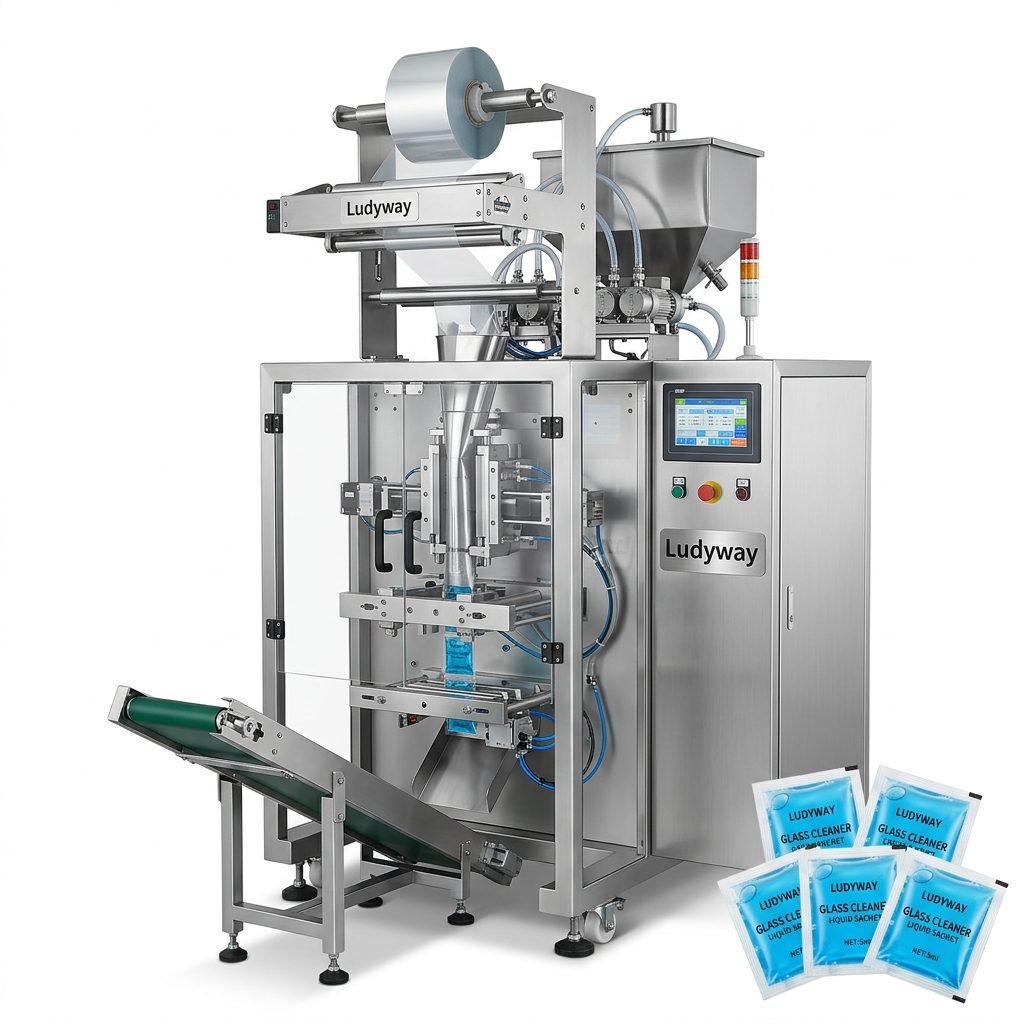
In today’s fast-paced manufacturing world, efficiency and consistency are paramount. Integrated packaging machinery represents a significant leap forward, combining multiple packaging processes into a single, cohesive system. This guide explores the various types of integrated systems, their substantial benefits, and provides a clear framework for selecting the right equipment to optimize your production line.
Understanding Integrated Packaging Systems
An integrated packaging system is not merely a collection of individual machines placed in sequence. It is a holistically engineered solution where components like filling, sealing, labeling, and cartoning are synchronized and controlled by a unified software system. This seamless integration minimizes manual handling, reduces transition times between stages, and creates a continuous, automated flow from product to final packaged unit.
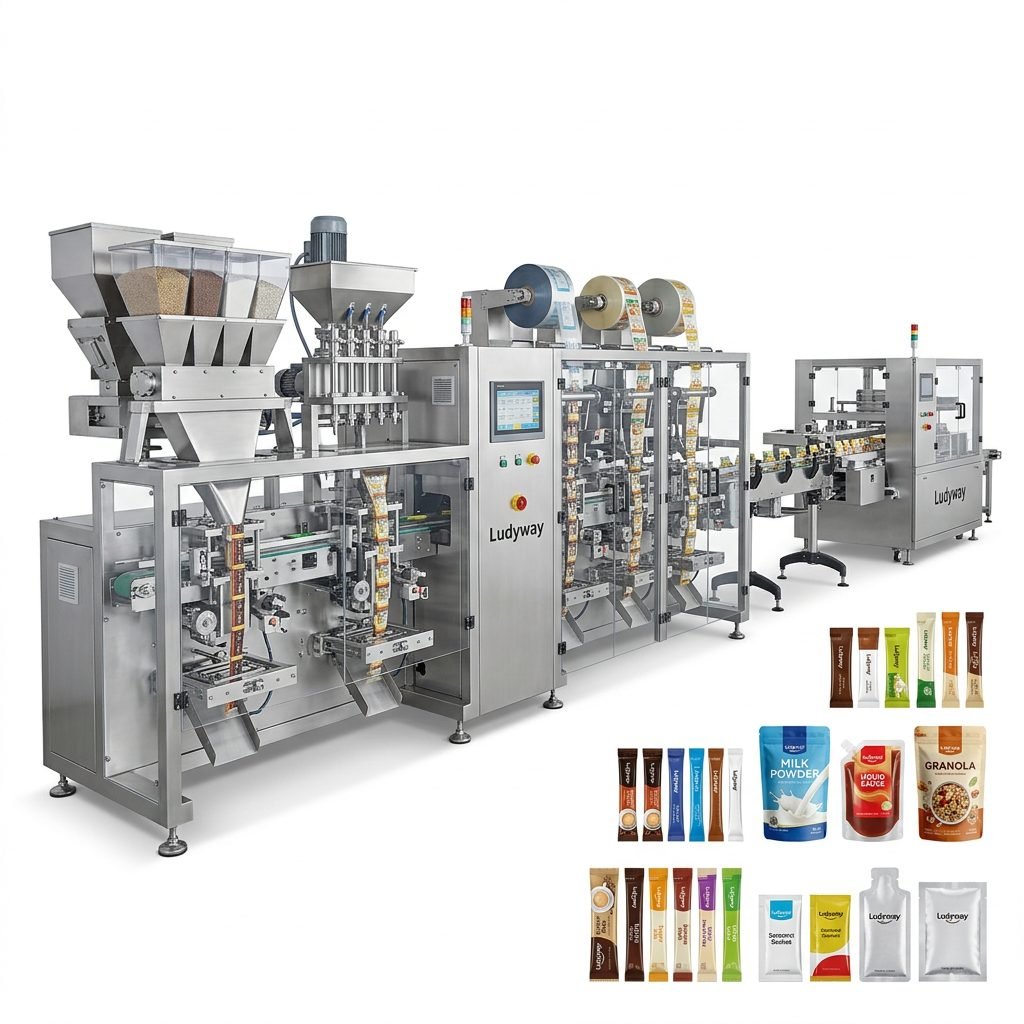
Core Components of an Integrated Line
A typical integrated line may include:
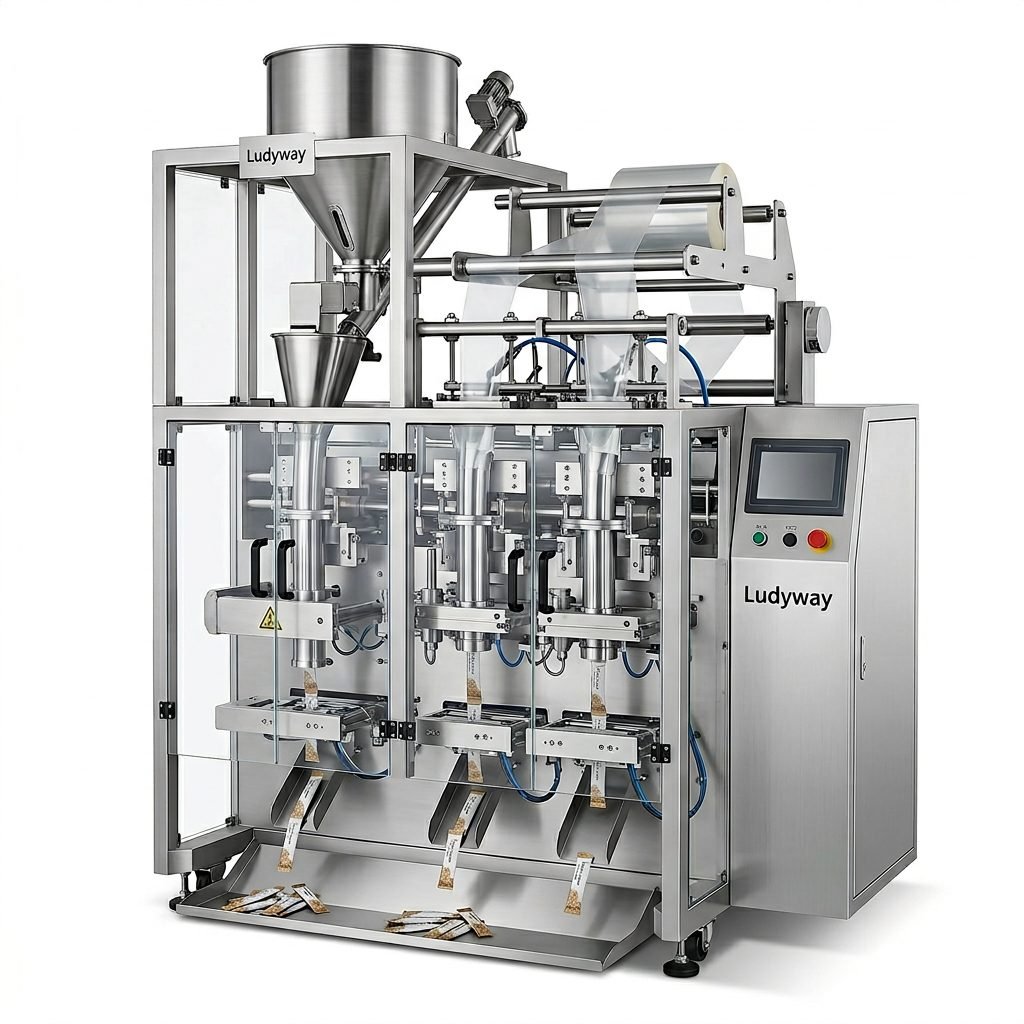
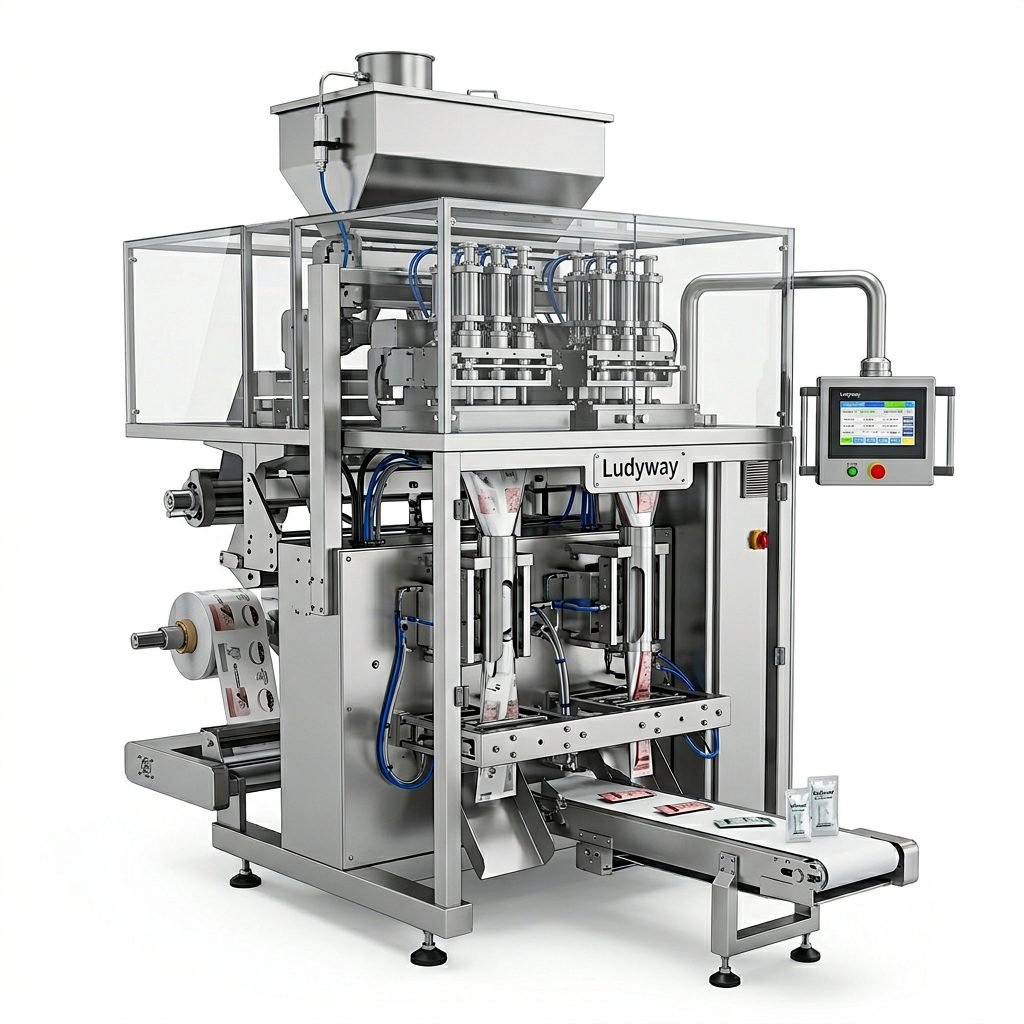
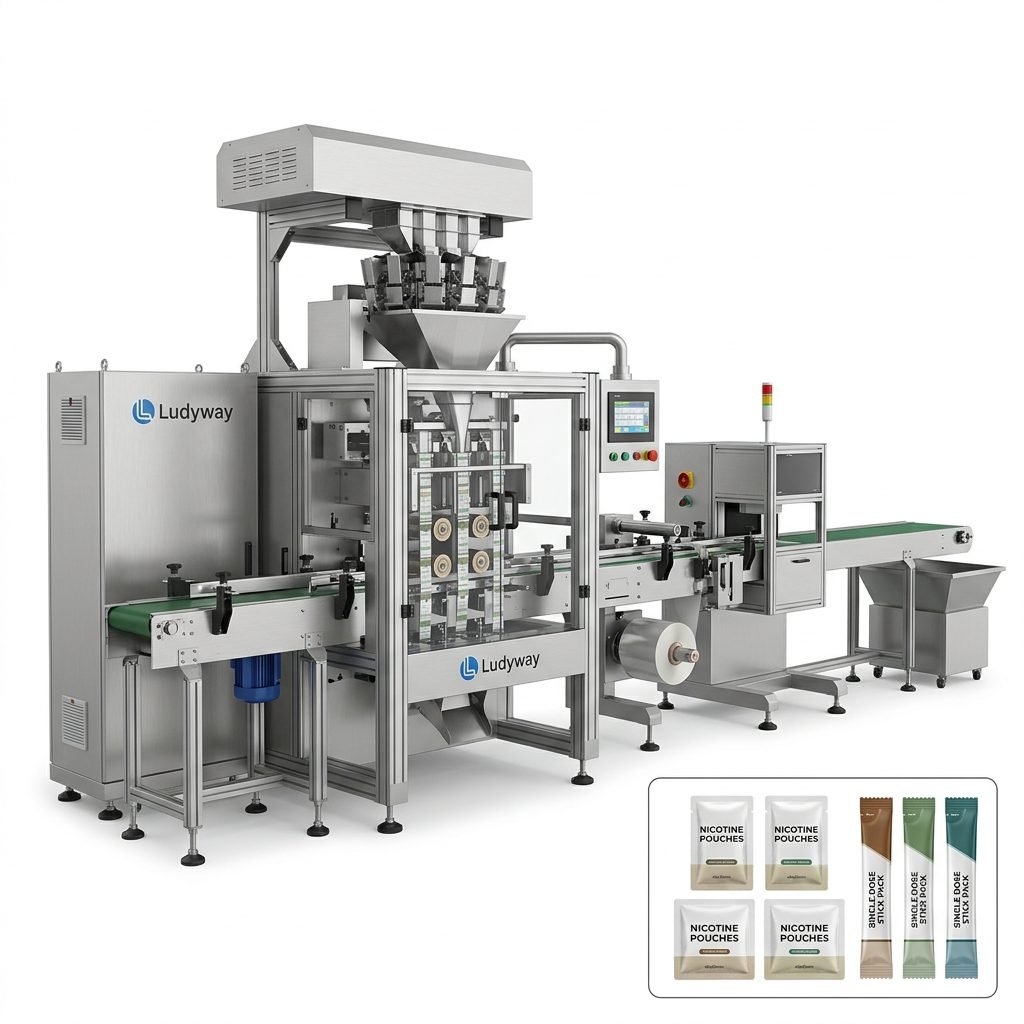
- Primary Packaging Unit: This is the core machine that performs the initial packaging, such as a stick pack machine or a sachet packaging system, which forms, fills, and seals the individual product pouches.
- Product Handling & Conveyance: A network of conveyors, elevators, and transfer systems that gently and precisely moves products between stations.
- Secondary Packaging Unit: Equipment that groups primary packages into larger units, like cartoners, case packers, or bundlers.
- Control System (PLC/HMI): The “brain” of the operation. A centralized programmable logic controller and human-machine interface allow for monitoring, adjustment, and control of the entire line from one point.
- Vision Inspection & Checkweighing: Integrated quality control stations that verify fill weight, label placement, seal integrity, and detect foreign objects.
Major Types of Integrated Packaging Machinery
The configuration of an integrated system depends heavily on the product form and the desired final package. Here are the primary categories:
1. Granule & Powder Packaging Lines
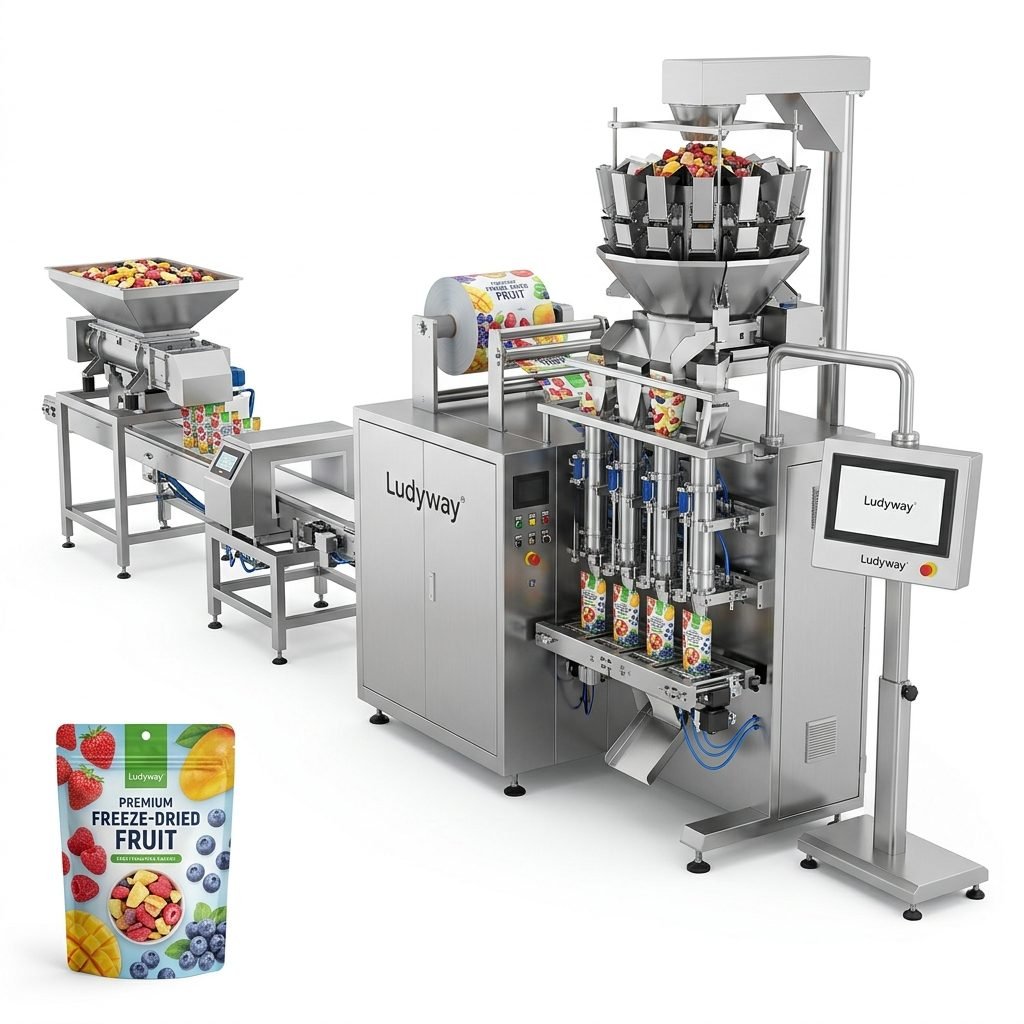
Designed for products like instant coffee, sugar, spices, and protein powders. These lines often integrate a high-speed multi-head weigher or auger filler with a form-fill-seal (FFS) machine, followed by cartoning. They are engineered to handle fine particles without dust or product loss, ensuring precise fills. For businesses looking to scale, exploring complete powder packaging solutions can be a transformative step.
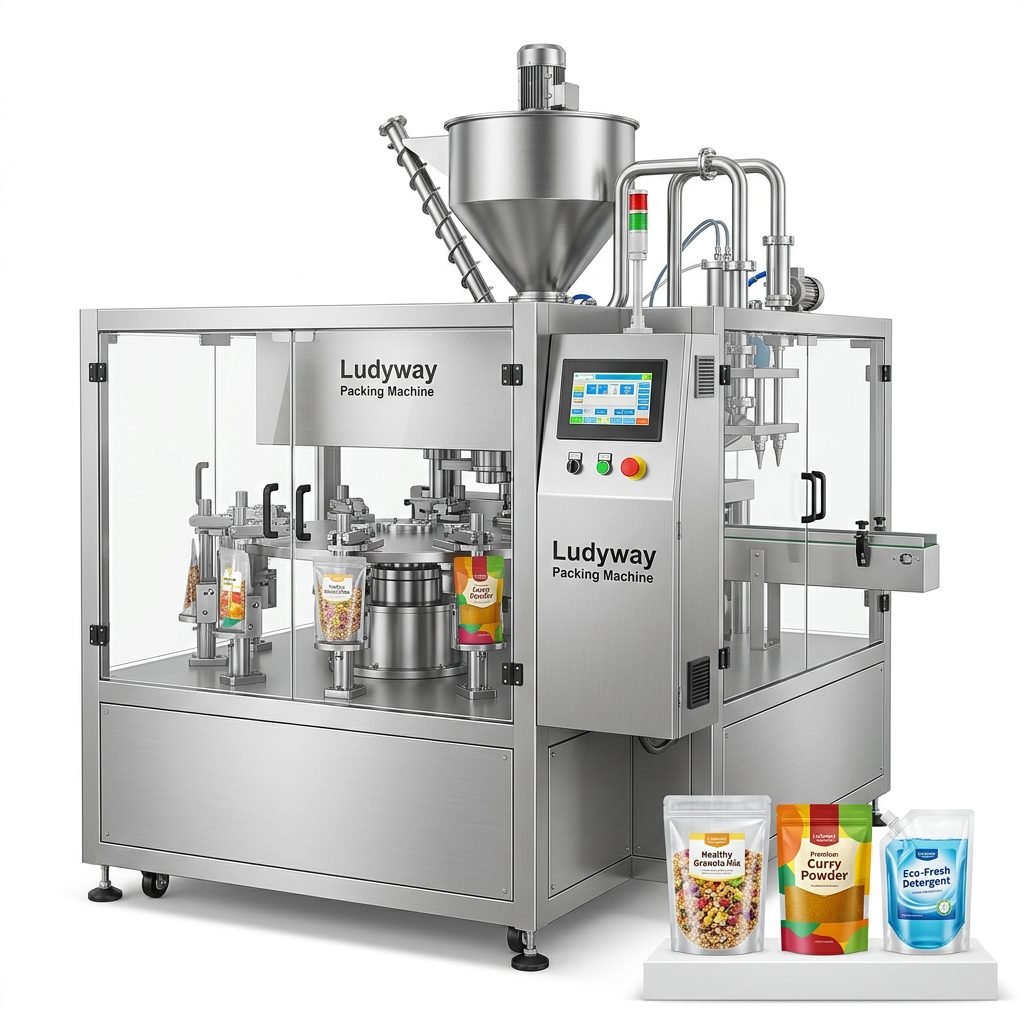
2. Liquid & Viscous Product Lines
Used for sauces, oils, shampoos, and condiments. Integration is critical here to manage drips and maintain hygiene. Systems typically combine a piston or pump filler with a liquid FFS machine. For hot-fill applications, cooling tunnels are integrated post-sealing. The entire line is often constructed with easy-clean, sanitary designs.
3. Stick Pack & Sachet Packaging Lines
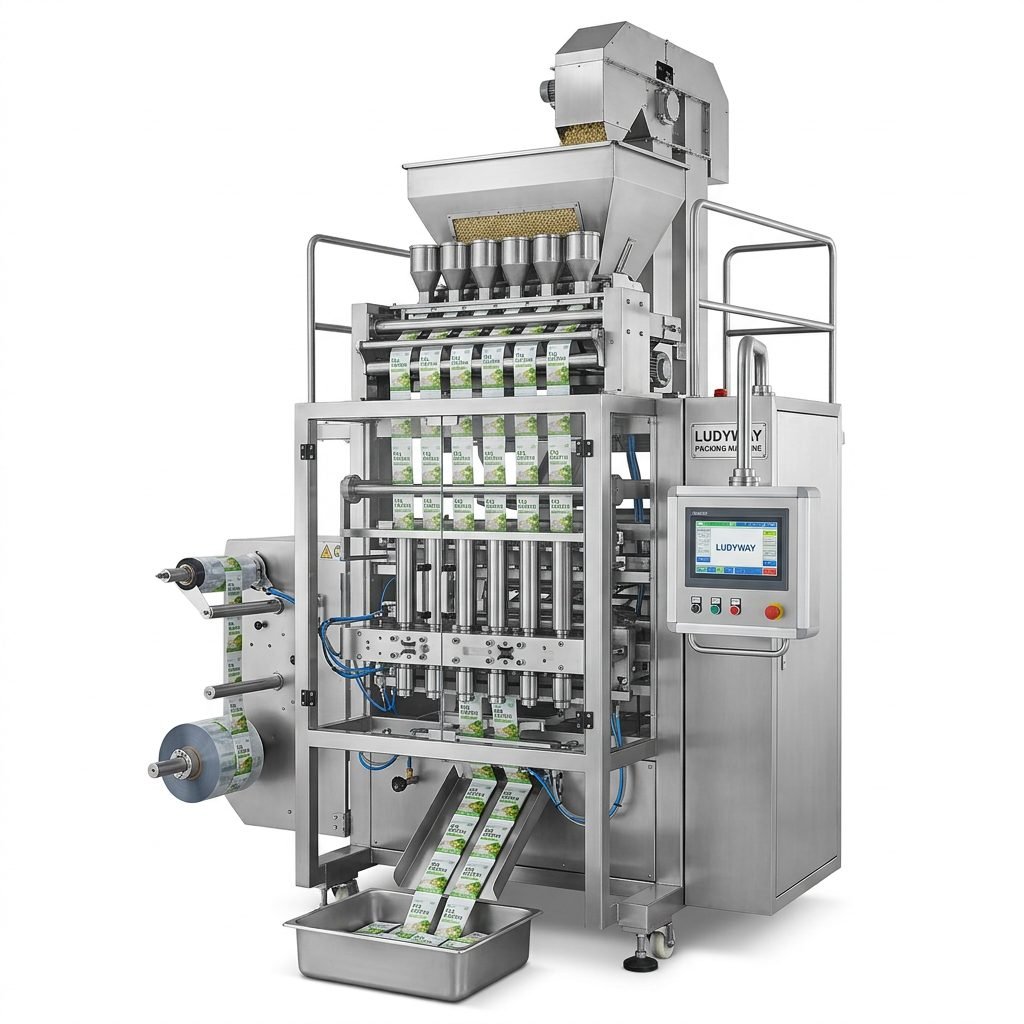
Extremely popular for single-serve portions of supplements, drink mixes, and pharmaceuticals. A fully integrated stick pack line might include a high-speed stick pack machine, a high-precision micro-ingredient feeder, a sachet combiner for multi-dose packs, and an automatic cartoner. The compact nature of stick packs allows for very high-speed, space-efficient integration.
4. End-to-End Turnkey Solutions
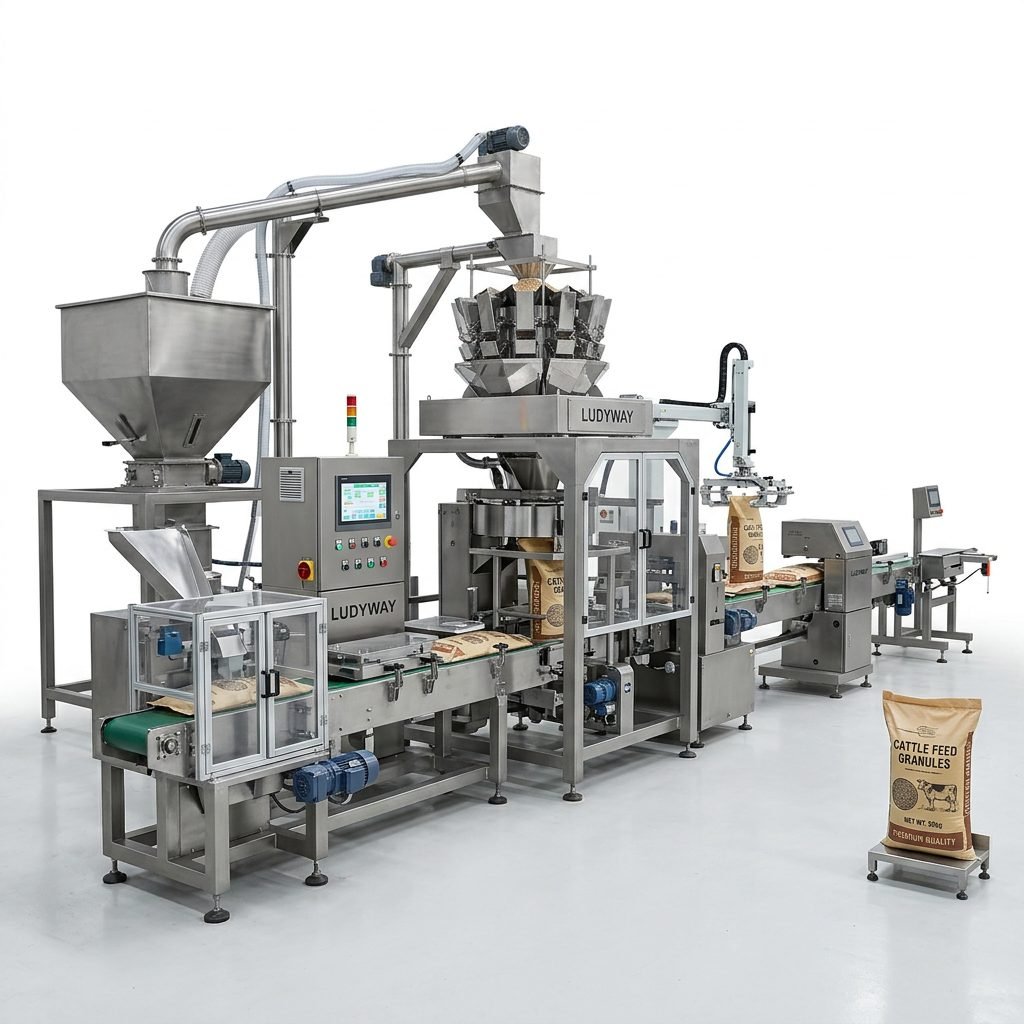
This is the most comprehensive level of integration. A turnkey line manages everything from the raw, bulk product entering the system to the palletized cases exiting it. It includes primary packaging, secondary packaging, tertiary packaging (case packing and palletizing), and all interconnecting automation. Providers like Ludyway Machinery specialize in designing and delivering such complete, ready-to-run production lines tailored to specific output goals.
Key Benefits of Adopting an Integrated System
Operational & Financial Advantages
The shift from standalone machines to an integrated line delivers measurable returns:
Dramatically Increased Productivity: By eliminating bottlenecks and manual transfer points, integrated systems achieve a continuous flow, often doubling or tripling output compared to semi-automated setups.
Superior Consistency and Quality: Automated handling reduces product damage and contamination. Integrated quality checks at multiple points ensure every unit meets specification, minimizing waste and recalls.
Reduced Labor Dependency and Costs: One operator can often oversee an entire integrated line, performing monitoring and supervisory tasks instead of manual loading and transfer. This optimizes labor allocation and reduces long-term operational costs.
Enhanced Flexibility and Scalability: Modern integrated systems are designed with changeover in mind. Quick-release mechanisms and recipe-driven controls allow for faster switches between package sizes or products. The modular nature also allows for future expansion.
Optimized Floor Space Utilization: A streamlined, connected line has a smaller footprint than a scattered arrangement of individual machines with space between them for manual work.
How to Choose the Right Integrated Packaging System
Selecting the perfect system requires a methodical evaluation of your needs and the offerings of potential suppliers. Follow this step-by-step framework:
Step 1: Define Your Product and Packaging Parameters
Start with absolute clarity on what you are packaging. Document the product’s physical characteristics (granule size, viscosity, abrasiveness), its sensitivity (to oxygen, moisture, light), and your required packaging materials (film type, laminate structure). Define your target output speed in packs per minute (PPM) and the range of package sizes you need to accommodate.
Step 2: Assess Your Current and Future Production Needs
Look beyond today’s requirements. What is your growth forecast for the next 3-5 years? Will you be adding new products to the line? Choose a system with built-in scalability, such as the ability to add more filling heads, a downstream cartoner, or a higher-level control system. Investing in a slightly more capable machine now can prevent a costly full replacement later.
Step 3: Evaluate Machine Build Quality and Technology
Request detailed specifications and seek suppliers with a proven track record. Key aspects to scrutinize include:
- Construction Materials: Stainless steel (especially grade 304 or 316 for food/pharma) is essential for durability, hygiene, and corrosion resistance.
- Drive Systems: Servo motors offer superior precision, energy efficiency, and quieter operation compared to traditional mechanical drives.
- Control System: The PLC should be from a reputable brand (e.g., Siemens, Allen-Bradley, Mitsubishi). The HMI should be user-friendly with multi-language support and data logging capabilities.
Step 4: Prioritize Supplier Support and Service
The machine is only as good as the support behind it. The supplier’s role is critical for long-term success. Inquire about:
- Availability of installation, commissioning, and on-site training services.
- Warranty terms and the structure of their after-sales service (response time, spare parts inventory).
- Their experience in your specific industry (food, pharma, etc.), as regulatory knowledge is crucial. A supplier with over 30 years of industry experience brings invaluable practical knowledge to the project.
Step 5: Request a Demonstration and Reference Checks
Never buy based on specifications alone. Insist on a live demonstration using a product similar to yours. Pay attention to the machine’s ease of operation, changeover process, and noise level. Ask the supplier for contact information of current clients, preferably in your region or industry, and speak to them about their experience with the equipment and the supplier’s support.
Conclusion
Investing in integrated packaging machinery is a strategic decision that goes beyond purchasing equipment—it’s about re-engineering your production process for peak efficiency, quality, and growth. By understanding the different types of systems, recognizing their comprehensive benefits, and following a disciplined selection process that emphasizes both machine capability and supplier partnership, you can implement a solution that delivers a strong return on investment and a competitive edge for years to come. Partnering with an expert provider ensures you get a system tailored to your unique challenges, backed by reliable support.
Frequently Asked Questions (FAQs)
1. What is the typical lead time for an integrated packaging line?
Lead times vary significantly based on complexity and customization. A standard configured line may take 3-6 months from order to delivery, while a fully custom turnkey solution can require 6-12 months for design, manufacturing, and factory testing.
2. How difficult is it to change over an integrated line to a different product or package size?
Modern integrated lines are designed for faster changeovers. With features like servo-driven adjustments, quick-change parts kits, and saved “recipes” in the HMI, changeover times can often be reduced from hours to under 30 minutes, minimizing downtime.
3. Can an integrated system handle fragile or irregularly shaped products?
Yes. A key advantage of integration is the ability to design gentle handling specific to the product. Custom conveyors, soft-touch grippers, and vibration-free transfer points can be engineered into the system to protect delicate items.
4. What kind of maintenance does an integrated packaging line require?
Maintenance is predictable and scheduled. It involves routine tasks like lubrication, seal checks, and sensor cleaning. A reputable supplier will provide a comprehensive maintenance schedule and training for your technicians. Having a strong service and support agreement is crucial for minimizing unplanned downtime.
5. Is the investment in an integrated line justifiable for a small or medium-sized business?
Absolutely. While the initial investment is higher, the ROI is often faster than expected due to labor savings, reduced waste, and increased output. Many suppliers offer scalable solutions that allow SMEs to start with a core integrated module and add automation as they grow, making the investment manageable and strategic.