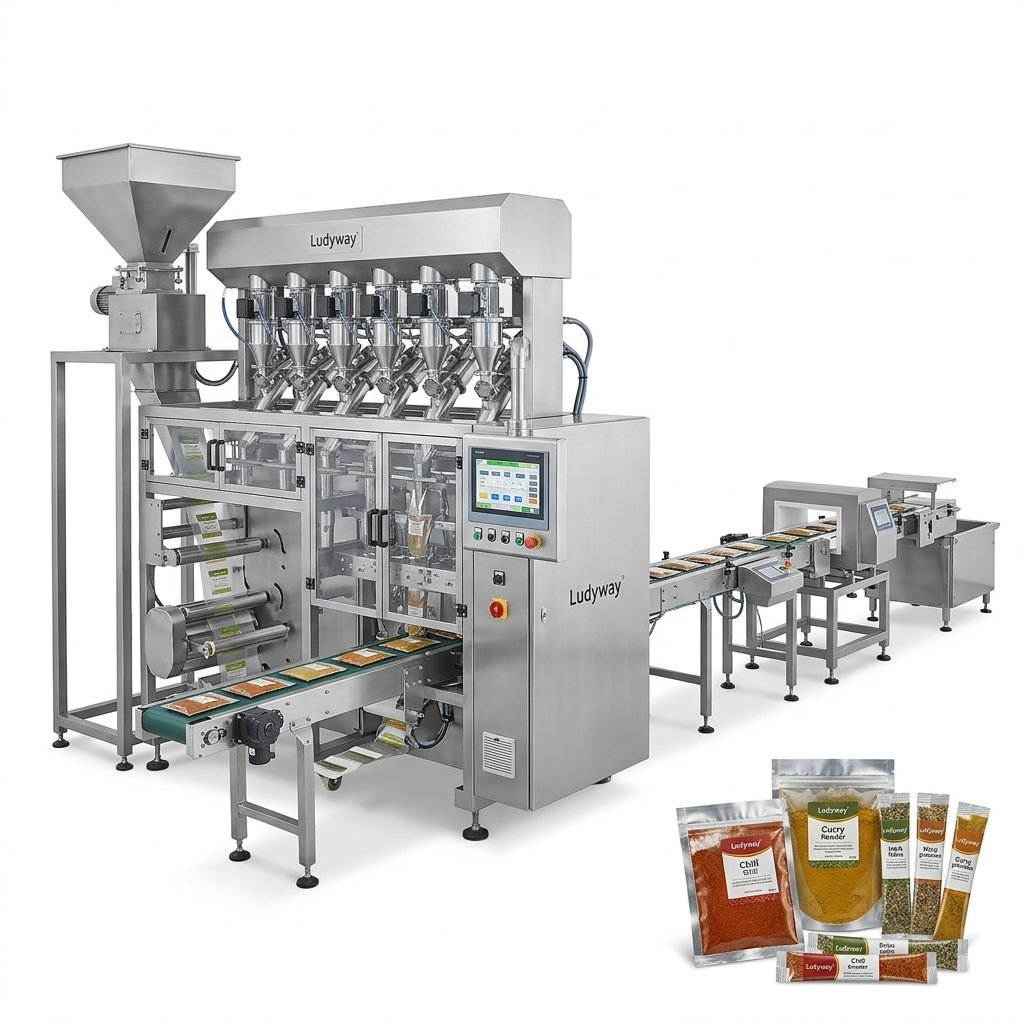
Establishing an edible oil packaging machine production line in Europe requires a strategic blend of regulatory compliance, equipment precision, and operational efficiency. The European edible oil market continues to expand, driven by increasing consumer demand for high-quality olive oil, sunflower oil, rapeseed oil, and specialty blends. Whether you are setting up a new facility or upgrading an existing one, understanding the complete process—from equipment selection to EU regulatory alignment—is critical for long-term success.
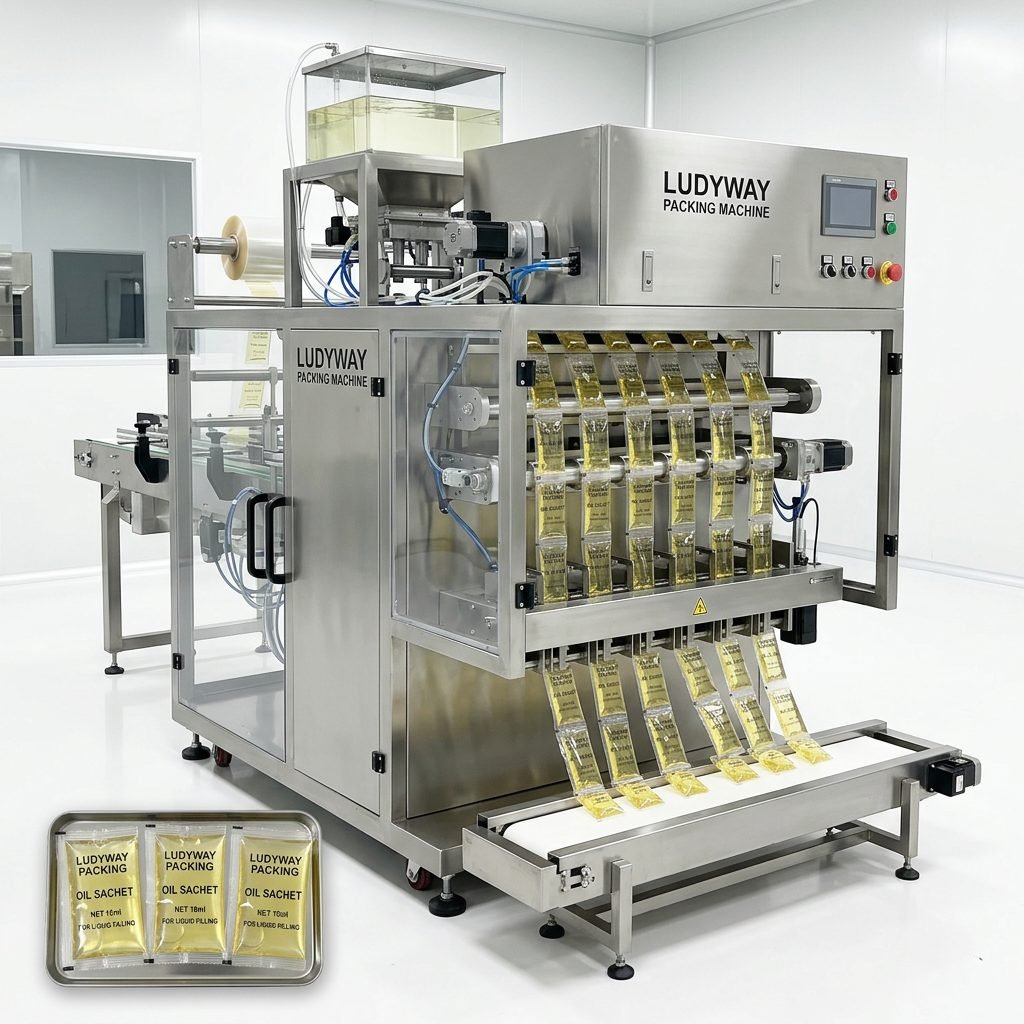
Understanding the European Edible Oil Packaging Landscape
Europe represents one of the world’s most sophisticated markets for packaging machinery. The region’s edible oil sector demands high-speed automation, versatile format handling, and rigorous food safety standards. From small-batch artisanal producers in Tuscany to large-scale industrial operations in Rotterdam, the diversity of production scales requires adaptable solutions.
Key packaging formats in the European edible oil sector include glass bottles, PET bottles, tin cans, bag-in-box systems, and flexible pouches. Each format presents unique filling, sealing, and labeling challenges that must be addressed during production line design.
Key Components of an Edible Oil Packaging Production Line
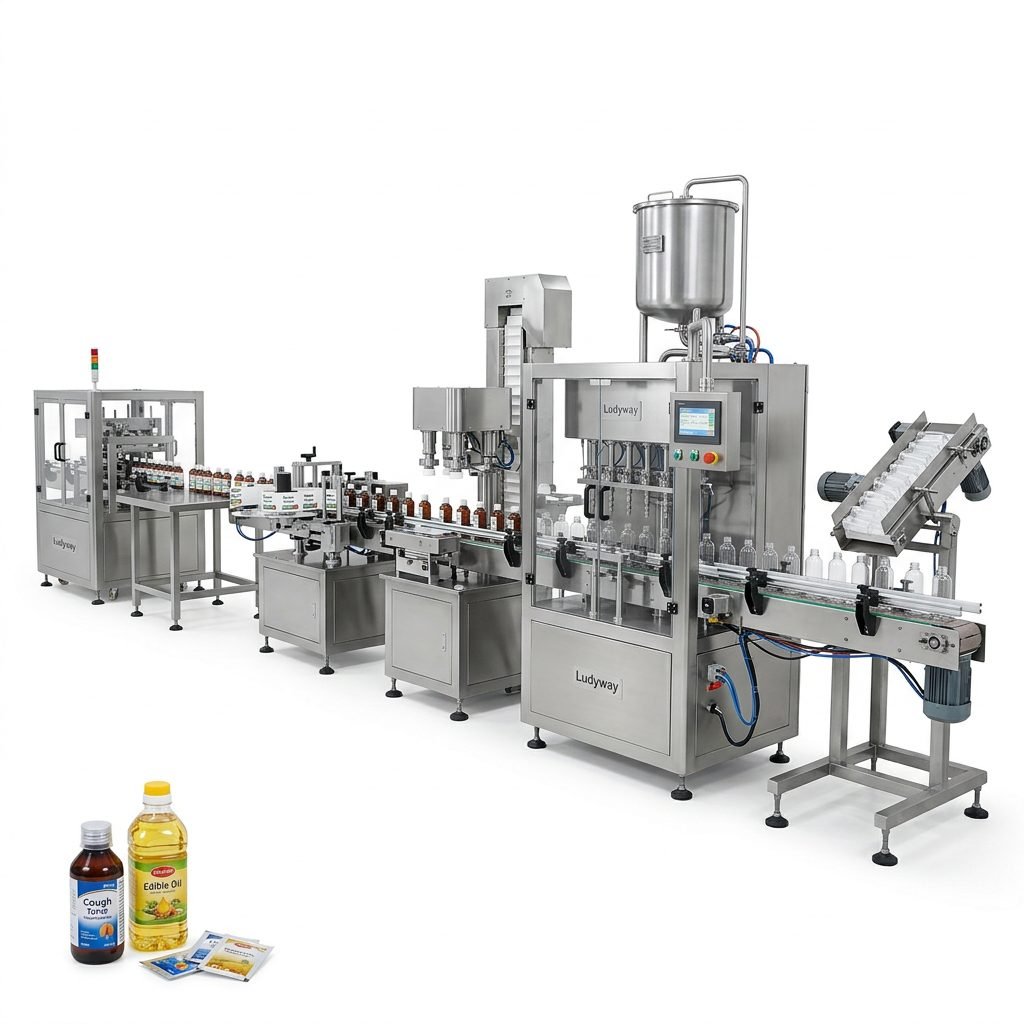
A fully integrated edible oil packaging line typically comprises several interconnected modules. Understanding each component helps in making informed procurement decisions and ensures seamless integration.
1. Bottle Unscrambling and Air Cleaning Systems
The line begins with automatic bottle unscramblers that orient and position empty containers for filling. Air rinsing or vacuum cleaning stations remove dust and contaminants before the filling stage, ensuring compliance with EU food contact material regulations.
2. Precision Liquid Filling Machines
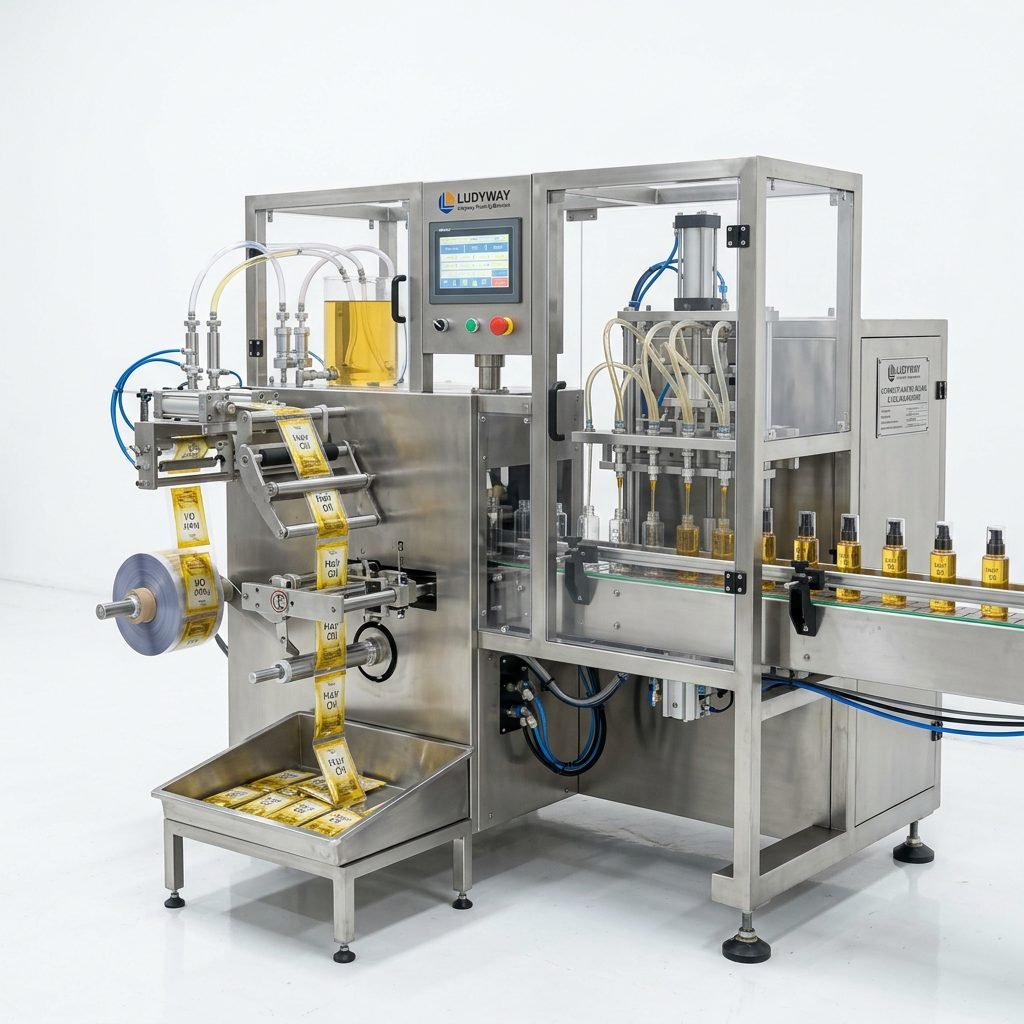
Filling technology selection depends on oil viscosity, production speed, and container type. Common filling methods include:
- Volumetric piston fillers – ideal for high-viscosity oils and precise portion control
- Gravity flow meters – suited for thin, free-flowing oils at high speeds
- Net weight fillers – delivering maximum accuracy for premium products
- Servo-driven filling nozzles – offering drip-free cutoff and minimal product waste
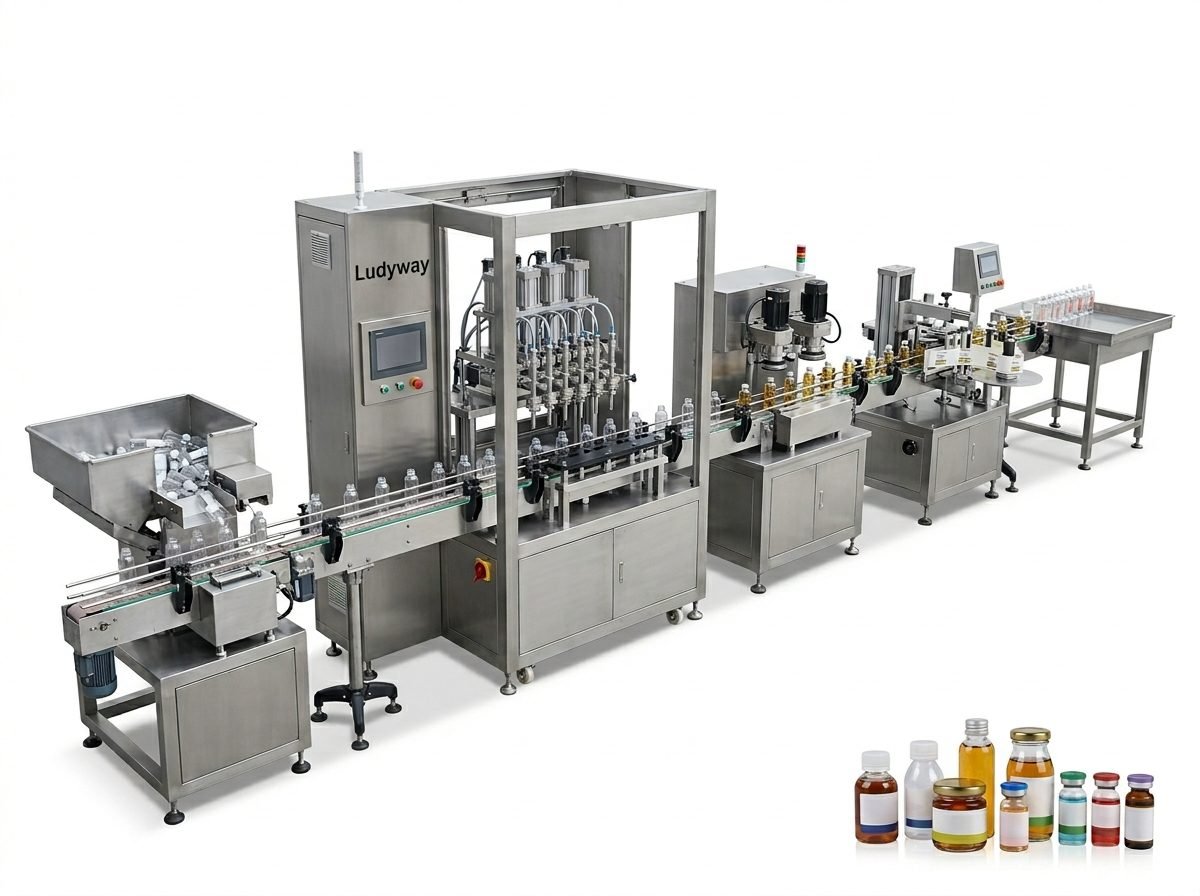
3. Capping and Sealing Stations
Proper sealing is critical for preserving oil quality and preventing leakage. European production lines commonly employ screw cappers, press-on cappers, and induction sealing systems. Tamper-evident banding is increasingly mandatory across EU markets, making induction sealers an essential investment.
4. Labeling and Coding Equipment
Compliance with EU packaging and labeling regulations requires precise label application and batch coding. Options include:
- Self-adhesive roll-fed labelers
- Hot-melt glue labelers for high-speed lines
- Sleeve labeling systems for full-body coverage
- Laser coders and inkjet printers for date and lot coding
5. Cartoning, Case Packing, and Palletizing
End-of-line automation includes wrap-around cartoners, case packers, and robotic palletizers. European logistics standards favor Euro pallets, so palletizing systems must accommodate these dimensional requirements. Integrated stretch wrapping and strapping machines complete the packaging process for warehouse distribution.
Regulatory Compliance: Navigating EU Standards
Operating an edible oil packaging line in Europe requires adherence to a complex framework of regulations. Non-compliance can result in costly product recalls, market withdrawal, and legal penalties.
| Regulation / Standard | Scope | Key Requirements |
|---|---|---|
| EC 1935/2004 | Food Contact Materials | All packaging materials must not transfer constituents to food in quantities that endanger human health |
| EC 2023/2006 | Good Manufacturing Practice (GMP) | Mandates documented quality assurance systems for food contact materials manufacturing |
| EU 1169/2011 | Food Information to Consumers | Specifies mandatory labeling elements including allergen declaration and nutritional information |
| PPWR (Proposed) | Packaging and Packaging Waste Regulation | Establishes recyclability targets and recycled content mandates for packaging by 2030 |
| ISO 22000 | Food Safety Management | Comprehensive food safety management system covering the entire production chain |
| CE Marking | Machinery Directive 2006/42/EC | All packaging equipment must carry CE marking and meet essential health and safety requirements |
For detailed guidance, consult the food packaging regulatory framework and packaging industry standards.
Selecting the Right Equipment Supplier for Europe
Choosing a reliable packaging machinery manufacturer is perhaps the most consequential decision in setting up your production line. Evaluate potential suppliers based on these criteria:
Evaluating Supplier Credentials
- CE certification and compliance with EU machinery directives
- Proven track record of installations in European markets
- Availability of local after-sales service and spare parts within Europe
- Customization capabilities for specific oil types and packaging formats
- Integration expertise with upstream processing and downstream logistics
- References from existing European edible oil producers
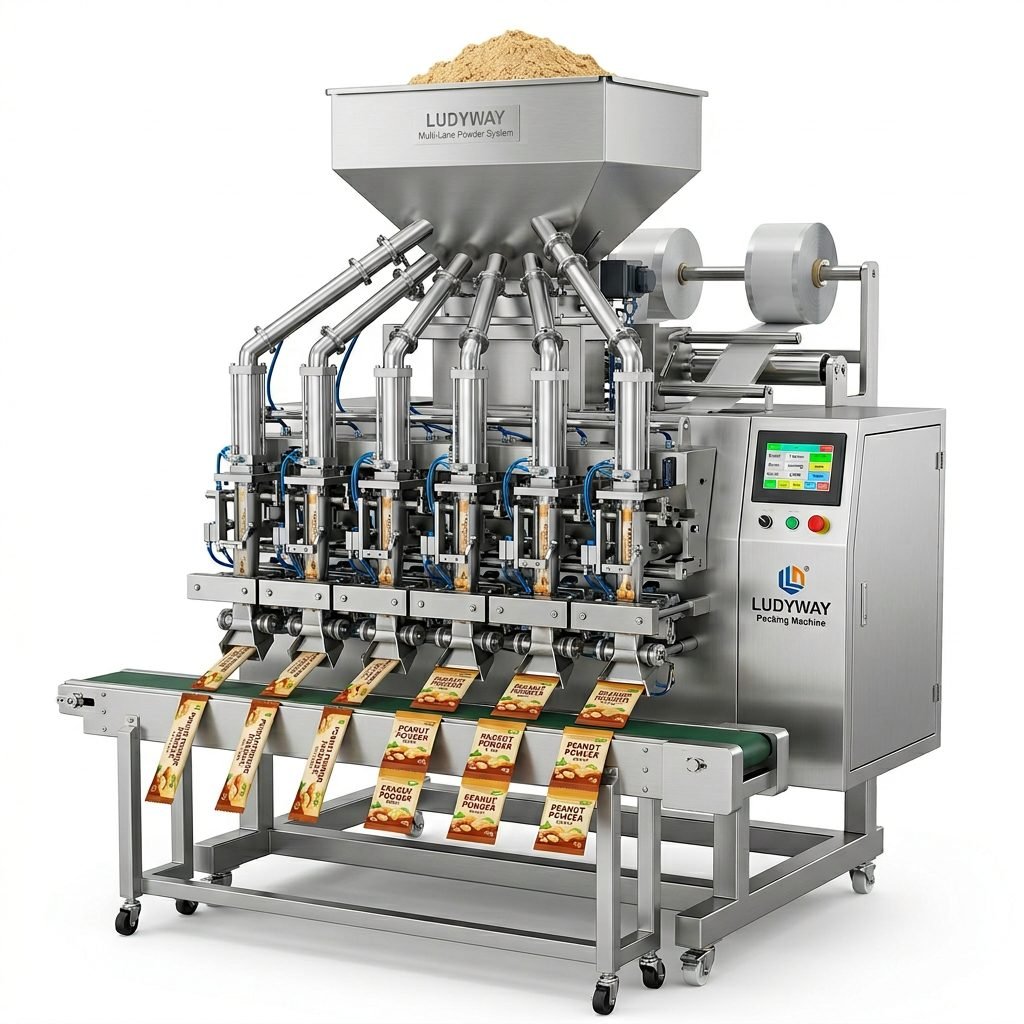
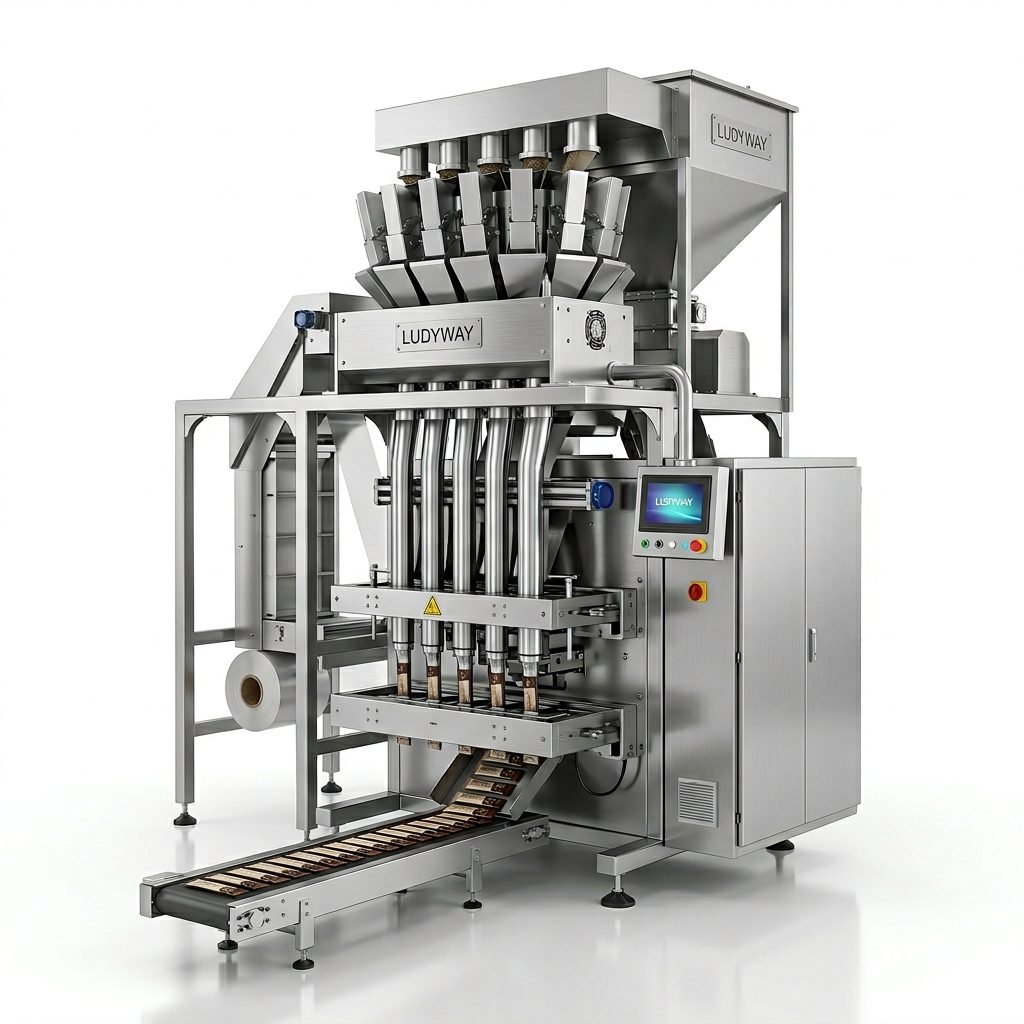
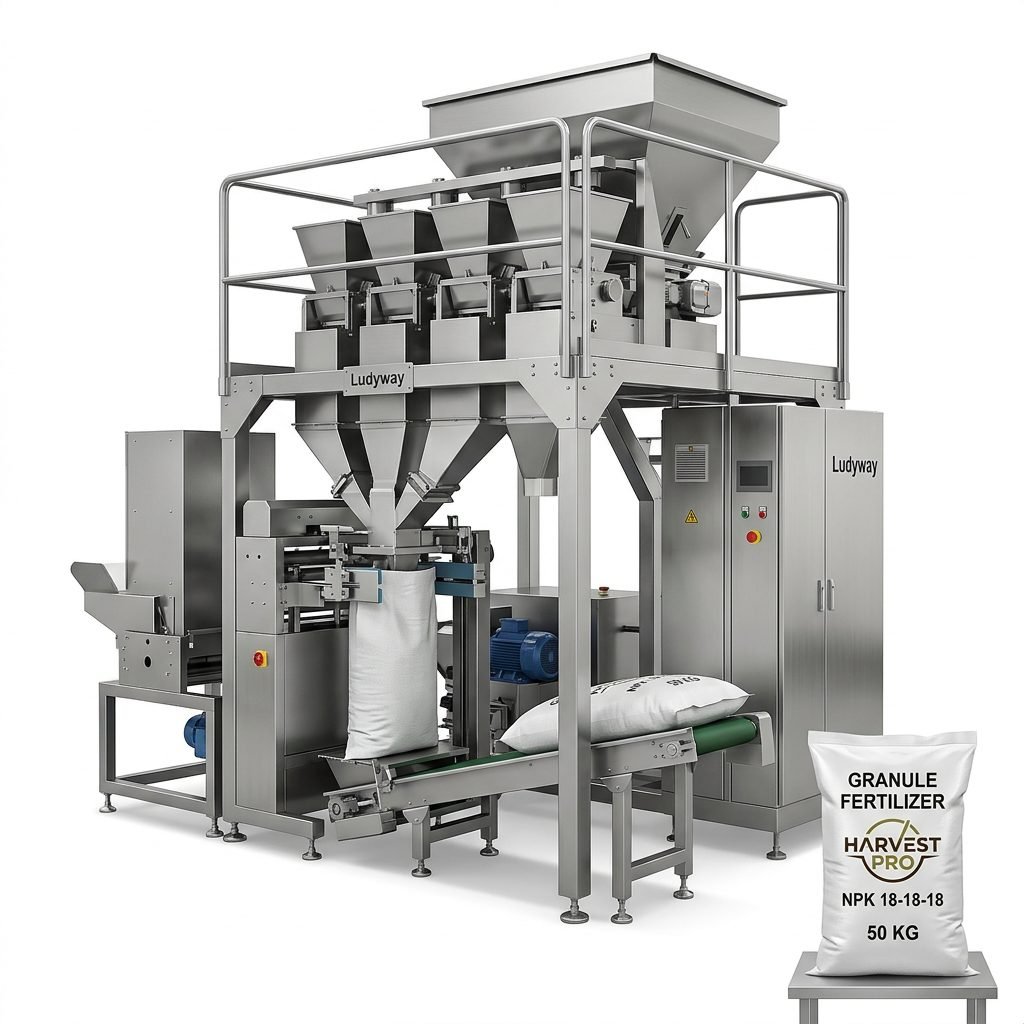
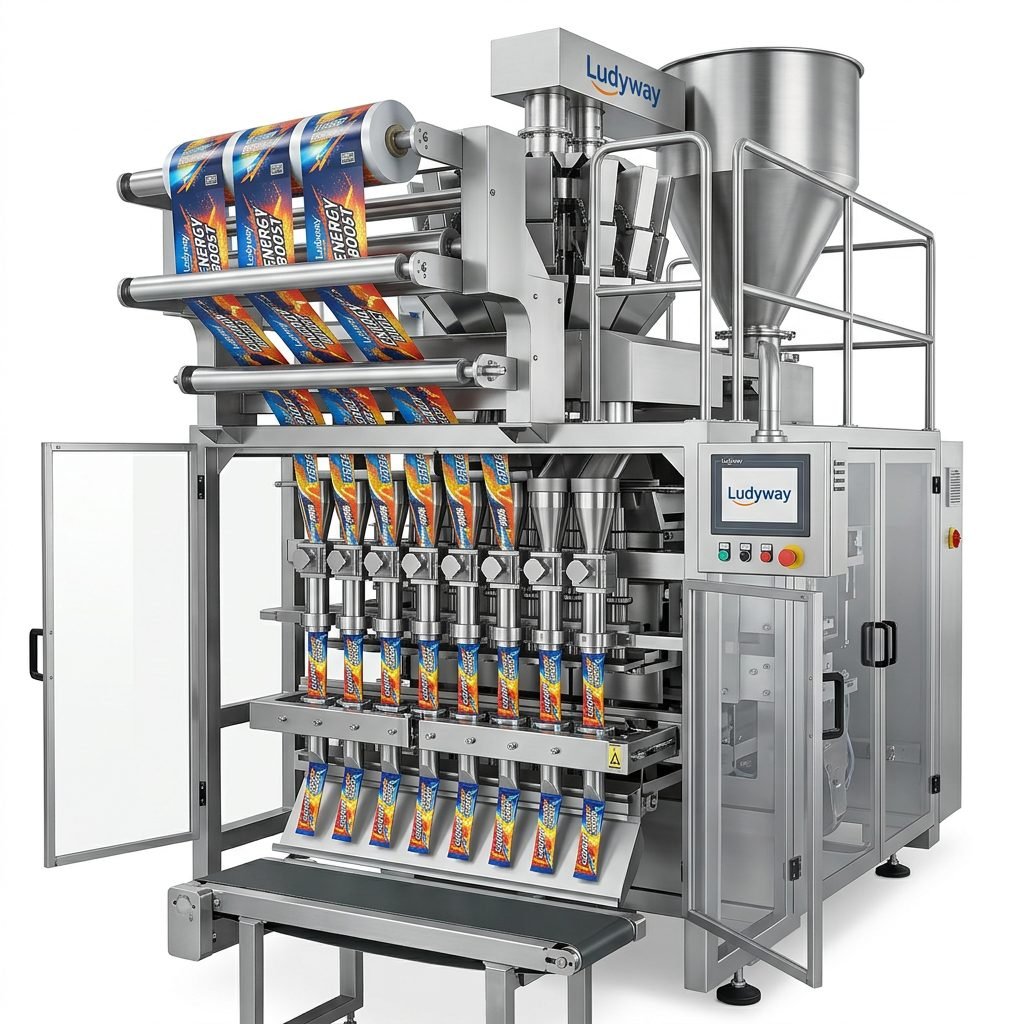
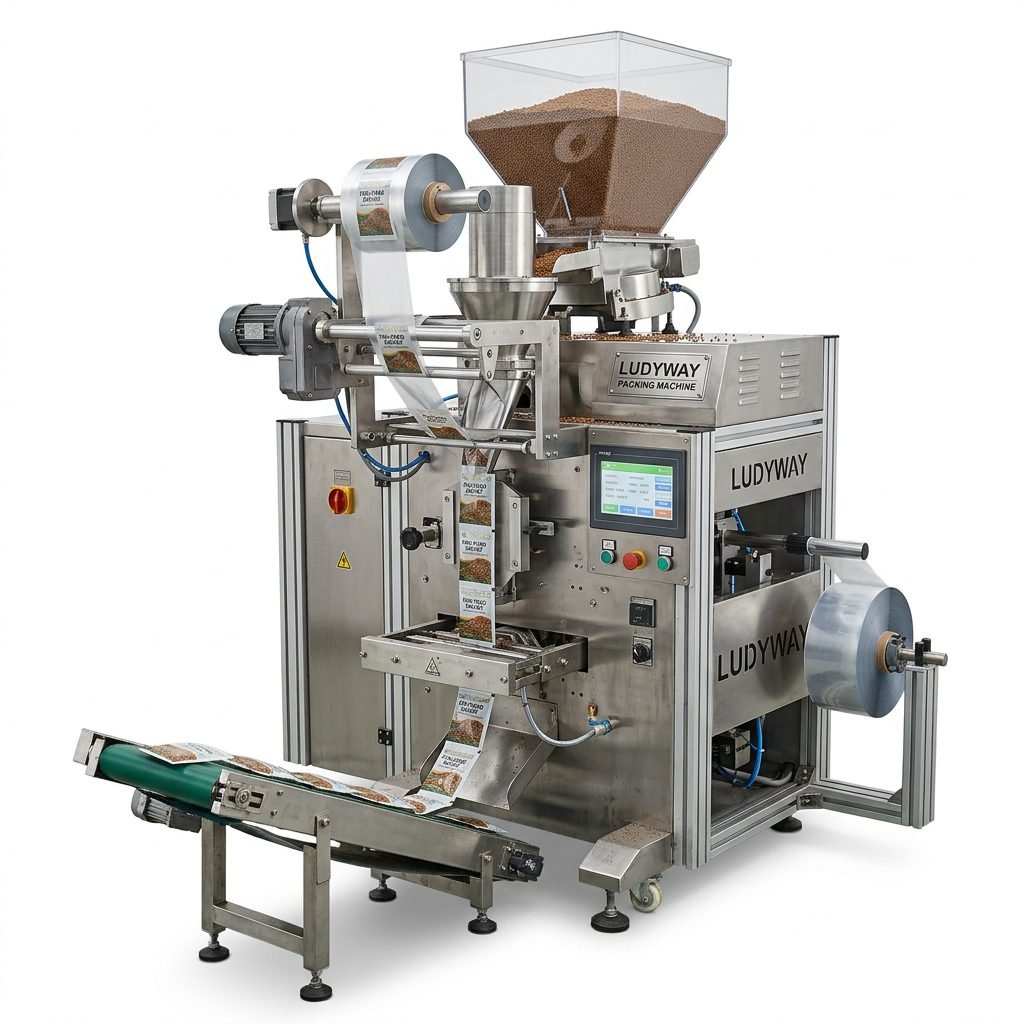
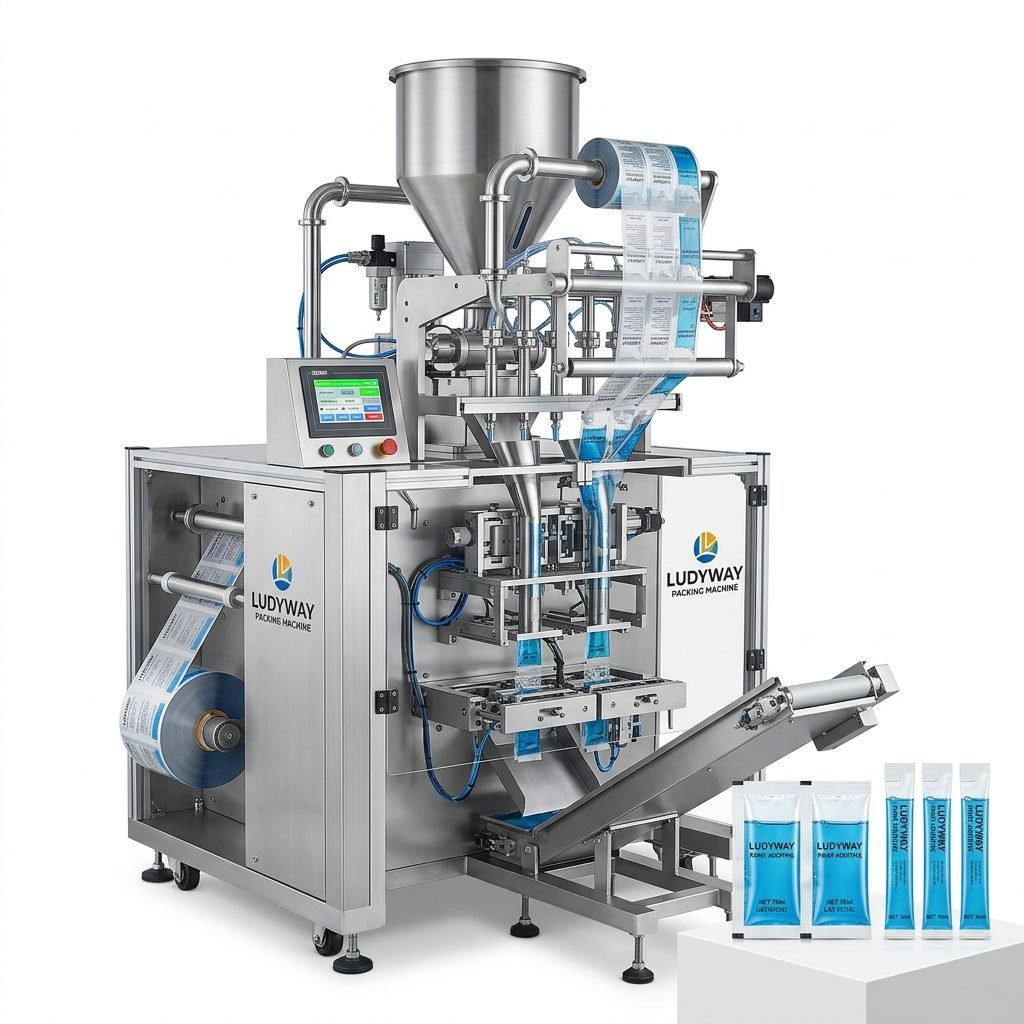
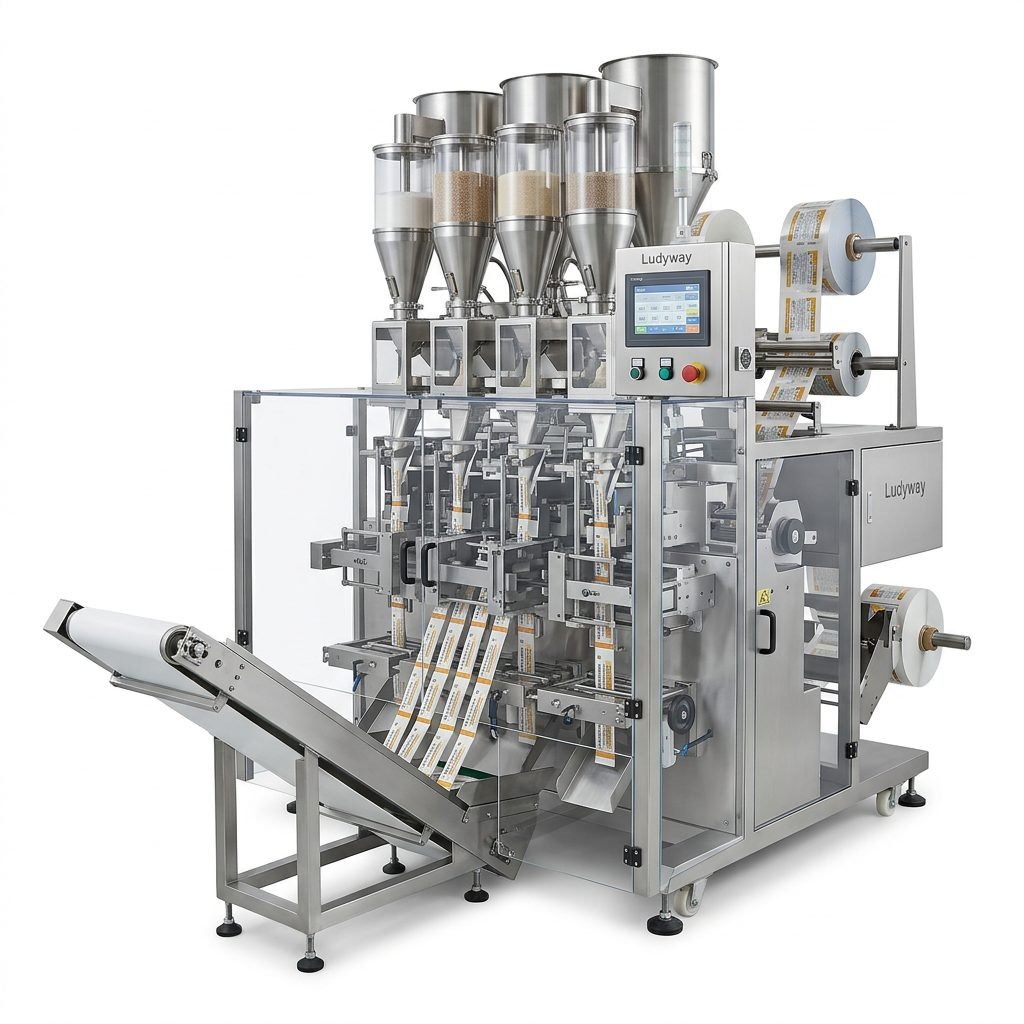
Several global manufacturers offer suitable equipment. For example, Ludyway provides turnkey packaging solutions with expertise in multi-format filling and sealing systems, supported by a substantial manufacturing facility and international project experience. Their portfolio includes a range of automated packaging machines suitable for various liquid and granule applications across food and pharmaceutical industries.
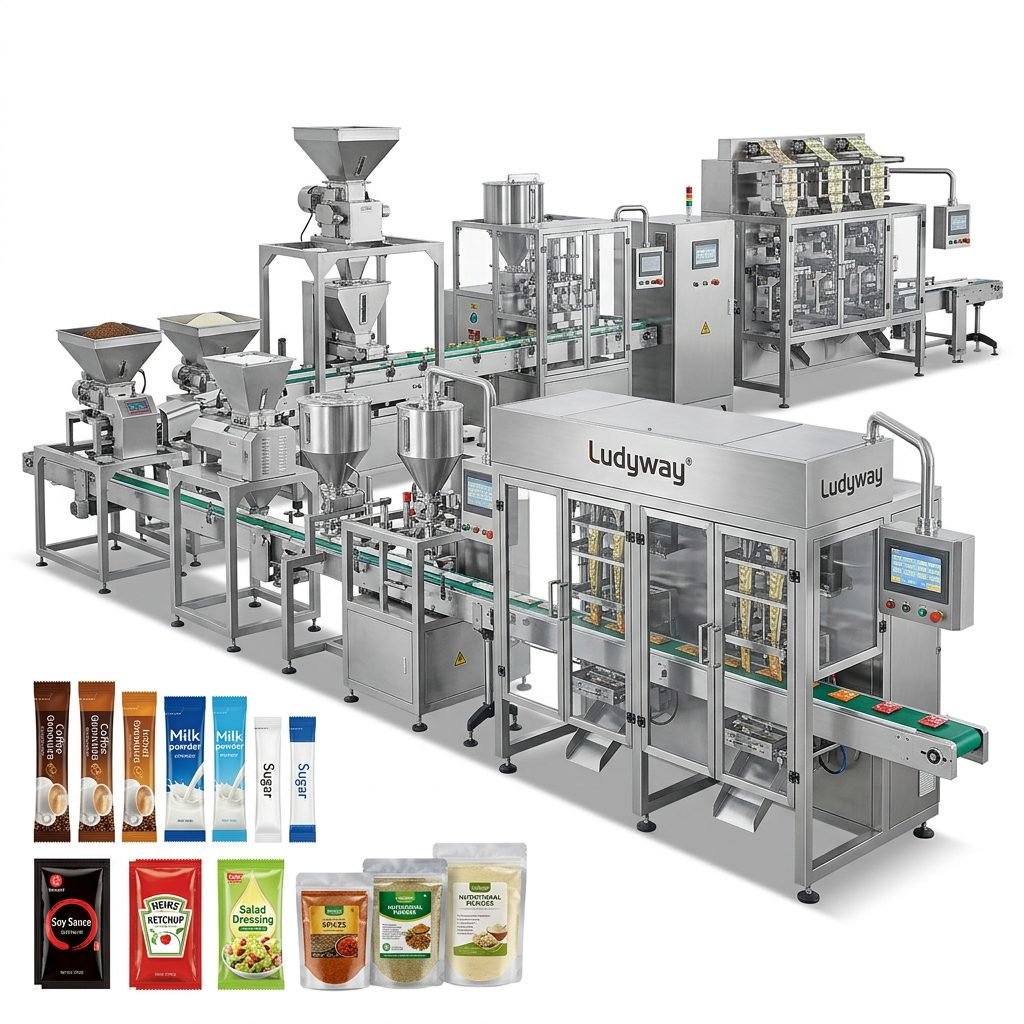
Production Line Layout and Facility Planning
Efficient facility design maximizes throughput while minimizing operational costs. Consider these factors when planning your edible oil packaging facility layout in Europe:
Space Allocation and Workflow Optimization
- Linear flow design – raw materials enter at one end, finished goods exit at the other
- Dedicated zones for bottle storage, filling, secondary packaging, and finished goods
- Adequate clearance for forklift access and maintenance procedures
- Separate areas for allergen-free or organic certified production runs
- Provision for future line extensions and additional filling lanes
Utility Requirements
European industrial facilities must account for local utility specifications. Key considerations include compressed air quality standards, electrical supply (typically 400V/50Hz three-phase), and water treatment for cleaning-in-place (CIP) systems. Energy efficiency is increasingly important given rising European energy costs and sustainability directives.
Installation, Commissioning, and Operator Training
Proper installation and commissioning are critical phases that determine long-term line performance. A structured approach includes:
- Pre-installation site preparation – verifying floor loadings, utility connections, and environmental conditions
- Mechanical installation – positioning, leveling, and anchoring all equipment modules
- Electrical and control system integration – connecting PLC systems, sensors, and safety interlocks
- Dry testing and wet testing – running equipment without product, then with actual edible oil
- Performance qualification – verifying speed, accuracy, and output against specifications
- Operator training programs – ensuring staff competence in operation, troubleshooting, and maintenance
Maintenance Strategies for Long-Term Reliability
Implementing a comprehensive maintenance program extends equipment lifespan and prevents unplanned downtime. European best practices include:
| Maintenance Type | Frequency | Key Activities |
|---|---|---|
| Preventive Maintenance | Weekly / Monthly | Lubrication, belt tension checks, sensor cleaning, seal inspections |
| Predictive Maintenance | Continuous monitoring | Vibration analysis, thermal imaging, oil analysis for drive systems |
| Annual Overhaul | Yearly | Complete disassembly of critical components, seal replacement, calibration |
| Spare Parts Management | Ongoing | Maintaining critical spare parts inventory within European distribution centers |
Sustainability and Environmental Considerations
European consumers and regulators increasingly prioritize sustainable packaging practices. Edible oil producers should consider:
- Lightweight packaging designs that reduce material usage without compromising product protection
- Integration of recycled content (rPET, rHDPE) in bottle manufacturing
- Adoption of recyclable mono-material flexible pouches where applicable
- Implementation of energy-efficient servo drives and heat recovery systems
- Compliance with EU Packaging and Packaging Waste Directive requirements
Technology Trends Shaping Edible Oil Packaging
Staying ahead of technological developments provides a competitive edge in the European market. Current trends include:
- Smart factory integration with IoT-enabled sensors for real-time production monitoring
- Digital twin technology for simulating line changes before physical implementation
- Augmented reality (AR) maintenance support for remote troubleshooting
- Blockchain-based traceability from farm to bottle for premium and organic oils
- Automated vision inspection systems for 100% quality verification at production speeds

Budgeting and ROI Analysis
Investing in a complete edible oil packaging line represents a significant capital commitment. Understanding the cost structure helps in accurate budgeting:
Cost Components
- Equipment purchase – filling machines, cappers, labelers, cartoners, palletizers
- Installation and commissioning – typically 5-10% of equipment cost
- Facility modifications – utility connections, flooring, HVAC adjustments
- Training and documentation – operator manuals, maintenance schedules, SOPs
- Initial spare parts package – critical components for first-year operation
- Annual maintenance contracts – ongoing service agreements for sustained performance
Typical payback periods for well-designed lines range from 18 to 36 months, driven by labor savings, reduced product giveaway, and increased throughput capacity. For comprehensive industry data, refer to PMMI State of the Industry reports and flexible packaging industry resources.
Conclusion: Building a Future-Ready Operation
Setting up an edible oil packaging machine production line in Europe is a multifaceted endeavor that rewards thorough planning and quality-focused execution. From selecting CE-certified equipment and ensuring food contact material compliance to implementing sustainable practices and predictive maintenance strategies, each decision contributes to the line’s long-term success.
By partnering with experienced equipment suppliers, investing in operator training, and staying current with European regulatory developments, producers can build packaging operations that deliver consistent product quality, operational efficiency, and market competitiveness for years to come. The European edible oil market continues to offer substantial opportunities for producers who approach their packaging infrastructure with strategic foresight and commitment to excellence.