The Indian egg industry is experiencing unprecedented growth, driven by rising protein consumption, urbanization, and government initiatives supporting poultry farming. With India ranking among the top egg producers globally, the demand for efficient egg packaging machine production lines has never been higher. Setting up a modern packaging line requires careful planning, an understanding of local regulations, and the right equipment choices to ensure product quality, shelf life, and profitability.

Understanding the Indian Egg Packaging Market
India produces over 120 billion eggs annually, and a significant portion is destined for retail and export markets. Proper packaging is essential to protect eggs from breakage, maintain hygiene standards, and extend shelf life. The packaged egg segment is growing rapidly, particularly in urban centers where consumers increasingly prefer branded, graded, and properly packed eggs. Setting up a high-quality egg packaging production line positions your business to capture this expanding market opportunity.
Key market drivers include the expansion of organized retail chains, rising export demand to the Middle East and Southeast Asia, and stringent food safety regulations. A well-designed packaging line can help processors meet food packaging safety standards while achieving high throughput and operational efficiency.
Essential Components of an Egg Packaging Production Line
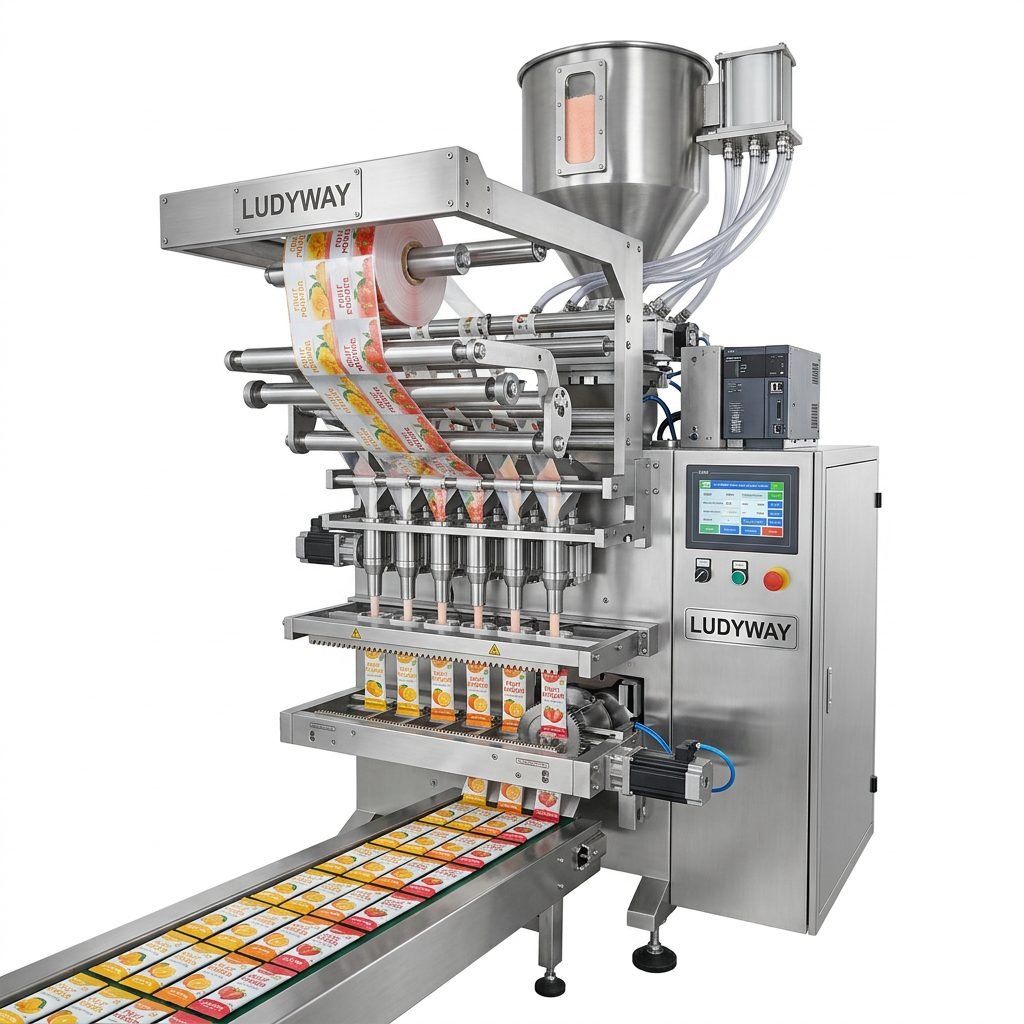
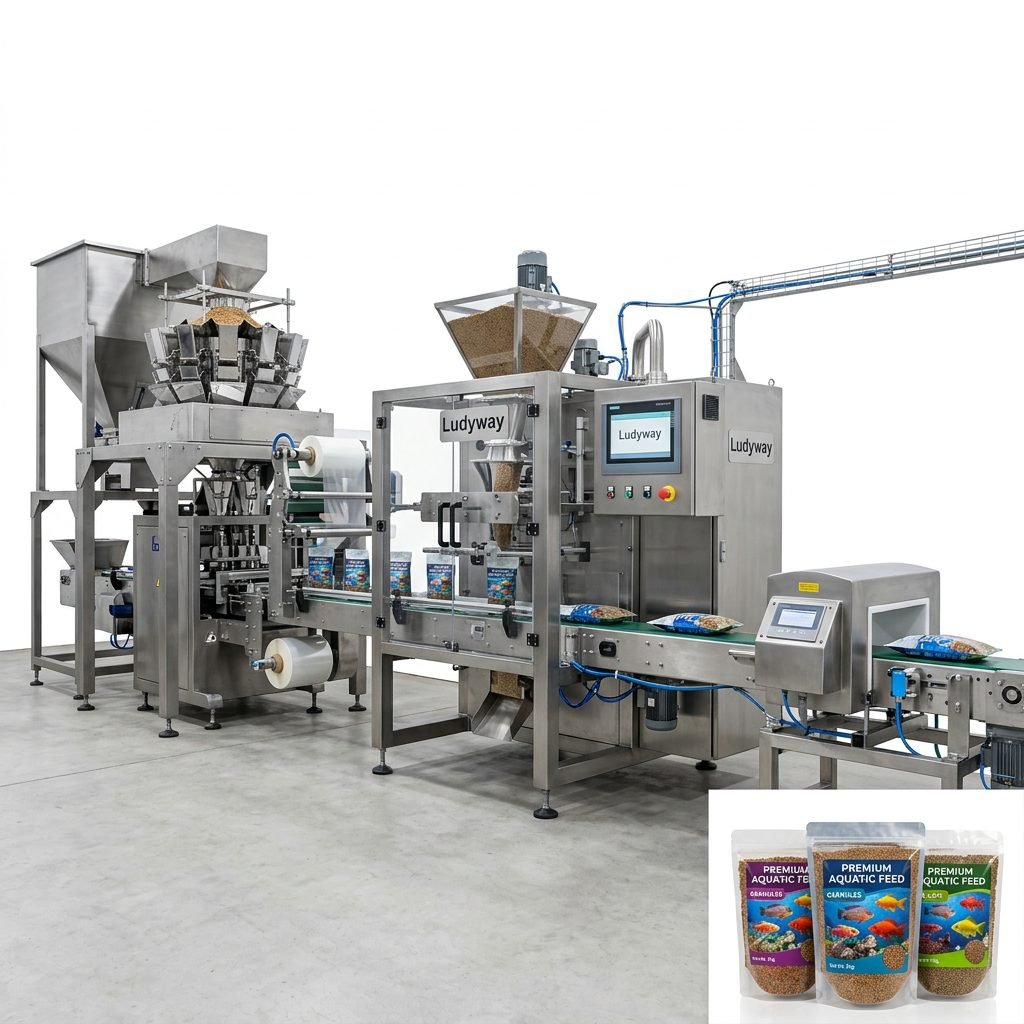
A complete egg packaging machine production line consists of several integrated systems working in harmony. Each component plays a critical role in ensuring the final packaged product meets quality and safety requirements. Below are the core modules you need to consider:
Egg Grading and Sorting Unit
The grading system is the heart of any egg packaging line. Modern grading machines use automated weight sensors and vision inspection to sort eggs by size, weight, and quality. Advanced models can detect cracks, blood spots, and shell defects using laser or camera-based technologies. A robust grading unit ensures consistent product quality and minimizes customer complaints.
Egg Washing and Sanitizing System
For markets requiring clean eggs, a washing and sanitizing module is indispensable. The system typically includes spray washing, brushing, and drying stations, followed by UV sterilization or food-grade sanitizer application. Proper sanitation reduces bacterial contamination risks and extends product shelf life. Water temperature, detergent concentration, and drying efficiency must be carefully controlled to avoid damaging the eggshell cuticle.
Automatic Tray Loading and Denesting Equipment
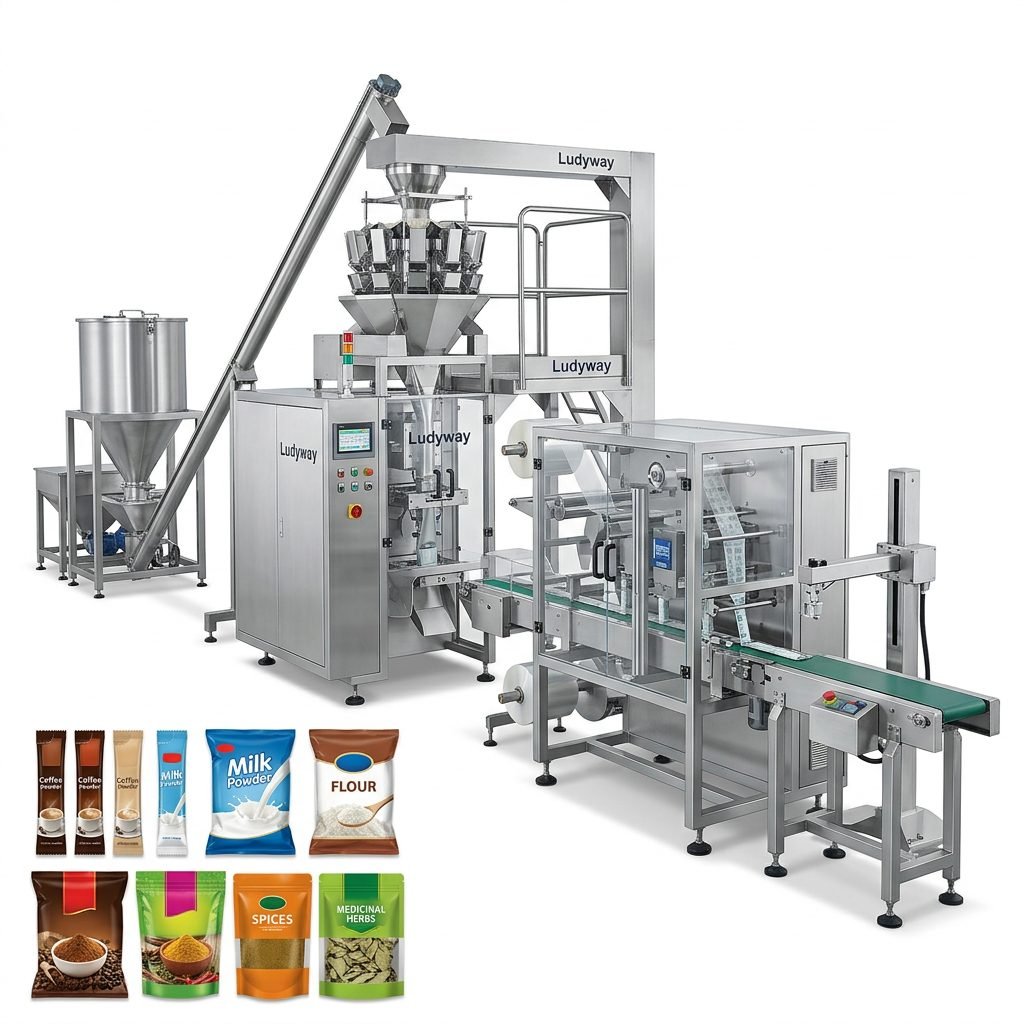
Tray denesters automatically separate and position egg trays for filling. These machines handle various tray formats — from standard 30-egg trays to smaller consumer packs of 6 or 12 eggs. High-speed denesting systems can process up to 60,000 eggs per hour, making them ideal for large-scale commercial operations. Look for models with quick-change tooling to accommodate different tray sizes without significant downtime.
Packaging and Sealing Machinery
Once eggs are placed in trays, they need to be wrapped or sealed for distribution. Common packaging formats include shrink-wrapped trays, labeled cartons, and modified atmosphere packaging (MAP) for extended shelf life. The sealing machinery should provide tamper-evident closures and clear branding surfaces. For export-oriented businesses, compliance with ISO packaging standards is often mandatory.
Coding and Labeling Systems
Batch coding, date marking, and traceability labeling are legally required in most markets. Modern inkjet coders and laser marking systems print clear, permanent codes on egg trays and cartons. Integration with the production line’s central control system ensures accurate date coding and prevents labeling errors that could lead to costly recalls.
Step-by-Step Setup Process
Setting up an egg packaging production line in India involves a methodical approach. Follow these steps to ensure a smooth implementation:
- Step 1 — Market Research & Feasibility Study: Analyze target markets, customer requirements, and competitor capabilities. Determine the packaging formats in demand and estimate production volumes.
- Step 2 — Site Selection & Facility Planning: Choose a location with reliable utilities, good logistics connectivity, and proximity to egg suppliers. Design the production floor layout following hygiene-first principles and workflow efficiency.
- Step 3 — Regulatory Approvals & Licensing: Obtain necessary licenses from FSSAI, local municipal authorities, and export certification bodies if targeting international markets.
- Step 4 — Equipment Procurement: Source machinery from reputable manufacturers, ensuring specifications match your production goals and budget.
- Step 5 — Installation & Commissioning: Work with equipment suppliers for professional installation, calibration, and operator training.
- Step 6 — Trial Runs & Quality Validation: Conduct thorough testing to verify packaging integrity, throughput rates, and product quality before commencing full-scale commercial production.

Key Equipment Selection Criteria
Choosing the right machinery for your egg packaging line requires evaluating multiple factors. The following table outlines the most critical selection criteria to guide your purchasing decision:
| Criteria | Description | Importance Level |
|---|---|---|
| Production Capacity | Eggs per hour (EPH) rating matching your volume requirements | Critical |
| Automation Level | Semi-automatic vs. fully automatic systems and labor cost implications | High |
| Grading Accuracy | Weight precision and defect detection capabilities | Critical |
| Material Compatibility | Ability to handle different tray materials and packaging film types | Medium |
| Hygiene Design | Stainless steel construction, CIP compatibility, and easy sanitation access | Critical |
| After-Sales Support | Local service availability, spare parts supply, and technical training | High |
Cost Considerations and ROI Analysis
Investing in an egg packaging machine production line requires significant capital. A basic semi-automatic line may start from approximately INR 15-25 lakhs, while fully automated high-capacity lines can exceed INR 1-2 crores. Key cost components include:
- Equipment purchase cost — the largest upfront investment
- Installation and commissioning charges — typically 5-10% of equipment cost
- Facility modifications — electrical, plumbing, and HVAC upgrades
- Training and labor costs — operator training and ongoing workforce expenses
- Consumables — packaging materials, sanitizers, and maintenance supplies
The return on investment (ROI) for a well-planned egg packaging line typically ranges from 18 to 36 months, depending on utilization rates and market pricing. Businesses targeting export markets often achieve faster payback due to higher margins on packaged, graded eggs.
Regulatory Compliance in India
The Food Safety and Standards Authority of India (FSSAI) governs egg packaging operations. Compliance with FSSAI regulations is mandatory for all commercial egg packers. Key requirements include proper labeling with batch numbers, production dates, and best-before information. Additionally, facilities must adhere to hygiene and sanitation standards prescribed under the Food Safety and Standards Act.
For export-oriented units, compliance with international standards such as those from the Flexible Packaging Association’s industry resources and destination country regulations is equally important. Working with experienced packaging line integrators who understand both domestic and international compliance requirements can streamline the approval process significantly.
Choosing the Right Equipment Supplier
The success of your egg packaging operation heavily depends on selecting a reliable equipment partner. Look for manufacturers with proven experience in food-grade packaging machinery, robust after-sales support, and the ability to provide customized solutions. Evaluate potential suppliers based on their track record, client references, and technical expertise.
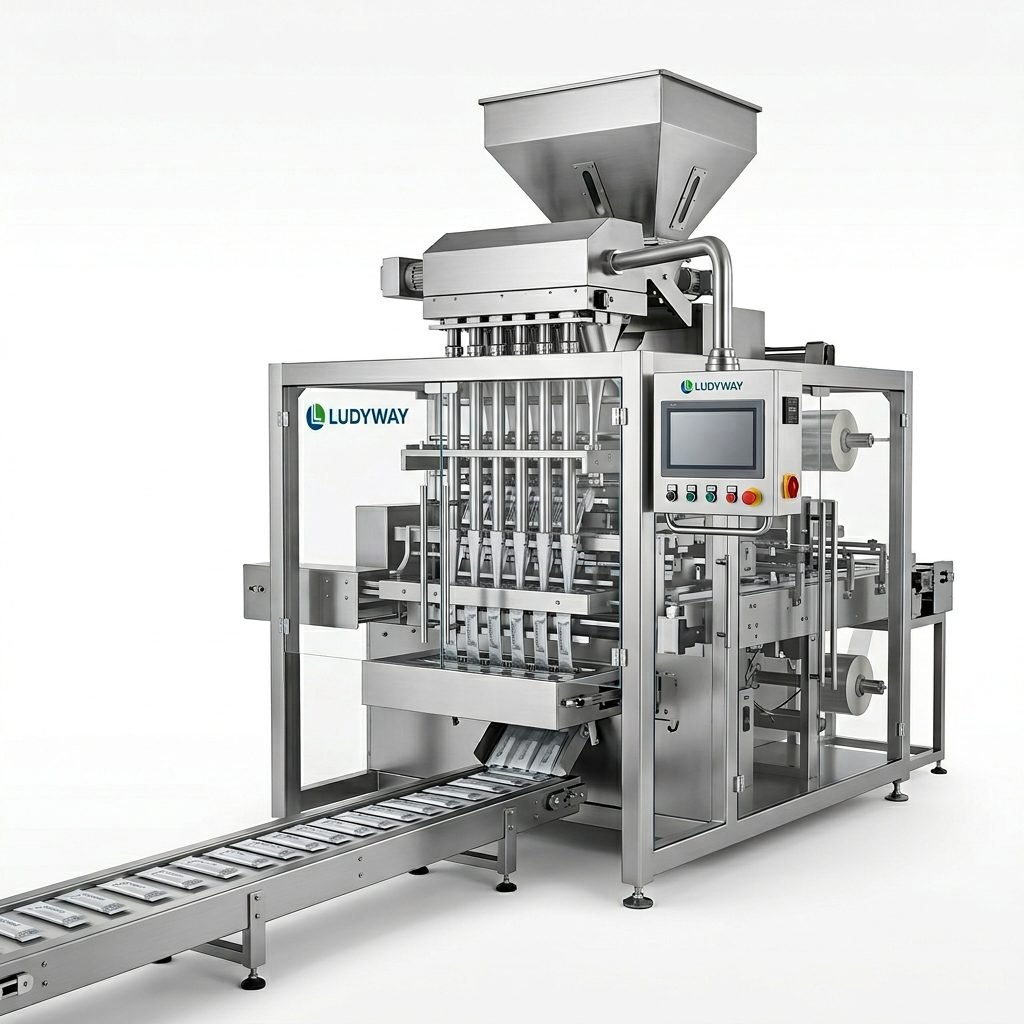
International manufacturers with a strong presence in India offer the advantage of global technology combined with localized service. For instance, companies like Ludyway specialize in advanced packaging equipment and turnkey production solutions for the food industry, backed by decades of engineering expertise. When evaluating suppliers, consider factors such as warranty terms, spare parts availability, and the proximity of their service teams to your facility.
Maintenance and After-Sales Support
Regular maintenance is essential to keep your egg packaging production line running at peak efficiency. Establish a preventive maintenance schedule that includes:
- Daily cleaning and sanitation of all food-contact surfaces
- Weekly inspection of conveyor belts, chains, and drive systems
- Monthly calibration of weighing and grading sensors
- Quarterly replacement of wear parts such as seals, bearings, and filters
A comprehensive annual maintenance contract (AMC) with your equipment supplier can help minimize unexpected downtime and extend the lifespan of your machinery. Ensure your team receives thorough operational and troubleshooting training during the commissioning phase.
Common Challenges and Solutions
Setting up and operating an egg packaging line in India comes with unique challenges. Being prepared for these obstacles will help you avoid costly disruptions:
| Challenge | Impact | Recommended Solution |
|---|---|---|
| Power fluctuations | Equipment damage & production stoppages | Install voltage stabilizers and UPS backup systems |
| Inconsistent egg quality | Higher rejection rates & lower yield | Invest in advanced grading with vision inspection technology |
| Skilled labor shortage | Operational inefficiency & errors | Choose user-friendly automated systems and provide ongoing training |
| Cold chain gaps | Reduced shelf life & quality deterioration | Integrate cold storage at your facility and work with refrigerated logistics partners |
Future Trends in Egg Packaging Technology
The egg packaging industry is evolving rapidly with new technologies enhancing efficiency and sustainability. Smart packaging solutions incorporating QR codes and RFID tags enable better traceability and consumer engagement. Eco-friendly packaging materials such as biodegradable trays and recyclable films are gaining popularity as consumers become more environmentally conscious.
Industry reports from the PMMI business intelligence library indicate that automation and data integration will continue to shape the future of packaging operations. Investing in Industry 4.0-ready equipment today positions your business to leverage emerging technologies such as AI-driven quality inspection and predictive maintenance systems.

Conclusion
Setting up an egg packaging machine production line in India is a strategic investment that can transform your poultry business. By carefully selecting the right equipment, ensuring regulatory compliance, and partnering with reliable suppliers, you can build a profitable and sustainable packaging operation. The growing demand for hygienically packaged eggs — both domestically and for export — presents a compelling opportunity for businesses ready to invest in modern packaging infrastructure.
Take the time to plan thoroughly, visit reference installations, and negotiate comprehensive support agreements before finalizing your equipment purchase. With the right approach, your egg packaging line will deliver consistent quality, operational efficiency, and strong returns for years to come.
Related Resources
- PMMI Packaging Industry Resources — Comprehensive guides and standards for packaging professionals
- Flexible Packaging Association — Industry insights and regulatory updates for flexible packaging
- ISO Packaging Standards — International standards for packaging and distribution