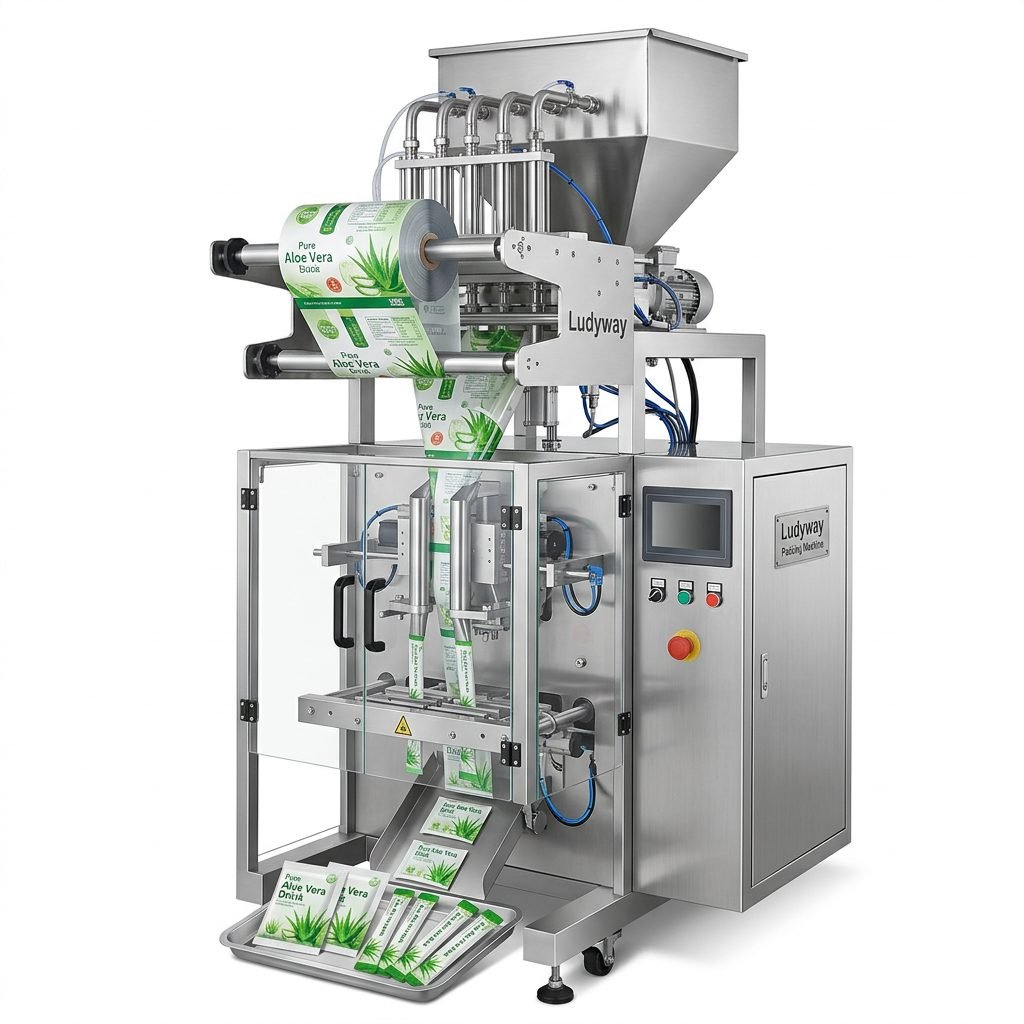
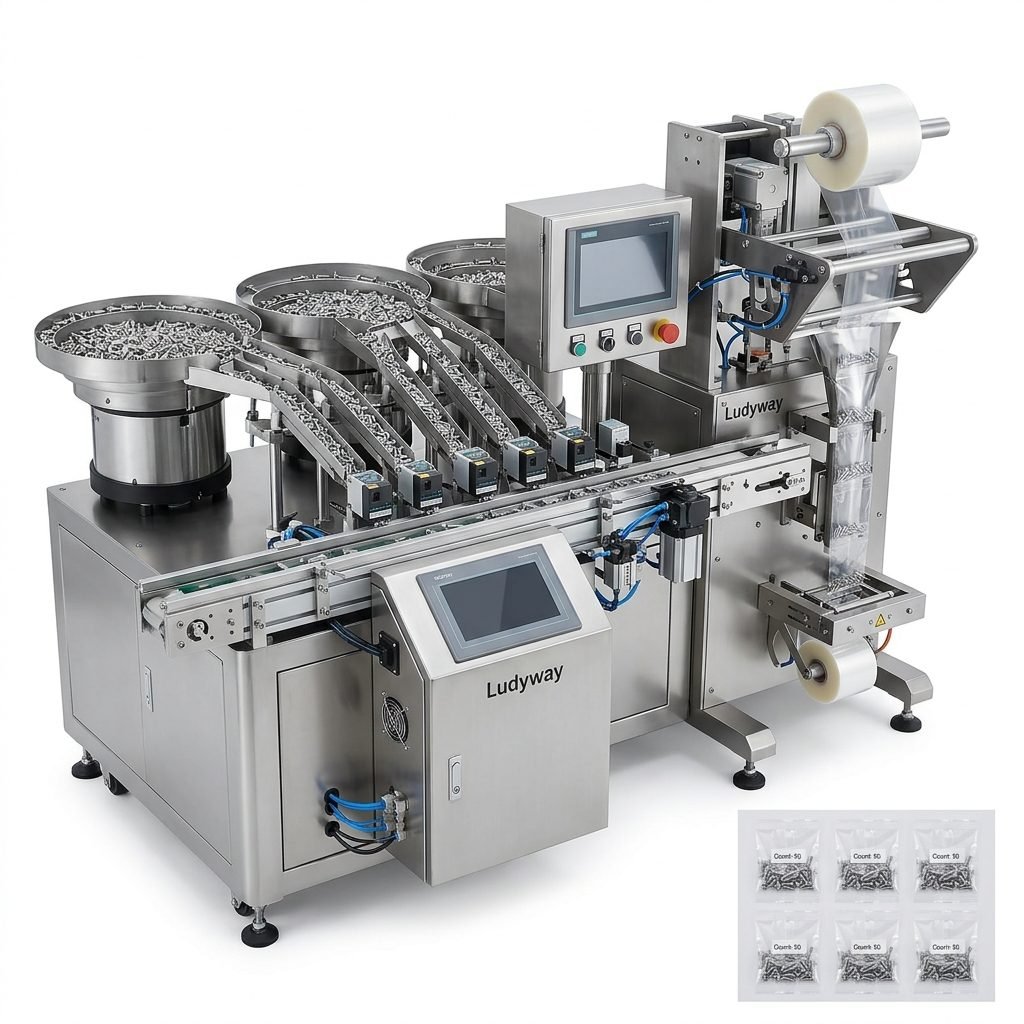
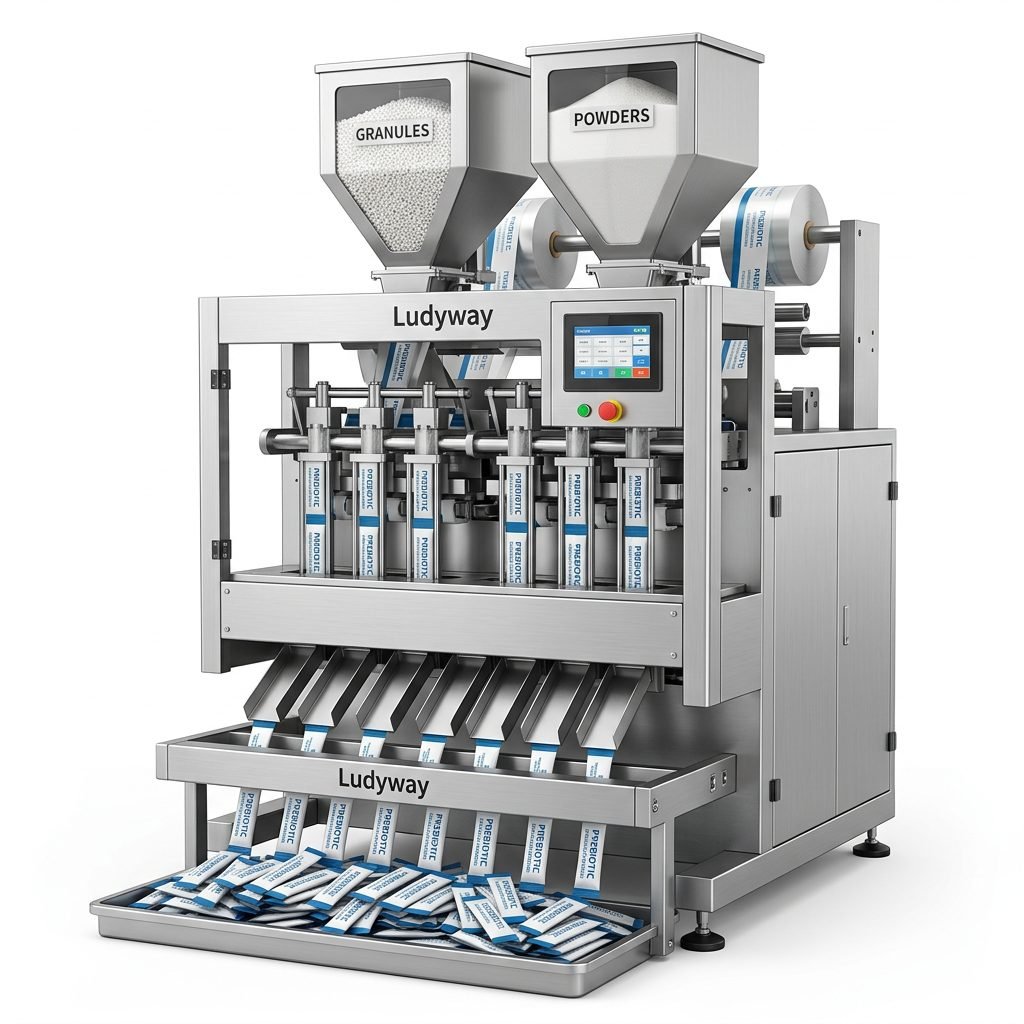
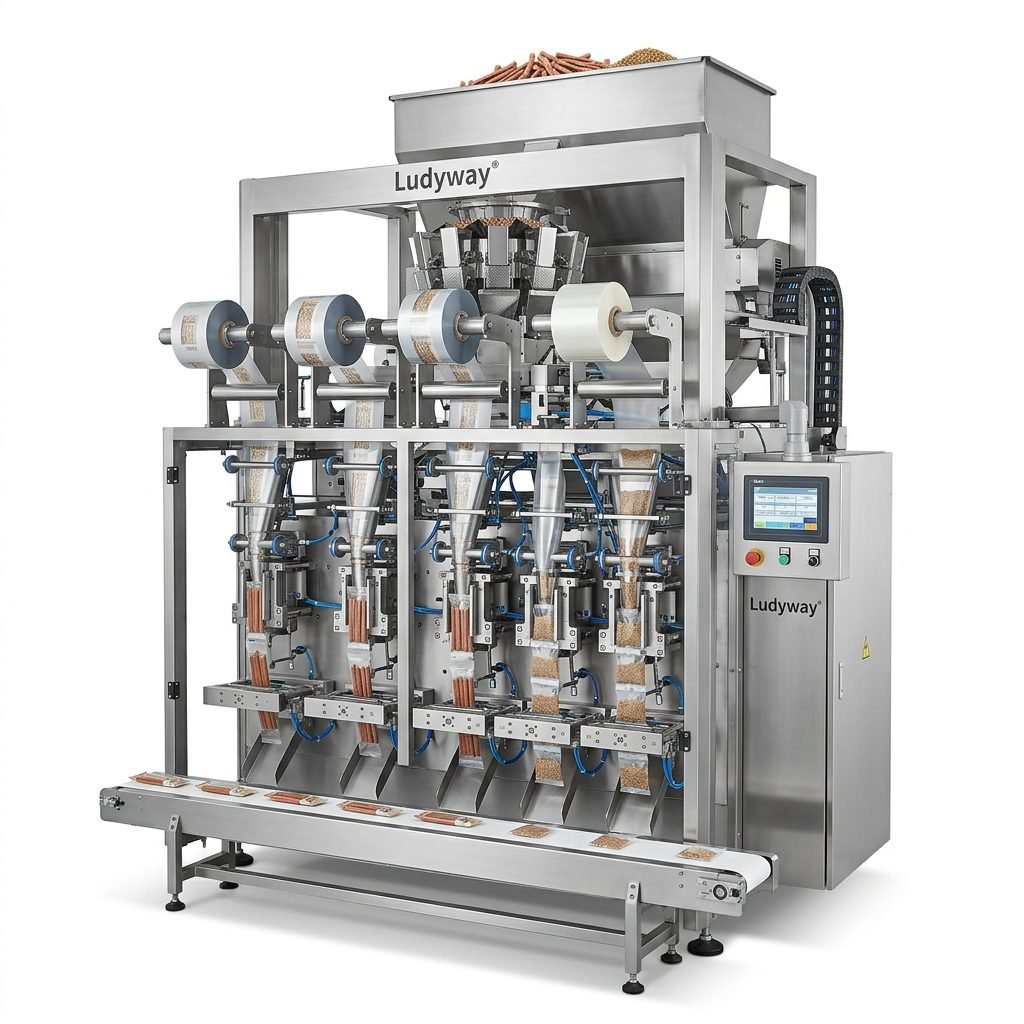
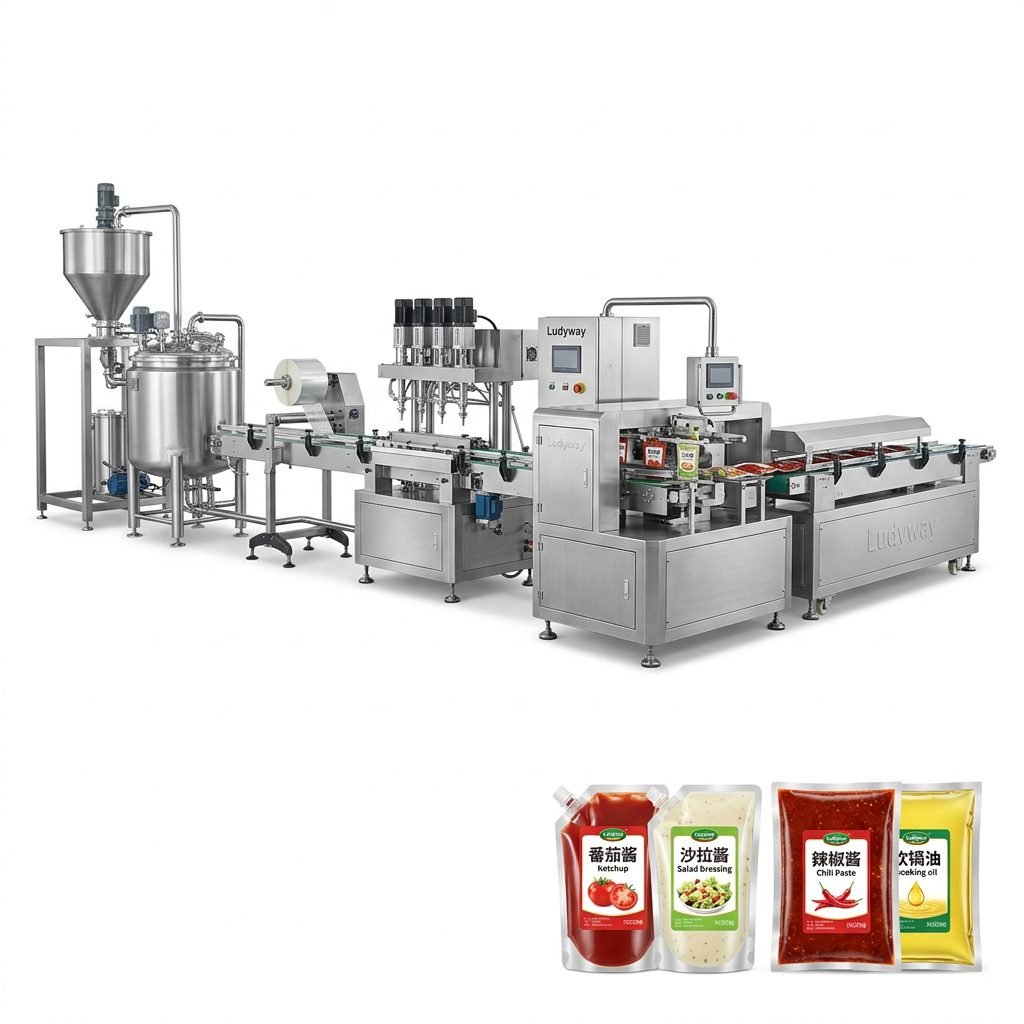
Investing in an apple packing machine is a strategic decision that directly impacts your operational efficiency, fruit quality, and bottom line. Whether you are upgrading from manual sorting or expanding a high-capacity packing line, understanding the interplay between fruit handling, automation technology, and packaging materials is critical. This guide walks you through the essential factors to consider, helping you specify a machine that matches your current needs and long-term growth goals.
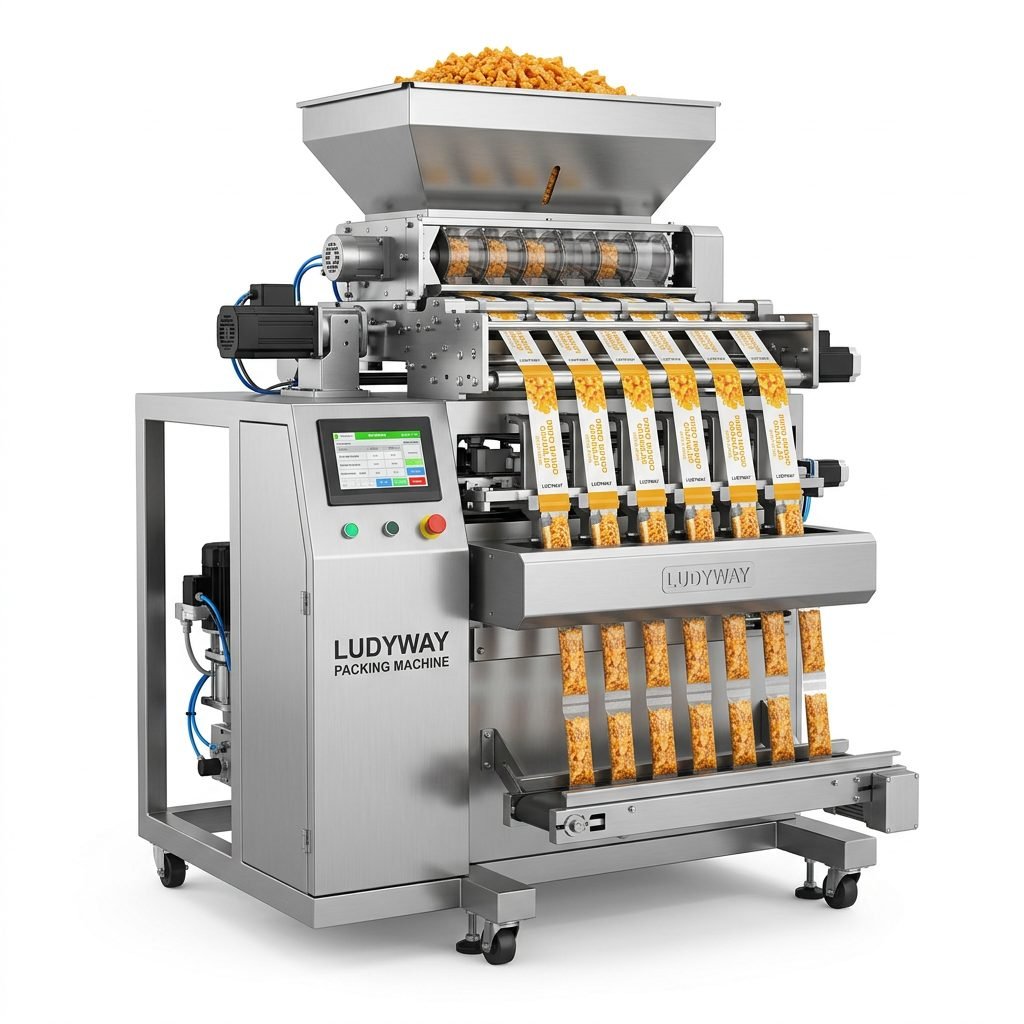
1. Understanding Your Production Capacity Requirements
Before evaluating specific technologies, you must define your target throughput. Apple packing machines are available in a vast range of speeds, typically measured in packs per minute or tons per hour. A small orchard might only need a semi-automatic solution handling 500 kg per hour, whereas a commercial packhouse on the PACK EXPO International supply chain can require lines capable of processing several tons per hour.
- Low-volume solutions: Suitable for local farm gates; often combine manual feeding with automated weighing.
- Mid-range automation: Ideal for regional distributors; usually features multi-lane configurations and basic vision sorting.
- High-speed turnkey lines: Designed for 24/7 operation; integrated with industrial robots and palletizers.
Calculating your peak harvest volume is the first step to avoiding bottlenecks. Over-specifying can strain your budget, but under-specifying is far costlier during peak season.
2. Key Machine Configurations: From Sorting to Sealing
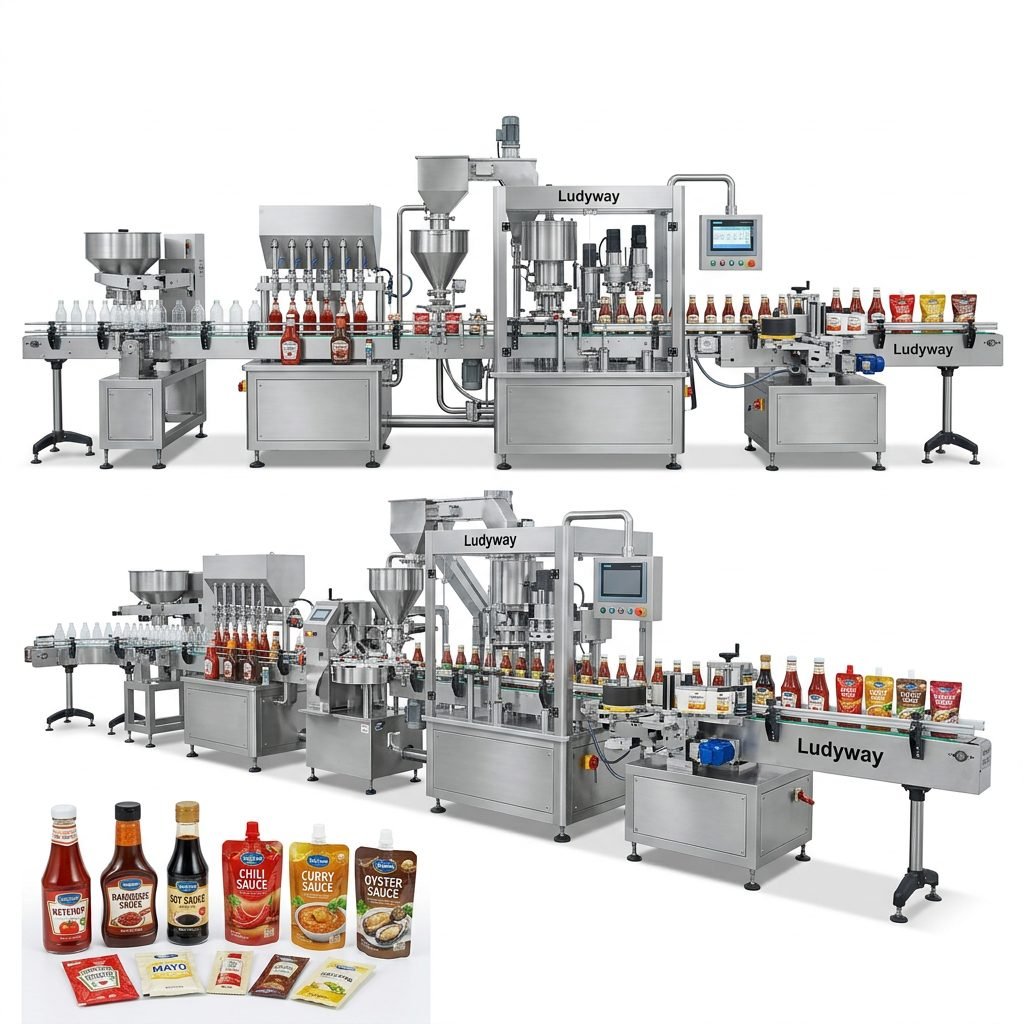
The term “apple packing machine” often refers to an integrated system rather than a single unit. A complete line typically consists of several distinct stations. Choosing the right combination depends on whether you are packing fresh whole apples for retail or processed apple slices for the food service industry.

Whole Fruit vs. Sliced/Dried Apple Packaging
| Product Type | Typical Machinery | Packaging Format |
|---|---|---|
| Fresh Whole Apples | Tray formers, flow wrappers, pouch fillers | Gusseted bags, trays, cartons |
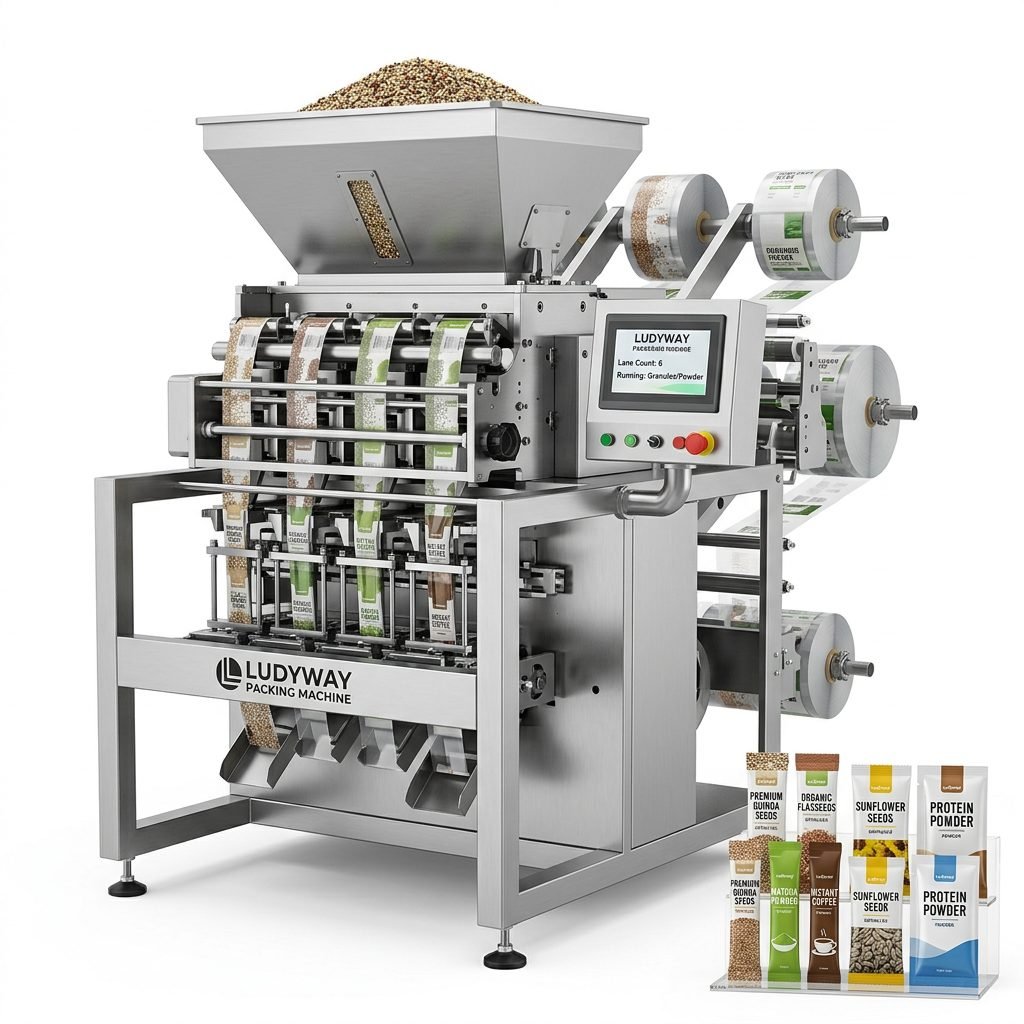
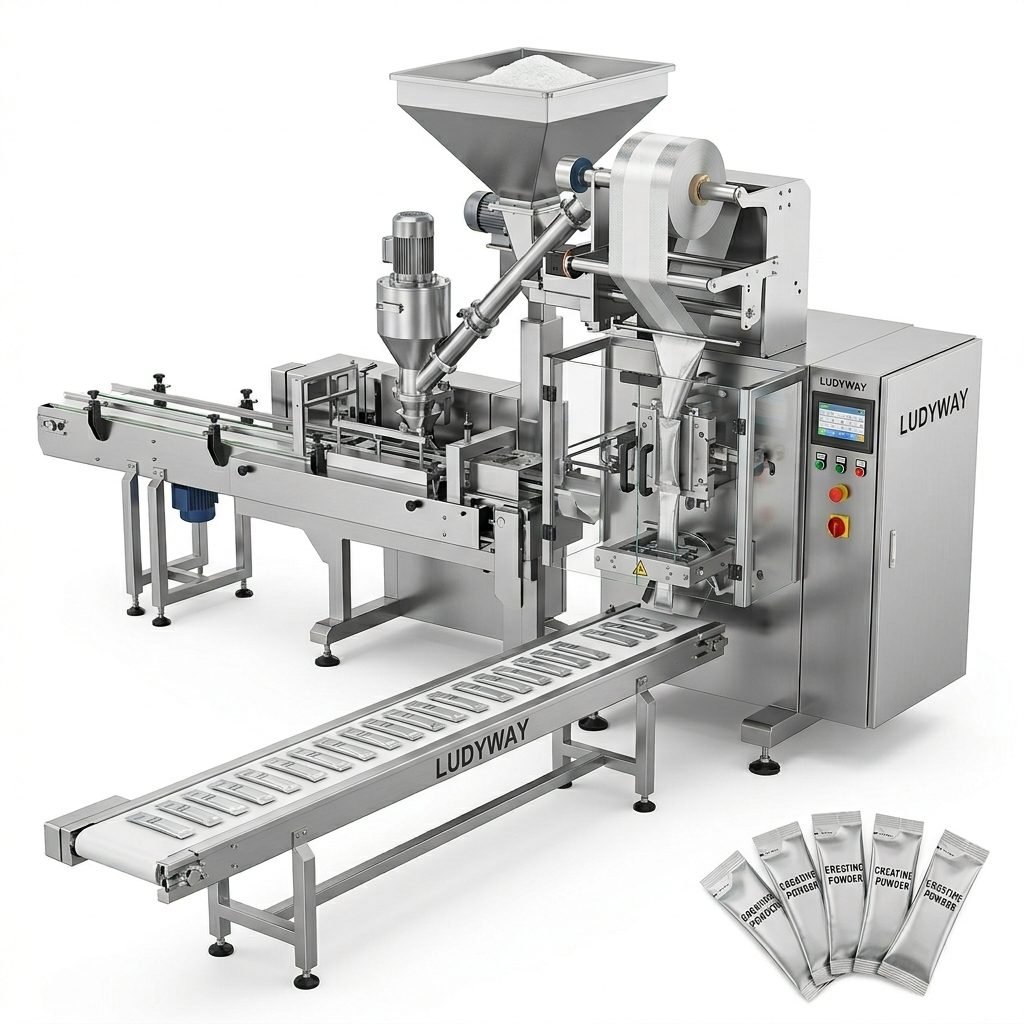
| Dried Apple Chips | Multi-head weighers, vertical form fill seal (VFFS) | Pillow bags, doypacks, stick packs |
| Apple Sauce/Purée | Liquid filling systems, spout pouch machines | Stand-up pouches with caps |
3. Automation and Control Systems
Modern packing houses rely heavily on Programmable Logic Controllers (PLC) and Human-Machine Interfaces (HMI). When selecting an apple packing machine, prioritize intuitive software that allows recipe storage for different apple varieties and bag sizes. Soft handling is non-negotiable. Look for features like cushioned transfer points and gentle drop heights to minimize bruising, which is a primary concern for fresh produce packing as highlighted by resources from the Flexible Packaging Association.
Critical Automation Features:
- Automatic weigh-filling: Ensures each bag meets weight regulations (FDA food packaging compliance).
- Vision sorting systems: Rejects apples with defects based on color, size, or blemishes.
- Gas flushing (MAP): Modified Atmosphere Packaging extends shelf life for fresh-cut apples.
- Servo-driven motions: Provide precise bag length and sealing temperature control for ISO compliant packaging.
4. Material Compatibility and Sustainability
The shift toward sustainable packaging is reshaping machinery requirements. Many packers are moving from single-use plastics to biodegradable films or recyclable paper-based structures. Your apple packing machine must be capable of sealing a variety of materials, including thin-gauge laminates and compostable films, without compromising seal integrity. Given the European packaging and packaging waste regulations, ensuring compatibility with eco-materials today can save a costly retrofit tomorrow.
5. Construction, Hygiene, and Washdown Capabilities
Apple processing environments involve natural sugars, acids, and frequent cleaning. The machine construction must resist corrosion and bacterial build-up. For fresh apple processing, look for stainless steel (SUS304 or SUS316) contact parts. A machine rated for IP65 or IP66 washdown is significantly easier to sanitize than a basic dry-product model.
Key points to discuss with suppliers include:
- Sloped surfaces to prevent water pooling.
- Tool-free disassembly for conveyor belts and hoppers.
- Sealed electrical cabinets for wet environments.
6. Supplier Evaluation and After-Sales Support
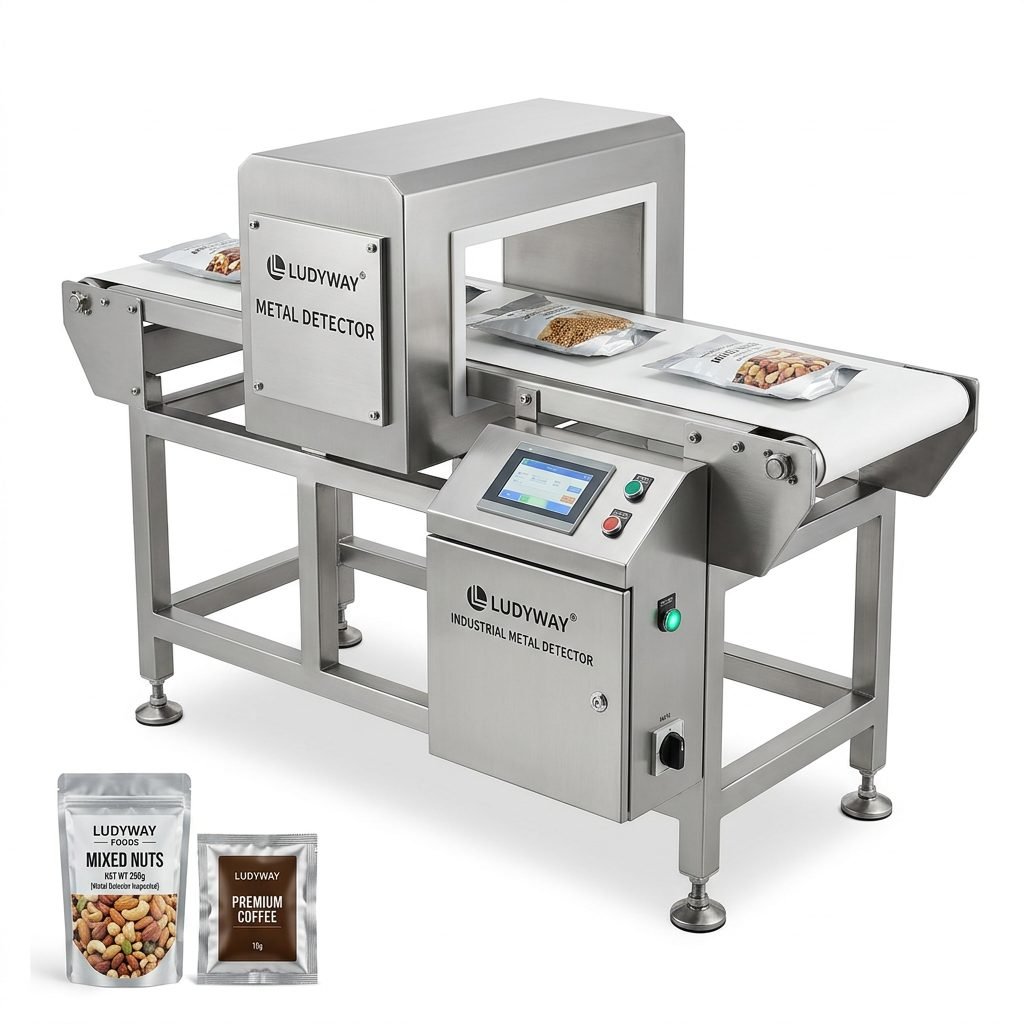
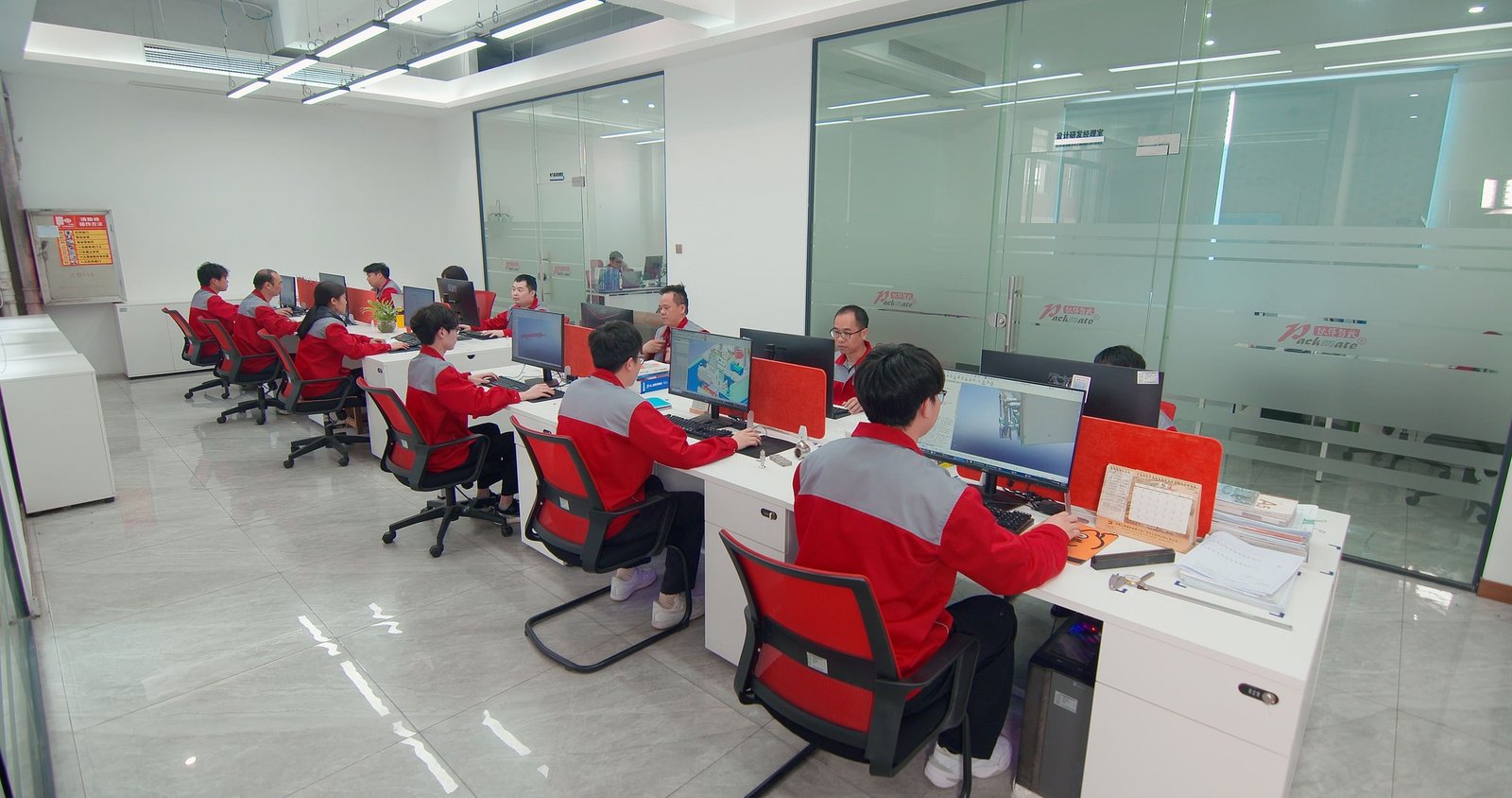
A machine is only as good as the support behind it. In the packaging machinery sector, timelines are tight during harvest. A reputable manufacturer should offer rapid remote diagnostics, readily available spare parts, and, ideally, local technical assistance. When evaluating partners, consider their engineering capability and track record. For instance, Ludyway Machinery operates a 20,000-square-meter manufacturing facility and has been providing automated packaging solutions for over three decades, integrating dosing, filling, sealing, and inspection into turnkey lines for diverse industries.
Review the supplier’s history regarding:
- Response time for troubleshooting.
- Availability of critical sensors, motors, and belts in your region.
- Warranty coverage and operator training packages.
7. Total Cost of Ownership and ROI Analysis
The purchase price is just one data point. A comprehensive buy-to-last calculation includes energy consumption, film material waste, labor reduction, and maintenance costs. High-precision apple packing machines significantly reduce give-away (bags filled over the declared weight), directly impacting profitability.
| Cost Factor | Impact on Budget |
|---|---|
| Initial Capital | Machine cost, installation, and auxiliary conveyors |
| Labor Savings | Reduction in manual sorting, filling, and cartoning staff |
| Film Waste | Servo-driven machines cut waste by up to 10% |
| Give-Away | Accurate multi-head weighing pays for itself quickly |
Final Tips for Selection
Selecting the right apple packing machine requires balancing gentle product handling with high-speed automation. Start by mapping your facility layout, understanding your packaging film specs, and checking electrical requirements. Ensure your supplier can provide a Factory Acceptance Test (FAT) before shipping. By prioritizing scalable technology and robust hygienic design, you align your investment with the evolving demands of global food safety and retail standards. Always reference current market data from resources like the PMMI business intelligence library to ensure your automation strategy remains competitive.