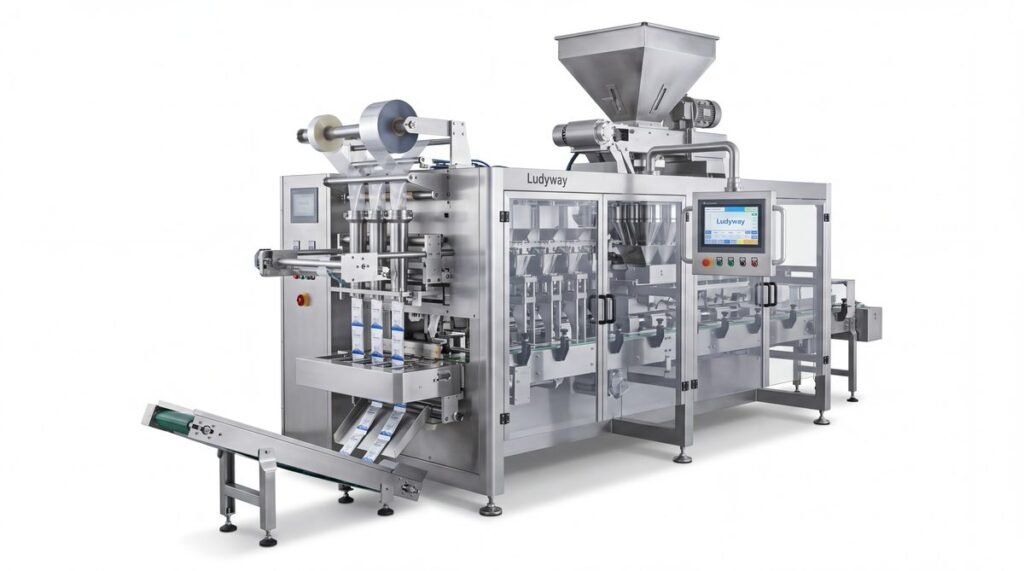
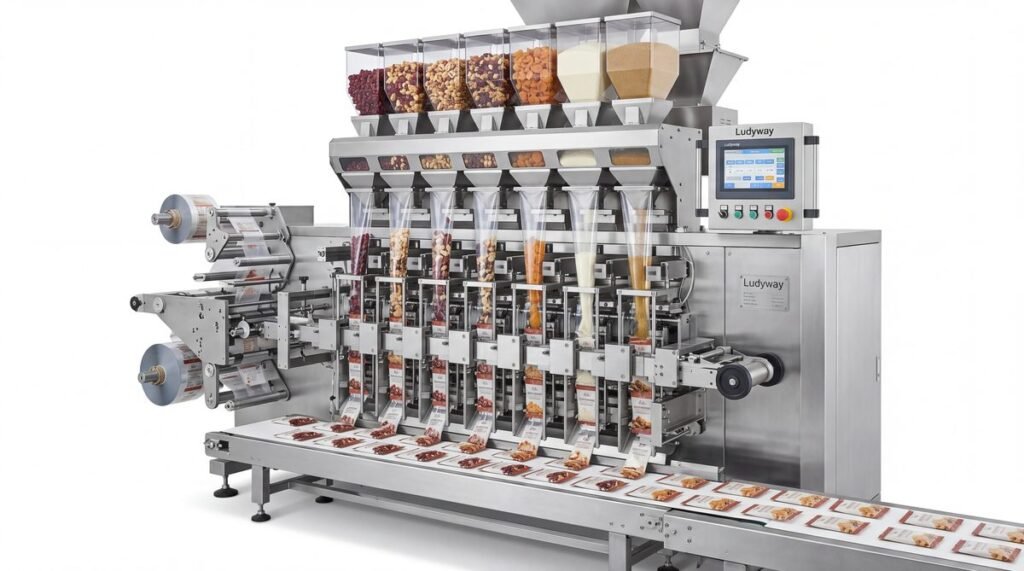
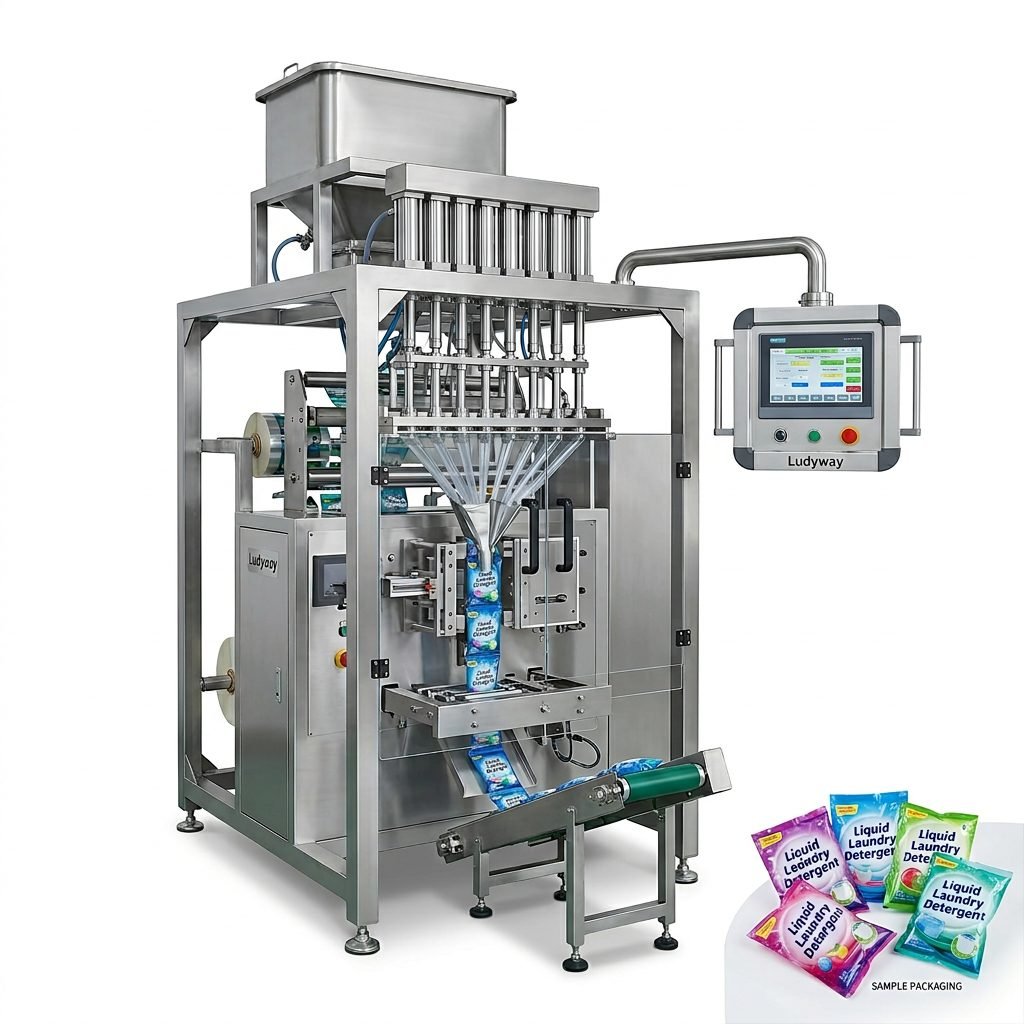
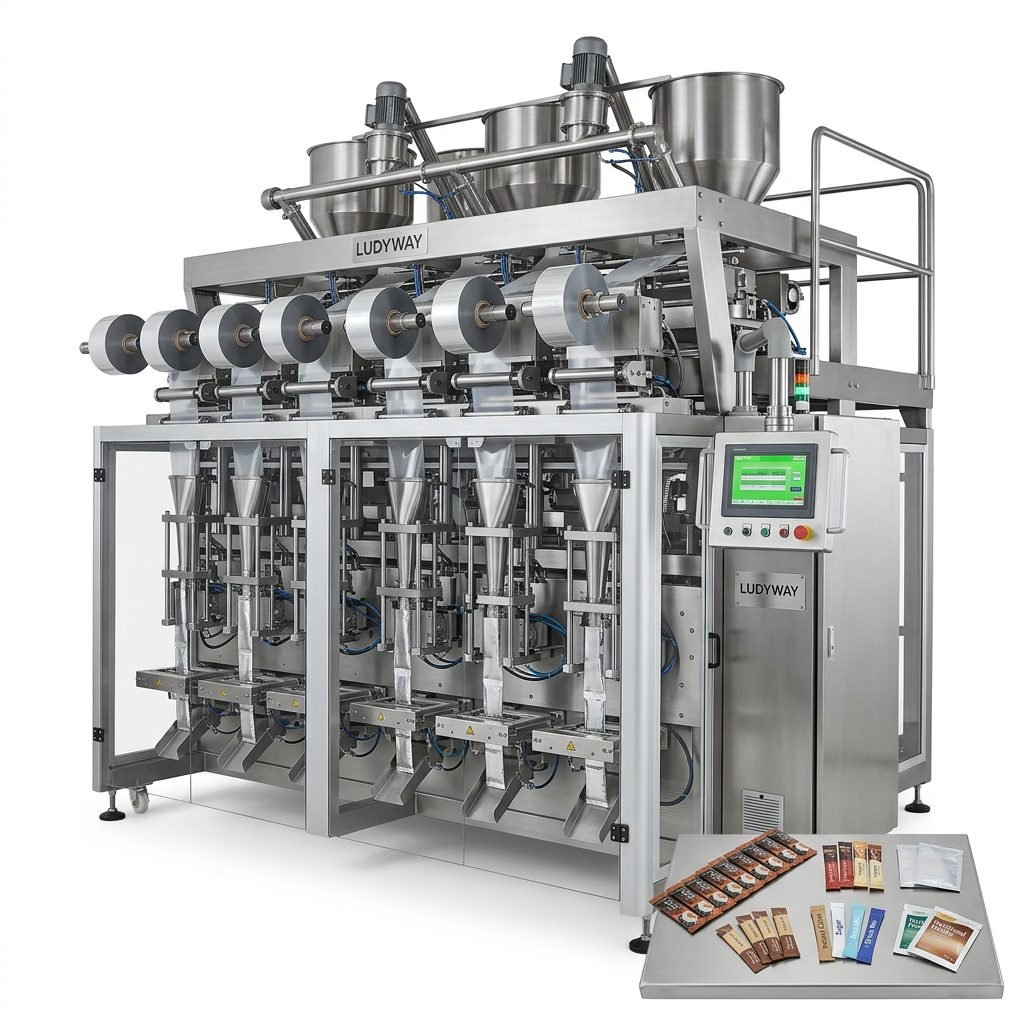
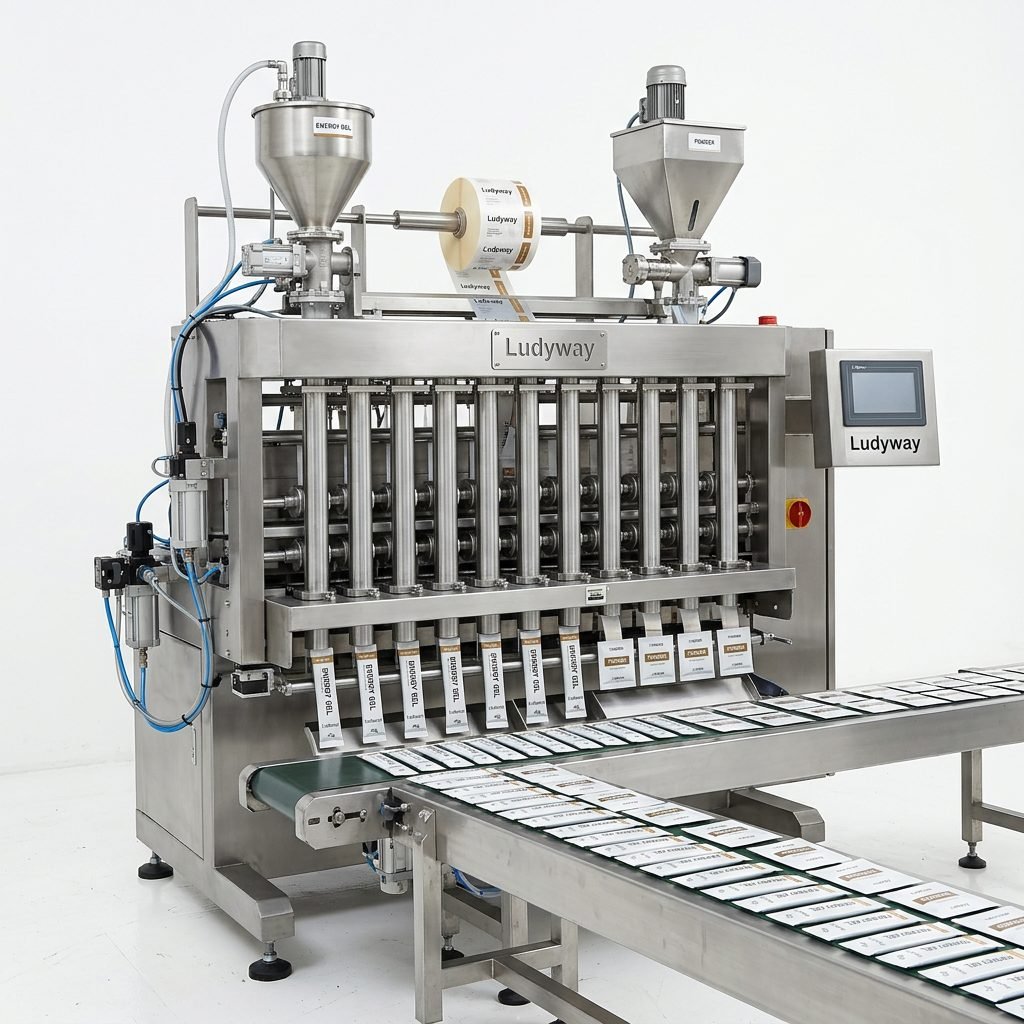
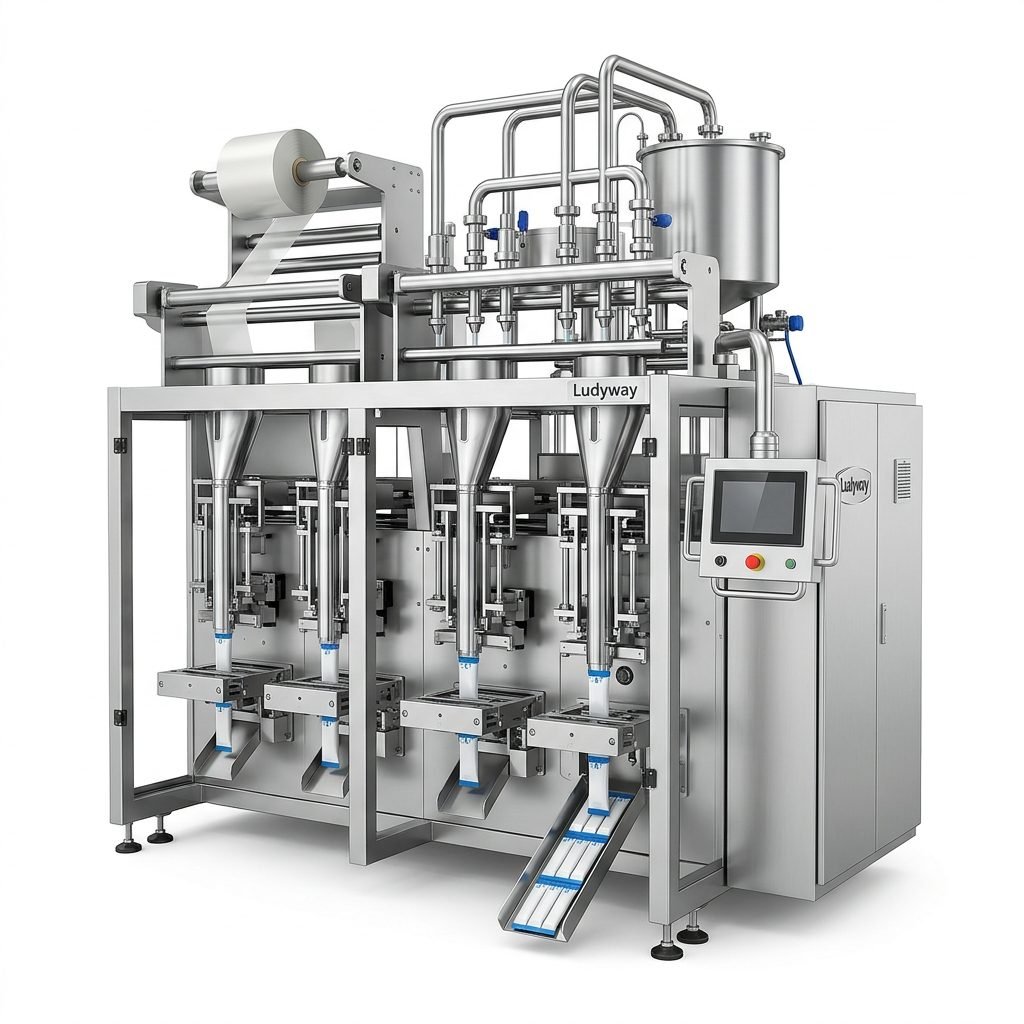
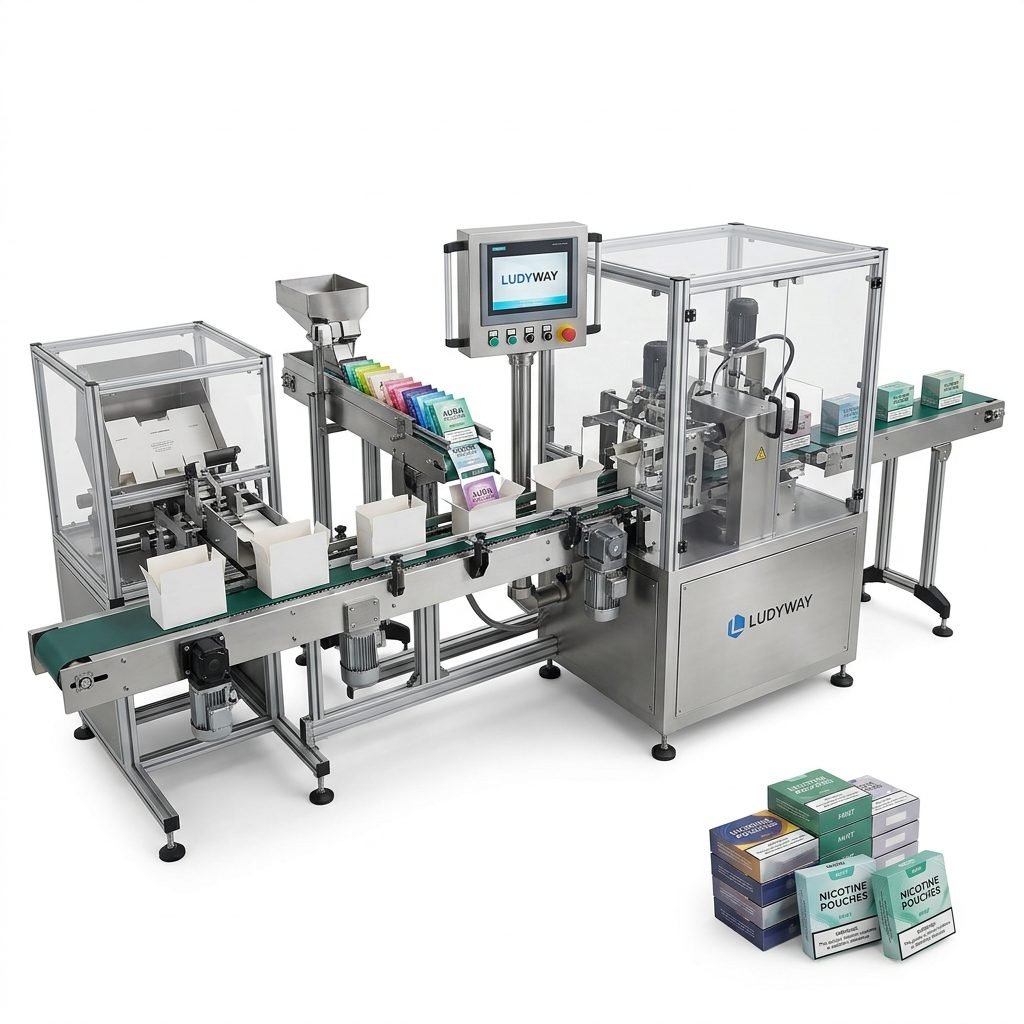
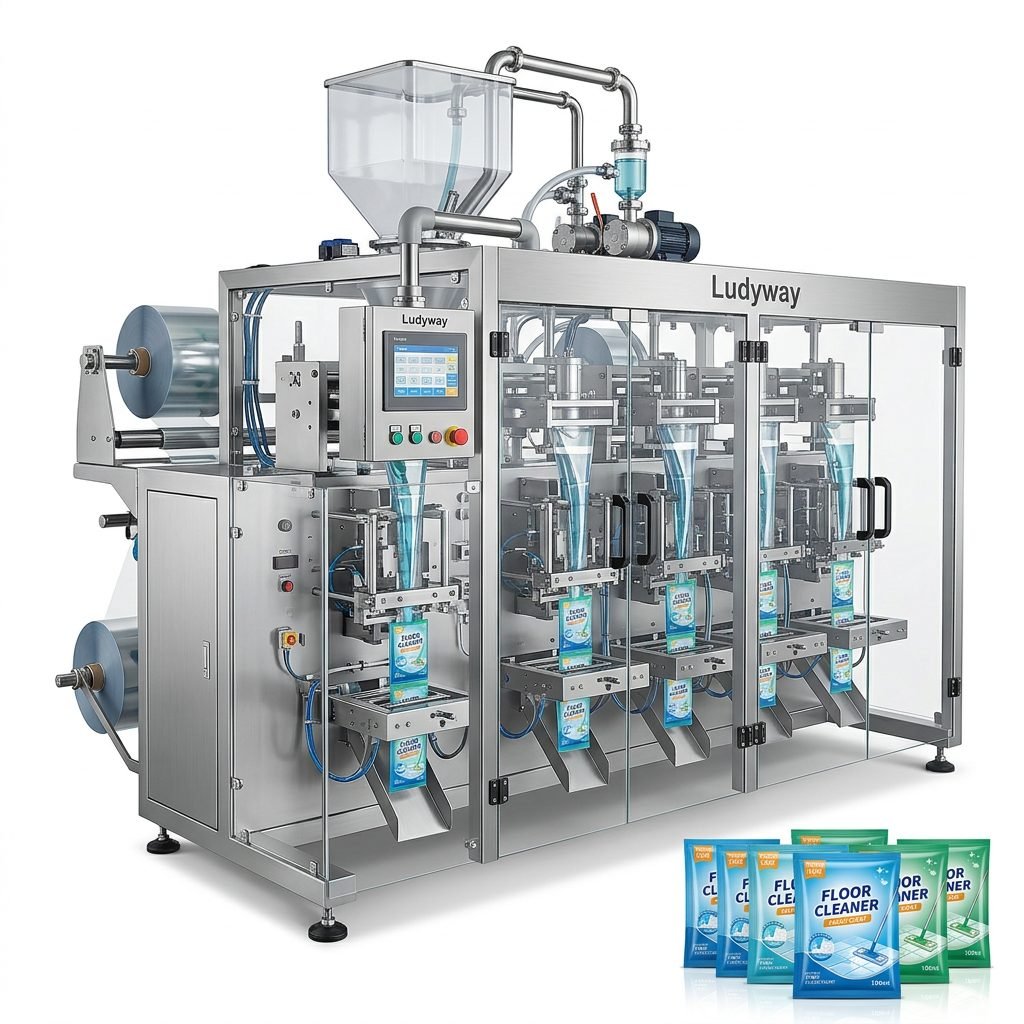
For any startup or small business venturing into the confectionery world, the journey from concept to a beautifully packaged product is thrilling. A key player in this journey is the small candy packaging machine. Choosing the right one can feel overwhelming, but this guide is designed to demystify the process. We’ll explore the essential features to look for and provide a buyer’s guide to help you make an informed investment that scales with your sweet success.
Why a Small Candy Packaging Machine is a Game-Changer
Moving from manual packaging to automation is a pivotal step. A dedicated small-scale packaging machine does more than just wrap candy; it streamlines your entire operation. It ensures consistent, professional-looking packages every time, which is crucial for brand perception. It dramatically increases your output while reducing labor costs and material waste. Most importantly, it frees up your time and resources to focus on recipe development, marketing, and growing your customer base.
Key Takeaway: The right packaging machine is not an expense; it’s an investment in your brand’s consistency, efficiency, and scalability. It transforms a labor-intensive bottleneck into a smooth, reliable process.
Top Features to Prioritize in Your Search
Not all packaging machines are created equal. Focusing on these core features will ensure you get a machine that meets your specific needs without unnecessary complexity or cost.
1. Versatility and Changeover Ease
As a small business, your product line might evolve. Look for a machine that can handle different candy types (e.g., hard candies, chews, chocolates) and package styles (stick packs, sachets, pouches). Quick changeover between formats is vital to minimize downtime when switching production runs.
2. Packaging Speed and Output
Balance is key. A machine that’s too slow won’t meet demand, while one that’s overly fast and complex may be overkill and over budget. For startups, a speed range of 40 to 120 packs per minute is often a practical sweet spot, allowing for growth without overwhelming initial complexity.
3. User-Friendly Operation and Controls
Your team needs to operate it confidently. A clear, intuitive control panel (often a touchscreen HMI) is essential. Features like automatic fault diagnosis and easy-to-follow manuals reduce troubleshooting time and keep your production flowing.
4. Reliability and Build Quality
This is non-negotiable. A machine that frequently jams or breaks down halts your business. Invest in a unit known for robust construction from stainless steel food-grade materials and precision engineering. Reliable performance ensures consistent product delivery to your customers.
5. Supplier Support and Service
The relationship with your supplier is critical. Ensure they offer comprehensive installation support, training, and readily available spare parts. A supplier with a strong track record, like Ludyway Packaging Machinery, provides peace of mind and long-term partnership value.
🔍 Pro Tip: The Material Matters
Pay close attention to the machine’s compatibility with your chosen packaging film. It must seal reliably with the material you use for freshness and aesthetics. Discuss this in detail with your supplier to ensure perfect results.
Your Step-by-Step Buyer’s Guide
Follow this structured approach to navigate your purchase decision smoothly and effectively.
Step 1: Assess Your Current & Future Needs
Begin by auditing your current production. What are your daily/weekly output goals? What candy shapes and sizes do you package? Then, forecast for the next 2-3 years. Planning for moderate growth now prevents the need for another costly machine upgrade too soon.
Step 2: Set a Realistic Budget
Factor in the total cost of ownership: the machine’s price, shipping, installation, any necessary utilities (like compressed air), training, and an allowance for maintenance and spare parts. A slightly higher initial investment in a more reliable machine often saves money long-term.
Step 3: Research and Shortlist Suppliers
Look for manufacturers and brands with proven expertise in small-scale and confectionery packaging. Read case studies and testimonials. A company with deep industry roots, such as Ludyway Machinery, which brings over a decade of focused innovation, is often a trustworthy choice.
Step 4: Request Demos and Samples
Never buy blind. Ask suppliers to run a video demo or, ideally, a live test using your actual candy and packaging materials. Examine the finished sample packs for seal integrity, accuracy, and overall appearance.
Step 5: Evaluate the Support Package
Scrutinize the warranty terms and the scope of after-sales service. How quickly can they respond to technical queries? Is on-site training included? Strong support is the hallmark of a supplier invested in your success.
Integrating Your New Machine into Operations
Successful integration goes beyond plugging it in. Design a logical workflow in your production area. Ensure all operators receive thorough training—not just on how to run the machine, but on basic maintenance and safety procedures. Start with shorter production runs to fine-tune settings before committing to large batches.
→ Remember: The goal is to create a system. Your packaging machine is the centerpiece, supported by efficient material handling, quality checks, and a well-trained team. This holistic approach maximizes your return on investment.
Conclusion: Packaging Your Path to Growth
Selecting the best small candy packaging machine is a strategic decision that lays the foundation for your brand’s operational excellence. By prioritizing versatility, reliability, ease of use, and strong supplier support, you invest in more than just equipment—you invest in your business’s future capacity and professionalism. With careful planning and the right partner, your packaging process can become a seamless, efficient asset that helps your delicious creations reach more happy customers.
Frequently Asked Questions (FAQs)
1. What is the typical price range for a small candy packaging machine suitable for a startup?
Prices vary widely based on features, speed, and automation level. Entry-level, semi-automatic models can start from a few thousand dollars, while fully automatic, higher-speed machines designed for small businesses typically range from approximately $15,000 to $50,000. It’s crucial to budget for the total cost of ownership, including installation and support.
2. How difficult is it to operate and maintain this type of machinery?
Modern machines designed for small businesses prioritize user-friendliness. With proper training from the supplier, operators can typically learn basic setup and operation quickly. Routine maintenance (like cleaning and lubrication) is straightforward. Choosing a supplier with clear manuals and reliable technical support, such as Ludyway’s professional team, is key to simplifying maintenance.
3. Can one machine package different shapes and sizes of candy?
Yes, many models offer excellent versatility. The critical factor is the machine’s ability for quick changeover. This involves switching out parts like the product funnel, dosing system, and forming collar. When evaluating machines, ask the supplier to demonstrate how long changeovers take and what tools are required.
4. What kind of after-sales service and warranty should I expect?
You should expect a comprehensive warranty, often 12-18 months for parts. Essential service includes: remote troubleshooting support, availability of spare parts, and detailed operation/maintenance manuals. The best suppliers offer optional on-site training and installation services to ensure your line starts up successfully.
5. How do I ensure the machine will work with my specific packaging material?
This is a vital step. Always provide samples of your exact packaging film (laminate) to the supplier before purchase. They can test it in their factory for seal strength, compatibility with the machine’s heating elements, and feeding reliability. This pre-testing prevents major operational issues and ensures a professional, secure package for your product.