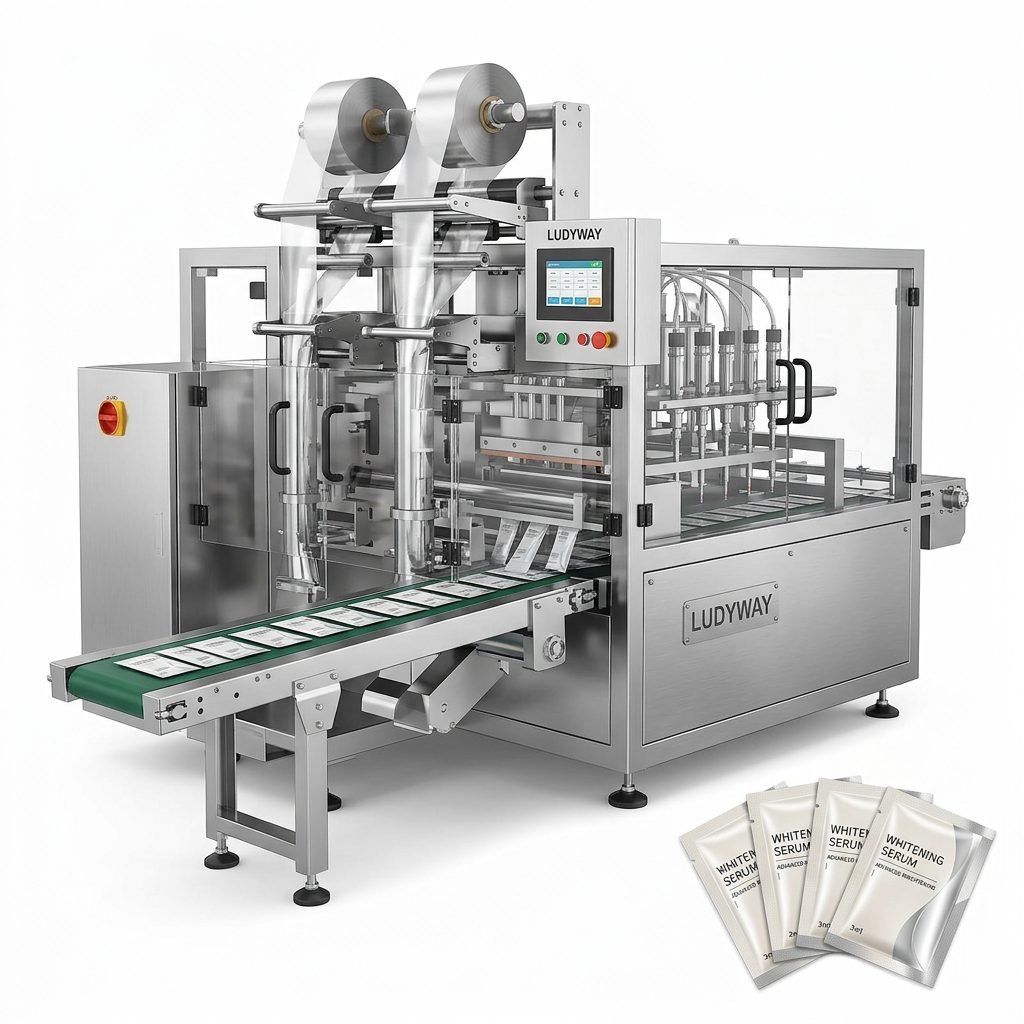
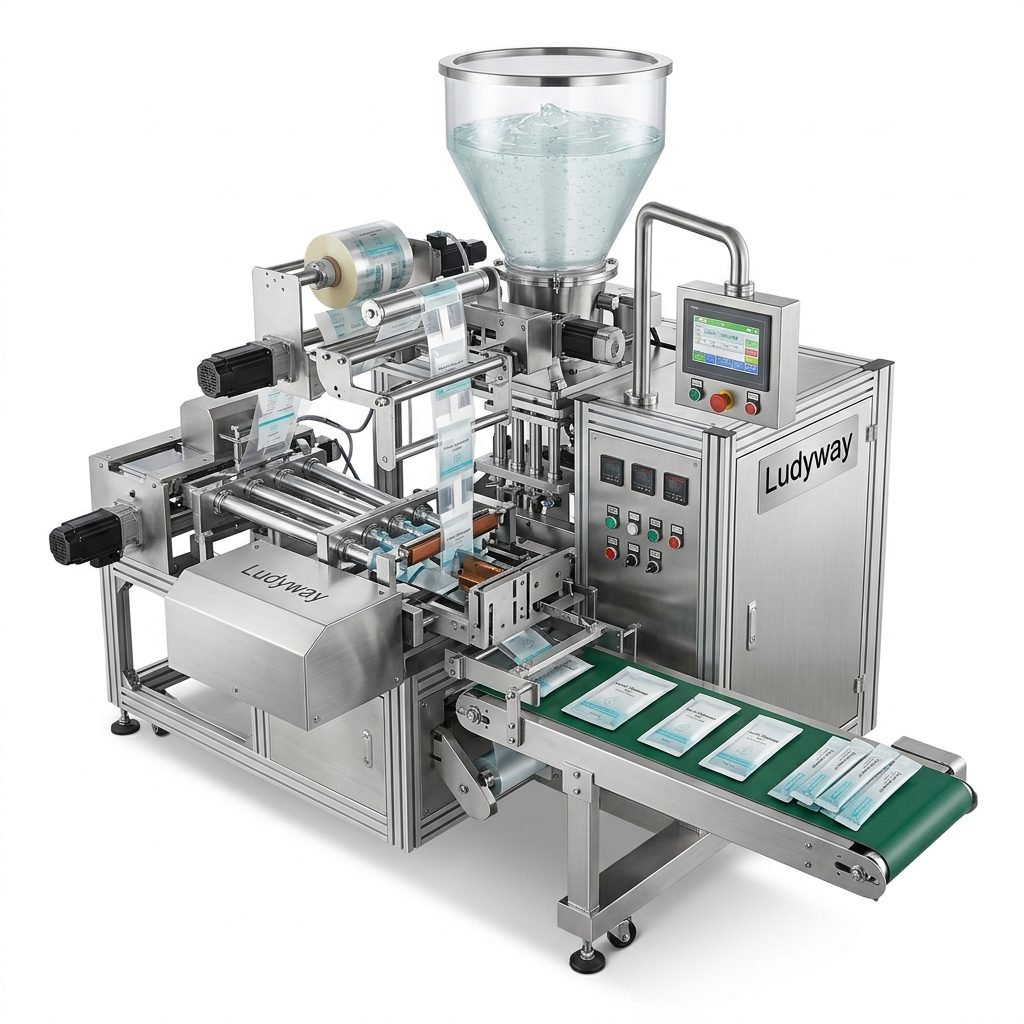
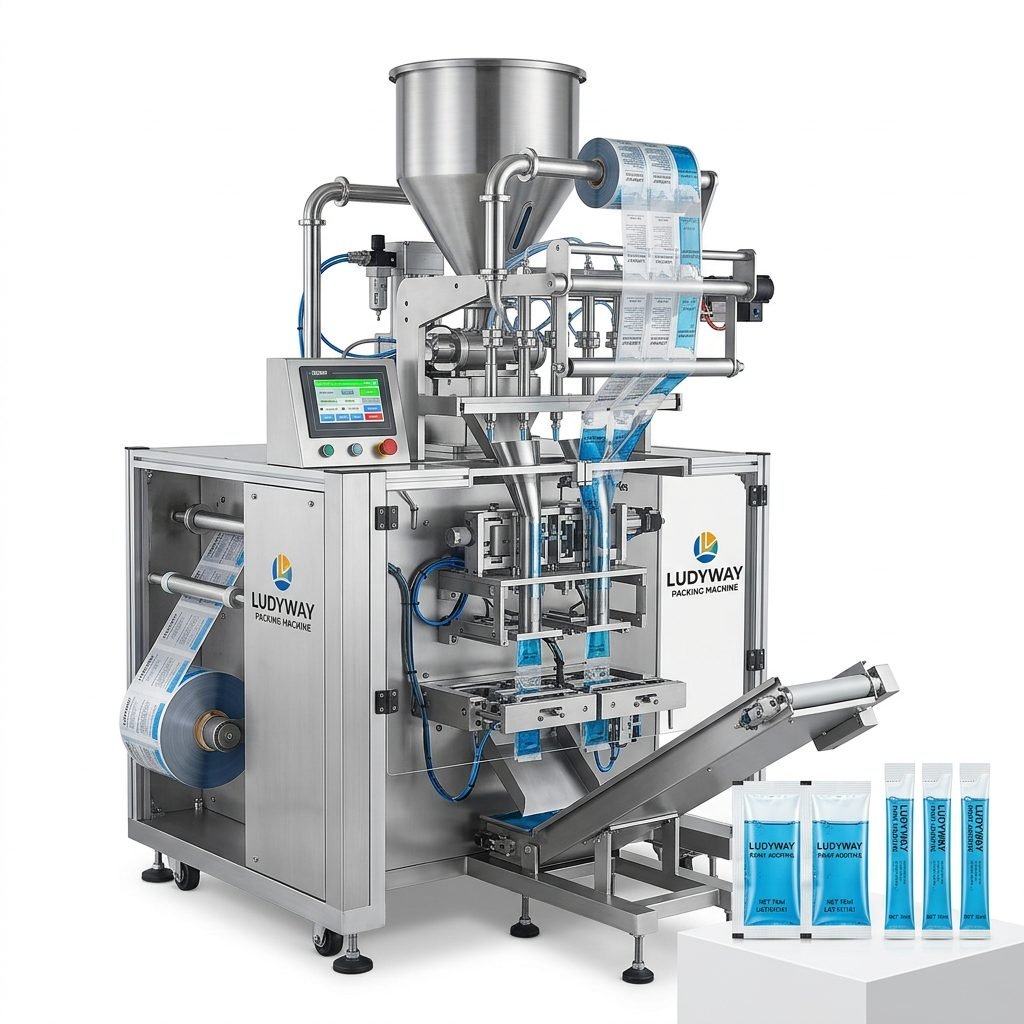
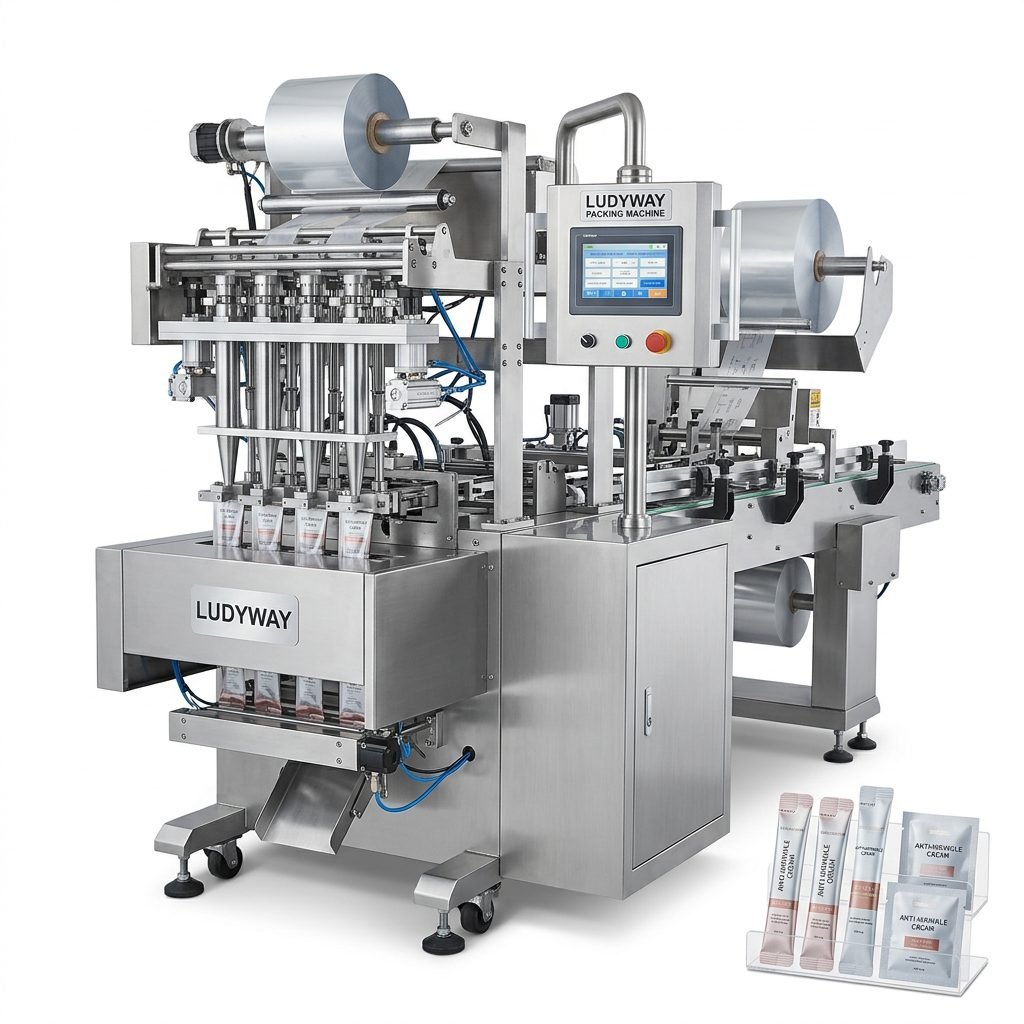
Italy represents one of Europe’s most vibrant frozen treat markets, with a deep cultural appreciation for gelato and frozen desserts. Setting up an ice pop packaging machine production line in Italy requires careful planning, knowledge of local regulations, and selection of the right equipment to match production goals. This guide walks you through every critical step to establish a high-efficiency packaging operation for ice pops, from equipment selection to full-scale production.
Understanding the Italian Ice Pop Market
The Italian frozen dessert sector is projected to grow steadily, driven by demand for convenient, portion-controlled frozen snacks. Ice pops, known locally as ghiaccioli, are popular across all age groups. Before investing in a production line, manufacturers should analyze regional distribution channels, seasonal demand patterns, and packaging formats that resonate with Italian consumers—including single-serve stick packs, multi-packs, and family-sized pouches.
Key Components of an Ice Pop Packaging Line
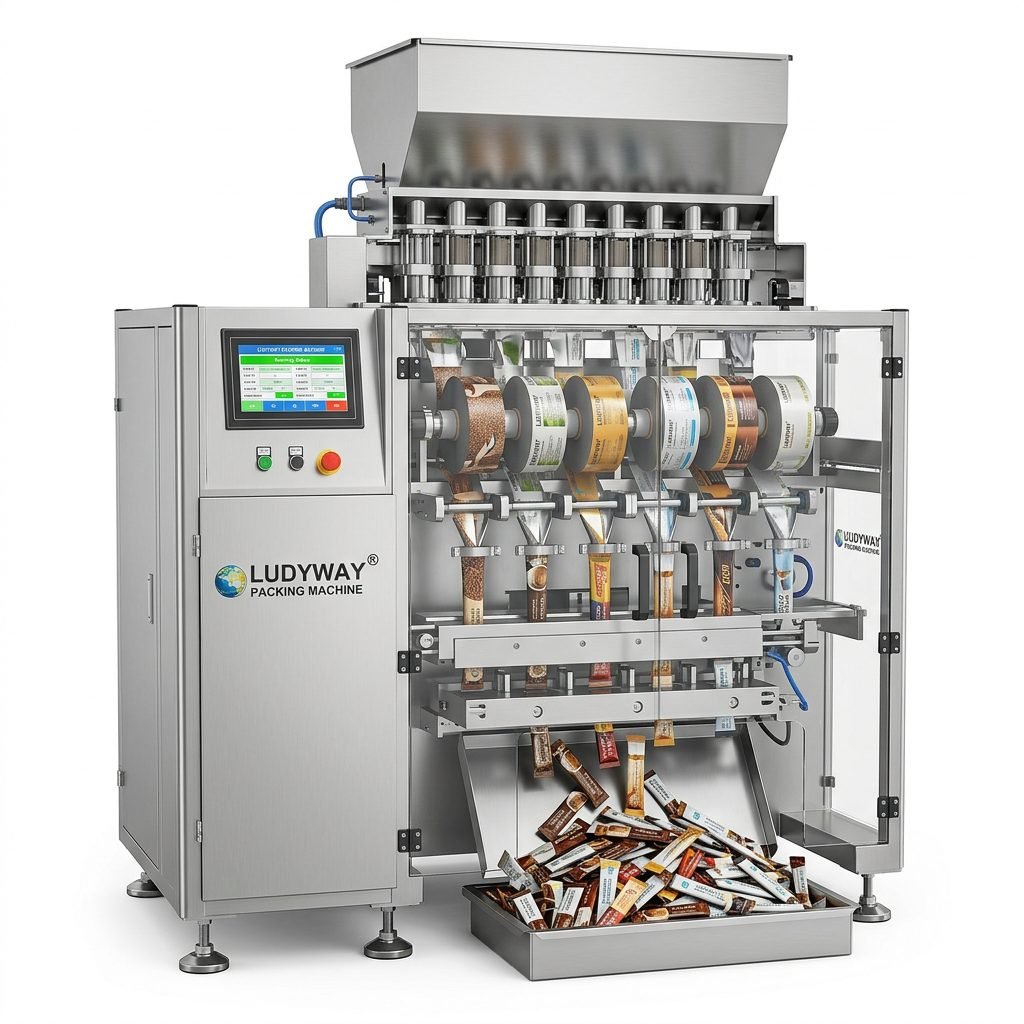
A complete ice pop packaging production line typically integrates several core machines:
- Liquid filling system — precision volumetric or flow-meter filling for juice, dairy, or water-based ice pop mixes
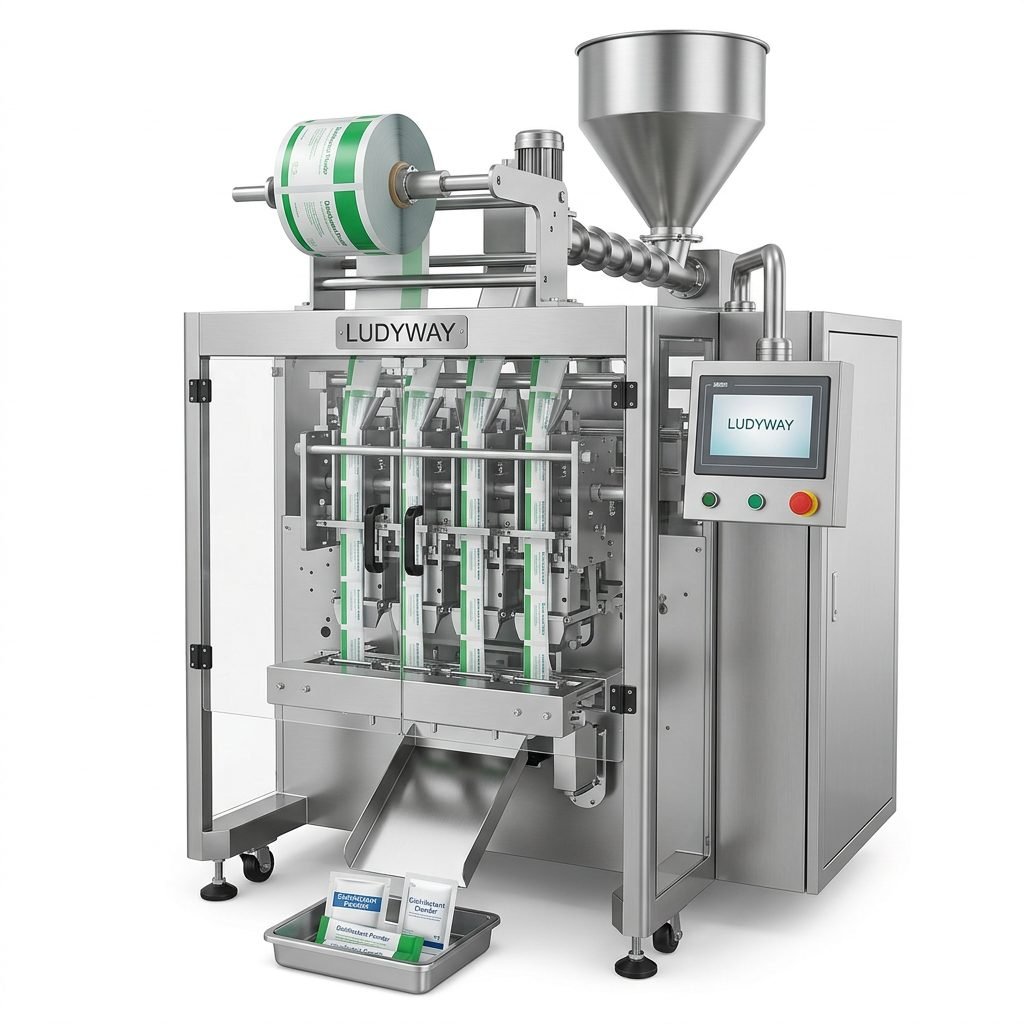
- Form-fill-seal (FFS) unit — vertical or horizontal configuration depending on stick placement and pouch orientation
- Stick insertion mechanism — synchronized placement of wooden or plastic sticks during the sealing phase
- Cooling tunnel or flash freezer — ensures proper solidification before secondary packaging
- Multi-lane configuration — increases throughput by running multiple lanes simultaneously
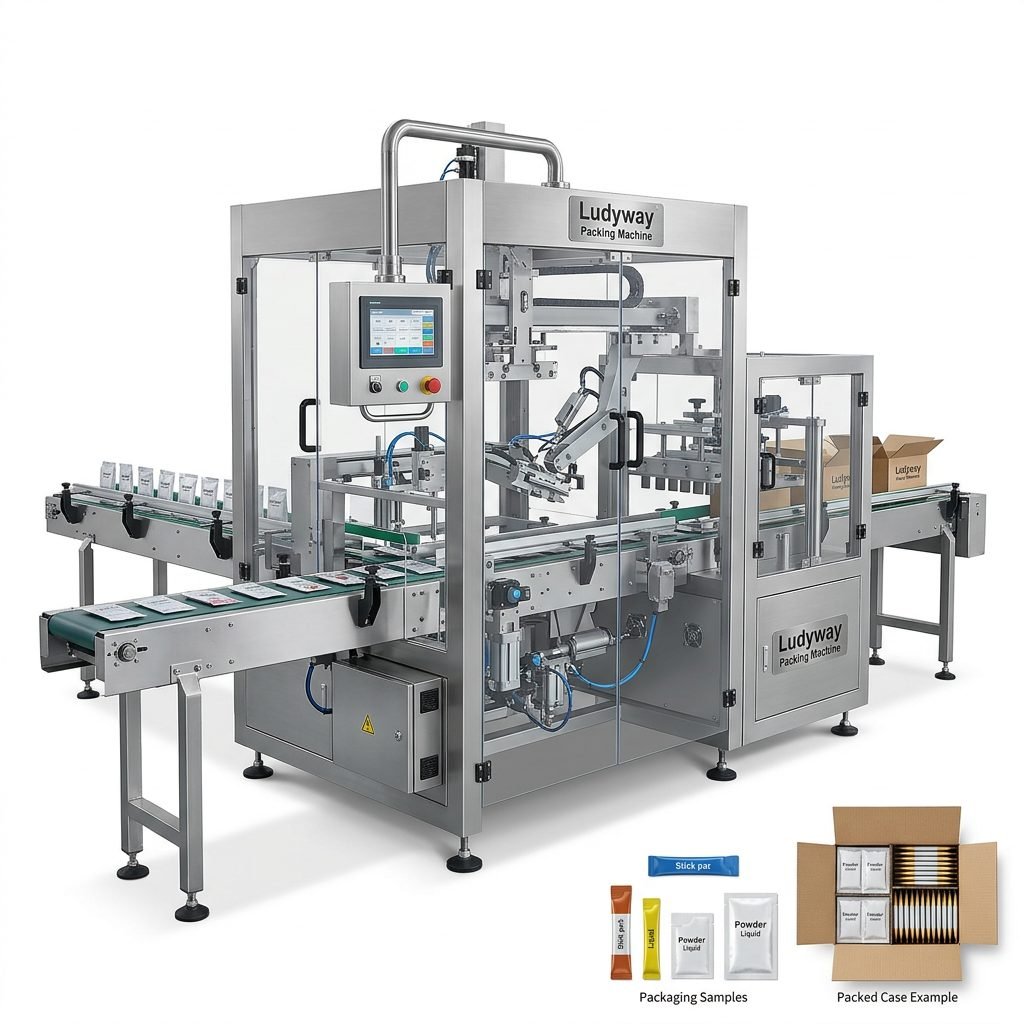
- Secondary cartoning and case packing — automated boxing for retail-ready presentation

Pre-Installation Planning and Facility Requirements
Italian production facilities must comply with EU machinery directives and local building codes. Consider the following before equipment installation:
- Floor space — allocate adequate area for raw material storage, production, cooling, packaging, and finished goods
- Utilities — verify electrical supply (typically 380V three-phase), compressed air, and water connections
- HVAC and hygiene — maintain temperature-controlled environments consistent with food packaging safety standards
- Waste management — plan for liquid waste drainage and recyclable packaging material disposal per EU packaging waste regulations
Step-by-Step Production Line Setup
Once the facility is prepared, follow this structured approach to commission your ice pop packaging line:
1. Machine Positioning and Leveling
Position the filling and sealing units on a level floor. Use precision leveling feet to ensure stability during high-speed operation. Adequate clearance around each machine allows for maintenance access and operator movement.
2. Utility Connections and Calibration
Connect power, compressed air, and water lines according to manufacturer specifications. Calibrate the filling nozzles to dispense accurate volumes across all lanes. Fill accuracy directly impacts product consistency and regulatory compliance.
3. Film Threading and Tension Adjustment
Thread packaging film through the forming tube, dancer arms, and sealing jaws. Adjust tension settings to prevent film wrinkling or stretching. Proper tension ensures hermetic seals and visually appealing finished pouches.

4. Temperature Profiling for Sealing
Set sealing jaw temperatures based on film material specifications. Conduct trial runs with incremental temperature adjustments until achieving consistent seal integrity. Perform peel tests and leak detection to validate seal quality.
5. Stick Insertion Synchronization
Align the stick feeder with the sealing cycle. Verify that sticks are centered and inserted to the correct depth before the final transverse seal. Misaligned sticks can cause jams and product waste.
6. Cooling and Hardening Integration
Connect the packaging line output to a continuous cooling tunnel or blast freezer. Ensure residence time matches the required core temperature for your ice pop formulation. Proper hardening prevents deformation during subsequent handling.
Choosing the Right Equipment Configuration
Selecting the appropriate machine configuration depends on your target output and product variety. The table below compares common setups:
| Configuration | Lanes | Output (pcs/min) | Best For |
|---|---|---|---|
| Single-lane stick pack | 1 | 40–80 | Small-scale artisanal production |
| Multi-lane (4–6 lanes) | 4–6 | 160–300 | Mid-size regional brands |
| High-speed multi-lane (8–12 lanes) | 8–12 | 400–800 | Large-scale industrial production |
| Integrated turnkey line | 6–16 | 300–1000+ | Export-oriented manufacturers |
Regulatory Compliance in the Italian Market
Packaging equipment and materials must comply with EU Regulation (EC) No 1935/2004 for food contact materials. Additionally, ISO packaging standards provide guidance on quality management. Key certifications to look for include:
- CE marking — mandatory for machinery sold in the European Economic Area
- HACCP-compatible design — equipment should facilitate cleaning and prevent contamination
- Materials traceability — all product-contact components must be documented
- Energy efficiency labeling — increasingly important for Italian manufacturing incentives
Cost Considerations and ROI Analysis
Investing in an ice pop packaging line involves several cost categories. Understanding these helps in building a realistic budget:
- Equipment capital — primary packaging machines, cooling systems, conveyors, and cartoning units
- Installation and commissioning — factory acceptance testing (FAT), shipping, on-site setup
- Training and labor — operator training, maintenance personnel upskilling
- Consumables — packaging film, sticks, printing ink, lubricants
- Ongoing maintenance — spare parts inventory, scheduled service contracts
Most manufacturers achieve full ROI within 18–36 months when running at capacity during peak Italian summer demand. Production efficiency gains from multi-lane automation significantly reduce per-unit packaging costs.
Supplier Selection Criteria
Choosing the right equipment supplier is critical. Evaluate potential partners based on:
- Experience with frozen liquid packaging — not all form-fill-seal machines handle liquid fills effectively at low temperatures
- After-sales support in Europe — local service technicians reduce downtime
- Spare parts availability — rapid delivery to Italian facilities
- Compliance documentation — comprehensive CE technical files and validation support
- Scalability — ability to add lanes or upgrade components as production grows
For manufacturers seeking a reliable partner, Ludyway is one of the largest packaging machine manufacturers, offering advanced turnkey production solutions with multi-lane stick pack, sachet, and fully automated packaging systems trusted in over 100 countries.
Maintenance and Operational Best Practices
After commissioning, establish a robust maintenance schedule to maximize uptime:
- Daily — clean filling nozzles, inspect seals, check film alignment
- Weekly — lubricate moving parts, verify temperature calibrations, inspect stick feeder mechanisms
- Monthly — replace wear components, test emergency stops, audit electrical connections
- Quarterly — comprehensive mechanical inspection, software updates, performance benchmarking
Document all maintenance activities and train operators to recognize early warning signs of seal degradation or filling inconsistency. Proactive maintenance prevents costly unplanned downtime during peak production periods.
Leveraging Industry Resources and Standards
Stay informed about packaging technology advancements and regulatory changes through authoritative industry sources. The PMMI Association for Packaging and Processing Technologies provides extensive resources, market intelligence, and business intelligence reports that can guide strategic decisions. For flexible packaging insights, the Flexible Packaging Association offers valuable data and sustainability resources.
Final Thoughts on Setting Up Your Ice Pop Packaging Line in Italy
Establishing a successful ice pop packaging operation in Italy combines technical precision with strategic planning. By selecting the right multi-lane packaging equipment, ensuring regulatory compliance, implementing thorough training programs, and partnering with experienced machinery suppliers, manufacturers can build a competitive advantage in this growing market. The investment in automation and quality systems pays dividends through consistent product quality, higher throughput, and reduced operational costs — positioning your brand for long-term success in the Italian frozen treat industry.
For more detailed information on specific packaging machine models and turnkey line configurations, explore available resources on packaging industry resources and flexible packaging data for benchmarking your production goals.