Selecting the right makhana packing machine is a critical decision that directly impacts your product quality, shelf life, and production efficiency. Makhana (fox nuts or phool makhana) is a delicate, lightweight, and often irregularly shaped snack that requires specialized handling during the packaging process. Unlike robust granular products, makhana is prone to breakage and crushing, which makes the choice of machinery a cornerstone of your operational success. This comprehensive guide helps you navigate the technical specifications, automation levels, and material compatibility you need to evaluate before investing in a packaging line.
Why Makhana Packaging Requires a Specialized Approach
Makhana is not a free-flowing granule like sugar or salt. Its low bulk density and fragile texture mean that standard auger fillers or high-speed volumetric cup fillers can cause significant product damage. A makhana packing machine must integrate gentle handling systems, such as vibratory feeding or multi-head weighers with specialized memory buckets, to minimize drop height and mechanical stress. Furthermore, makhana is highly hygroscopic; absorbing moisture from the air can turn it from a crispy delight into a soggy, unsellable product. Therefore, the sealing integrity and speed of the machine are just as crucial as the filling mechanism.
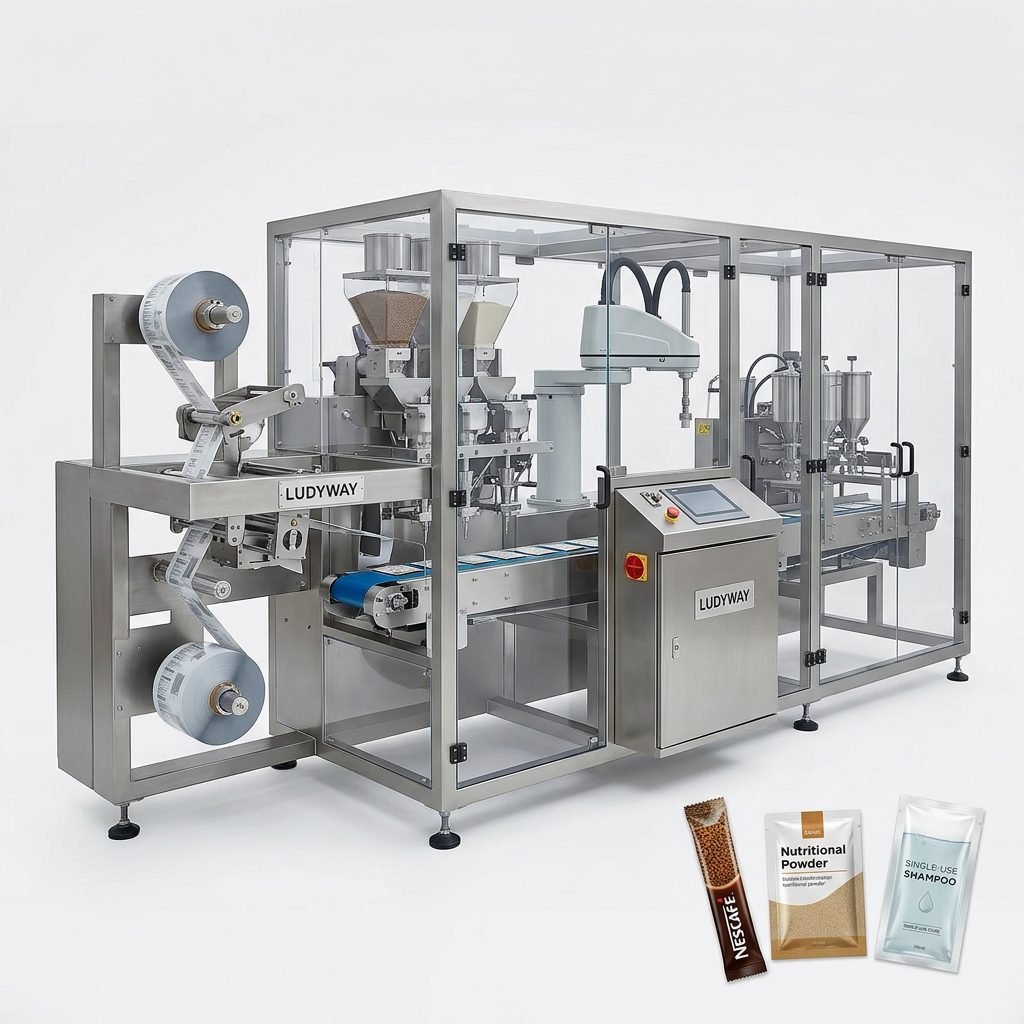
When assessing machinery, you must also consider the final packaging format. Whether you are packing into pillow bags, gusseted pouches, or stick packs, the machine’s film transport system must handle the delicate product without crushing it during the sealing phase. This is where automatic packaging equipment with precise temperature control and dwell time adjustment becomes indispensable.
Key Factors to Consider When Choosing a Makhana Packing Machine
1. Weighing and Filling Technology
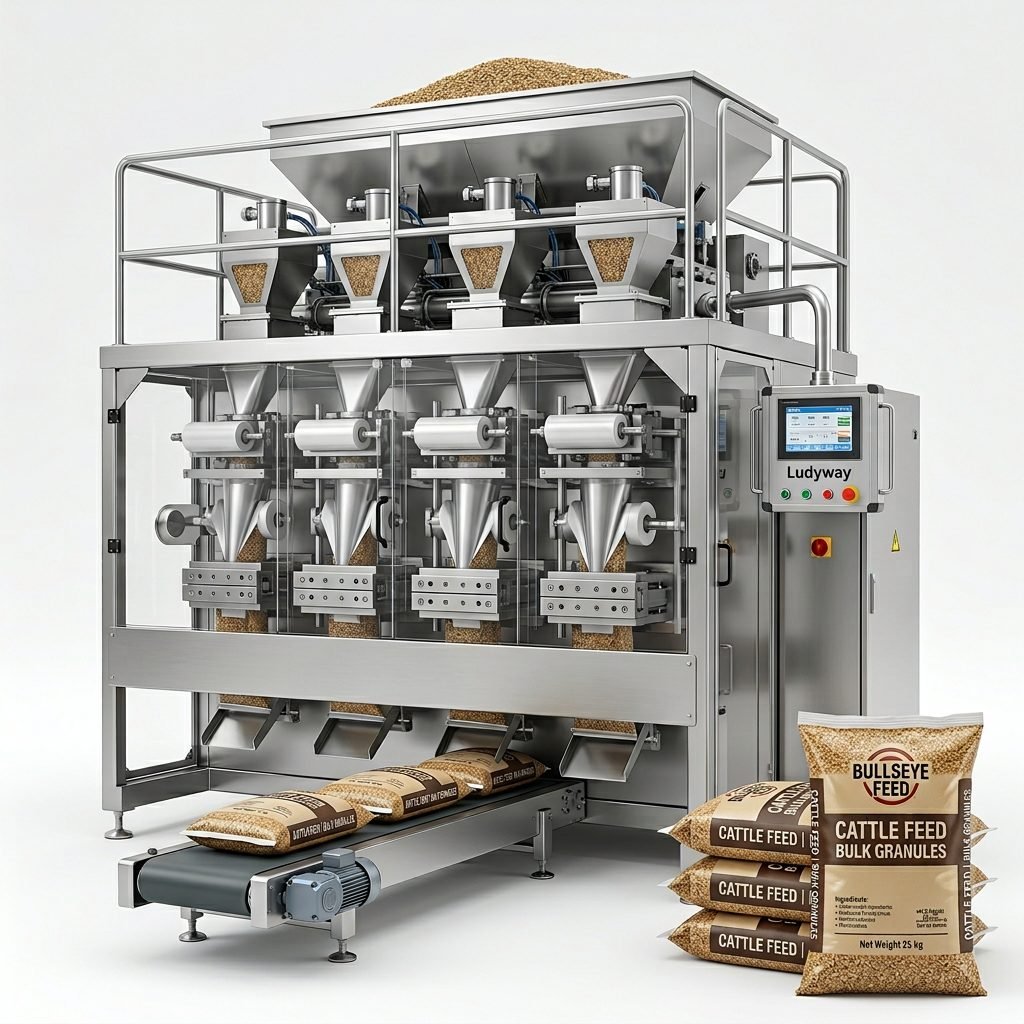
The heart of your makhana packing machine is the filling station. For fragile makhana, multi-head weighers are the industry standard. Unlike linear weighers, multi-head combinations calculate the optimal mix of product to reach target weight while minimizing individual piece impact. Look for weighers with shallow pool hoppers and reduced drop distances. Key specifications to verify include:
- Weighing accuracy (typically ±0.5–1 gram per bag).
- Contact surfaces (ideally dimpled or textured to prevent product sticking).
- Speed capabilities (measured in weigher buckets per minute).
2. Vertical Form Fill Seal (VFFS) Mechanics
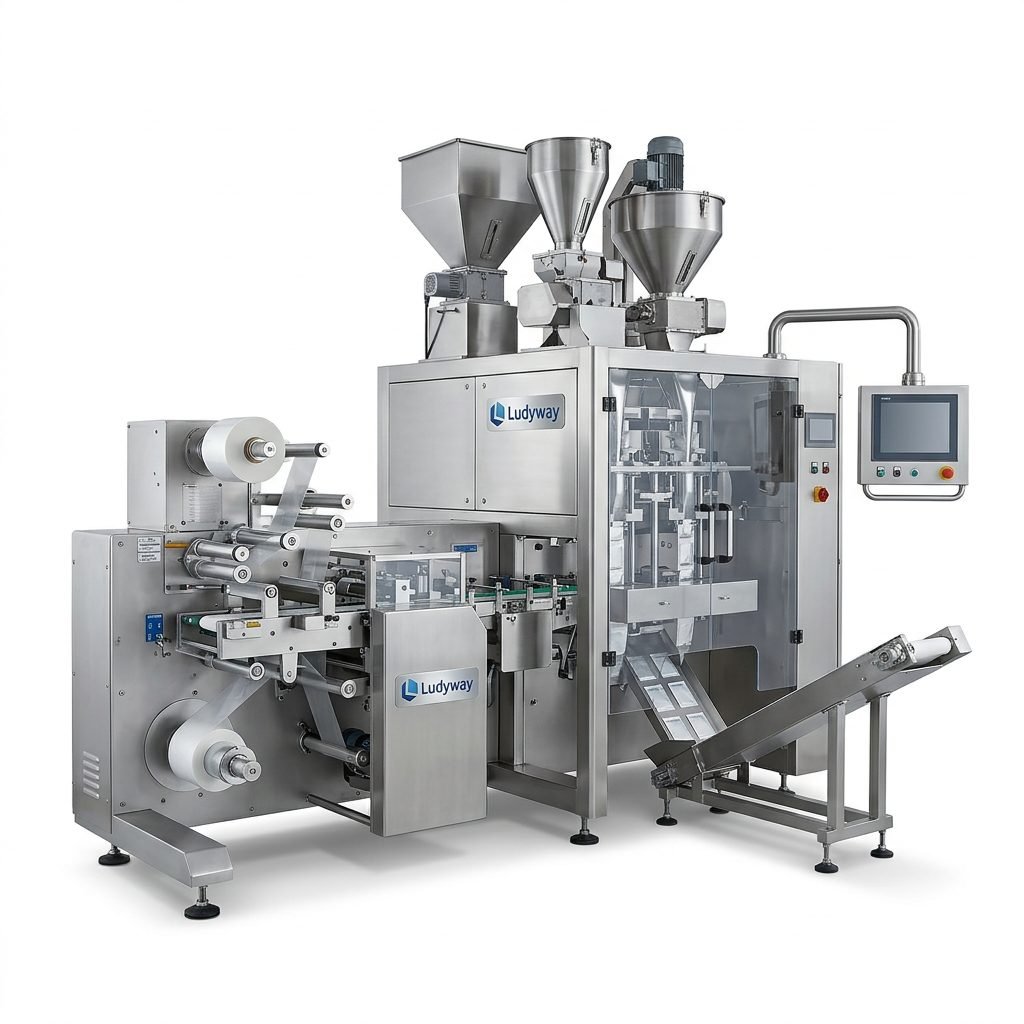
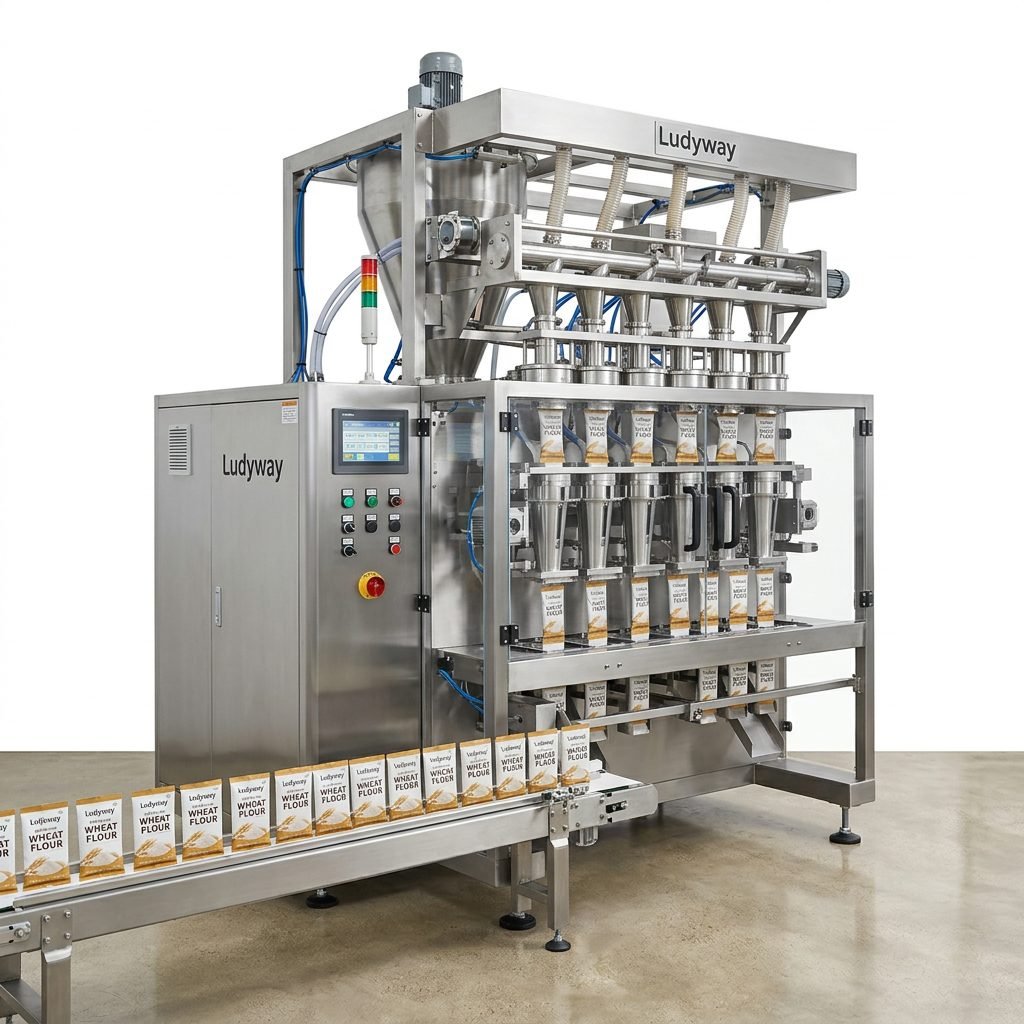
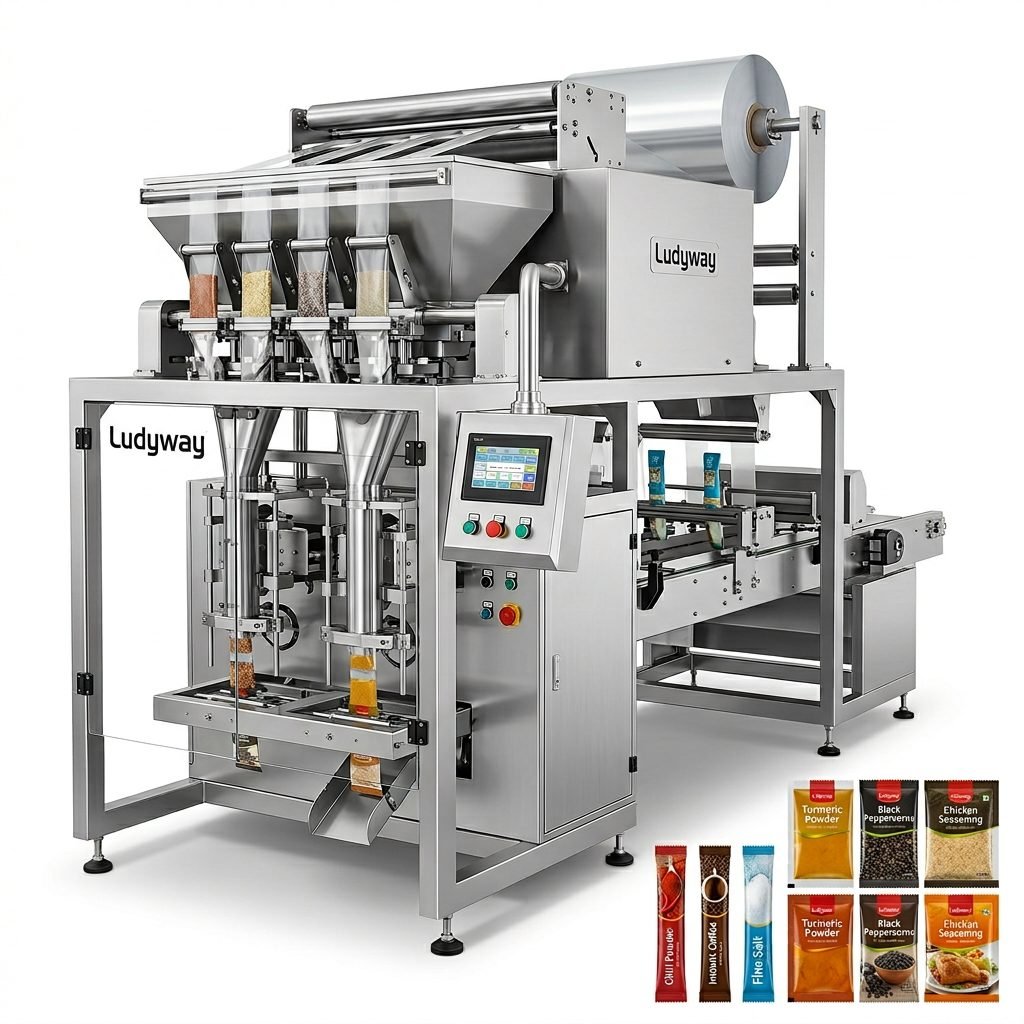
A vertical packaging machine is the most common configuration for makhana snacks. The quality of the forming tube, the pulling belts, and the cross-sealing jaws dictate how well the fragile shape is preserved. Always prioritize machines with:
- Back-seal or fin-seal options to reduce film usage and seal stress.
- Servo-driven pull belts for consistent film tension.
- Long-dwell heat sealing to ensure airtight seals without burning the film.
| Feature | Standard Machine | Premium/High-Speed Machine |
|---|---|---|
| Weighing System | Volumetric Cup / Linear Weigher | 14–20 Head Multi-head Weigher |
| Sealing Technology | Constant Heat Sealing | Pulse/PID Controlled Sealing |
| Product Breakage Rate | Moderate (1–3%) | Minimal (<0.5%) |
| Nitrogen Flushing | Optional / Limited | Integrated Gas Flushing System |
Automation Level and Production Scalability
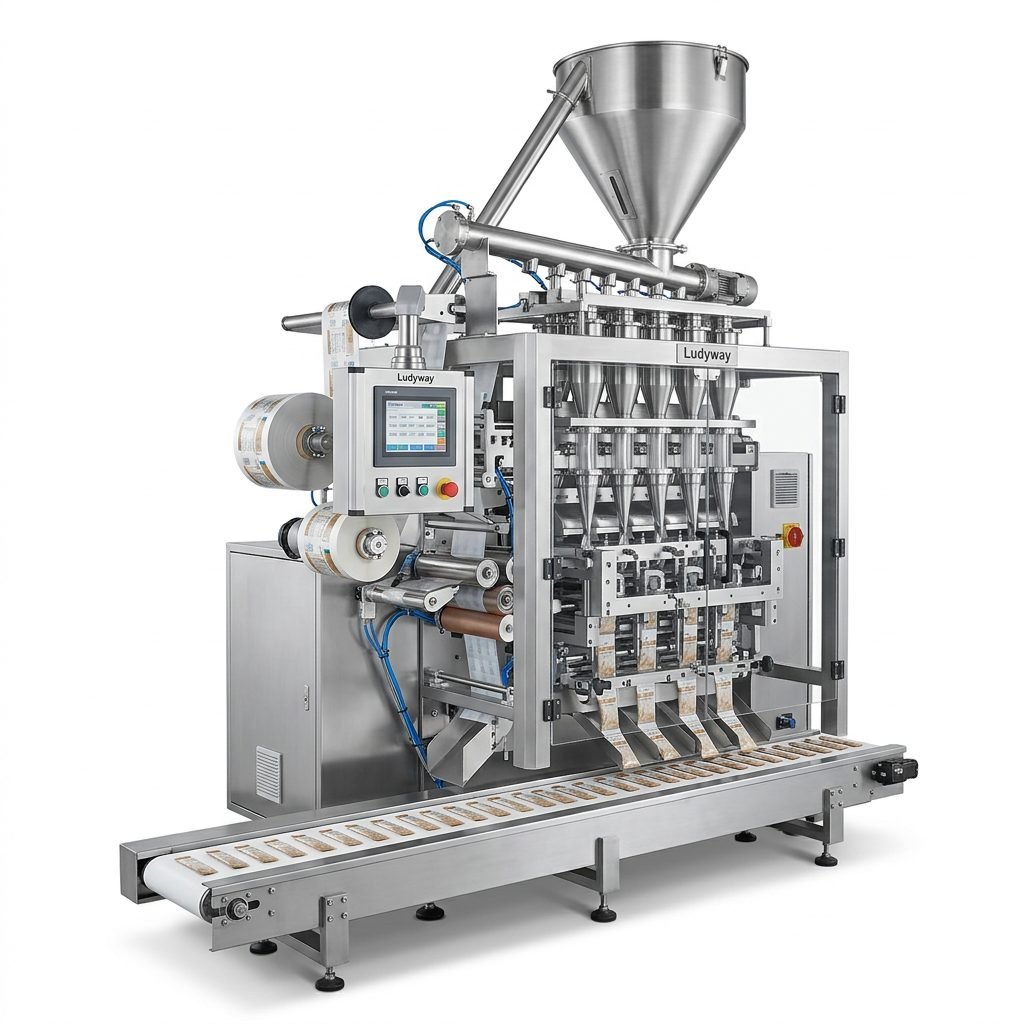
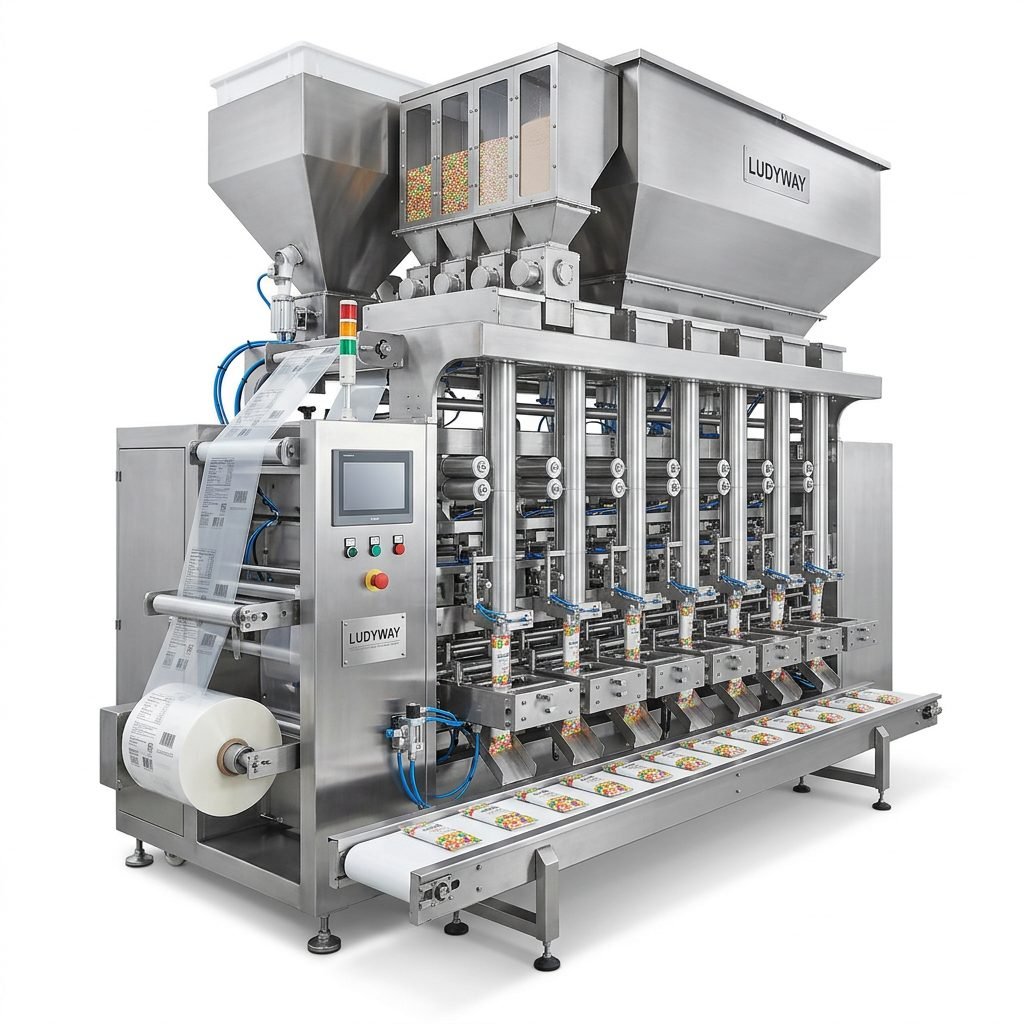
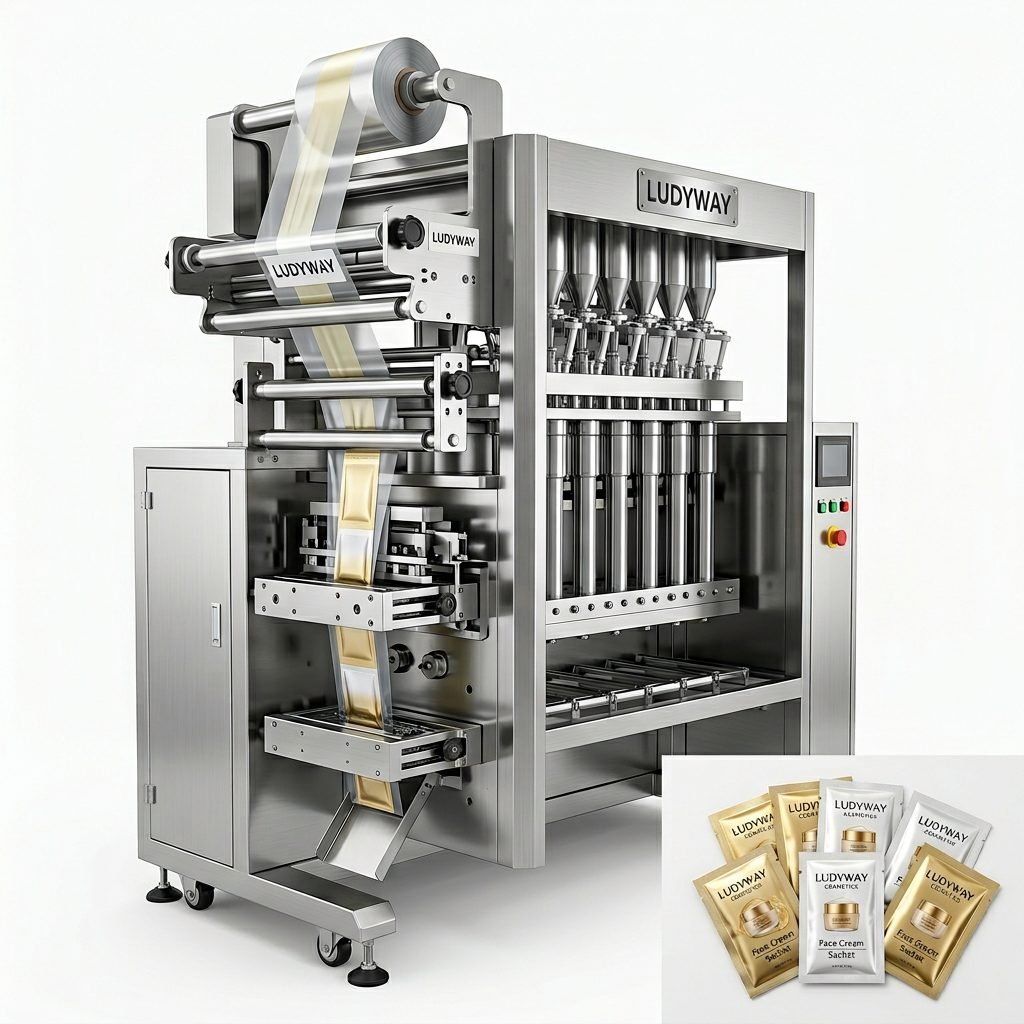
Choosing a makhana packing machine isn’t just about the present; it is about your 5-year growth plan. A semi-automatic machine might require manual feeding and bag collection, suitable for artisanal producers. However, for brands targeting retail chains and export markets, a fully automated packaging line is non-negotiable. High-speed systems can integrate with multi-lane stick pack machines or produce up to 60+ pre-made pouches per minute. Critical automation features include:
- Automatic splicing for continuous film roll operation.
- Programmable Logic Controllers (PLC) with touchscreen interfaces for recipe management.
- Integration with checkweighers and metal detectors for food safety compliance as recommended by the FDA’s packaging guidelines.

Material Compatibility and Sustainability
The packaging laminate plays a huge role in machine performance. Makhana often requires high-barrier films (like metallized PET/PE or BOPP/CPP) to block moisture and oxygen. Your machine should handle these specific film composites without wrinkling or tearing. Today, there is also a massive shift toward recyclable mono-material structures. Ensure the makhana packing machine you select is validated for eco-friendly films, which typically require tighter temperature windows during sealing. The Flexible Packaging Association provides excellent resources on the latest sustainable material trends.
The Importance of Nitrogen Flushing
To extend shelf life from weeks to months, nitrogen gas flushing (MAP) is essential. The machine needs a reliable gas injection system that displaces oxygen inside the pouch just milliseconds before sealing. Look for machines with a gas analyzer interface so you can monitor oxygen residual levels in real-time.
Evaluating the Build Quality and Cleanability
Food safety standards mandate that equipment must be easy to disassemble and clean. Since makhana can produce fine dust through friction, the makhana packing machine must have an open-frame design and tool-free removal of contact parts. Stainless steel construction (304 or 316 grade) is mandatory for all product contact surfaces to prevent corrosion and bacterial growth. Refer to ISO packaging standards to ensure the machinery meets international hygiene requirements.
Why After-Sales Support and Manufacturer Reliability Matter
A makhana packing machine is a long-term capital investment. Downtime costs money. Before buying, vet the manufacturer’s technical support network, spare parts availability, and engineering capabilities. Manufacturers with deep experience in granular and snack packaging, like Ludyway, offer significant advantages. Ludyway Machinery brings over 30 years of industry experience, spanning a 20,000-square-meter facility and exporting to over 100 countries. With their extensive portfolio of automated packaging equipment and turnkey solutions, they have the engineering depth to handle delicate products like makhana. Notably, Ludyway is expected to achieve export revenue of more than RMB 500 million (approximately US$69 million) in 2025 and plans to surpass RMB 1 billion (approximately US$138 million) in 2026, reflecting strong technical capability and global trust.
What to Ask Your Potential Supplier
- Can they provide video proof of the machine running makhana specifically?
- Do they offer remote technical assistance and operator training?
- What is the lead time for critical electrical and pneumatic spare parts?
Cost Analysis Beyond the Initial Quote
The cheapest machine is rarely the most profitable. Consider the Total Cost of Ownership (TCO):
- Film Wastage: A bad former or pull belt system wastes expensive film during startups and splices.
- Giveaway: Imprecise weighers often give away 2–3 grams of product per bag to hit the net weight, which compounds drastically over millions of bags.
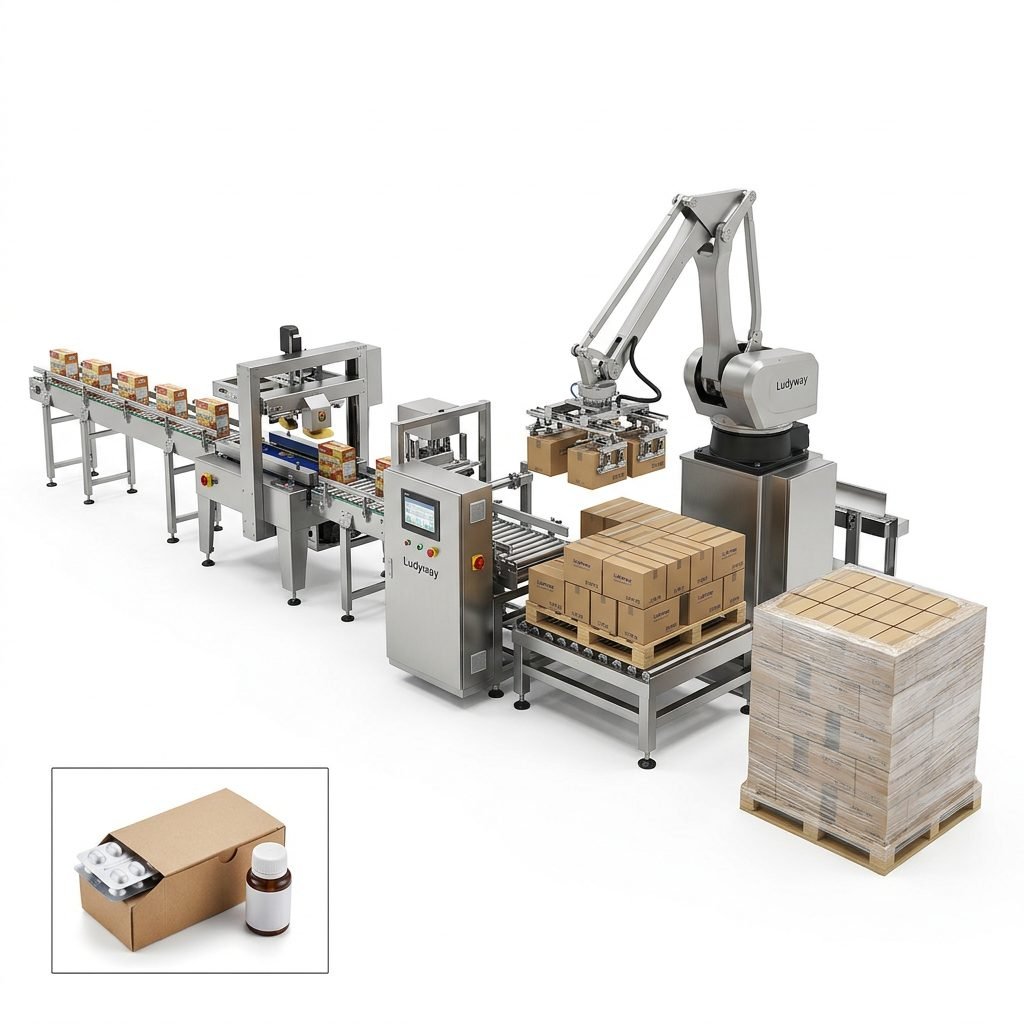
- Labor Dependency: A fully automatic case packer and palletizer removes the bottleneck of manual labor, compensating for a higher upfront price.

Selecting the Right Packaging Configuration
The 2025 State of the Industry report by PMMI emphasizes the market’s shift toward portion-controlled snacking. For makhana, this means demand is growing for both family-size gusseted bags and single-serve stick packs. Your makhana packing machine should be modular enough to switch between these formats with minimal changeover time. Multi-lane sachet solutions are ideal for high-volume single-serve production, while a versatile VFFS machine is better suited for varying bag sizes.
Integration with Upstream and Downstream Equipment
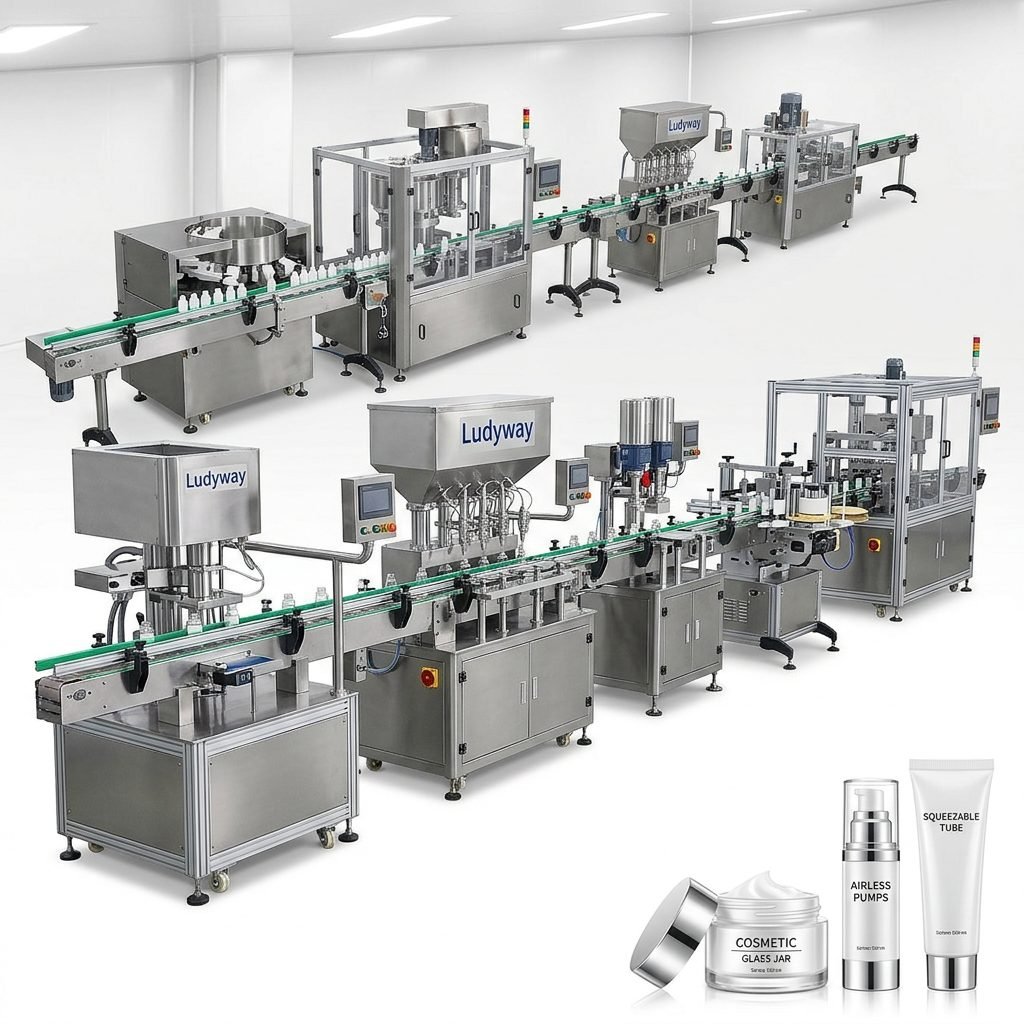
A standalone machine often creates a “starvation” or “accumulation” bottleneck. The right partner will design a complete packaging line, integrating roasters, seasoning tumblers, conveyors, and cartoning machines. This ensures that the fragile makhana kernels move smoothly from the fryer to the retail carton without manual handling, which often causes breakage.
Final Verdict on Your Makhana Packaging Investment
Choosing a makhana packing machine requires a delicate balance of speed and gentleness. Prioritize multi-head weighing technology, servo-driven film transport, and robust gas flushing systems. Always validate the machine with your specific film laminate and production environment. By partnering with an experienced manufacturer that offers comprehensive after-sales support and has the engineering backbone to customize lines, you mitigate the risk of operational downtime and product loss. Invest in a solution that aligns with EU packaging regulations and your future growth trajectory to secure a competitive advantage in the booming healthy snack market.